When Nature Falls… Literally
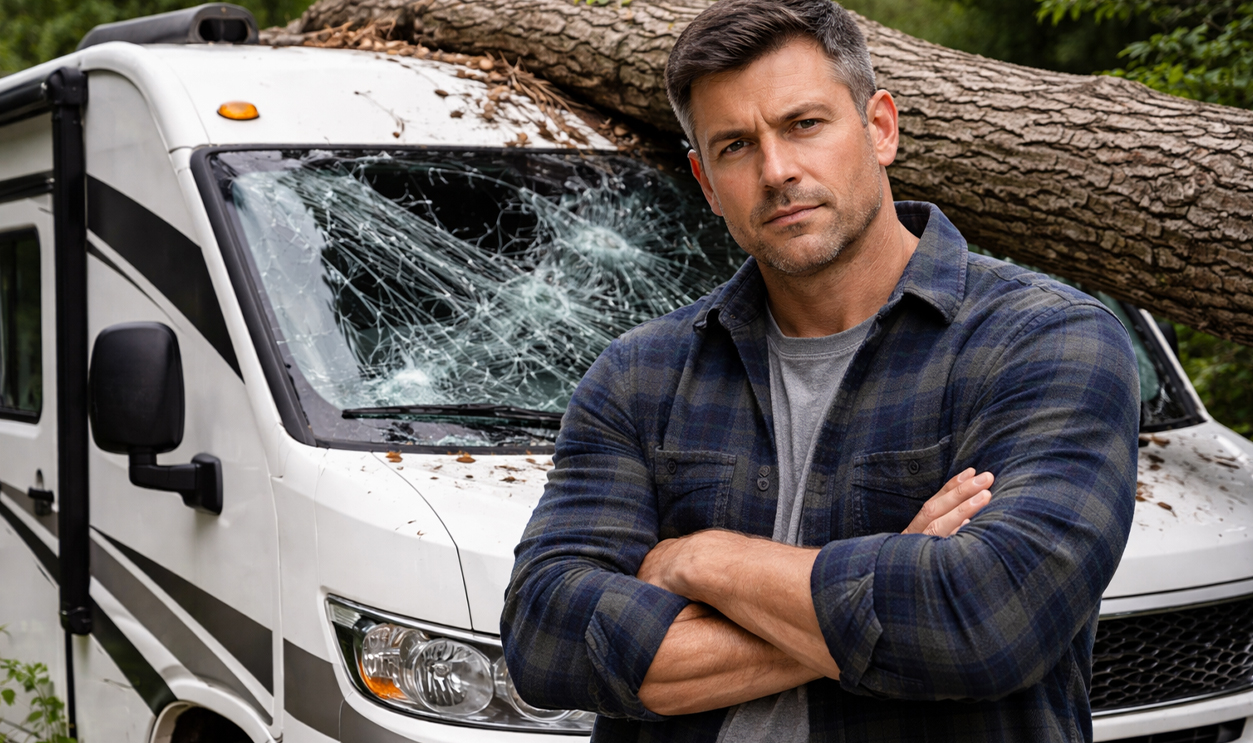
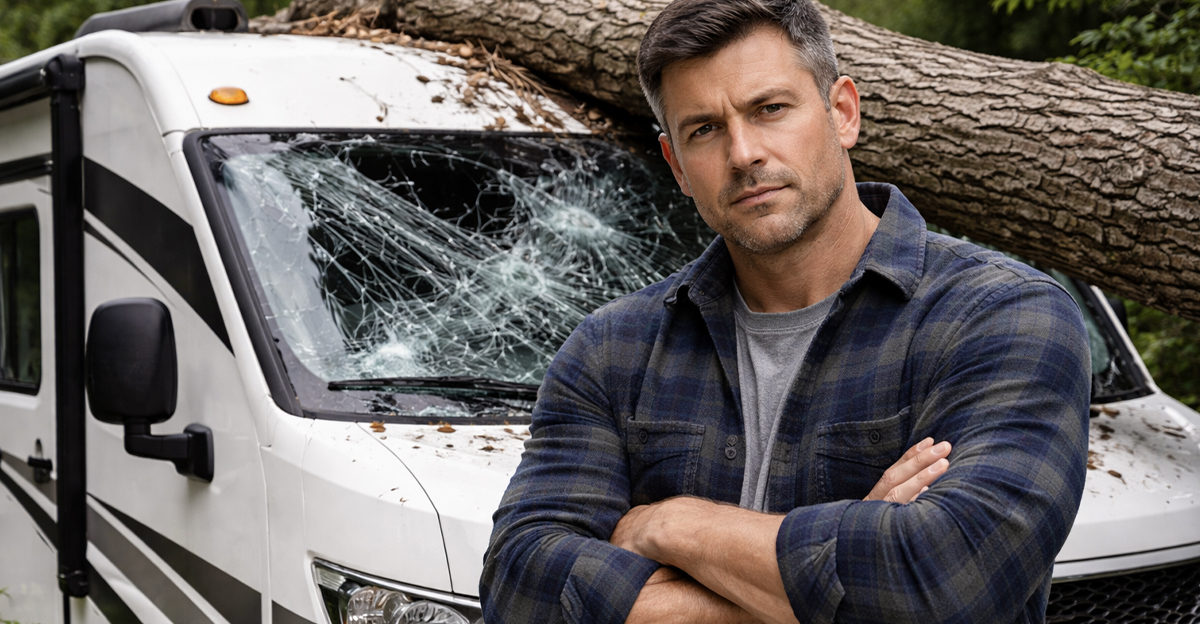
It’s the kind of accident no one expects. One minute you’re relaxing at your campsite, the next a fallen tree has damaged your RV. When campground management says it’s not their problem, it can feel like a dead end, but whether they’re right depends on a few important details.
Understanding Who’s Responsible In General
In most cases, campgrounds are not automatically responsible for damage caused by natural events like falling trees. The law usually looks at whether the damage was caused by negligence, not just bad luck. If a tree falls due to a storm, high winds, or something unpredictable, it’s often considered an “act of nature.” That usually means the campground is not liable. But that’s not the whole story.
What Counts As An “Act Of Nature”?
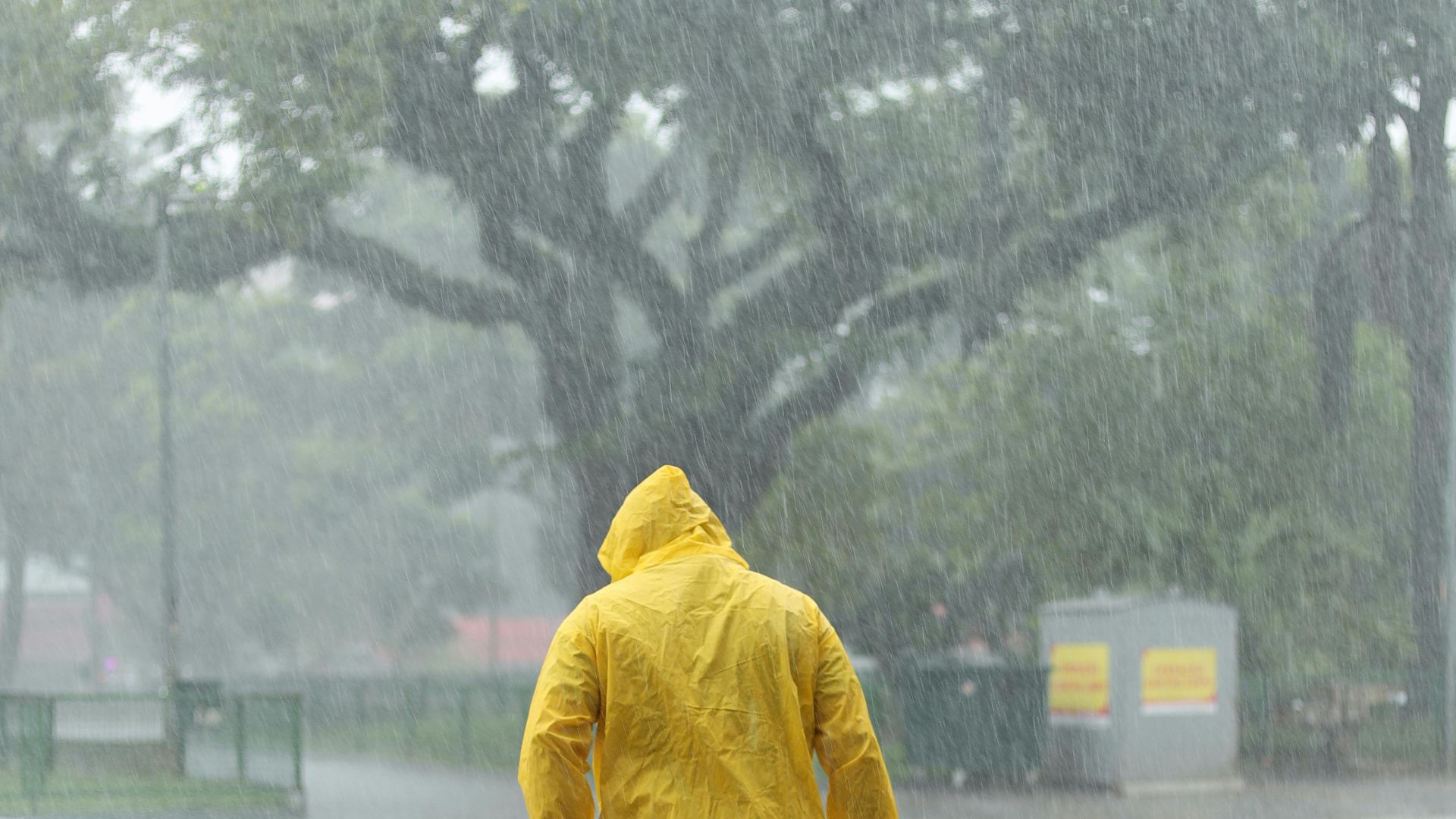
An act of nature refers to events that are sudden, unavoidable, and not caused by human action. Think severe storms, lightning strikes, or unexpected tree collapse. If the tree that hit your RV fell during a windstorm or heavy rain and showed no obvious signs of being unsafe beforehand, the campground likely has a strong argument that they’re not responsible. In that case, your insurance is usually your primary protection.
When A Campground Might Be Responsible
Here’s where things shift. A campground can be held responsible if they were negligent. That means they failed to take reasonable steps to keep the property safe. If a tree was clearly dead or rotting, had visible cracks or a dangerous lean, had been the subject of prior complaints, or was ignored despite obvious risks, the campground may be liable. The key question is whether they knew or should have known the tree posed a danger.
The Importance Of “Reasonable Care”
Campgrounds are expected to exercise what’s called reasonable care, which means they don’t have to guarantee absolute safety but they do need to maintain their property responsibly. In practical terms, this usually involves conducting periodic inspections, removing dead or hazardous trees, and addressing obvious risks before they become problems. If those basic steps were skipped or ignored, it can strengthen your argument that negligence was involved.
What Your Campsite Agreement Might Say
Many campgrounds include liability waivers in their registration forms or posted rules, often stating they are not responsible for damage to vehicles, including RVs. However, these waivers are not always absolute. In many cases, a business cannot waive liability for its own negligence, so even if you signed something, it may not fully protect them if they failed to maintain the property properly. That said, these agreements can still complicate the situation.

Your RV Insurance Is Likely Key
If you have RV insurance, this is where it becomes extremely important. Comprehensive coverage typically includes damage from falling objects, including trees, which means your insurer may cover repairs regardless of who is at fault. After paying your claim, your insurance company may attempt to recover the costs from the campground if negligence is suspected, a process known as subrogation.

Document Everything Immediately
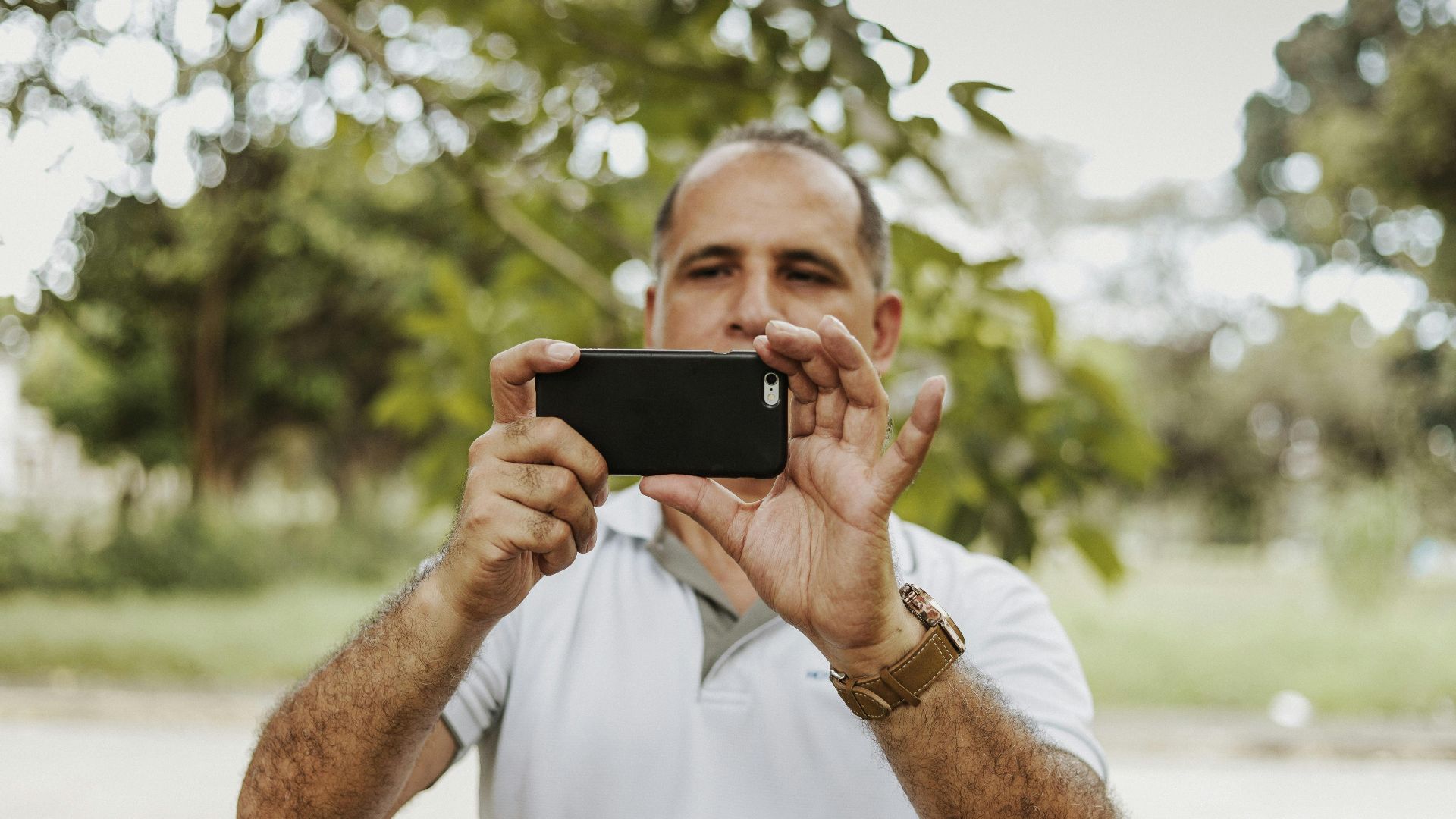
If this happens to you, your first step should be documenting everything as thoroughly as possible, including taking clear photos of the fallen tree, the damage to your RV, the surrounding area, and any visible signs that the tree may have been unhealthy or unstable. You should also make note of the weather conditions at the time, since that detail can play a major role in determining responsibility later.
Talk To Campground Management (Calmly)
Even if they initially deny responsibility, it’s still worth having a calm and documented conversation with management. Ask when the last tree inspection was done, whether there were any prior concerns about the tree, and if they keep maintenance or incident records. Try to get names, dates, and any statements in writing if possible, since these details can become important later.

Look For Warning Signs After The Fact
After the incident, take a closer look at the tree itself to see if there are signs that it may have been unsafe before it fell, such as internal rot, hollow sections, fungus growth, or a large number of dead branches. These kinds of indicators can help support a claim that the tree posed an obvious risk that should have been addressed.
Witnesses Can Strengthen Your Case
If other campers or staff noticed that the tree looked unsafe before it fell, their statements can be incredibly helpful. Even informal comments suggesting the tree looked questionable can help establish that the risk was visible. If possible, collect contact information from anyone willing to share what they observed.
Weather Matters More Than You Think
One of the biggest factors in these cases is the weather at the time of the incident. If there was a major storm, high winds, or extreme conditions, the campground will likely have a stronger defense. On the other hand, if the weather was relatively calm and the tree still fell, it raises more questions about whether the tree was properly maintained.
Filing A Claim Against The Campground
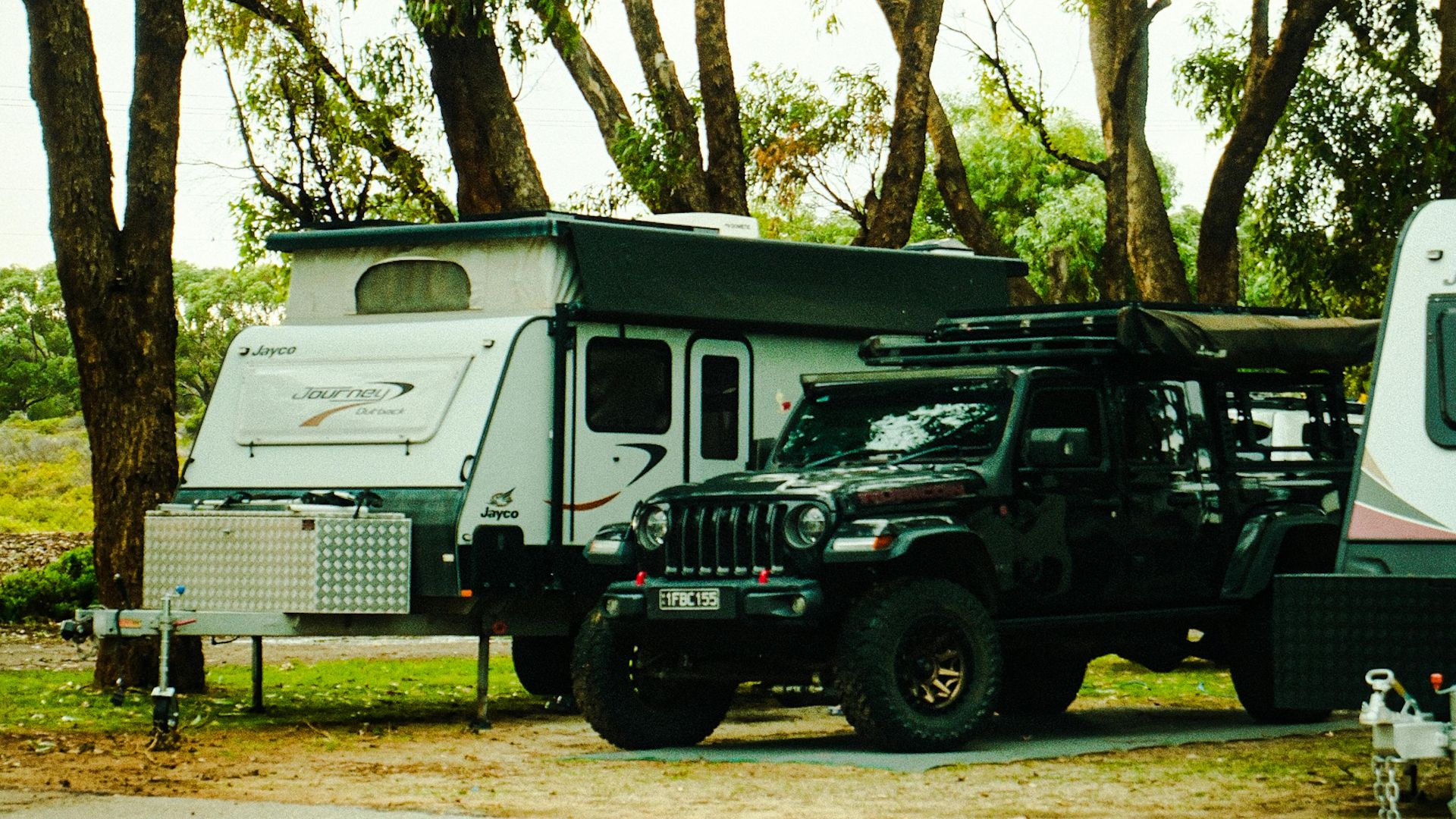
If you believe negligence played a role, you can file a claim with the campground or their insurance provider by submitting evidence, providing repair estimates, and clearly explaining why you believe they were at fault. It’s important to be prepared for some resistance, since these claims are often disputed and may take time to resolve.

Small Claims Court Is An Option
If the cost of the damage falls within your local small claims court limit, you may be able to pursue the matter yourself without hiring a lawyer, especially if you have solid evidence and the campground is unwilling to cooperate. This route can be a practical and cost-effective way to seek compensation, but you will need to follow the procedures specific to your province or state.
When It’s Worth Talking To A Lawyer
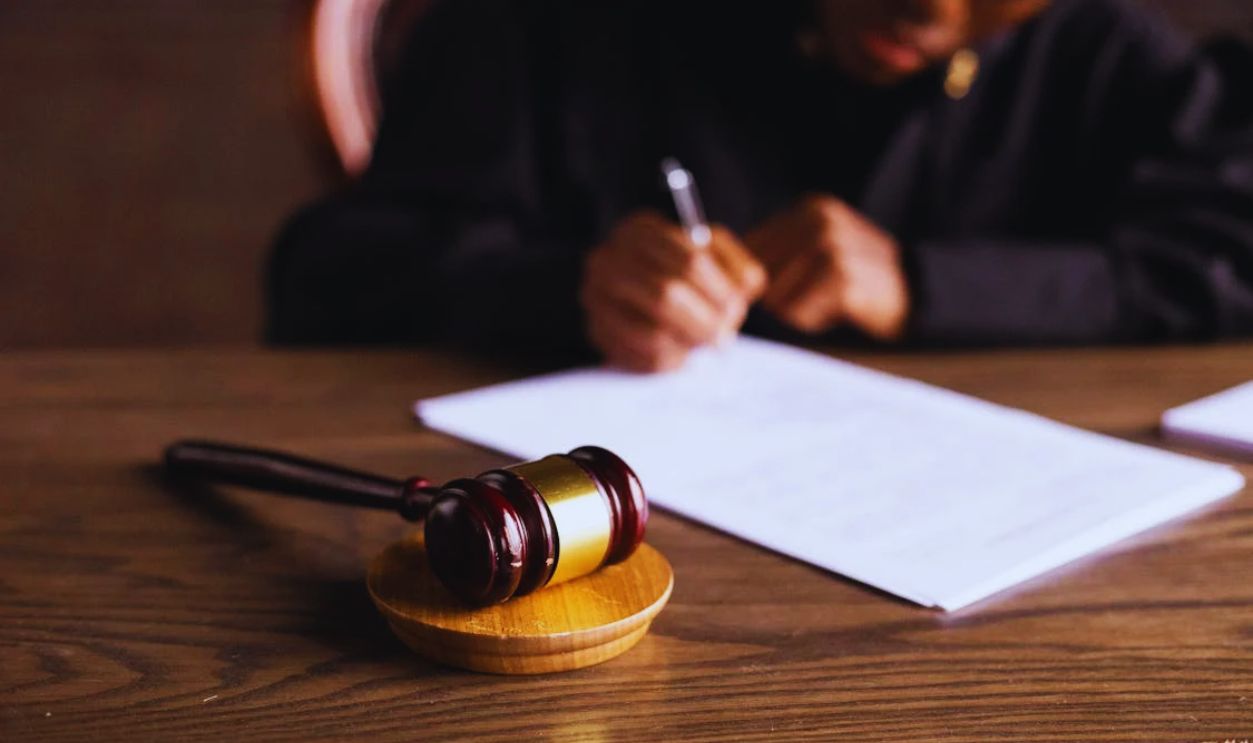
If the damage is significant or the situation becomes complicated, it may be worth consulting a lawyer who can evaluate whether negligence is likely, assess the strength of your evidence, and explain how any liability waivers might affect your case. Even a brief consultation can provide valuable clarity on your options moving forward.
Preventing This Situation In The Future
While you can’t eliminate all risk, you can reduce the chances of this happening again by choosing your campsite carefully and paying attention to the condition of nearby trees, looking for signs like full healthy foliage, stable trunks, and the absence of visible cracks or leaning. It’s also wise to avoid parking directly under large or questionable trees whenever possible.
Ask Questions Before You Set Up
It might feel a bit awkward, but asking a few simple questions before settling in can make a difference. Asking whether the campground regularly inspects trees or if there have been any recent issues with falling branches can give you insight into how seriously they take maintenance and safety.

Check Your Insurance Coverage Now
Before you ever run into a situation like this, it’s a good idea to review your RV insurance policy to confirm that you have comprehensive coverage, understand your deductible, and know about any exclusions related to natural events. Having that clarity ahead of time can save you a lot of stress if something unexpected happens.

The Bottom Line On Responsibility
So, are campground owners right when they say they’re not responsible? Sometimes, yes. If the tree fell due to an unpredictable natural event and there were no warning signs, they likely are not liable. But if the tree was clearly unsafe and they failed to act, responsibility may fall on them.

It’s Not Always Black And White
These situations often fall into a gray area where multiple factors come into play, including the condition of the tree, the weather at the time, the campground’s maintenance practices, and any agreements you signed. Because of this, determining responsibility often depends heavily on the specific details and evidence available.
Take A Practical Approach
At the end of the day, your fastest path to getting back on the road is often through your insurance. Even if you plan to pursue the campground, starting with your insurer can help you get repairs handled quickly while the question of liability is sorted out in the background.
You May Also Like: