When Drama Meets Your Paint Job
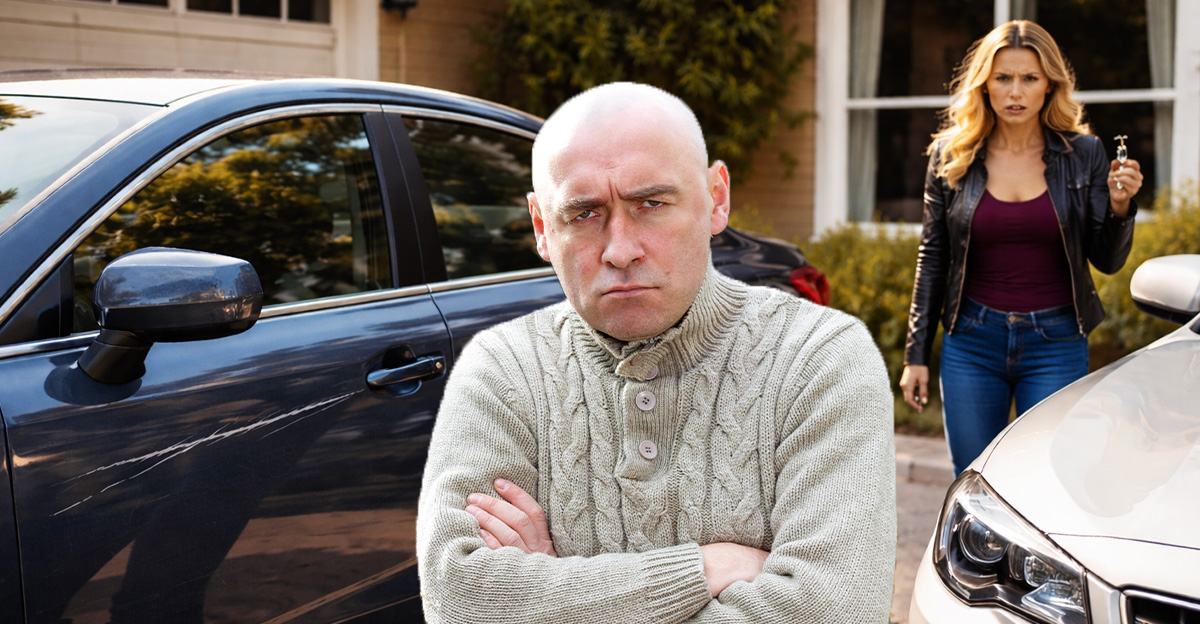
You walk outside with your coffee, ready to start the day, and there it is: a jagged, angry line carved into the side of your car. The neighbor’s driveway still echoes with last night’s shouting match, and rumor has it his ex-girlfriend didn’t exactly leave in a calm, collected mood. Suddenly you’re staring at a repair bill and wondering a very reasonable question: who exactly is responsible for this mess? When someone damages your car during a heated breakup, figuring out who you can actually sue can get surprisingly complicated. Let’s break down the legal road map.
First Things First: What Exactly Happened?
Before anyone talks about lawsuits, it’s important to understand the facts. Did you actually see the neighbor’s ex key the car, or is it a strong suspicion based on timing and circumstances? Maybe there’s a witness, security footage, or a conveniently placed doorbell camera. The difference between suspicion and evidence is huge when it comes to legal claims. Courts don’t run on neighborhood gossip—they run on proof.
Keying A Car Is More Than Just Petty Revenge
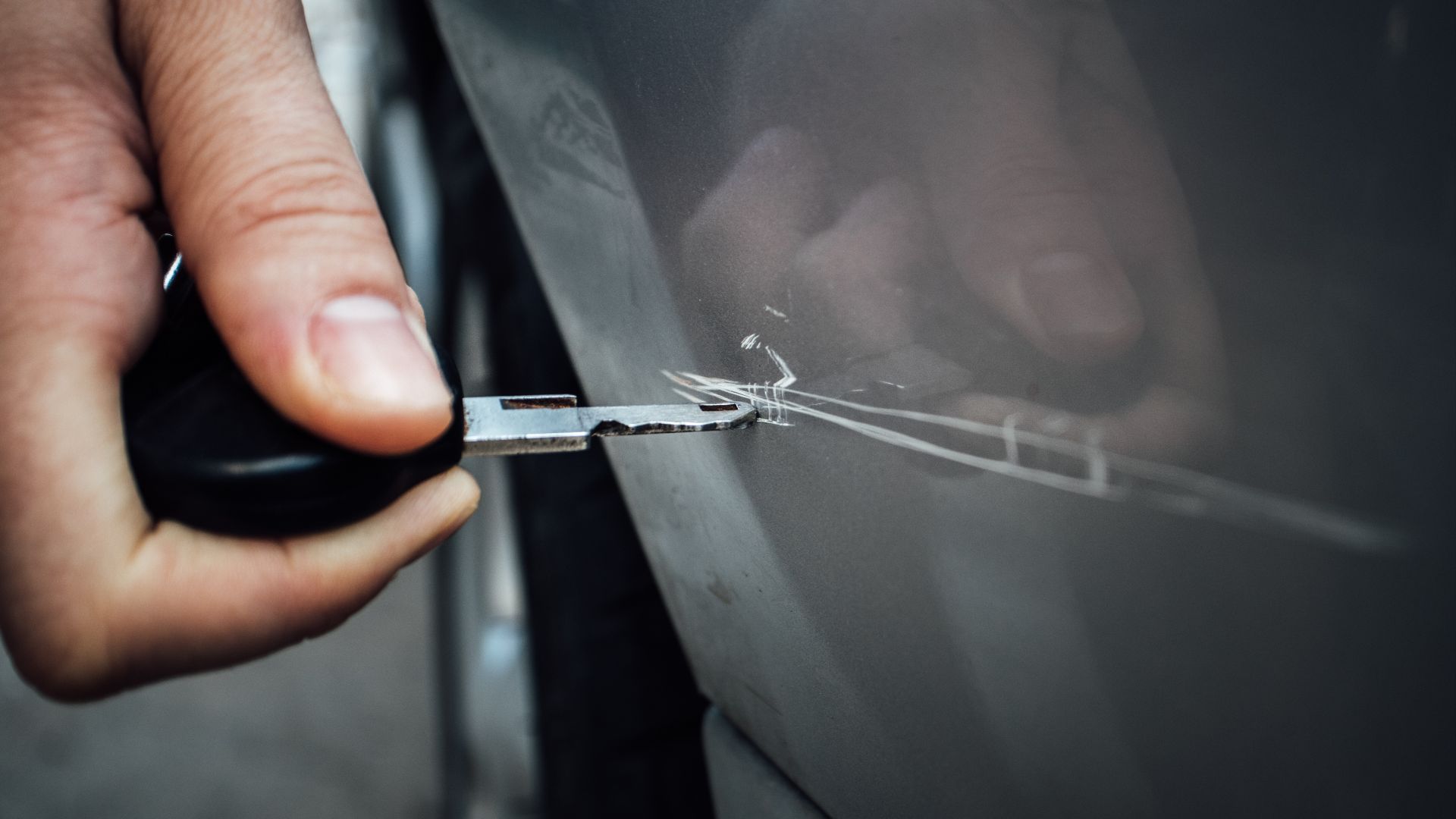
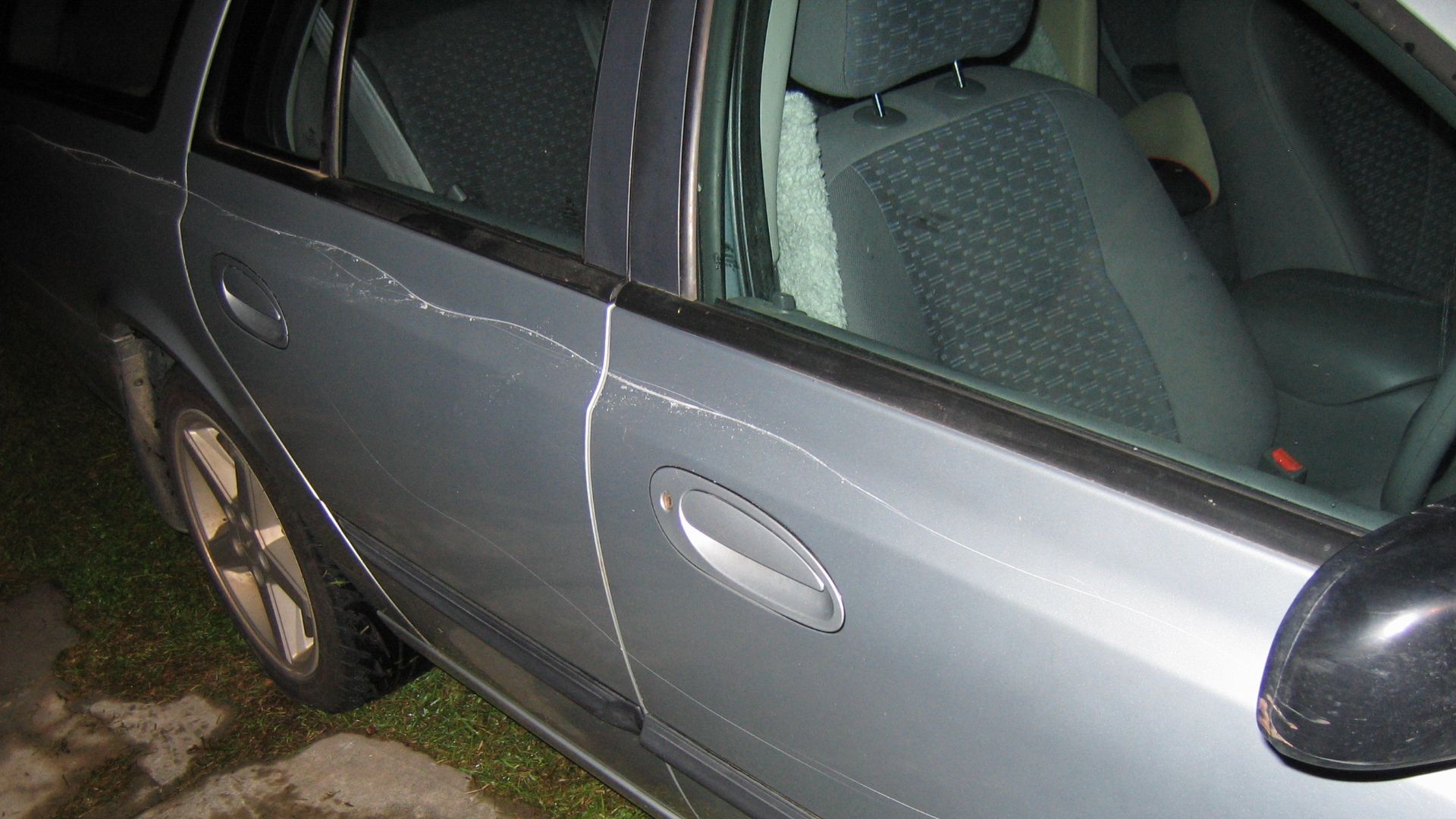
Keying someone’s car isn’t just rude—it’s legally considered property damage. In many places, it can fall under vandalism or criminal mischief. That means the act itself may trigger both criminal consequences and civil liability. In other words, the person who did the scratching could face criminal charges and still be required to pay you for the damage.
The Person Who Did The Damage Is Usually Responsible
In most cases, the person who actually keyed the car is the one legally responsible for paying the repair bill. If your neighbor’s ex-girlfriend did it, she would typically be the one you could sue for damages. The law generally holds people accountable for their own intentional actions, especially when those actions damage someone else’s property.
 Athol Mullen, Wikimedia Commons
But What If You Didn’t See It Happen?
Things get trickier if you didn’t witness the incident yourself. Without direct evidence, your claim may rely on circumstantial proof—things like timing, witness statements, or camera footage. If the case ever ends up in small claims court, a judge will decide whether the available evidence makes it more likely than not that she caused the damage.

Why Evidence Is Your Best Friend
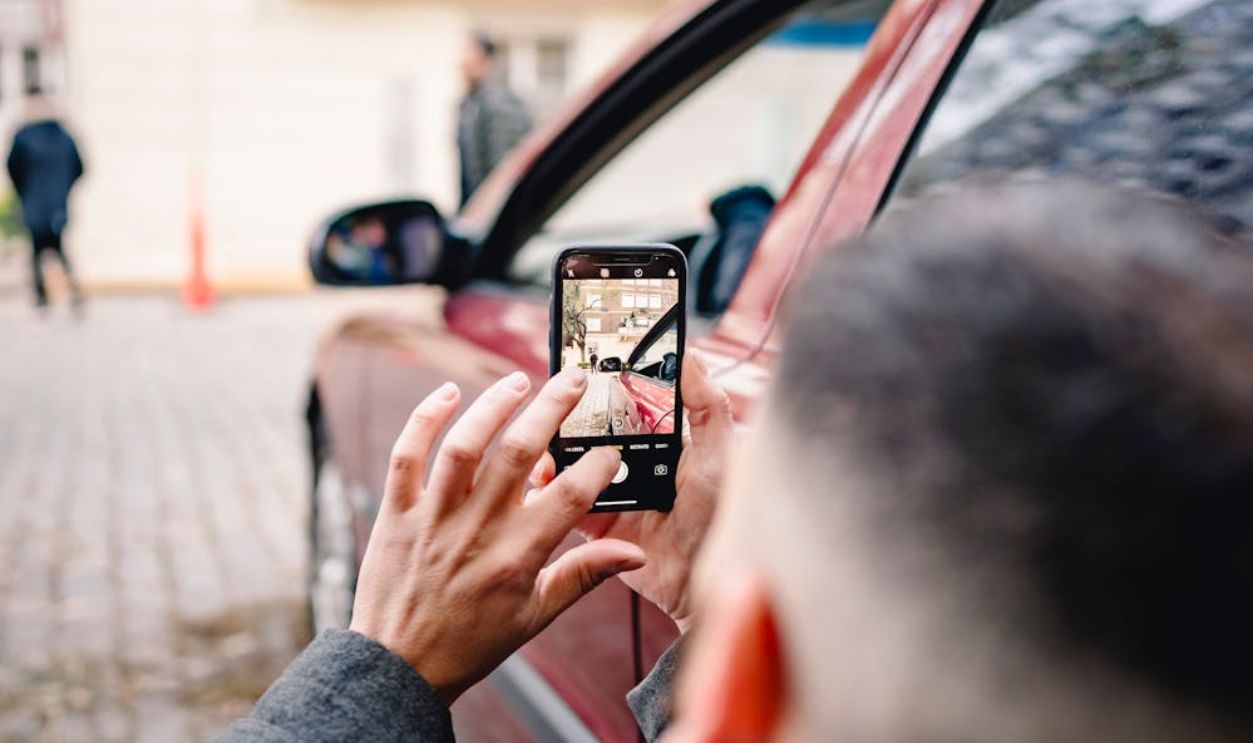
If you discover a keyed car, document everything immediately. Take photos of the scratches, the surrounding area, and any objects that might be relevant. If your neighborhood has security cameras or smart doorbells, ask around to see if anyone caught the incident on video. The stronger your evidence, the easier it is to prove who caused the damage.
Police Reports Can Help Your Case
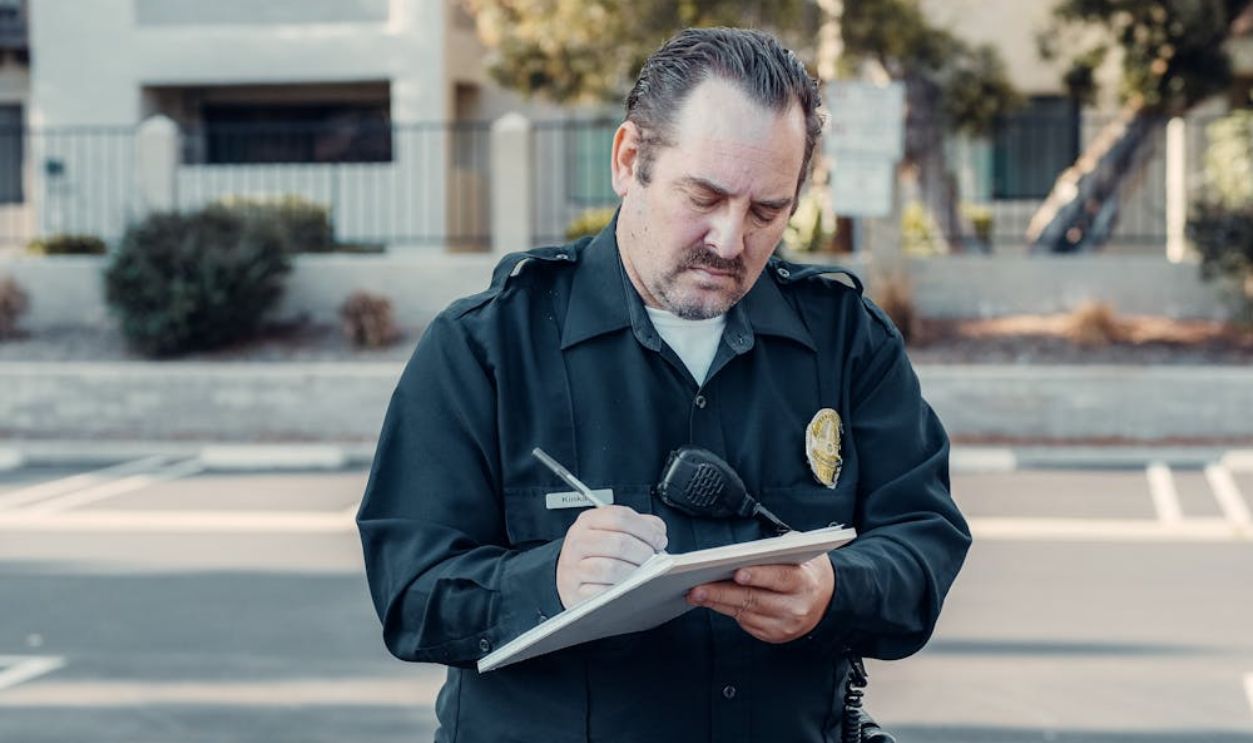
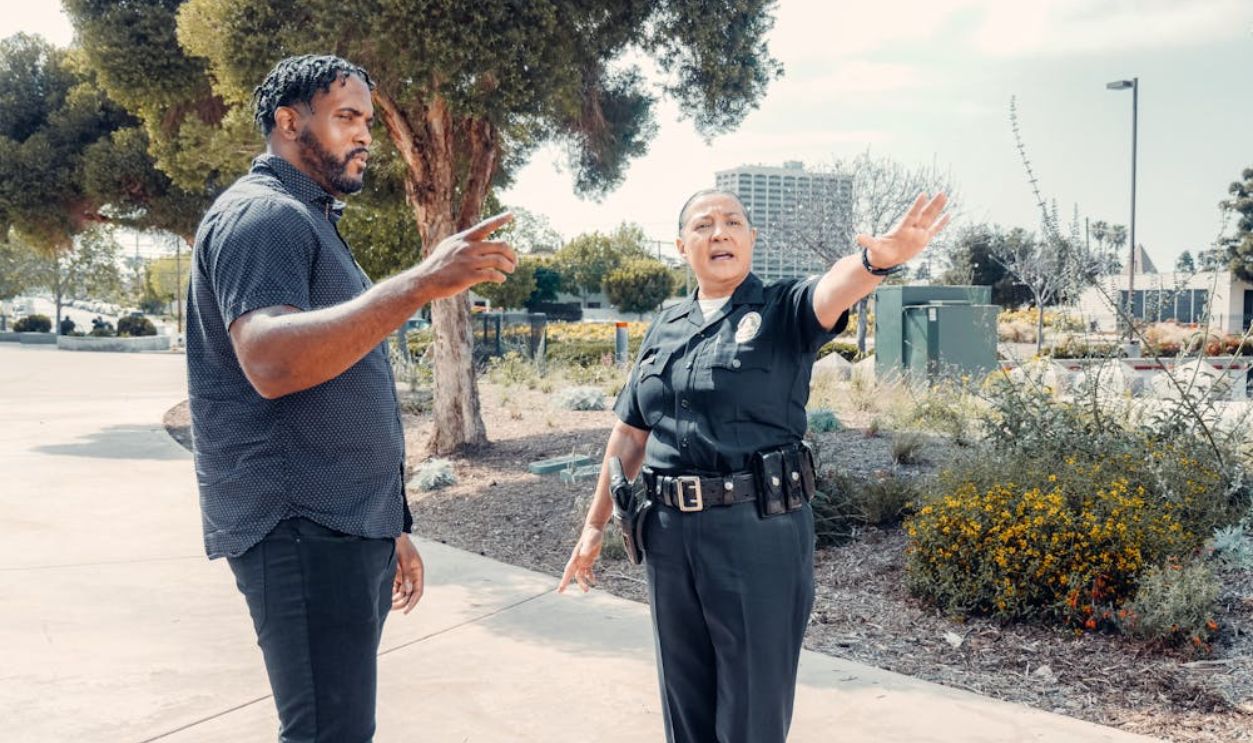
Even if you’re mainly concerned about getting your repair costs covered, filing a police report is often a smart move. A report creates an official record of the vandalism and may lead to an investigation. If law enforcement identifies the responsible person, that documentation can strengthen your claim if you later decide to pursue compensation.
Can You Sue The Neighbor Instead?
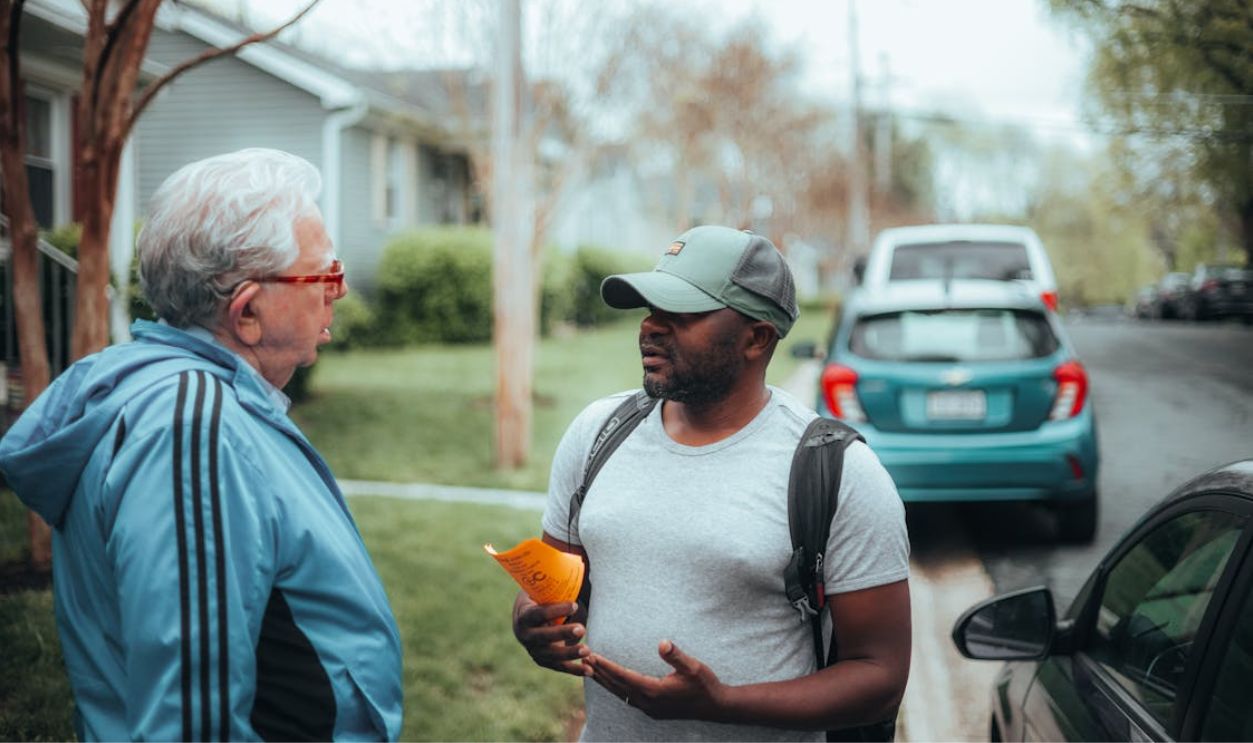
Your first instinct might be to hold your neighbor responsible, especially since the chaos originated from his relationship drama. But legally, that’s usually a tough argument. Unless your neighbor directed, encouraged, or helped with the vandalism, he typically isn’t liable for what his ex chose to do on her own.

The Limits Of “Guilt By Association”
Just because someone’s ex did something destructive during a breakup doesn’t automatically make the former partner responsible. Courts usually require a clear legal connection before holding someone liable for another person’s actions. Being the unfortunate center of someone else’s romantic meltdown generally isn’t enough.
When The Neighbor Might Share Responsibility
There are rare situations where the neighbor could be partly responsible. For example, if he explicitly told his ex to damage your car, helped her do it, or knowingly allowed it to happen on property under his control, liability might extend beyond just the person holding the key. But those situations require clear proof.

What If The Damage Happened On His Property?
If your car was parked on your neighbor’s driveway when it was keyed, you might wonder whether that changes anything. In most cases, it doesn’t. Property owners aren’t automatically responsible for every action someone else takes on their land, especially when the act is intentional vandalism.

Small Claims Court: The Usual Route
If the repair cost isn’t astronomical, small claims court is often the simplest way to recover damages. These courts handle relatively minor disputes and typically don’t require lawyers. You present your evidence, explain the situation to a judge, and the court decides whether the person responsible owes you money.

How Much Can You Actually Recover?
Generally, you can seek compensation for the cost of repairing the damage. That might include repainting panels, buffing scratches, or other bodywork required to restore your vehicle. Some courts may also allow related costs, such as rental car fees while your vehicle is being repaired.
The Importance Of Repair Estimates
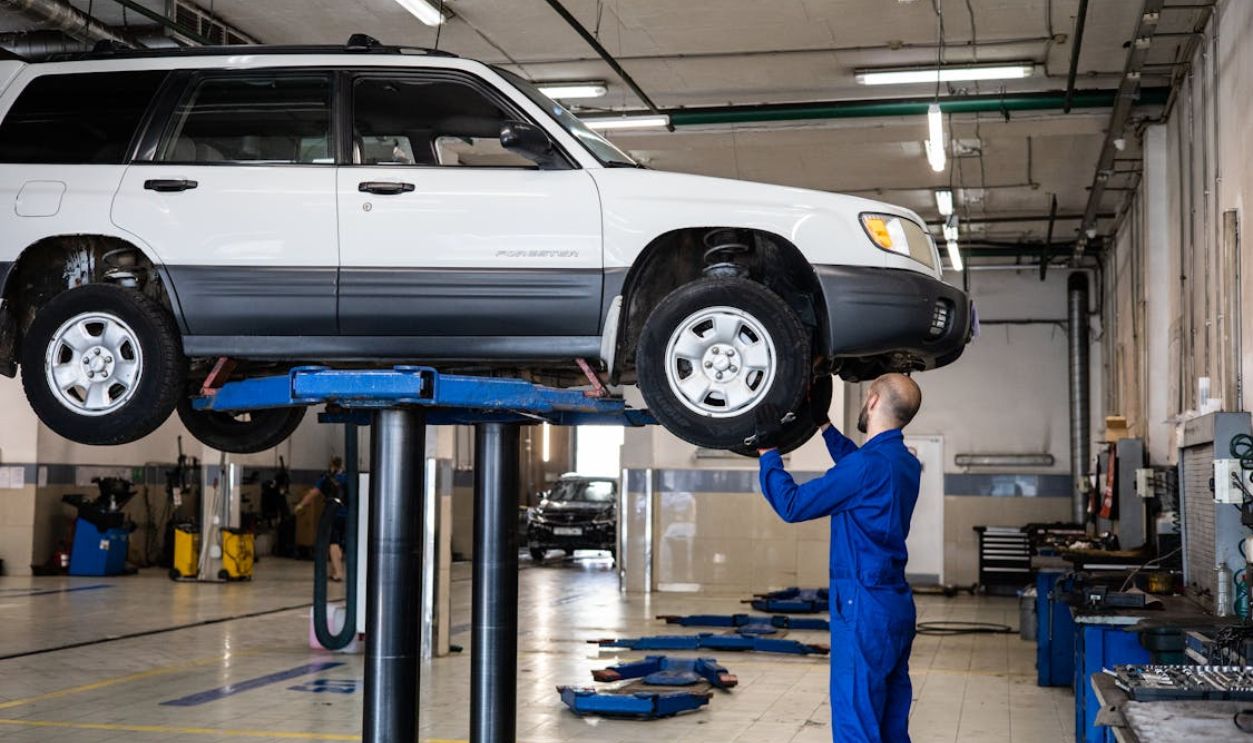
Before filing a claim, get one or more written estimates from reputable body shops. These estimates help establish the financial value of the damage and give the court a concrete number to work with. Judges appreciate documentation, and repair estimates make your claim look far more credible.
Insurance Might Cover It Too
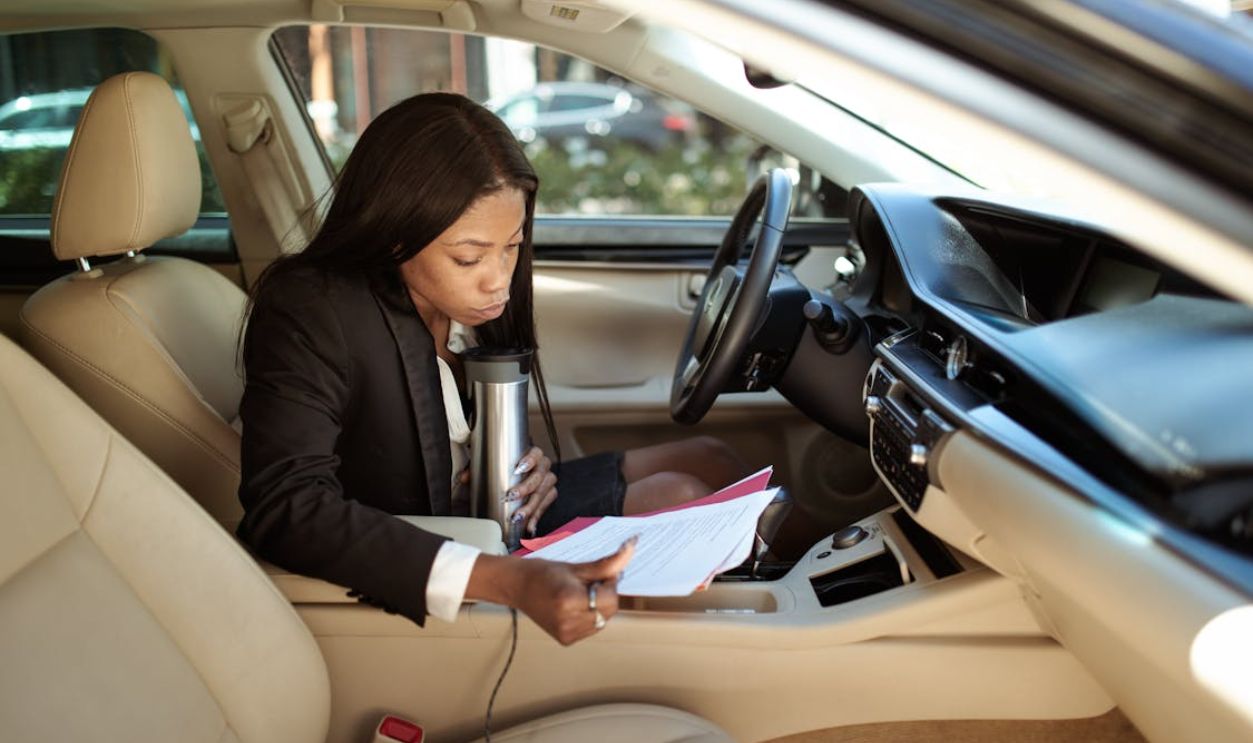
Before launching into legal action, check your own auto insurance policy. Comprehensive coverage often includes vandalism. If your policy applies, your insurer may pay for the repairs and then pursue reimbursement from the responsible person through a process called subrogation.

The Deductible Dilemma
Even if insurance covers the damage, you may still need to pay your deductible first. That’s why some people pursue the responsible party afterward—to recover the deductible amount. In some cases, insurers may also assist in that process if they believe another party is clearly responsible.

What If She Denies Everything?
A common hurdle in these situations is denial. The suspected person may simply claim they had nothing to do with it. That’s where evidence becomes critical again. Photos, videos, witness statements, or even text messages can make the difference between a successful claim and a frustrating dead end.

Witnesses Can Make Or Break A Case
If someone actually saw the act happen, their testimony can be extremely powerful. Neighbors, passersby, or security footage operators may all become key sources of information. Courts often rely heavily on credible witness statements when physical evidence alone isn’t conclusive.
Security Cameras Are Changing Everything
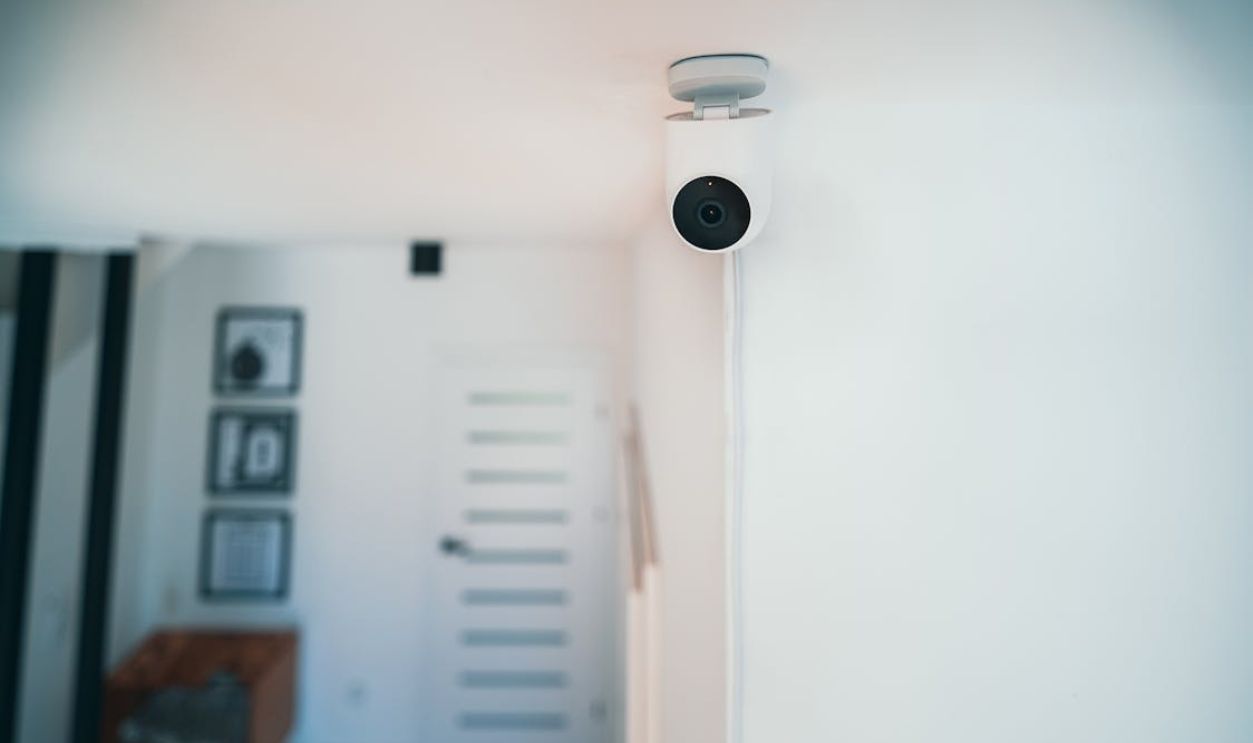
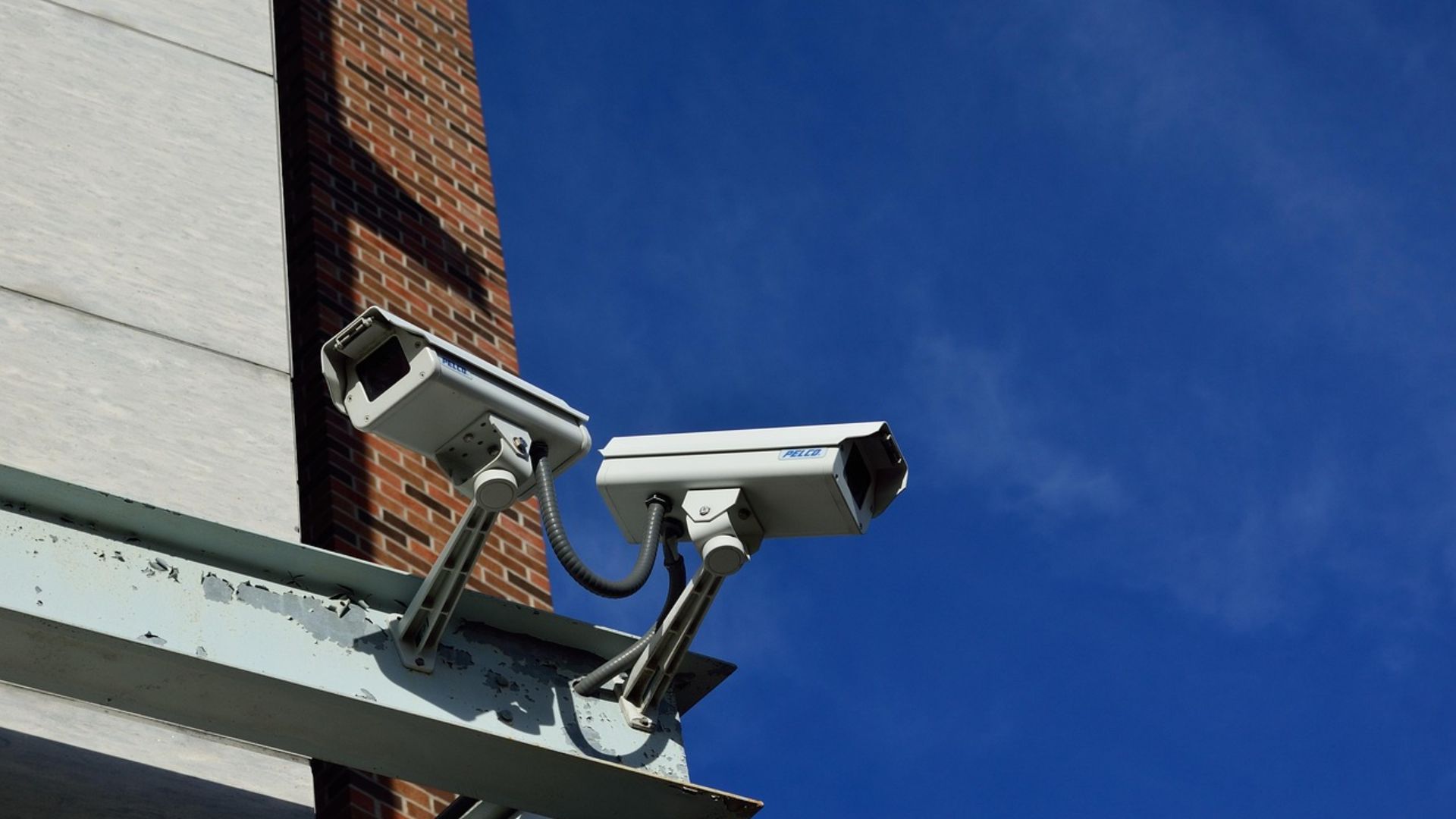
Modern neighborhoods are full of cameras—from doorbells to garage systems to street-facing surveillance. Many vandalism cases are now solved simply because someone’s camera caught the moment it happened. If you suspect a nearby camera might have seen the incident, ask quickly before footage is overwritten.
Timing Matters When Taking Action
If you plan to pursue compensation, don’t wait too long. Evidence can disappear, memories fade, and surveillance footage may be deleted. Acting promptly helps preserve the information needed to support your claim.

Confrontation Isn’t Always The Best Strategy
It might be tempting to march over and accuse the suspected culprit directly. While understandable, that approach can sometimes escalate tensions or complicate matters. It’s usually better to gather evidence, file a report if necessary, and let the legal process handle the dispute.

Mediation Is Sometimes An Option
Not every situation needs to end in court. If the responsible person admits what happened, mediation or informal agreements may resolve the matter quickly. A written agreement to pay repair costs can save everyone time, stress, and legal fees.

Breakups And Collateral Damage
Unfortunately, relationship conflicts sometimes spill over onto innocent bystanders. Cars parked nearby can become accidental targets during heated arguments. While the drama may not involve you directly, the legal system still offers ways to recover losses if someone damages your property.

Protecting Your Car In The Future
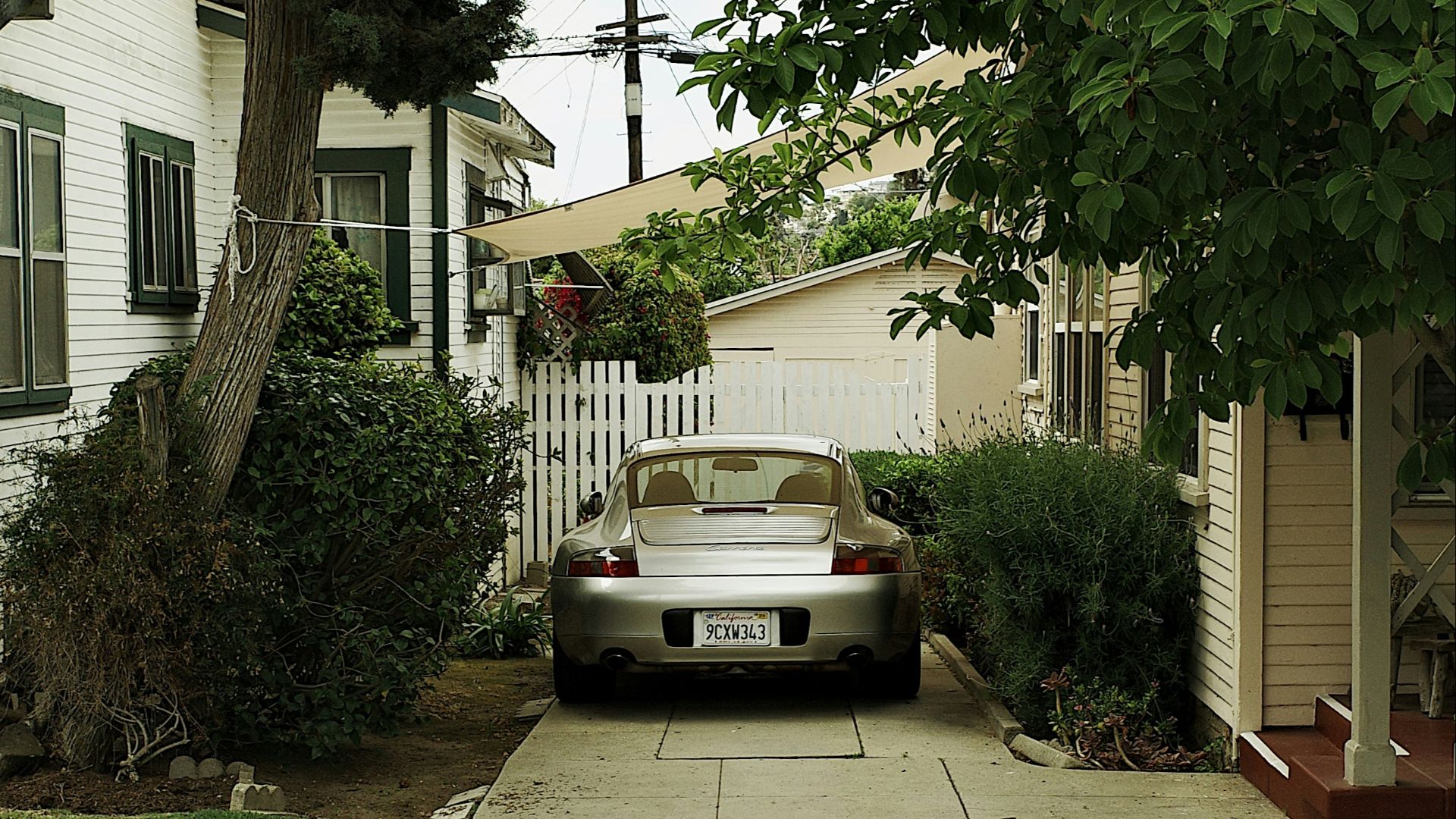
After dealing with a vandalism incident, many drivers start thinking about prevention. Parking in well-lit areas, installing home security cameras, or using motion-triggered recording systems can deter would-be vandals and provide crucial evidence if something happens again.
Documentation Is Always Your Shield
From the moment you notice damage, treat the situation like a mini investigation. Photos, timestamps, repair estimates, and official reports all help build a clear narrative of what happened. Good documentation turns a frustrating mystery into a solvable legal problem.

When Legal Advice May Be Worth It
If the damage is extensive or the situation becomes complicated, consulting a lawyer may help clarify your options. While small claims court works for many disputes, professional legal advice can be useful when liability is unclear or significant money is involved.

The Bottom Line On Who You Can Sue
At the end of the day, the law usually points toward the person who actually caused the damage. If your neighbor’s ex-girlfriend keyed your car, she’s typically the one responsible for paying the repair costs—not the neighbor, not the neighborhood, and certainly not you. With the right evidence and a bit of persistence, you can turn a frustrating scratch into a resolved claim and get your car—and your peace of mind—back to showroom condition.
You May Also Like:
You Don’t Need A Detailer To Get That Showroom Shine—Just Follow These Smart Cleaning Hacks