Pro-Level Tricks That Make Your Car Look Brand New
You don’t need a professional detailing bay or a $3,000 polish kit to make your car look like it just rolled off the showroom floor. What you do need is the right approach. The difference between a “quick wash” and a true showroom shine comes down to technique, tools, and a few insider tricks. These cleaning hacks will help you level up your detailing game and get that deep, glossy, professionally finished look.
Use The Two-Bucket Wash Method
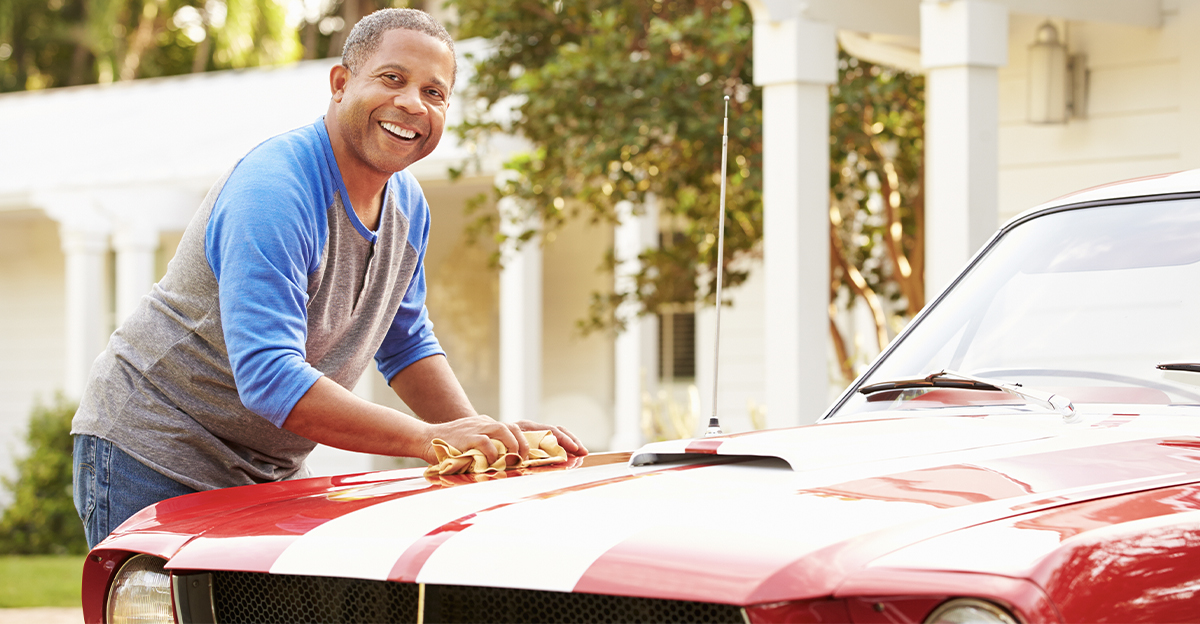
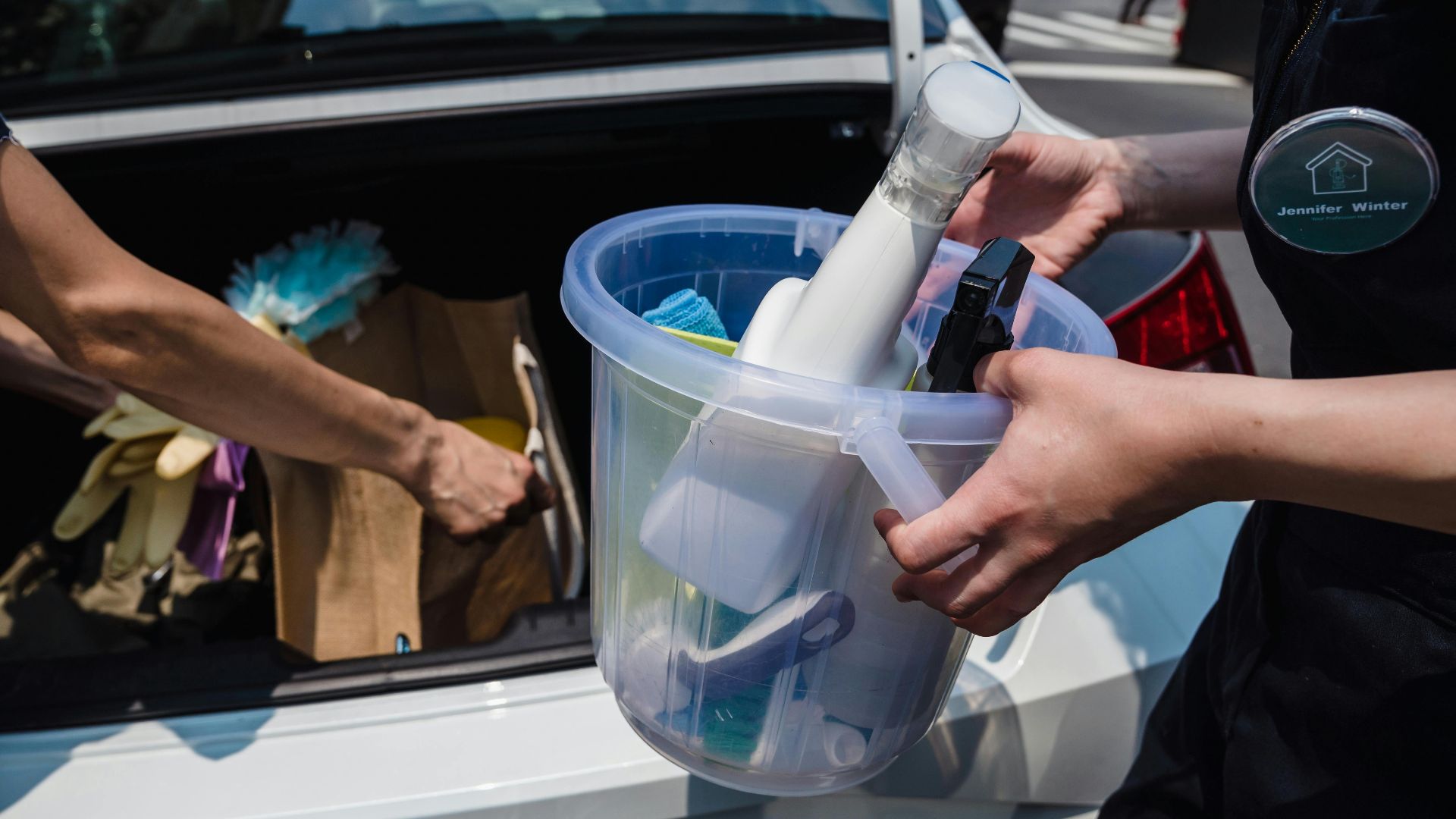
This is the golden rule of swirl-free washing. One bucket holds your soapy water, the other holds clean rinse water. After each pass on the paint, rinse your mitt in the clean bucket before going back to soap. It drastically reduces the chance of grinding dirt back into the paint. For even better results, add grit guards to the bottom of both buckets to trap debris below your mitt and keep contaminants away from the surface.
Wash From Top To Bottom
Always start at the roof and work downward. The dirtiest parts of the car are near the bottom, especially behind wheels and rocker panels. Washing top-down prevents dragging heavy grime across cleaner sections of paint. Break the vehicle into sections and rinse frequently so soap doesn’t dry on the surface, which can cause streaking or water spotting.
Use A Microfiber Wash Mitt (Not A Sponge)
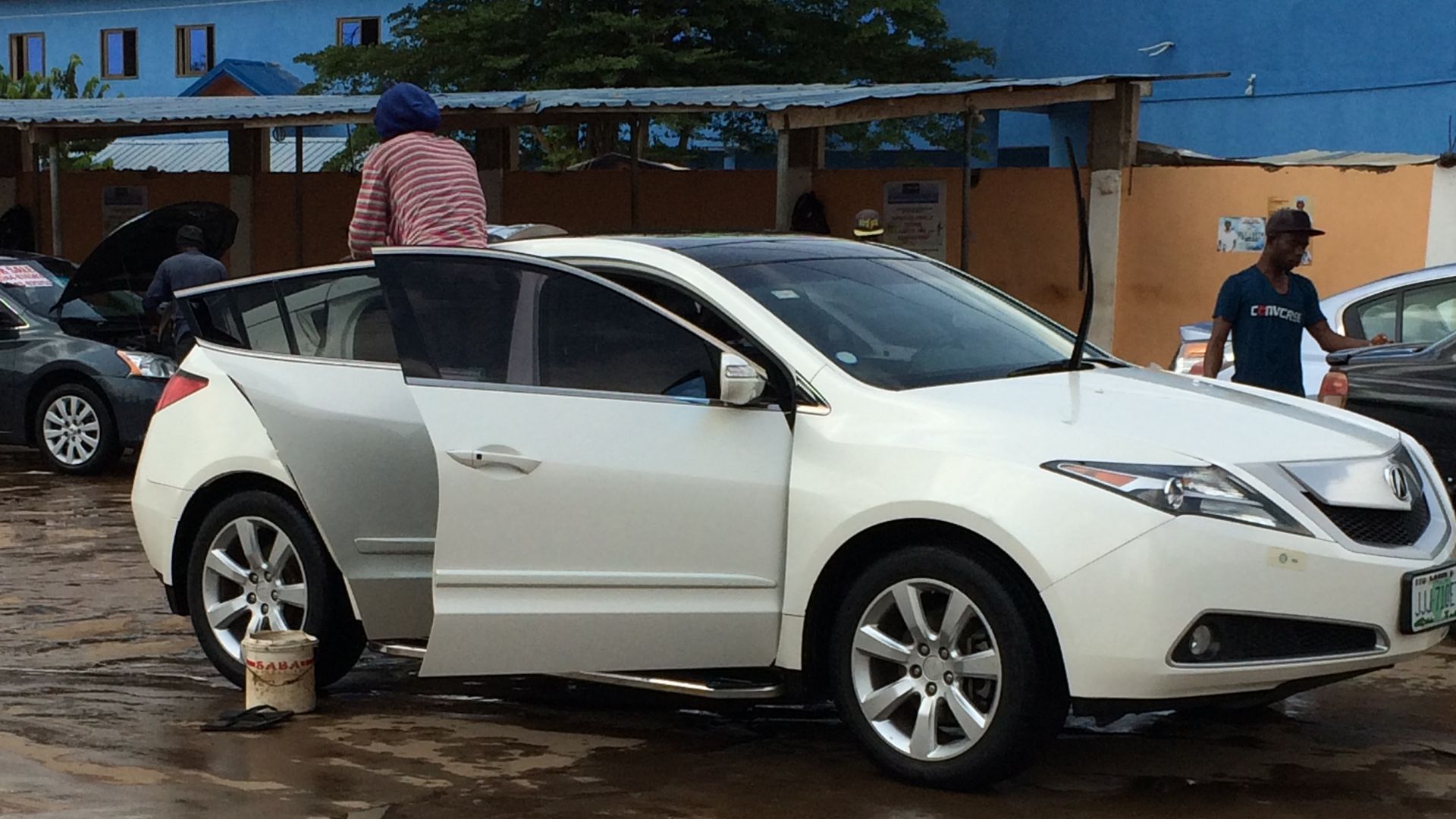
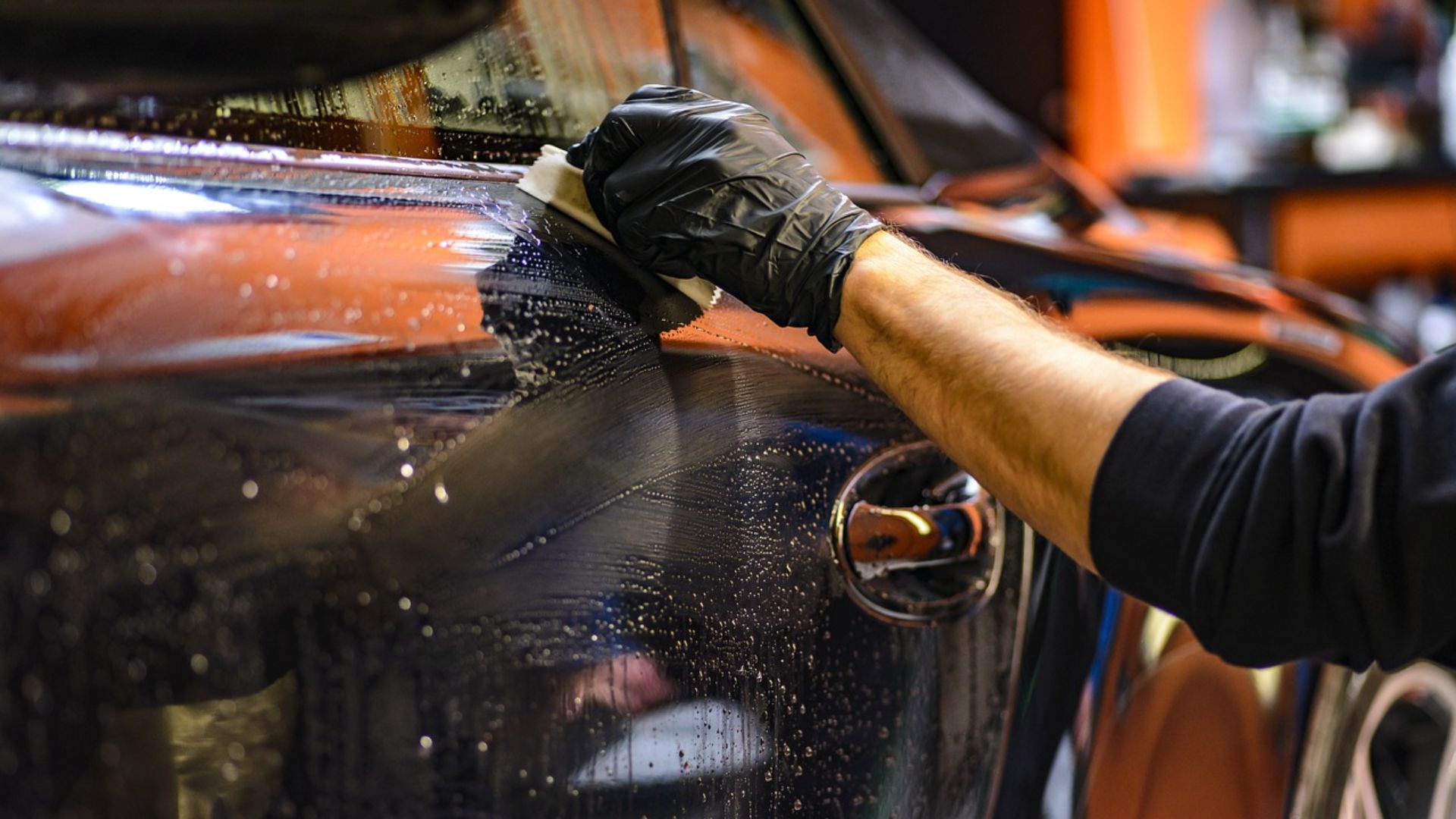
Sponges trap dirt on the surface and push it across your paint. A microfiber wash mitt pulls dirt away from the surface into its fibers, reducing swirl marks and scratches. Choose a high-quality mitt and rinse it thoroughly during the wash. Afterward, wash microfiber separately from regular laundry to maintain softness and performance.
 AZ Auto Detailing, Wikimedia Commons
Clean Wheels First
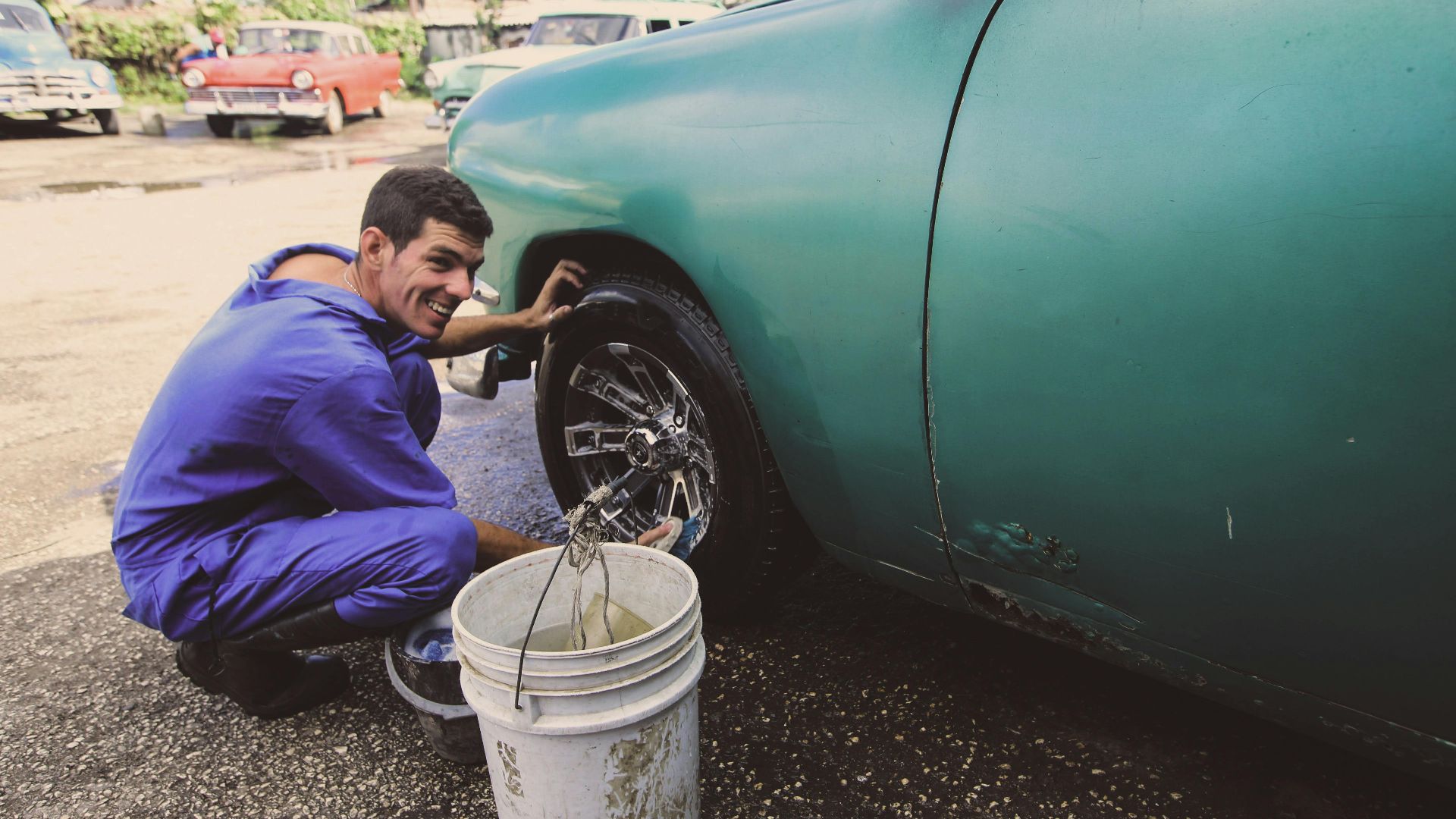
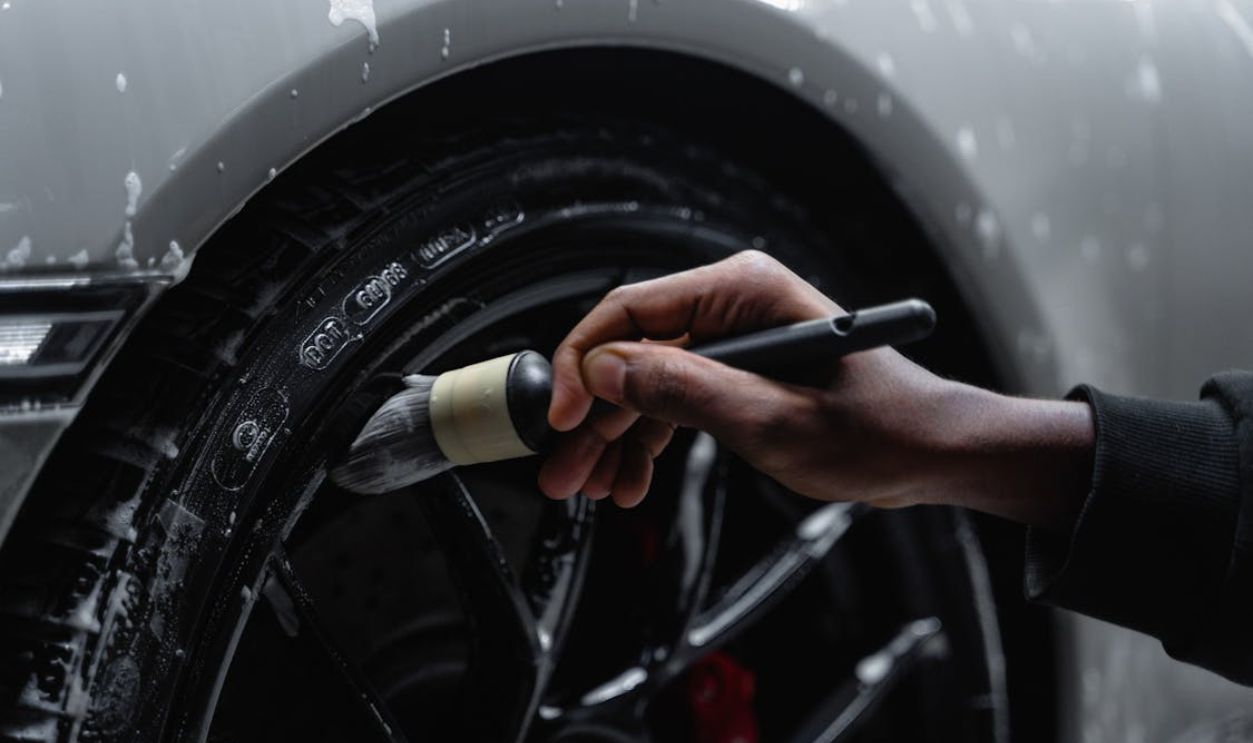
Brake dust is extremely abrasive and can permanently scratch clear coat if transferred to paint. Clean your wheels and tires before washing the rest of the car so you don’t accidentally spread grime. Use separate brushes for wheel faces, barrels, and lug areas. Rinse thoroughly to prevent chemical residue from staining finishes.
Use A Dedicated Wheel Cleaner
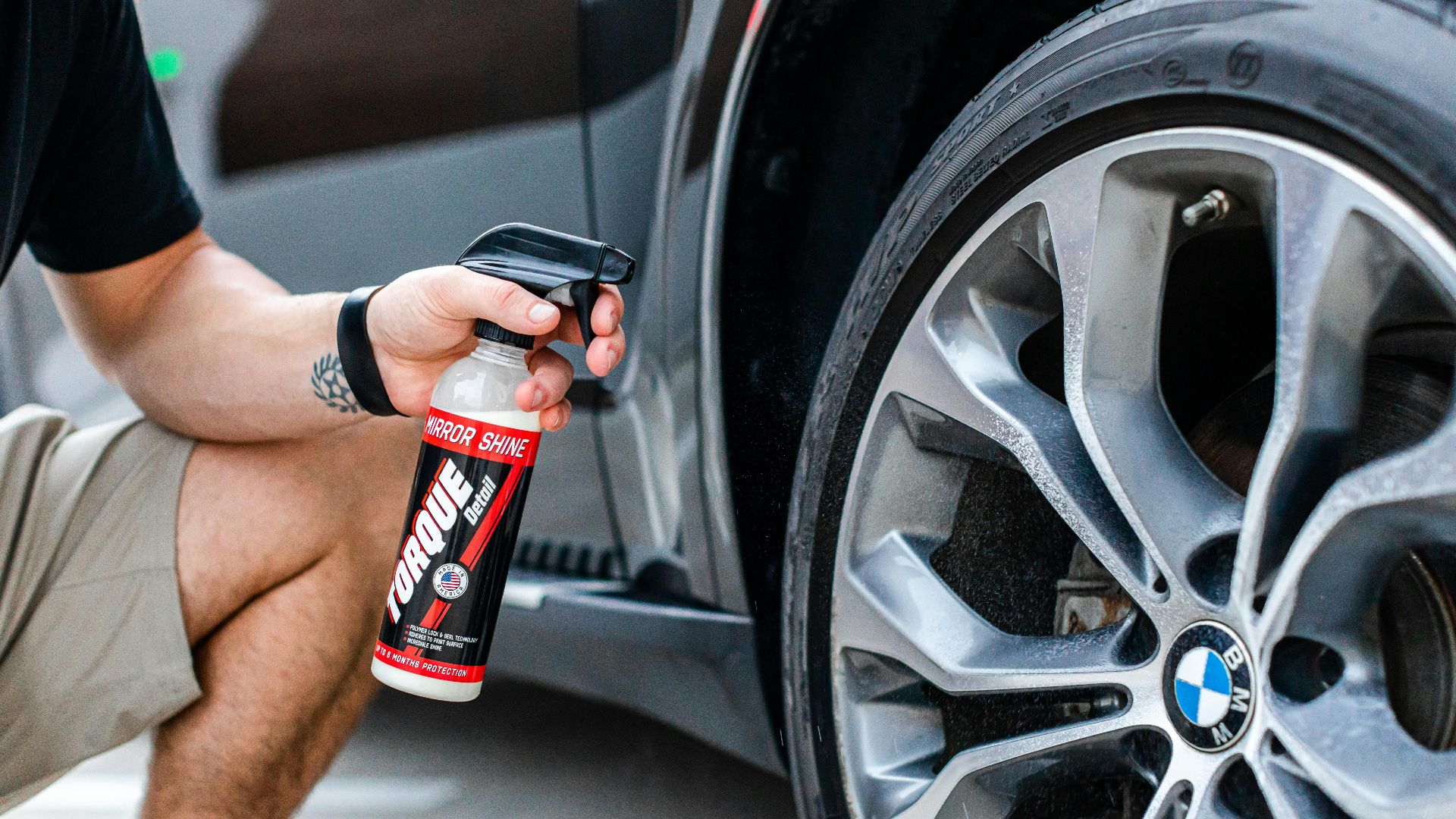
All-purpose cleaners can be harsh or ineffective. A pH-balanced wheel cleaner safely breaks down brake dust without damaging finishes, especially on alloy, chrome, or coated wheels. Allow the cleaner to dwell briefly, agitate with a brush, then rinse completely. Consistent wheel care prevents buildup that becomes difficult to remove later.
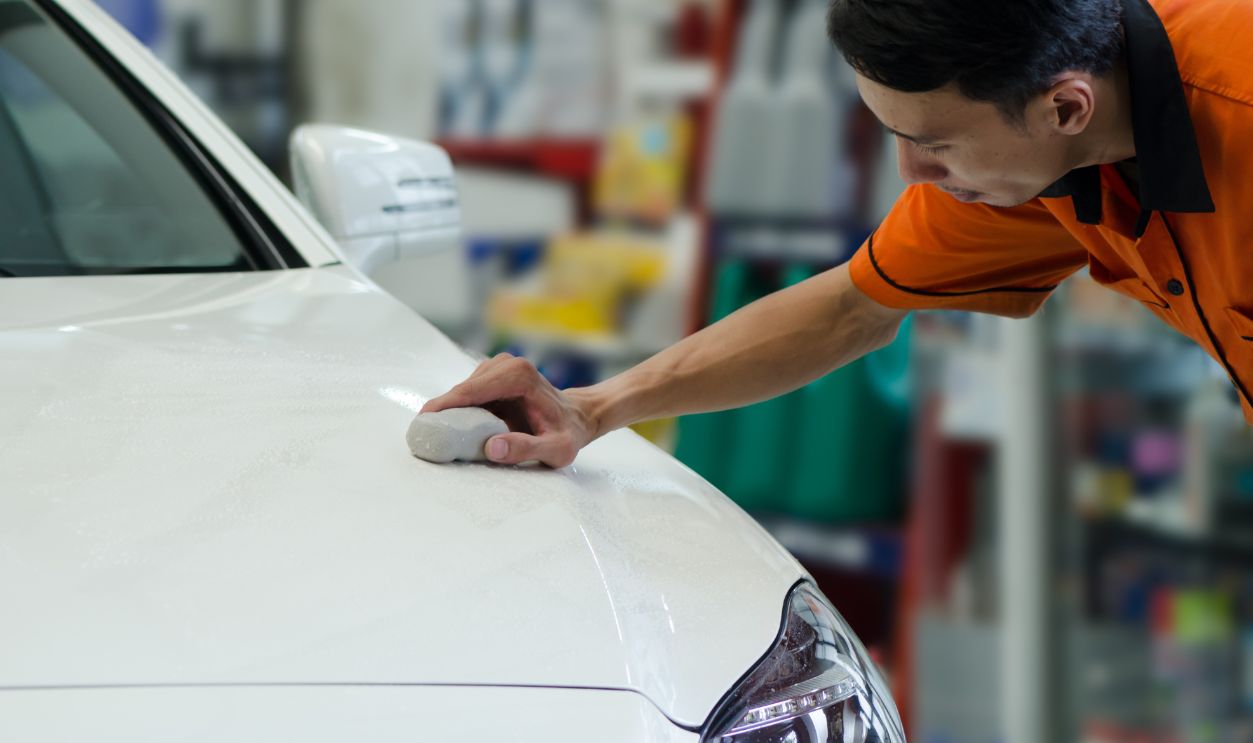
Clay Bar The Paint
If your paint feels rough after washing, contaminants are embedded in the clear coat. A clay bar removes bonded debris like tar, tree sap, and industrial fallout. Use plenty of lubricant and glide the clay gently over the surface. Once clayed, the paint will feel slick and ready for polishing or waxing, dramatically improving gloss.
Dry With A Microfiber Drying Towel Or Blower
Air-drying leaves water spots caused by minerals. Instead, use a large microfiber drying towel and lightly blot rather than drag. A leaf blower or dedicated car dryer is even better, especially for removing water from mirrors, grilles, and emblems where drips often hide.

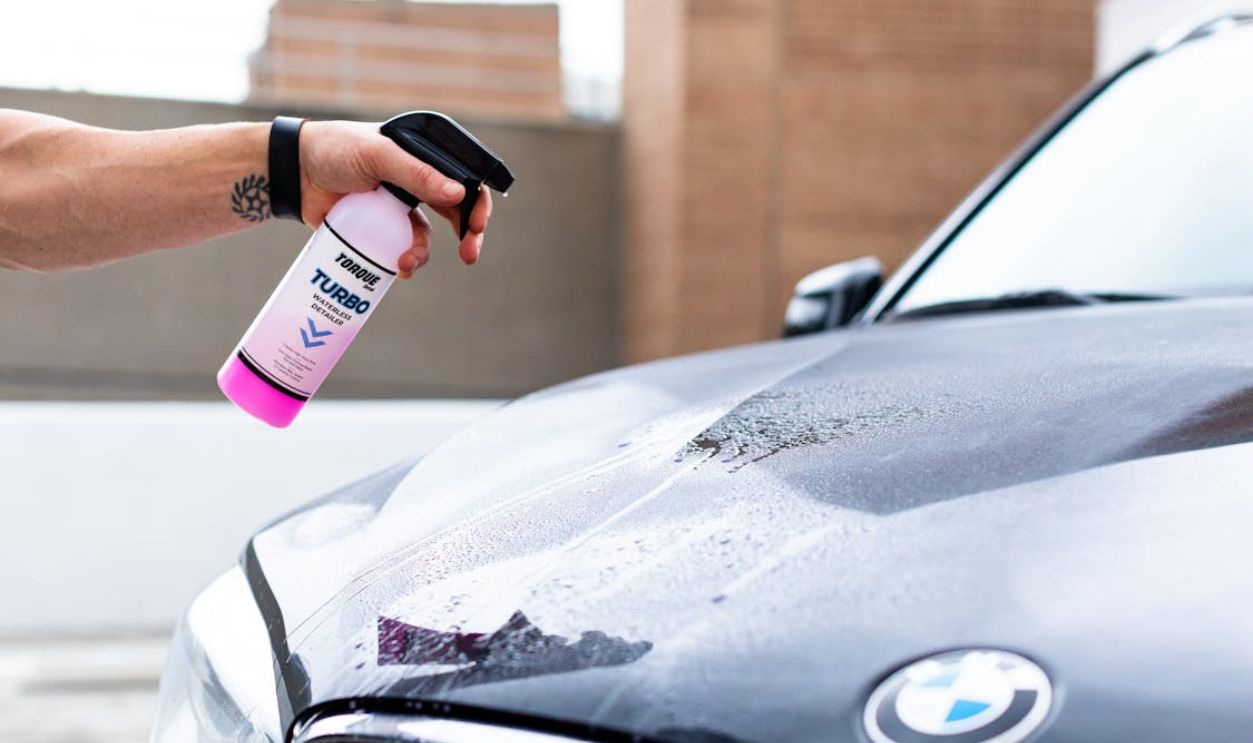
Use A Detail Spray As A Drying Aid
Lightly mist a quick detailer while drying. It adds lubrication to prevent micro-scratches and boosts gloss instantly. Drying aids also enhance hydrophobic properties, meaning water beads more effectively after your wash.
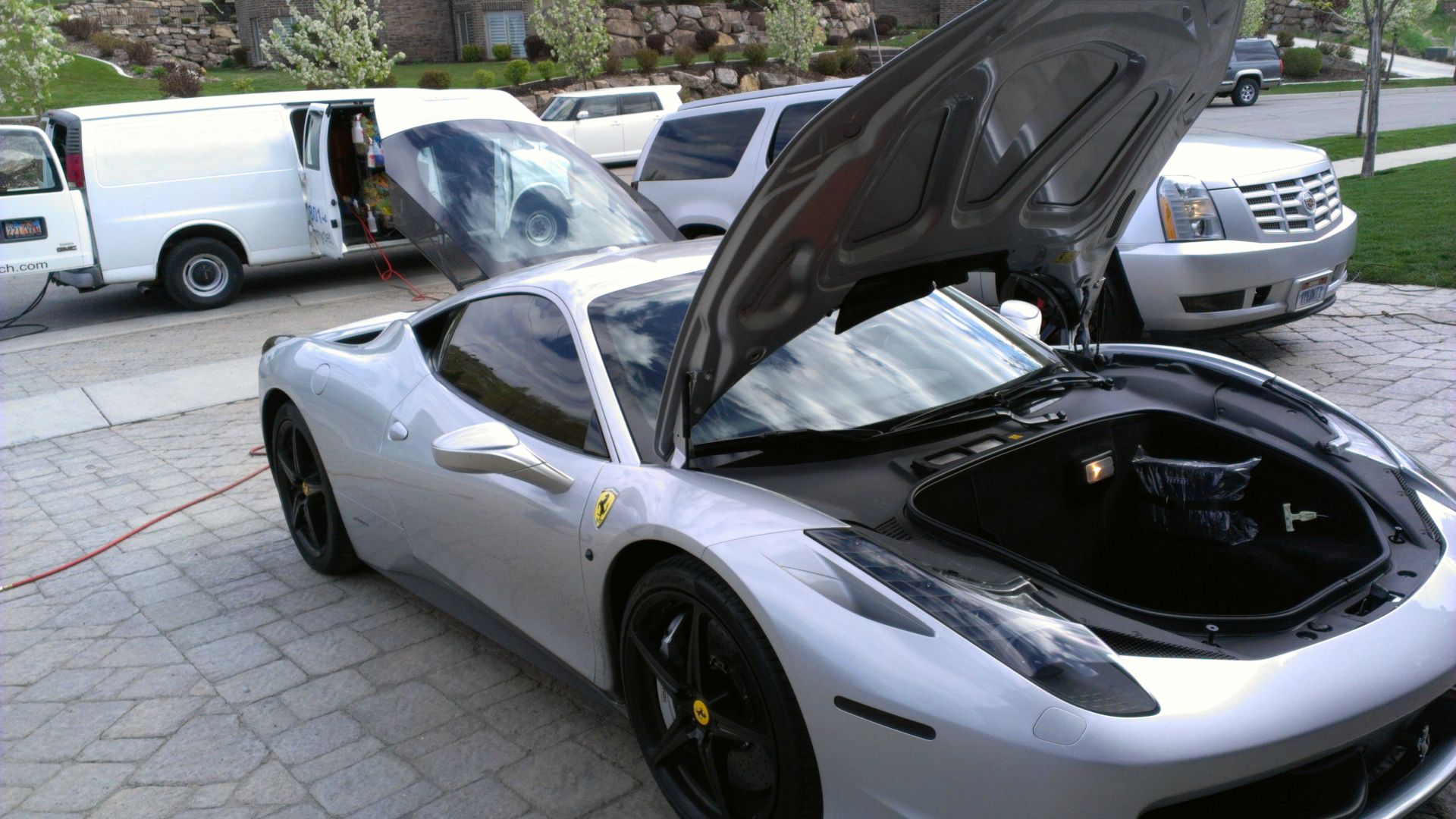
Clean Door Jambs And Trunk Seals
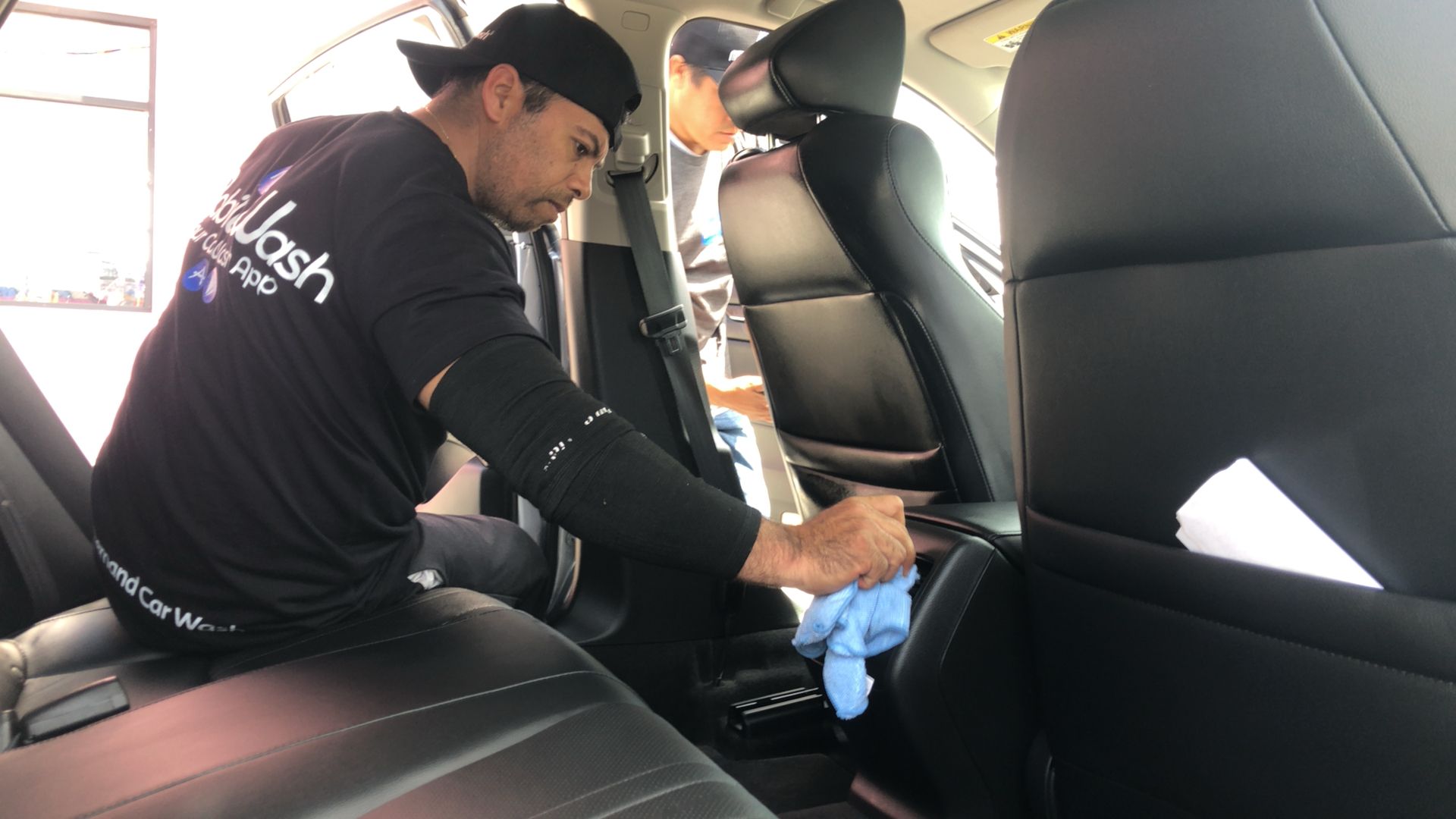
Showroom cars are spotless in the details. Wipe down door jambs, hinges, fuel filler areas, and trunk seals. These areas collect grease and grime but are easy to clean with an all-purpose cleaner and microfiber cloth. Clean jambs make the entire vehicle feel well maintained.
 Juanacosta84, Wikimedia Commons
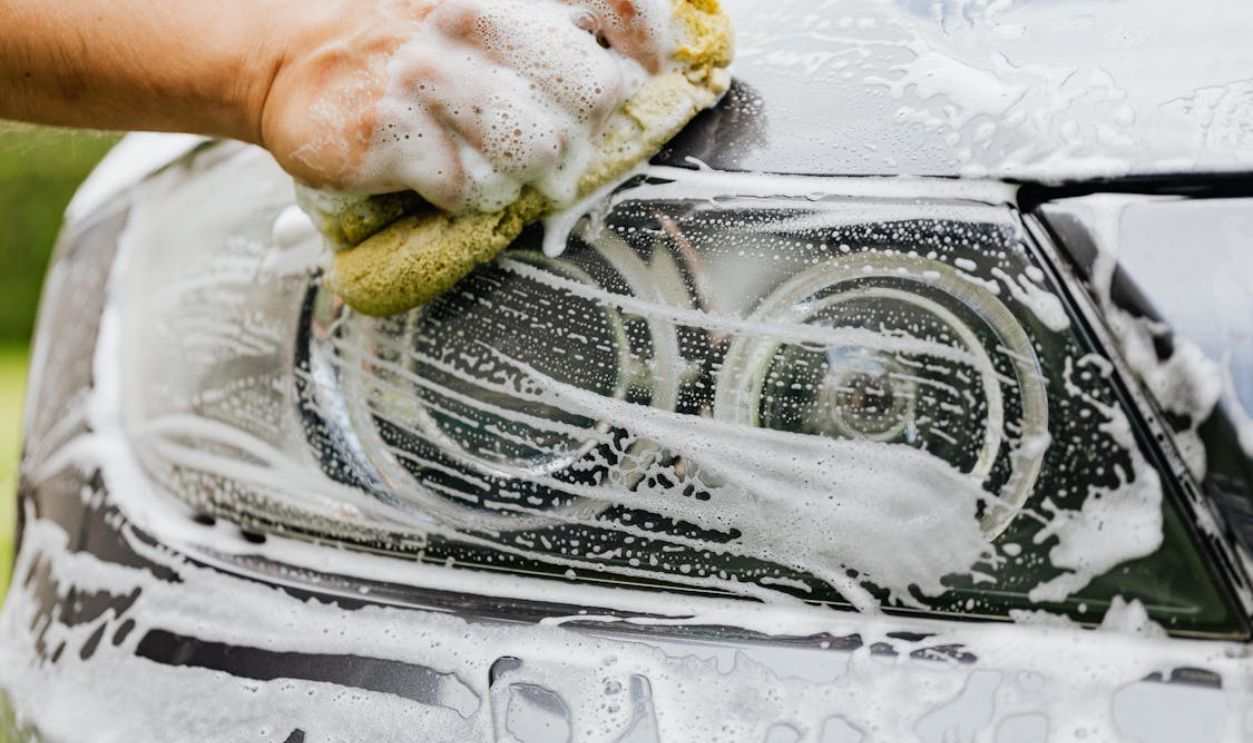
Restore Headlights With A Polish Kit
Cloudy headlights age a car instantly. Oxidation reduces clarity and brightness. A restoration kit can remove haze and improve nighttime visibility. After polishing, apply a UV protectant to prevent the oxidation from quickly returning.
Use A Toothbrush For Tight Spaces
Air vents, seams, badges, and trim lines trap grime. A soft-bristle toothbrush paired with interior cleaner reaches those narrow crevices. Compressed air can also help dislodge dust from tight areas before wiping them clean.
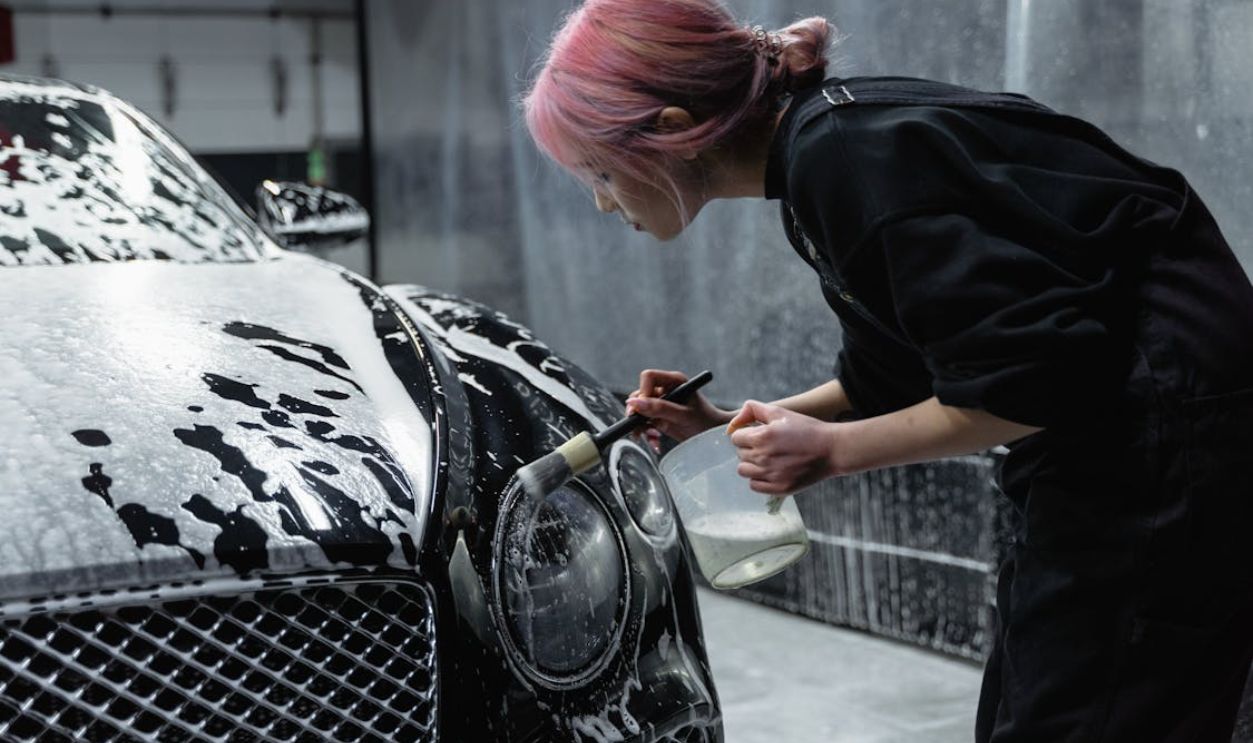
Condition Exterior Plastic Trim
Faded trim makes even clean paint look tired. Apply a trim restorer evenly and wipe away excess. Quality products not only darken plastic but also provide UV protection, preventing future fading and cracking.
 Jeffkbookoo, Wikimedia Commons
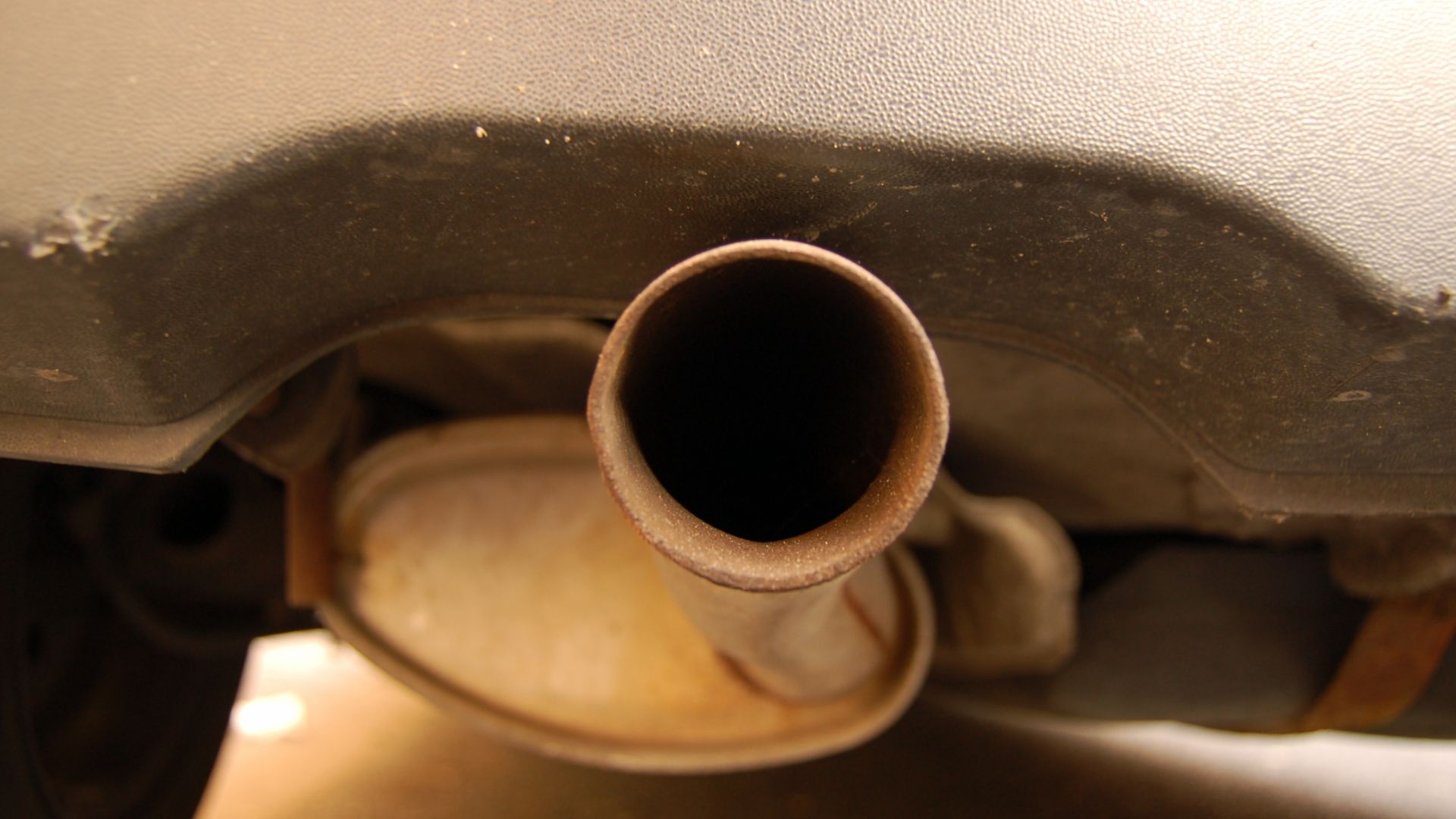
Polish Exhaust Tips
Carbon buildup on exhaust tips dulls the rear of the vehicle. Use a metal polish and microfiber cloth to restore shine. This quick step dramatically upgrades the rear profile and complements clean wheels.
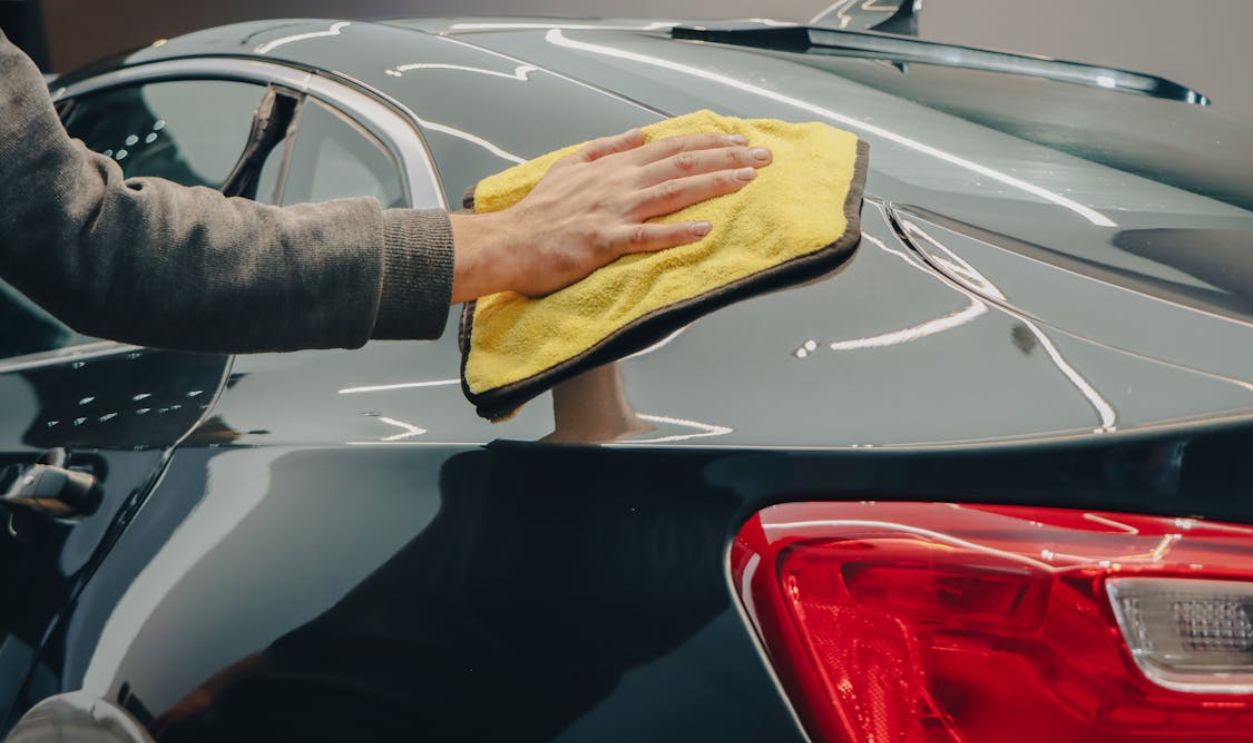
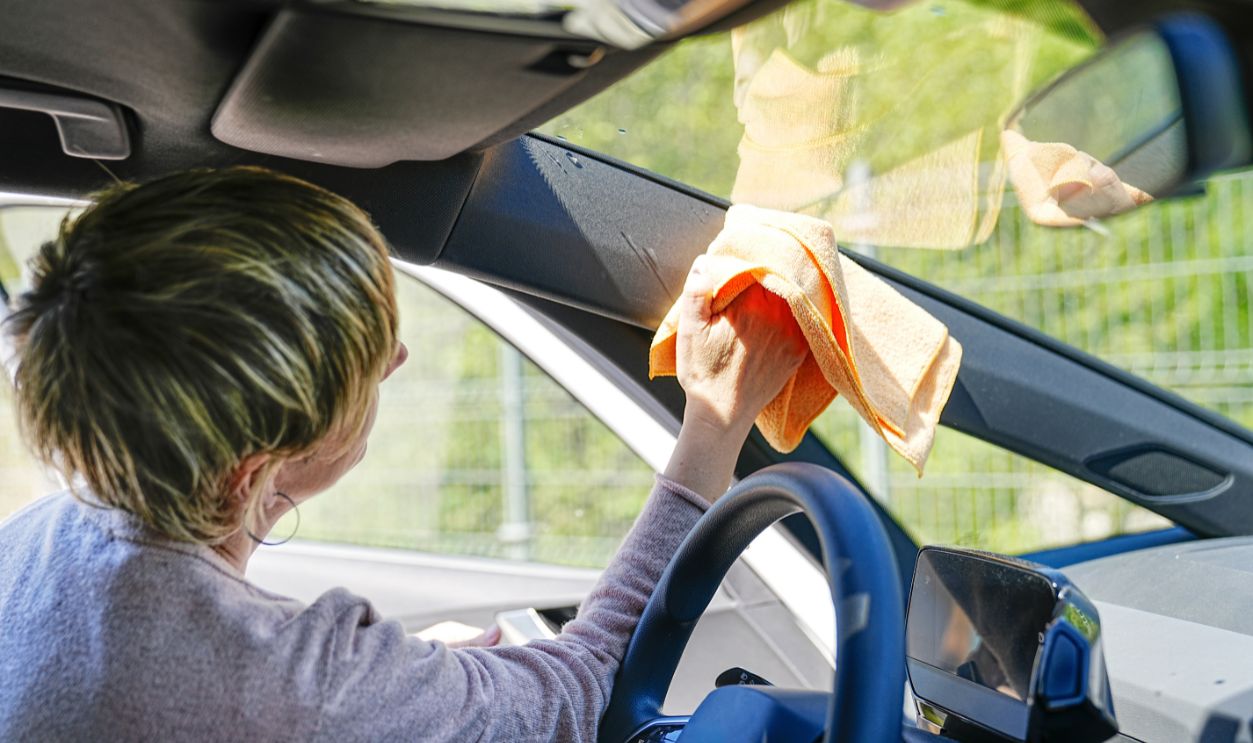
Clean The Glass With Two Towels
Use one microfiber towel to clean with glass cleaner and another dry towel to buff. Spray cleaner onto the towel rather than directly onto glass to avoid overspray. Clean in a crosshatch pattern to ensure you don’t miss streaks.
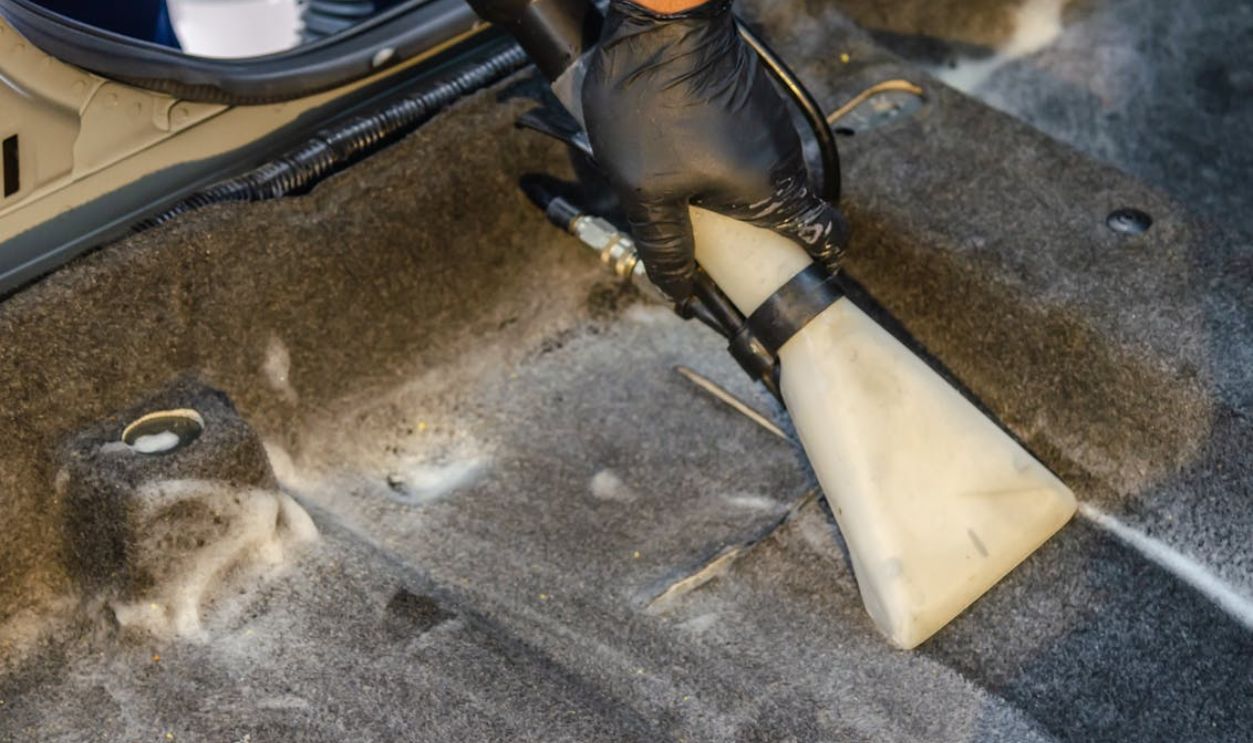
Vacuum In Multiple Directions
Vacuum carpets slowly and from different angles. This lifts embedded debris and improves carpet texture. Use crevice tools for tight areas between seats and center consoles.
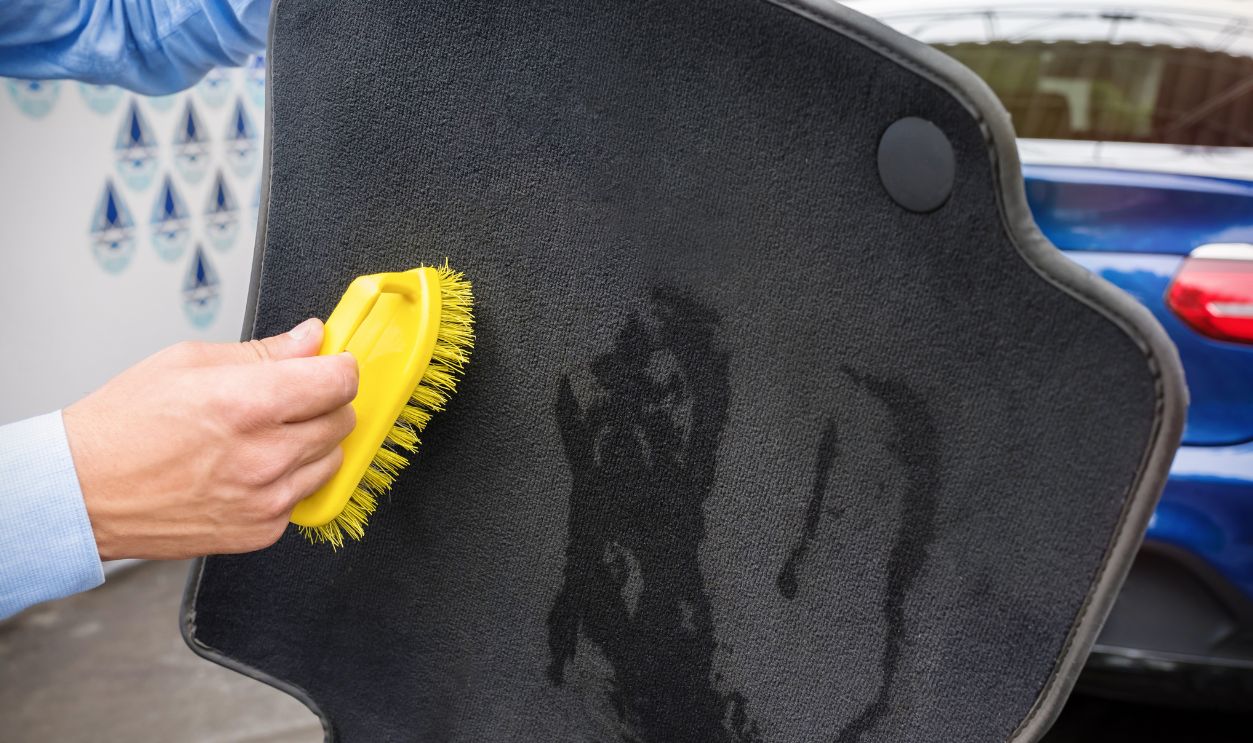
Use A Fabric Brush On Carpets
After vacuuming, gently brush carpet fibers to lift flattened areas. This restores the soft, uniform look seen in dealership displays and makes older interiors appear refreshed.
 Shablovskyistock, Shutterstock
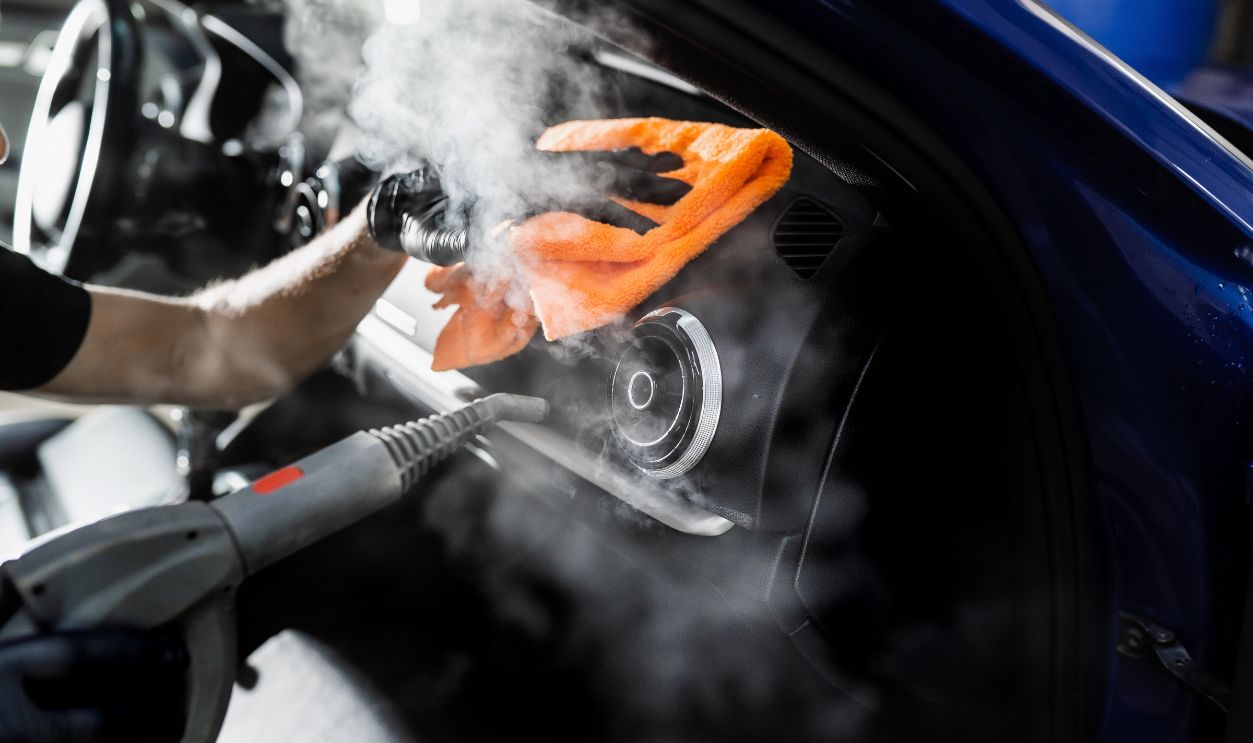
Steam Clean Interior Surfaces
A handheld steamer loosens grime without harsh chemicals. It’s excellent for cup holders, dashboards, and textured plastics. Wipe surfaces immediately after steaming to remove loosened dirt.
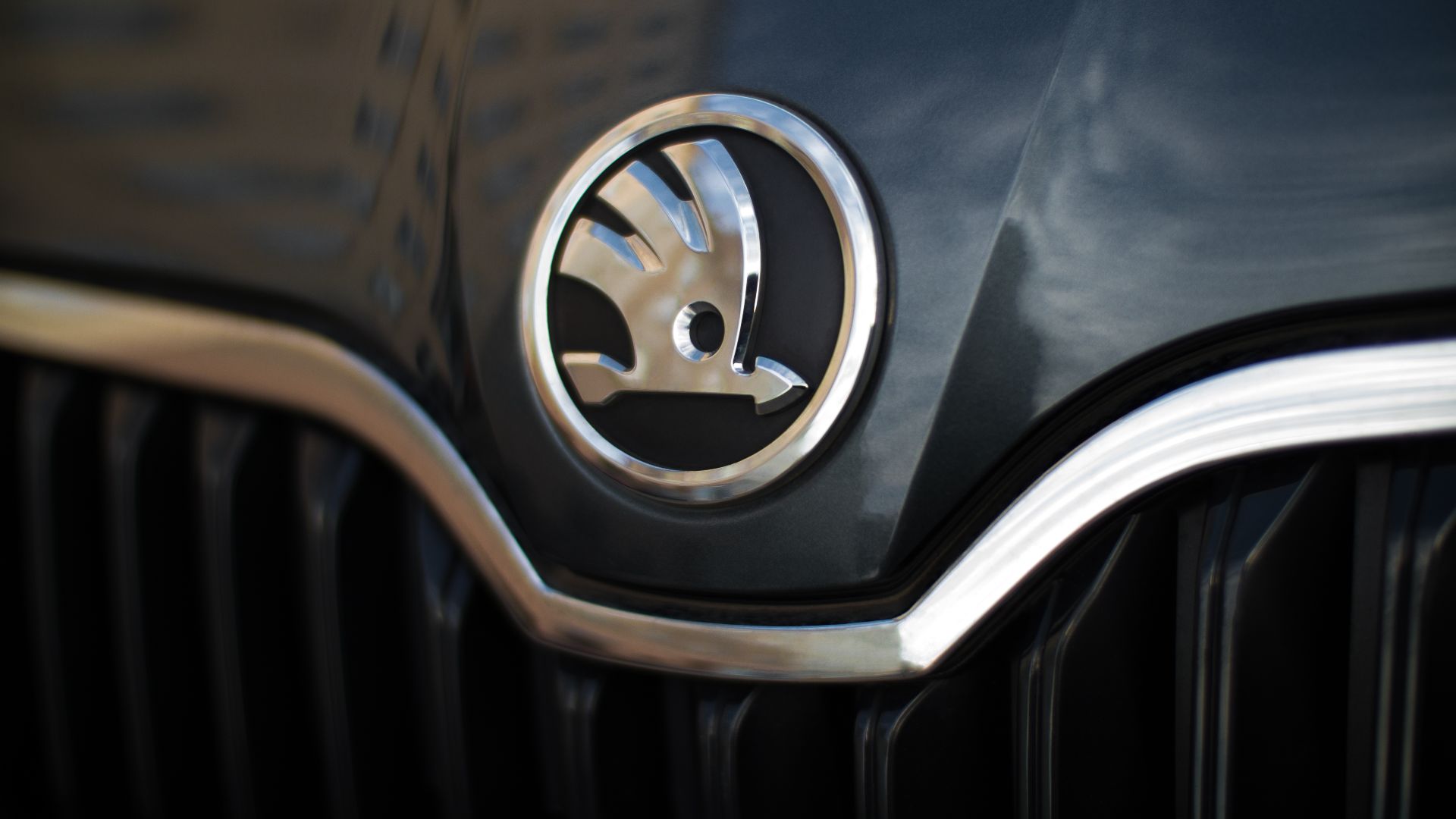
Use A Detailing Swab For Emblems
Cotton detailing swabs help clean around lettering and chrome badges without scratching paint. Taking time to clean around emblems removes stubborn residue that standard washing leaves behind.
Apply Tire Dressing Evenly
A thin, even coat of tire dressing gives tires a deep, satin-black look. Avoid overly glossy products if you prefer a factory appearance. Wipe excess product to prevent sling onto freshly cleaned paint.
Don’t Forget The Engine Bay
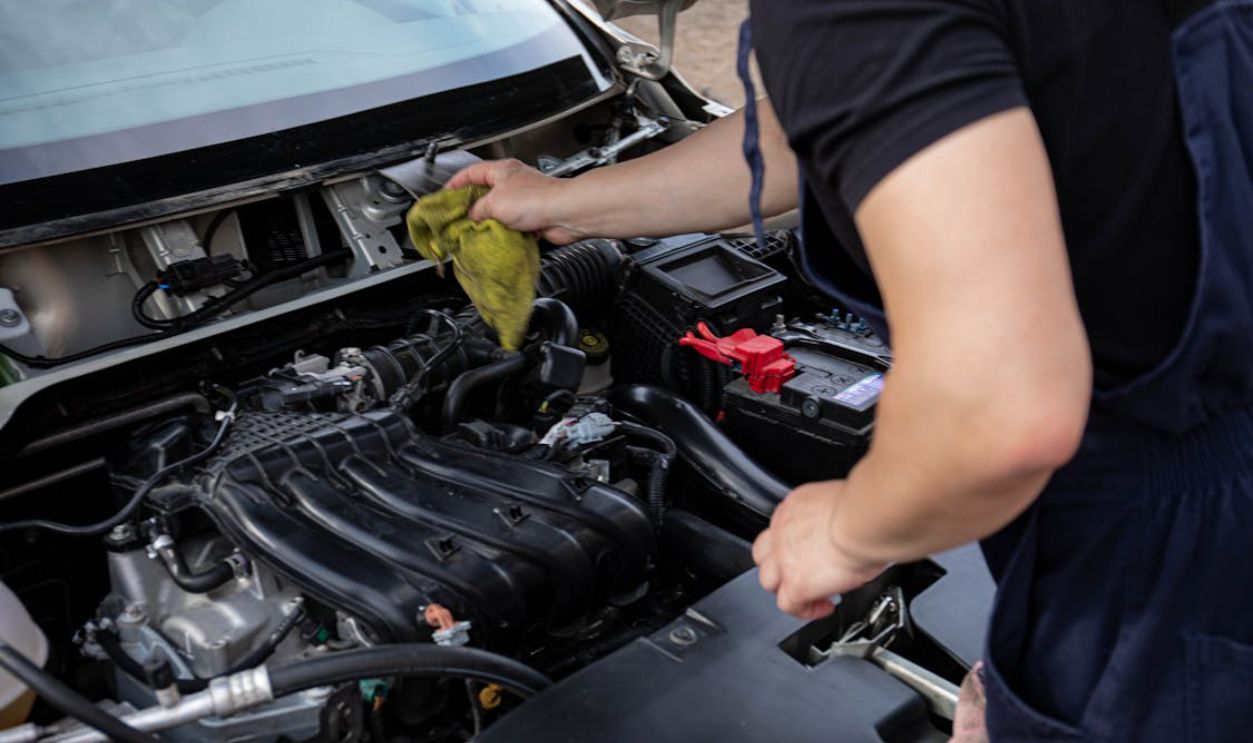
A clean engine bay signals serious care. Cover sensitive components, lightly mist with a degreaser, and gently agitate with brushes. Wipe dry and apply plastic protectant to hoses and covers for a crisp finish.
Use A Paint Sealant Or Wax
After washing and claying, apply wax or paint sealant. Sealants often last longer and provide stronger protection against UV rays and contaminants. Proper protection enhances gloss while making future washes easier.
Polish Before Waxing
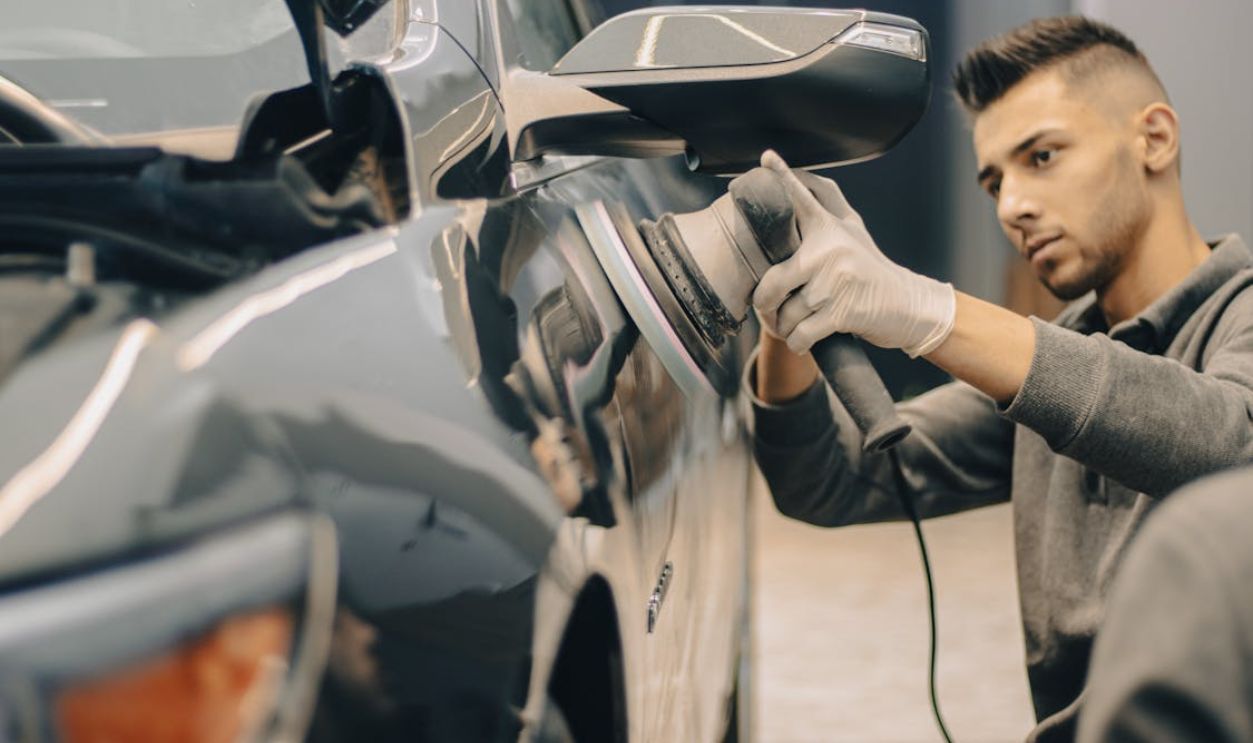
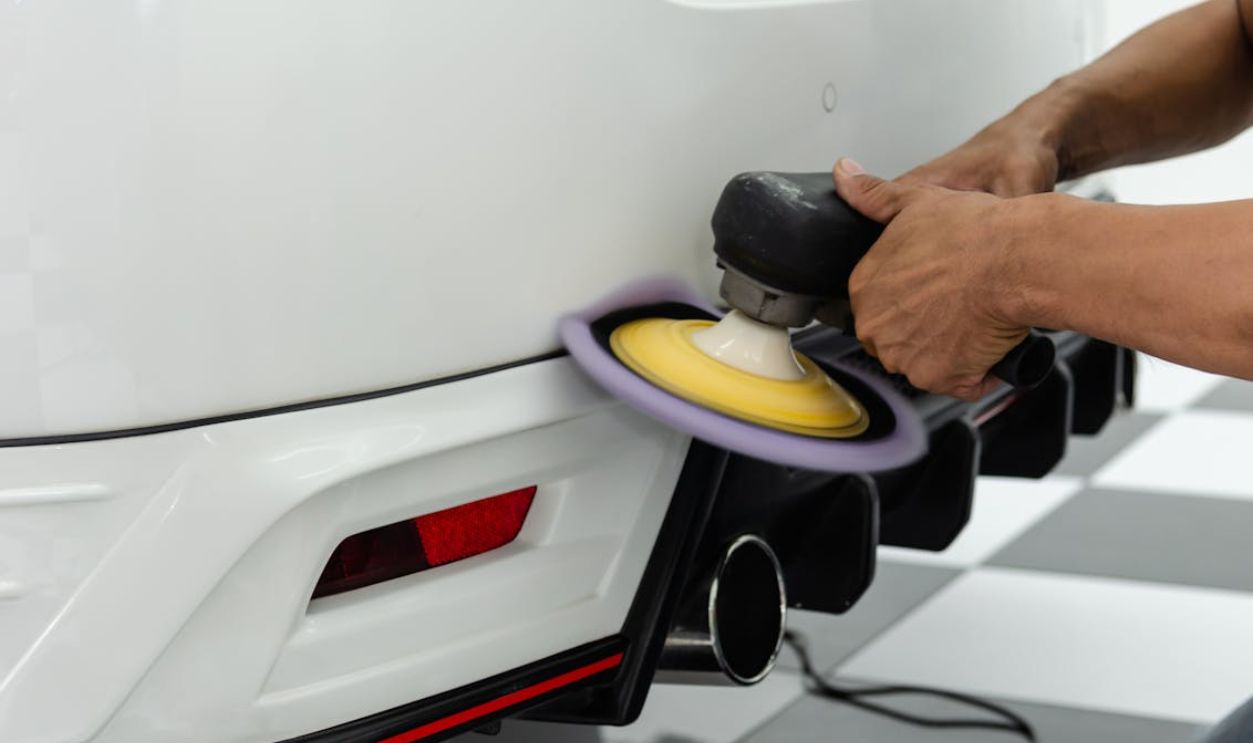
If your paint has light swirl marks, use a mild polish before waxing. Polishing removes imperfections and restores clarity, while wax protects the improved surface. Even a single-stage polish can dramatically improve shine.
Clean The Inside Of The Windshield
Interior glass collects film from plastics and air circulation. Use a clean microfiber towel and streak-free glass cleaner. Clear glass improves visibility and instantly elevates interior cleanliness.
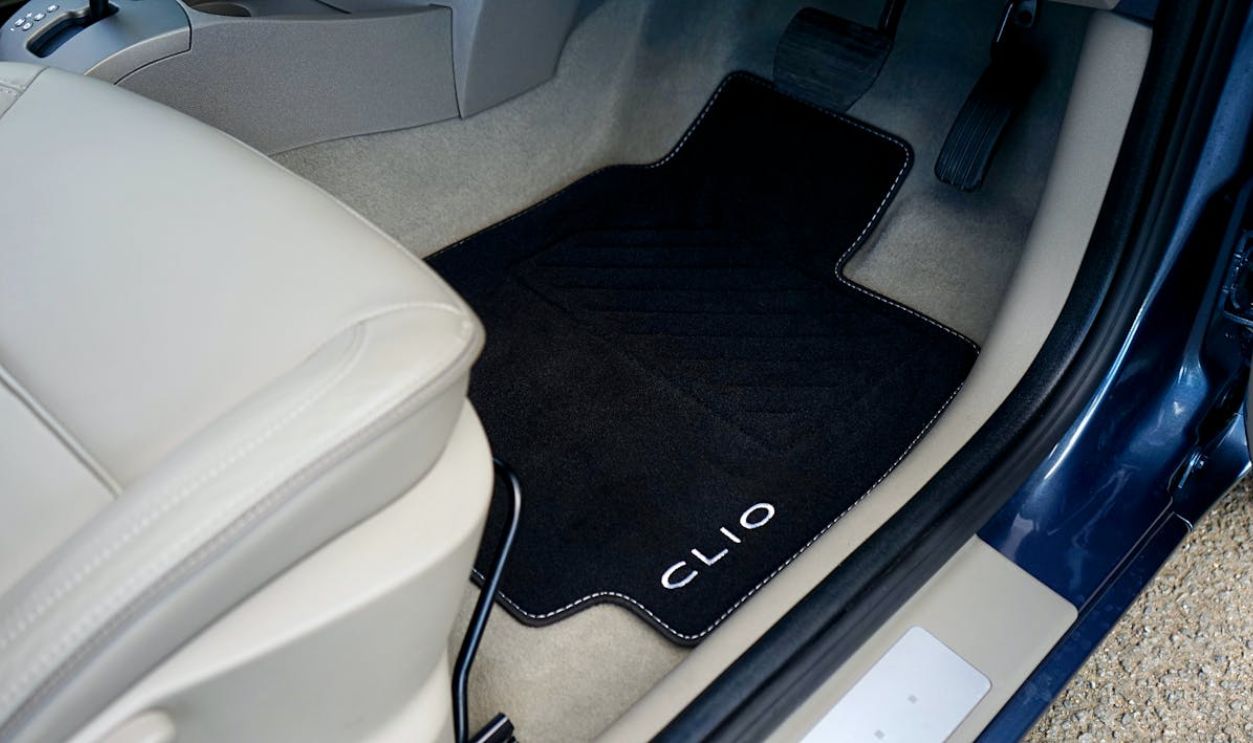
Replace Worn Floor Mats
If mats are permanently stained or faded, replacing them may be more effective than endless scrubbing. Fresh mats can transform the cabin and make the interior feel nearly new.
Maintain A Consistent Schedule
The real secret to a showroom shine is consistency. Washing regularly prevents buildup, while periodic waxing preserves protection. Keeping microfiber towels clean and replacing worn tools ensures professional-level results every time.
You May Also Like:
10 Places Inside Your Vehicle That Are Nearly Impossible To Clean