A Minor Bump… And A Major Bill?
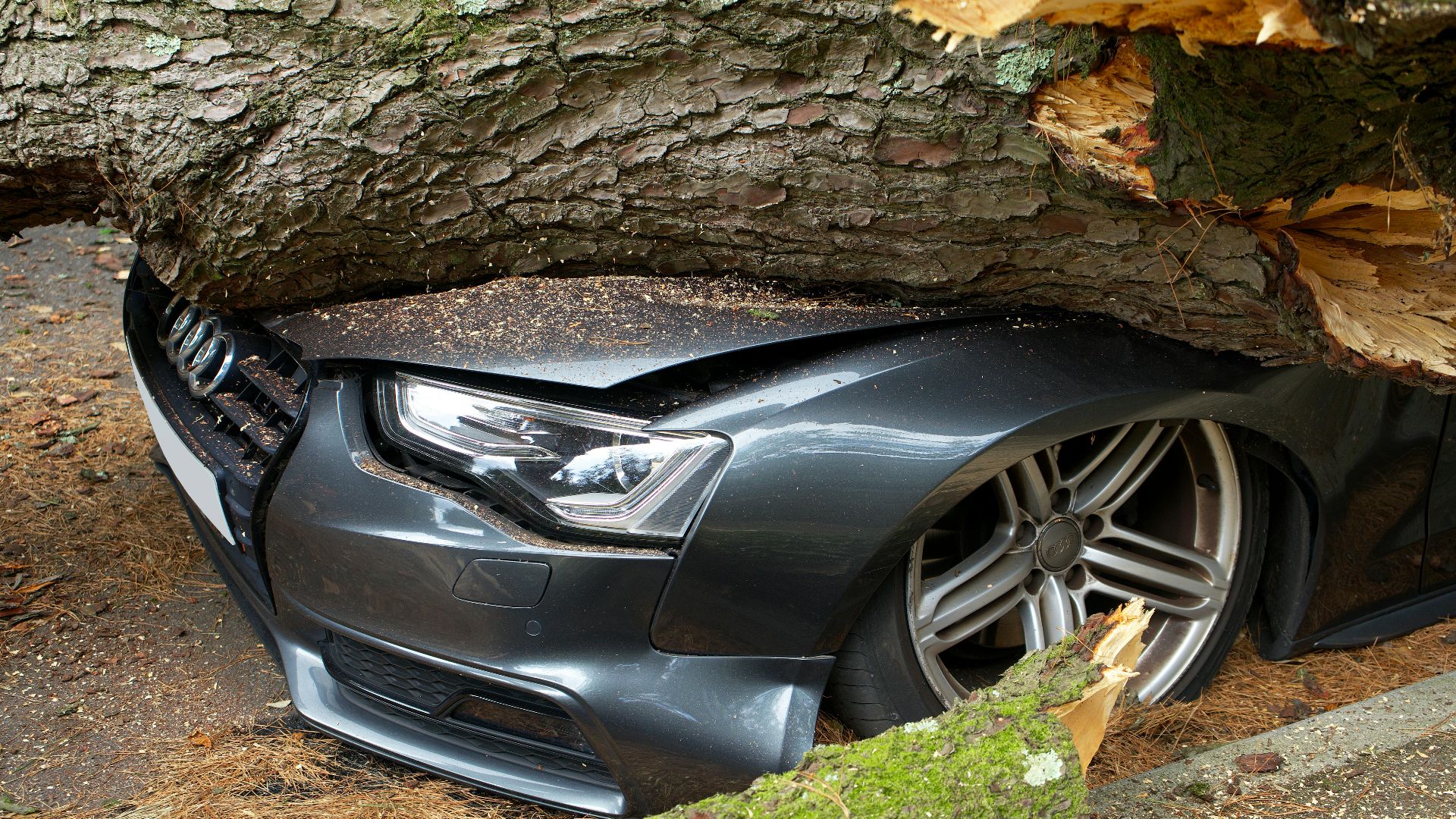
You were in a small accident, perhaps a fender-bender in traffic or a low-speed parking lot scrape. The visible damage doesn’t look too bad. But then the body shop calls and says something that makes your stomach drop: your EV battery may have hidden damage, and replacement could cost thousands of dollars.
Now you’re stuck wondering if this is a legitimate safety concern, or are you being steered toward an unnecessary (and wildly expensive) repair? With electric vehicles, battery damage is serious, but that doesn’t automatically mean replacement is required. The key is understanding what’s possible, what’s probable, and what’s provable.

Why EV Batteries Make Accident Repairs Complicated
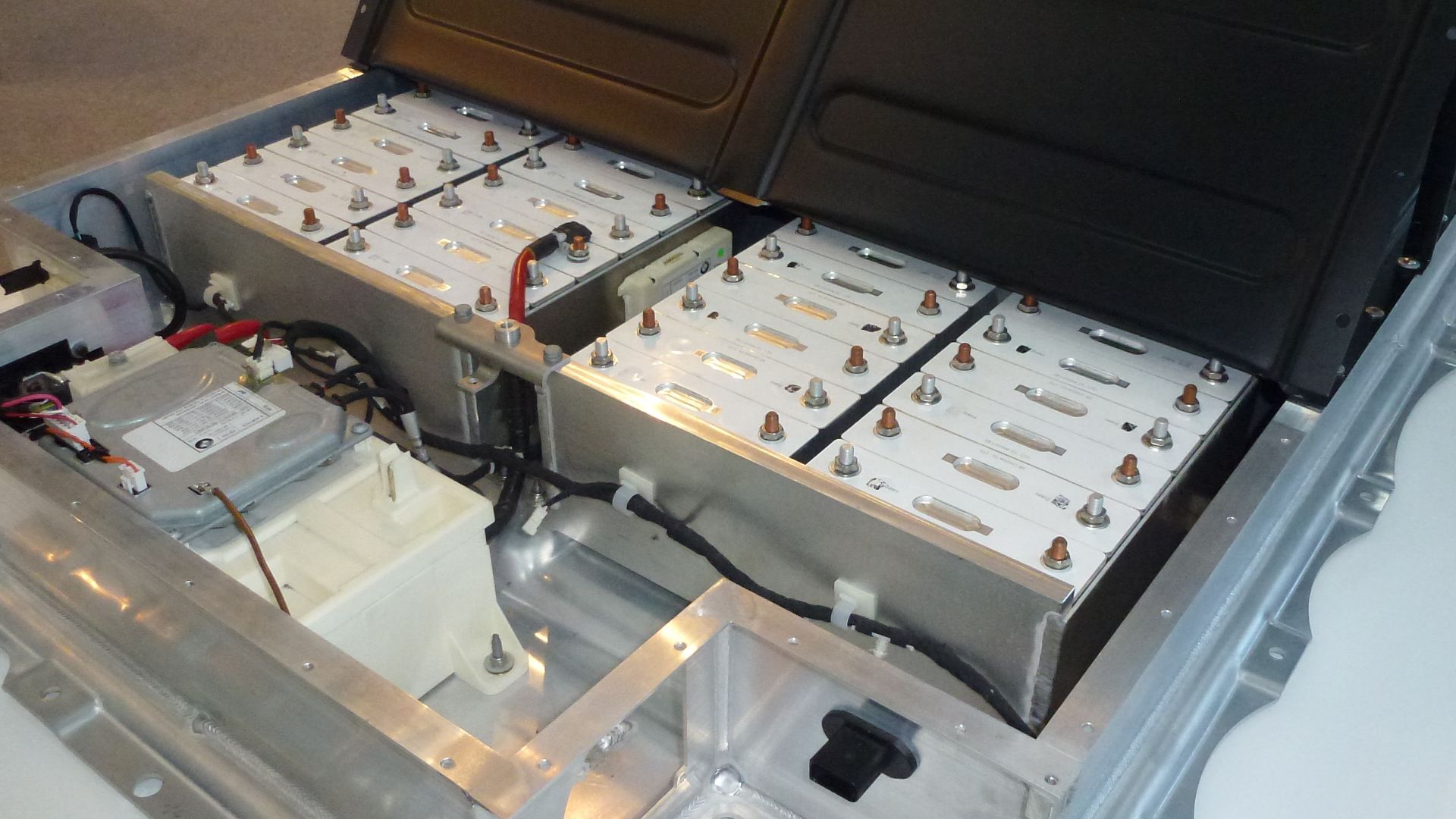
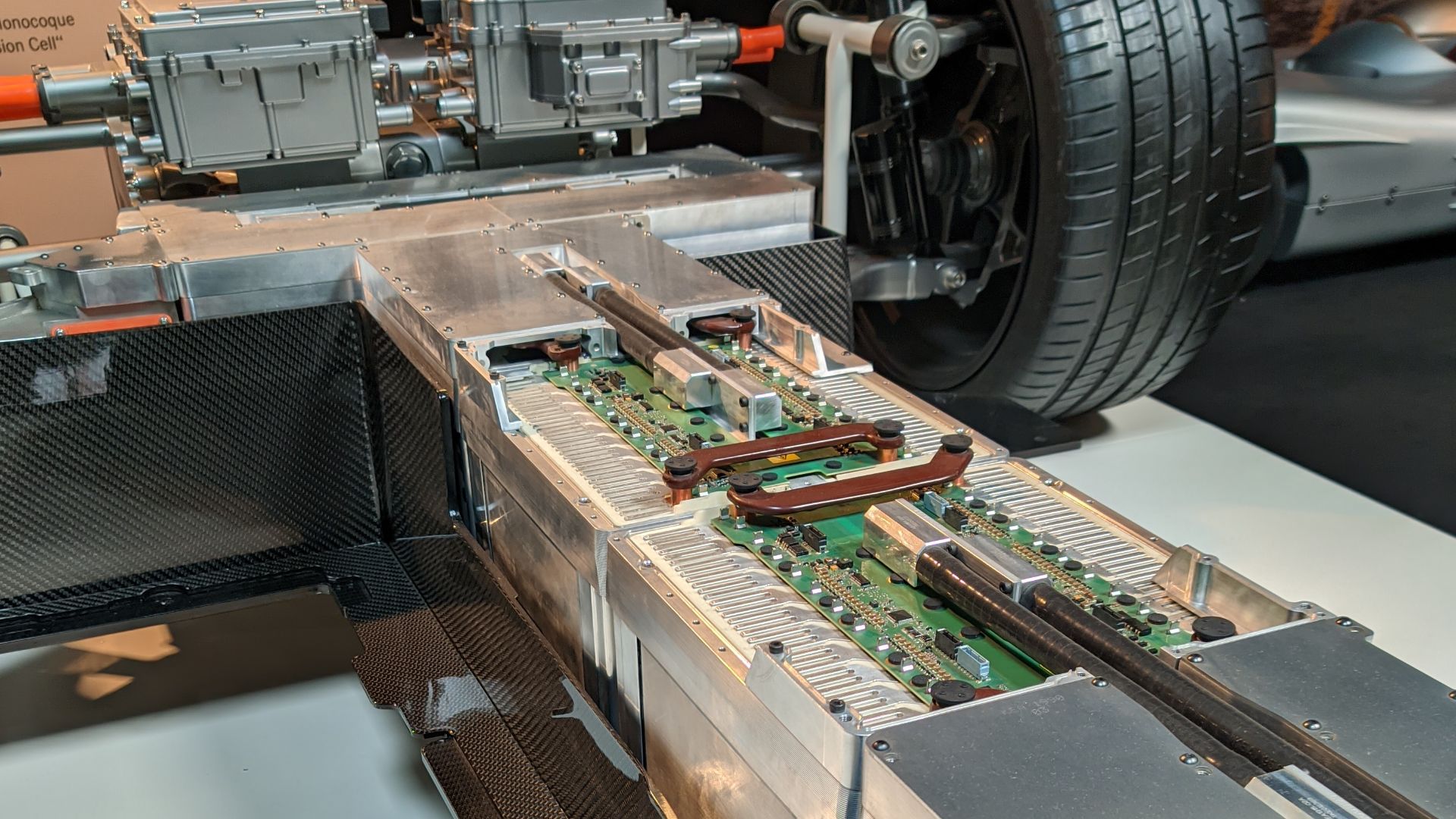
Unlike traditional gas cars, EVs have large lithium-ion battery packs mounted low in the vehicle, often integrated into the frame. These packs are structural components in many designs. That means even a relatively small collision can raise questions about whether the battery casing or internal modules were affected.
Shops take battery integrity seriously for good reason but “possible damage” and “confirmed damage” are two very different things.
What “Hidden Damage” Usually Means
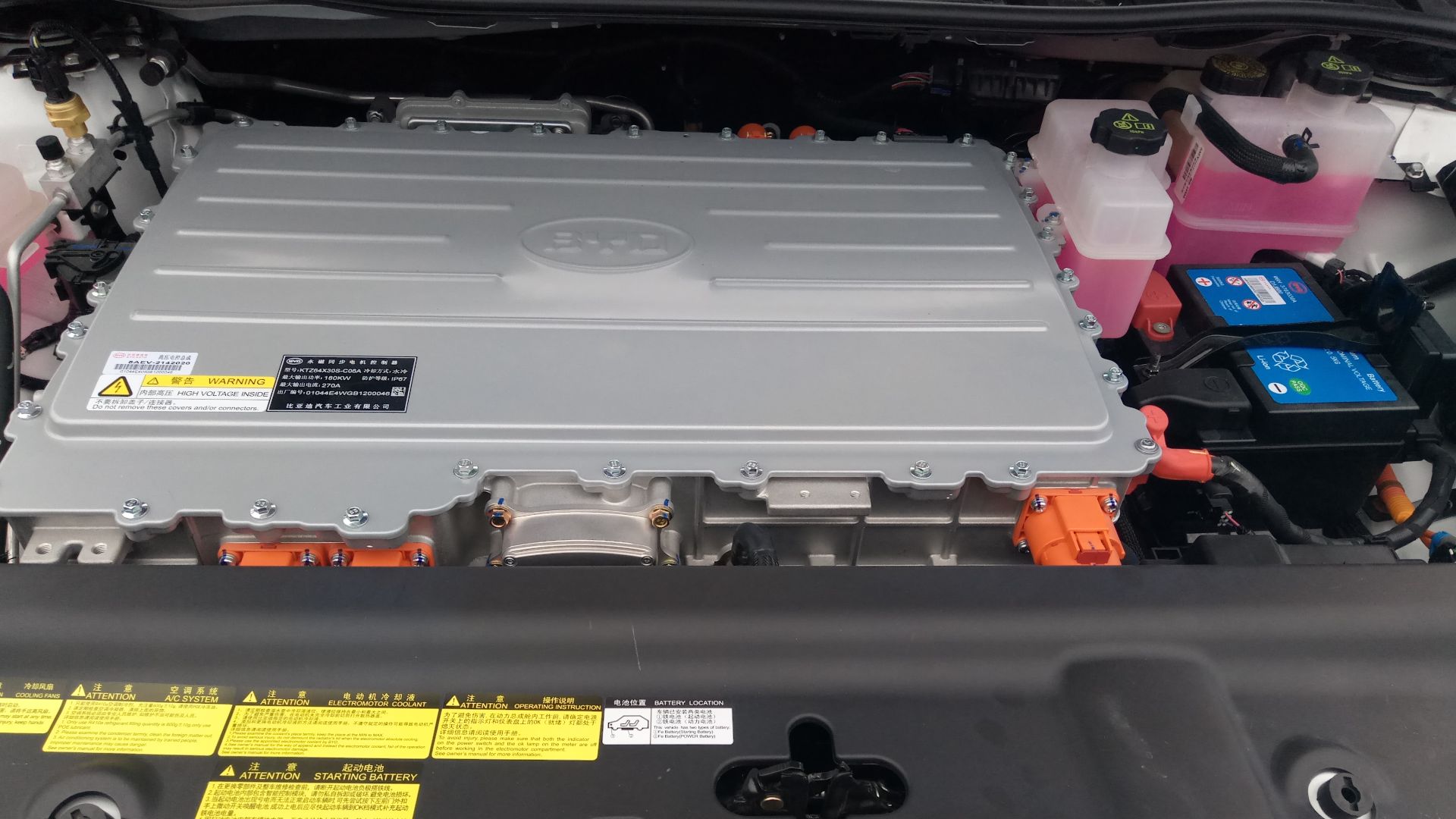
When a shop talks about hidden battery damage, they’re typically referring to potential internal cell damage, compromised cooling systems, or casing deformation that isn’t visible from the outside. Lithium-ion batteries can be sensitive to punctures, cracks, or compression.
However, suspicion alone isn’t proof. Diagnosis should be based on testing and manufacturer guidelines, not fear.
Not Every Impact Reaches The Battery Pack
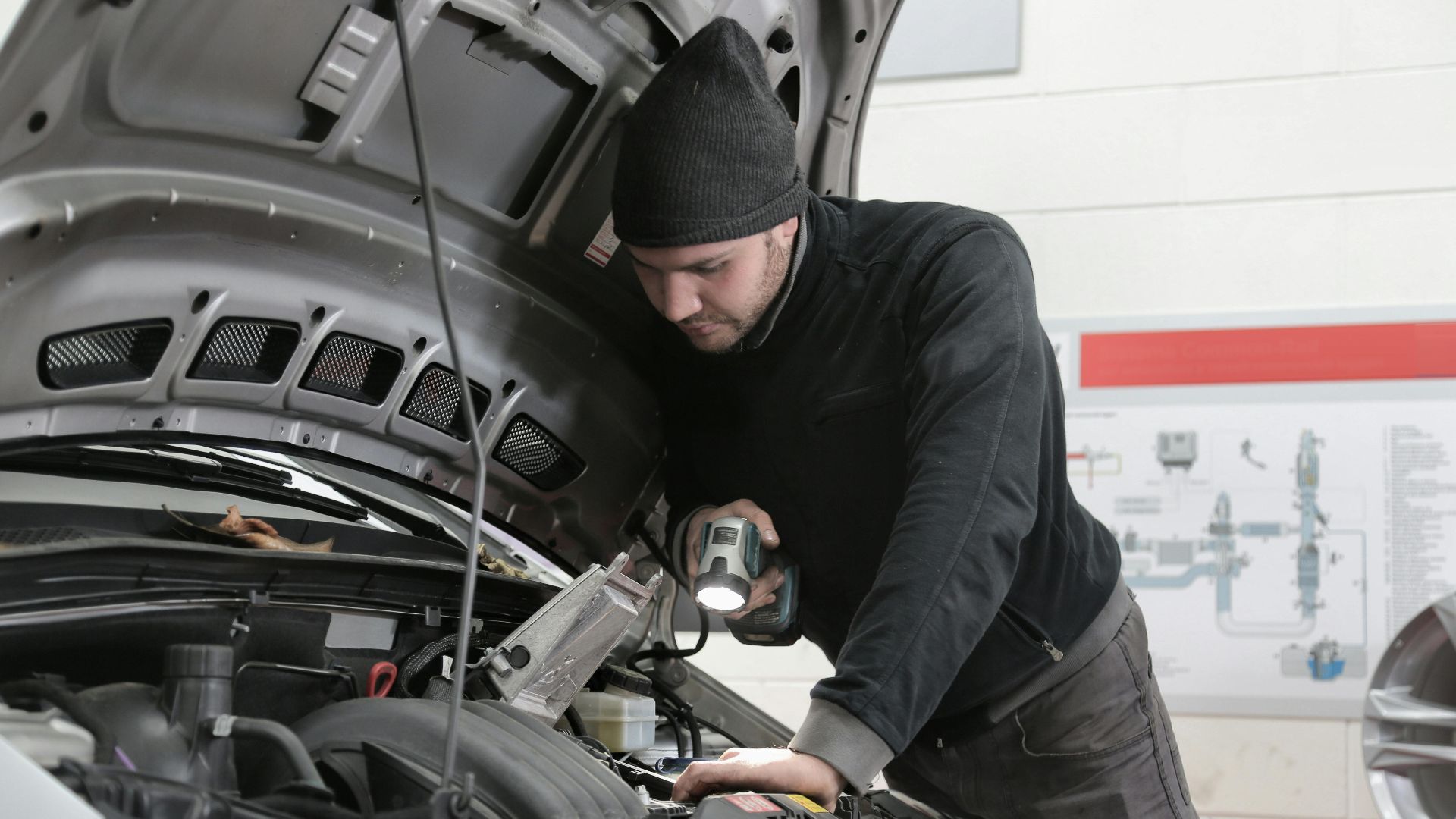
Many EV battery packs are heavily shielded and protected by reinforced underbody structures. Minor rear-end collisions or light side swipes may never come close to the battery enclosure. The location and severity of the impact matter enormously.
Before assuming the worst, you need to know whether the accident actually involved the battery area.
What A Proper Battery Inspection Should Include
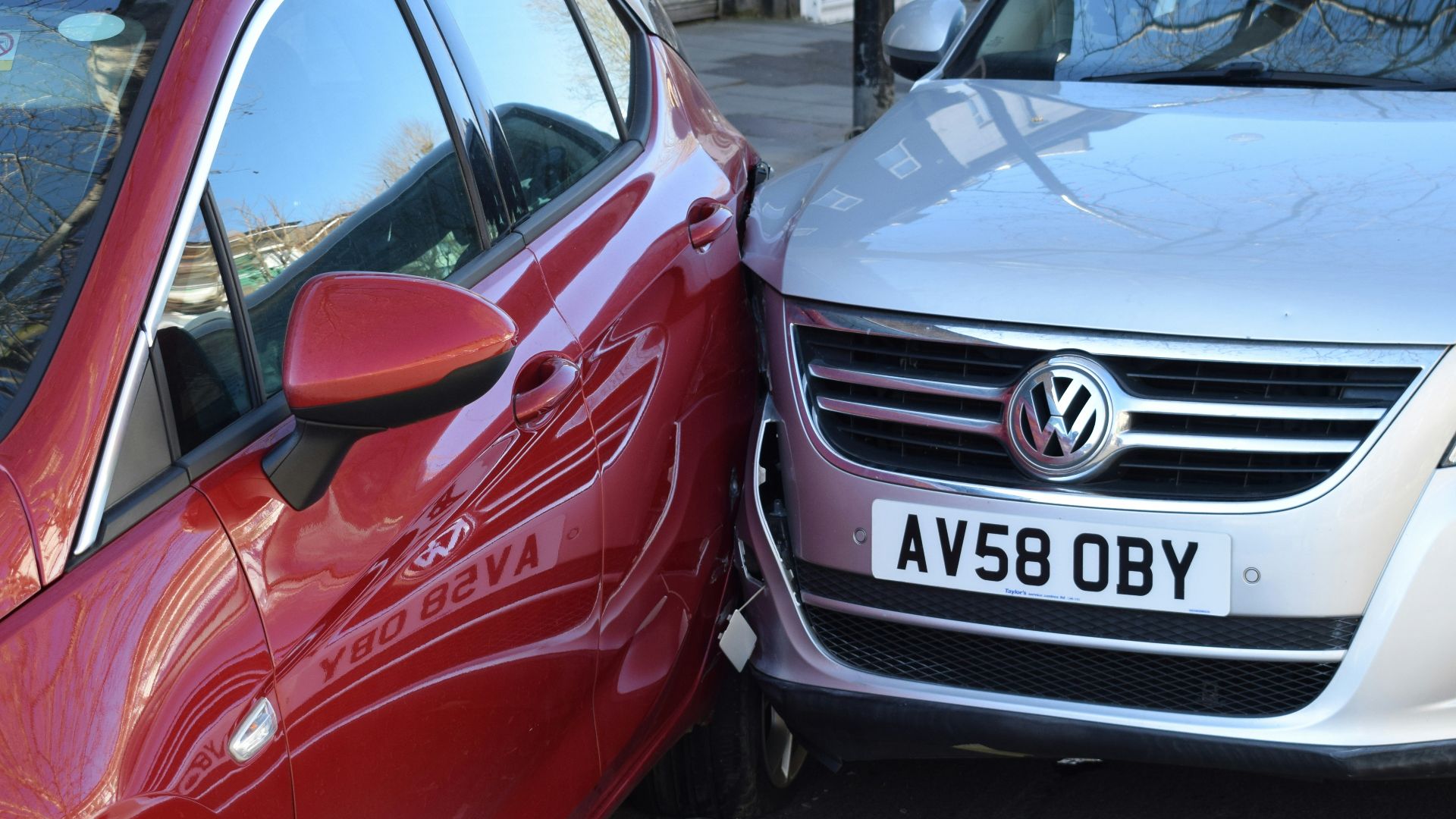
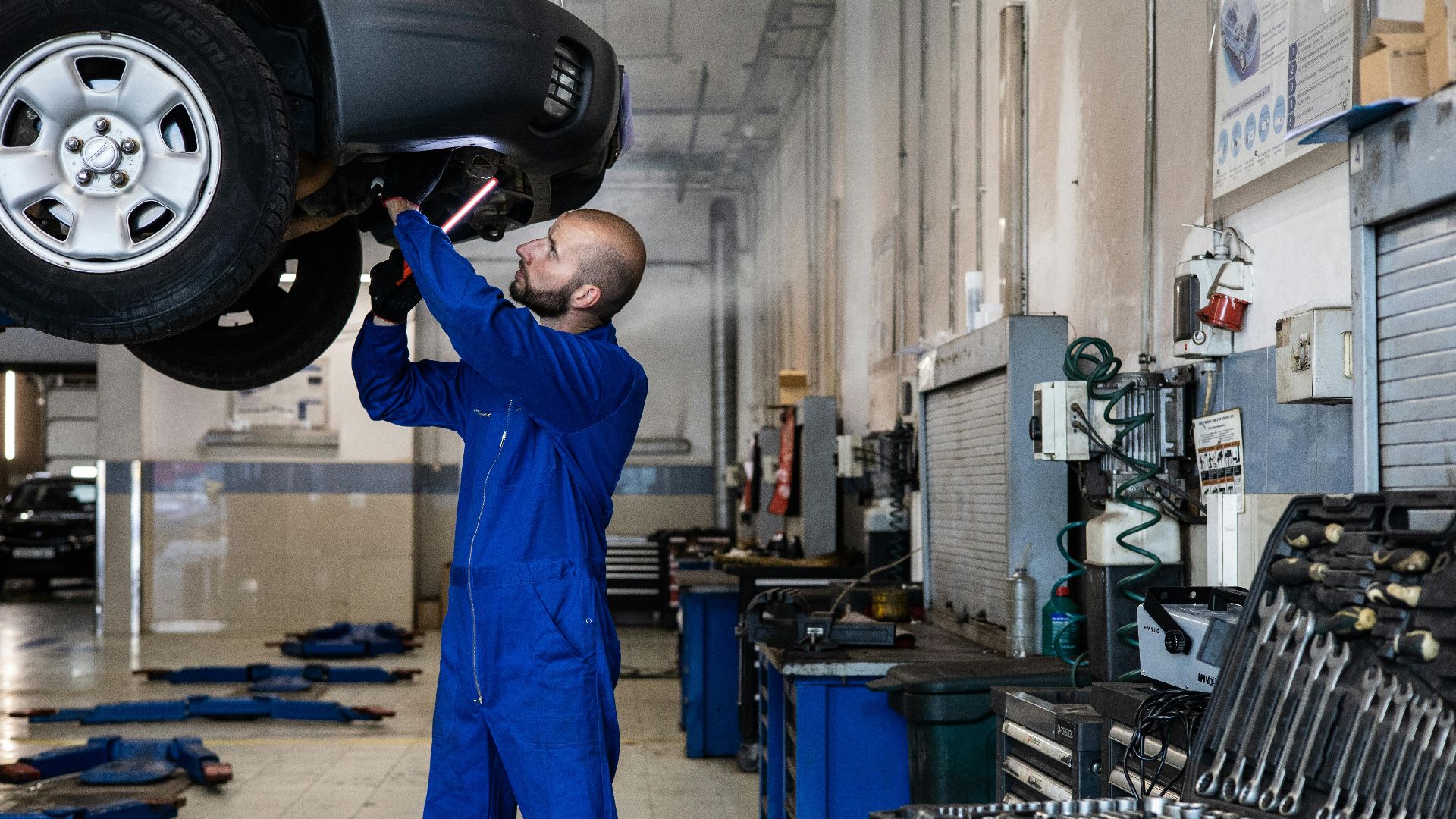
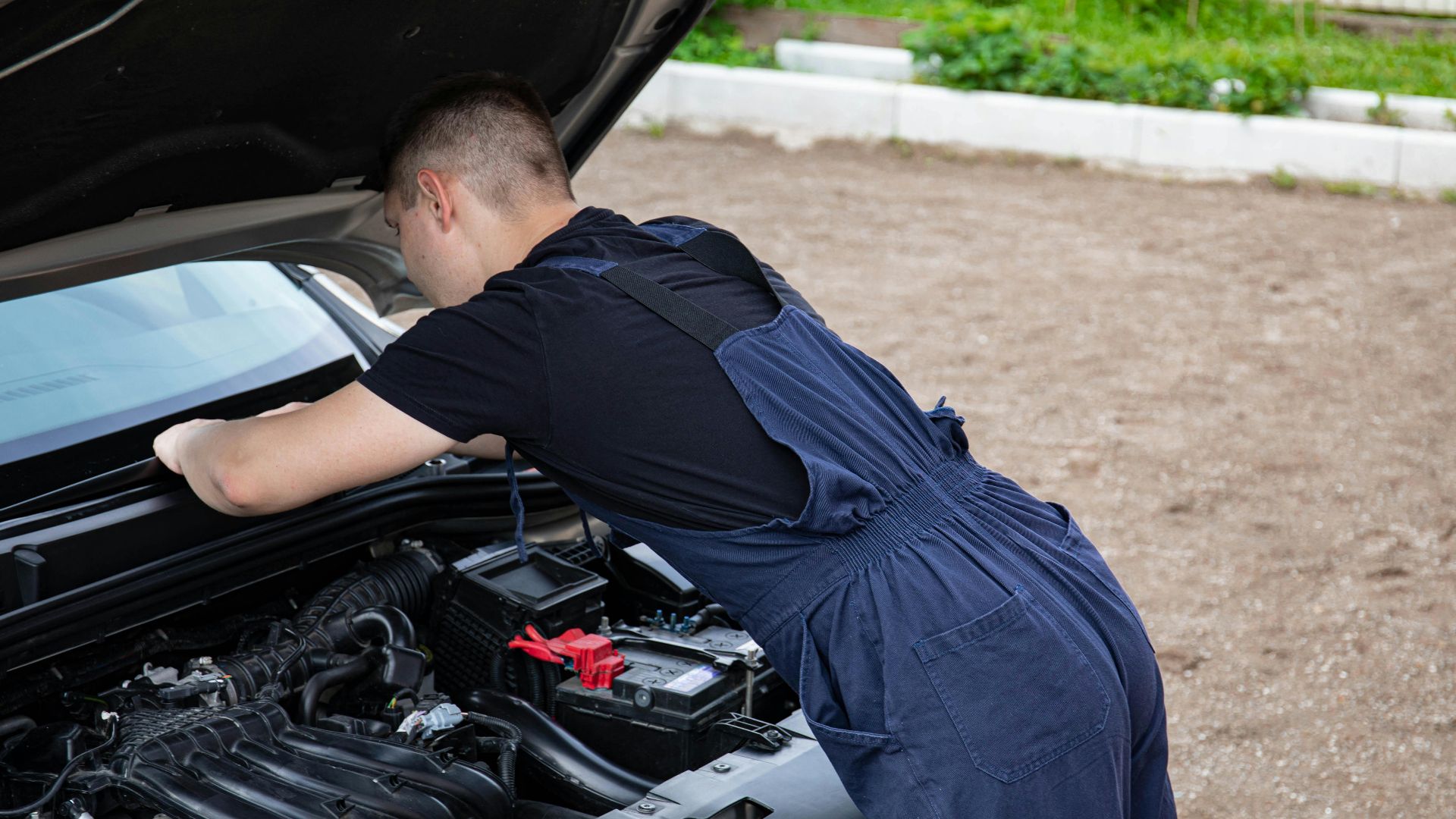
A reputable shop should perform a diagnostic scan using manufacturer-approved tools. Modern EVs log battery fault codes and structural alerts. They may also visually inspect the battery housing, measure structural alignment, and check for coolant leaks.
If a shop jumps straight to “replace it” without diagnostics, that’s a red flag.
 RudolfSimon, Wikimedia Commons
Manufacturer Guidelines Are Key
Each EV manufacturer publishes repair protocols for battery evaluation after collisions. These guidelines specify when replacement is required and when inspection is sufficient.
A responsible shop should reference those guidelines. If they can’t show you the manufacturer’s criteria for replacement, ask for it.
 Maurizio Pesce from Milan, Italia, Wikimedia Commons
Battery Replacement Is Often The Most Conservative Option
From a liability standpoint, some shops default to recommending full battery replacement because it eliminates risk. If a battery later fails or causes thermal issues, the shop doesn’t want responsibility.
That doesn’t automatically mean replacement is necessary—it means they may be erring on the side of caution.
 Unknown authorUnknown author or not provided, Wikimedia Commons
Thermal Runaway Concerns Are Real But Rare
One of the biggest fears with EV battery damage is thermal runaway, which can lead to fires. However, modern battery management systems are designed to detect internal issues quickly. If your vehicle hasn’t displayed warnings, lost range significantly, or shown battery errors, that’s relevant information.
Still, absence of warning lights doesn’t guarantee zero damage.
 JustAnotherCarDesigner, Wikimedia Commons
Ask For Specific Evidence Of Damage
If the shop claims the battery needs replacement, ask:
• What specific damage was found?
• Are there fault codes?
• Is there physical deformation?
• Was the casing compromised?
Vague language like “it might be unsafe” isn’t enough when you’re facing a five-figure repair.

Get A Second Opinion
Battery replacement costs can exceed $15,000 to $25,000 depending on the model. At that level, a second opinion is absolutely reasonable. Seek another EV-certified repair facility or dealership to evaluate the battery independently.
You’re not being difficult, you’re being financially prudent.
Insurance Plays A Huge Role
If the accident claim is going through insurance, the insurer typically has adjusters trained in EV claims. They may require documented proof before approving battery replacement.
If insurance is footing the bill, their standards may be different than if you’re paying out of pocket.

Structural Damage Can Complicate Things
If the accident caused frame distortion near the battery housing, replacement may be recommended even if the battery itself isn’t visibly damaged. Structural misalignment can stress battery components over time.
In those cases, the issue isn’t just the battery, it’s the integrity of the vehicle’s structure.
Some Batteries Can Be Repaired, Not Replaced
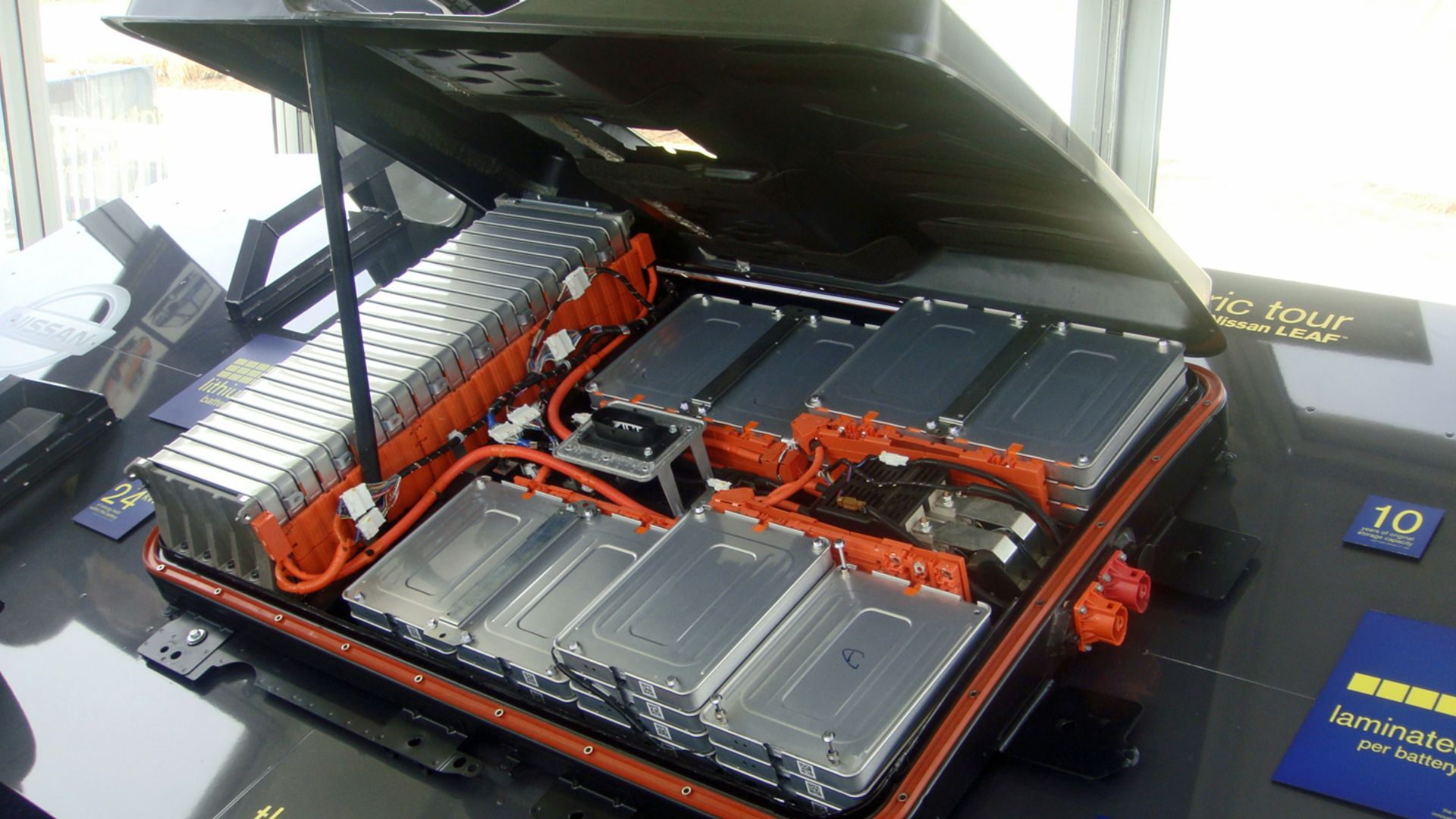
In certain EVs, individual battery modules can be replaced instead of the entire pack. Not all models allow this, but it’s worth asking. A full pack replacement is not always the only technical option.
Check Warranty Coverage
Many EV battery packs carry long warranties, often 8 years or 100,000 miles or more. If the damage intersects with warranty terms, the manufacturer may be involved in determining repair versus replacement.
Don’t assume you’re outside coverage without checking.

Salvage Value And Total Loss Calculations
Sometimes insurers recommend battery replacement because it’s cheaper than declaring the vehicle a total loss. Other times, the replacement cost pushes the car into total-loss territory.
Understanding your car’s current value helps you evaluate whether replacement makes financial sense.

Ask About Post-Repair Monitoring
If replacement isn’t clearly required, ask whether enhanced monitoring is possible instead. Some diagnostic systems can monitor battery performance over time to ensure stability before committing to full replacement.

Transparency Is The Telltale Sign
A reputable shop will walk you through findings step by step. They’ll show you scans, structural measurements, and manufacturer recommendations. A vague “trust us” approach isn’t good enough when the cost is that high.
Safety Versus Cost Is A Real Tension
EV battery safety isn’t something to gamble with. But neither is financial stability. The goal isn’t to minimize risk recklessly, it’s to confirm risk objectively.
Replacing a battery unnecessarily is expensive. Ignoring confirmed damage is dangerous. The right decision lives between those extremes.
 Mariordo Mario Roberto Duran Ortiz, Wikimedia Commons
Don’t Let Fear Drive The Decision
Headlines about EV fires can amplify anxiety. Remember that statistically, EV battery fires are rare. Decisions should be based on inspection results, not worst-case scenarios.
Final Thoughts: Replacement Should Be Based On Evidence, Not Assumption
After a small accident, battery replacement may be necessary but it should be supported by diagnostics, manufacturer guidelines, and clear evidence of structural or electrical compromise.
Before agreeing to a five-figure repair, request documentation, seek a second opinion, and involve your insurer if applicable. When it comes to EV batteries, caution is smart but blind acceptance of the most expensive option isn’t always required.

You May Also Like:
These Cars Defined Suburban American Life In The 1990s
Inside The World Of Ice Racing, The Frozen Battle Few Americans Know About