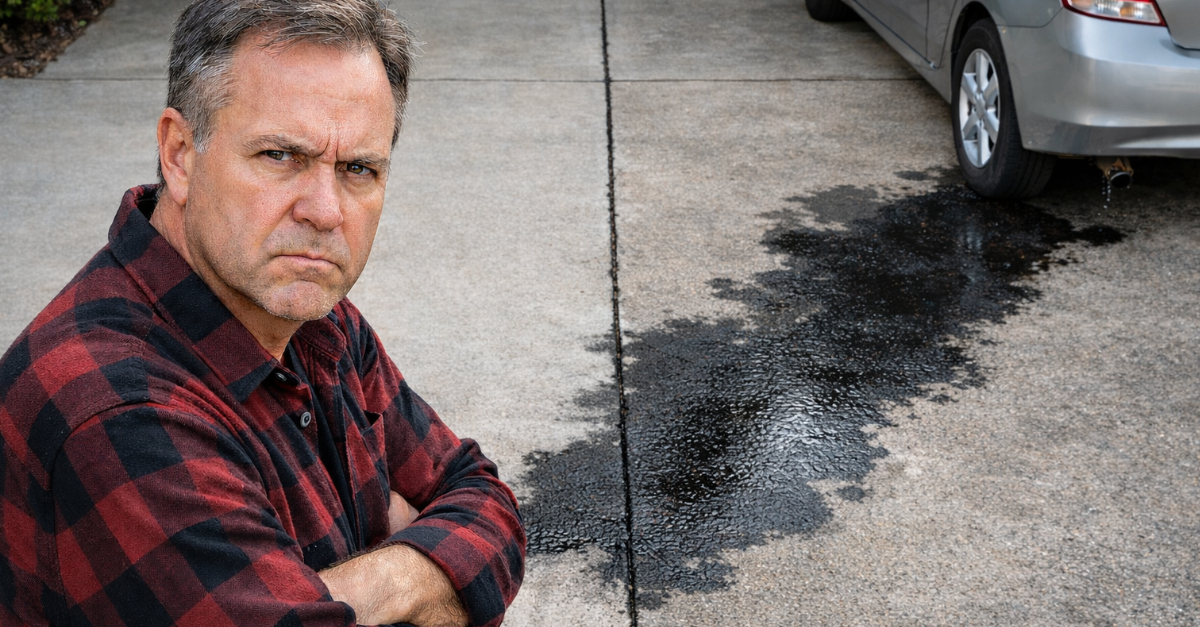
A Shared Driveway—Until It Isn’t
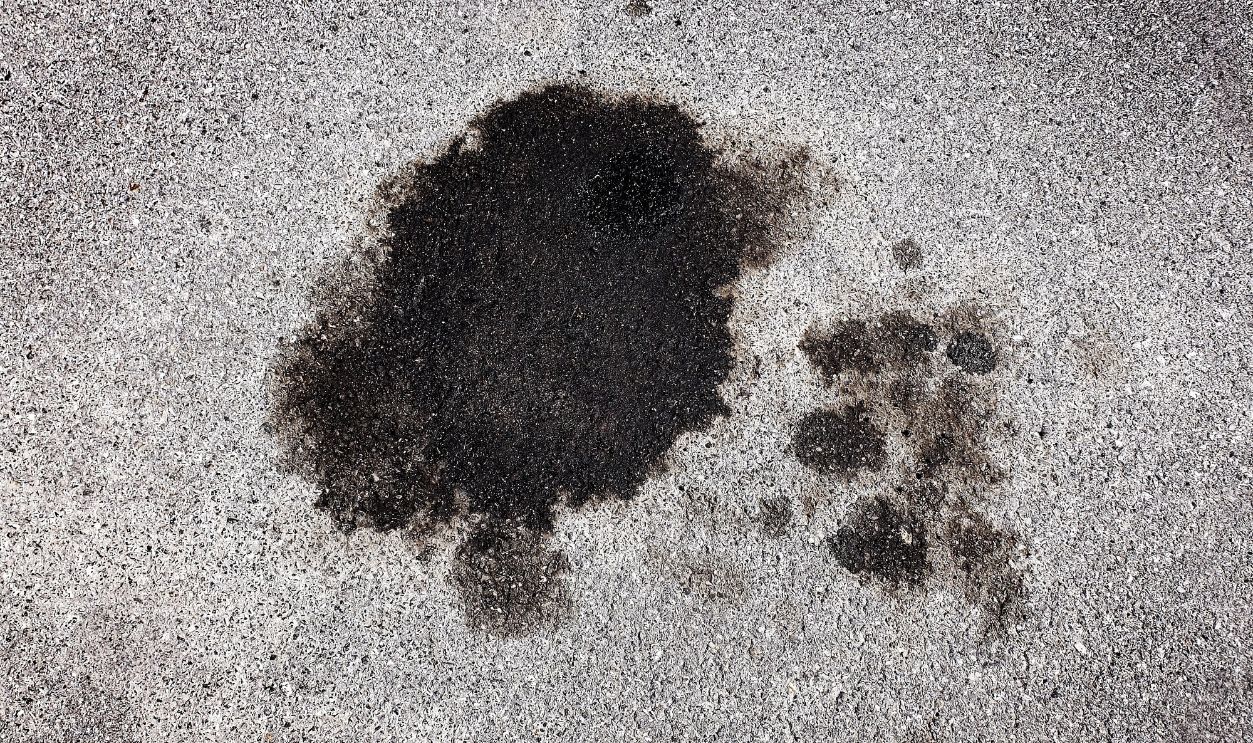
You expect the occasional annoyance when you share a driveway. Maybe tight parking. Maybe awkward maneuvering. But you probably don’t expect your neighbor’s leaking car to cross the property line and leave a dark oil stain on your side. Now the issue isn’t just awkward—it’s financial. So who’s actually responsible—you, him, or both of you?
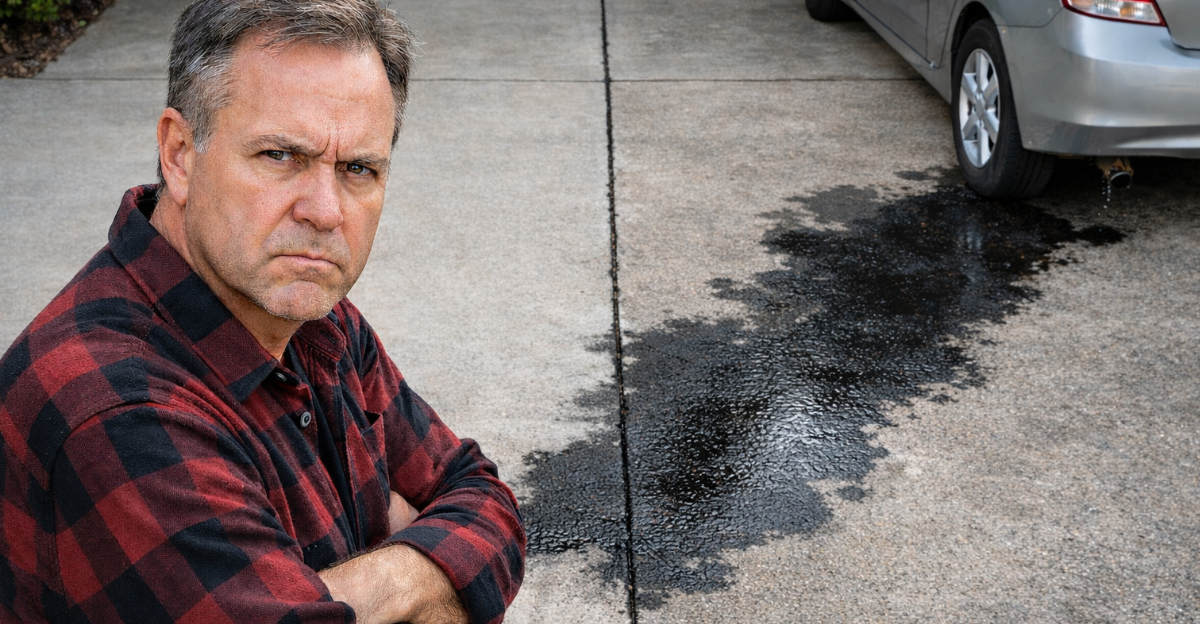
Oil Stains Aren’t Just Cosmetic
Motor oil doesn’t just sit on concrete—it penetrates it. The EPA notes that even small amounts of used motor oil can contaminate soil and stormwater runoff. On driveways, untreated oil can permanently darken and weaken the surface over time.
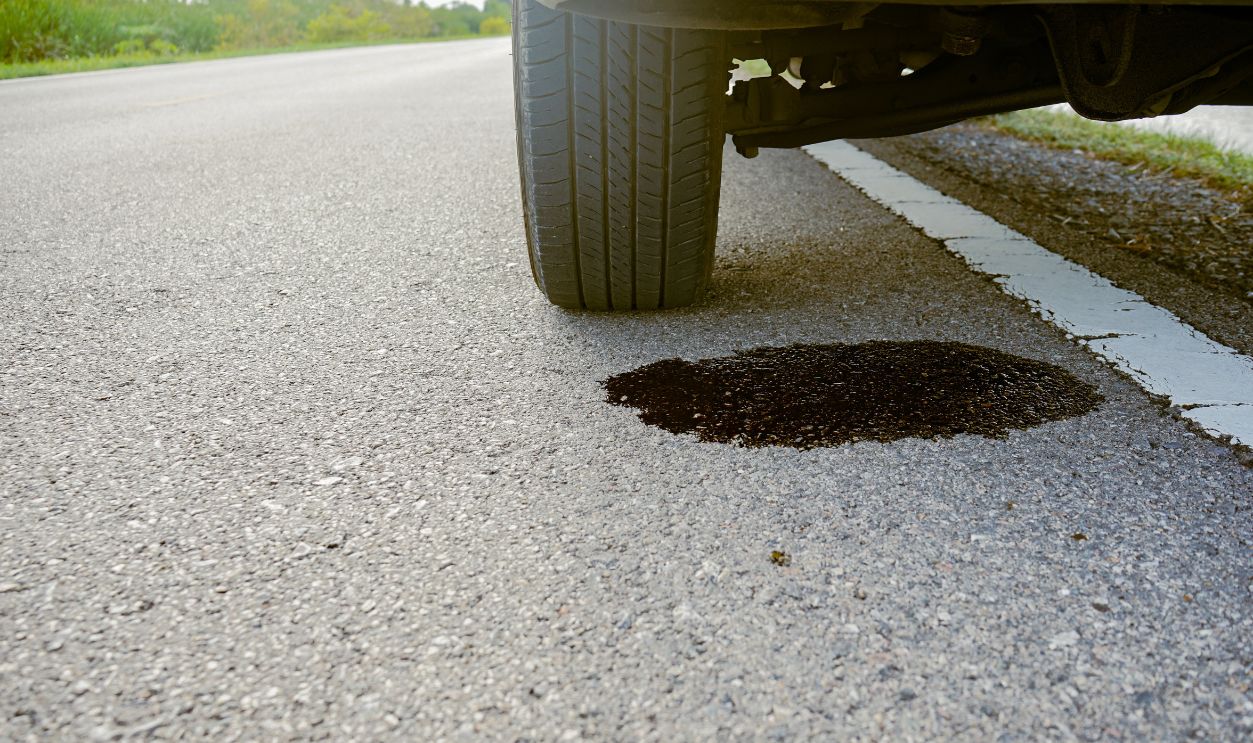 Mr.Anuwat Rumrod, Shutterstock
Concrete Is More Porous Than You Think
Concrete may look solid, but it’s porous. Once oil seeps in, it can bond below the surface. Professional oil-stain removal costs can vary widely depending on how old the stain is, how deep it soaked in, and how much surface area is affected.
When It Crosses The Property Line
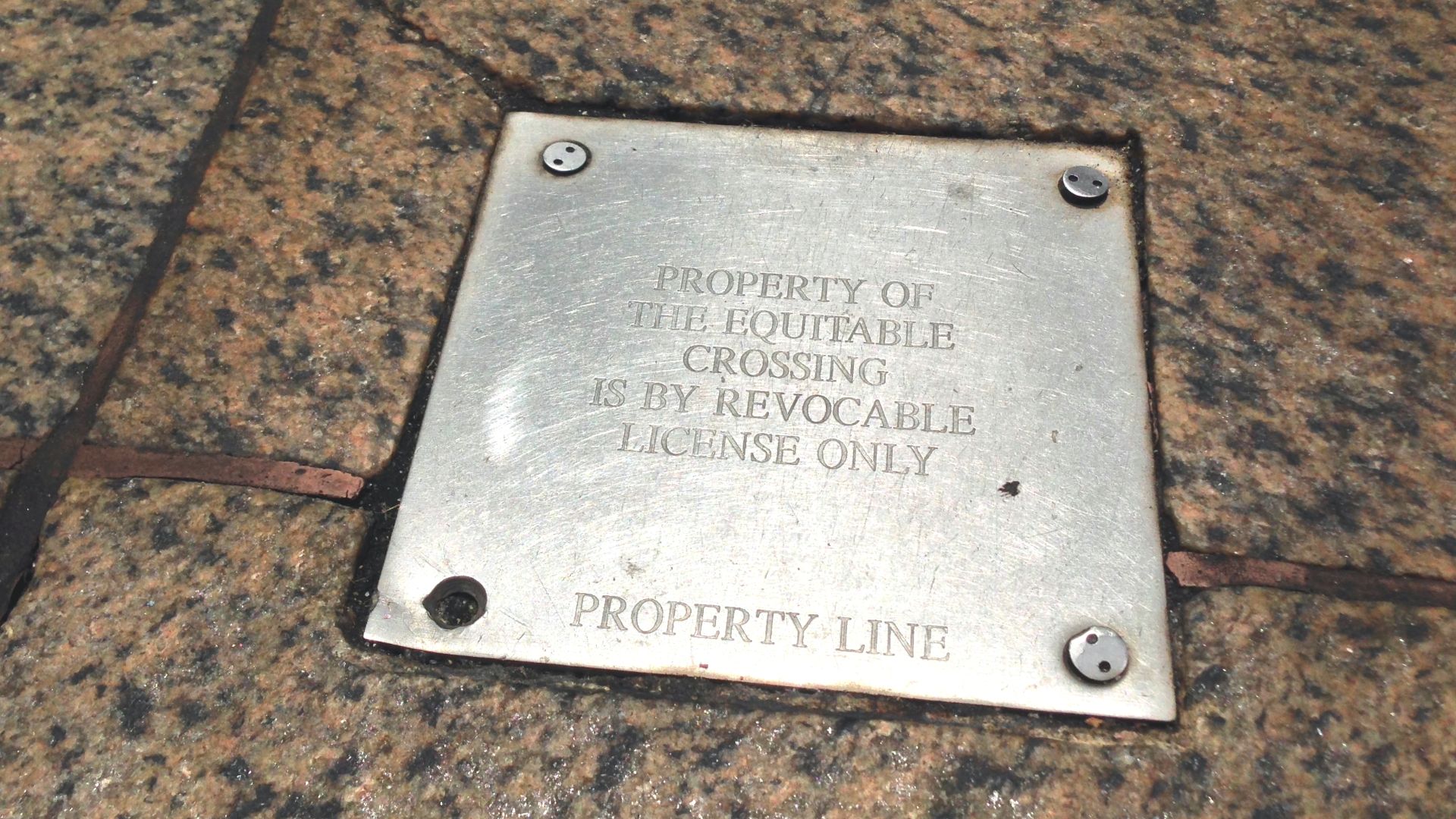
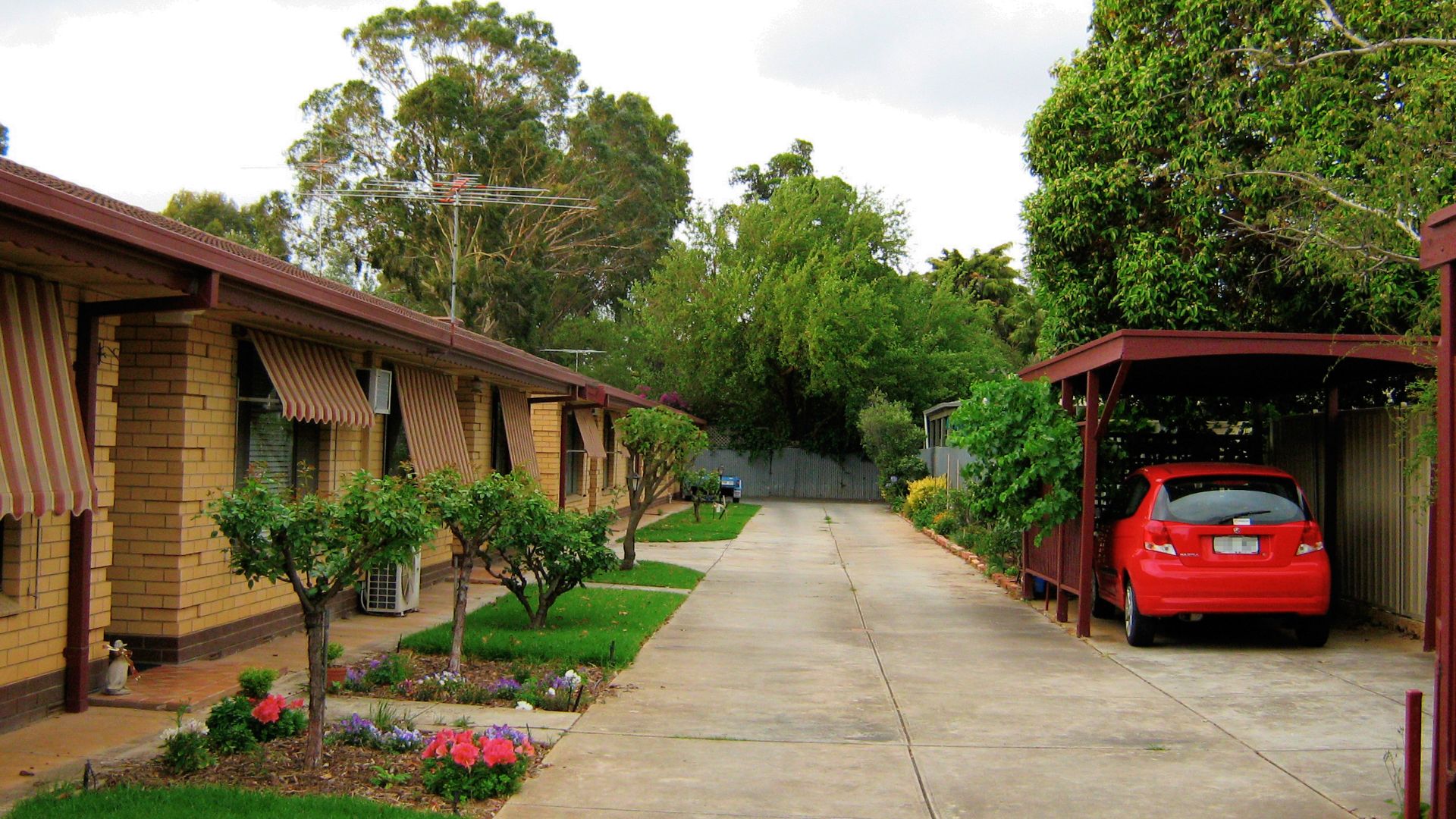
Property ownership is defined by legally recorded boundary lines (even in shared driveway arrangements). If the stain is physically on your deeded side, it may legally qualify as damage to your property rather than shared wear and tear. Recorded easements or shared-maintenance agreements can complicate who pays. So, the paperwork matters.
What Varies By State
While property lines are legally recorded everywhere, shared driveway setups differ. Some states treat them as split ownership down the centerline, while others rely on recorded easements granting access across one owner’s land. Small claims dollar limits vary a lot by state—often in the $2,500–$10,000 range, but higher in some states.

Shared Driveway Doesn’t Mean Shared Liability
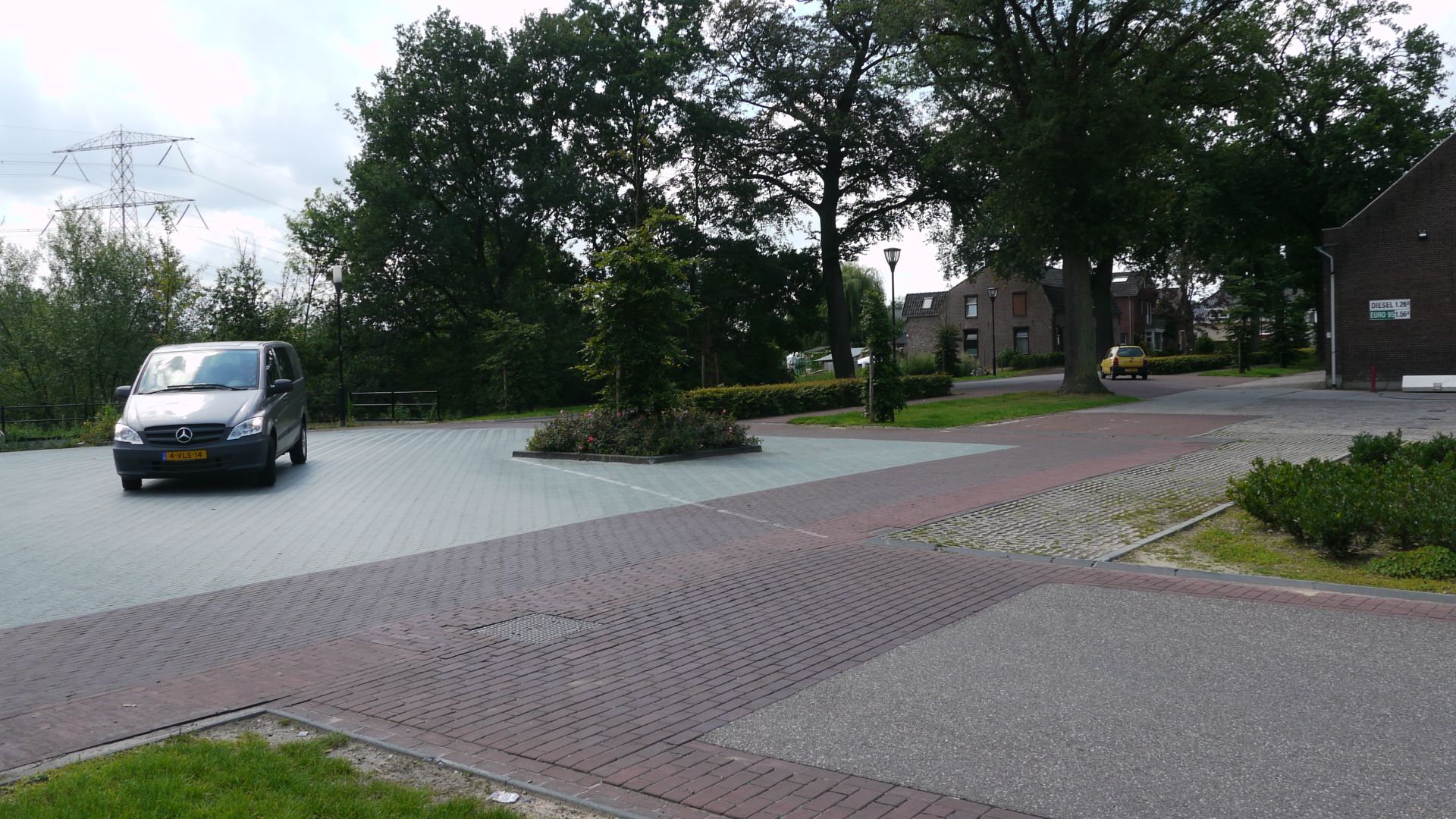
Even in shared access setups, responsibility is typically tied to ownership. Just because you both use the driveway doesn’t automatically mean you split every issue 50/50. The exact location of the damage matters.
 Erik Wannee, Wikimedia Commons
Is This Legally Property Damage?
Property damage generally occurs when someone’s actions—or failure to act—cause measurable harm to another person’s property. If oil from your neighbor’s vehicle crossed the property line and stained your side, that can qualify—even if it wasn’t intentional.
 Tingey Injury Law Firm, Unsplash
Negligence Is The Real Question
The key issue here isn’t intent, but rather reasonableness. You see, courts look at whether someone knew or reasonably should have known about a problem and failed to address it within a reasonable amount of time.
What If He Didn’t Know About The Leak?
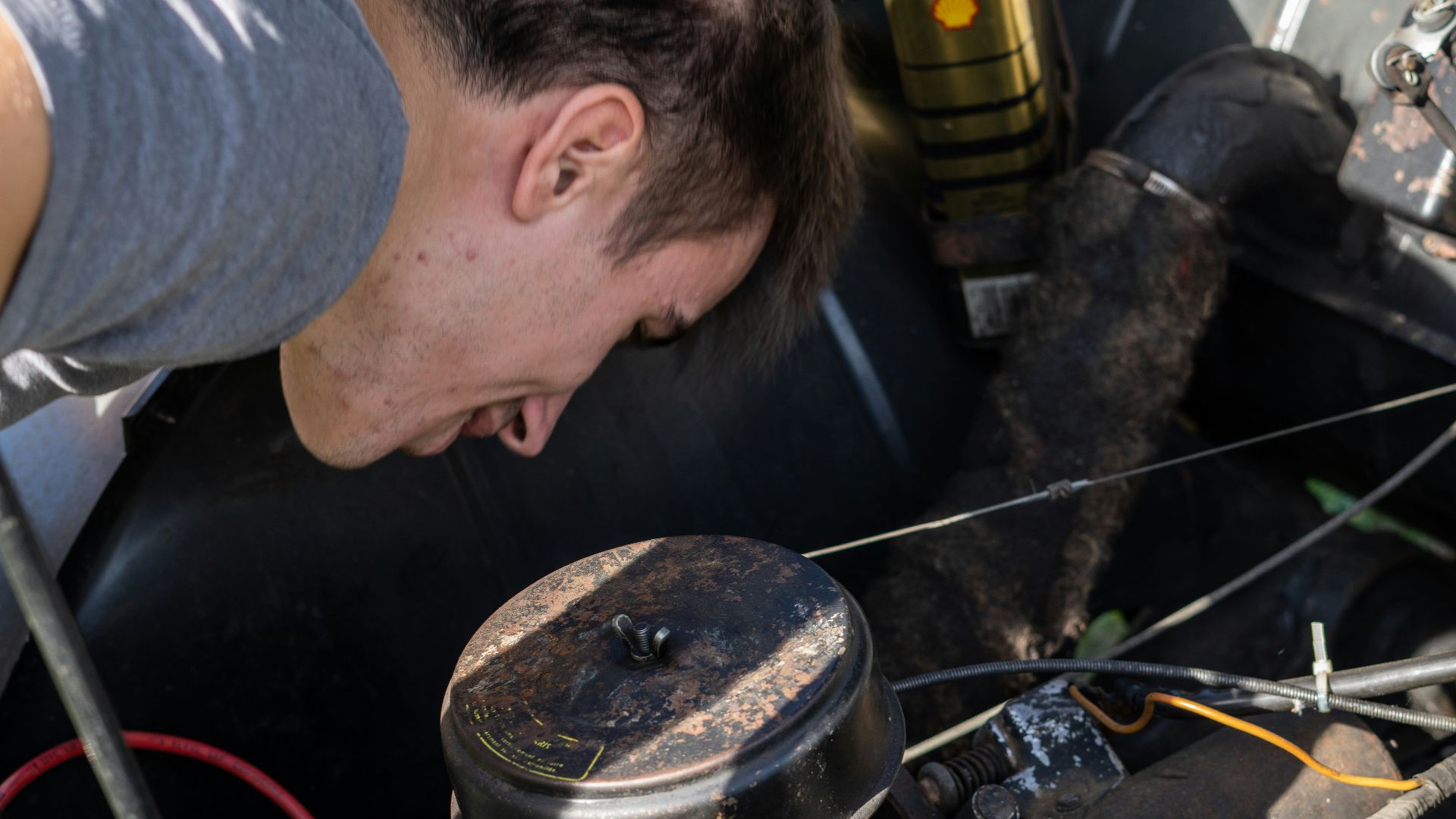
Not knowing doesn’t automatically eliminate responsibility. If the leak was visible, ongoing, or leaving clear residue, a judge may decide a reasonable vehicle owner should have noticed and corrected it.
 Fine Automotive Detailing, Unsplash
What If It Was Sudden And Fixed Immediately?
If a seal failed overnight, caused a one-time spill, and was repaired quickly after discovery, that obviously looks more like an isolated accident. and in those kind of cases, liability may be weaker (especially if the damage is minor).

Why Timing Matters
Once you notify your neighbor about the leak, the situation changes. Continued leakage after the notice makes it much harder to argue lack of awareness and strengthens a claim for preventable damage.
Document Everything
Take clear photos of the stain and its placement relative to the property line. If you have a survey showing the boundary, keep it ready. Documentation is often the deciding factor in disputes like this.

Get A Written Cleanup Estimate
Before asking for payment, get a professional quote. Concrete cleaning and stain removal costs vary widely, and having a written estimate makes your request look reasonable—not reactive.

Start With A Calm Conversation
Most neighbor disputes never see a courtroom. Show the photos and estimate. Many people would rather pay a few hundred dollars than risk escalating tension—or legal paperwork.

What If He Refuses?
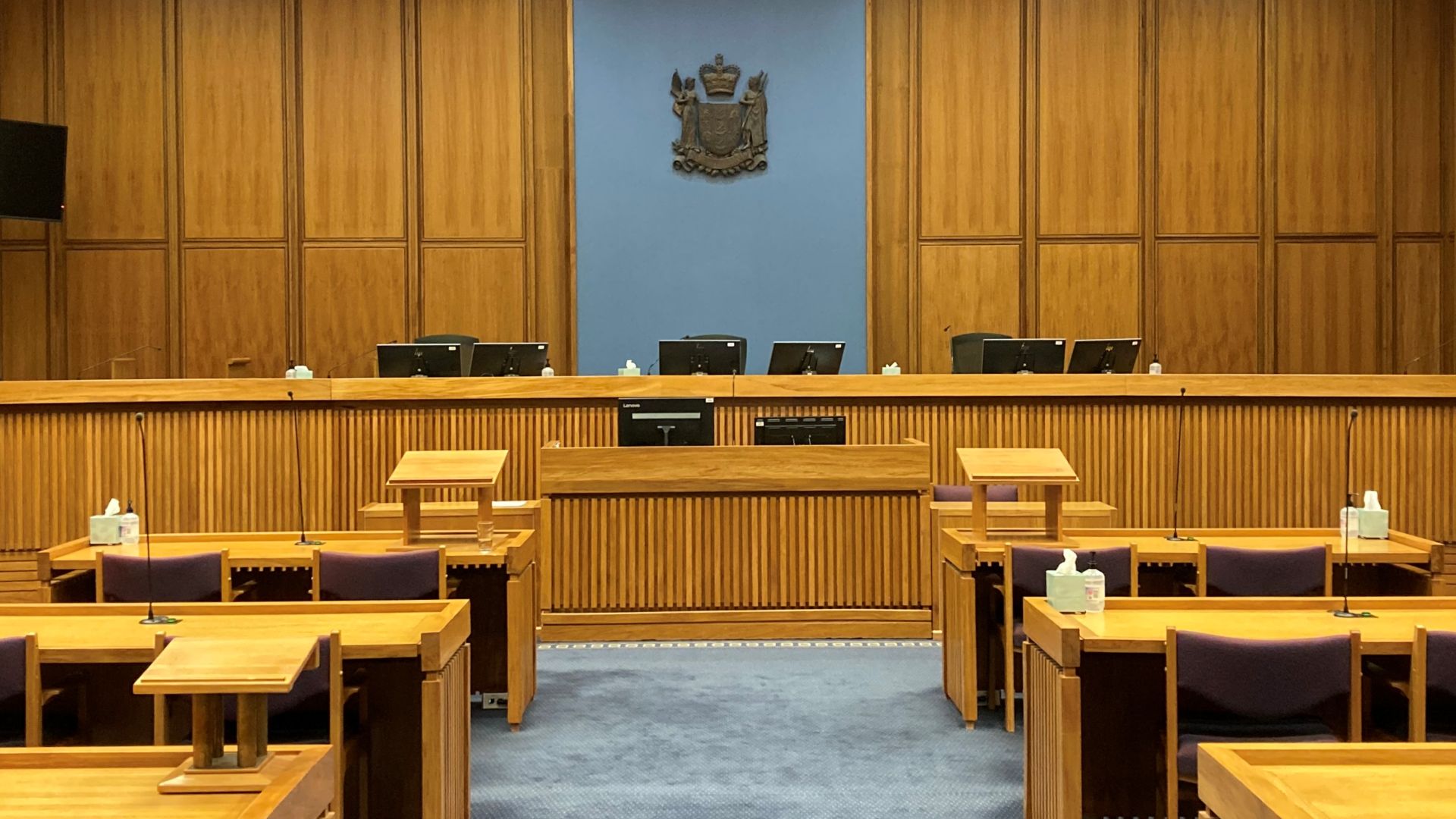
If cooperation fails, small claims court is designed for property disputes like this. Filing fees are typically modest, and attorneys usually aren’t required.

Does Small Claims Actually Work?
Small claims courts handle a huge volume of everyday disputes, including property damage issues between neighbors—so judges are used to sorting out situations like this.
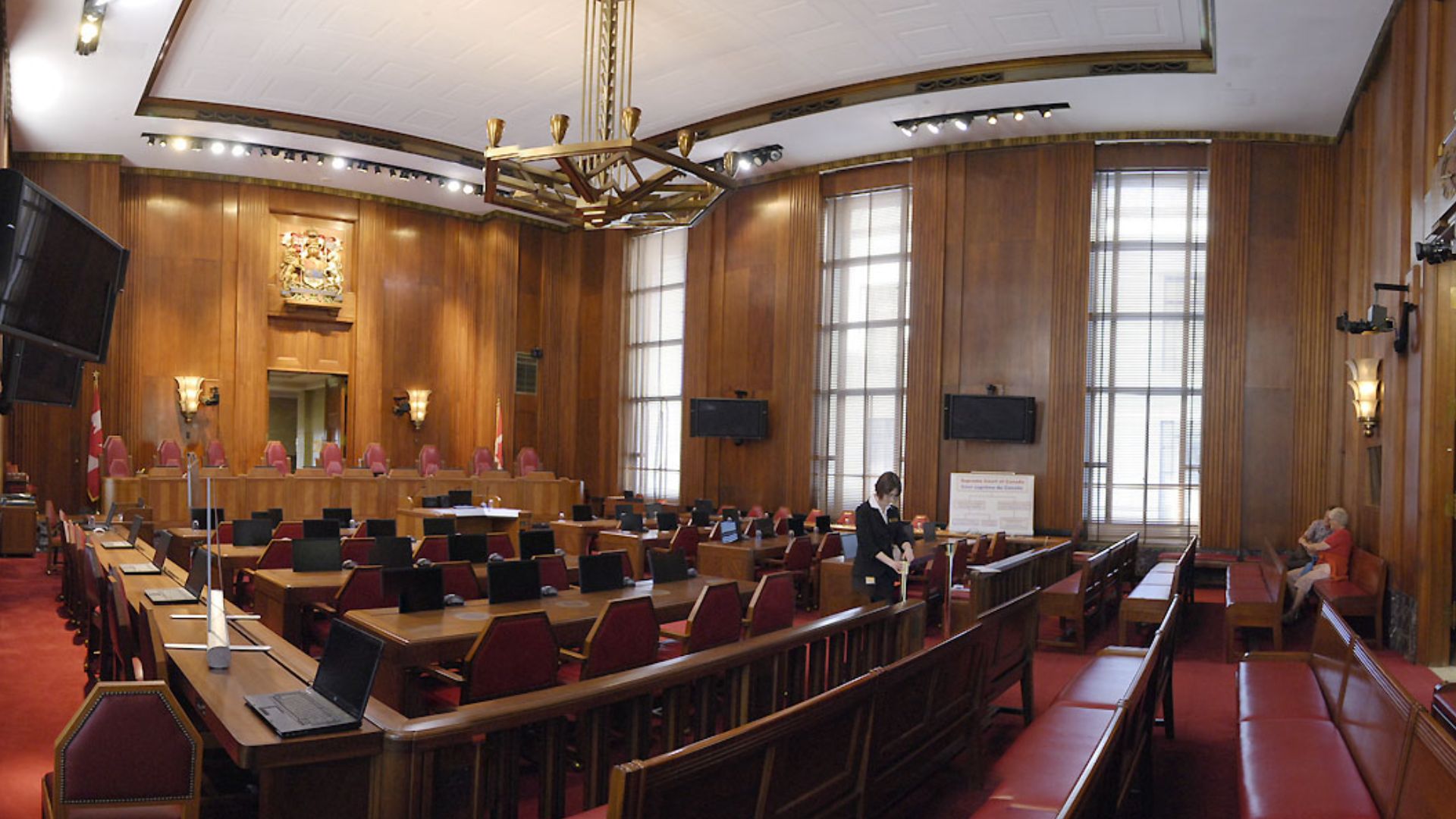
A Real Small Claims Example
In small claims courts across the U.S., property damage disputes between neighbors are common. Judges typically focus on documentation, repair estimates, and whether the defendant ignored notice of the problem. Clear photos and written costs often carry more weight than emotional arguments.

Could Homeowners Insurance Help?
Possibly—but consider your deductible. Many homeowners policies carry deductibles of $1,000 or more. Filing a small claim could also affect future premiums.

What About His Insurance?
If the damage qualifies as property damage caused by negligence, his liability coverage might apply. That usually requires him to initiate the claim process.

HOA Rules May Apply
If you’re in an HOA, check the bylaws. Many associations prohibit leaking vehicles in shared or visible spaces and may require repair or cleanup before the issue escalates further.
 Nigel Chadwick, Wikimedia Commons
Could This Hurt Property Value?
Driveway condition affects curb appeal, and visible stains can raise questions for buyers—especially in a shared-driveway setup.
How Long Do You Have To Act?
Every state has a statute of limitations for property damage claims, and the deadline can be surprisingly short in some places—so it’s smart not to wait.

Worst-Case Scenario
If the leak continues, the stain can spread deeper into the concrete and become permanent. Repeated saturation may require professional resurfacing—not just cleaning—which can cost significantly more. What starts as a small dark patch could turn into a repair bill that neither of you wants to own.
 Lane V. Erickson, Shutterstock
What Not To Do
Avoid retaliation—like blocking access or escalating publicly. Shared driveways require ongoing coexistence, and staying reasonable protects both your daily peace and your credibility and will make life much easier going forward. Remember, when this issue is taken care of you both still have to park side by side.

A Practical Temporary Fix
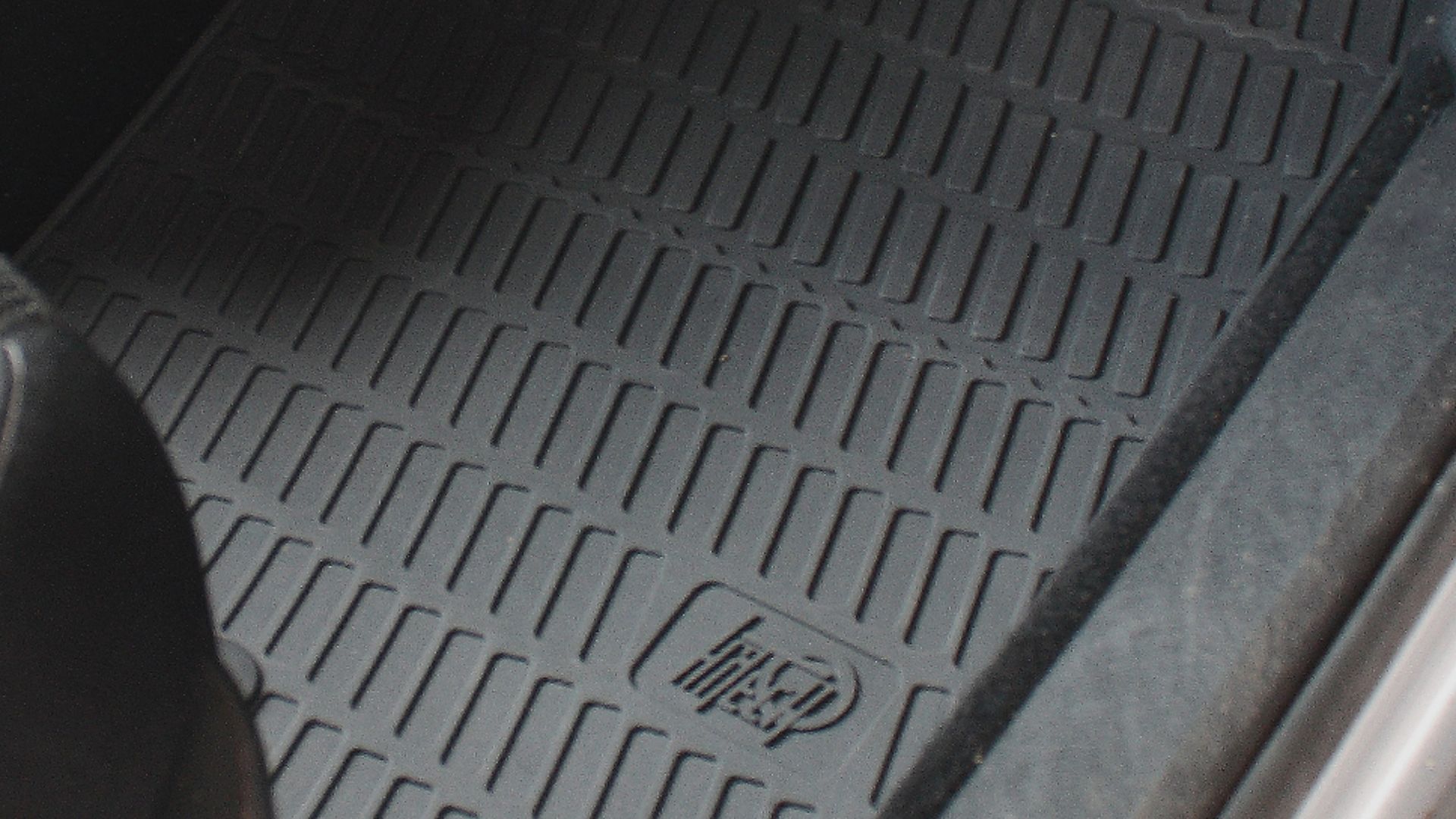
Drip pans or absorbent mats under the leaking vehicle can prevent further spread. Suggesting this also shows that you’re focused on preventing additional damage (not just assigning blame).
The Bottom Line
If the oil clearly crossed the property line and stained your side, you likely have grounds to request cleanup costs—especially if the leak was ongoing or ignored after notice. Start with documentation and conversation. Most driveway disputes get resolved long before court cases become a thing.

You Might Also Like: