One Headlight Isn’t Enough: Why Driving With A Burnt-Out Front Light Can Get You Pulled Over
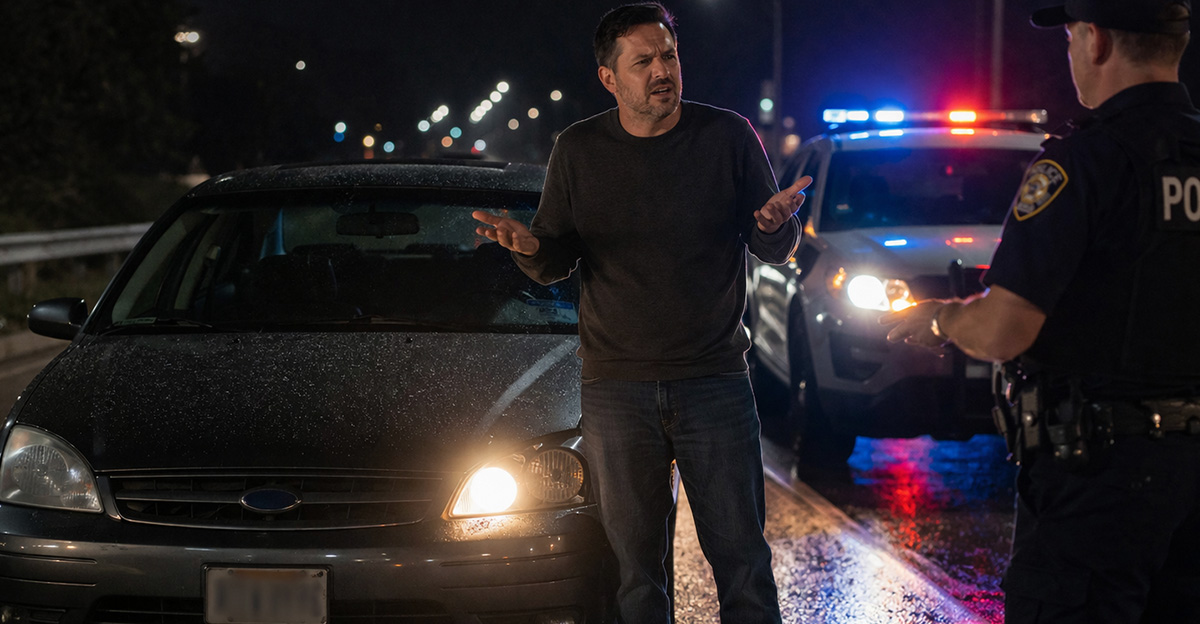
You glance at the front of your car, notice one headlight is out, and think, “No big deal. The other one still works.” Then flashing lights appear in your mirror, and suddenly you’re getting pulled over for unsafe driving. It feels unfair at first, especially if you honestly believed one headlight was enough. But when it comes to visibility, safety, and the law, a car with only one working front headlight is a bigger problem than many drivers realize.
Why This Confuses So Many Drivers
A lot of people assume that as long as some light is shining ahead, the car is still road legal. That idea usually comes from mixing up headlights with other lights, like brake lights or daytime running lights, or just from old garage wisdom passed around by friends and relatives. It sounds believable, but it is not how traffic safety works in real life.
The Simple Answer
No, you generally cannot legally drive at night with only one functioning front headlight. In most places, if your vehicle came equipped with two headlights, both are expected to work properly. A missing or dead headlight can make your car harder to see, harder to judge, and more dangerous for everyone around you.
Why Police Care About It
This is not just a nitpicky equipment issue. Police officers look for anything that makes a vehicle less visible or creates confusion on the road. One headlight out can affect how other drivers judge your speed, distance, and even what kind of vehicle is coming toward them, especially in poor weather or on dark roads.
How One Headlight Changes What Others See
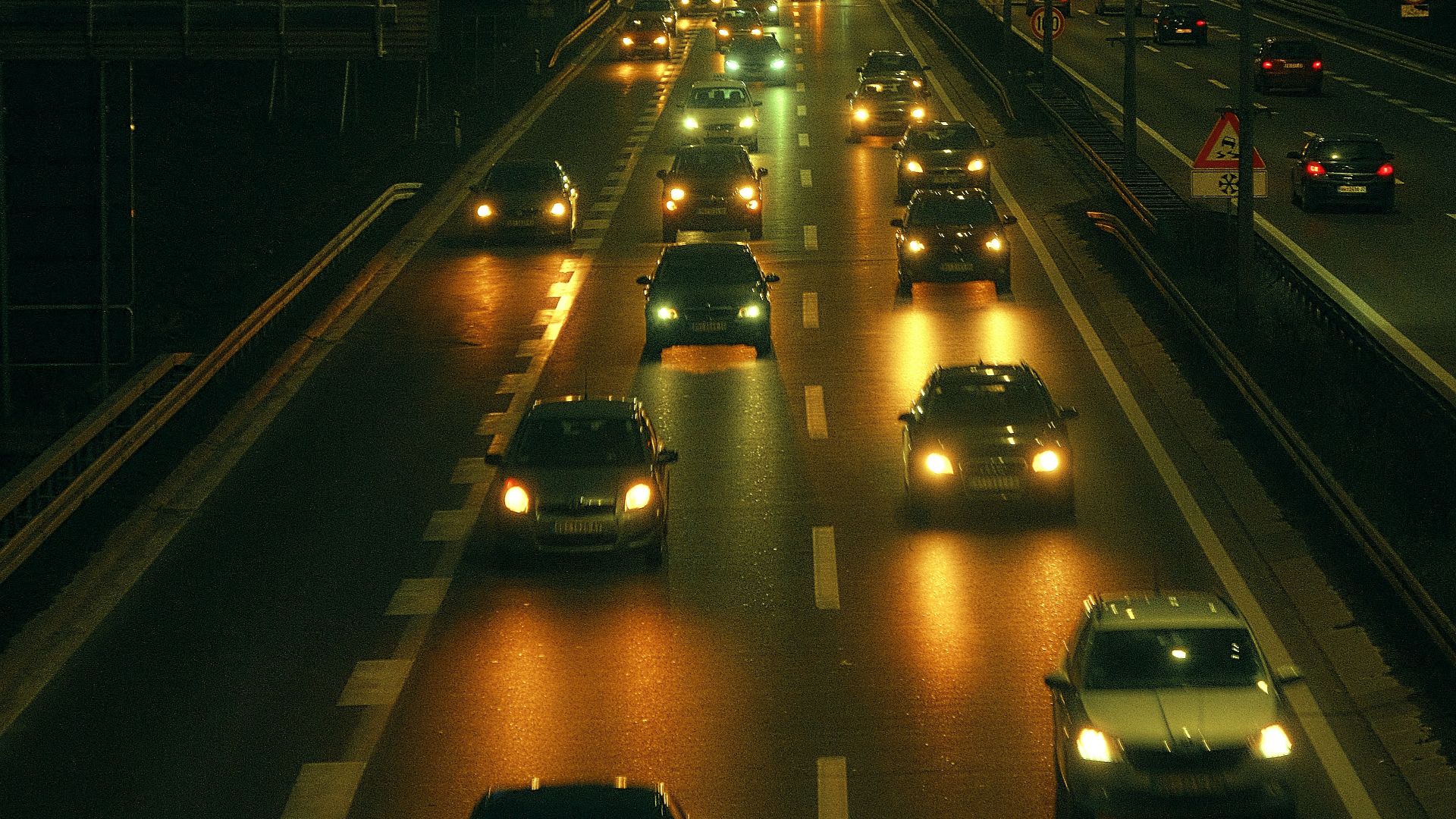
When both headlights are on, drivers get a clear picture of your car’s width and position. When only one is working, your vehicle can look oddly narrow or off-center. At a glance, another driver might mistake your car for a motorcycle or think you are farther away than you really are, which can lead to risky decisions.
It Can Make Passing And Turning Riskier
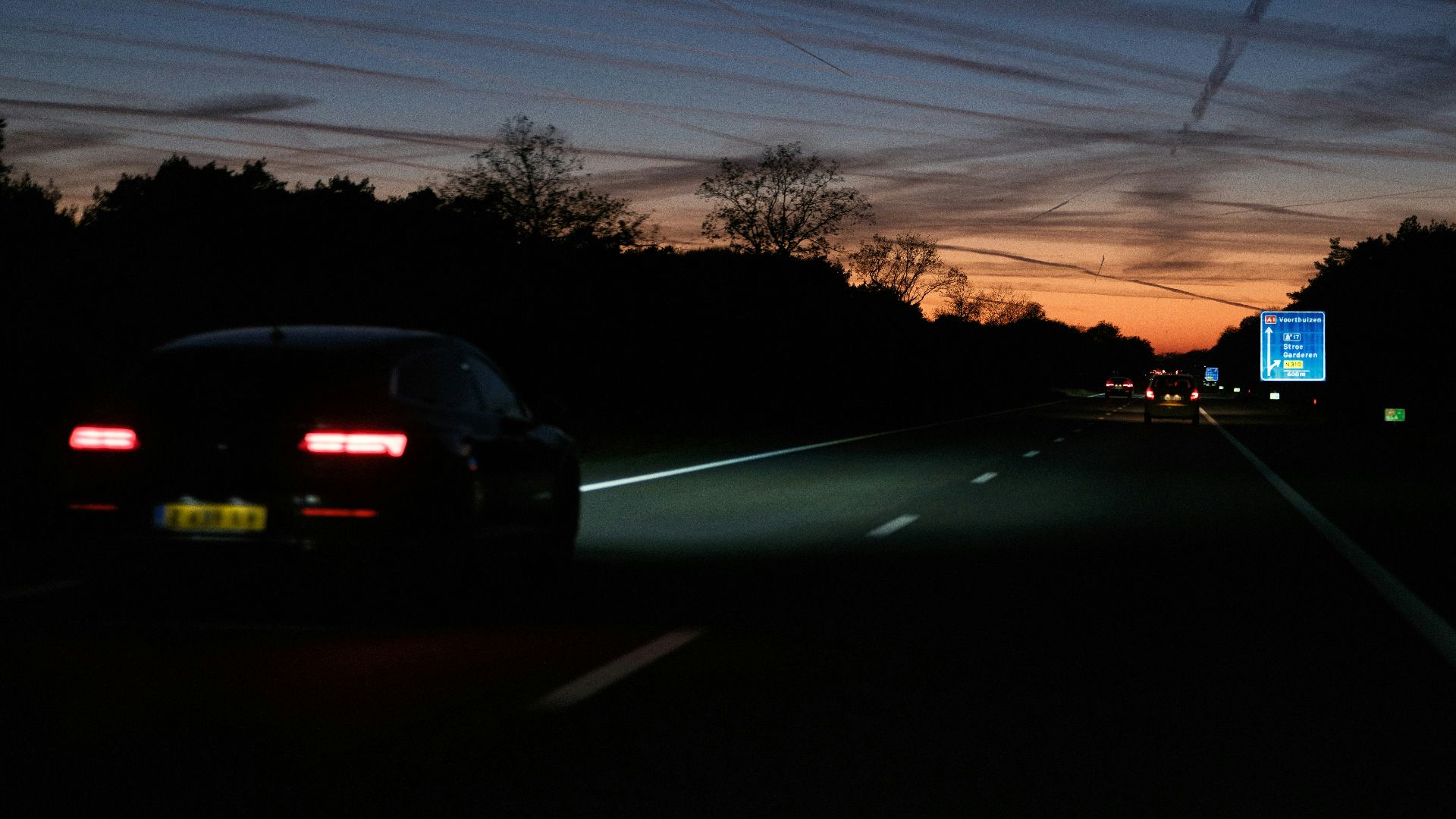
Night driving already comes with reduced depth perception, and one missing headlight makes that worse for everyone nearby. A driver waiting to turn across traffic may misjudge your position. Someone trying to merge may not understand exactly where your car is in the lane. That little burnt-out bulb can create a whole lot of guesswork.
Your Vision Matters Too
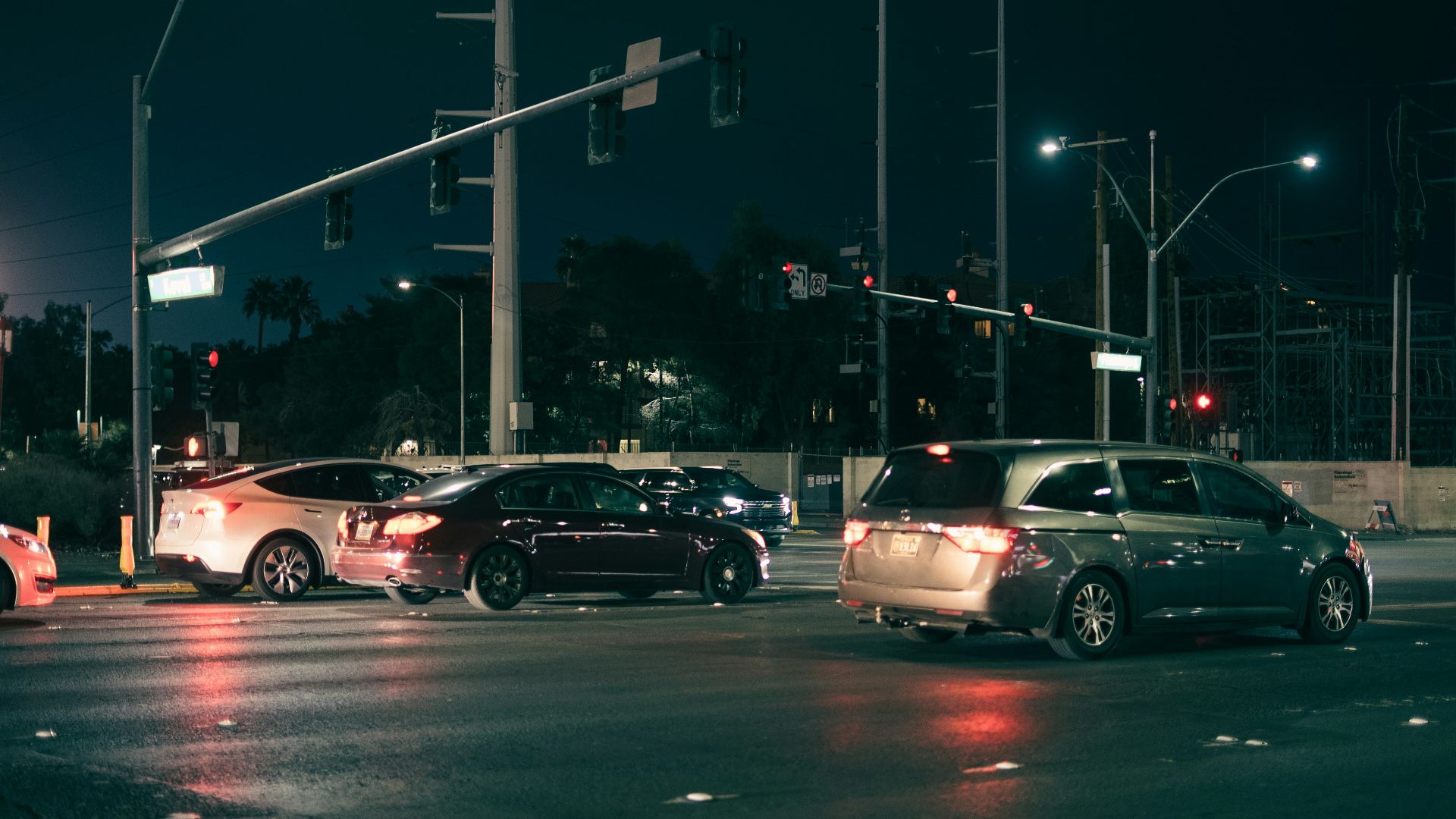
A bad headlight does not just affect what others see. It also affects what you see. With only one light working, the road ahead is not evenly lit, and that means dark patches, weaker side visibility, and less confidence spotting hazards like potholes, animals, debris, or pedestrians.
Rain Makes The Problem Worse
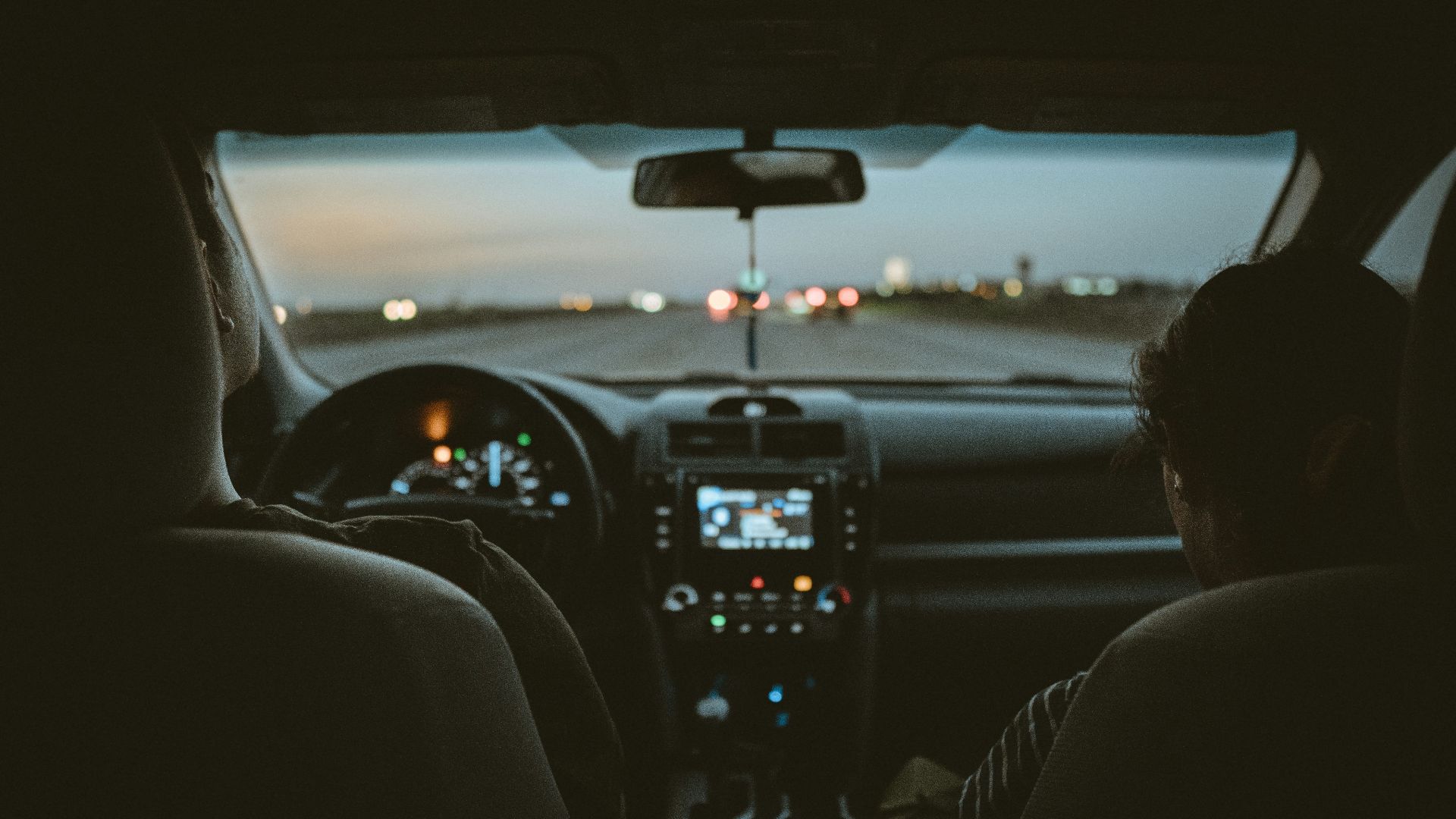
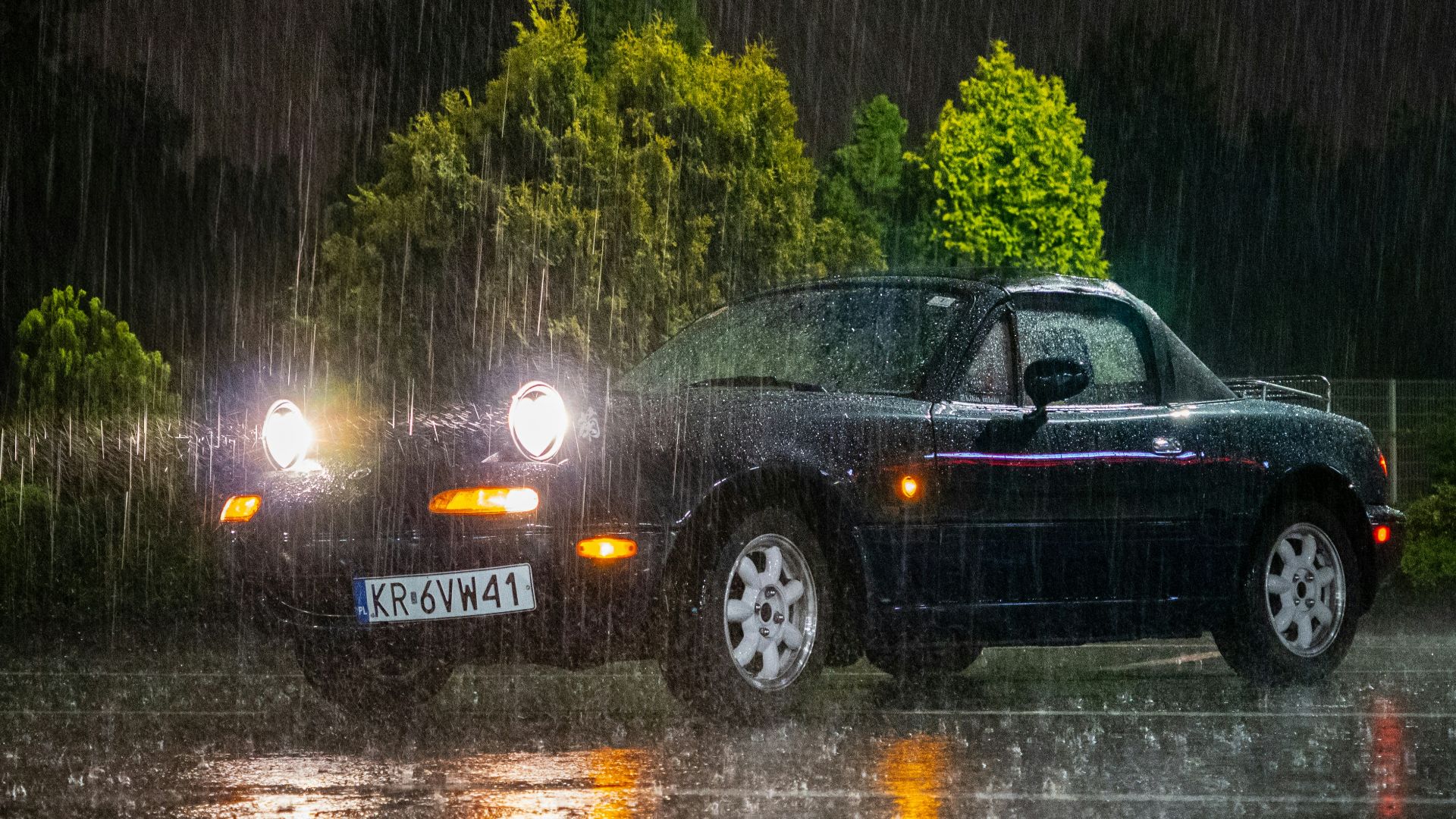
If one dead headlight is a problem on a clear night, it becomes an even bigger one in rain. Wet roads reflect light, oncoming glare gets stronger, and visibility drops fast. When your car is only half-lit up front, you lose precious visual balance right when you need it most.
Fog And Snow Are Even More Tricky
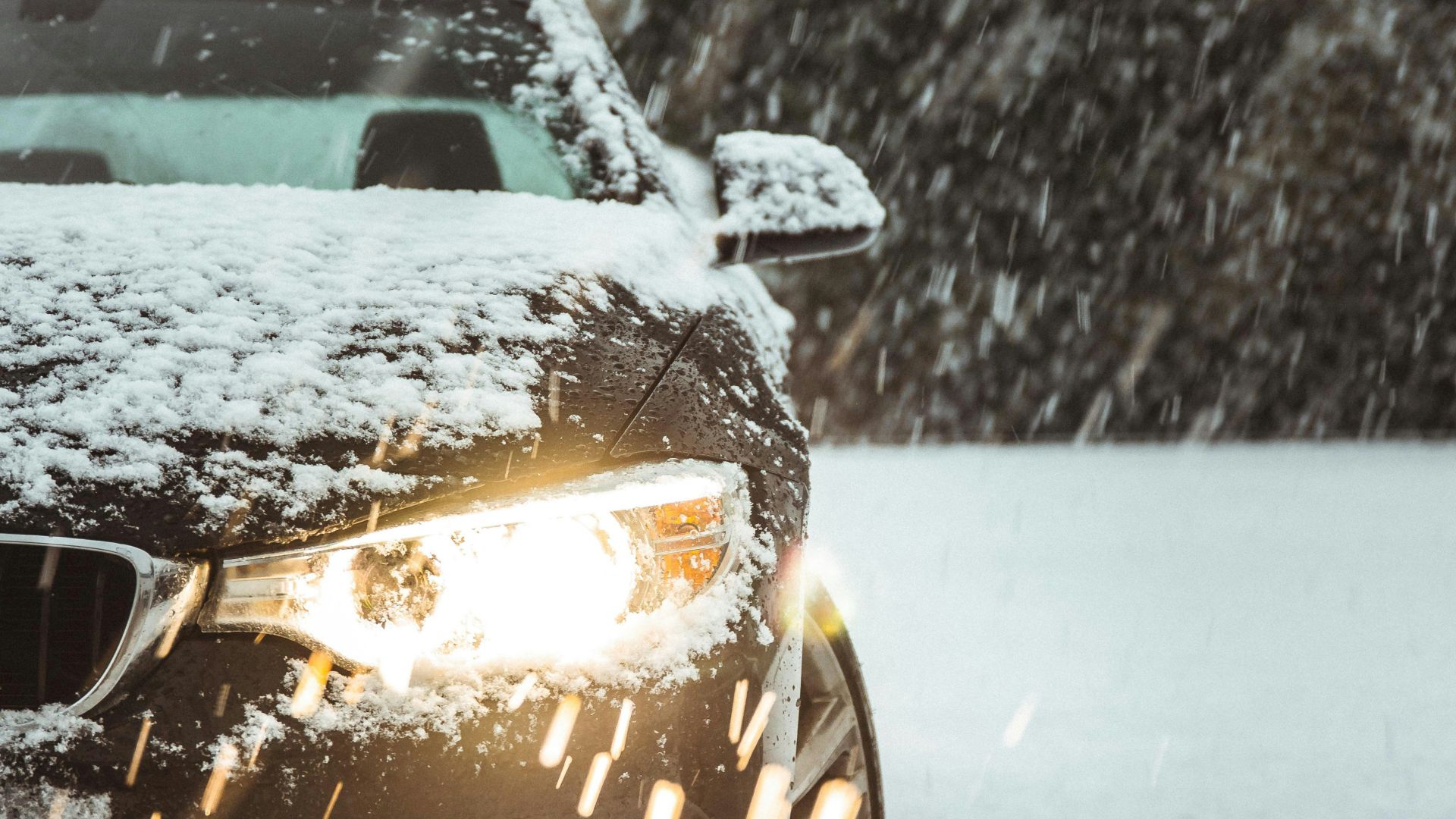
Fog and snow already make it hard to judge distance and movement. With only one headlight shining through the haze, other drivers may struggle to tell where your car begins and ends. In winter conditions, that can turn a small maintenance issue into a serious safety risk.
Daytime Doesn’t Always Save You
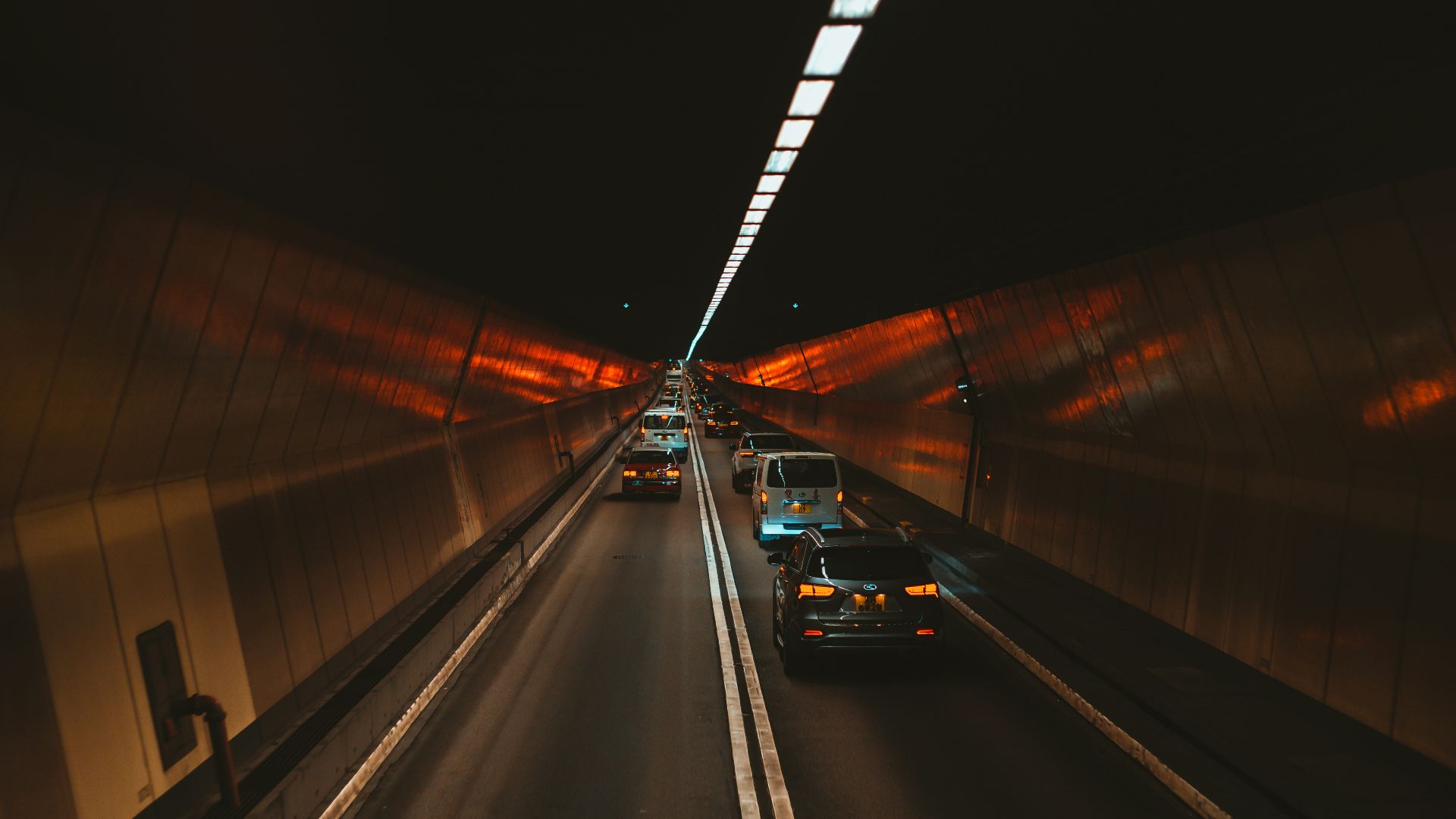
Some drivers think a dead headlight only matters after dark. Not always. Tunnels, heavy rain, gloomy weather, and early morning or evening light can all make front lighting important. Plus, if the officer notices the issue during the day, they may still stop you because the vehicle equipment is not functioning properly.
You Might Be Thinking Of Motorcycles
Part of the confusion comes from motorcycles, which often use a single front headlight by design. Cars are different. A car built with two headlights is expected to use two headlights. What is normal for a bike is not automatically legal or safe for a sedan, SUV, or pickup.

It Is Not The Same As High Beams
Another common misunderstanding is that maybe one regular beam is enough because high beams are optional. But low beams are your standard driving lights for nighttime conditions, and they both need to work. You cannot replace proper lighting with wishful thinking and a squint.
Officers Often Stop You For Safety First
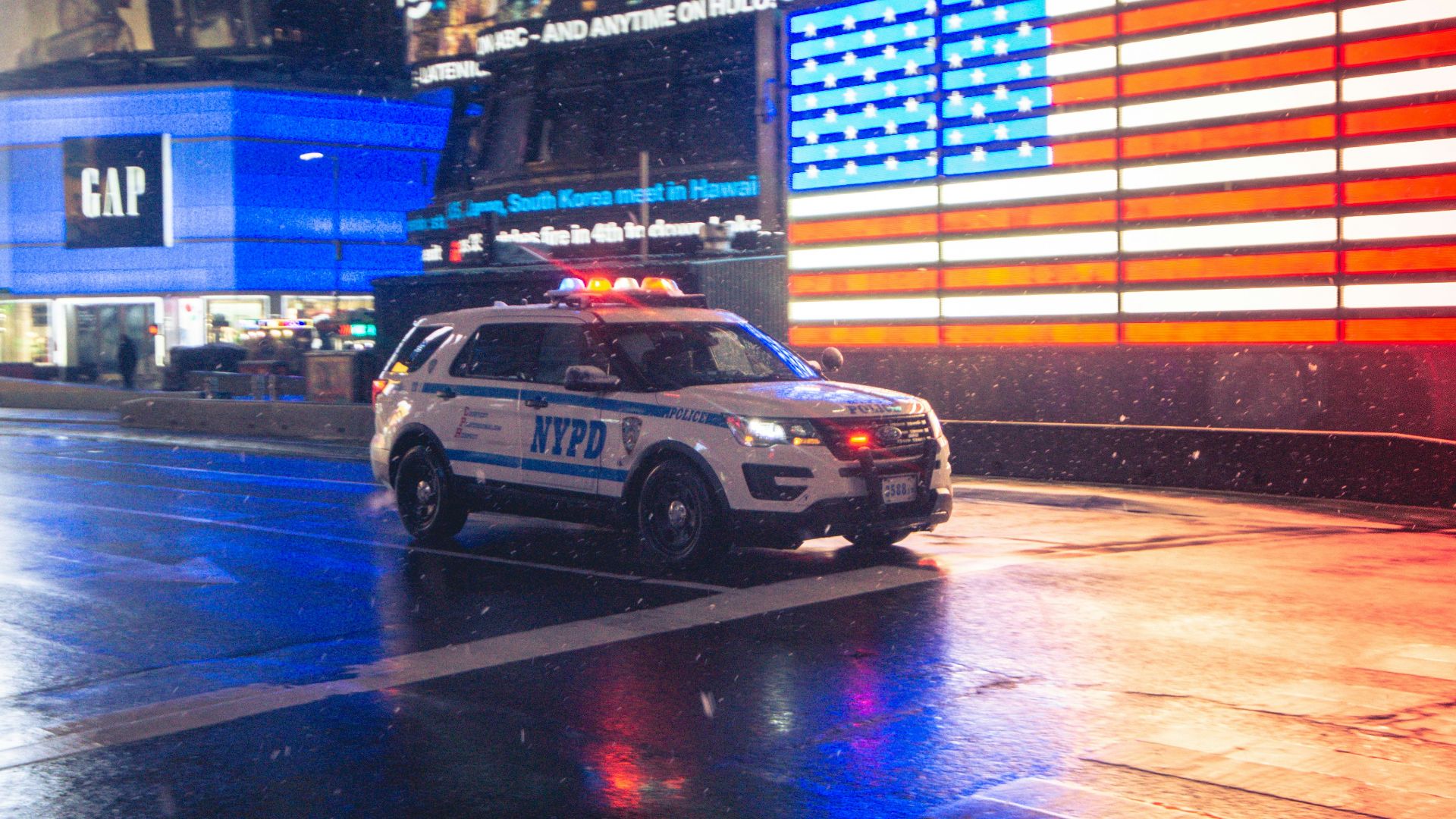
Getting pulled over for a headlight issue does not always mean the officer thinks you are a menace to society. In many cases, they are stopping you because the car creates a real safety concern. It may feel dramatic, but from their point of view, they are addressing a hazard before it causes a crash.
Why The Stop Can Be Called Dangerous Driving
The wording can surprise people. “Dangerous” sounds extreme when the issue is just one bulb. But the concern is about the effect on the road, not just the broken part. If your vehicle is harder to see and harder to judge, that can fall under unsafe or dangerous operation depending on the rules where you are.

You May Get A Warning Or A Ticket
Sometimes you will get a warning and be told to fix it quickly. Other times you may get a citation, especially if the officer thinks you ignored the problem for too long or the lighting issue is part of a bigger pattern of poor vehicle maintenance. It often depends on local law, timing, and the officer’s discretion.
“It Just Burned Out” Is Not Always A Shield
It is true that headlights can fail suddenly, and many officers understand that. But if you admit it has been out “for awhile,” that can make it sound like the problem was known and ignored. Once you know an important safety feature is not working, you are expected to deal with it promptly.

It Is Usually A Cheap Fix
The good news is that most headlight problems are not wallet-destroying disasters. In many cases, it is just a bulb replacement. Even if it turns out to be a fuse, wiring issue, or worn socket, fixing it is still usually far cheaper than dealing with tickets, court hassles, or a crash.
Replacing A Bulb Is Easier Than Many Drivers Think
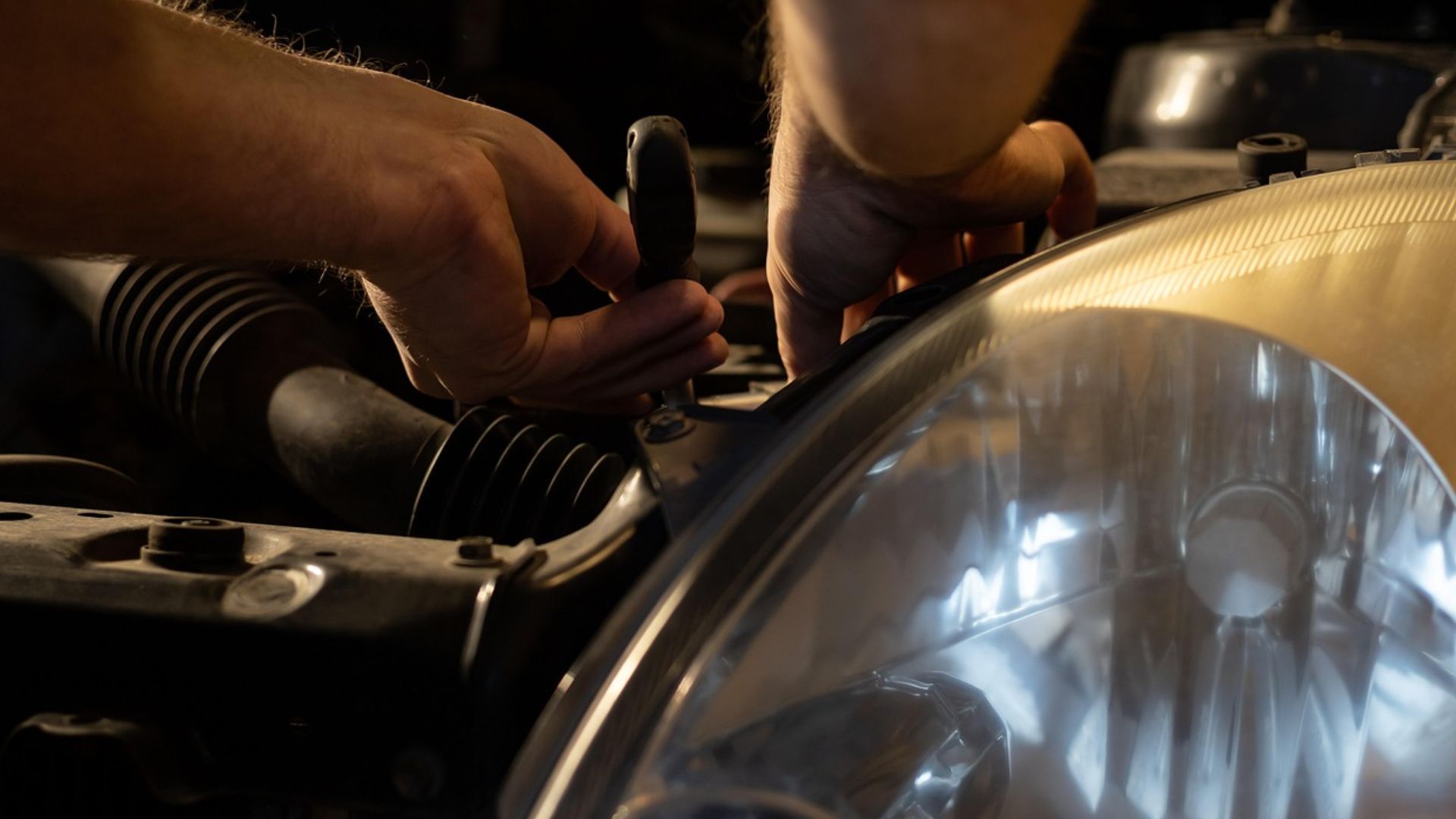
A surprising number of drivers put off the repair because they imagine it will involve half the front bumper coming off and a mechanic muttering darkly in the corner. Some vehicles really are awkward, but many let you swap the bulb with basic tools and a little patience.

Do Not Ignore A Dim Light Either
A headlight does not have to be fully dead to become a problem. If one side is much dimmer than the other, you are still dealing with reduced visibility and an uneven look from the front. That weaker light can be a warning sign that the bulb is about to fail completely.
Check Both Lights Regularly
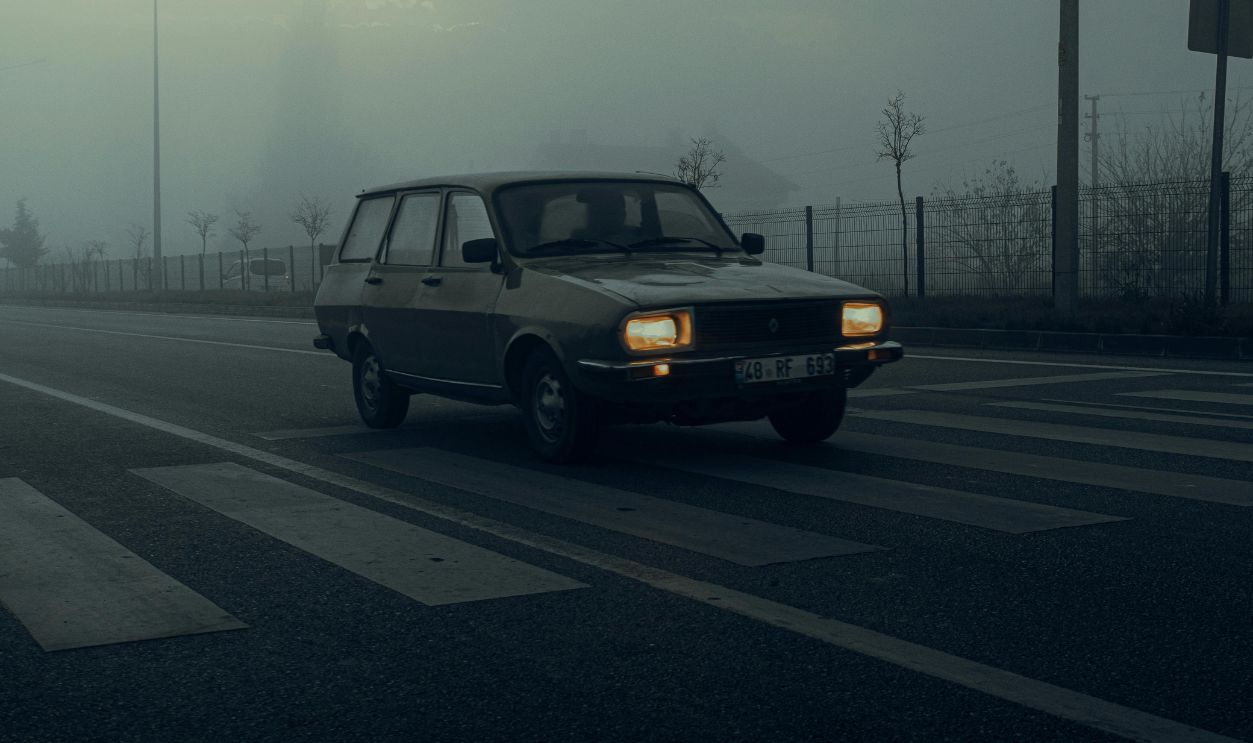
One of the easiest safety habits is also one of the fastest. Every couple of weeks, or before a longer drive, walk around the car and make sure all your lights work. Headlights, brake lights, signals, and running lights all matter, and checking them takes less time than waiting for roadside flashing lights.
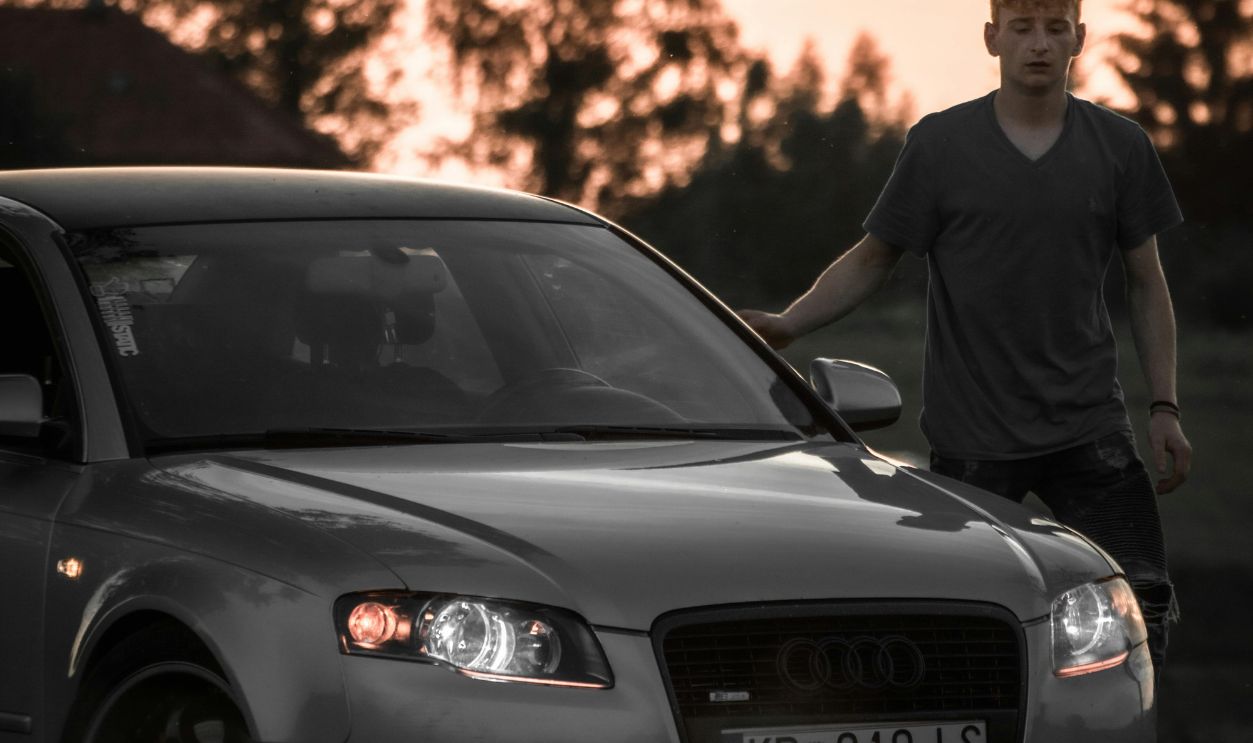
Ask Someone To Help If You Need To
If you cannot easily tell whether your lights are working, have a friend stand outside while you switch through headlights, turn signals, brake lights, and reverse lights. It is a simple team effort that can catch problems before police or other drivers do.
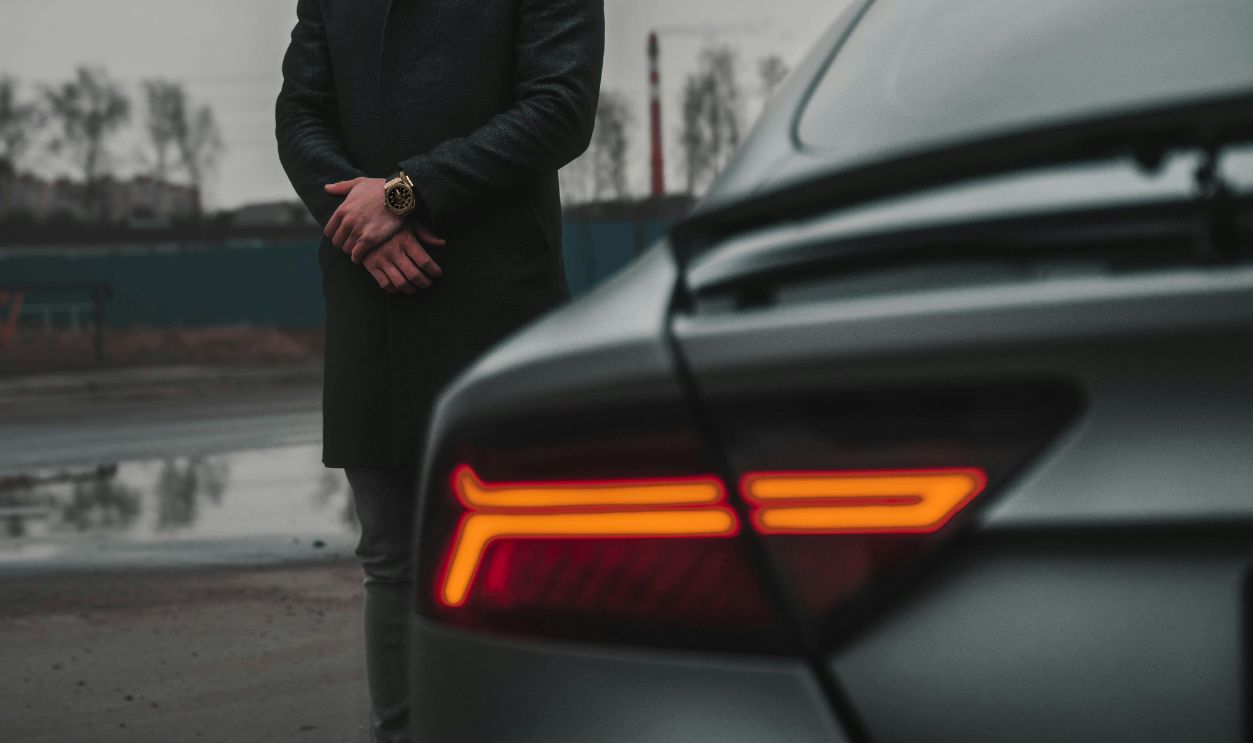
Keep Spare Bulbs In Mind
Depending on your car, keeping a replacement bulb on hand is not a bad idea. It is one of those small, boring preparations that becomes incredibly satisfying when a light goes out and you can fix it quickly instead of putting it off for three weeks and pretending it is fine.
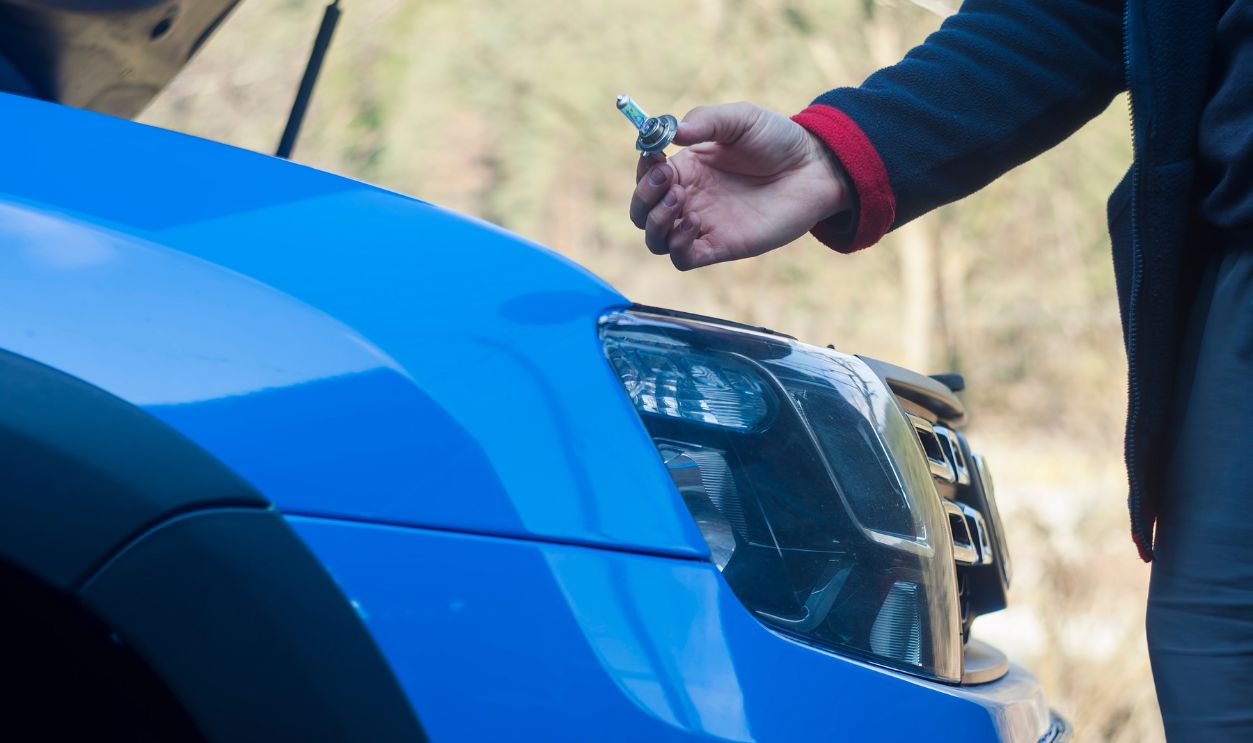
Do Not Wait For Inspection Time
A lot of drivers only think about lights when inspection season rolls around. That is a mistake. Your headlights are not just there to help you pass paperwork day. They are daily safety equipment, and they deserve attention the moment something goes wrong.
It Also Protects Your Insurance Situation
A known safety defect can become a bigger issue after a collision. If your car had a headlight out and that may have contributed to poor visibility or confusion, it could complicate what happens next. Even when it does not change fault, it is still not the kind of detail you want hanging over a claim.

A Small Problem Can Send The Wrong Message
Fair or not, a burnt-out headlight can make a car look neglected. If an officer spots one obvious defect, they may look more closely for others. Taking care of simple maintenance helps your car stay safer and keeps you from attracting the kind of attention no driver wants.

The Best Move After A Stop
If you were pulled over for driving with one headlight, the smartest next step is simple: fix it right away. Do not spend the next month arguing with the laws of visibility. Replace the bulb, check the rest of the lighting system, and treat the stop as a useful reminder rather than a personal insult from the universe.
The Bottom Line
You may have thought one headlight was enough, but on a modern road, it really is not. Two working headlights help you see better, help others see you properly, and reduce confusion in situations where split-second judgment matters. So if one has been out for awhile, now is the time to stop shrugging, start fixing, and get your car back to full brightness before your next nighttime drive comes with an unexpected audience.
You May Also Like:
You Might Be Undervaluing Your Trade-In—These Tips Can Help Fix That