
The Three-Year Rule Sounds Neat, But It’s Not A Rule
If a dealership tells you every car battery must be replaced every three years, that’s too broad to be fully true. Battery life depends on climate, driving habits, battery type, and how the vehicle is used. Many 12-volt car batteries do start to weaken somewhere around the three- to five-year mark, which is why the advice gets repeated so often. But replacing one no matter what is not the same as checking the actual condition of your battery.

Why Dealers Often Push Simple Timelines
Service departments like simple schedules because they’re easy to explain and easy to sell. A time-based recommendation can help prevent breakdowns, especially for drivers who never test their battery until the car won’t start. Still, a blanket rule can also mean replacing a battery that still has useful life left. The better question is not just how old the battery is, but how healthy it is right now.

Most Car Batteries Do Have A General Lifespan
Industry and consumer sources often say a typical car battery lasts about three to five years. AAA notes that heat, vibration, and heavy accessory use can shorten battery life, while some batteries in milder conditions may last longer. Consumer Reports has also pointed out that hot climates are especially hard on batteries. So the dealership isn’t making up the three-year idea, but it’s more of a rough range than a firm deadline.

Heat Is Usually Harder On Batteries Than Cold
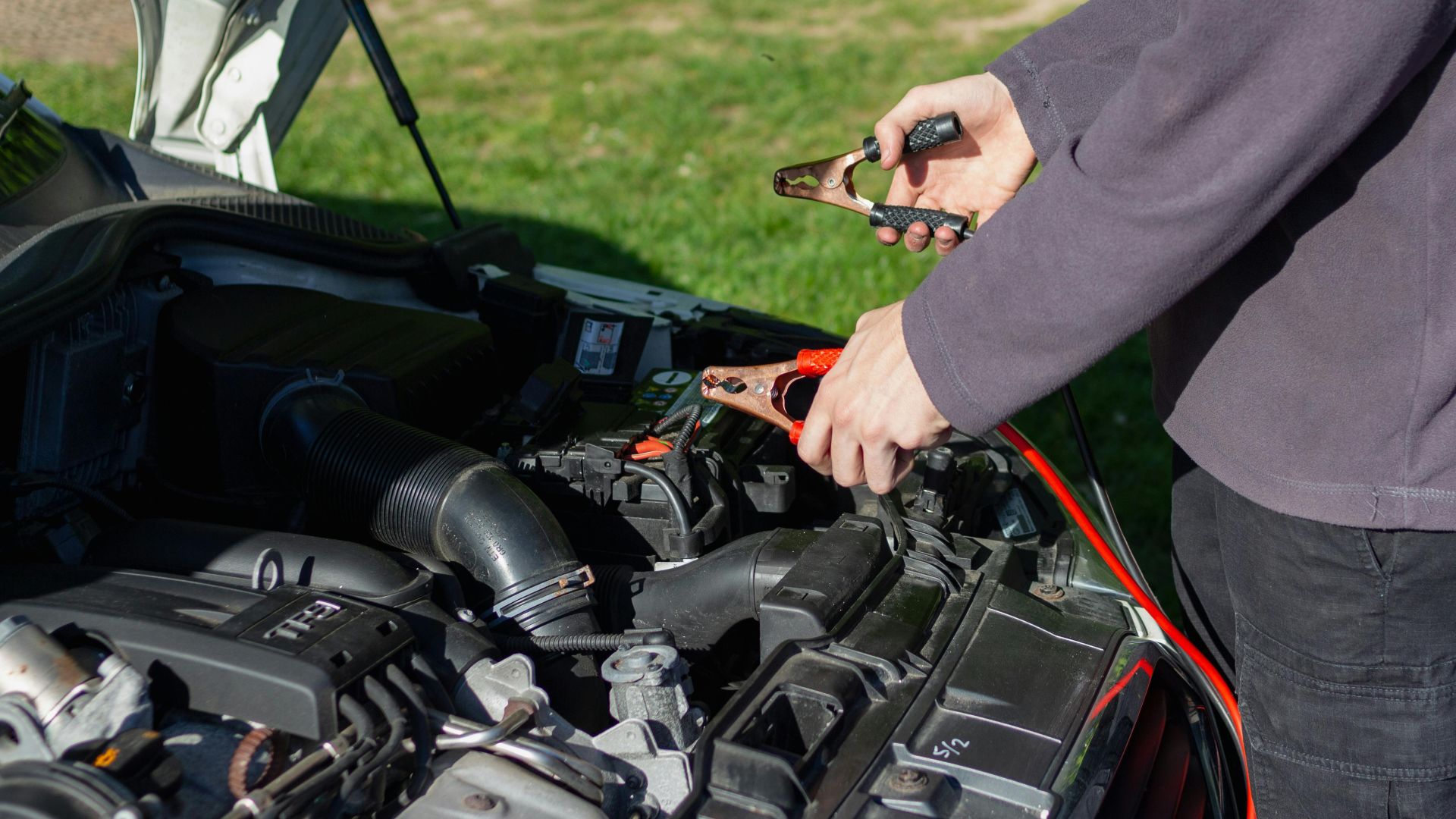
A lot of people assume winter is what kills batteries, but extreme heat often does the deeper damage. High temperatures can speed up chemical reactions inside the battery and cause internal fluid loss, which shortens battery life over time. Cold weather then exposes the weakness because engines need more power to start when temperatures drop. In other words, summer often harms the battery, and winter reveals the damage.
 Daniel @ bestjumpstarterreview.com, Pexels
Short Trips Can Age A Battery Faster
If you mostly drive a few miles at a time, your battery may never fully recharge after each start. Starting the engine takes a big burst of energy, and repeated short trips can slowly leave the battery undercharged. That can reduce performance and shorten battery life, especially if the car also sits for long periods. A driver who regularly takes longer highway trips may get more life from the same battery model.

Modern Cars Ask More From The 12-Volt Battery
Today’s vehicles use their batteries for much more than starting the engine. Even with the car off, computers, security systems, keyless entry modules, and memory settings can create a small but steady drain. Stop-start systems also put extra demands on some vehicles, which is why they may require AGM batteries instead of standard flooded batteries. Because electrical loads vary so much by vehicle, one fixed replacement schedule does not fit every car.

Not All Batteries Are The Same
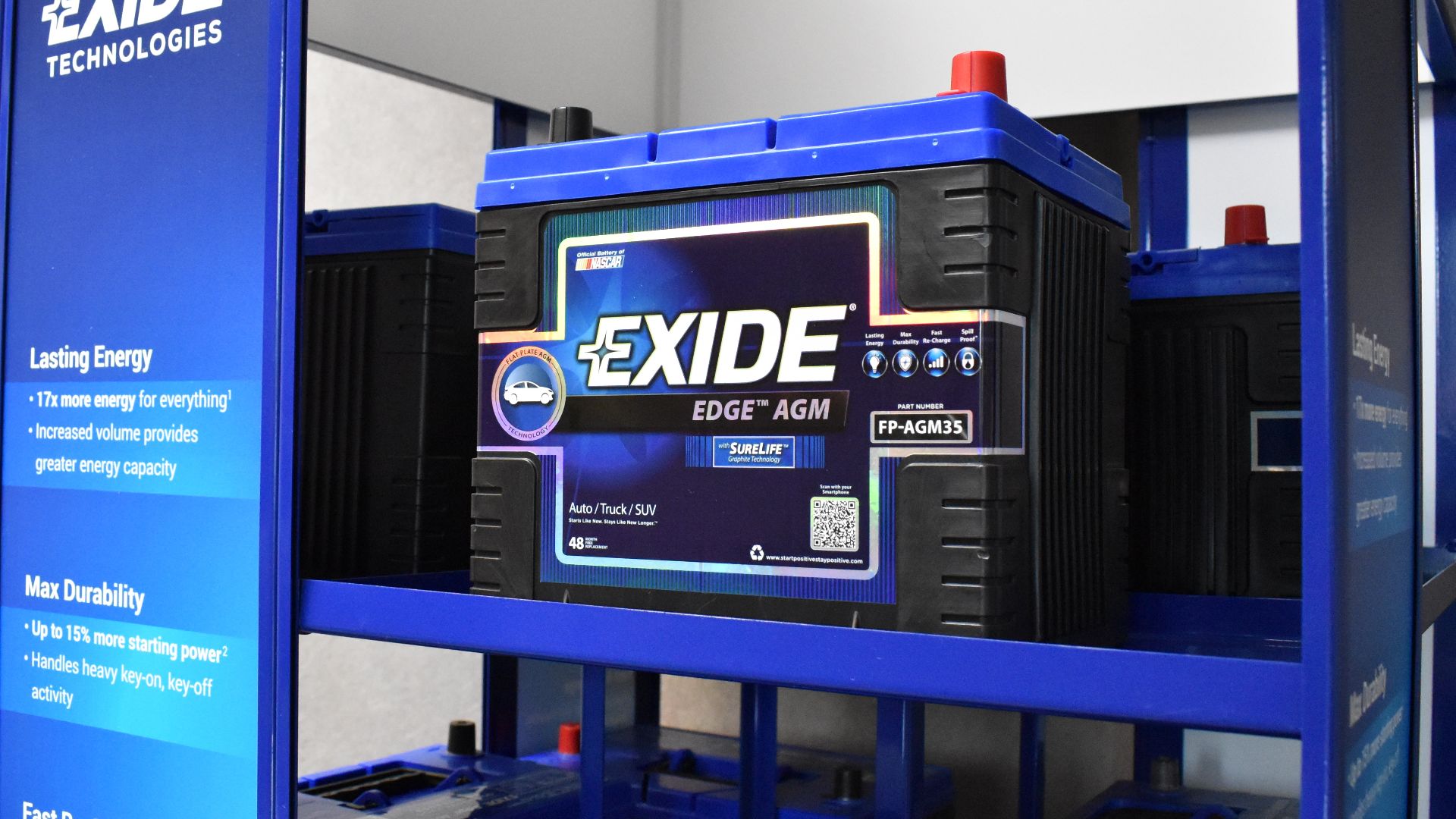
There are real differences between traditional flooded lead-acid batteries and absorbed glass mat, or AGM, batteries. AGM batteries are often used in newer vehicles with heavier electrical demands and can perform better in some conditions, but they also tend to cost more. Battery quality also varies by brand and construction. So saying every battery should die on the exact same timeline ignores real differences in design and durability.
The Owner’s Manual Matters More Than A Sales Pitch
Your owner’s manual is usually a better source than a generic dealership claim. Some manuals include inspection intervals or maintenance guidance for the battery, while others simply suggest periodic checks as part of regular service. Most do not say every battery must be replaced on a strict three-year clock regardless of test results. If the manual does not call for automatic replacement, that’s a good sign condition-based service makes more sense.

Testing Beats Guessing
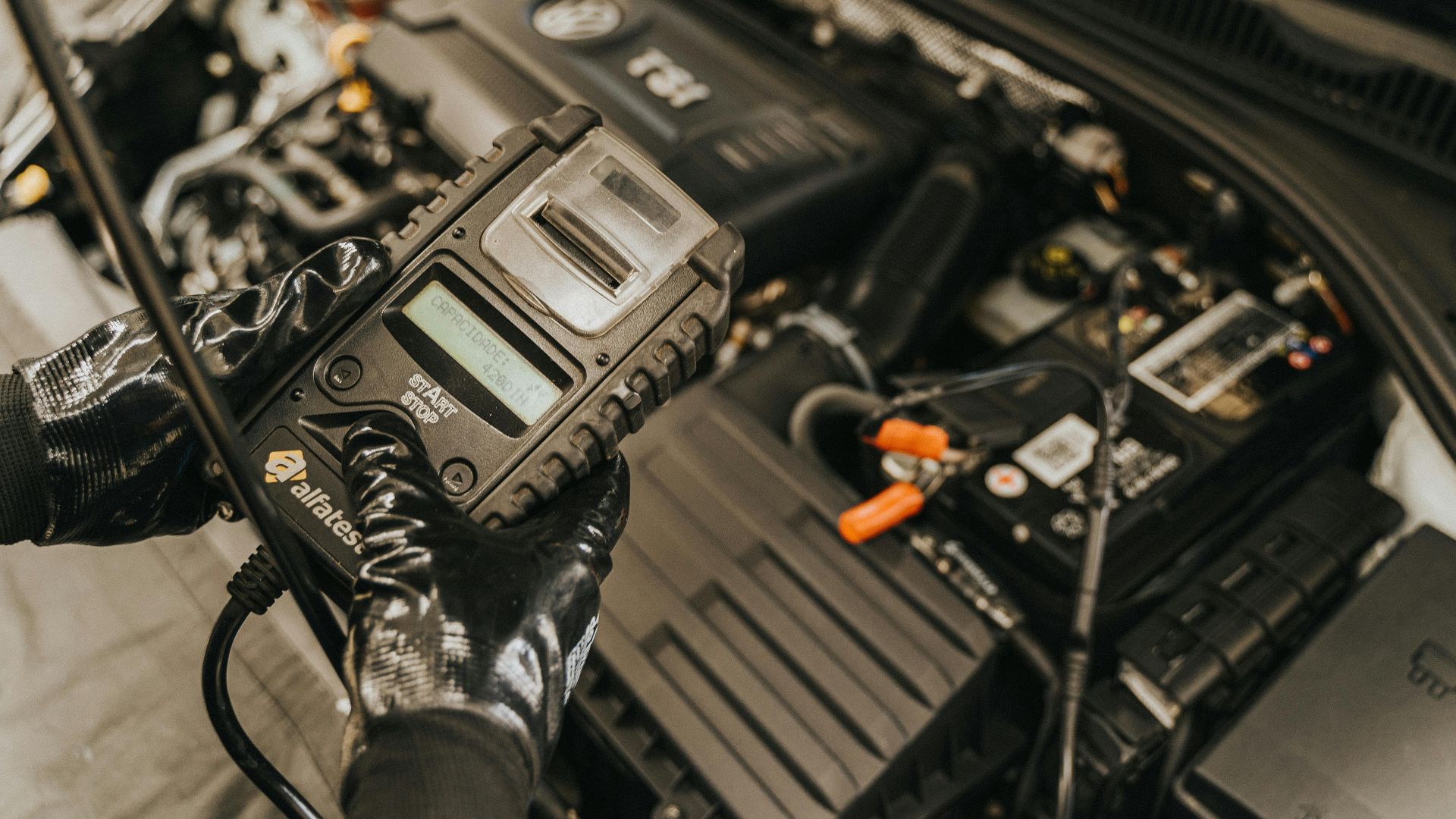
A battery should ideally be checked with actual testing, not just a calendar. Shops can use conductance or load testing to estimate battery health and cold-cranking ability, and they can also check charging system performance. A weak result, repeated low voltage, or trouble holding a charge means more than age alone. If your battery tests strong and the charging system is working properly, immediate replacement may not be needed.
Voltage Alone Doesn’t Tell The Whole Story
You may see people online say a battery is fine just because it shows around 12.6 volts at rest. That can be useful information, but it is not a full diagnosis. A battery can show decent voltage and still have reduced reserve capacity or poor performance under load. That’s why proper testing matters more than relying on one number from a quick glance.

Warning Signs You Shouldn’t Ignore
There are real clues when a battery is nearing the end of its life. Slow cranking, dim lights at startup, electrical glitches, frequent jump-starts, or a battery warning light can all point to trouble. Corroded terminals or a swollen battery case are also signs that deserve immediate attention. If those symptoms show up, replacing the battery soon may be smarter than trying to squeeze out a few more months.

A Good Battery Can Still Be Let Down By The Charging System
Sometimes the battery gets blamed when the real problem is the alternator or another charging-system issue. A failing alternator can leave a healthy battery undercharged, while parasitic drains can empty it overnight. Loose or corroded connections can cause starting problems too. Before agreeing to a battery replacement, it’s fair to ask whether the shop also checked charging voltage and possible electrical drains.
 Karolina Grabowska www.kaboompics.com, Pexels
Sitting Too Long Is Rough On Batteries
If your vehicle spends long periods parked, the battery may discharge even if nothing seems wrong. Many cars have normal key-off electrical draws, and batteries naturally self-discharge over time too. Letting a battery sit in a low state of charge can shorten its life. For infrequently driven cars, a battery maintainer can help more than replacing the battery on a rigid schedule.

Climate Makes A Big Difference
Where you live can have a big effect on battery life. Drivers in very hot regions often see batteries fail sooner than drivers in moderate climates. Cold regions can also be tough, especially if the battery is already weak and the engine oil is thicker in winter. A three-year replacement habit may make more sense in Phoenix than in a milder coastal area, but that still does not make it a universal rule.

Three Years Can Be A Smart Checkpoint
Even though three years is not a mandatory replacement age, it is a sensible time to start paying closer attention. Many experts recommend regular battery checks once it gets past the three-year point. That lets you catch a weakening battery before it leaves you stranded without automatically throwing away one that is still healthy. Think of three years as a reminder to test, not an order to replace.

Five Years Is Often Where Risk Starts To Climb
By the time a battery reaches five years old, the odds of failure are usually much higher. Some will still work, especially in good conditions, but many are on borrowed time. If you rely on your car every day or take long trips, preventive replacement may make sense at that stage even if the battery is still hanging on. That choice is about managing risk, not following an arbitrary deadline.

Stop-Start Cars Need Special Attention
Vehicles with automatic engine stop-start systems usually require batteries built for repeated cycling, often AGM or EFB types. Installing the wrong battery can cause poor performance or system faults. Some vehicles may also need the new battery to be registered or programmed after installation so the energy management system works correctly. If a dealer recommends replacement on these cars, the details matter just as much as the timing.
You Can Ask For The Test Results
If a service advisor says you need a battery, it’s fair to ask what the battery test actually showed. You can request the measured state of health, cold-cranking performance, voltage, and whether the charging system passed inspection. A reputable shop should be able to explain why the battery failed or why replacement is being recommended. That keeps the conversation based on evidence instead of vague rules.

Independent Shops Can Offer A Second Opinion
You do not have to rely only on the dealership’s judgment. Independent repair shops, battery retailers, and auto parts stores often perform battery tests too. If the recommendation feels rushed or too sales-focused, getting a second opinion is a practical move. Similar test results from two places are much more convincing than a one-size-fits-all warning.

Battery Maintenance Still Helps Around The Edges
You usually cannot double a battery’s life with maintenance alone, but a few habits can help. Keeping terminals clean, making sure the battery is securely mounted, and avoiding long periods of discharge can reduce unnecessary stress. If your driving pattern is mostly short trips, an occasional longer drive or proper charger use may help keep it better charged. Maintenance will not make a worn-out battery new again, but it can help prevent avoidable early failure.

What’s The Best Answer To The Dealer?
The most accurate reply is that replacement every three years is not automatically necessary for every car in every situation. It’s reasonable to inspect and test the battery regularly starting around that age, especially in hot climates or if you’ve noticed warning signs. Replace it when testing shows it’s weak, when symptoms point to failure, or when its age and your comfort with risk make preventive replacement worthwhile. In short, use the calendar as a cue to check the battery, not as a substitute for evidence.