How To Maximize What Your Car Is Really Worth
Trading in your car can feel like a guessing game. One dealership offers you a number, another gives you something completely different, and you’re left wondering what your car is actually worth. The truth is, trade-in value is negotiable, and the difference between a bad offer and a great one can be thousands of dollars. With the right prep and strategy, you can make sure you’re getting every dollar your car deserves.

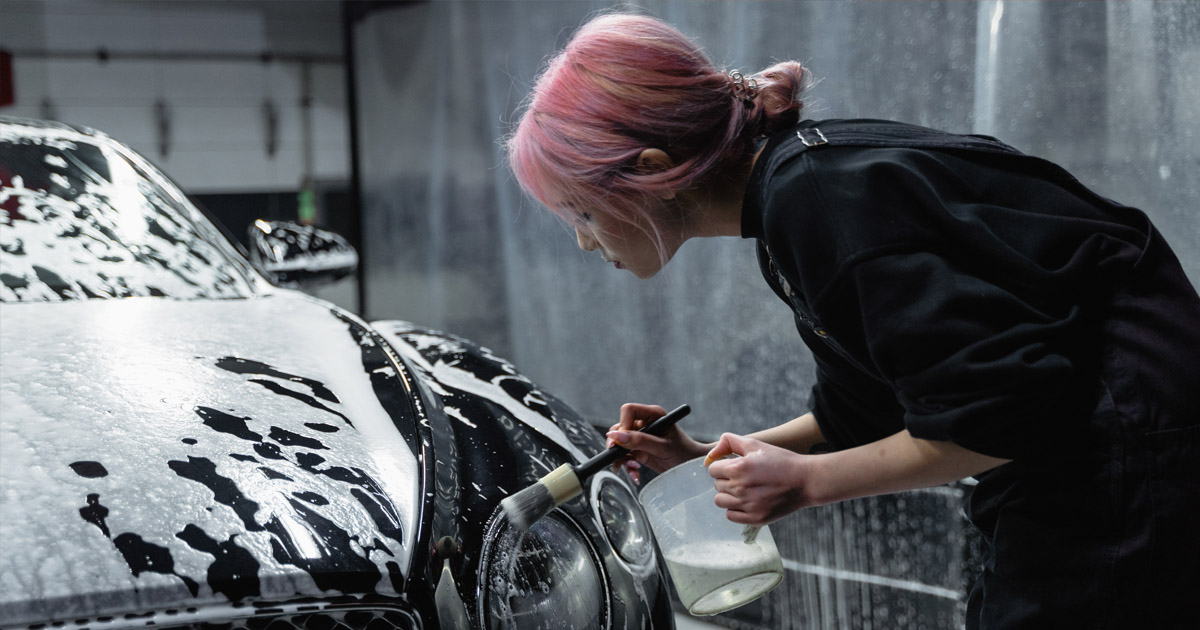
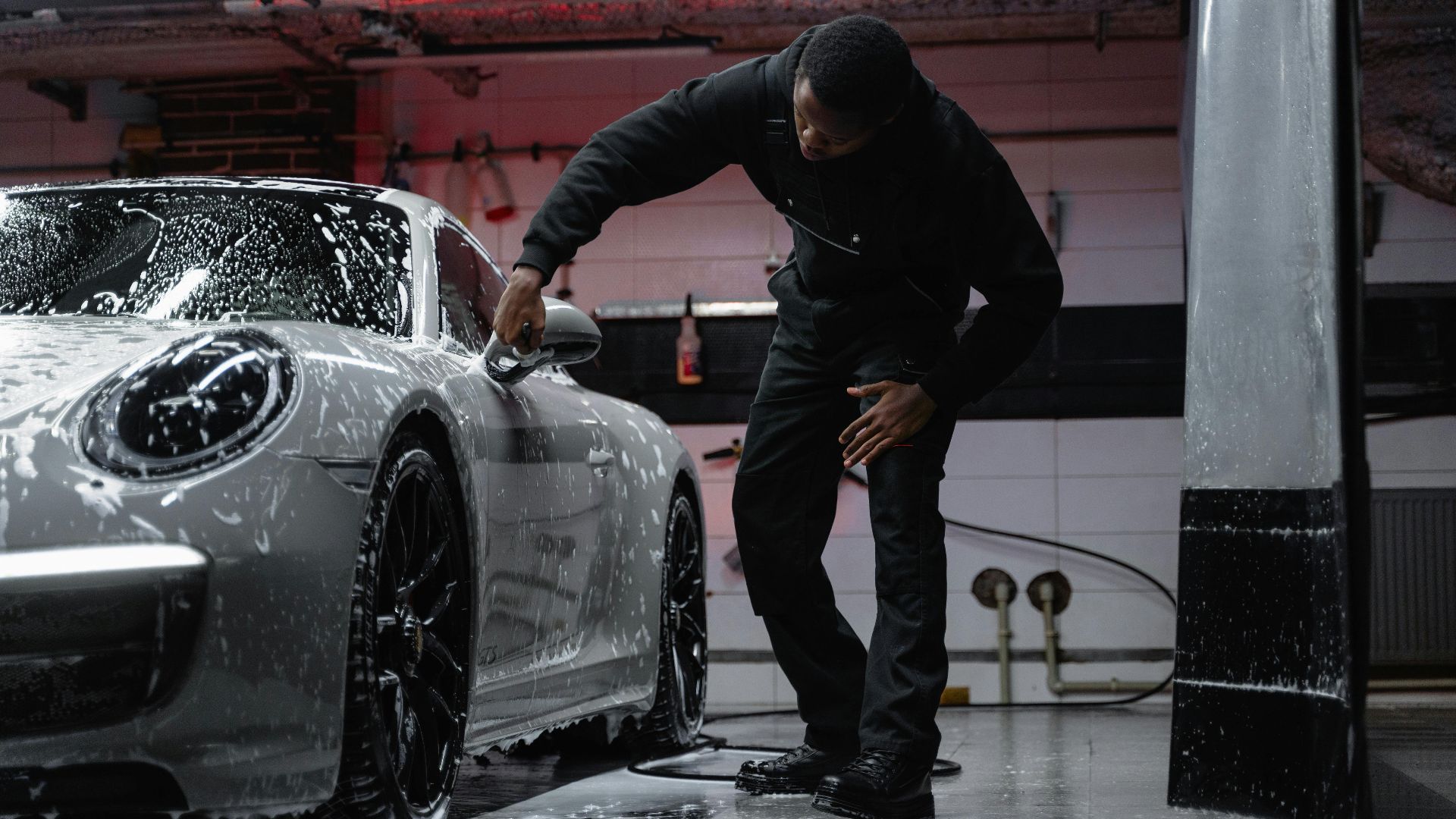
Clean Your Car Inside And Out
First impressions matter more than you think. A freshly washed exterior and spotless interior instantly make your car feel newer and better cared for. Dealers are more likely to offer stronger numbers when a vehicle looks ready for resale, rather than something that needs hours of detailing work.
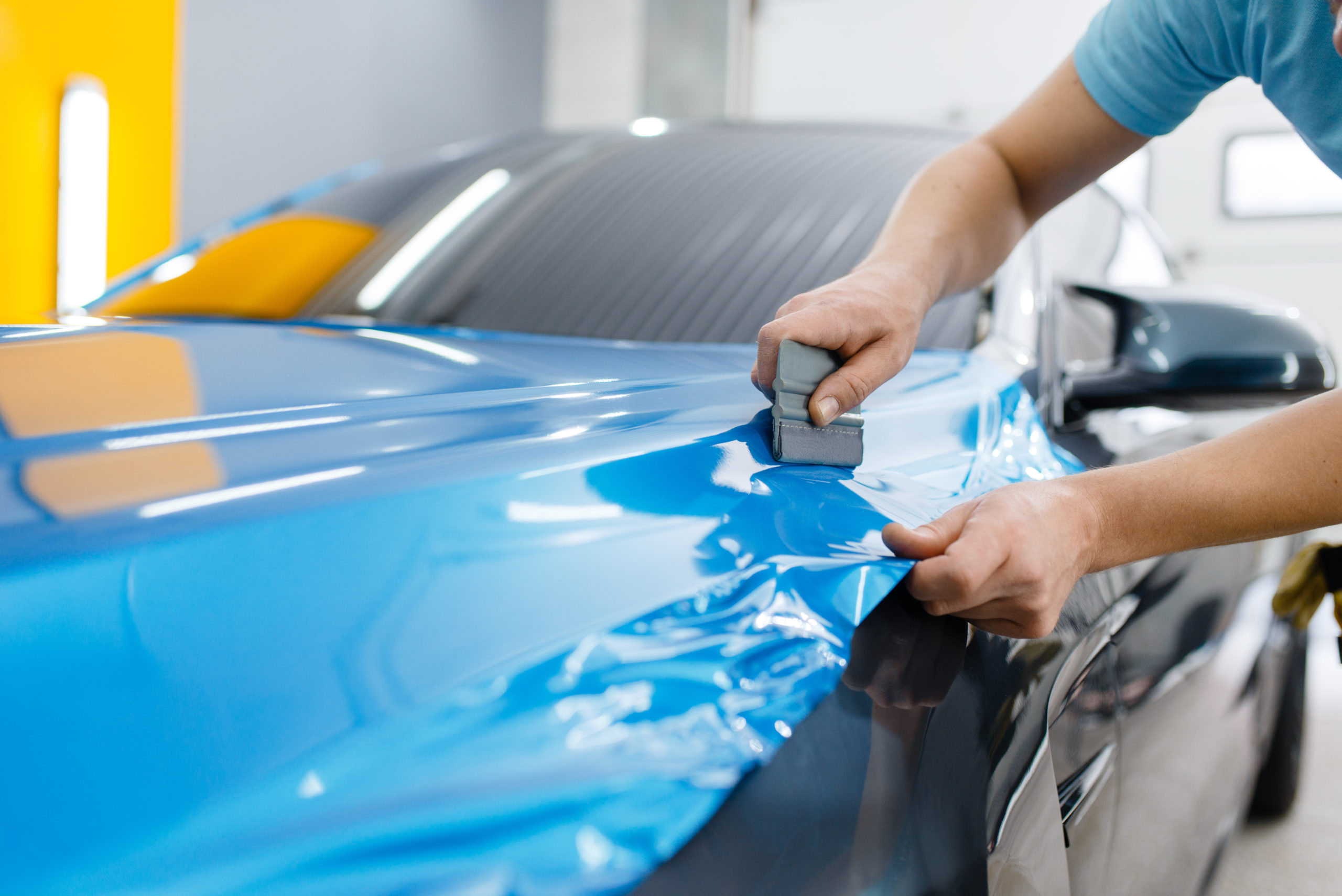
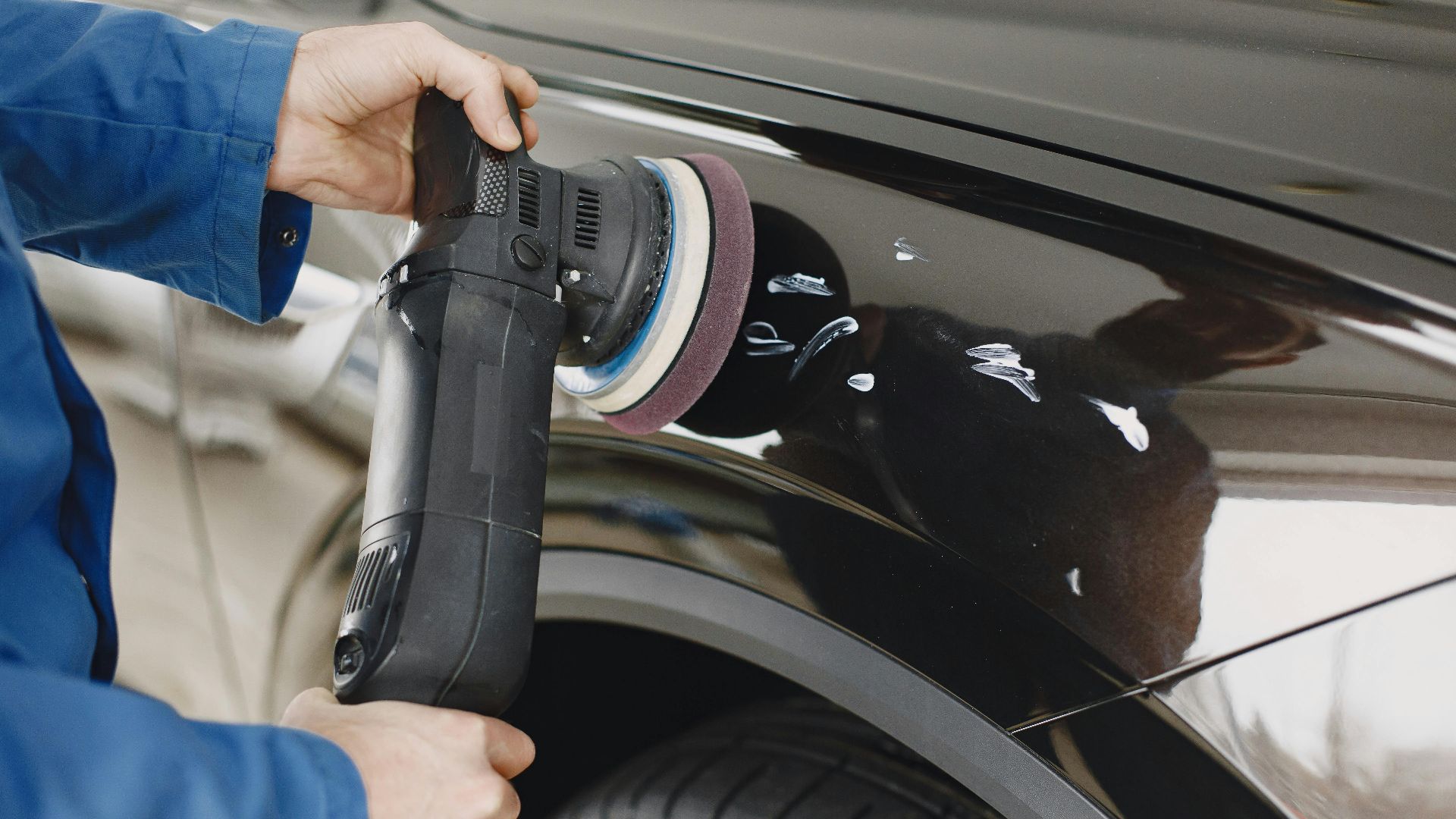
Fix Minor Cosmetic Issues
Small problems like scratches, curb rash, or faded trim can drag down perceived value. Touching up paint chips, polishing headlights, or replacing worn wiper blades can make a surprising difference. You don’t need a full restoration, just enough to make the car feel well maintained.
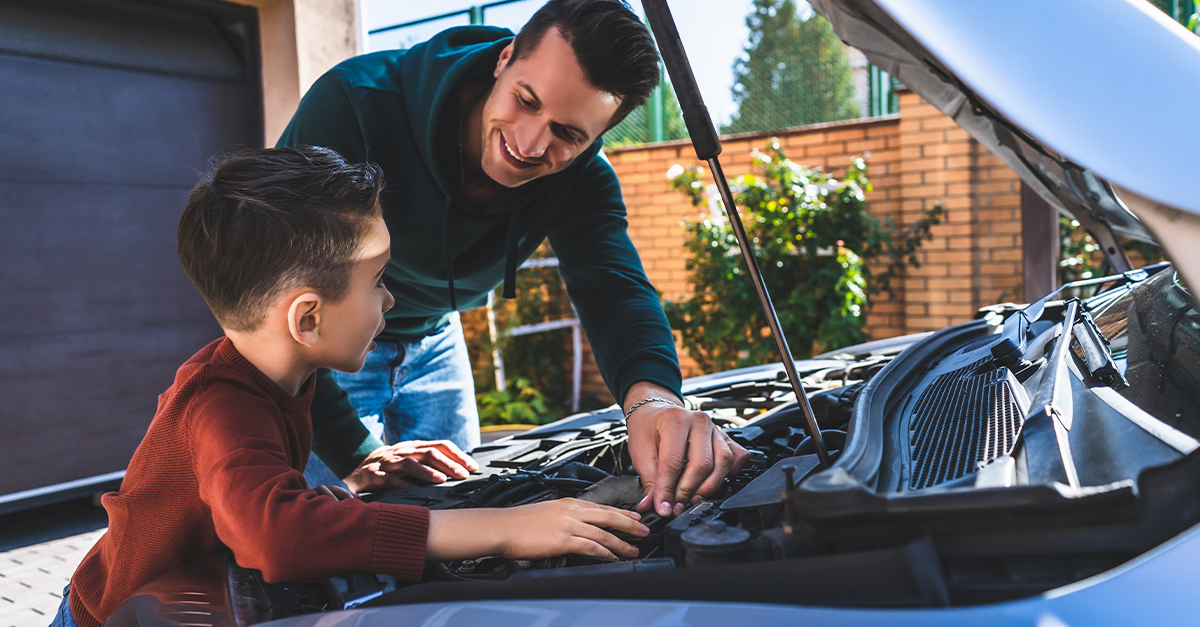
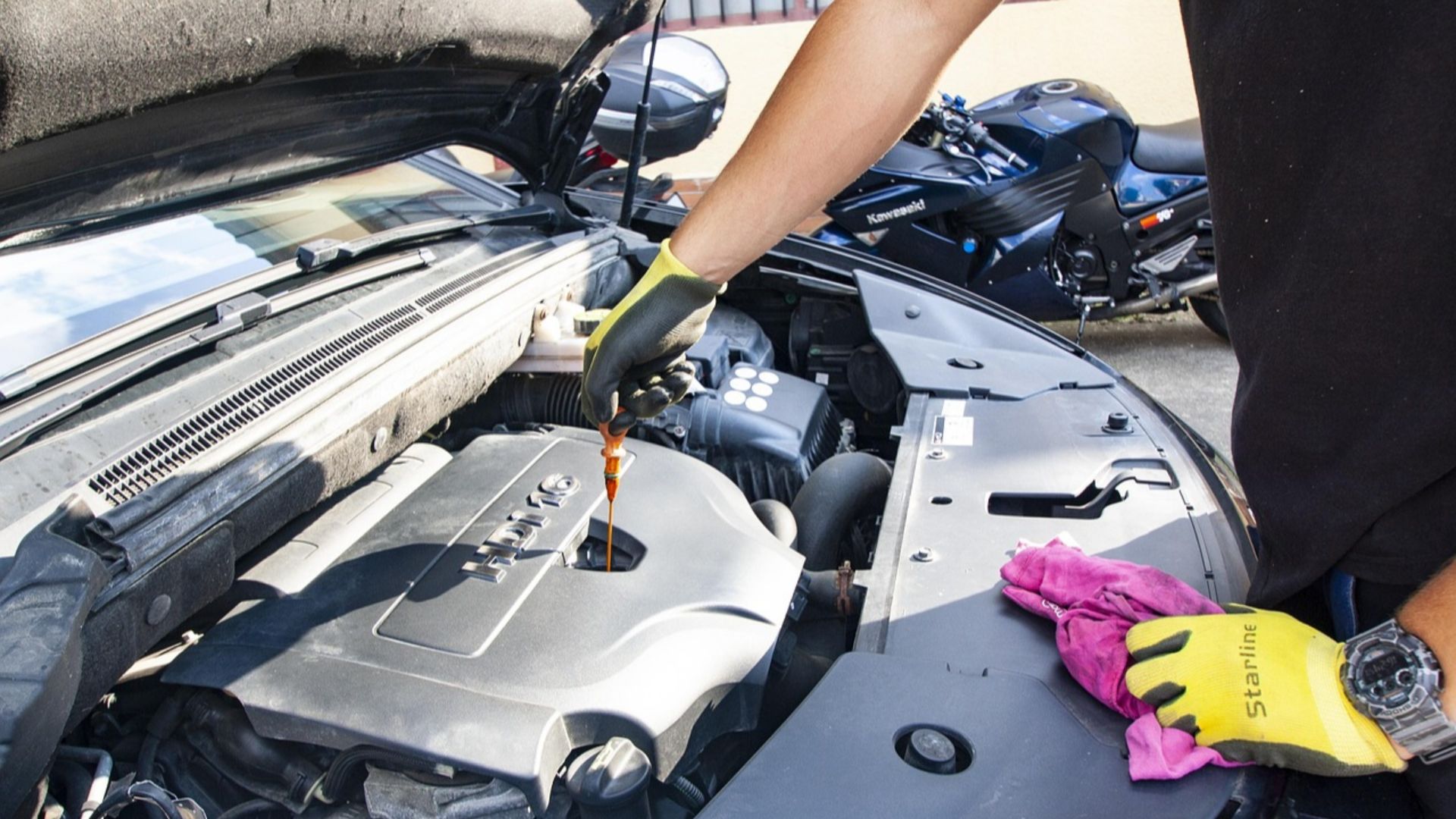
Take Care Of Simple Maintenance
Make sure basic maintenance is up to date before heading to a dealership. Fresh oil, topped-up fluids, and properly inflated tires show that the car has been looked after. A well-running car is easier to appraise and gives dealers fewer reasons to lower their offer.
Gather Service Records
Documentation builds trust. If you have records showing regular oil changes, repairs, or major services, bring them along. Dealers love proof of maintenance because it reduces uncertainty and makes the vehicle easier to resell.

Check Your Car’s Trade-In Value Online
Before stepping into a dealership, get a ballpark estimate using tools like Kelley Blue Book or Edmunds. Knowing your car’s value gives you leverage and prevents you from accepting a lowball offer.

Get Multiple Appraisals
Never settle for the first offer. Visit multiple dealerships or use online trade-in tools to compare quotes. Even a few hundred dollars difference can add up, and having competing offers gives you negotiating power.

Time Your Trade-In Strategically
Timing matters. Convertibles sell better in summer, SUVs in winter, and fuel-efficient cars when gas prices are high. Trading in at the right time can increase demand—and your offer.

Avoid Trading In During A New Model Launch
When a new version of your car hits the market, older models often drop in value. If possible, trade in before a redesign or new generation is released.

Keep Mileage In Mind
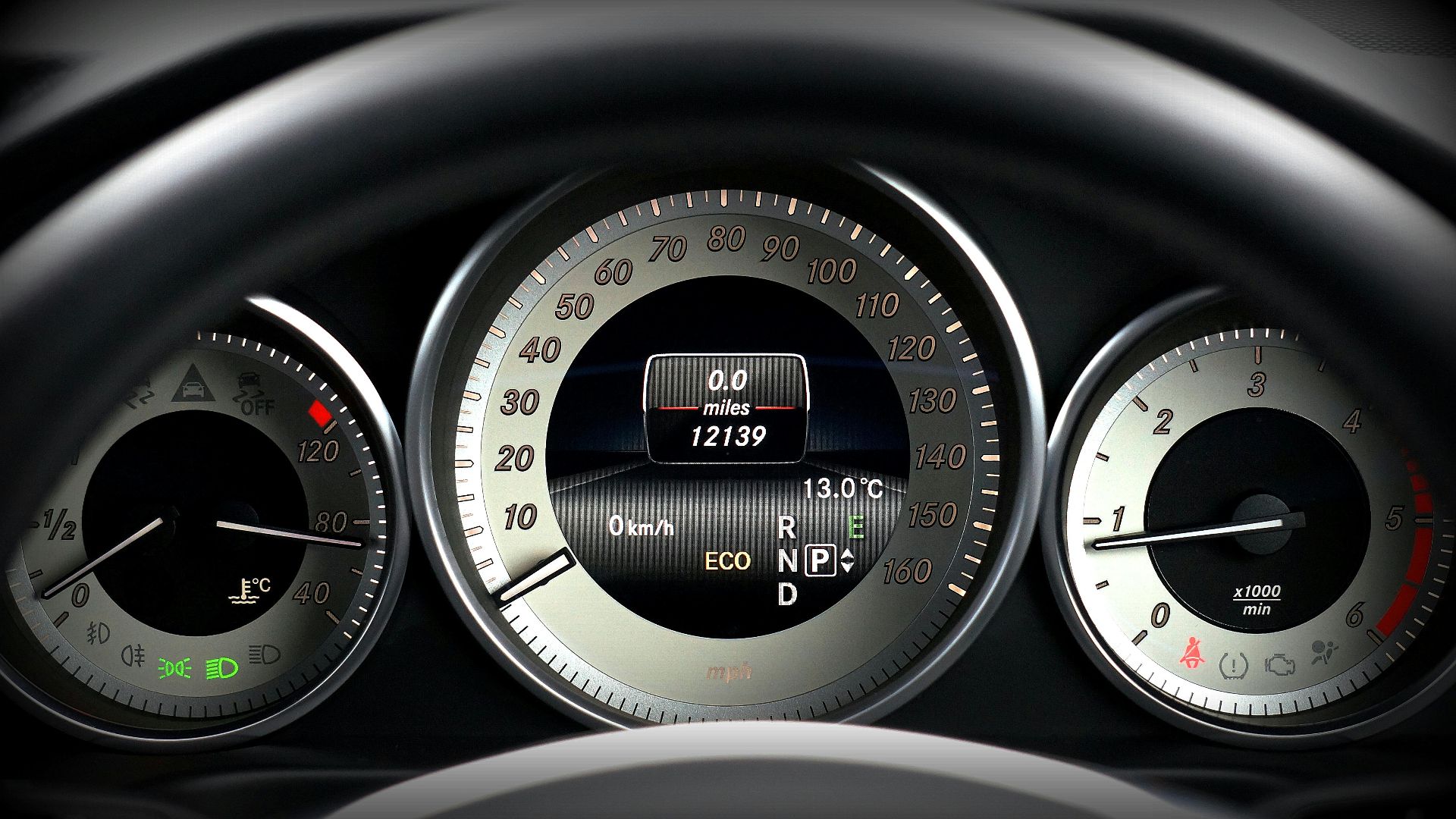
Mileage plays a huge role in valuation. If you’re close to a major milestone (like 100,000 miles), trading in before crossing that threshold can help preserve value.
Don’t Mention Your Trade-In Too Early
When negotiating a new car purchase, focus on the price of the new vehicle first. Bringing up your trade-in too early can muddy the negotiation and give the dealer more ways to adjust numbers in their favor.

Separate The Transactions
Treat your trade-in and your new car purchase as two separate deals. This makes it easier to see exactly what you’re getting for your car and prevents hidden adjustments in the final price.

Highlight Your Car’s Best Features
Point out upgrades like new tires, recent repairs, or premium features. Dealers may not always notice everything, so it helps to make your car’s strengths clear during the appraisal.
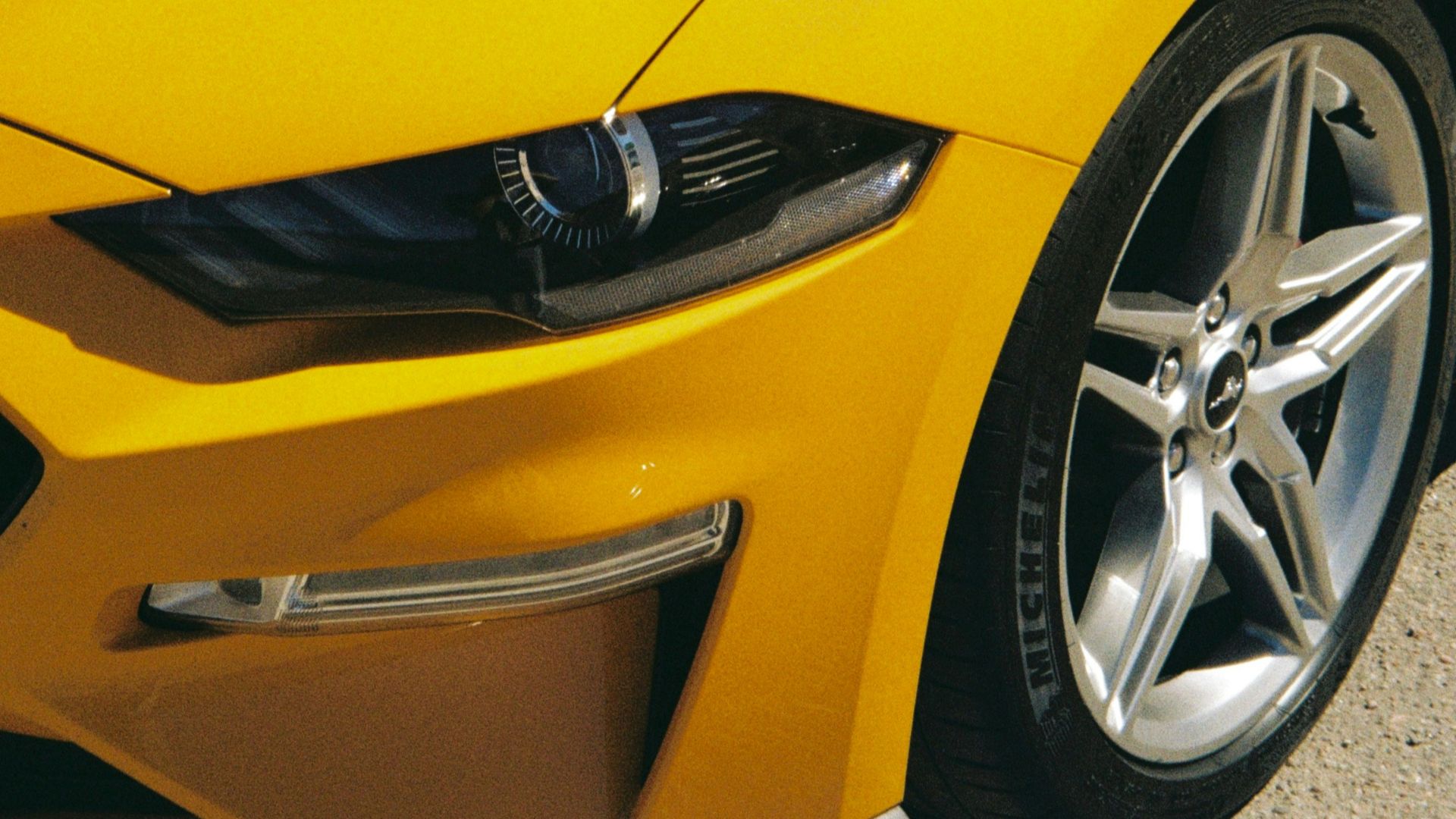
Replace Cheap Wear Items
Simple fixes like new floor mats, a clean air filter, or fresh cabin filters can improve the overall impression. These low-cost upgrades can make your car feel better cared for.
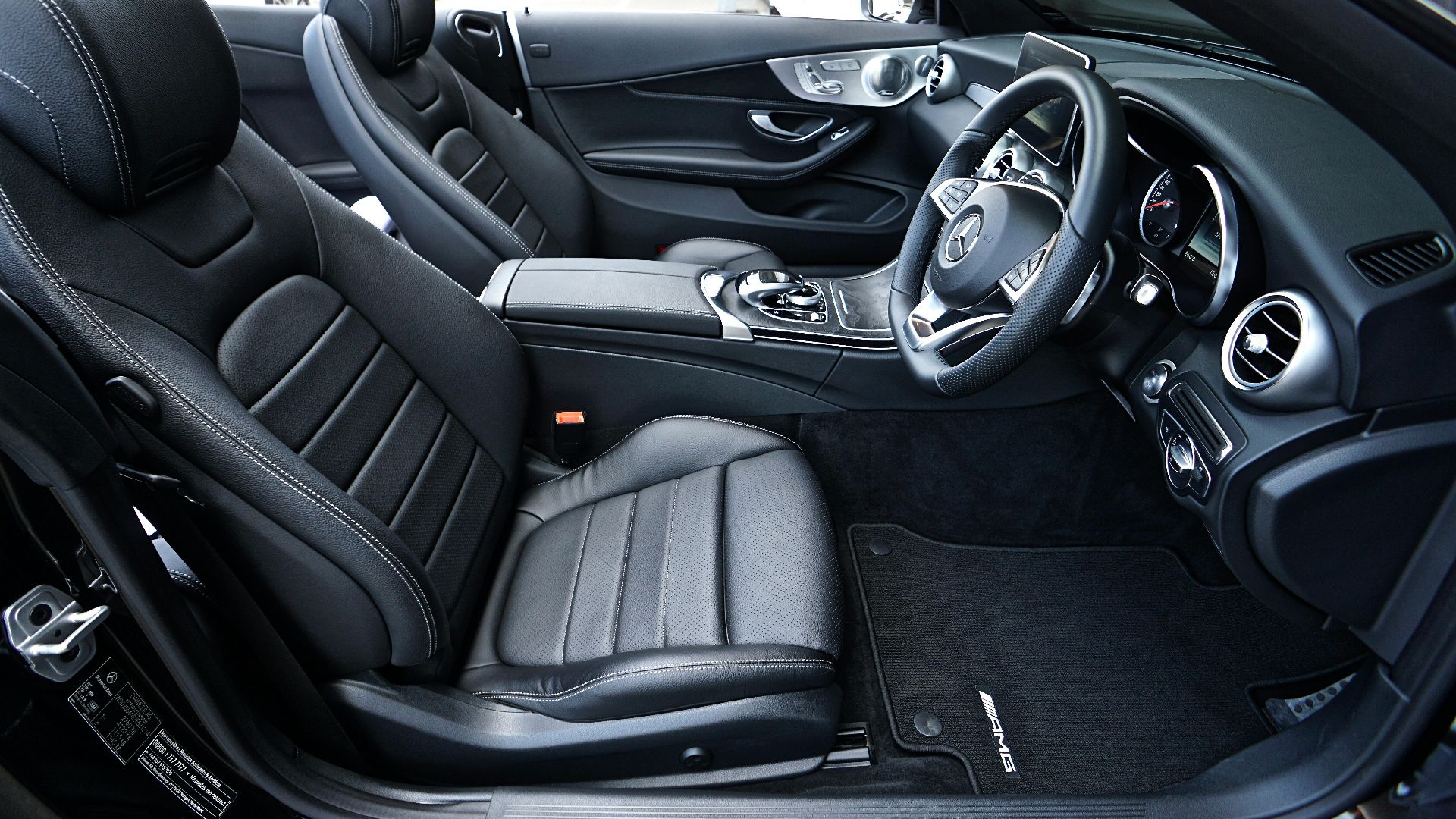
Remove Personal Items And Odors
A clean, neutral interior makes a big difference. Remove clutter, eliminate odors, and avoid strong air fresheners. A car that smells clean feels newer and more appealing to potential buyers.

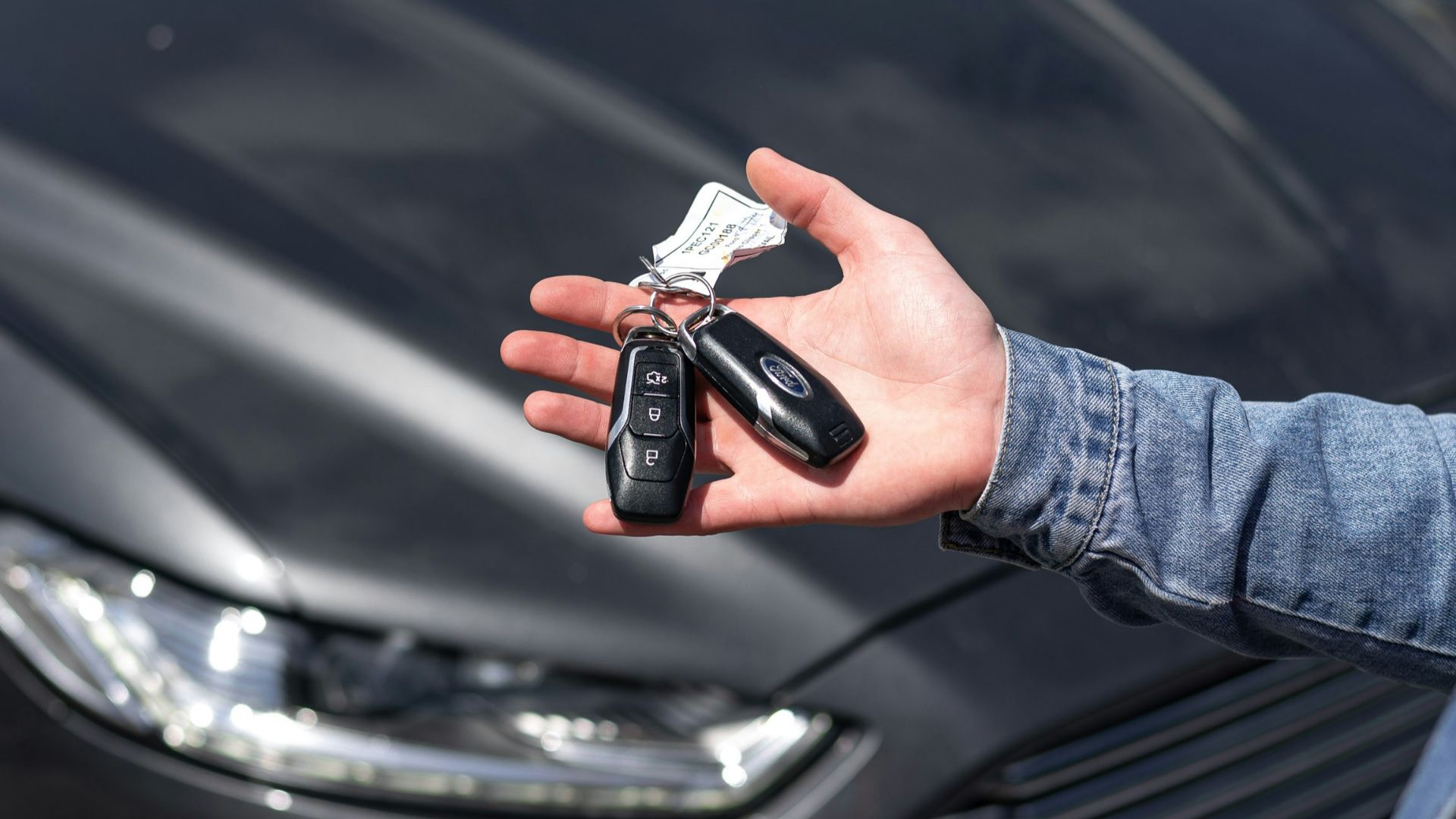
Bring Both Keys And Accessories
Missing keys, remotes, or accessories can lower your trade-in value. Bring everything that came with the car, including spare keys, manuals, and cargo covers.
Be Honest About The Condition
Trying to hide issues can backfire. Dealers will inspect the car anyway, and honesty builds trust during negotiations. Being upfront can actually help the process go smoother.

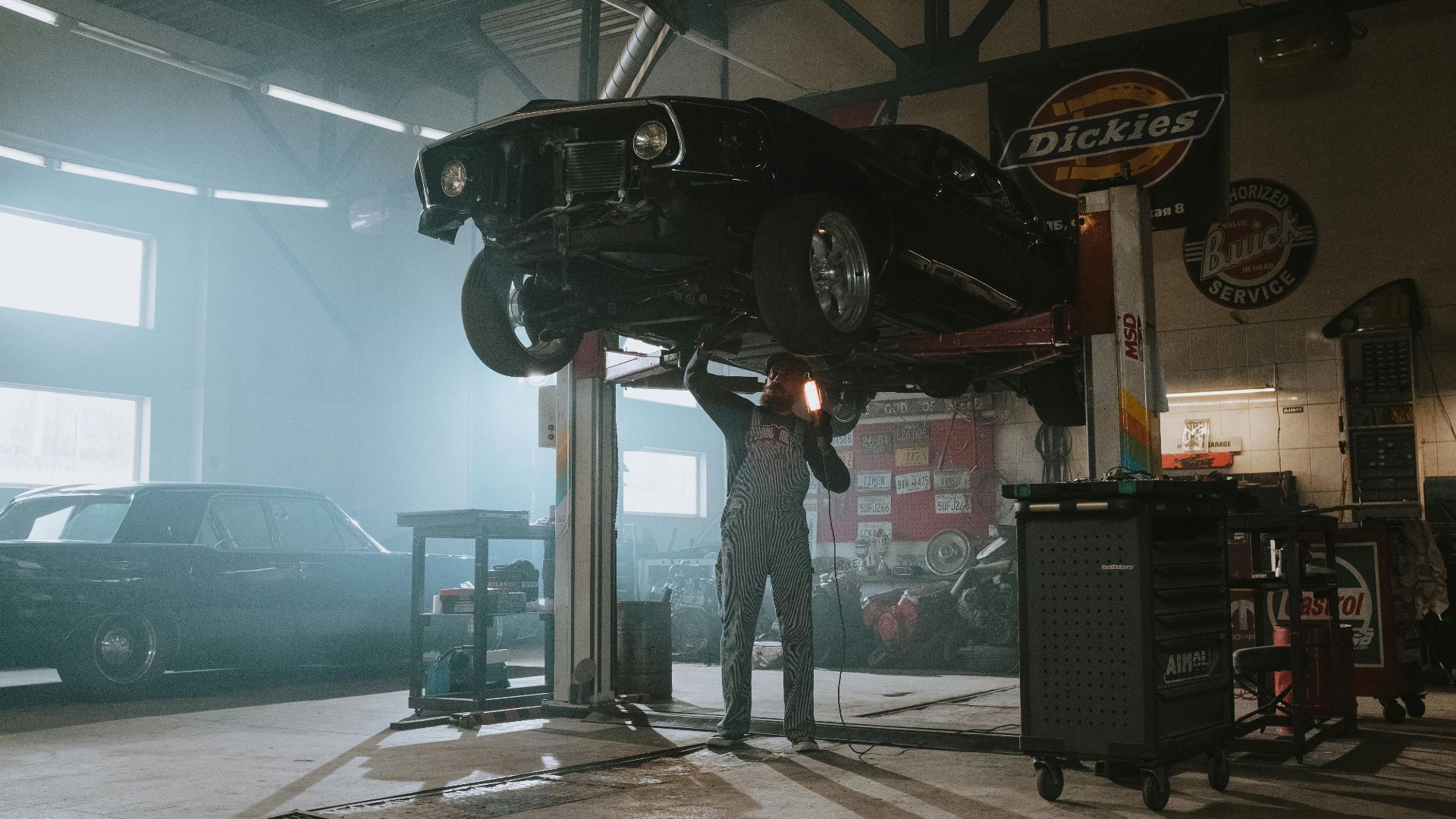
Consider Fixing Mechanical Issues (Sometimes)
If your car has a major issue, it might be worth repairing before trading in—but only if the repair cost is less than the value it adds. For expensive repairs, it’s often better to disclose the issue instead.
Know When To Walk Away
If the offer feels too low, don’t be afraid to walk. Sometimes leaving the dealership is the best way to get a better counteroffer.
 LinkedIn Sales Solutions, Unsplash
Consider Selling Privately First
Even if you plan to trade in, checking private sale values can give you a benchmark. In some cases, selling privately may bring significantly more money.

Negotiate Confidently
At the end of the day, trade-in value is negotiable. Stay calm, stick to your research, and don’t rush the process. A confident approach often leads to a better final offer.

Final Thoughts
Getting the best trade-in value isn’t about luck—it’s about preparation and strategy. A clean car, solid research, and a willingness to negotiate can easily put more money in your pocket. Take the time to do it right, and you’ll walk away knowing you got the best deal possible.

You May Also Like:
SUVs With The Best Trade-In Value, According To Dealerships
You Don’t Need A Detailer To Get That Showroom Shine—Just Follow These Smart Cleaning Hacks