Cinderella, Curfew, And The 11:59PM Traffic Stop
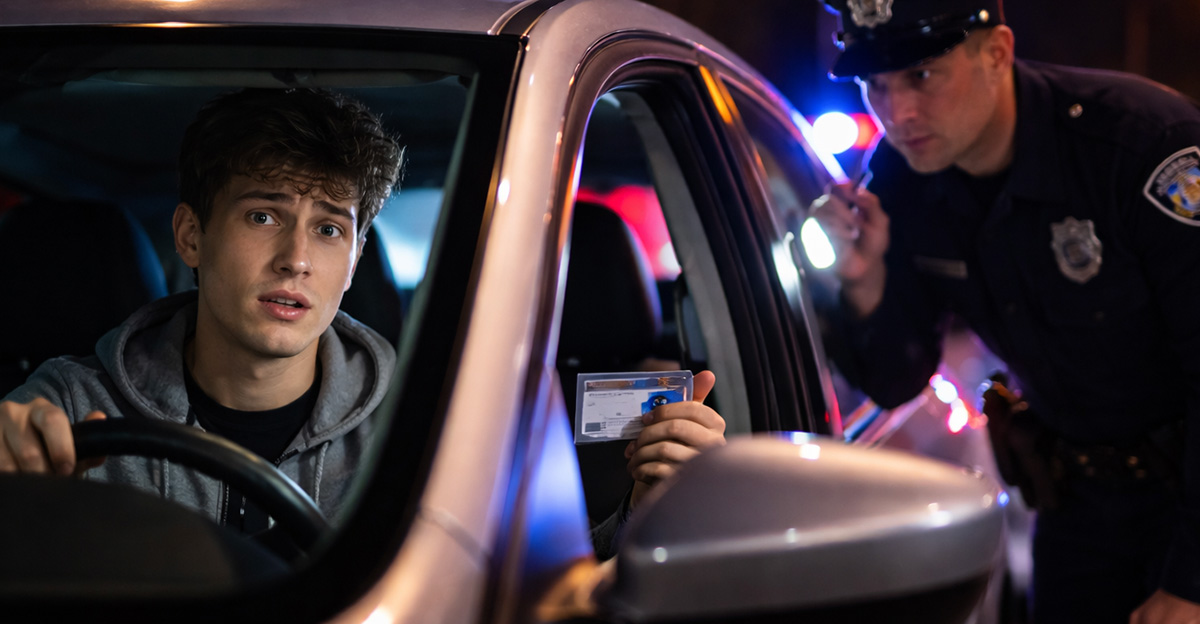
If you are a new driver with a midnight curfew, getting pulled over at 11:59PM feels like the universe is playing a very specific joke on you. It sounds unfair, especially if you were heading to or from a night shift. But whether you can actually fight that ticket depends on a few very real details, and some of them may work in your favor.
Why This Feels So Ridiculous
Let’s be honest: 11:59PM is not exactly some wild, lawless hour. It is one minute before midnight, which is why drivers in this situation usually feel cheated. A ticket like this can seem more like bad luck than bad driving, and that frustration is a big part of why people start wondering if they should challenge it.

What A Night Driving Restriction Usually Means
For many new drivers, a graduated license comes with limits on when they can be behind the wheel. A common rule is no driving after midnight unless you meet a specific exception. The rule is usually tied to your license class, not your intentions, so the officer may focus on the clock first and your explanation second.

The First Big Question: What Does “After Midnight” Mean?
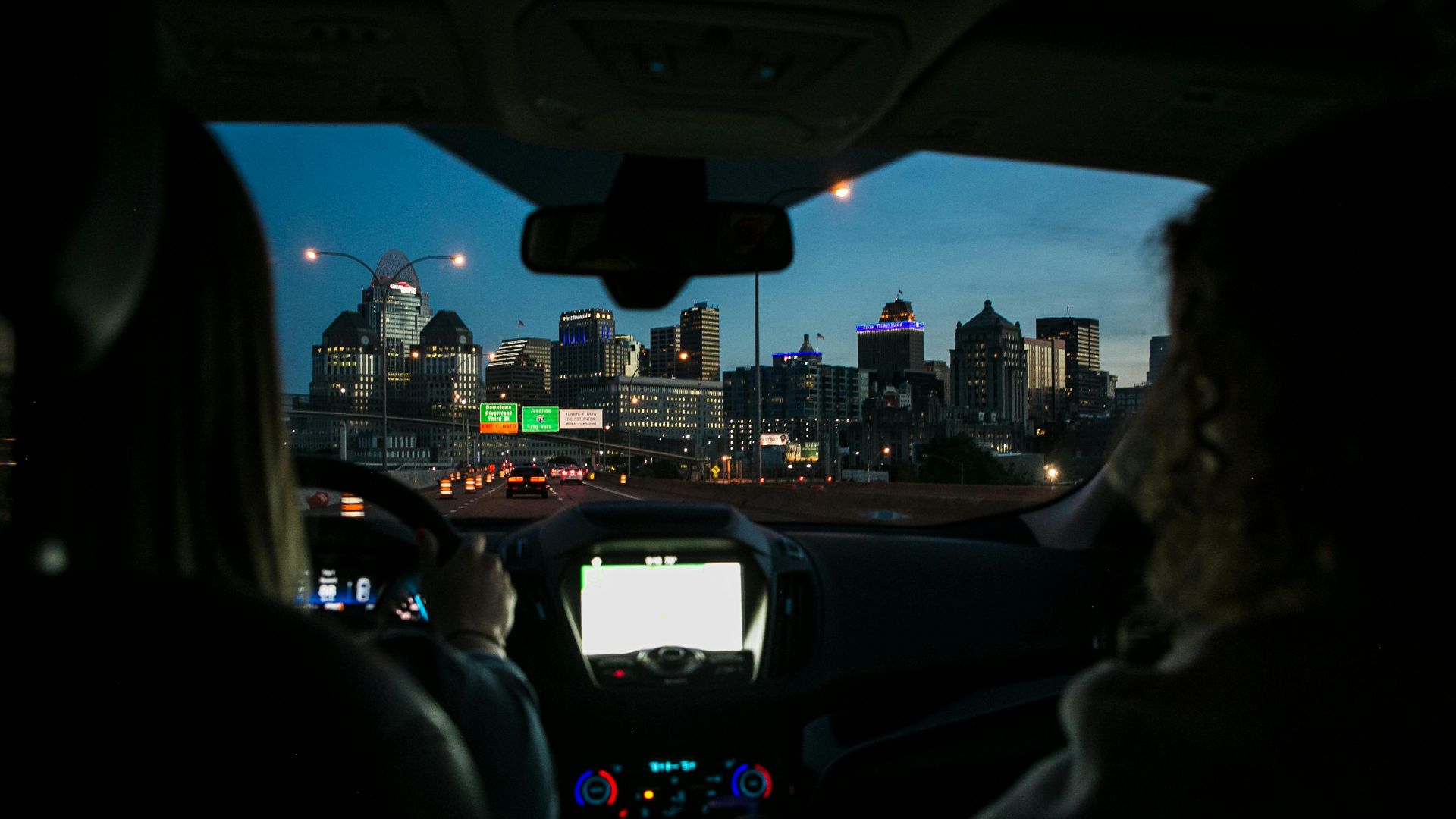
This is where things get interesting. If your restriction says you cannot drive after midnight, then 11:59PM is technically before midnight, not after it. That sounds simple, but simple wording matters a lot with traffic tickets. If the stop really happened before the clock hit 12:00AM, that detail could be your whole argument.
Why The Exact Time Matters
Traffic cases often turn on tiny facts, and time stamps are one of them. If the ticket lists the violation time as 11:59PM, that may help you because it supports the idea that you were still within your allowed driving window. One minute may not seem like much in normal life, but in a ticket case, it can be huge.
But Wait, The Officer May See It Differently
The officer might claim the stop began at 11:59PM, but they observed you driving after midnight. They may also say the time written on the ticket was rounded or entered automatically. That does not mean they are right, but it does mean the printed time is not always the end of the story.

Your License Rules May Have Exceptions
Many beginner license rules have carve-outs for work, school, religious events, or emergencies. If you work a night shift, that matters immediately. Some places allow restricted drivers to travel during curfew hours when they are going directly to or from work, but those exceptions usually come with conditions and sometimes require proof.
Work Can Change The Whole Picture
If your shift ended late, or started close to midnight, your job could be the strongest part of your defense. Courts tend to care about whether you were out for a real reason instead of just cruising around with friends. A paycheck is not a magic shield, but it is much better than saying, “I was just out.”
Proof Is Everything
If you want to fight the ticket, bring receipts, and not just the emotional kind. A work schedule, pay stub, letter from your employer, time card, or shift app screenshot can help show that you were driving because of your job. The more specific your proof is, the stronger your argument usually becomes.

Going Straight Home Matters Too
Even if there is a work exception, it often applies only if you were traveling directly to or from your shift. If you stopped for snacks, drove a friend around, or took a detour across town, that can weaken your case. In curfew cases, courts often care about both the reason for driving and the route.
Read The Ticket Like A Detective
Before doing anything else, look over the ticket carefully. Check the violation code, the listed time, the location, and any notes the officer added. If there is a mistake, even a small one, it may help you understand what the officer is accusing you of and how to respond without just guessing.

Check The Exact Wording On Your License Restriction
Now look at your license paperwork or the official rules for your beginner license. Does it say “after midnight,” “between midnight and 5AM,” or something else? That wording matters more than people think. You are not fighting the general idea of a curfew. You are fighting the specific rule that applies to you.

A One-Minute Difference Can Be A Real Defense
If the law says after midnight and the ticket says 11:59PM, you may have a clean argument that the violation had not happened yet. That does not guarantee a win, but it is not a silly defense. Courts deal with exact times all the time, and legal rules are often enforced based on exact wording.

The Court May Care About Common Sense Too
Judges are not robots, even if traffic court sometimes feels like an assembly line with fluorescent lighting. If your story is reasonable, your paperwork is solid, and the time issue helps you, a judge may be more open to reducing or dismissing the ticket. A respectful, organized explanation can go a long way.

When The “Fight It” Idea Gets Weaker
Your case gets harder if the stop actually happened after midnight, if your area has no work exception, or if you cannot prove your shift. It also gets tougher if you were carrying passengers you were not allowed to have, or if there was another violation involved, like speeding or distracted driving.
Why You Should Not Just Assume The Officer Was Wrong
Even if you feel the stop was unfair, do not walk into court with only attitude and confidence. That is a great way to lose elegantly. You need facts, documents, and a simple explanation. Fighting a ticket is less about dramatic speeches and more about calmly showing why the charge does not fit.
 Кинешма сми Евгений Стрункин, Pexels
What To Gather Before Court
Pull together your ticket, license paperwork, work schedule, a letter from your employer, and anything showing when your shift started or ended. If your phone map history shows you were driving directly between work and home, that may also help. Think of it like building a tiny paper trail that tells your story clearly.

How To Explain It Without Overdoing It
When it is your turn to speak, keep it simple. Say you are a new driver, your restriction says no driving after midnight, and the ticket says 11:59PM. Then explain that you were traveling to or from a night shift and show your proof. Short, clear, and calm usually beats long and dramatic.
Do Not Ignore The Ticket
Even if you are convinced the ticket is nonsense, do not toss it in a drawer and hope it disappears into the same mystery void as missing socks. Missing the deadline can create bigger problems than the original citation. Respond on time, request a hearing if needed, and stay on top of the process.

A Lawyer Might Help In Some Cases
You may not need a lawyer for every curfew ticket, but legal help can make sense if the penalty is serious or the rules are confusing. If your license could be suspended, your insurance could jump, or the exception language is hard to understand, even a short consultation may be worth it.
Insurance Is Part Of The Bigger Picture
A curfew ticket is not just about paying a fine and moving on. For a new driver, even a small violation can lead to bigger costs later, especially if it affects your record. That is one reason many drivers choose to challenge tickets that look weak or unfair instead of simply pleading guilty.

Be Careful With The “I Was Close Enough” Argument
Saying, “Come on, it was basically midnight,” is not a legal defense, even if it feels emotionally correct. Your stronger argument is the opposite: the rule says after midnight, and 11:59PM is not after midnight. In traffic court, precision usually works better than vibes.

What If The Stop Started Before Midnight But Ended After?
That gray area can get messy. The officer may say they saw the violation after midnight, even if the lights came on just before. In that situation, evidence matters even more. The ticket time, dashcam footage, bodycam footage, and the officer’s notes may all play a role in sorting out what happened.

Your Best Case Scenario
Your strongest version of this case looks like this: your restriction clearly says after midnight, the ticket is marked 11:59PM, your area allows work-related travel, and you have proof you were going directly to or from your shift. At that point, you are not relying on sympathy. You are making a real argument.

Your Worst Case Scenario
Your weakest version looks very different: the actual stop happened after midnight, there is no work exception where you live, you have no documents, and your story sounds fuzzy. In that situation, fighting the ticket may be harder, and you may want to focus on reducing the penalty instead of chasing a full dismissal.
The Smartest Move Before Court
Before you decide anything, read the rule that applies to your license, compare it with the time on the ticket, and gather proof from work. Do not rely on what a friend thinks the law probably is. Curfew tickets often come down to exact wording, and one sentence in the rulebook can change everything.

The Bottom Line
Yes, you may be able to fight the ticket, especially if you were stopped at 11:59PM and your late driving was connected to work. But the answer depends on the exact wording of your restriction, whether your area recognizes a work exception, and how well you can prove where you were going. In other words, this ticket might be beatable, but only if you show up with more than outrage and a good story.

You May Also Like: