Apparently, The Charger Came With His Name On It
The condo’s EV charger is supposed to be shared. But morning, noon and night, the same car is there. Apparently, its owner thinks “first come, first served” means arriving first and never leaving. Everyone else would like a turn...so can the condo actually make him move?

Four Words Leave A Lot Unsaid
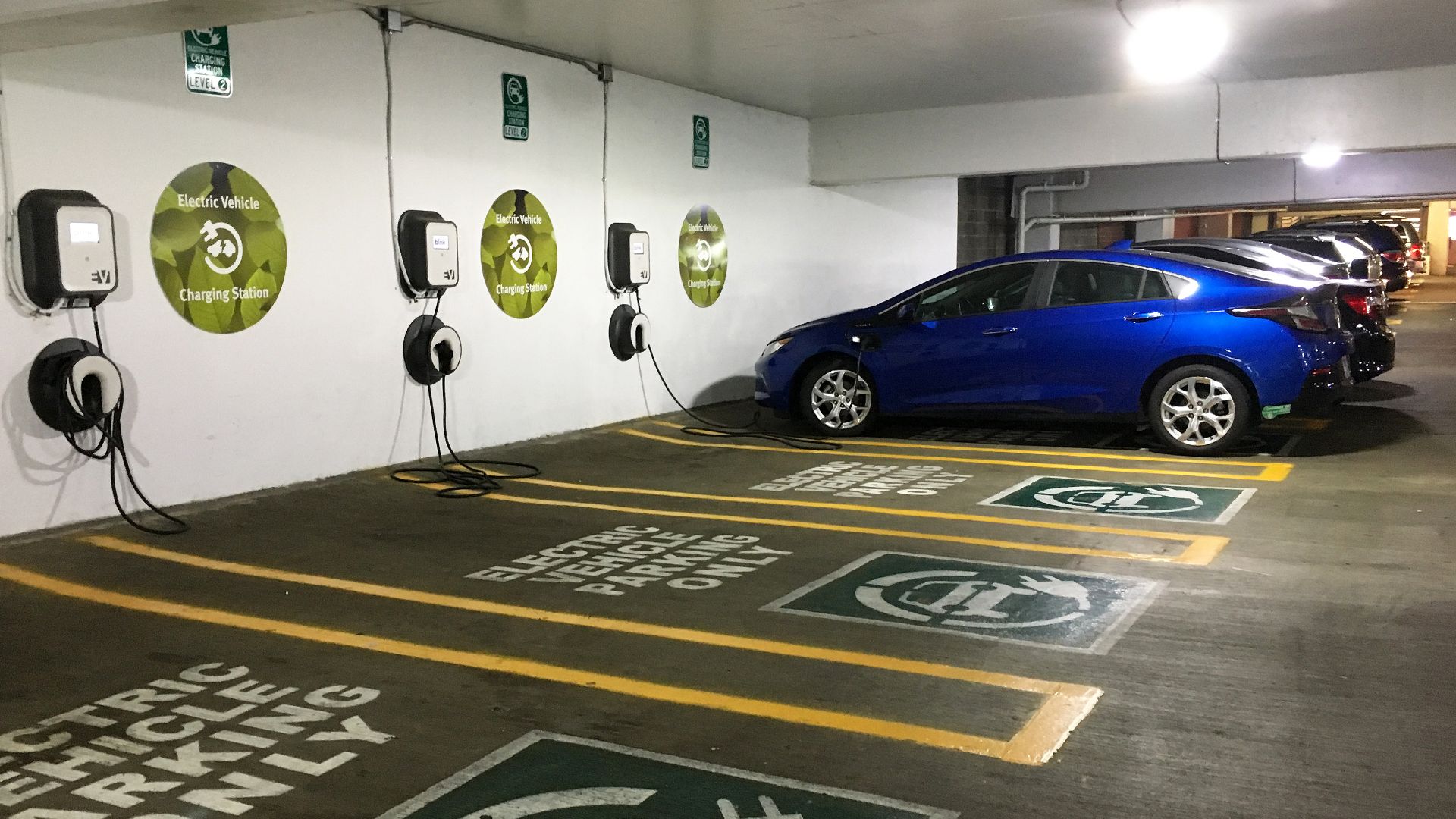
“First come, first served” sounds straightforward until someone asks when the first person’s turn actually ends. After two hours? When the battery is charged? Whenever the driver feels like moving? If the policy never answers that question, the building may have left itself quite an opening.
 Mariordo (Mario Roberto Durán Ortiz), Wikimedia Commons
Yes, But The Written Rules Matter
A condo association can generally create reasonable rules for a shared charging space and enforce them using the procedures allowed by its governing documents and local law. Being inconsiderate and breaking an enforceable rule aren’t automatically the same thing.

Where The Building Is Changes The Answer
In the United States, condo enforcement powers vary by state. Canadian condos operate under provincial laws, with different procedures and limits. That matters because a warning, fine or tow that is permitted in one building may be unavailable, or require different steps, somewhere else.
Is It Actually A Shared Space?
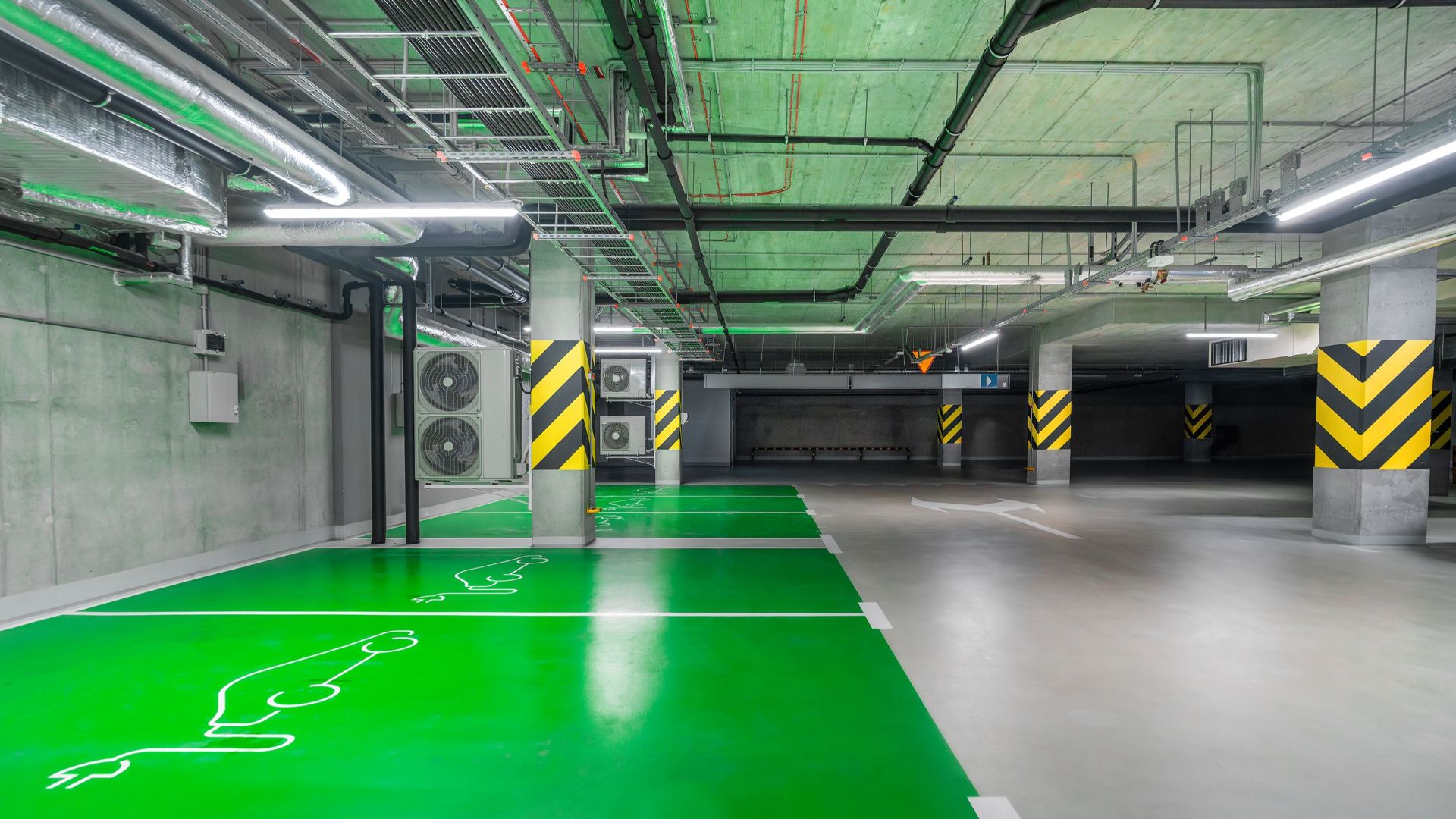
Start by checking whether the space is common parking, assigned parking or subject to an exclusive-use agreement. A charger beside a parking stall doesn’t automatically make that stall available to everyone. Management should confirm what the documents say before promising that another driver can be removed.
Charging And Parking Are Two Different Things
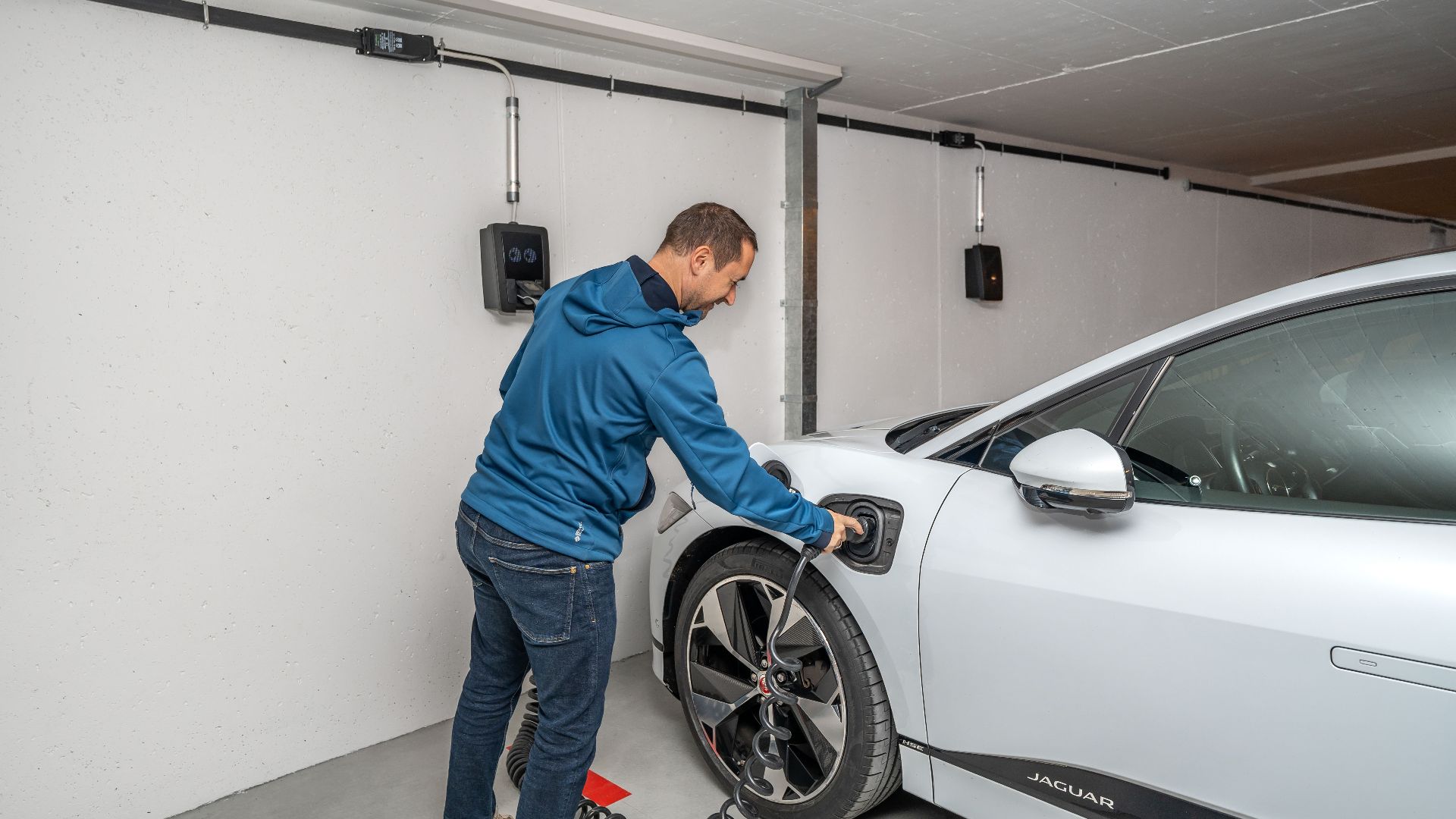
A driver may be entitled to use the charger without being entitled to remain in the space indefinitely. The policy should separately define the permitted charging session and parking period. Otherwise, someone can finish charging and argue that no rule actually says the car must move.
Ask For More Than The Sign
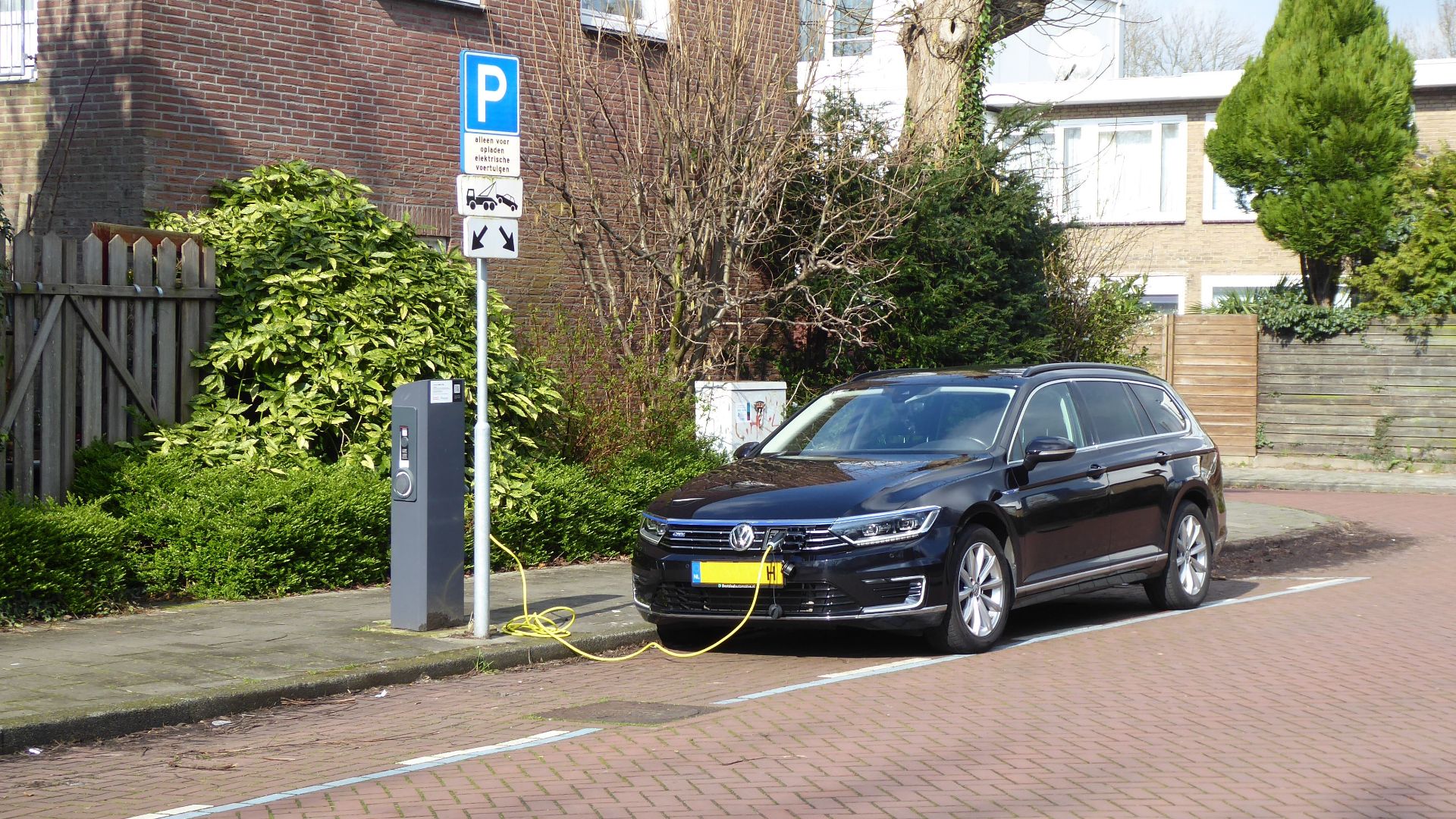
Request the current charging policy and any parking rules that apply. Look for session limits, requirements to move after charging, overnight provisions and enforcement procedures. A sign saying “first come, first served” may summarize a longer policy. Or, unfortunately, it may be the entire policy.
Being Plugged In Doesn’t Settle It
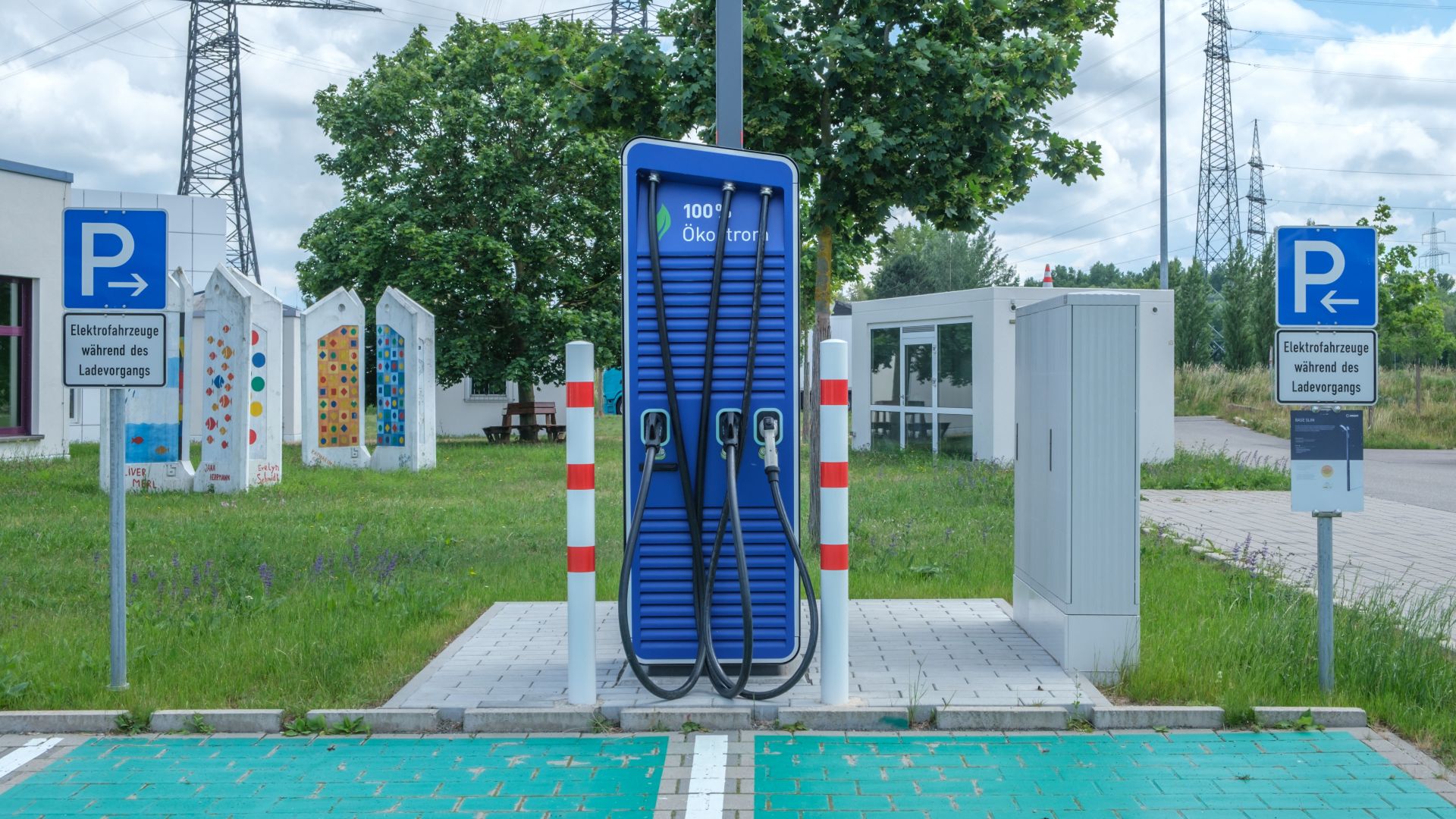
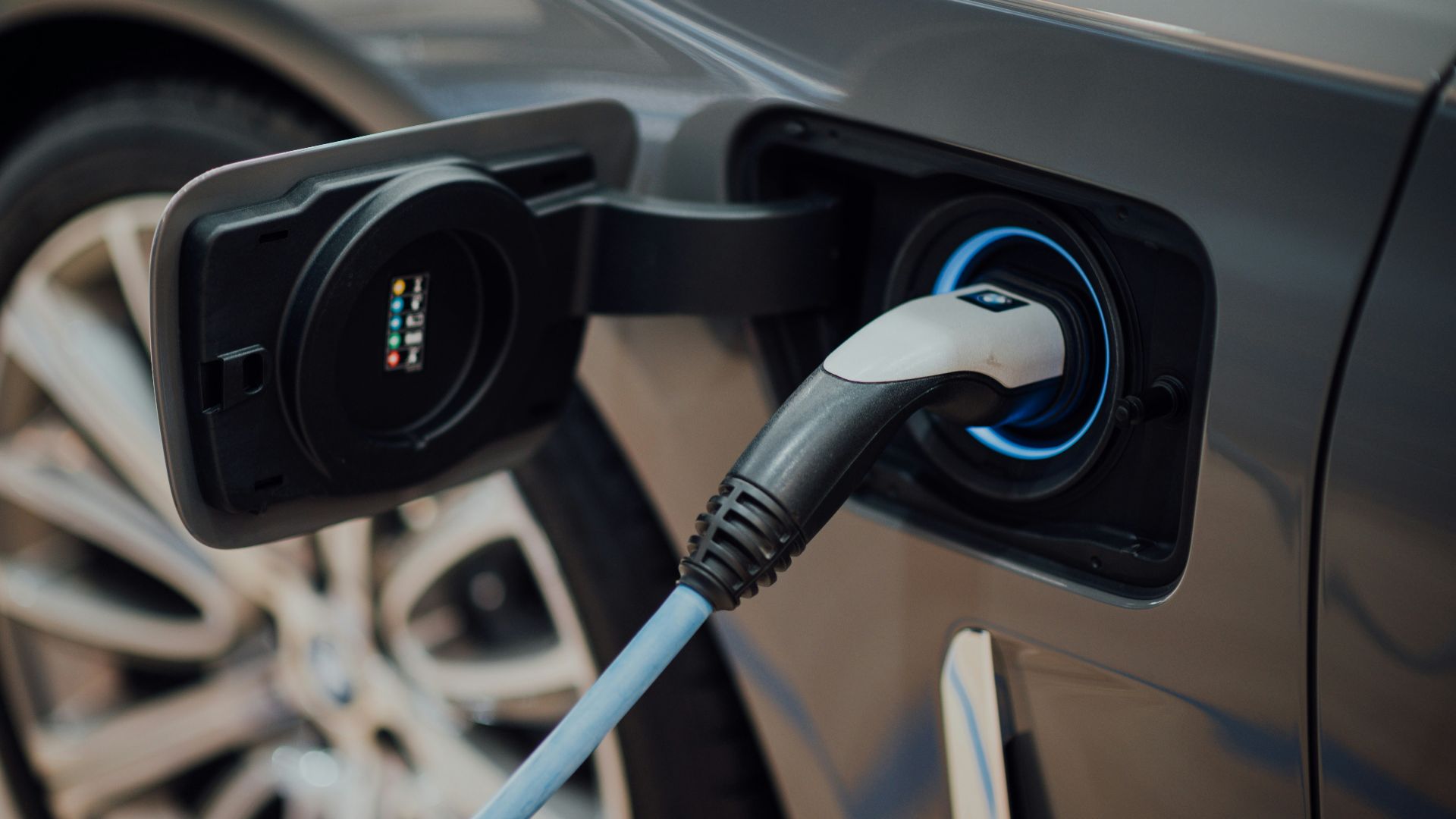
A cable connected to a car doesn’t necessarily mean the battery is charging. The car may be full, waiting for a scheduled session or temporarily drawing no power. If active charging is required, management should check the station indicator or available records rather than relying on the cable.
But A Long Session Isn’t Automatic Proof
Some vehicles genuinely need hours to charge, particularly on slower equipment. A shared system may also reduce charging speeds when several cars are connected. The useful question is whether the driver exceeded the rules, not whether another resident thinks the battery should surely be full by now.

What If He Really Does Arrive First?
If the driver arrives first, charges within the permitted period and moves when required, frequent use alone may not establish a violation. That might reveal a capacity problem or an unfairly designed system. It doesn’t necessarily mean management can punish him for following the policy everyone was given.

What If The Policy Has No Time Limit?
Then the board may need to improve it. Existing parking restrictions could still apply, but management shouldn’t pretend an unwritten two-hour limit has always existed. A clearer policy, properly adopted and communicated, gives residents an actual standard to follow and the board something concrete to enforce.

Give Every Turn An Ending
A useful policy explains both who gets the charger next and when the current user must leave. Options include a maximum session length, a requirement to move after charging finishes, or both. “First come, first served” can remain the starting point without becoming permission to settle in indefinitely.
Allow Enough Time To Move
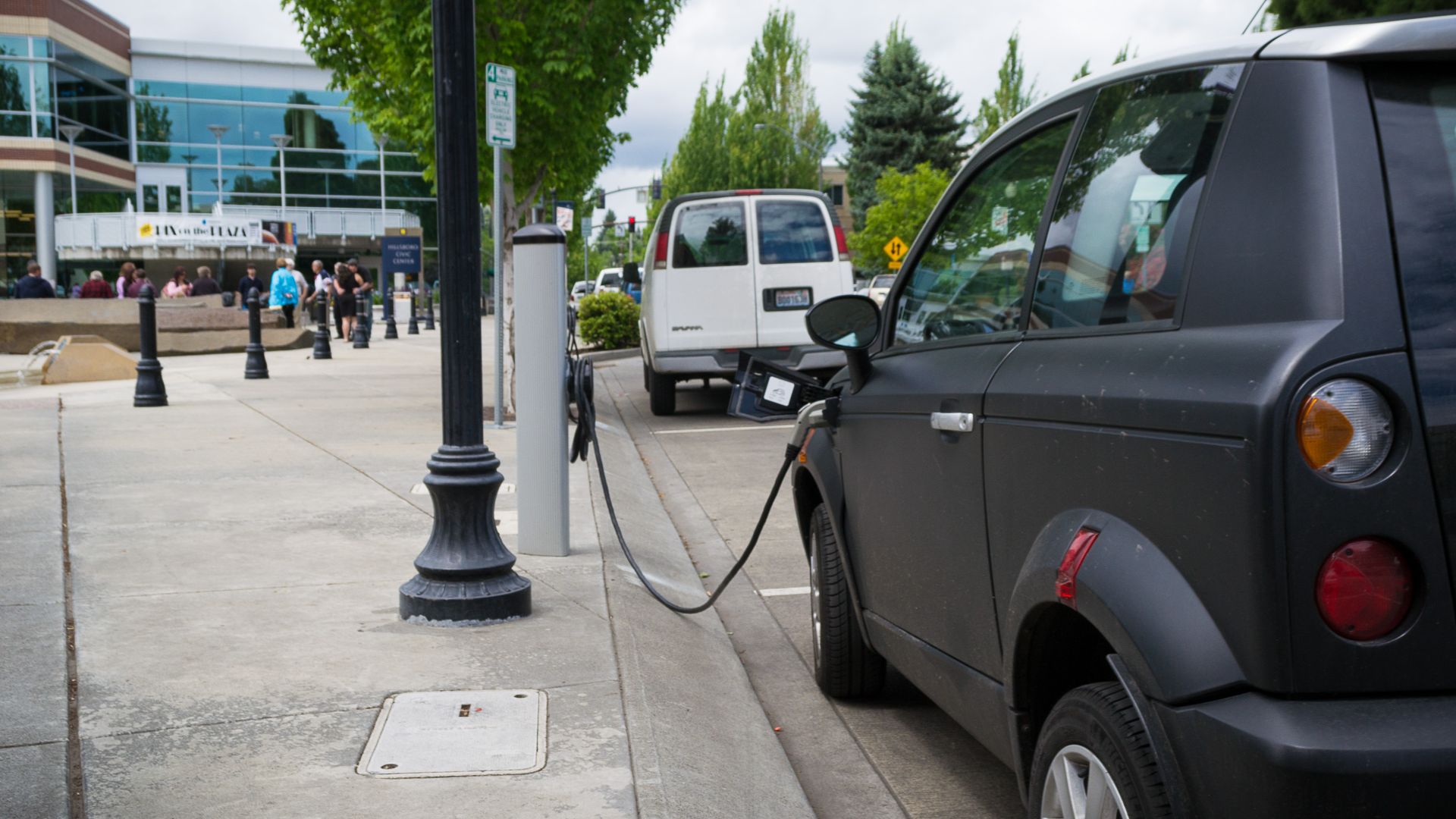
A reasonable grace period gives someone time to receive a notification and come downstairs. For example, a building might consider allowing 30 minutes after charging ends. That’s a policy choice, not a universal legal requirement, and it should reflect how residents actually use the garage.

Overnight Charging Needs Its Own Answer
Requiring someone to move a car at 3 a.m. may create a whole new argument. A building could establish an overnight window with a morning departure deadline. Whatever it chooses, the policy should explain how overnight use works before residents start interpreting bedtime as an exemption.
Close The Restart Loophole
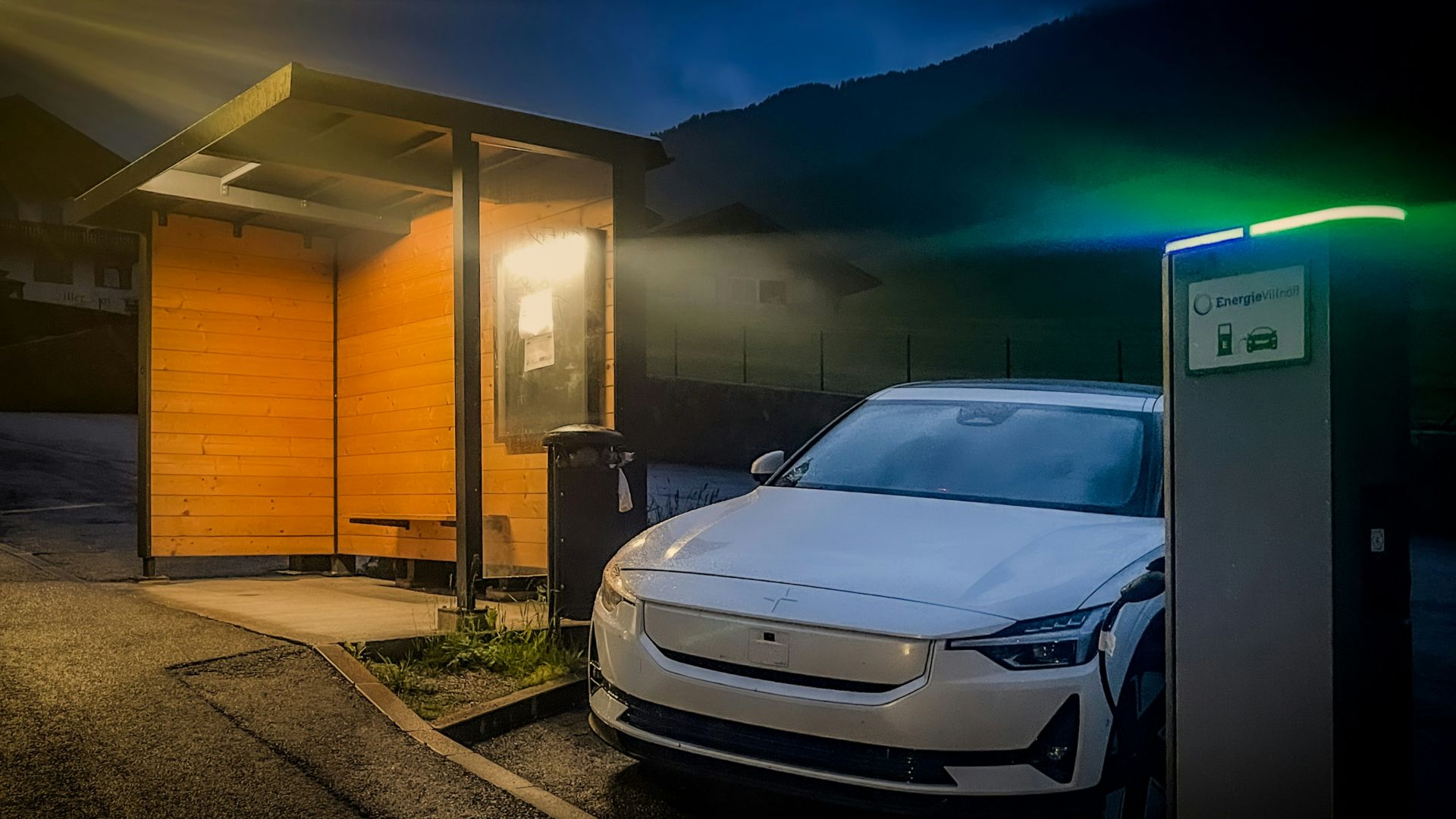
A session limit won’t accomplish much if a driver can unplug, reconnect and declare that a brand-new turn has begun. The policy can address repeat sessions when others are waiting. Otherwise, the person monopolizing the charger may technically comply while everyone else continues watching the same car charge.
Technology Can Help Organize The Queue
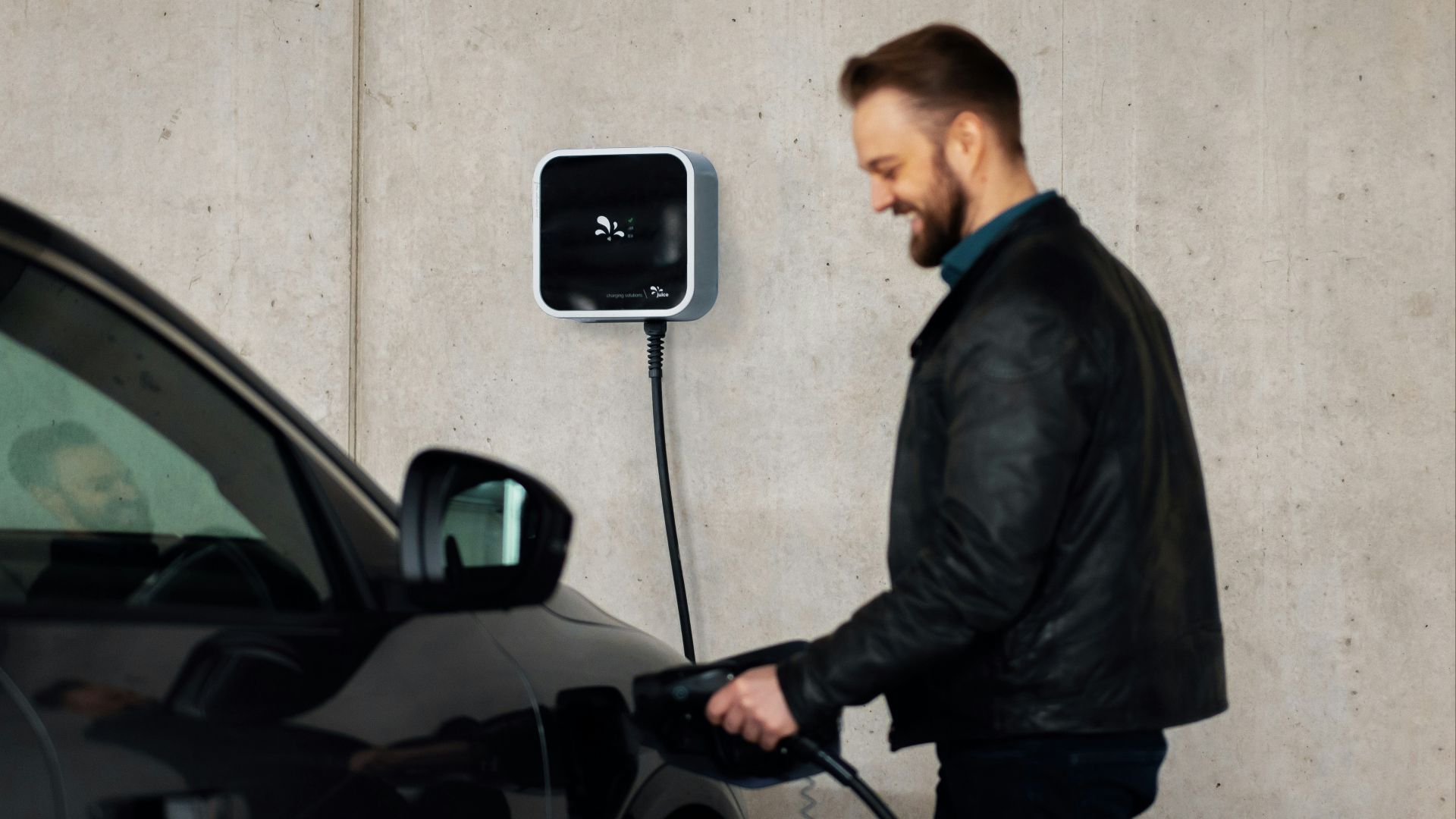
Depending on the equipment, charging software may offer completion alerts, waitlists, reservations or occupancy information. Management should check what the installed system actually supports. A clear queue can make sharing easier, although a reservation system would need to fit an updated policy rather than contradict the posted sign.
Maybe There Aren’t Enough Chargers
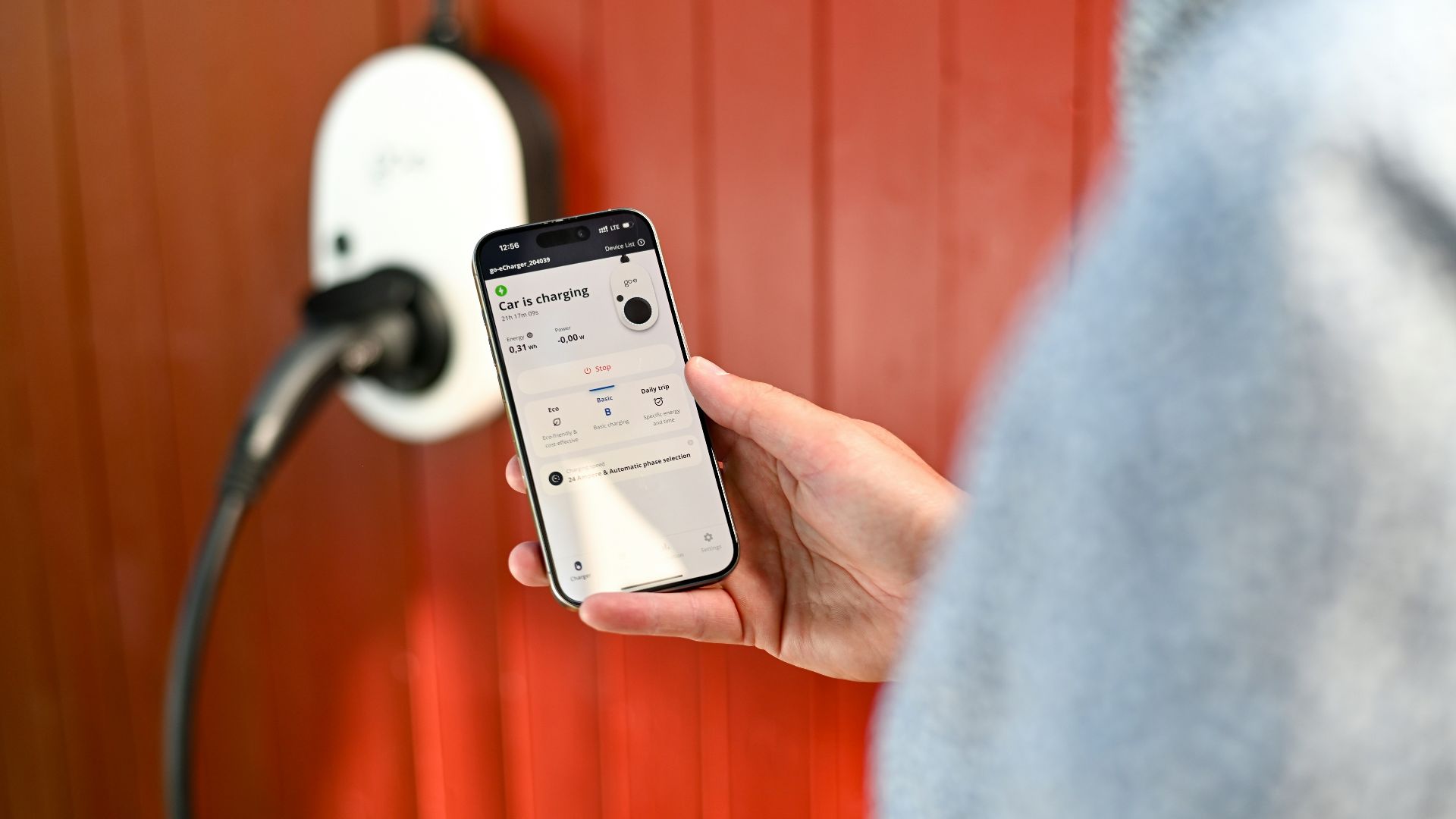
Repeated conflicts may reveal more than one inconsiderate driver. Charger reports can show session lengths, energy delivered and demand from waiting residents. Some systems can also divide available power among multiple chargers, potentially allowing the building to add more charging spaces without a complete electrical upgrade.
Fees Need More Than A Good Idea
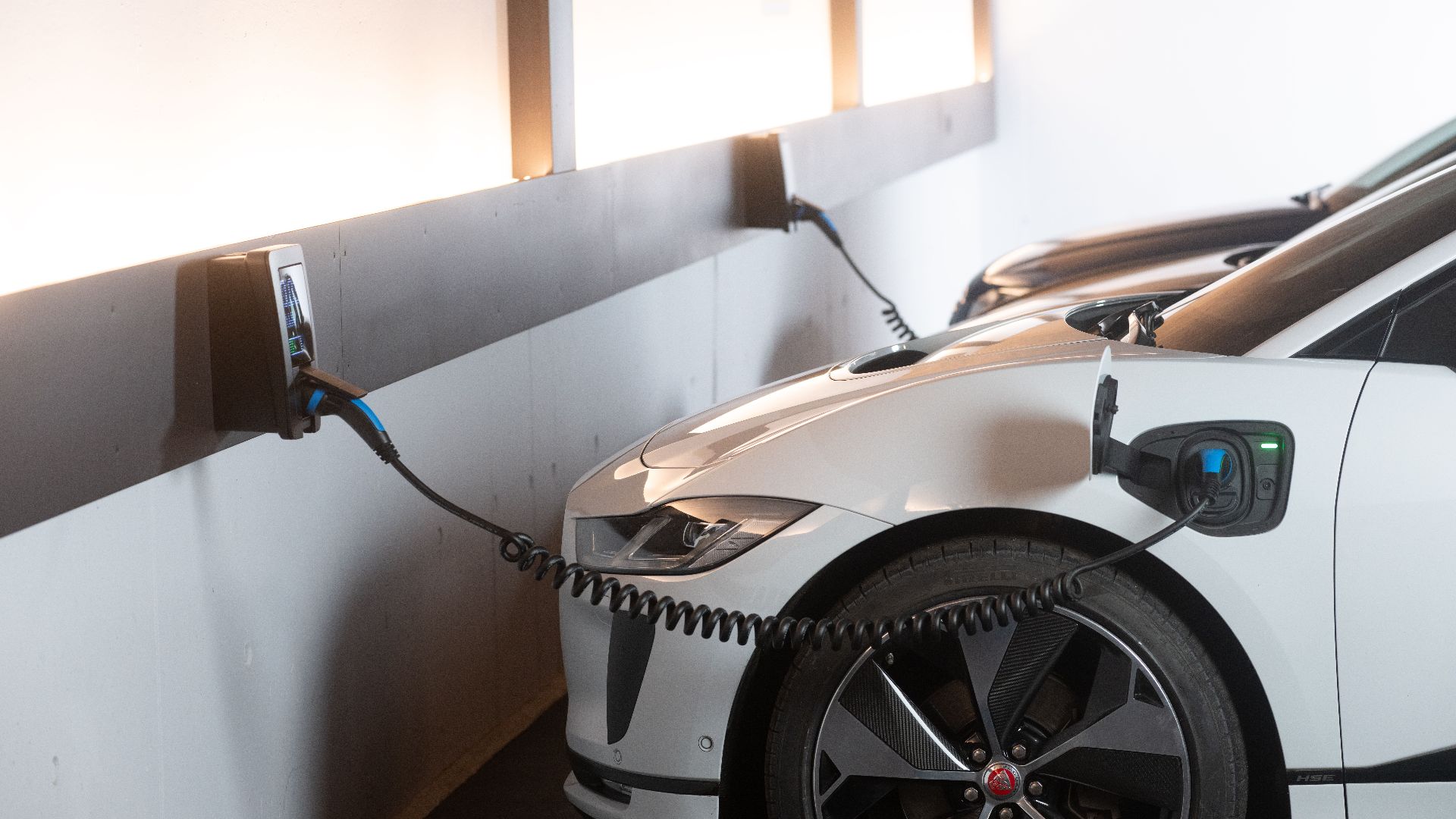
An authorized, clearly disclosed idle fee may encourage drivers to move after charging. But the board must check its legal authority, governing documents and charging contract first. Calling a charge an “idle fee” doesn’t automatically make it permissible, especially if it functions as a penalty.

Start With A Useful Complaint
Send management the dates, approximate times and the specific problem: the vehicle remained beyond a posted limit, occupied the space without charging, or prevented others from accessing it. A few documented examples are more useful than “he’s always there,” even when that description feels entirely accurate.

Who Is Actually Breaking The Rule?
The driver may be an owner, tenant or guest. Management should identify the unit connected to the vehicle and follow the correct enforcement process. Depending on local law and the condo documents, notices may need to go to the unit owner even when somebody else parked the car.

Ask Management To Check The Records
If the station records session start and end times, management may be able to establish whether the car stayed after charging finished. Residents don’t need access to someone else’s account. They need management to investigate the reported conduct and apply the relevant policy.
 Summit Art Creations, Shutterstock
A Warning May Be The First Step
A written reminder can identify the rule, explain the violation and tell the driver what must change. Sometimes that resolves the problem without further drama. If it doesn’t, management has documented that the resident was told about the requirement and given an opportunity to comply.

Fines Aren’t An Automatic Next Step
Where fines are allowed, the association must follow the required process. Florida, for example, generally requires at least 14 days’ written notice and an opportunity for a committee hearing. Ontario condo corporations generally cannot simply impose punishment-style fines for breaking a rule.

Towing Is A Separate Question
A parking violation doesn’t automatically authorize a tow. Private-property towing can involve specific requirements for signage, authorization and procedure, depending on location. Management should verify those requirements before calling a truck. Another resident shouldn’t arrange a tow simply because the charger is occupied again.

Don’t Turn It Into A Garage Showdown
Blocking the car in, handling its charging connection without permission or leaving an angry note can give management a second dispute to handle. Keep the complaint focused on access to the charger. Let authorized staff handle equipment and enforcement under the building’s rules.

EV Rights Don’t Mean Unlimited Charger Time
Some laws protect owners’ ability to install or use EV charging equipment, but those protections don’t automatically grant exclusive access to a shared charger. California law specifically requires appropriate terms of use for charging stations installed in common areas for all association members.
What If Management Keeps Shrugging?
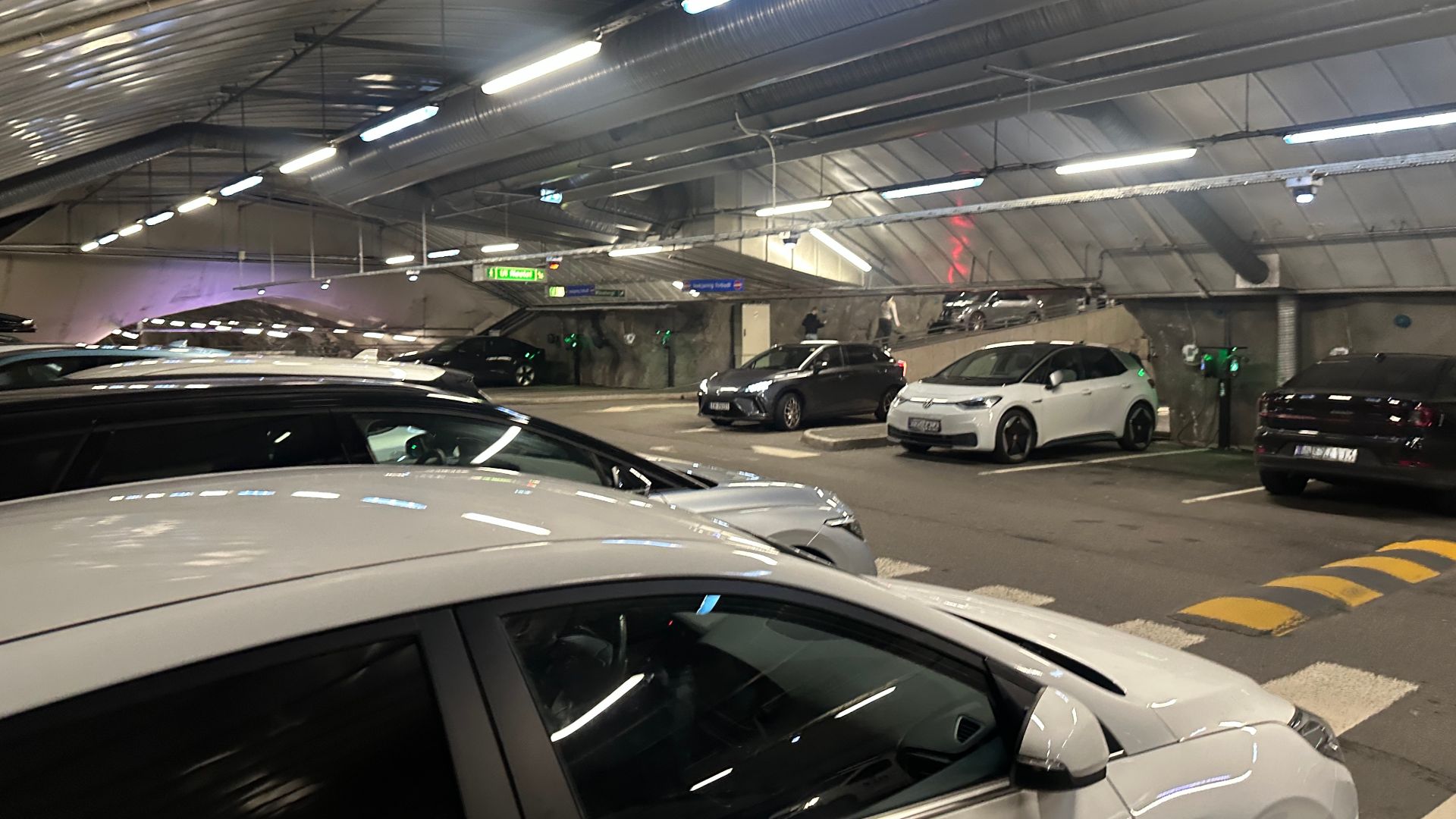
Ask the board for a written response identifying the applicable rule and its proposed solution. Request that charging access appear on a meeting agenda. If the problem continues, local condo dispute procedures or legal advice may help establish whether the board is failing to meet its obligations.

First Come Shouldn’t Mean Forever
Yes, the condo can often stop someone from treating a shared charger like private parking. But it needs clear rules, proper authority and consistent enforcement. Arriving first gets someone a turn. The building’s policy should make equally clear when that turn is over.

You Might Also Like: