It Seems Simple Until It Isn't
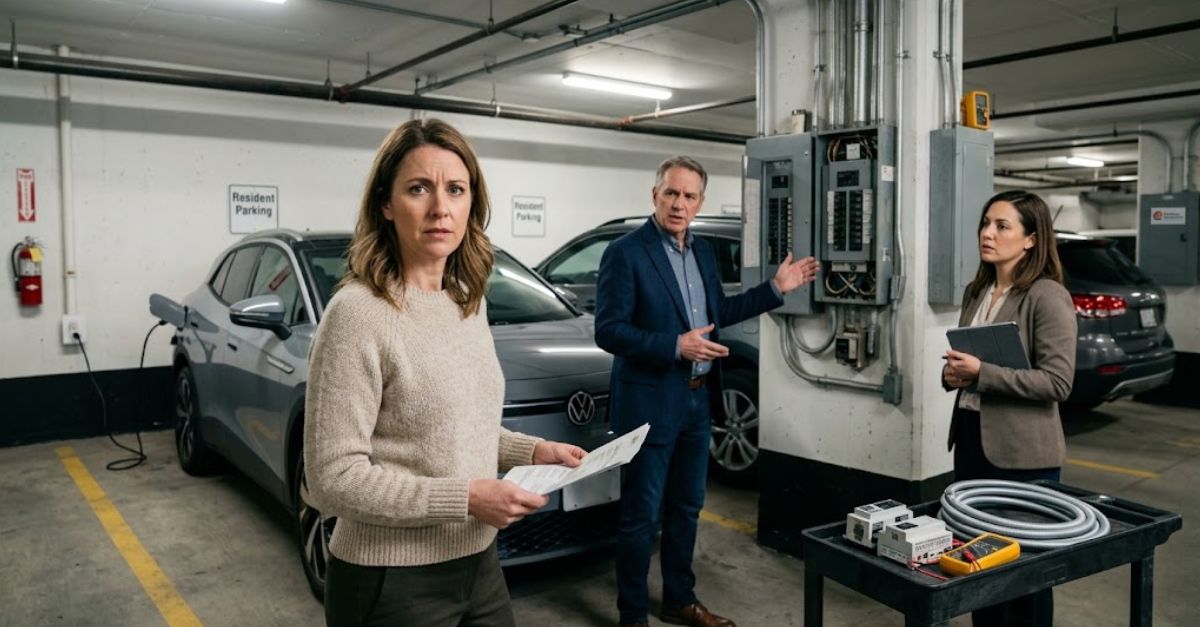
You price out a home EV charger for your building expecting a fairly simple install, then your condo board says your share of the electrical work could cost thousands. That happens a lot in older condo buildings with limited electrical capacity. Sometimes the price is justified. Sometimes the bigger issue is that one resident’s request uncovers a building-wide problem.
Why This Keeps Happening
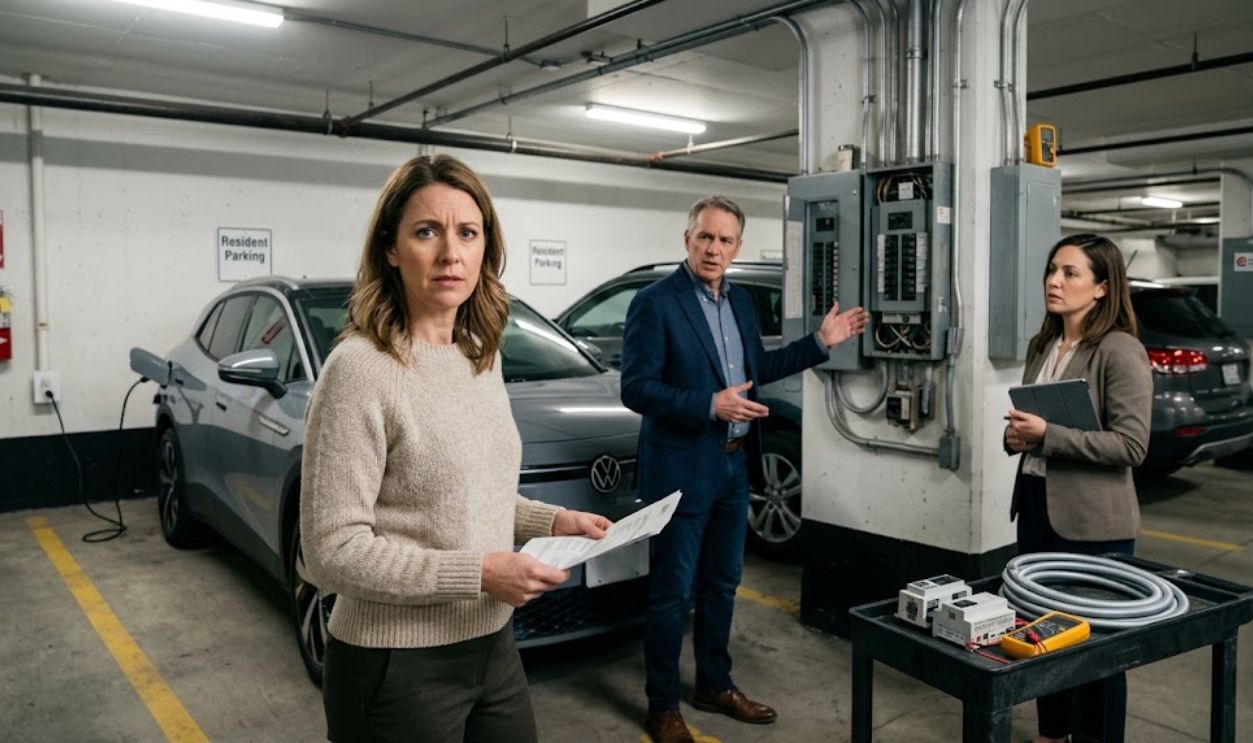
EV adoption has moved faster than many condo buildings can keep up with. A Level 2 charger adds a real electrical load, and boards often find out that the panel, transformer, or overall service is already stretched. So one owner’s request can quickly turn into a much bigger infrastructure question.
What A Home Charger Usually Needs
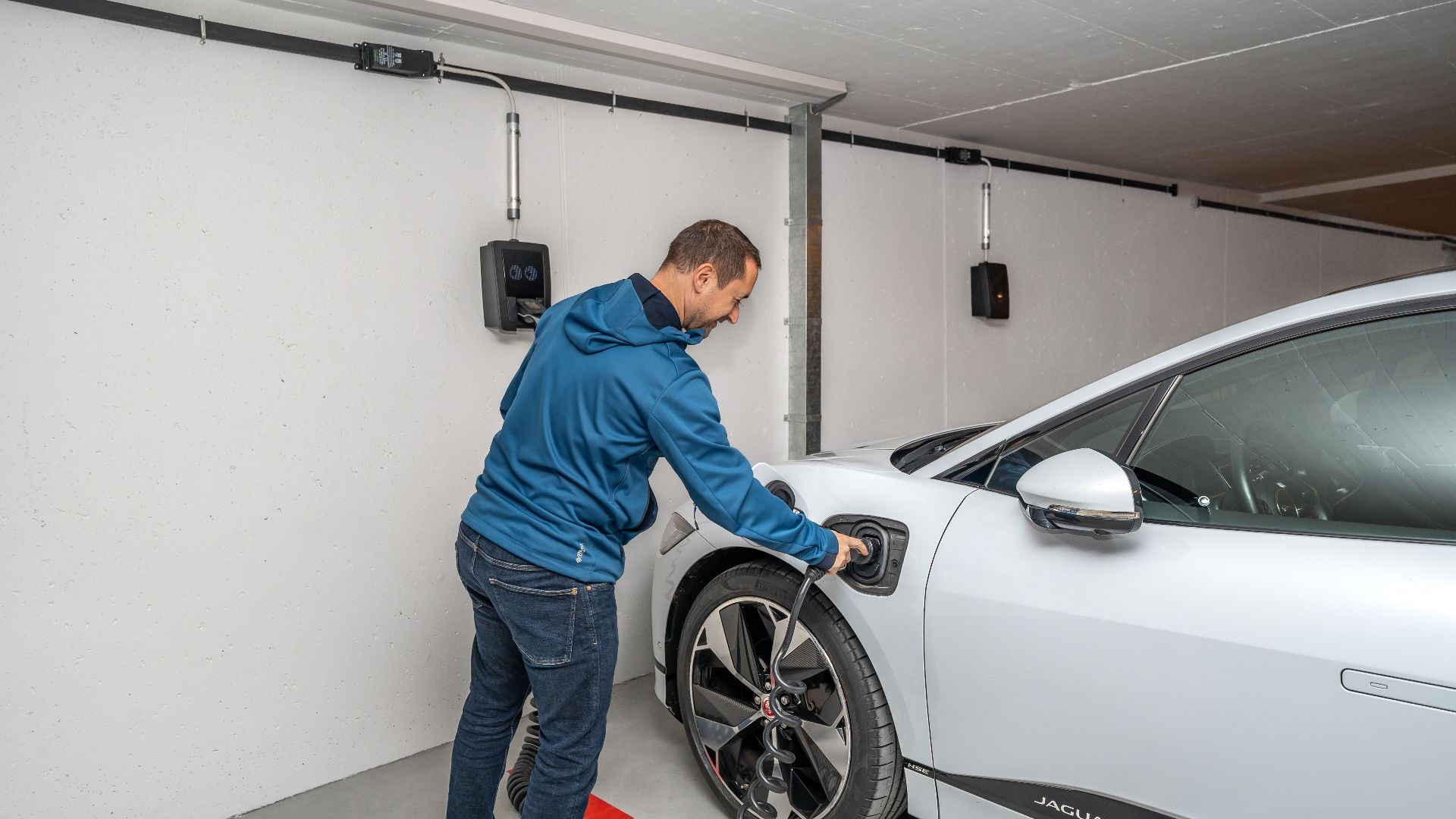
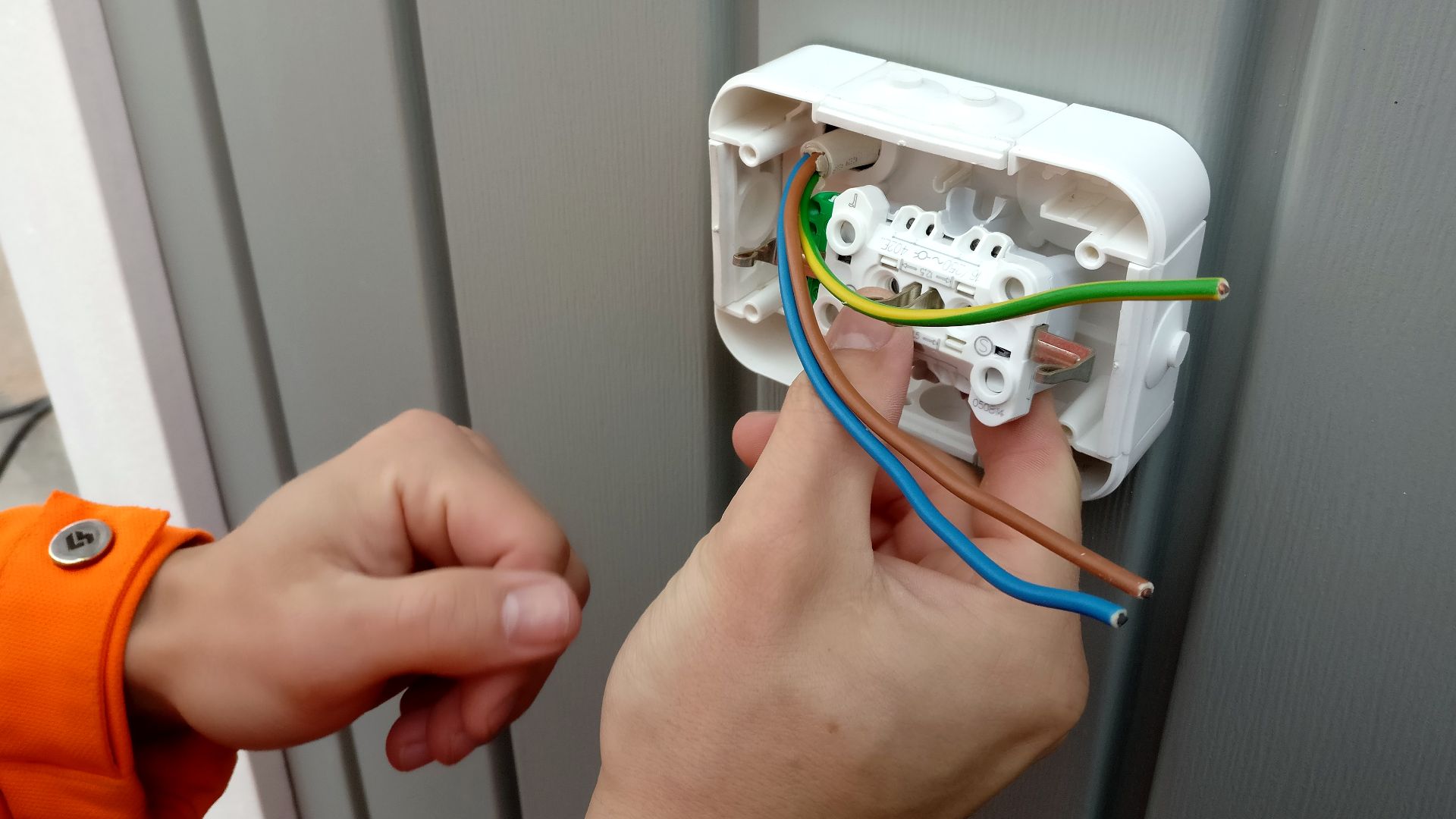
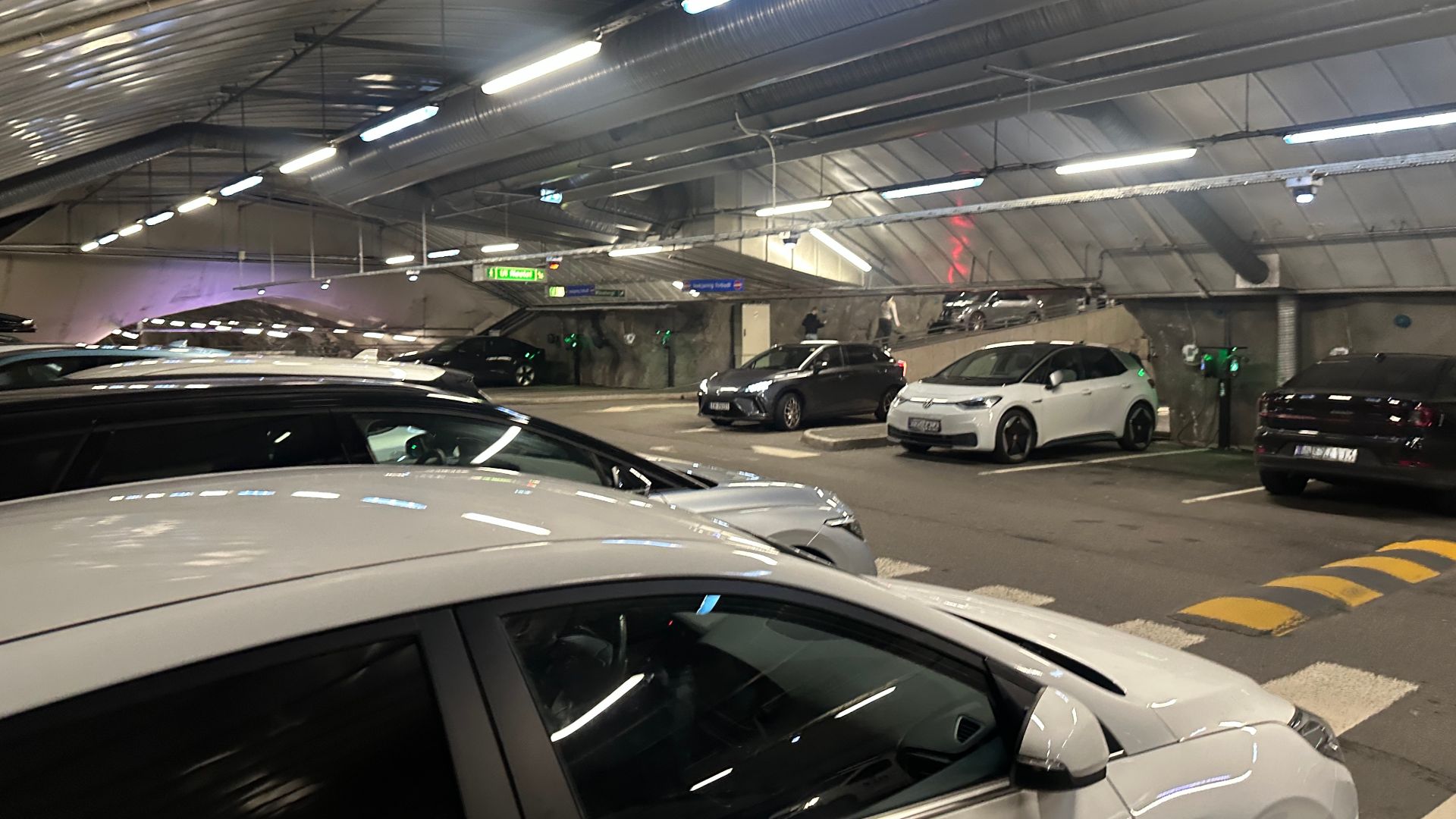
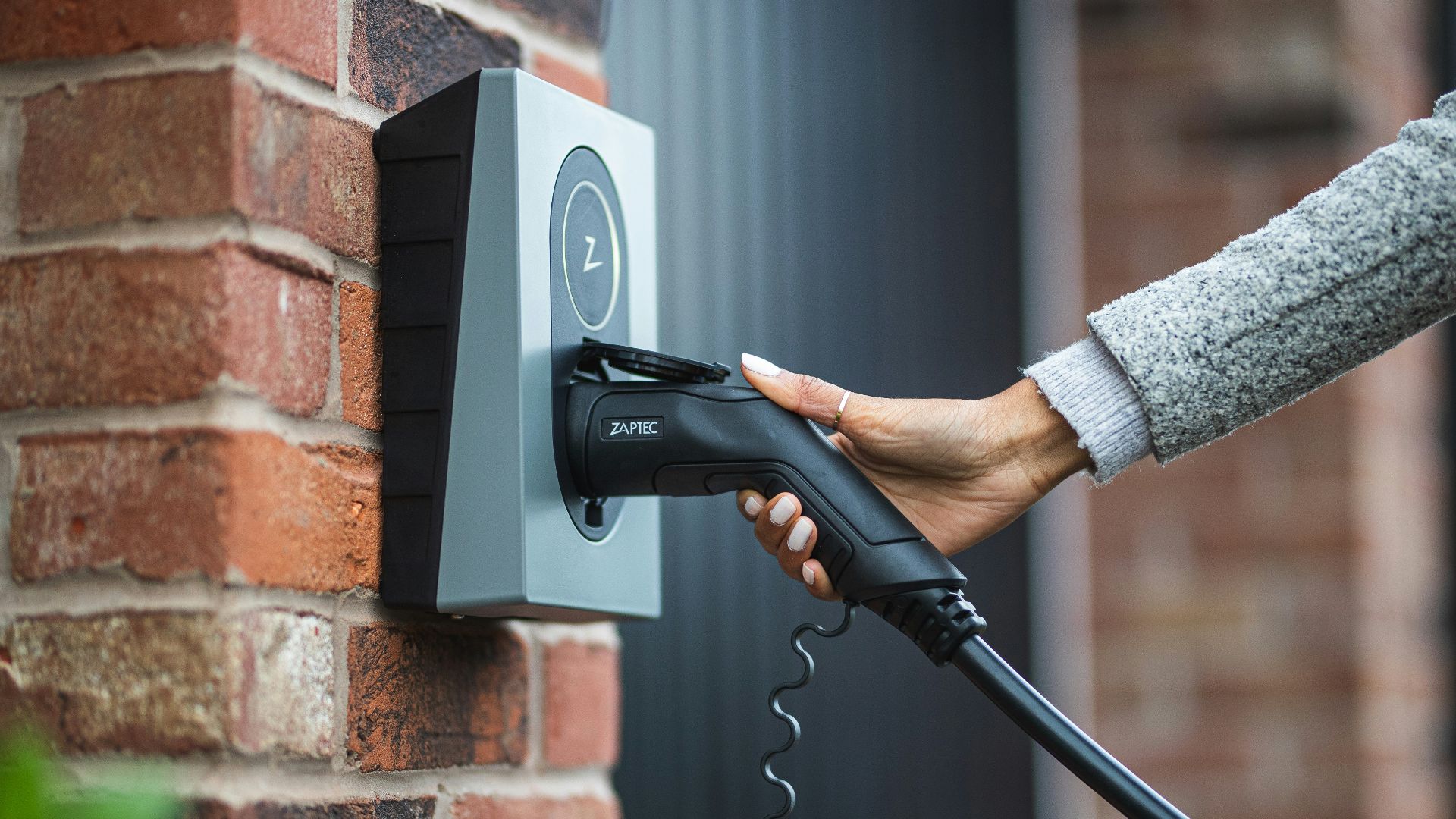
The U.S. Department of Energy says Level 1 charging uses a standard 120-volt outlet, while Level 2 charging uses 240 volts and charges much faster. Level 2 is what most owners want for day-to-day convenience. It is also the option most likely to raise questions about panel space, load calculations, and shared electrical systems.
 Santeri Viinamäki, Wikimedia Commons
The Key Difference Boards Sometimes Miss
There is a difference between the cost of installing one charger and the cost of upgrading a whole building. If your parking space can be served with the capacity already in place, having you pay the direct installation cost is pretty straightforward. If the building needs a major service upgrade that will also help future residents, that starts to look more like a shared building improvement.

Experts Have Been Warning About This For Years
The National Renewable Energy Laboratory has studied EV charging in multifamily housing and repeatedly pointed to electrical capacity as a major barrier. Its research on apartment building charging stresses the need for site assessments, managed charging, and planning before one-off requests start piling up. In other words, this is a common problem, not a strange edge case.

Load Management Can Change Everything
One reason a huge electrical upgrade quote may not be the final answer is load management technology. The DOE notes that energy management systems can let multiple EVs charge while controlling demand on the building’s electrical system. That can delay or even avoid major upgrades by making better use of the capacity the building already has.
Thousands Of Dollars Is Not Automatically A Bad Sign
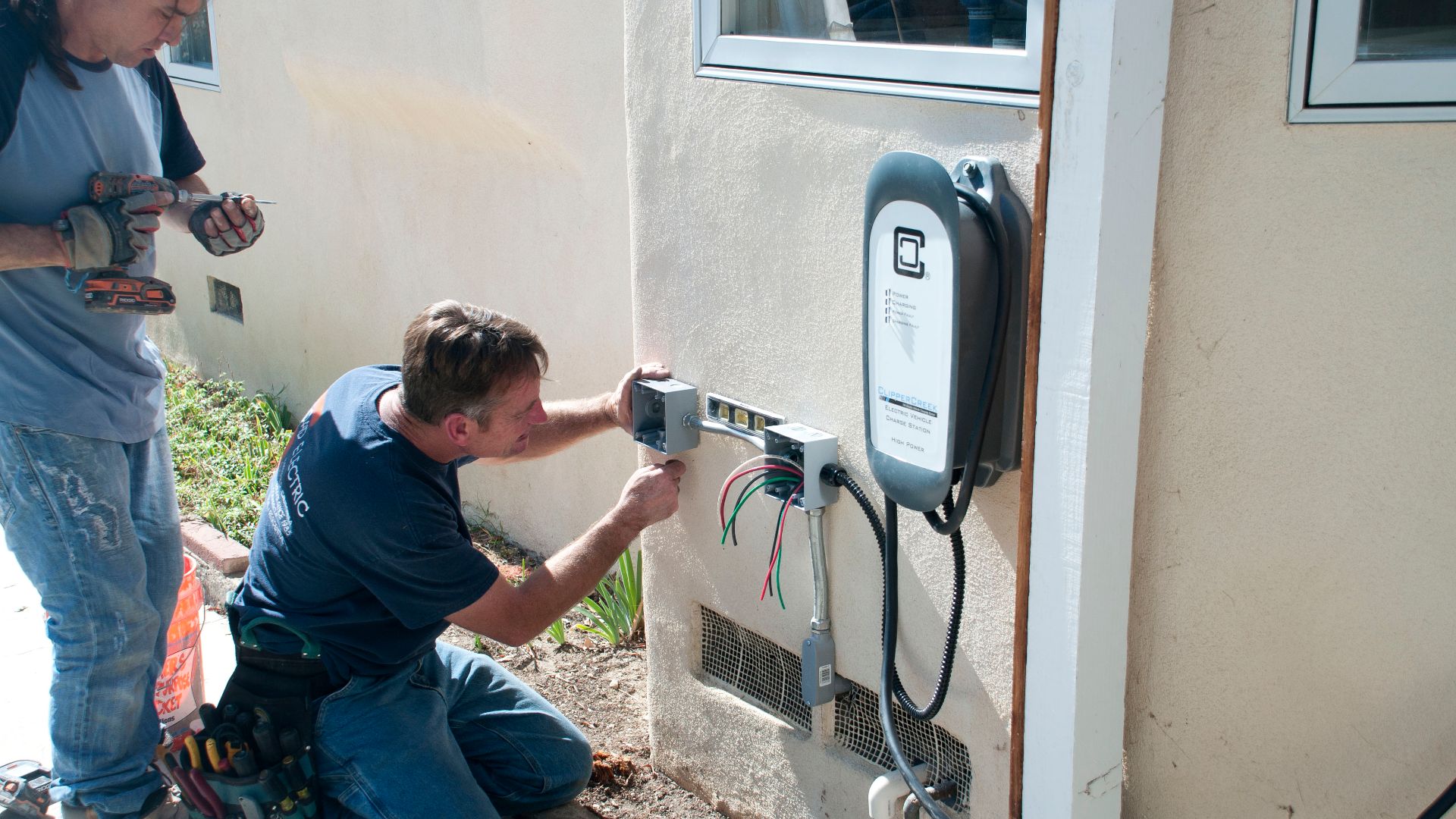
Charger installation costs can vary a lot. A simple Level 2 setup in a garage close to the electrical panel might be fairly modest. But long conduit runs, concrete work, panel upgrades, permits, and utility coordination can drive the price way up. So a quote in the thousands is not automatically unreasonable.
But A Full Building Upgrade Is Different
If the board says your request triggers a transformer upgrade, a main service upgrade, or major distribution work, the real question is who benefits. A project like that usually improves the building’s ability to support future EV charging, not just yours. That is why many experts and policymakers treat EV infrastructure in multifamily housing as a shared amenity issue, not just a private convenience.
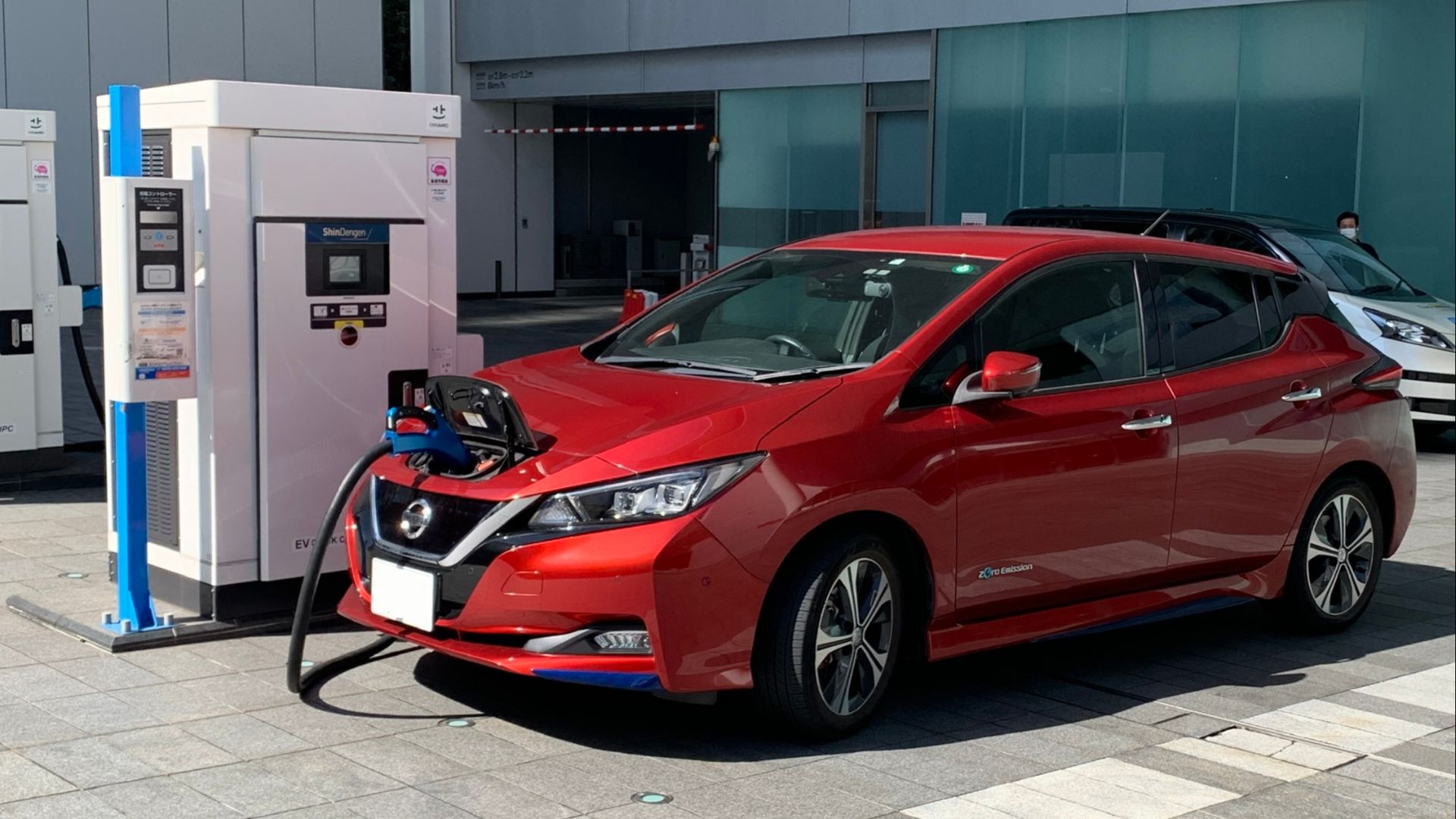 Kazyakuruma, Wikimedia Commons
California Saw This Coming
California has been one of the most active states on EV charging rights in common-interest communities. The Davis-Stirling website, which explains California HOA and condo law, says associations generally cannot unreasonably restrict EV charging station installation in an owner’s designated parking space. Owners can still be required to follow safety rules and often must pay for installation and electricity use.
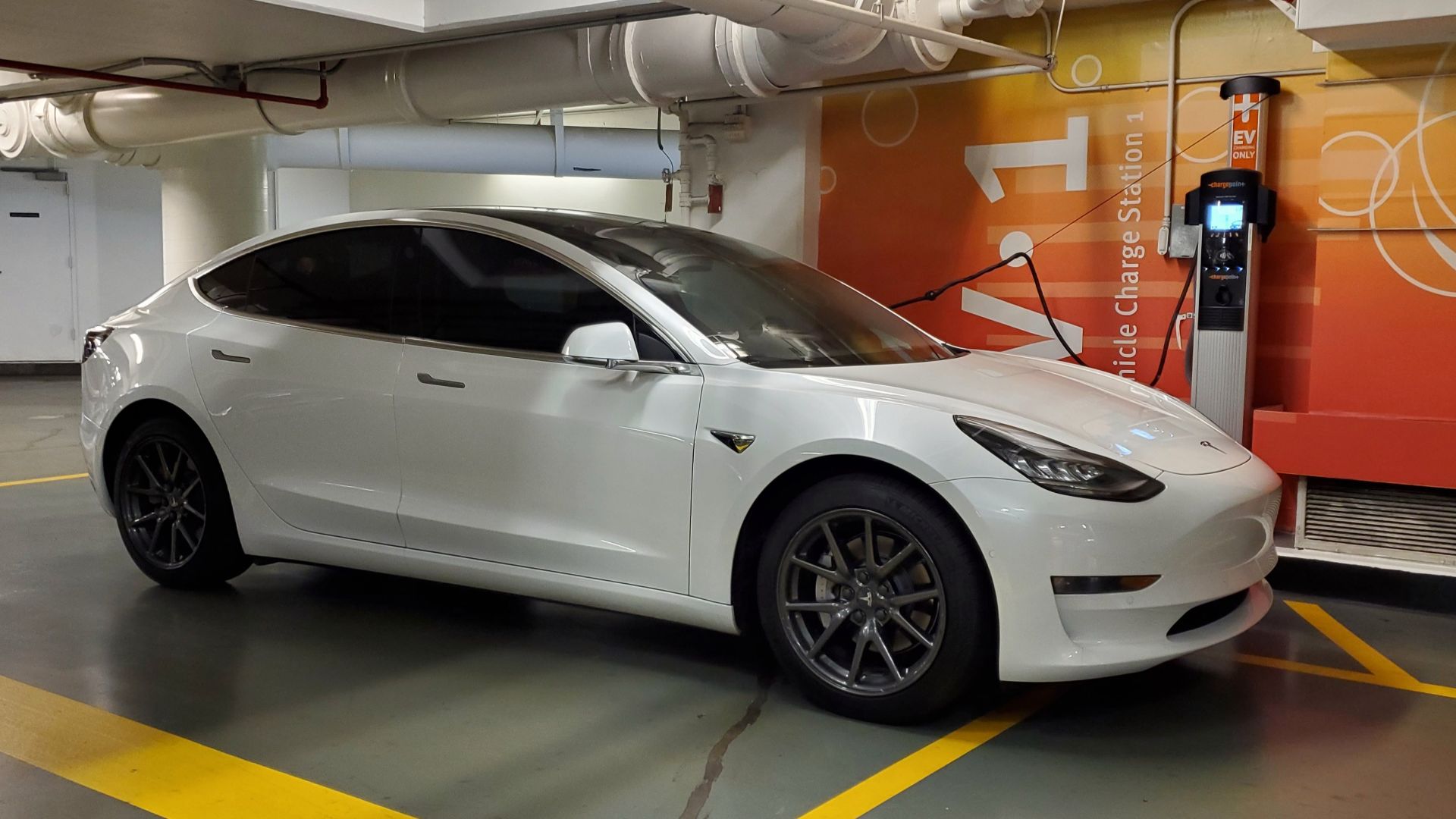 Chris Yarzab, Wikimedia Commons
What California Law Also Suggests
California’s approach does not say a board has to absorb every cost. Instead, it tries to stop blanket obstruction while still letting the association require a safe and responsible installation. The practical takeaway is pretty clear: the driver often pays for the charger, but costs tied to broader common infrastructure deserve a closer look.
Florida Took A Similar Access Approach
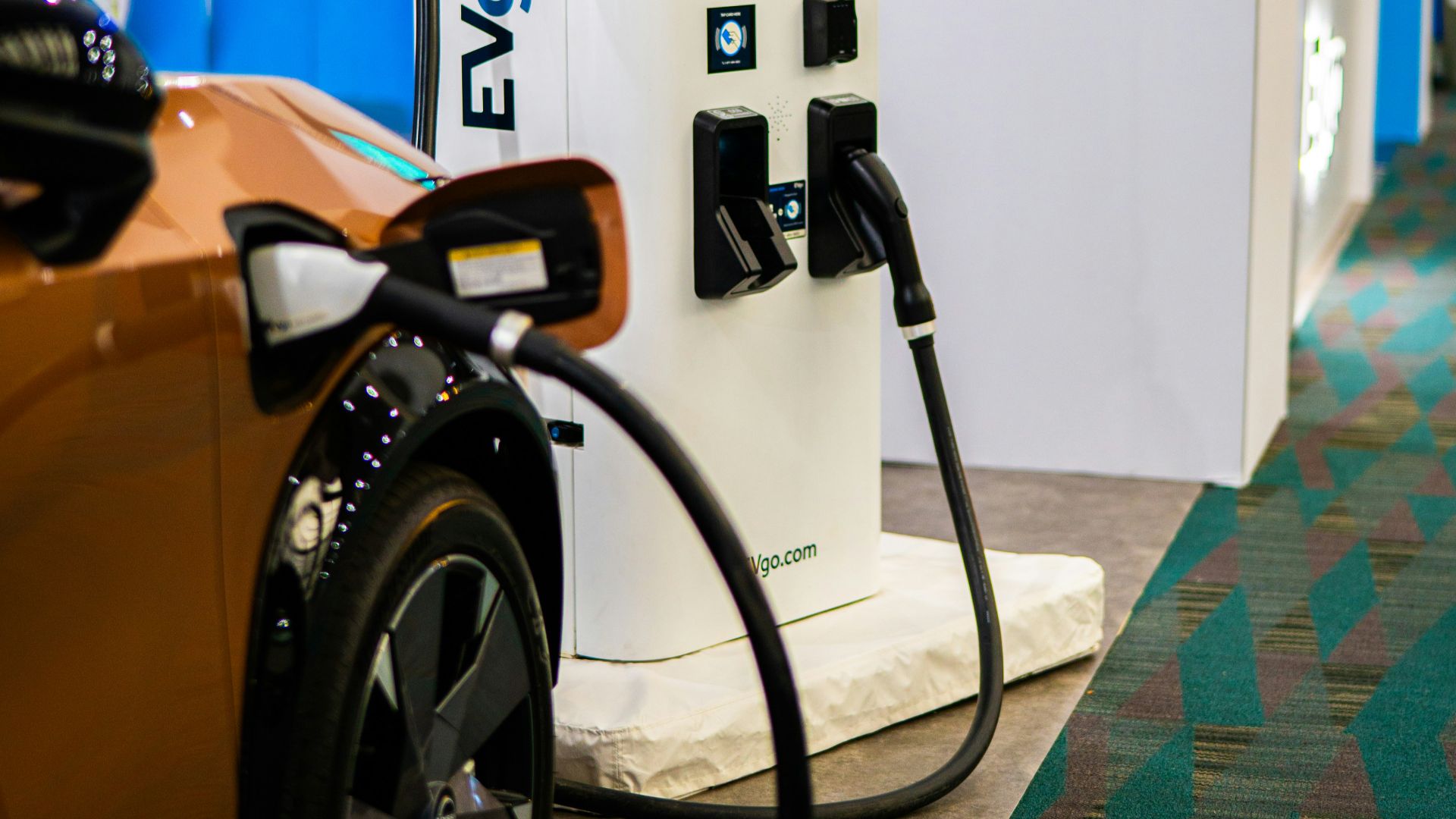
Florida law also limits the ability of condo associations and homeowners’ associations to ban EV charging stations. The statutes allow owners to install a charging station in a limited common element parking area or a privately owned garage space when certain conditions are met. Those conditions often include paying for installation, maintenance, electricity, and any damage tied to the station.
What Those State Laws Do Not Fully Settle
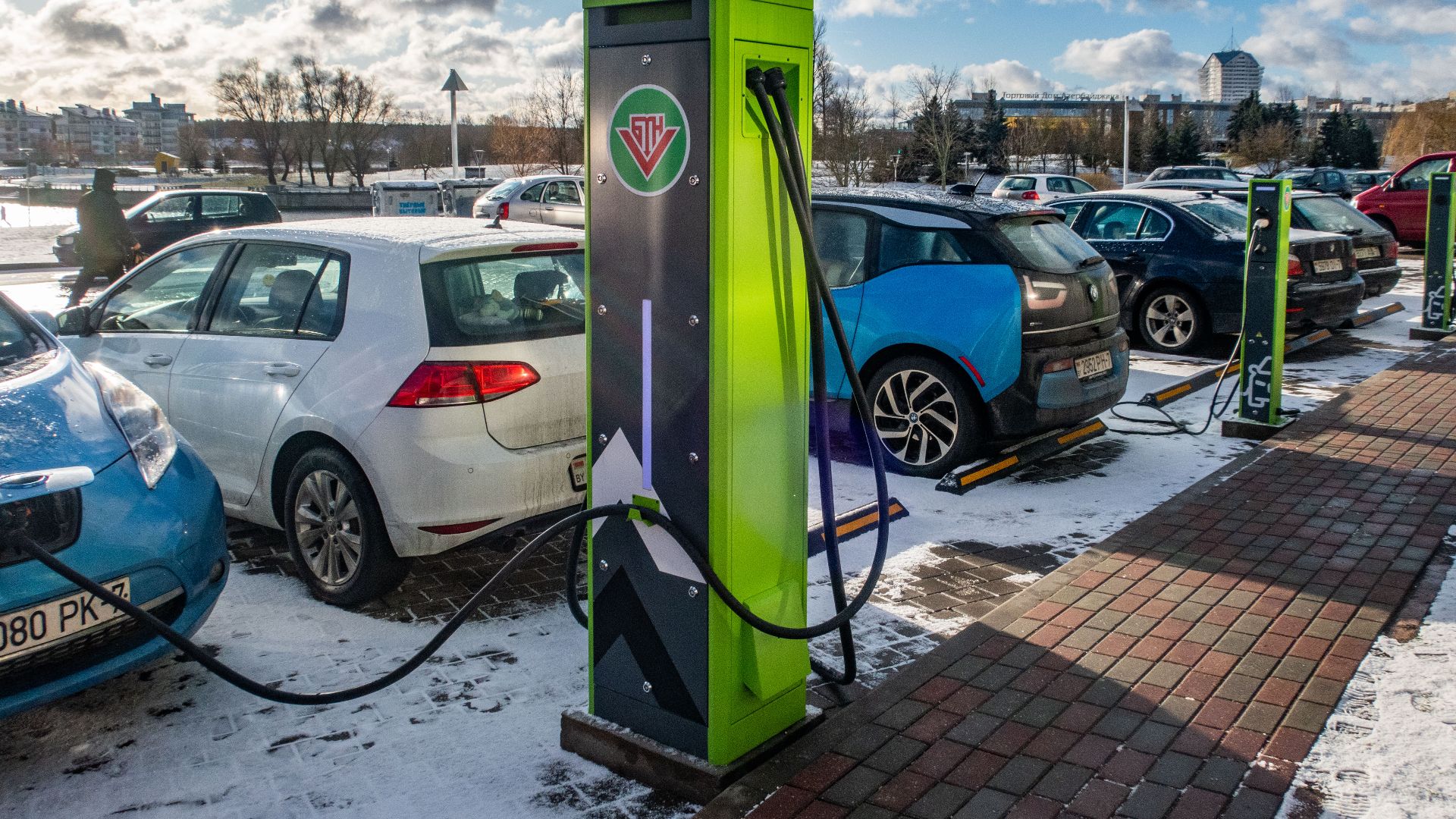
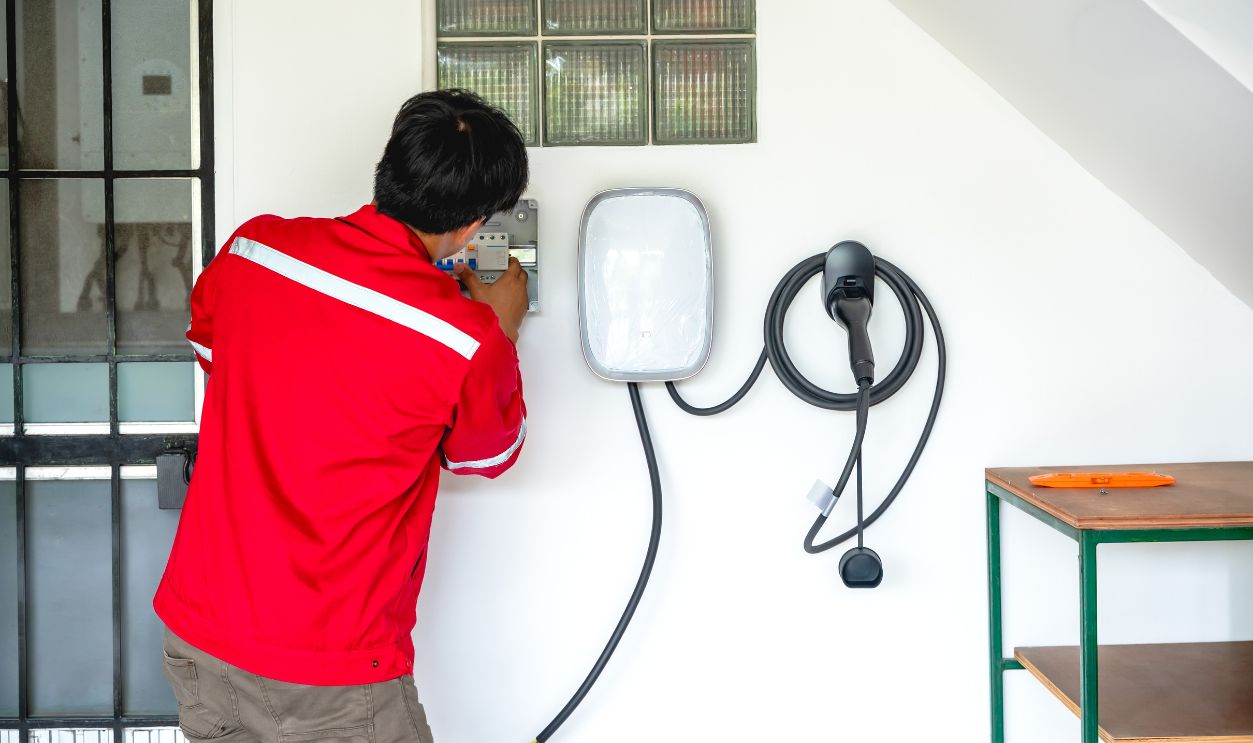
Even in states with EV charging access laws, disputes can still come up over upstream electrical work. Is a new subpanel just for you, or is it the first step in a building-wide upgrade? Is the project meeting your personal request, or fixing an infrastructure shortfall the building was always going to face?
The Fairness Test Usually Comes Down To Benefit
A simple way to look at it is this: who benefits, and for how long. If the spending only serves one parking space and would not help anyone else, assigning most or all of that cost to one owner can make sense. If the work expands common capacity that future residents will use, asking one early adopter to pay the whole bill is much harder to defend.

Utilities And Experts Push Future-Proofing
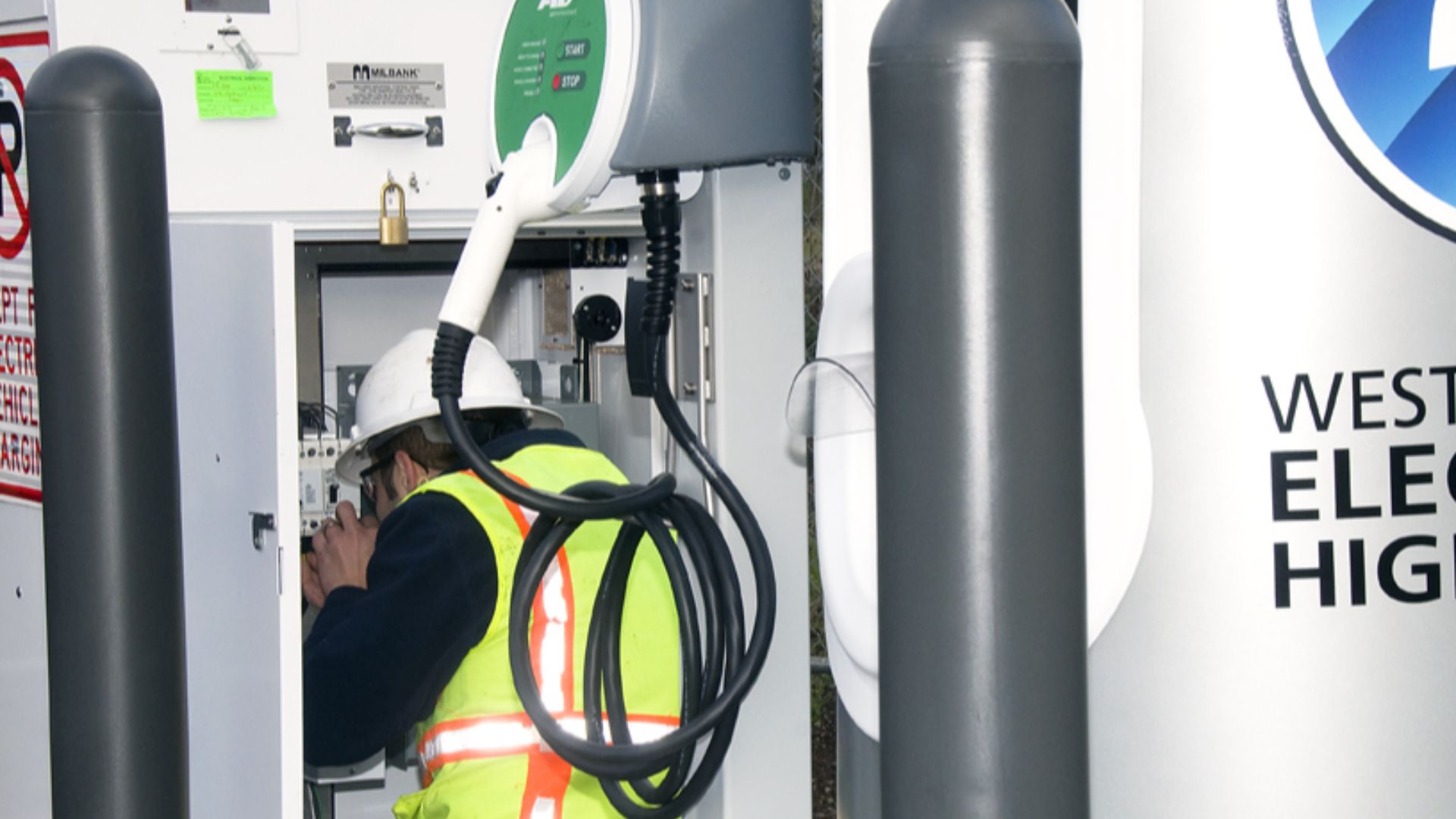
Pacific Gas and Electric’s guidance for multifamily properties stresses planning for current and future EV charging demand instead of handling each request in isolation. That matters because trenching, conduit, and service work are often cheaper when bundled together. A board that treats the first EV owner like a one-person funding source can miss the chance to build a smarter and cheaper long-term system.
 Oregon Department of Transportation, Wikimedia Commons
Why “Make Ready” Matters
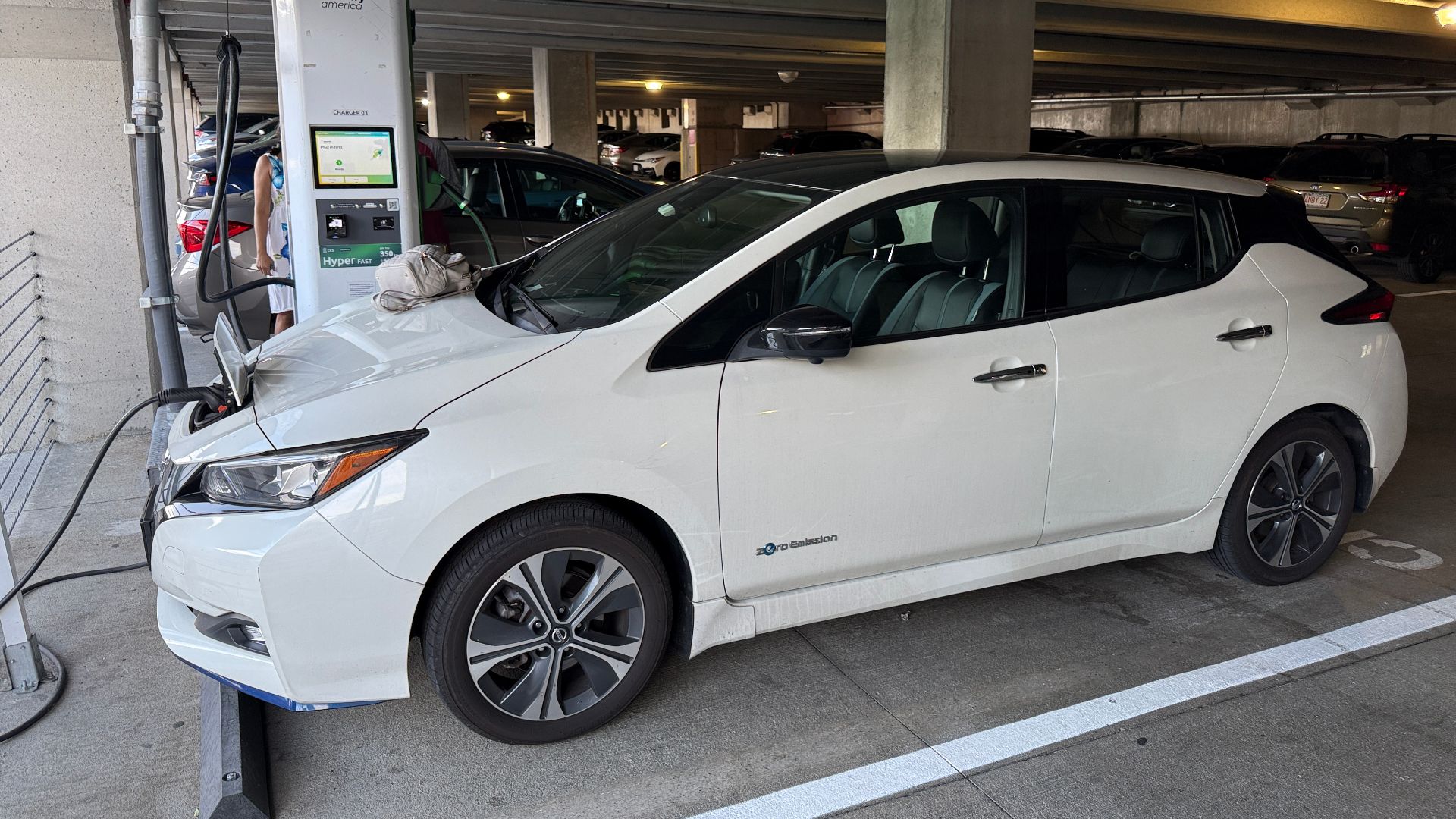
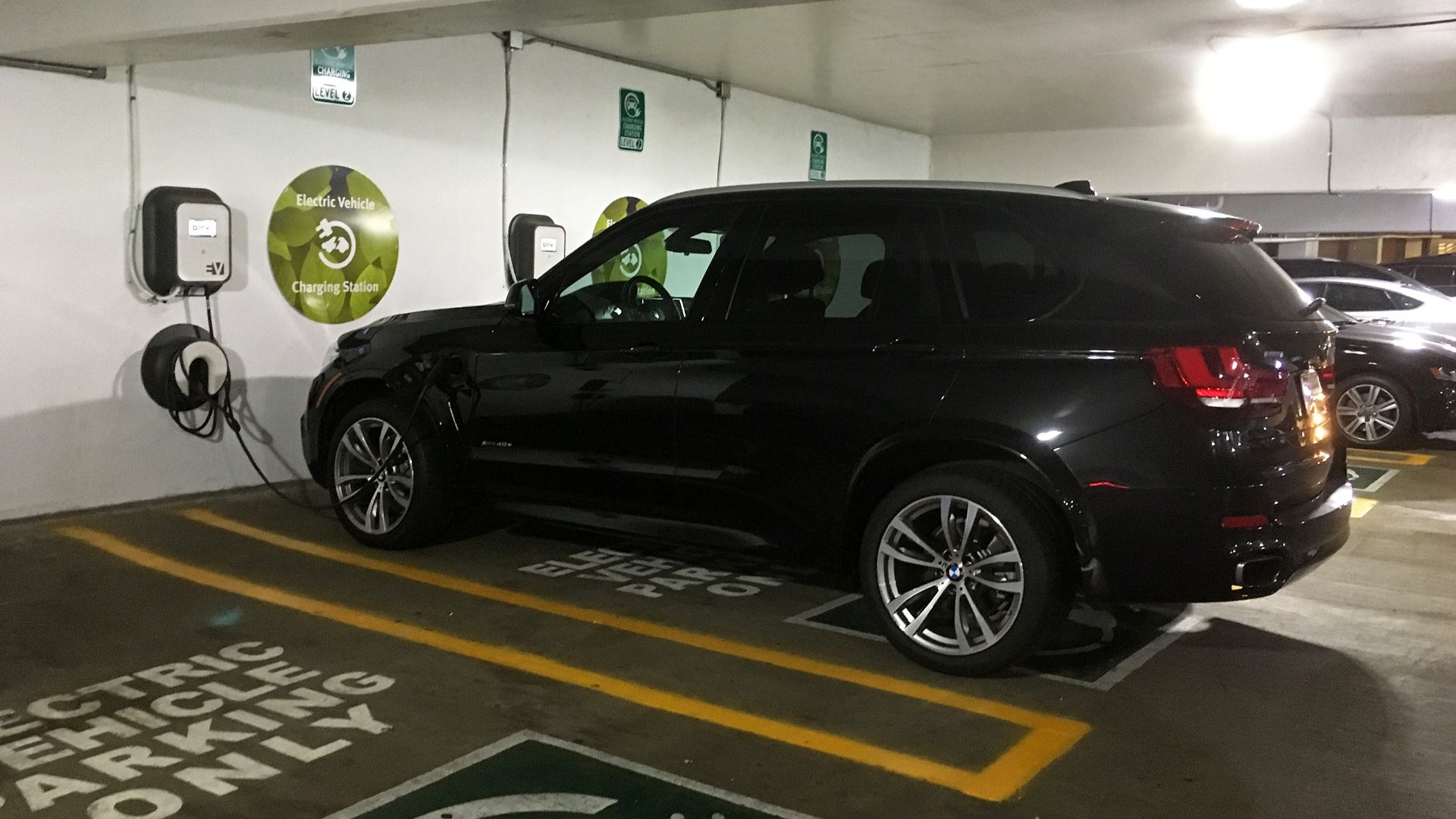
The “make ready” model means the building installs the basic infrastructure, such as electrical capacity, conduit, and panel access, while individual drivers pay for the charger at their own space. Utilities and policymakers increasingly like this setup because it spreads common costs across common beneficiaries. It also lowers the odds that the first few residents get stuck paying for upgrades everyone else will later use.
 4300streetcar, Wikimedia Commons
Federal Guidance Points The Same Way
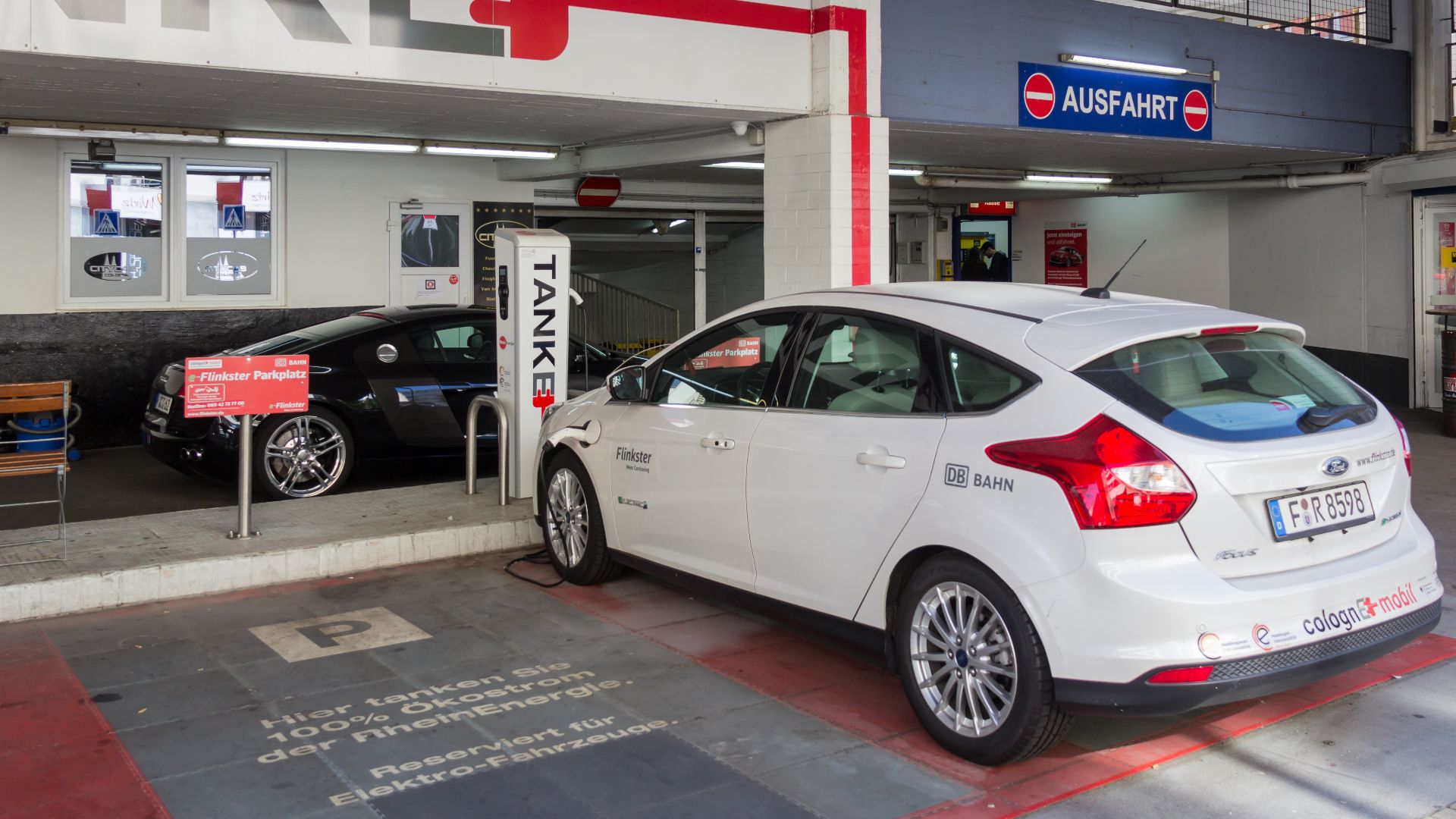
The Joint Office of Energy and Transportation has published guidance and case studies on EV charging for multifamily housing that stress planning, electrical assessment, and scalable rollout. The main message is not that every resident should get a free charger. It is that buildings should separate personal equipment costs from shared infrastructure decisions.
 Raimond Spekking, Wikimedia Commons
Older Buildings Are Often Where Trouble Starts
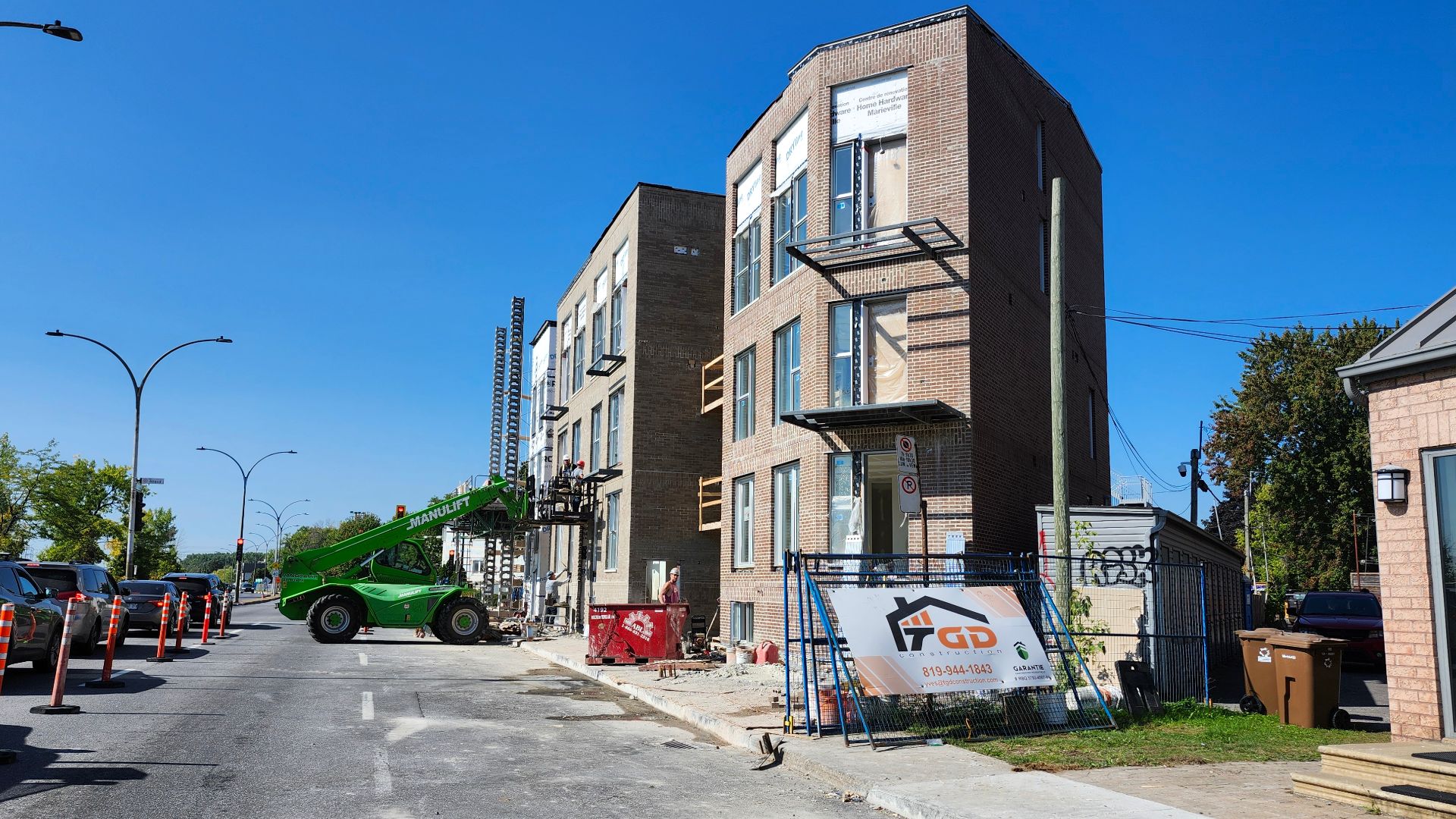
A newer condo may have spare electrical capacity or EV-ready conduit already built in. An older building may have neither, which is why the first installation request can expose expensive limits that no one had really dealt with before. That does not mean the first owner caused the problem. It means the request brought it into view.

What A Board Should Show Before Demanding Payment
If a condo board wants you to pay thousands, ask for the electrical load study, the contractor’s scope of work, and a clear breakdown of what is only for your charger versus what supports common infrastructure. A legitimate board should be able to explain why each upgrade is needed. Without that kind of transparency, it is hard to tell whether the bill is fair or just convenient for the association.

Get A Second Quote Before You Panic
Electrical upgrade proposals can vary wildly depending on the contractor’s assumptions. One contractor may push for a blunt-force service upgrade, while another may suggest load management or a phased installation. Before agreeing to a huge bill, it makes sense to have an independent electrician or EV infrastructure specialist review the plan.

Managed Charging Can Save Everyone Money
NREL and DOE materials both point to managed charging as a way to reduce peak demand and make multifamily charging more practical. This technology can stagger charging sessions or cap power draw across several vehicles. In plain terms, that can turn a massive upgrade into a smaller and cheaper project.
Check Whether Your State Has A Right-To-Charge Law
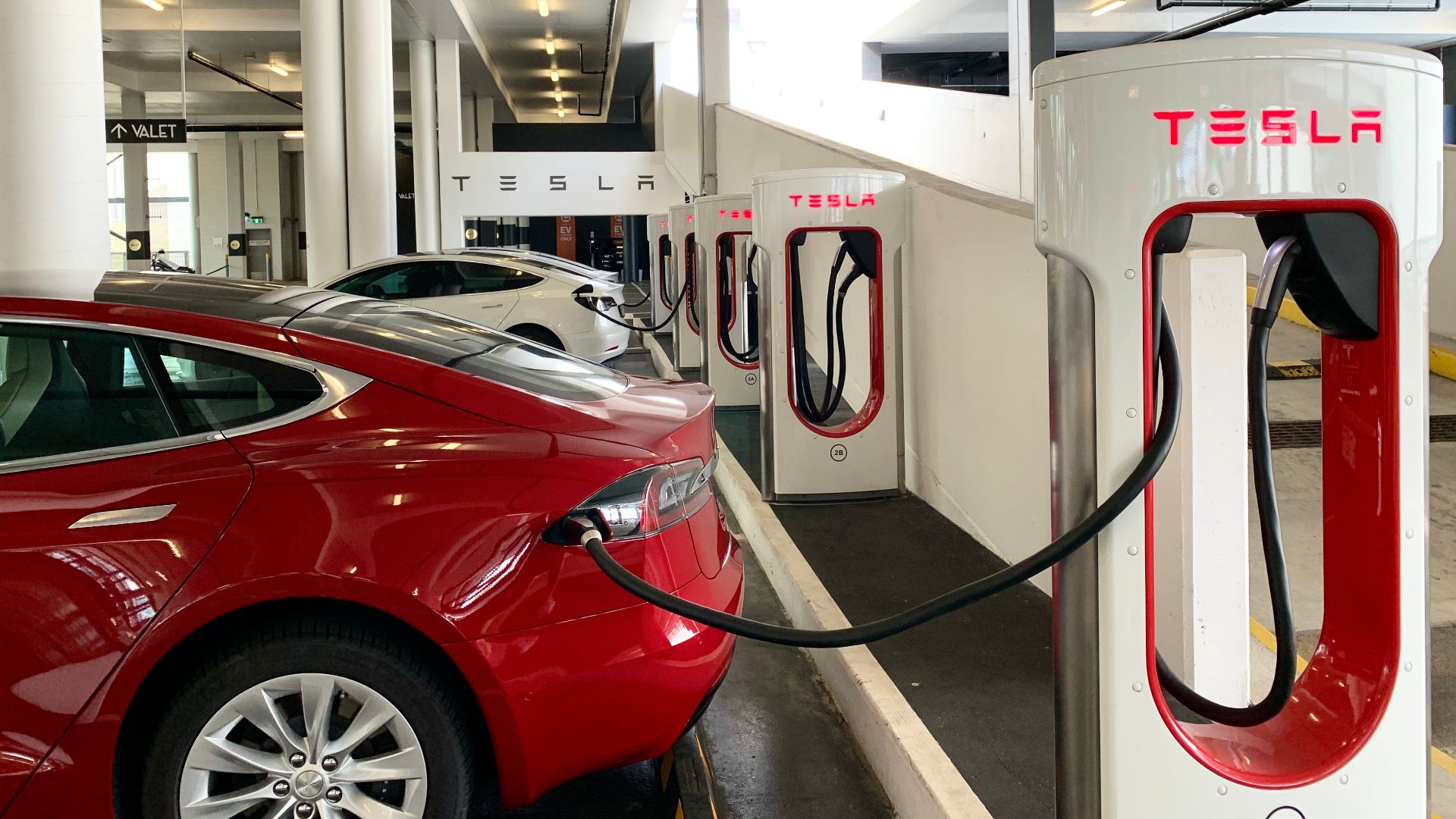
Several states have adopted laws that limit how far HOAs and condo associations can go in blocking charger installations. These laws do not answer every cost-sharing question, but they can give owners leverage if a board is using infrastructure concerns as a blanket reason to say no. California and Florida are two clear examples, and other states have similar rules.
 The White House, Wikimedia Commons
Permits, Codes, And Insurance Still Matter
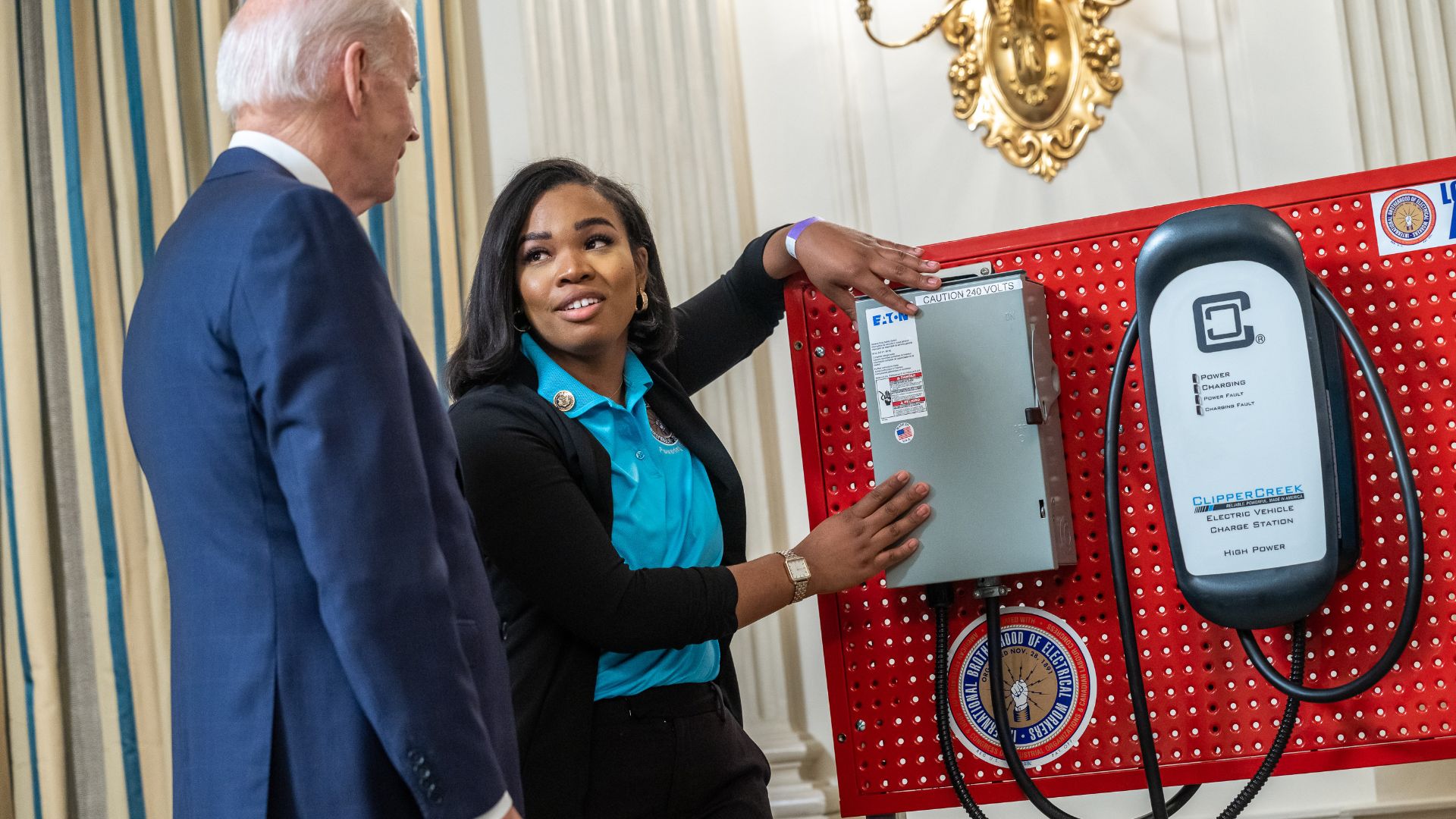
Condo boards are not wrong to worry about code compliance, fire safety, and insurance requirements. An EV charger is not just another appliance when it is installed in a shared structure with common electrical systems. Requiring permits, licensed electricians, and proper indemnification can be completely reasonable even if the cost split itself is still up for debate.
Reasonable Does Not Always Mean Smart
A board can have a technically defensible reason for assigning a large cost to one owner and still make a bad policy choice. If the first EV driver gets hit with a giant bill, the building may discourage adoption and become less appealing to future buyers. What looks neat on a spreadsheet can look shortsighted in the real world.
 Shixart1985, Wikimedia Commons
There Is Also A Property Value Angle
Charging access is becoming a more important amenity for condo buyers. A building that invests in shared readiness may become more competitive over time, especially in urban areas where home charging alternatives are limited. That is another reason many experts argue for treating at least some electrical work as a common asset.
When Paying The Full Cost Might Be Fair
If your request is highly customized, serves only your deeded space, requires a long dedicated run, and does not leave behind useful shared infrastructure, then paying the full cost may be fair. The same is true if the building already has a workable path for EV charging and your installation is simply more expensive than average. In those cases, asking neighbors to help cover the cost can be hard to justify.

When The Bill Should Probably Be Shared
If the work includes upgrading common service, expanding panel capacity, installing backbone conduit, or creating the foundation for multiple future chargers, the case for spreading costs gets stronger. Those improvements outlast one resident and benefit the community. In that situation, a mix of association funding and user-paid charger costs is often the more reasonable approach.
 Mariordo (Mario Roberto Durán Ortiz), Wikimedia Commons
How To Push Back Without Making It Worse
Do not lead with accusations. Ask for the documents, ask whether load management was considered, ask whether state EV charging laws apply, and ask whether the board has a long-term electrification plan. The goal is to shift the conversation from “your charger, your problem” to “what part of this is personal and what part is building infrastructure?”

The Bottom Line For Condo EV Owners
Yes, one driver might reasonably be expected to pay thousands if those costs are truly tied to that one installation. No, it is not automatically reasonable if the bill includes upgrades that make the whole building more EV-ready for years to come. The fairest answer usually separates personal charger costs from shared electrical improvements, and the paperwork should make that line clear.