An Expensive Surprise.
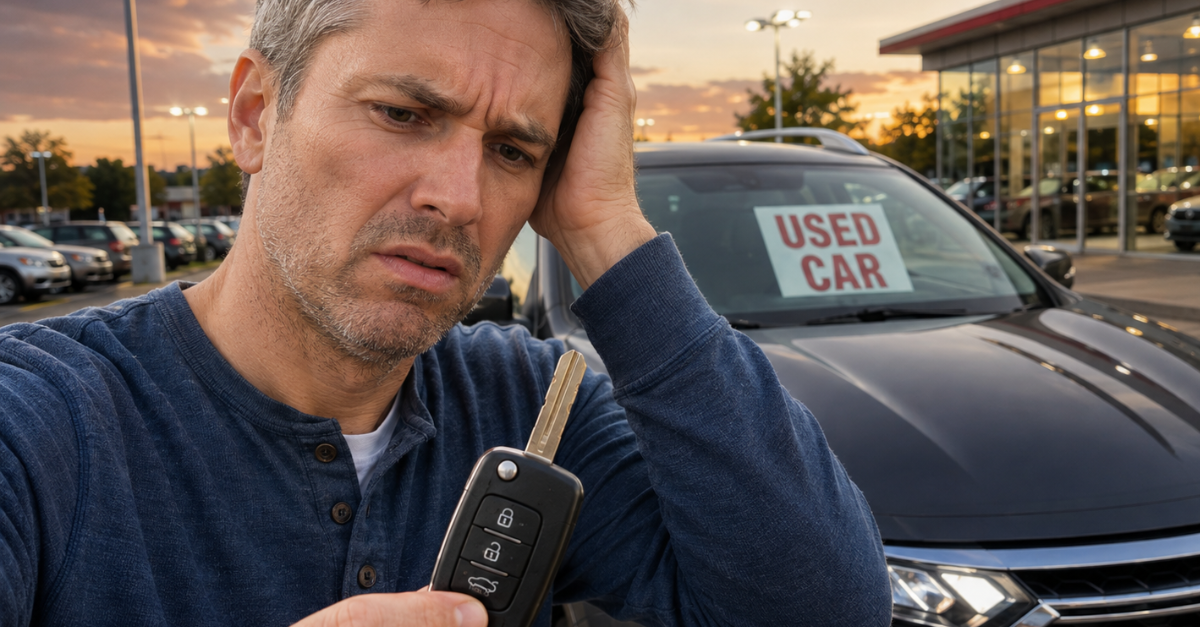
Modern smart keys may require specialized programming, security credentials, and a cut emergency key, pushing replacement costs into the hundreds of dollars. Federal used-car rules do not specifically require dealers to list the number of keys included, but promises, certified-pre-owned standards, state law, and the sales contract can change what the dealer owes you.
One Key Can Be An Expensive Missing Item
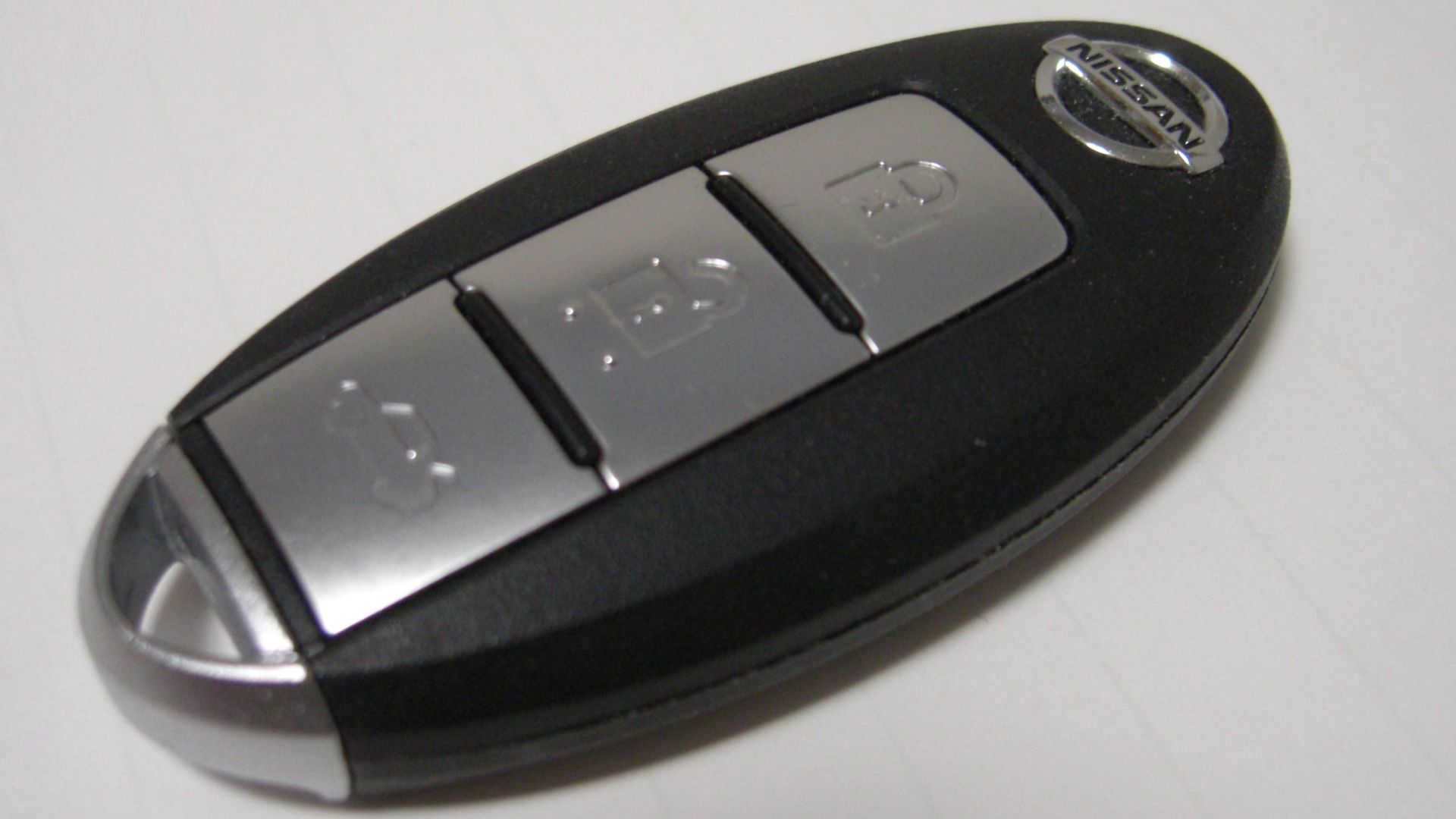
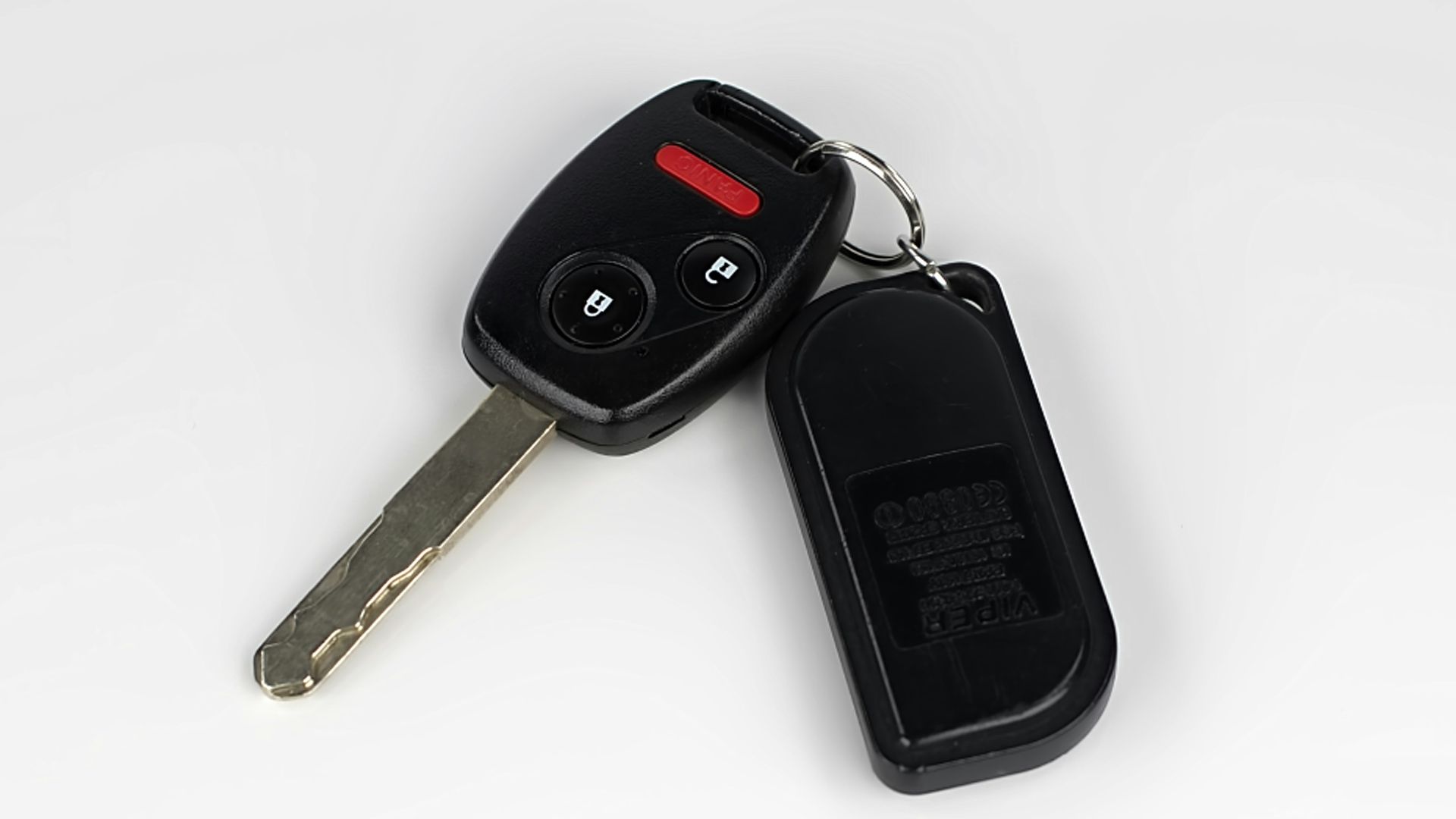
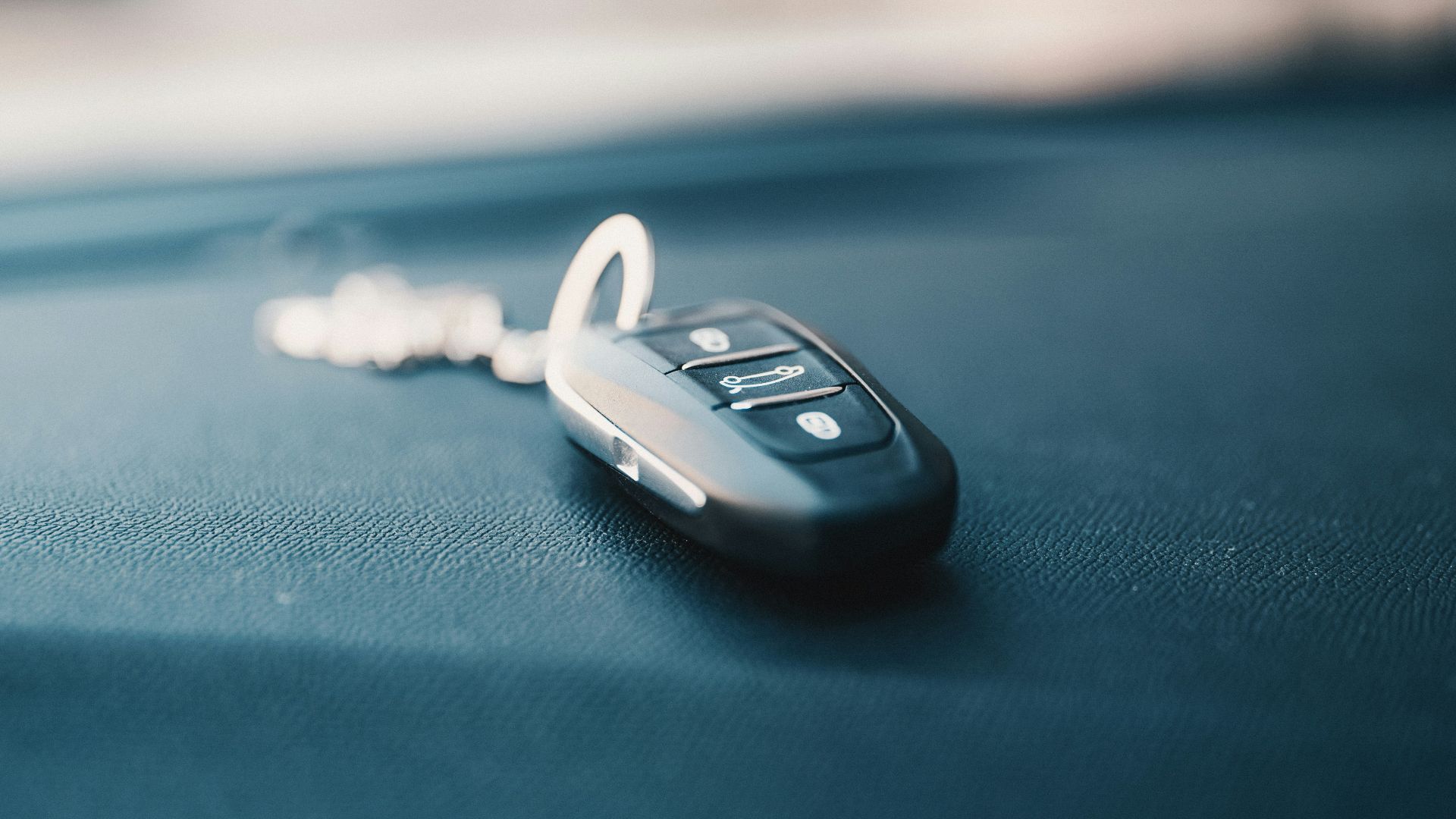
A modern key fob is not simply a plastic remote for locking the doors. Consumer Reports found replacement fobs can cost anywhere from about $50 to $400 before programming and cutting a backup key are added. Some European-brand replacements can reach roughly $500 once the necessary dealer programming is included.
Federal Rules Focus On Other Disclosures
The FTC's Used Car Rule requires most dealers to display a Buyers Guide on vehicles offered for sale. That document primarily addresses warranty status, covered systems, and whether the vehicle is sold as-is. The federal Buyers Guide does not contain a field requiring dealers to state how many keys or fobs come with the car.
 User:Postdlf, Wikimedia Commons
The Buyers Guide Is Not An Accessory Checklist
The FTC form warns customers about major mechanical and electrical systems and explains warranty coverage. It was not designed to inventory floor mats, manuals, charging cables, keys, or other removable accessories. A dealership can therefore comply with the federal Used Car Rule even when the Buyers Guide says nothing about a missing spare key.
State Law Can Add More Requirements
Used-car regulations vary significantly from one state to another. The FTC specifically advises buyers to consult their state attorney general about additional disclosure and warranty requirements. New York, for example, imposes its own requirements concerning the condition in which dealers deliver used vehicles.

What The Dealer Promised Matters
The situation changes if the salesperson or advertisement specifically represented that the car included two keys. The FTC advises used-car shoppers to get promises in writing because verbal assurances can be difficult to enforce later. A written listing, due bill, email, or signed sales document can become important evidence.
Save The Original Advertisement
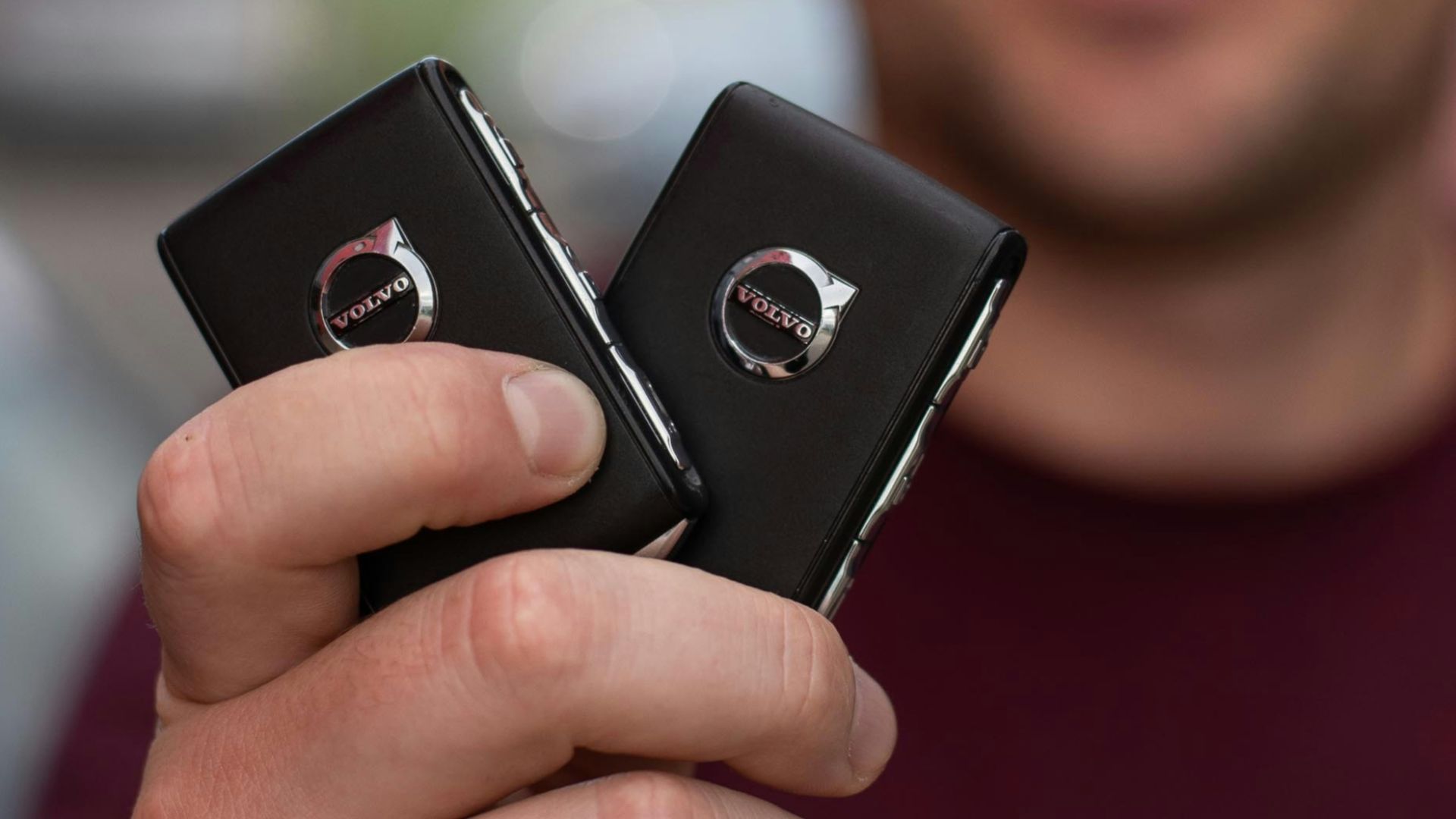
Do not assume the online listing will remain available after the vehicle sells. Take screenshots of descriptions, photographs, included accessories, and statements such as "two keys included." Documentation is especially useful when the vehicle you received differs from what was advertised.
 Anastassia Anufrieva, Unsplash
Certified Cars Can Have Higher Standards
Manufacturer certified-pre-owned programs often inspect far more than ordinary used vehicles. Their checklists may cover manuals, remotes, convenience equipment, and other items that the FTC Buyers Guide does not address. If your car was sold as certified, examine that specific program's standards before accepting the dealer's answer.

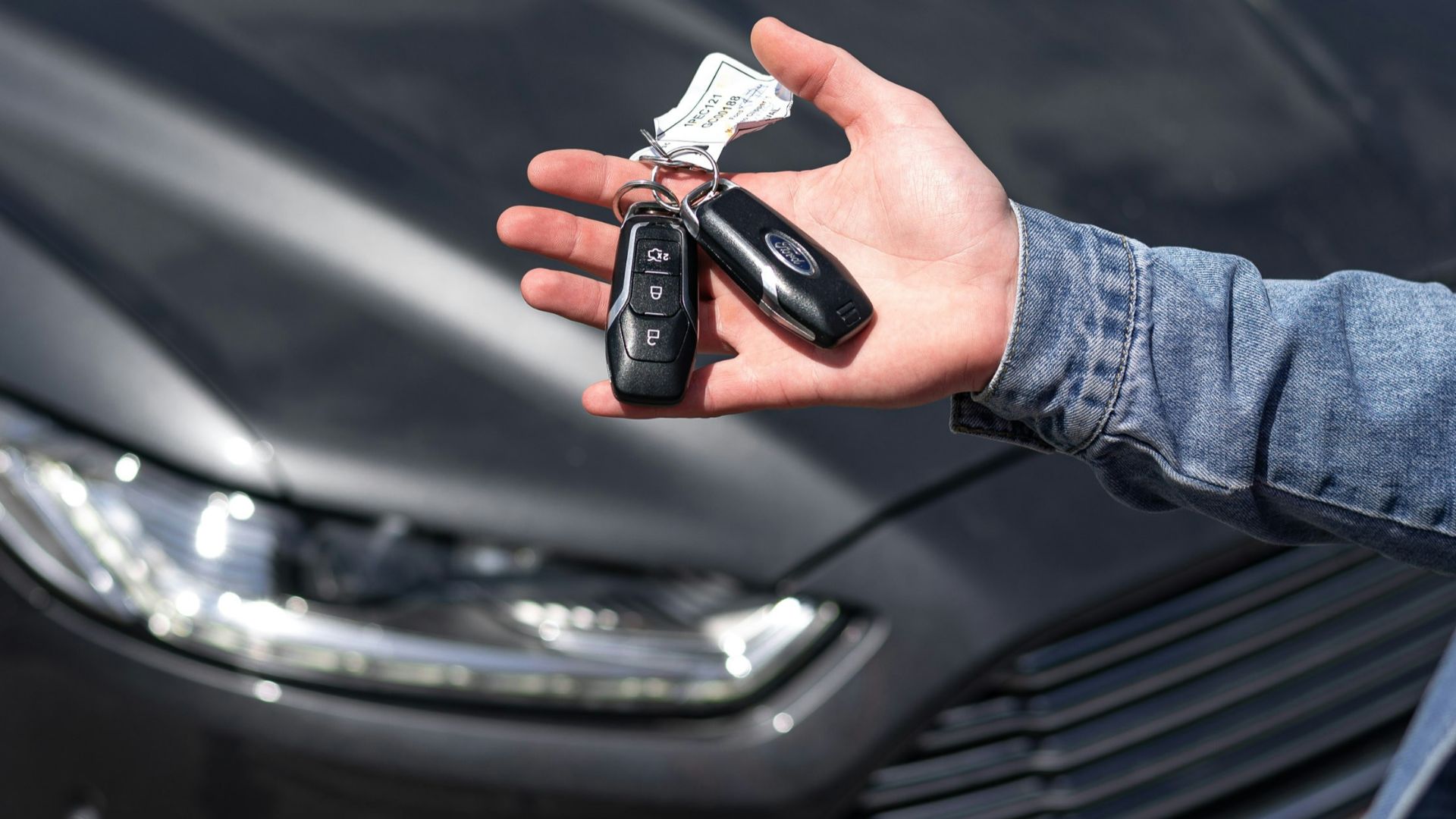
Ford Specifically Checks Keys And Remotes
Ford's current Blue Certified inspection contains a section devoted to convenience items. Item 138 on its U.S. 139-point checklist is "Keys and Remote Controls." Ford's Canadian certified program similarly lists keys and remote controls as part of its inspection process, showing that manufacturers themselves consider them meaningful components of a certified sale.
Toyota Checks Key Equipment Too
Toyota's certified inspection standards also examine security and key-related equipment. A published Toyota Certified inspection checklist includes confirmation that the master key is present and that the vehicle security system operates. Certification can therefore create expectations beyond those imposed on an ordinary as-is used car.
The Replacement Cost Explains Why Buyers Care
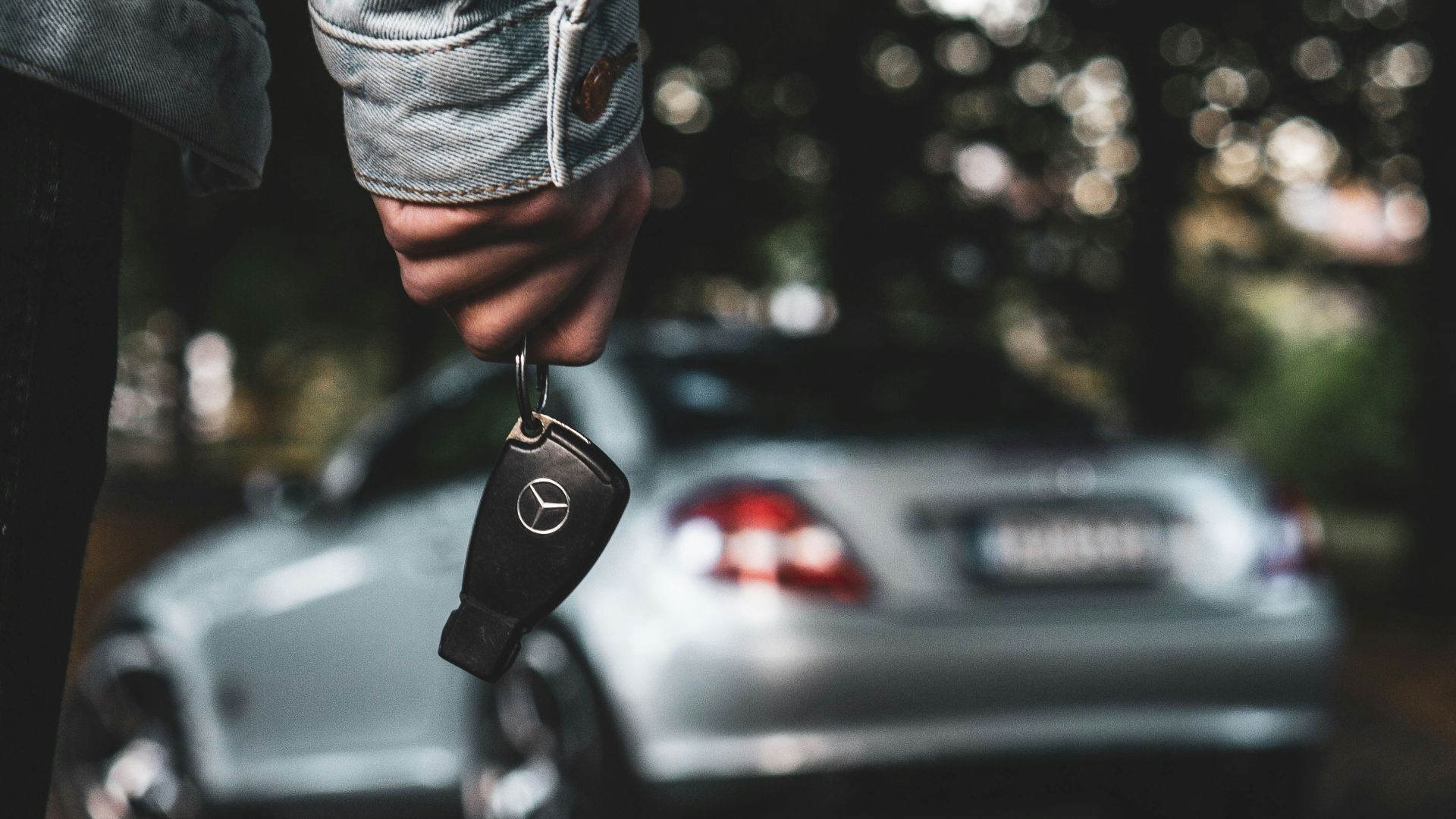
Consumer Reports found that a sophisticated replacement fob can easily reach several hundred dollars. AAA likewise estimates that modern smart-key replacement can run roughly $200 to $500 depending on the vehicle and location. Discovering that expense after signing the paperwork can make one missing accessory feel much less trivial.
The Fob Is Part Of The Security System
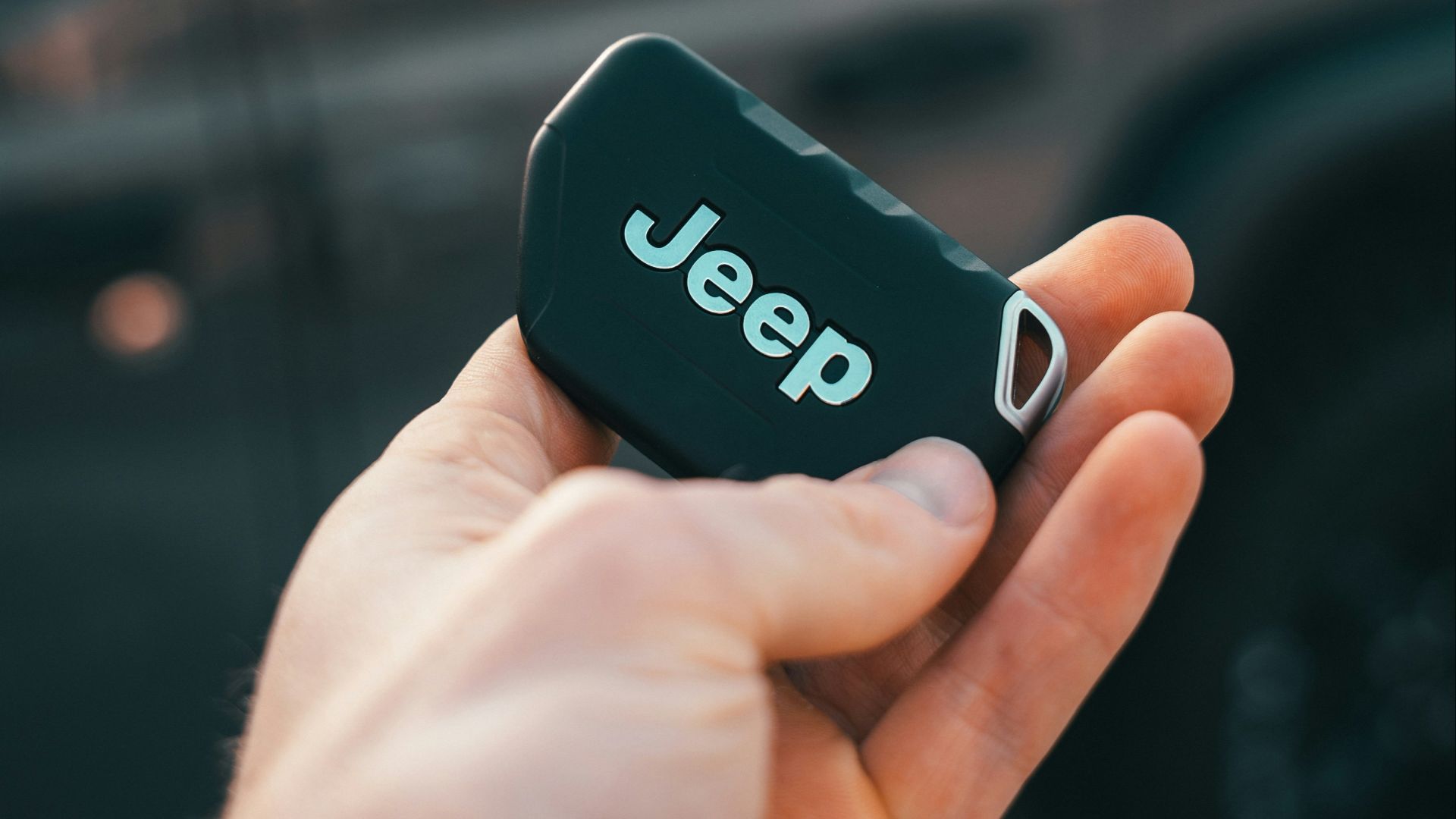
Many newer cars use transponder chips or proximity smart keys tied electronically to the vehicle. The engine will start only when the car recognizes an authorized key. That theft protection is useful, but it also makes duplication substantially more complicated than copying an old metal key.
Programming Can Cost Extra
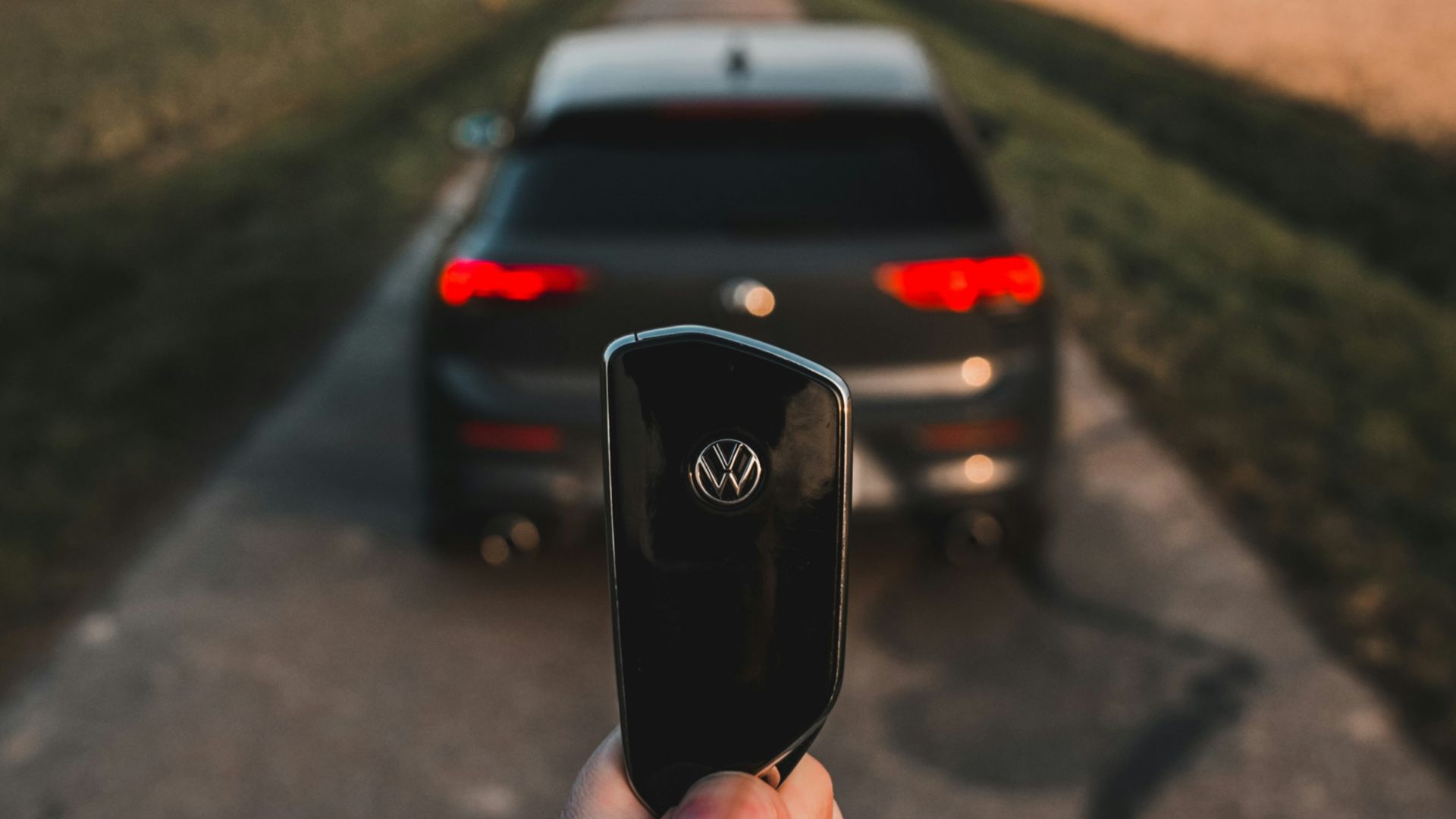
Buying the plastic fob may be only the first expense. Consumer Reports found programming commonly adds another $50 to $100, while some vehicles also require a separately cut mechanical backup key. The total can therefore be substantially higher than the advertised price of a replacement remote.
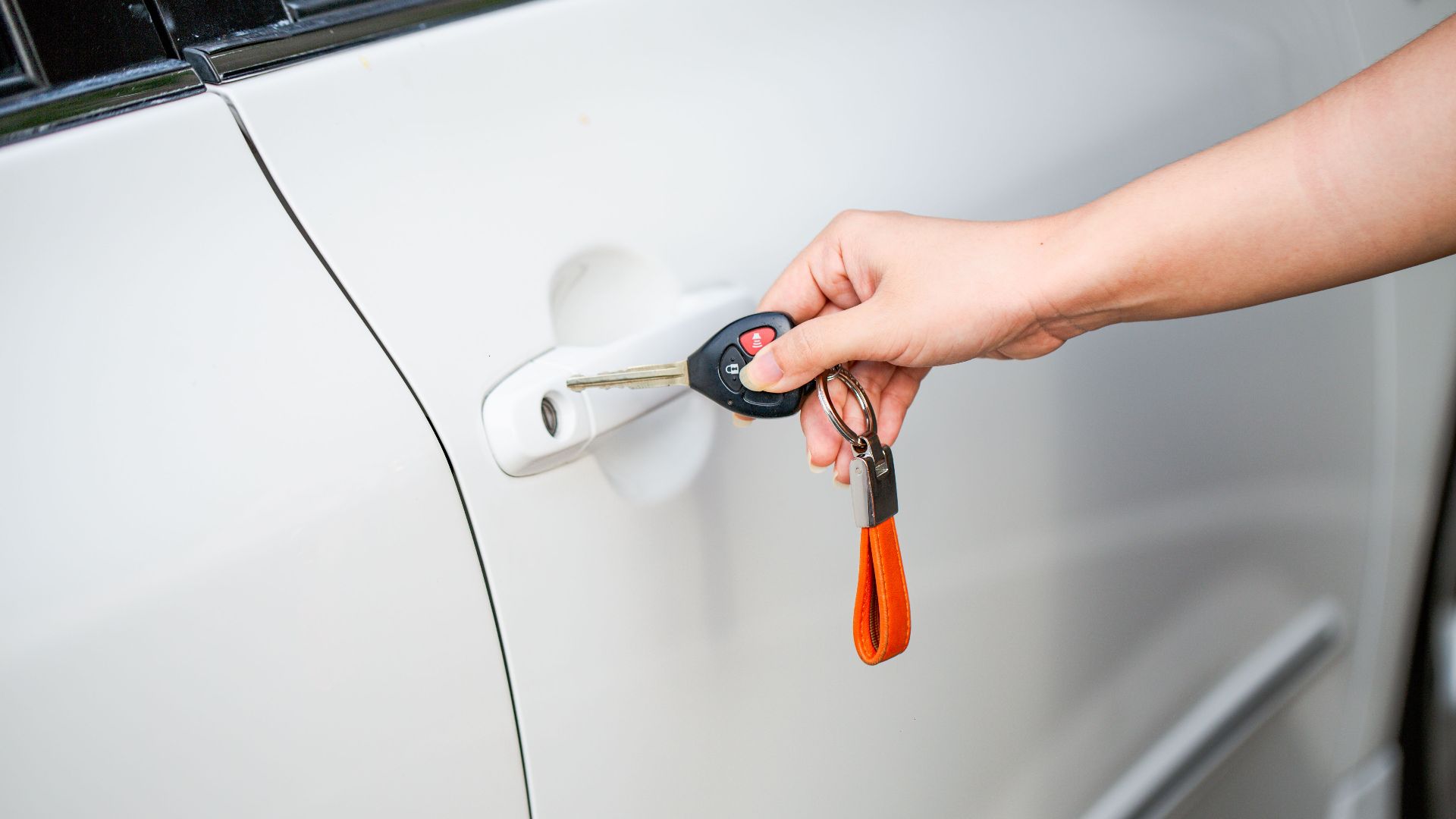
Some Keys Need Specialized Equipment
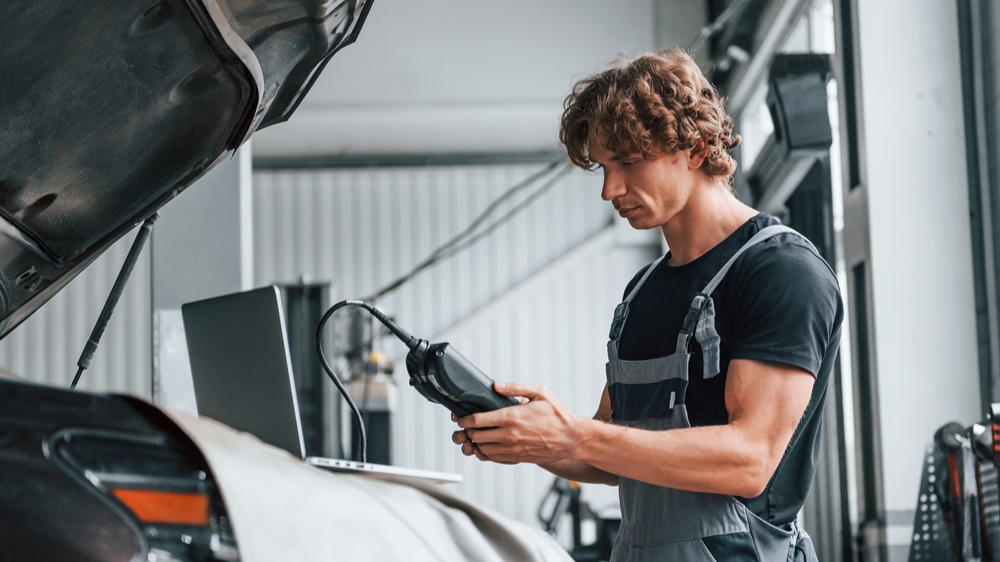
Modern immobilizer systems may require diagnostic hardware to authorize another key. Consumer Reports found that recent European models can be especially restrictive, sometimes pushing owners toward franchised dealerships. That complexity is one reason a missing second fob should be considered during negotiations rather than after delivery.
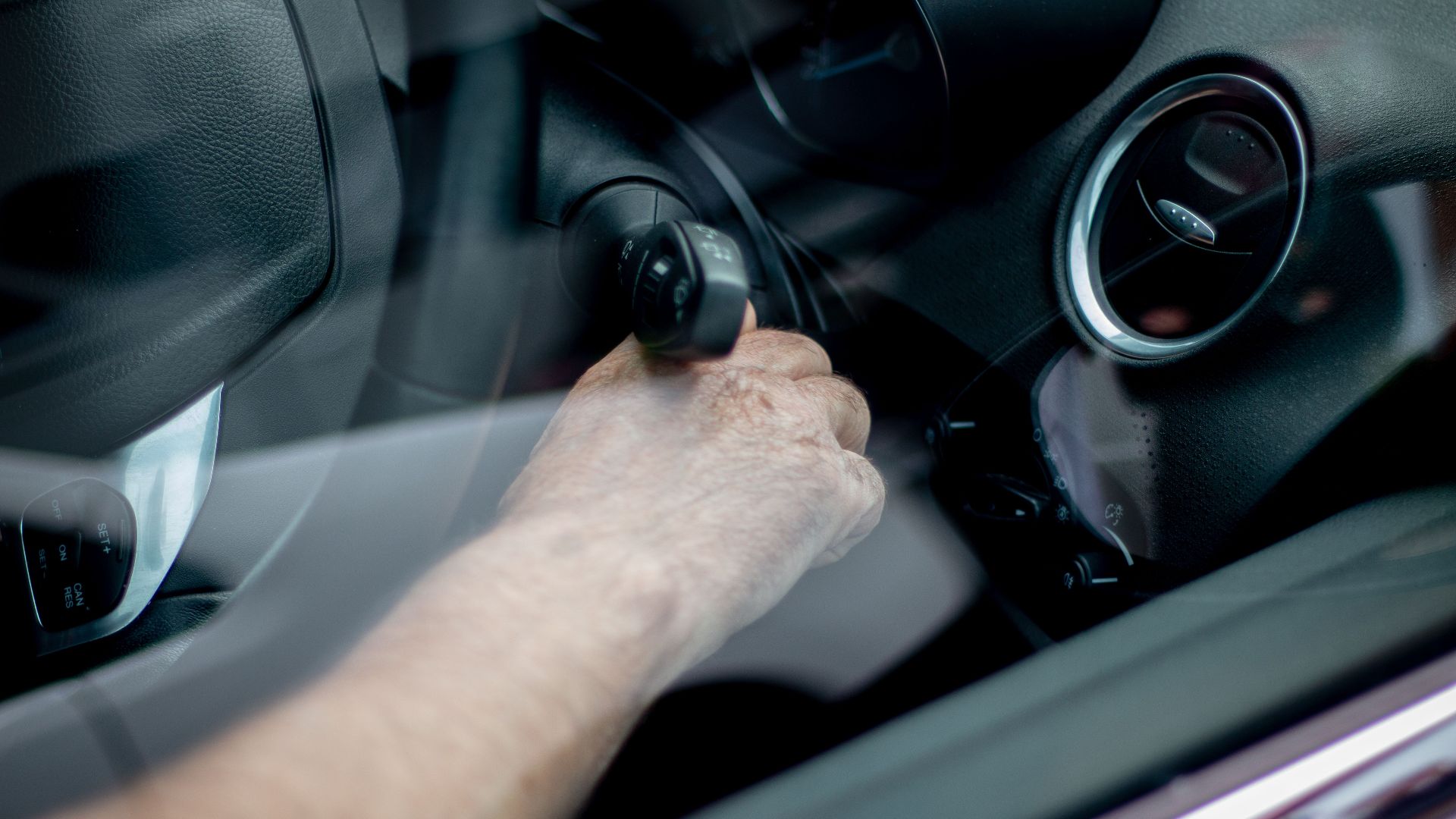
The Hidden Mechanical Key Matters Too
Many proximity fobs contain a small emergency blade that can unlock the driver's door if the electronic system fails. A proper replacement may therefore involve both electronic programming and physical key cutting. Ask whether a quote includes the complete replacement rather than just the electronic remote.
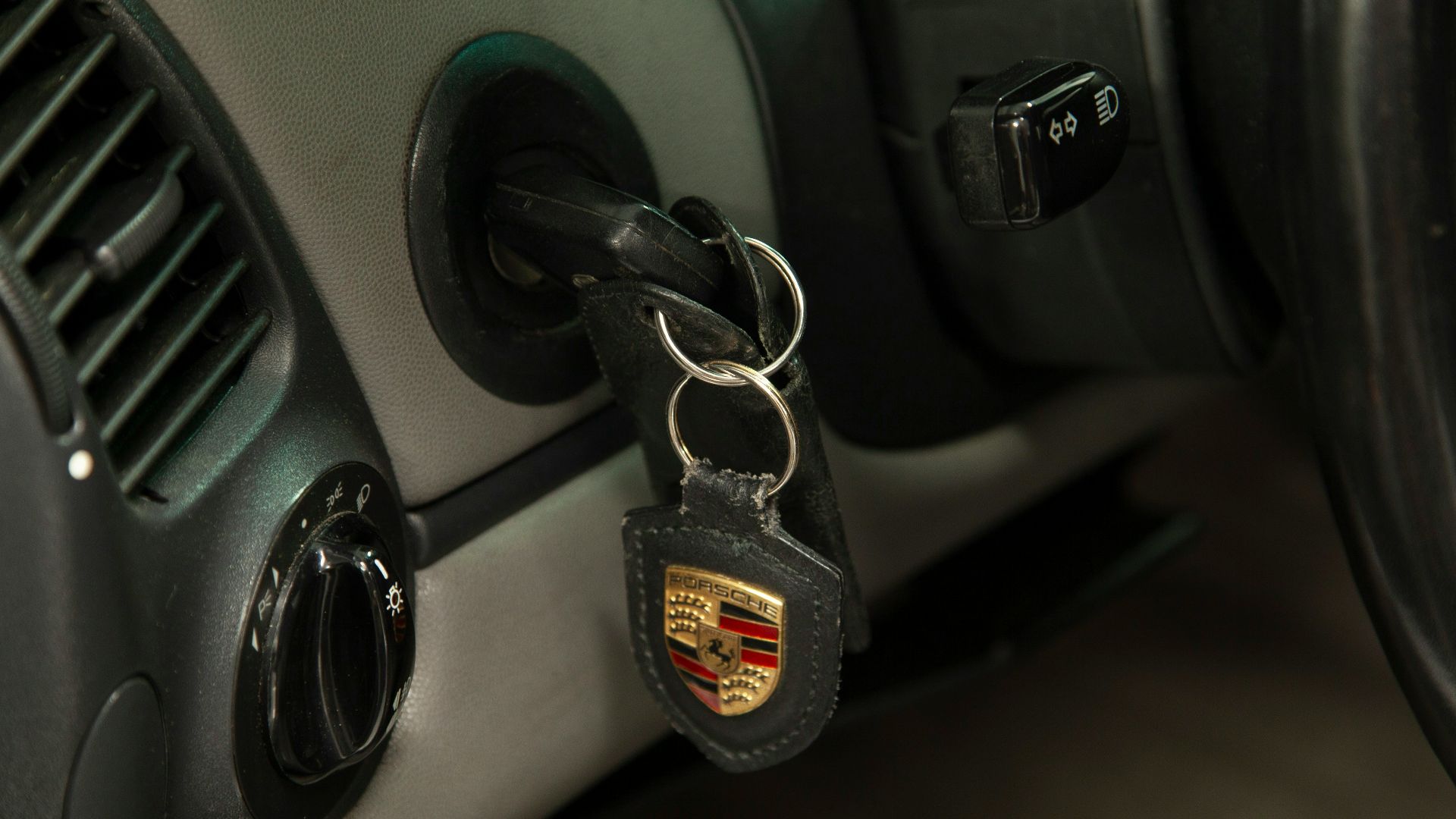
One Working Key Leaves You Vulnerable
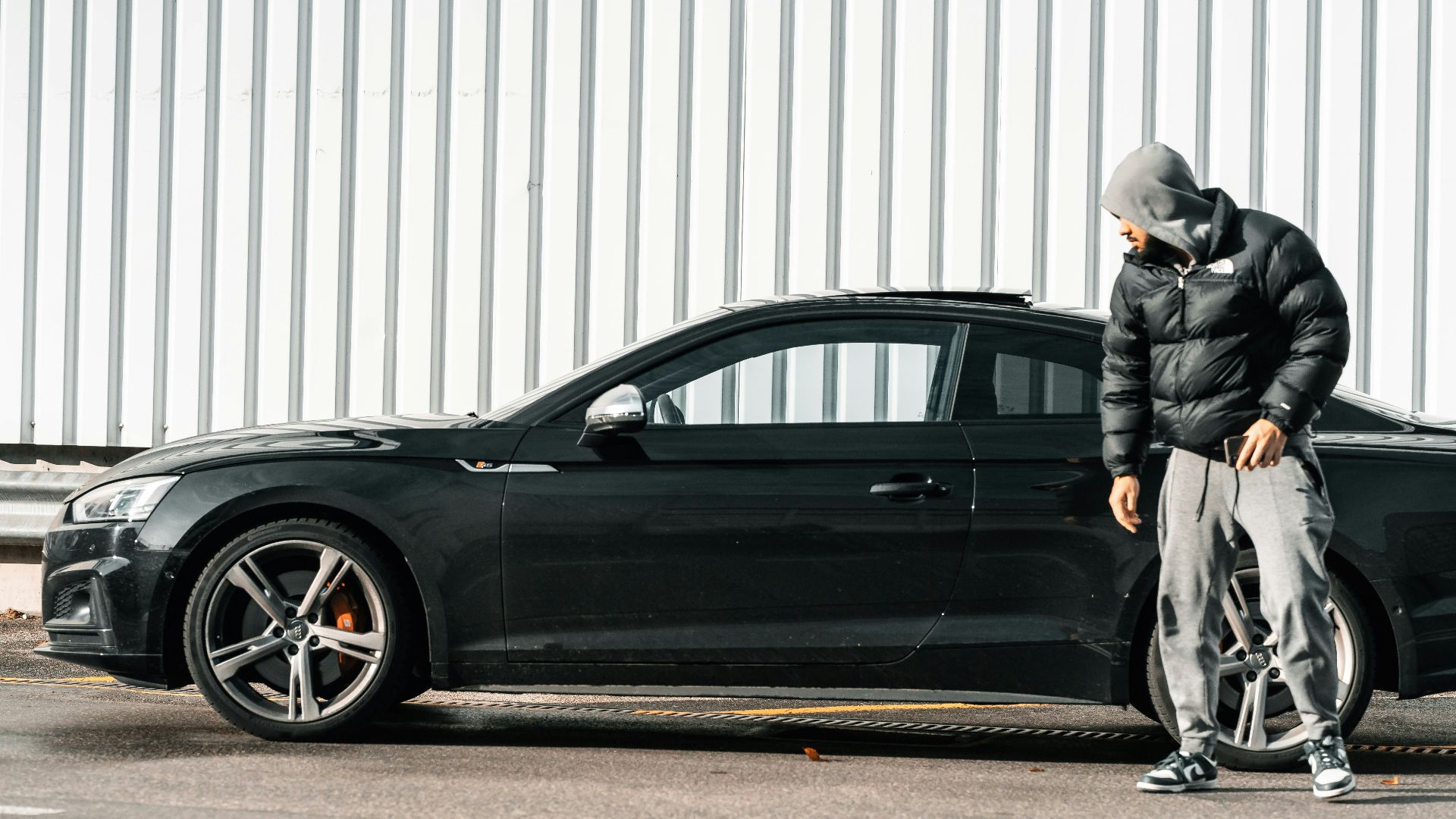
Having one key is perfectly workable until that key is lost, damaged, or stops functioning. At that point you no longer have a spare that can immediately get the vehicle moving. The inconvenience can turn into towing, emergency locksmith service, and a more complicated programming job.
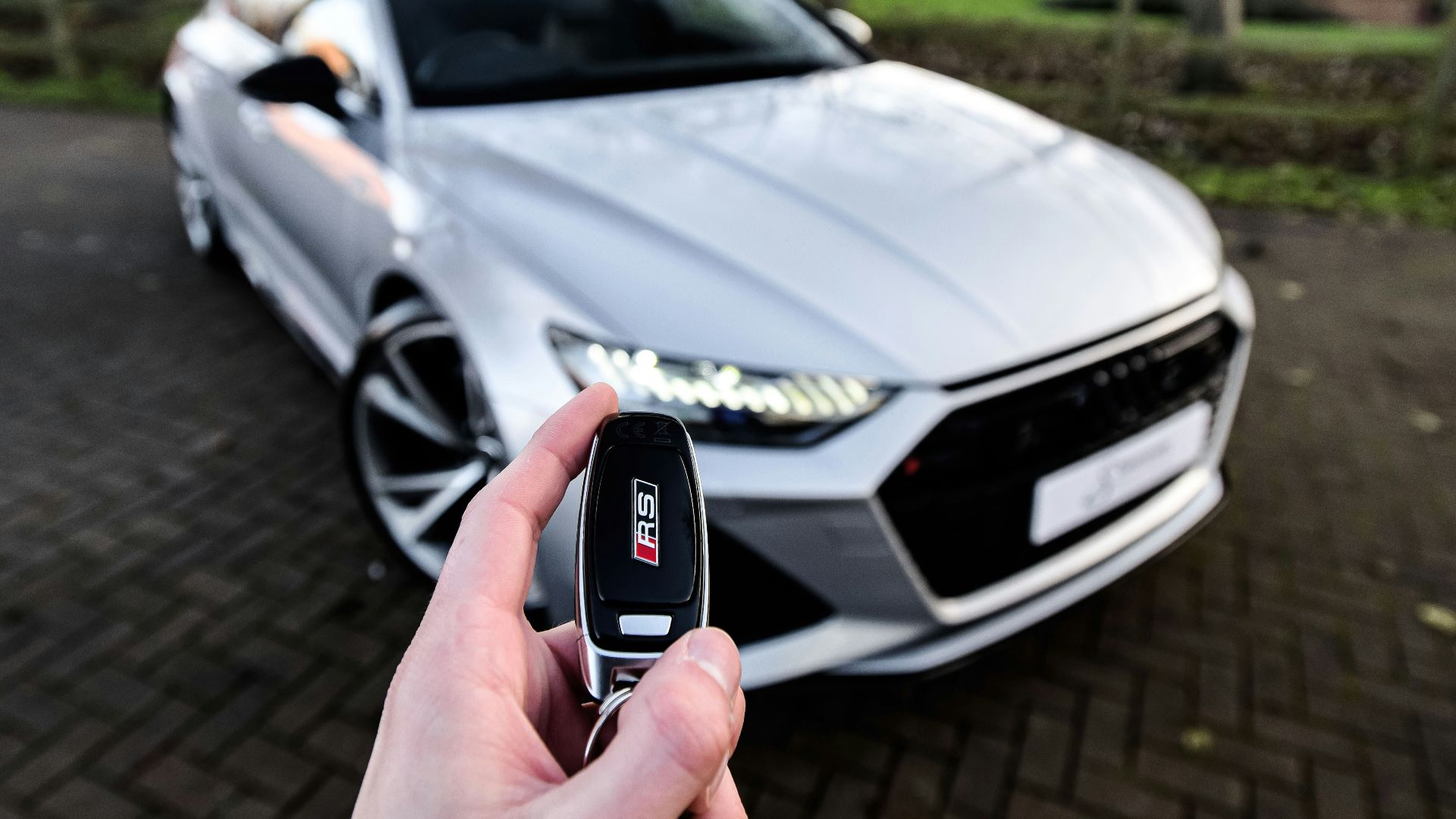 Swansway Motor Group, Unsplash
Losing The Last Key Can Cost More
AAA notes that the replacement process becomes more difficult with sophisticated keys when no functioning original remains. Depending on the vehicle, you may need the car transported to a dealership and may wait while the correct replacement is ordered. Making a spare while one working key remains can therefore prevent a much larger problem later.
A Locksmith May Be Cheaper
Not every replacement has to come from a dealership. Consumer Reports found automotive locksmiths capable of producing and programming many keys for substantially less than dealer pricing. AAA also recommends investigating locksmith options depending on the key technology involved.

Some Cars Still Push You Toward The Dealer
There are important exceptions to the locksmith strategy. Consumer Reports found that some manufacturers use security systems or programming requirements that independent providers cannot easily access. Newer European vehicles were particularly likely to require dealer involvement in the examples CR examined.

Cheap Internet Fobs Can Be A Gamble
A replacement remote found online may look identical to the original while using the wrong frequency, chip, or electronics. Consumer Reports found that dealers vary in whether they will even attempt to program aftermarket fobs. If programming fails, you may still owe labor charges.
Used Fobs Can Have Their Own Problems
A previously programmed smart key is not automatically reusable on another vehicle. Some systems permanently associate security information with the original car or impose restrictions on reprogramming. Confirm compatibility before spending money on an inexpensive used remote.
 Bence Balla-Schottner, Unsplash
The Missing Fob Creates A Security Question
There is another issue beyond replacement cost. If nobody knows where the second original key went, it may theoretically still be programmed to start or unlock the vehicle. That matters more when the car was acquired locally or its previous whereabouts are known.
 f.t.Photographer, Shutterstock
Ask How Many Keys Are Programmed
Some vehicle systems can identify how many keys have been enrolled. The National Insurance Crime Bureau notes that certain GM key data can reveal the number of keys currently programmed and the number erased. A dealership or qualified technician may be able to determine whether additional keys remain authorized on your particular model.

A Lost Key May Be Removable From Memory
Depending on the vehicle, technicians may be able to erase missing keys and reauthorize only the fobs you possess. That is worth asking about if a dealer cannot explain what happened to the spare. Removing an unknown key can provide more reassurance than merely creating another duplicate.
Roadside Coverage Only Helps So Much
Roadside-assistance memberships can help with lockouts and may provide limited locksmith reimbursement. AAA, for example, offers varying locksmith benefits depending on membership tier. Those benefits may soften an emergency bill, but they are not a substitute for having a spare key ready.
Negotiate The Fob Before You Sign
The easiest moment to solve this problem is while the dealer still wants to complete the sale. Ask how many functioning keys are included before agreeing on the final price. If there is only one, request another programmed fob or negotiate enough money off the vehicle to cover one.

Put A Second-Key Promise In Writing
A salesperson saying, "We'll find the other key later," is not the same as a written obligation. The FTC repeatedly advises used-car buyers to put promises in writing. The purchase agreement or due-bill document should state exactly what the dealer will provide and when.

Make Keys Part Of Your Delivery Checklist
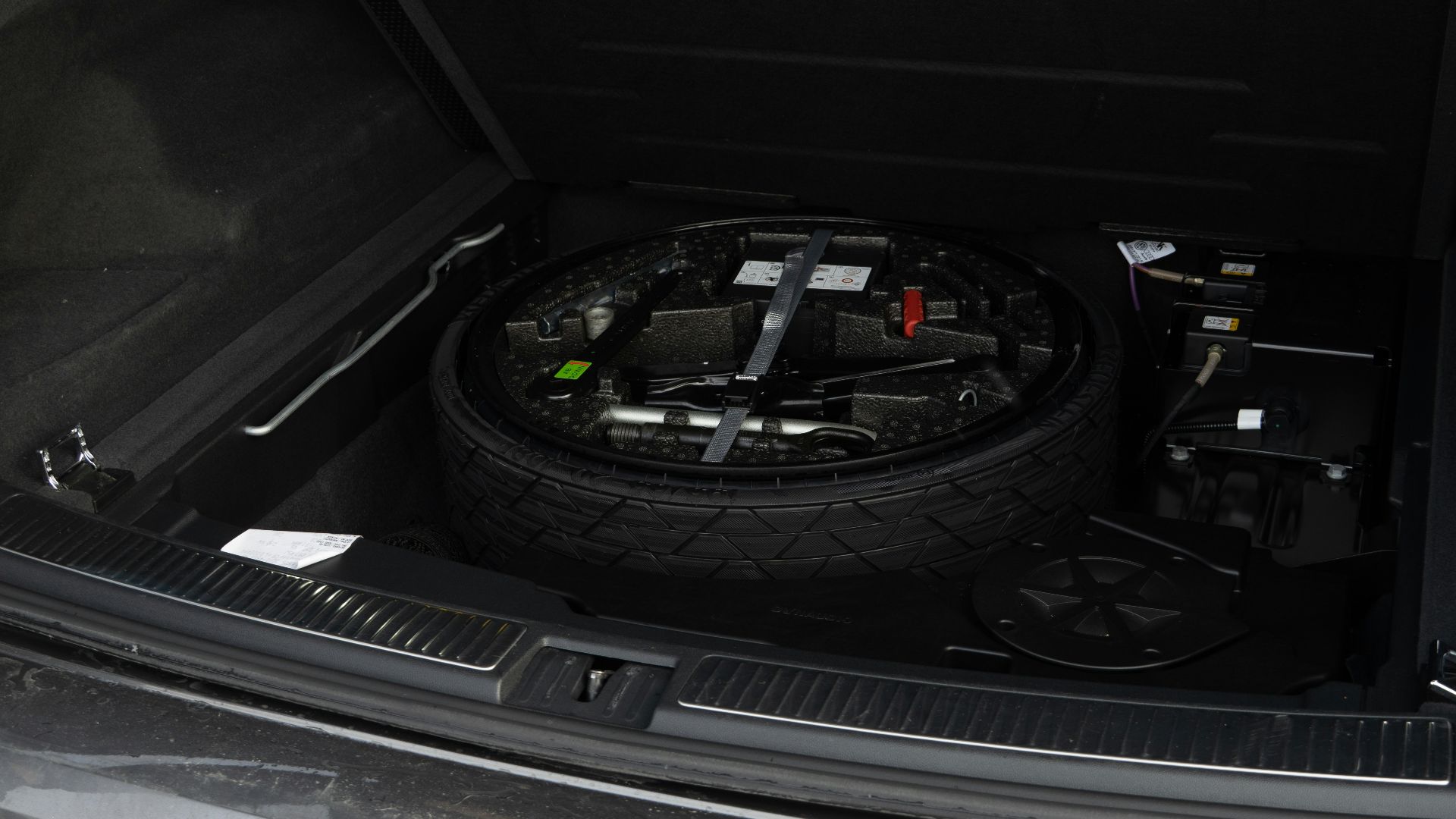
Check keys alongside the owner's manual, wheel-lock adapter, cargo cover, charging cable, spare tire equipment, and other removable accessories. Test every button and confirm that each key actually starts the car. Discovering a problem while still at the dealership gives you much more leverage than returning weeks later.
If You Already Bought It, Read The Paperwork
Look for references to keys in the sales contract, certified-vehicle checklist, due bill, advertisement, text messages, and emails. If the documents say only one key was included, your options may be limited unless state law provides something more. If two keys were promised, ask the dealer to honor that representation before paying for one yourself.

Escalate A Broken Promise
If a dealership refuses to provide something it specifically promised, start with the sales manager or general manager and keep communication in writing. The FTC accepts complaints involving dishonest dealership practices, and state attorneys general or local consumer-protection offices may also assist. The strength of your complaint will depend heavily on what you can document.

Dealers Should Tell Buyers Beforehand
There may not be a blanket federal law requiring every dealer to list the exact key count, but disclosure is still good business practice when replacement can cost hundreds of dollars. Ford's certified inspection process explicitly checks keys and remotes, demonstrating that they are hardly meaningless accessories. A simple "one key included" line on the listing or purchase sheet would let buyers price the car accurately before agreeing to the deal.
 LightField Studios, Shutterstock
Ask About The Keys Before Buying The Car
A dealer does not automatically owe every used-car buyer a second fob simply because the vehicle originally came with two when new. Federal used-car disclosure rules do not specifically mandate a key count, while certified-program standards, advertisements, written promises, and state law may create additional obligations. The best defense is to count and test the keys before signing, price a missing spare into the deal, and get any promise of a replacement in writing.
 R Photography Background, Shutterstock
You May Also Like:
How To Extend The Life Of Your Vehicle's Engine
Four Of The Best New Family-Friendly Cars
Keep Your Car In Mint Condition With These Simple Tips And Tricks