When Every Parking Lot Had A Muscle Car
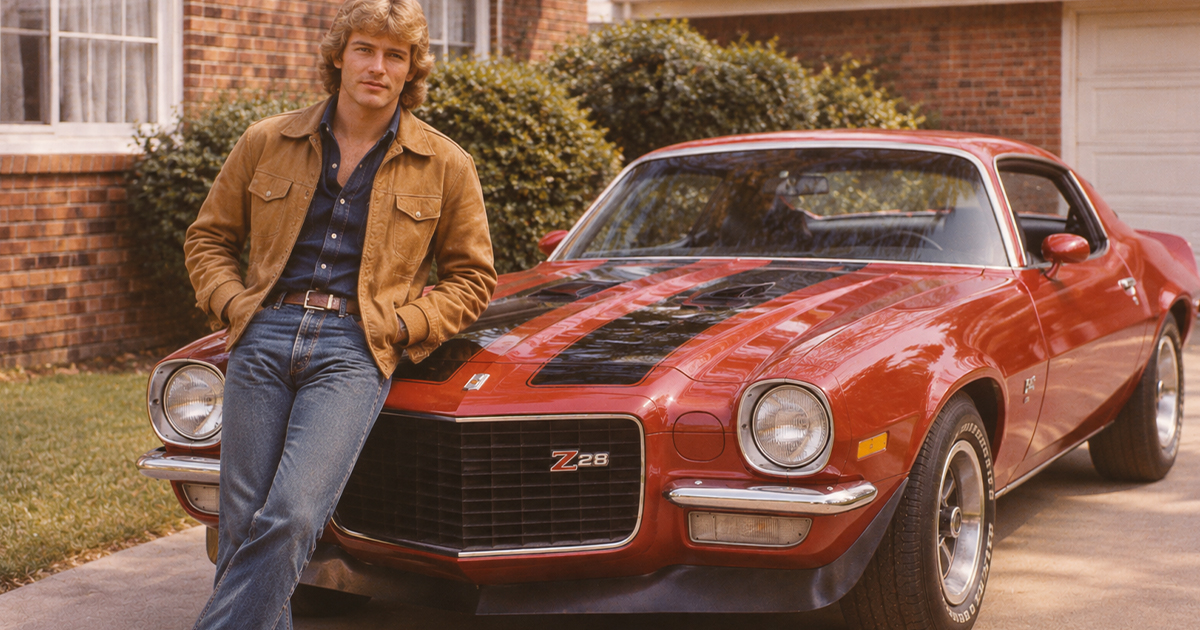
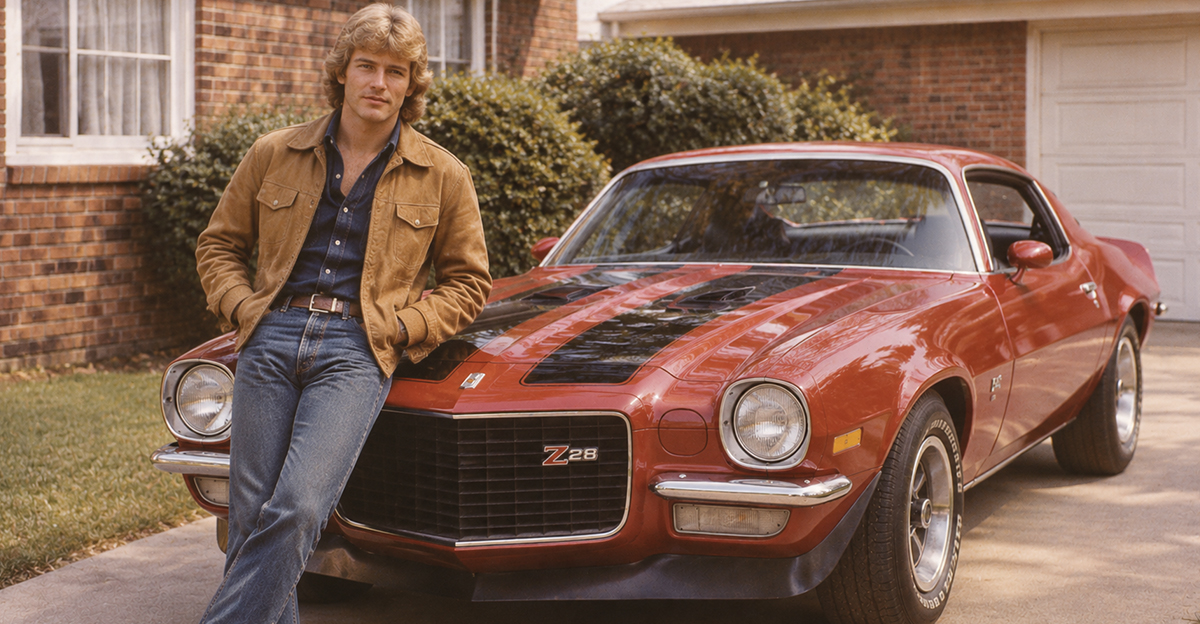
Remember when your high school parking lot sounded like a drag strip? Back in the 1970s, muscle cars weren't just collector's items. They were daily drivers, weekend projects, and the cars teenagers dreamed about owning. Some were genuinely fast, others just looked the part, but nearly all had personality. Today, many have disappeared from ordinary roads, and the survivors can be worth serious money.
These American performance machines once seemed like familiar sights, but now make enthusiasts stop and stare.
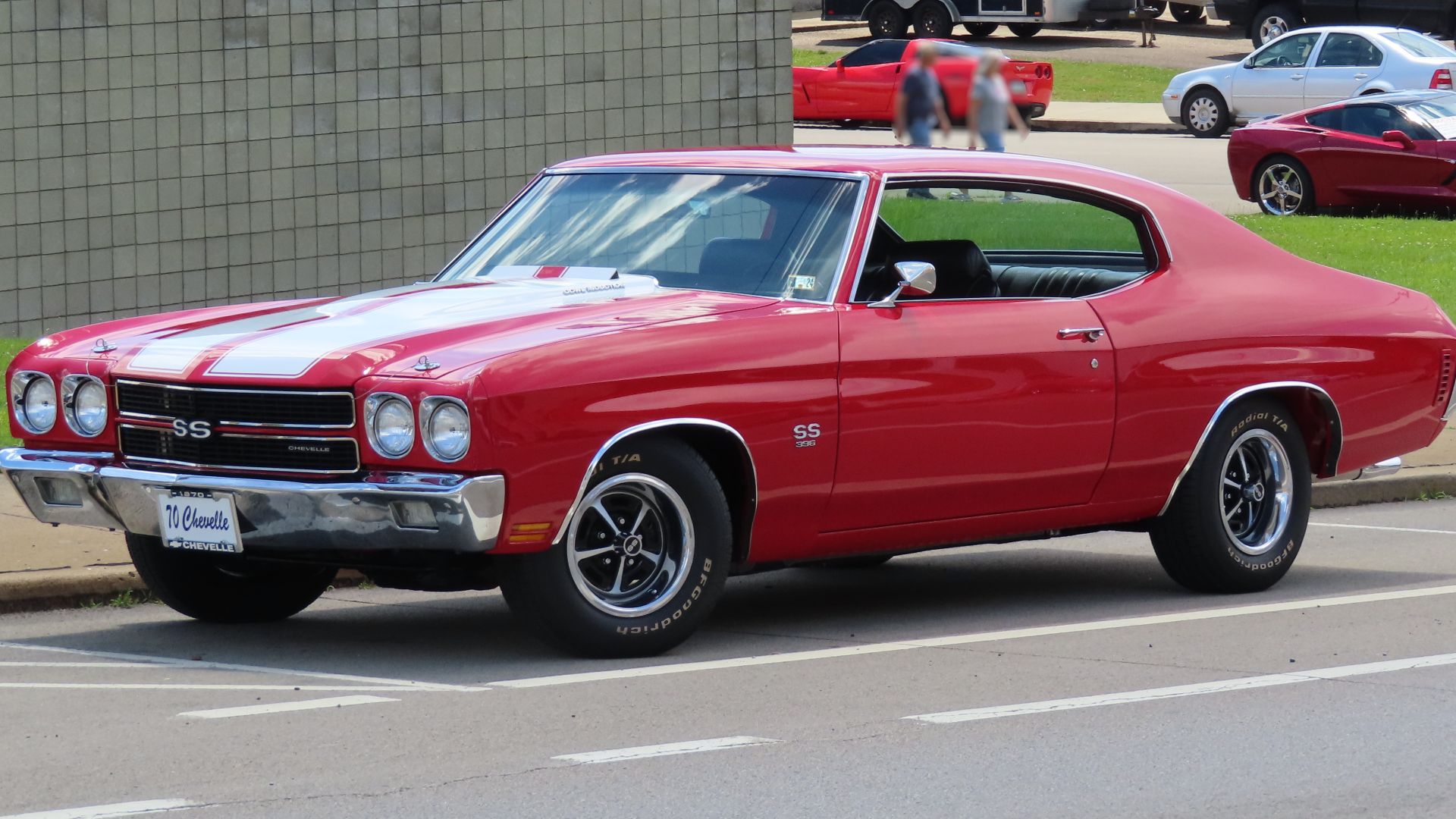
1970 Chevrolet Chevelle SS 396
Engine: 402-cu-in V8 · Horsepower: 350–375 hp (gross) · Transmission: 4-speed manual or automatic
Before every surviving Chevelle seemed destined for a collector auction, these were ordinary street machines with extraordinary engines. The SS 396 actually used a 402-cubic-inch big-block in 1970, despite keeping its familiar badge. With up to 375 advertised horsepower, it had serious muscle beneath its understated bodywork. Plenty were driven hard, modified, or simply worn out. Finding an authentic, well-preserved example today is a completely different experience.
 MercurySable99, Wikimedia Commons
1971 Plymouth Duster 340
Engine: 340-cu-in V8 · Horsepower: 275 hp (gross) · Torque: 340 lb-ft (gross)
The Duster 340 proved you didn't need a massive car to have serious fun. Its lightweight A-body platform and eager small-block V8 made it a favorite among young drivers who wanted affordable speed. The 340 was particularly respected for its high-revving personality. Many Dusters became drag-strip projects, while others eventually succumbed to rust. The survivors are reminders of when compact cars could have genuinely intimidating performance.
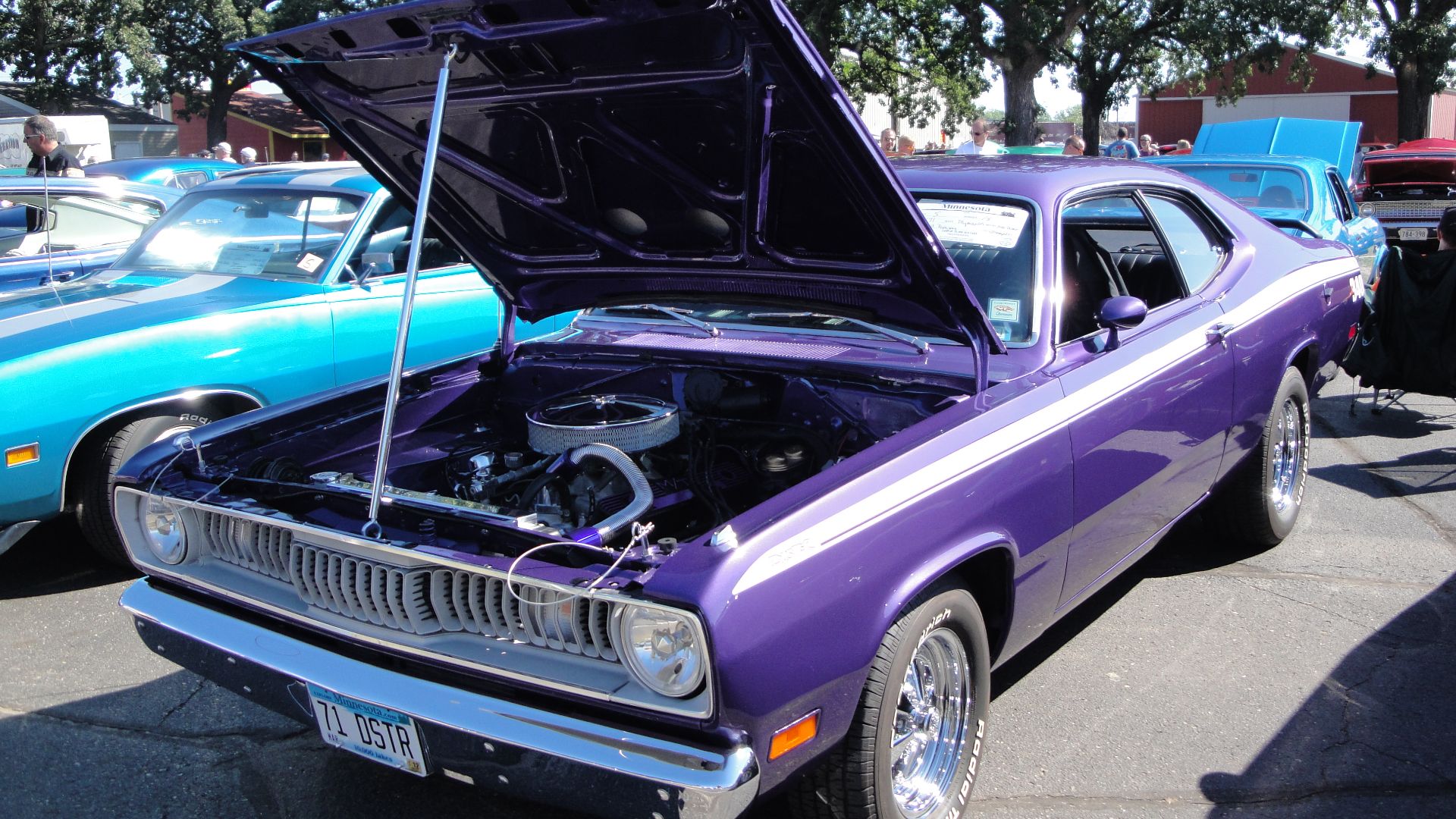 Greg Gjerdingen from Willmar, USA, Wikimedia Commons
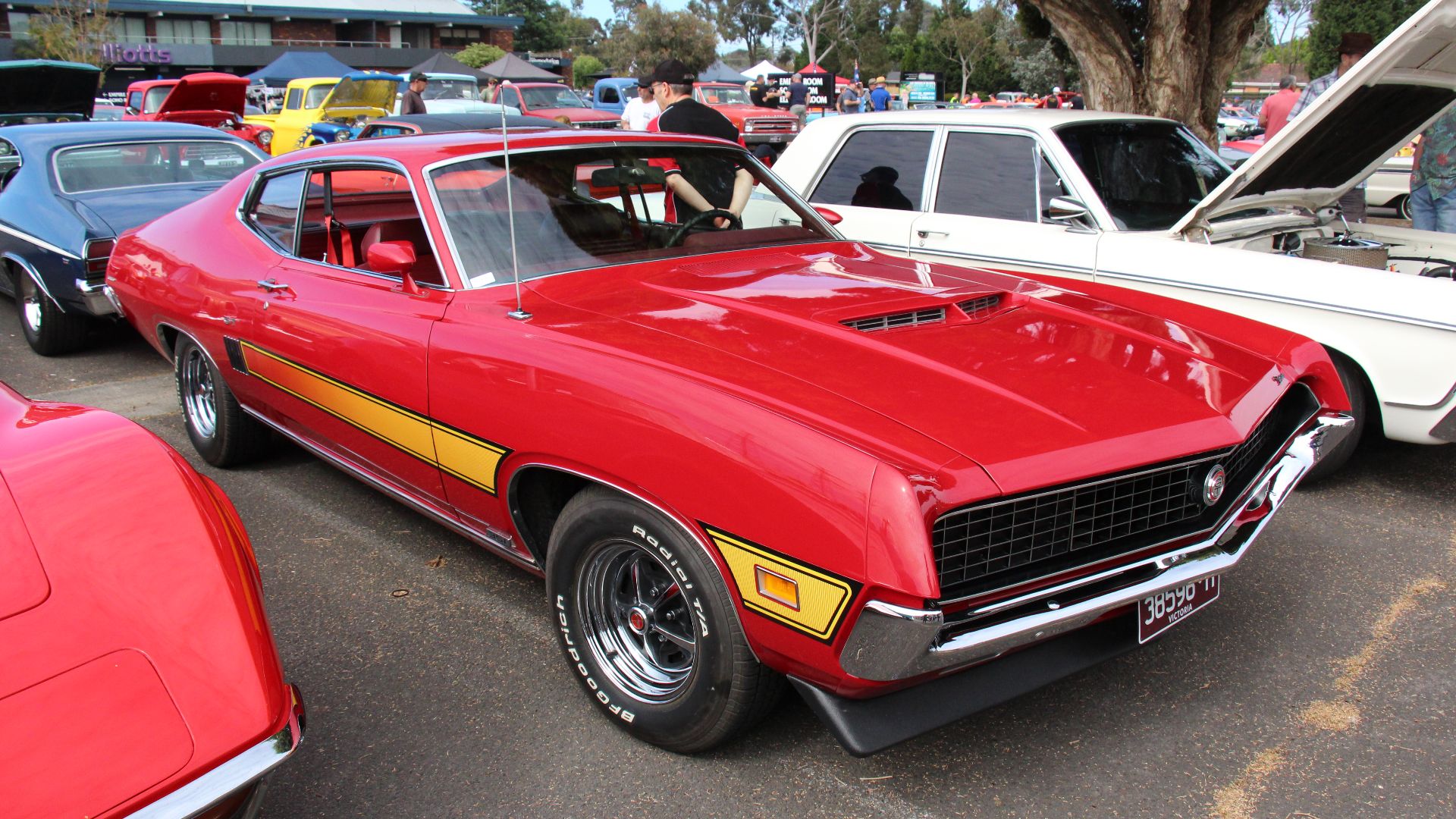
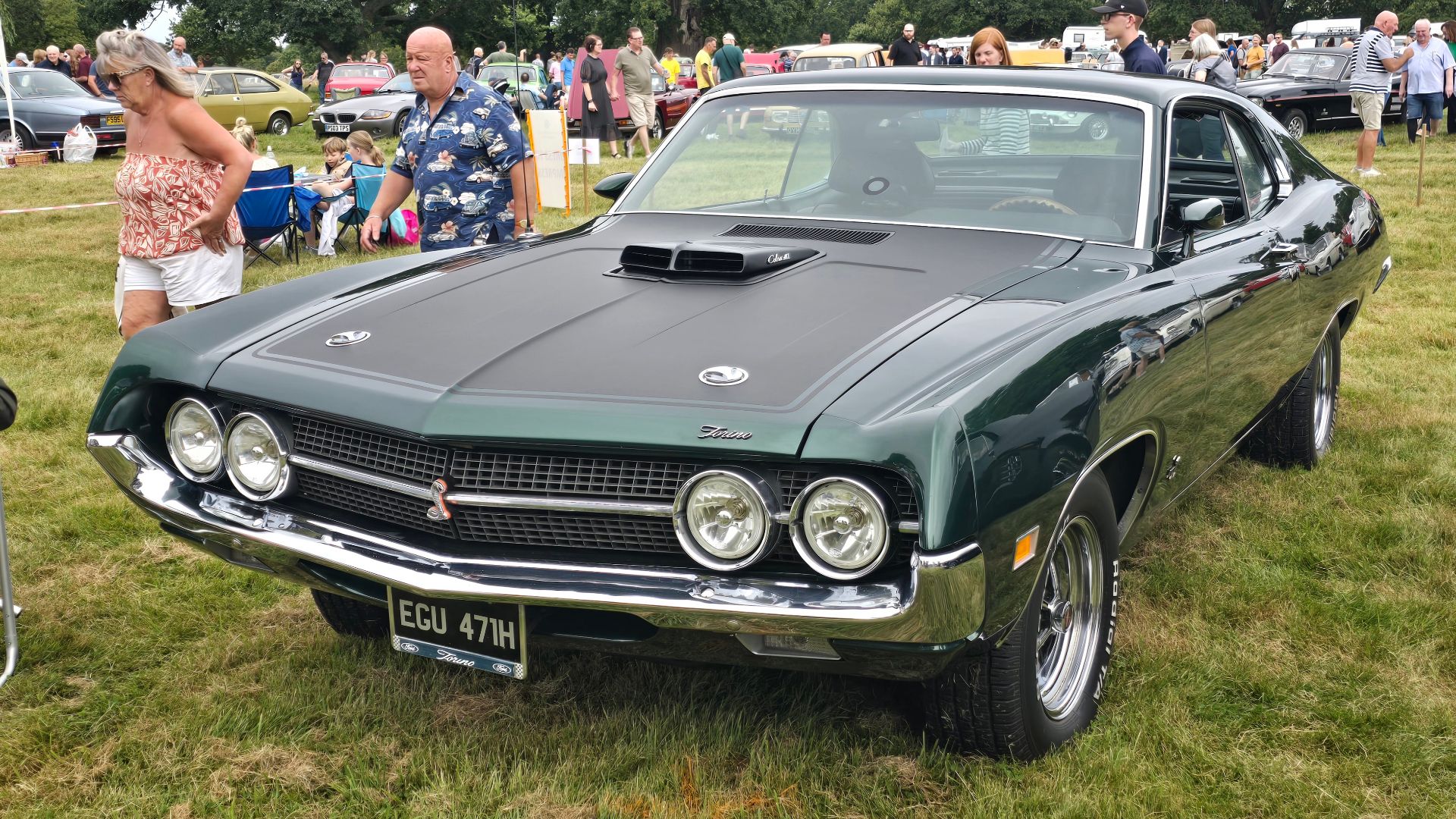
1970 Ford Torino GT
Engine: 302 V8 standard; optional 351, 429 V8 · Up to 370 hp (gross) with 429 Cobra Jet
With its long hood, flowing fastback roofline, and unmistakable 1970 styling, the Torino GT looked fast even when parked. Ford offered several engines, including the mighty 429 Cobra Jet. These cars were common enough to be used as everyday transportation, which explains why so many eventually disappeared. Today, an original GT with desirable engine options is far more interesting than its once-ordinary reputation might suggest.
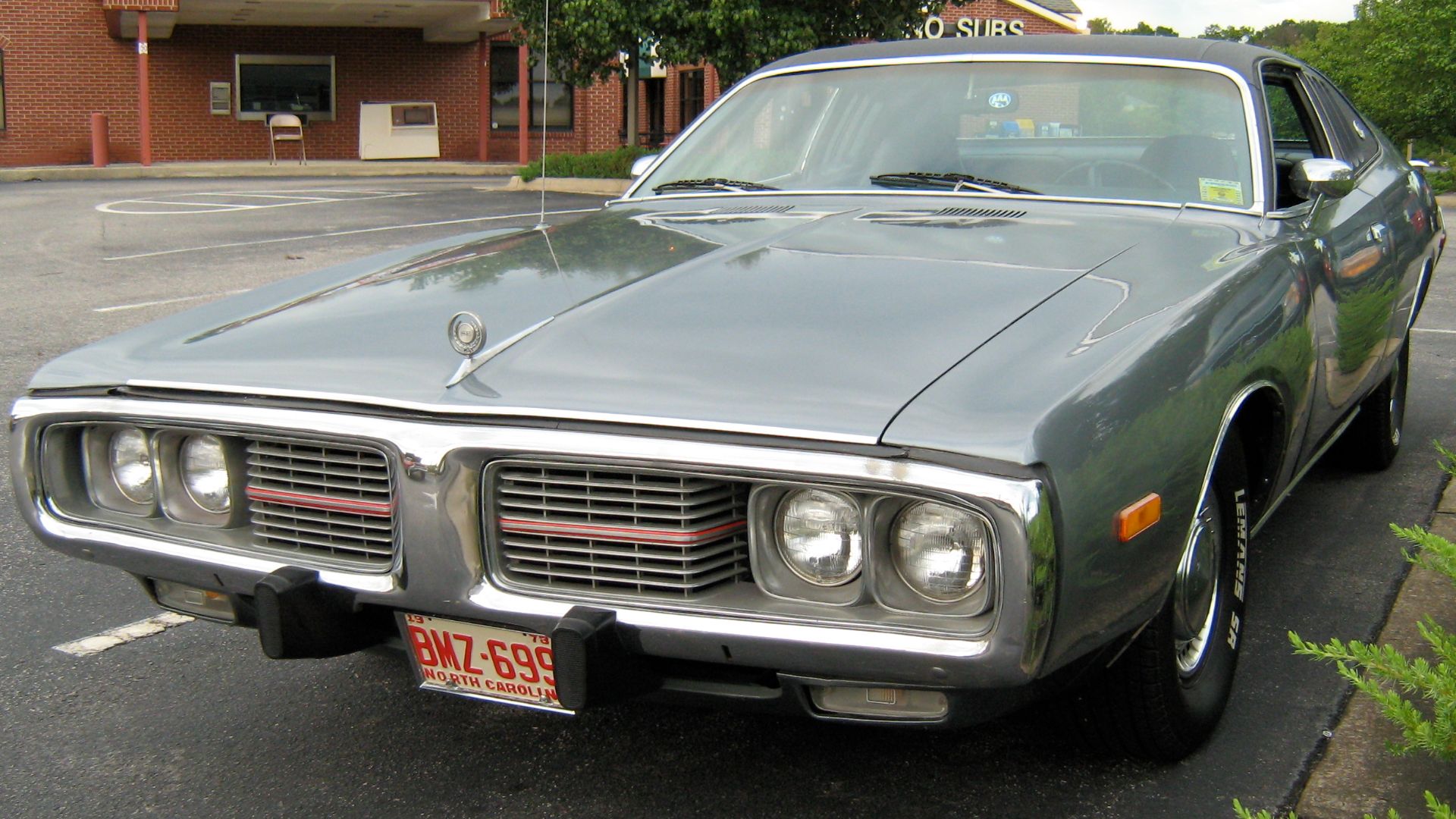
1973 Dodge Charger SE
Engine: 318-cu-in V8 standard · Optional 400 and 440 V8 · Up to 280 hp (net) with 440
By 1973, the Charger had become more of a personal-luxury coupe, but it still offered serious V8 power. The SE added comfort and upscale trim to the familiar Coke-bottle body. Drivers could enjoy a big engine without sacrificing a plush interior. These Chargers were once familiar sights on American streets, but decades of hard use, rust, and changing tastes have made clean survivors surprisingly uncommon.
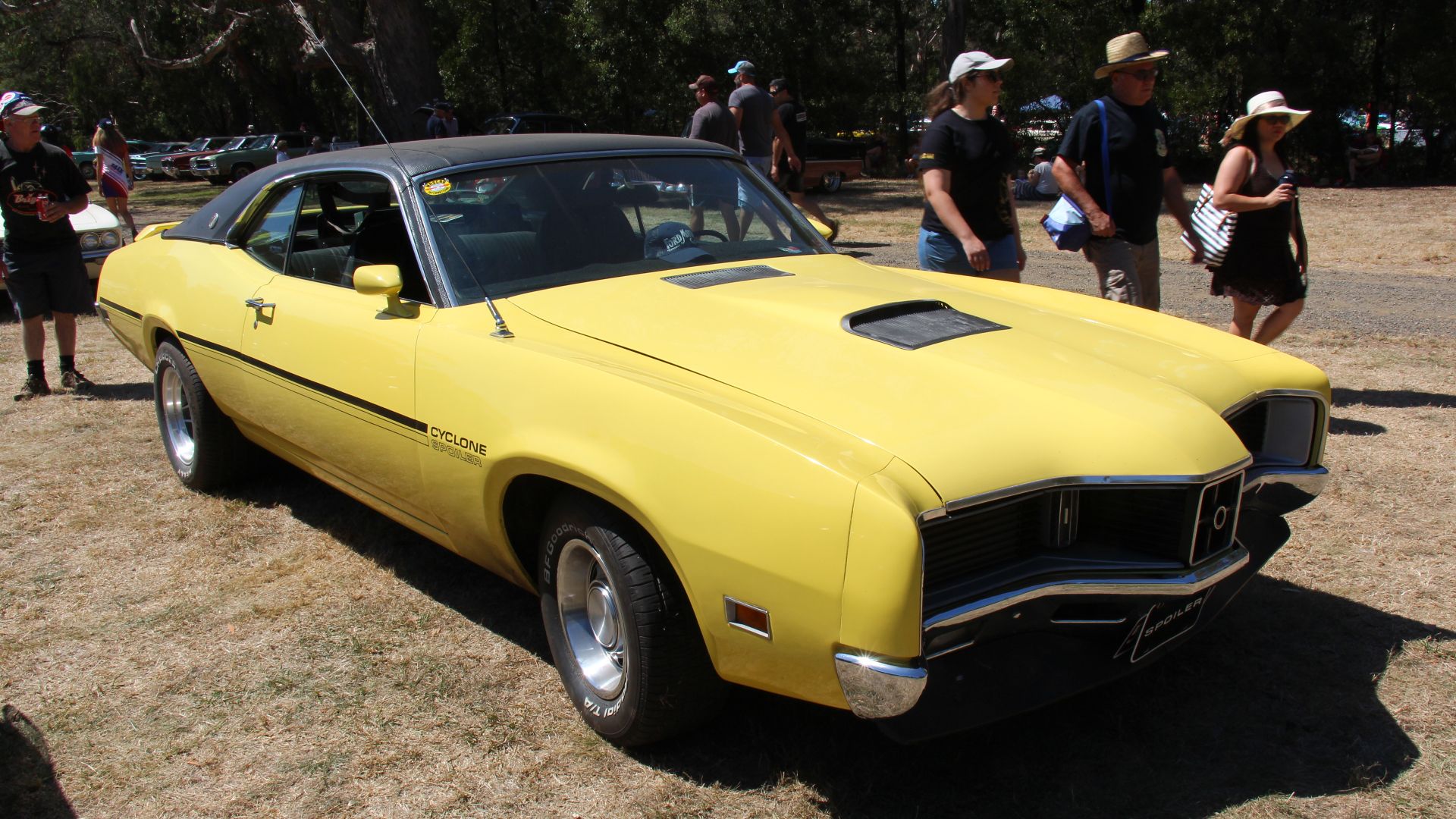
1970 Mercury Cyclone Spoiler
Engine: 429-cu-in Cobra Jet V8 · Horsepower: 370 hp (gross) · Torque: 450 lb-ft (gross)
The Cyclone Spoiler was Mercury's way of proving it could build something wilder than a comfortable family cruiser. Its 429 Cobra Jet engine, dramatic graphics, and aerodynamic styling made it impossible to ignore. Yet Mercury never enjoyed the same muscle-car fame as Ford, Chevrolet, or Dodge. That relative obscurity helped the Cyclone fade from public memory, even though its performance credentials remain impressive.
1972 Pontiac LeMans GT
Engine: Available 350-cu-in V8 · Horsepower varies by configuration · 3-speed manual or automatic
Not everyone could afford a GTO, and Pontiac knew it. The LeMans GT offered sporty looks and available V8 power in a more accessible package. Its stripes, hood treatment, and GT identification gave ordinary buyers some muscle-car attitude. Many became inexpensive used cars during the following decade. Unlike the celebrated GTO, few were carefully preserved, making original GT examples a pleasant surprise at modern car shows.
1971 AMC Hornet SC/360
Engine: 360-cu-in V8 · Horsepower: 245 hp standard, 285 hp optional (gross)
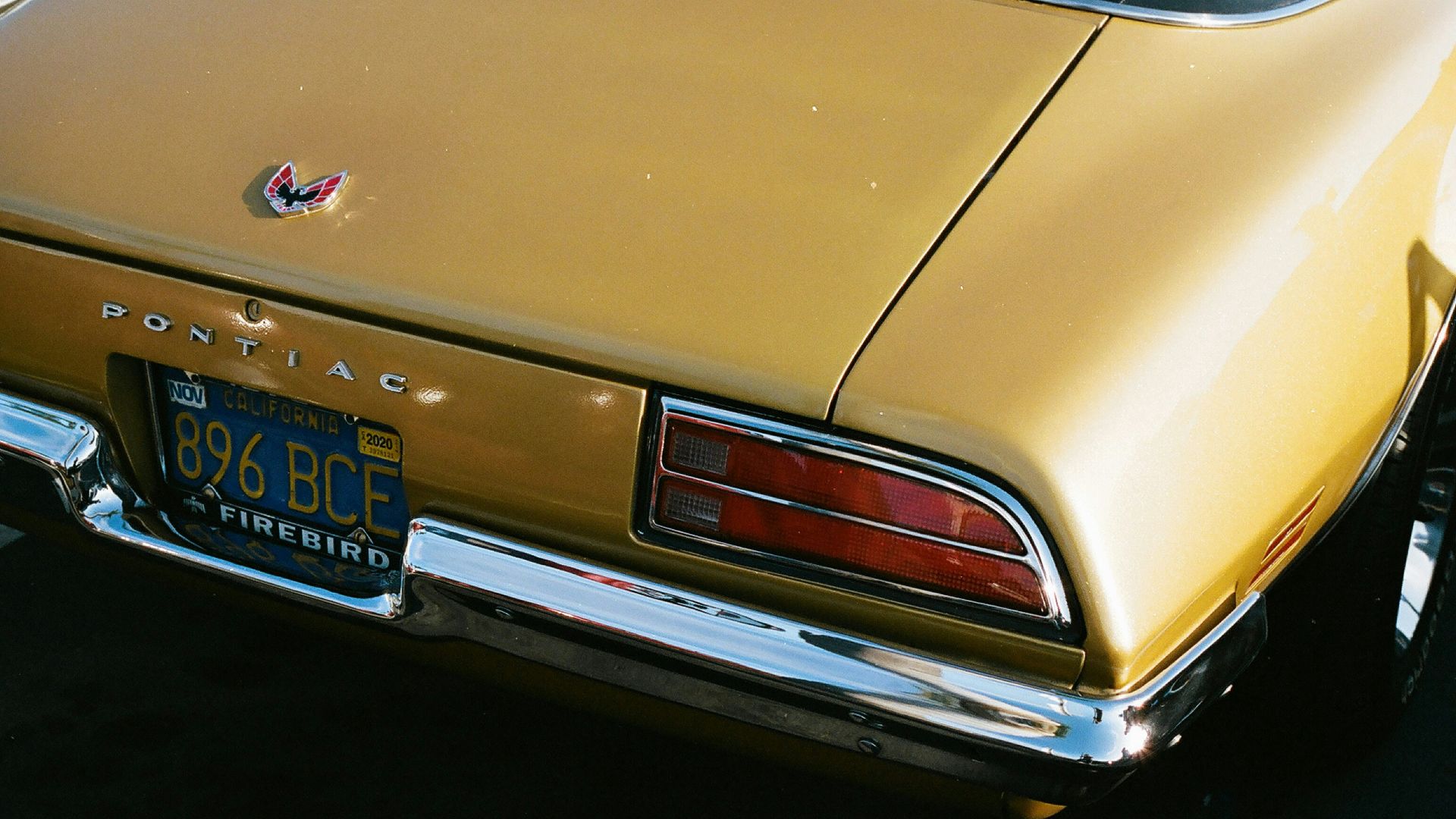
AMC had a habit of building performance cars that enthusiasts loved but the wider public overlooked. The Hornet SC/360 was a perfect example. It combined compact dimensions with a 360-cubic-inch V8 and could be ordered with a four-barrel carburetor and ram-air equipment. Only 784 were built, so this one was never literally everywhere. Still, it represents the kind of affordable American muscle that has nearly vanished from ordinary roads.

1970 Oldsmobile Cutlass S Rallye 350
Engine: 350-cu-in V8 · Horsepower: 310 hp (gross) · Torque: 390 lb-ft (gross)
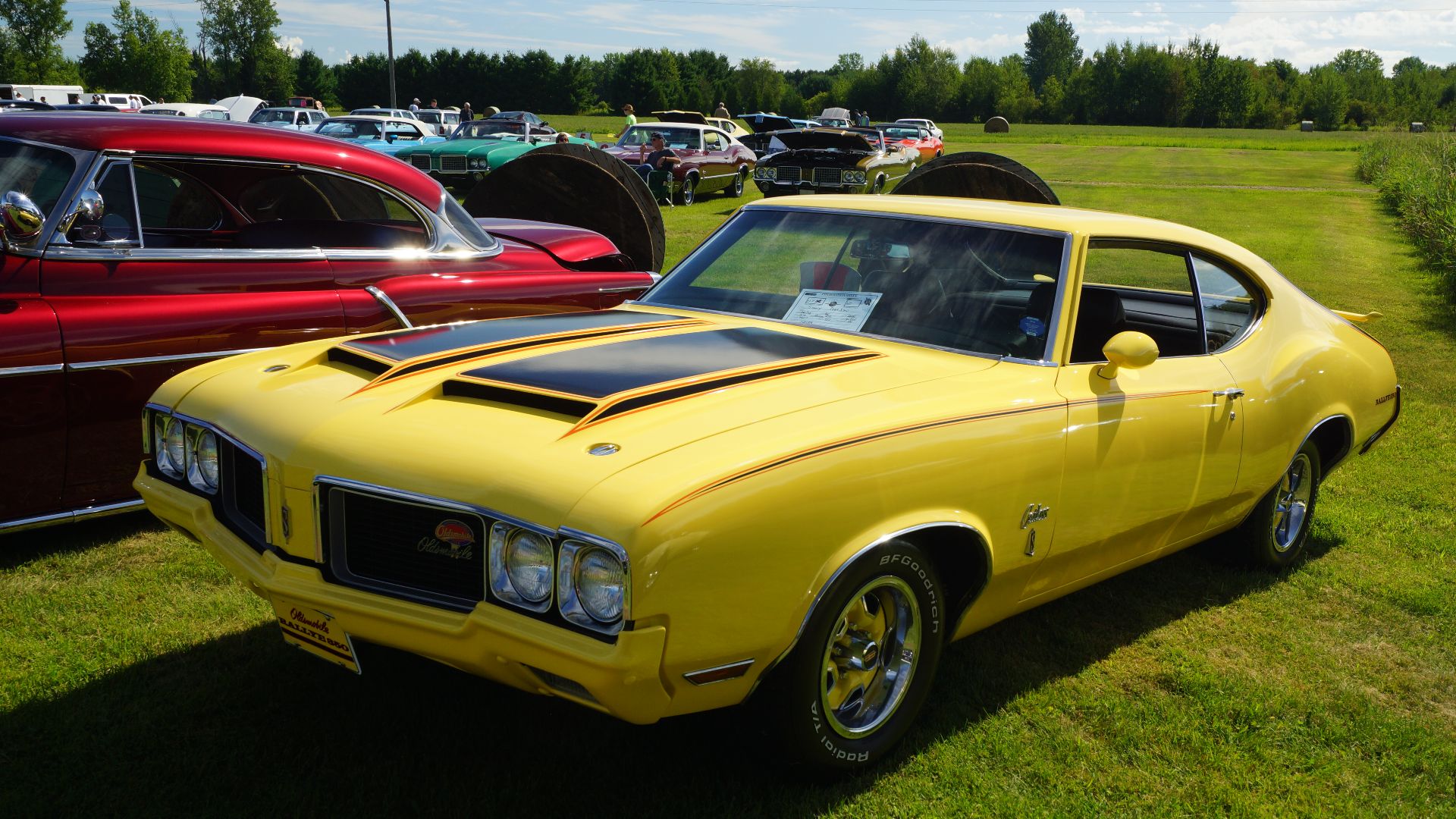
The Rallye 350 looked like someone had dipped an entire Oldsmobile in bright yellow paint. Bumpers, wheels, and bodywork received the attention-grabbing treatment, while a 310-horsepower Rocket V8 provided the excitement. It was essentially an affordable alternative to Oldsmobile's larger-engined performance cars. Production was limited to 3,547 examples, and many disappeared into everyday use. Today, that yellow paint makes an authentic survivor instantly recognizable.
 Greg Gjerdingen from Willmar, USA, Wikimedia Commons
1971 Dodge Demon 340
Engine: 340-cu-in V8 · Horsepower: 275 hp (gross) · Torque: 340 lb-ft (gross)
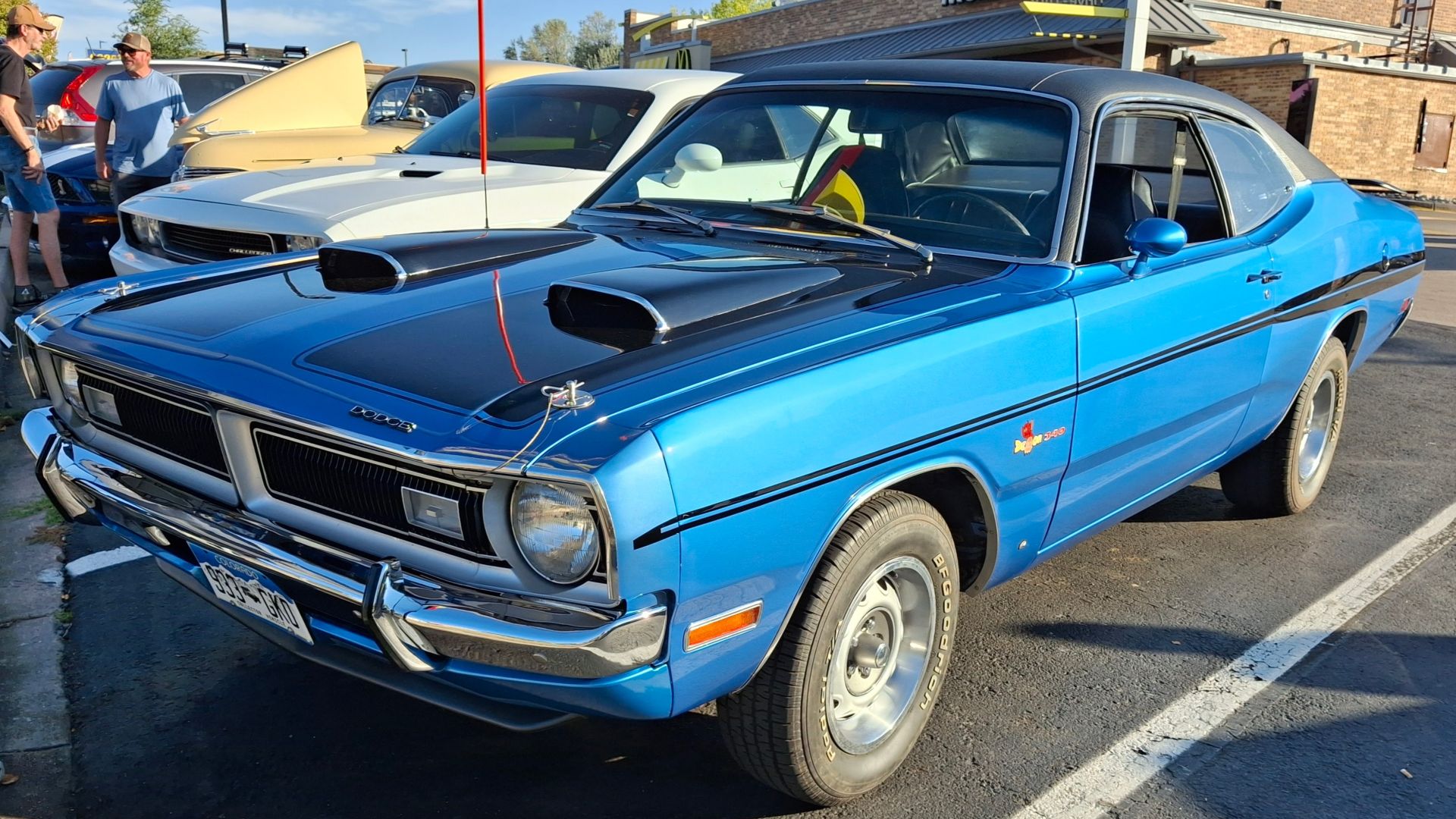
Before Dodge changed the Demon name to Dart Sport, this little troublemaker was one of Mopar's most entertaining compact performance cars. The 340 V8 delivered excellent acceleration without the weight of a massive big-block. Its cartoon devil graphics gave it personality, too. Many became inexpensive secondhand cars, which often meant backyard modifications and questionable repairs. Original Demon 340s are much harder to find than ordinary Darts today.
1970 Chevrolet Nova SS
Engine: 350-cu-in V8 standard · Optional 396-cu-in V8 · Up to 375 hp (gross)
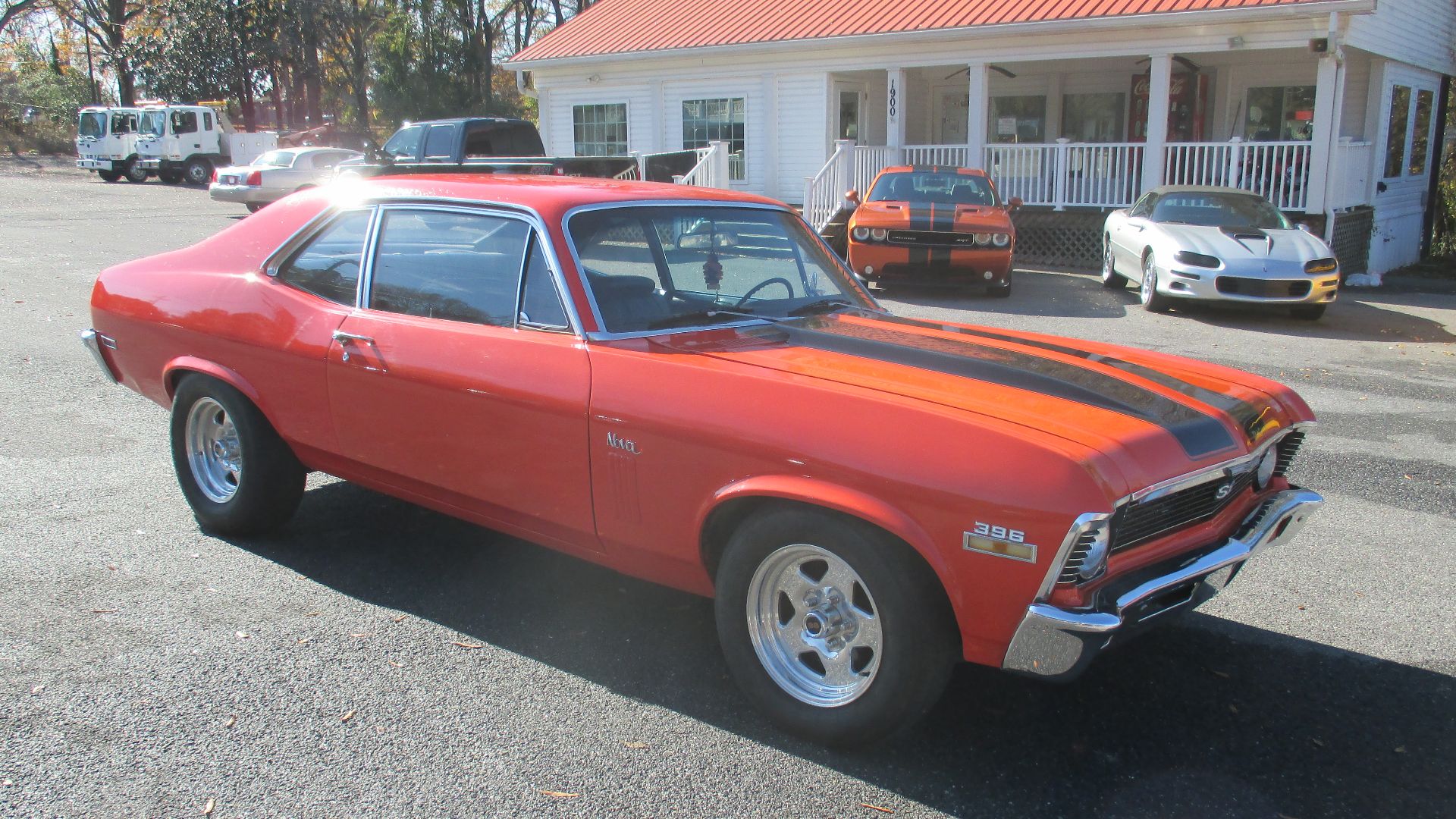
The Nova SS was the muscle car for someone who didn't need fancy styling to make a statement. Its simple, compact body could conceal a big-block V8, making it a serious sleeper at stoplights. The L78 396 was rated at 375 horsepower, although its displacement increased to 402 cubic inches for 1970. Many Novas were modified for drag racing, and finding an authentic SS with its original drivetrain is increasingly challenging.
 Btspurplegalaxy, Wikimedia Commons
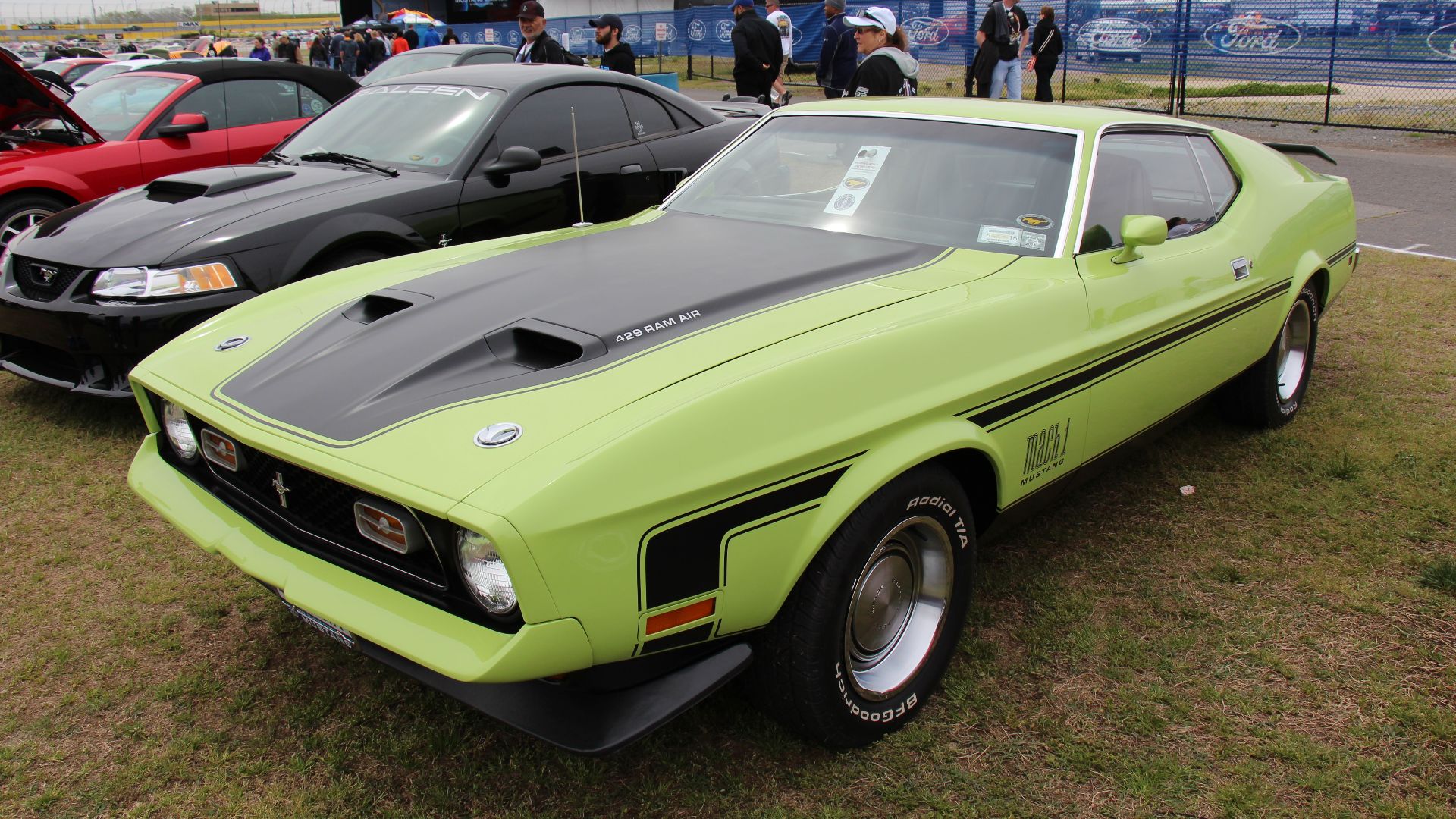
1971 Ford Mustang Mach 1
Engine: 302-cu-in V8 standard · Optional 351 and 429 V8 · Up to 375 hp (gross)
The 1971 Mustang Mach 1 was bigger, wider, and more dramatic than the original pony car. Its long hood and aggressive fastback styling made it a dream machine for countless teenagers. Buyers could choose the 429 Cobra Jet, rated at 370 horsepower, or the 375-horsepower Super Cobra Jet. These Mustangs spent years being driven, modified, and occasionally neglected. Today, a properly restored Mach 1 can steal the show at any cruise night.
1972 Plymouth Road Runner
Engine: 400-cu-in V8 standard · Optional 440 Six Barrel early in production · Up to 290 hp (net)
The Road Runner was famous for delivering straightforward muscle without unnecessary luxury. By 1972, horsepower ratings and emissions requirements had changed the game, but Plymouth still offered substantial V8 power. Its redesigned body had a distinctive rounded appearance, and the cartoon bird remained part of the fun. Many later became inexpensive used cars, and rust wasn't kind to them. An original early-1970s Road Runner now attracts plenty of attention.
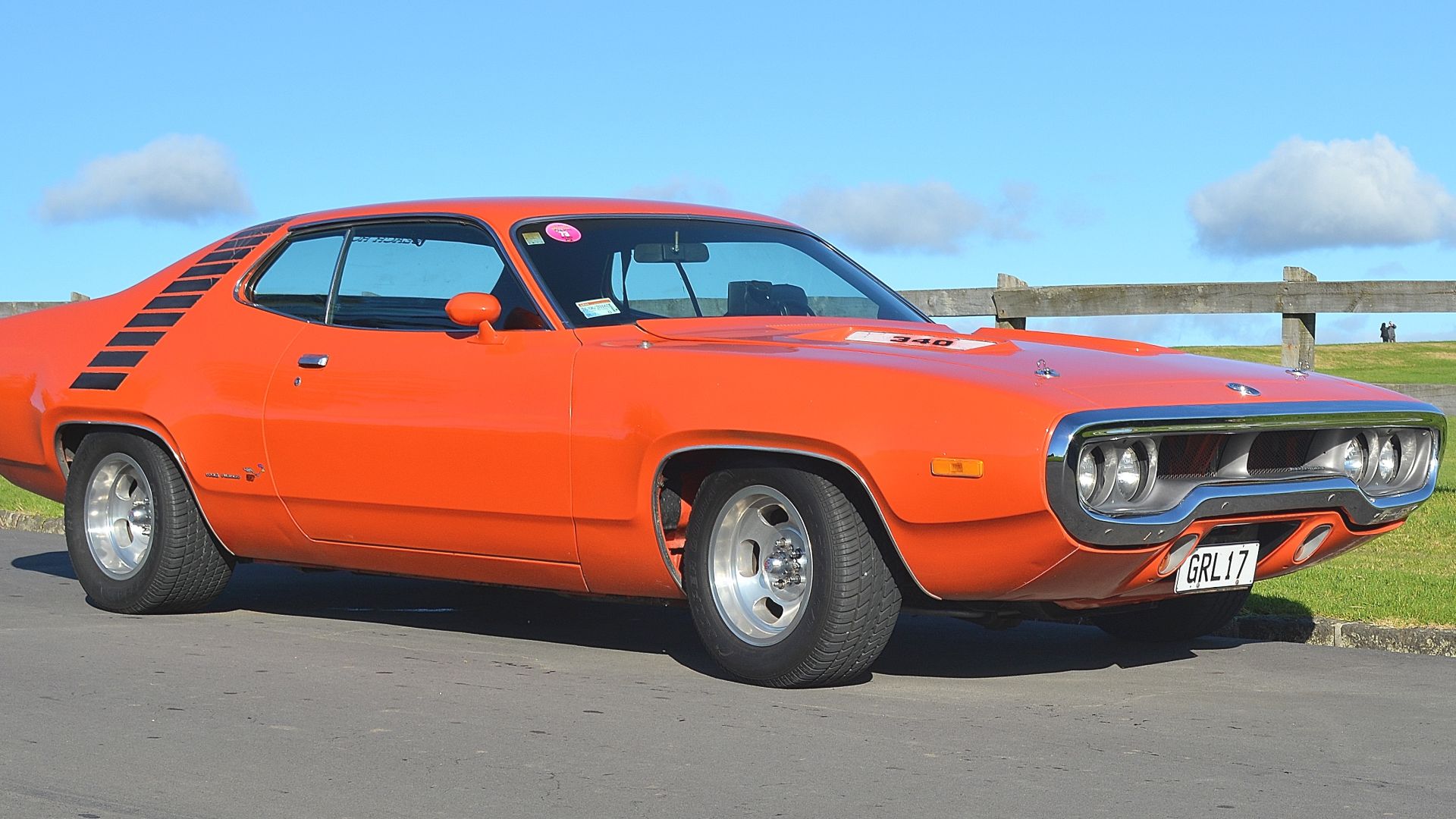 GPS 56 from New Zealand, Wikimedia Commons
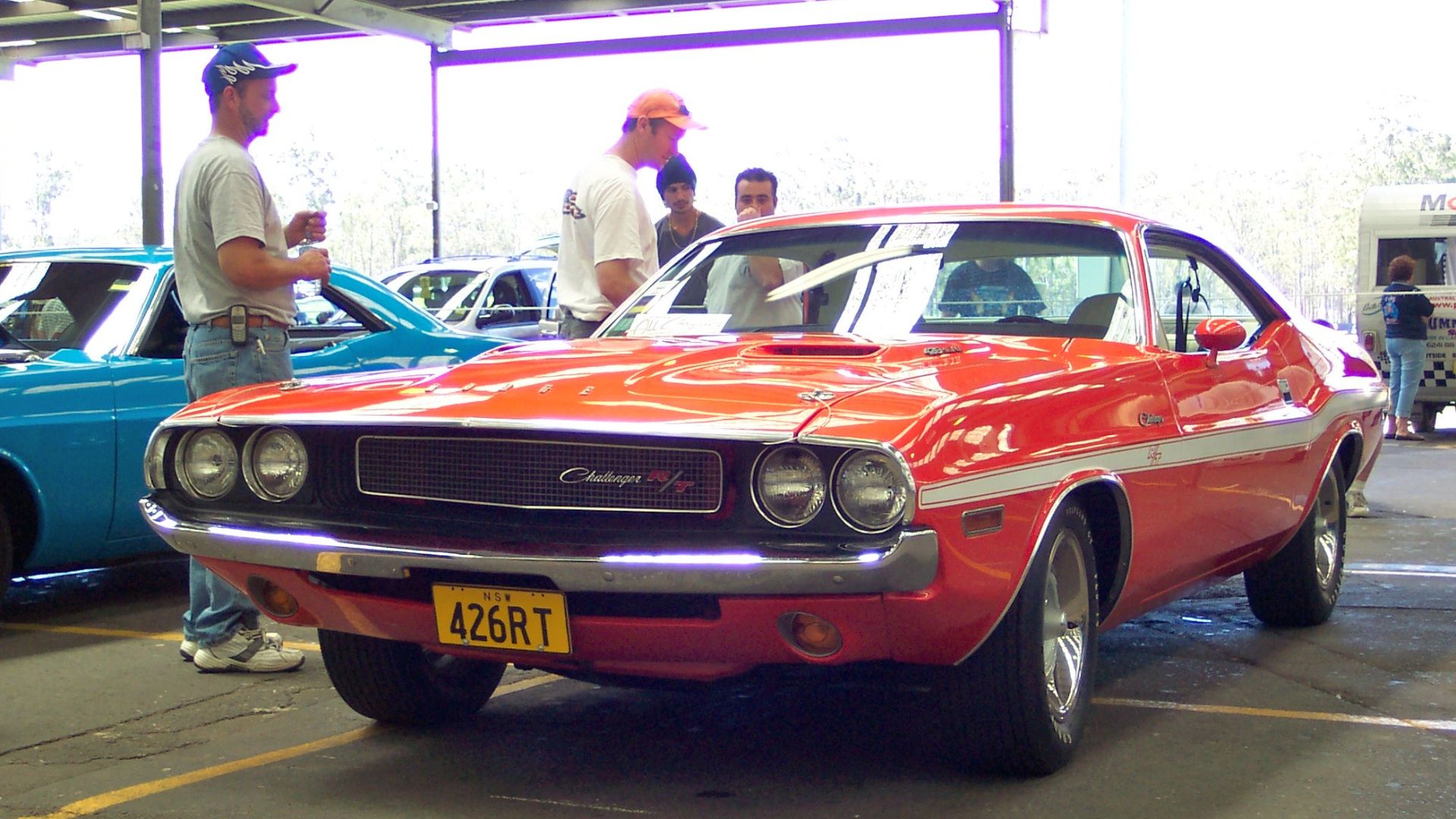
1970 Dodge Challenger R/T
Engine: 383-cu-in V8 standard · Optional 440 and 426 Hemi · Up to 425 hp (gross)
The Challenger R/T arrived when the muscle-car wars were already in full swing. Its wide stance, long hood, and enormous engine choices made it an instant favorite. The legendary 426 Hemi delivered 425 advertised horsepower, while the 440 Six Pack offered 390. Plenty of Challengers were used hard during their younger years, and others disappeared into restoration projects. Today, seeing an authentic R/T cruising through town feels like spotting a celebrity.
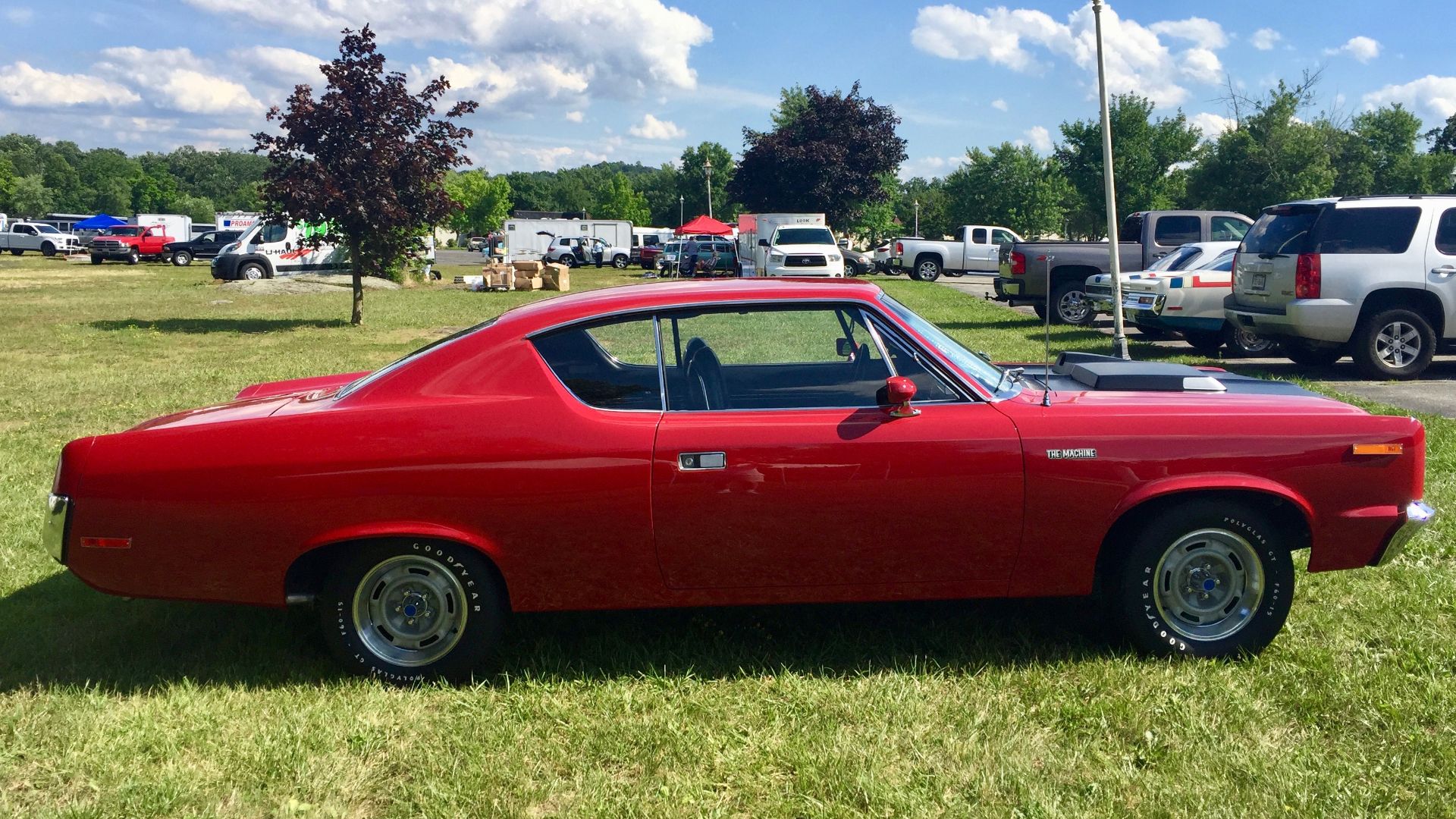
1970 AMC Rebel Machine
Engine: 390-cu-in V8 · Horsepower: 340 hp (gross) · Torque: 430 lb-ft (gross)
AMC's Rebel Machine was impossible to ignore, especially in its famous red, white, and blue paint scheme. Beneath the hood sat a 390-cubic-inch V8 producing 340 horsepower, backed by a four-speed manual transmission. It was a serious muscle car from a company better known for practical transportation. Only 2,326 were built, making it uncommon even when new. Today, finding one outside a dedicated AMC gathering is a genuine surprise.
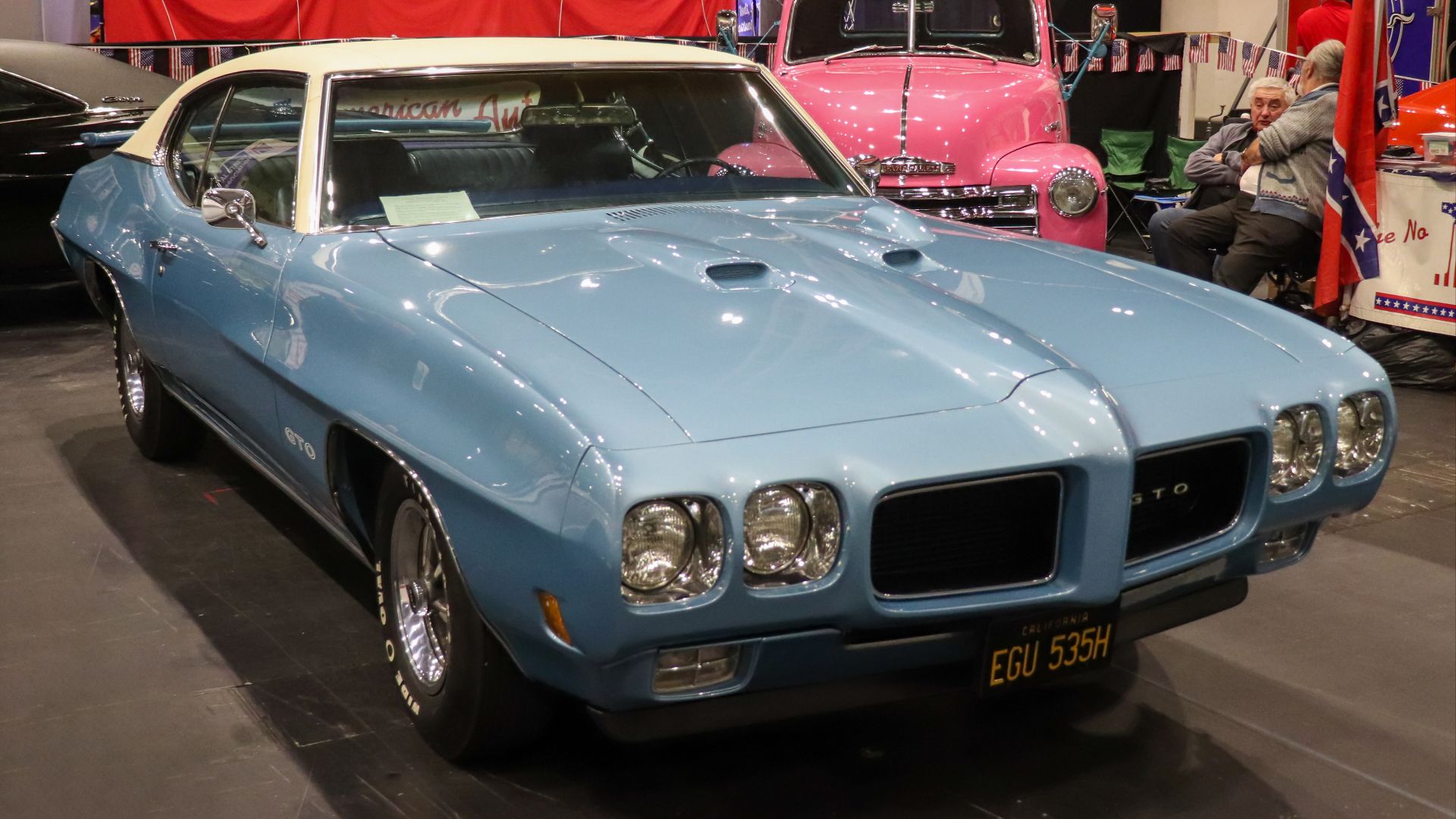
1970 Pontiac GTO
Engine: 400-cu-in V8 standard · Optional 455 V8 · Up to 370 hp (gross) with Ram Air IV
The GTO helped launch the original muscle-car movement, and the 1970 version still had plenty of attitude. Its Endura front bumper, twin hood scoops, and powerful Pontiac V8 engines made it unmistakable. The Ram Air IV delivered 370 advertised horsepower, while the available 455 emphasized low-end torque. These cars once belonged to everyday enthusiasts who drove them to work. Now, surviving GTOs are prized pieces of American performance history.
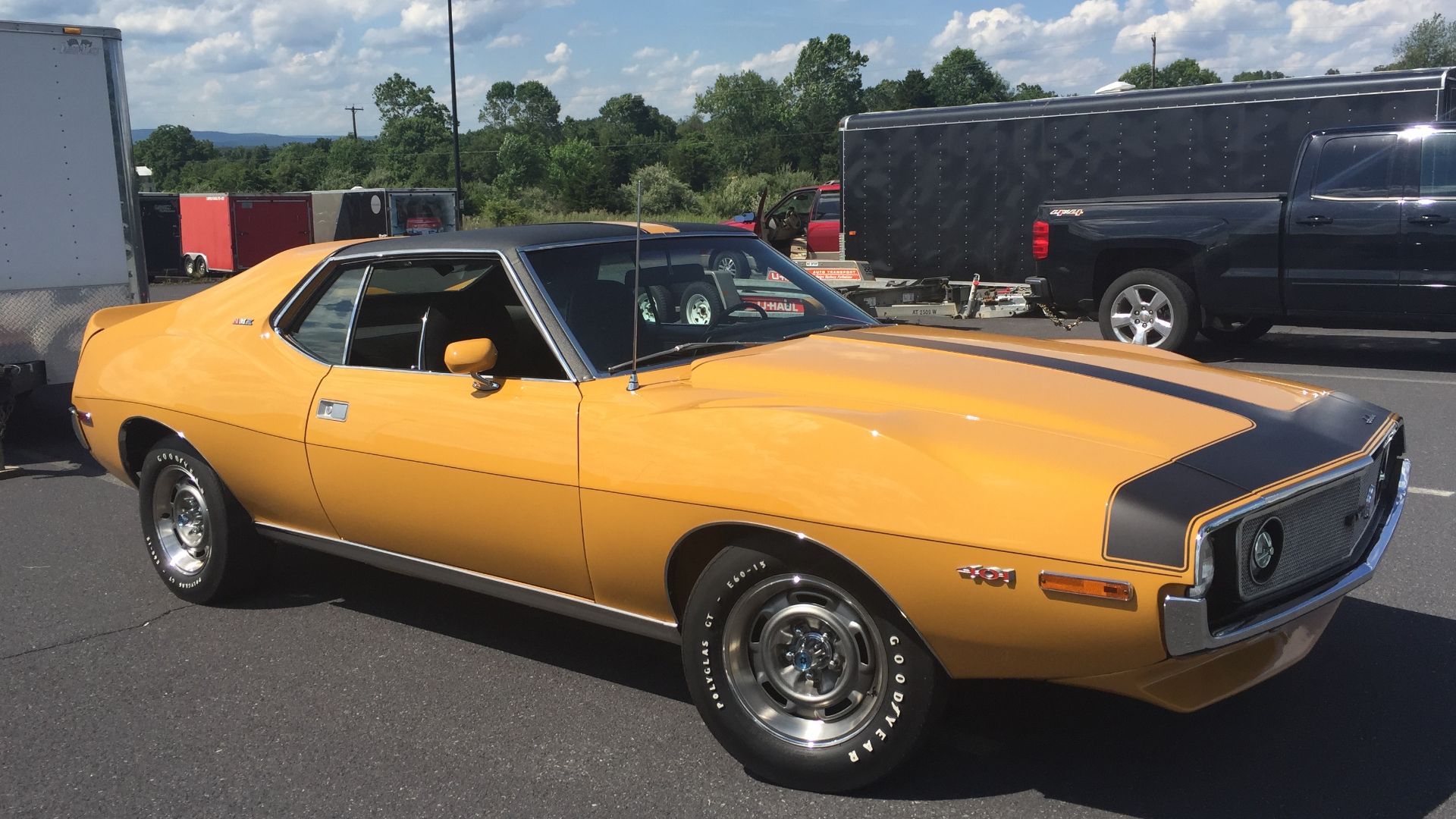
1971 AMC Javelin AMX
Engine: 360-cu-in V8 standard · Optional 401-cu-in V8 · Up to 330 hp (gross)
AMC's redesigned Javelin AMX had some of the wildest styling of the early 1970s. Its exaggerated fenders, broad shoulders, and available 401 V8 gave it genuine muscle-car credentials. The 401 produced 330 advertised horsepower in 1971, enough to make this unusual pony car a serious performer. Javelins never sold in Mustang or Camaro numbers, and many were eventually scrapped. Today, their distinctive styling makes them unforgettable.
1970 Buick GS 455
Engine: 455-cu-in V8 · Horsepower: 350 hp (gross), 360 hp with Stage 1 · Torque: 510 lb-ft (gross)
Buick was supposed to build comfortable cars for respectable adults, but the GS 455 had other ideas. Its massive V8 produced an astonishing 510 lb-ft of advertised torque, giving it acceleration that could embarrass flashier competitors. The Stage 1 package added performance upgrades and a modest horsepower increase. Many GS models looked surprisingly understated, making them perfect sleepers. Authentic examples are now highly desirable among enthusiasts who appreciate torque over flashy graphics.
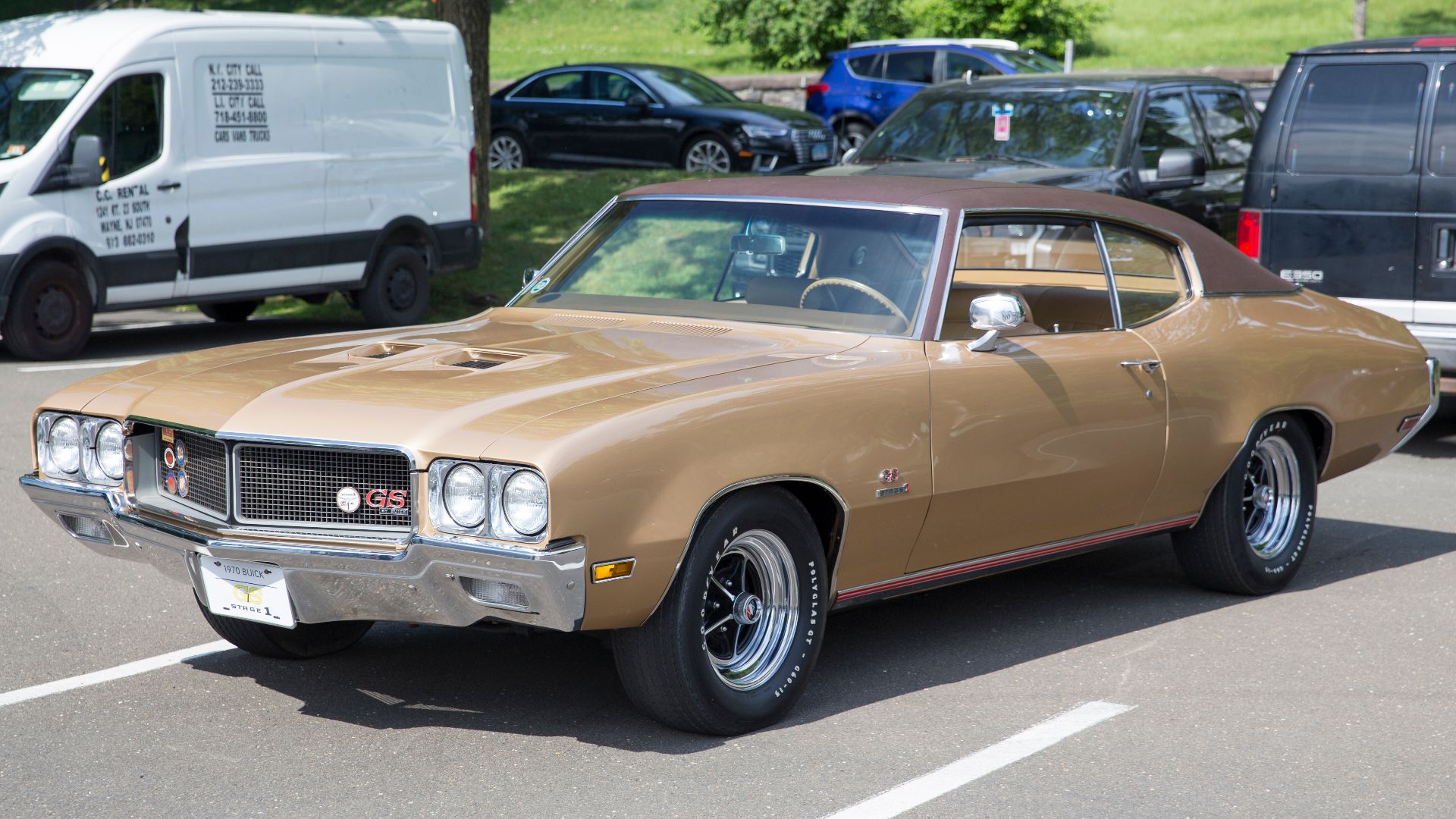 Mr.choppers, Wikimedia Commons
1971 Plymouth GTX
Engine: 440-cu-in V8 standard · Optional 440 Six Barrel and 426 Hemi · Up to 425 hp (gross)
The GTX was Plymouth's upscale muscle car, combining serious performance with more comfort than the budget-minded Road Runner. For 1971, buyers could still order the legendary Hemi, although few did. The standard 440 was already a formidable engine, producing 370 advertised horsepower. Its dramatic redesigned body gave it a distinctive appearance. After 1971, the GTX name survived as an option package rather than a separate model, making the final standalone version particularly memorable.
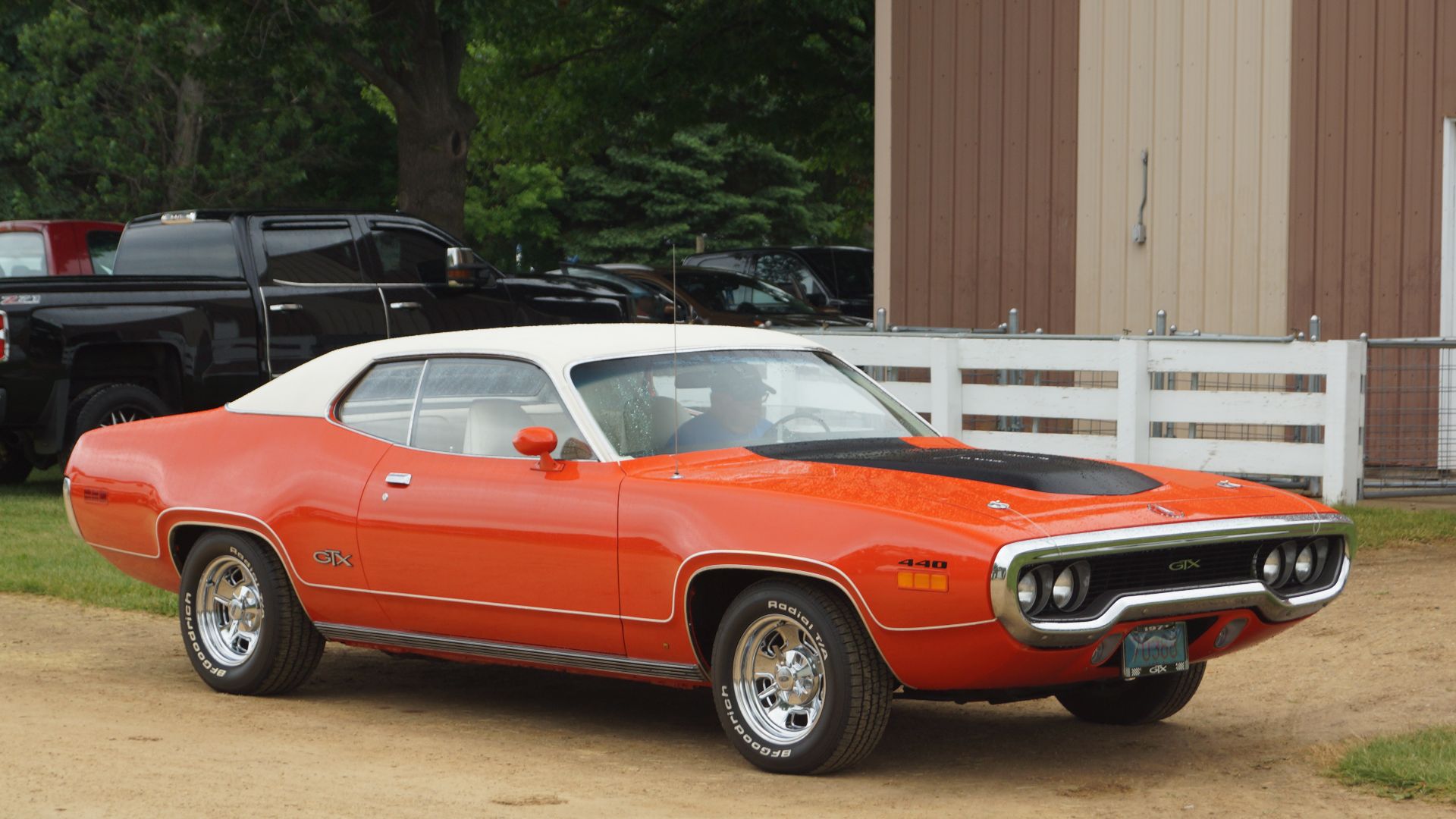 Greg Gjerdingen, Wikimedia Commons
1970 Ford Torino Cobra
Engine: 429-cu-in Cobra Jet V8 · Horsepower: 370 hp (gross) · Torque: 450 lb-ft (gross)
The Torino Cobra was Ford's answer to the biggest engines from Chevrolet, Dodge, and Plymouth. Its 429 Cobra Jet delivered 370 horsepower, while available performance equipment made it a serious quarter-mile contender. The sweeping SportsRoof body looked fantastic, especially with aggressive wheels and raised-white-letter tires. Many Torinos were driven until repairs exceeded their value. Today, a genuine Cobra is considerably harder to encounter than a Mustang from the same era.
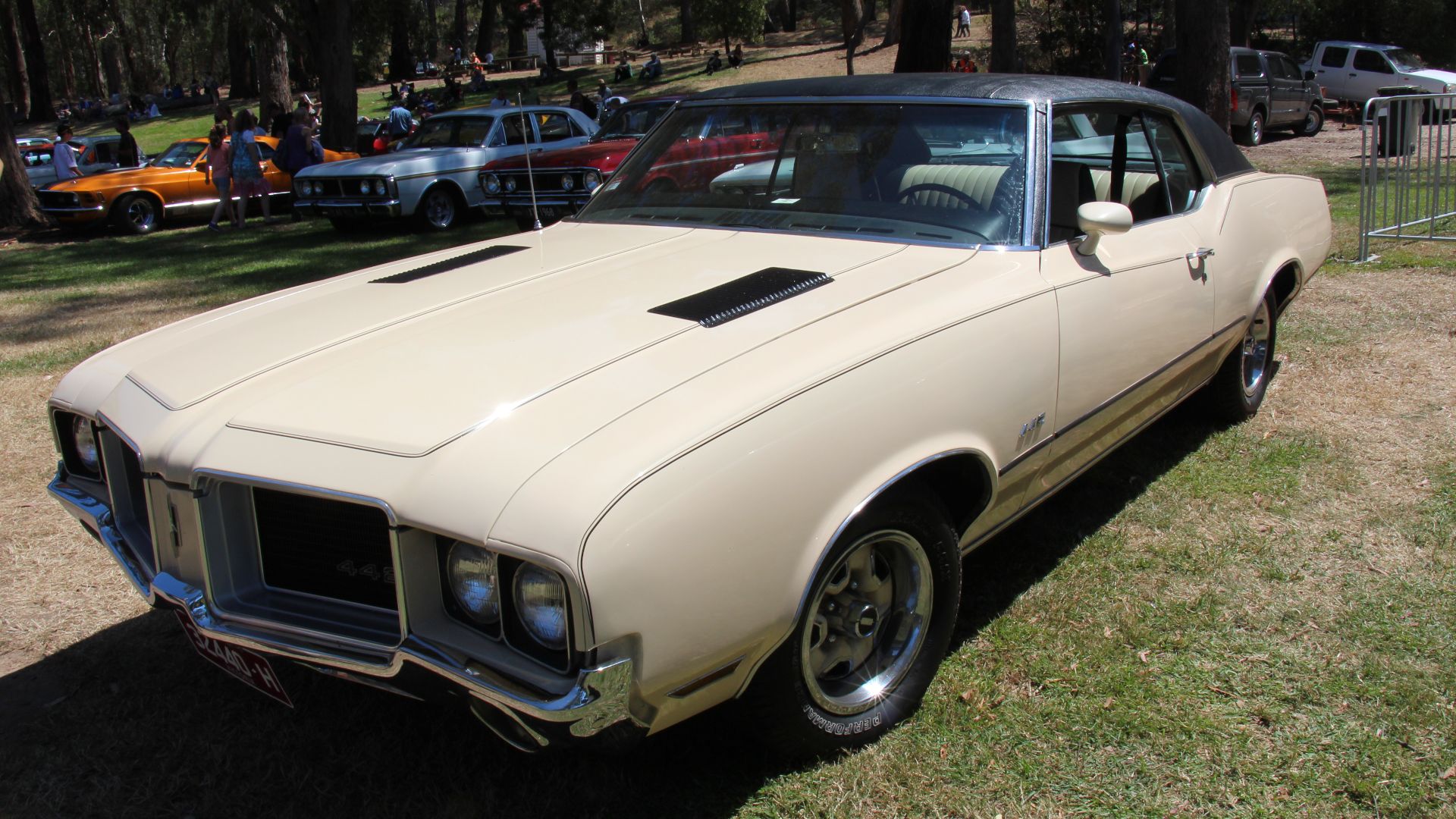
1971 Oldsmobile 442
Engine: 455-cu-in V8 · Horsepower: 340 hp (gross) standard · Torque: 460 lb-ft (gross)
The Oldsmobile 442 offered muscle-car performance without sacrificing comfort or refinement. Its 455-cubic-inch V8 delivered tremendous torque, while available W-30 equipment added more serious performance hardware. Unlike some competitors, the 442 could feel almost luxurious during a relaxed highway cruise. Many owners treated them as ordinary transportation, which wasn't particularly helpful for long-term preservation. Today, an authentic 442 is a welcome reminder that Oldsmobile once built some genuinely exciting cars.
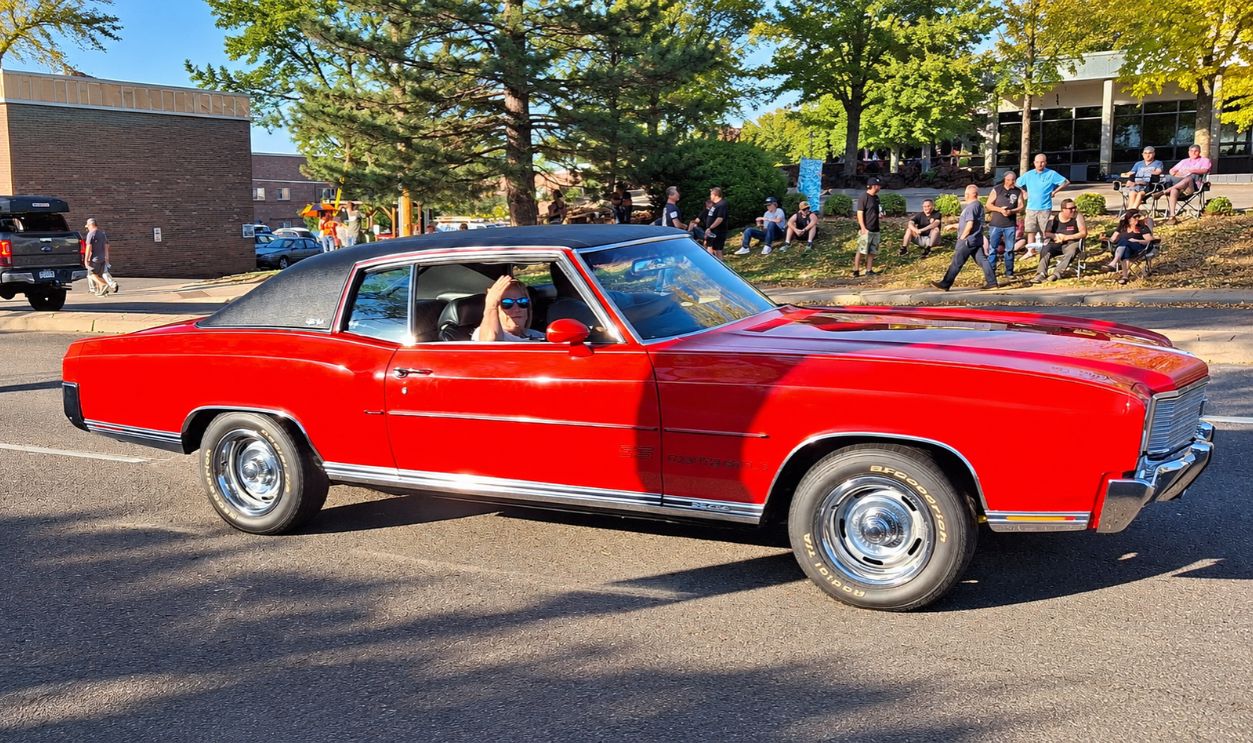
1971 Chevrolet Monte Carlo SS 454
Engine: 454-cu-in V8 · Horsepower: 365 hp (gross) · Torque: 465 lb-ft (gross)
The Monte Carlo SS 454 combined personal-luxury styling with serious big-block performance. Its 454 V8 delivered 365 advertised horsepower, giving this elegant coupe considerably more muscle than its appearance suggested. Chevrolet offered the SS 454 package for only 1970 and 1971. Many Monte Carlos survived as ordinary cruisers, but genuine SS 454 examples are far less common. It's the sort of car that could surprise someone who thought every Monte Carlo was merely a comfortable boulevard cruiser.
 Xnatedawgx, Wikimedia Commons, Modified
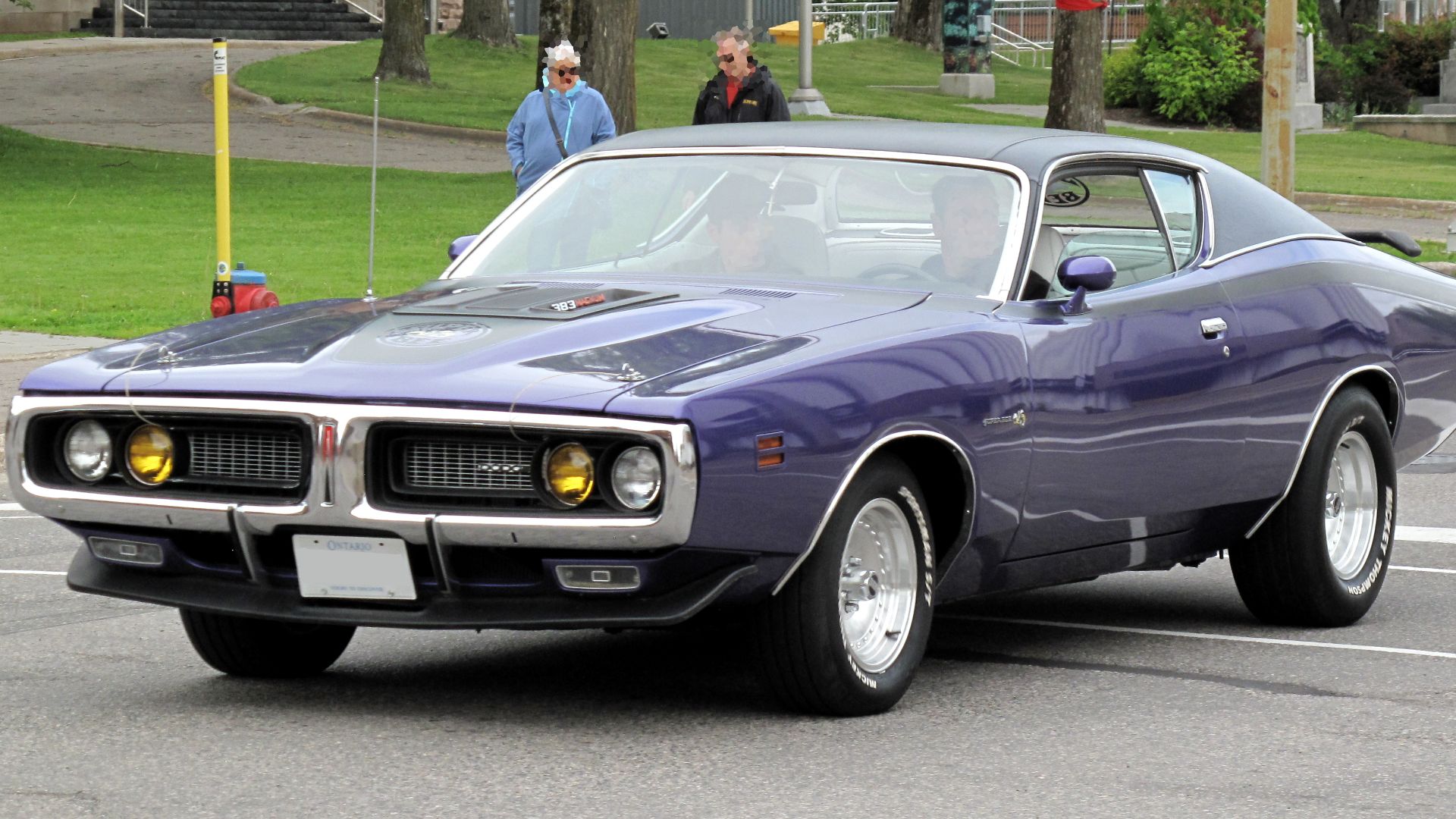
1971 Dodge Charger Super Bee
Engine: 383-cu-in V8 standard · Optional 440 Six Pack and 426 Hemi · Up to 425 hp (gross)
For 1971, Dodge moved the Super Bee name from the Coronet to the Charger lineup. The result was a distinctive performance machine with bold graphics and serious engine choices. The available 426 Hemi remained the ultimate option, although most buyers selected less expensive engines. Super Bees often attracted enthusiastic young owners who weren't especially gentle with their cars. Today, authentic examples are treasured, especially those retaining their original engines and factory identification.
1973 Pontiac Firebird Formula 400
Engine: 400-cu-in V8 · Horsepower: 230 hp (net) with four-barrel · Torque: 325 lb-ft (net)
Not everyone wanted the giant hood bird and flashy appearance of a Trans Am. The Firebird Formula offered a subtler way to enjoy Pontiac V8 performance, with its distinctive twin-scoop hood and available handling equipment. The 1973 Formula 400 produced 230 net horsepower, respectable during an era of tightening emissions standards. Many Formulas eventually became restoration projects or parts donors. Finding an original example today is much less common than spotting its famous Trans Am sibling.
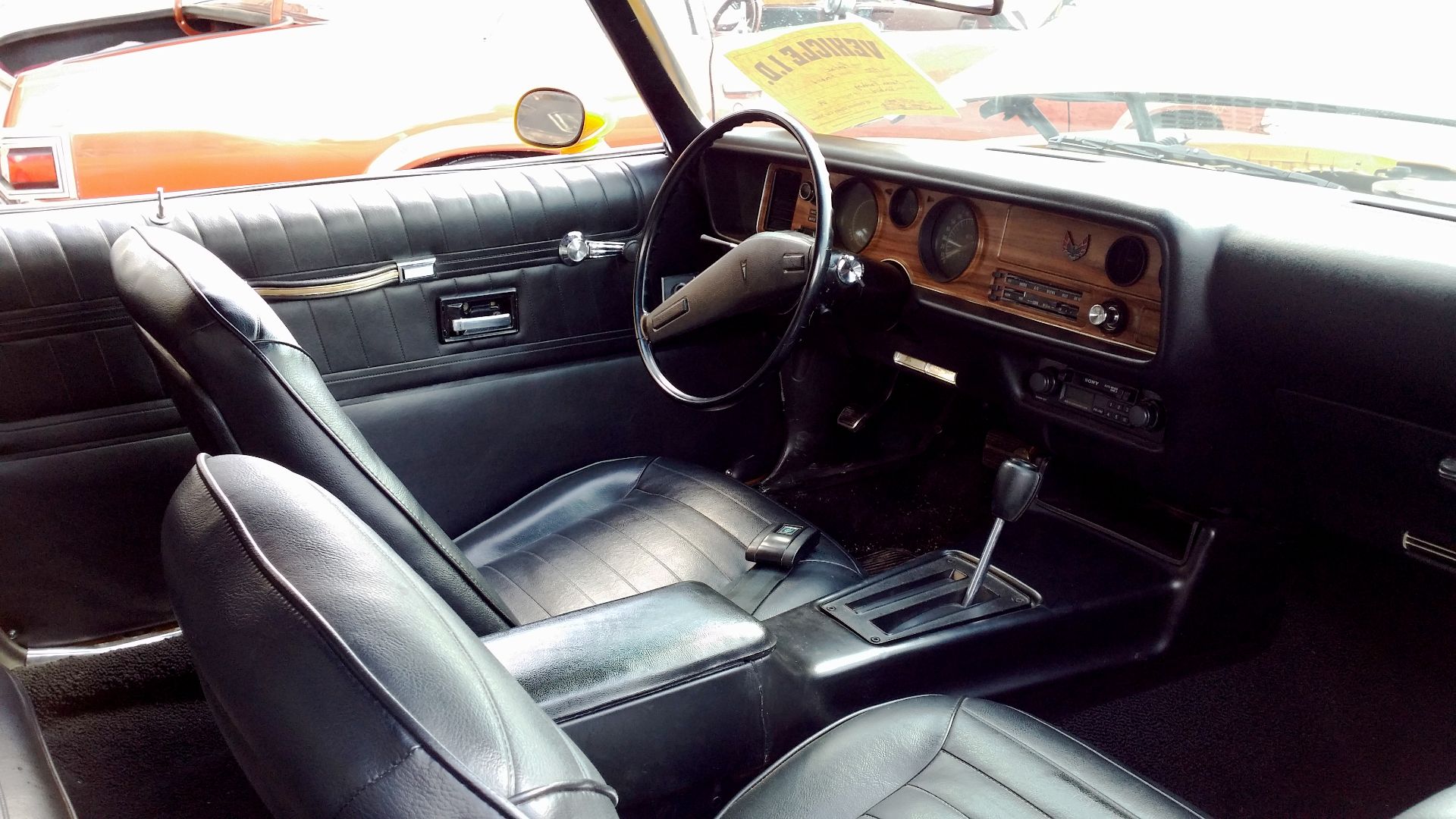 Eric Friedebach, Wikimedia Commons
1971 Chevrolet Camaro Z28
Engine: 350-cu-in LT-1 V8 · Horsepower: 330 hp (gross) · Torque: 360 lb-ft (gross)
The second-generation Camaro Z28 had one of the best-looking bodies Chevrolet ever designed. Its long hood, low roofline, and aggressive stance made it a favorite among young drivers. The 1971 LT-1 350 V8 produced 330 gross horsepower, and the Z28's suspension was designed for more than straight-line acceleration. Many became street machines with aftermarket wheels and engine modifications. Today, an authentic early second-generation Z28 is a particularly desirable find.
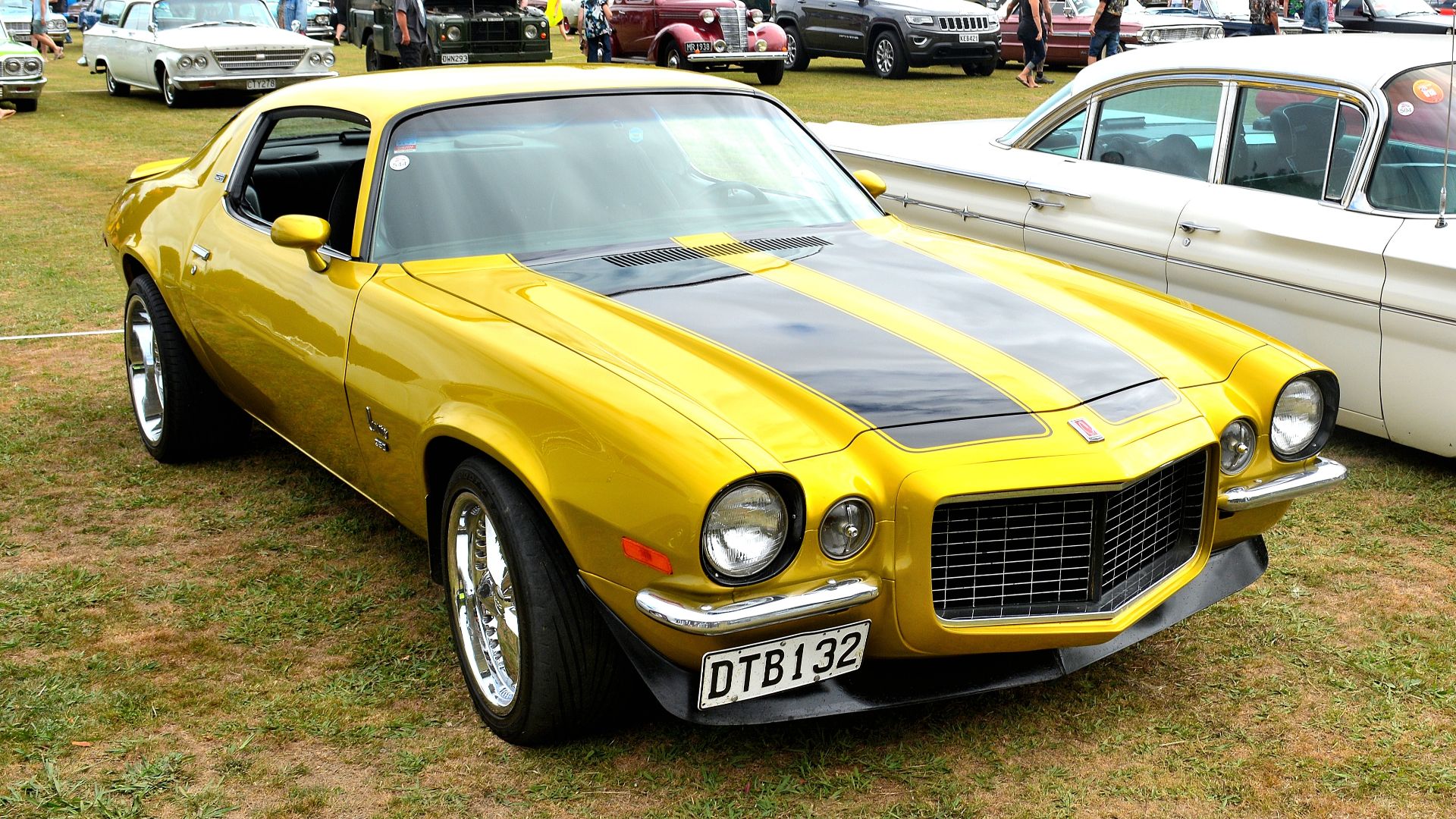 GPS 56 from New Zealand, Wikimedia Commons
You May Also Like: Pickup Trucks That Are Still Running Strong After 400,000 Miles