Your Car Remembers The Crash
You might forget exactly what happened in the seconds before an accident, but your car may remember. Hidden inside millions of vehicles is an electronic device that can preserve critical information about a collision, including speed, braking, and seat belt use. It's called an event data recorder, or EDR, and what it reveals might surprise you.
The Black Box In Your Car
An EDR is often described as an automotive black box, although it isn't quite like the flight recorders found in aircraft. It typically forms part of a vehicle's airbag control system, monitoring information from several sensors. When a sufficiently serious event occurs, the system can preserve a snapshot of what happened immediately before and during the collision.
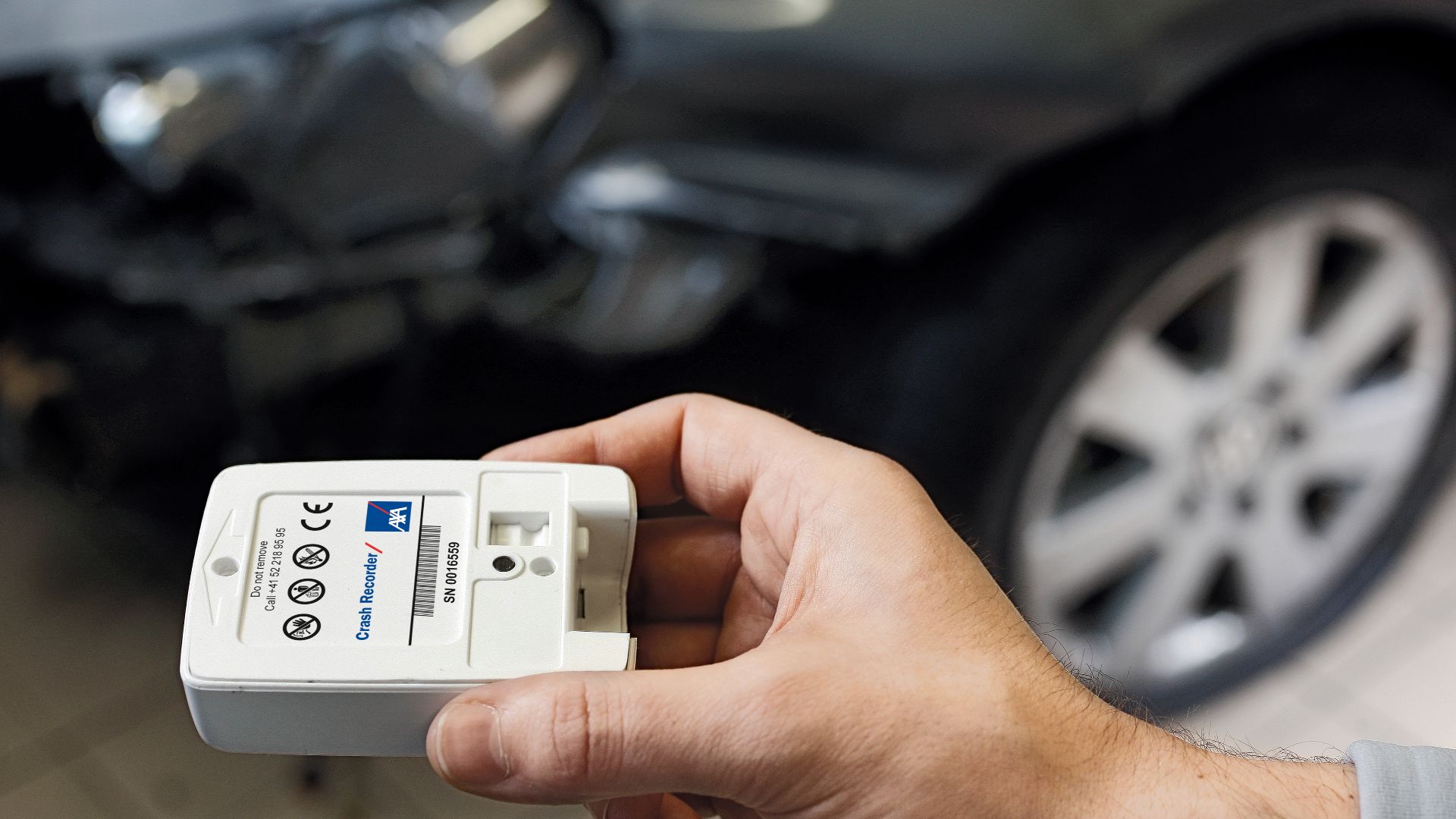 The original uploader was AXAWinterthur at German Wikipedia., Wikimedia Commons
Most Modern Cars Have One
You probably already own a vehicle with an EDR. General Motors pioneered widespread use during the 1990s, and other manufacturers gradually followed. According to the National Highway Traffic Safety Administration, approximately 99.5% of model-year 2021 passenger vehicles had recorders. They're common in modern cars, SUVs, and pickups from manufacturers including Ford, Toyota, Honda, Chevrolet, and Subaru.

Are Recorders Legally Required?
Surprisingly, federal law doesn't generally require manufacturers to install EDRs in passenger vehicles. Instead, regulations establish minimum standards for covered vehicles that have them. These rules, known as 49 CFR Part 563, standardize important information and retrieval requirements. That makes data from different manufacturers more useful to investigators, although not every vehicle records identical information.
The Seconds Before Impact
Most conventional EDRs preserve approximately five seconds of pre-crash information, rather than continuously recording an entire journey. That short window can reveal whether a driver accelerated, slowed down, or attempted to brake. Newer federal requirements expand certain pre-crash recordings to 20 seconds at 10 samples per second, with implementation requirements beginning in 2027 and proposed revisions to the rollout schedule.

Your Speed Before Impact
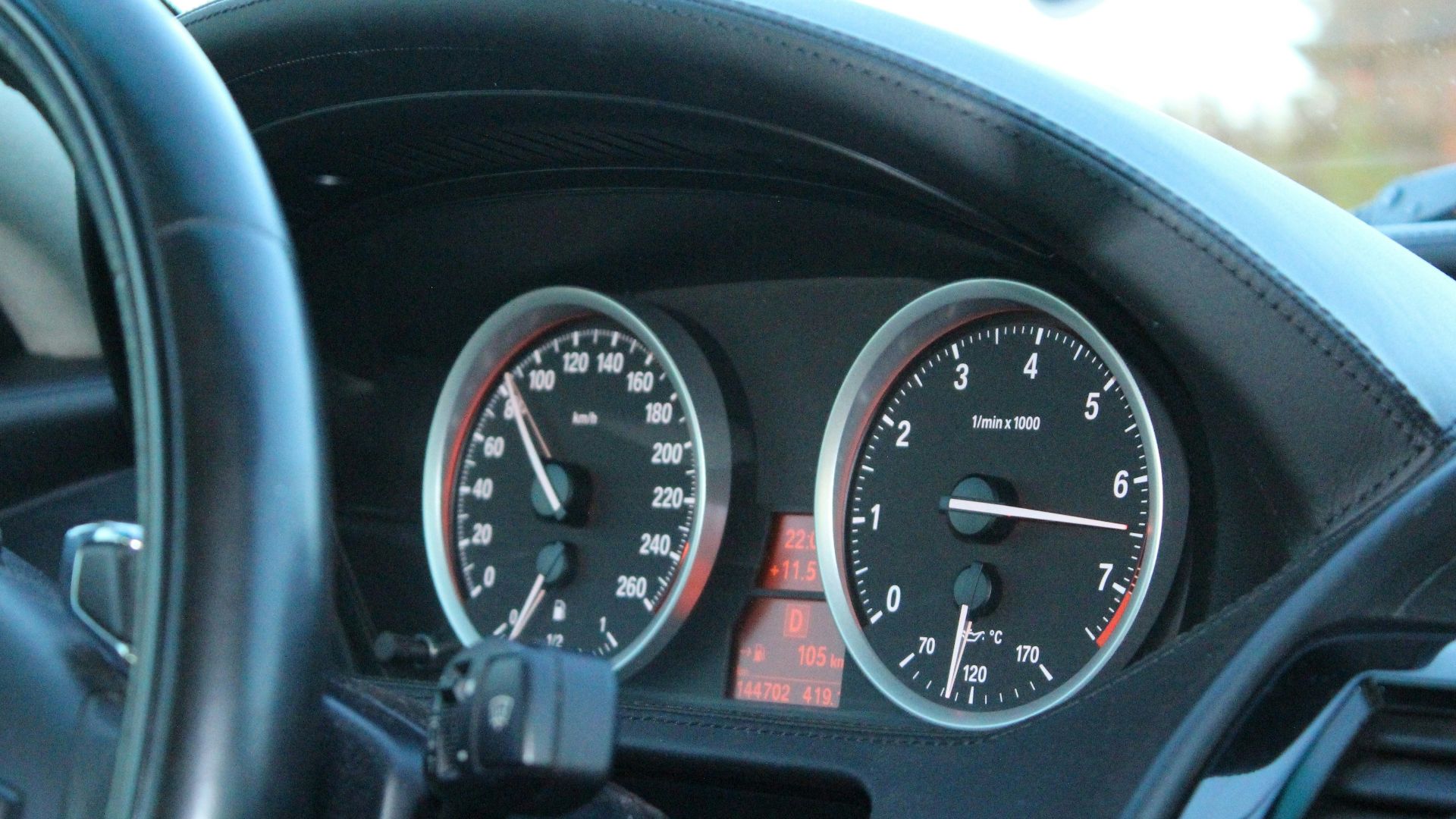
Vehicle speed is among the most useful pieces of information an EDR can preserve. Investigators can examine how fast the vehicle's systems indicated it was traveling shortly before a collision. However, recorded speed isn't infallible. Tire modifications, wheel slip, sensor limitations, and unusual crash conditions can affect accuracy, so experts must interpret the figures alongside physical evidence.
Whether You Hit The Brakes
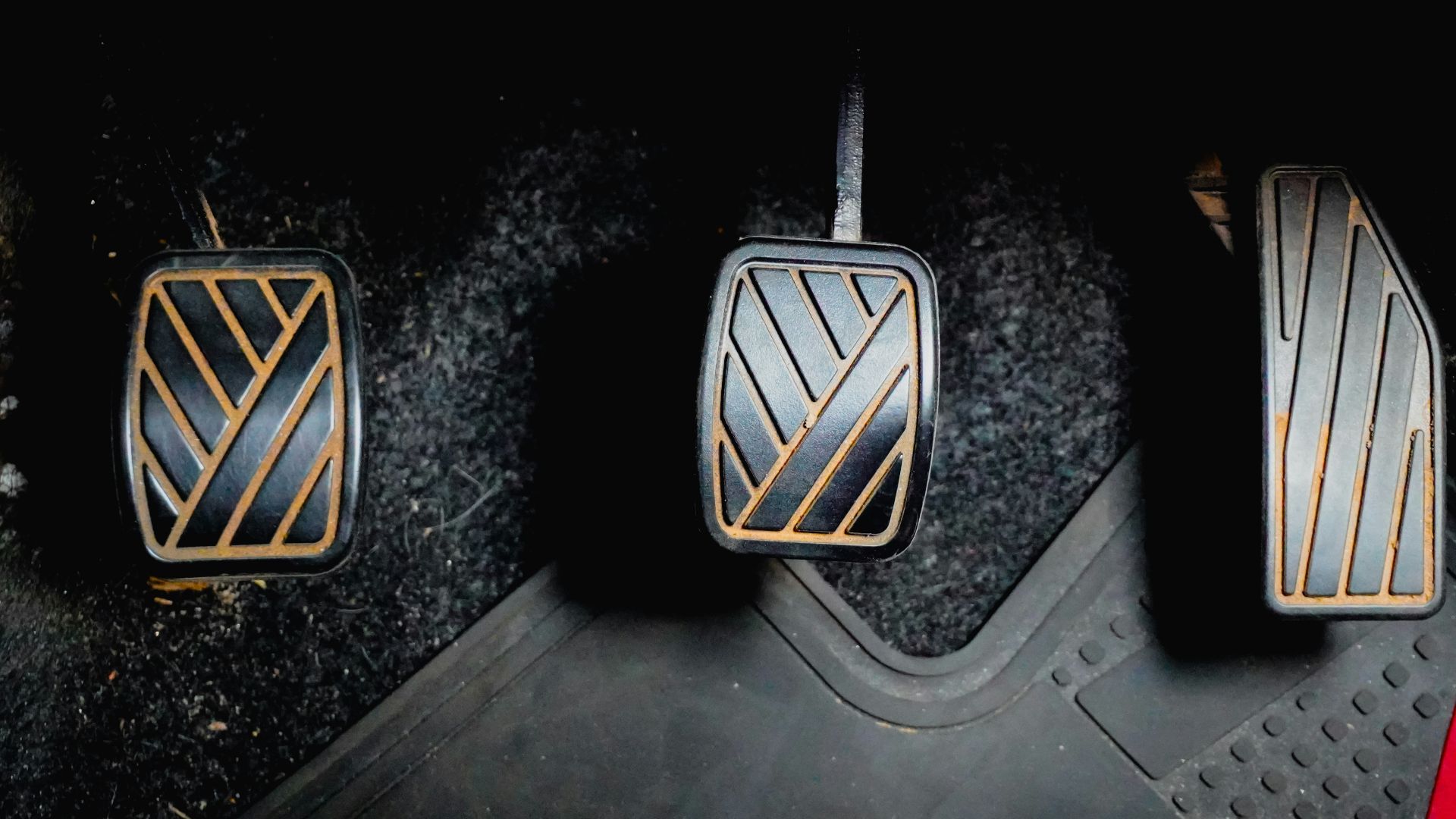
An EDR can reveal whether the service brake switch indicated braking before a collision. This can help investigators distinguish between a driver who attempted to stop and one who apparently never applied the brakes. However, the standard brake signal generally indicates whether braking was detected, not precisely how hard the driver pressed the pedal.
How Hard You Accelerated
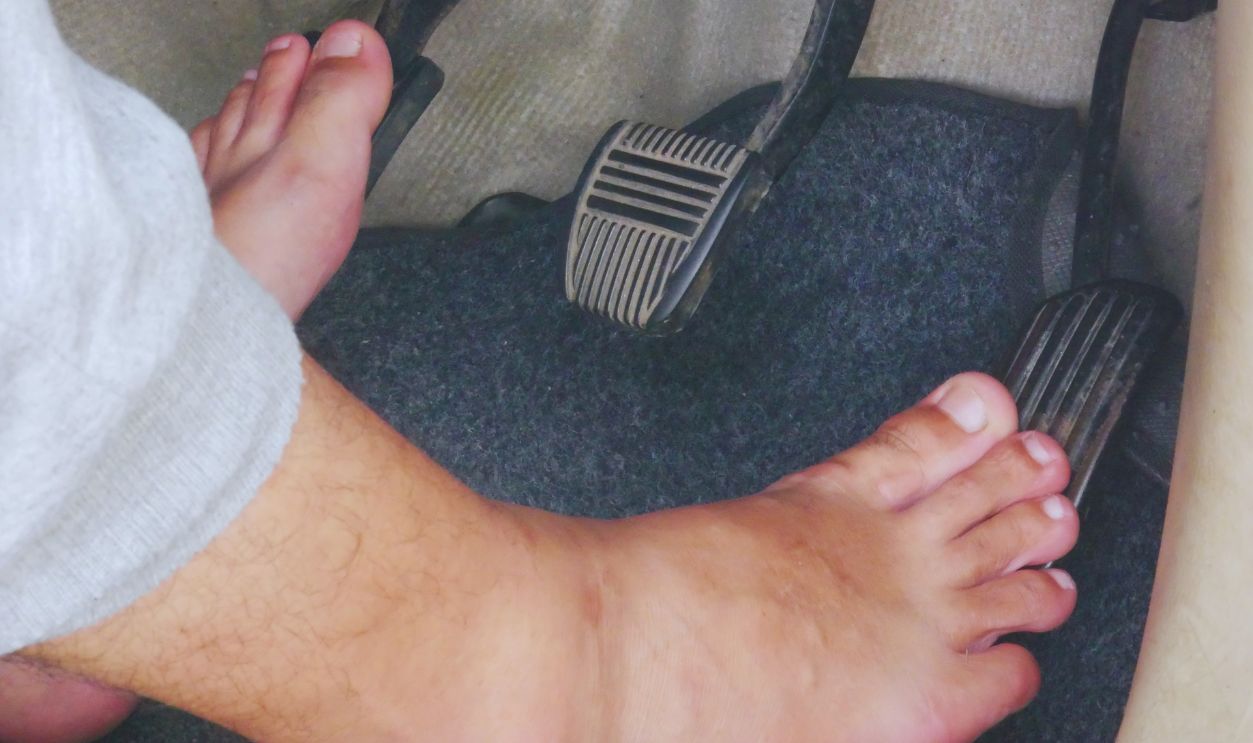
EDRs also record throttle opening or accelerator pedal position, expressed as a percentage. This information can be important when drivers report unintended acceleration or claim their vehicle suddenly surged forward. Investigators can compare accelerator input, speed, and braking signals to reconstruct the sequence, although these measurements alone cannot establish whether a mechanical malfunction occurred.
The Force Of Impact
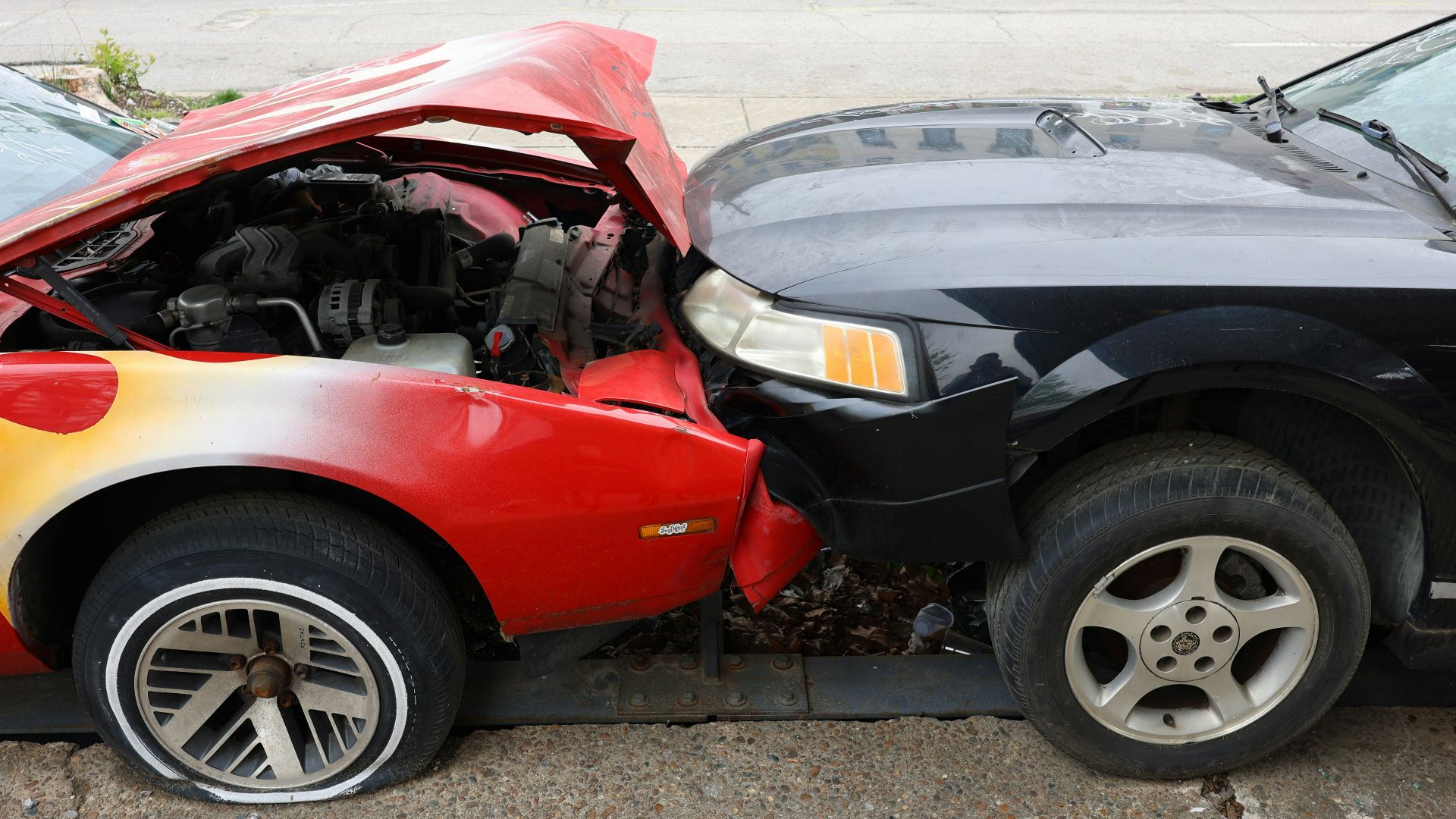
One of the recorder's most important measurements is delta-V, or the change in vehicle velocity during a crash. This helps investigators assess the severity and direction of an impact. A vehicle can experience a substantial delta-V without traveling particularly fast beforehand. Delta-V isn't the same thing as the speed displayed on the dashboard before impact.
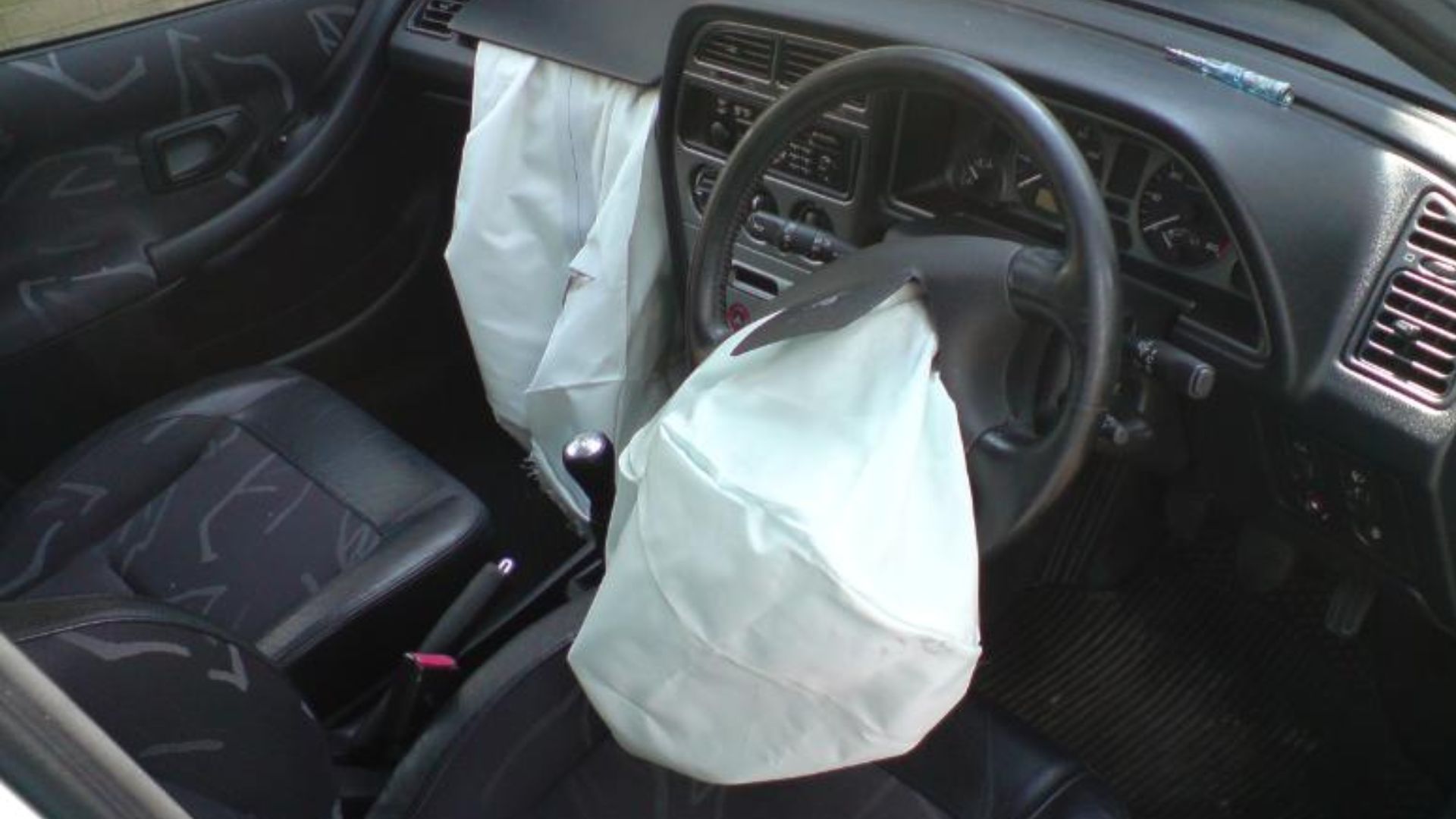
What Happened To The Airbags
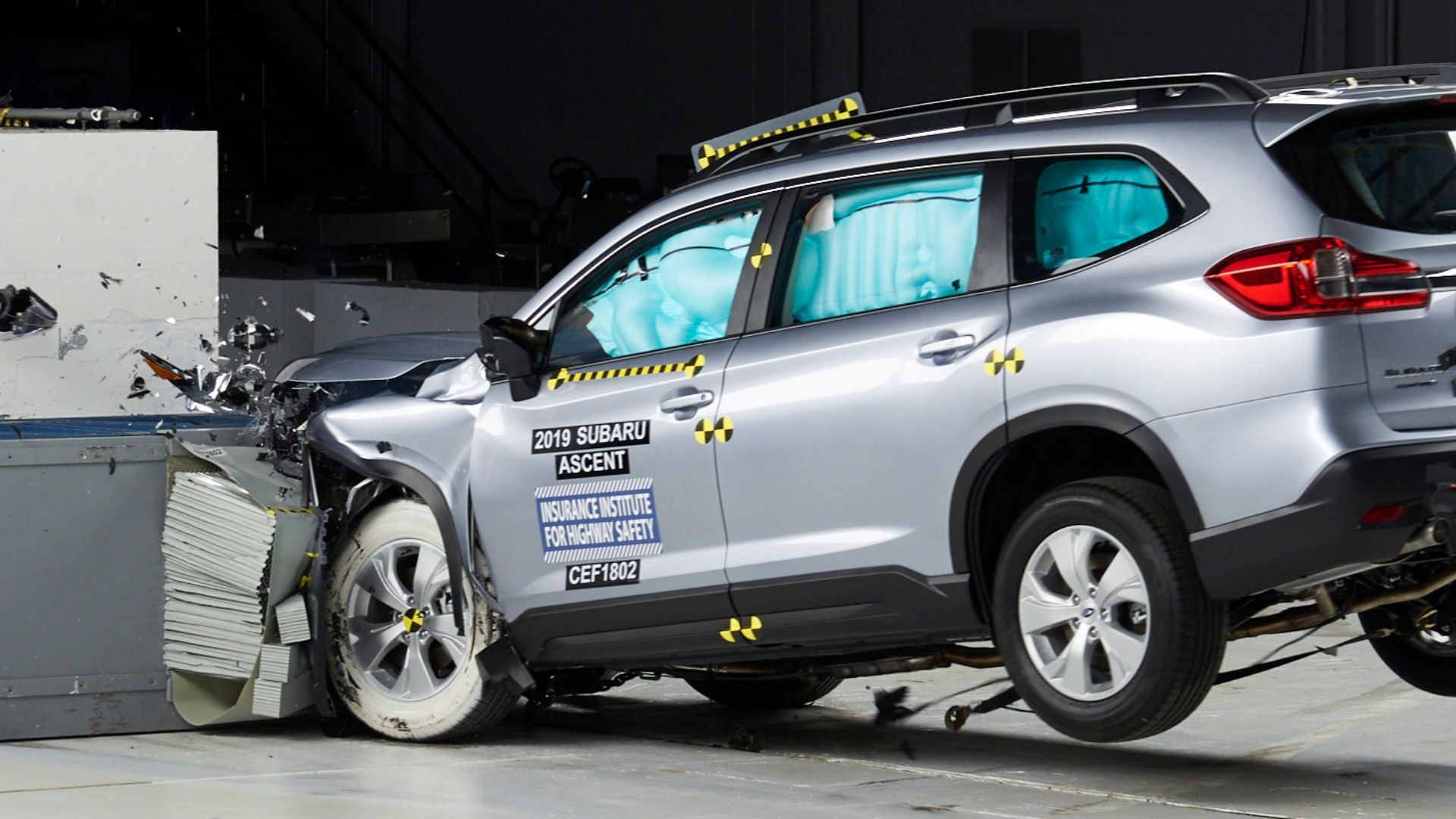
EDRs can preserve whether airbags deployed and how quickly their deployment began. They may also record information about multiple deployment stages, warning indicators, and related restraint systems. This helps engineers investigate whether safety equipment operated as intended. An airbag failing to deploy doesn't automatically mean it malfunctioned, since deployment depends on the crash circumstances.
 Janipewter at English Wikipedia, Wikimedia Commons
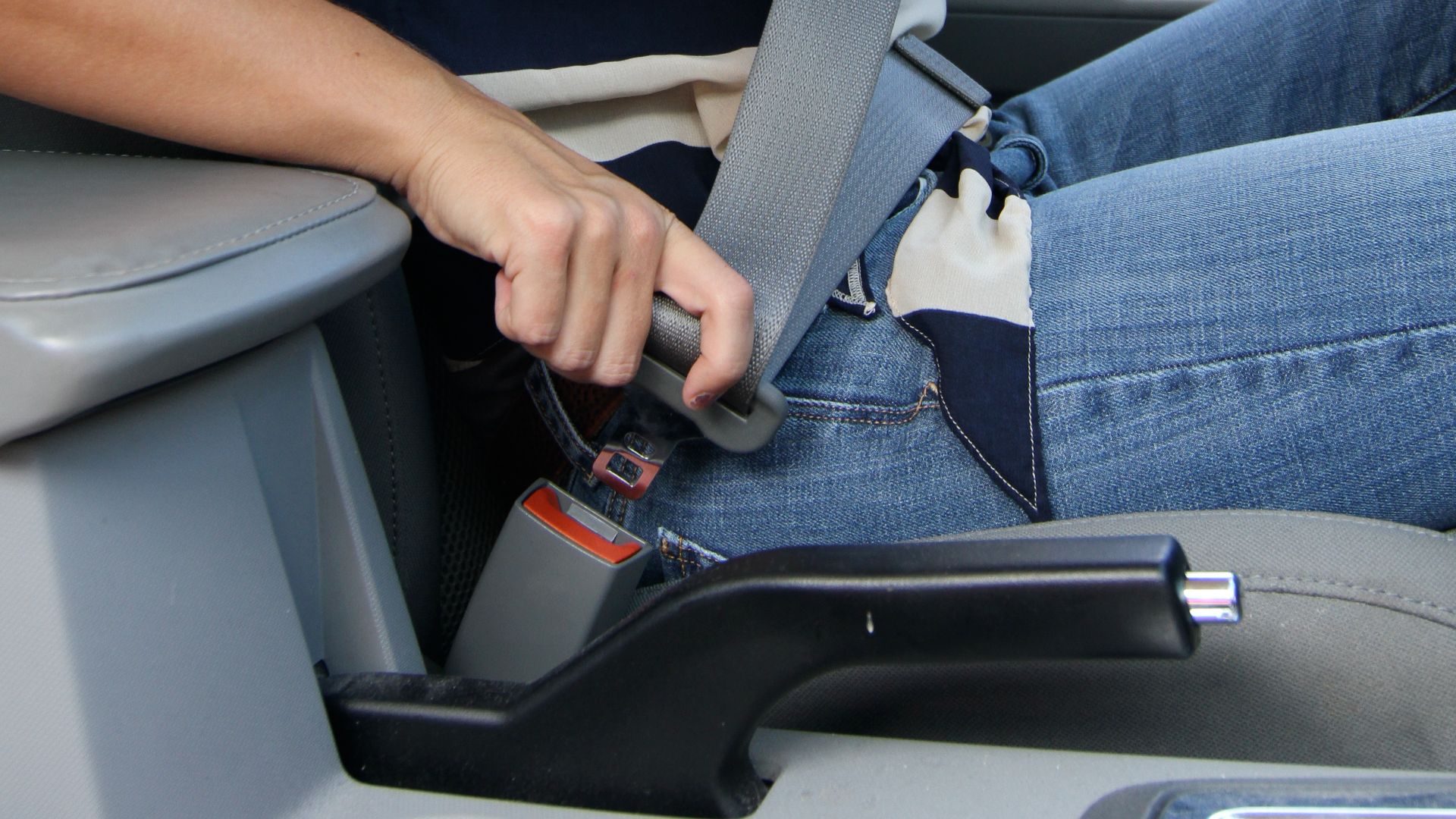
Whether Seat Belts Were Fastened
The recorder can preserve the driver's seat belt buckle status shortly before a collision. Depending on the vehicle, passenger restraint information may also be available. This evidence can be significant in injury investigations and legal disputes. However, a recorded buckle status doesn't necessarily establish whether an occupant was wearing the belt correctly or whether it provided proper protection.
Steering And Stability Control
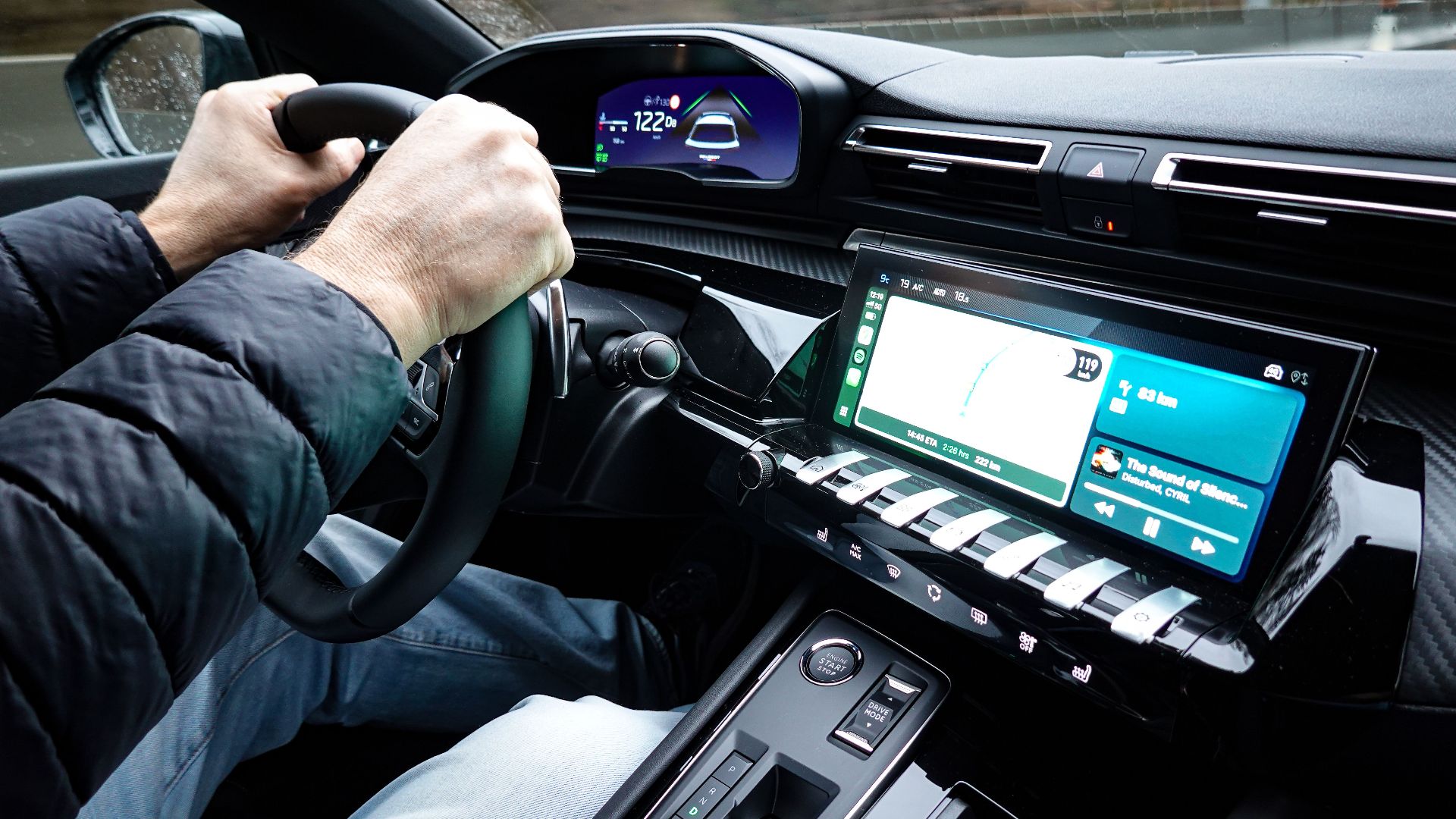
Some vehicles record steering input, anti-lock braking activity, and electronic stability-control operation. These details can help reconstruct a driver's attempts to avoid a collision or determine whether safety systems intervened. The precise information available varies by manufacturer and model year. An EDR report should never be assumed to contain every electronic signal the vehicle can generate.
Not Every Crash Gets Recorded
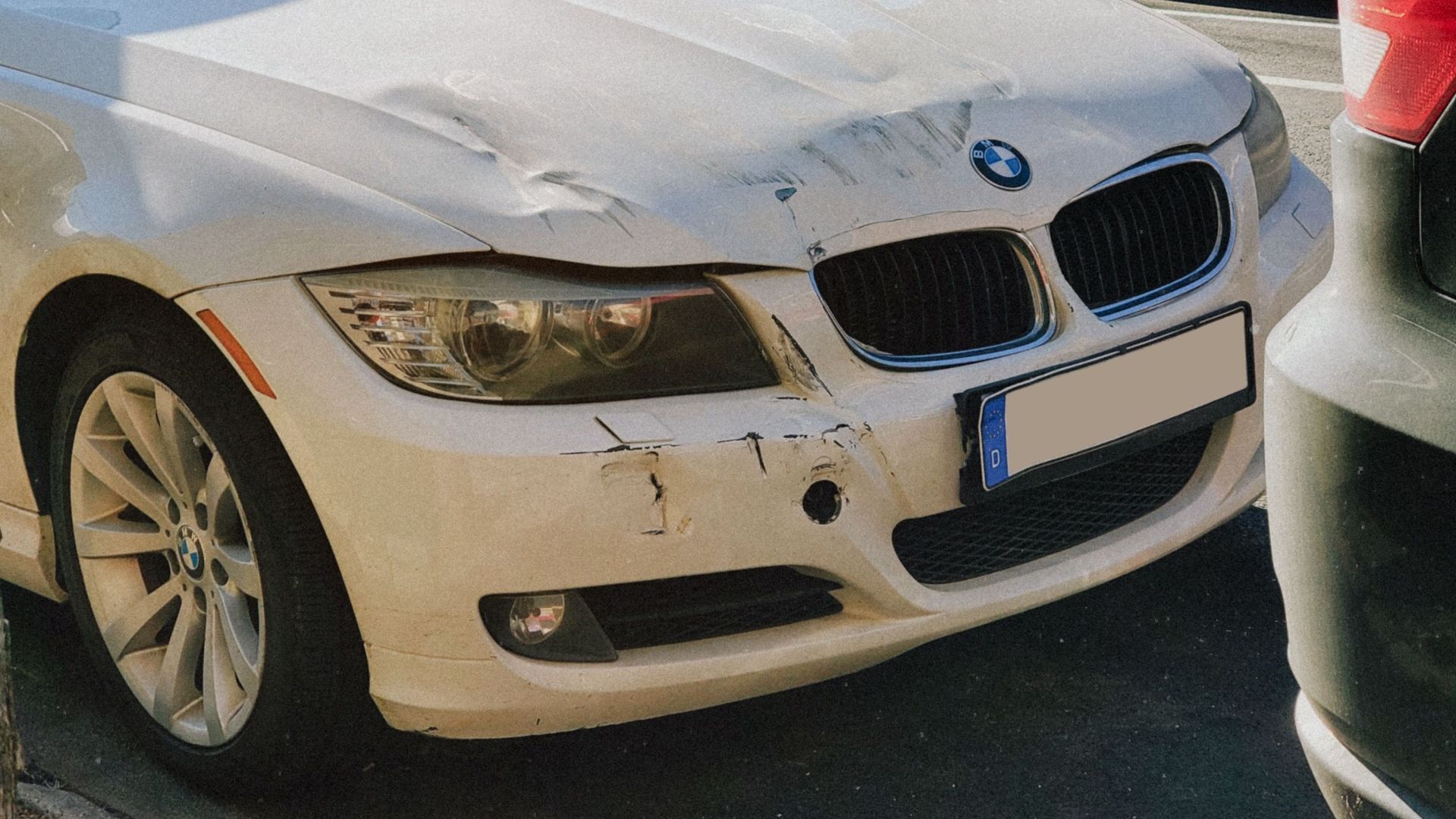
An EDR doesn't necessarily save information after every bump or minor collision. Recording depends on the system's triggering criteria, which can include airbag deployment or a sufficiently severe non-deployment event. Some events are stored permanently, while others may be overwritten. A minor parking-lot scrape might leave no useful EDR record whatsoever.
Can It Record Multiple Collisions?
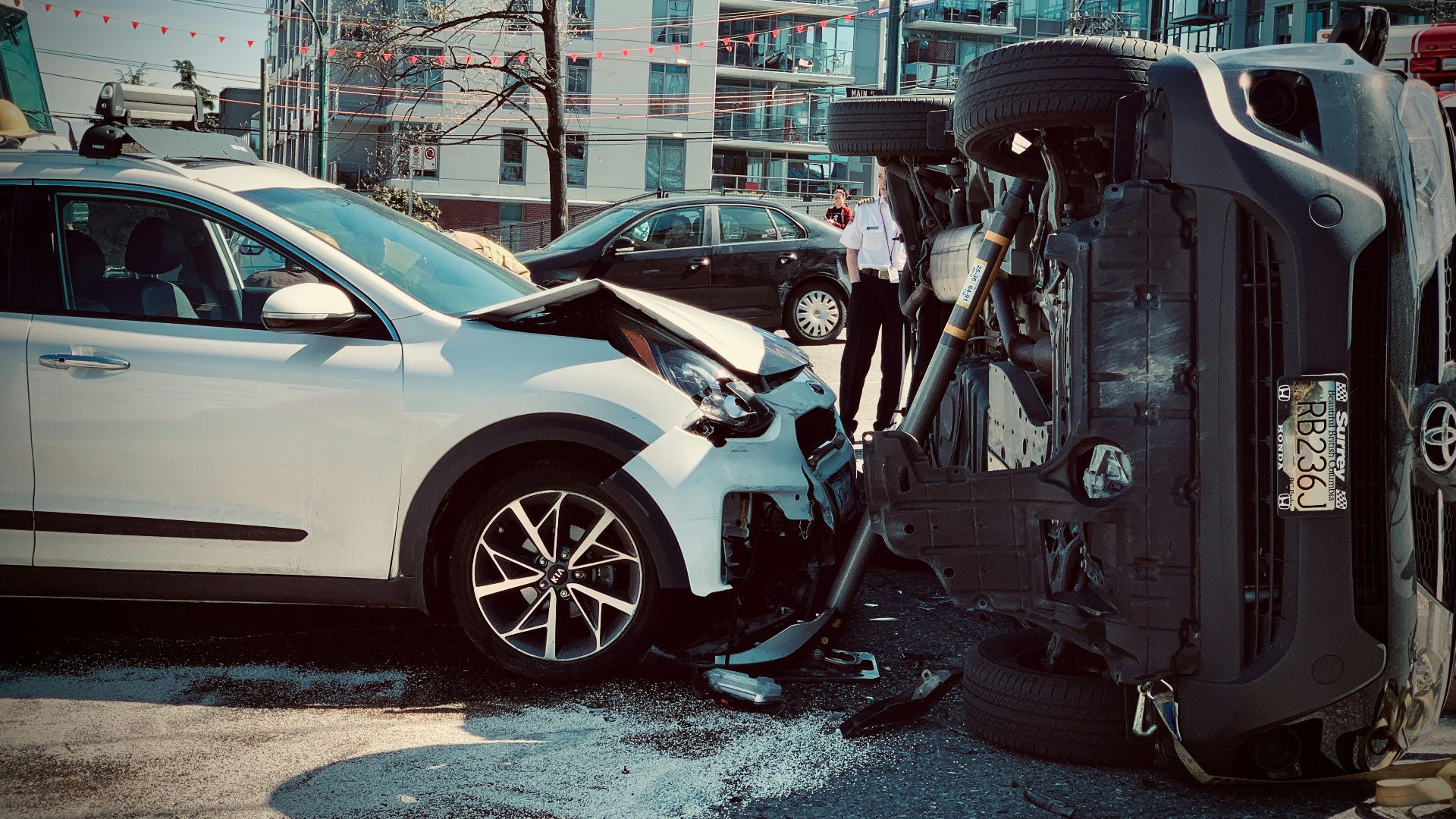
Some EDRs can preserve information about multiple events, including the time between them. This matters when a vehicle strikes one object and then collides with another. However, storage capacity and event-locking rules vary. Investigators cannot assume every impact in a complicated pileup will be recorded, particularly if the vehicle loses electrical power or sustains extensive damage.
Does It Record Conversations?
Unlike an aircraft cockpit voice recorder, a conventional automotive EDR doesn't record conversations, music, or sounds inside the cabin. It also doesn't normally capture video or continuously track your location. Its primary purpose is preserving technical information about vehicle operation and crash forces. Connected-car systems may collect other information, but those systems are separate from the traditional EDR.

EDR Vs Dashcam Evidence
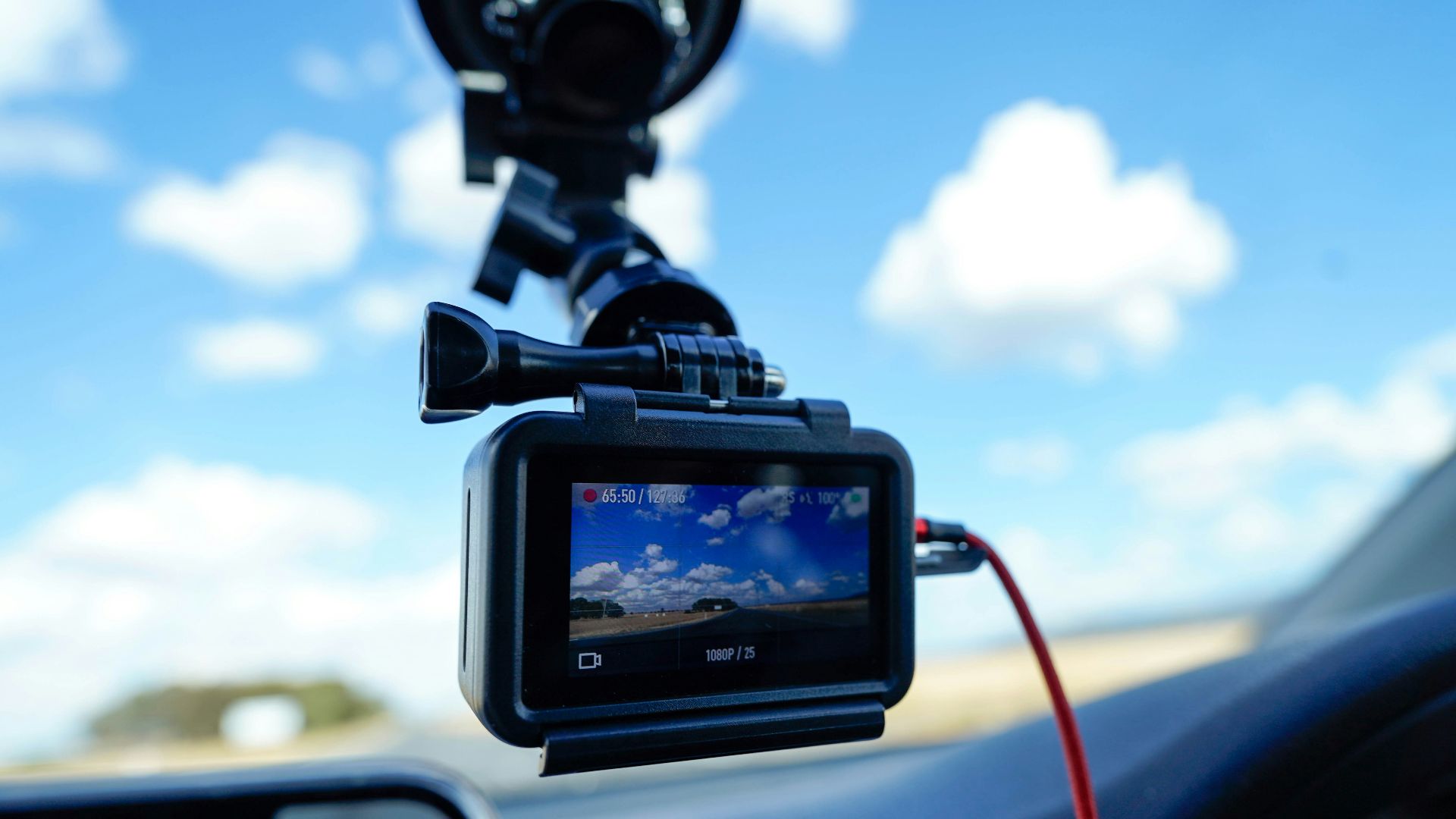
A dashcam records visible events, while an EDR records electronic vehicle information. Neither automatically takes precedence over the other. Video might show a traffic light turning red, while EDR data could reveal whether the driver applied the brakes. Investigators and insurers can consider both, together with witness statements, road markings, and vehicle damage, when determining what happened.
Can You Install One?
Installing a factory-style EDR in a vehicle that lacks one generally isn't a practical aftermarket upgrade. These systems are integrated with the vehicle's crash sensors and airbag electronics. Aftermarket devices can record GPS speed, acceleration, and other information, but they aren't necessarily equivalent to a factory EDR. A quality dashcam with incident recording is usually a more practical purchase.
Why Add A Dashcam?
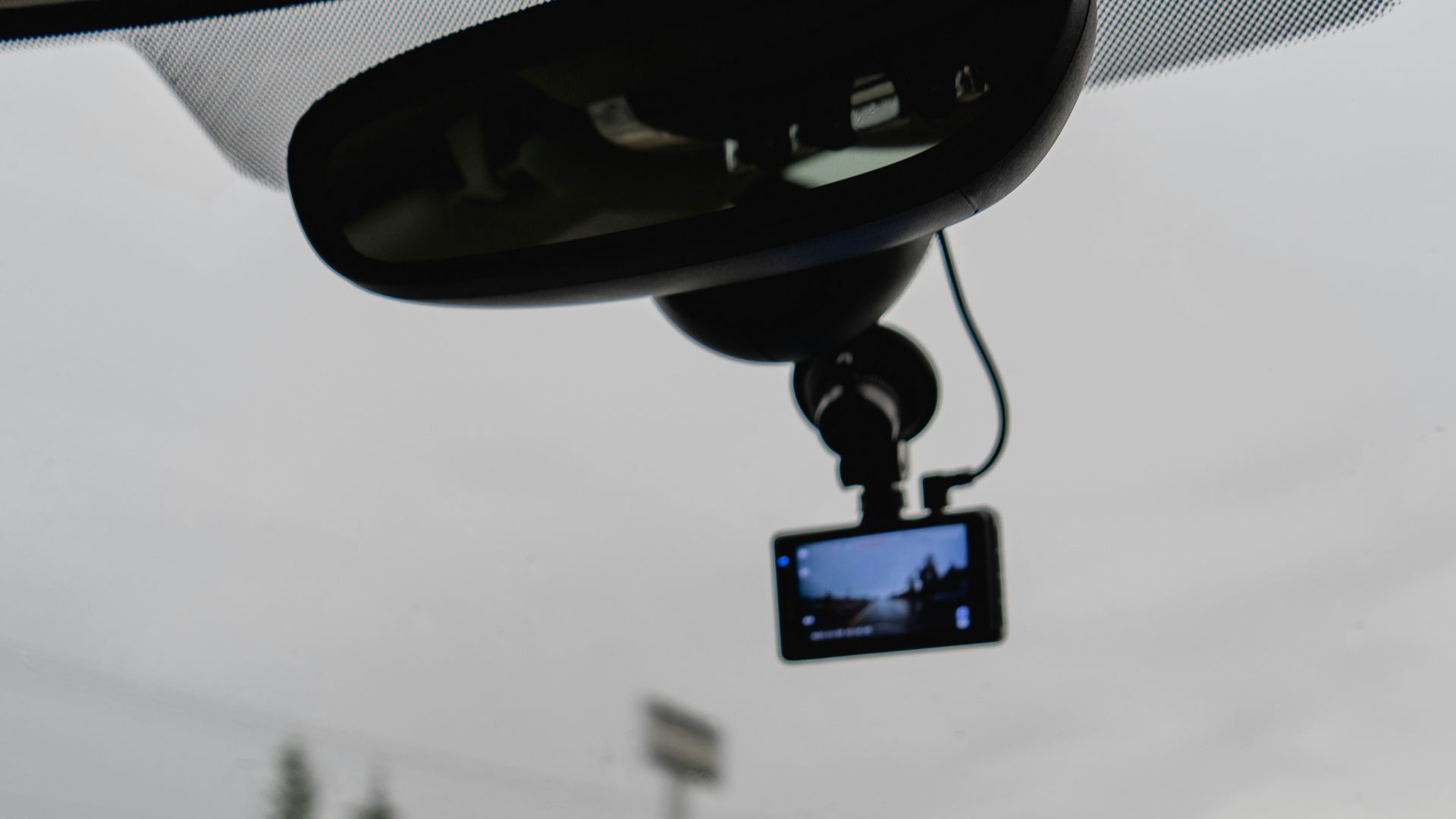
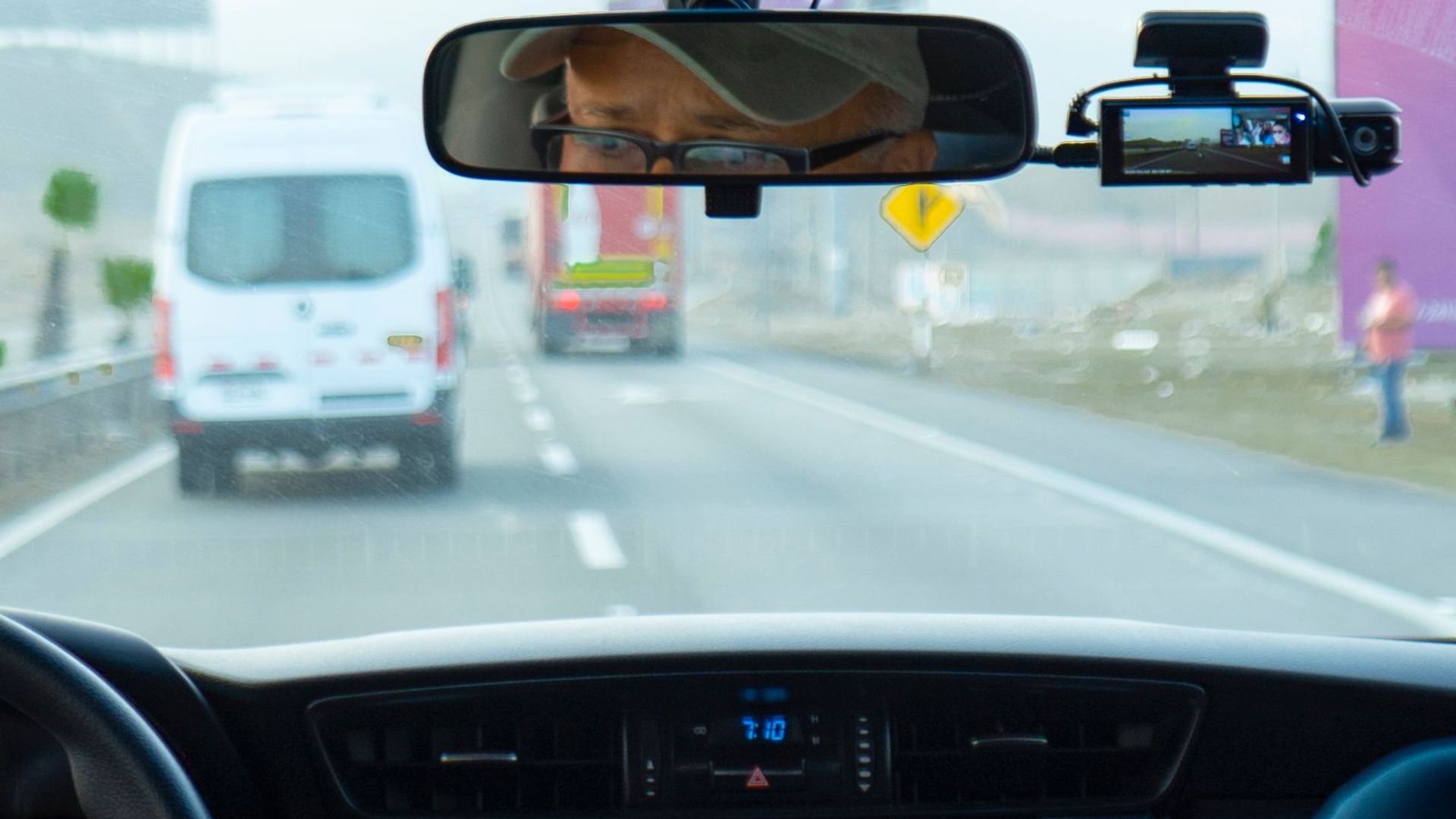
If your vehicle already has an EDR, a dashcam can provide useful complementary evidence. Video may identify another driver's actions, road hazards, traffic signals, or a hit-and-run vehicle. Some models also offer parking surveillance. Unlike factory EDRs, dashcams generally let owners review footage without specialized crash-reconstruction equipment, although recording reliability depends on installation, power, and storage settings.
How Investigators Read The Data
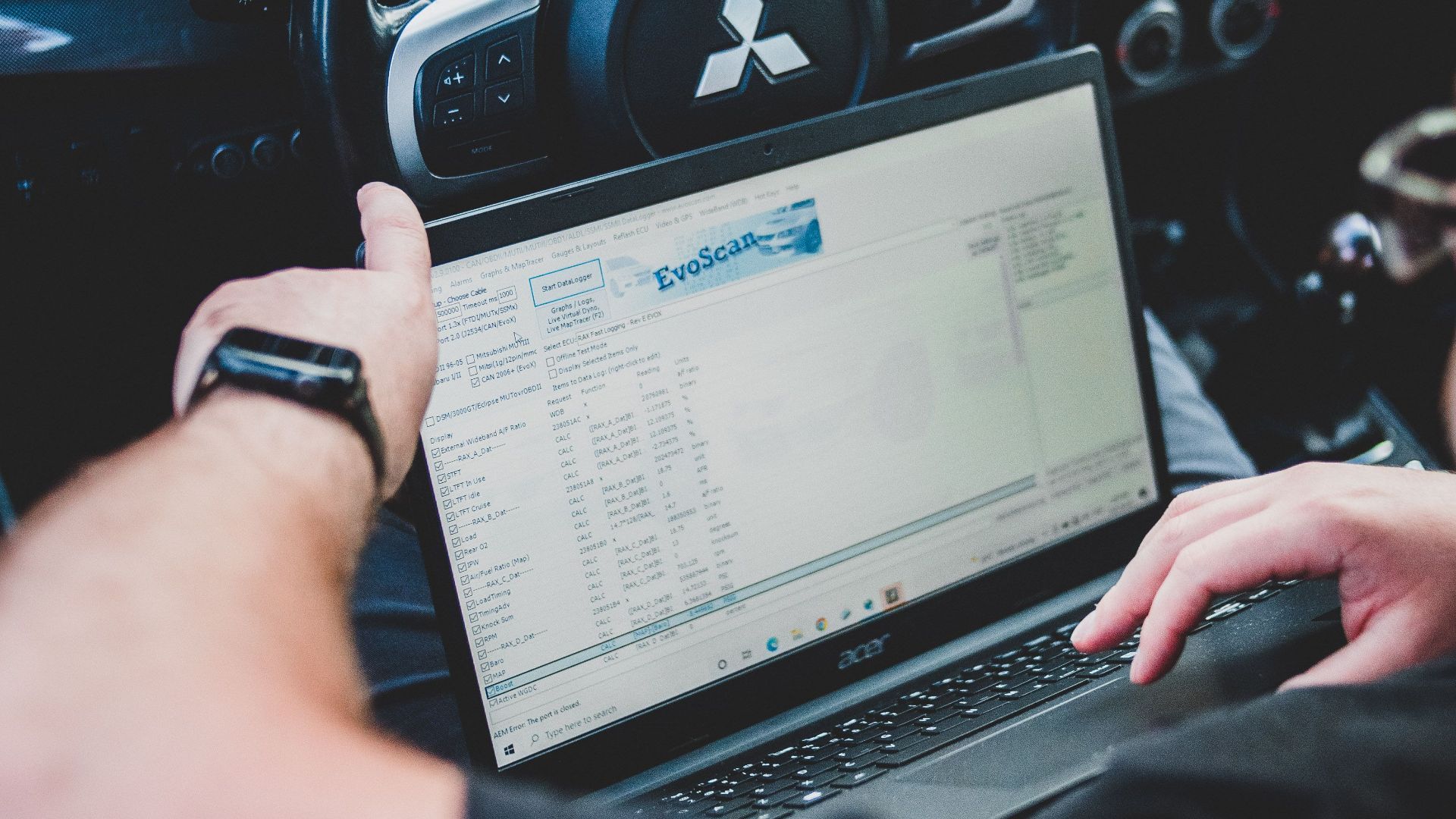
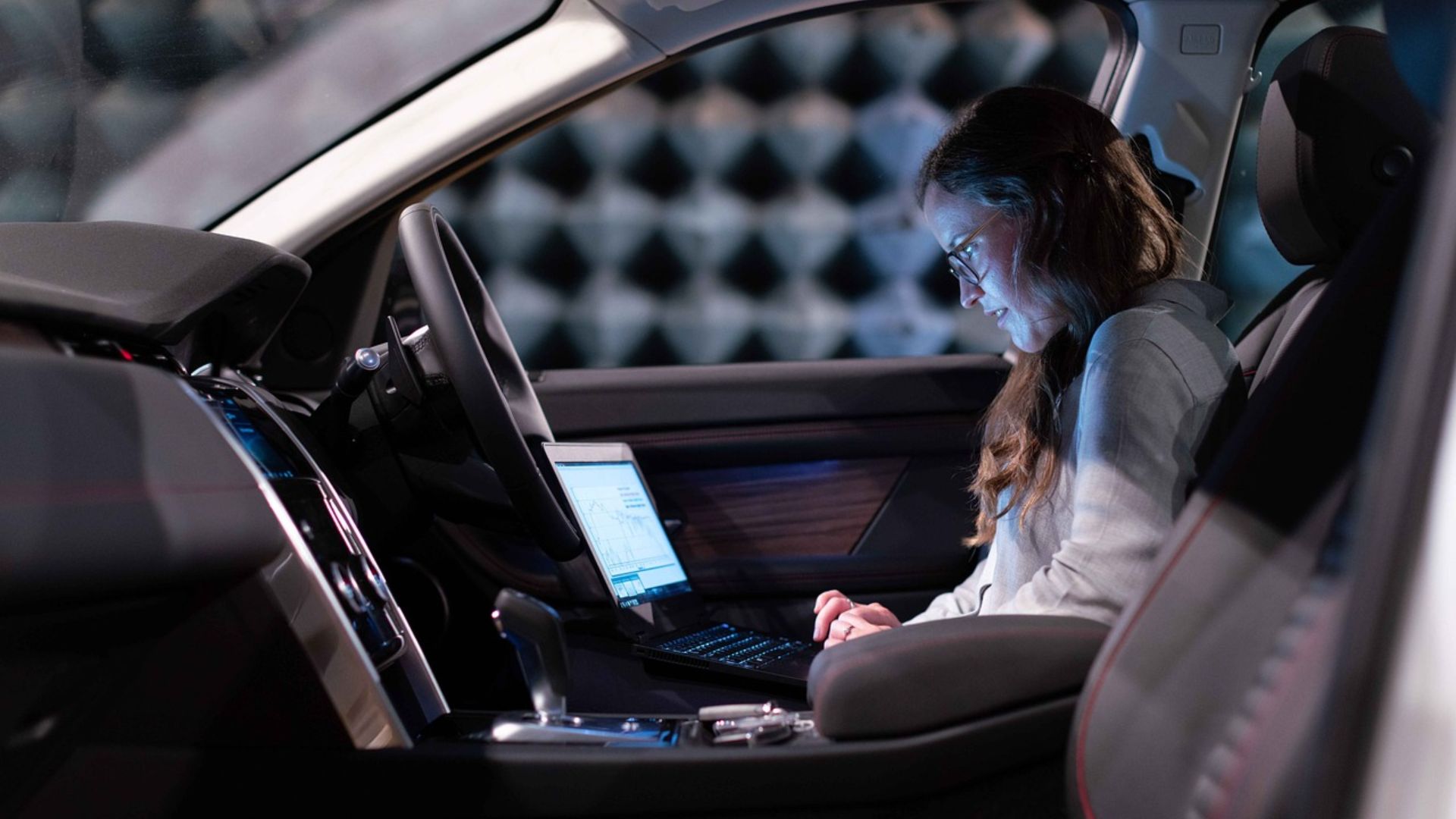
Reading an EDR usually requires specialized hardware and software. The Bosch Crash Data Retrieval system supports many North American vehicles, while certain manufacturers use other systems. Technicians may connect through the vehicle's diagnostic port or directly to a damaged control module. Access isn't guaranteed, and a damaged recorder may be impossible to read.
Who Owns The Information?
Under federal law, EDR data in covered vehicles is generally considered the property of the vehicle's owner or lessee. Access is restricted, subject to exceptions involving consent, court orders, investigations, and certain other circumstances. State laws and insurance agreements can also matter. Drivers shouldn't assume that every police officer, insurance adjuster, or repair shop can simply download their data whenever they want.

Can Insurers Access It?
An insurance company may seek EDR information after a serious accident, particularly when liability is disputed. Depending on the circumstances, access may require the owner's consent or another lawful basis. An insurer cannot necessarily obtain the information merely because it issued the policy. Drivers should review their policy terms and applicable state law before assuming the data is either completely private or freely accessible.

Will It Lower Insurance Rates?
Simply owning a vehicle with an EDR generally doesn't qualify you for an insurance discount. Insurers typically offer usage-based discounts through separate telematics programs that monitor driving behavior over time. These programs may evaluate mileage, braking, acceleration, and other factors. A factory crash recorder is different because it normally preserves only information associated with a triggering event.

Can It Help Your Claim?
EDR evidence can strengthen an insurance claim when it supports your account of a collision. For example, recorded braking or speed information might help challenge an allegation of reckless driving. However, the same information could undermine your case. There is no reliable universal statistic showing that EDR-equipped vehicles have higher claim approval rates. The value depends on the accident and available evidence.

Could It Be Used Against You?
Absolutely. If an EDR indicates that a driver was speeding or accelerating before a collision, that information could become relevant to an insurance dispute, civil lawsuit, or criminal investigation. However, EDR readings require expert interpretation. A single measurement doesn't automatically prove negligence, and investigators must consider the recorder's limitations, the accident circumstances, and other available evidence.

The Future Of Crash Recording
Automotive EDRs are becoming more sophisticated. Federal regulations adopted in December 2024 expanded certain required pre-crash data from five seconds to 20 seconds, although implementation timing remains subject to regulatory changes. More detailed recordings could improve crash reconstruction and safety research. For drivers, the lesson is simple: your car may remember considerably more about a collision than you realize.
 Insurance Institute for Highway Safety, Wikimedia Commons
You May Also Like:
My insurer raised my premium after I installed a dashcam. Aren't dashcams supposed to help?