A Mechanical Myth Comes To Life
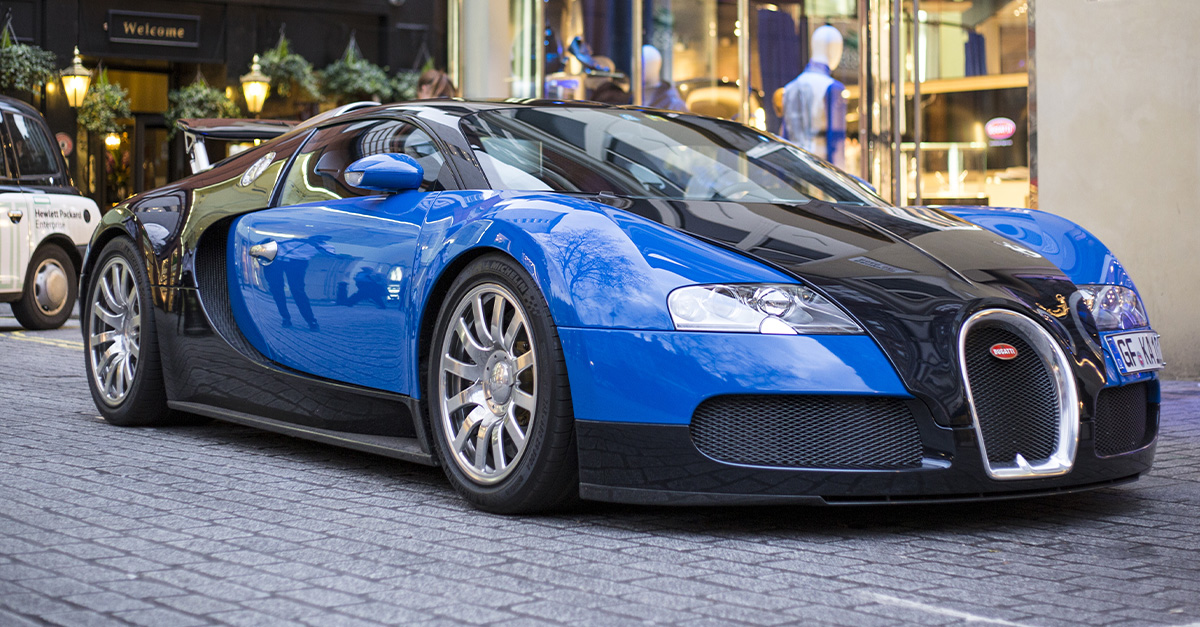
Bugatti’s W16 engine isn’t just an engine—it’s a legend forged from excess, ambition, and borderline insanity. In an automotive world increasingly obsessed with downsizing and efficiency, Bugatti went in the opposite direction and created something gloriously irrational. The W16 is a powerplant designed not merely to move a car forward, but to redefine what a road car could be. This is the story of how the most complex engine ever fitted to a production car came to be, how it’s built, and why it became one of the most famous engines in history.
The Question That Started It All
In the late 1990s, Volkswagen Group chairman Ferdinand Piëch asked a deceptively simple question: What would it take to build the ultimate road car? Not the fastest for a moment, not the lightest, but the most dominant, refined, and technically overwhelming vehicle ever conceived. The answer quickly became clear—whatever engine powered it would have to be unlike anything else on Earth.
 Stuart Mentiply, Wikimedia Commons
Why Bugatti Needed Something Extreme
Bugatti wasn’t trying to compete with Ferrari or Lamborghini. It was trying to exist above them. The brand’s revival demanded an engine that could deliver unheard-of power while remaining smooth, quiet, and reliable enough for daily use. A V12 wasn’t enough. A V16 was too long. Turbocharging was inevitable. The solution would need to be radical—and compact.

Understanding The “W” Configuration
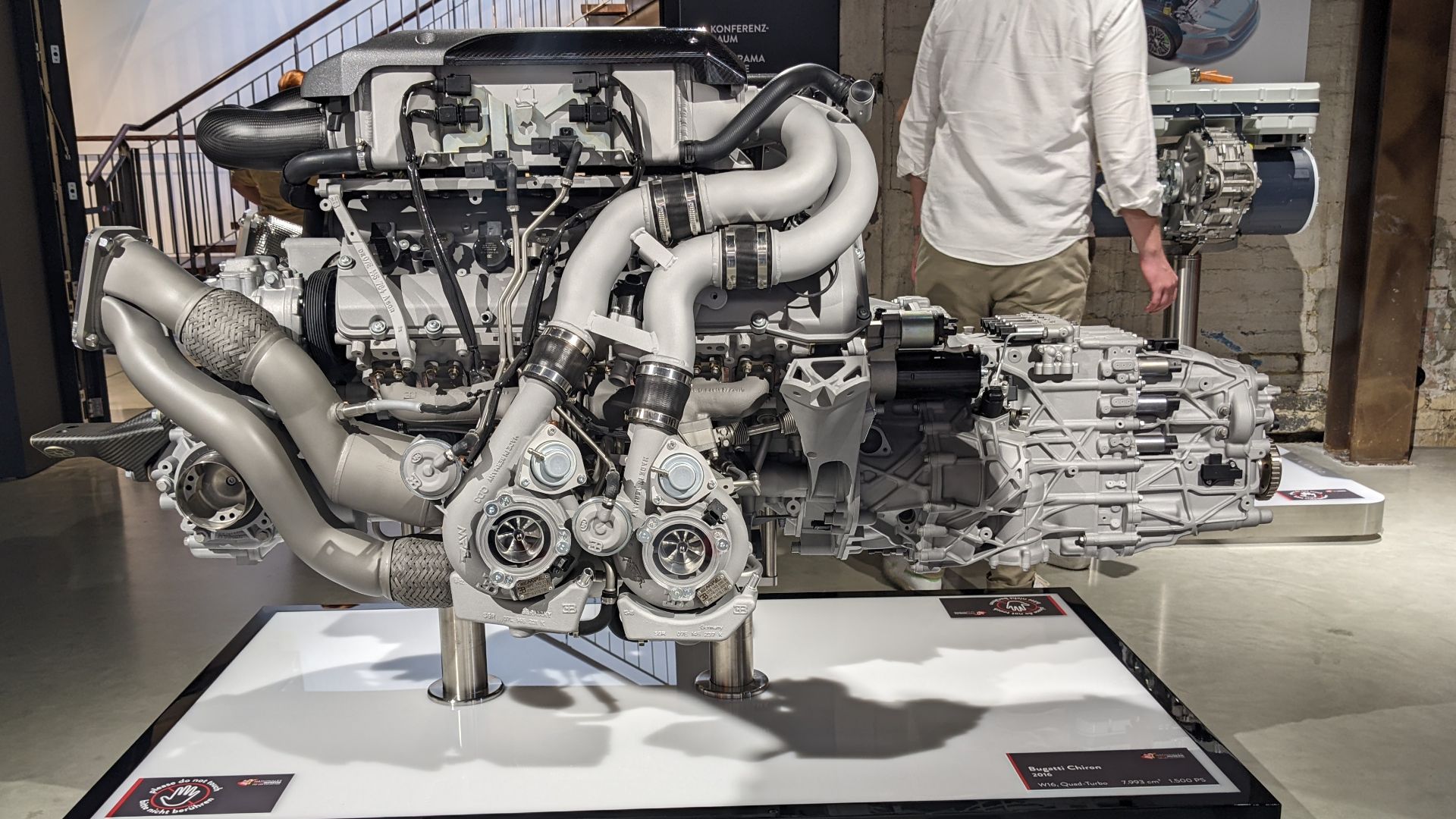
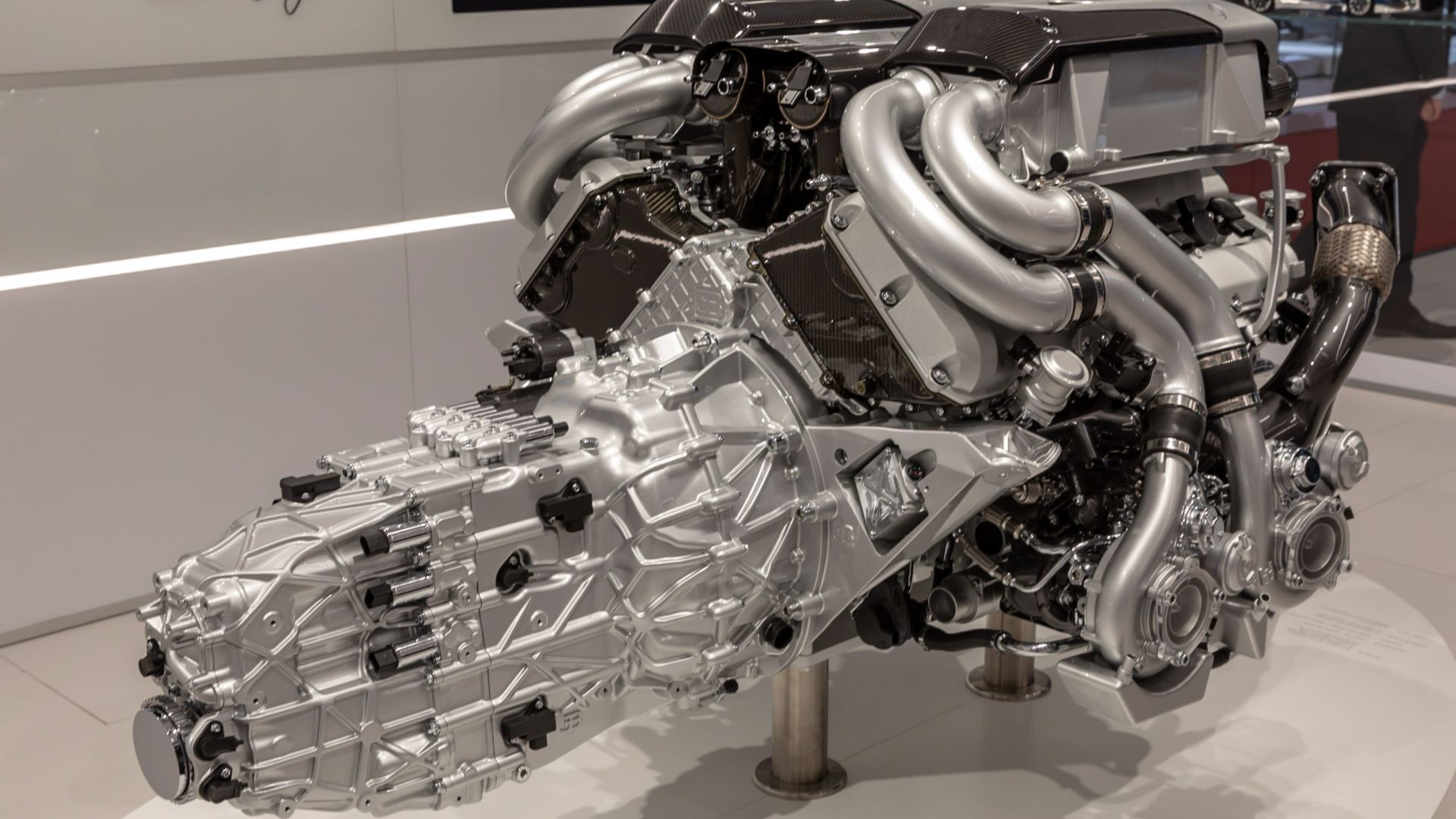
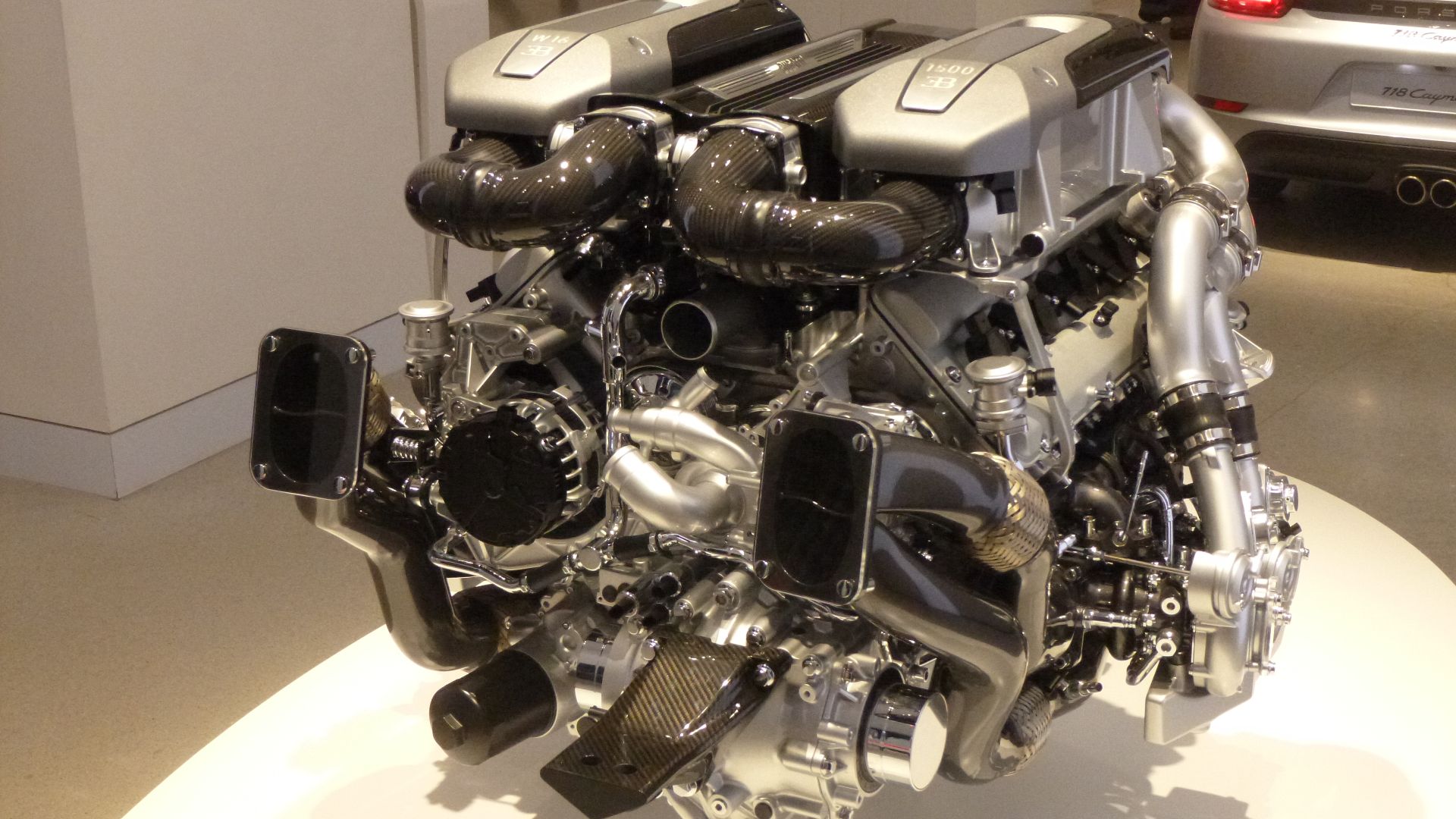
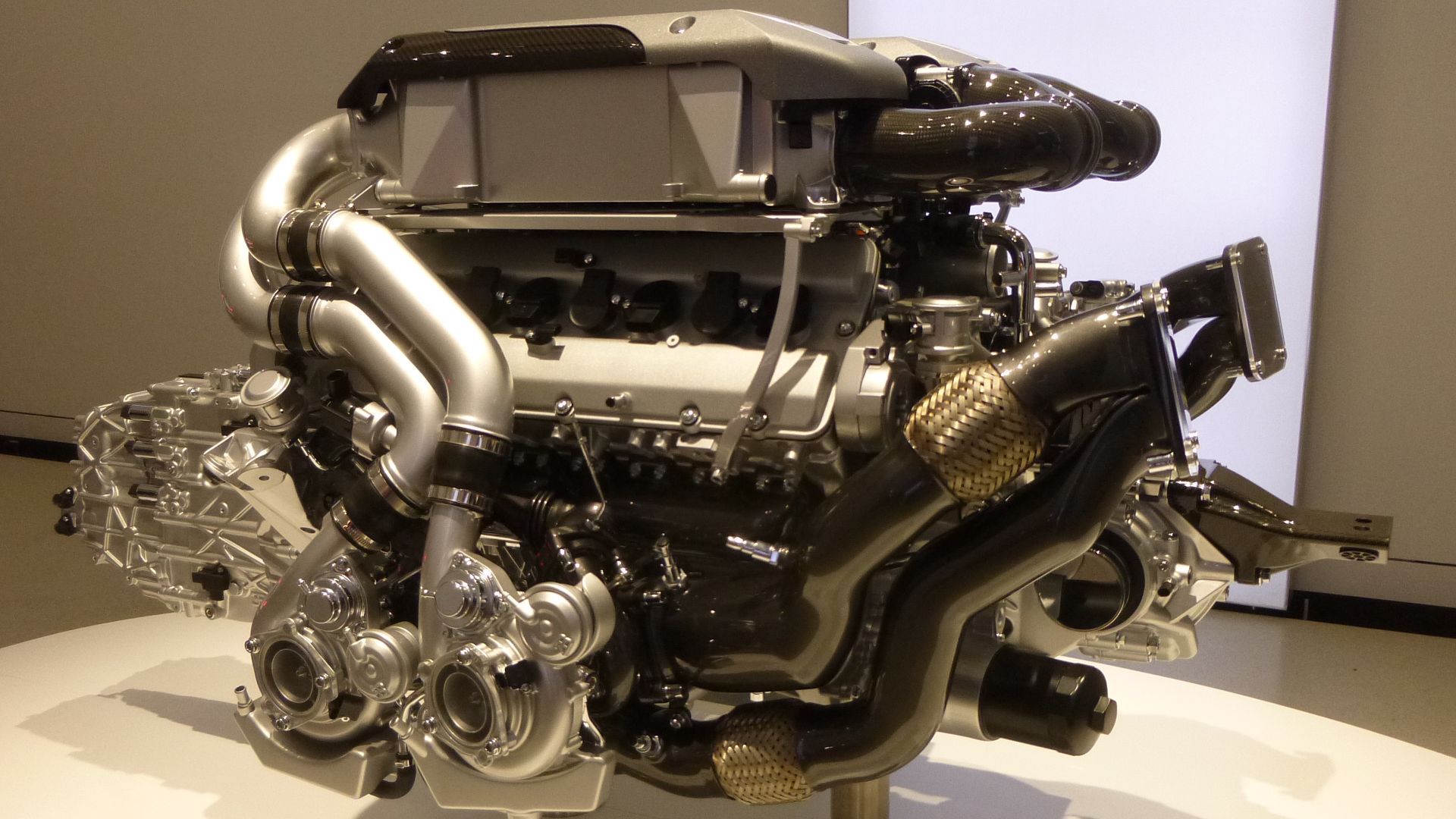
The “W” in W16 refers to the engine’s unique layout. Instead of cylinders arranged in a single V shape, the W16 uses four banks of four cylinders, arranged as two narrow-angle V8s joined together. It’s essentially two VR8 engines sharing a single crankshaft. The result is a remarkably short engine for its cylinder count—short enough to fit behind the driver.
 Thomas Vogt from Paderborn, Deutschland, Wikimedia Commons
Two Engines Acting As One
Think of the W16 as a mechanical chimera. Each half of the engine operates like a complete unit, yet both work in perfect harmony. The shared crankshaft and synchronized firing order allow the engine to behave like a single, incredibly smooth power source. This configuration was key to keeping the engine compact without sacrificing strength.
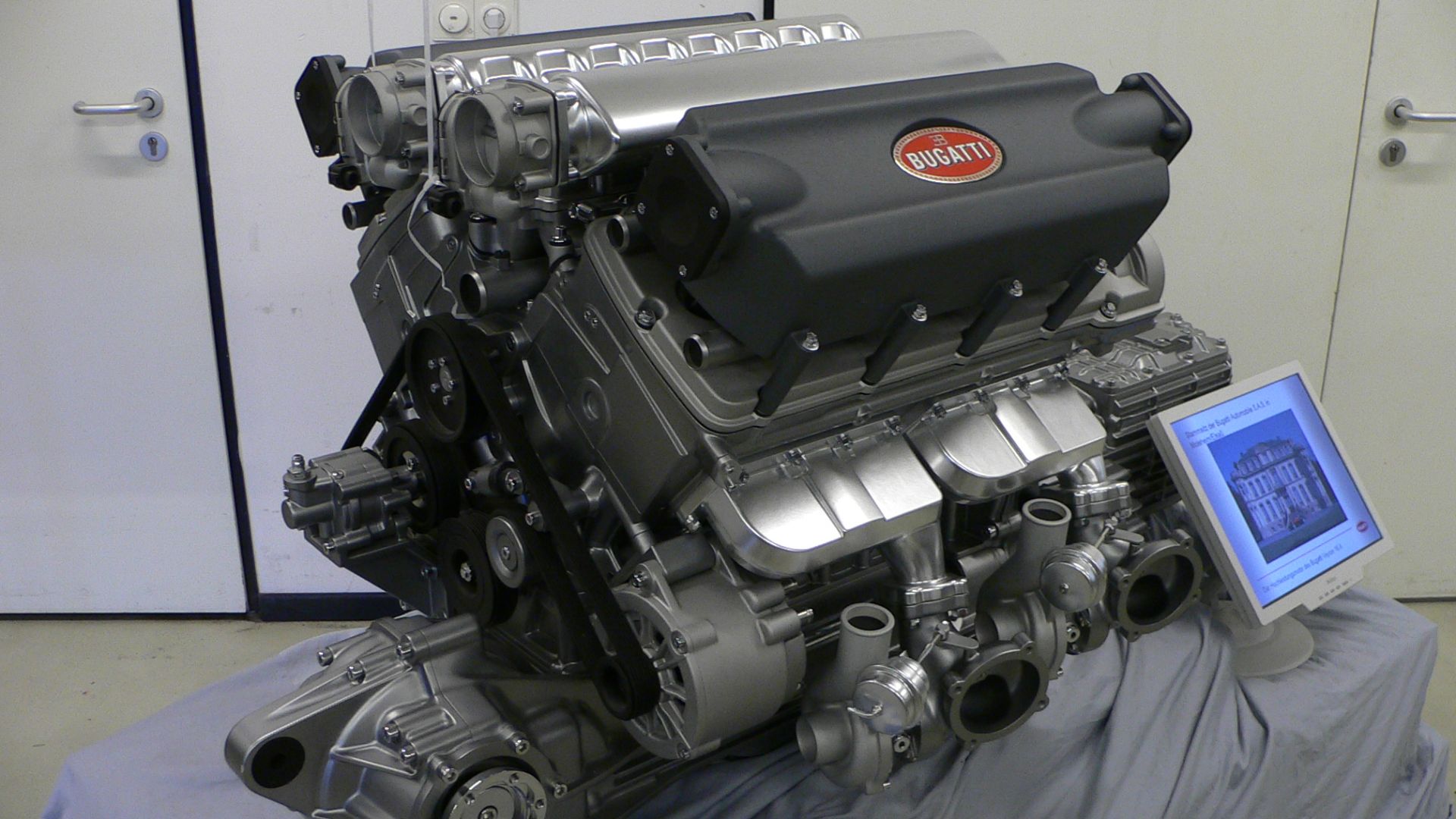 Florian Lindner (User:SuperFloh), Wikimedia Commons
Why Sixteen Cylinders Were Necessary
Bugatti didn’t choose 16 cylinders for bragging rights alone. To achieve over 1,000 horsepower while maintaining refinement, the engine needed immense airflow and low stress per cylinder. More cylinders meant each one could work less hard, improving durability and smoothness—essential for a car designed to cruise at 250 mph without breaking a sweat.
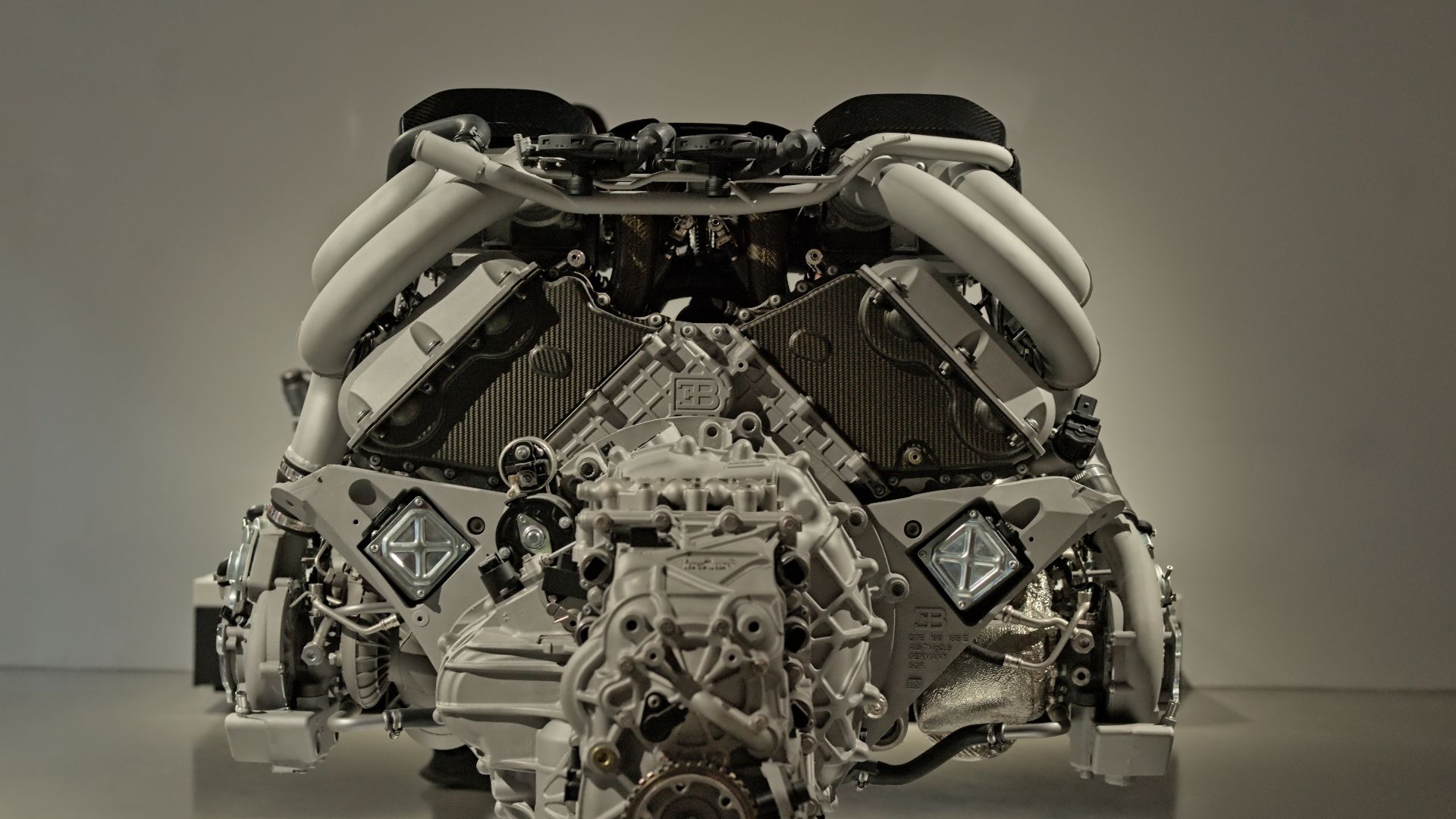 Thomas Vogt from Paderborn, Deutschland, Wikimedia Commons
Quad Turbos: Doubling Down On Boost
If 16 cylinders weren’t enough, Bugatti added four turbochargers. Early W16 versions used two small turbos for low-rpm response and two larger ones for high-speed power. Later iterations refined this setup for even better throttle response and monstrous top-end performance. The turbo system alone is more complex than entire engines from other manufacturers.
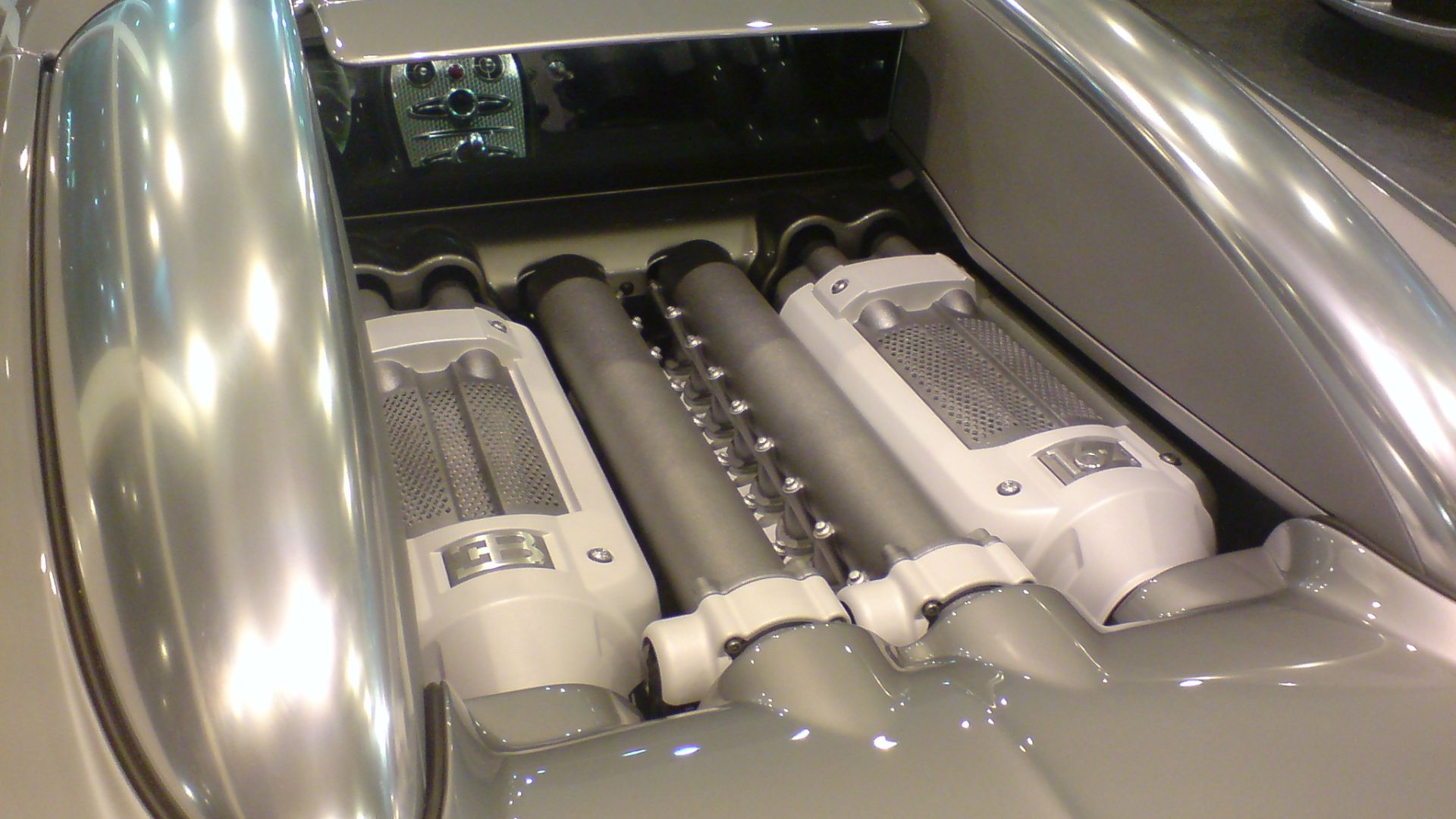 Ammar shaker, Wikimedia Commons
Cooling: The Hidden Engineering Battle
Making power is easy. Keeping everything alive is the hard part. The W16 produces absurd amounts of heat, requiring an equally absurd cooling system. Radiators are everywhere—engine coolant, intercoolers, transmission, differential, air conditioning, even engine oil. Some Bugatti models use 10 separate radiators, all working constantly.
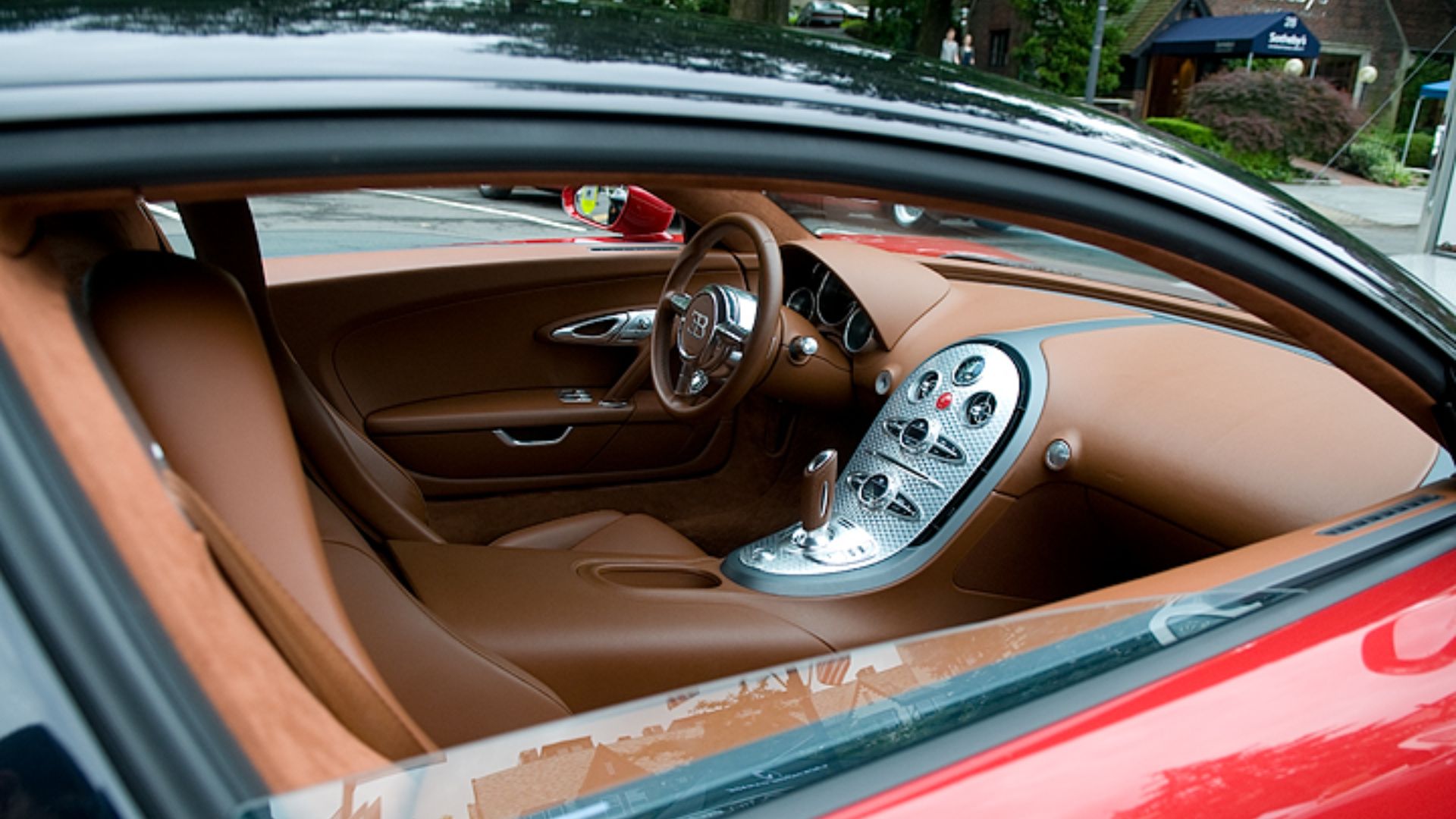 Andrew from New York, USA, Wikimedia Commons
A Symphony Of Precision Machining
Every internal component of the W16 is engineered to aerospace-level tolerances. Forged pistons, titanium connecting rods, and a hardened steel crankshaft capable of handling over 1,600 Nm of torque. Nothing is off-the-shelf. Every piece exists solely because the W16 demanded it.
 Matti Blume, Wikimedia Commons
Hand-Built In Molsheim
Despite its futuristic reputation, the W16 is assembled largely by hand at Bugatti’s Molsheim facility in France. Skilled technicians spend weeks building each engine, carefully measuring, fitting, and testing components. This isn’t mass production—it’s mechanical craftsmanship at the highest level.
 Besenbinder, Wikimedia Commons
Balancing Power And Refinement
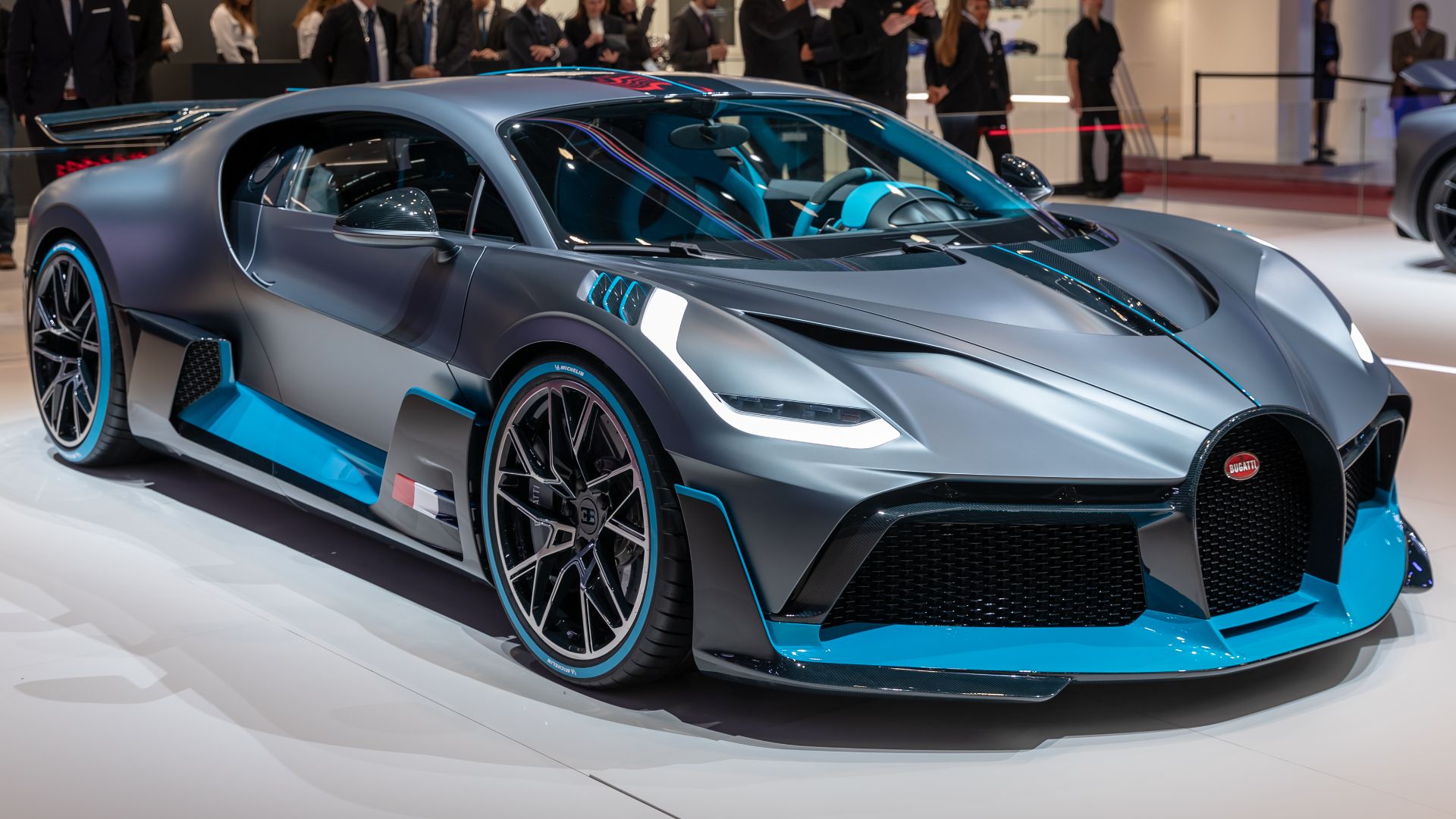
One of the W16’s greatest achievements isn’t its horsepower—it’s how civil it feels. At idle, it’s smooth and quiet. In traffic, it behaves like a luxury sedan. This dual personality is intentional. Bugatti wanted a car that could cross continents in silence, then unleash chaos at the driver’s command.
 Matti Blume, Wikimedia Commons
The Engine That Defined The Veyron
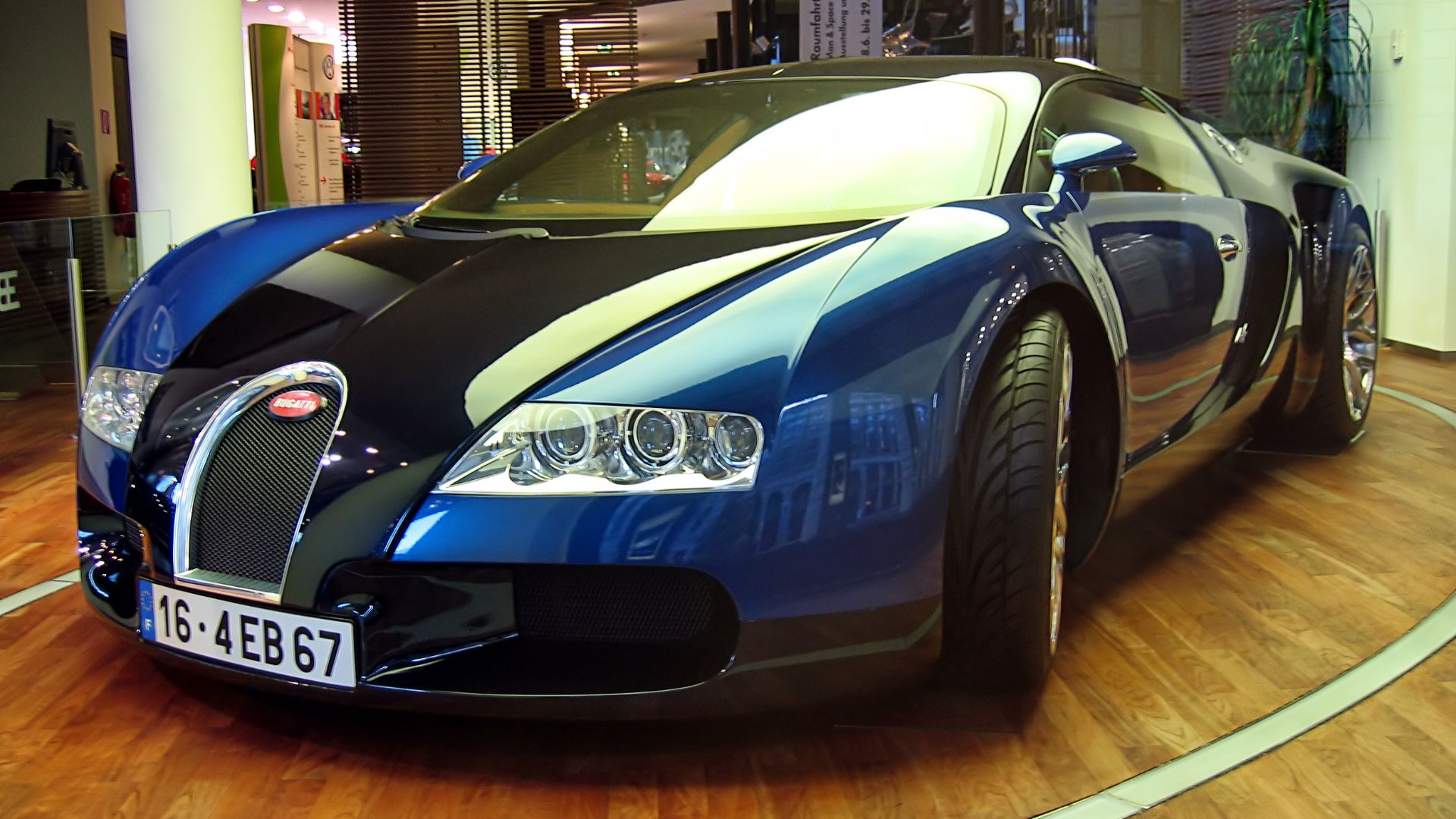
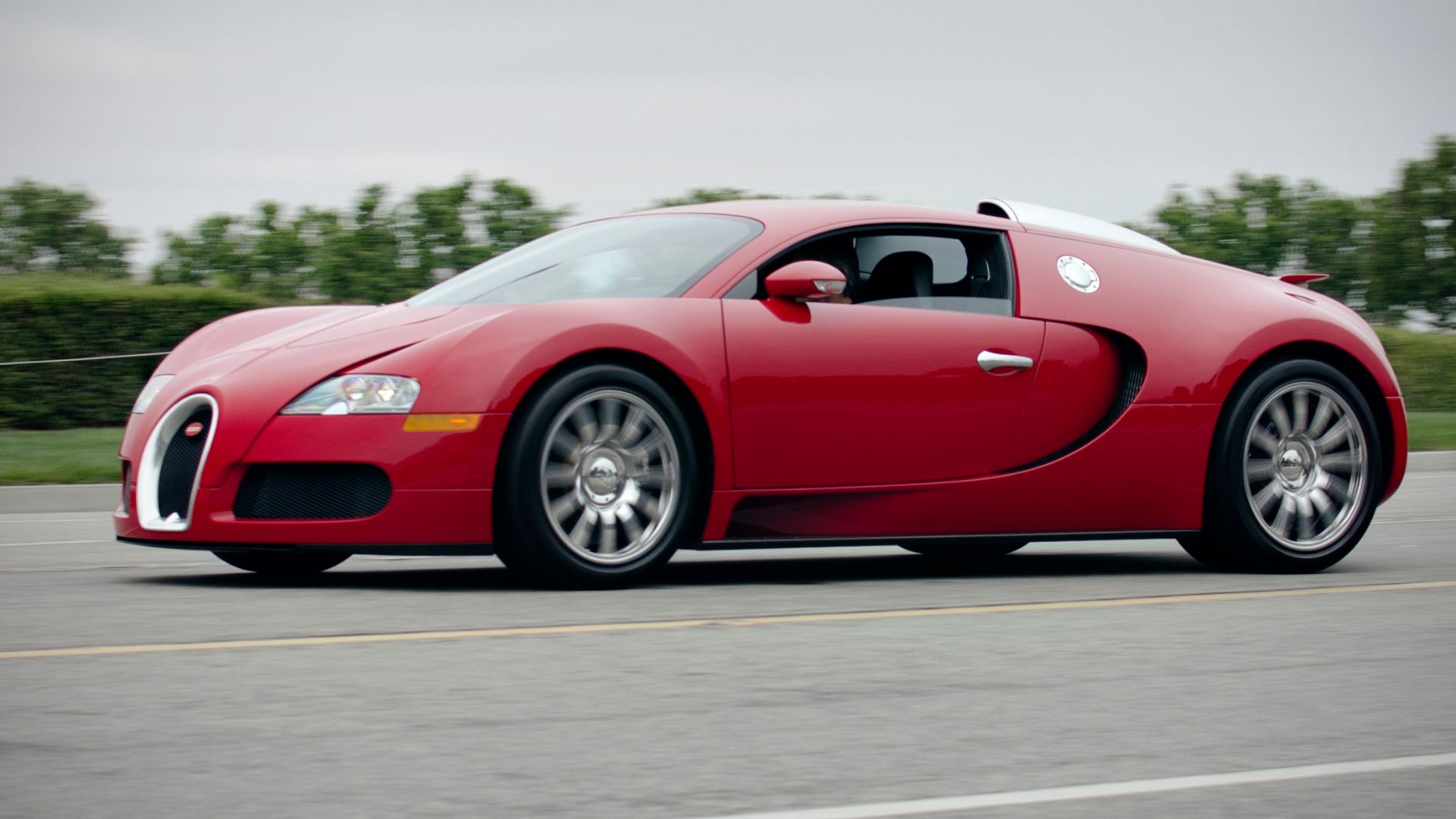
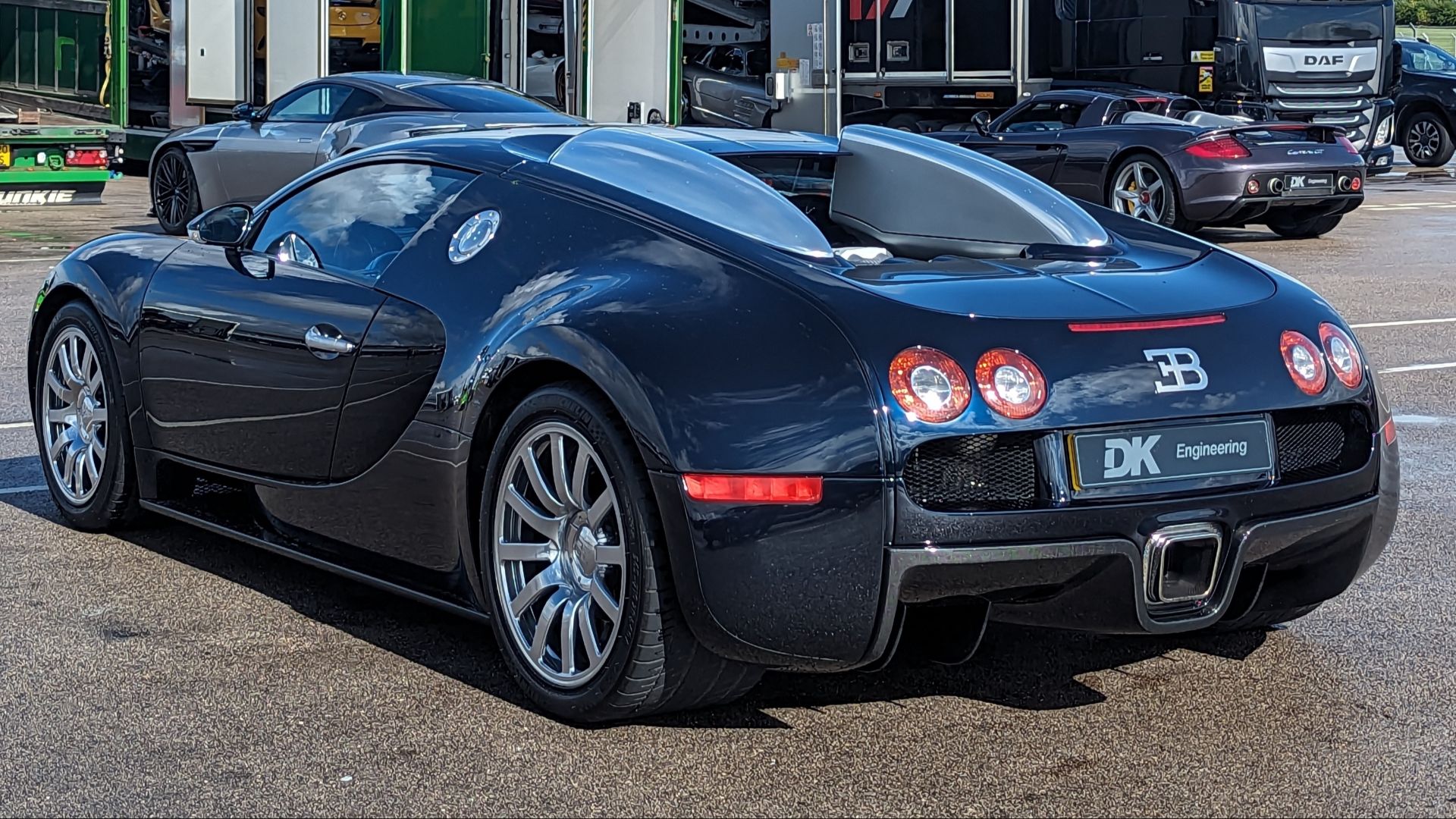
When the Bugatti Veyron debuted in 2005, the W16 instantly rewrote the rulebook. With 1,001 horsepower, it became the first production car to exceed 1,000 hp. More importantly, it proved that such power could be reliable. Early Veyrons racked up thousands of miles without catastrophic failures—an engineering miracle.
 Telemaque MySon, Wikimedia Commons
Breaking The 250 MPH Barrier
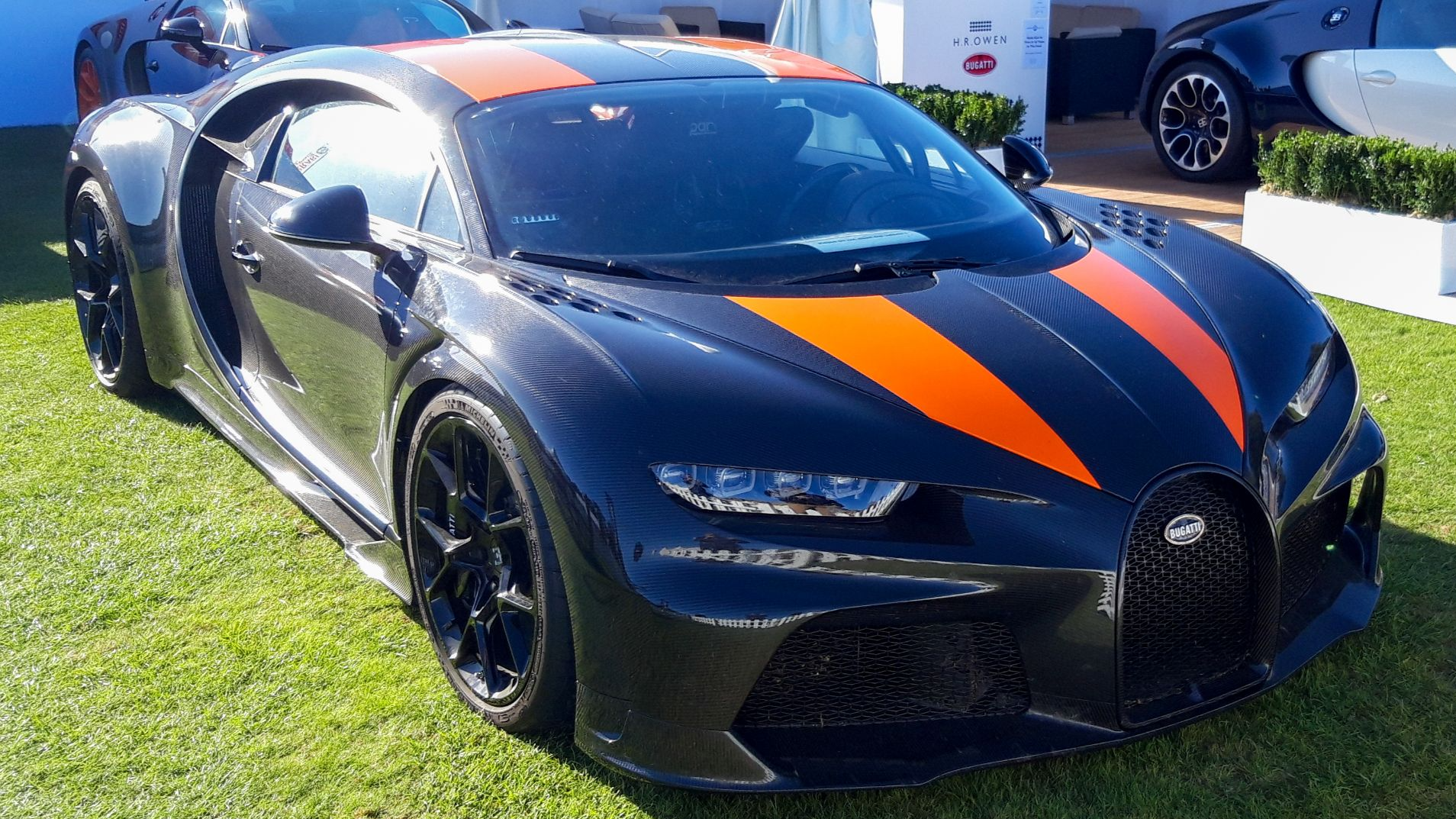
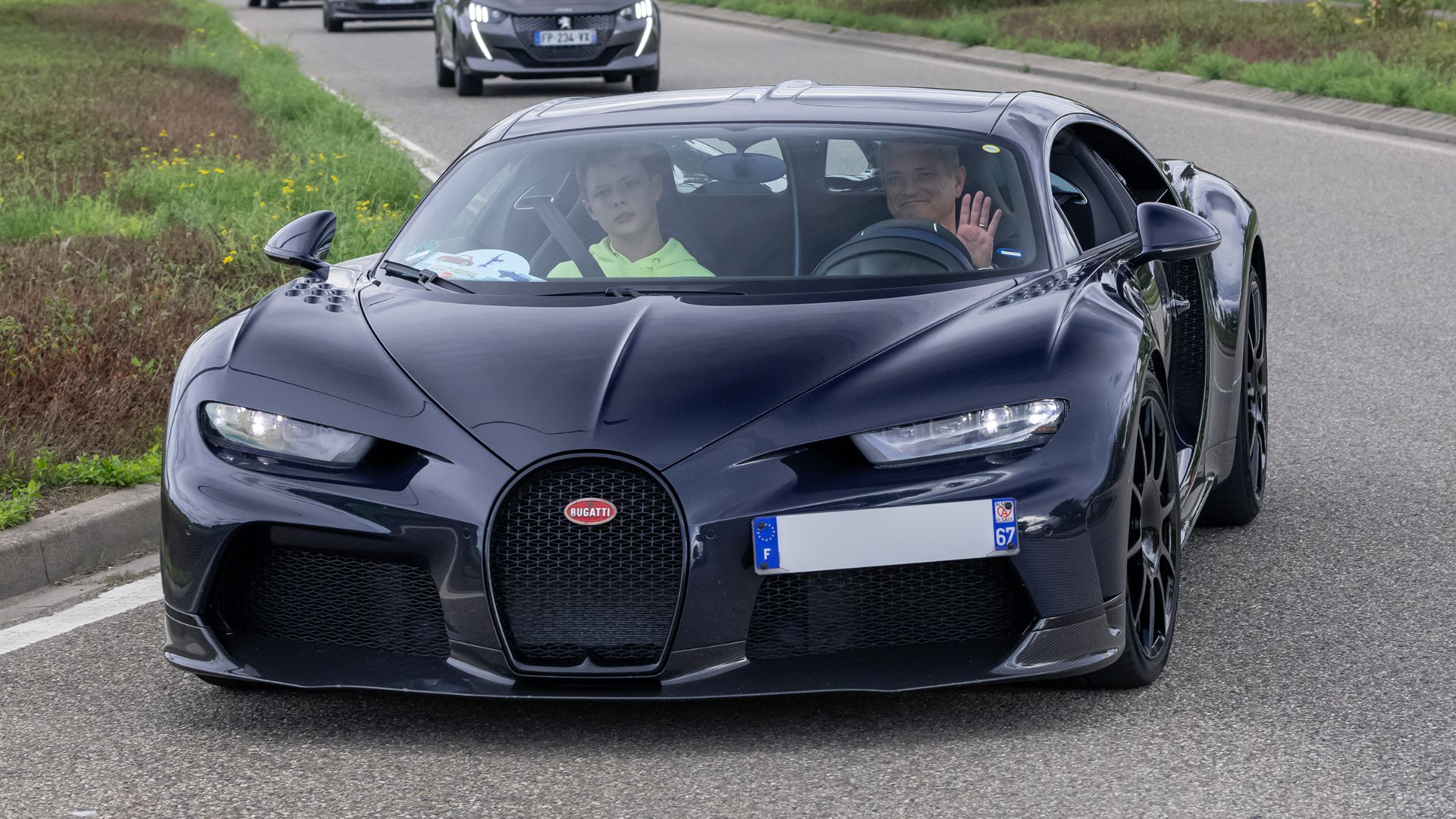
The W16 didn’t just make headlines—it made history. In 2005, the Veyron became the first production car to exceed 250 mph. Later versions pushed that even further, culminating in the Chiron Super Sport 300+ breaking the 300 mph barrier. The engine was always the star of the show.
 Liam Walker, Wikimedia Commons
Evolution Through The Chiron Era
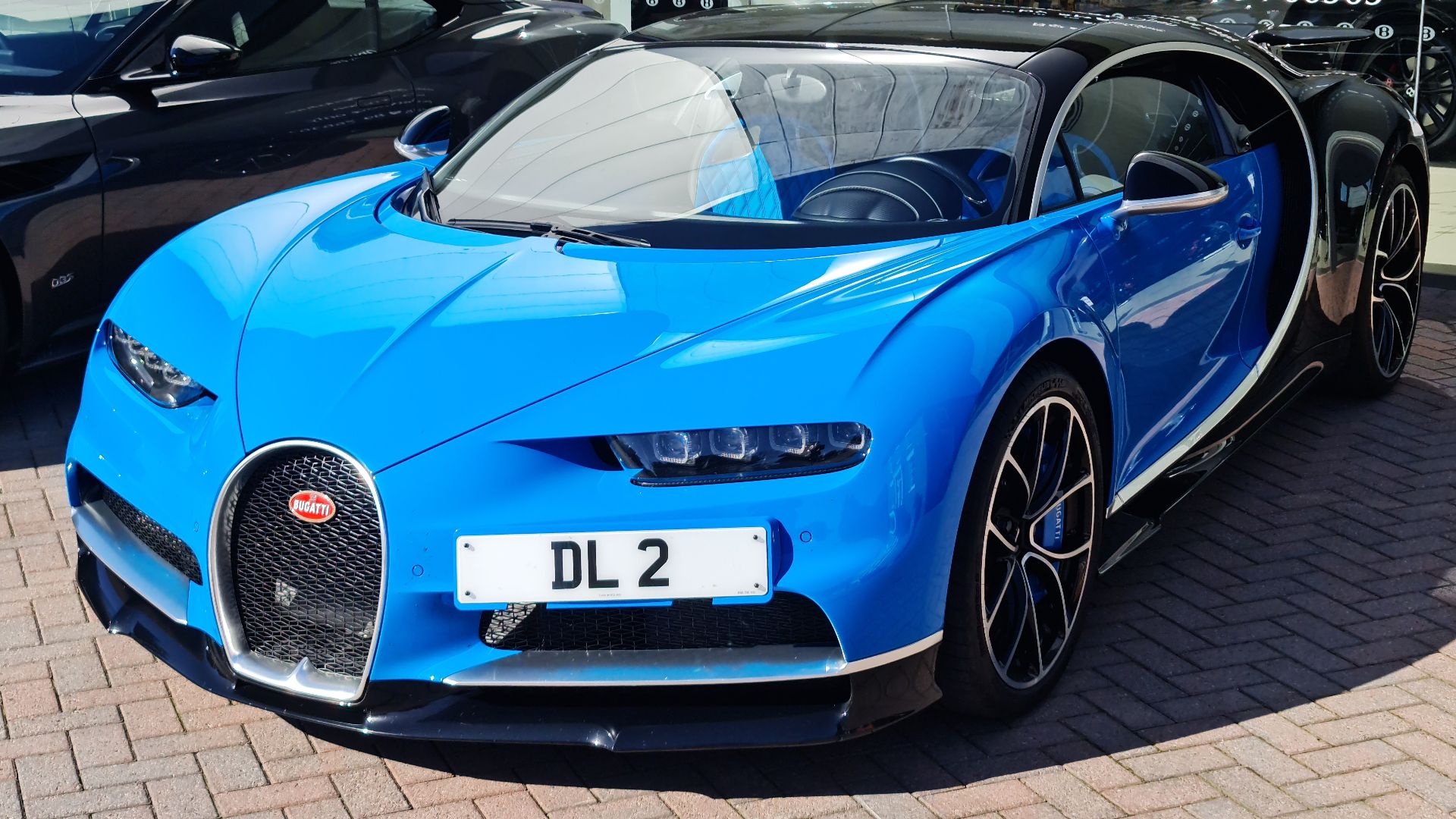
The W16 evolved significantly in the Bugatti Chiron. Power rose to 1,479 hp, turbochargers grew larger, and cooling systems became even more sophisticated. Yet the core architecture remained unchanged—a testament to how overbuilt the original design was.
The Sound Of Controlled Violence
Despite its complexity, the W16 has a distinctive sound—deep, mechanical, and relentless. It lacks the high-pitched scream of a V12, instead delivering a bass-heavy roar that feels industrial and unstoppable. At full throttle, it sounds less like an engine and more like a force of nature.
 Alexandre Prevot, Wikimedia Commons
Fuel Consumption: The Price Of Glory
At full speed, the W16 consumes fuel at a staggering rate—so fast that a Veyron’s fuel tank would empty in minutes at top speed. This isn’t a flaw; it’s a consequence of physics. When you burn air and fuel at that scale, efficiency becomes irrelevant.
Engineering Without Compromise
What makes the W16 special isn’t just what it does—but that Bugatti refused to compromise. Weight, cost, and complexity were secondary concerns. The goal was singular: build the greatest engine possible, regardless of expense. That mindset is nearly extinct in modern automotive engineering.
 Heinz Reutersberg, Wikimedia Commons
Maintenance And Ownership Reality
Owning a W16-powered Bugatti is an event in itself. Maintenance costs are astronomical, with services often requiring partial engine removal. Tires alone cost more than most cars. But owners aren’t buying practicality—they’re buying entry into one of the most exclusive engineering clubs on Earth.
The W16 As A Brand Symbol
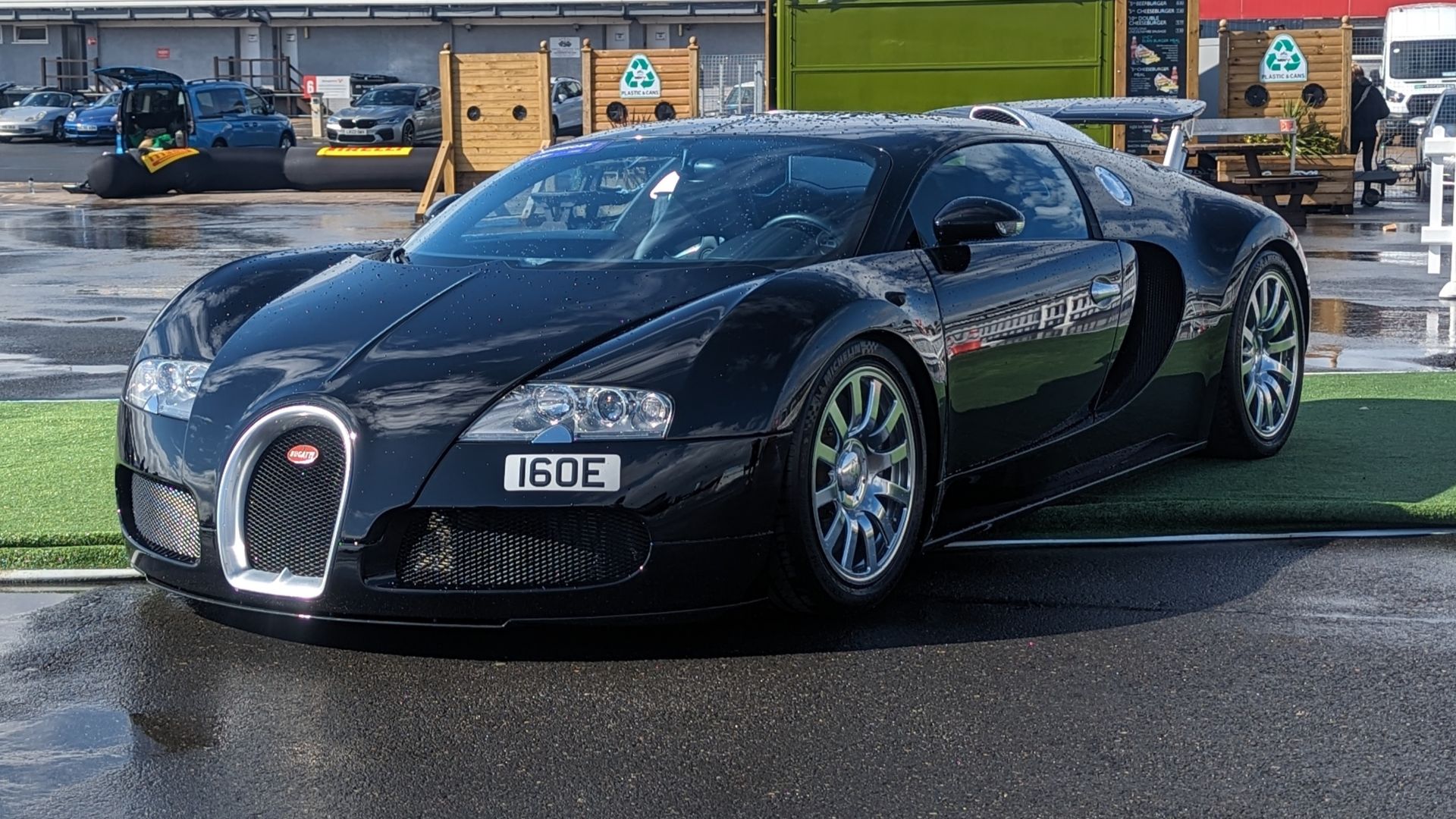
Over time, the W16 became inseparable from Bugatti’s identity. Mention the brand, and the engine comes up immediately. It’s not just a powertrain—it’s a statement of intent, a rolling manifesto that says Bugatti plays by its own rules.
Critics And The Downsizing Era
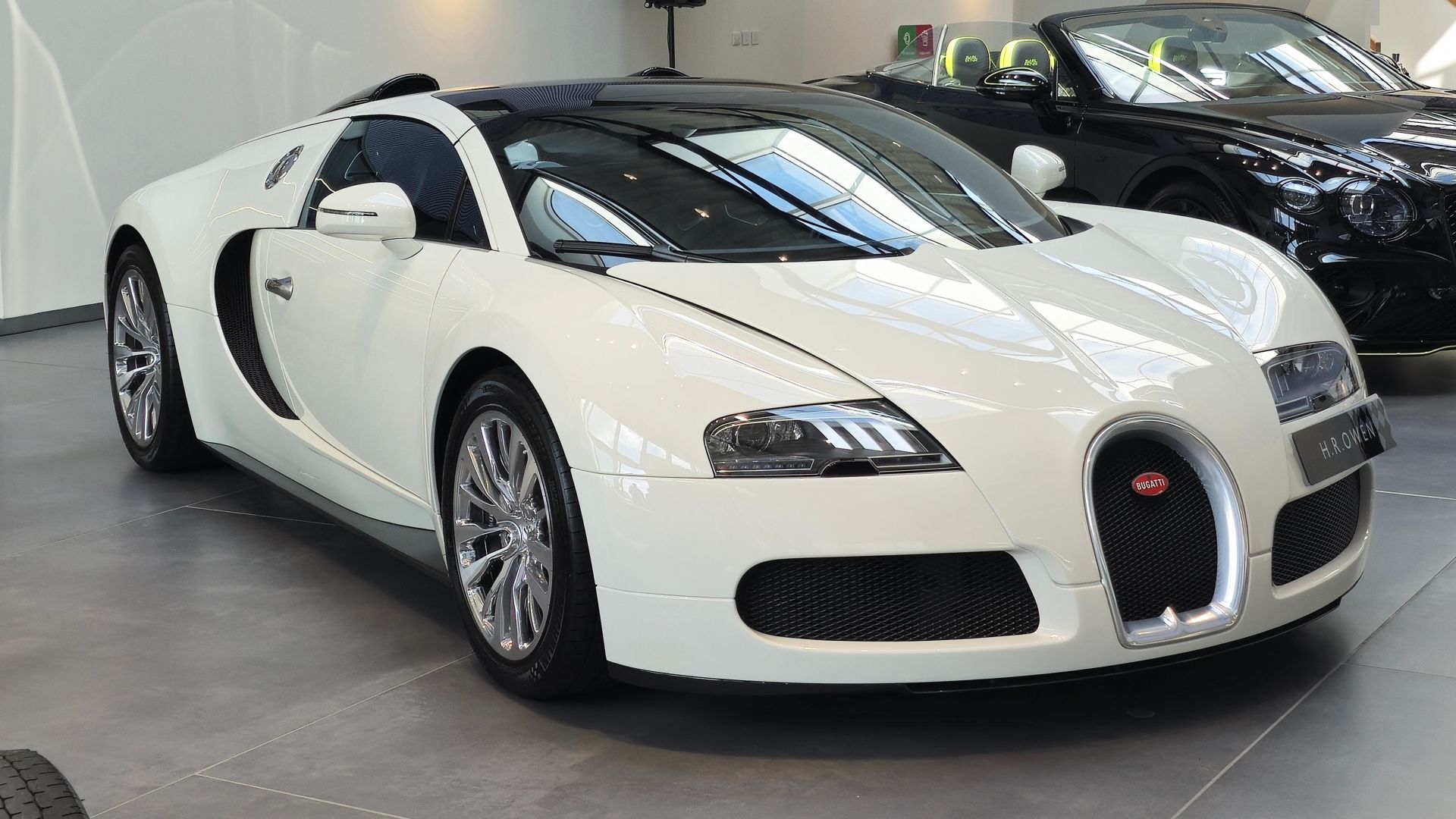
In an age of electrification and emissions regulations, the W16 has its critics. Some call it wasteful or unnecessary. Others see it as a relic. But even critics acknowledge one thing: nothing else like it will ever exist again.
 Heinz Reutersberg, Wikimedia Commons
Why The W16 Could Only Exist Once
The W16 is a product of a very specific moment in automotive history—when resources, ambition, and regulatory freedom aligned perfectly. Today, such an engine would be nearly impossible to justify. That’s precisely why it matters.
The End Of The Line
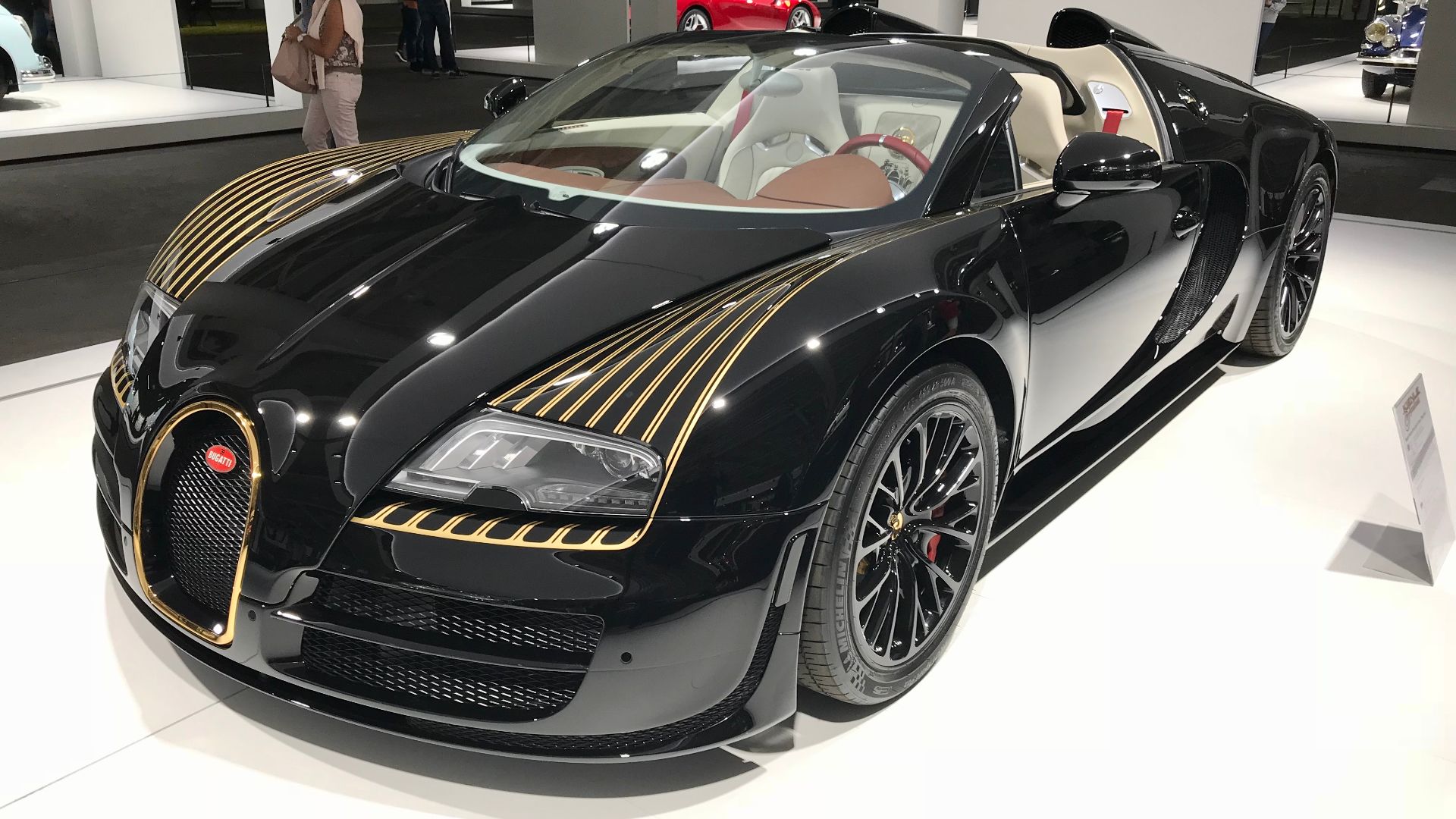
Bugatti has confirmed that the W16’s days are numbered. Future models will move toward electrification and hybridization. When the final W16 rolls off the assembly line, an entire chapter of automotive history will close forever.
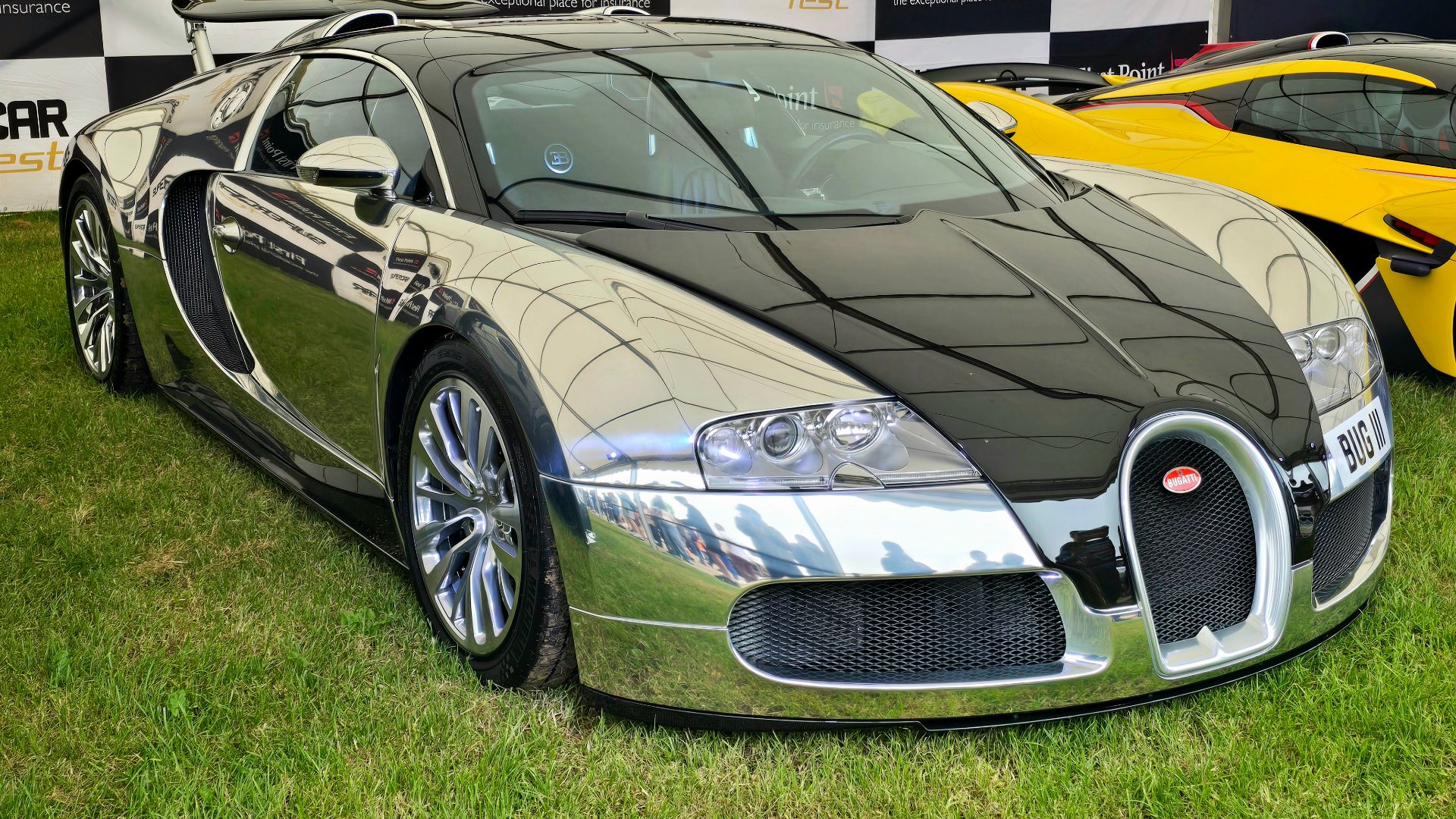
A Legacy Written In Metal
Few engines can claim to have changed the industry. Fewer still become cultural icons. The W16 did both. It proved that madness, when guided by genius, can result in something truly unforgettable.
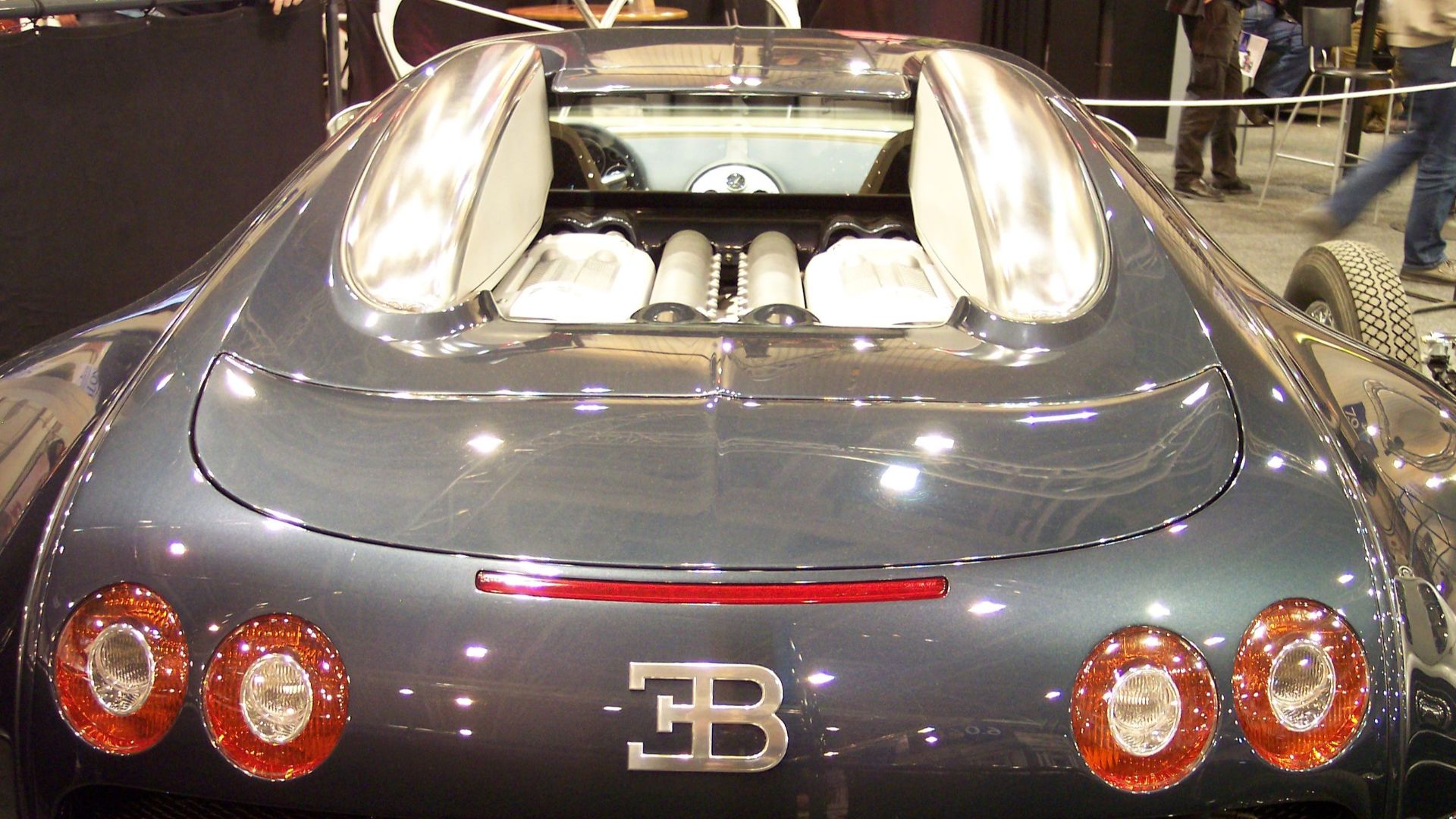 Stahlkocher, Wikimedia Commons
Why Enthusiasts Will Never Forget It
Car enthusiasts don’t revere the W16 because it’s sensible. They revere it because it represents pure, unfiltered ambition. It’s the sound of engineers being told “no limits” and actually believing it.
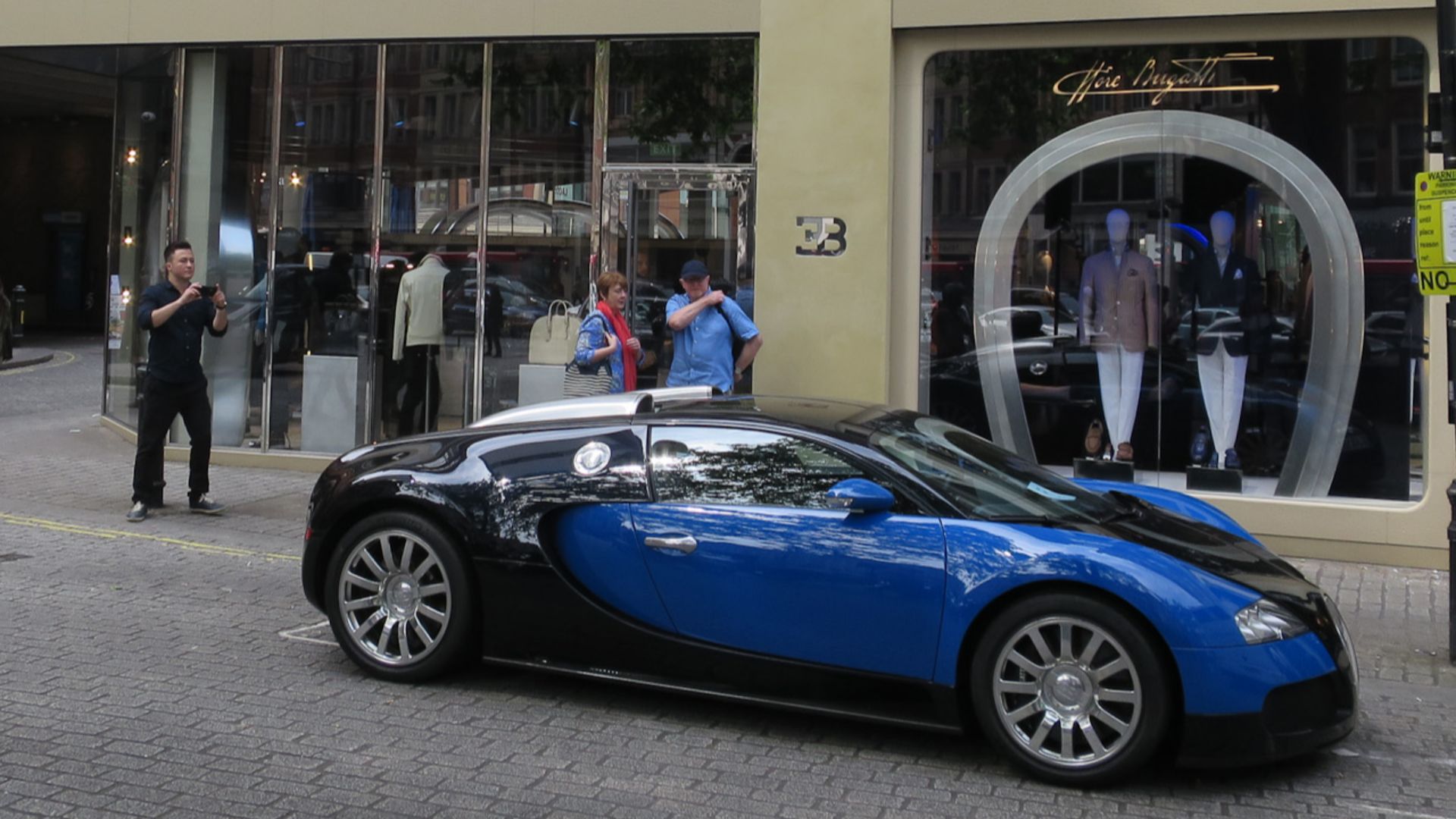 Hugh Venables , Wikimedia Commons
More Than An Engine
The Bugatti W16 is more than a mechanical achievement—it’s a symbol of what happens when imagination outruns restraint. It may never be repeated, and it doesn’t need to be. The W16 has already earned its place in history.
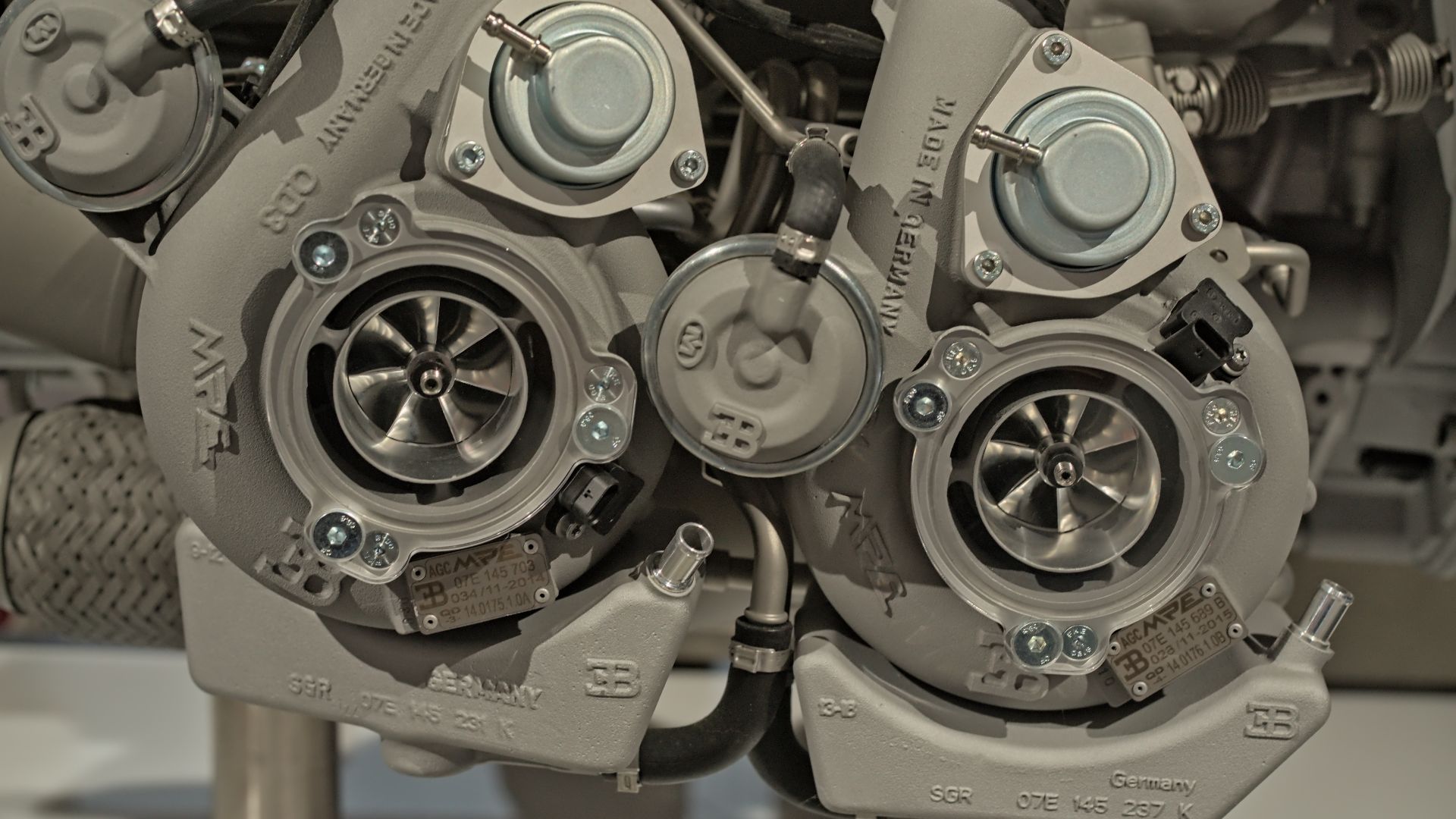 Thomas Vogt from Paderborn, Deutschland, Wikimedia Commons
The Final Word On Bugatti’s Masterpiece
The W16 engine stands as one of the boldest engineering statements ever made on four wheels. Complex, excessive, brilliant, and utterly unnecessary—and that’s exactly why it matters. In a world moving toward silence and efficiency, the W16 will always remind us of a time when the goal wasn’t just progress, but greatness.
You May Also Like:
Baby boomers are all stunned at young drivers’ inability to perform these basic driving tasks.