I Was Cut Off, I Yelled, And It Was an Unmarked Police Car—Now What?
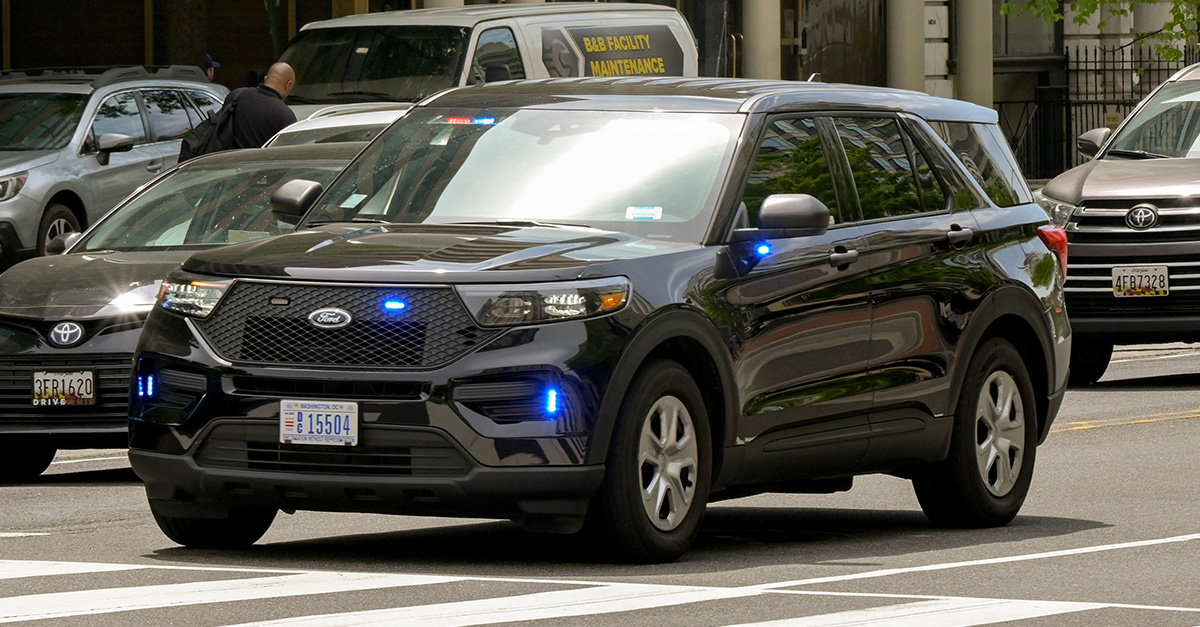
Road rage moments are usually short-lived. Someone cuts you off, you react emotionally, and then the moment passes as traffic keeps moving. Occasionally, though, those moments don’t fade away. Instead, they end with flashing lights, a uniformed officer stepping out of an unmarked vehicle, and a citation you never imagined receiving. If you yelled at a driver who cut you off, only to discover it was an unmarked police car and now you’ve been ticketed, you’re probably replaying the situation over and over. The big question hanging over all of it is whether that ticket can be fought, or if you’re stuck paying for a split-second reaction. The answer is complicated, but not hopeless.

The Moment Everything Went Wrong
Most of these situations begin the same way. Traffic is tense, someone makes a questionable move, and adrenaline takes over before logic has time to catch up. You shout, maybe gesture, and instantly feel justified—until the realization hits that the other driver isn’t just another commuter. When an unmarked police car reveals itself, the emotional shift is immediate. Embarrassment, frustration, fear, and disbelief all arrive at once. Unfortunately, the law doesn’t account for that emotional whiplash as generously as most drivers would hope.

Why Unmarked Police Cars Change Nothing Legally
One of the most common assumptions drivers make is that an unmarked police car somehow changes the rules. In reality, it doesn’t. Officers are legally permitted to operate unmarked vehicles, and as long as they properly identify themselves during the stop, the citation is generally considered valid. From a legal perspective, drivers are expected to follow traffic laws and control their behavior regardless of who the other driver turns out to be. Not knowing it was a police officer may explain your reaction, but it does not automatically excuse it in court.

What Were You Actually Ticketed For?
This is where your chances of fighting the ticket truly begin or end. You were not cited for being annoyed or surprised. You were cited for a specific violation, and the language used on that ticket matters more than anything else. Whether the charge involves aggressive driving, disorderly conduct, threatening behavior, or something more minor will determine how strong your defense can be. Two drivers can behave similarly and receive very different citations depending on how the officer interprets the interaction.
Yelling Alone Is Rarely Illegal
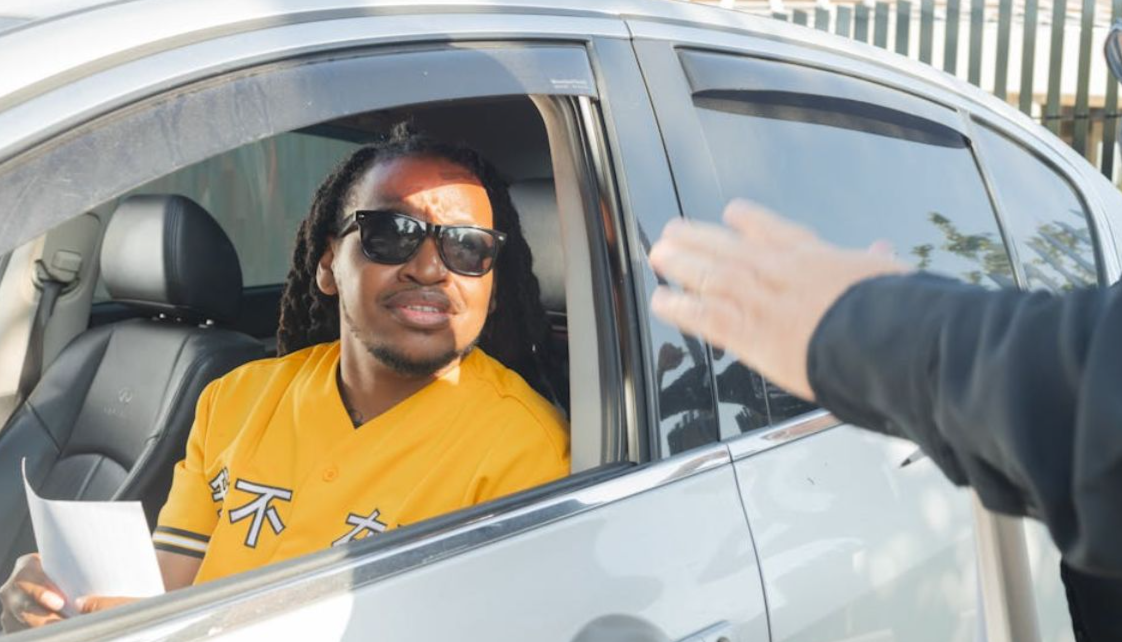
Here’s an important point many drivers don’t realize until it’s too late. Simply yelling or expressing frustration is not automatically illegal. In many jurisdictions, speech is protected—even if it’s rude, loud, or unpleasant. Courts generally recognize that driving can be stressful and that not every emotional outburst constitutes a crime. However, this protection only extends so far, and that line is where many drivers get into trouble.

When Speech Becomes A Legal Problem
Speech crosses into dangerous territory when it can reasonably be interpreted as threatening, intimidating, or likely to provoke violence. If your words suggested harm, retaliation, or aggression beyond simple frustration, they may no longer be protected. This is where an officer’s interpretation becomes incredibly powerful. If they state that your words made them feel threatened or that the situation escalated due to your language, judges often take that testimony seriously.
 ShotPrime Studio, Shutterstock
The Gesture Problem No One Warns You About
Many drivers are stunned to learn that hand gestures can carry as much legal weight as spoken words. Certain gestures, especially when combined with yelling or aggressive driving, can be interpreted as threatening behavior rather than harmless expression. While a gesture might feel like a momentary release of frustration, it can quickly be framed as disorderly conduct or intimidation depending on how the incident is described in the officer’s report.

Did The Officer Also Cut You Off?
If the officer truly cut you off or drove recklessly, this detail could be important—but only if you can prove it. Police officers are not exempt from traffic laws unless they are responding to an emergency, and unmarked cars don’t receive special privileges by default. However, alleging that an officer drove improperly without evidence is unlikely to carry much weight. Courts rely heavily on documentation, footage, and witness testimony rather than recollections shaped by stress.

Evidence Is Everything (And Feelings Don’t Count)
In traffic court, how angry or startled you felt is largely irrelevant. What matters is what can be demonstrated clearly and objectively. Dashcam footage, passenger statements, traffic camera recordings, and surveillance video can all shift a case dramatically. Without evidence, disputes often come down to your version of events versus the officer’s. In those situations, judges tend to side with the officer unless there is a compelling reason not to.
The Reality Of Fighting An Officer’s Ticket
It’s important to be realistic about what you’re up against. Police officers are trained observers, and courts generally assume they are acting in good faith. This does not mean tickets are unbeatable, but it does mean the standard for overturning them is high. To succeed, you typically need to show inconsistencies in the report, lack of legal justification for the charge, or evidence that contradicts the officer’s account.
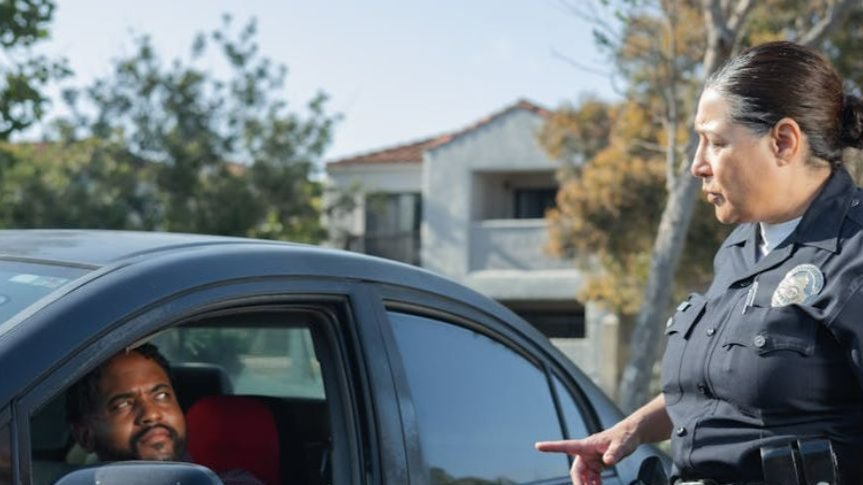
Can “They Provoked Me” Work?
Provocation is rarely a winning defense on its own. Courts expect drivers to disengage rather than escalate, even if the other party initiated the conflict. However, provocation can sometimes help explain context and reduce penalties. In some cases, it may influence a judge’s decision on fines or persuade a prosecutor to reduce the charge, even if it doesn’t lead to a full dismissal.

When The Ticket Might Be Weak
Tickets are not immune to scrutiny. If the citation lacks detail, uses vague language, or fails to clearly describe threatening or unlawful behavior, it may be vulnerable in court. Judges need specifics. A charge that relies on broad descriptions without concrete actions can sometimes fall apart under questioning.
The Disorderly Conduct Trap
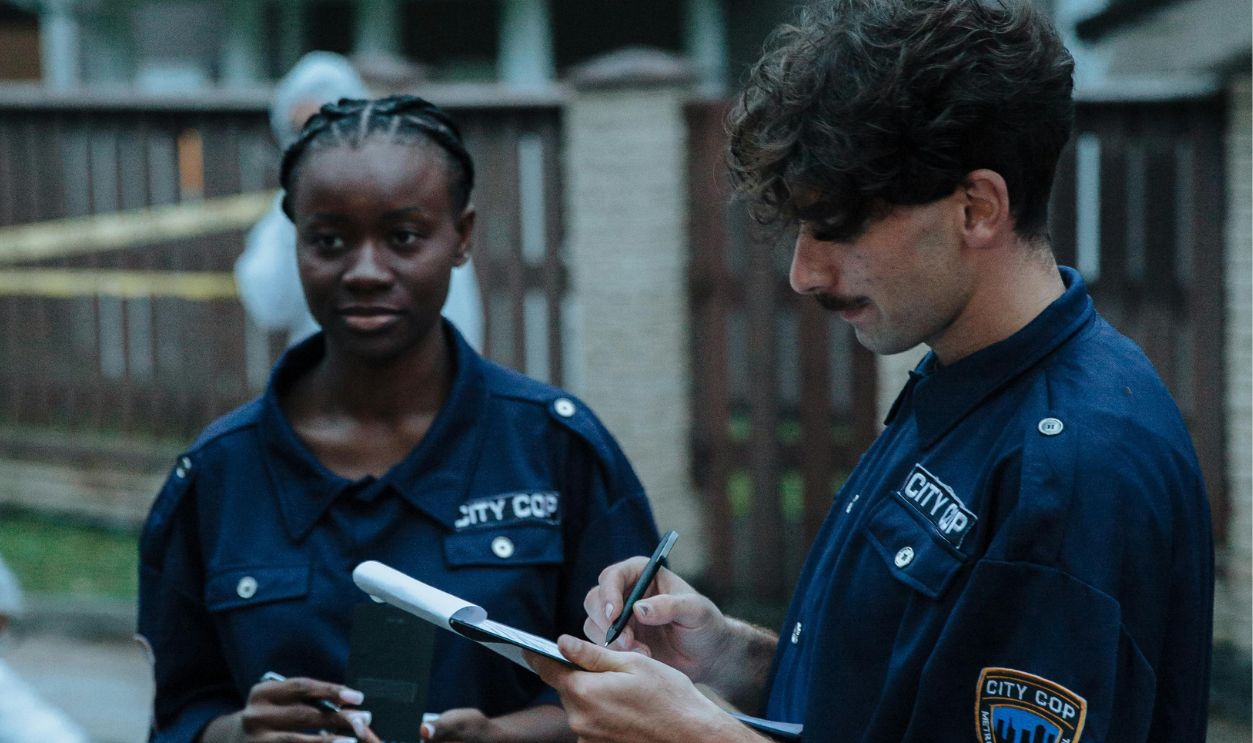
Disorderly conduct is one of the most frequently used charges in situations involving road rage. It is also one of the broadest and most subjective. What qualifies as “disorderly” often depends on context and interpretation rather than a strict checklist. Because of this flexibility, these charges can be difficult to fight, but not impossible—especially if the behavior described doesn’t clearly meet the legal definition.

Should You Get A Lawyer?
If your ticket carries significant fines, points on your license, or any possibility of criminal charges, speaking with a lawyer is a smart move. Even for lesser citations, an experienced traffic attorney may be able to negotiate reduced penalties or alternative outcomes. Many drivers are surprised at how much difference professional representation can make, particularly when dealing with subjective charges.

Representing Yourself: What To Know
If you choose to represent yourself, how you present your case matters almost as much as the facts. Remaining calm, respectful, and focused on specifics helps establish credibility. Judges tend to respond better to drivers who acknowledge stress while emphasizing restraint, rather than those who appear defensive or confrontational.

What Not To Say In Court
Admitting that you “lost control” or “lost your temper” may feel honest, but it often undermines your defense. Statements that frame your behavior as emotional rather than controlled can unintentionally support the prosecution’s case. Avoid blaming the officer personally or suggesting malicious intent, as this rarely works in your favor.

What Actually Helps Your Case
Strong defenses focus on intent, clarity, and evidence. Demonstrating that your words were non-threatening, your gestures were misinterpreted, or the situation was inaccurately described can significantly improve your chances. The goal is not to justify anger, but to show that it did not rise to the level of a legal violation.

Could This Affect Your Insurance?
Even minor citations can have long-term consequences. Points on your license often lead to increased insurance premiums, sometimes for years. This hidden cost is one reason many drivers choose to contest tickets rather than simply paying them.

Is It Worth Fighting Or Just Paying?
Deciding whether to fight comes down to cost, risk, and principle. For some drivers, paying the fine is the least stressful option. For others, the potential impact on insurance or driving records makes contesting the ticket worthwhile. Every situation is different, and there’s no universal right answer.

The Unmarked Car Shock Factor
Judges may understand the surprise of discovering the other driver was an unmarked officer, but understanding does not equal dismissal. Sympathy can soften outcomes, but it rarely erases citations entirely. Still, calmly explaining the shock factor without leaning on it as an excuse can help humanize your case.

Lessons Learned The Hard Way
Nearly everyone who goes through this experience walks away with the same conclusion. Engaging with other drivers, no matter how justified it feels, almost never ends well. You don’t know who they are, what authority they have, or how the situation might be interpreted later.

How To Protect Yourself In The Future
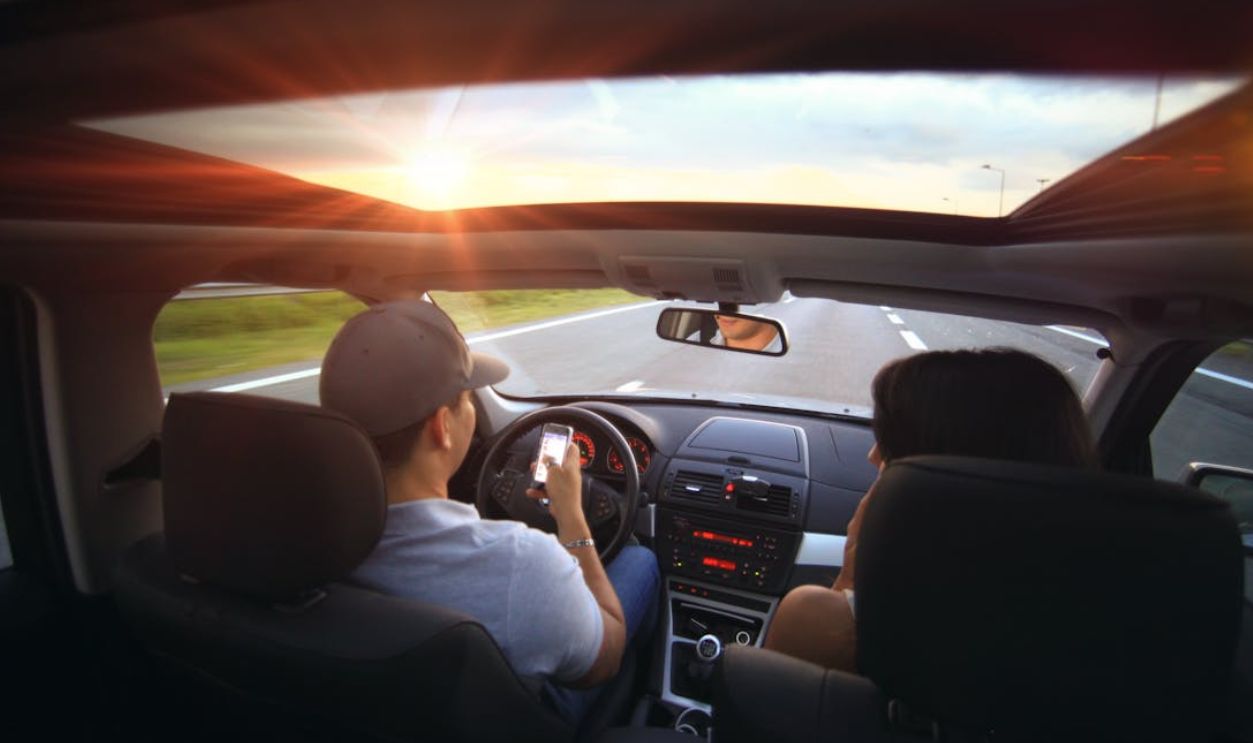
The best protection is prevention. Dashcams, emotional restraint, and the decision to disengage can save you from expensive and stressful consequences. Silence, unlike anger, has never earned anyone a ticket.
So… Can You Fight The Ticket?
Yes, you can fight it. Whether you should depends on the charge, the evidence, and the potential consequences. Some drivers win. Some negotiate reductions. Others decide the fight isn’t worth it. The key is understanding what you’re actually up against.
 Fractal Pictures, Shutterstock
Final Verdict: What Are Your Odds?
If your actions were limited, non-threatening, and poorly documented, your chances may be better than you expect. If the behavior escalated or included threats, your odds drop significantly. Either way, knowledge and preparation are your best tools.

One Yell, One Ticket, One Big Lesson
Being cut off is frustrating. Reacting emotionally is human. But when that reaction collides with an unmarked police car, the consequences can linger long after the moment passes. You might be able to fight the ticket, and you might even win. But the lasting lesson is clear. On the road, restraint is almost always cheaper than being right.

You May Also Like:
You Were Automatically Cool If You Drove One Of These 90s Cars
Gen X Hates Electric Cars. These Are The EVs That Will Finally Win Them Over
Before selling your used car, try modern tech upgrades that can make it feel like new.