
Why This Feels So Confusing
If your car’s sound system breaks, throwing on headphones feels like an easy fix. Plenty of drivers do it without thinking twice. Well, as many people are finding out, the truth is that this harmless habit isn’t as safe or as legal as most people assume.

It Depends Heavily on Where You Live
Here’s the key: headphone laws vary widely by region. Some places restrict them heavily, while others allow limited use. That means something perfectly fine in one state or province could get you pulled over just a few miles away. It’s not a universal rule, and that’s where the confusion starts.

Many Places Ban Both Ears Being Covered
One of the most common rules is this: you can’t have both ears covered while driving. In California, for example, drivers can use a headset, but only if it covers one ear. Blocking both ears can lead to a ticket because it limits your ability to hear sirens, horns, and other important sounds.

Some States Are Much Stricter Than Others
In New York, it’s illegal to wear more than one earbud or headphone while driving. The law specifically limits drivers to a single ear device, and anything beyond that can result in a fine. States like Virginia and Maryland have similar rules that generally allow only one ear to be covered.

There Usually Isn’t a Full Ban, But It Can Feel Like One
Very few places completely ban all headphone use, but the restrictions can still be tight enough to cause problems. In many states, the one-ear rule is enforced, and anything more can quickly turn into a ticket.

Canada Has Its Own Approach
In provinces like Ontario and Quebec, there isn’t always a specific law that names headphones outright. But drivers are required to maintain full control and awareness at all times. If headphones are seen as interfering with that, you can still be ticketed under distracted or careless driving laws.

But There Are Exceptions (Sometimes)
Not every use is illegal everywhere. Some laws allow a single earbud for calls or navigation, and most places make exceptions for built-in hands-free systems. However, these exceptions are very specific and easy to misunderstand if you don’t know the exact wording.
Why Police Take It Seriously
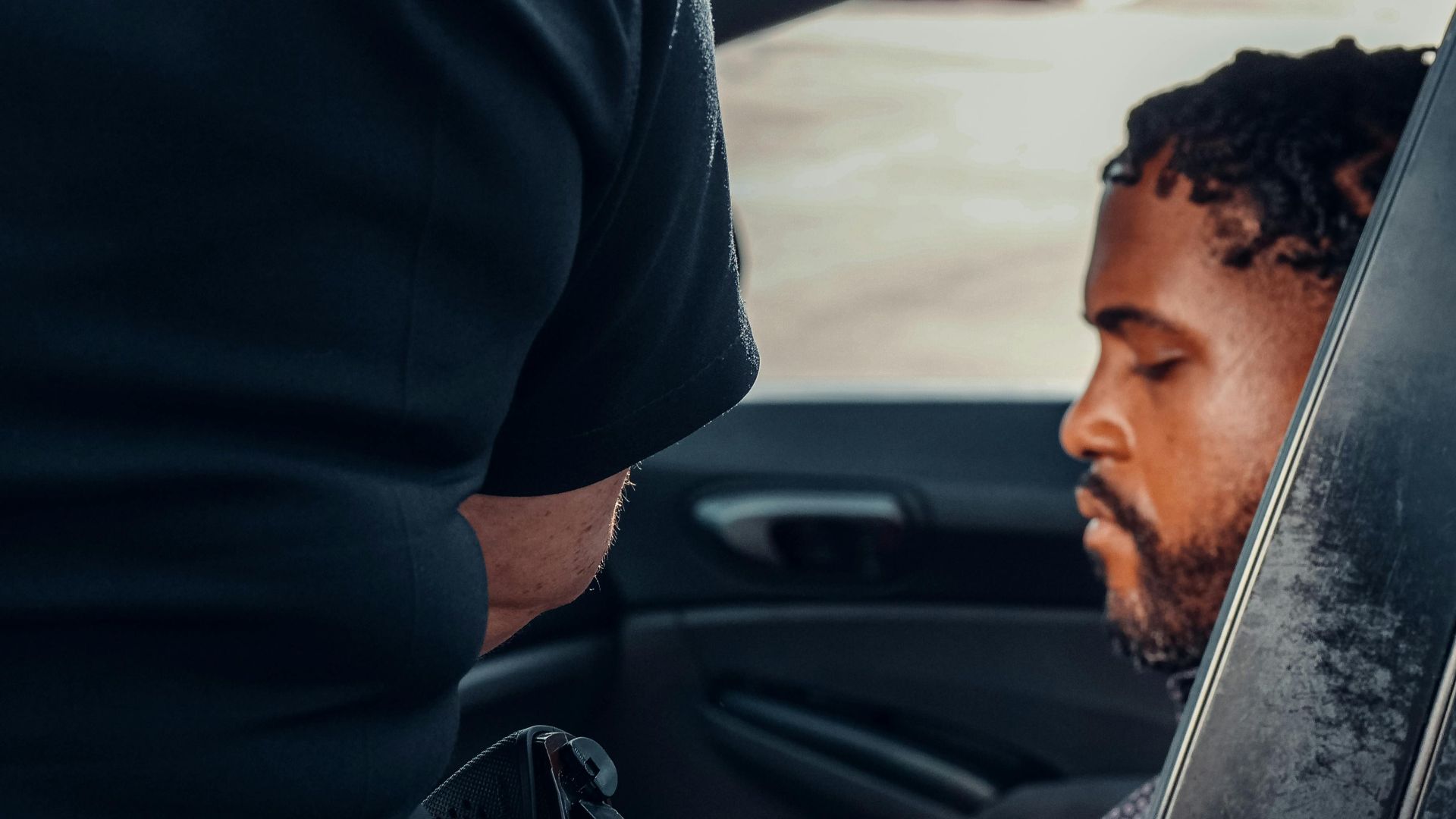
To officers, headphones can signal reduced situational awareness. If you can’t clearly hear emergency vehicles or what’s happening around you, it increases risk for everyone nearby. That’s why it’s often enforced similarly to other distracted driving behaviors.

It’s Not About Music, It’s About Awareness
Even if you’re just listening to quiet audio or a podcast, the issue isn’t what you’re hearing, it’s what you might be missing. Traffic laws focus on your ability to react quickly, and hearing plays a bigger role in that than many drivers realize.

You Can Still Get a Ticket Even If You’re Driving Safely
Here’s the frustrating part: you don’t have to be swerving or distracted to get pulled over. If the law restricts headphone use, simply wearing them the wrong way can be enough for a citation, regardless of how well you’re driving.

Fines and Penalties Vary a Lot
Like the laws themselves, penalties vary widely. In New York, for example, total fines and surcharges can land around $100 to $150. In other places, it may be less, or it could come with points on your license if it’s treated as a moving violation.

What About Bluetooth or Hands-Free?
Hands-free systems built into your car or connected via Bluetooth are usually allowed because they don’t block your hearing. That’s why lawmakers treat them differently from headphones or earbuds.

Why Your Situation Happens So Often
A broken stereo is one of the most common reasons people use headphones while driving. It feels like a harmless workaround, but the law doesn’t usually make exceptions for convenience, even temporary ones.

Even One Earbud Can Be Risky (Legally)
Some drivers assume using just one ear is fine everywhere, but that’s not always true. In certain places, even a single earbud could still raise issues if it’s seen as affecting your awareness.

Enforcement Can Be Inconsistent
You might see other drivers wearing headphones and never getting stopped, which makes it feel like it’s allowed. But enforcement depends on the officer, the situation, and how strictly local laws are applied.
It Can Be Treated Like Distracted Driving
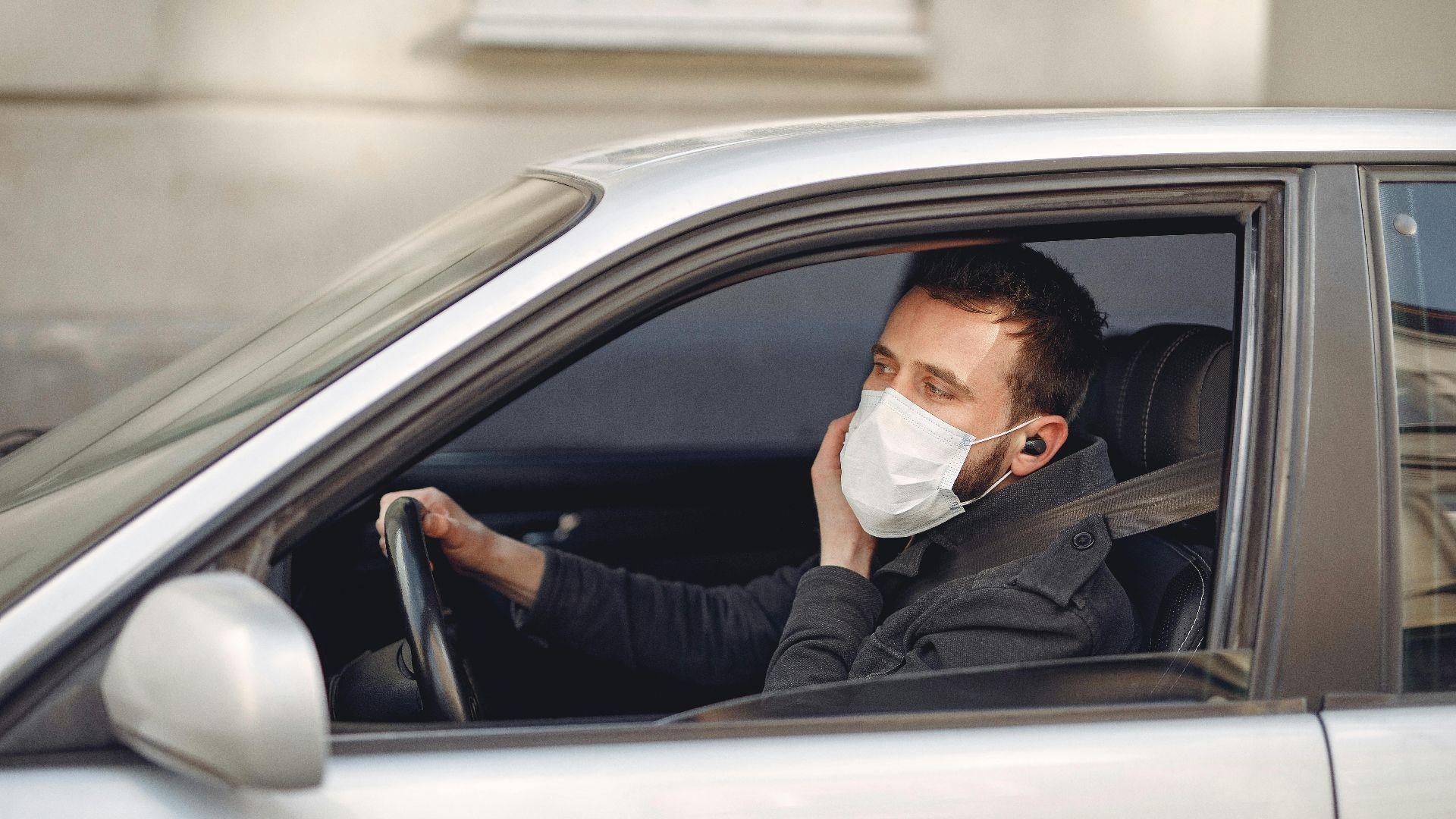
In stricter jurisdictions, headphone use can fall under broader distracted driving laws. That can mean higher fines, demerit points, and even increased insurance costs.

Commercial Drivers Face Stricter Rules
If you’re driving professionally, the rules are tighter. In the U.S., federal regulations generally prohibit commercial drivers from using headphones while operating a vehicle.

Why Lawmakers Care About Sound
Driving isn’t just visual, it’s sensory. Hearing sirens, screeching tires, or a horn blast can give you critical extra seconds to react. Laws restricting headphones are built around preserving that awareness.

What You Should Do Instead
If your stereo is broken, safer options include using your phone’s speaker at a low volume or fixing the system altogether. It might not be ideal, but it keeps you on the right side of the law.

How to Check Your Local Rules
Because these laws vary so much, it’s worth checking your local regulations. A quick search can save you from a ticket and clear up what’s actually allowed where you are.

Why Drivers Are Often Surprised
Unlike speeding or texting laws, headphone rules aren’t widely talked about. So when people get pulled over for it, it feels random or unfair, even though these laws have existed for years.

Bottom Line: It Might Be Illegal Where You Are
It feels like a harmless fix, but depending on your location, driving with headphones can absolutely be restricted or illegal. If you got a ticket for it, there’s a good chance the officer was enforcing a real and often overlooked rule.

You Might Also Like: