You Weren’t Moving
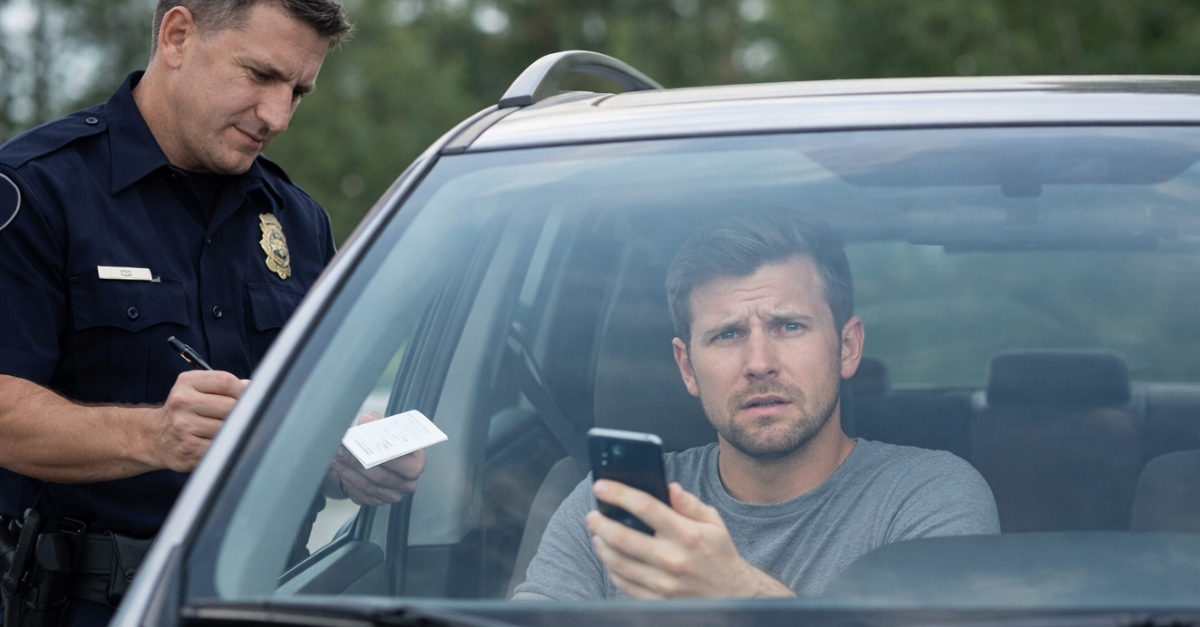
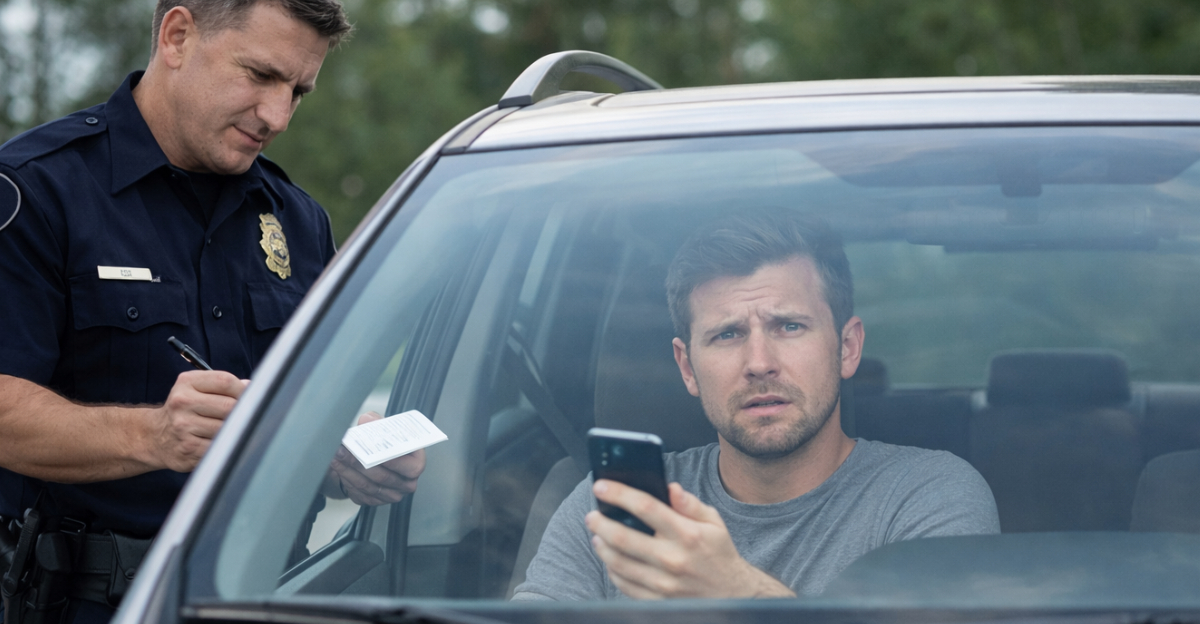
You’re stopped at a red light. The car isn’t moving. You quickly glance down, fire off a text to your wife, and look back up. Harmless, right? Then a few seconds later, you’re getting pulled over. You know that texting while driving is illegal—but you weren’t even driving?
It Feels Like a Loophole
Most drivers assume there’s a common-sense exception here. If the car isn’t moving, it shouldn’t count…right? You’re not endangering anyone in that exact moment, and you’re technically obeying the light. It feels like one of those gray areas where logic should win.
A Red Light Still Counts as Driving
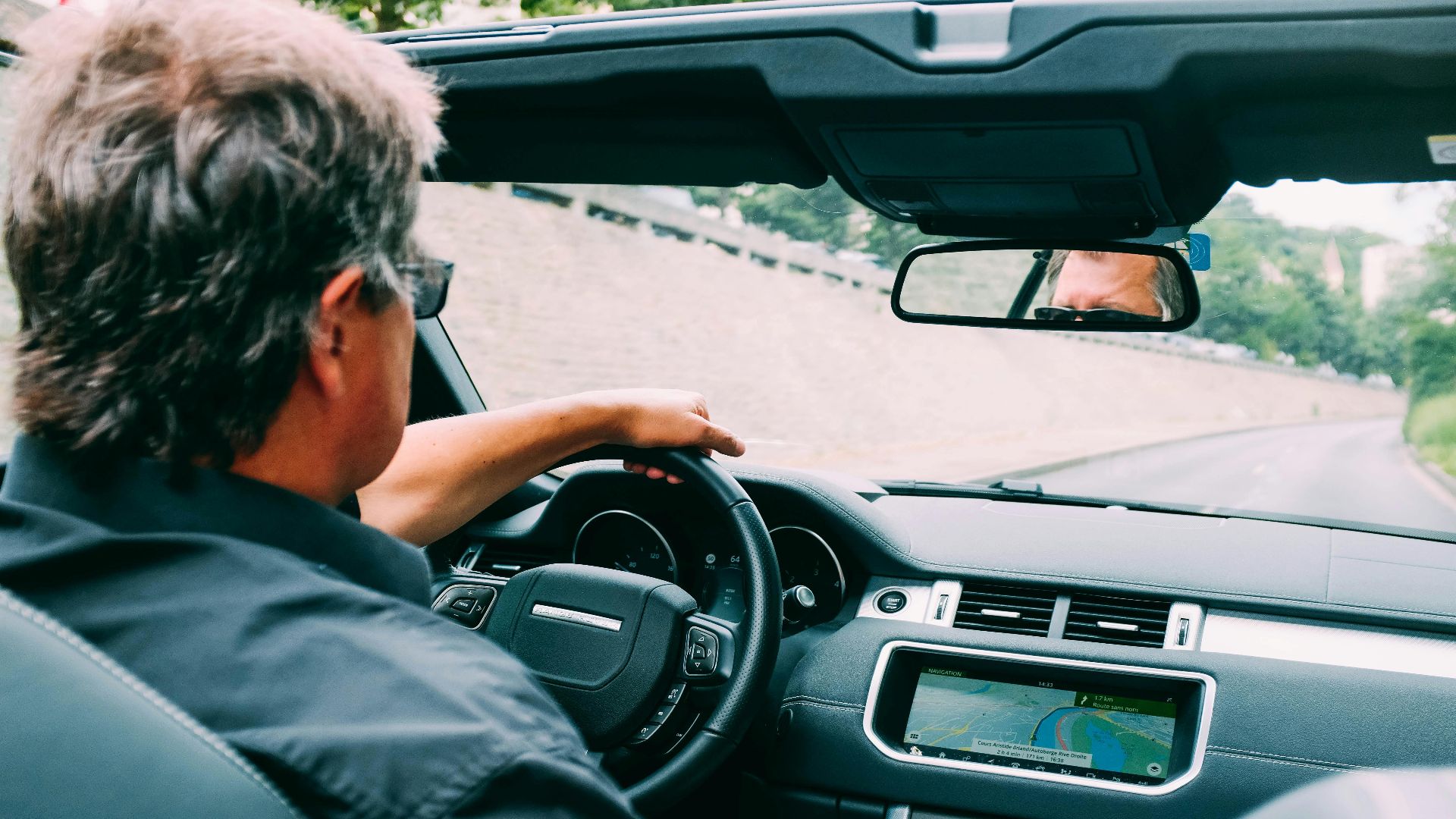
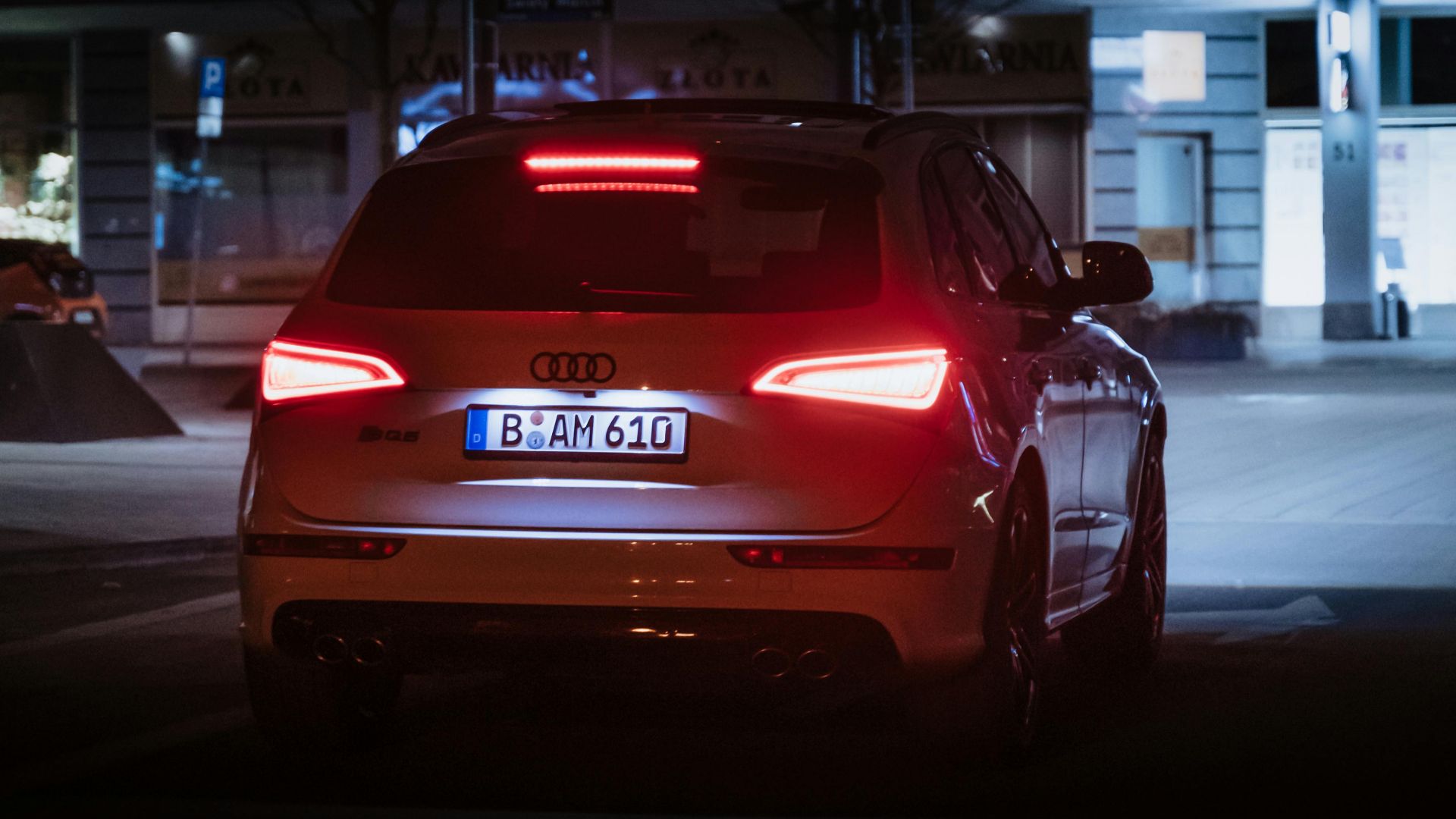
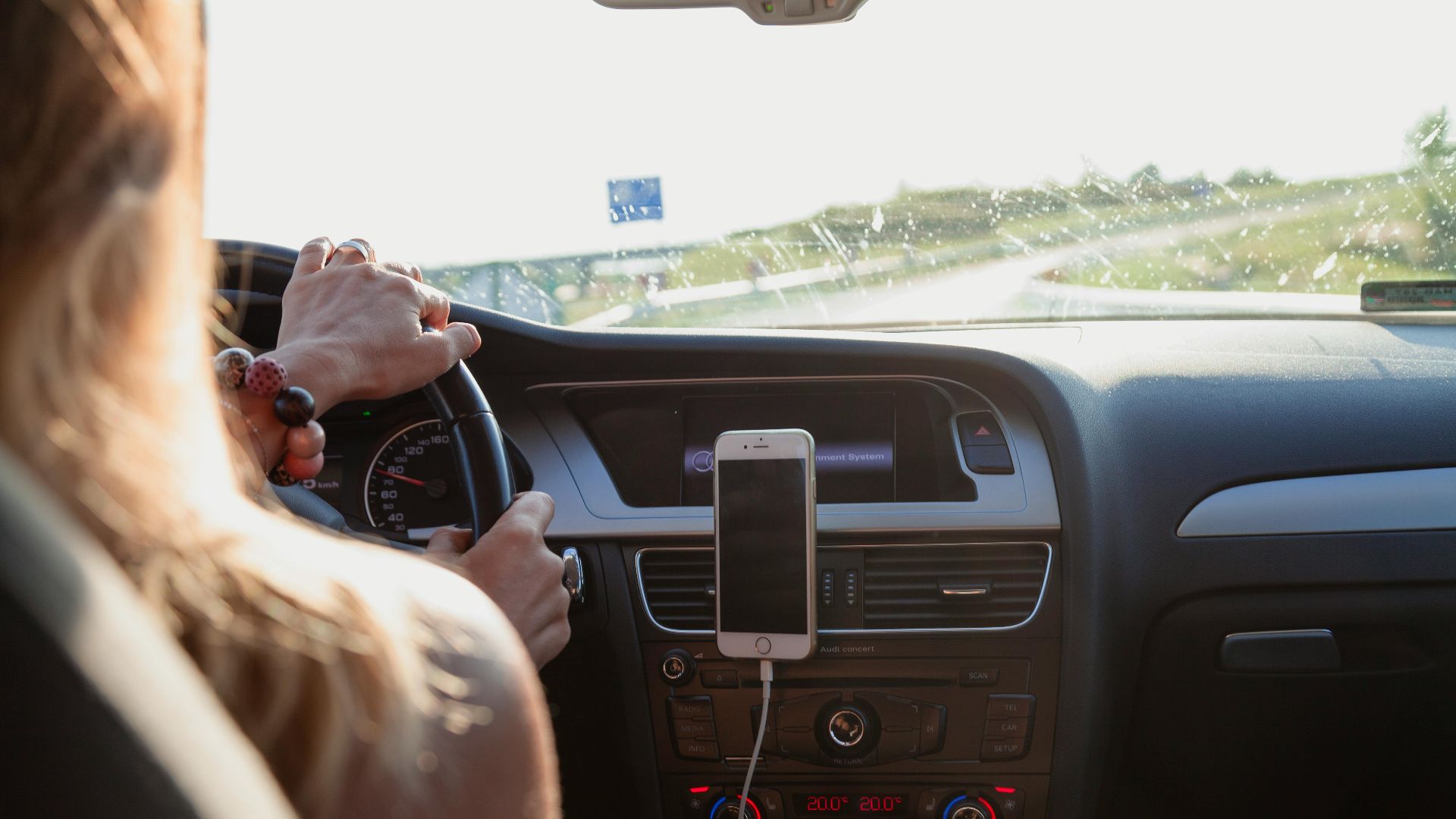
It doesn’t feel like driving when your foot is on the brake—but legally, you still are. Traffic laws treat you as “in control of a vehicle” anytime you’re behind the wheel on a public road. That includes red lights, stop signs, and even bumper-to-bumper traffic.
The Key Phrase: “Care and Control”
This is the part most people don’t realize. Laws are written around whether you have “care and control” of the vehicle—not whether it’s moving. If you’re in the driver’s seat with the engine on, you’re considered responsible for operating the car at all times.

Movement Isn’t the Legal Trigger
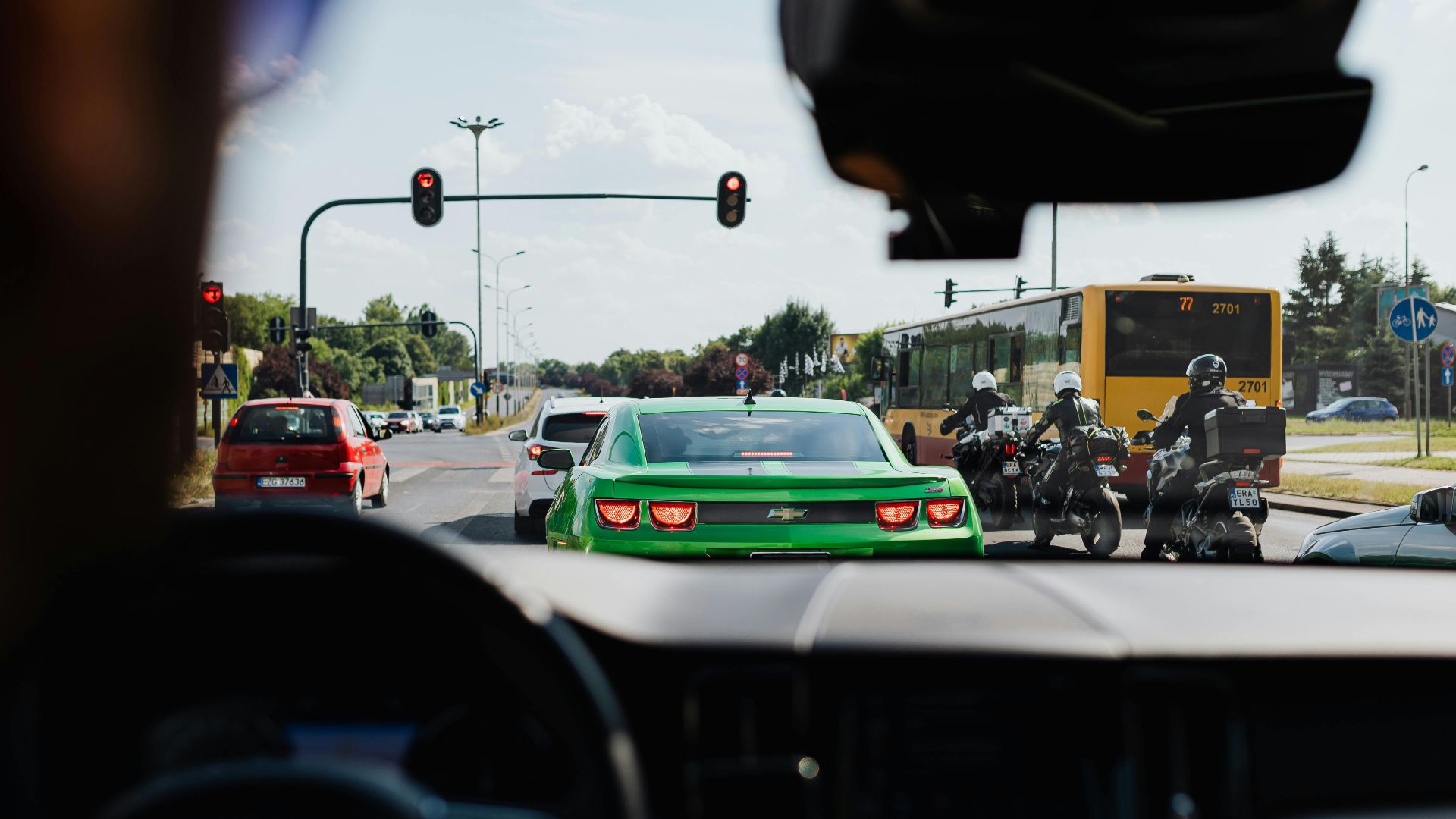
You don’t need to be rolling to break the rule. As long as you’re in traffic and able to move at any moment, the law treats you as actively driving. That’s why a stopped vehicle at a light is treated differently than a parked one.
Why There’s No “Stopped” Exception
If there were, it would be impossible to enforce. Every driver caught using their phone could simply say, “I was stopped.” That kind of loophole would make distracted driving laws nearly useless, so lawmakers removed the ambiguity altogether.
Some U.S. States Ban All Handheld Use
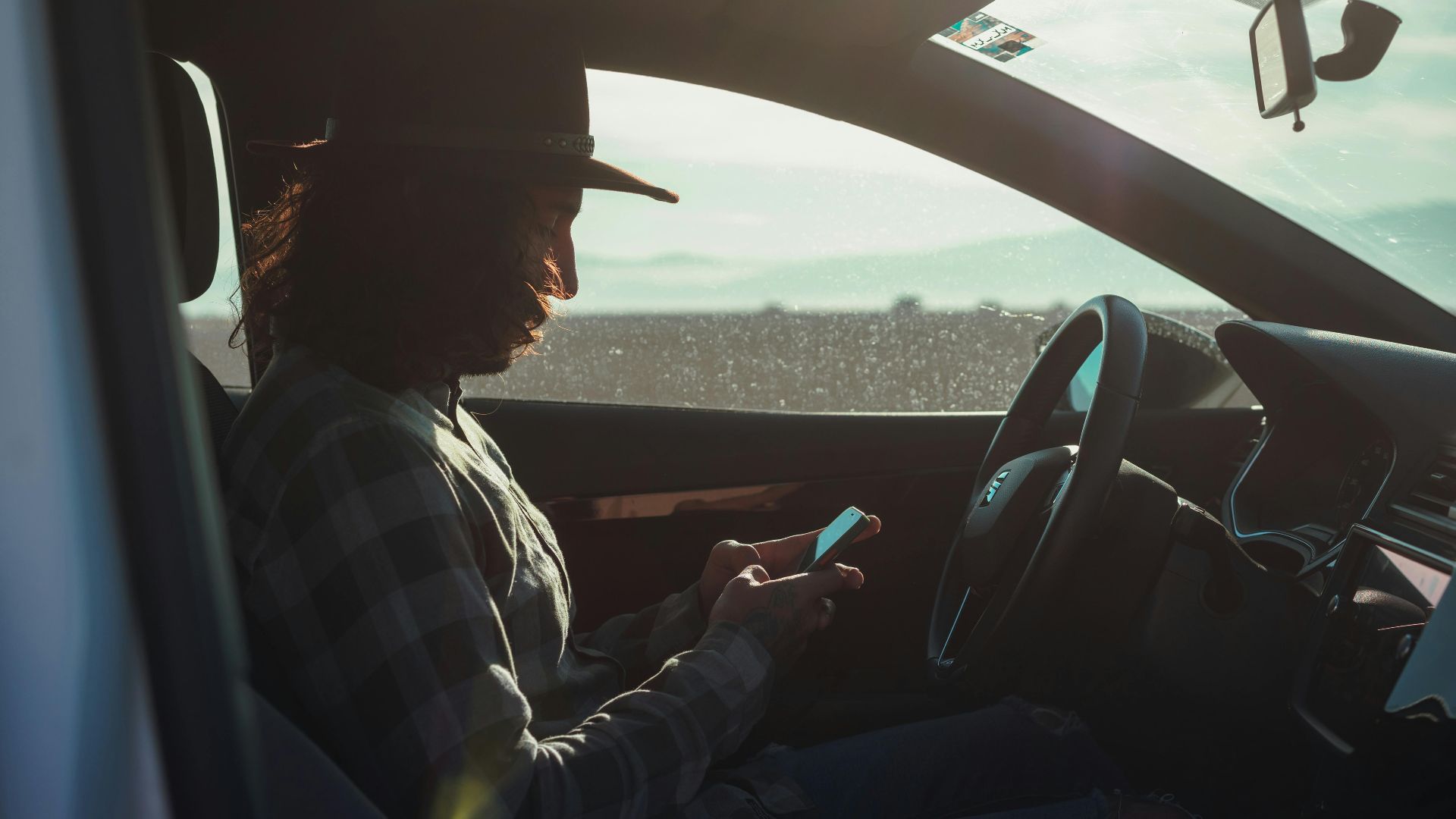
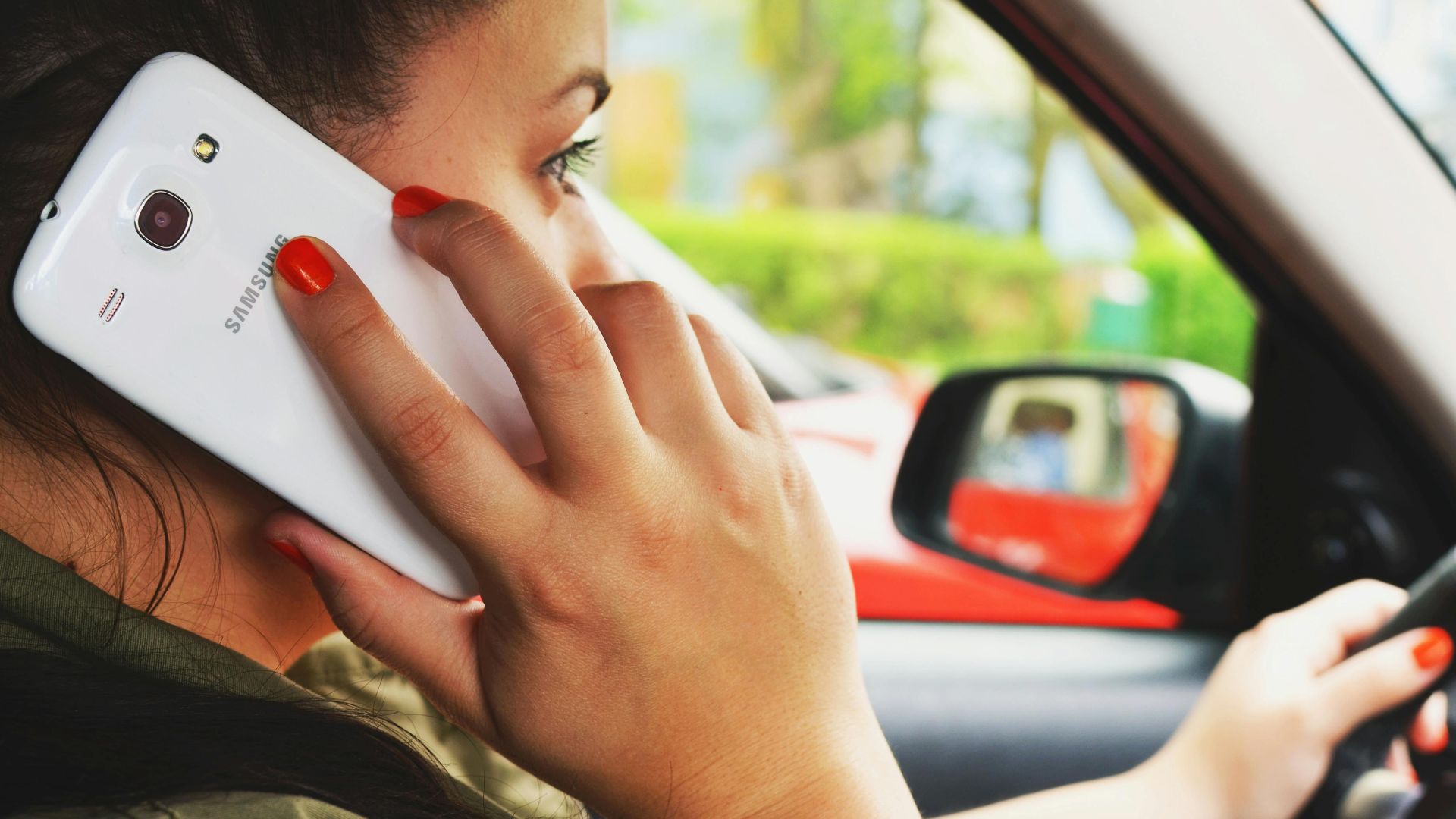
It’s not just texting anymore. States like California, New York, and Illinois have laws that effectively ban holding and using a handheld phone while driving. Hands-free or mounted use is typically allowed—but holding the device is what gets drivers ticketed.
The U.K. Took It Even Further
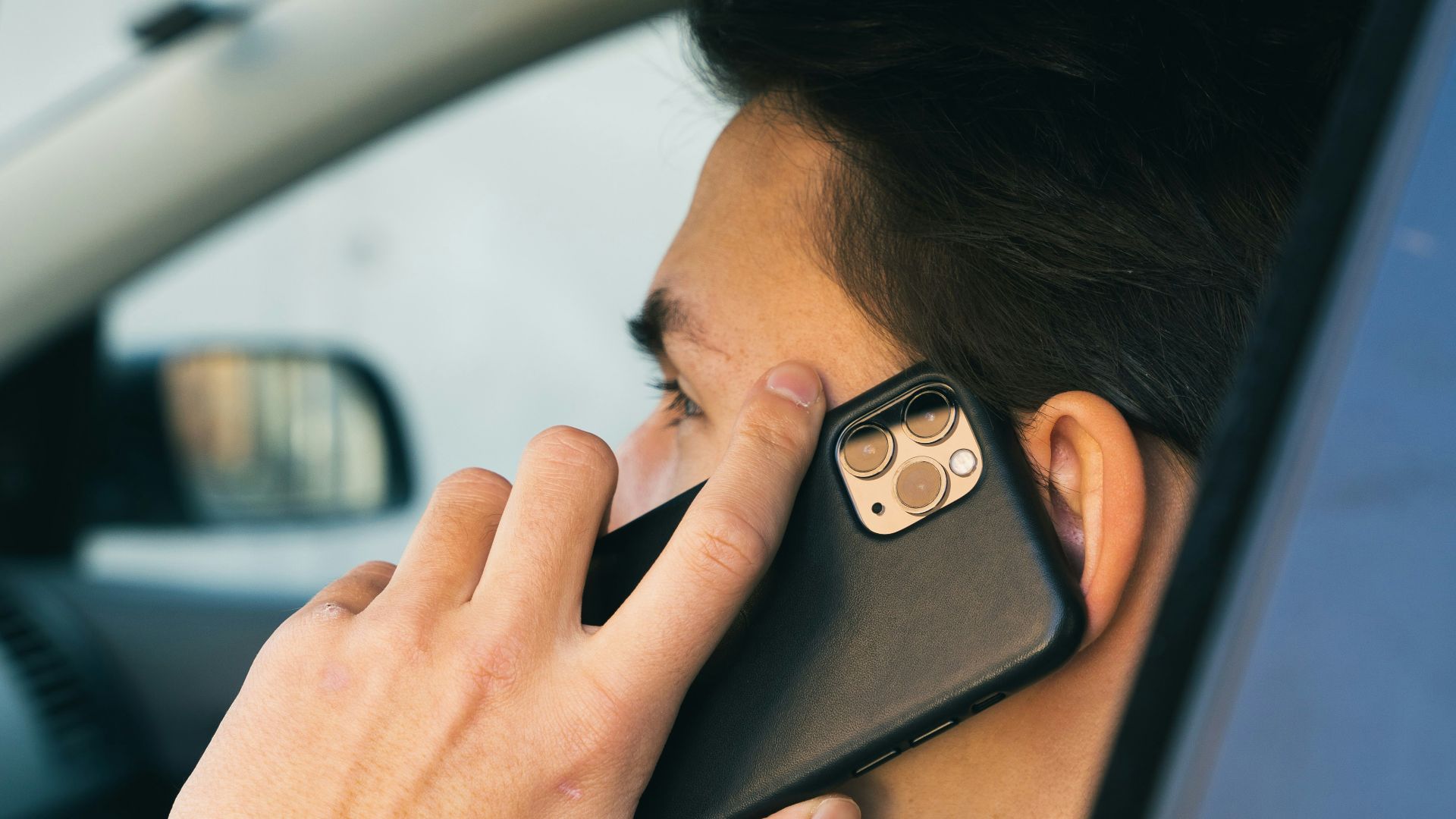
The rules got tighter in recent years. In the U.K., drivers can be fined for any handheld phone use at all—including taking photos, scrolling playlists, or unlocking the device. The fine can reach £200 plus penalty points.

Quebec Is Strict Too
If you’re in Quebec, the rules are very clear. Using a handheld phone while driving, including at a red light, can result in fines of around $300 to $600 and 5 demerit points. Repeat offenses can lead to escalating fines and immediate license suspensions.
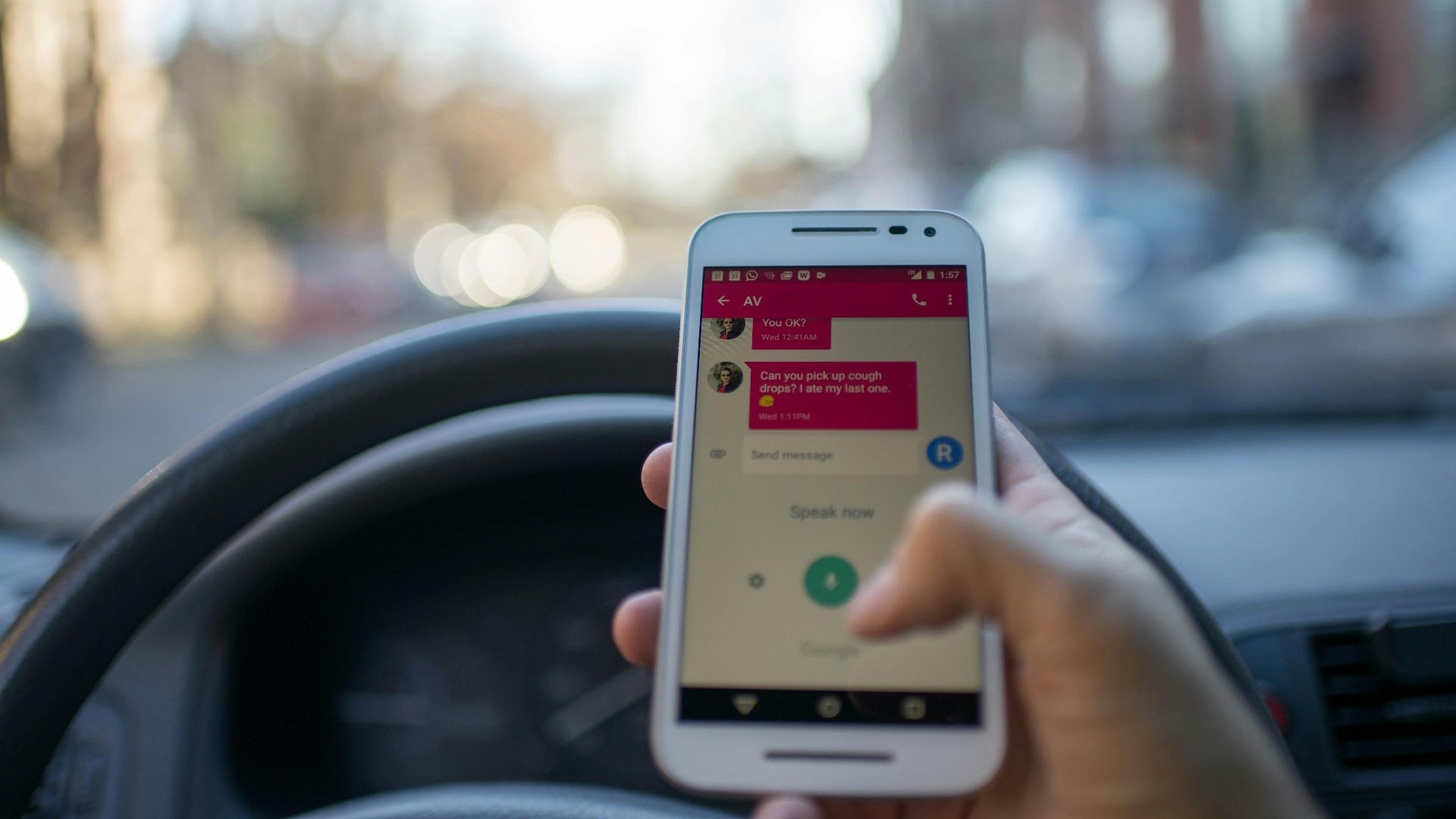
You’re Expected to React Instantly
Even at a red light, things change fast. The light turns green. The car ahead hesitates. A pedestrian steps out unexpectedly. Emergency vehicles need space. If your attention is down—even briefly—you’re not ready to react when things change.
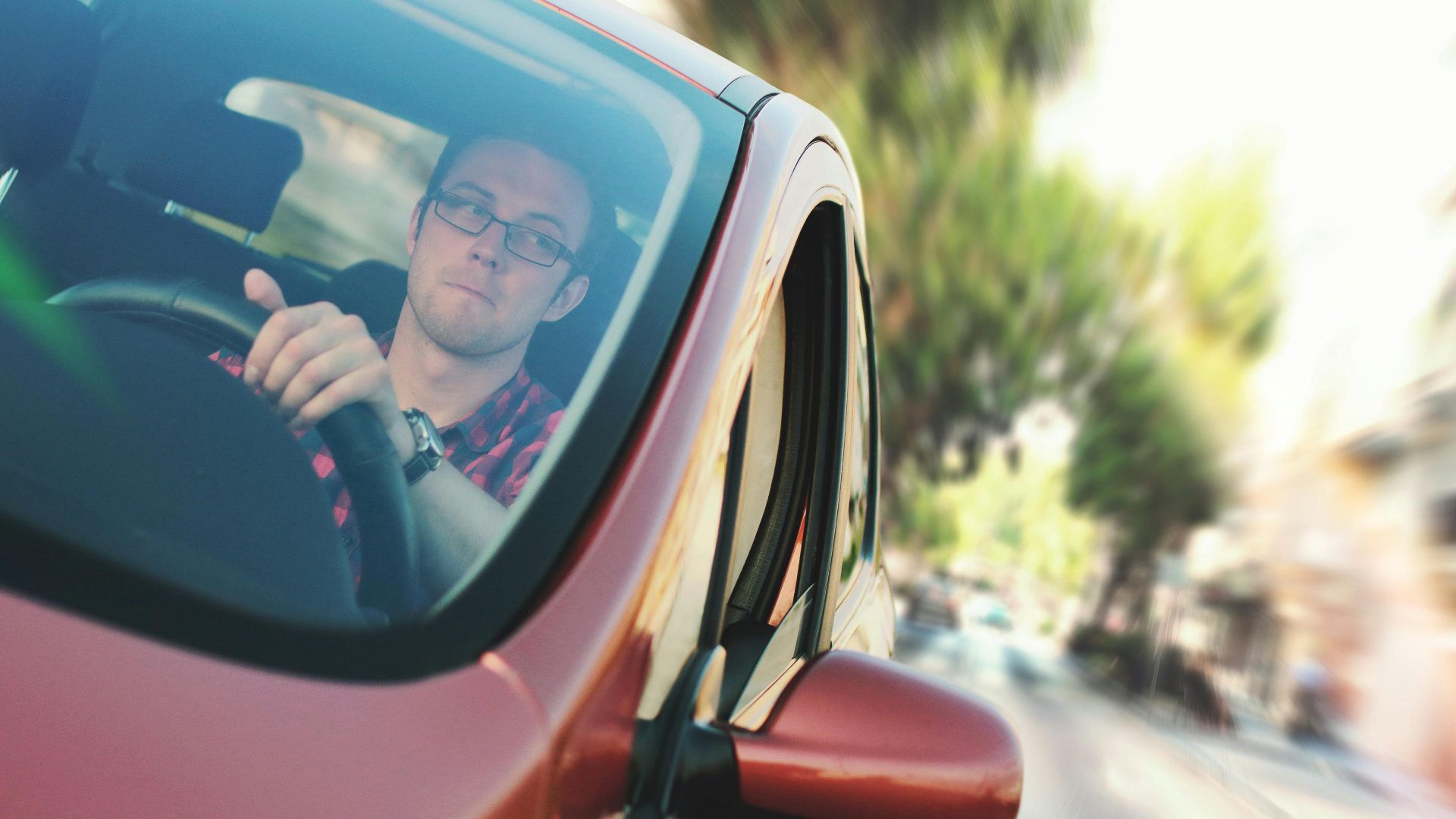
A Few Seconds Is All It Takes
This is where the risk really shows up. According to the NHTSA, sending or reading a text takes your eyes off the road for about 5 seconds. At highway speed, that’s like driving the length of a football field with your eyes closed.
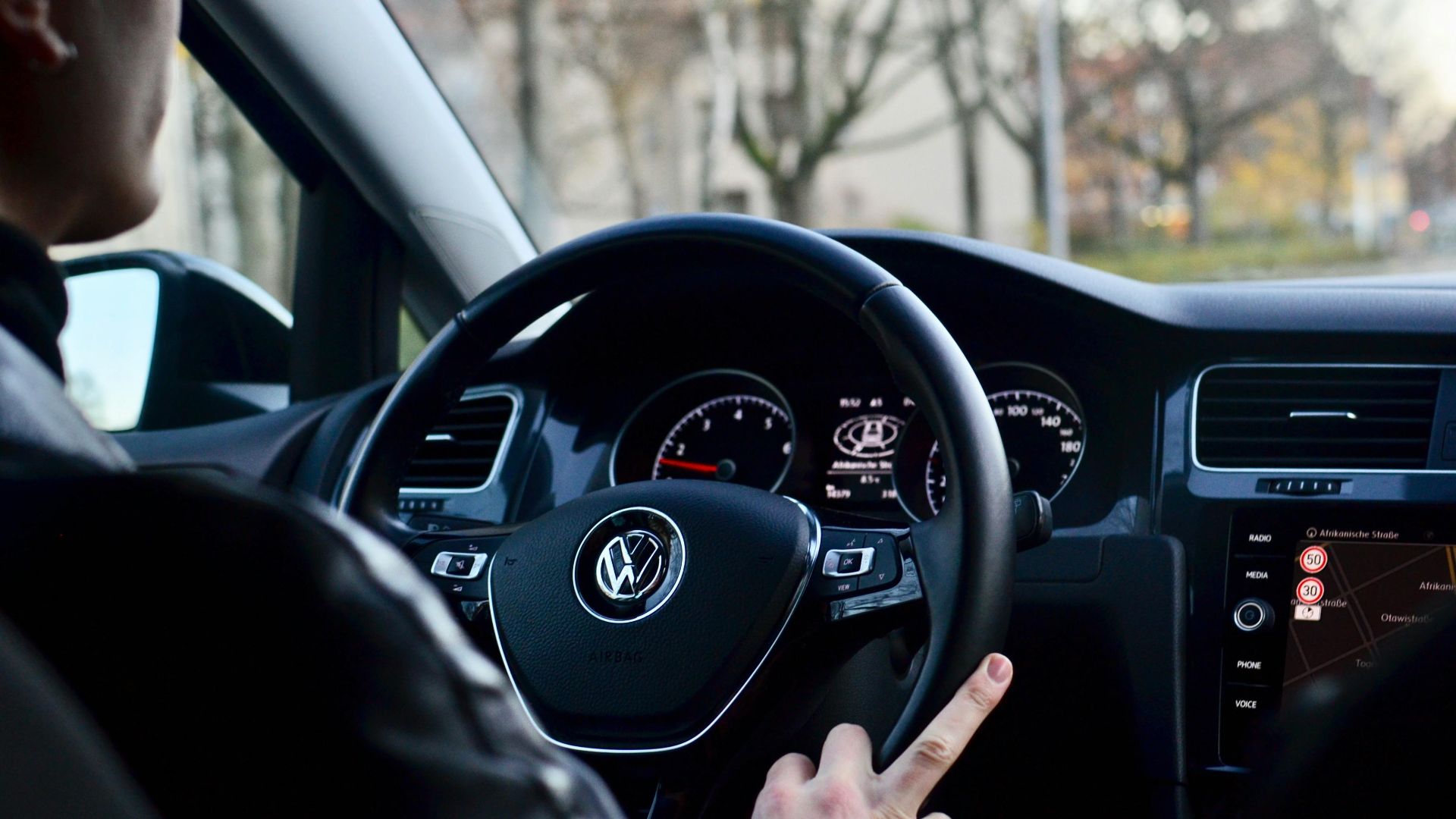
Distracted Driving Is a Leading Cause of Crashes
This isn’t just a technicality, it’s a major safety issue. In the U.S., over 3,000 people are killed each year in crashes involving distracted drivers. In Canada, driver distraction is reported in a significant share of fatal collisions.
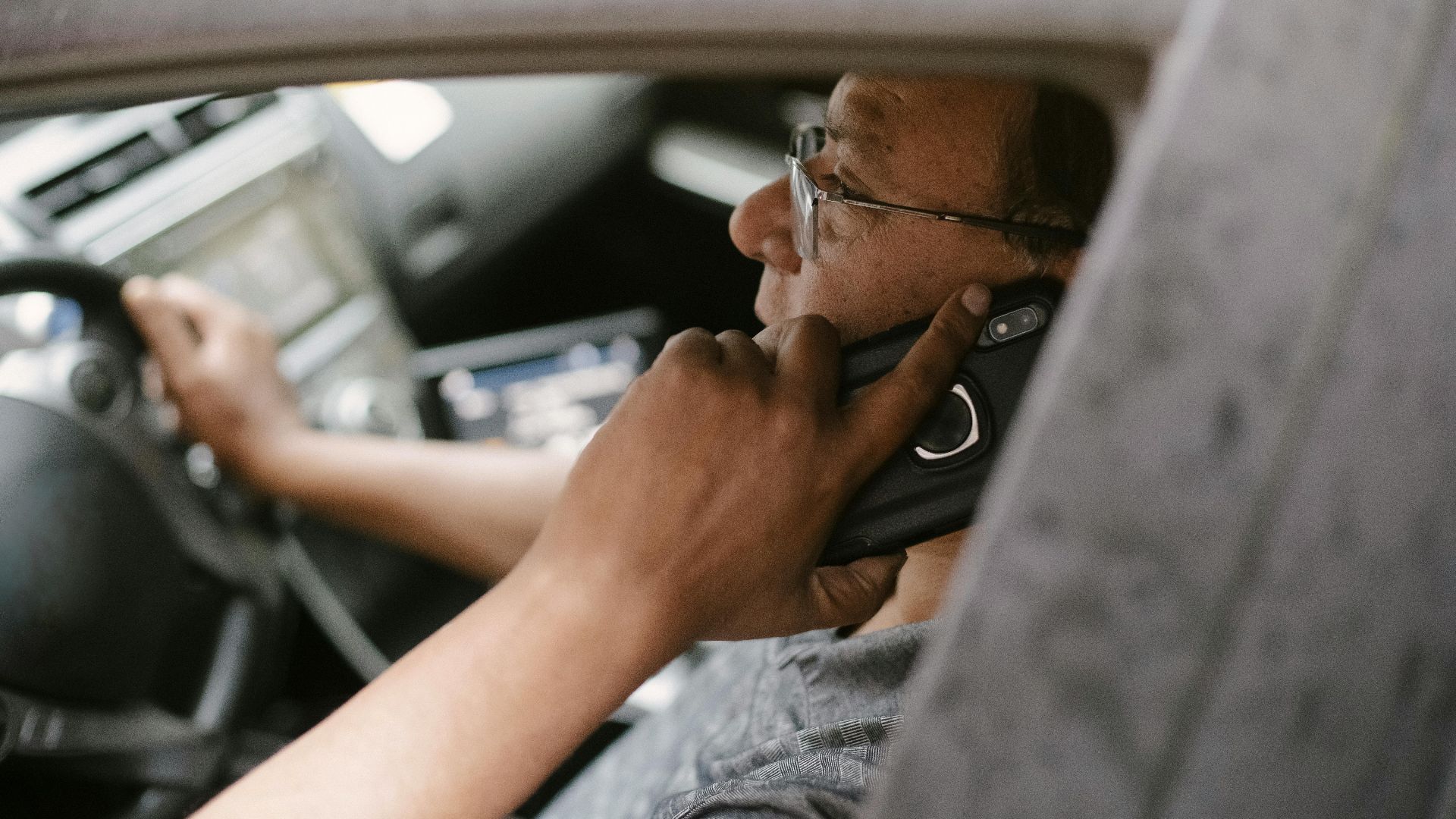
Rear-End Crashes Are Especially Common
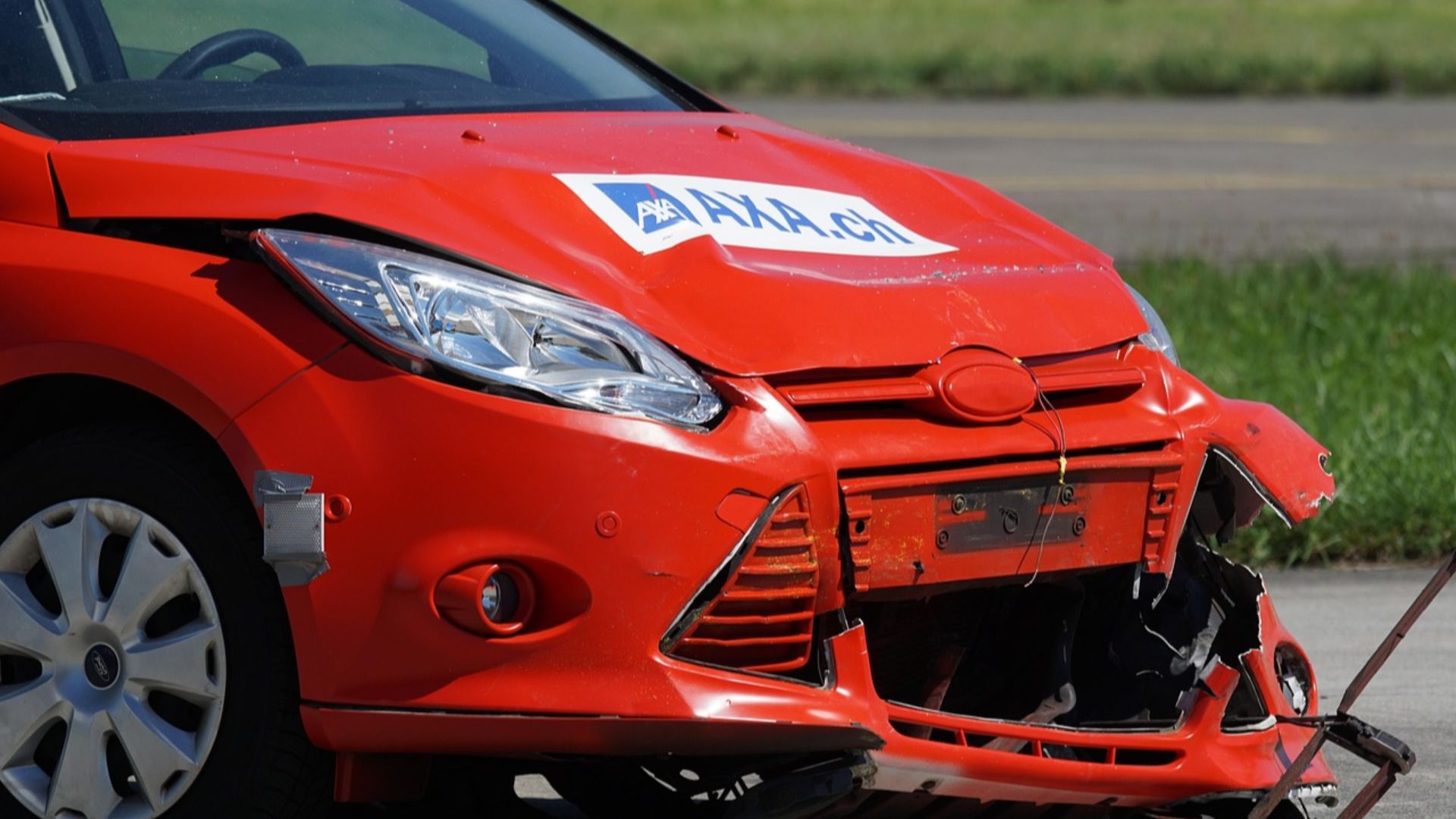
And they often happen in situations just like this. Rear-end collisions are one of the most frequent crash types—and they’re strongly linked to drivers looking down at their phones, even for a moment at lights or in slow traffic.
Texting Is the Worst Offender
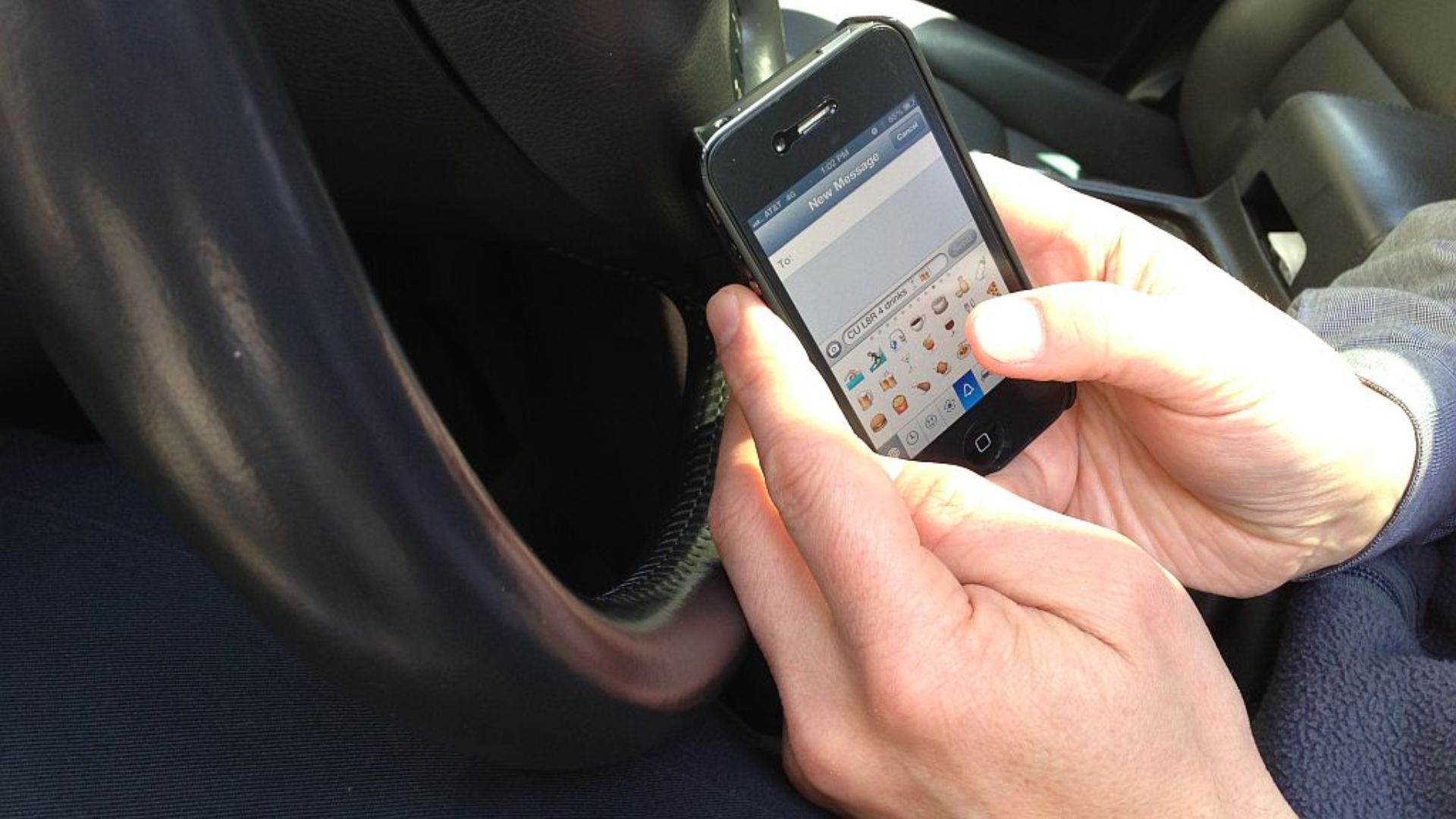
Not all distractions are equal. Texting combines visual, manual, and cognitive distraction all at once. You’re looking away, using your hands, and thinking about something unrelated to driving—which makes it especially dangerous.
 Intel Free Press, Wikimedia Commons
Laws Are Designed to Be Simple
There’s a reason the rule feels strict. “No handheld phone use while driving” is easy to understand and enforce. The moment exceptions get added (like “only at red lights”) it becomes harder to apply consistently.
Officers Don’t Need Long to Issue a Ticket
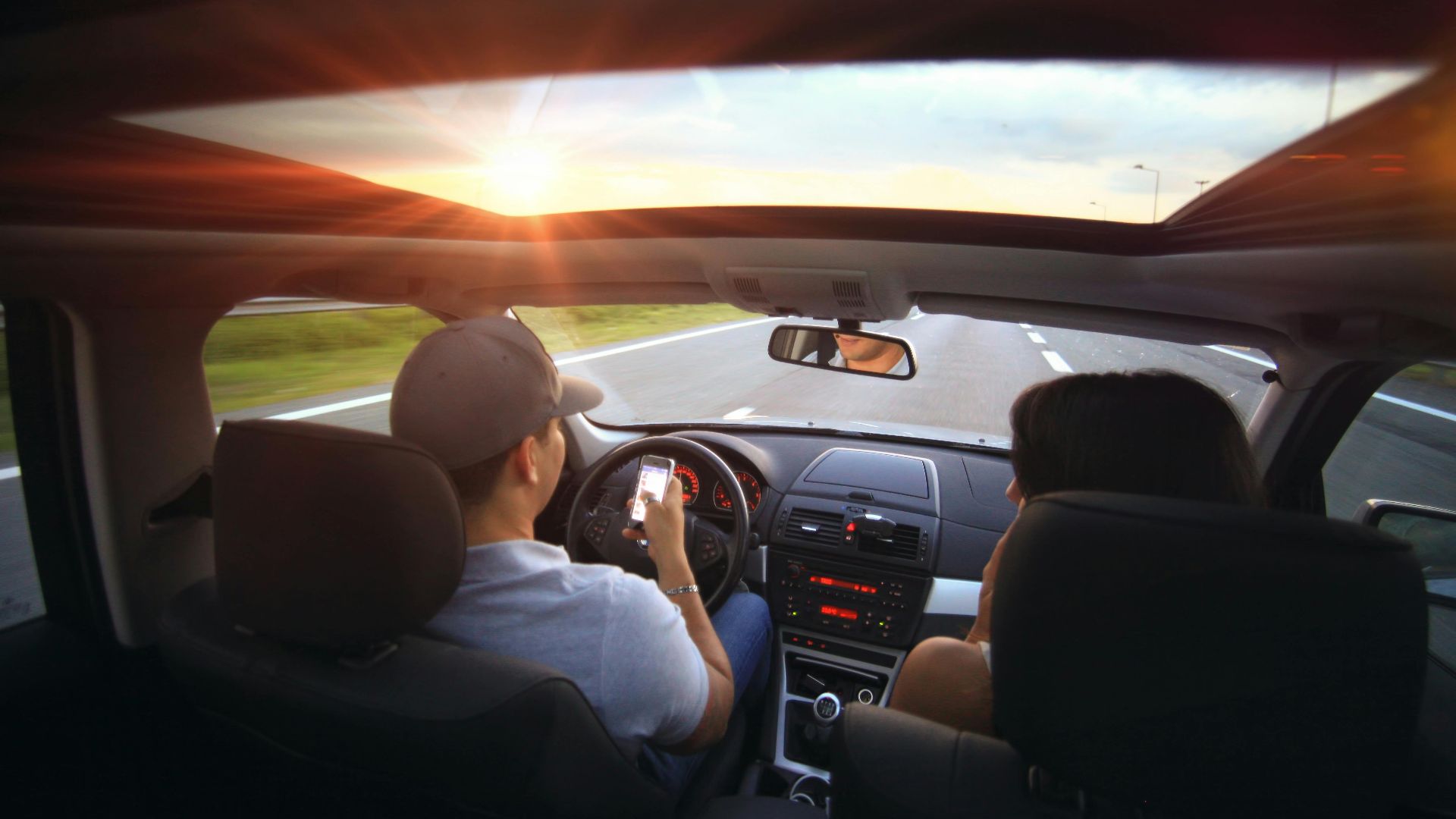
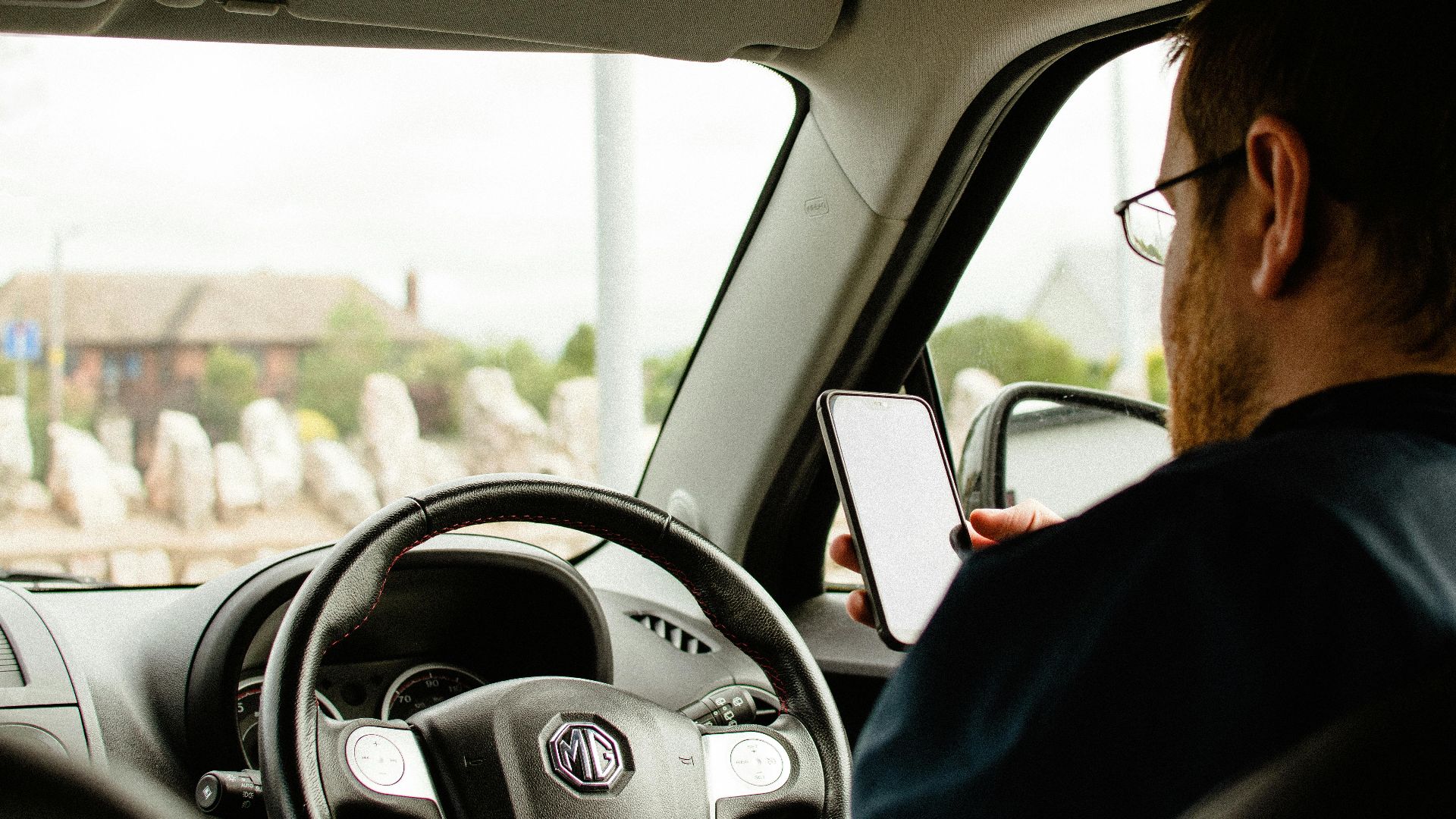
It’s not about how long you were on your phone. If an officer sees you holding and using your phone while in control of the vehicle, that’s usually enough. From a higher vantage point—like a cruiser—they can often clearly see drivers looking down or holding a phone.
The Penalties Can Be Steep
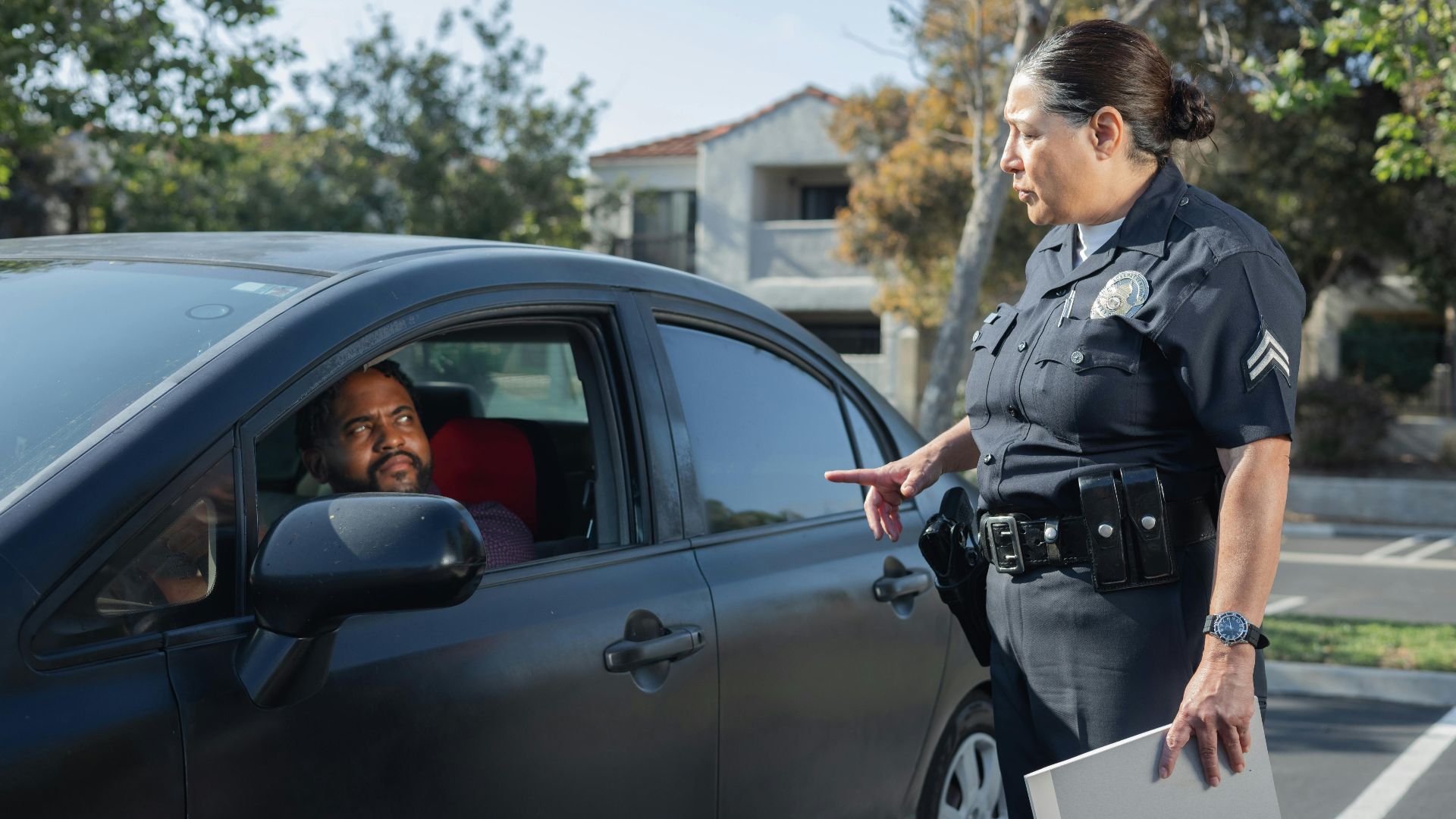
It’s more than just a small fine. In Ontario, a first offense can cost around $615, plus 3 demerit points and a license suspension for repeat violations. In other regions, fines vary—but they can escalate quickly.

Insurance Companies Take It Seriously
The cost doesn’t stop with the ticket. A distracted driving conviction can lead to higher insurance premiums and long-term rate increases, depending on your driving record and insurer.

Hands-Free Is the Safer Alternative
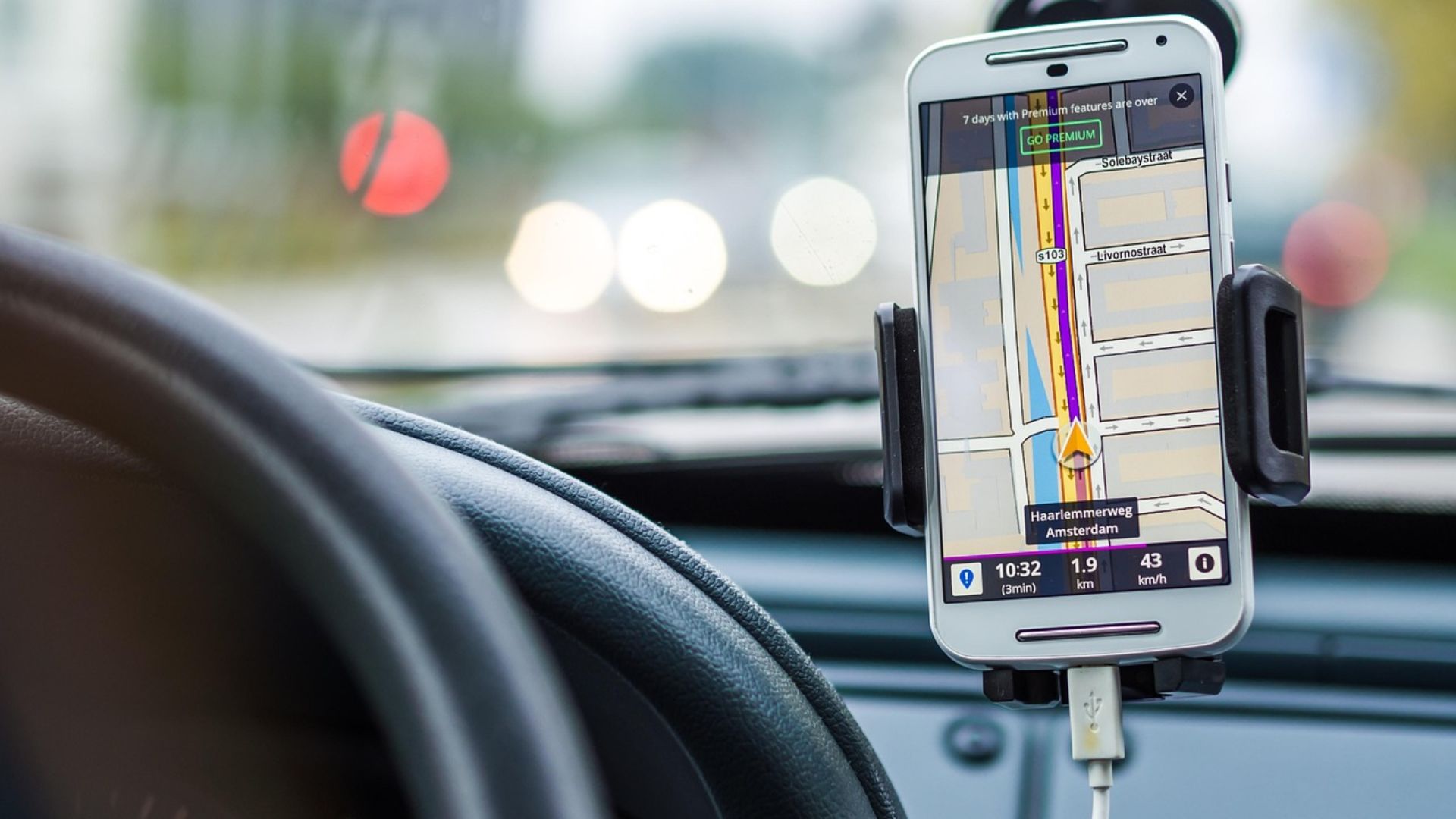
Most laws draw a clear line here. Voice commands, steering-wheel controls, and properly mounted devices are typically allowed—as long as you’re not physically holding the phone.
But Even Hands-Free Has Limits
It’s not a total free pass. If hands-free use becomes distracting—like trying to compose long messages—it can still take your focus off the road. Less interaction is always safer.
Being Fully Parked Changes Everything
There’s a clear and important distinction. To legally use your phone, you typically need to be parked and out of traffic—not just stopped. That means pulled over safely, not sitting in a live lane.
A Red Light Doesn’t Count as Parked
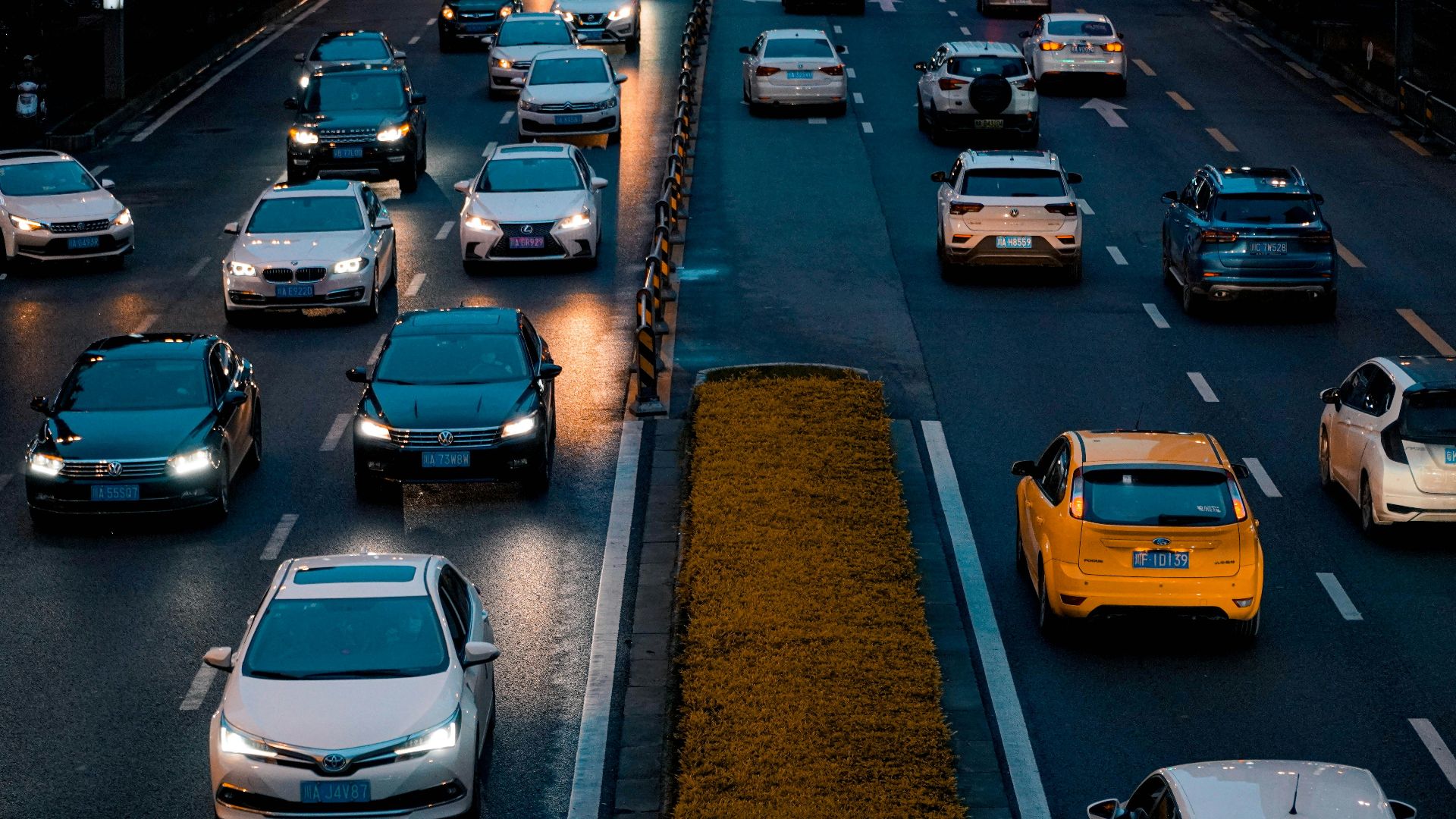
This is where most people get tripped up. Even though you’re stopped, you’re still in a live lane of traffic and expected to move at any moment. That keeps you firmly in the “driving” category.
Commercial Drivers Face Even Harsher Rules
If you’re driving for work, the stakes go up. Commercial drivers in both Canada and the U.S. face stricter regulations and penalties. In the U.S., federal rules treat even temporary stops in traffic as “driving,” meaning handheld phone use can lead to serious fines or disqualification.

It’s About Habit, Not Just the Moment
Laws are trying to shape behavior. Checking your phone at red lights might feel harmless, but it builds a habit that often carries into moving traffic, where the risks are much higher.
Why It Still Feels Unfair
Because in that exact moment, it didn’t seem risky. You were stopped. Nothing bad happened. But traffic laws aren’t based on individual moments, they’re based on patterns that lead to accidents over time.
The Bottom Line
You may not have been moving—but legally, you were still driving. As long as you’re in control of the vehicle and not fully parked, distracted driving laws apply. That quick text at the red light is treated the same as texting on the move. And that’s why the ticket holds up.
You Might Also Like:
Another EV driver unplugged my car at a public charger so they could use it. Is that even allowed?