The Tiny Ride With A Big Ticket
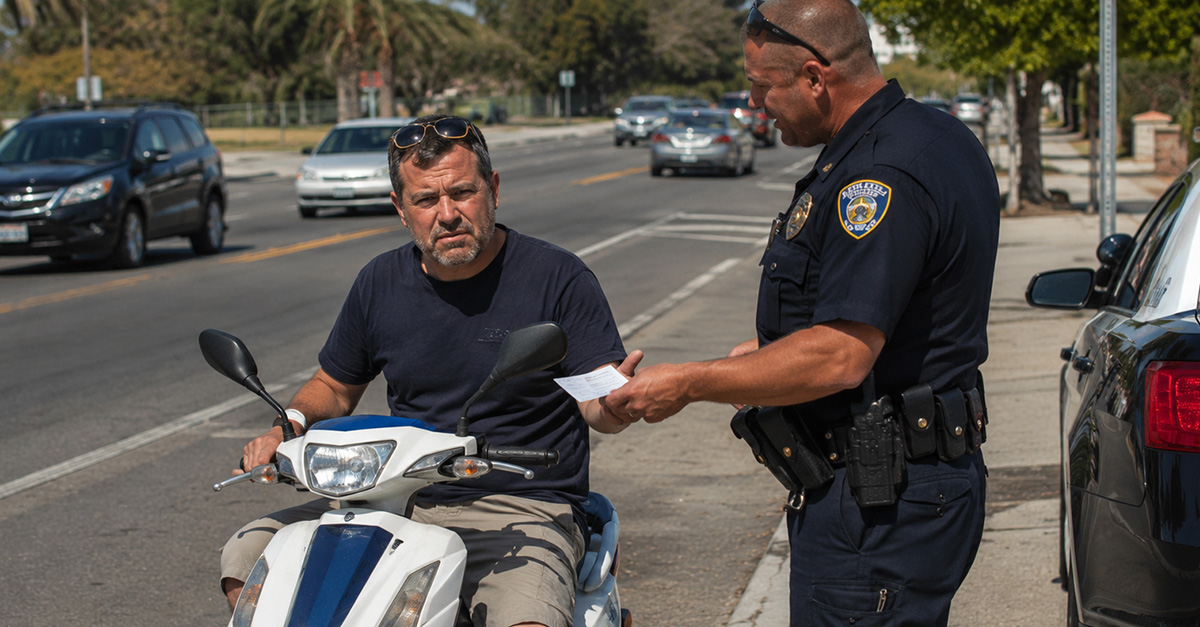
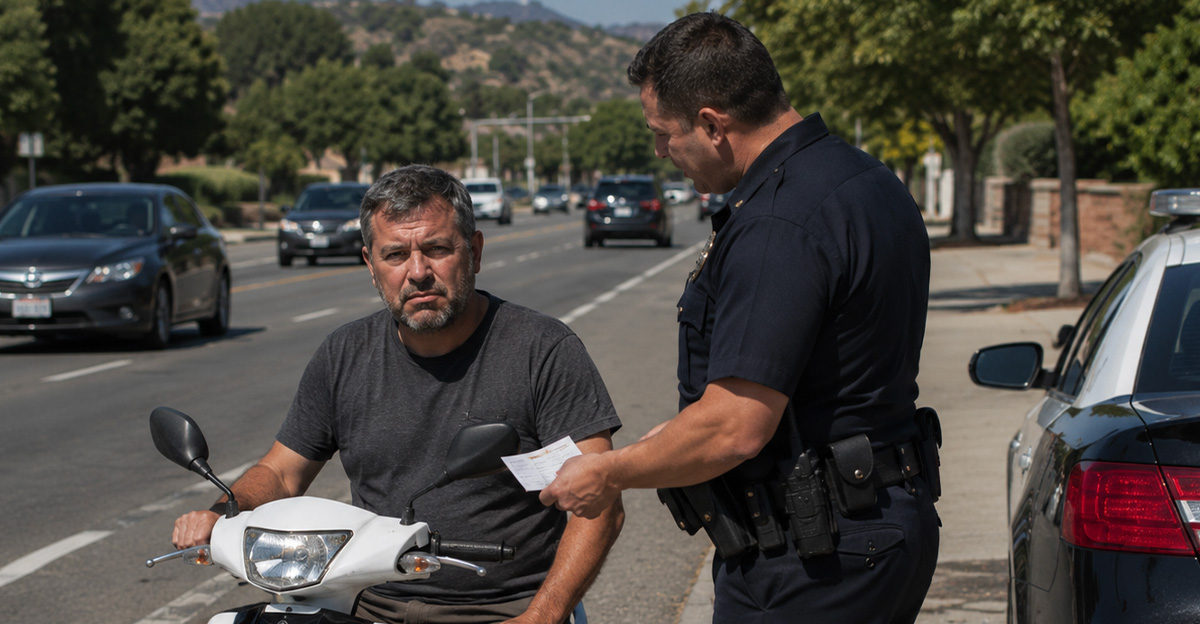
You bought a moped because it seemed simple. Cheap gas, easy parking, no drama. You only zip a few blocks, so the helmet stayed at home. Then red and blue lights appeared behind you at 15 MPH. Now you’re wondering: was that ticket really necessary?
Fifteen MPH Still Counts
That speed feels harmless, especially when bicycles are passing dogs, delivery riders, and joggers at nearly the same pace. But traffic laws usually do not care how relaxed your ride felt. If your vehicle falls under a helmet rule, 15 MPH can still be enough to earn a citation.

Distance Is Not A Legal Force Field
“I was only going around the corner” sounds reasonable at the coffee shop, not always in traffic court. Most helmet laws apply while operating on public roads, not after a certain mileage. One block, one mile, or one lazy Sunday loop can all count the same.

Mopeds Live In A Weird Legal Zone
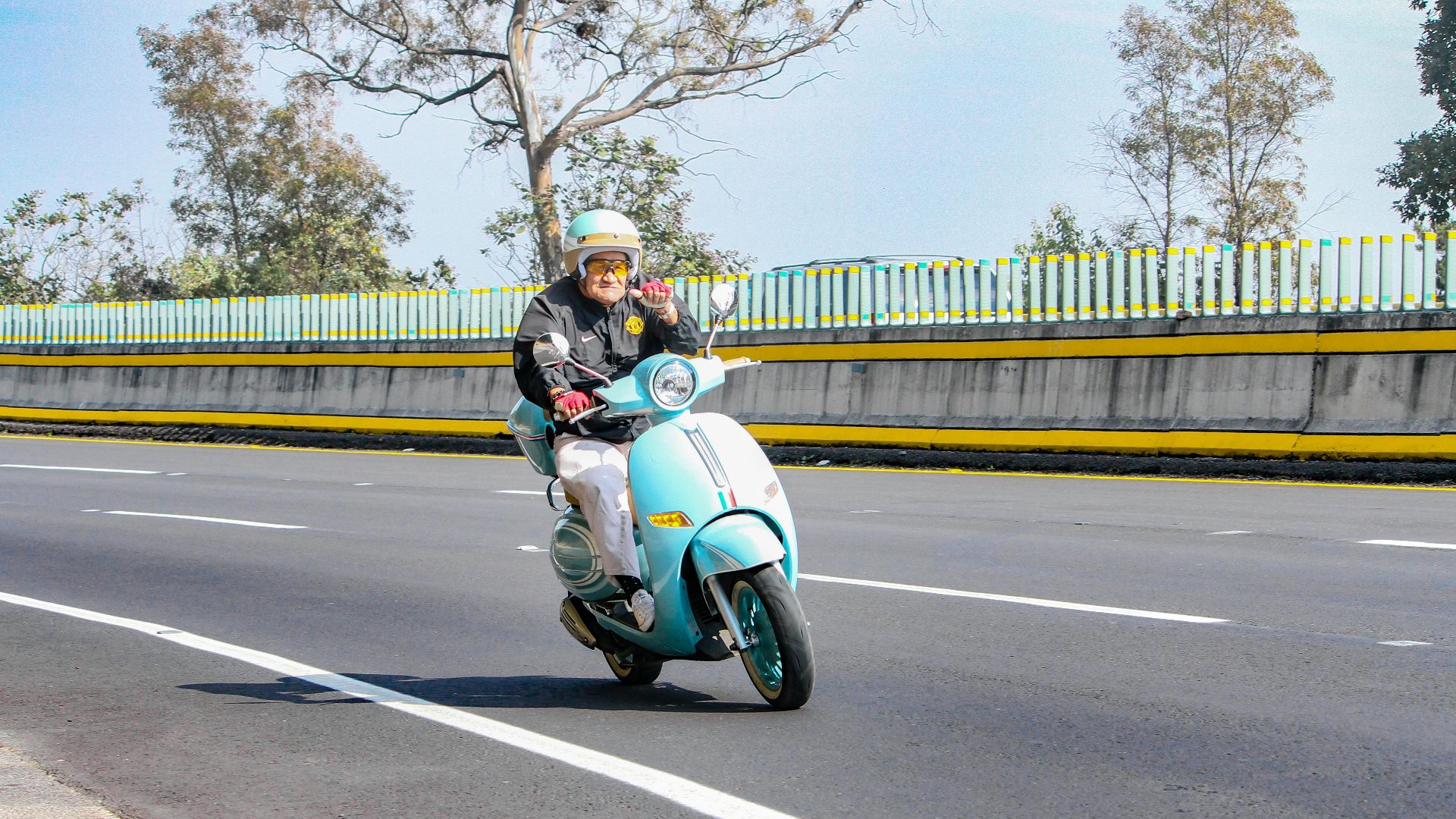
Mopeds are the platypus of the road: part bicycle, part motorcycle, part paperwork headache. Depending on where you live, your machine might be called a moped, motor-driven cycle, limited-speed motorcycle, scooter, or something else. That label can decide which rules apply.
The Sticker On The Bike Matters
Your owner’s manual may call it a moped, but the law may classify it by engine size, top speed, pedals, horsepower, or whether it needs a plate. Before arguing the ticket, check how your state, province, or city defines the vehicle you were riding.

Helmet Laws Are Not Universal
In some places, every rider must wear a helmet. In others, only younger riders must. A few places have very limited helmet rules. Some laws treat mopeds differently from motorcycles. That is why “my buddy never wears one” is terrible legal research.
Public Roads Change The Game
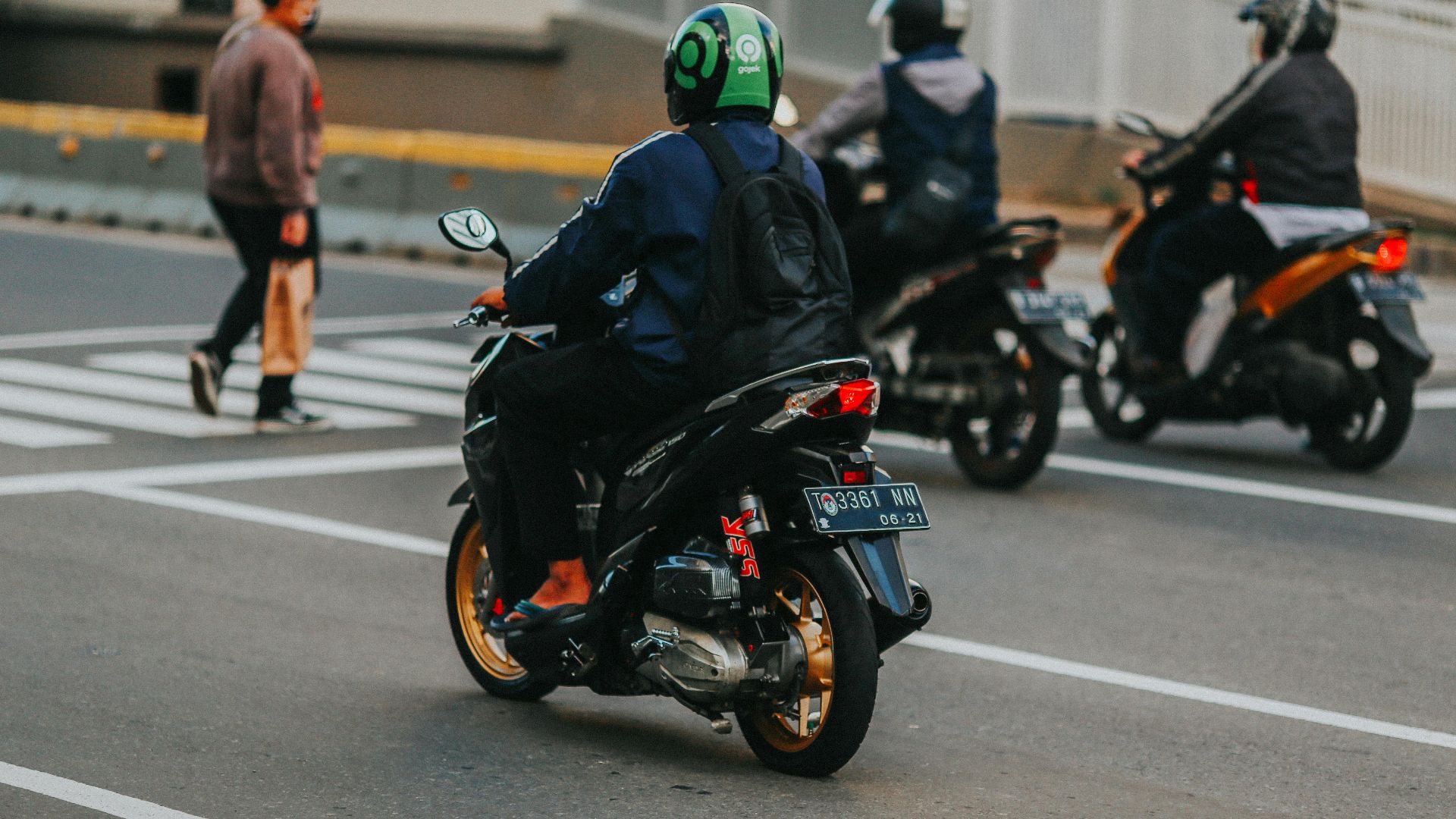
A moped in your driveway is one thing. A moped on a street with cars, trucks, buses, potholes, and distracted drivers is another. Once you enter public traffic, the rulebook gets thicker. Registration, license class, insurance, equipment, lights, and helmets may all matter.

The Officer Probably Wasn’t Measuring Vibes
You may have been riding calmly, safely, and politely. The officer may still have seen a simple violation: rider, moped, public road, no helmet. That kind of ticket usually does not require wild speeding or reckless behavior. Sometimes the missing helmet is the whole case.

The Ticket May Be Valid
Do you really have to pay it? Maybe. If the law where you were stopped requires a helmet for your vehicle and rider category, the ticket may be valid even at neighborhood speeds. Annoying? Absolutely. Impossible to enforce? Not usually.

But Do Not Pay Blindly
Before handing over money, read the ticket carefully. Check the statute number, location, date, vehicle description, and your information. Then look up the exact rule listed. You are not trying to become a courtroom wizard. You are checking whether the ticket actually matches the law.

Your Vehicle Classification Could Help
The strongest defense may not be “I was going slow.” It may be “this vehicle is not covered by that specific helmet law.” That depends on local definitions. If your moped legally fits an exempt category, the citation may be questionable.

Your Age Could Matter
Many helmet laws are age-based. Some require helmets for all riders. Others apply only to riders under a certain age. If the officer cited a rule that applies to younger riders and you are outside that group, that is worth checking before paying.

The Helmet Type Can Also Matter
Some laws do not just say “wear a helmet.” They say it must meet a specific approved standard. That means a bicycle helmet, novelty helmet, or decorative brain bucket may not count. For next time, buy a proper approved helmet, not just something round and shiny.

The Speed Argument Is Weak
It feels unfair because 15 MPH sounds like nothing. But crashes at low speed can still hurt, especially when your head meets pavement, a curb, or a car bumper. Legally, speed often does not erase a helmet requirement. Safety-wise, pavement is undefeated.
The Safety Case Is Boring But True
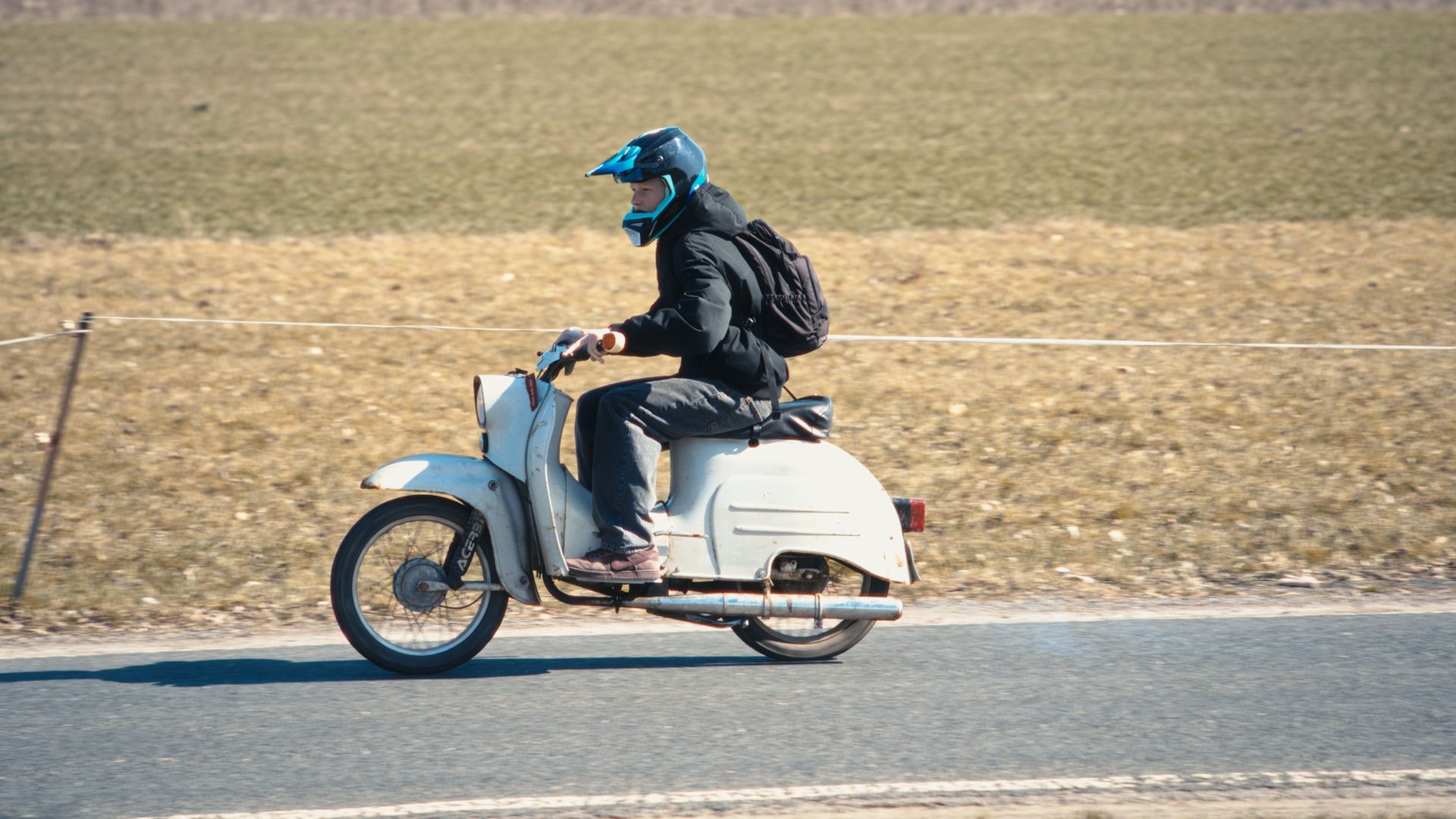
Nobody buys a moped to feel like they are suiting up for battle. Still, helmets are one of the simplest pieces of protective gear you can wear. You do not need to be reckless to crash. Sometimes gravel, wet leaves, or someone opening a car door is enough.

The Fine May Not Be The Only Cost
A ticket can bring more than a fine. Depending on where you live, there may be court fees, administrative costs, license points, insurance complications, or repeat-offense penalties. Even a small ticket can grow teeth if ignored or handled late.

Ignoring It Is The Worst Plan
The one move almost guaranteed to make things worse is tossing the ticket into a drawer. Missed deadlines can lead to late fees, default judgments, license issues, or collection headaches. Even if you think the ticket is silly, treat the deadline like it matters.

You May Have Options
Most tickets come with choices: pay, request a hearing, contest it, or seek a reduction. The exact menu depends on your jurisdiction. Read the instructions on the citation or court website. The tiny print may be boring, but it is where your next move lives.

A Hearing Is Not A Movie Scene
Contesting a ticket usually does not mean dramatic courtroom speeches. It may be a short hearing, a prosecutor conversation, or an online process. Bring facts, not fury. “Here is why this law does not apply to my vehicle” beats “I was barely moving.”

Bring The Right Paperwork
If you fight it, gather your registration, vehicle specs, manual, photos, title documents, and the law’s definition of your moped class. If there was signage, road confusion, or an equipment issue, document that too. A clean folder beats a passionate shrug.

Be Nice To The Clerk
Court clerks cannot be your lawyer, but they can often explain process, deadlines, forms, and payment options. Be polite. Ask what your choices are and what happens if you contest the citation. Kindness may not erase the ticket, but it makes bureaucracy less painful.

Consider The Math
Sometimes fighting a ticket makes sense. Sometimes taking time off work, paying parking, and spending hours on a minor fine is not worth it. The smart move is not always the dramatic move. Compare the total cost of paying versus contesting before choosing.

A Lawyer May Be Overkill
For a small helmet ticket, hiring a lawyer may cost more than the fine. But if the ticket could affect your license, insurance, job, immigration status, or commercial driving record, professional advice may be worth it. Small vehicles can still create big consequences.

Fix The Problem Before Court
Showing up with an approved helmet receipt may not automatically dismiss the ticket, but it can help you look responsible. Some places offer fix-it style treatment for equipment violations. Even where they do not, it shows you understood the issue and corrected it.

The Real Answer Is Local
So, do you have to pay? The honest answer is: check the exact law printed on the ticket. If it applies to your vehicle, your age, and your road use, probably yes. If one of those pieces is wrong, you may have a fair reason to contest it.

Wear The Helmet Anyway
Even if you beat the ticket, the lesson is not “helmets are optional.” The lesson is that mopeds are real vehicles in real traffic. A helmet is cheaper than a hospital visit, easier than court, and less annoying than explaining road rash at brunch.

The Bottom Line
Your 15 MPH moped ride may have felt like a harmless neighborhood cruise, but the law may see it as operating a regulated motor vehicle without required gear. Read the ticket, check the local rule, meet the deadline, and buy the helmet. Your wallet and skull will both appreciate it.

You May Also Like:
What is your driving style—and what does it say about your personality?