The Road Says More About Us Than We Think
Whether you grip the steering wheel like you’re qualifying for Formula 1 or wave everyone through at four-way stops, your driving habits can reveal surprising things about your personality. Researchers have linked driving behavior to traits like patience, confidence, impulsiveness, and even empathy.
Of course, nobody fits perfectly into one category, and a stressful Monday commute can turn even the calmest person into a horn-tapping gremlin. Still, it’s fun to see where your habits land—and what they might say about the way you move through life both on and off the road.
So let us know... What kind of driver are you?
 Dusan Petkovic, Adobe Stock Images
The Calm Cruiser
The Calm Cruiser keeps a steady speed, rarely honks, and treats traffic like an annoying but manageable weather pattern. These drivers tend to score higher in emotional stability and patience, according to behavioral studies on road stress. Friends usually describe them as dependable, thoughtful, and easy to be around—even during a three-hour road trip with bad snacks and worse music.
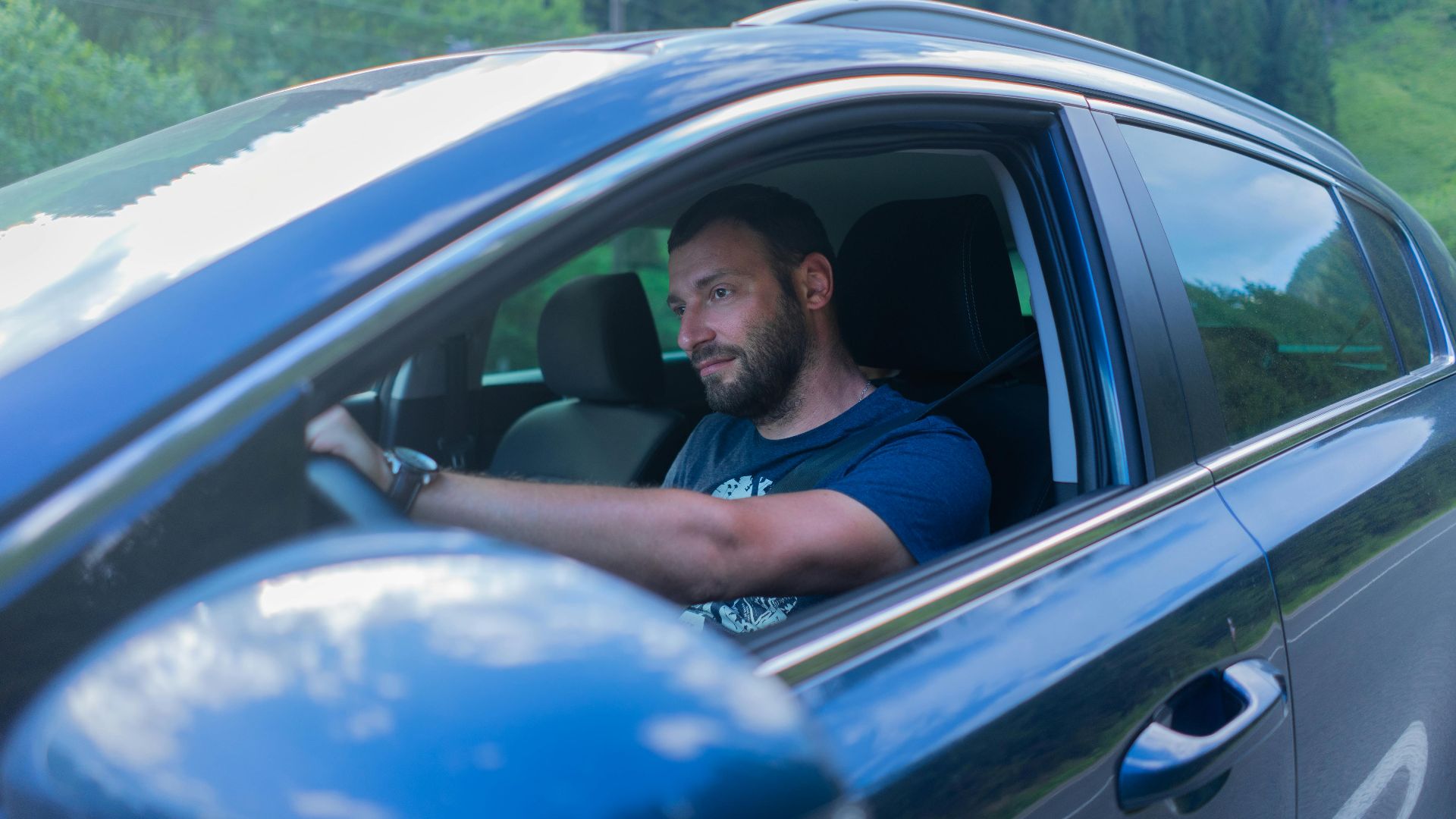
The Defensive Driver
Defensive Drivers leave plenty of space, double-check blind spots, and quietly assume everyone else on the road is seconds away from making a terrible decision. That cautious approach is often tied to conscientiousness and careful planning. They may overthink things sometimes, but they’re also the people most likely to remember sunscreen, phone chargers, and emergency snacks.
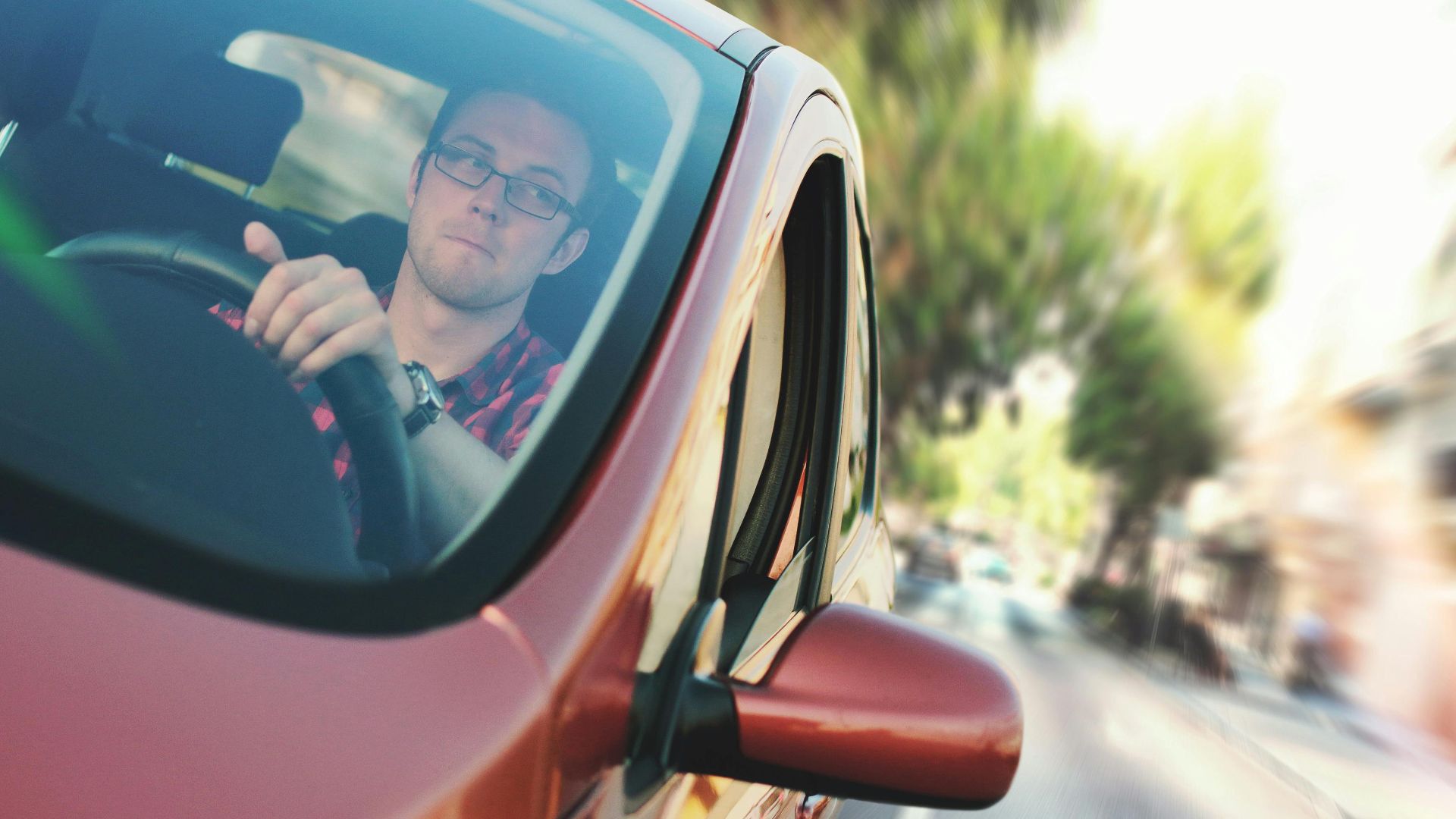
The Fast Lane Enthusiast
These drivers treat the left lane like a sacred mission and believe slow traffic is a personal attack. Studies suggest thrill-seeking and sensation-seeking personalities are more drawn to higher-speed driving. While they often enjoy adventure and spontaneity, they can also become impatient when life—or traffic—moves slower than they’d like.
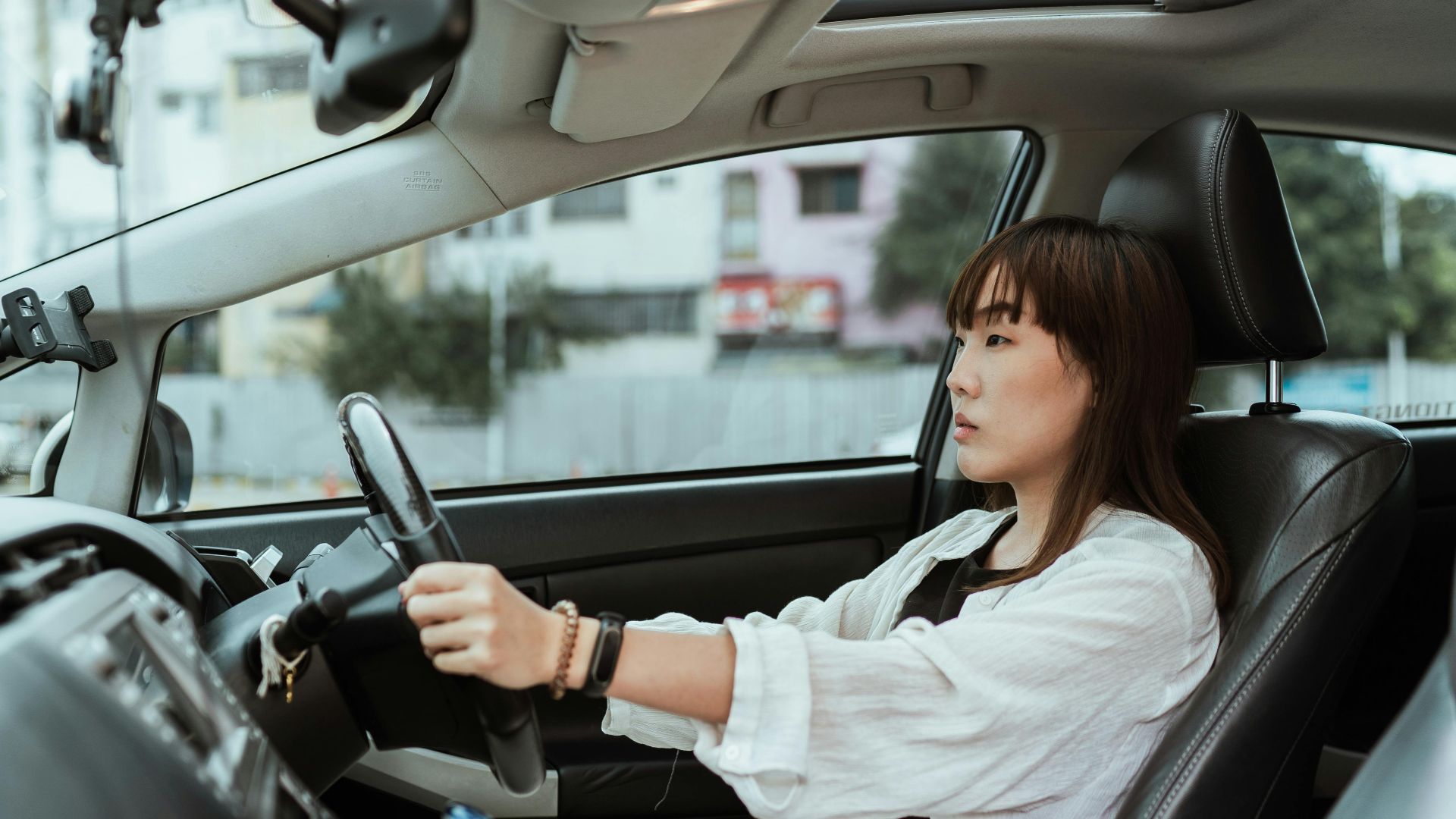
The Sunday Driver
The Sunday Driver cruises comfortably under the speed limit and genuinely doesn’t understand why everyone seems so stressed. Their relaxed pace can frustrate hurried commuters, but psychologically, slower driving styles are often connected to lower aggression and a preference for stability. They’re usually more focused on enjoying the journey than racing toward the destination.
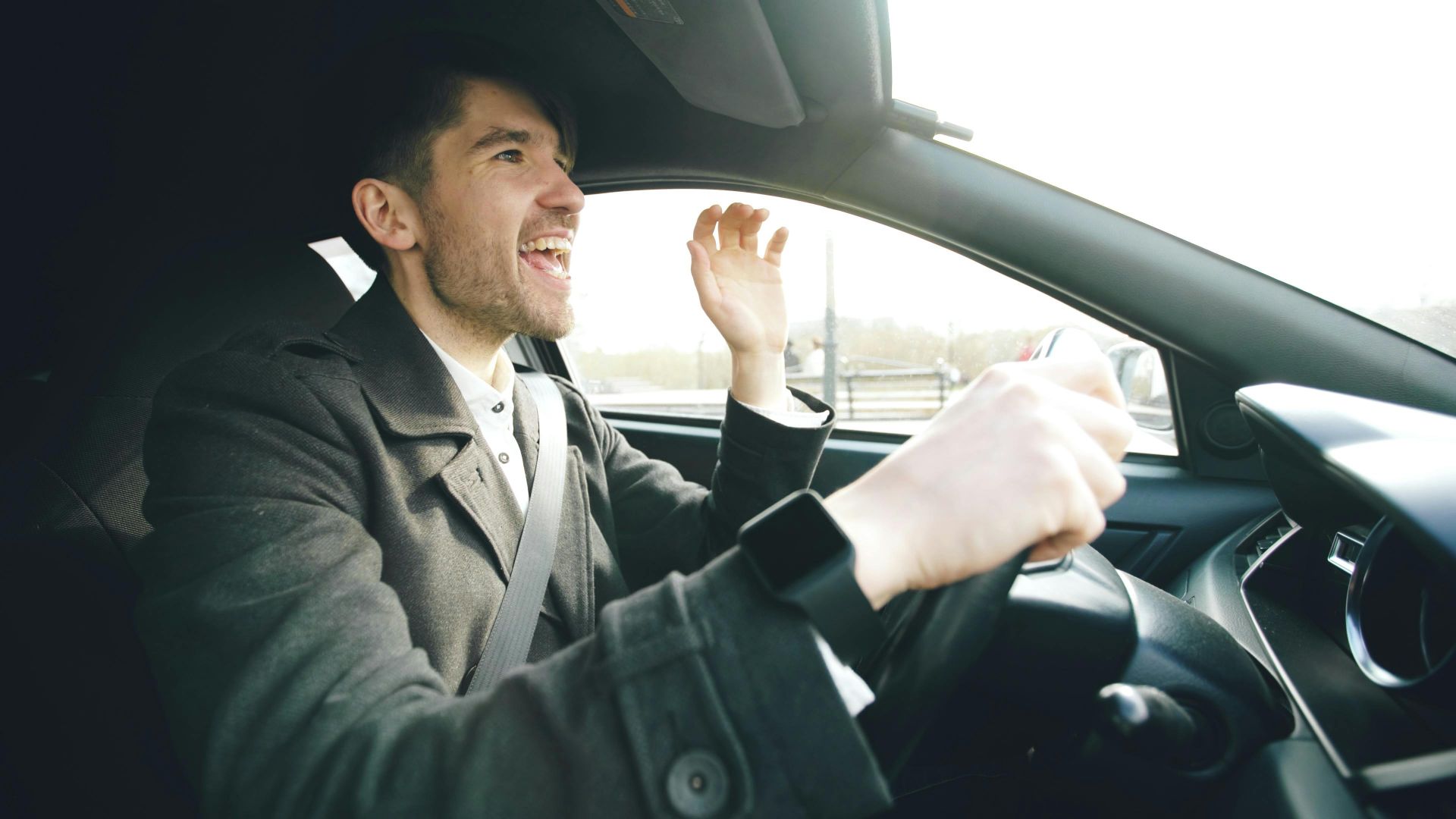
The Overly Polite Driver
This person waves everyone ahead, stops even when they technically have the right-of-way, and turns every intersection into a confusing kindness contest. While generosity and agreeableness are positive traits, traffic experts note that predictability matters more than politeness on the road. Still, these drivers are usually compassionate people who hate making others uncomfortable.
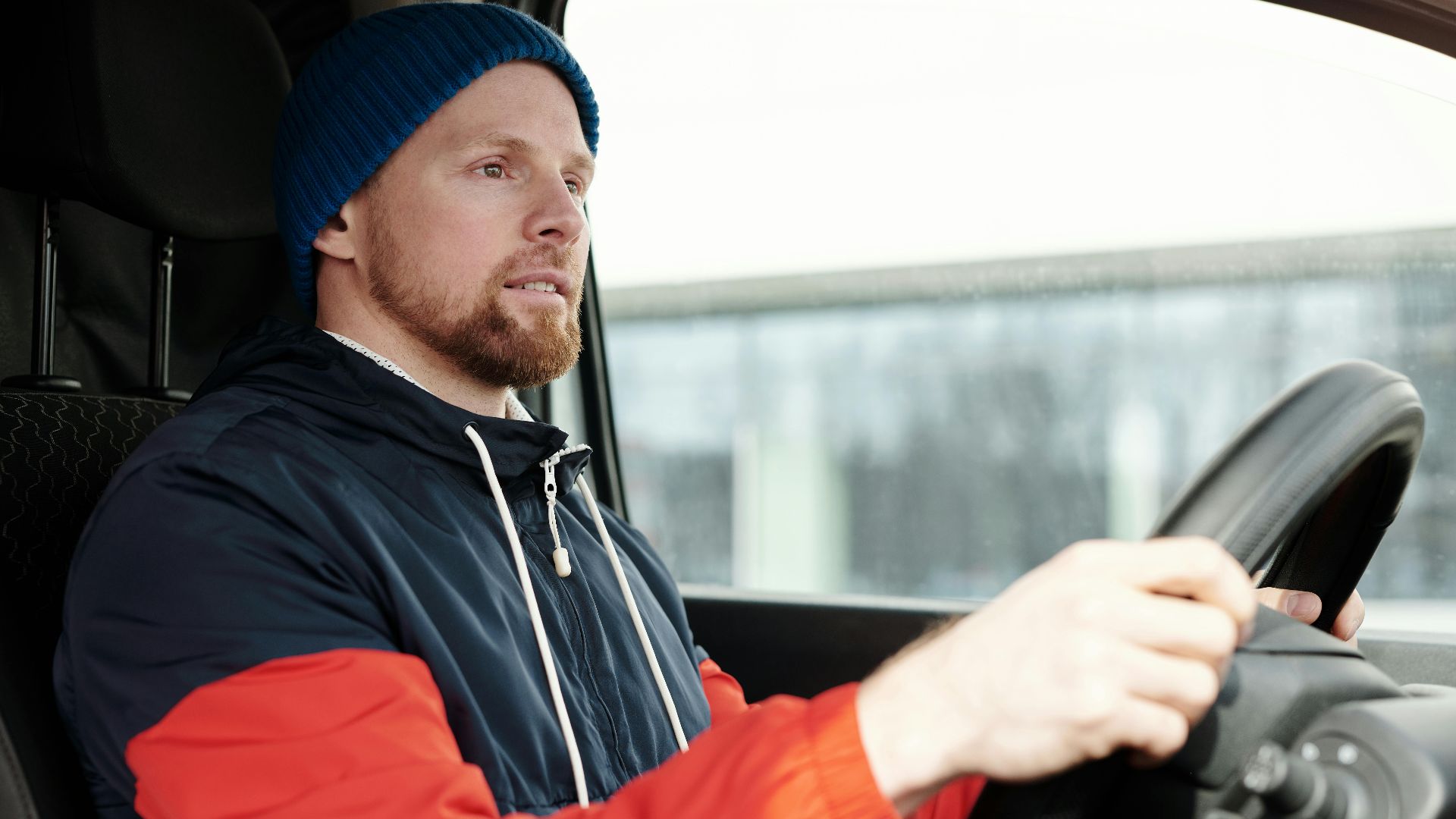
The GPS-Dependent Navigator
Without navigation apps, this driver would probably end up in another province while trying to find a coffee shop. Reliance on GPS doesn’t necessarily mean poor direction skills—it often reflects cognitive offloading, where people use technology to reduce mental stress. These drivers tend to value efficiency and convenience over proving they can memorize every side street.
The Multitasker
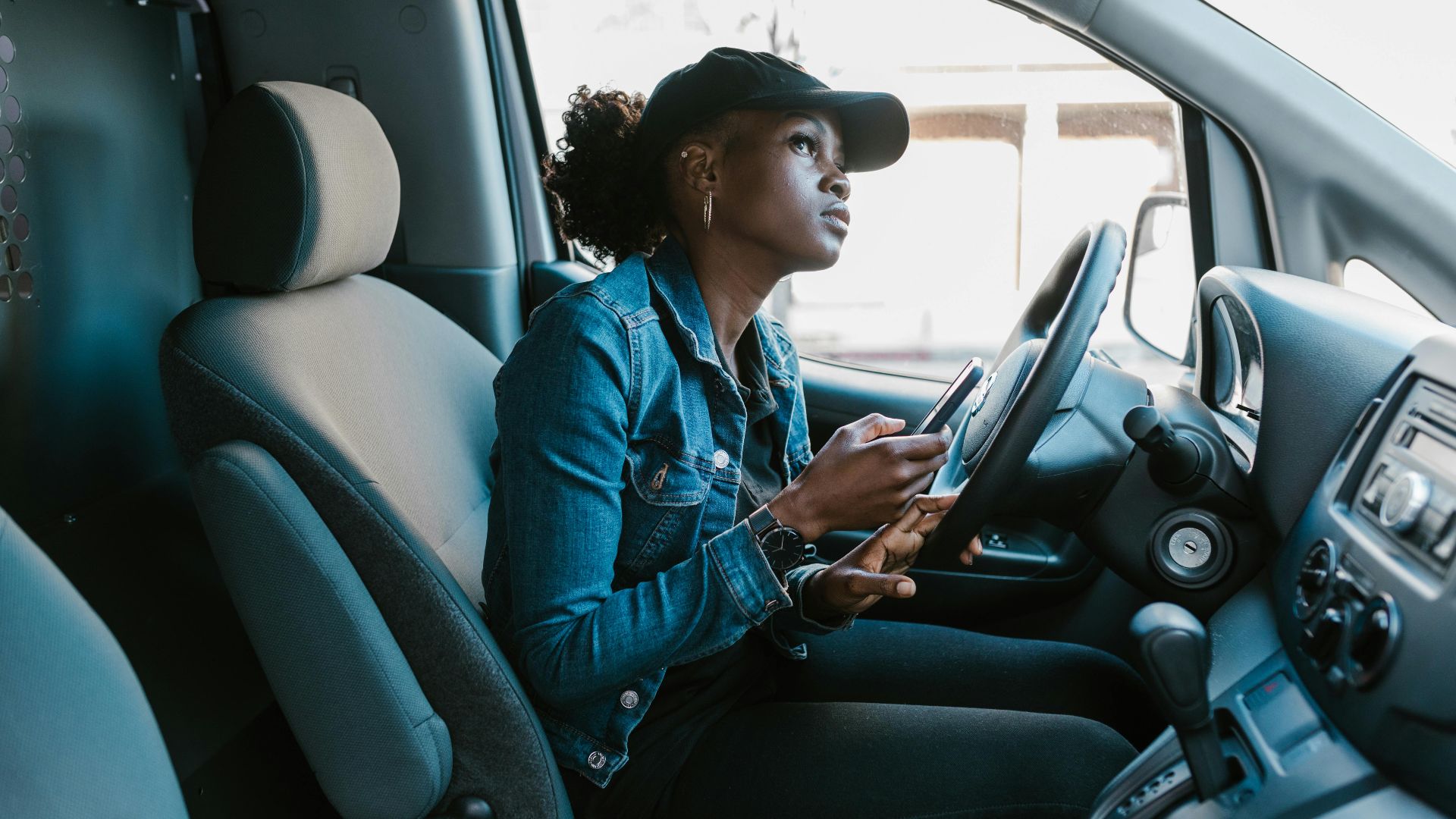
The Multitasker is changing playlists, sipping iced coffee, and mentally answering emails at red lights. Research consistently shows distracted driving increases accident risk, even when drivers feel “in control.” Personality-wise, these people are often energetic and productivity-focused, but they may struggle with slowing down and giving one task their full attention.
The Road Trip Romantic
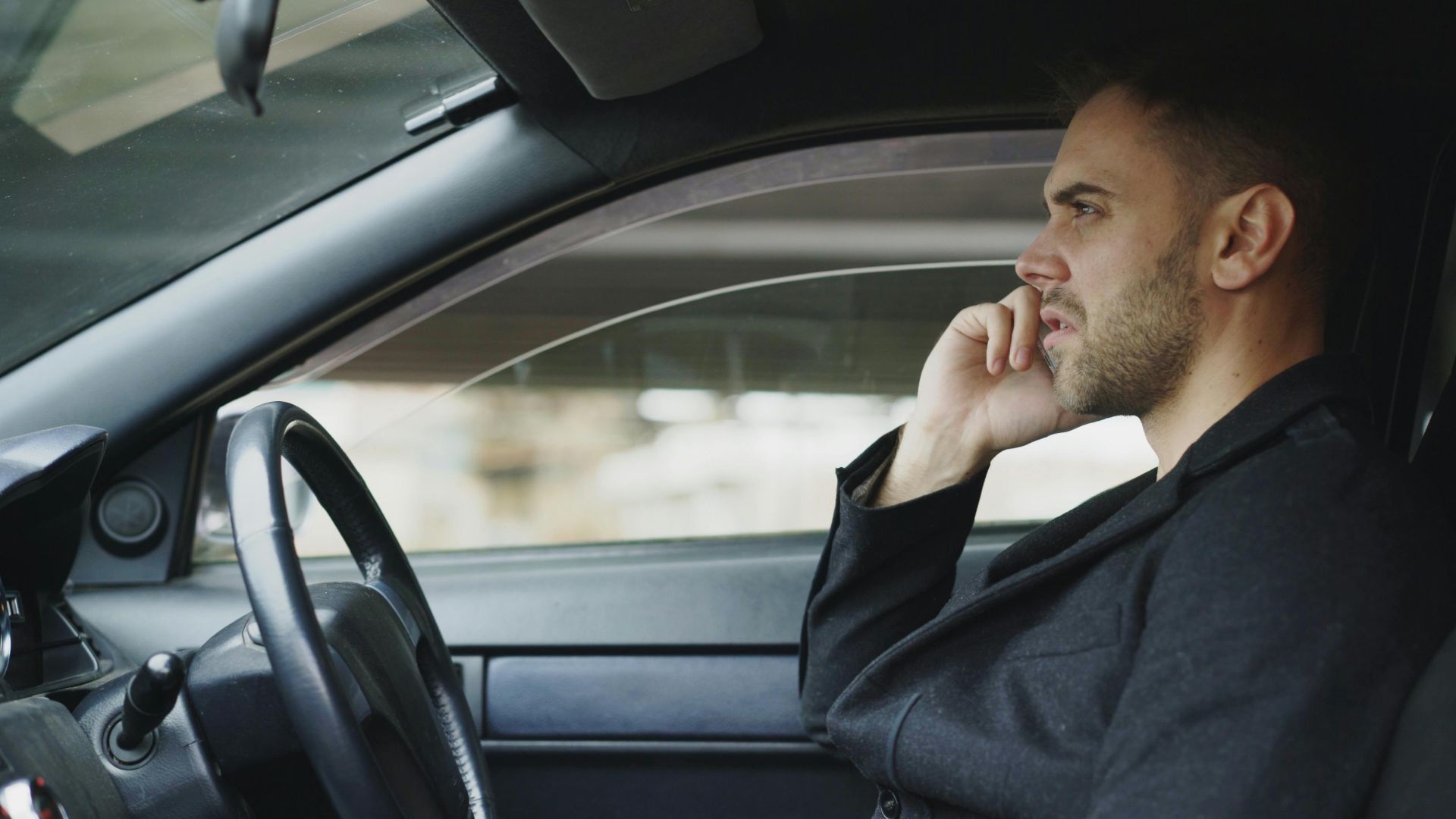
These drivers love scenic routes, roadside diners, and playlists that somehow always include Fleetwood Mac. Psychologists often associate this style with openness to experience—a personality trait linked to curiosity, creativity, and emotional connection. For them, driving isn’t just transportation; it’s part of the story they’re living.
The Rule Follower
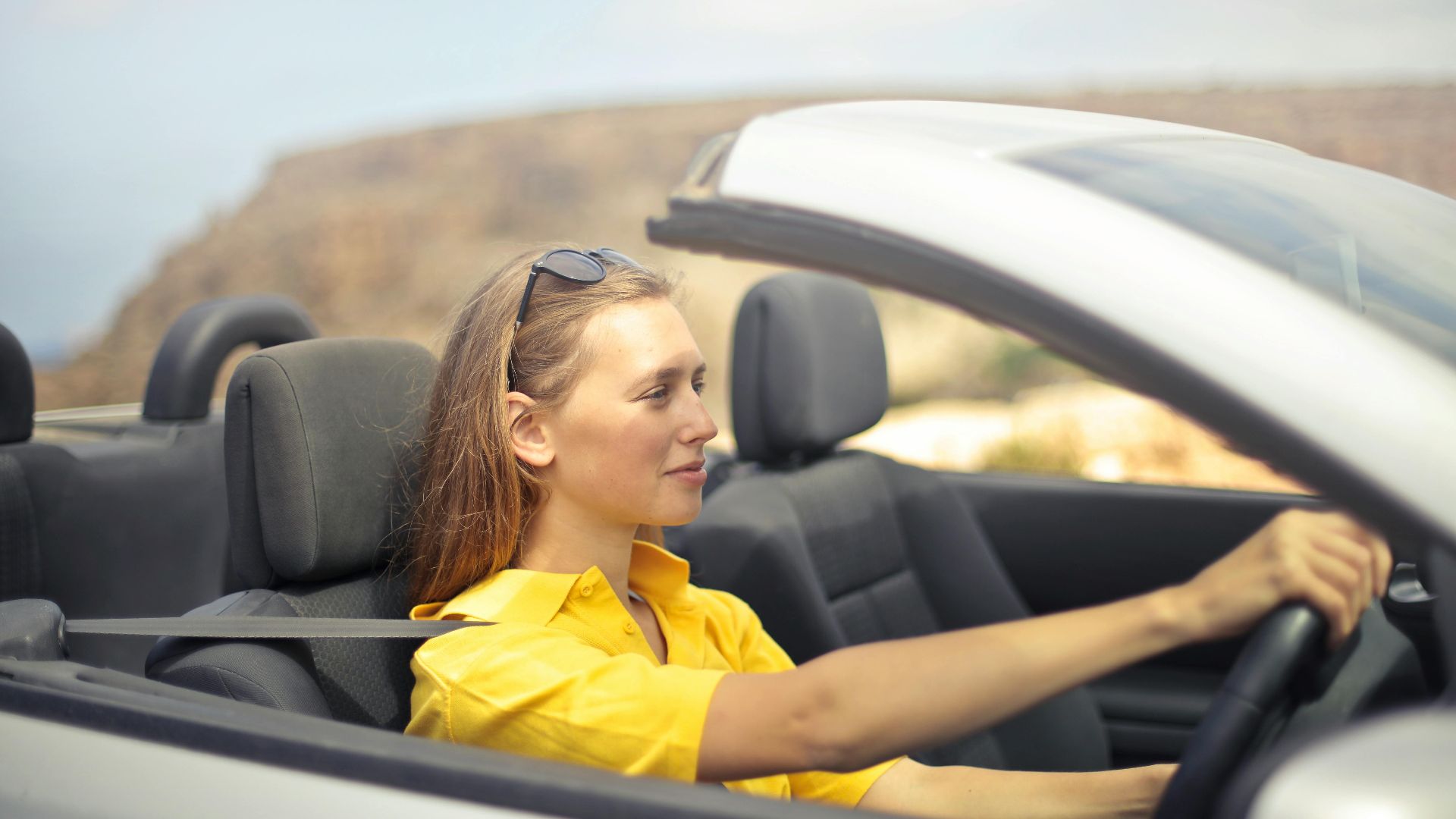
Speed limits are not suggestions to this driver, they are sacred law. Rule Followers usually value structure, consistency, and fairness. Research on driving behavior suggests people who strongly follow road regulations often score higher in conscientiousness. They may not be the flashiest personalities, but they’re usually reliable under pressure.
The Competitive Driver
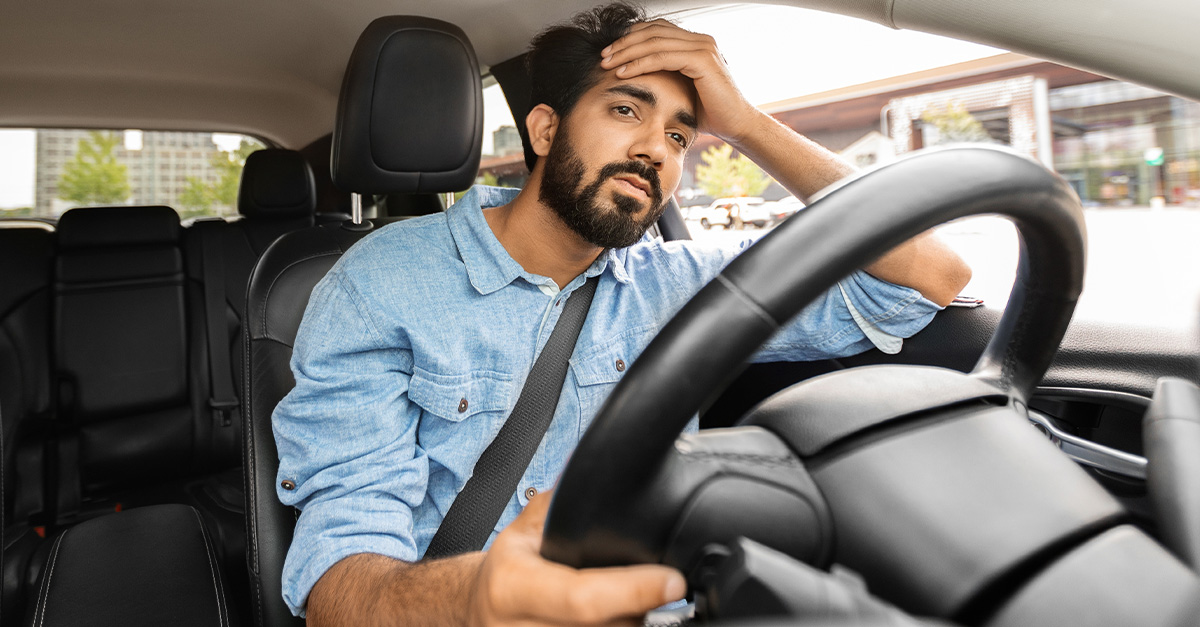
Every merge becomes a contest, and letting another car pass feels suspiciously like defeat. Competitive driving behavior has been linked in studies to impatience and higher stress reactivity. Off the road, though, these people are often ambitious and goal-oriented. They just might need a reminder that nobody wins a trophy for reaching the grocery store first.
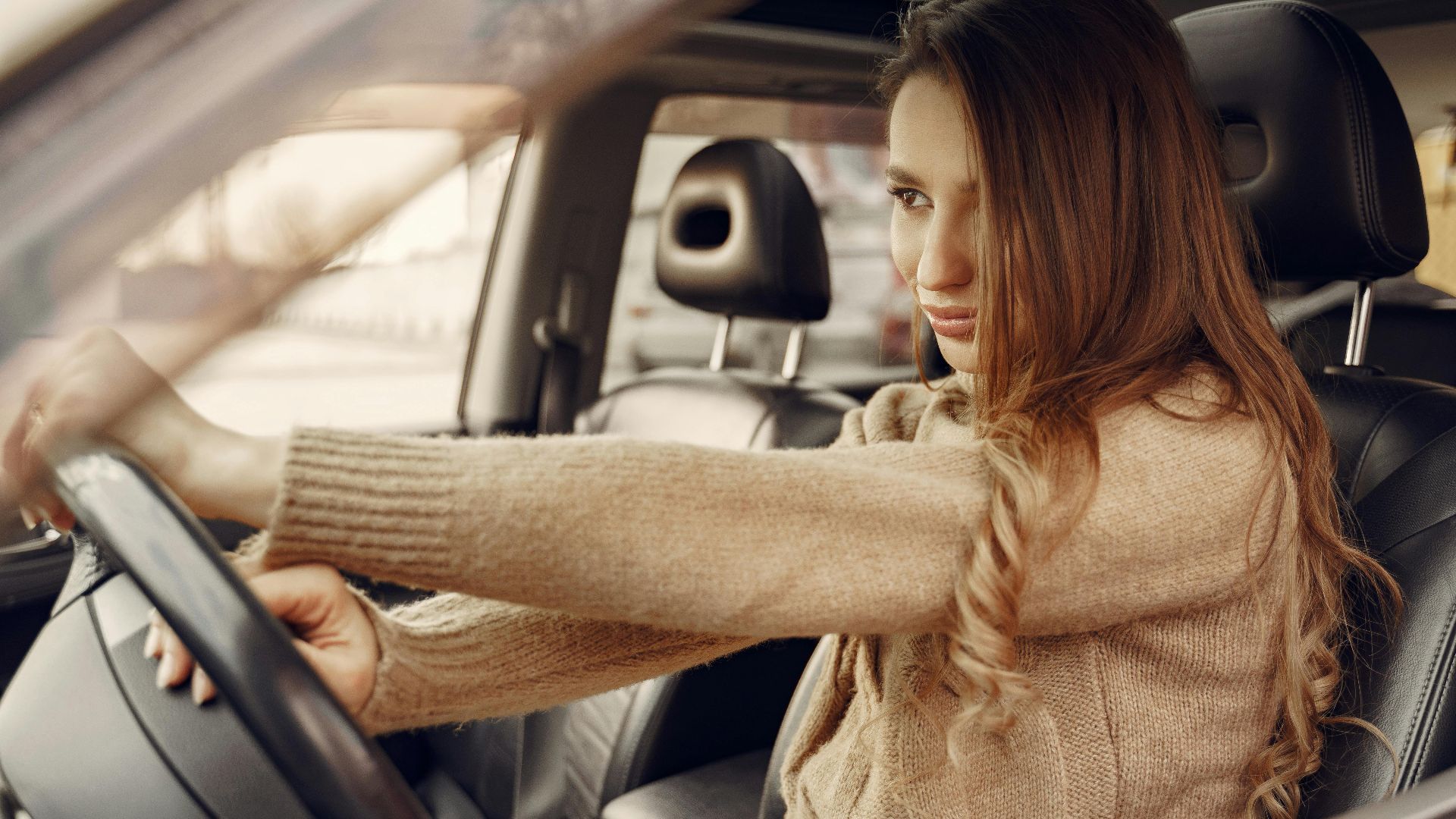
The Nervous Driver
Nervous Drivers grip the wheel tightly and replay every lane change in their heads for the next 20 minutes. Anxiety behind the wheel is extremely common, especially in heavy traffic or unfamiliar areas. These drivers are often highly self-aware and cautious, but their fear can make them second-guess perfectly safe decisions.
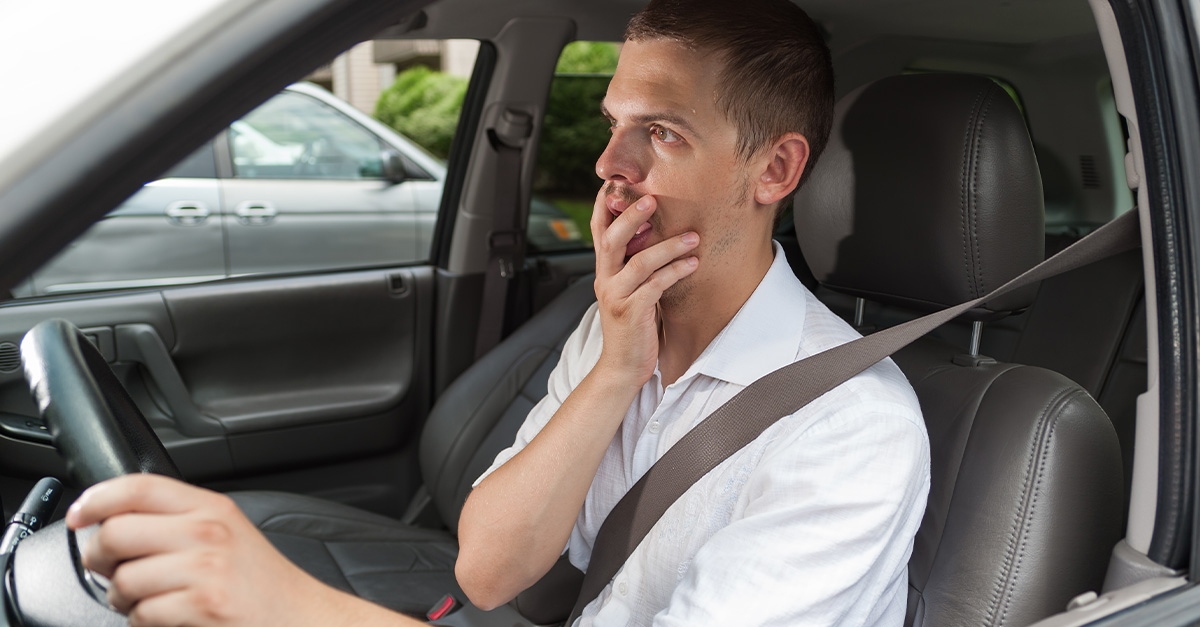 Alexandra Rotanova, Shutterstock
The Backseat Commentator
Even when they’re not driving, these people somehow become honorary traffic consultants. “You can go now.” “That light was yellow.” “Watch that cyclist.” This behavior is often connected to anxiety and a desire for control rather than simple criticism. In many cases, they genuinely believe they’re being helpful...even if the driver strongly disagrees.

The Parking Perfectionist
The Parking Perfectionist will reverse, straighten, reverse again, and maybe restart the whole process entirely. Precision-focused driving styles are often associated with detail-oriented personalities. These drivers value accuracy and control, though they can sometimes place unnecessary pressure on themselves to “get everything exactly right.”
The Chill Music Driver
For this driver, music selection is practically a driving accessory. Studies show music can influence mood, stress levels, and even driving speed. Drivers who carefully curate playlists often use music as emotional regulation, helping them stay calm and focused. Their car usually feels like a tiny moving living room with cupholders.
The Last-Minute Lane Changer
One second they’re calm, and the next they’re cutting across three lanes because their exit suddenly appeared like a jump scare. Impulsive driving behaviors are sometimes associated with spontaneity and lower tolerance for frustration. These drivers are often adaptable and energetic, but planning ahead is not exactly their signature skill.
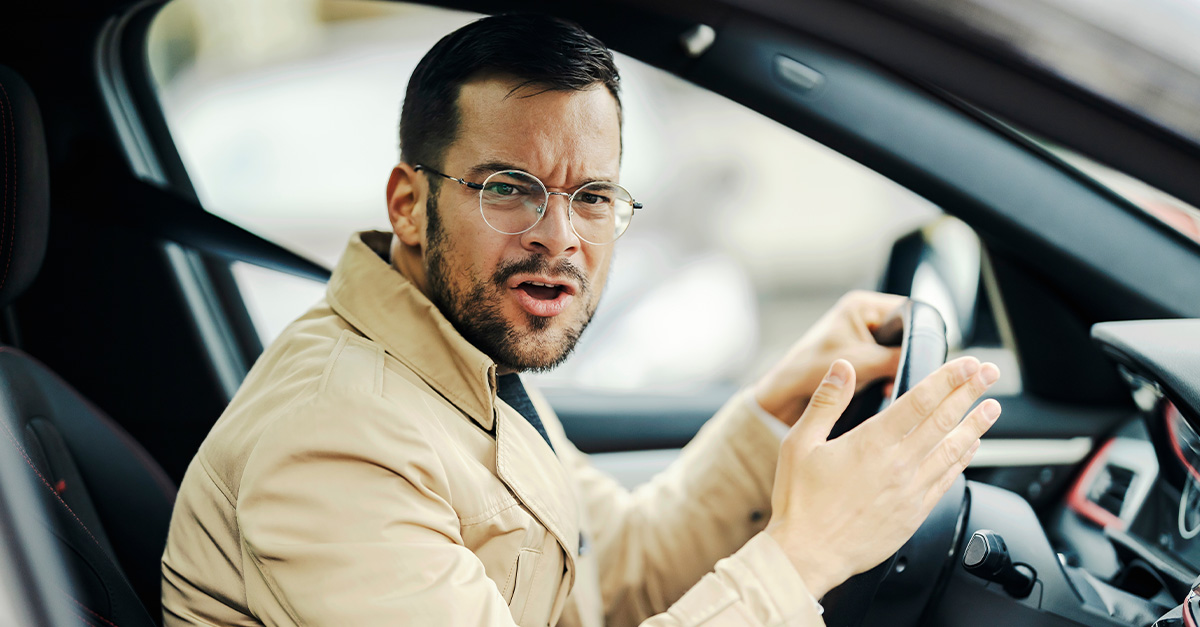
The Hyper-Prepared Driver
There’s a blanket in the trunk, emergency tools under the seat, and probably enough snacks to survive a small apocalypse. Hyper-Prepared Drivers often score high in conscientiousness and future-oriented thinking. Some people tease them for overplanning, but when something actually goes wrong, everyone suddenly becomes very grateful for them.

The Passenger Princess or Prince
These people happily admit they’d rather not drive at all if someone else is willing. Preference for being a passenger isn’t laziness—it can reflect lower confidence, urban living habits, or simply enjoying social interaction more than controlling the vehicle. Plus, someone has to manage the snacks and music during road trips.
We’re All a Mix of These Styles
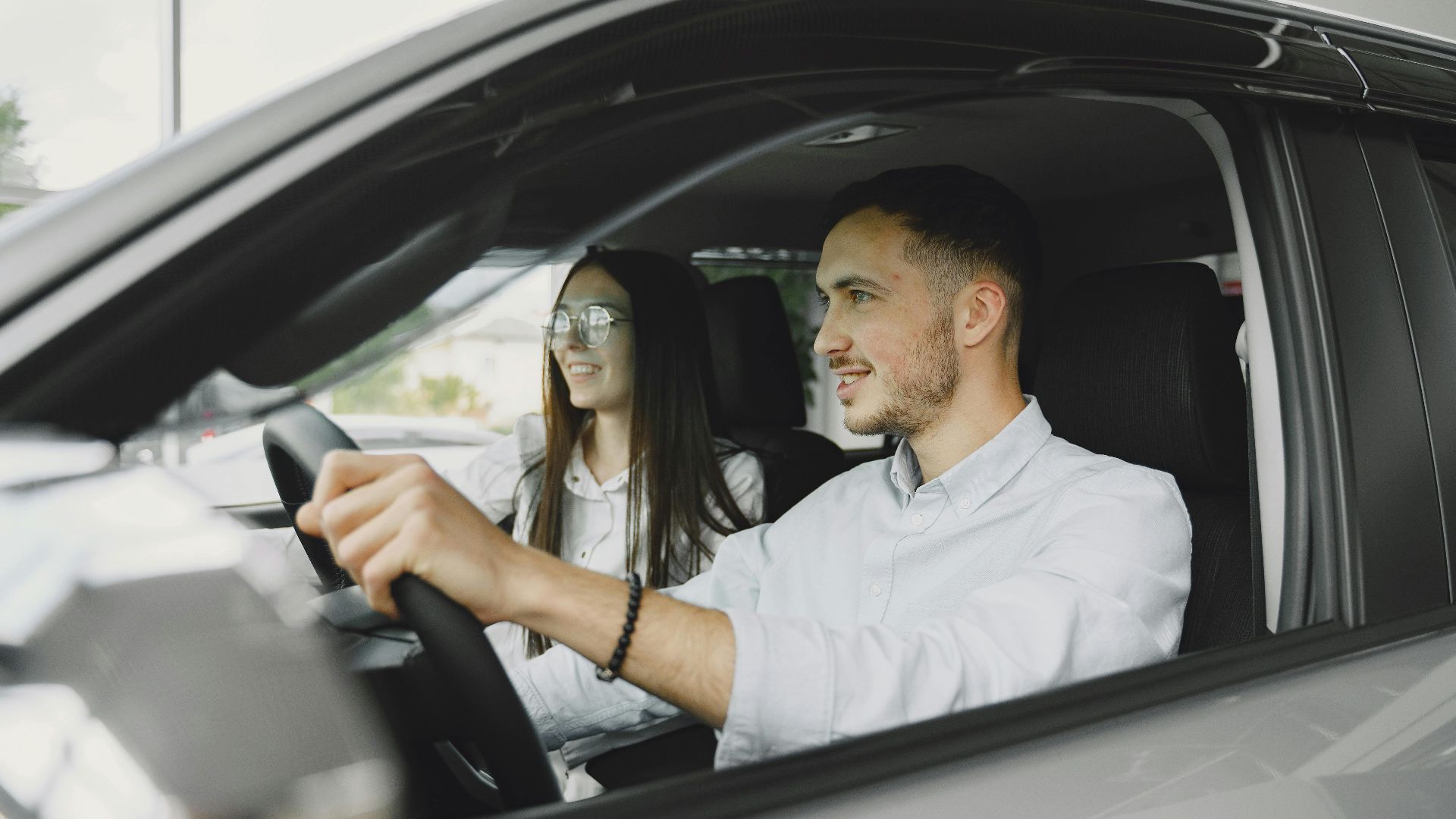
Most people aren’t just one type of driver forever. Stress, experience, age, weather, and even hunger can completely change how someone behaves behind the wheel. The important thing is recognizing habits that keep roads safer while still laughing a little at our own quirks.
Whether you’re a cautious planner or a dramatic lane-change artist, your driving style is just one small reflection of the wonderfully complicated human sitting in the driver’s seat.
You May Also Like:
Inside Bill Gates's Garage: These Are His Most Incredible Cars
America’s Most Affordable Classic Cars