

One Warning… One Promise
You’re looking at a truck you really like. Then your mechanic leans in and says, “Be careful — it has cylinder deactivation.” Meanwhile, the salesperson smiles and says, “That’s what saves you fuel.” Now you’re stuck in the middle. Is this smart technology — or a future repair bill waiting to happen? Let’s break it down.

First: What Is Cylinder Deactivation?
Cylinder deactivation (sometimes called Active Fuel Management or Dynamic Fuel Management) allows an engine to shut off some cylinders when full power isn’t needed. On a V8, that might mean running on four cylinders during highway cruising.

Why Manufacturers Use It
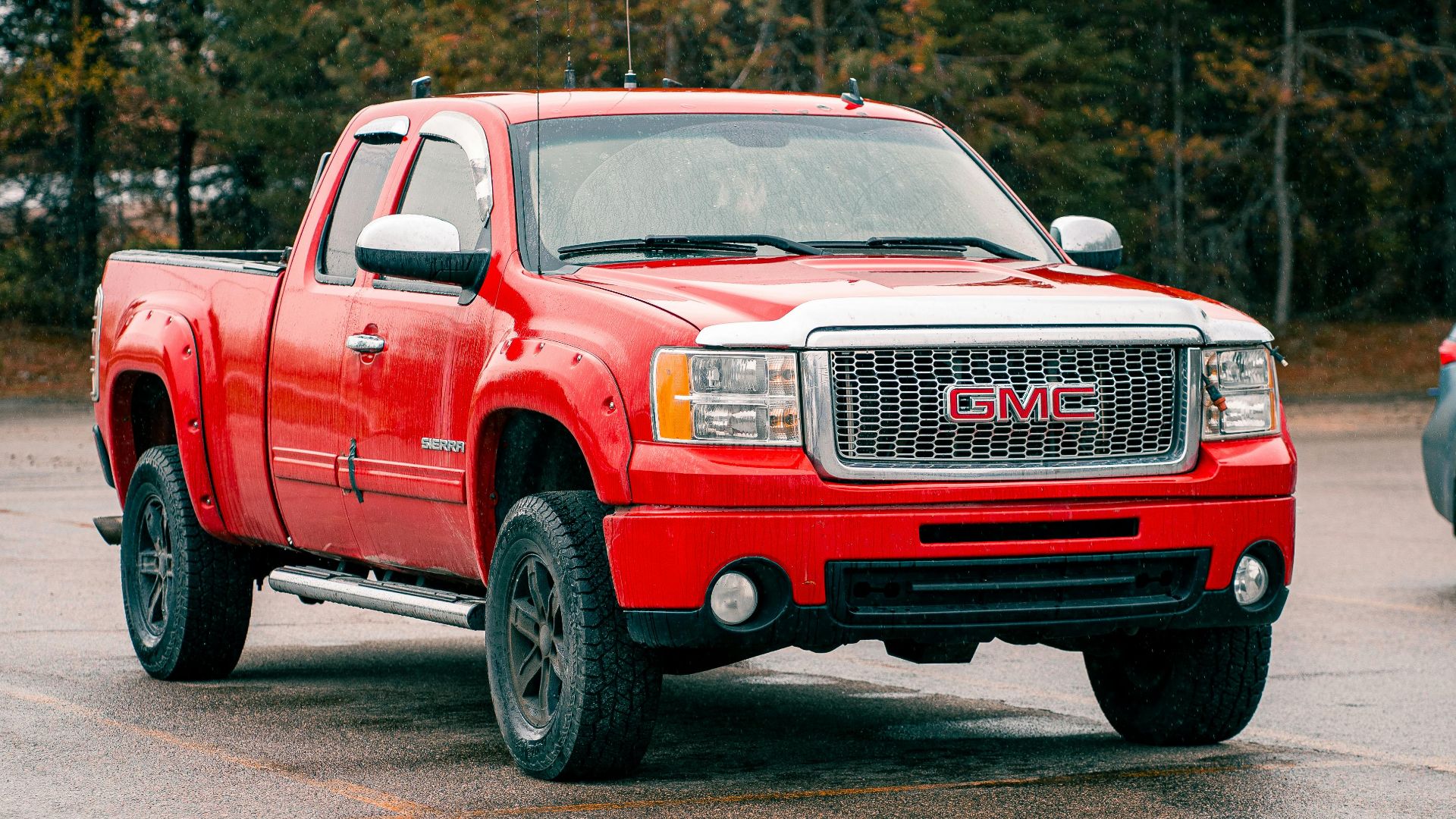
Trucks are powerful — but power usually means fuel consumption. Automakers use cylinder deactivation to improve fuel economy and meet emissions standards without downsizing engines.
Yes, It Does Save Fuel
Under steady cruising conditions, cylinder deactivation can improve fuel economy by several miles per gallon. Over years of driving, that can add up — especially with truck fuel costs.

You Don’t Feel It (Most of the Time)
In modern systems, transitions between full-cylinder and reduced-cylinder mode are nearly seamless. Most drivers don’t even realize it’s happening.

So Why Do Mechanics Raise Eyebrows?
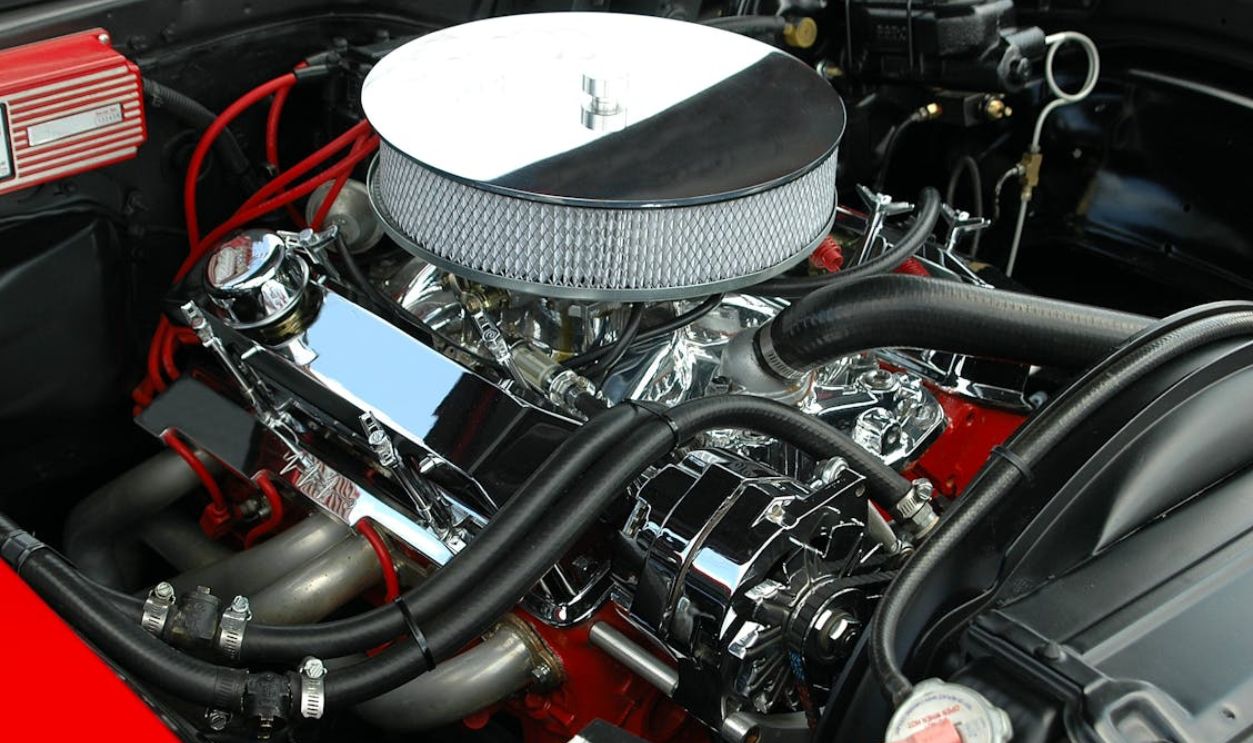
Because complexity equals potential failure points. Cylinder deactivation adds specialized lifters, solenoids, and oil control systems that standard engines don’t have.

Lifters Are the Big Concern
In some engines (especially certain GM V8 models from past years), lifter failures became well known. When a lifter tied to cylinder deactivation fails, repairs can be expensive.
Oil Quality Matters More
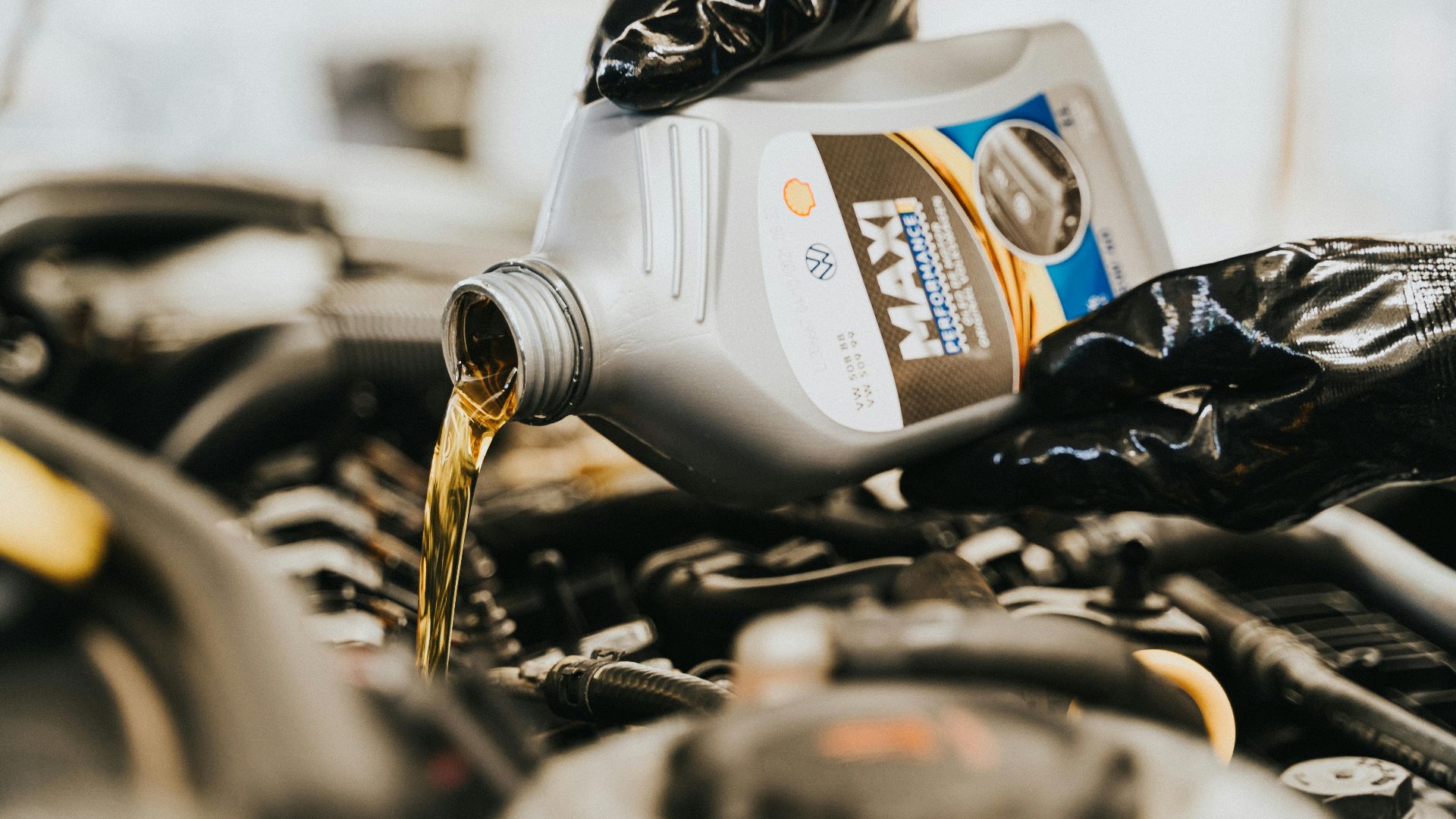
These systems rely heavily on clean oil and proper oil pressure. Skipping oil changes or using poor-quality oil can increase the risk of issues.
Not All Brands Have the Same Record
Some manufacturers have better long-term reliability than others. It’s not fair to label every cylinder-deactivation engine as problematic.

Driving Style Affects Longevity
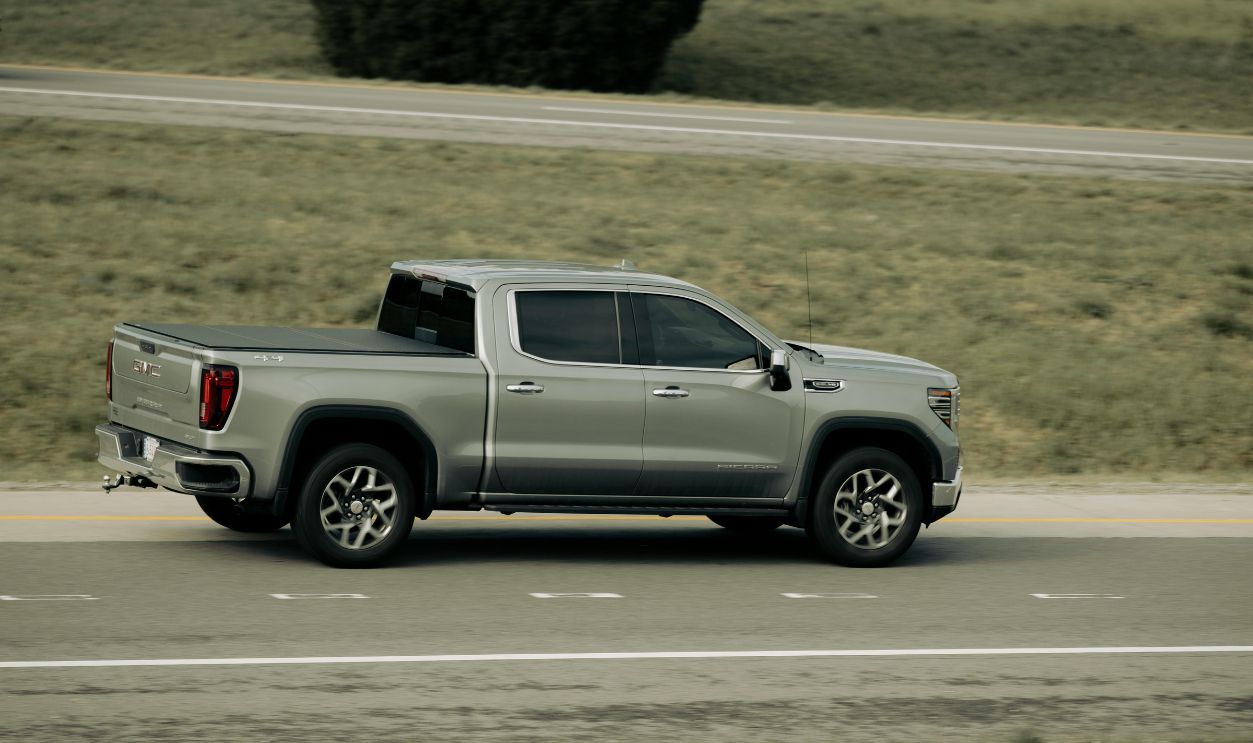
If you mostly tow heavy loads or drive aggressively, the system may engage less often. If you highway cruise daily, it activates more frequently.
Repair Costs Can Be Significant
If a cylinder deactivation component fails outside warranty, you could be looking at thousands in repairs — especially if internal engine parts are involved.

Warranty Coverage Is a Big Factor
If you’re buying new or certified with warranty coverage, your risk drops dramatically. Most horror stories happen out of warranty.

Fuel Savings vs. Repair Risk
This is the real trade-off. Over time, fuel savings may offset potential risk — but that depends on how long you keep the truck.

Modern Versions Are Improved
Newer systems like Dynamic Fuel Management are more advanced than early designs. Engineering improvements have addressed some early reliability concerns.
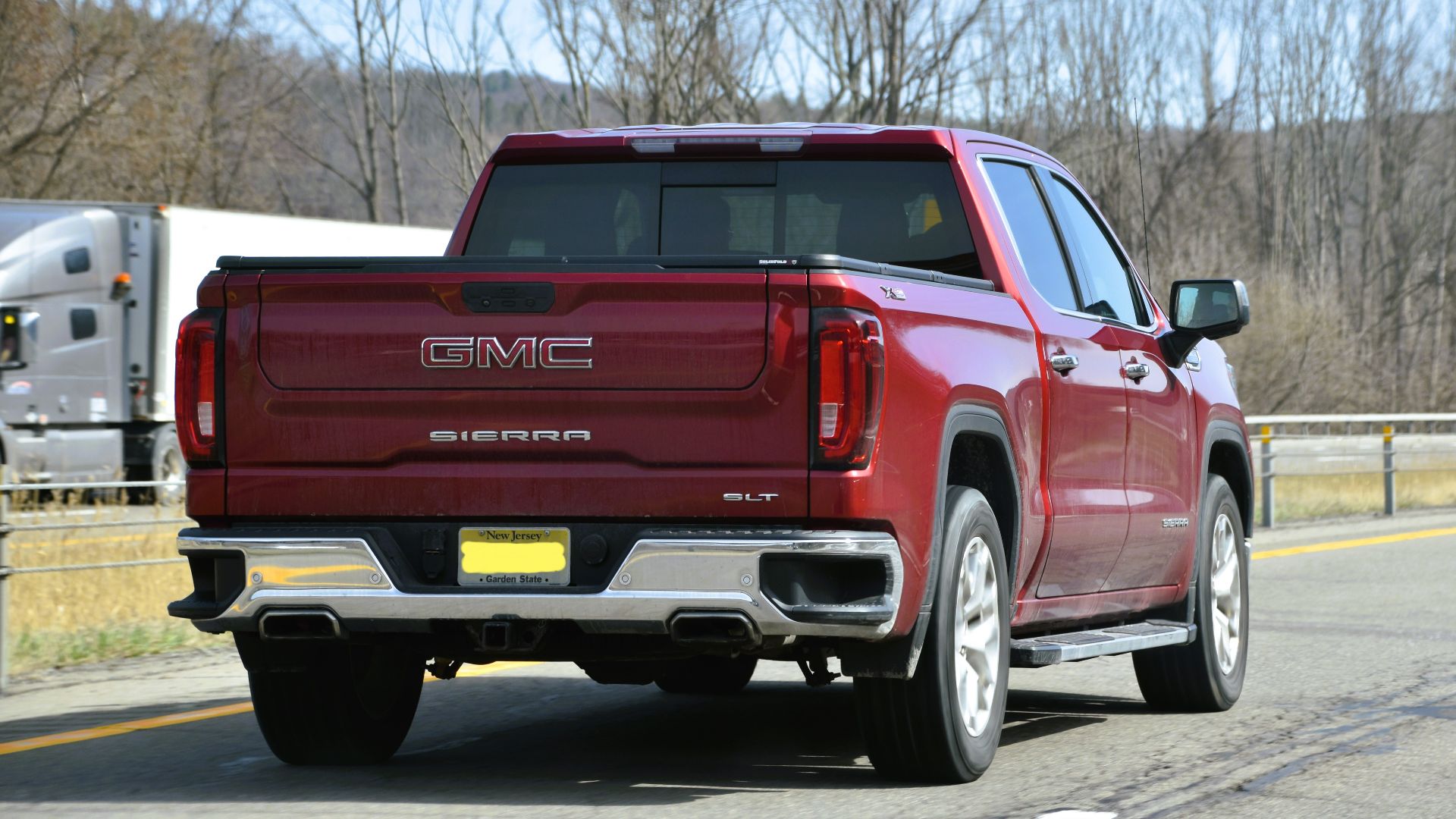
 Damian B Oh, Wikimedia Commons
Truck Engines Are Still Built Tough
Even with cylinder deactivation, these are still large displacement engines designed for truck duty. The core engine strength hasn’t disappeared.
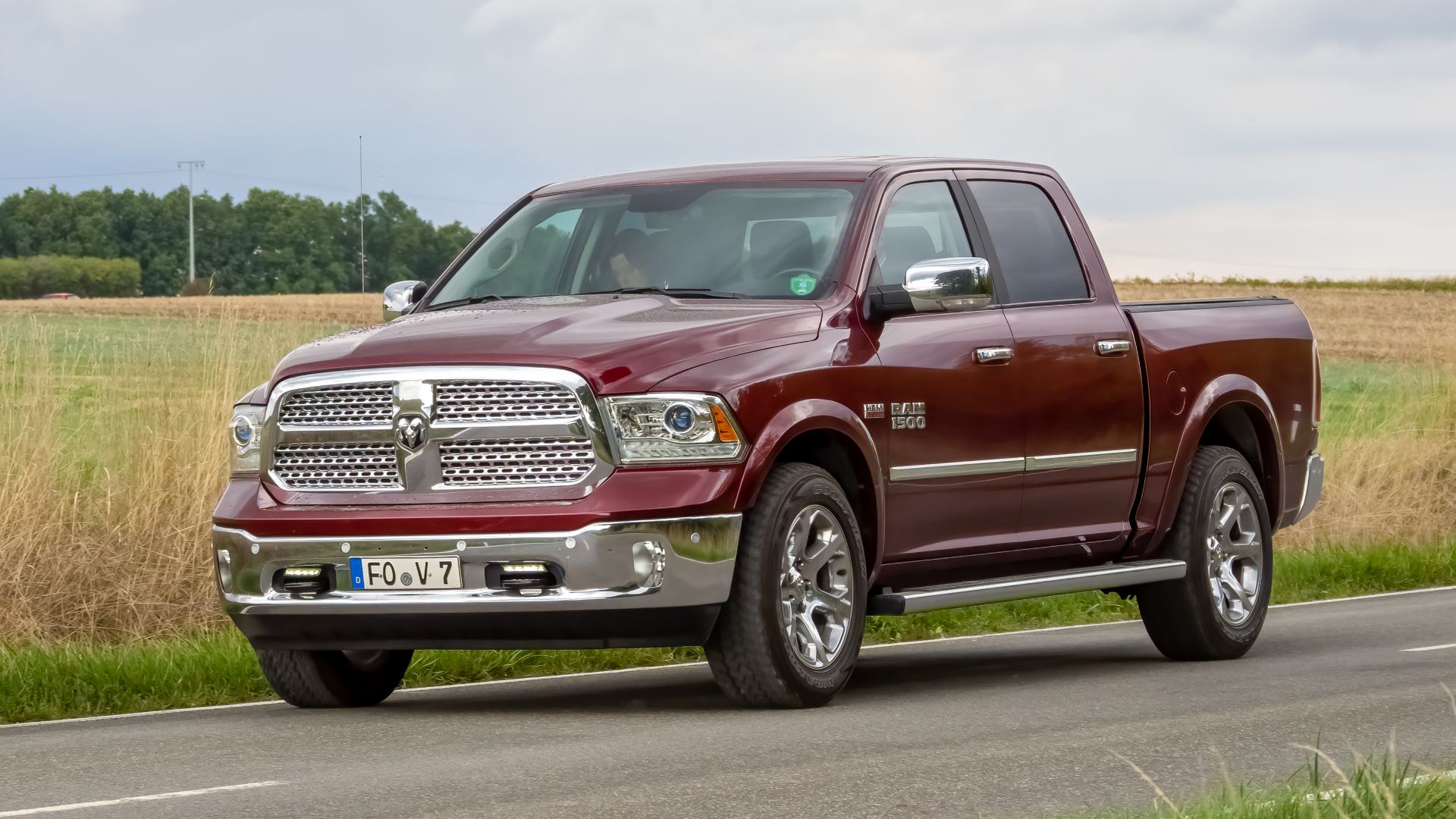
 Charles from Port Chester, New York, Wikimedia Commons
Some Owners Disable It
Aftermarket tuners sometimes disable cylinder deactivation. However, this can affect emissions compliance and warranty coverage.

Resale Value Isn’t Hurt
Cylinder deactivation is common now. It doesn’t typically reduce resale value because buyers expect it in modern trucks.
Alternatives Exist
Some trucks use turbocharged V6 engines instead of V8s with cylinder deactivation. Those have their own pros and cons.

The Mechanic’s Perspective
Mechanics tend to see worst-case scenarios. They remember repair bills more than fuel savings.

The Salesperson’s Perspective
Salespeople focus on efficiency ratings and smooth operation — and they’re not wrong about the fuel benefits.

So What Should You Actually Do?
Research the specific engine in the truck you’re considering. Look up that model year’s reliability record. Consider how long you plan to keep it and whether warranty coverage applies.

Final Takeaway: It’s Not Black and White
Cylinder deactivation isn’t automatically a mistake — and it’s not automatically perfect either. It’s a trade-off between efficiency and mechanical complexity. The right choice depends on your driving habits, how long you keep vehicles, and how comfortable you are with modern engine tech.

You May Also Like:
My friend says electric cars are cheaper to own in the long run. My neighbor says the repairs will ruin me. Who should I believe?
Studies Now Show That Advanced Driver-Assistance Systems (ADAS) May Be Doing More Harm Than Good






.jpg)