The True Cost of EVs
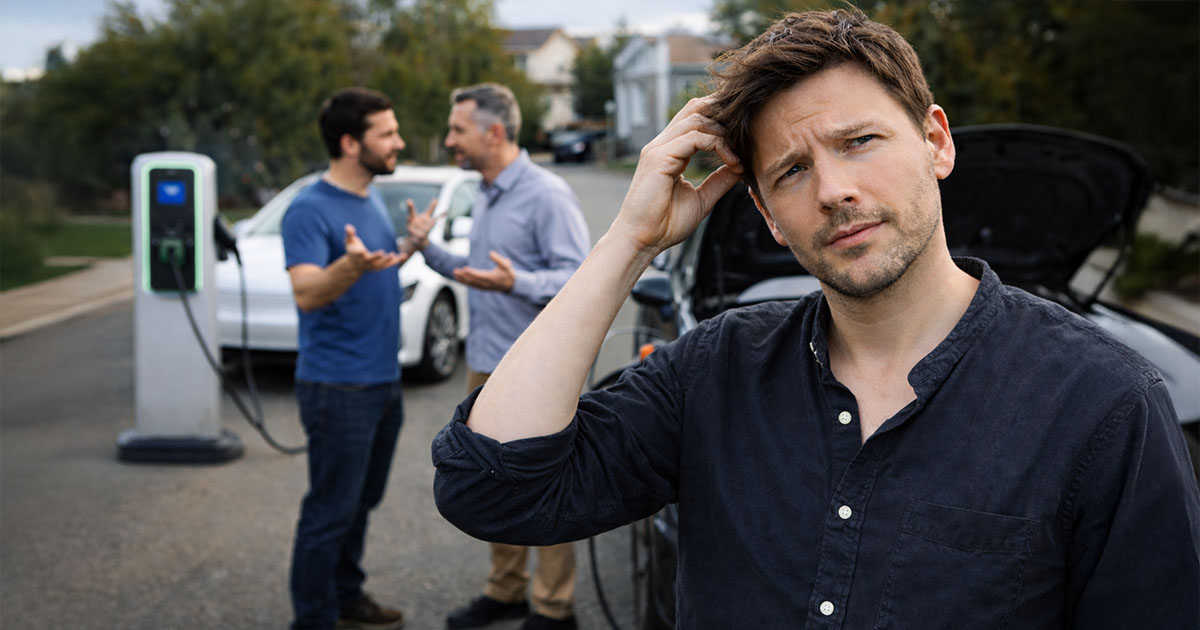
If you’ve spent any time talking cars lately, you’ve probably heard both sides of this argument. One person swears electric cars are cheaper to own in the long run, while another insists the repair bills will catch up to you eventually. The problem is that both arguments sound convincing, and the real answer is not as obvious as either side makes it seem.

Why This Argument Never Seems to Go Away
Electric cars changed the ownership equation. Gas cars slowly drain your wallet through fuel and maintenance, while EVs feel cheap day to day but come with the fear of one big bill later. People tend to focus on whichever part makes them more nervous.
What People Usually Mean When They Say EVs Are Cheaper
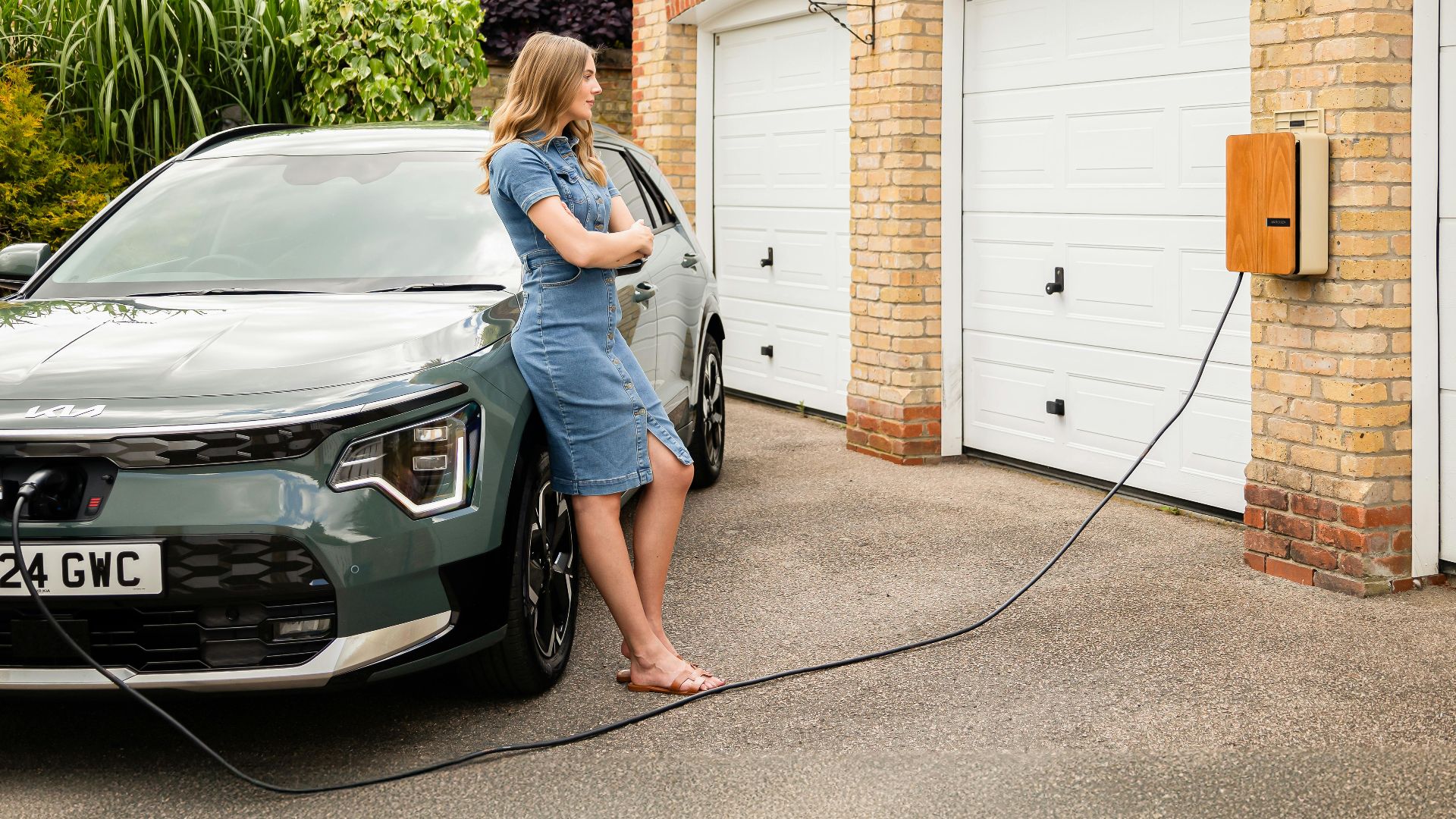
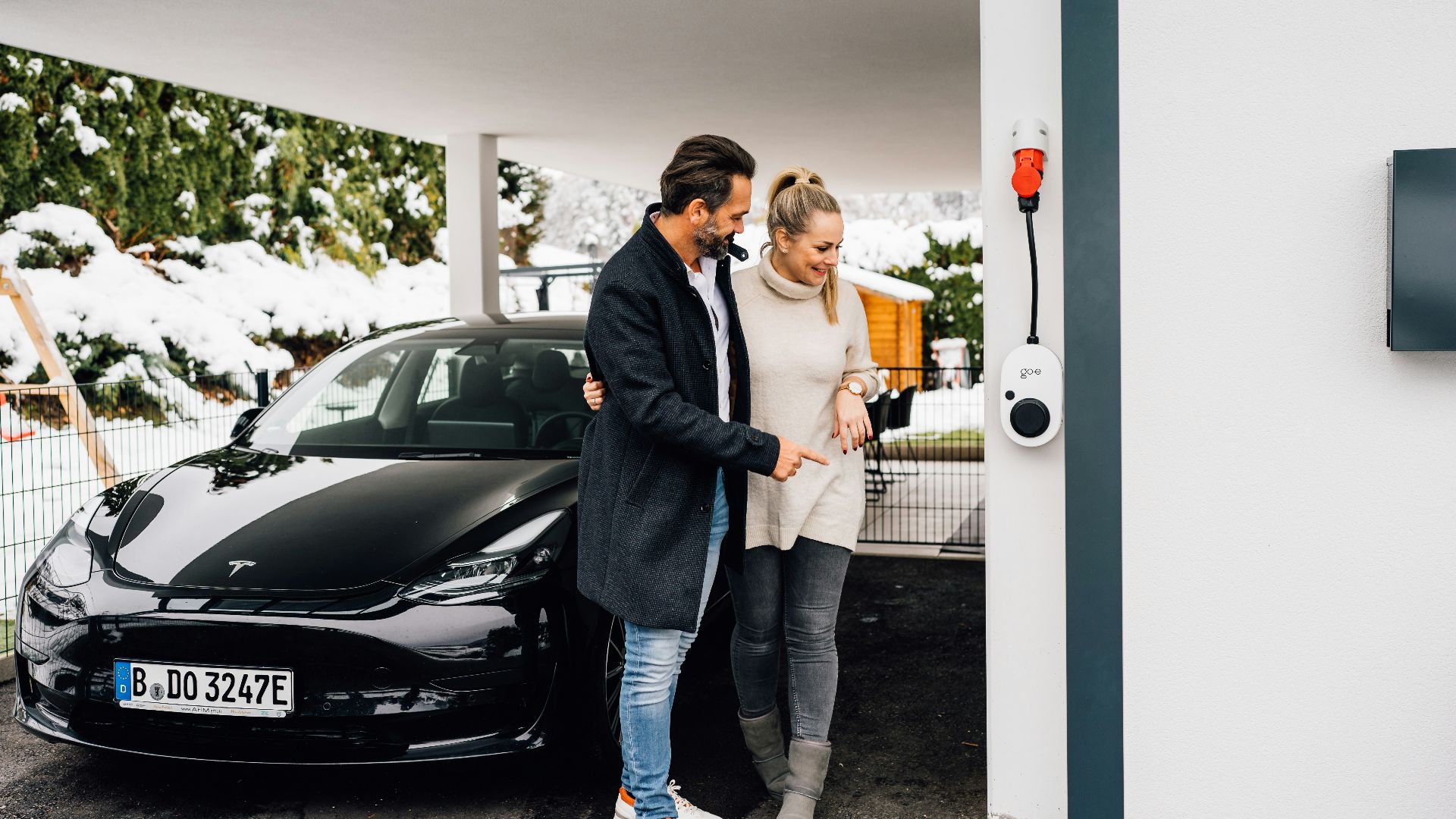
Most people talking about EV savings are thinking about everyday costs. Charging at home is usually far cheaper than filling up with gas, and the lack of regular maintenance adds up faster than many expect.
Fuel Savings Are Real, Especially If You Drive a Lot
If you commute daily or rack up miles, the savings can be significant. EVs thrive in traffic where gas cars waste fuel idling, and short trips that hurt gas mileage barely affect an electric drivetrain.
Maintenance Is Where EV Ownership Feels Almost Too Easy
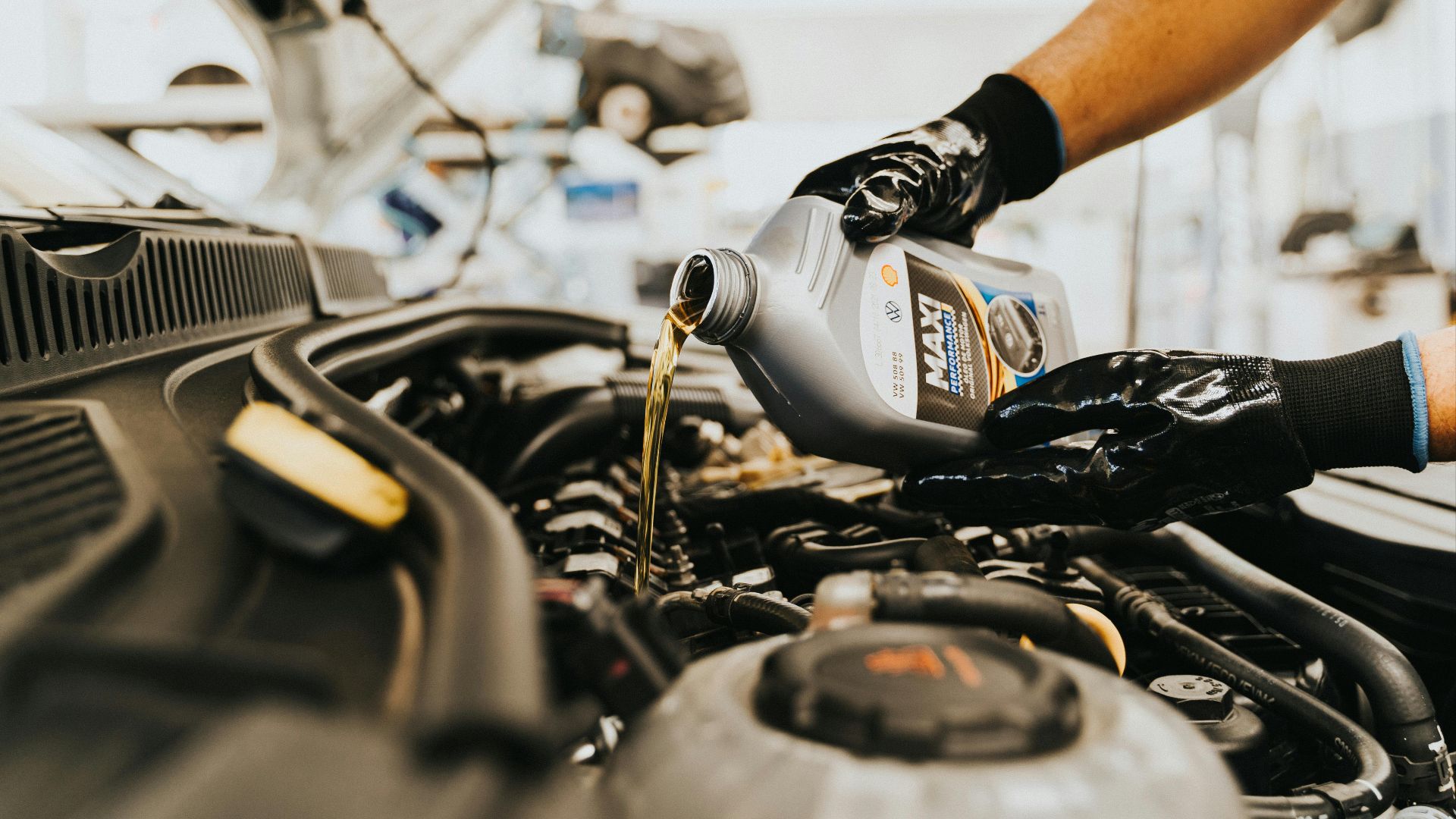
No oil changes. No spark plugs. No exhaust system rusting away. For many EV owners, maintenance feels almost nonexistent, which is refreshing if you’re used to constant service reminders on gas vehicles.
Brakes Last Way Longer Than You’d Expect
Regenerative braking does most of the slowing down, so brake pads and rotors barely get touched. Some owners drive for years before needing brake work, which feels almost strange if you’ve owned gas cars your whole life.

Why Enthusiasts Respect the Simplicity
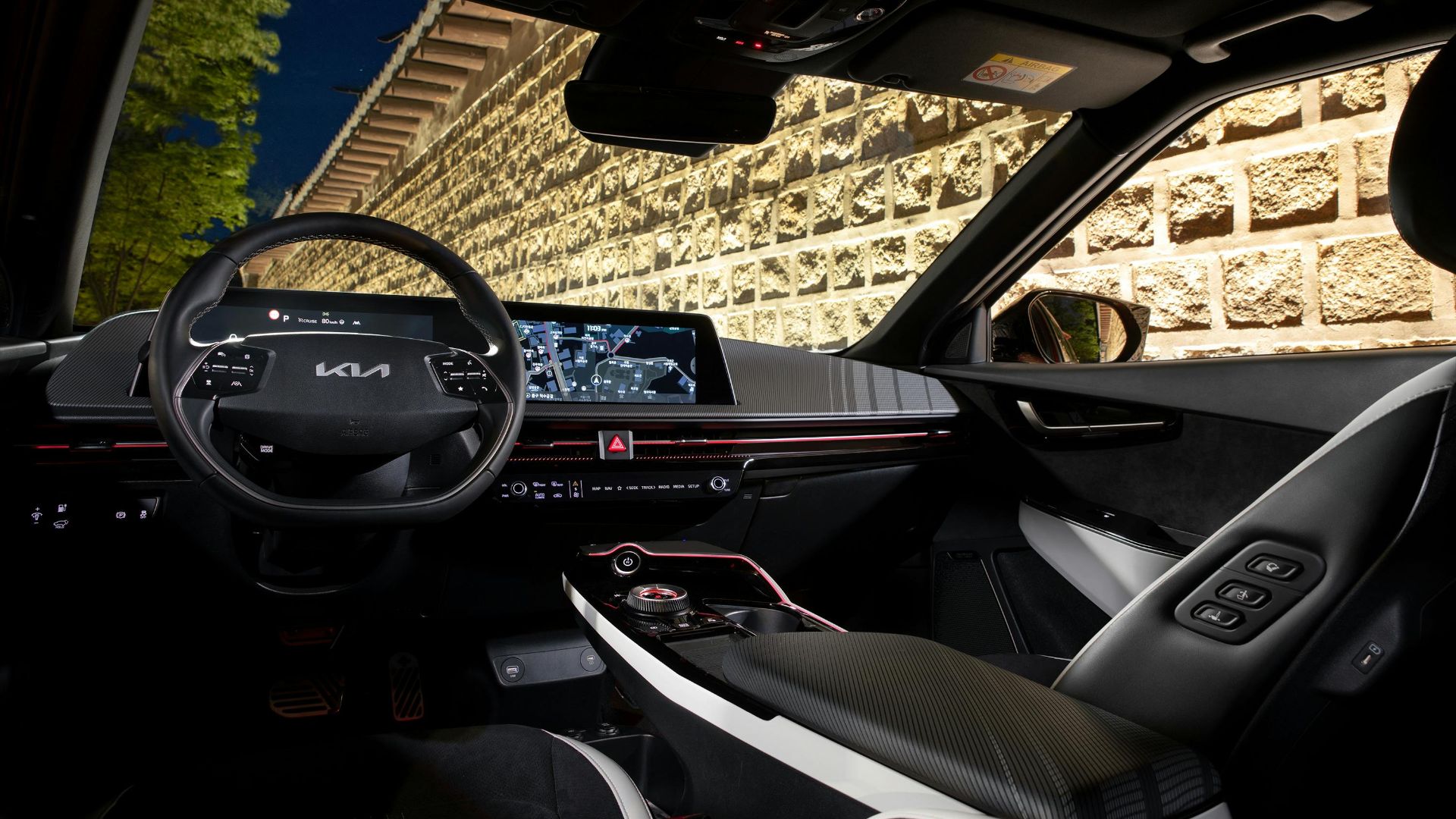
Even hardcore car people notice how mechanically simple EVs are. There’s something appealing about fewer moving parts and fewer things to break, even if the simplicity comes wrapped in electronics instead of grease.
Where the Fear Really Starts
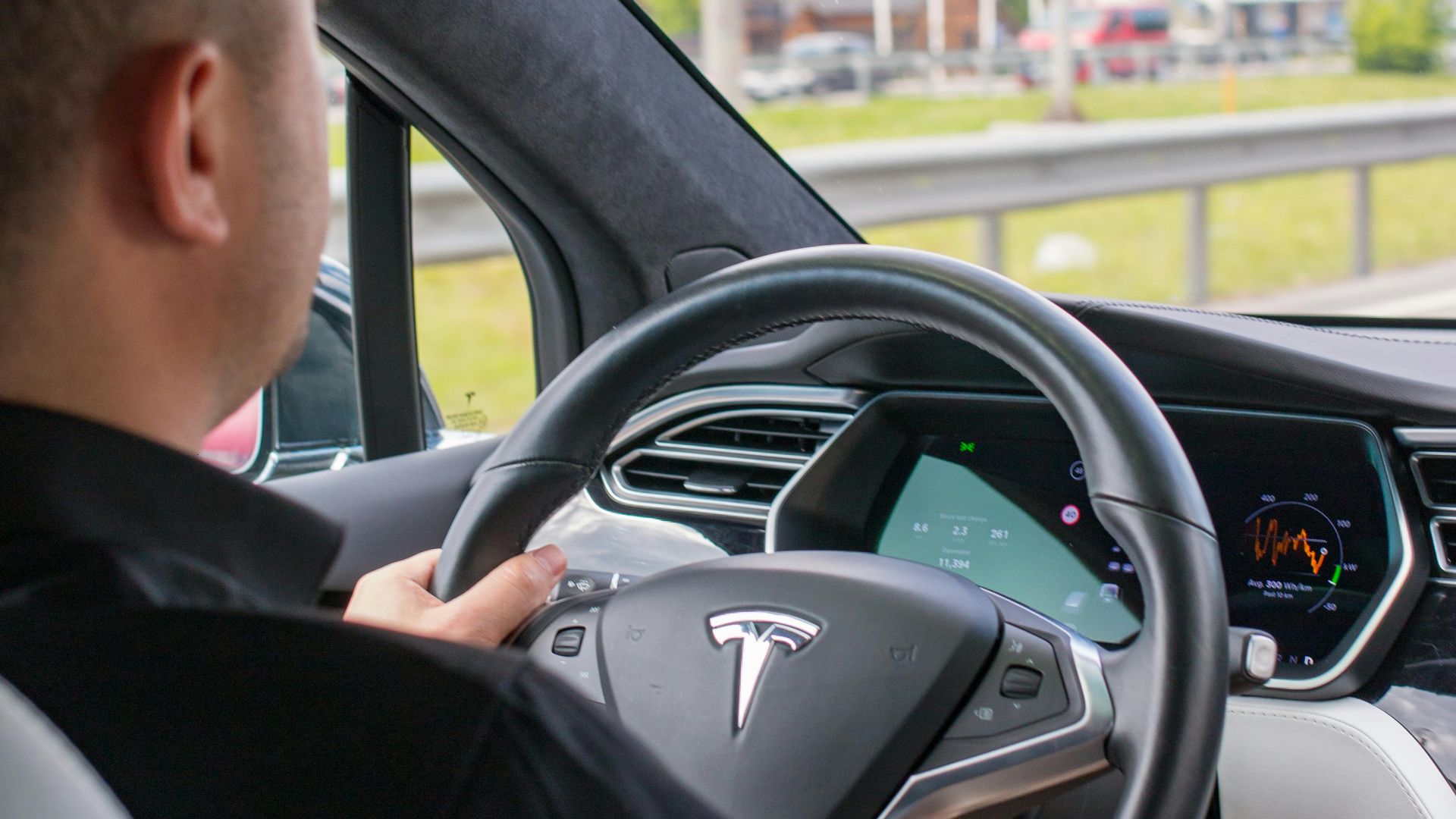
The concern is not about normal upkeep. It’s about what happens when something major fails. Batteries, control units, and power electronics are unfamiliar territory for most drivers.
Battery Replacement Is the Number Everyone Fixates On
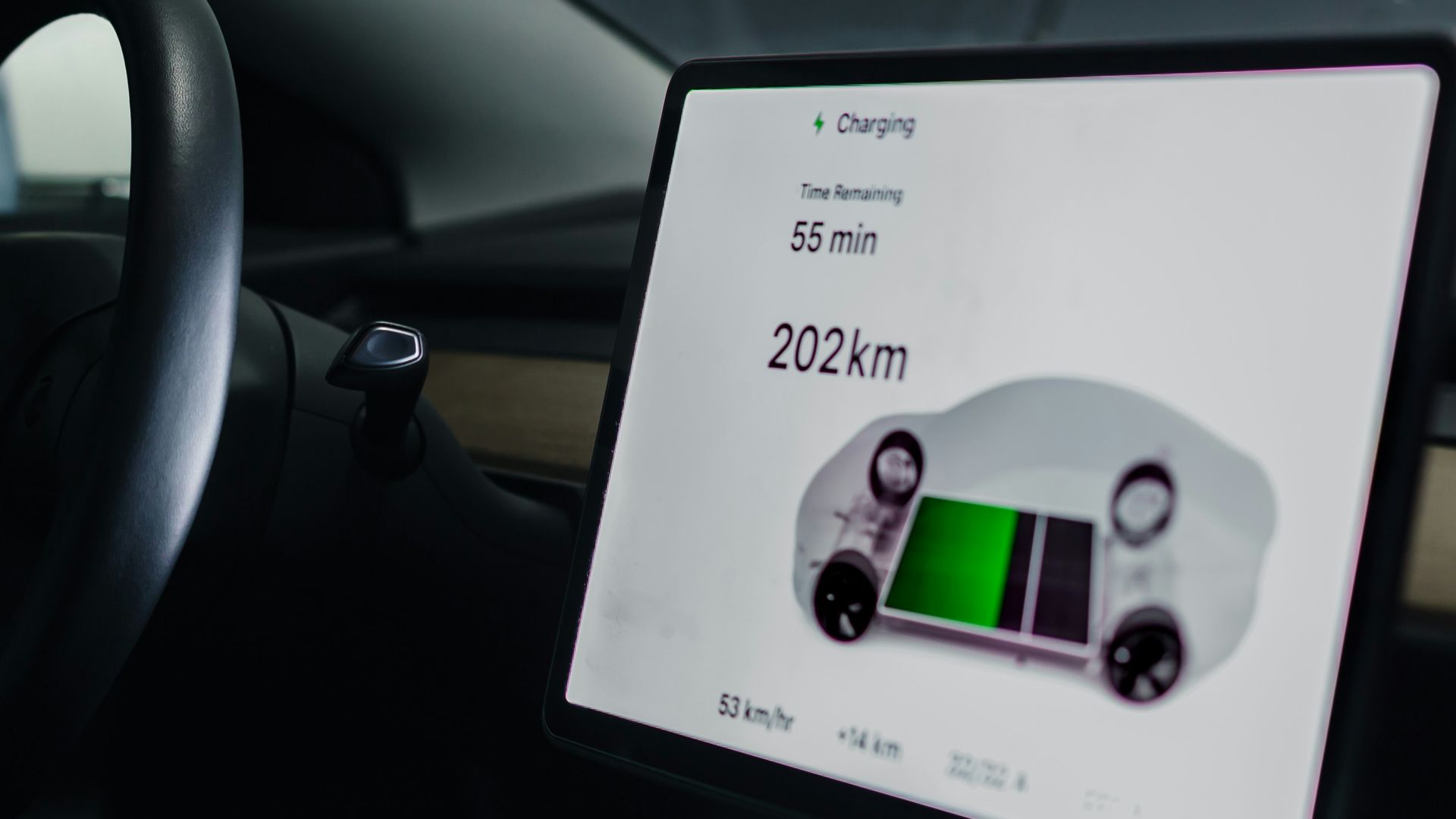
Hearing that a battery can cost five figures to replace is enough to scare anyone. Even though full replacements are rare, that possibility tends to overshadow years of smaller savings.
 Priscilla Du Preez 🇨🇦, Unsplash
How Long Batteries Actually Last in the Real World
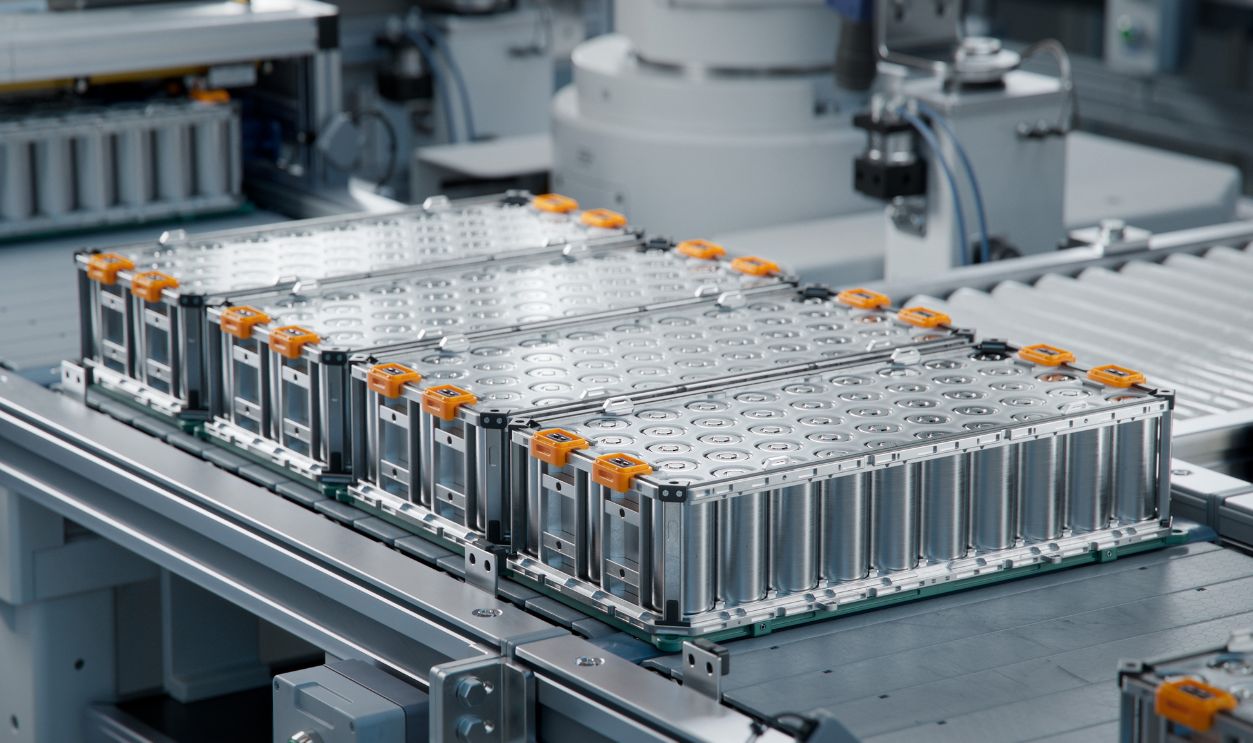
Modern EV batteries are built to degrade slowly. Most owners see gradual range loss over many years, not sudden failure. Many batteries remain usable well past 150,000 miles.
Warranties Do a Lot of Heavy Lifting
Long battery warranties take much of the early risk off the table. During those years, owners are largely protected from catastrophic battery failures, which makes EVs easier to live with early on.

The Question Nobody Loves Answering: What Happens Later
Once warranties expire, things get less predictable. Battery health starts affecting resale value, and long-term owners need to think differently than someone who trades cars every few years.
Electronics Are the Quiet Cost Nobody Talks About
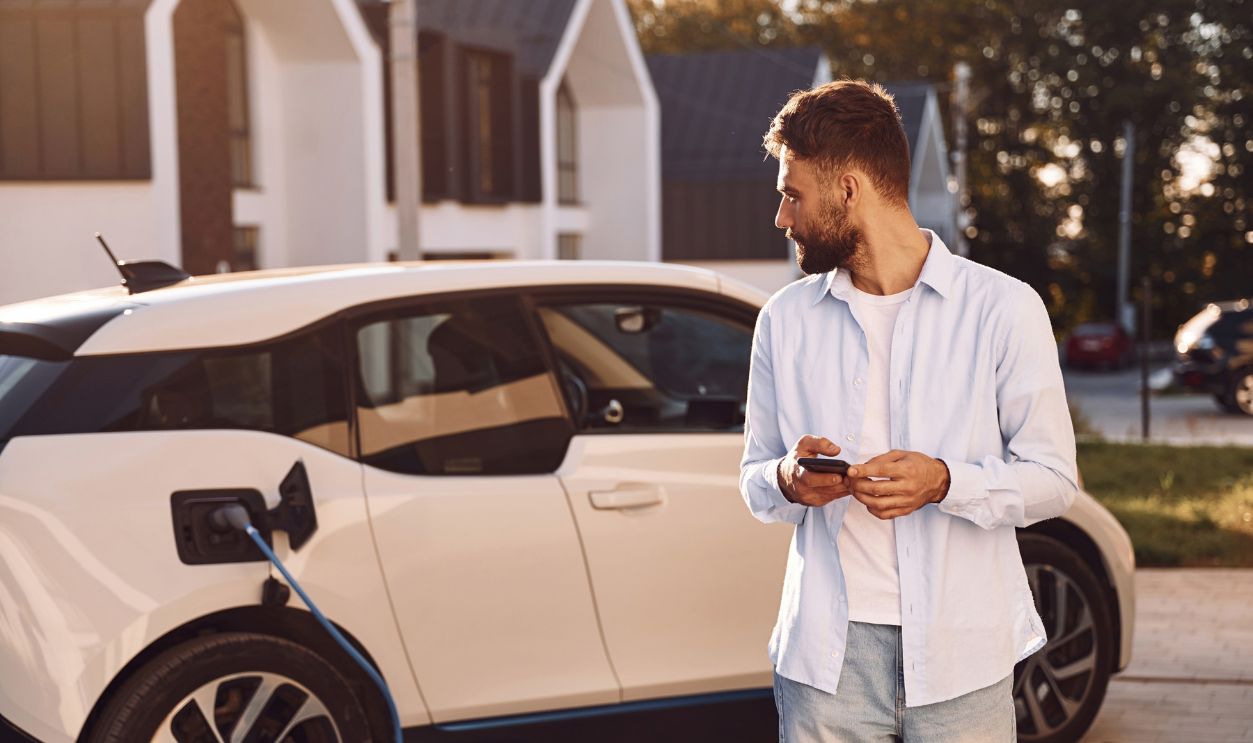
EVs rely on complex electronics and software. Most of the time they work flawlessly, but when something does go wrong, diagnosing and fixing it can be expensive.
Repair Options Can Be Limited
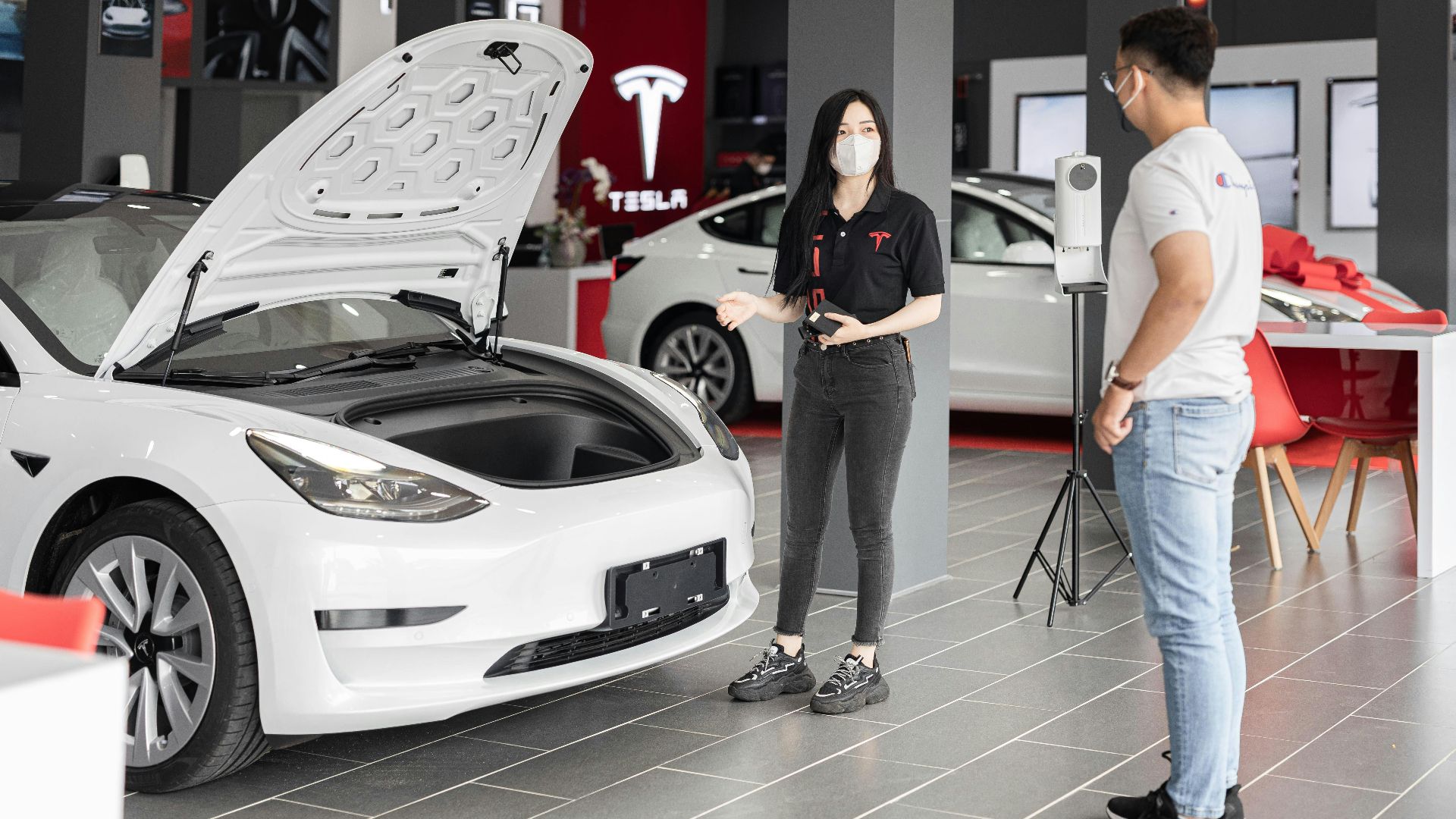
Not every repair shop is comfortable working on EVs. That often means dealer visits, which usually cost more and sometimes involve longer wait times.
Insurance Can Be a Surprise
Some EVs cost more to insure due to expensive parts and specialized repairs. It’s not universal, but it’s something buyers often discover after purchase.

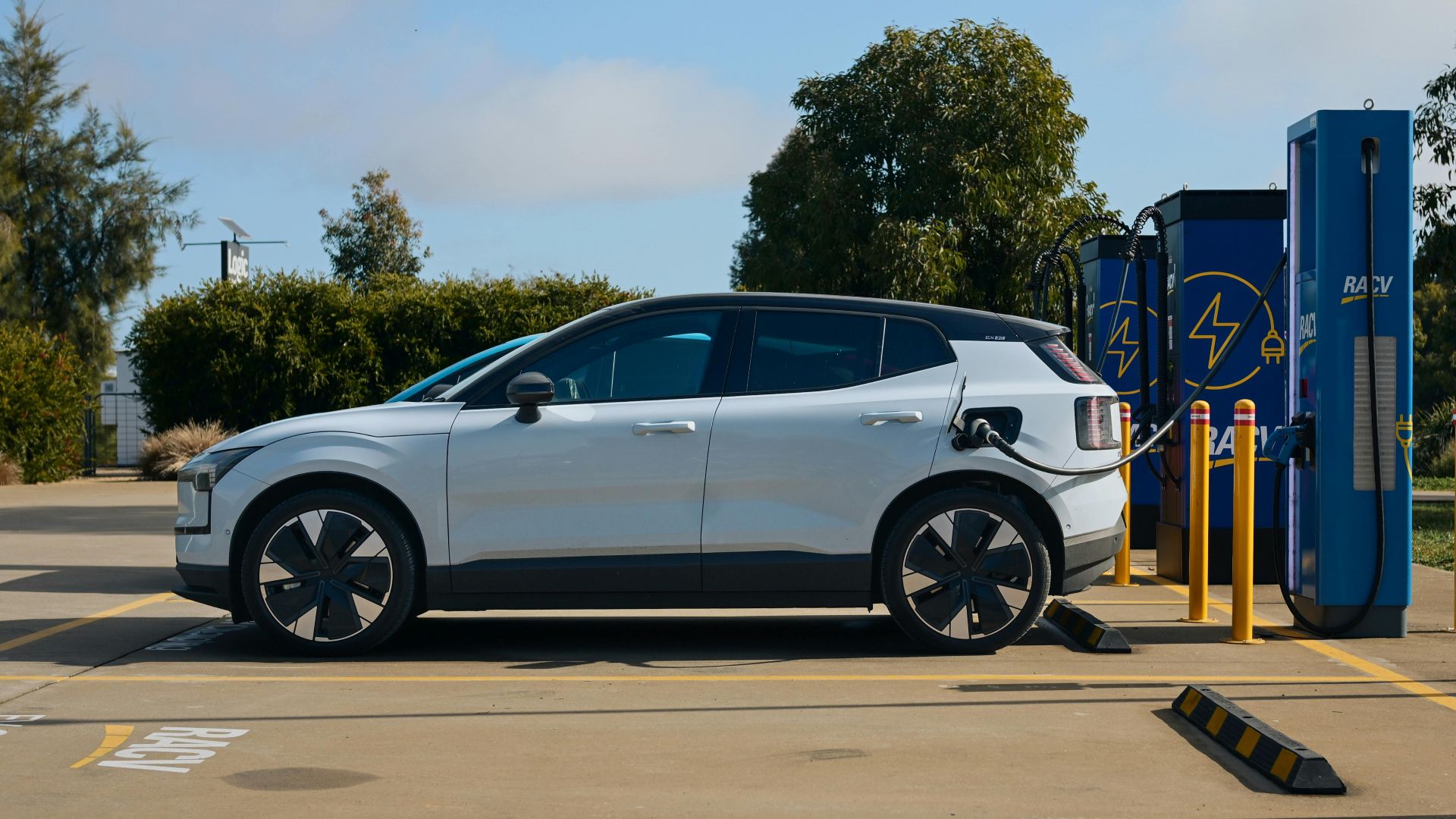
Charging Isn’t Always Cheap
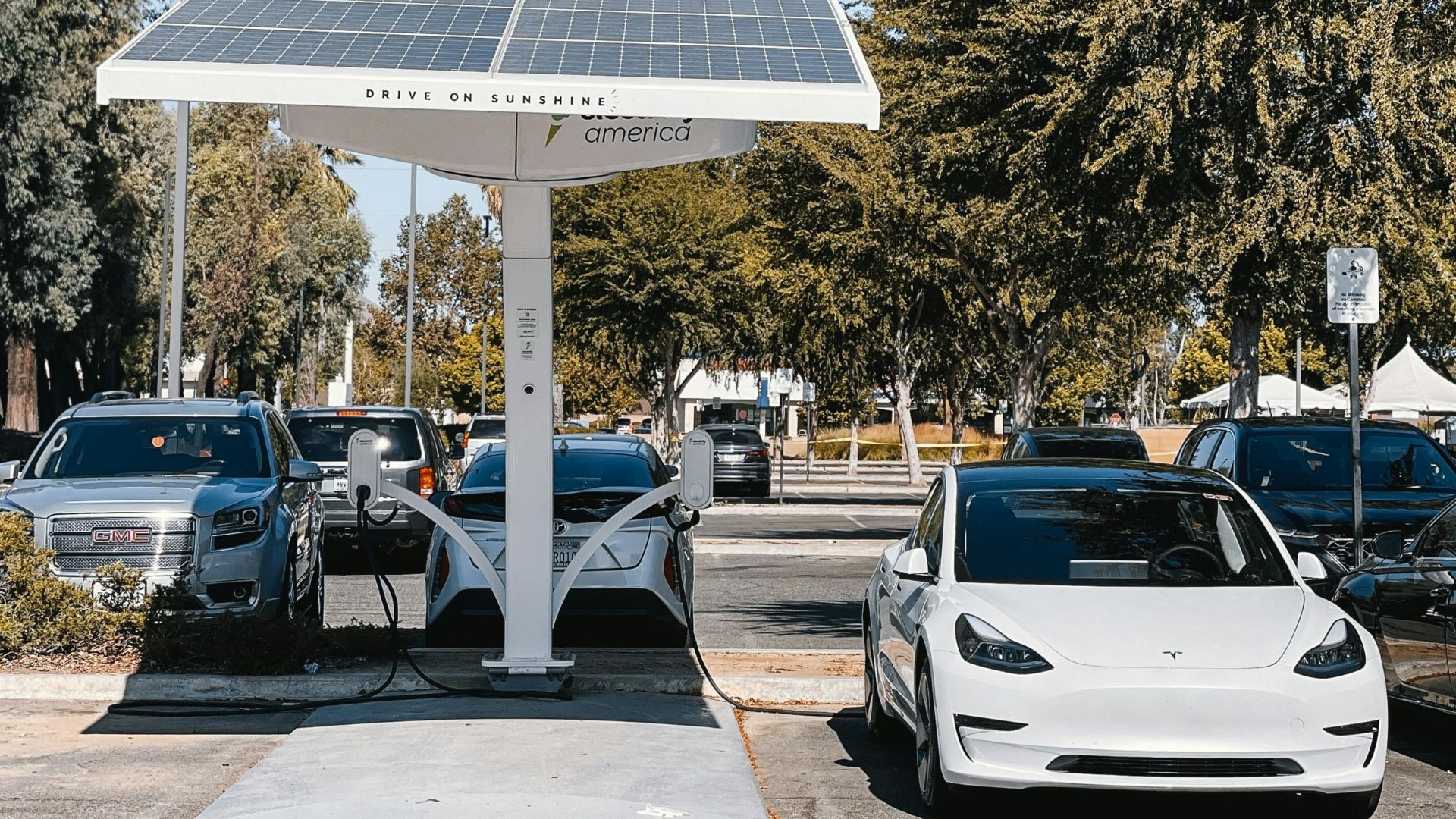
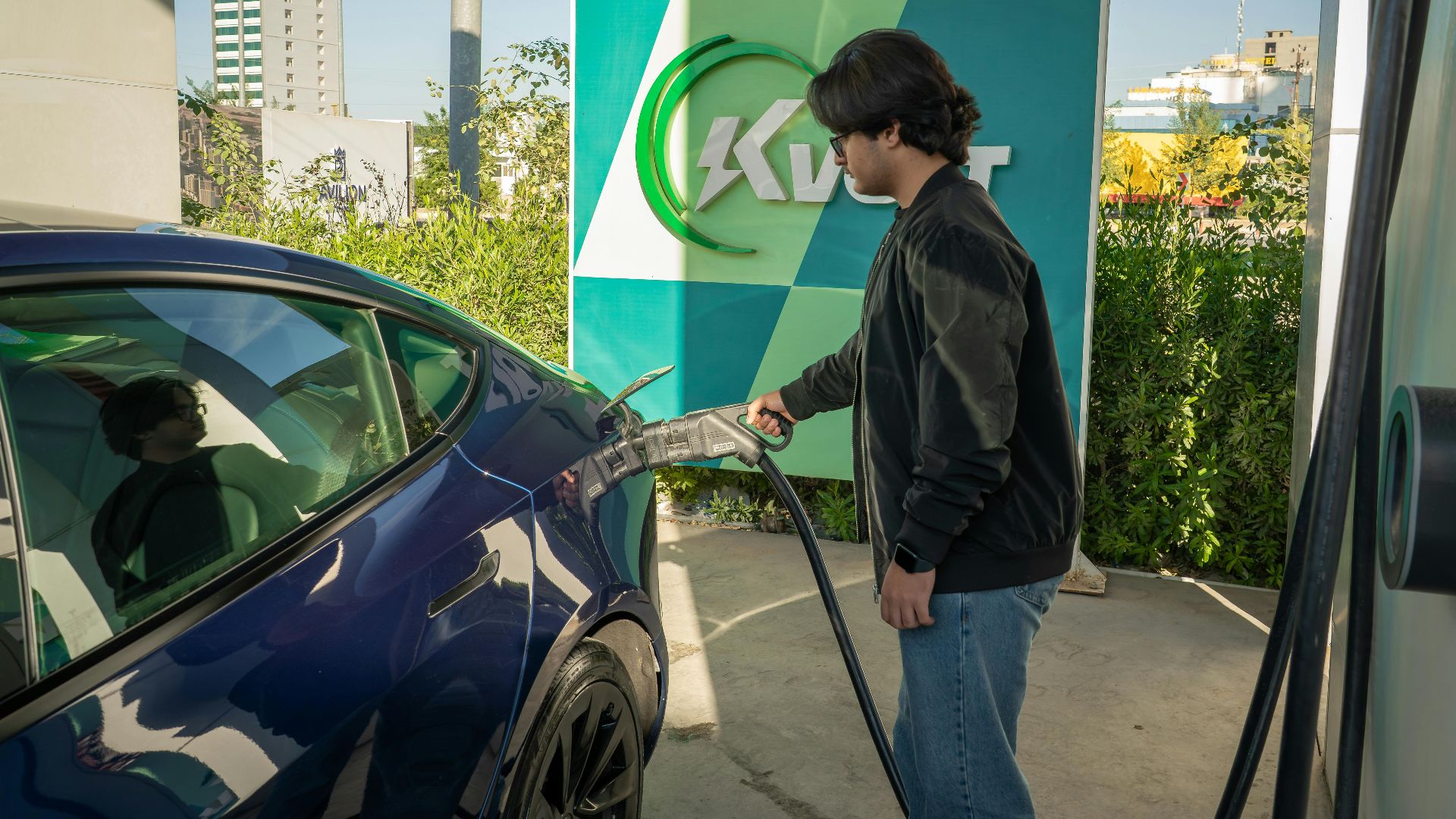
Home charging is where EVs shine. Public fast charging, however, can be expensive depending on location, sometimes wiping out the fuel savings people expect.
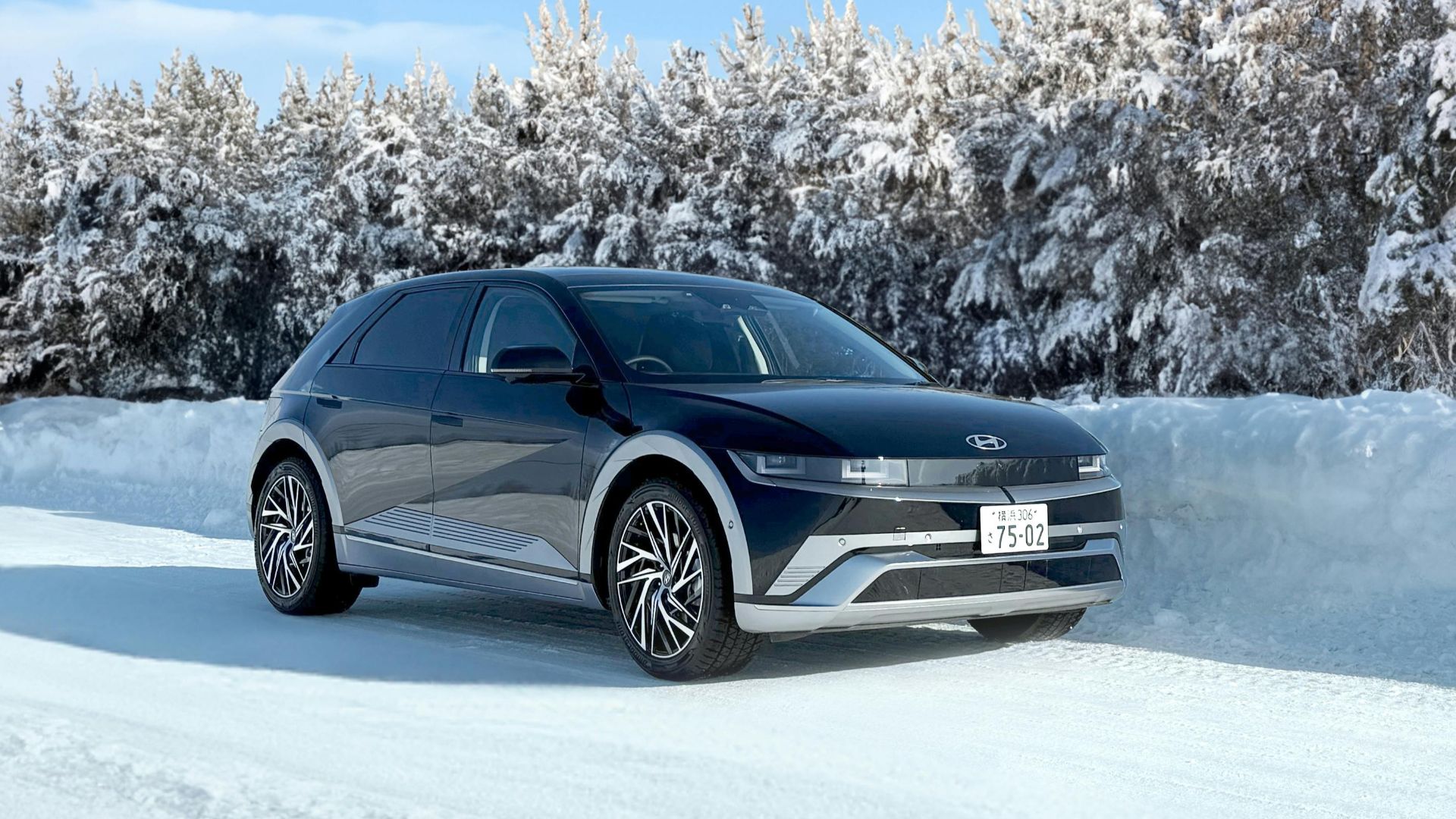
Cold Weather Changes the Experience
Cold temperatures reduce range and increase energy use. Heating an EV cabin draws from the battery, which means winter driving can feel very different from summer driving.
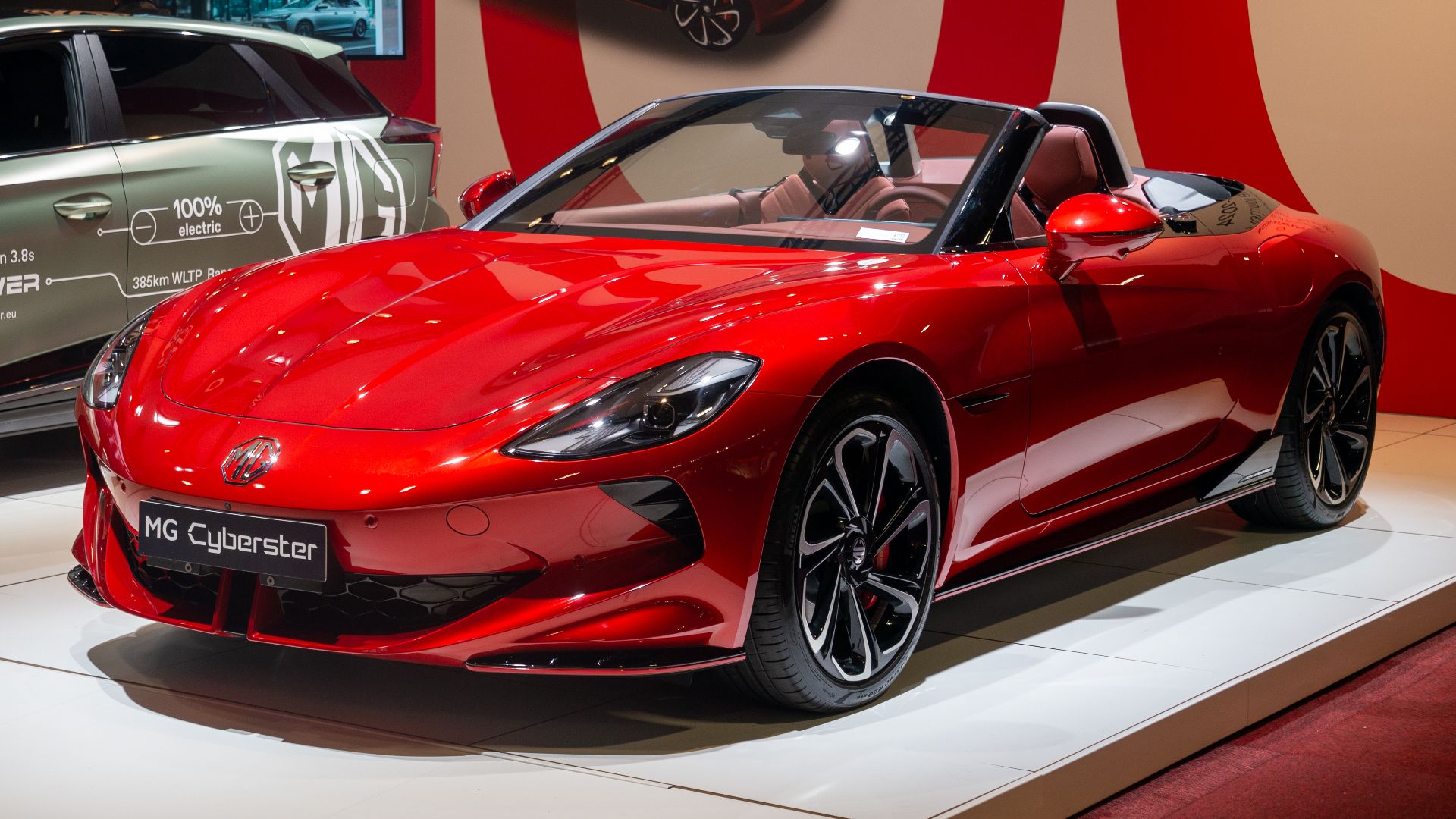
Performance EVs Play by Different Rules
Fast EVs are fun, but they chew through tires and energy. If you drive hard, you may not see the same cost benefits as someone who treats their EV like an appliance.
 Matti Blume, Wikimedia Commons
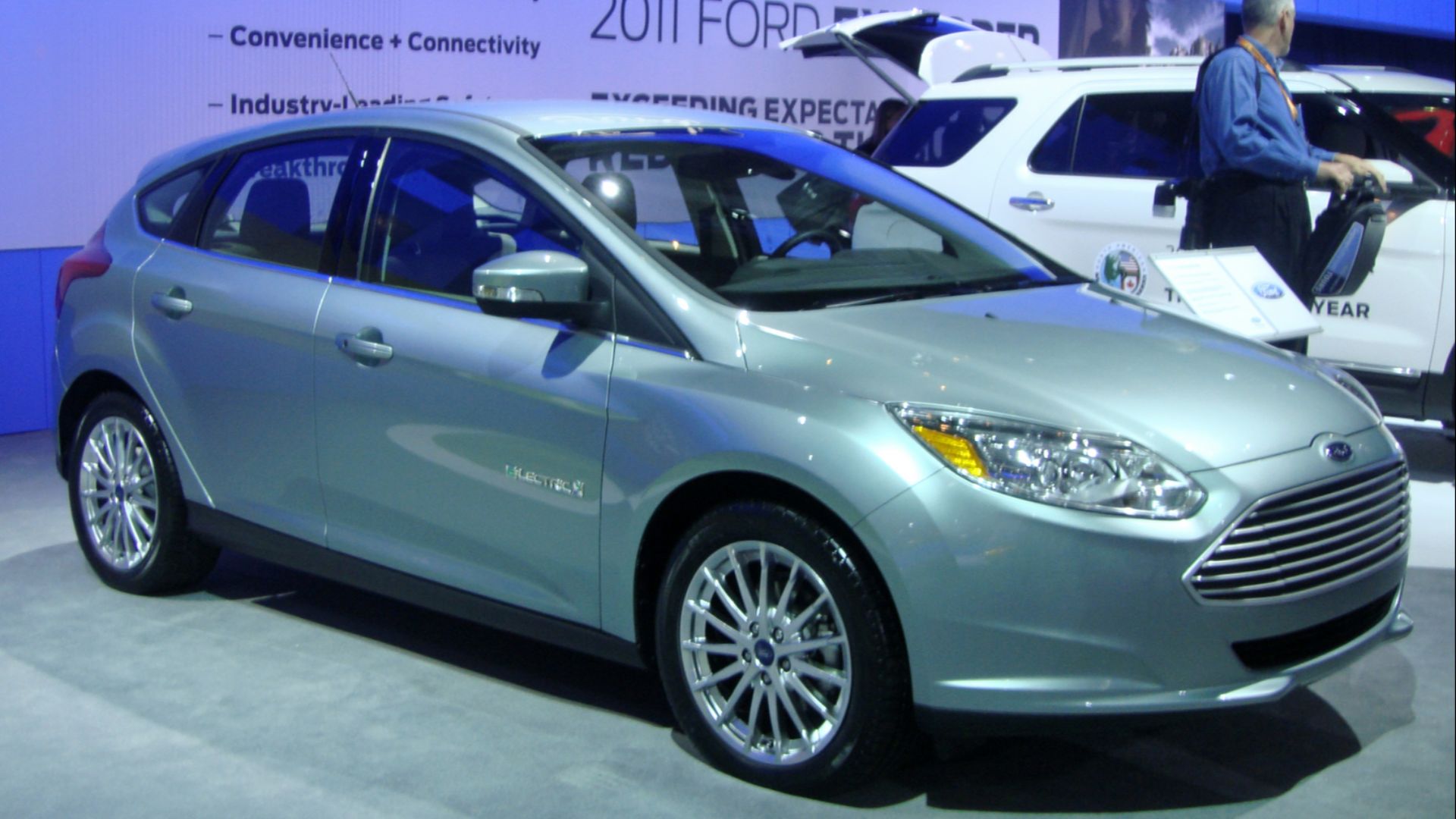
Resale Value Is Still a Moving Target
Some EVs hold value well, others drop quickly as technology improves. Rapid advancements can make older models feel outdated faster than gas cars.
 Mariordo Mario Roberto Duran Ortiz, Wikimedia Commons
Ownership Length Matters More Than Anything
EVs tend to favor short- to medium-term ownership. Long-term ownership comes with more unknowns, especially once major components age beyond warranty coverage.
Gas Cars Aren’t Exactly Cheap to Fix Either
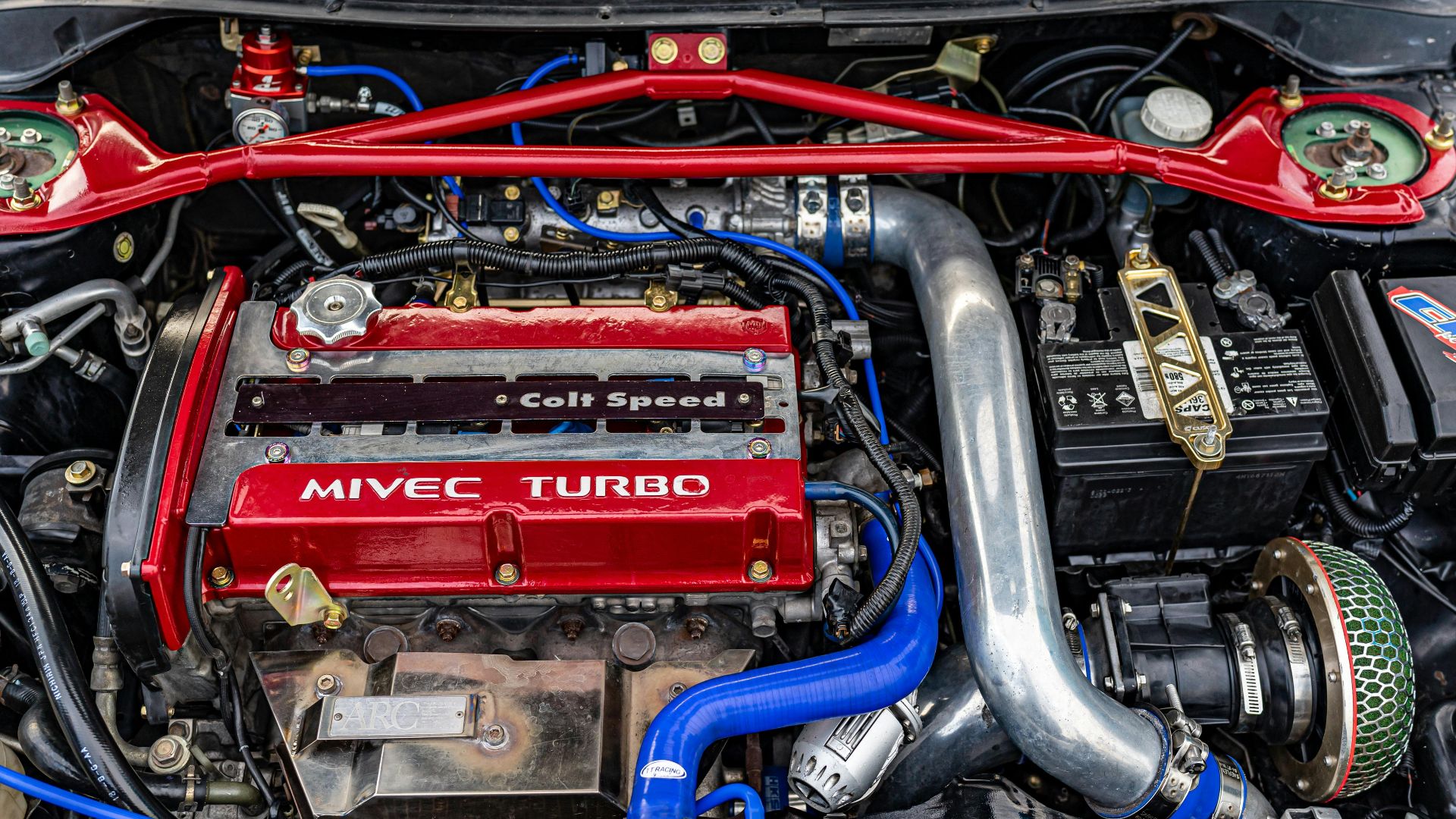
Modern gas vehicles have their own expensive failures. Turbos, emissions systems, and transmissions can easily rival EV repair costs, even if those risks feel more familiar.
So Who’s Actually Right Here?
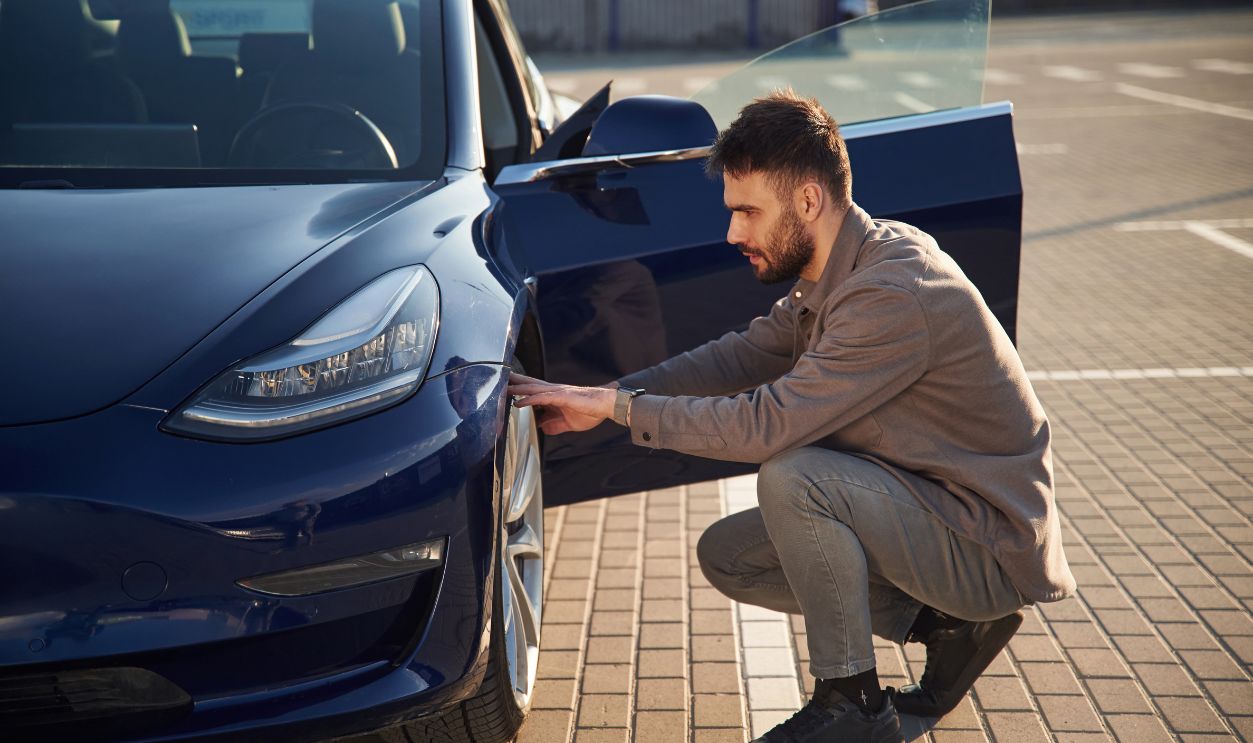
Your friend is right about lower daily costs and simpler maintenance. Your neighbor is right about potential long-term repair risks. Neither is wrong, but neither tells the whole story.
The Real Bottom Line
EVs can save money if you drive often, charge at home, and don’t keep them forever. They can get expensive if you plan to own one long past its warranty.
How to Make the Right Call for Yourself
Think about your driving habits, climate, charging access, and how long you keep vehicles. EV ownership is not a universal win or loss. It’s about fit.
 Summit Art Creations, Shutterstock
You May Also Like:
The Worst Electric Pickup Trucks Ever Made, According To Mechanics
Gen X Hates Electric Cars. These Are The EVs That Will Finally Win Them Over
All The Auto Manufacturers Currently Rolling Back Their EV Plans