The Moment That Started It All
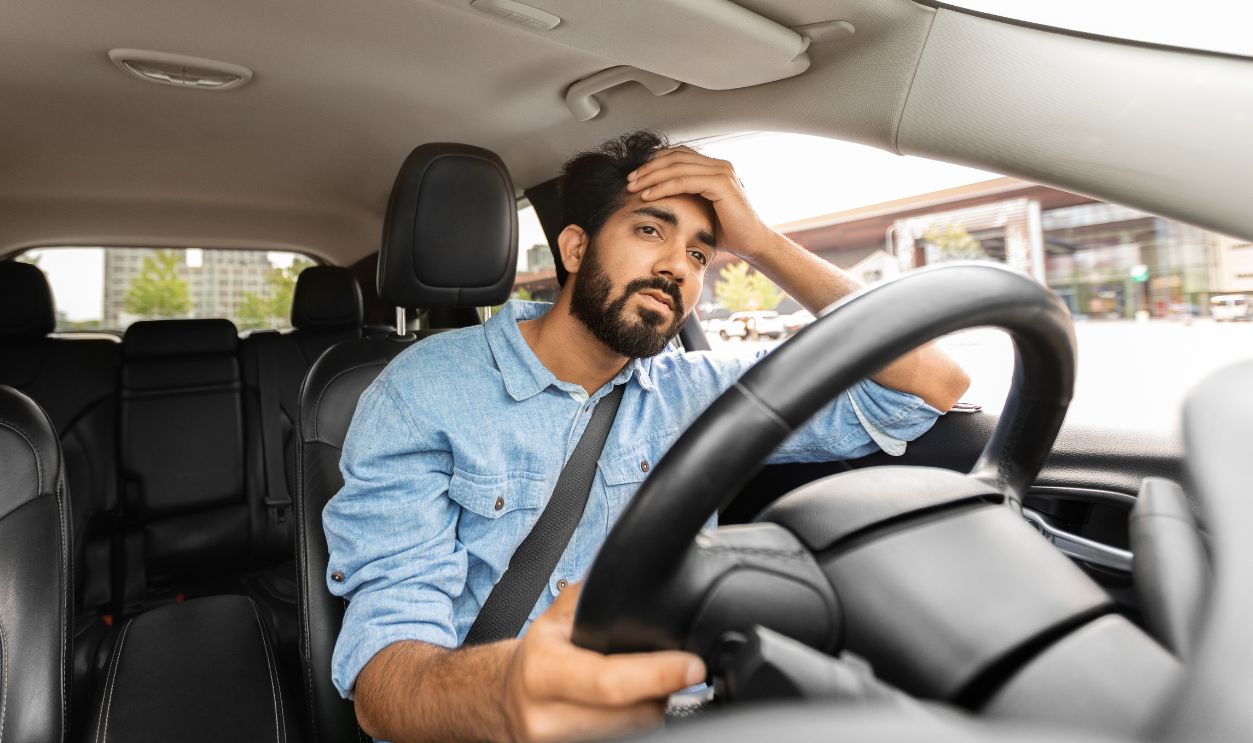
It started like an ordinary drive, the kind you forget five minutes after you park. The radio was playing something familiar, traffic was steady, and nothing felt out of place—until a pickup truck appeared in my rearview mirror. It was riding close, flashing headlights, and clearly wanted me out of the way. There were no sirens, no flashing lights, and nothing to suggest an emergency. So I stayed put.

Why I Didn’t Move Over
From my perspective, this wasn’t an emergency situation. The truck didn’t resemble a police cruiser, ambulance, or fire engine, and there were no signals demanding the right of way. I wasn’t driving slowly or blocking traffic, and I wasn’t about to swerve over just because someone behind me was impatient. In the moment, staying calm and predictable felt like the safest choice.
The Surprise In My Mailbox
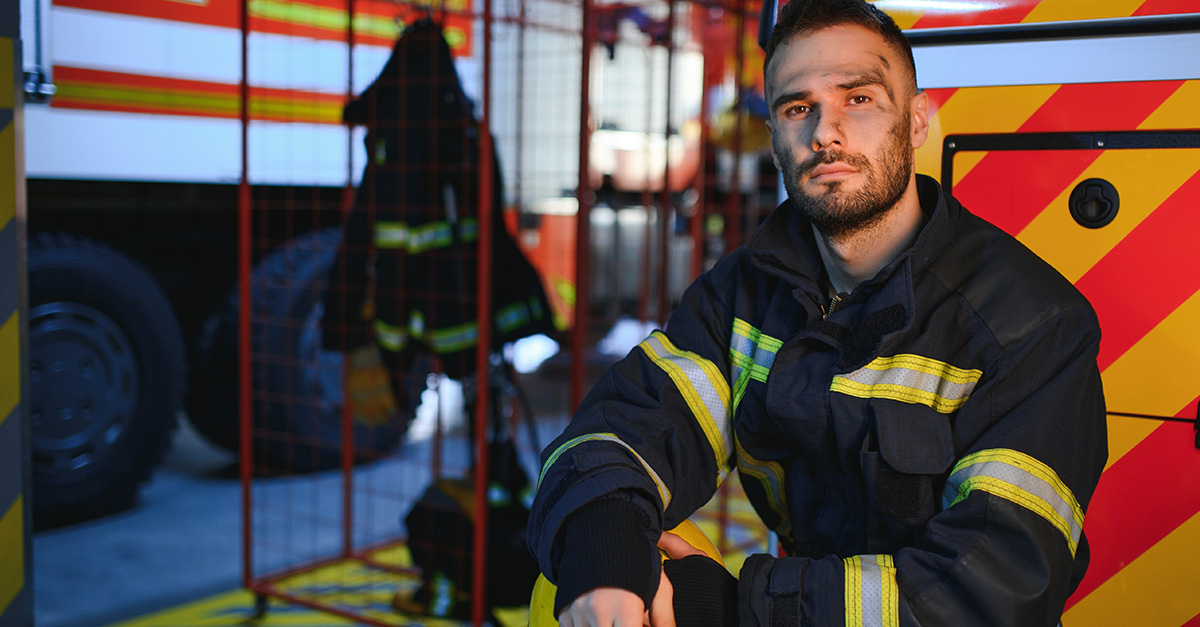
Weeks later, that uneventful drive came roaring back to life in the form of a citation tucked into my mailbox. The ticket claimed I failed to yield to an emergency responder. According to the paperwork, the driver of that pickup was a volunteer firefighter responding to a call. Suddenly, a forgettable commute turned into a legal puzzle.

Wait—Volunteer Firefighters Can Do That?
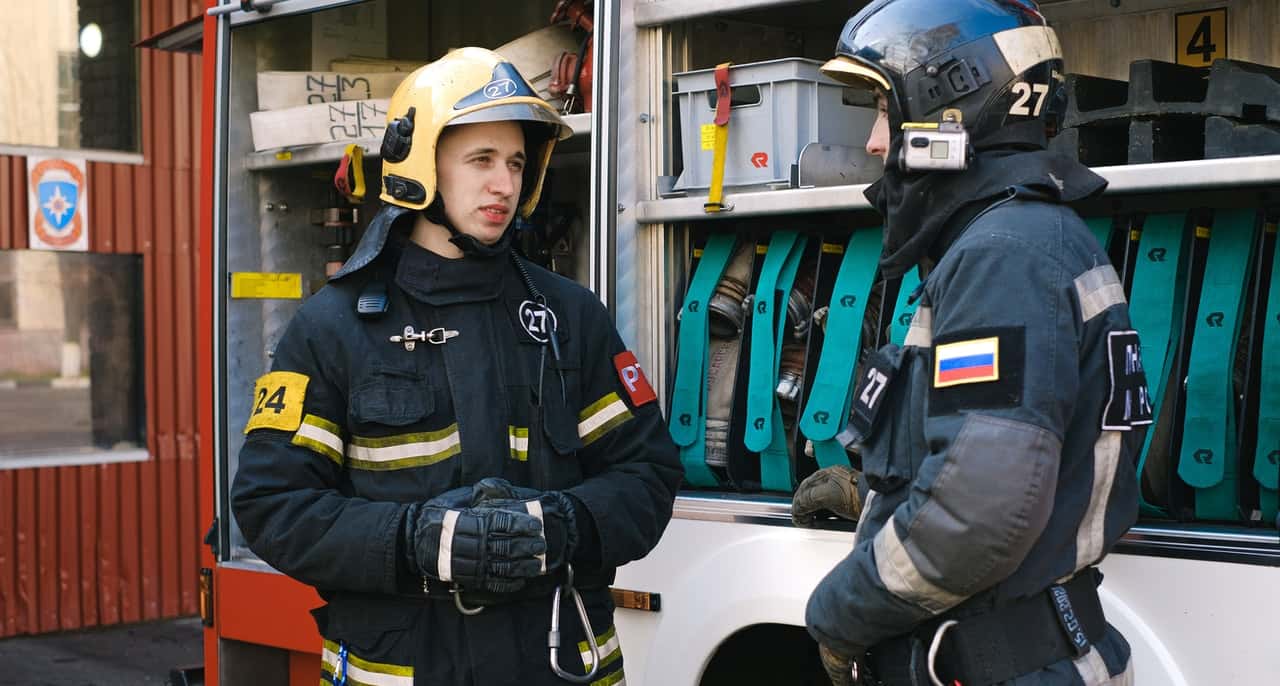
The short answer is yes, but with caveats. In many states, volunteer firefighters are legally permitted to respond to emergencies in their personal vehicles. However, that permission comes with specific requirements. Those requirements vary widely depending on where you live, and the details matter more than most drivers realize.
What The Law Usually Requires
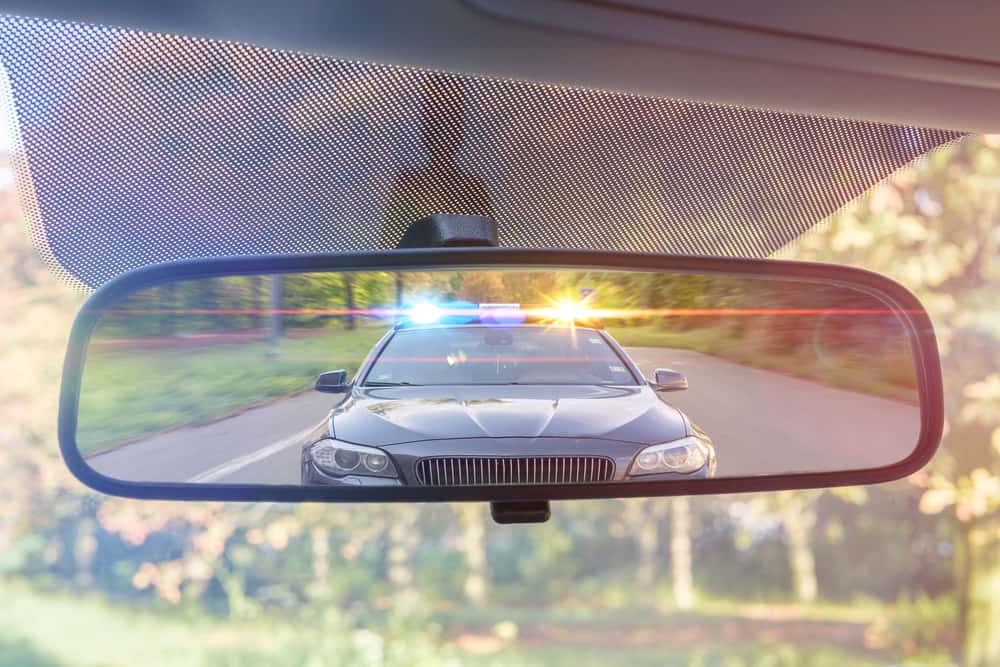
Traffic laws typically require drivers to yield only when an authorized emergency vehicle is clearly operating as one. That usually means the vehicle must be using visible emergency lights, audible sirens, or both. Without those signals, the obligation to move over becomes far less clear, and in many cases, it doesn’t exist at all.

Lights And Sirens Matter—A Lot
Emergency signals are not just a courtesy—they’re the legal trigger that shifts responsibility to other drivers. If a vehicle doesn’t activate its lights or siren, most laws do not expect motorists to assume an emergency is underway. Drivers are required to respond to clear warnings, not guess at intentions.
But Some States Make Exceptions
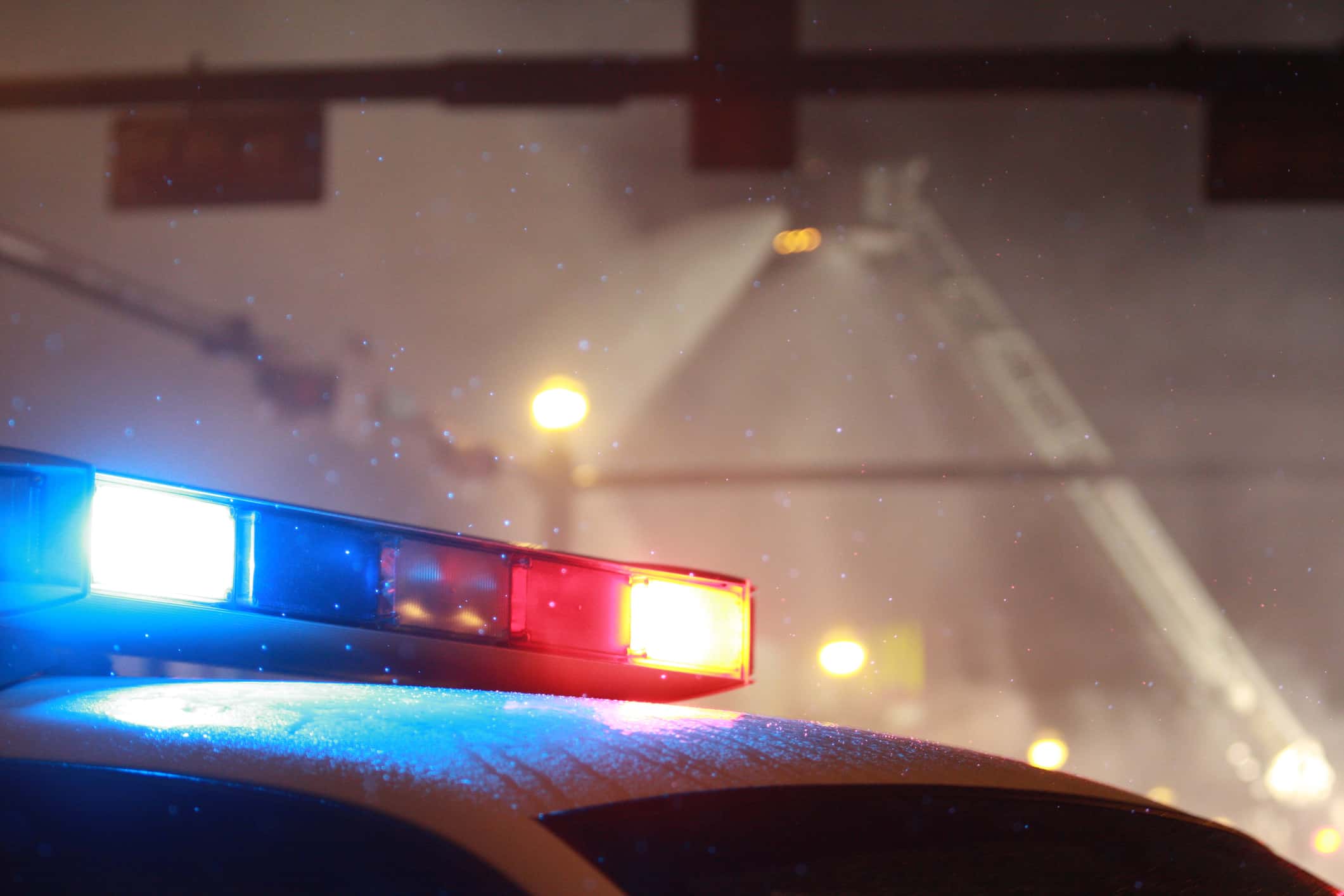
This is where things get tricky. Some states allow volunteer firefighters to use dash-mounted or windshield-mounted emergency lights. Others require both lights and a siren. In certain places, those lights are considered “courtesy lights,” meaning they ask for the right of way rather than demand it. The legal distinction can determine whether a ticket is valid or vulnerable.
Did You Actually Break The Law?
The real question isn’t whether the firefighter was responding to an emergency—it’s whether you had a legal obligation to yield at that moment. If the vehicle wasn’t using required signals or wasn’t legally classified as an emergency vehicle under state law, your actions may have been entirely lawful.

Why Tickets Like This Get Issued
These citations are often issued after the fact rather than during a traffic stop. Instead of an officer witnessing the incident in real time, the ticket may be based on a report submitted later. That means the case often rests on recollection and interpretation rather than direct observation.

The Problem With Hindsight Enforcement
Traffic law is built around what a reasonable driver would do in real time, not what becomes clear days or weeks later. Courts generally recognize that drivers cannot be expected to retroactively reinterpret a situation once new information comes to light. Emergency status must be clear in the moment—not assigned afterward.

What Evidence Will Matter Most
If you decide to fight the ticket, the case will hinge on whether the vehicle clearly identified itself as an emergency responder. Evidence showing the absence of lights or sirens, the configuration of the firefighter’s vehicle, and the exact wording of the statute cited on the ticket can all play a critical role.

Dashcams Can Save You Here
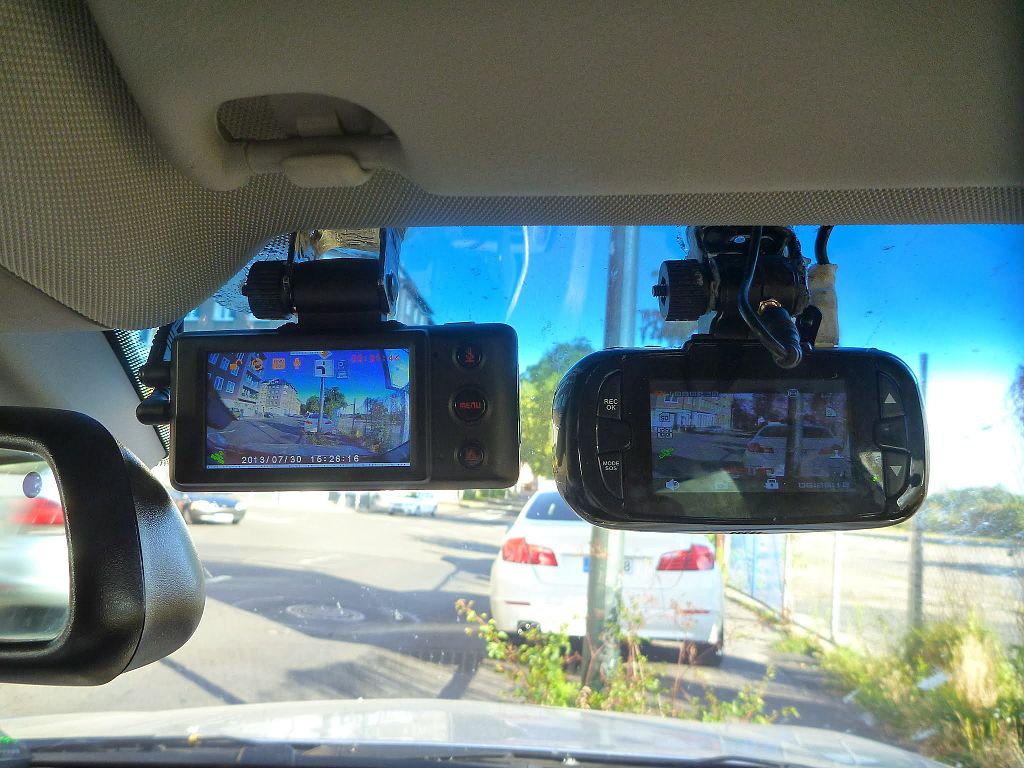
Dashcam footage can be incredibly persuasive in cases like this. A video that shows a regular pickup truck approaching without flashing lights or audible warnings reinforces the argument that there was no reasonable way to know it was responding to an emergency. Even a rear-facing camera can help establish what signals were—or weren’t—used.
What If You Don’t Have Video?
A lack of video doesn’t automatically sink your case. Courts still consider whether the vehicle met legal equipment requirements and whether the law actually imposed a duty on you to yield. In some situations, the firefighter’s own admission that lights or sirens were not activated can be enough to raise doubt.

The Volunteer Firefighter Angle
Judges tend to respect emergency responders, including volunteers who give their time to serve their communities. That respect, however, doesn’t override statutory requirements. Volunteer status does not grant unlimited authority on the road, and courts are tasked with balancing public safety against fairness to everyday drivers.

Common Mistakes Drivers Make
Many drivers plead guilty without question, assuming that challenging a ticket involving an emergency responder is pointless. Others make the mistake of arguing emotionally rather than legally. The strongest cases focus on what the law requires and what a reasonable driver could observe—not on frustration or hindsight.

How To Read Your Ticket Carefully
The wording of your citation matters more than you might expect. Pay close attention to the statute number listed and the language it uses. If the law specifies that an emergency vehicle must use lights or a siren, and those elements were missing, that detail could form the foundation of your defense.

Should You Hire A Lawyer?
For minor fines, hiring an attorney may cost more than the ticket itself. However, if the violation carries points, could affect your license, or may raise your insurance rates, legal representation might be worth considering—especially in jurisdictions that strongly favor emergency responders.
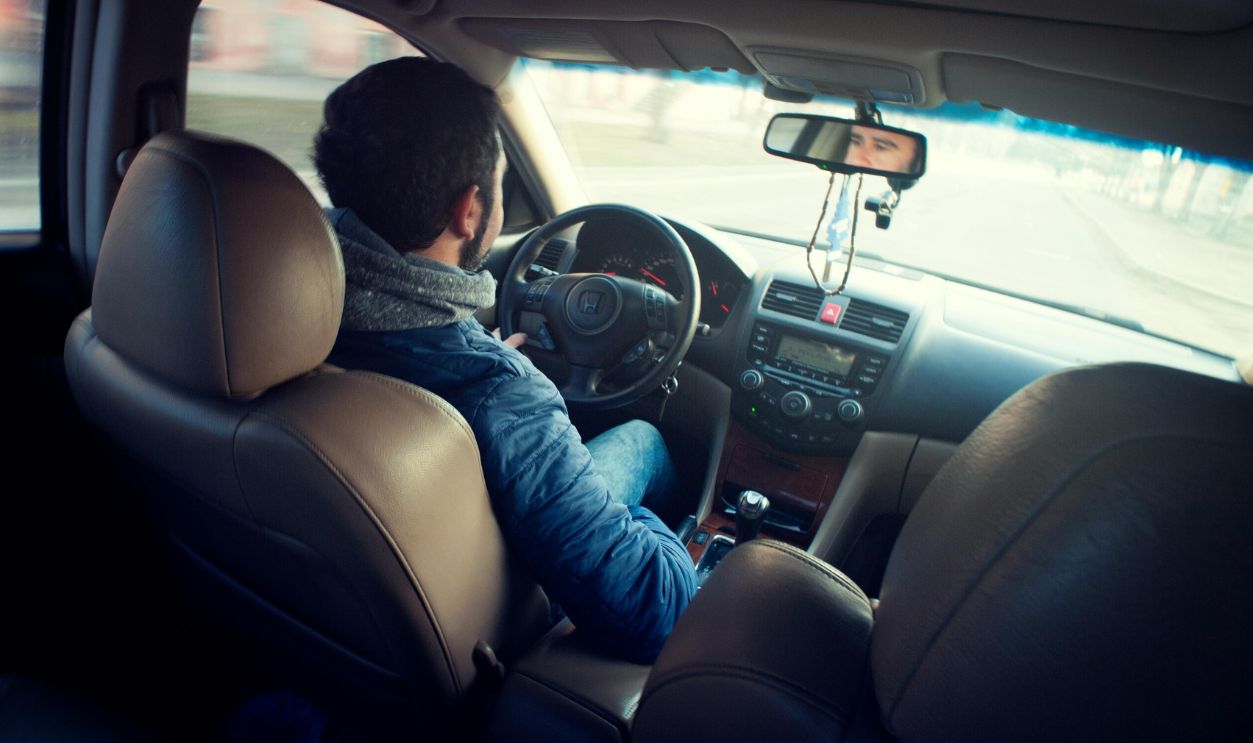
 Photo By: Kaboompics.com, Pexels
Can You Win Without One?
Plenty of drivers successfully contest tickets like this on their own. Traffic court is designed to be accessible, and judges are accustomed to hearing cases from unrepresented motorists. Clear reasoning, calm delivery, and familiarity with the relevant statute can make a strong impression.

What To Say In Court
The most effective approach is straightforward and factual. Explain that you did not observe emergency lights or hear a siren and that the vehicle appeared to be an ordinary pickup truck. Emphasize that you were driving lawfully and responded based on what a reasonable driver would perceive.

What Not To Say
It’s best to avoid criticizing the firefighter’s driving or suggesting bad intentions. Statements about feeling annoyed or refusing to move on principle can undermine your credibility. Courts respond better to calm explanations grounded in law rather than emotion.

Will The Firefighter Show Up?
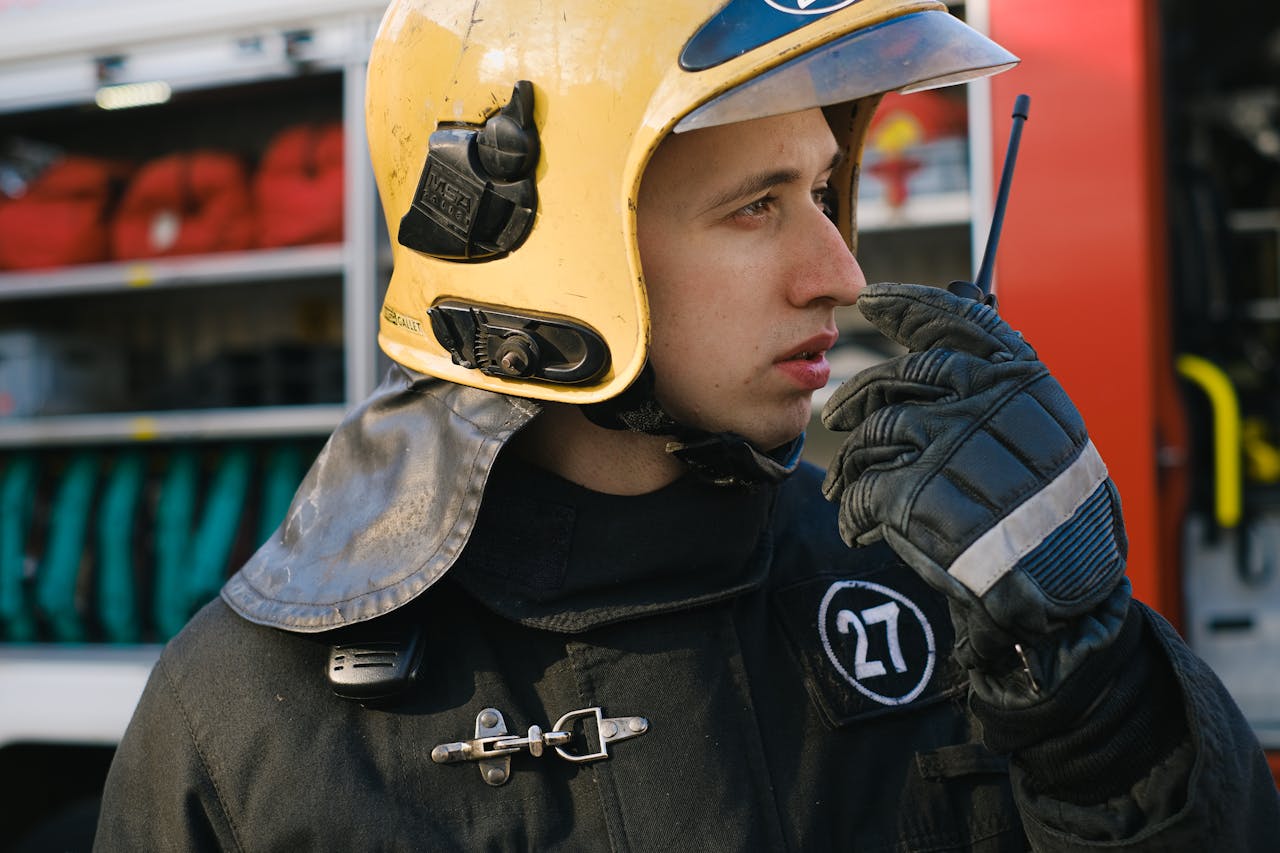
Sometimes the reporting party appears in court, and sometimes they don’t. If the firefighter does not show up and the case relies on their testimony, the citation may be dismissed. If they do appear, maintaining professionalism and respect becomes even more important.
Insurance Implications To Consider
Even a single moving violation can have lasting consequences on your insurance premiums. Fighting a ticket isn’t just about avoiding a fine—it can also protect you from years of higher rates tied to a questionable citation.

Could The Ticket Be Reduced Instead?
In some cases, prosecutors are willing to reduce the charge to a non-moving violation. This can eliminate points on your license and minimize insurance impact, offering a compromise if a full dismissal isn’t guaranteed.
 LightField Studios, Shutterstock
Why These Cases Are Increasing
As volunteer fire departments rely more heavily on personal vehicles, interactions like this are becoming more common. Unfortunately, the law hasn’t always evolved at the same pace, leaving drivers caught between unclear rules and serious accusations.

What You Should Do Next Time
If a vehicle approaches aggressively without clear emergency signals, the safest course is to continue driving legally and predictably. Sudden moves based on uncertainty can create more danger than they prevent. You are not required to anticipate emergencies that aren’t clearly signaled.
The Big Lesson For Drivers
Emergency response depends on clear communication. When that communication doesn’t happen, the law generally protects drivers who act reasonably based on what they can see and hear. Traffic laws are designed to manage reality, not assumptions.

So—Can You Fight It?
Yes—and in many situations, you probably should. If the vehicle did not clearly identify itself as an emergency responder under your state’s law, the ticket may not stand up in court. With preparation, respect, and a focus on the facts, fighting it can be both reasonable and worthwhile.

You May Also Like:
You Were Automatically Cool If You Drove One Of These 90s Cars
Gen X Hates Electric Cars. These Are The EVs That Will Finally Win Them Over