The Dream Versus The Reality
Owning a sports car is the automotive equivalent of dating a supermodel—thrilling, glamorous, and guaranteed to turn heads. But just like that high-maintenance relationship, the true cost goes well beyond the initial spark. The sticker price might get you the keys, yet it’s the hidden expenses that sneak up on owners long after the Instagram photos are posted. From sky-high insurance premiums to brake jobs that rival a family vacation in cost, sports cars demand more than just passion—they demand preparation. Before you take the plunge, here are the hidden sports car costs owners often wish they’d known about.
Insurance Premium Shock
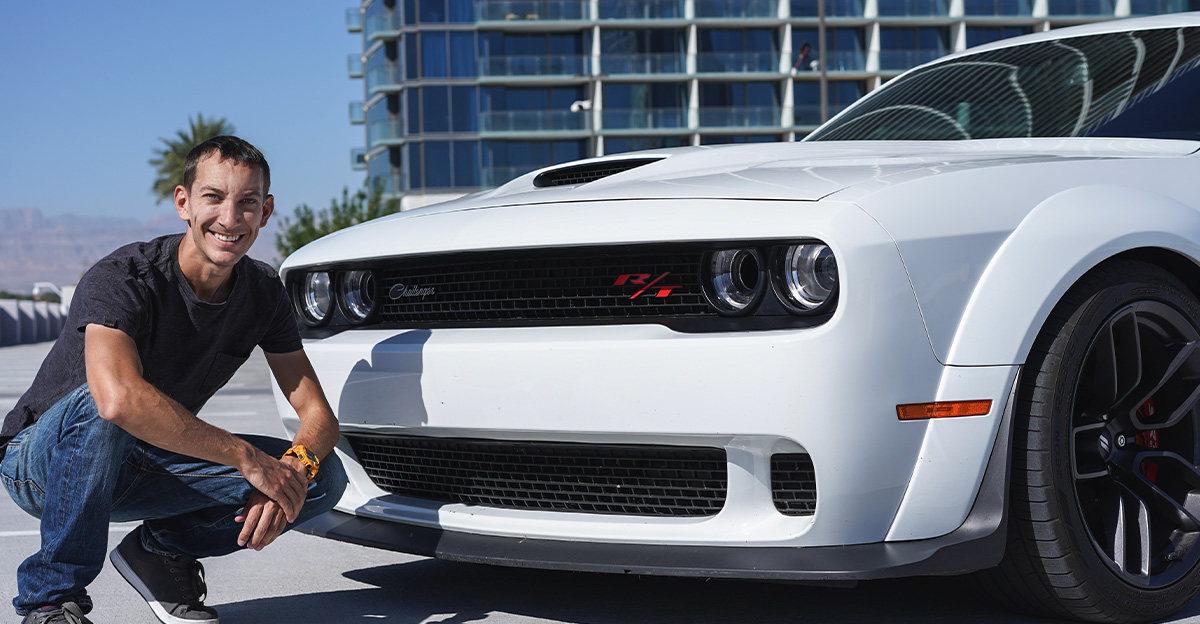
That sleek coupe may look like a million bucks, but to your insurance company, it looks like a high-risk liability. Sports cars statistically get driven faster, wrecked more often, and cost more to repair. Even if you have a spotless record, expect significantly higher premiums compared to a regular sedan. Younger drivers get hit especially hard, sometimes paying thousands more per year simply because of the badge on the hood.

Premium Fuel Requirements
Most sports cars demand premium fuel—no exceptions. That means 91 or 93 octane at every fill-up, and those extra cents per gallon add up fast. Turbocharged and high-compression engines are tuned for higher octane to prevent knock and maximize performance, so cheaping out isn’t an option. Over a year of spirited driving, that fuel difference can quietly become a four-figure expense.
Tire Wear Happens Fast
Sticky performance tires are magical on a twisty road, but they’re basically made of soft rubber butter. They wear out far faster than standard all-season tires, especially if you enjoy enthusiastic acceleration. Rear-wheel-drive sports cars are notorious for chewing through rear tires in 10,000–15,000 miles—or less. And performance tires aren’t cheap, often running $1,000–$2,000 per set.
Brake Jobs That Hurt
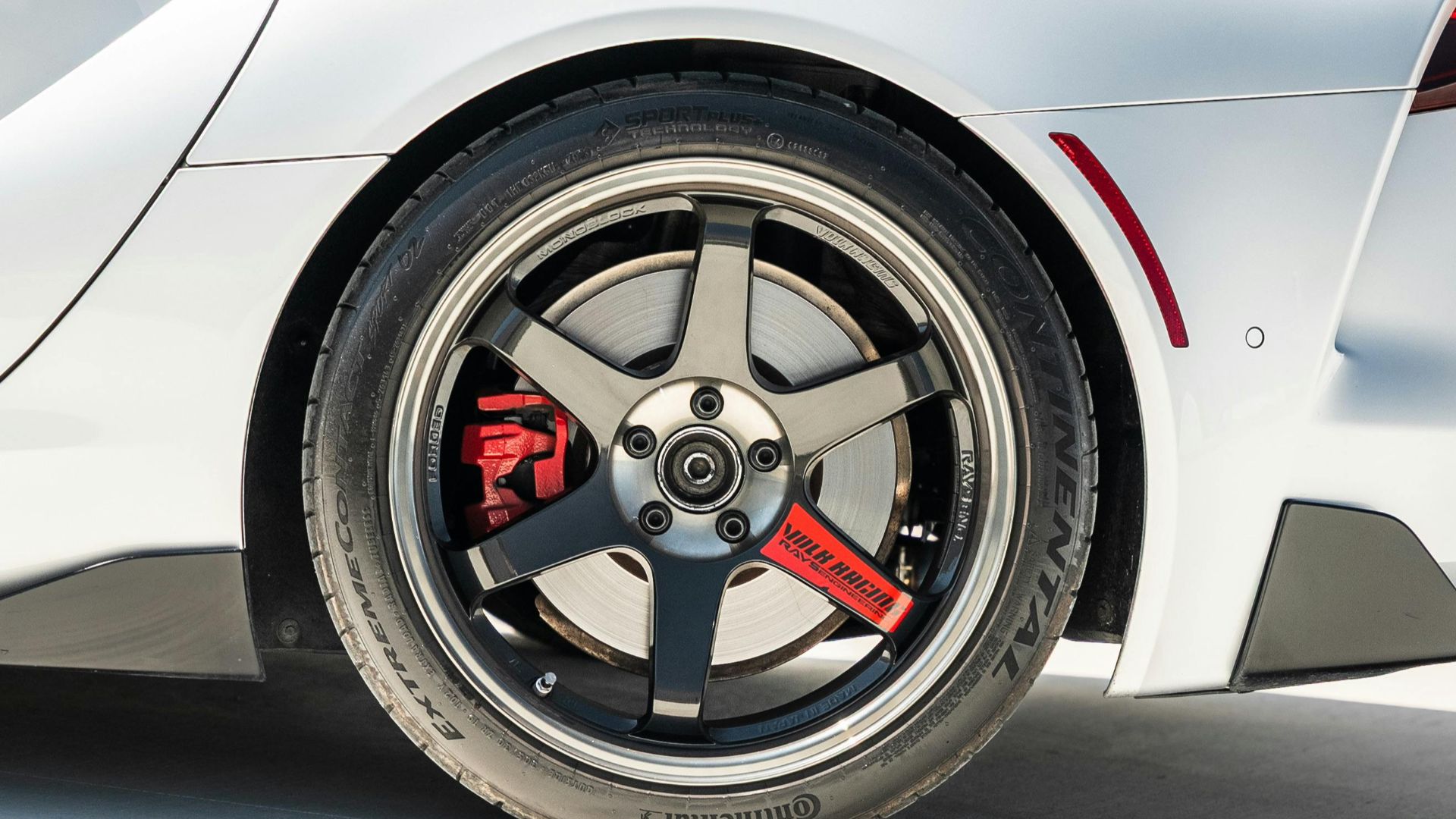
High-performance brakes deliver incredible stopping power, but replacing those oversized rotors and specialized pads is anything but affordable. Many sports cars use drilled or slotted rotors, multi-piston calipers, and performance compounds that cost a premium. A full brake job can easily climb into the thousands, especially if you drive aggressively or participate in track days.
Maintenance Isn’t “Normal”
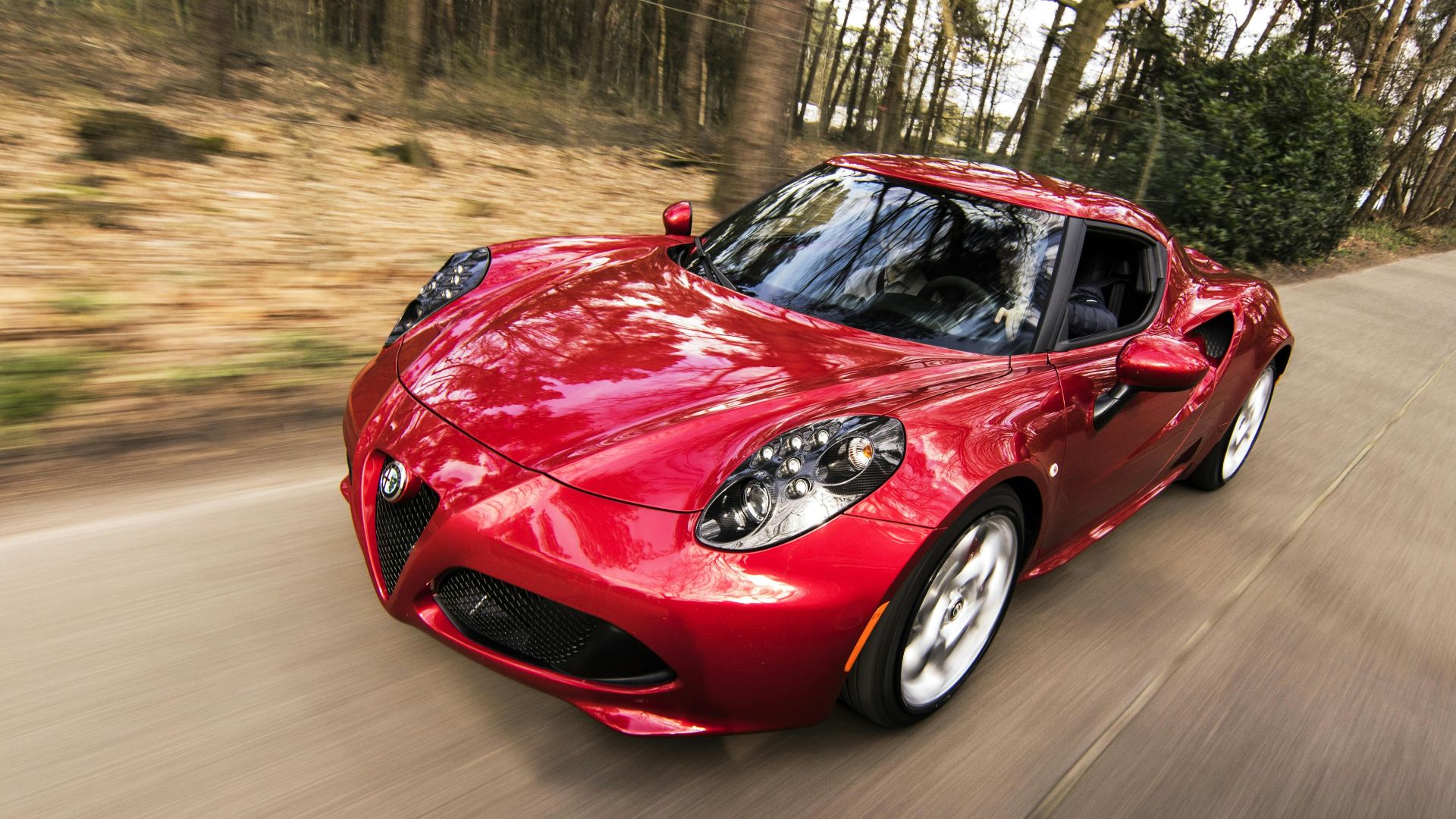
Oil changes for sports cars often require synthetic blends, higher oil capacities, and sometimes specialty filters. Add in more frequent service intervals and you’re looking at maintenance bills that can double what you’re used to. Some exotic models even require engine-out service for major repairs—an eye-watering reality few new owners anticipate.
Depreciation Surprises
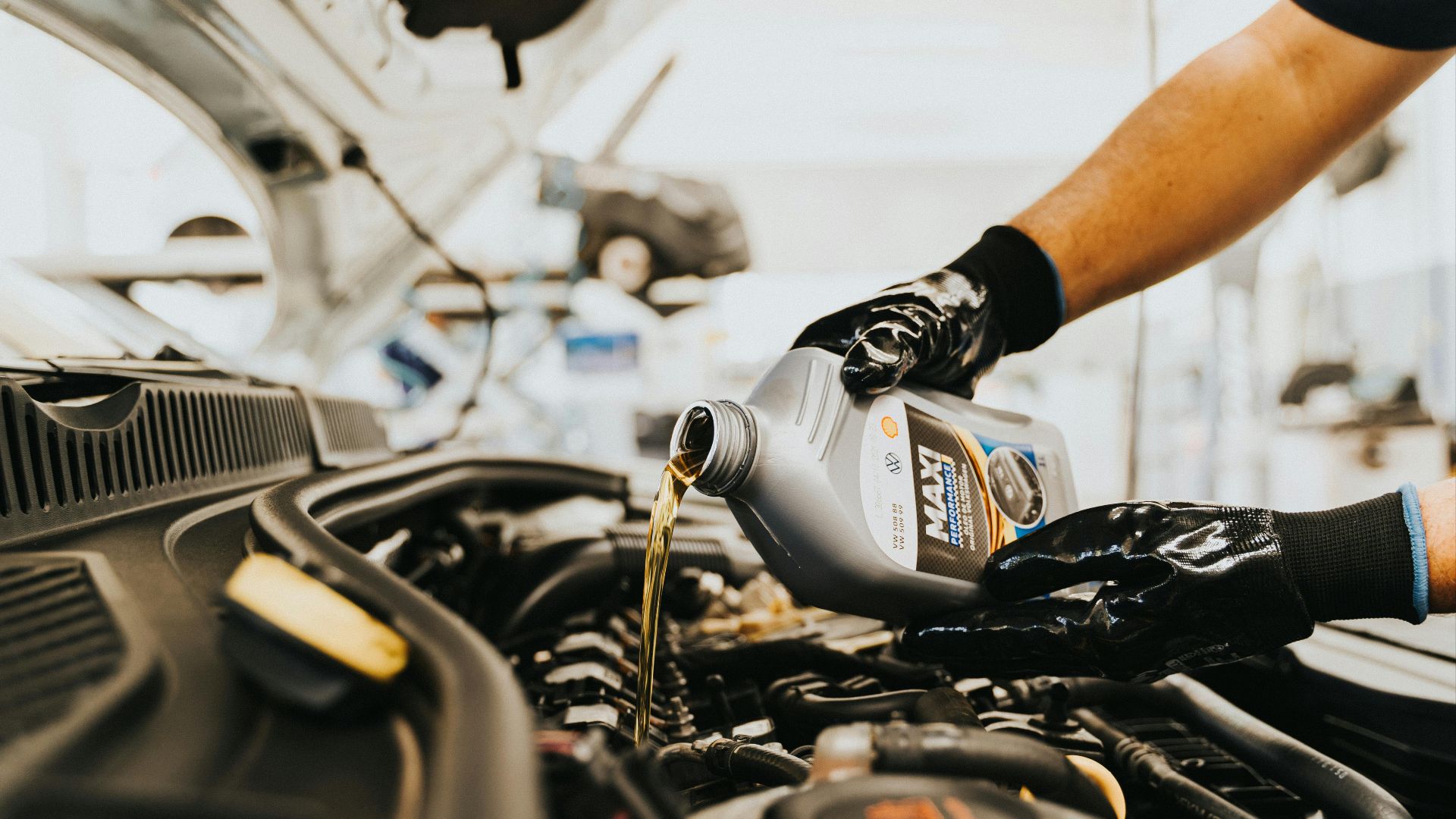
While certain collector models appreciate, most sports cars depreciate quickly—especially in the first five years. Limited-edition models may hold value better, but mainstream performance cars often lose tens of thousands of dollars in a short time. Watching your dream car’s resale value plummet can sting just as much as the monthly payment.

Registration And Taxes
In many states and countries, registration fees are tied to vehicle value or engine size. That means higher annual costs compared to a commuter car. Luxury taxes and gas-guzzler taxes can also sneak into the equation, particularly with high-horsepower or imported models.

Winter Storage Expenses
If you live in a snowy climate, chances are your sports car won’t see salted roads. That means paying for winter storage, which can range from a few hundred to several thousand dollars per season depending on the facility. Add in battery tenders, car covers, and occasional off-season maintenance, and your “parked” car still costs money.
Parking And Garage Considerations
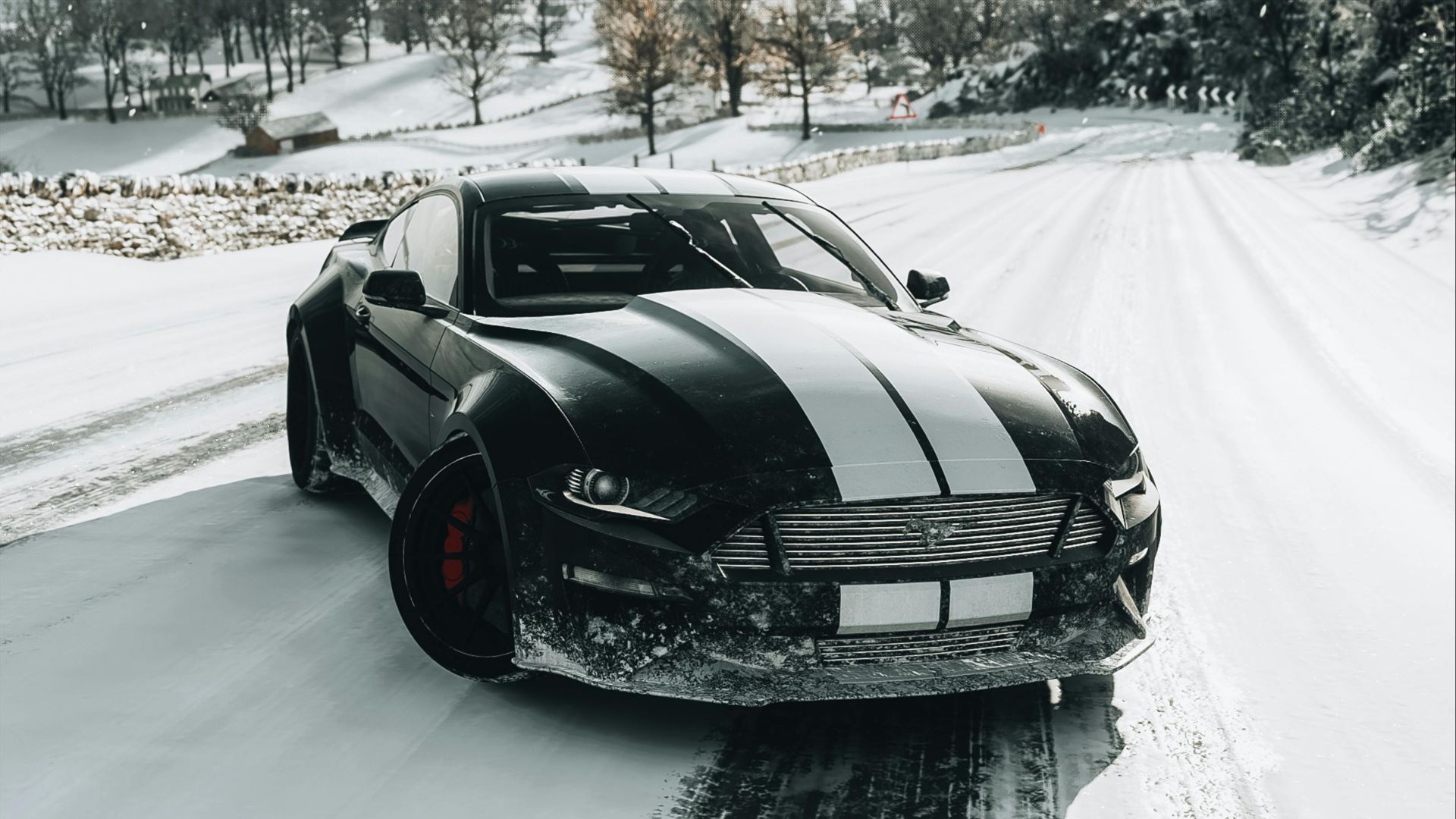
Sports cars sit low and wide, which can make everyday parking a challenge. Steep driveways, tight garages, and high curbs suddenly become enemies. Some owners even upgrade their garage space or rent secure parking to avoid door dings and underbody scrapes—another hidden cost rarely discussed at the dealership.
Speeding Tickets And Fines
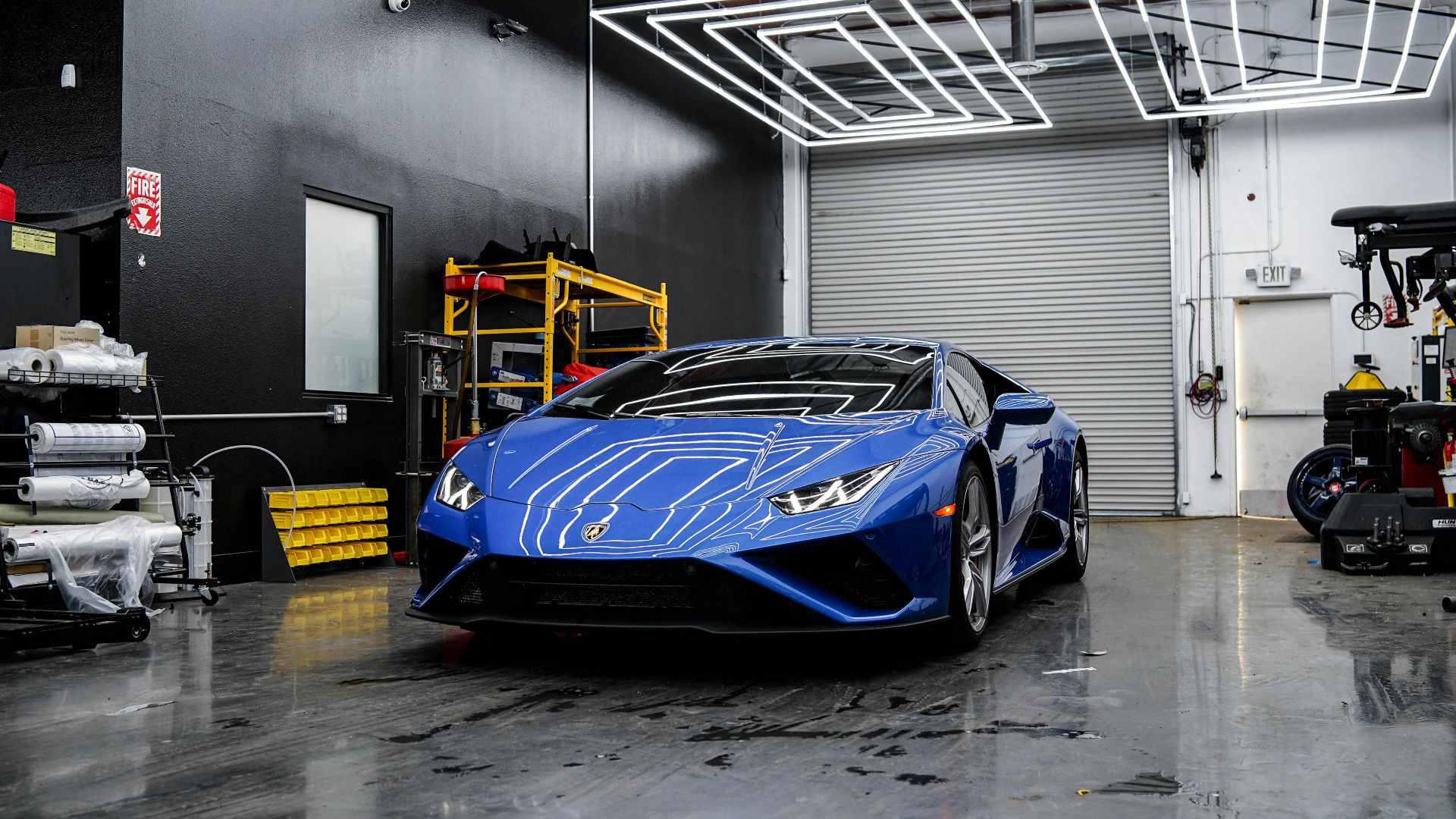
It’s not that sports cars force you to speed—it’s just very easy to do so. A quick burst of acceleration can land you well above the limit before you realize it. Insurance surcharges, traffic school fees, and tickets can quietly inflate your ownership cost, especially if temptation gets the better of you.
Specialty Parts Pricing
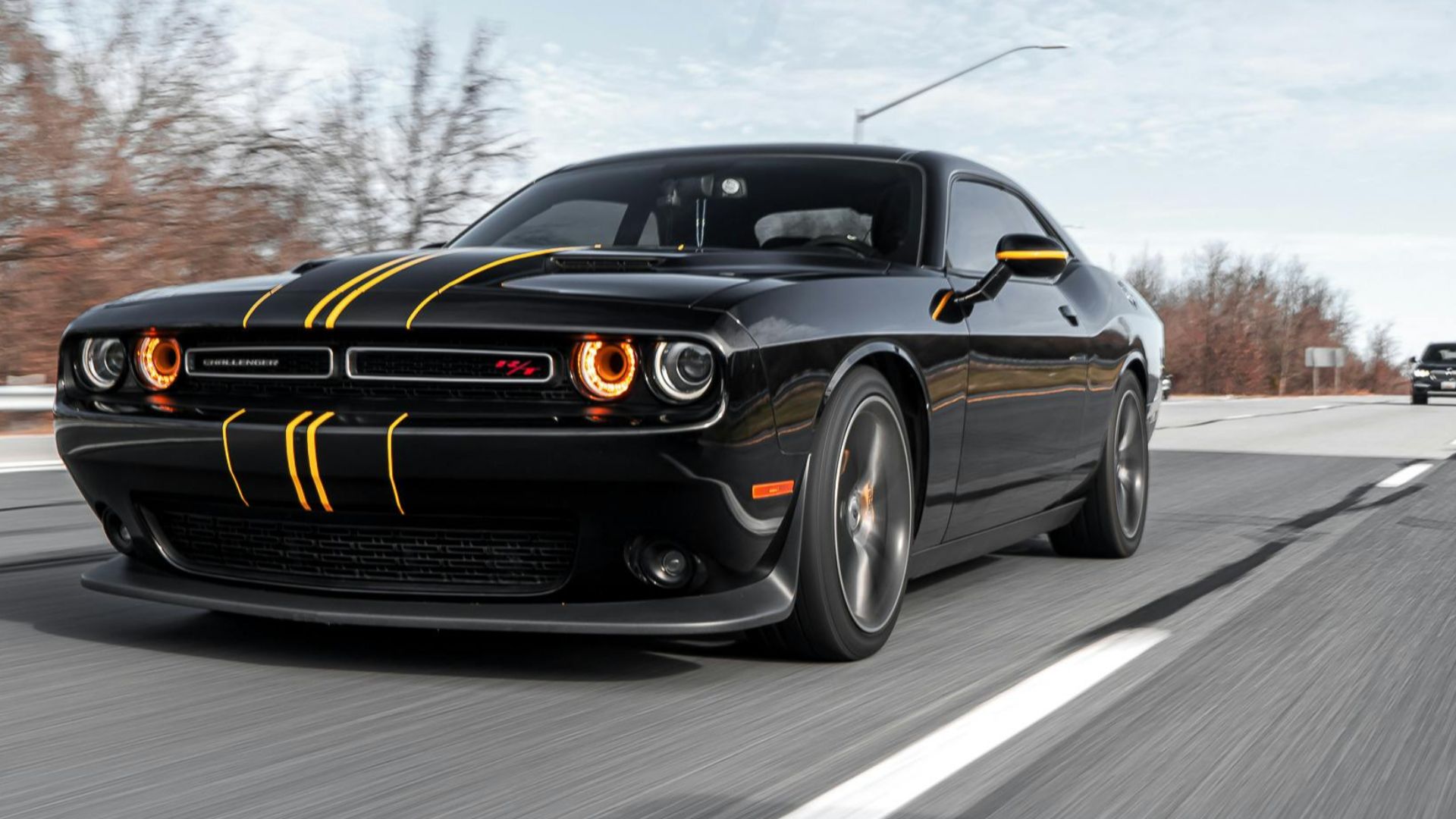
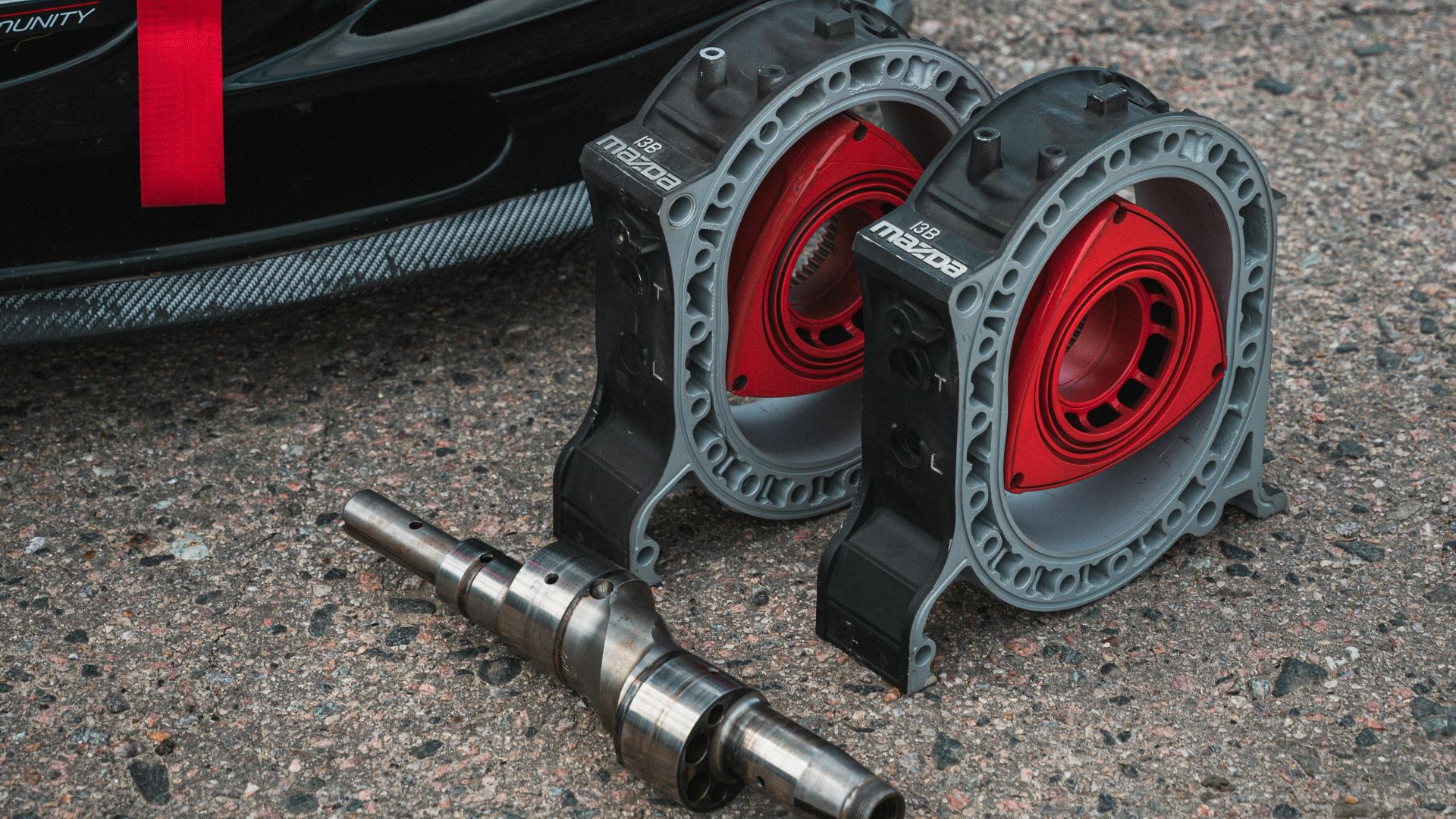
Replacement parts for sports cars are often unique to that model and manufactured in smaller volumes. That means higher prices and longer wait times. Even seemingly minor components—like sensors or trim pieces—can cost significantly more than comparable parts for mainstream vehicles.
Limited Warranty Coverage
High-performance driving can void certain warranty claims, especially if the manufacturer suspects track use. Some brands even log data from onboard systems. Owners are sometimes shocked to discover that “spirited driving” isn’t always covered under warranty terms.

Track Day Temptations
Buying a sports car often leads to track days—and track days lead to extra costs. Entry fees, additional insurance coverage, helmet purchases, and accelerated wear on tires and brakes all add up. It’s one of the most rewarding experiences you can have behind the wheel, but it’s far from cheap.

Alignment And Suspension Costs
Sports cars use performance-tuned suspension components that require precise alignment. Hit a pothole, and you may need a specialized alignment service to restore factory specs. Adaptive dampers and magnetic suspension systems are amazing when new, but replacing them can cost thousands.
Clutch Replacements
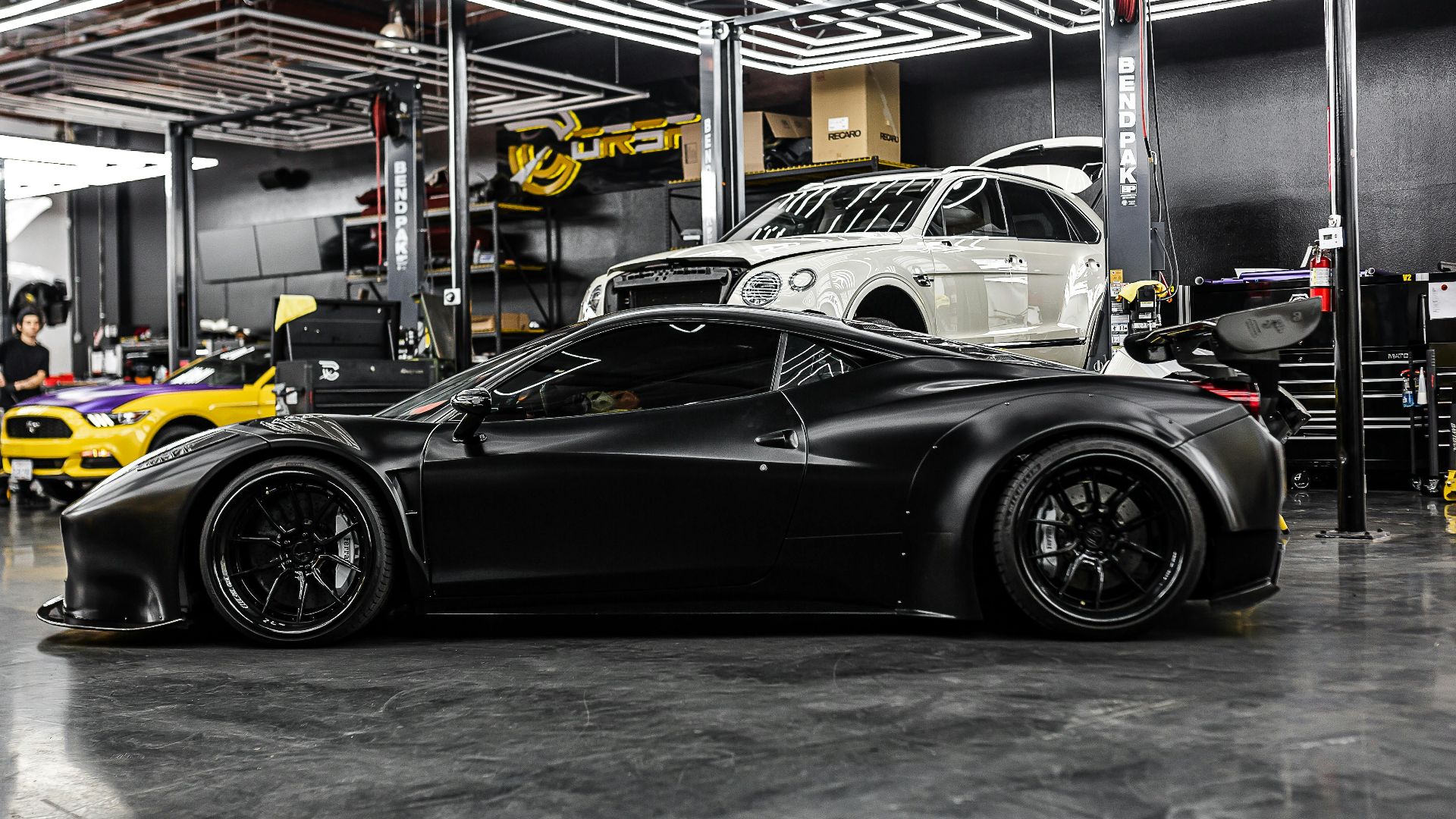
Manual sports cars are pure joy—until the clutch wears out. Aggressive driving shortens clutch life significantly, and replacement isn’t inexpensive. Labor-intensive installations can push clutch jobs well beyond what most owners expect to pay.

Convertible Top Repairs
If your sports car has a soft top, prepare for eventual repairs. Fabric tops wear, motors fail, and seals deteriorate. Replacing or repairing a convertible mechanism can run into the thousands, particularly for luxury brands.
Cooling System Demands
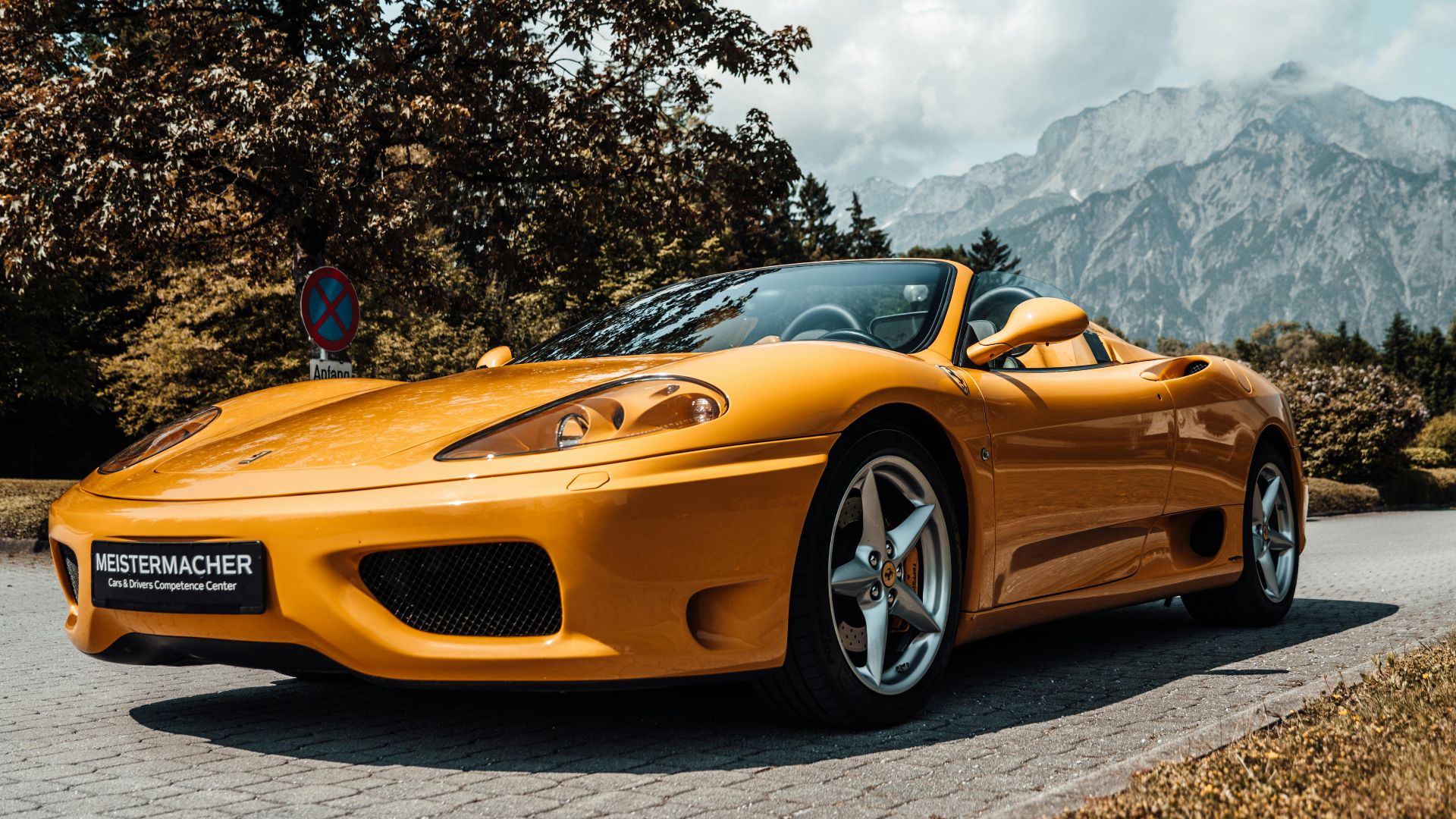
High-output engines generate serious heat. Radiators, intercoolers, and cooling lines work overtime, especially in warm climates or during spirited driving. Cooling system repairs are more frequent and often more expensive than those for standard vehicles.
Exotic Car Labor Rates
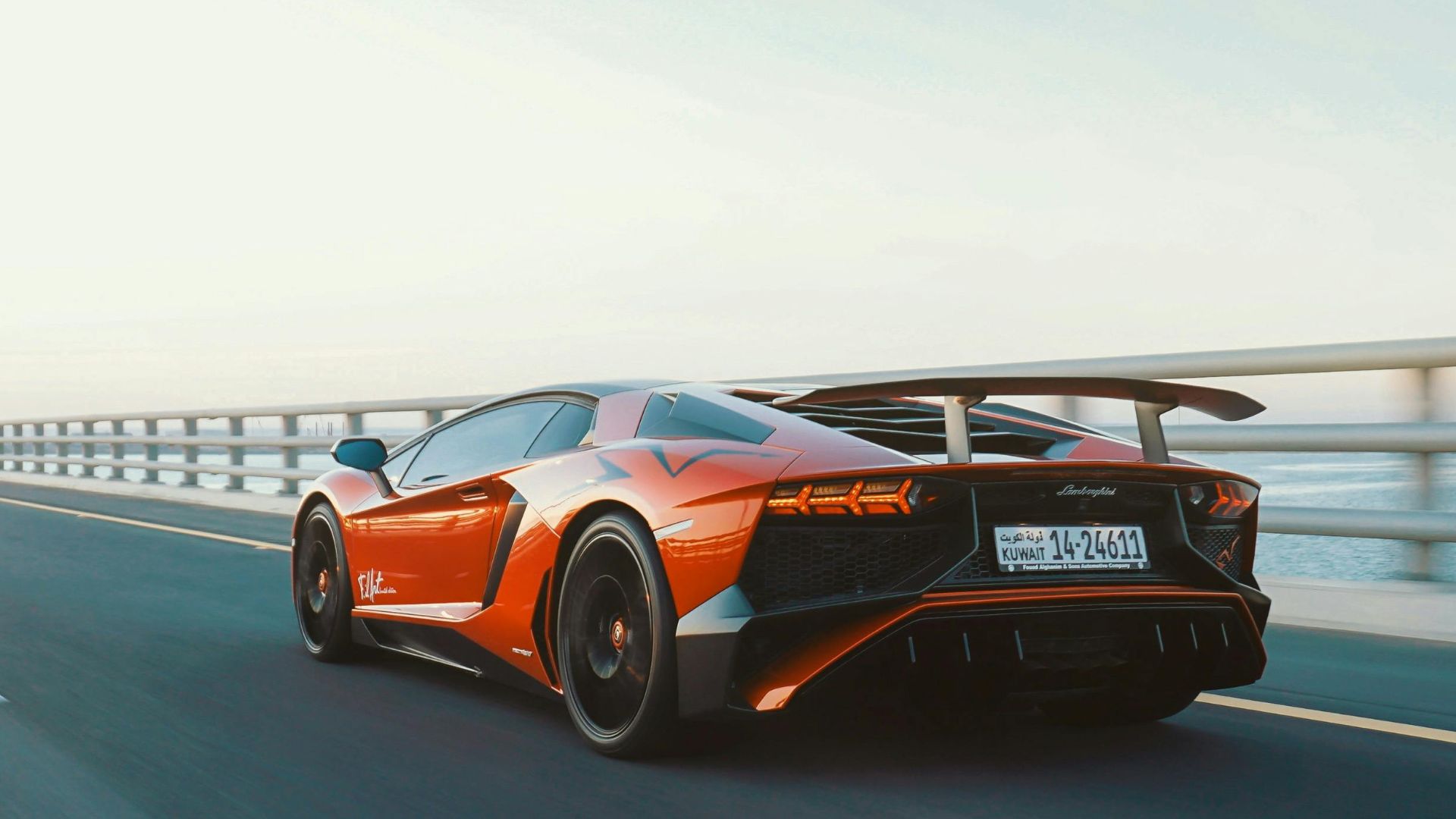
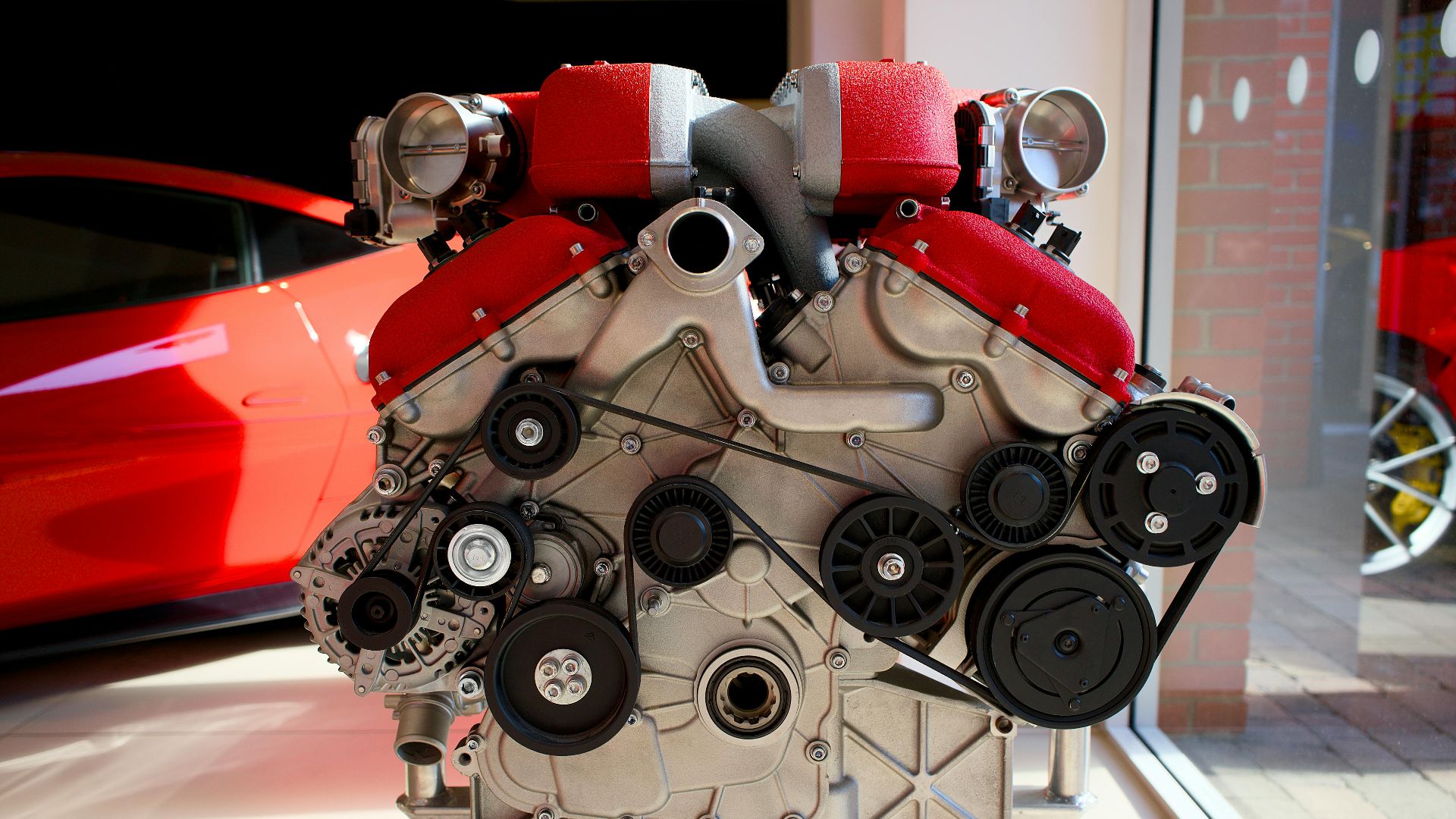
Own something with an Italian badge? Expect Italian-level service costs. Dealership labor rates for exotic brands can exceed $200 per hour. Even routine maintenance becomes premium-priced when specialized training and tools are required.
Technology Repairs
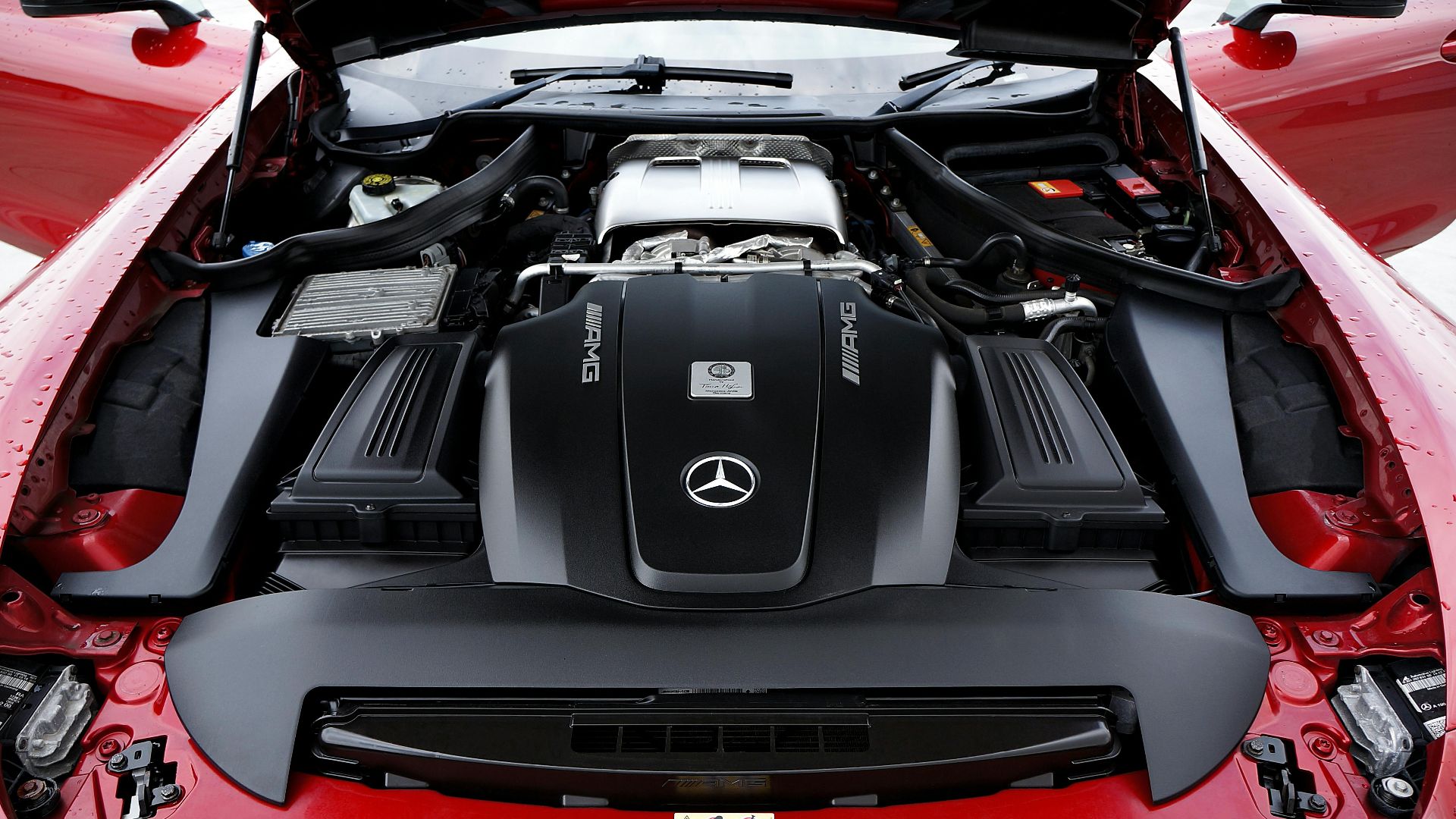
Modern sports cars pack advanced infotainment systems, digital clusters, and driver aids. When these systems malfunction, repairs can be costly and complex. Replacement screens or control modules aren’t cheap—and they’re rarely covered outside warranty.
Detailing And Paint Protection
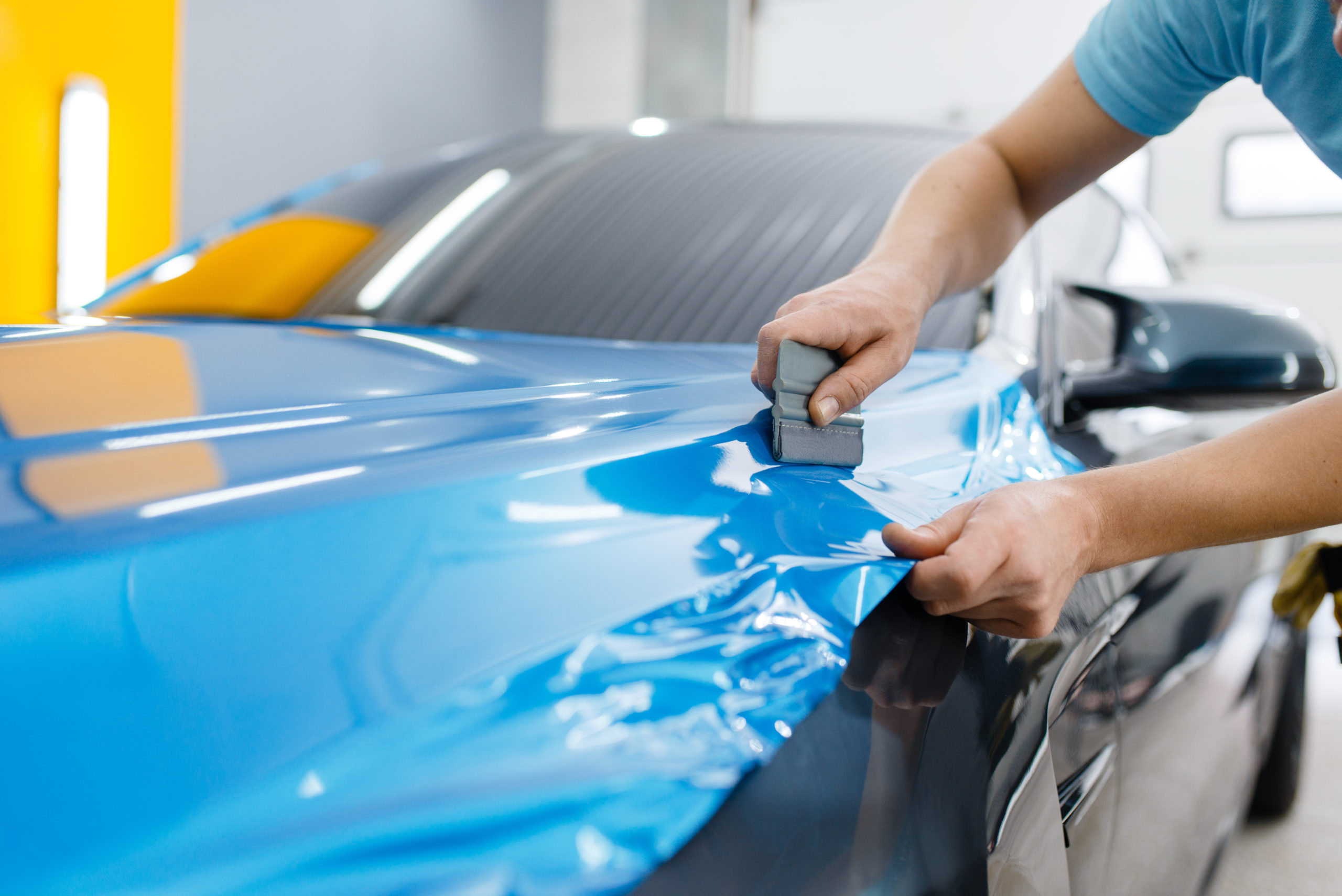
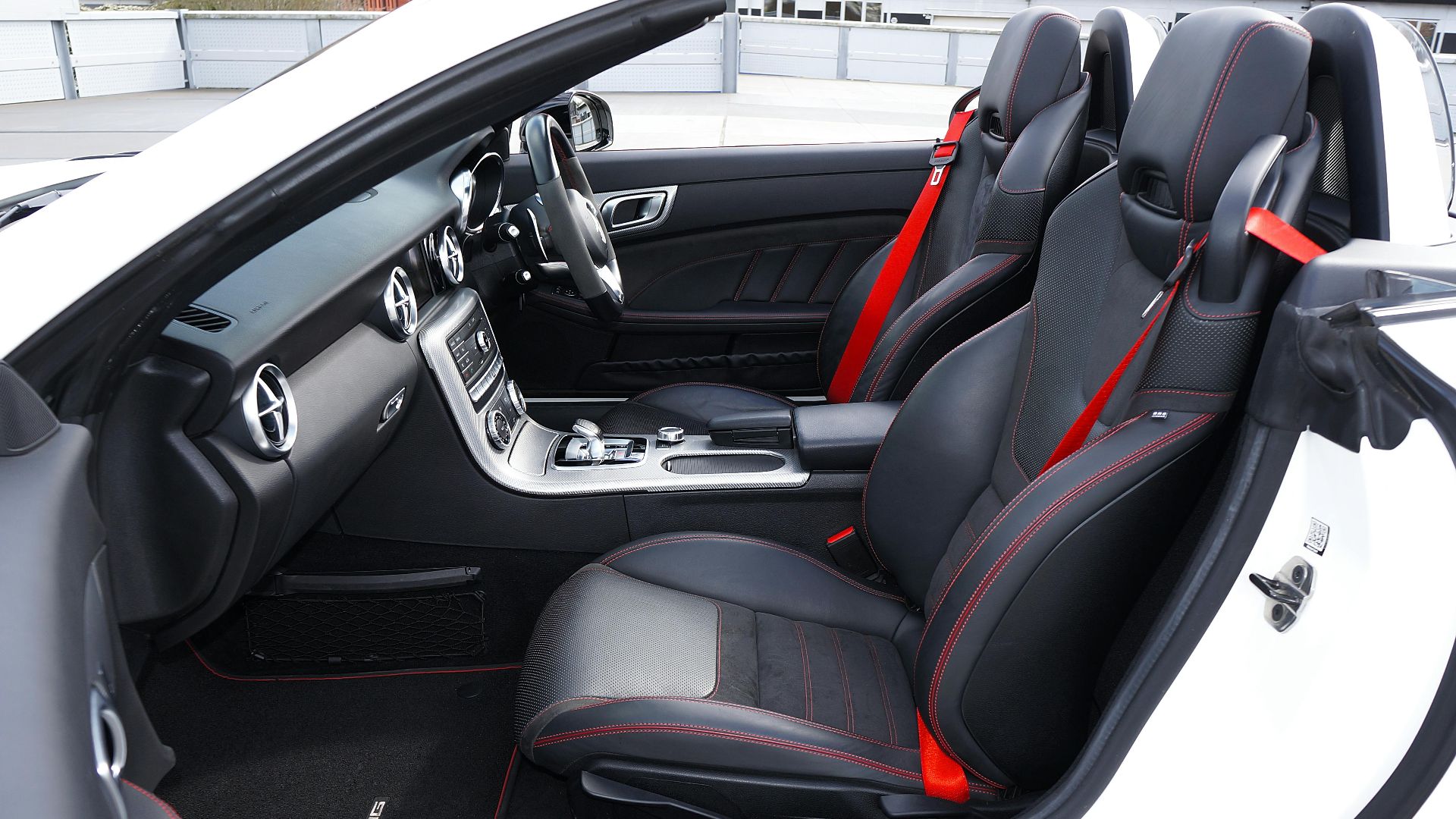
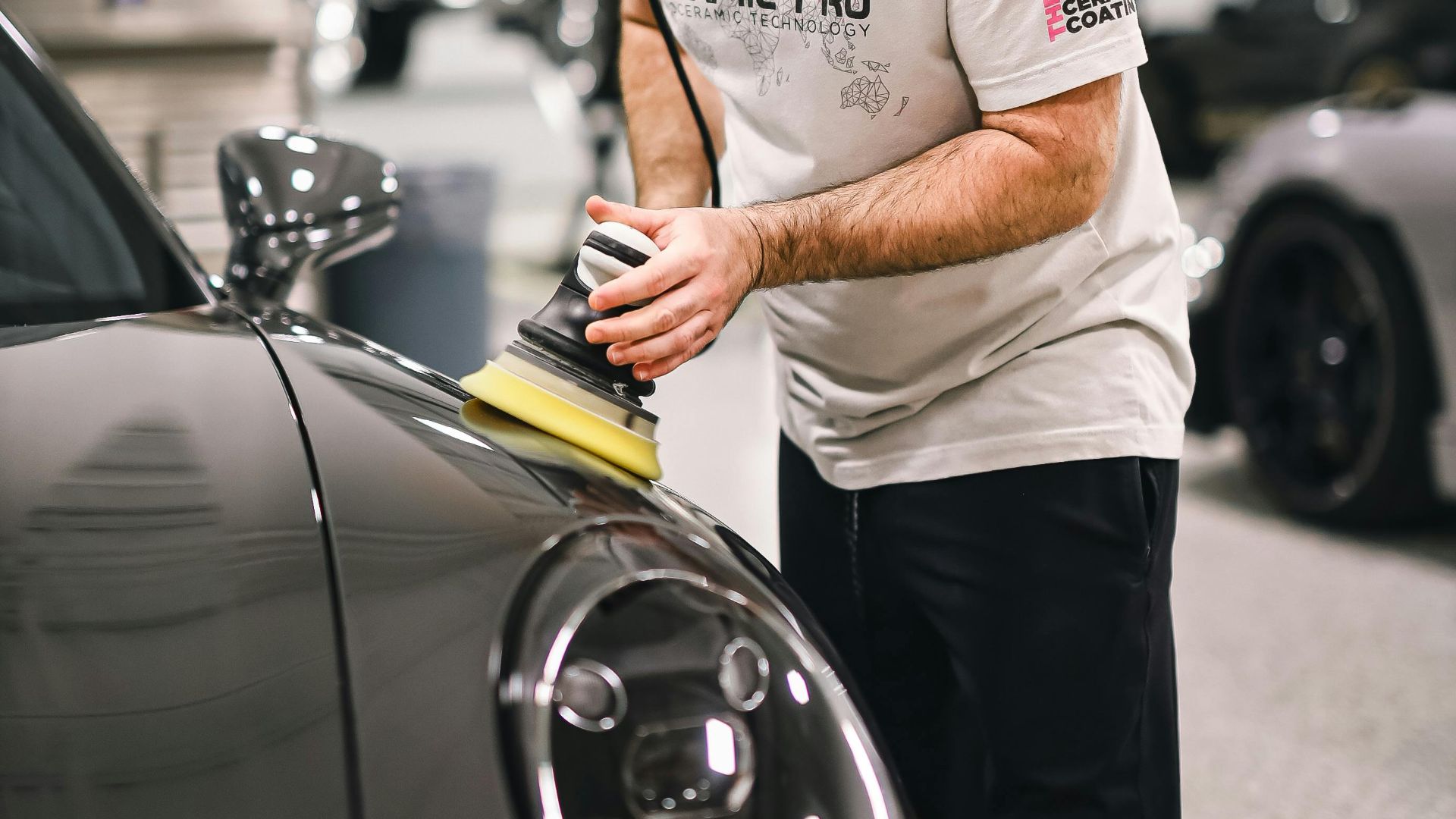
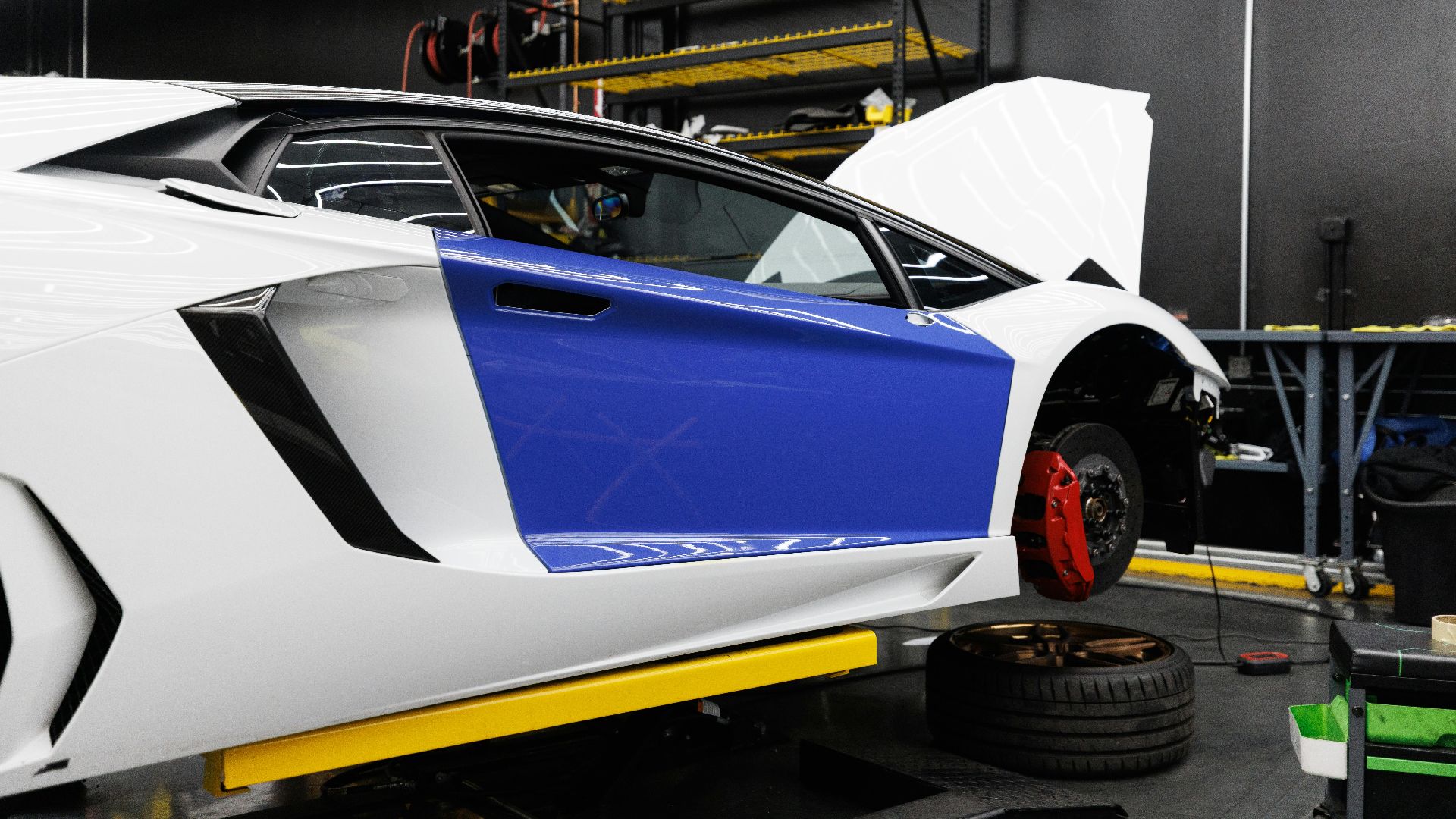
Sports cars attract attention—and scrutiny. Owners often invest in paint protection film, ceramic coatings, and regular detailing to keep that showroom shine. While optional, these services can cost thousands upfront and hundreds annually.
Road Hazard Risks
Low-profile tires and minimal ground clearance make sports cars vulnerable to potholes, road debris, and uneven pavement. Bent wheels and blown tires happen more often than many expect, and wheel replacements can be shockingly expensive.
Financing Premiums
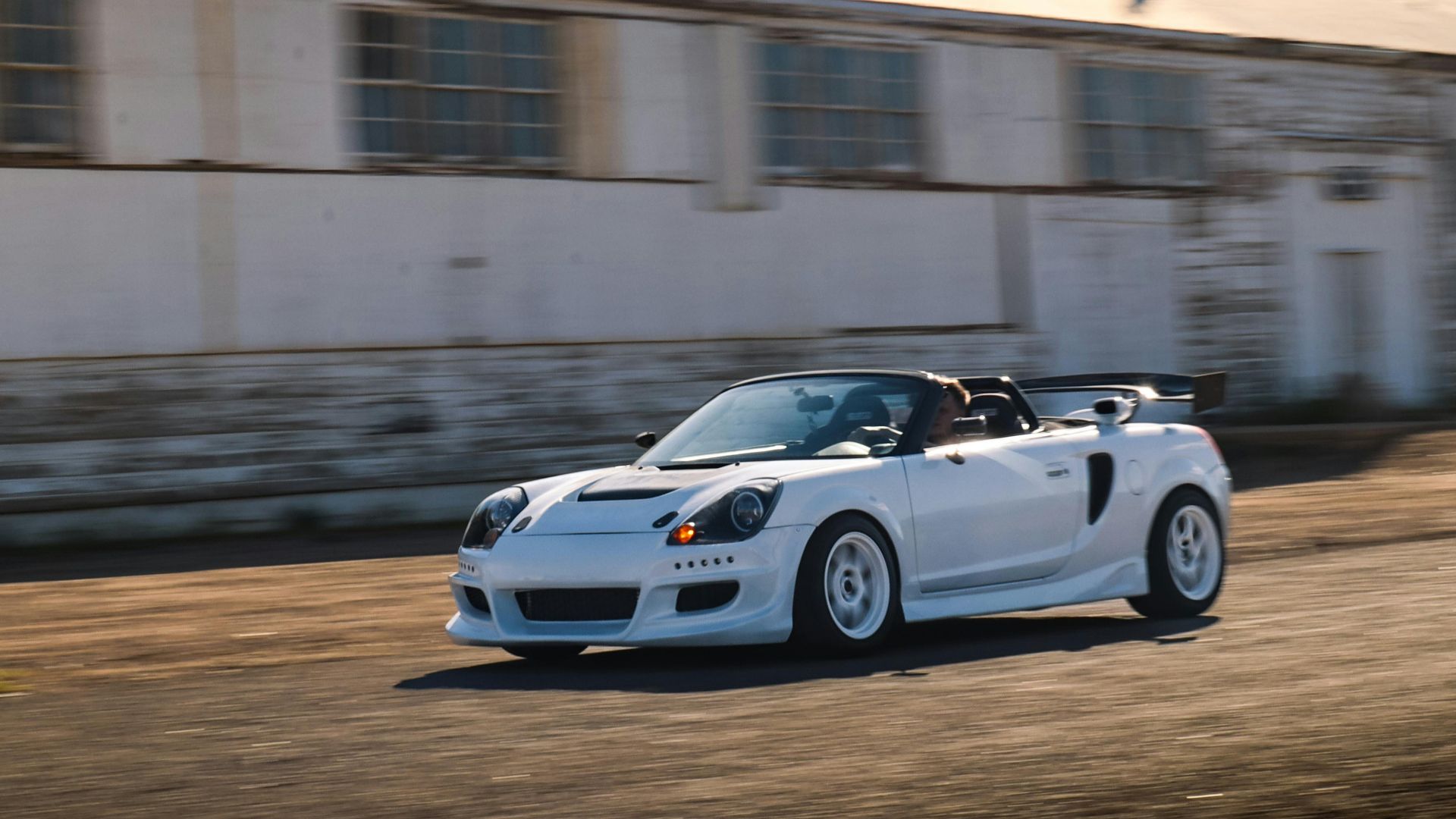
Interest rates can be higher for sports cars, especially if lenders categorize them as luxury or specialty vehicles. Some financial institutions require larger down payments or shorter loan terms, increasing monthly costs.

Fuel Economy Realities
High horsepower often means lower MPG. Even if you drive conservatively, sports cars rarely sip fuel. Combine lower efficiency with premium gas requirements, and your fuel budget balloons quickly.
Aftermarket Modification Costs
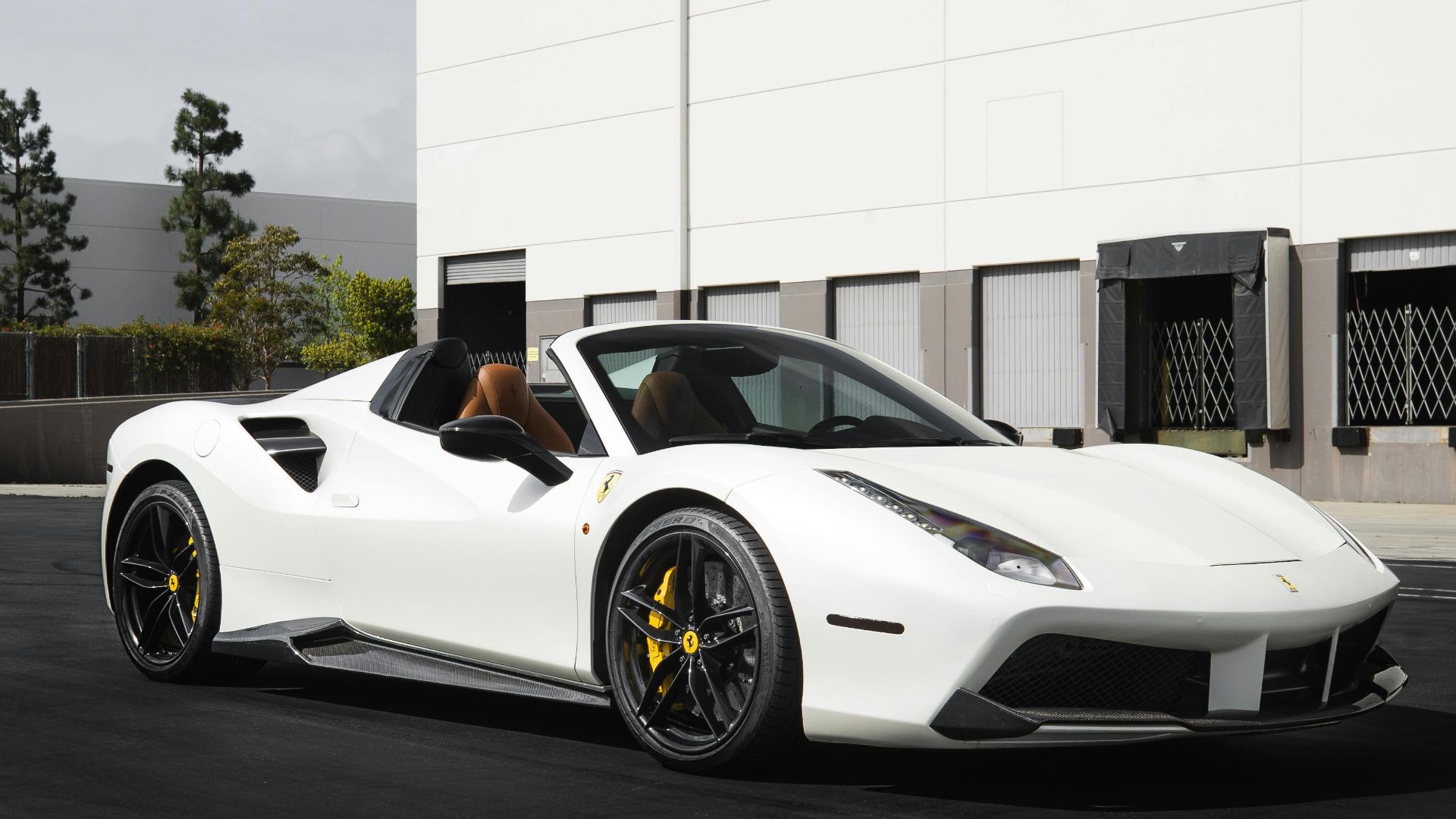
Many owners can’t resist modifications—exhaust systems, wheels, tuning software. But upgrades rarely increase resale value and can sometimes void warranties. What starts as a simple exhaust swap can spiral into a costly customization journey.
Resale Preparation Costs
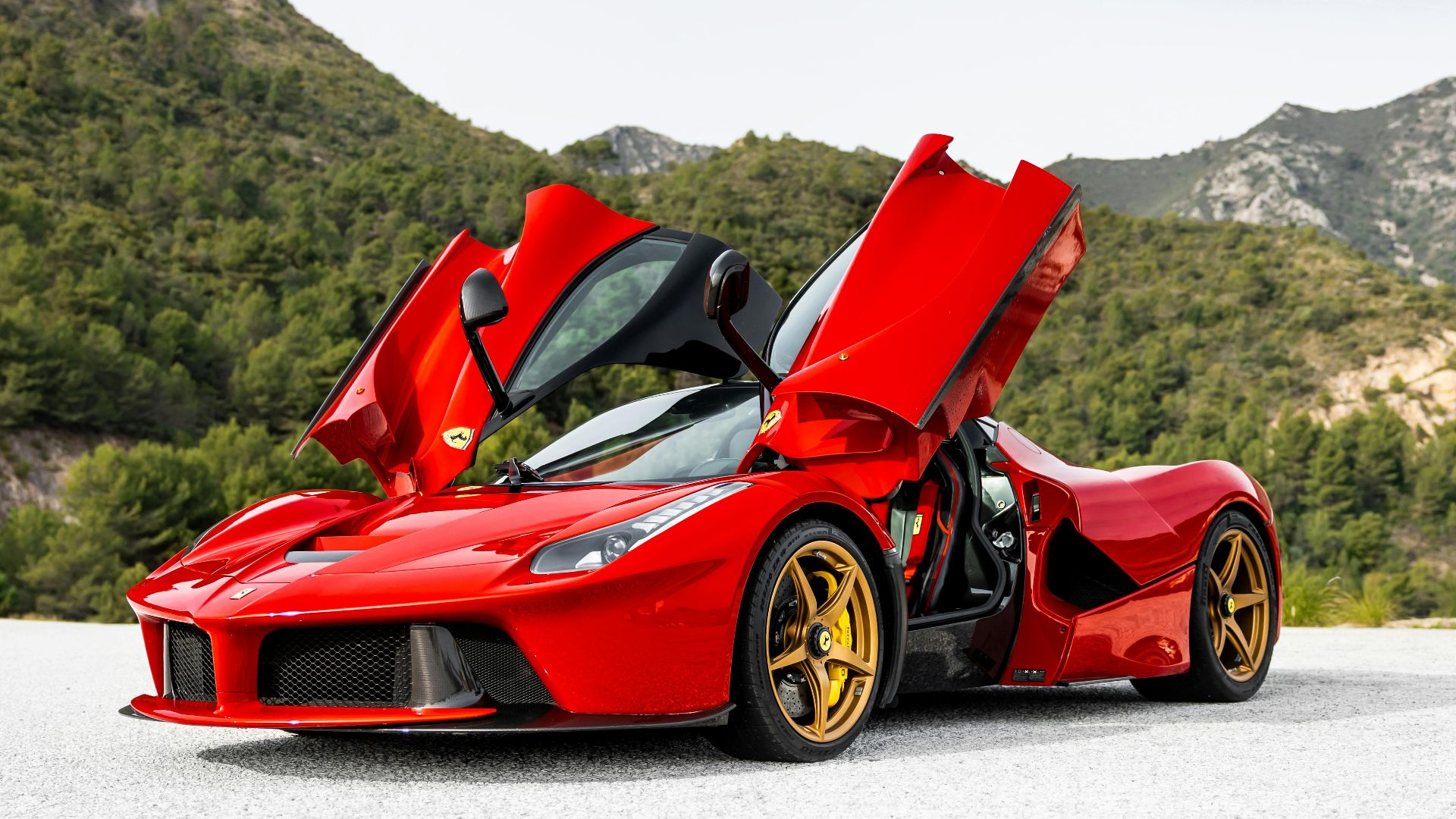
When it’s time to sell, returning the car to stock condition, fixing cosmetic blemishes, and refreshing wear items can cost thousands. Buyers expect pristine condition, and sports car shoppers are especially picky.
Emotional Wear And Tear
This might sound dramatic, but sports car ownership can bring stress. Worrying about scratches, theft, or mechanical issues can take some of the carefree fun away. The emotional investment is real—and sometimes exhausting.

The Thrill Is Worth It—If You’re Prepared
Despite all these hidden costs, sports cars remain irresistible. The sound of a high-revving engine, the precision of a tight corner, the sheer joy of acceleration—those experiences are hard to price. The key is going in with eyes wide open. Budget realistically, expect the unexpected, and treat ownership as the adventure it is. When you’re prepared for the hidden costs, the thrill becomes that much sweeter.
You May Also Like:
Modified cars that blur the line between engineering and art.