A Bumper Held On By Hope (And Zip-Ties)
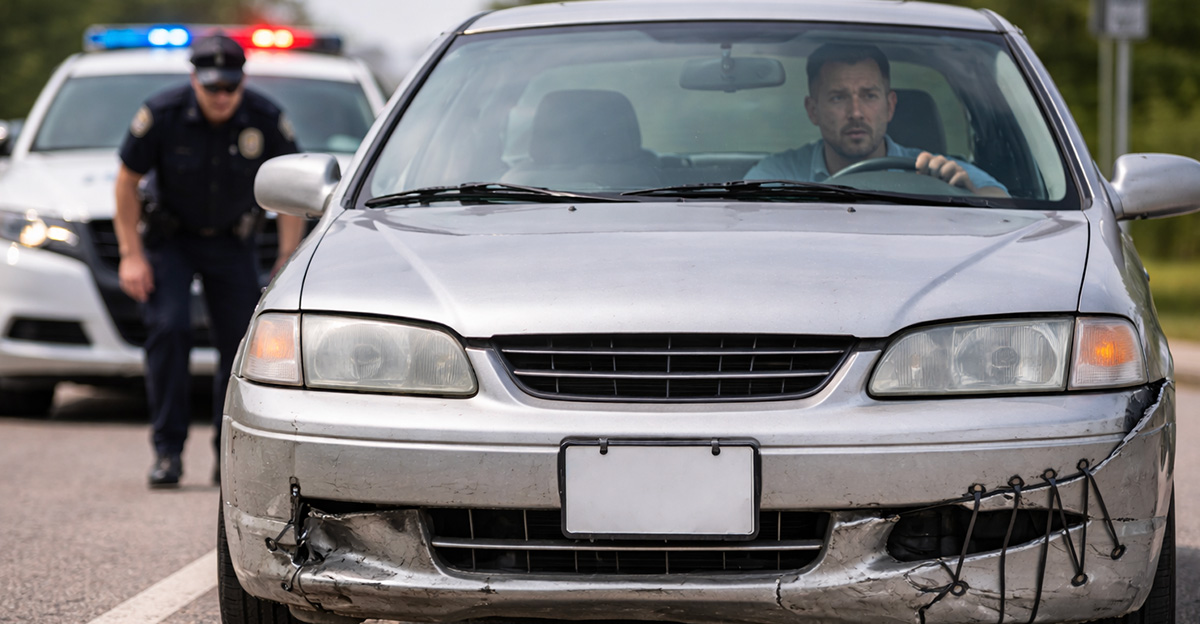
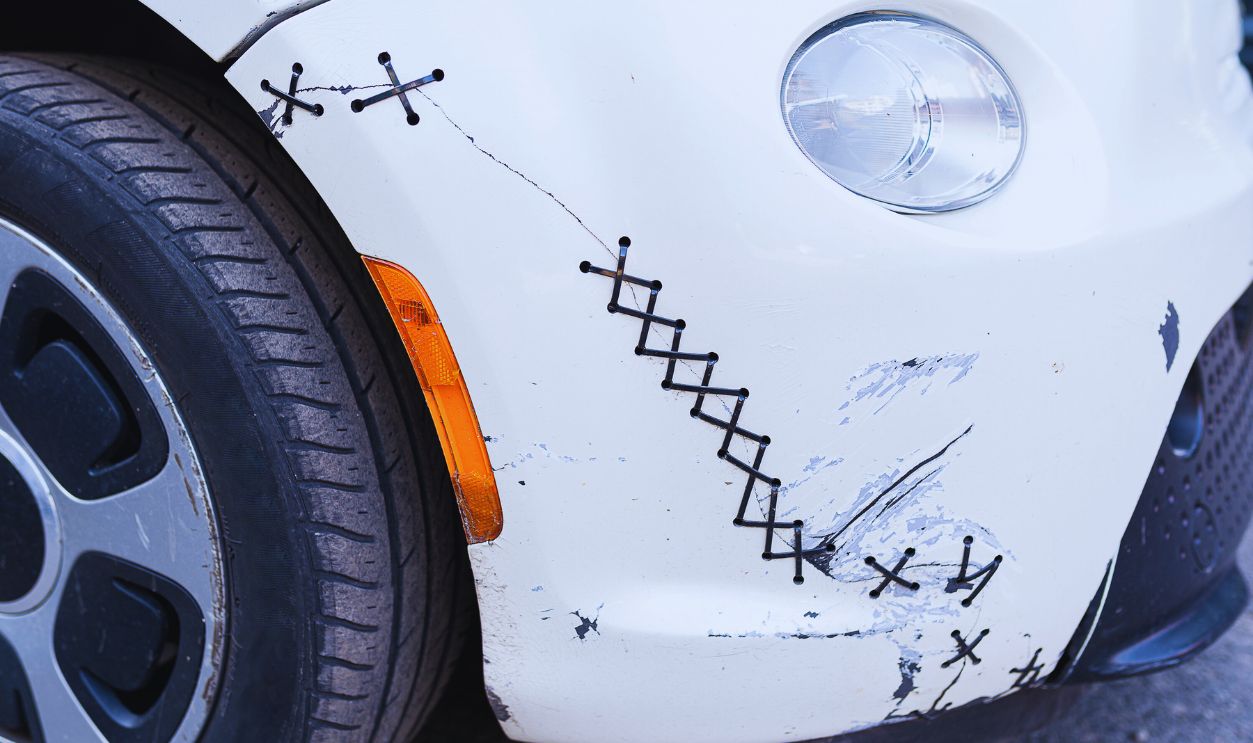
It happens faster than you can say “insurance deductible.” One distracted driver, one low-speed crunch, and suddenly your once-pristine bumper is sagging like it gave up. But bodywork isn’t cheap—and when rent, groceries, and gas are draining your account, cosmetic repairs drop fast. So you grabbed industrial-strength zip-ties and secured that bumper like a weekend mechanic. The question is, are you driving around with a clever fix—or a rolling violation?
The Rise Of The Zip-Tie Repair
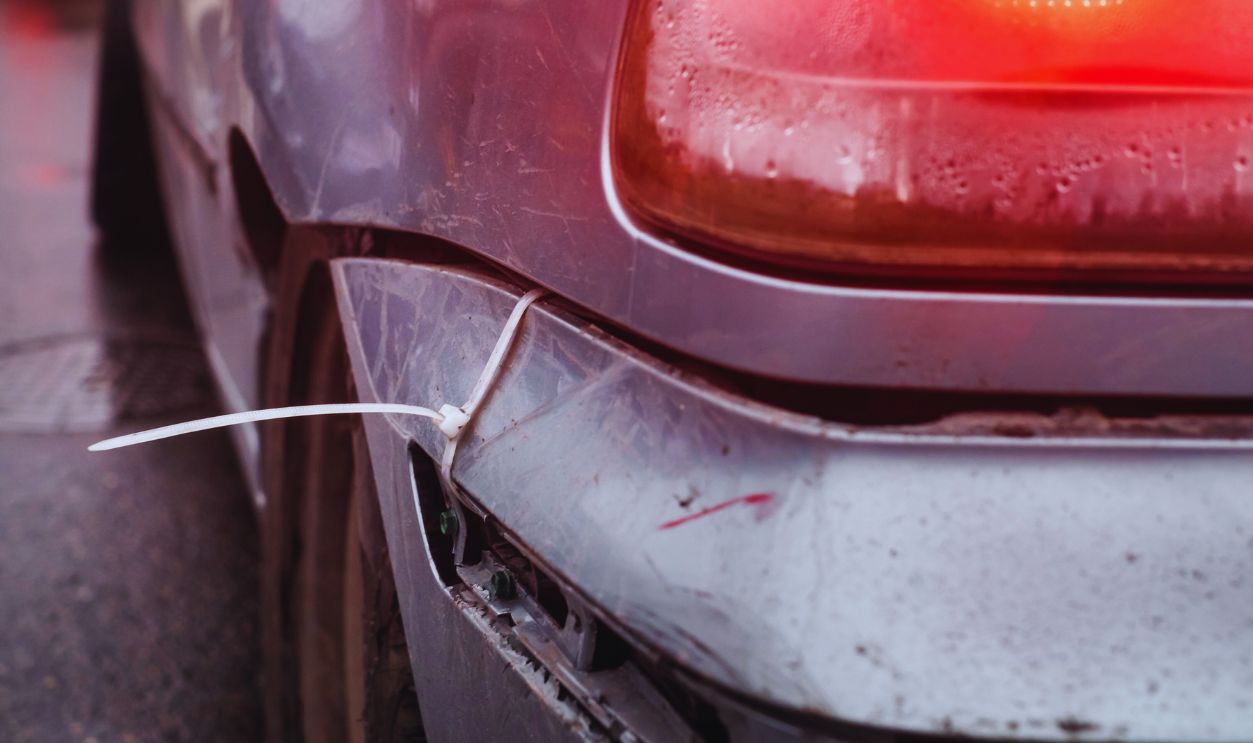
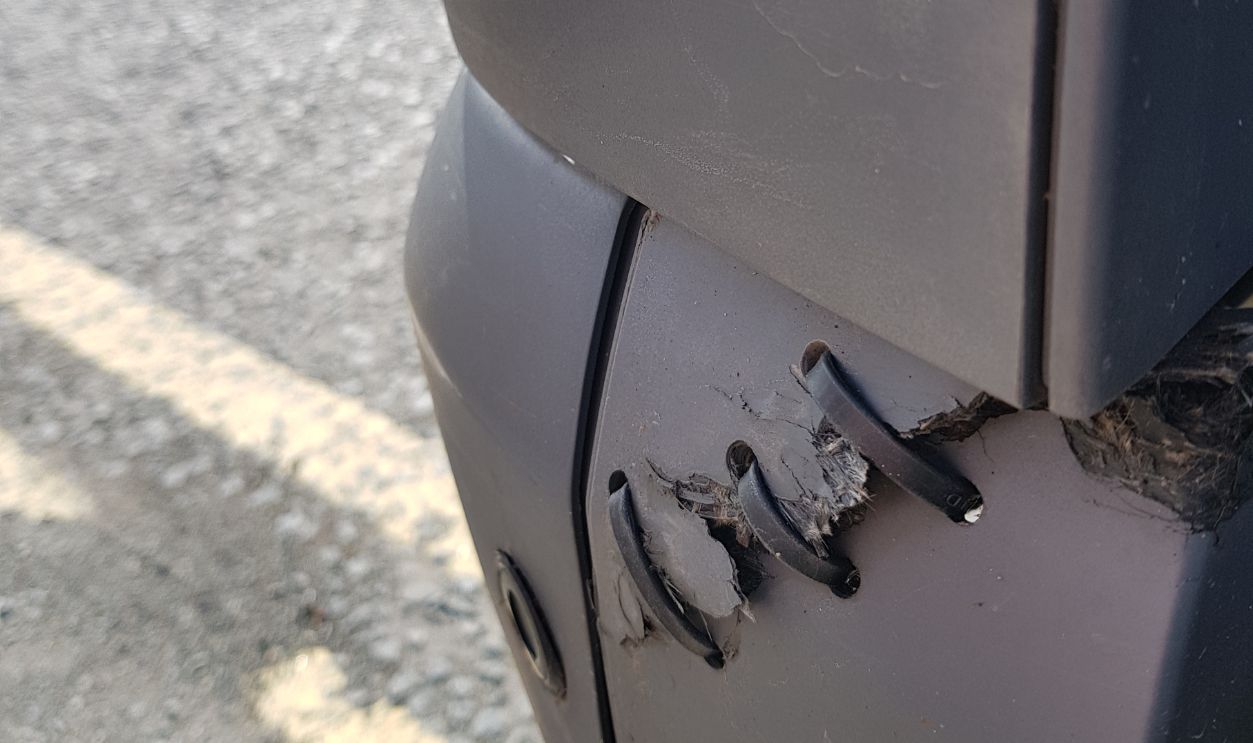
Zip-ties are the duct tape of the automotive world. They’re cheap, strong, and surprisingly useful. Car enthusiasts use them at racetracks for quick fixes. Off-roaders secure loose trim with them. Even mechanics keep a stash nearby for emergencies. So when your bumper starts flapping after a fender-bender, it’s instinctual: line it up, thread a few ties through mounting holes, cinch tight, and call it good. It may not be pretty, but it’s functional. Or is it?
Why Bumpers Matter More Than You Think
Modern bumpers aren’t just decorative plastic smiles. Beneath that painted cover sits a reinforcement bar and impact-absorbing material meant to protect you—and everyone else on the road. If your bumper is loose or partially detached, it can compromise that protection. Worse, it can become a hazard if it falls off mid-drive. That’s where legal concerns begin.

Is It Technically Illegal?
Here’s the frustrating answer: it depends on where you live. Most states don’t have a law that says, “Don’t use zip-ties on your bumper.” What they do require is that vehicles be in safe operating condition. If your bumper is securely attached and not dangerous, you may be fine. But if it’s sagging or looks ready to detach, an officer could call it unsafe.
The “Unsafe Equipment” Catch-All
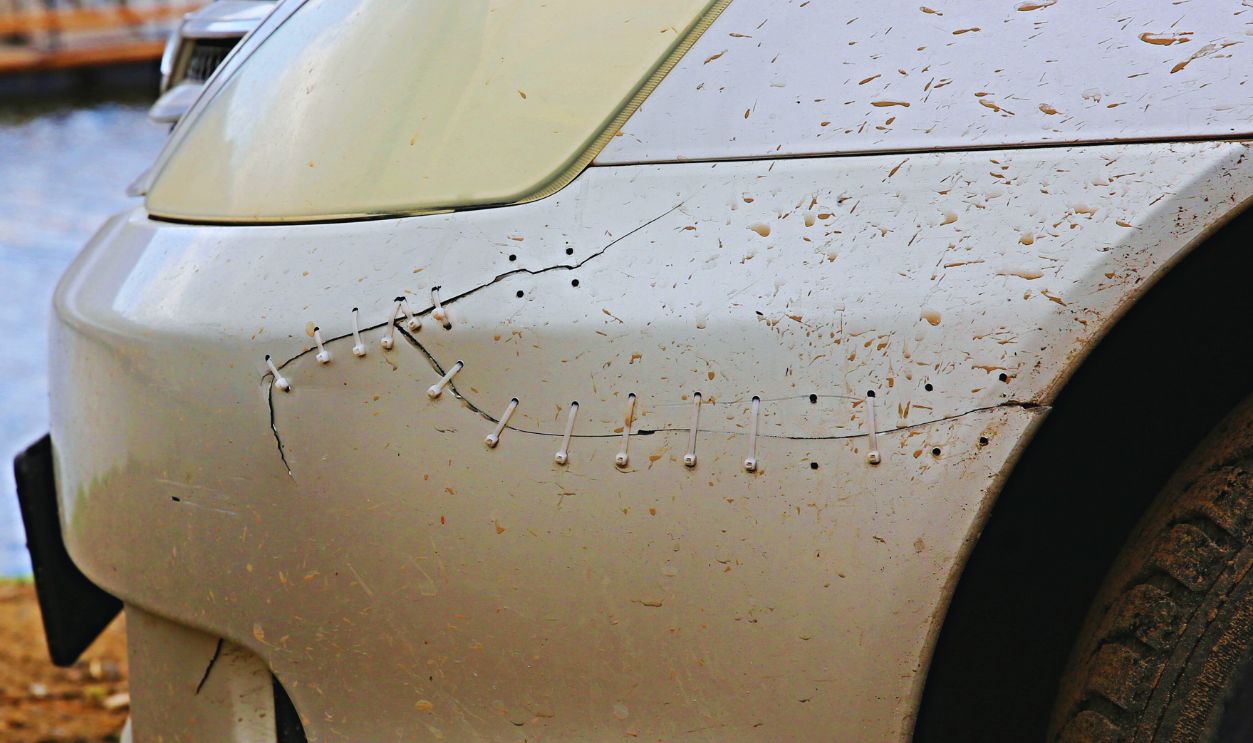
Traffic codes often include “unsafe equipment” or “defective equipment” violations. This broad language covers many questionable car repairs. If an officer believes your zip-tied bumper could detach or injure someone, you could be cited under this category. It’s less about the zip-ties themselves and more about whether the repair is secure.
 Real Life Material, Shutterstock
Cosmetic Damage Vs. Safety Risk
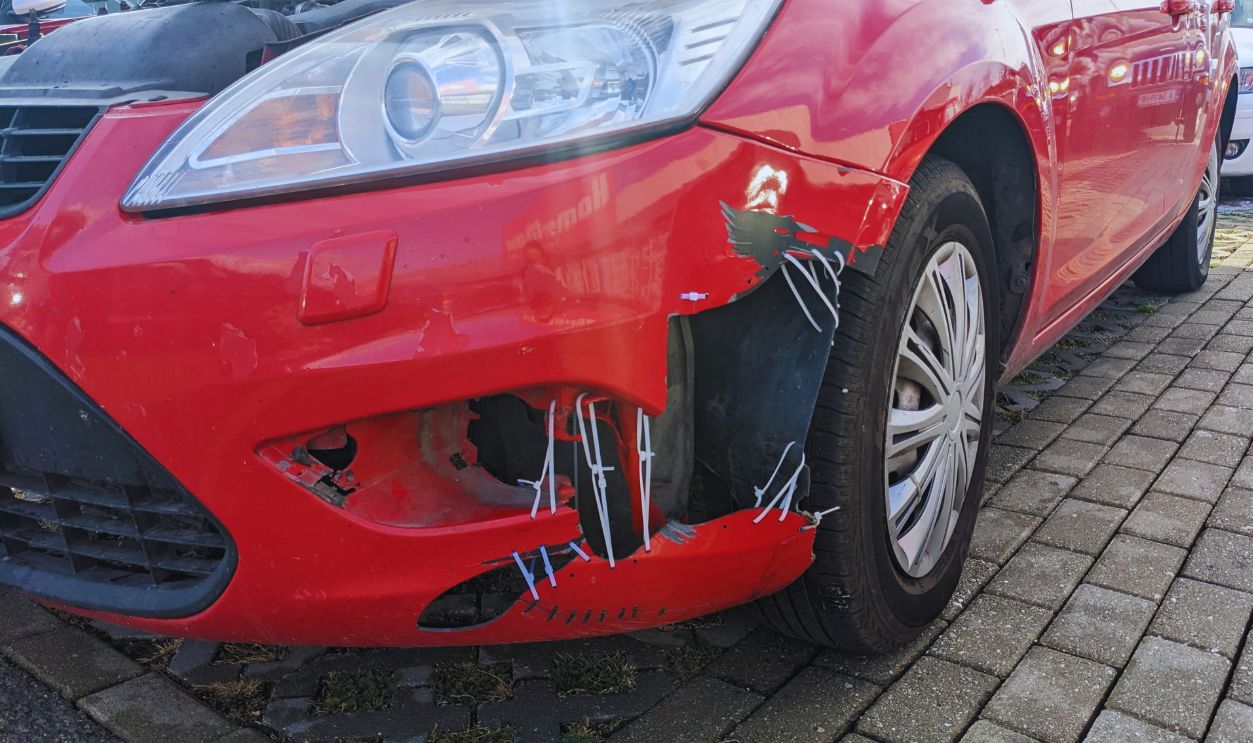
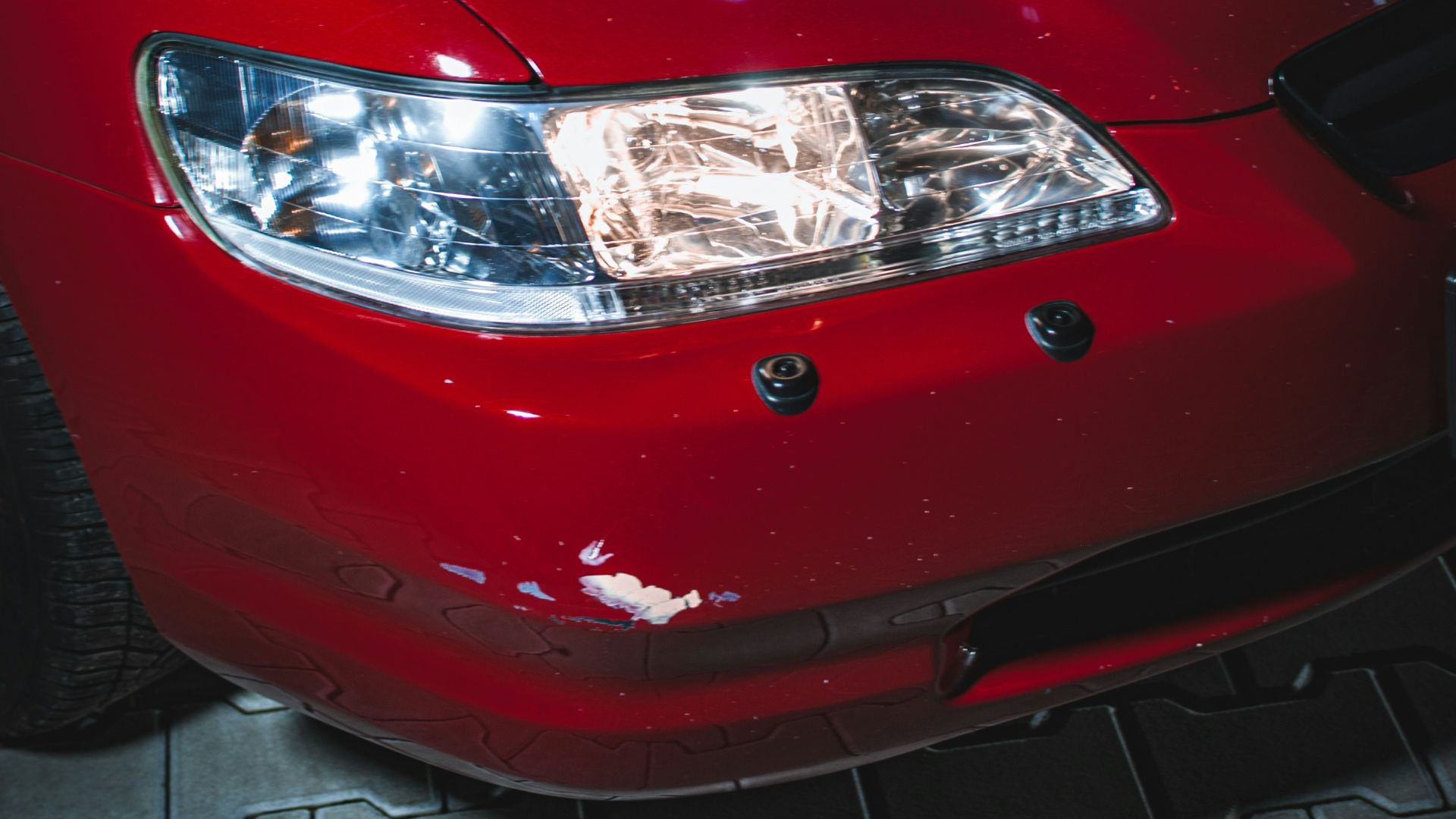
A cracked bumper reinforced tightly with zip-ties might pass a quick glance. A bumper hanging low and flapping at 40 mph is another story. Law enforcement typically focuses on safety, not style. Ugly isn’t illegal. Dangerous is.
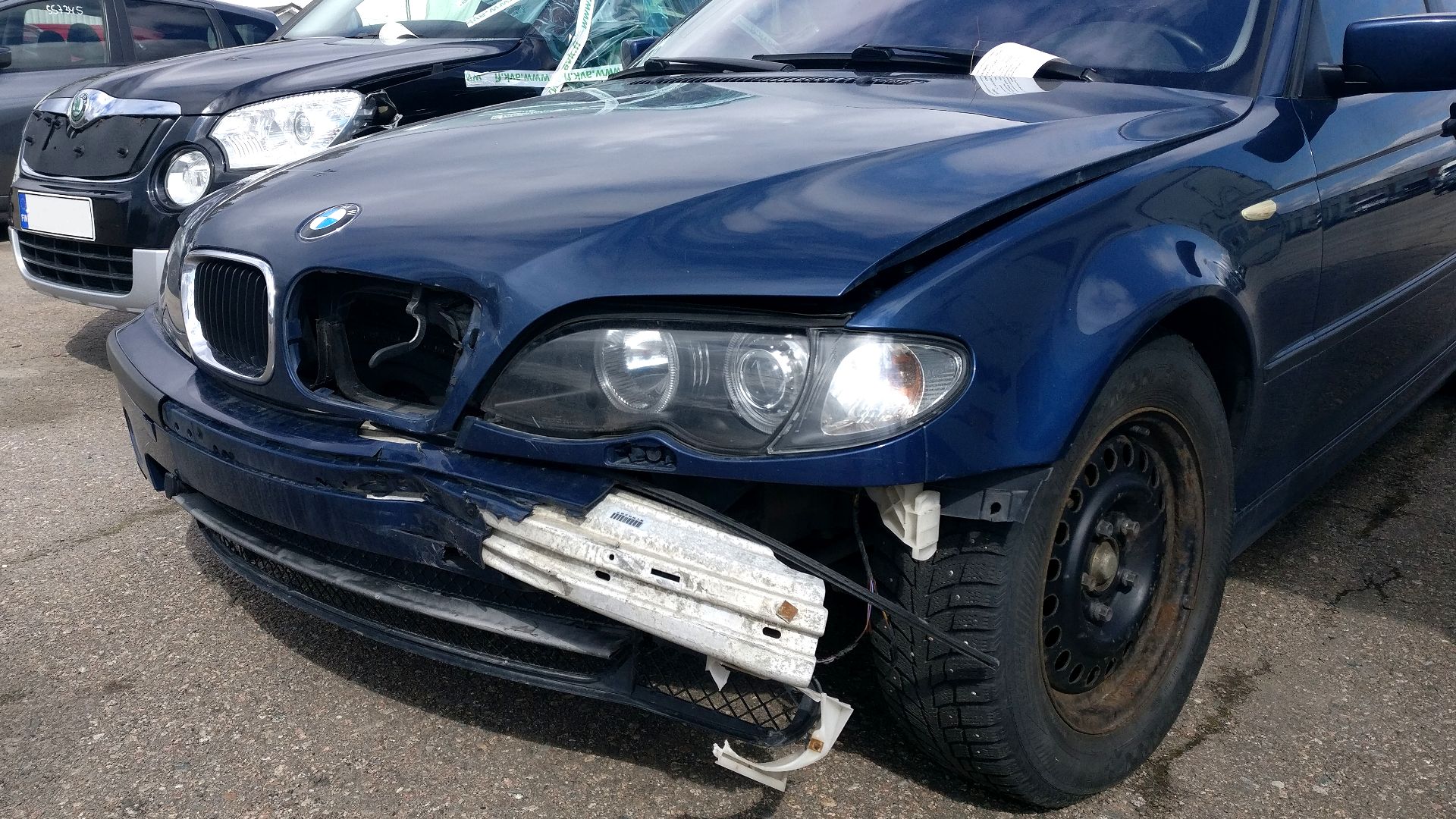 Santeri Viinamäki, Wikimedia Commons
Could You Fail A Vehicle Inspection?
If your state requires periodic safety inspections, your zip-tie repair may face closer examination. Inspection stations usually check that bumpers are firmly mounted and free of sharp edges. If the ties hold everything solidly and nothing is protruding, you might pass. But if the bumper shifts or exposes structural parts, expect a failure.
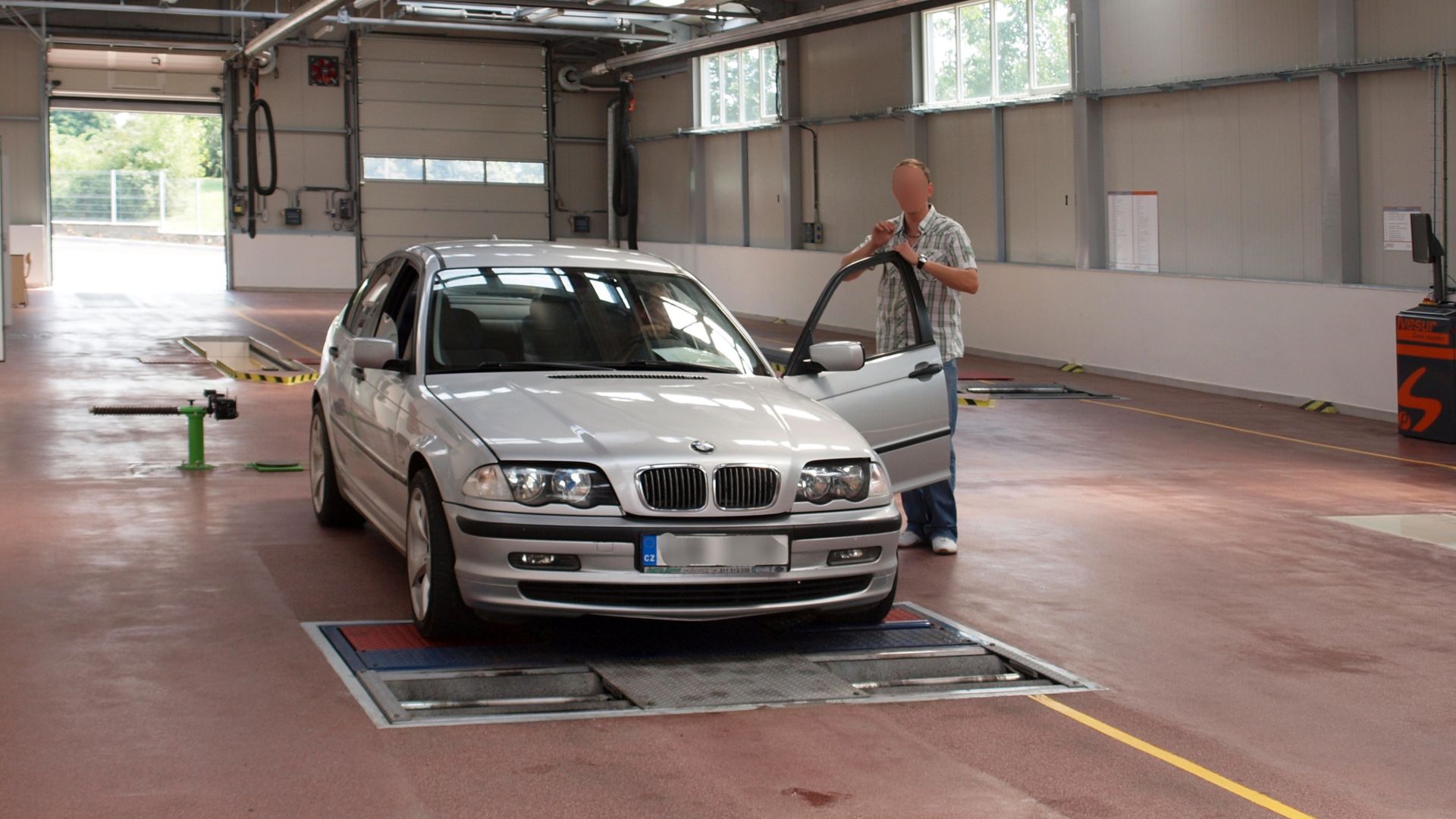 Roman Zázvorka, Wikimedia Commons
What About Insurance?
Here’s something drivers overlook: temporary repairs could affect future claims. If you’re involved in another accident and the bumper wasn’t properly fixed, an adjuster might argue prior damage worsened the outcome. It’s not guaranteed, but it’s possible.

The Officer’s Discretion Factor
Traffic stops often come down to discretion. One officer might see your bumper isn’t going anywhere and send you off. Another might decide it deserves a fix-it ticket. A fix-it ticket requires you to repair the issue and provide proof within a timeframe. It’s inconvenient—but manageable.
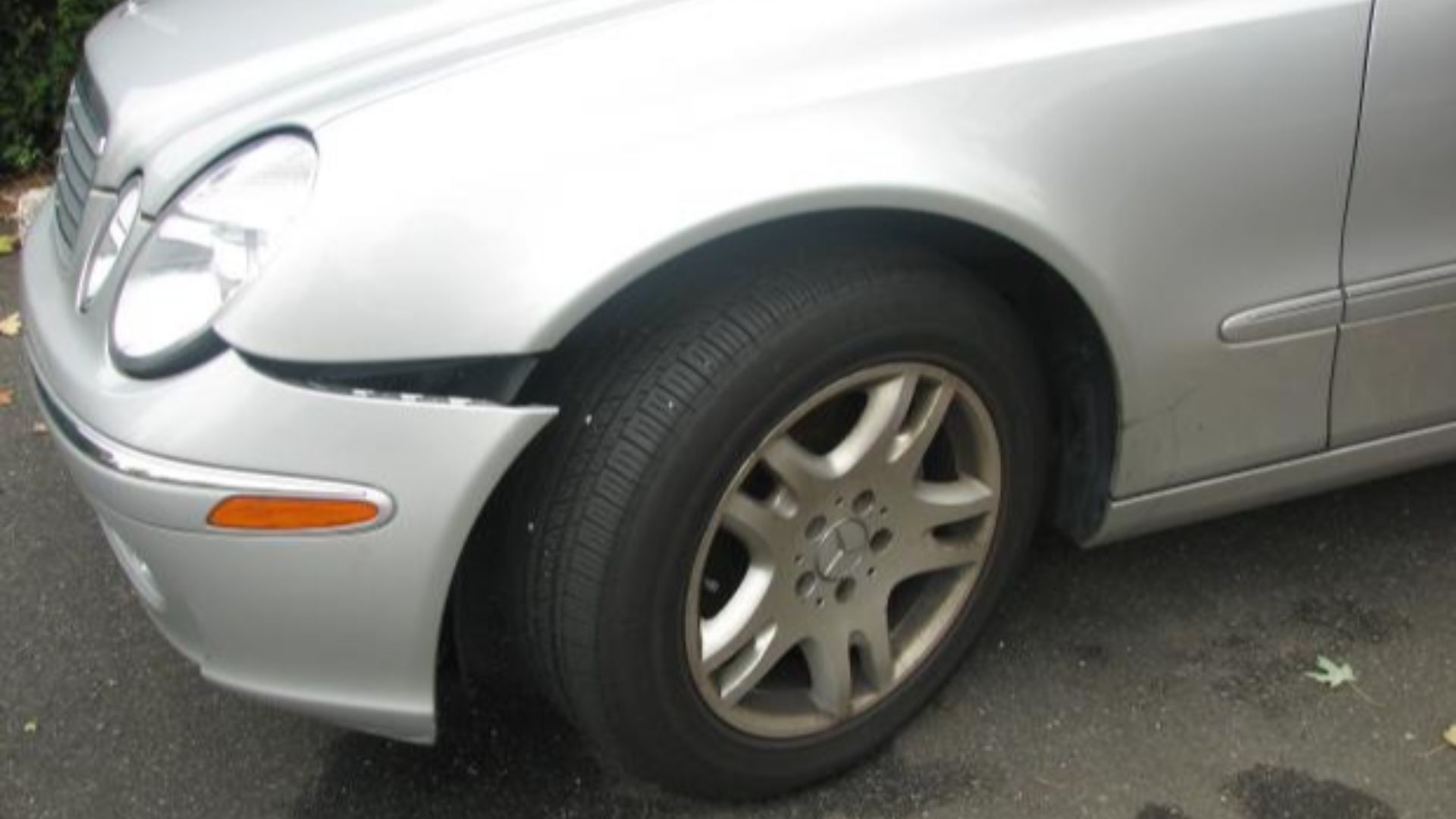 Jiorengiegrey, Wikimedia Commons
When Zip-Ties Are Actually Pretty Strong
Let’s give zip-ties credit. High-quality nylon versions can handle surprising loads. If you’ve used heavy-duty ties and secured multiple anchor points, your bumper might be sturdier than it looks. Still, strength isn’t everything. Weather and road vibration can weaken plastic over time.
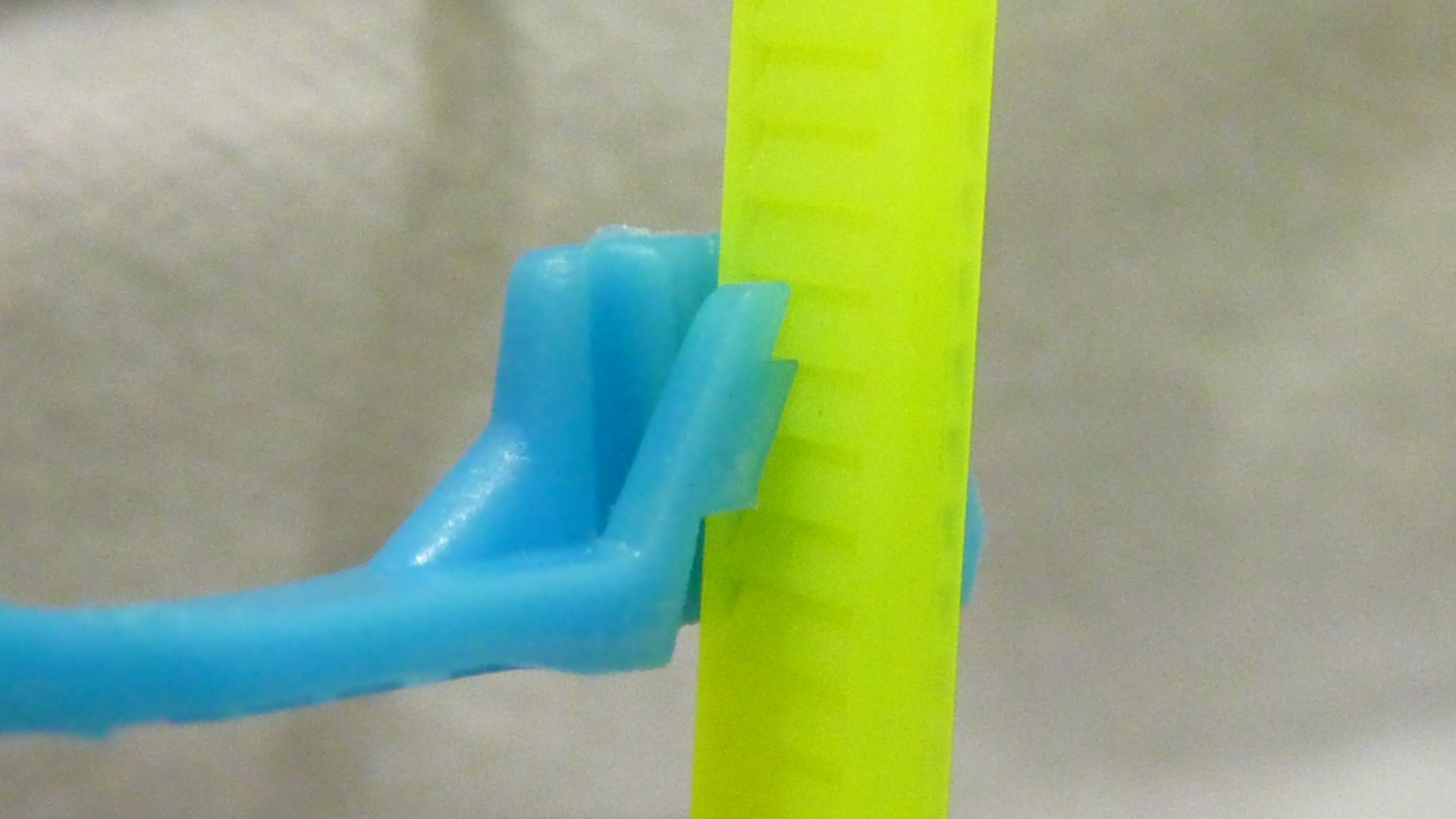
Weather Changes Everything
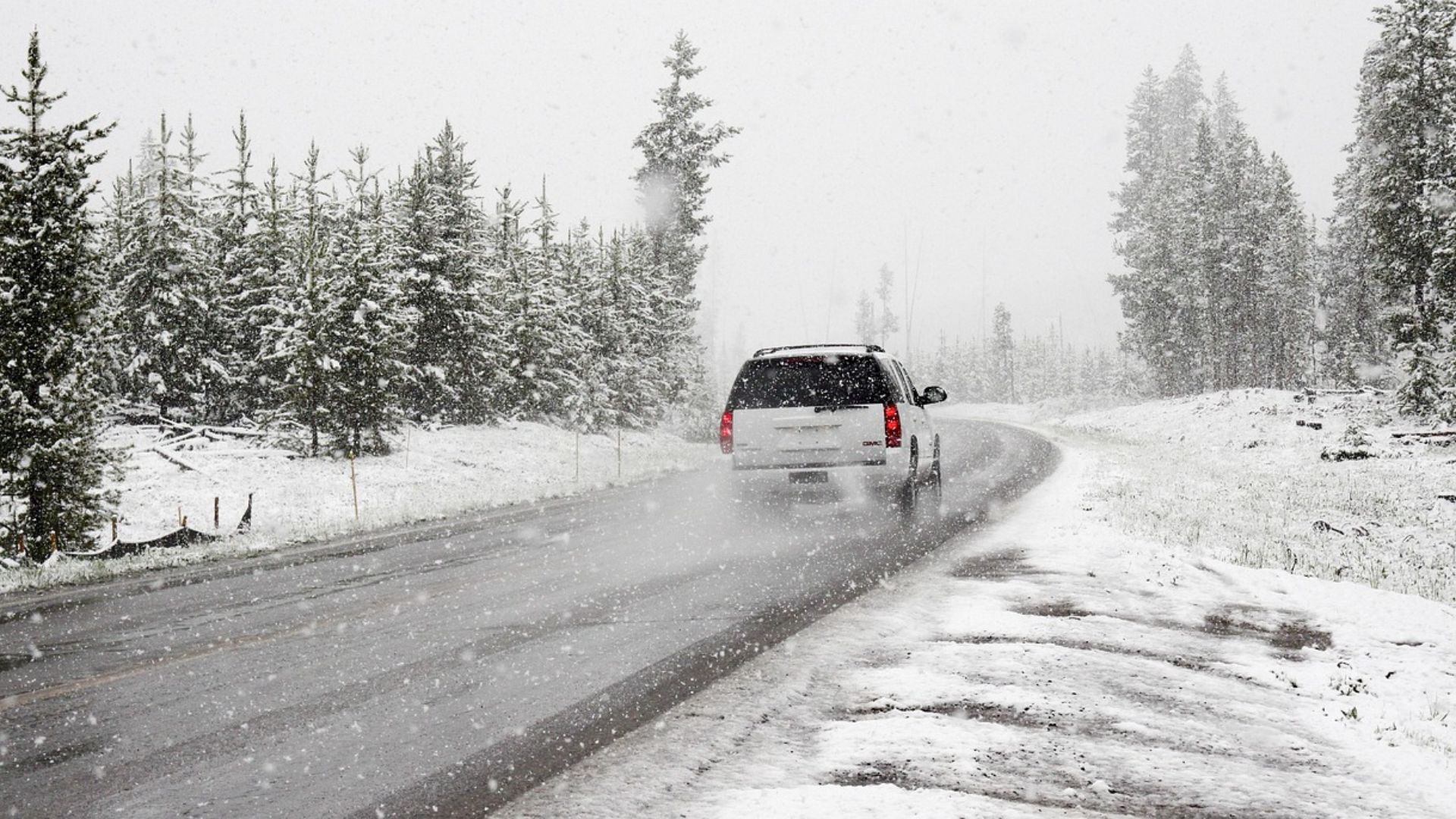
Heat can make plastic brittle. Freezing temperatures can cause it to snap. If your bumper depends entirely on zip-ties, extreme weather could turn your fix into roadside debris. That’s when a clever solution becomes a real hazard.
The Risk Of Sharp Edges
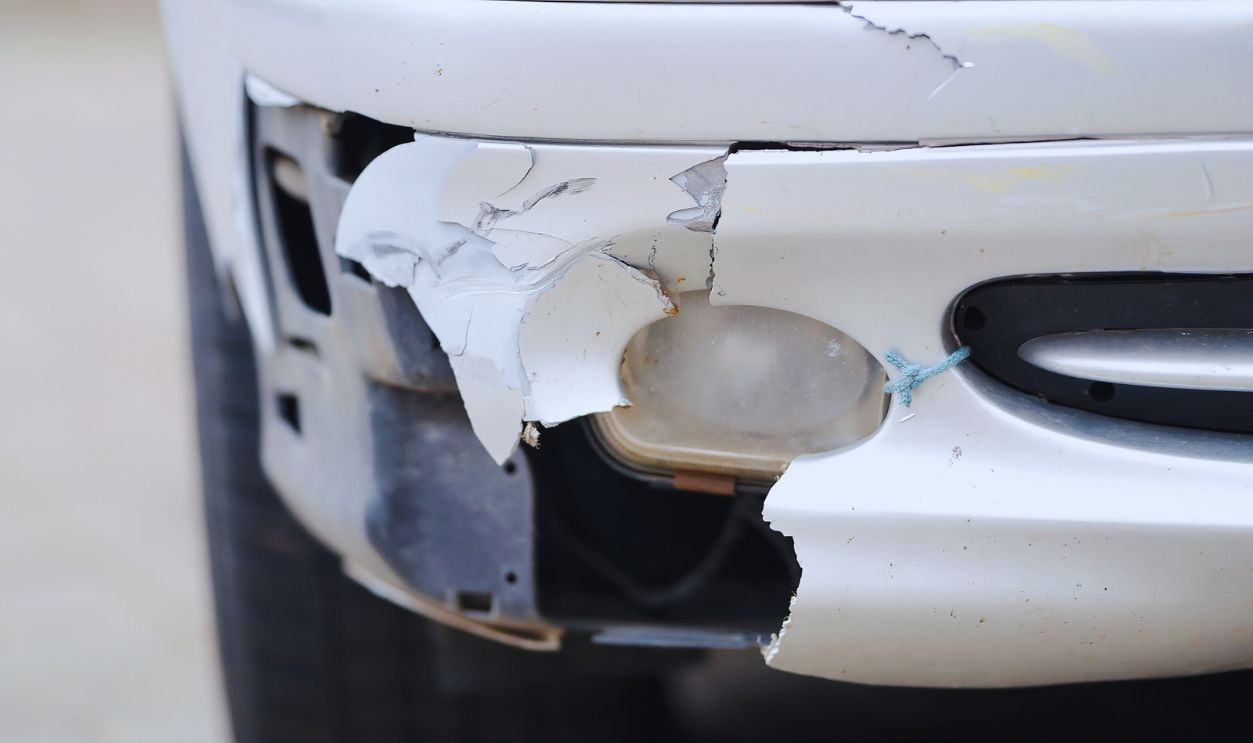
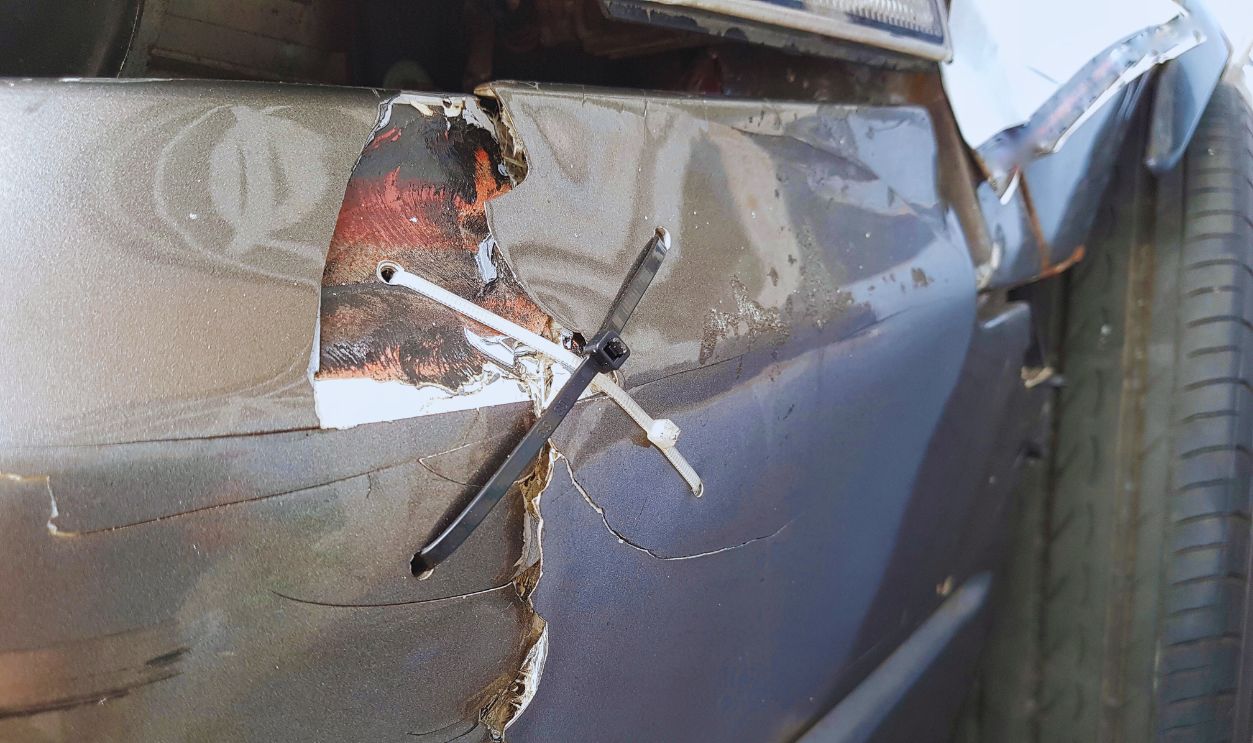
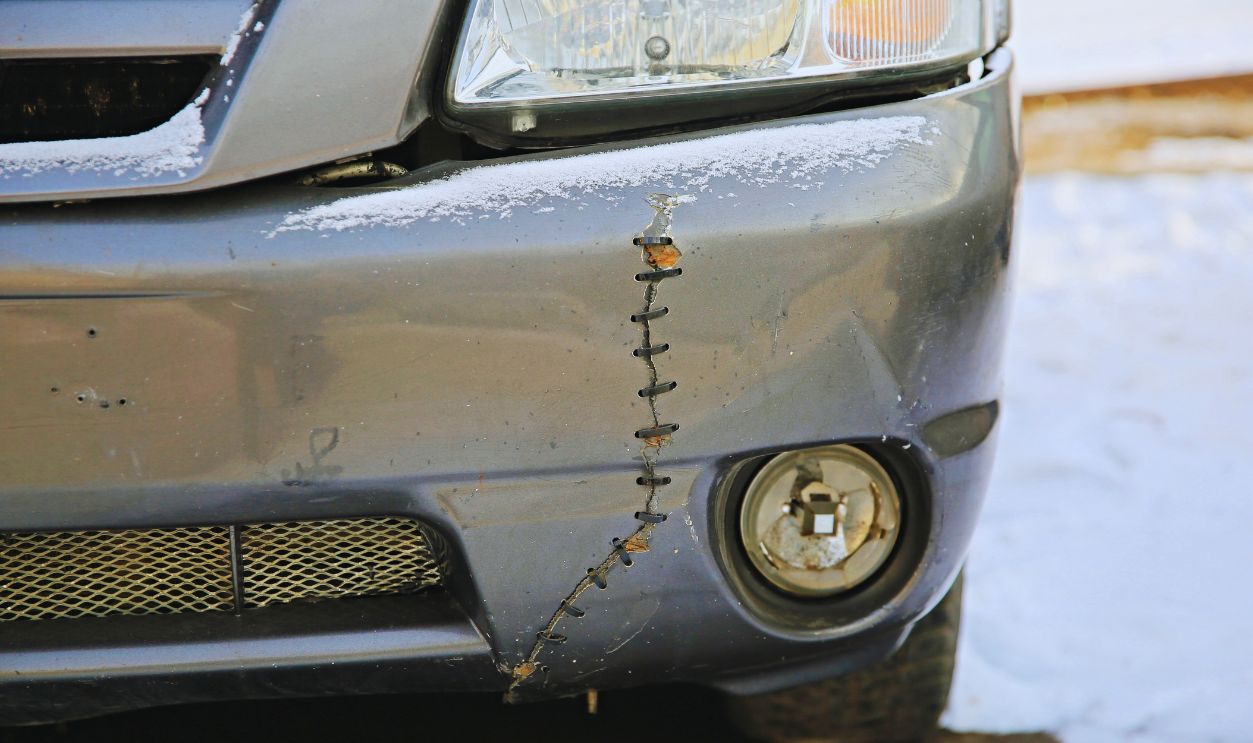
After a collision, bumpers often crack. Cracked plastic can leave jagged edges exposed. Even if zip-tied, sharp edges could be considered dangerous. Many traffic laws mention projections that could injure pedestrians or cyclists.
Visibility And Lighting Issues
Sometimes a loose bumper shifts enough to affect headlights or turn signals. If your repair interferes with required lighting or blocks reflectors, that’s a clearer path to a ticket. Lighting violations are commonly enforced.

The Highway Test
Ask yourself this: would you trust your repair at 75 MPH? Wind resistance increases at highway speeds. If your bumper vibrates aggressively or shifts, it’s probably not secure enough for daily driving.

Temporary Vs. Permanent
Law enforcement may be more forgiving if something clearly appears temporary yet safe. However, “temporary” shouldn’t stretch into half a year. If zip-ties are your long-term solution, it’s worth reconsidering your plan.
Cheap Alternatives To Full Bodywork
The good news is you don’t always need a full repaint and huge bill. Salvage yards often sell used bumpers in matching colors for far less than dealership pricing. Some shops will reattach a bumper properly without replacing it entirely.
DIY Done Right
If you’re sticking with DIY, consider reinforcing the bumper using proper brackets, bolts, or factory-style clips. Zip-ties can help, but they shouldn’t be the only thing preventing your bumper from meeting the pavement.
What If It Falls Off?
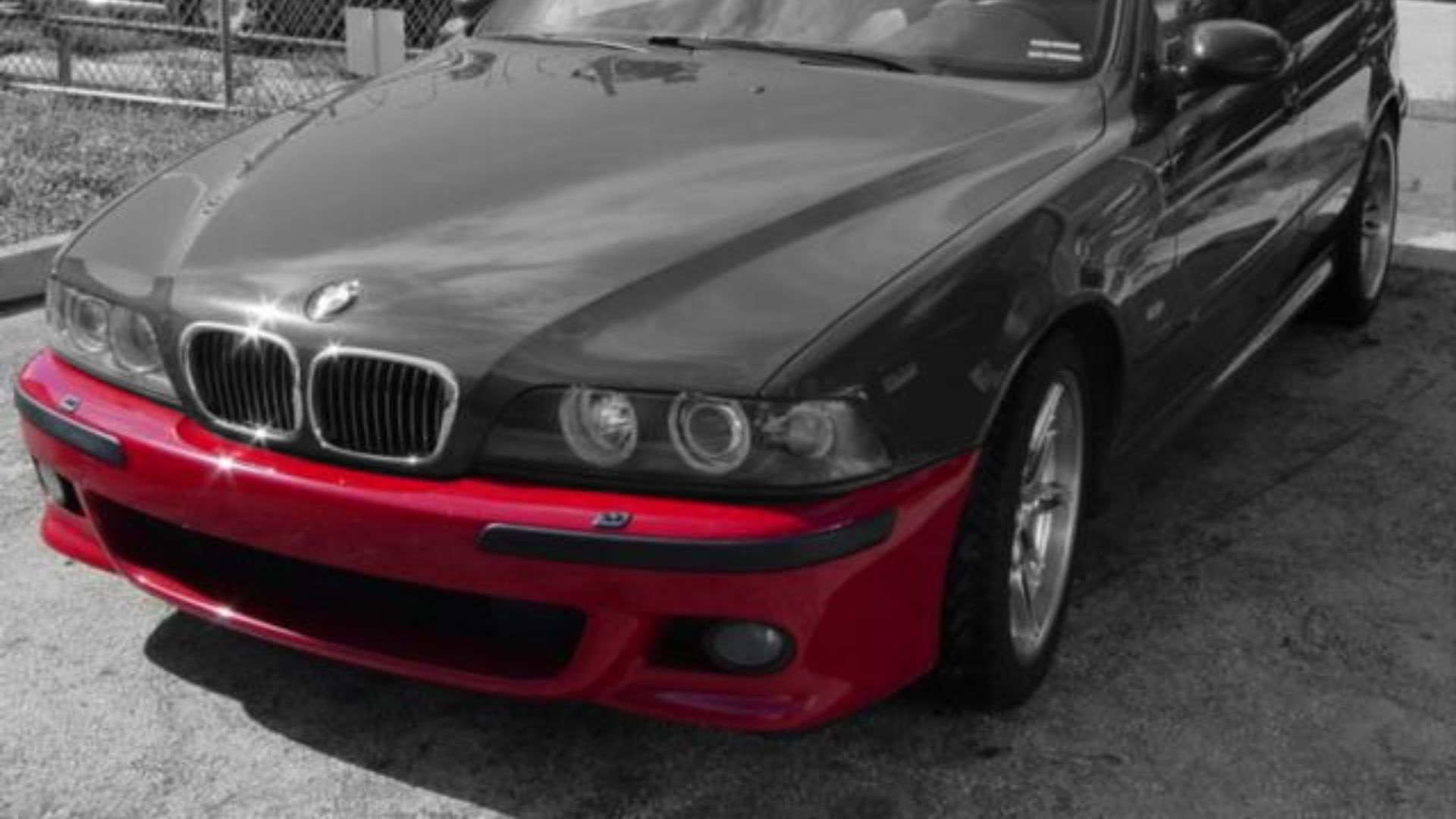
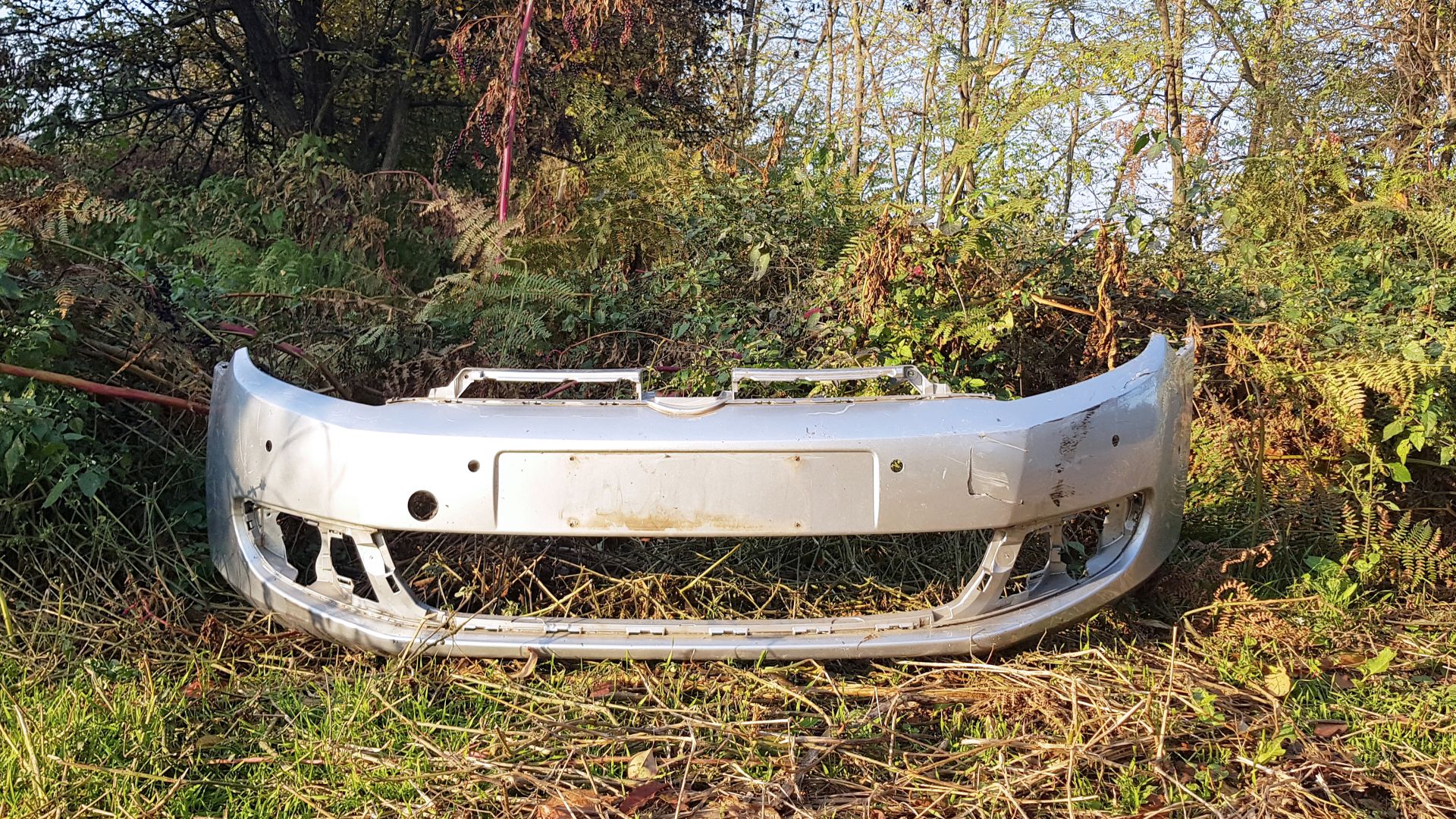
This is the worst-case scenario. If your bumper detaches and causes damage or injury, you could be held liable. At that point, the savings from skipping repairs disappear instantly.
 Mænsard vokser, Wikimedia Commons
The Social Stigma Factor
Let’s be honest—zip-tied bumpers send a message. Some see resourcefulness. Others see neglect. While stigma isn’t illegal, appearances can influence whether an officer takes a closer look.
Racing Culture And Zip-Ties
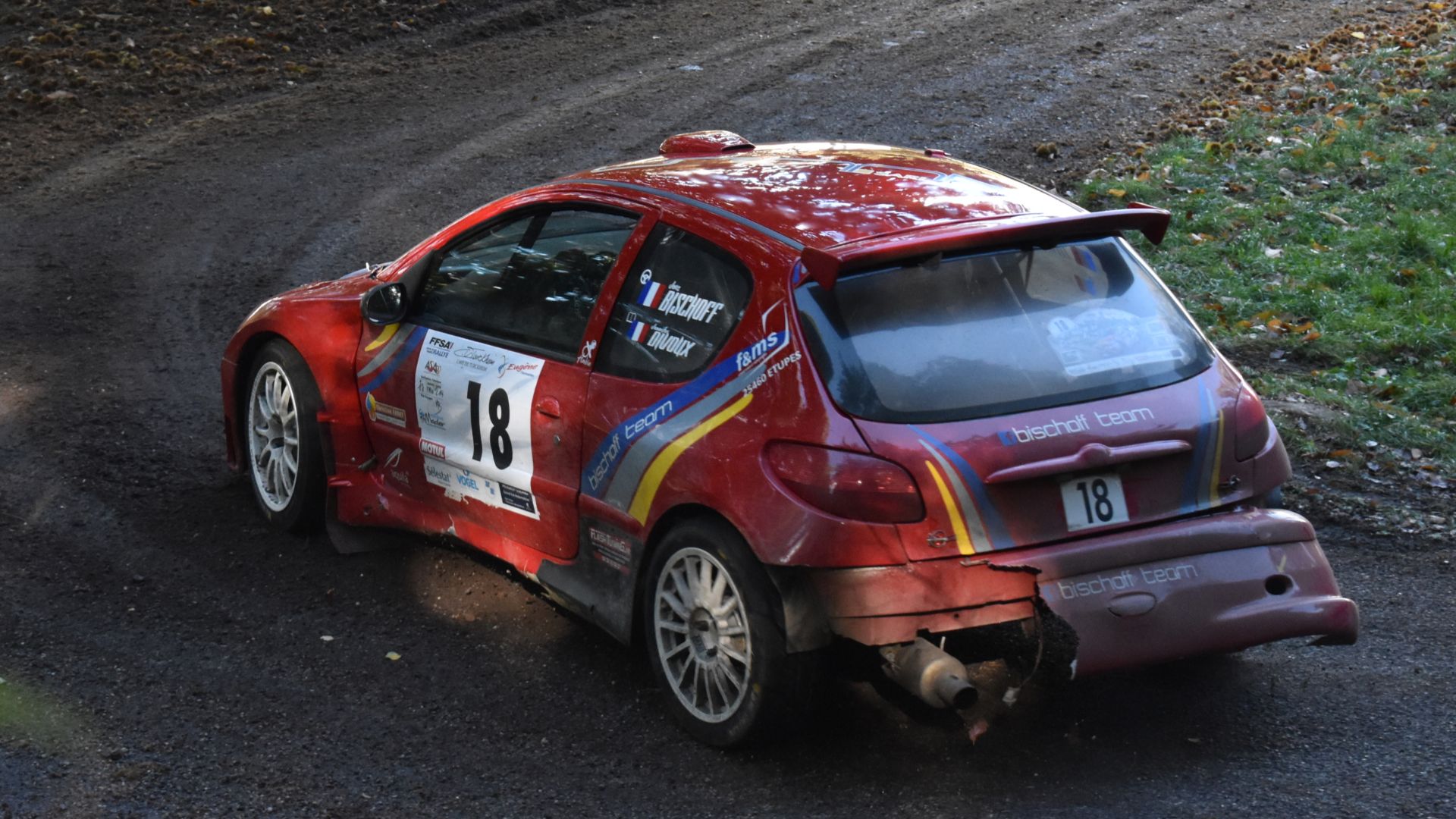
Zip-tied bumpers are common in motorsports paddocks. Race cars often get quick fixes between sessions. The difference is those cars run on closed tracks, not public roads governed by strict safety standards.
 SunflowerYuri, Wikimedia Commons
When Police Usually Step In
You’re more likely to get stopped if your bumper is visibly dragging, flapping wildly, or drawing attention during another traffic stop. Often, the bumper isn’t the main reason—it’s simply an added issue noticed after you’re pulled over.

Fix-It Tickets Explained
A fix-it ticket, also called a correctable violation, requires you to repair the issue and verify the fix. The fee is usually modest, but ignoring it can escalate into larger fines or registration trouble.
Is It Worth The Risk?
If your repair is solid, subtle, and safe, your chances of getting ticketed are relatively low. If it looks barely held together with office supplies, you’re taking a gamble.

How Long Can You Get Away With It?
There’s no official countdown clock. Some drivers cruise around for years without issue. Others get cited quickly. The longer you wait, the greater the chance vibration, weather, or bad luck catches up.

Peace Of Mind Matters
Driving shouldn’t come with constant anxiety about your bumper detaching. Even a low-cost professional reattachment can offer peace of mind and reduce the risk of future complications.

The Bottom Line On Legality
Zip-ties aren’t illegal. An unsafe vehicle is. If your bumper is secure, doesn’t block lights, and isn’t at risk of falling off, you’re probably not inviting a ticket. But if it’s unstable or hazardous, you’re giving law enforcement a reason to notice.
 larisa Stefanjuk, Shutterstock
A Practical (And Slightly Brutal) Conclusion
Using zip-ties after a fender-bender isn’t automotive heresy—it’s a budget-driven decision many drivers understand. Plenty have done it without issue. But the key word is safe. If your repair is secure and roadworthy, you’re likely fine. If it’s hanging on by a plastic thread, you’re gambling with more than a citation—you’re risking safety and liability. When funds allow, a proper repair is always the smarter move.
You May Also Like:
The Mercury Marauder Is The Sleeper Muscle Car America Forgot
The Coolest 80s & 90s Pickup Trucks
Honda Changed Everything With The Super Cub, The Little Bike That Quietly Took Over The World