A Risky Internal Rivalry
While Chevrolet was still struggling to sell its new sports car, another GM division revealed one of its own. Oldsmobile’s sleek roadster drew attention fast—and not everyone inside the company was happy about it.
When Oldsmobile Dreamed Big
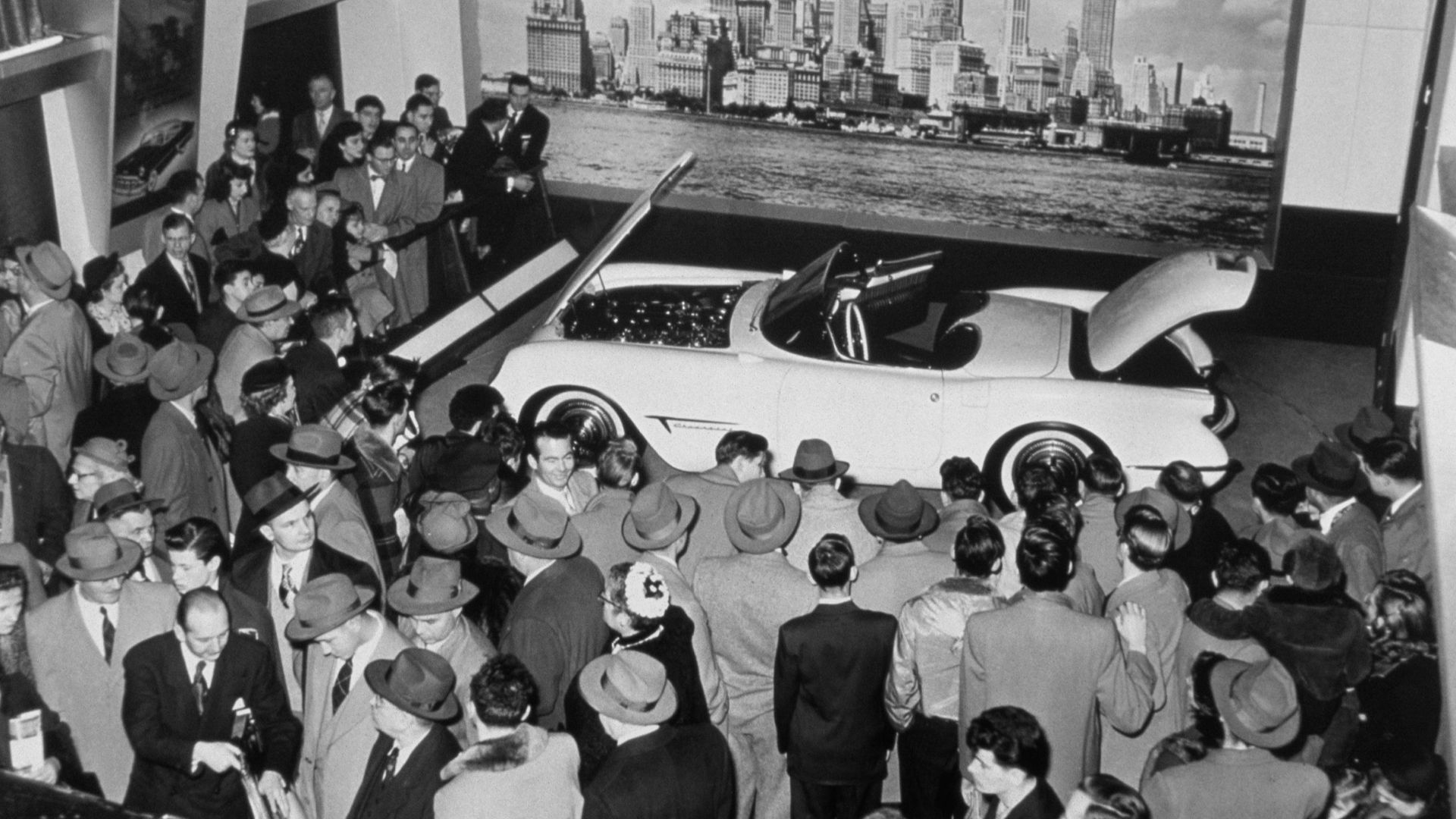
General Motors threw lavish auto shows called Motorama events throughout the 1950s, touring major cities to showcase futuristic concept cars. The 1953 Corvette stole hearts at these exhibitions, which proved Americans wanted stylish two-seater sports cars. Oldsmobile watched that success and decided they wanted a piece of the action too.
 GM Chevrolet, Wikimedia Commons
The Golden Threat Nobody Expected
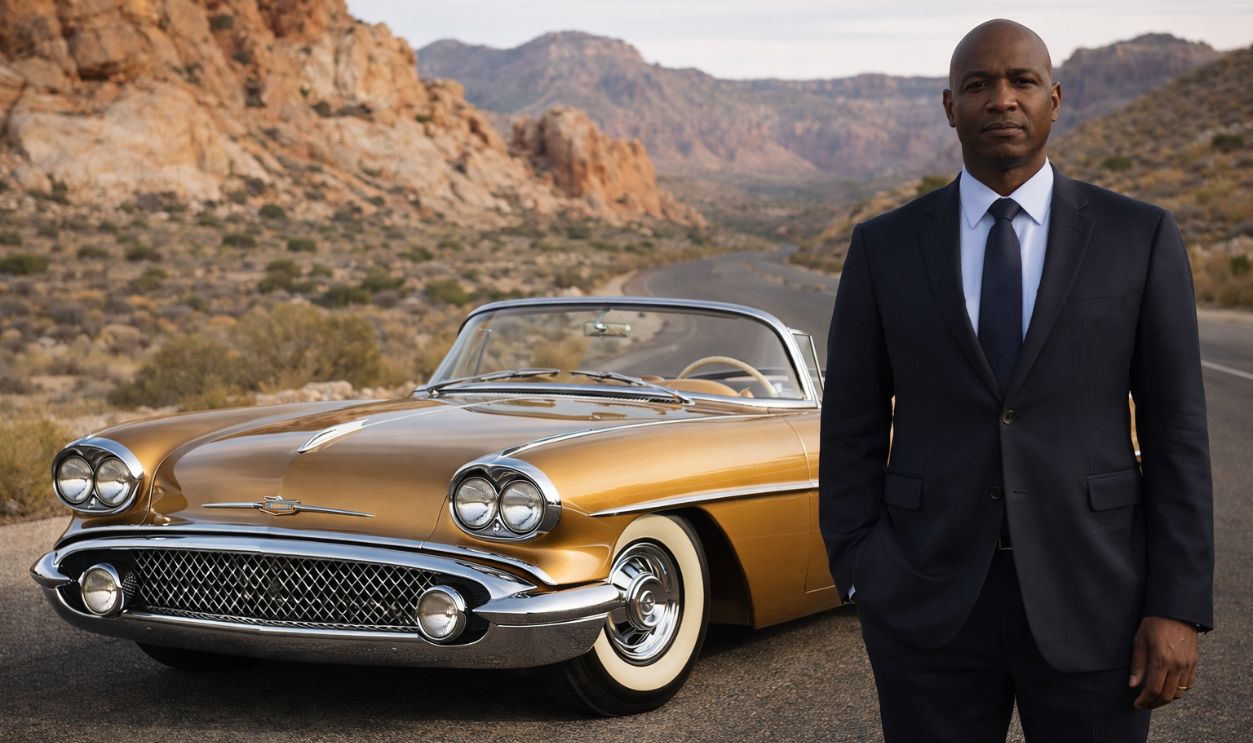
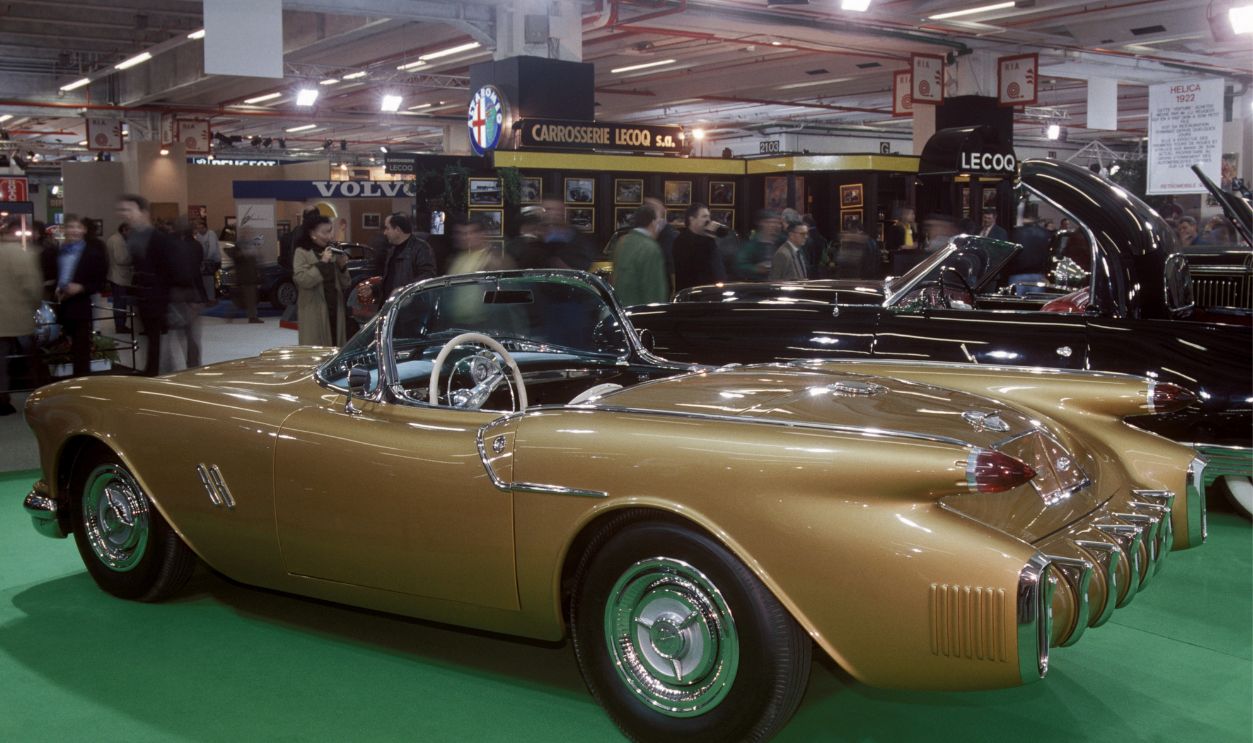
A stunning gold convertible called the F-88 rolled onto the 1954 Motorama stage and turned heads with its jet-age styling. Nobody expected Oldsmobile—known for sensible family sedans—to build something this wild. The concept looked like it belonged on a sci-fi movie set rather than a showroom floor.
Bill Lange's Secret Sketch Sessions
Senior GM designer Bill Lange started drawing the F-88 in mid-1953 under the internal codename XP-20. His sketches remained closely guarded secrets because GM didn't want competitors stealing the design. Art Ross from Oldsmobile's studio refined those early drawings into the final swooping shape.
 Criticalthinker at English Wikipedia, Wikimedia Commons
Jet Age Dreams In Fiberglass
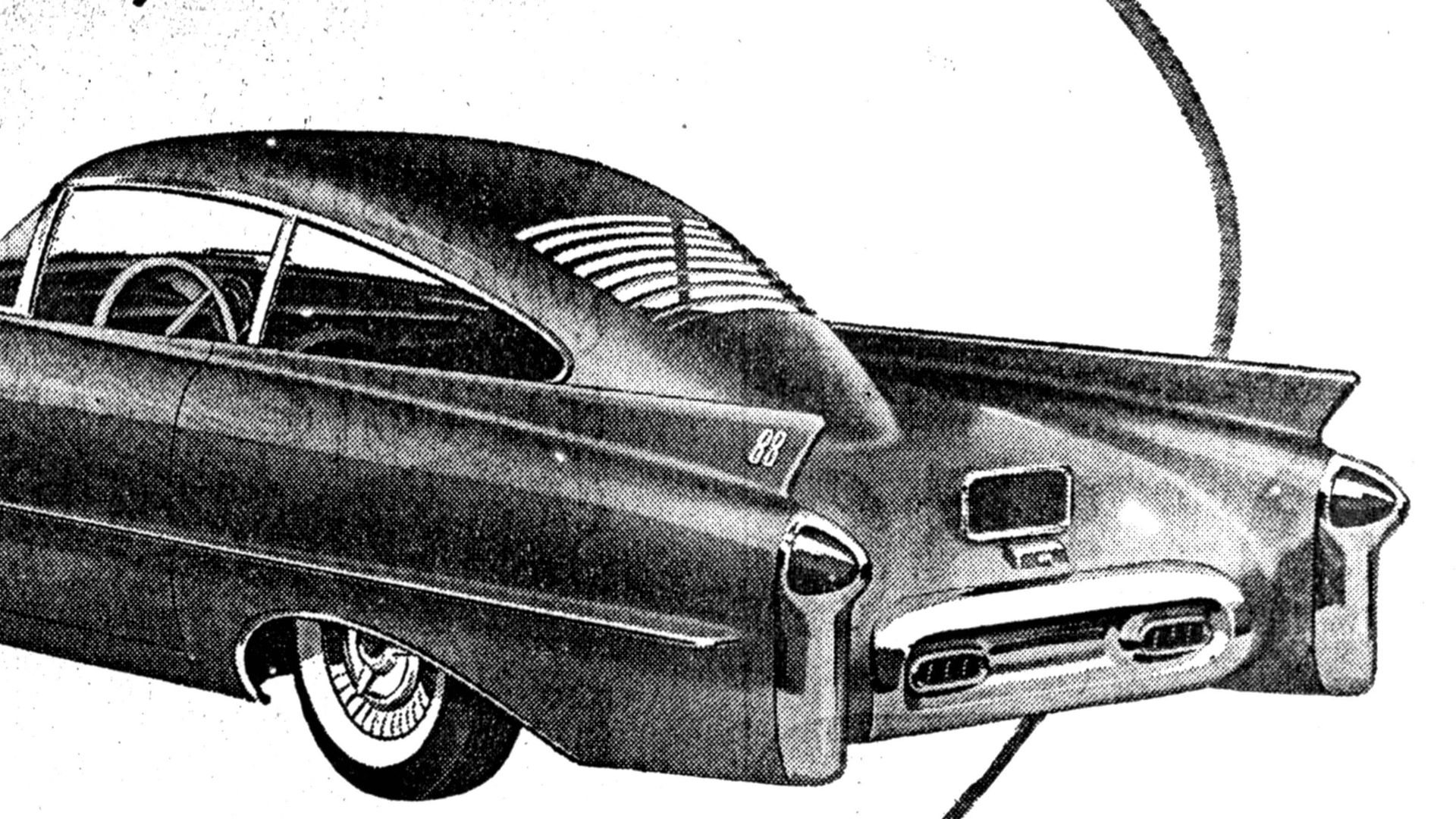
Raised tailfins ending in circular tail light pods gave the F-88 a rocket ship silhouette that captured 1950s Space Race excitement. Quarter panel gills added aircraft-inspired details that screamed speed even while parked. The front grille stayed traditional despite the futuristic rear, creating an interesting design contrast.
 Unknown authorUnknown author, Wikimedia Commons
Borrowed Bones From Chevrolet
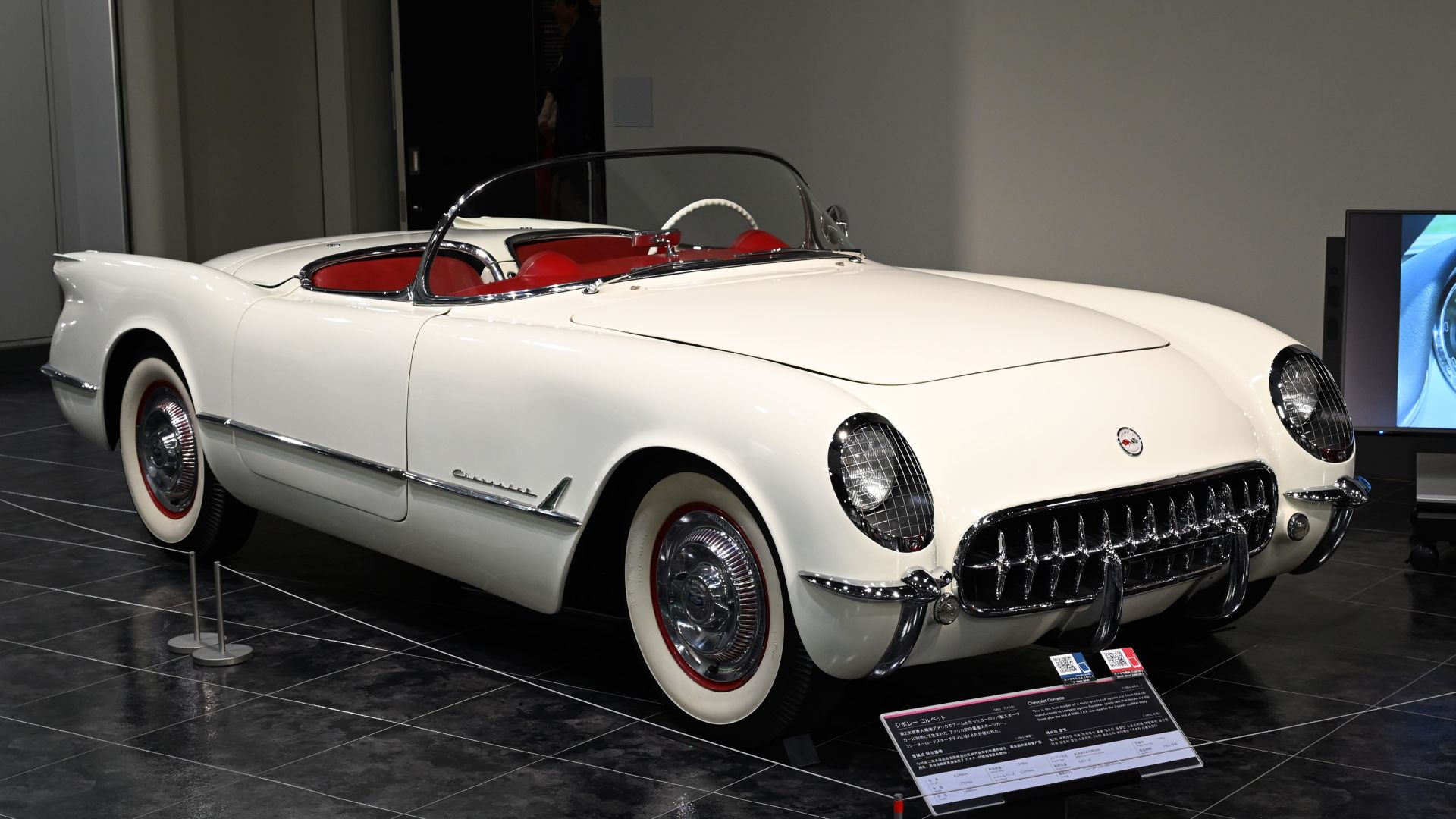
The F-88's entire chassis came straight from the 1953 Corvette, which Oldsmobile simply borrowed without changing much. Suspension components, including the independent front end and live rear axle, were pure Chevrolet engineering. Even the steering system got lifted directly from the 'Vette parts bin.
Super Rocket Power Under The Hood
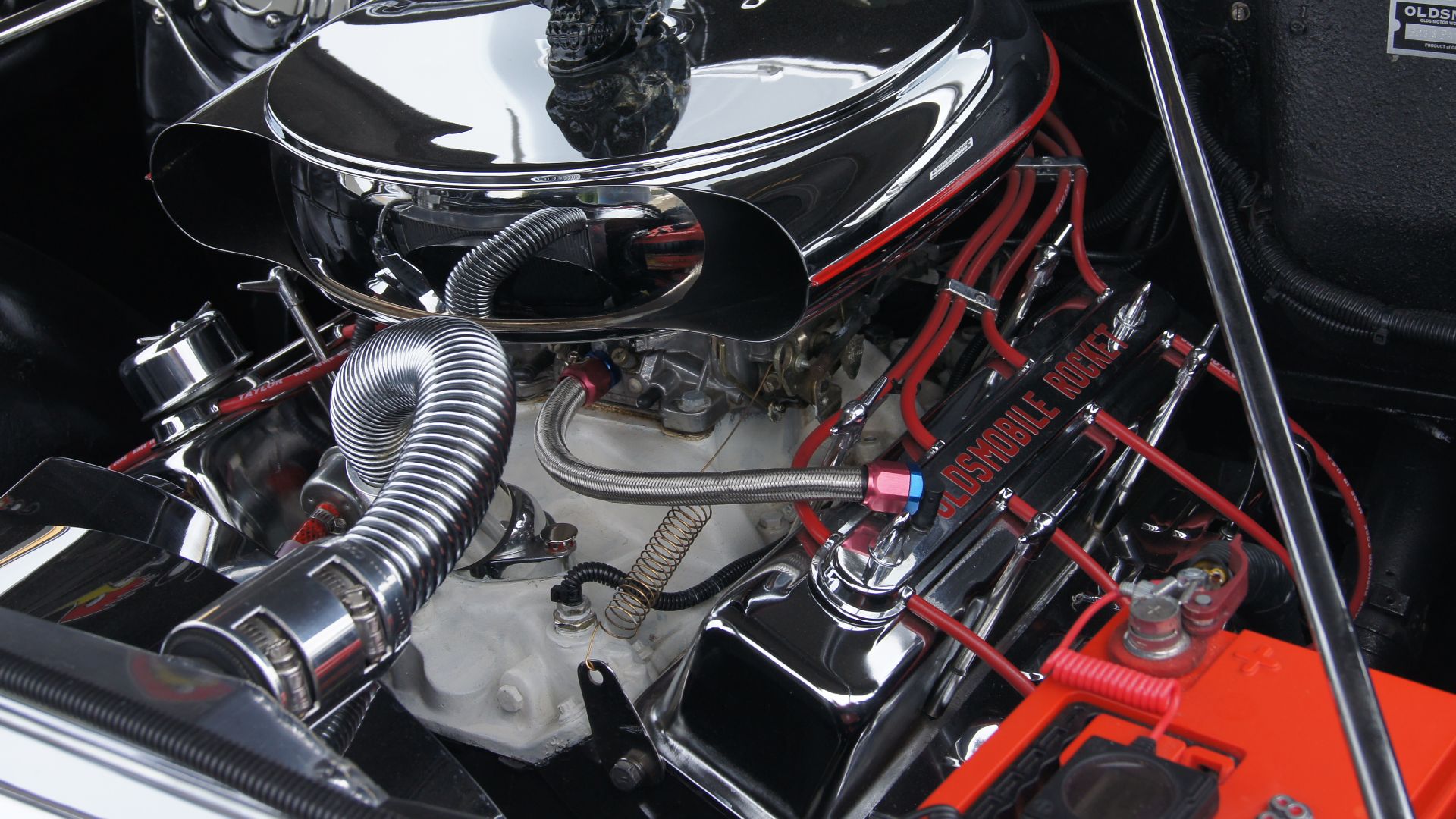
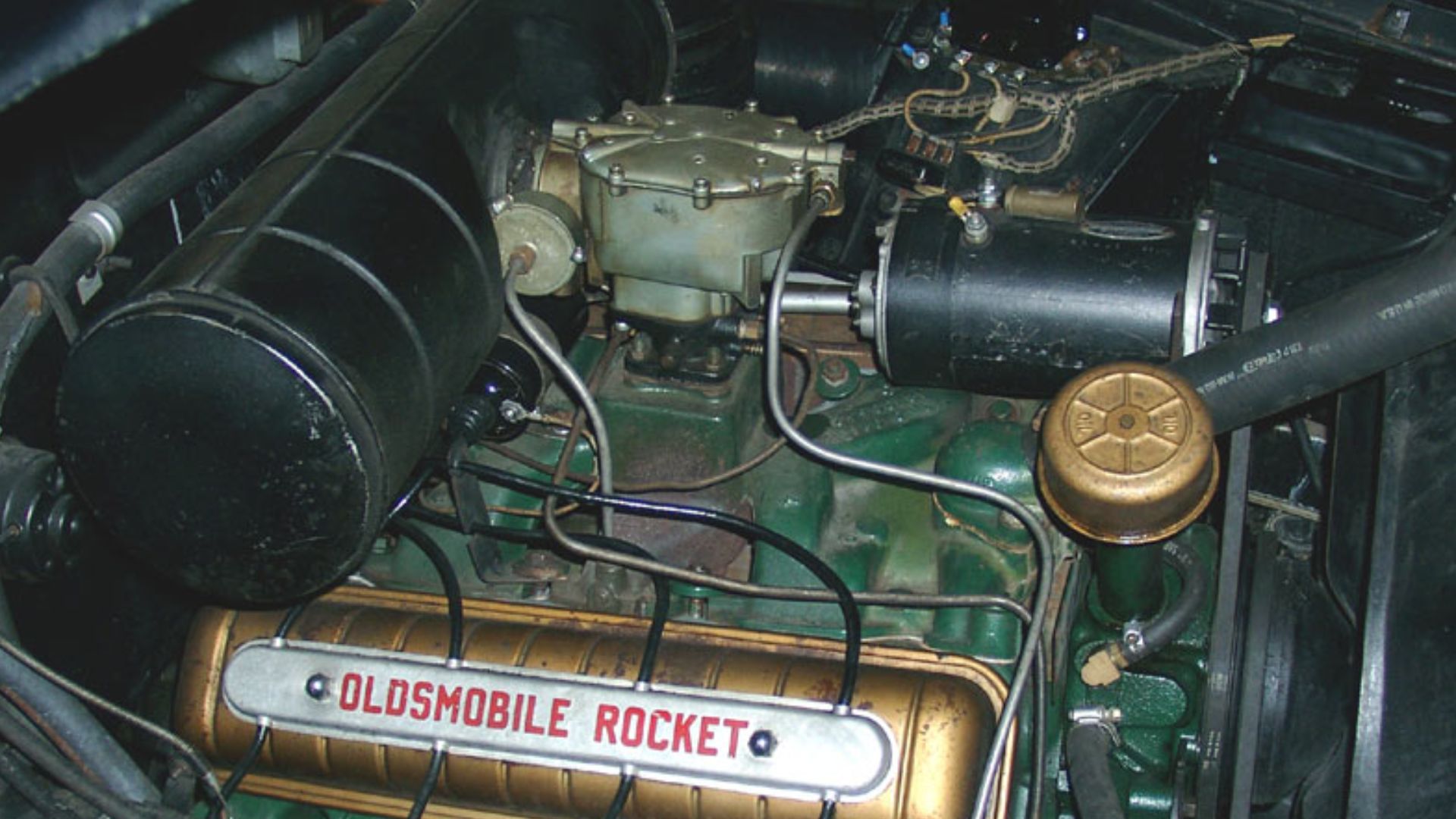
Oldsmobile equipped the F‑88 concept with a 324‑cubic‑inch V8 known as the Super Rocket. A four‑barrel carburetor supplied fuel, while a hood scoop added to its aggressive styling and suggested performance under the hood.
 Greg Gjerdingen from Willmar, USA, Wikimedia Commons
Four-Speed Automatic Transmission
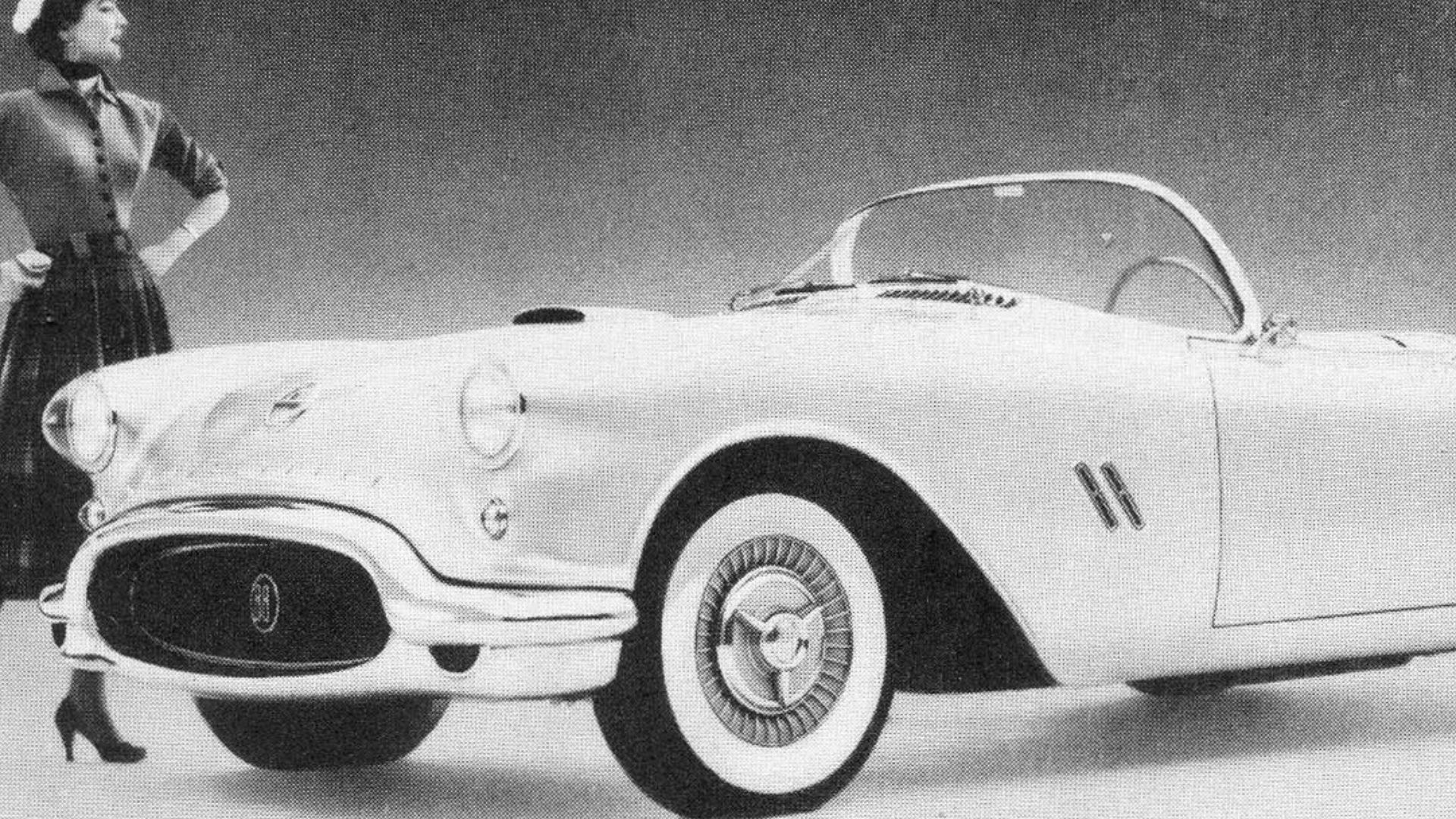
Power flowed through a four-speed automatic gearbox before reaching the Corvette-sourced rear axle. Automatics were still relatively novel in sports cars during the mid-1950s. Most enthusiasts preferred manual transmissions, but Oldsmobile wanted luxury alongside performance.
 Unknown authorUnknown author, Wikimedia Commons
Jumbo Drums For Stopping Power
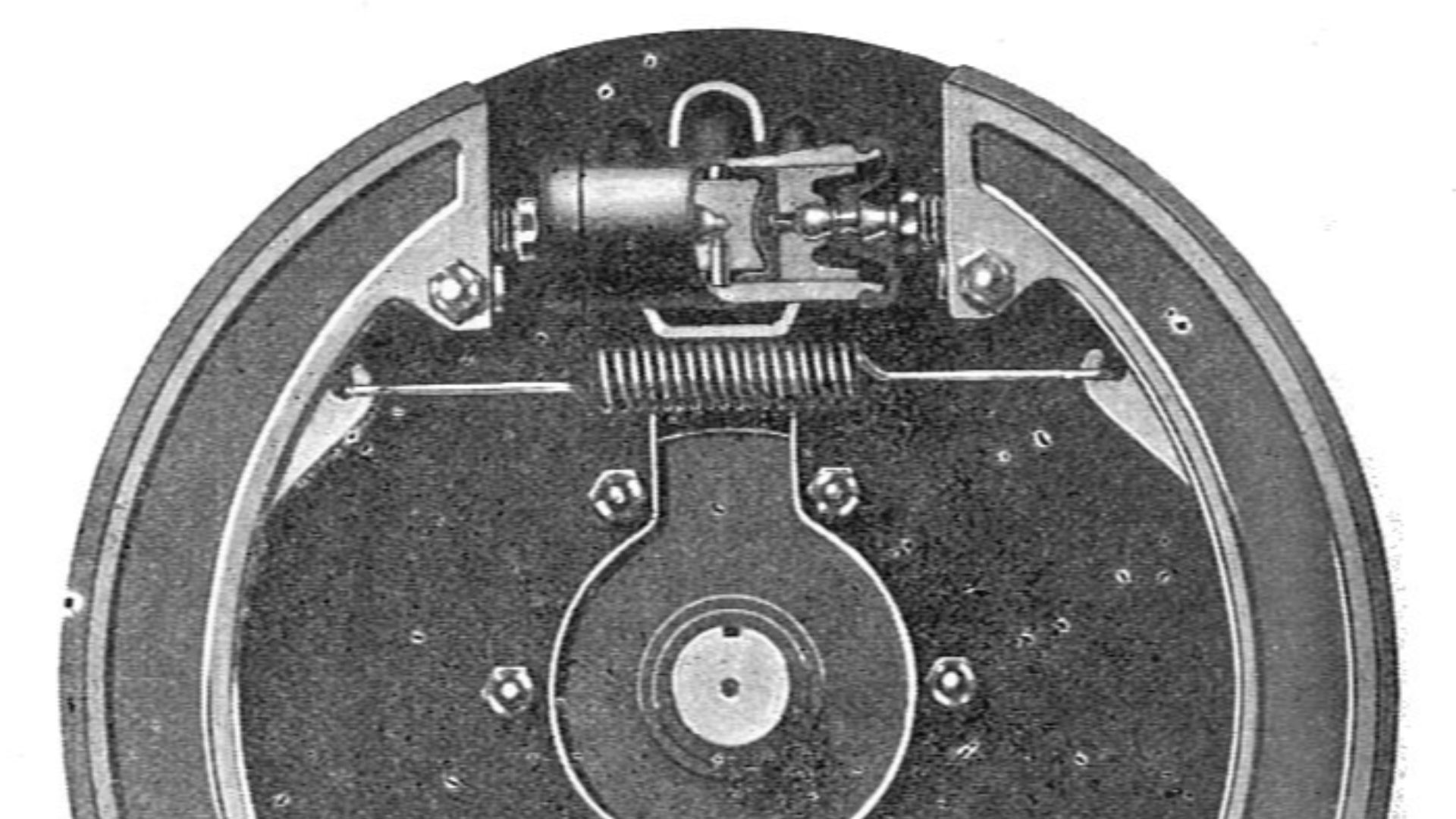
Eleven-inch hydraulic drum brakes called Jumbo Drums handled deceleration duties at all four corners. Disc brakes hadn't yet become standard on American sports cars. These drums represented the best stopping technology available at the time for high-performance vehicles.
 Various, uncredited except where statedAndy Dingley (scanner), Wikimedia Commons
Interior Like An Upscale Lounge
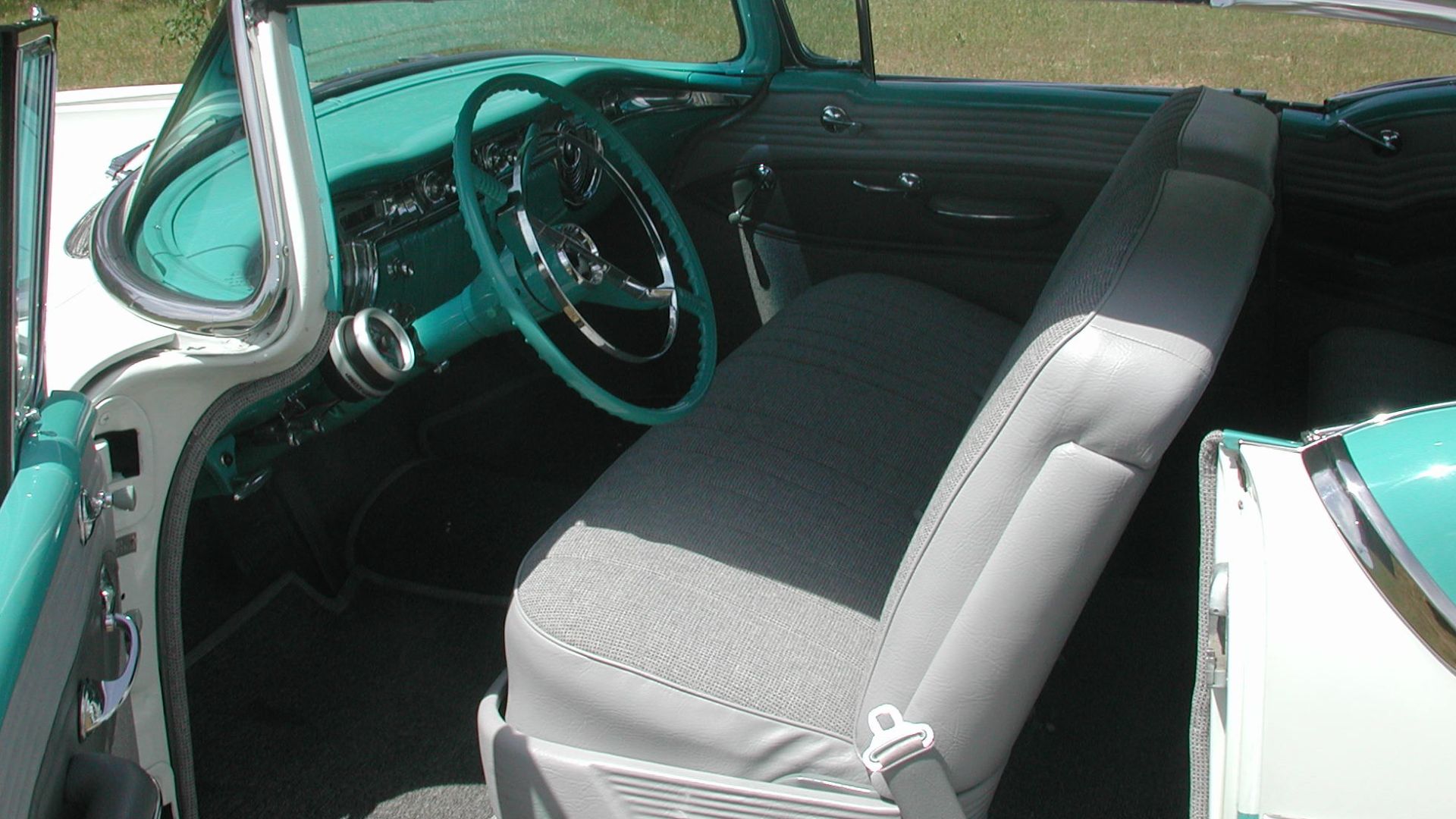
The interior of the F‑88 was finished in a pigskin pearlescent tone with custom trim, giving the passenger compartment the feel of an upscale lounge. Chrome rings surrounded centrally-mounted instruments for a luxurious appearance. Plus, the spare tire tucked into a closed compartment beneath the trunk instead of eating up interior space.
 GaryInRedding, Wikimedia Commons
Fiberglass Body Construction
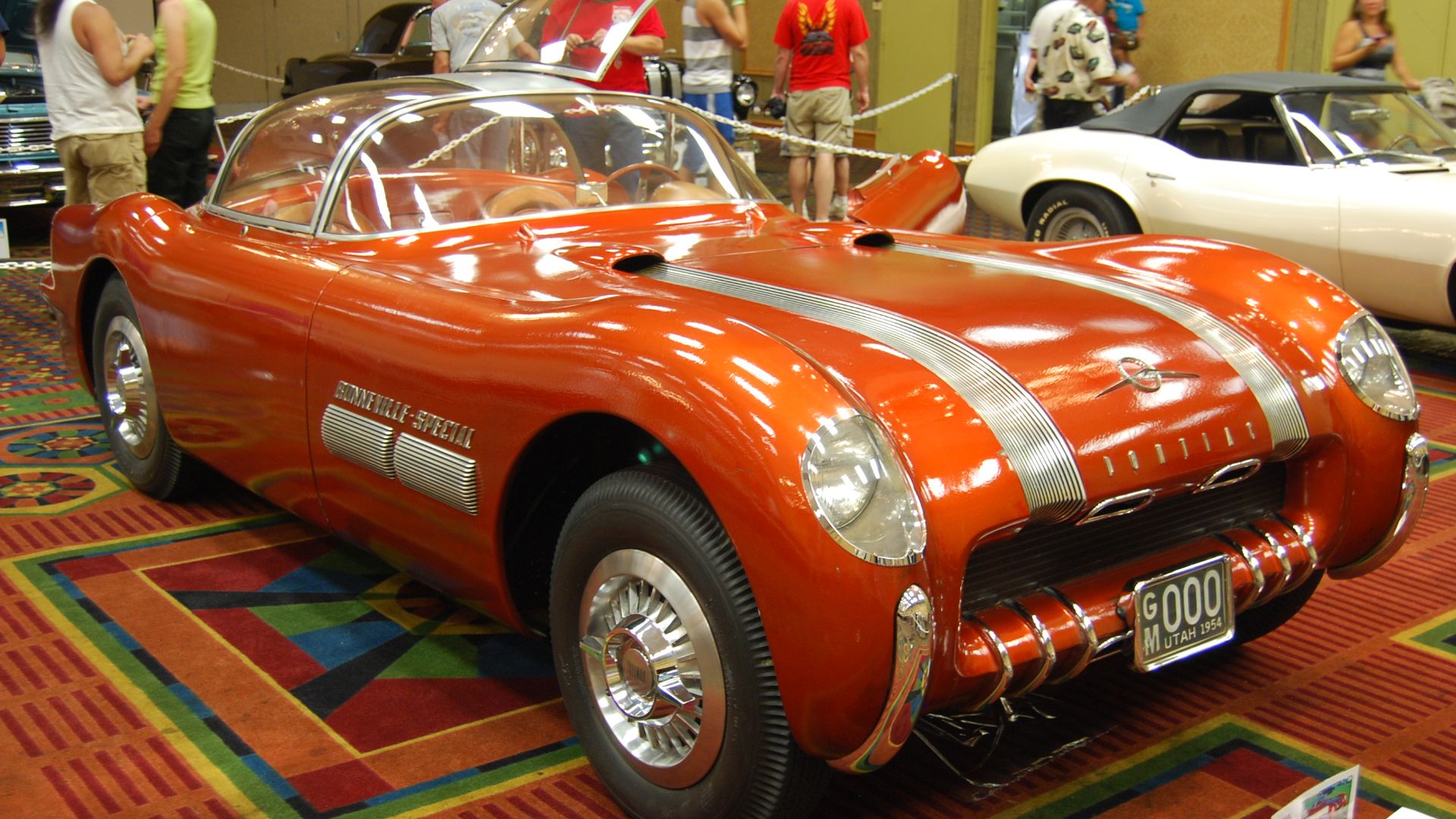
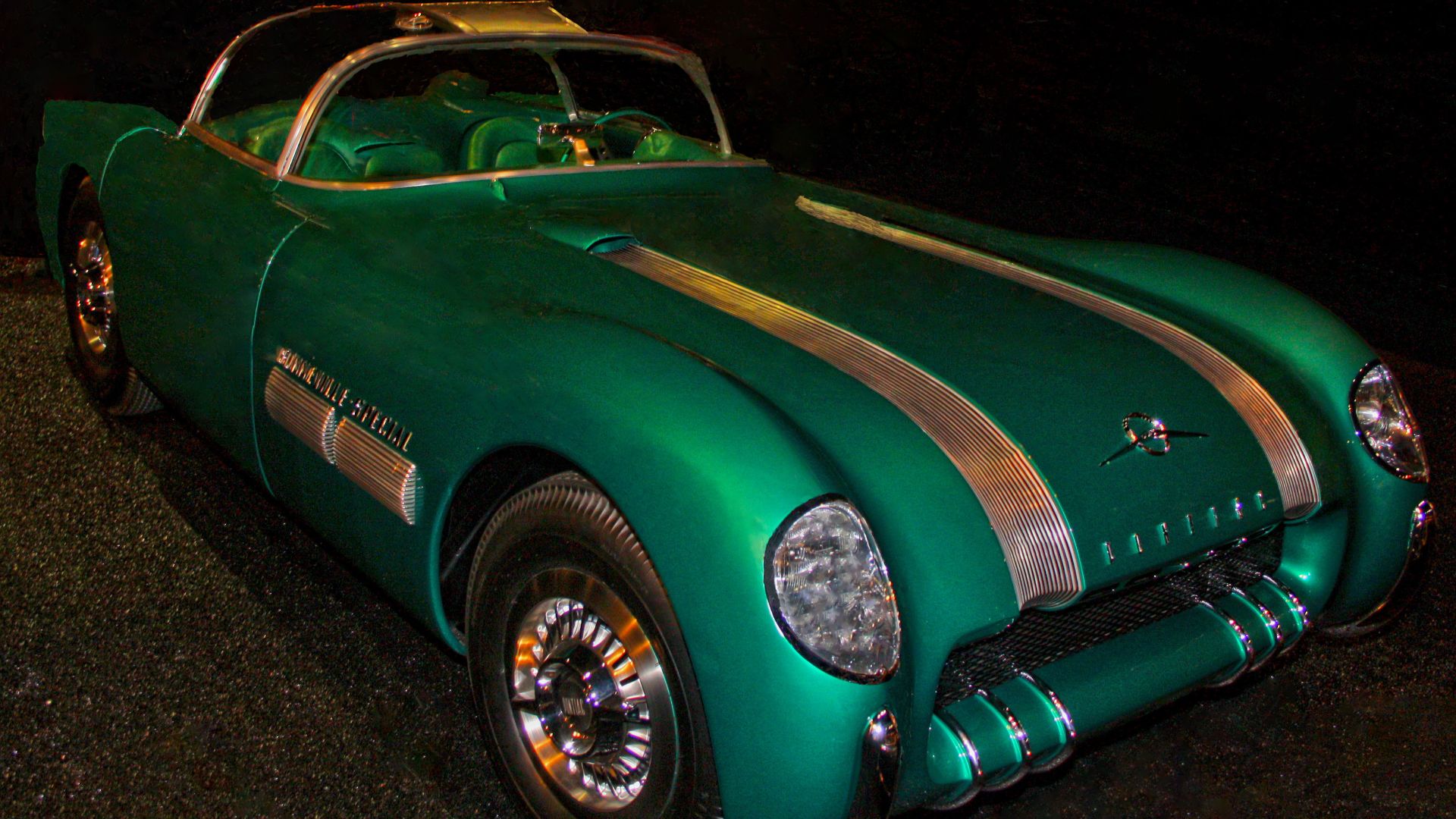
The F-88's entire body was molded from fiberglass, a material still considered exotic in 1954 American automotive manufacturing. Only the Corvette had used this lightweight composite for production bodies before. Pontiac's bubble-topped Bonneville Special concept also wore fiberglass at the same Motorama event.
Why Chevy Killed The Dream
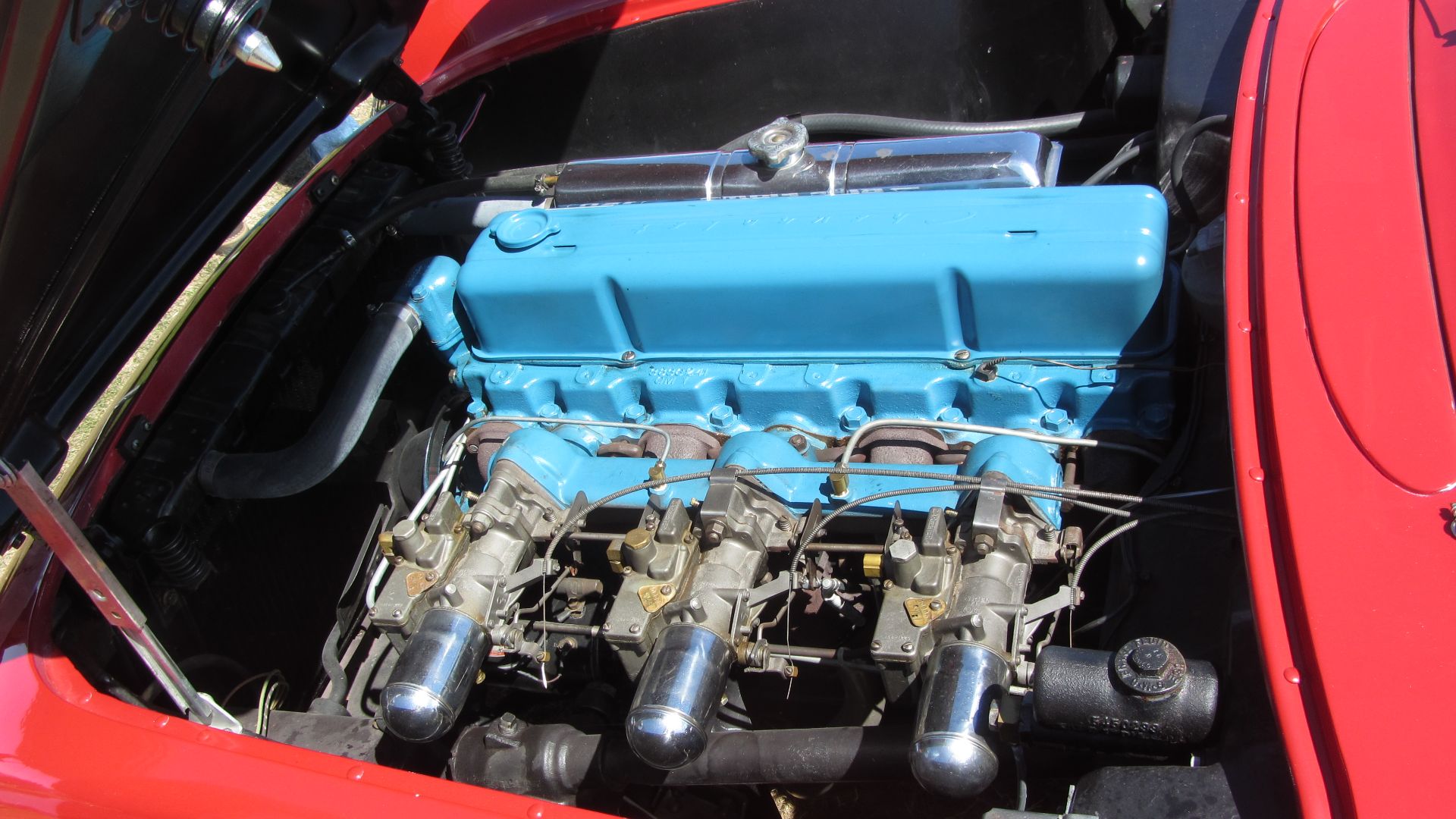
Chevrolet executives panicked when they saw the F-88 stealing attention from their struggling Corvette. Sales were already terrible because the 'Vette's six-cylinder engine disappointed performance enthusiasts. GM leadership quickly squashed any plans for F-88 production to protect Corvette's future.
 JOHN LLOYD from Concrete, Washington, United States, Wikimedia Commons
The 1955 Corvette V8 Arrives
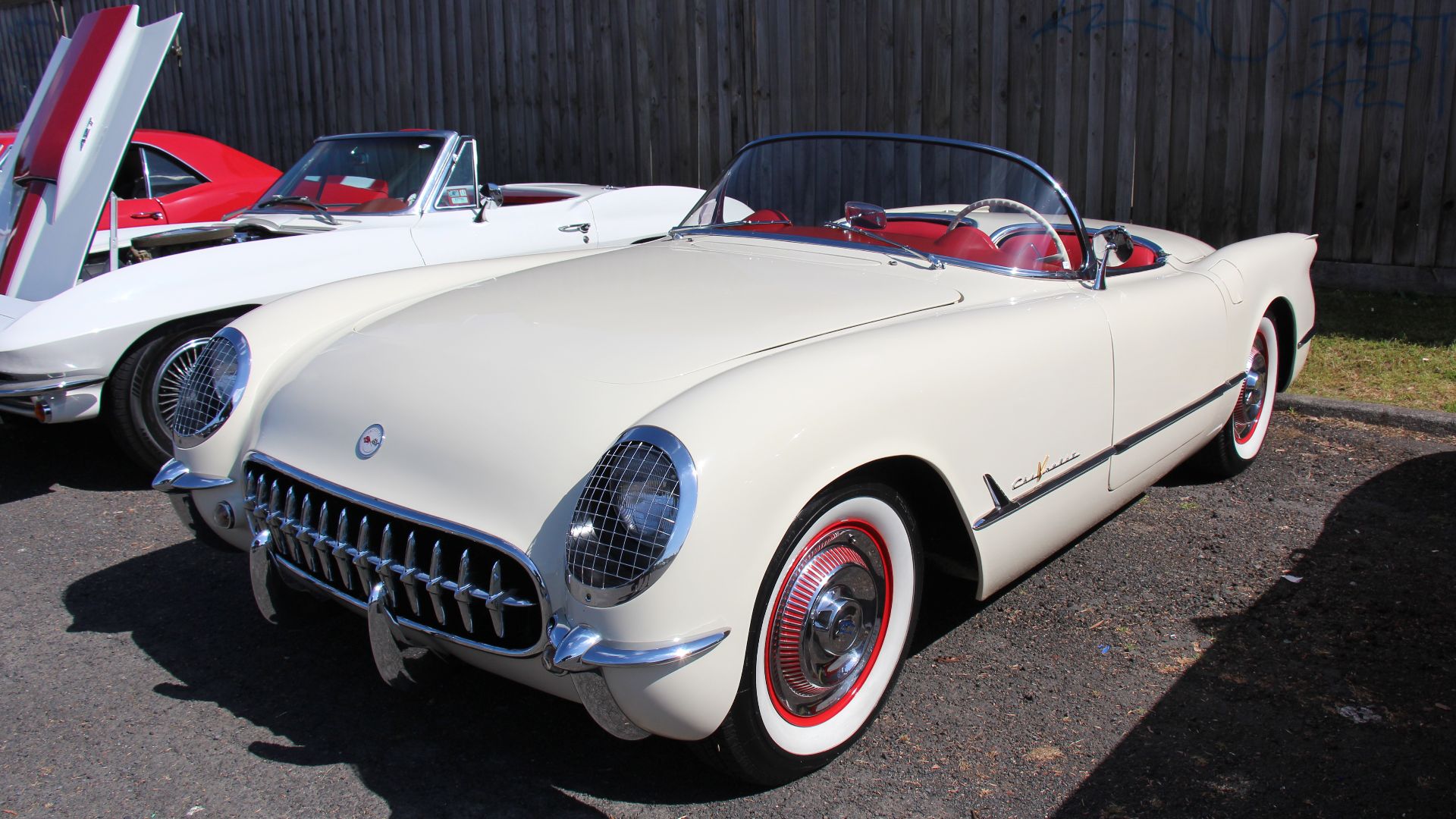
Chevrolet introduced a V8 option for the 1955 Corvette, a pivotal upgrade that rescued the model’s reputation and laid the foundation for future success. Though production remained limited that year, the new engine prevented cancellation and positioned the Corvette to compete more effectively against rivals like Ford’s Thunderbird.
E.L. Cord Takes Ownership
After GM canceled production plans, the F-88 was disassembled and ended up with E.L. Cord, a famous automotive entrepreneur. Cord had previously created his own luxury car company bearing his name. The concept passed through multiple owners over subsequent decades without proper care.
Decades Of Neglect And Decay
By the 1990s, the once-gorgeous golden concept had deteriorated badly from years of indifferent ownership. Someone finally commissioned a complete restoration to bring it back to showroom condition. The rebuild required extensive work to return the fiberglass body and mechanical components to original specifications.
The 2005 Barrett-Jackson Auction Shock
The restored F-88 rolled across the Barrett-Jackson auction block in 2005, where bidding spiraled out of control. The hammer finally fell at $3.24 million, shocking everyone in attendance. That astronomical price instantly earned the car its "Million-Dollar Oldsmobile" nickname.
Gateway Colorado Museum Home
From 2005 until 2023, the golden convertible was displayed at the Gateway Colorado Automobile Museum, where visitors could admire its jet‑age styling as part of the permanent collection. However, following its sale at Broad Arrow Auctions in Monterey in August 2023, the F‑88 left the museum and now resides in private ownership.
The Gold Car As Sole Survivor
Chassis number 2265—the gold convertible we know today—stands as the sole surviving Oldsmobile F‑88 from the original concept program. It became an irreplaceable artifact and a singular piece of American automotive history.
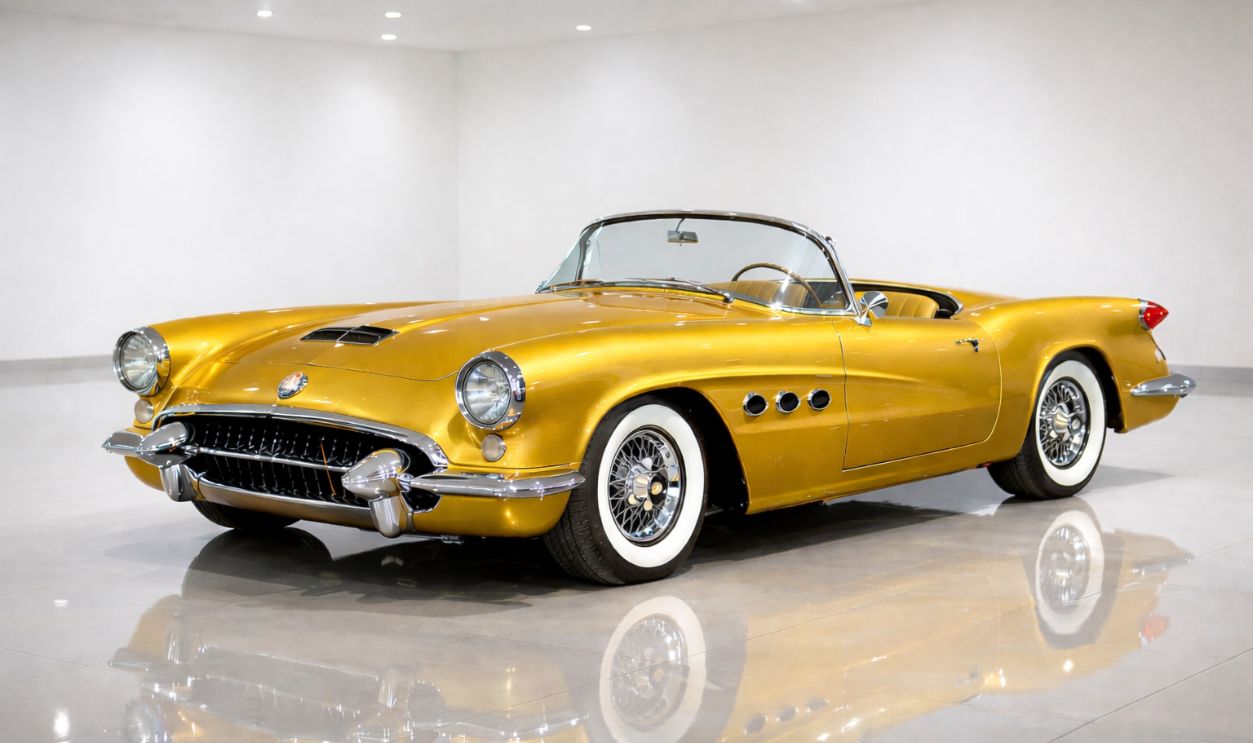
The 1957 Mark II Version
GM built a Mark II F-88 for the 1957 Motorama with updated styling reflecting late-1950s design trends. After the auto show circuit concluded, executives ordered the car completely dismantled. No explanation was given for destroying this unique concept.
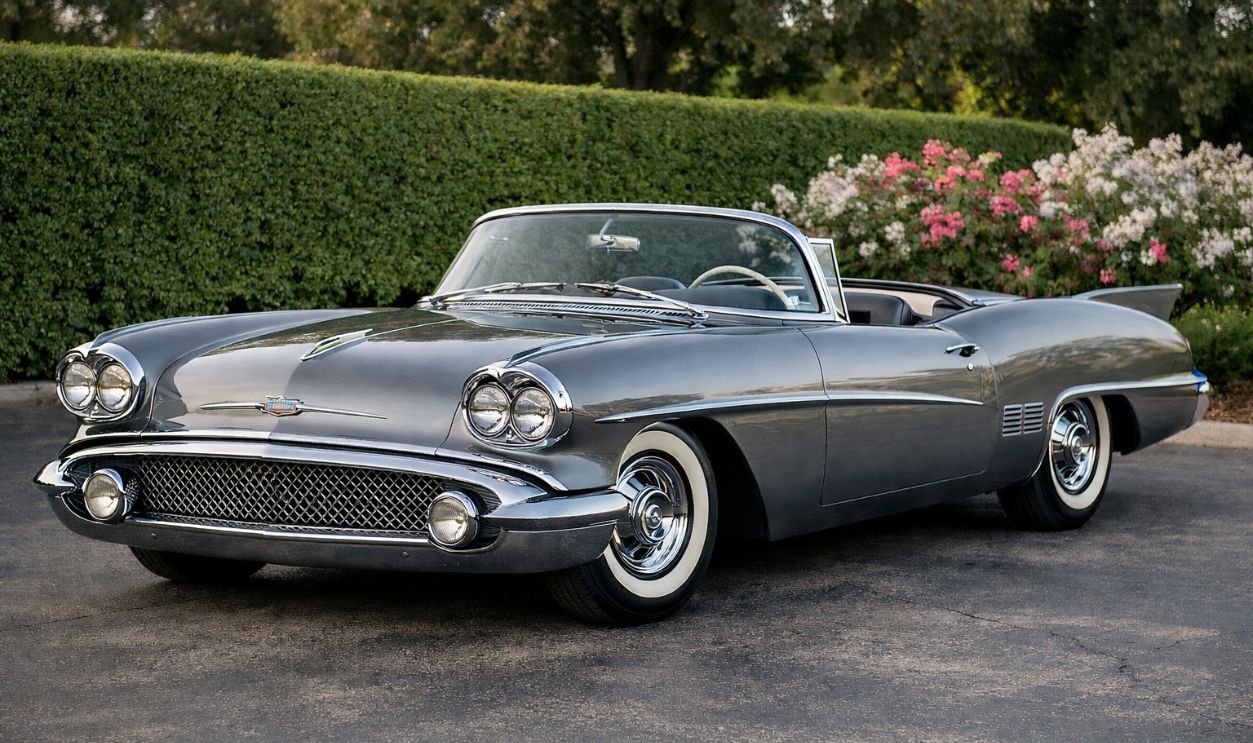
Harley Earl's Personal Mark III
A final Mark III F-88 was constructed in 1959 specifically for Harley Earl, GM's legendary design chief. Even Earl's personal connection couldn't save this version from corporate destruction orders. GM's top brass commanded its dismantling despite Earl's prominence within the company.
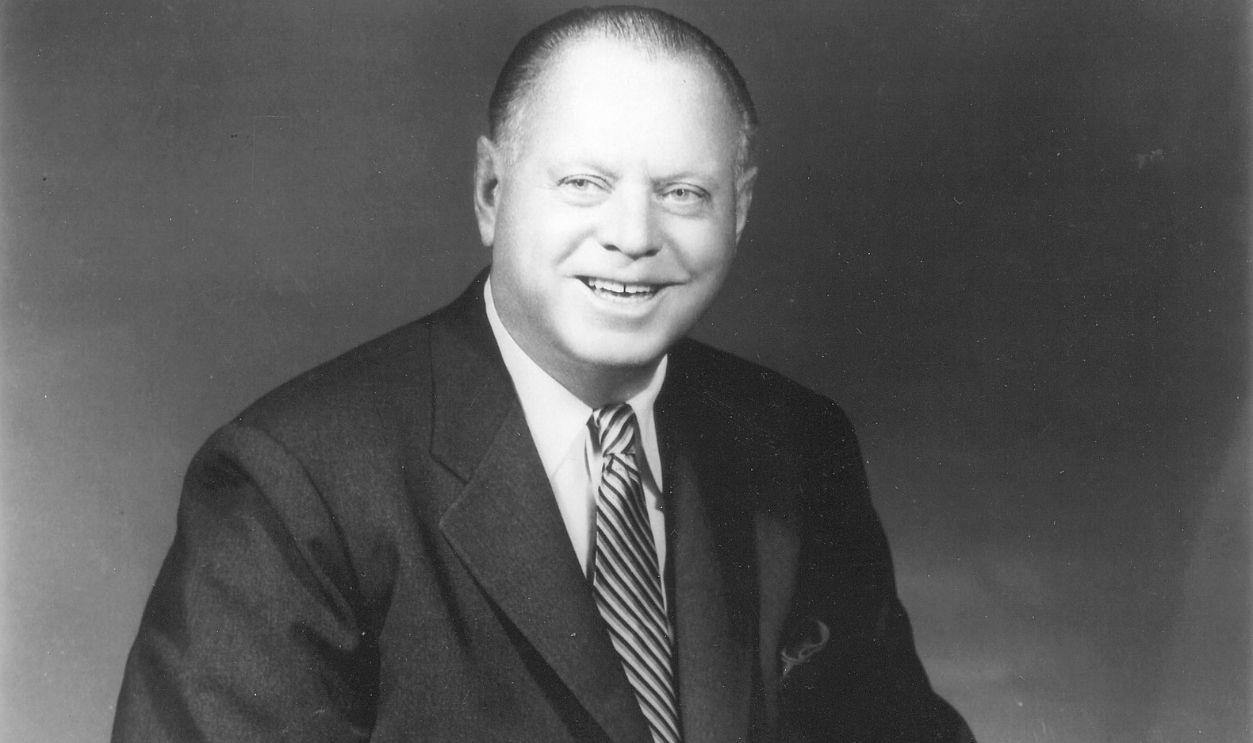
Why GM Destroyed The Concepts
Corporate paranoia about design secrets falling into competitor hands likely motivated the destruction orders. GM also wanted to avoid diluting the Corvette's market position with competing internal products. These decisions now seem tragically shortsighted given the F-88's historical significance.
 TheWxResearcher, Wikimedia Commons
The Pontiac Bonneville Special Connection
Pontiac's bubble-canopied Bonneville Special shared the F-88's fiberglass construction and Motorama debut timing. Both concepts showed GM's subsidiaries wanted to capitalize on Corvette's success. The Bonneville featured even more outrageous styling with its clear plastic canopy.
 Bob Davidson, Wikimedia Commons
Oldsmobile's High-Compression V8 Legacy
Oldsmobile had created America's first mass-production high-compression V8 back in 1949 for the Oldsmobile 88. This "Rocket" engine established the brand's performance credentials before the F-88 appeared. The Super Rocket in the F-88 descended directly from that pioneering powerplant.
 Original uploader was Zandome at en.wikipedia, Wikimedia Commons
What Could Have Been
Had GM approved F-88 production, Oldsmobile might have built a legitimate Corvette competitor through the late 1950s. The brand could have established itself in the sports car market decades earlier. Instead, Oldsmobile stuck with sedans until the muscle car era arrived.
 Unknown authorUnknown author, Wikimedia Commons
The F-88's Lasting Influence
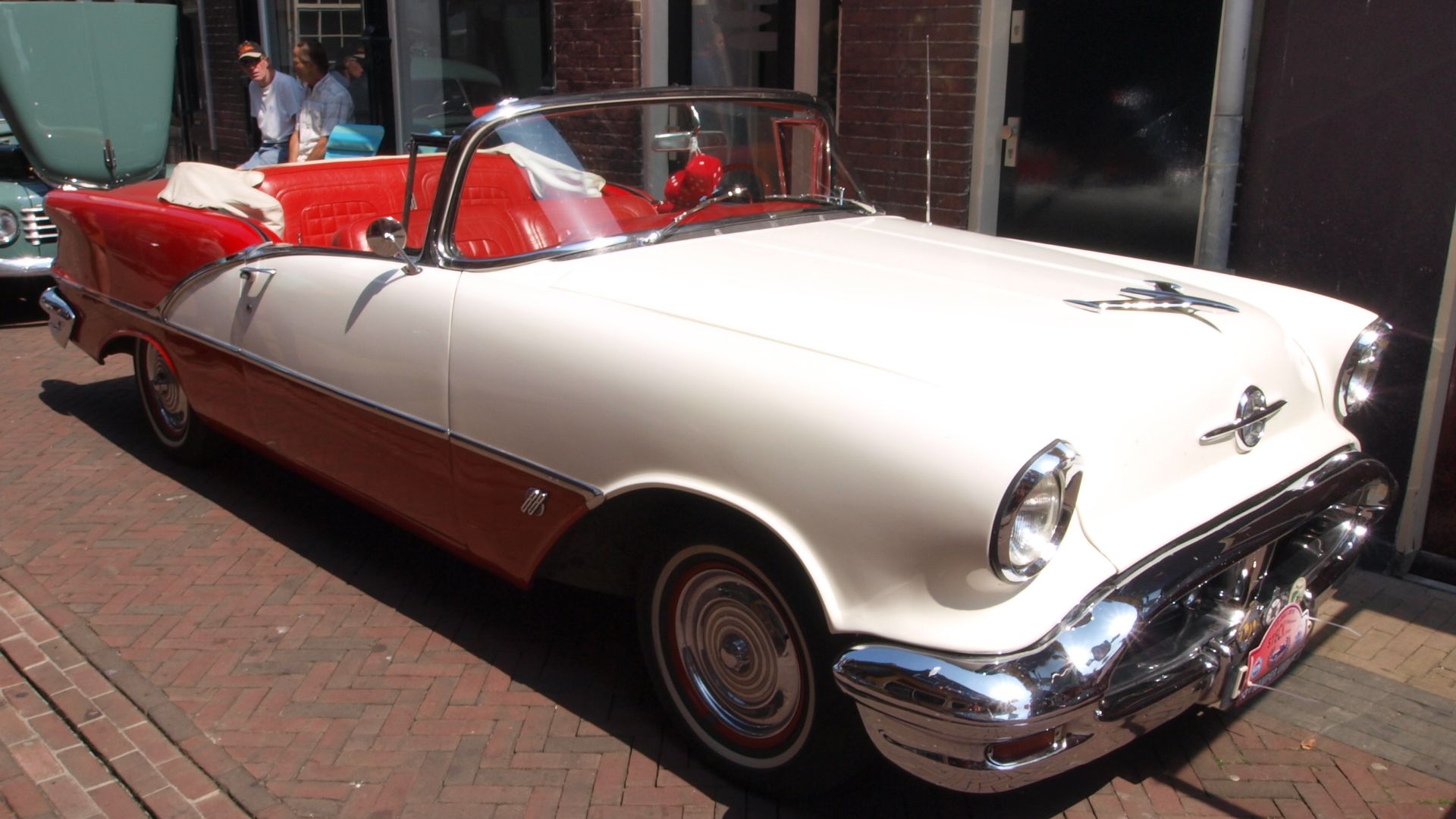
Despite never reaching production, the F-88 demonstrated that any GM brand could potentially build compelling sports cars. Its jet-age styling influenced Oldsmobile designs throughout the remainder of the 1950s. The concept proved American automakers could create beautiful two-seaters when they tried.
 Alf van Beem, Wikimedia Commons