
Customization Game Changers
There's no instruction manual for turning a regular car into a showstopper. The builders behind these machines operate on instinct, passion, and countless hours of trial and error. Their finished products represent automotive rebellion at its finest.
 Follow the lead of the experienced and take the first step, Wikimedia Commons, Modified
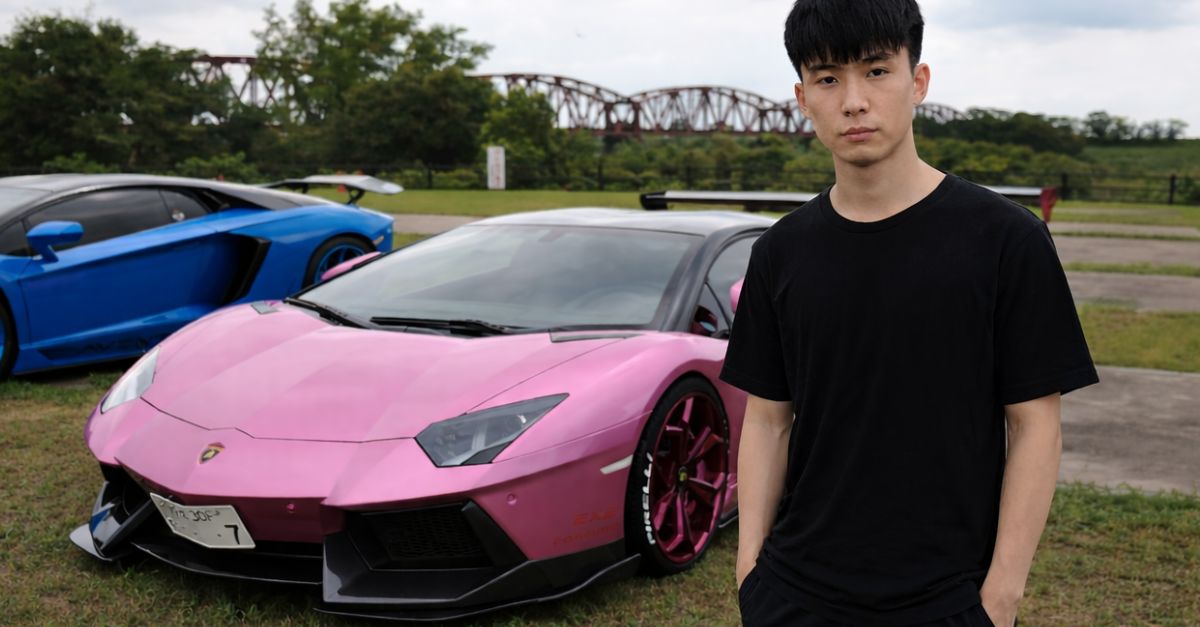
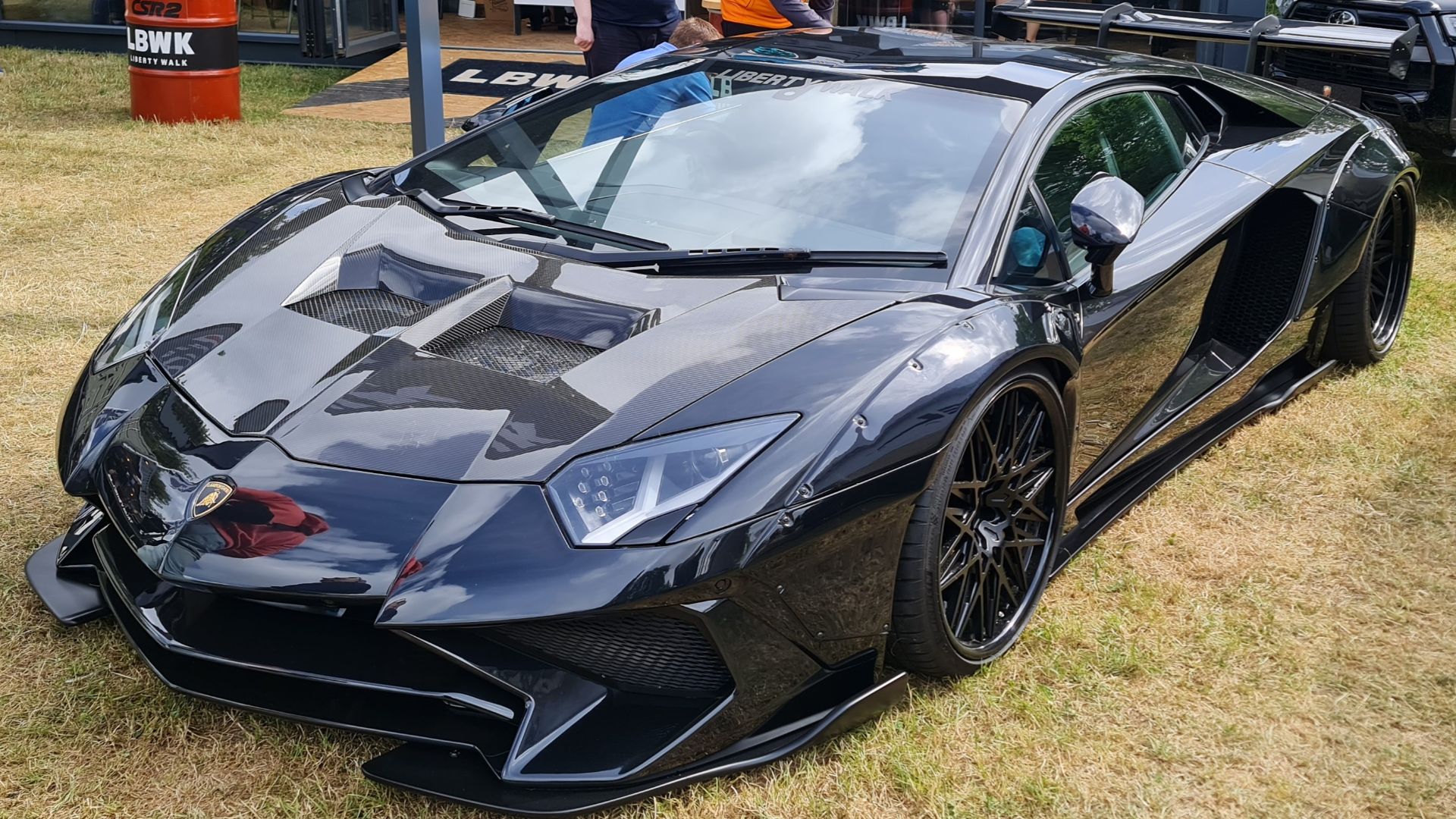
Liberty Walk Lamborghini Aventador
Japanese tuning house Liberty Walk converted the already-aggressive Lamborghini Aventador into an absolute widebody monster by adding 30mm to each front fender and a massive 70mm to the rear. Available in FRP (fiberglass reinforced plastic) or premium CFRP (carbon fiber reinforced plastic), these kits come complete with full aero packages.
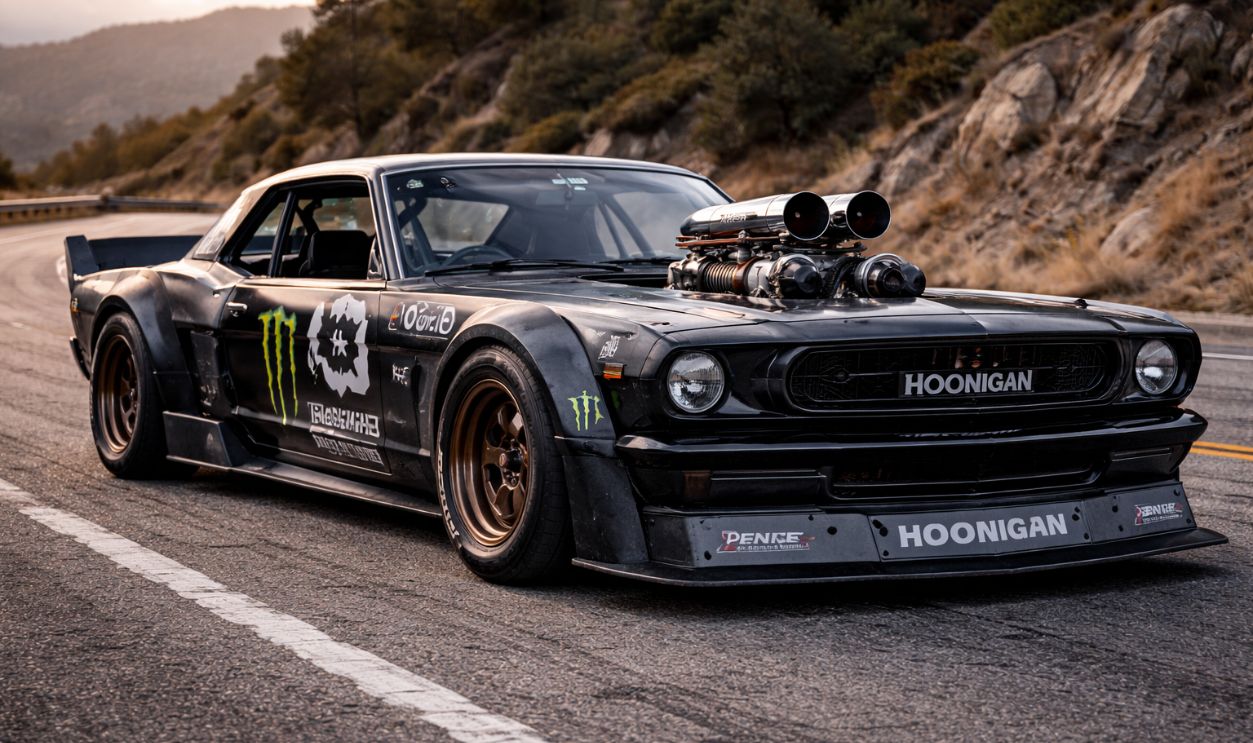
Ken Block's Hoonicorn Mustang
Did you know this one started life as a 1965 Ford Mustang notchback? The machine evolved into something entirely different through a custom tubular frame and an all-wheel-drive system that defied traditional muscle-car architecture. That original naturally aspirated 6.7L Roush-Yates V8 pumped out 845 horsepower.
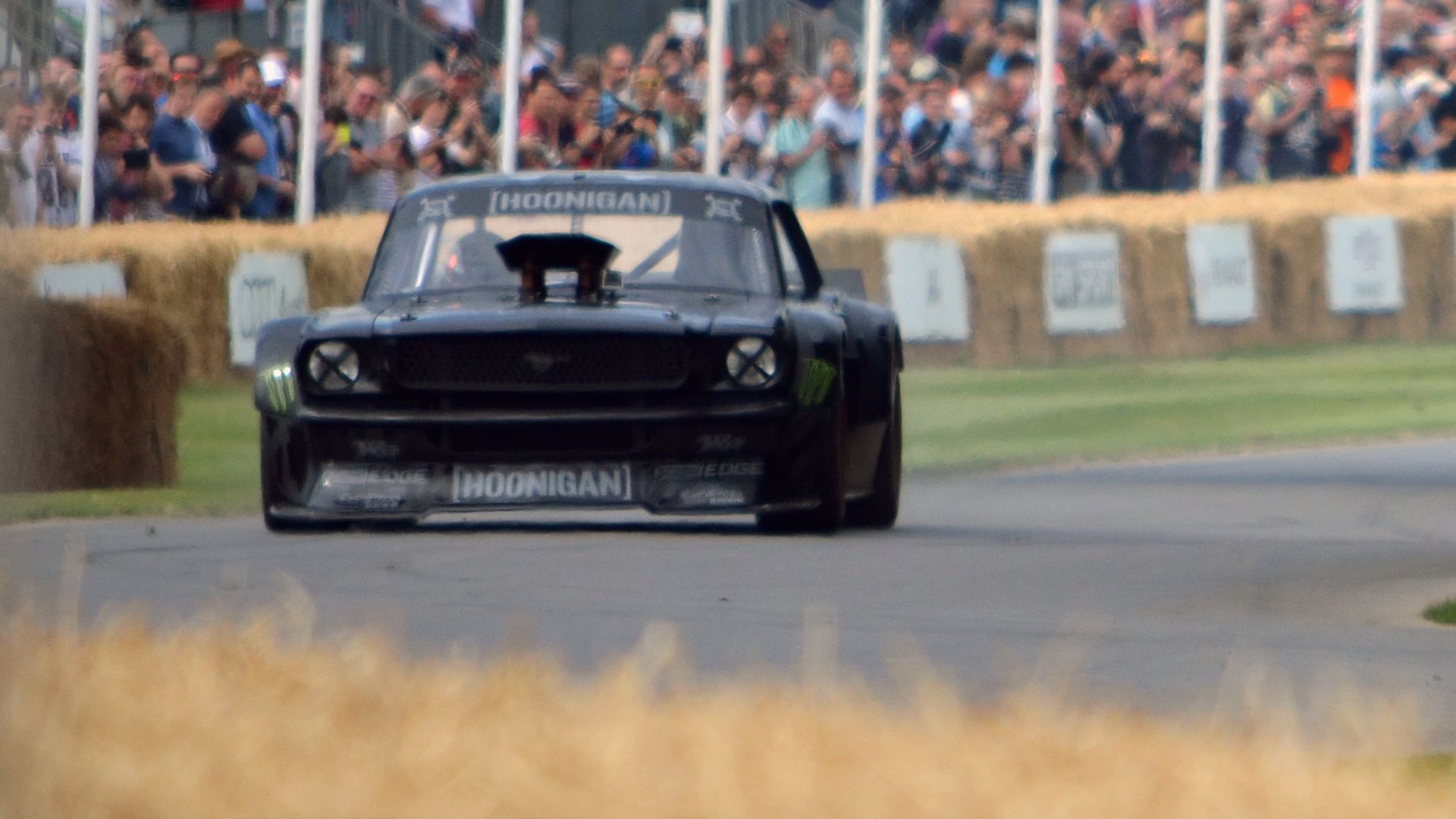
Ken Block's Hoonicorn Mustang (Cont.)
Yes, this seemed insane until the V2 upgrade arrived with twin turbos and methanol fuel, catapulting output to 1,400 horsepower and 1,250 lb-ft of torque. Designed specifically for Gymkhana videos, the car earned its "Hoonicorn" nickname as a secret project.
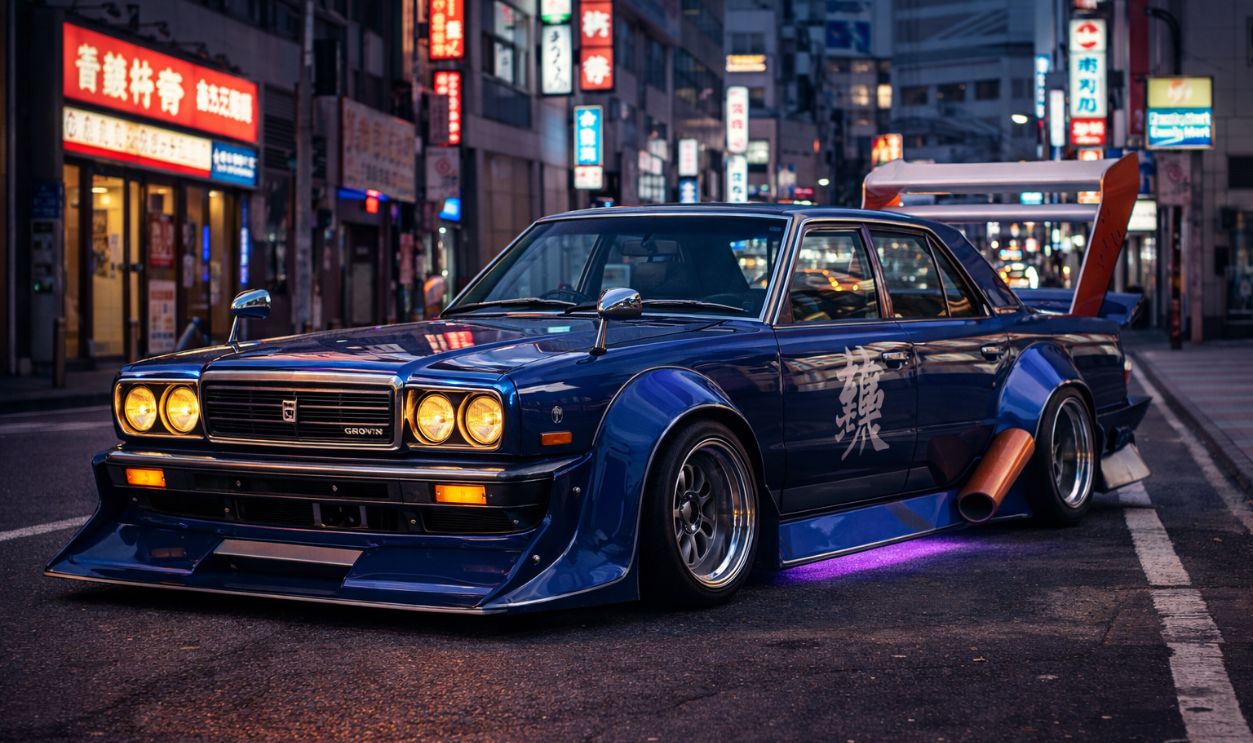
Bosozoku-Style Toyota Crown
Bosozoku-style Toyota Crowns feature exaggerated body kits, massive rear wings, and intentionally loud aesthetics. The Toyota Crown itself carries a serious pedigree as one of Toyota's longest-running nameplates, rolling off production lines continuously since 1955 as a luxury executive sedan.
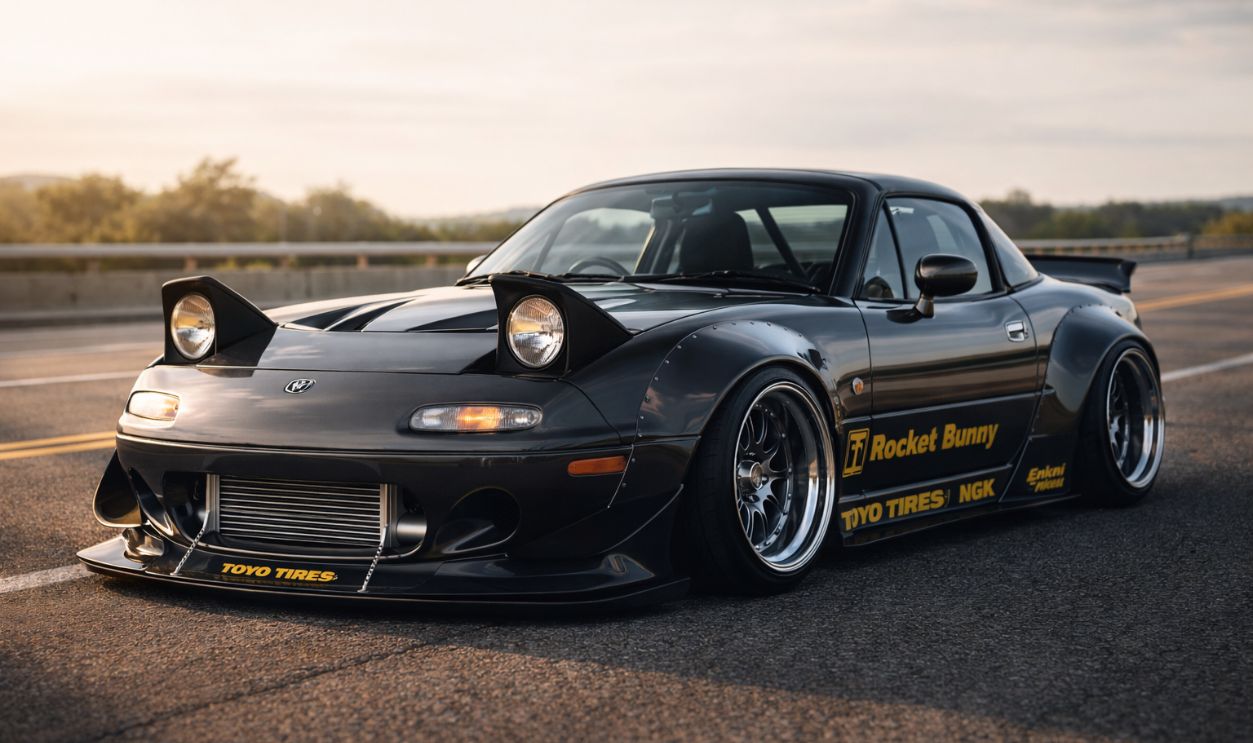
Rocket Bunny Mazda RX-7
This ride’s signature Pandem widebody kits deliver aggressive fender flares that completely turn the FC (1985–1991) or FD (1992–2002) RX-7 generations into stance-focused showpieces. The style emphasizes Japanese tuning culture with functional aero and suspension setups designed to plant these rotary-powered legends firmly on the pavement.
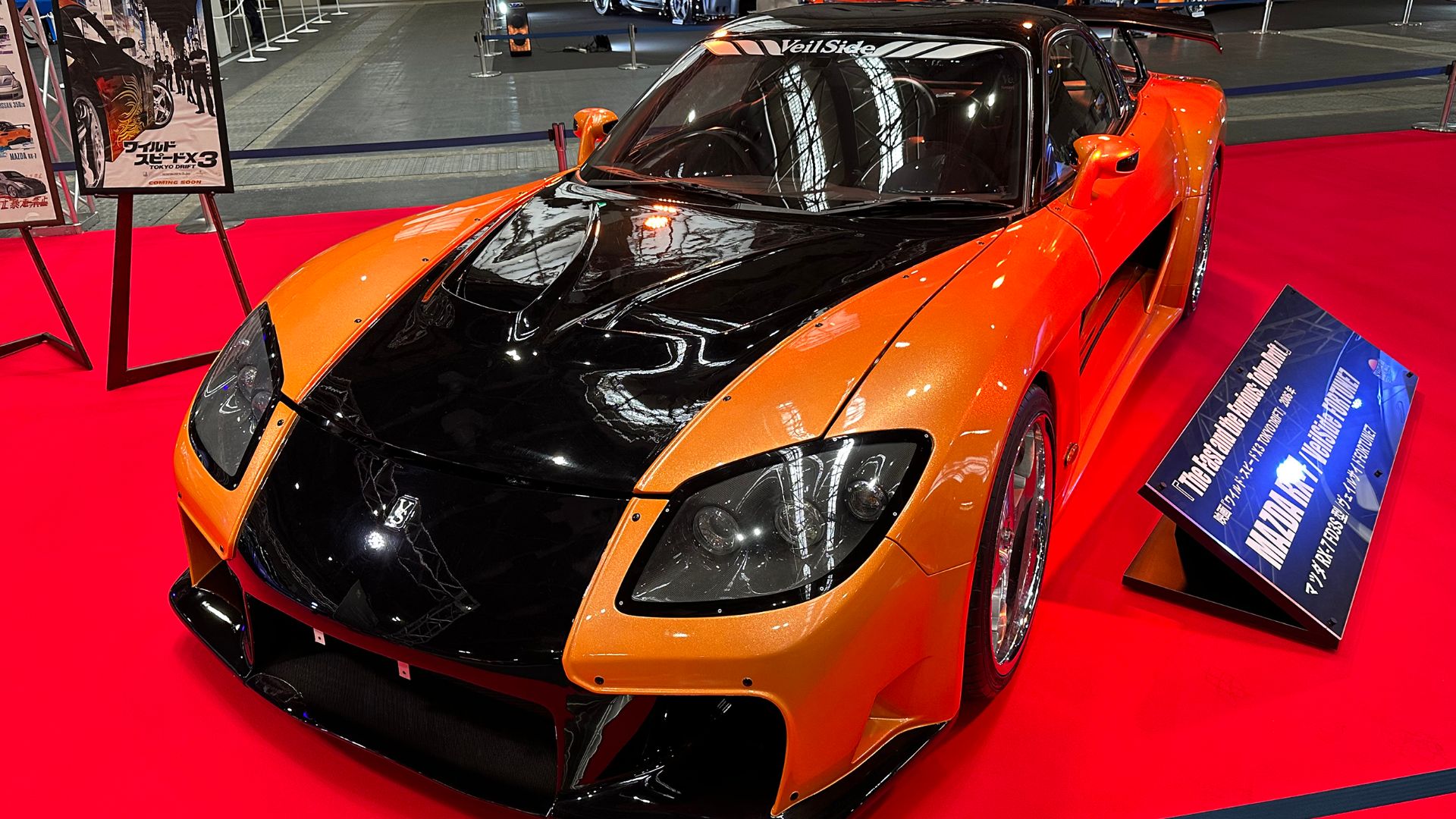
Veilside Fortune Mazda RX-7
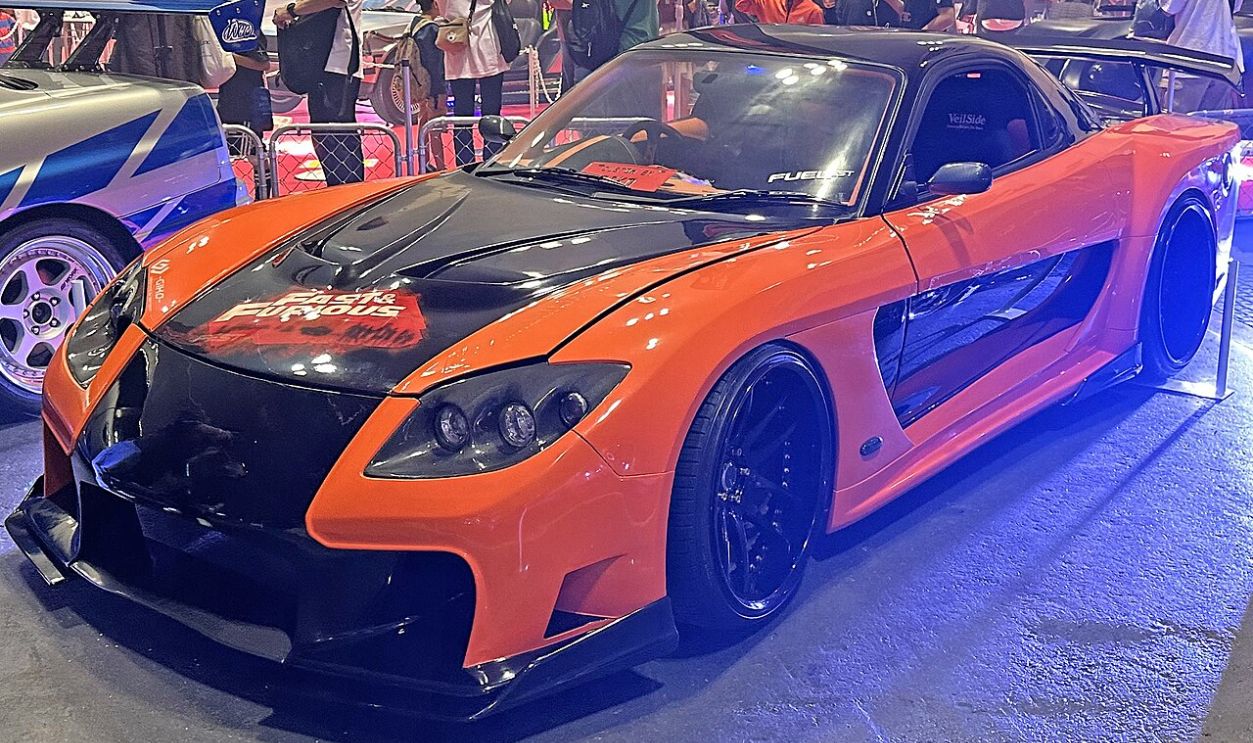
That infamous 1997 Mazda RX-7 FD wearing the Veilside Fortune widebody kit achieved instant icon status as Han's car in The Fast and the Furious: Tokyo Drift, but its story began long before Hollywood came calling. It was originally built as a show vehicle by Veilside Japan.
 Tokumeigakarinoaoshima, Wikimedia Commons
Veilside Fortune Mazda RX-7 (Cont.)
Performance modifications include an HKS turbo bolted to the 13B rotary engine and a Veilside titanium exhaust system that gave it the proper soundtrack. One of the movie cars was later sold at auction for over $1 million, cementing its status as one of the most valuable pieces of Fast & Furious memorabilia.
 Tokumeigakarinoaoshima, Wikimedia Commons
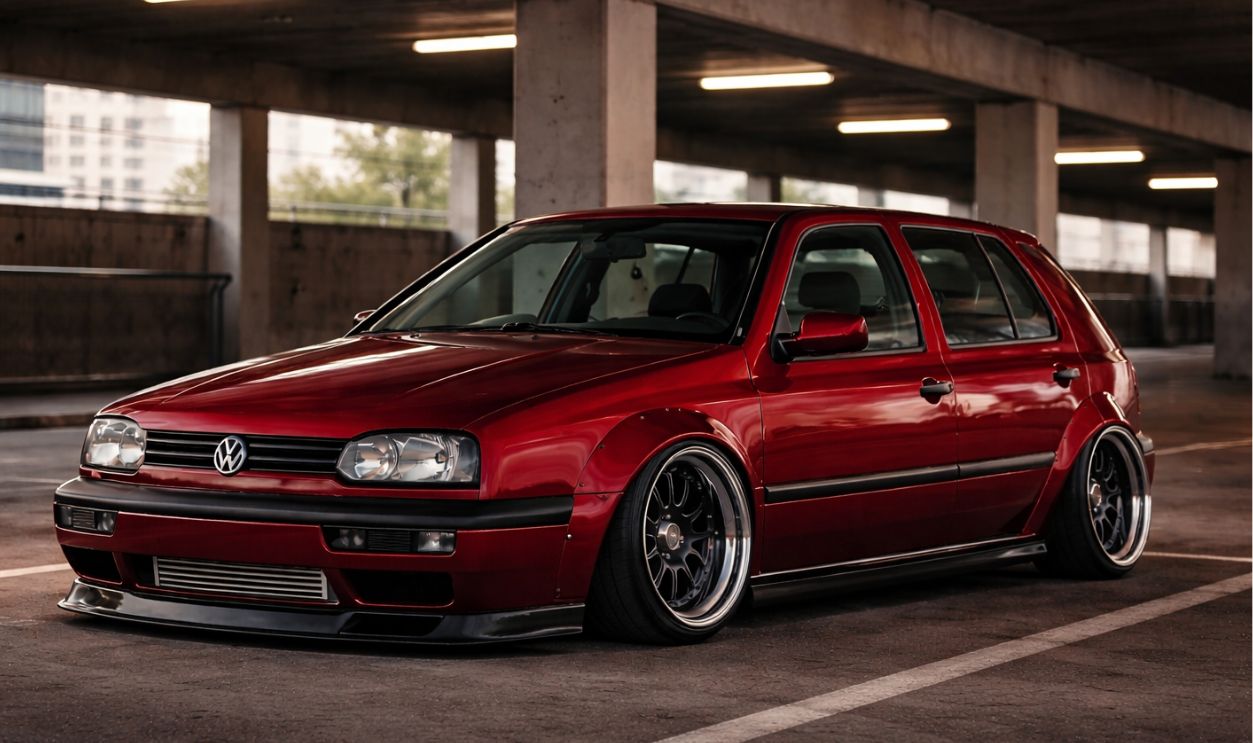
Slammed Air-Ride Volkswagen Golf
Air-ride suspension systems like the Air Lift Performance Slam Series allow Volkswagen Golfs to drop up to 5–6 inches. Common on Mk4 through Mk7 generations, these builds combine the slammed stance aesthetic with adjustable ride height that maintains actual drivability, often enhanced with widebody elements.
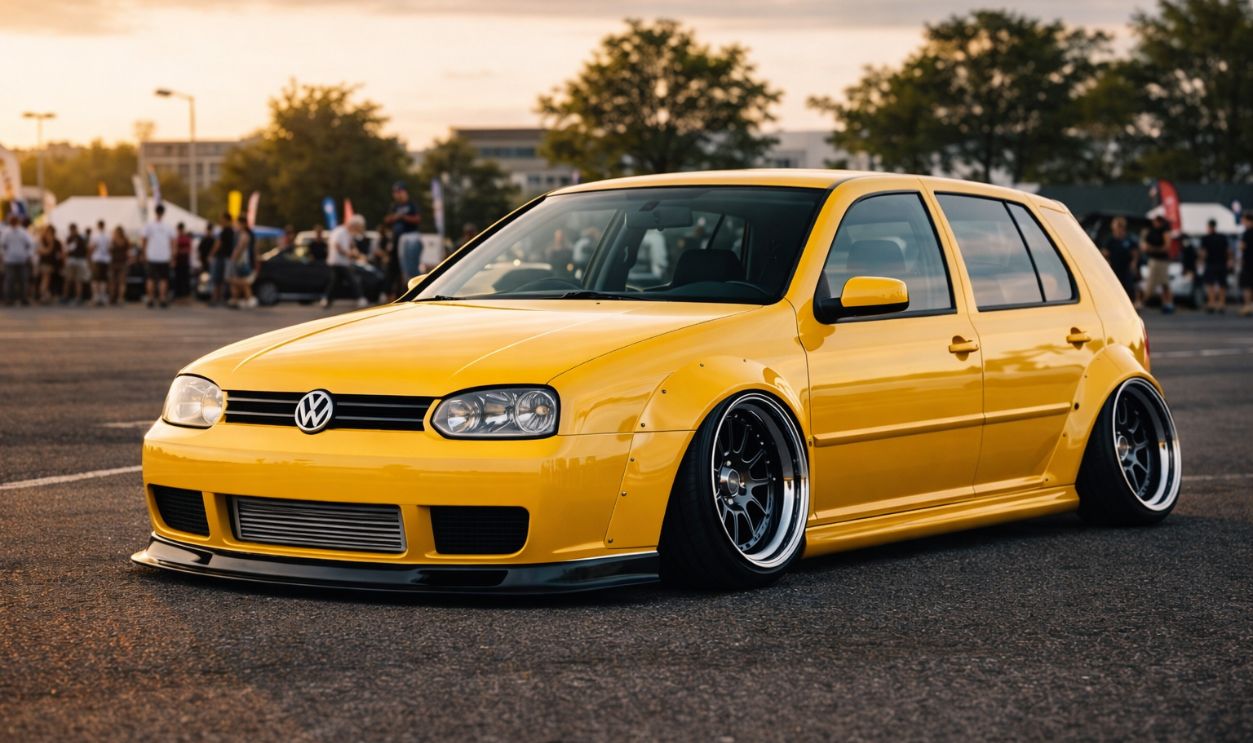
Slammed Air-Ride Volkswagen Golf (Cont.)
The genius of air-ride technology is that owners can "air out" to literally scrape the ground when parked at shows, then raise the suspension back up for normal driving without the permanent compromises of static lowering. This turns everyday Golfs into dramatic rolling sculptures.
Pro-Touring 1967 Camaro
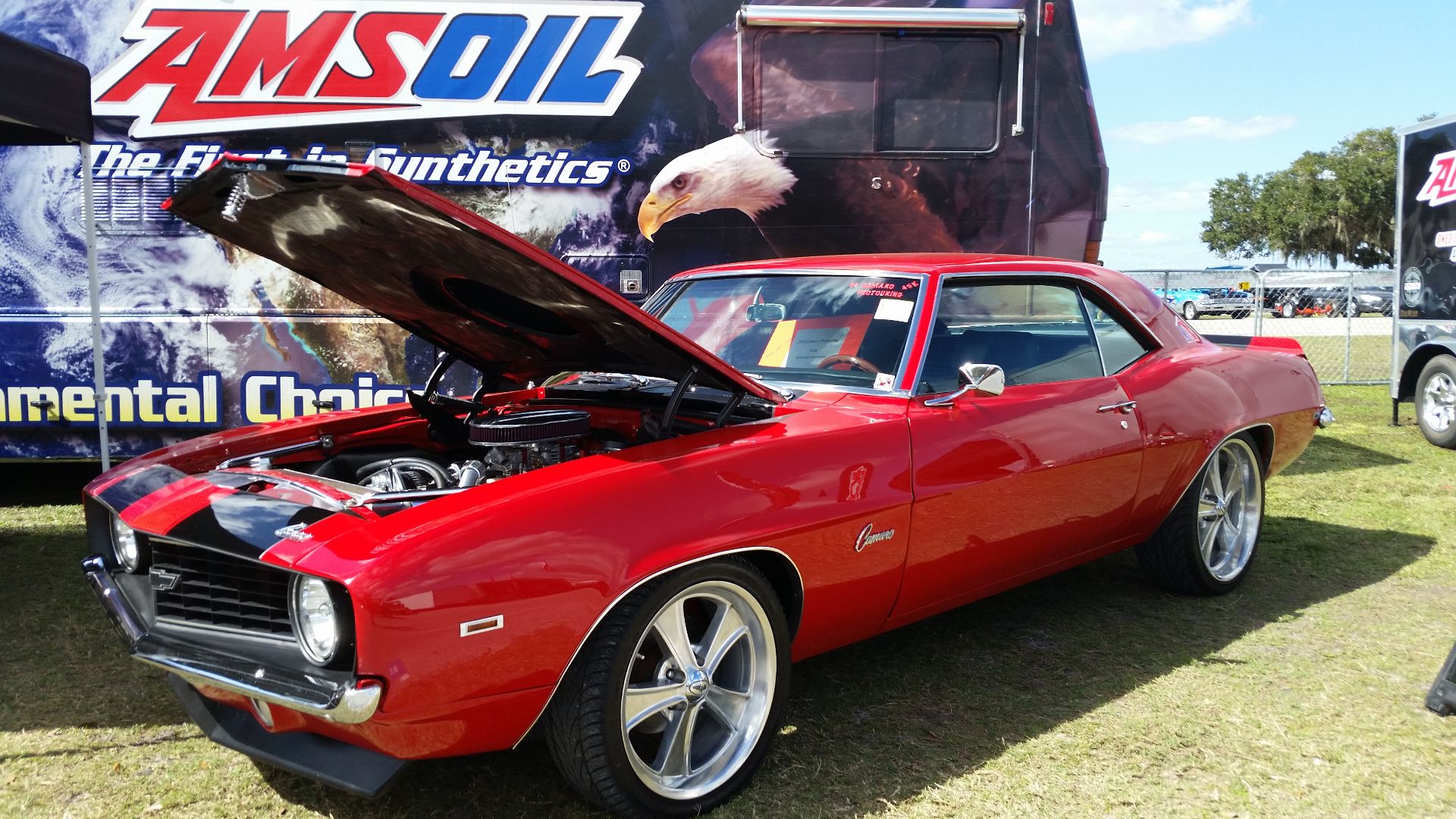
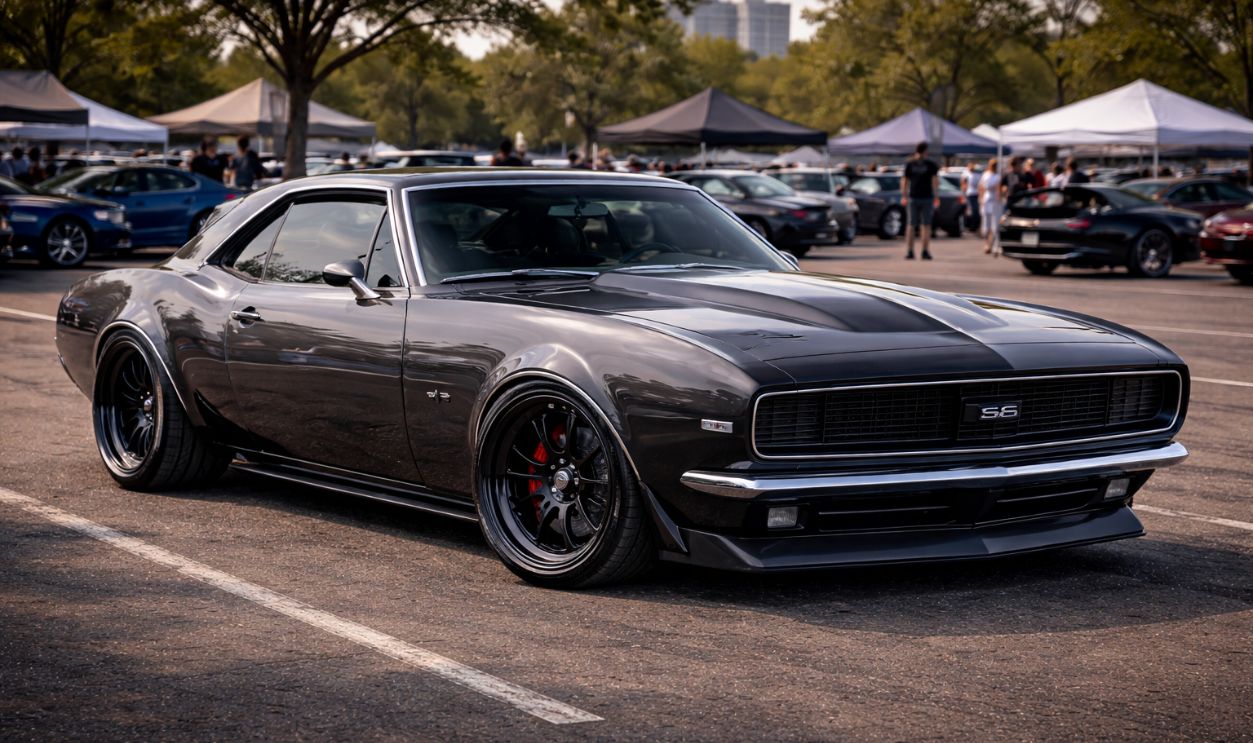
Apparently, the 1967 Camaro marked the first year of production for Chevrolet's Mustang-killer, offering RS packages with hidden headlights and SS performance variants. Pro-Touring builds modernize these classics with upgraded suspension from companies like Detroit Speed, massive brakes, and modern powerplants like LS swaps.
 Michel Curi, Wikimedia Commons
Pro-Touring 1967 Camaro (Cont.)
Many builds showcase mini-tubbed rear ends to accommodate wider performance tires, blending vintage muscle car aesthetics with contemporary handling dynamics. The name "Camaro" famously has no official meaning—when pressed, Chevrolet playfully claimed it was a “small, vicious animal that eats Mustangs”.
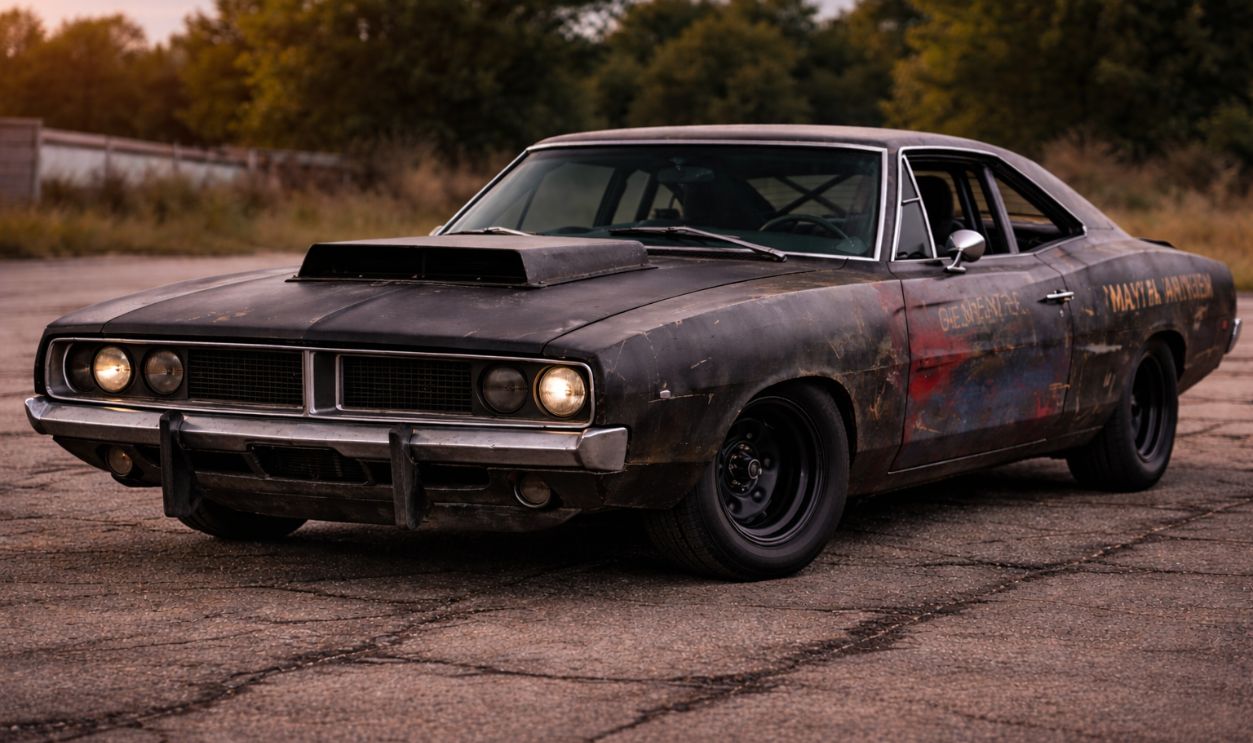
1968 Dodge Charger "General Mayhem"
When Roadkill hosts David Freiburger and Mike Finnegan decided to cram a supercharged 6.2L Hellcat Hemi engine into this beast, they weren't just building another project car. They were creating automotive history as one of the first Hellcat-swapped vehicles ever.
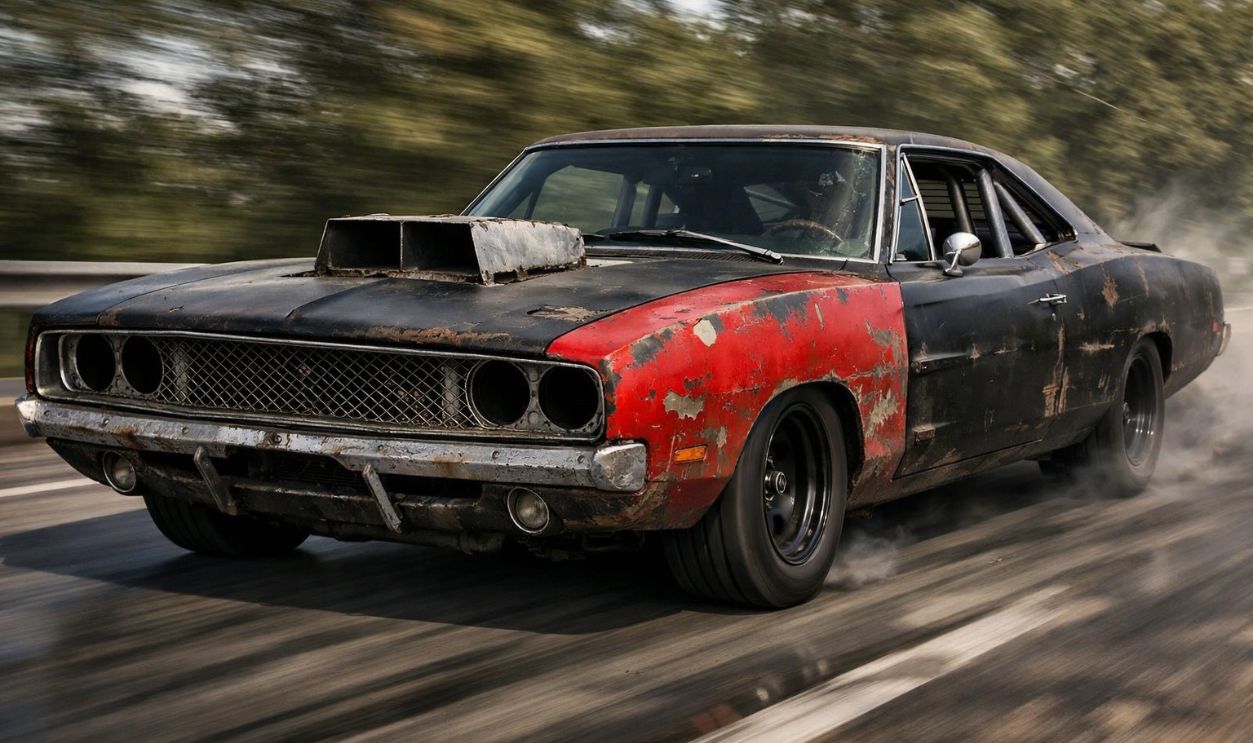
1968 Dodge Charger "General Mayhem" (Cont.)
The 707-horsepower monster tore down the quarter-mile in just 10.66 seconds at 126 mph. This car's journey didn't end with the build, though. After selling it, Freiburger couldn't shake his attachment to what he calls his favorite Roadkill creation, eventually buying it back because of its wild evolution.
Donk-Style 1971 Chevrolet Caprice
Originating in the 1990s hip-hop and car culture, Donk style brings to us 1971–1976 Chevrolet Caprices and Impalas with extremely tall wheels measuring 26 inches or larger. These builds prioritize hydraulic suspensions, candy paint finishes, and extravagant interiors over traditional performance metrics.
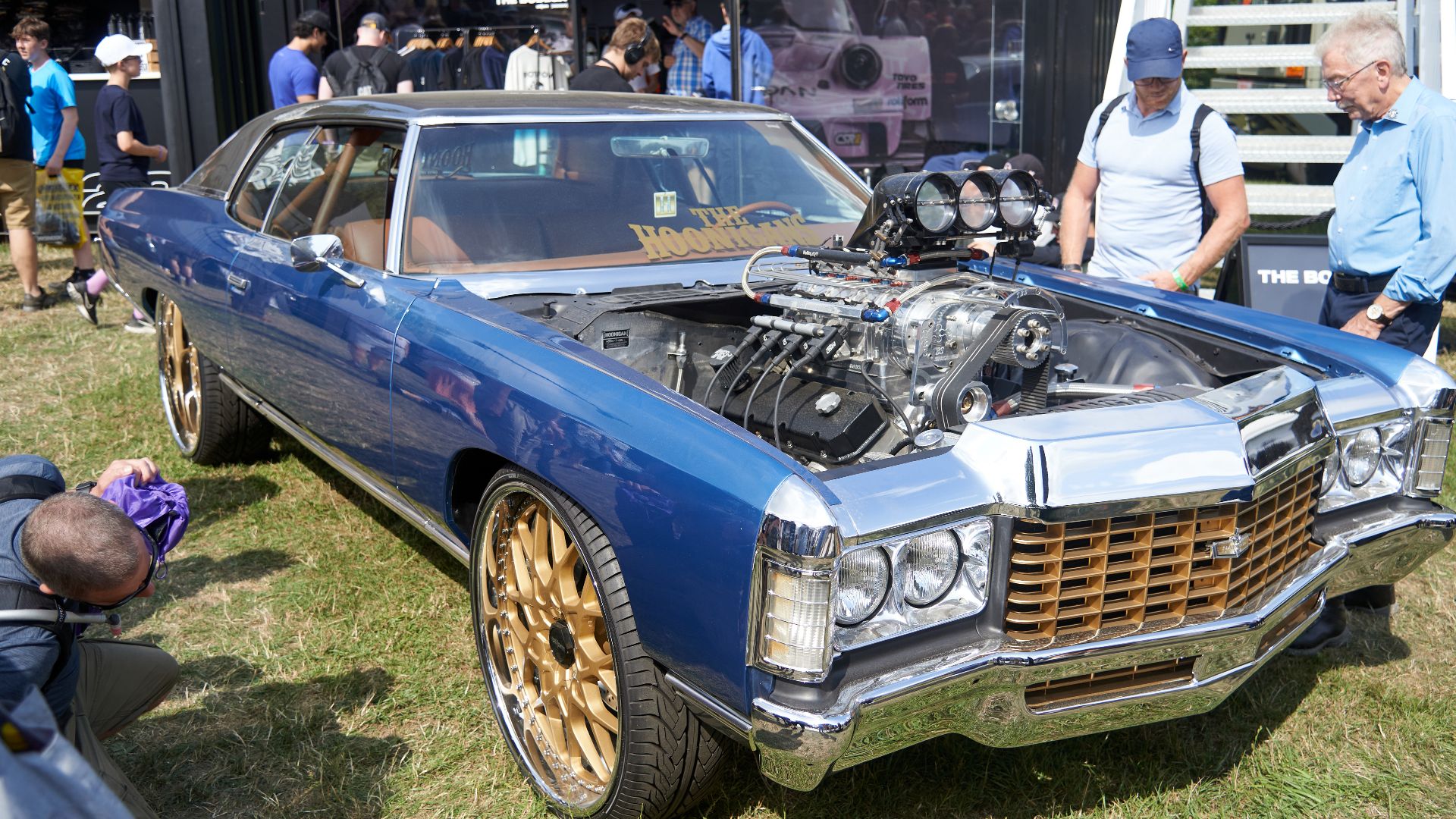 Andrew Basterfield, Wikimedia Commons
Rat Rod Ford Model A
Rat rods deliberately choose raw, unfinished aesthetics—rust, patina, exposed mechanics, and intentionally rough surfaces—as a rebellion against polished show rods. The Ford Model A, produced from 1928 to 1931 as the successor to the iconic Model T, sold over 4 million units and became a hot rod staple.
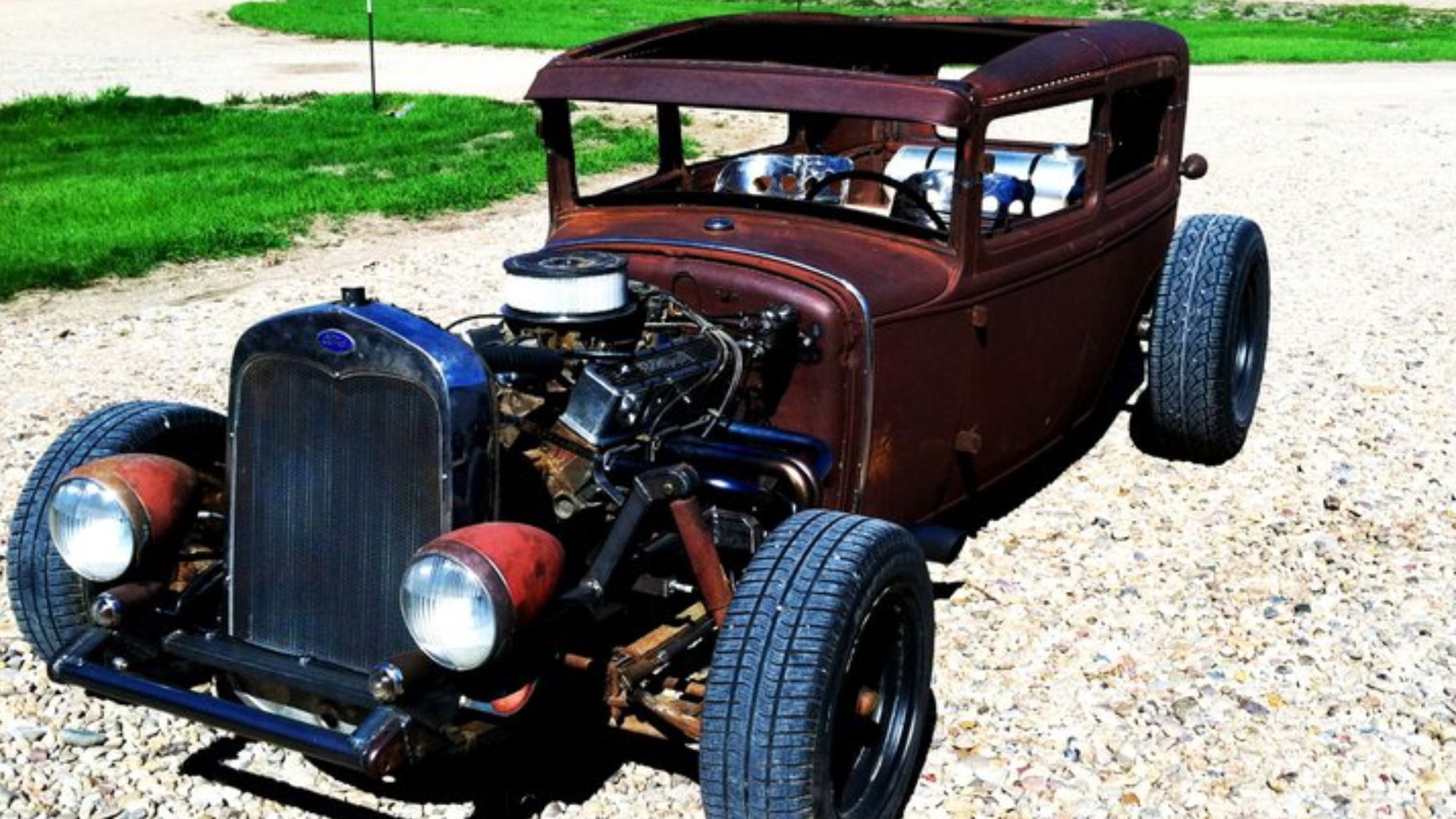 Mrhorrible666, Wikimedia Commons
Nissan GT-R R35
The twin-turbo VR38DETT V6 and all-wheel-drive system that made the R35 GT-R a factory beast since 2007 proved to be just the starting point for tuners worldwide. With massive turbos, forged internals, and E85 or methanol fuel, 2,000+ horsepower builds have become almost commonplace in the tuning scene.
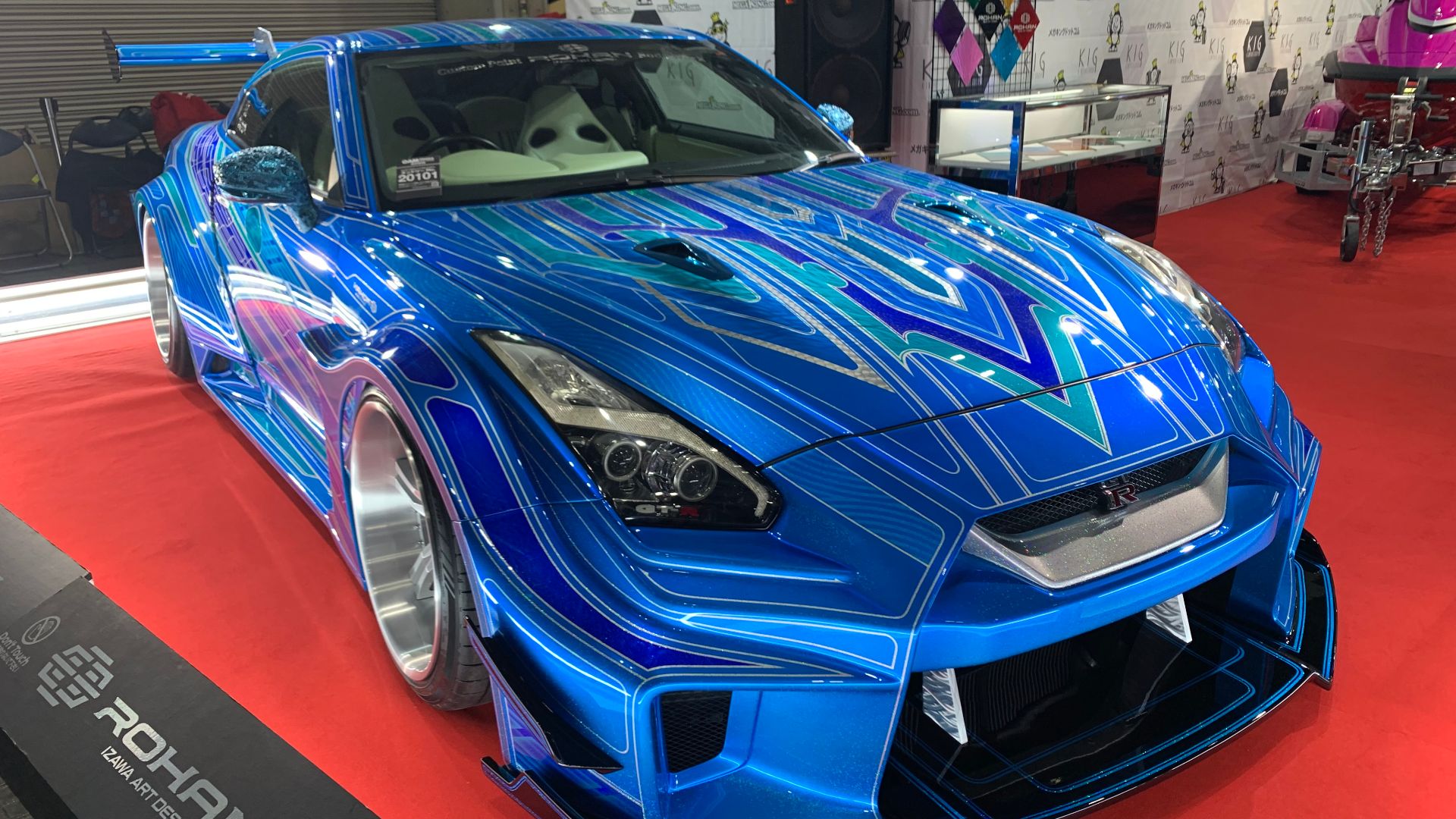 765 Yocchan 765, Wikimedia Commons
Nissan GT-R R35 (Cont.)
Nicknamed "Godzilla" for its track-dominating performance, the R35 has evolved into a drag racing and roll racing weapon that challenges the laws of physics. Stock GT-Rs were already formidable performers, but 2,000-horsepower versions accelerate so violently they redefine what all-wheel-drive traction can accomplish.
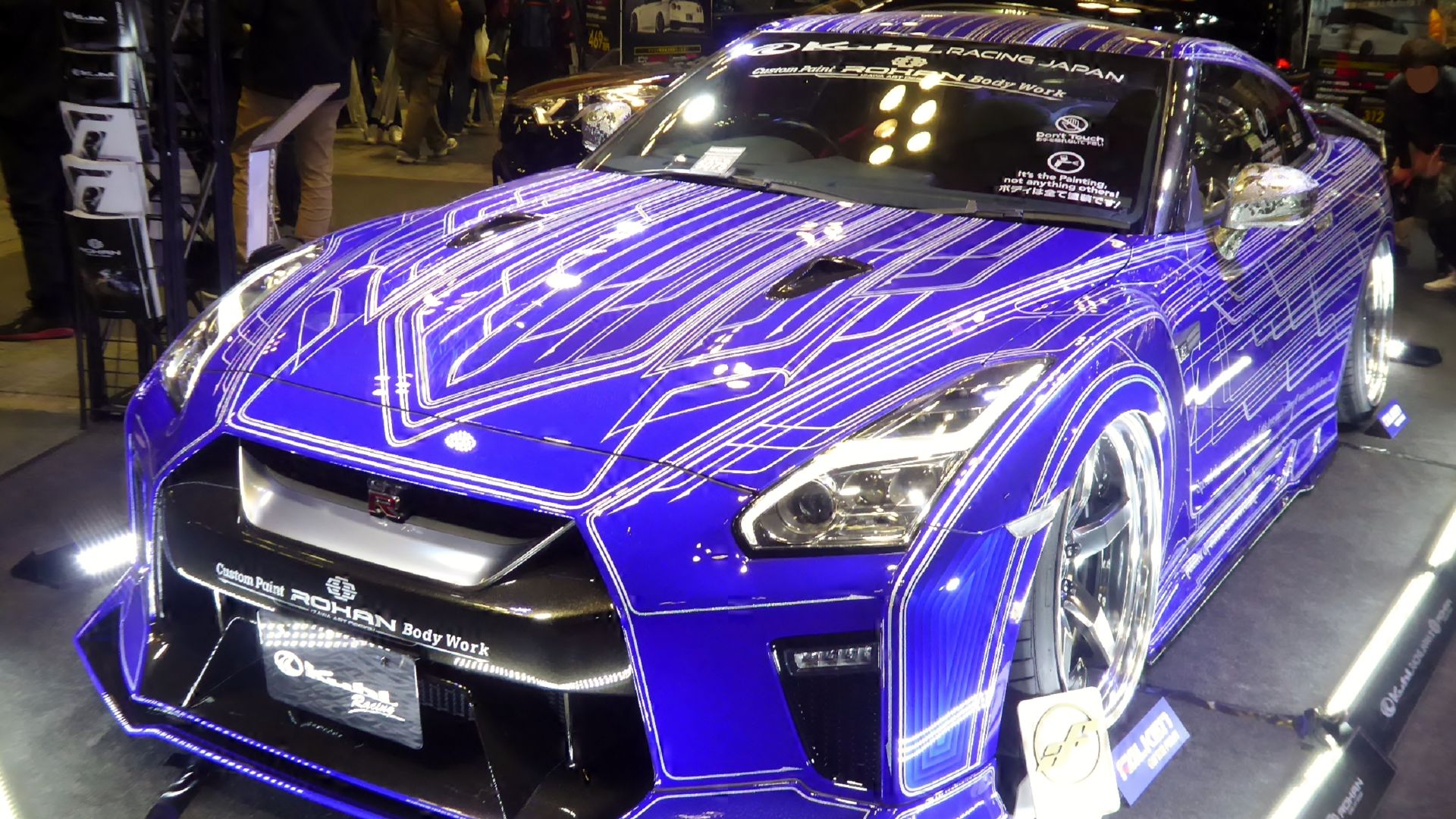 Tokumeigakarinoaoshima, Wikimedia Commons
Cyberpunk-Themed Tesla Model S
Neon-lit dystopian futurism inspired by films like Blade Runner converts the Tesla Model S into rolling sci-fi art through cyberpunk-themed modifications. Custom wraps, RGB lighting systems, aggressive aero packages, and lowered stances turn Tesla's flagship sedan into something straight out of a futuristic movie set.
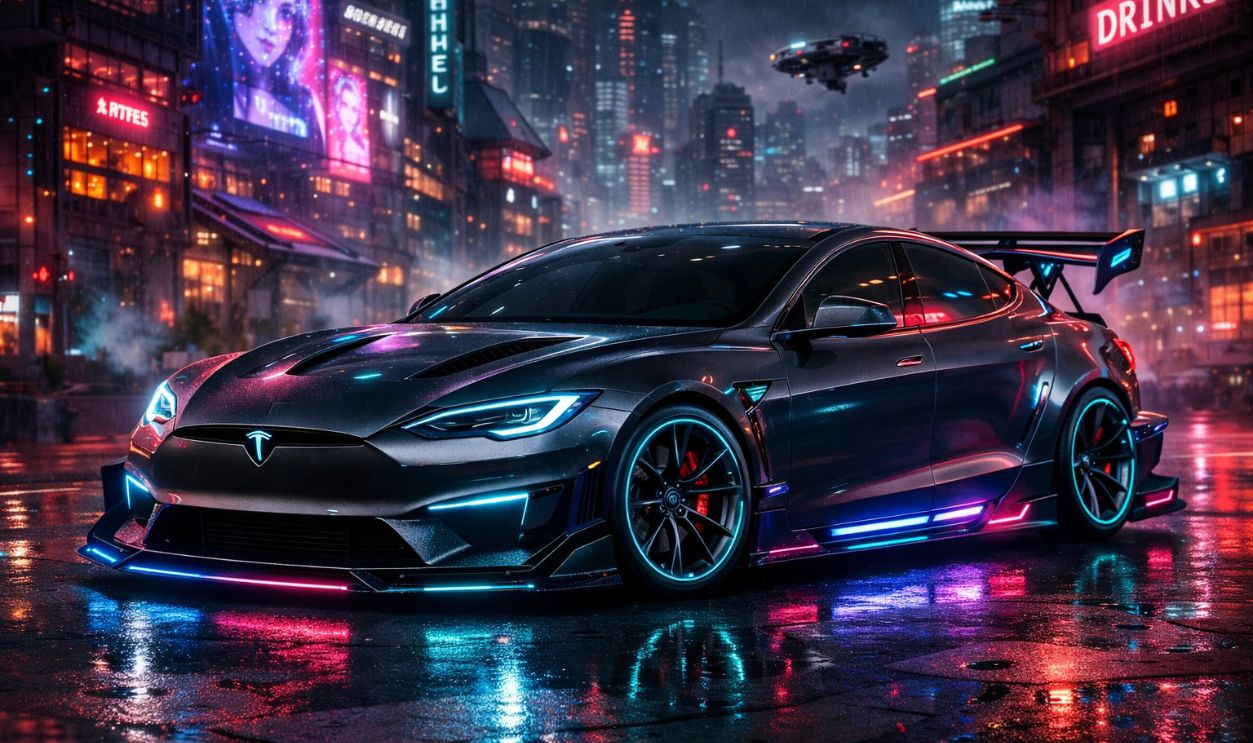
Cyberpunk-Themed Tesla Model S (Cont.)
Widebody kits, air suspension, and holographic or glowing accents create the cyberpunk aesthetic, with some builders incorporating Plaid versions that deliver over 1,000 horsepower stock. The result is silent electric vehicles that "whoosh" past with insane speed while looking like they've materialized from 2077.
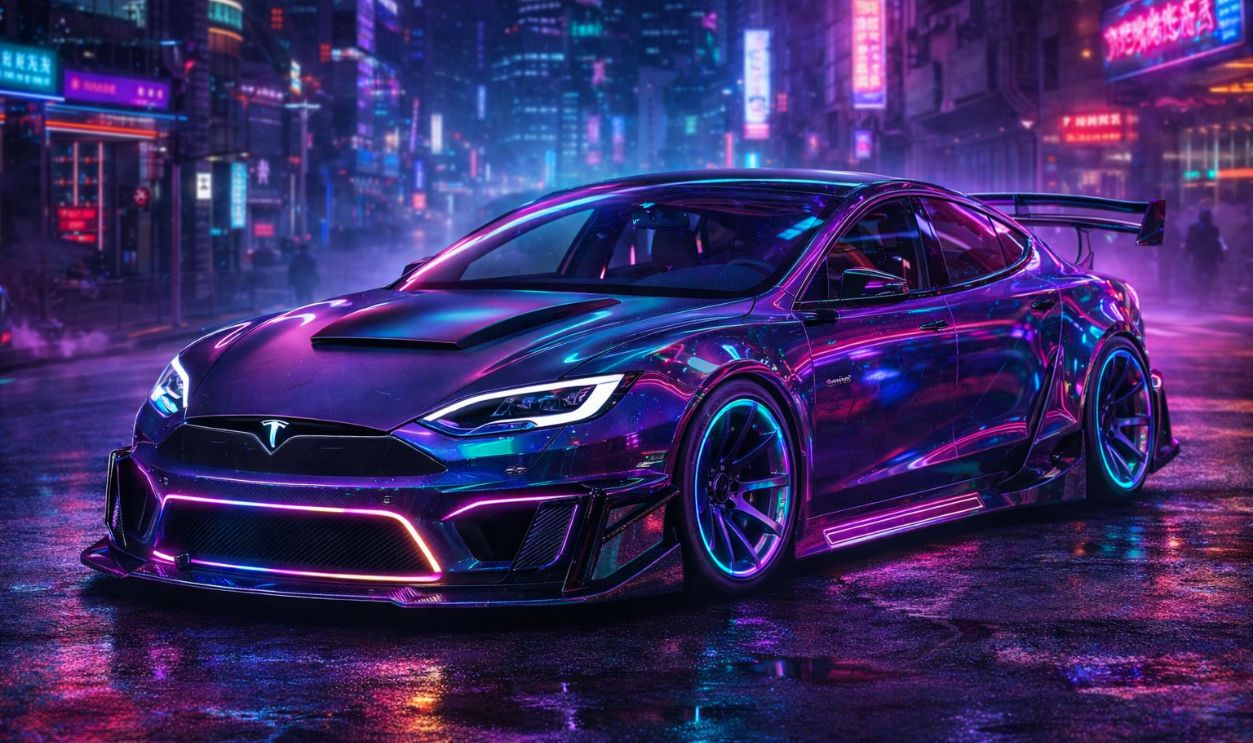
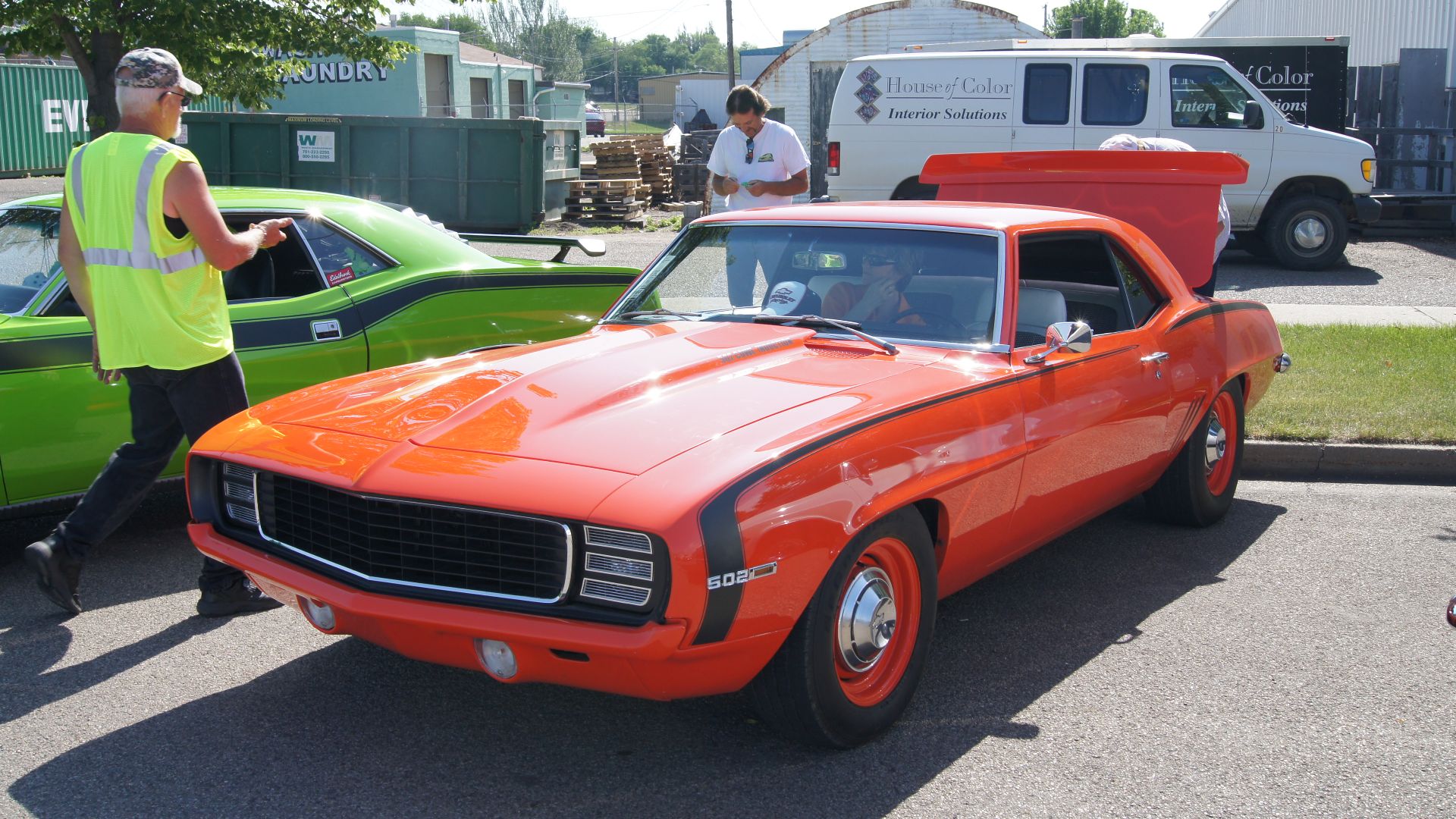
SEMA COPO Camaro Restomod
Factory-raced COPO (Central Office Production Order) Camaros were originally sneaky dealer-order race cars designed to bypass GM's internal performance restrictions. Modern SEMA builds revive that outlaw spirit with restomod upgrades that blend vintage COPO aesthetics with contemporary technology.
 Greg Gjerdingen from Willmar, USA, Wikimedia Commons
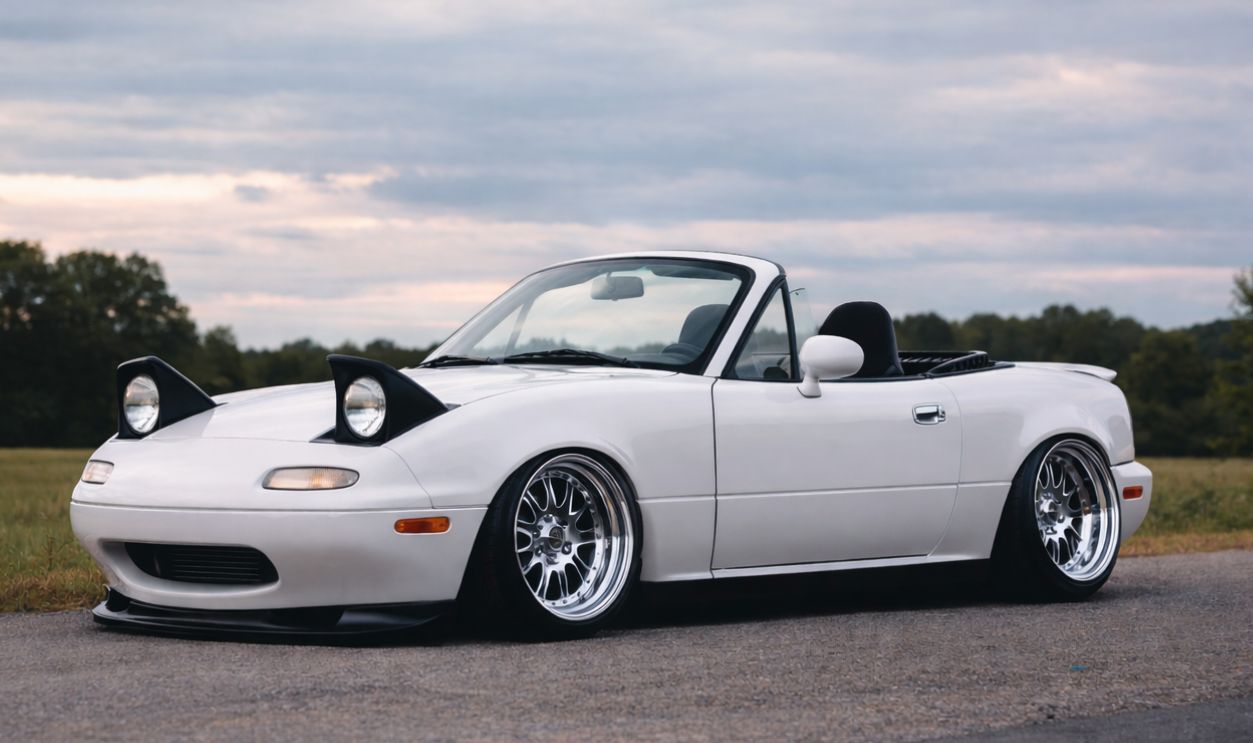
Bagged And Body-Dropped Mazda Miata
The world's best-selling roadster, with over 1 million units produced since 1989, gets a dramatic stance makeover through air bag suspension and body-dropping modifications. "Bagged" refers to adjustable air suspension that allows extreme height changes, while "body-dropped" means lowering the body over the frame.
SEMA Ringbrothers Chevelle
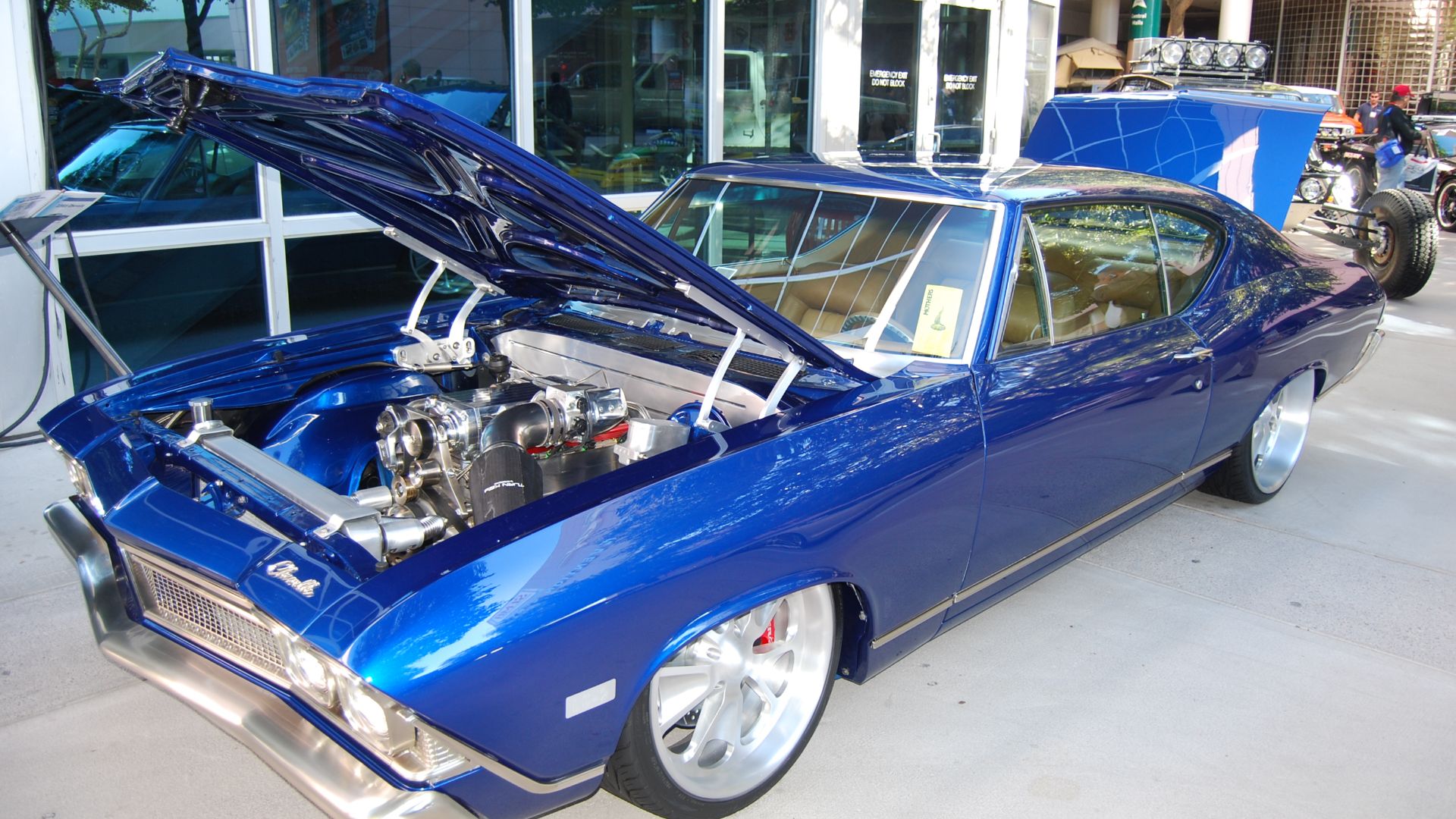
Meticulous craftsmanship defines every Ringbrothers creation, with their Chevrolet Chevelle builds (based on 1964–1977 models) regularly winning awards at SEMA for blending muscle car heritage with modern technology. These restomods feature custom chassis engineering, high-output supercharged LS engines, and bespoke bodywork.
 Eddie Maloney from North Las Vegas, USA, Wikimedia Commons
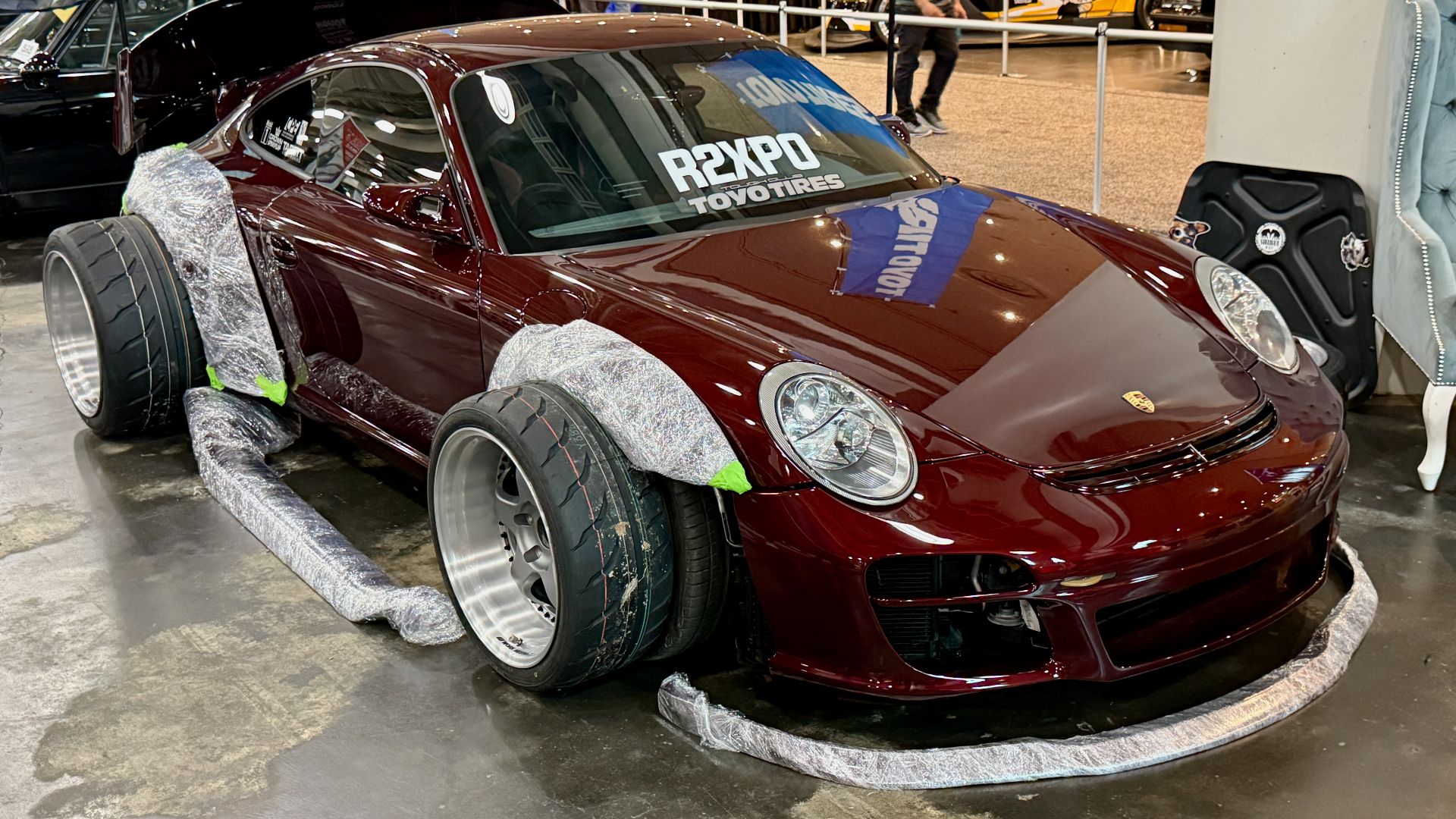
RWB Porsche 911
Akira Nakai founded Rauh-Welt Begriff (meaning "Rough World Concept") in 1997 from his Tokyo garage after modifying his own 911 for drag racing, turning personal passion into a global phenomenon. Specializing in widebody modifications on classic Porsche 911 models—primarily 930, 964, 993, and 997 generations.
 Oleg Yunakov, Wikimedia Commons
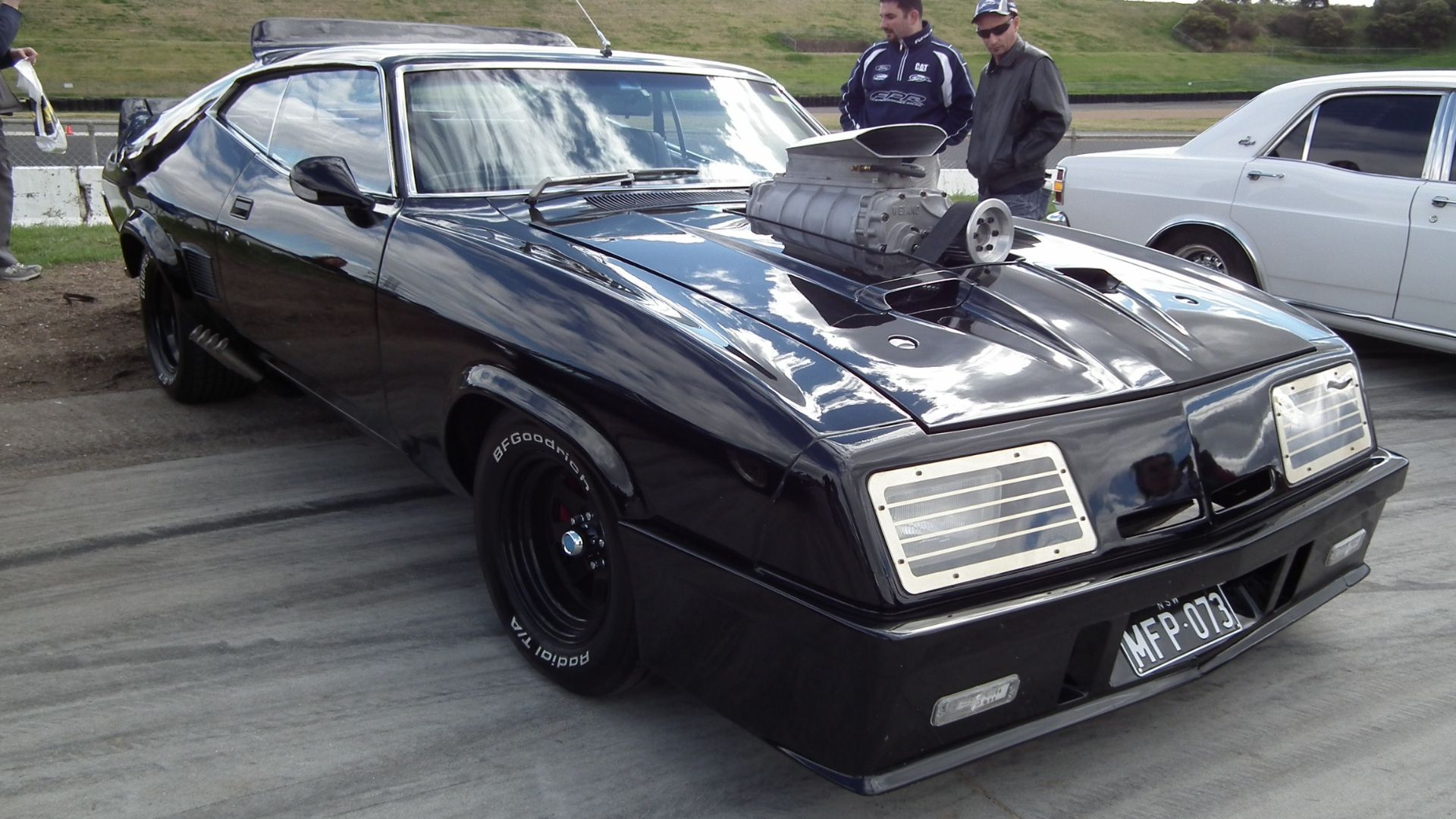
Mad Max-Inspired Apocalypse Interceptor
The 1973 Ford Falcon XB GT Coupe served as the foundation for cinema's most famous post-apocalyptic vehicle, customized as the "Pursuit Special" or V8 Interceptor for the Main Force Patrol in the Mad Max films. Side exhaust pipes, a roof spoiler, and menacing black paint created the apocalyptic aesthetic.

.jpg)