
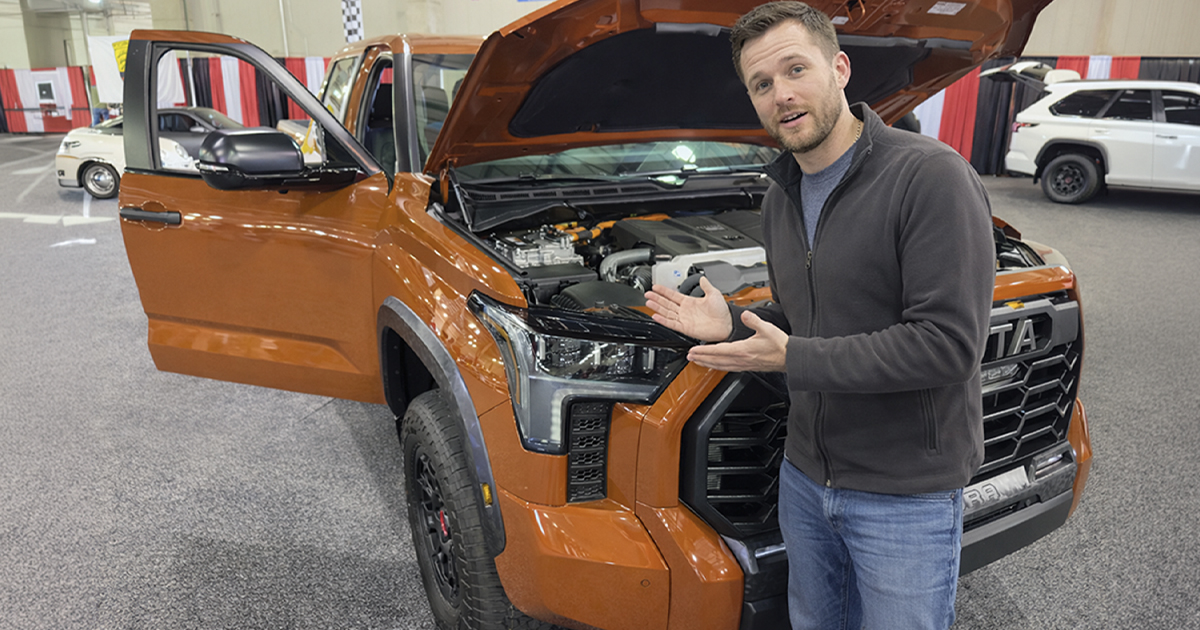
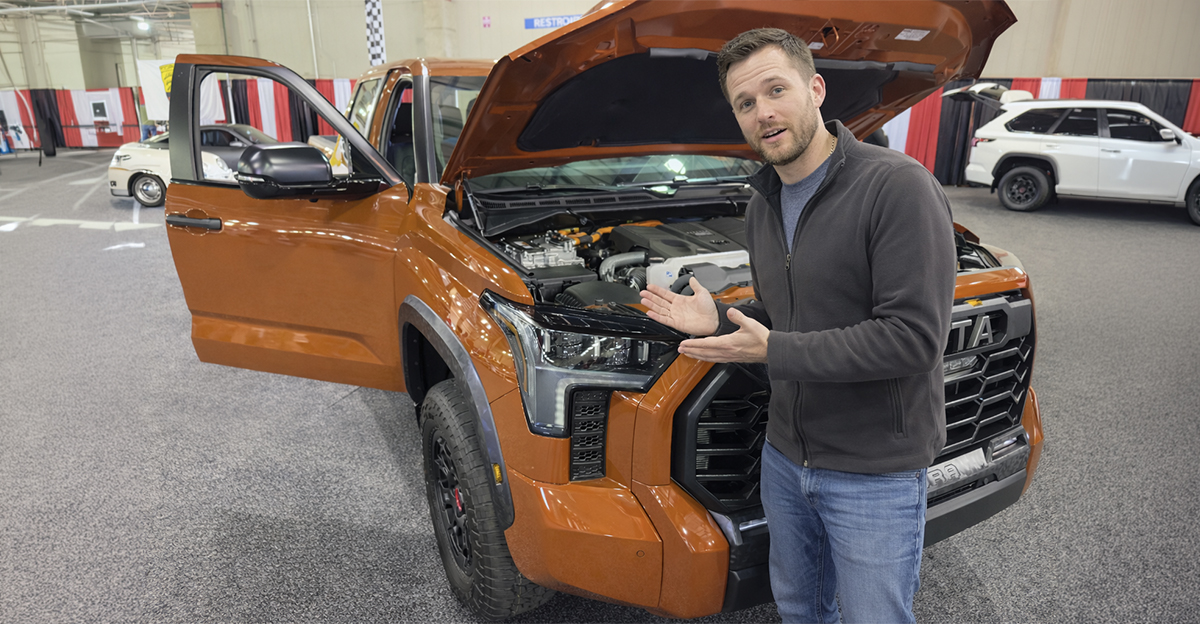
These Models Saw The Future Before Anyone Else Did
Some trucks didn’t just follow trends—they predicted them years before anyone else caught on. At the time, they seemed strange, risky, or even unnecessary… but today, they look downright visionary. So which pickups were secretly shaping the future while everyone else was stuck in the past?
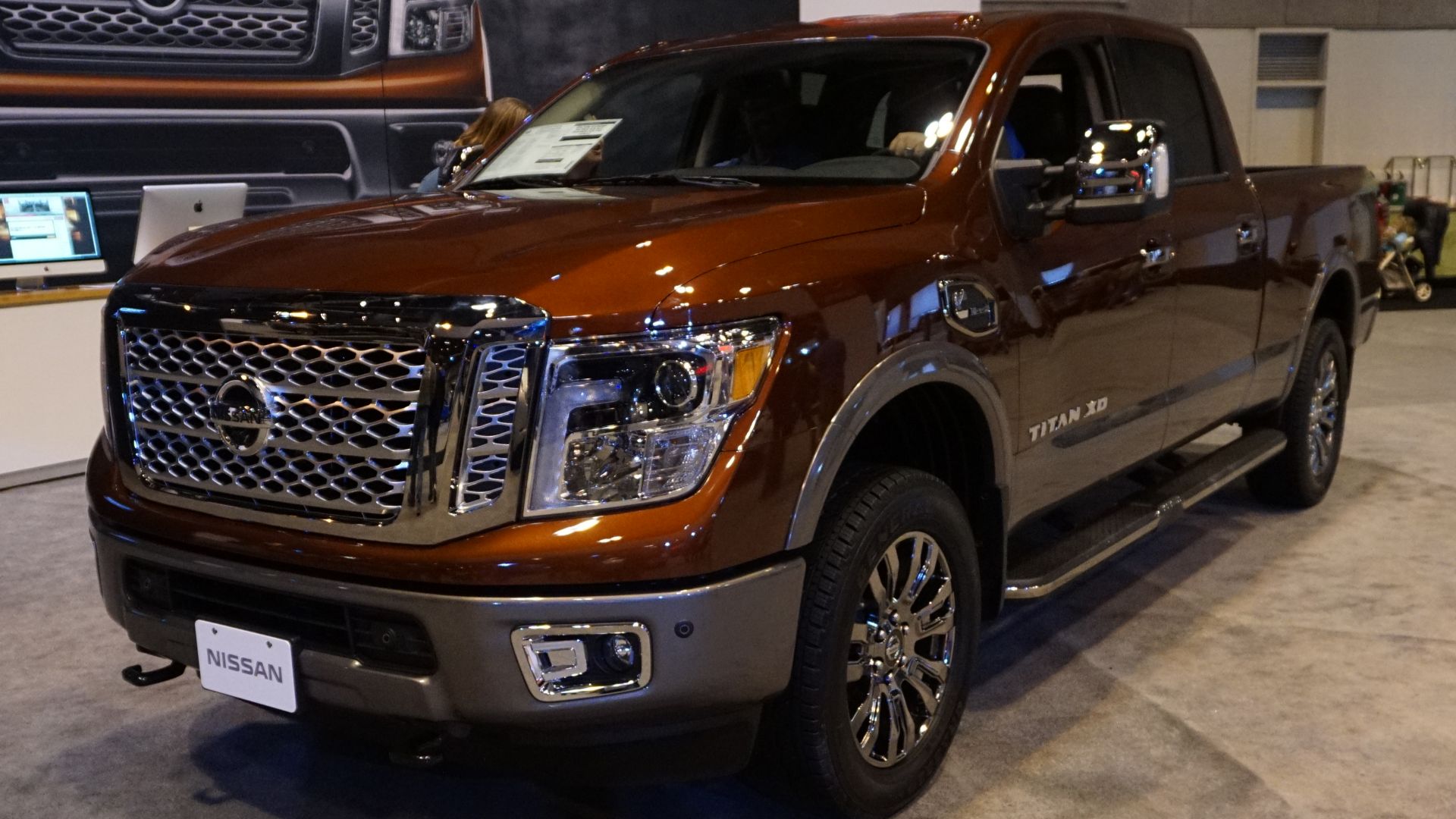
#20. Nissan Titan XD (2016–2019)
This truck tried to bridge the gap between half-ton and heavy-duty—and honestly, it was too early. The Cummins diesel option gave it serious torque, but buyers didn’t quite get it. Today, it feels like a concept the market is finally starting to understand.
 Ryan Hildebrand, Wikimedia Commons
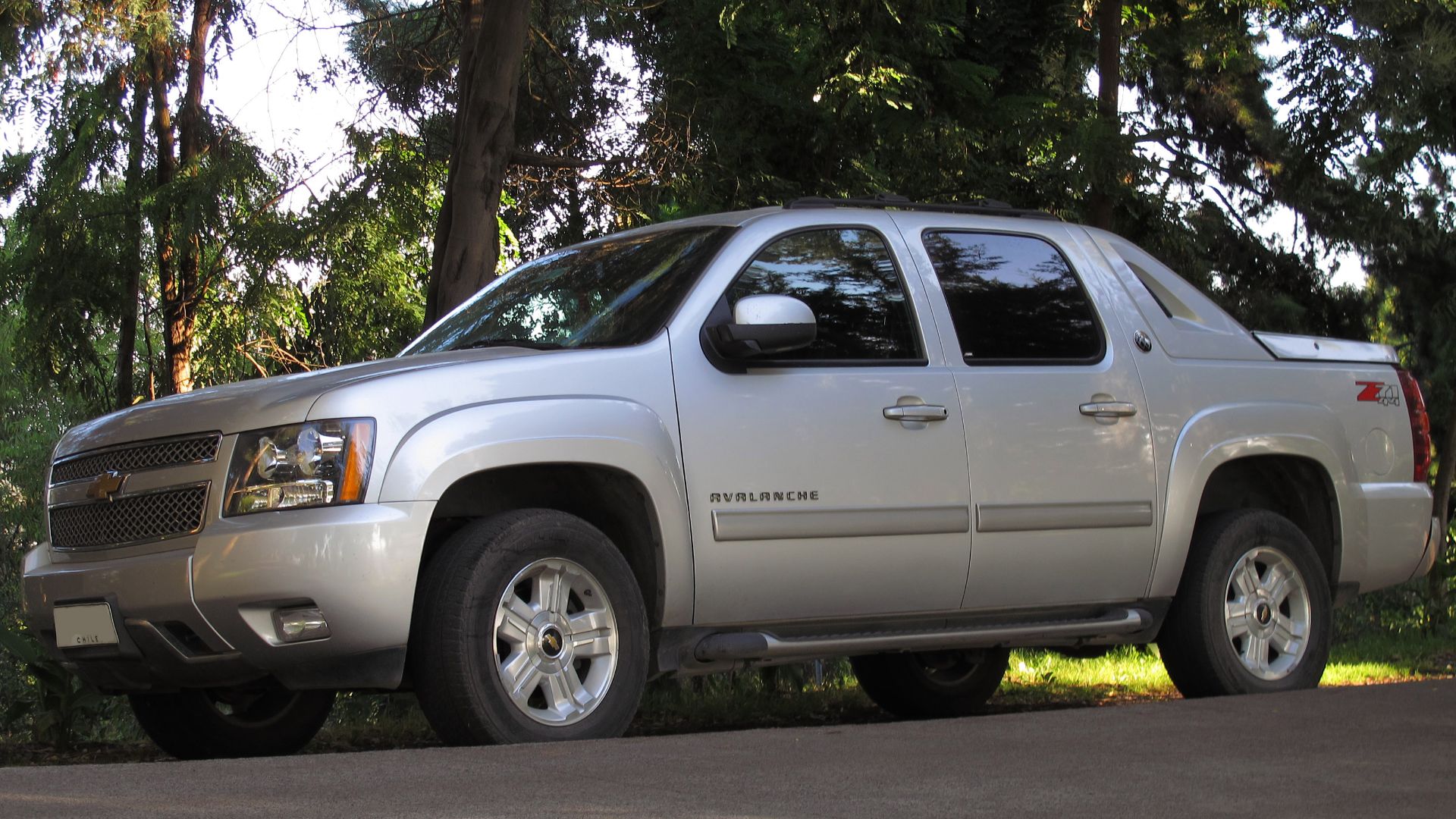
#19. Chevrolet Avalanche (2001–2013)
The Avalanche looked weird at first, but its midgate design was genius. Owners could extend the bed into the cab—something modern trucks are only now experimenting with again. It blended SUV comfort with truck utility years before it became popular.
 order_242 from Chile, Wikimedia Commons
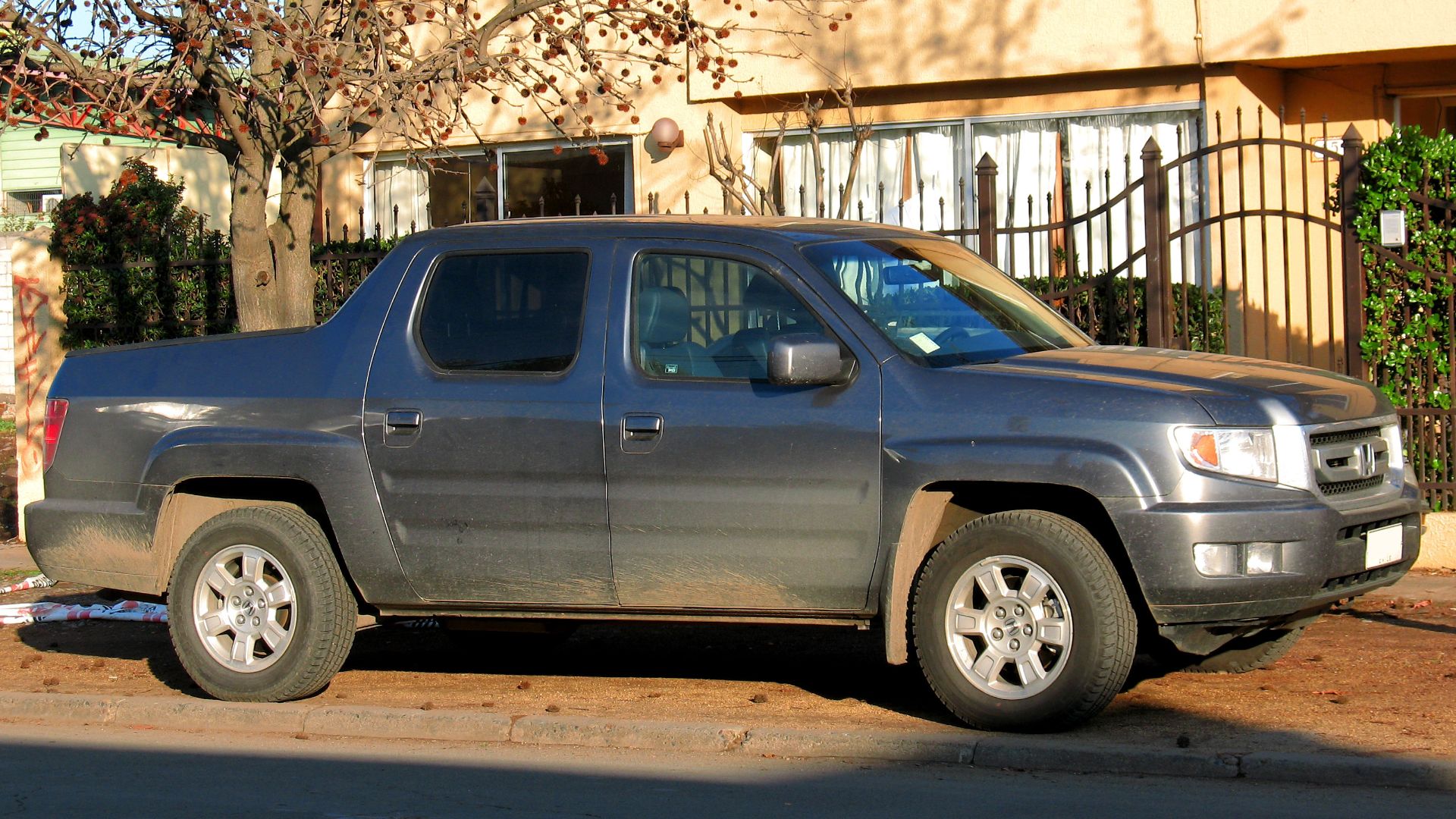
#18. Honda Ridgeline (2006–2014)
When it launched, truck purists hated it. But the Ridgeline introduced unibody construction, in-bed trunk storage, and a smoother ride—features that many modern trucks now embrace. It wasn’t traditional, but it quietly predicted the future of lifestyle pickups.
 order_242 from Chile, Wikimedia Commons
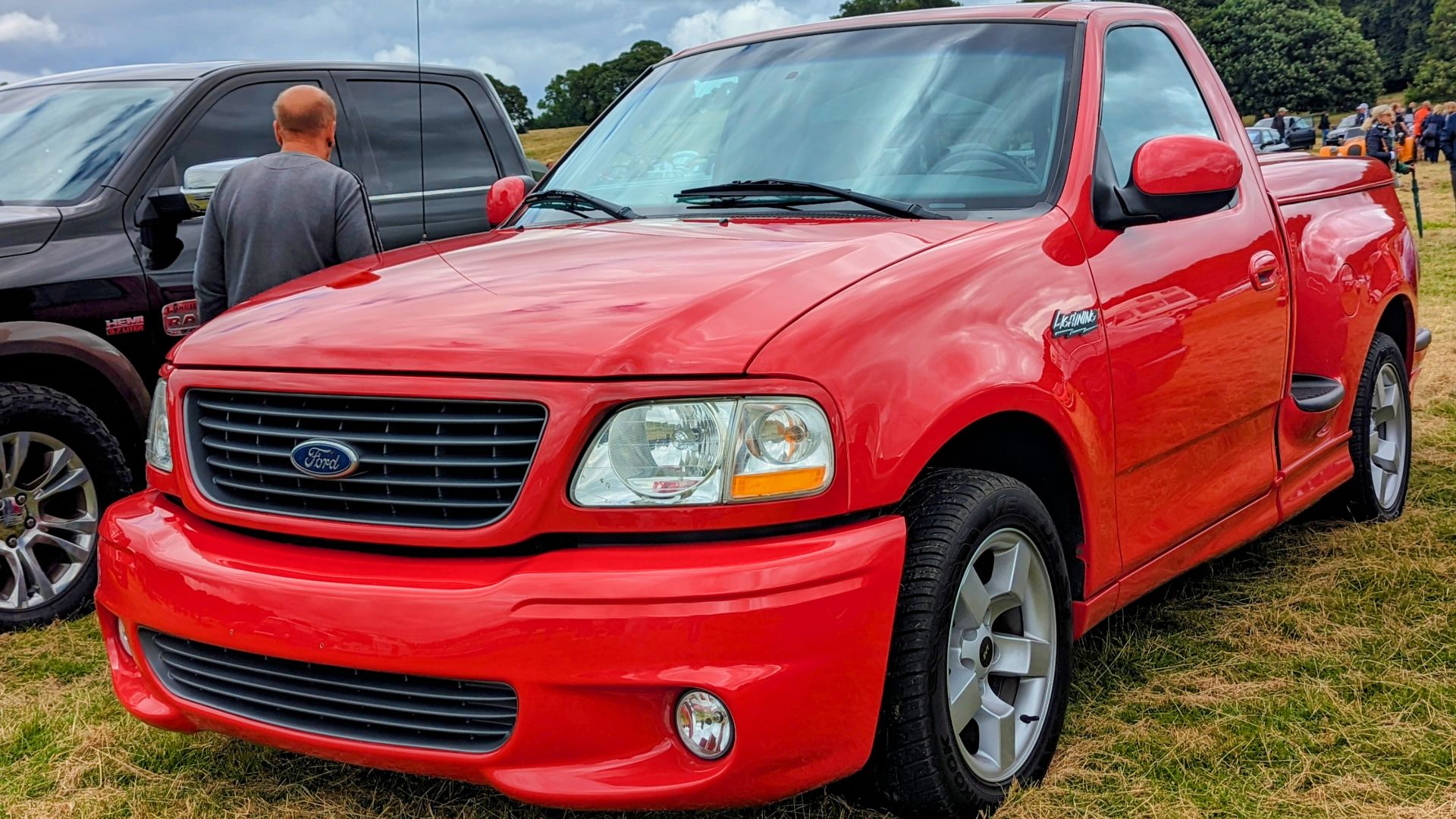
#17. Ford F-150 SVT Lightning (1999–2004)
A performance truck before performance trucks were cool. Supercharged V8 power and street-focused handling made it feel like a muscle car with a bed. Today’s Raptor and TRX owe a lot to this early experiment.
#16. Toyota T100 (1993–1998)
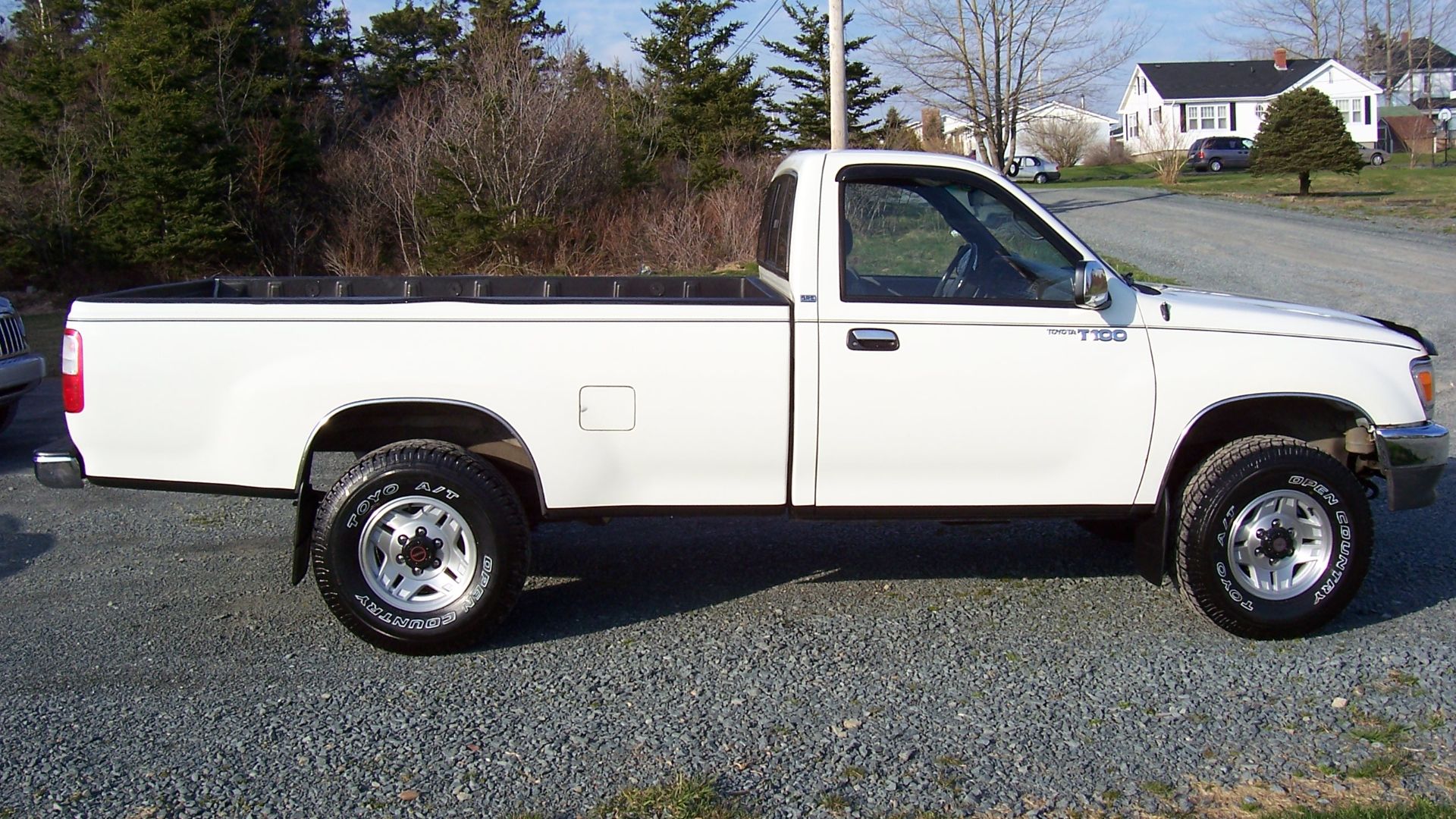
Before the Tundra, there was the T100—a full-size truck that didn’t quite fit the market yet. It was reliable and well-built, but smaller than competitors. In hindsight, it set the stage for Toyota’s eventual dominance in truck reliability.
 Original uploader was Ric17 at en.wikipedia, Wikimedia Commons
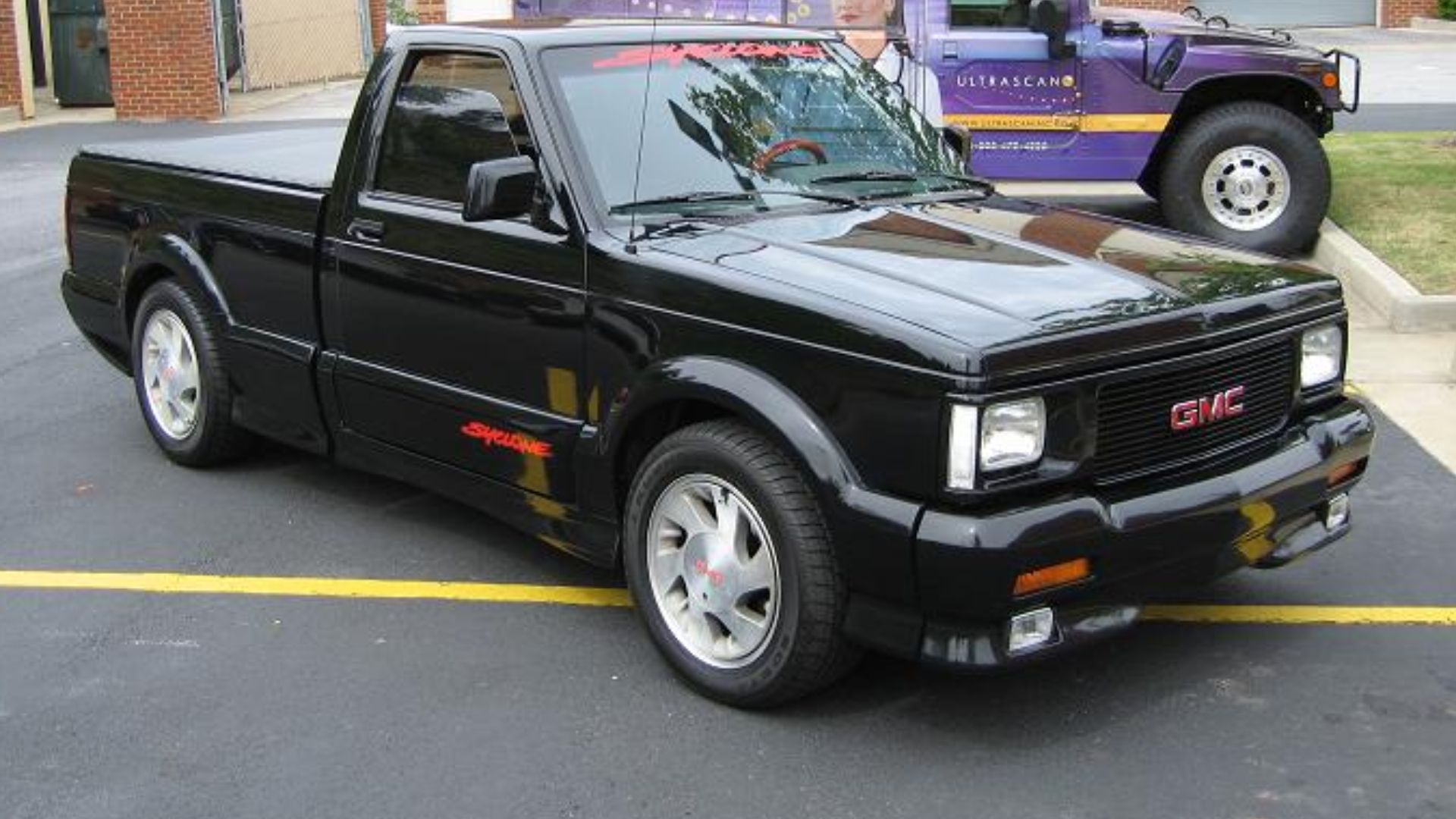
#15. GMC Syclone (1991)
This thing was insane for its time. Turbocharged, all-wheel drive, and faster than many sports cars of the era. It proved trucks could be performance machines decades before it became a mainstream idea.
 Willyson at English Wikipedia, Wikimedia Commons
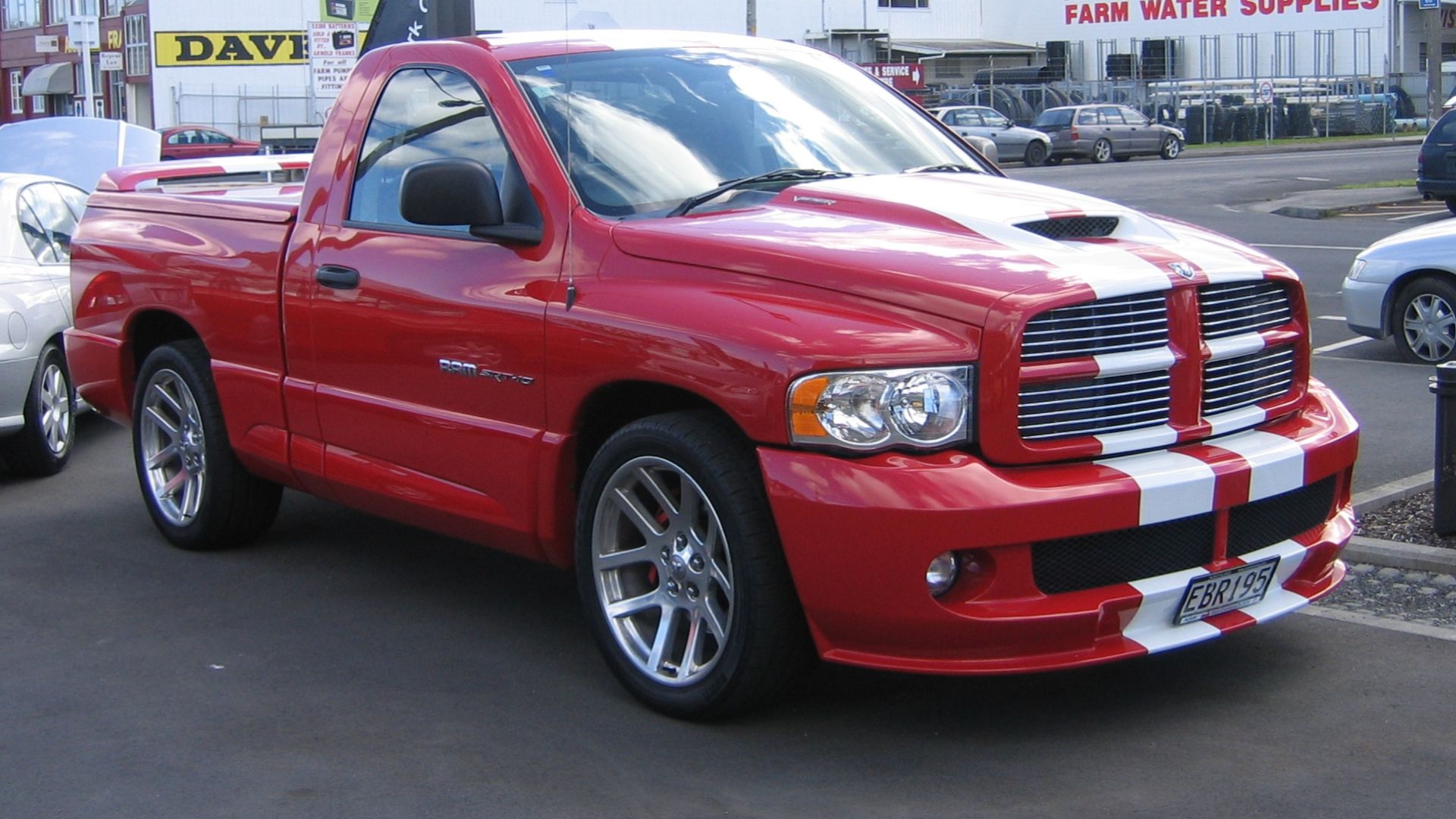
#14. Dodge Ram SRT-10 (2004–2006)
A Viper engine in a pickup? Completely ridiculous—and completely ahead of its time. This truck pushed the idea of high-performance pickups into the spotlight, paving the way for modern street trucks with serious horsepower.
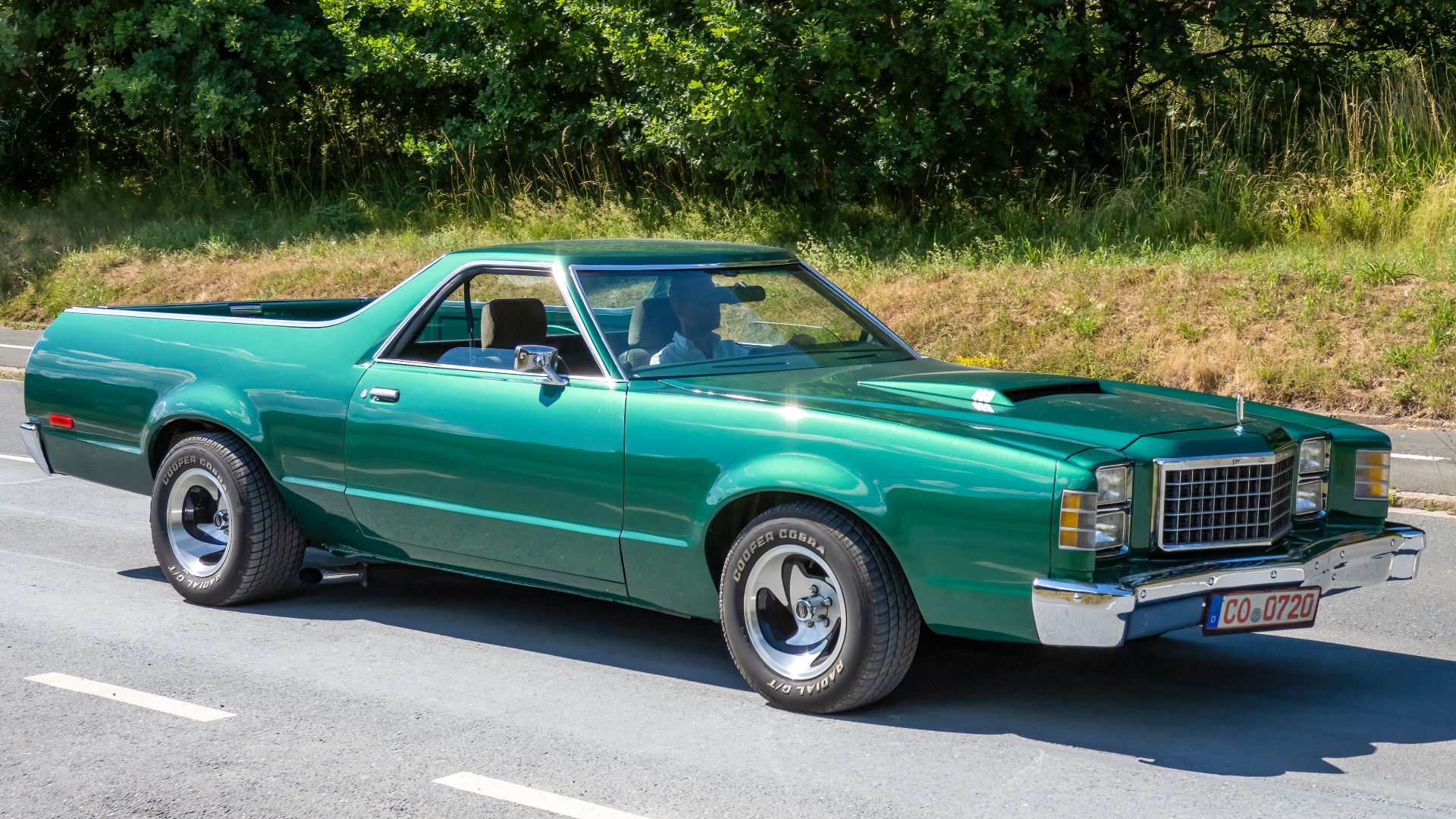
#13. Ford Ranchero (1957–1979)
Long before the modern pickup boom, the Ranchero blurred the line between car and truck. It was built for lifestyle use, not just work—a concept that dominates today’s market.
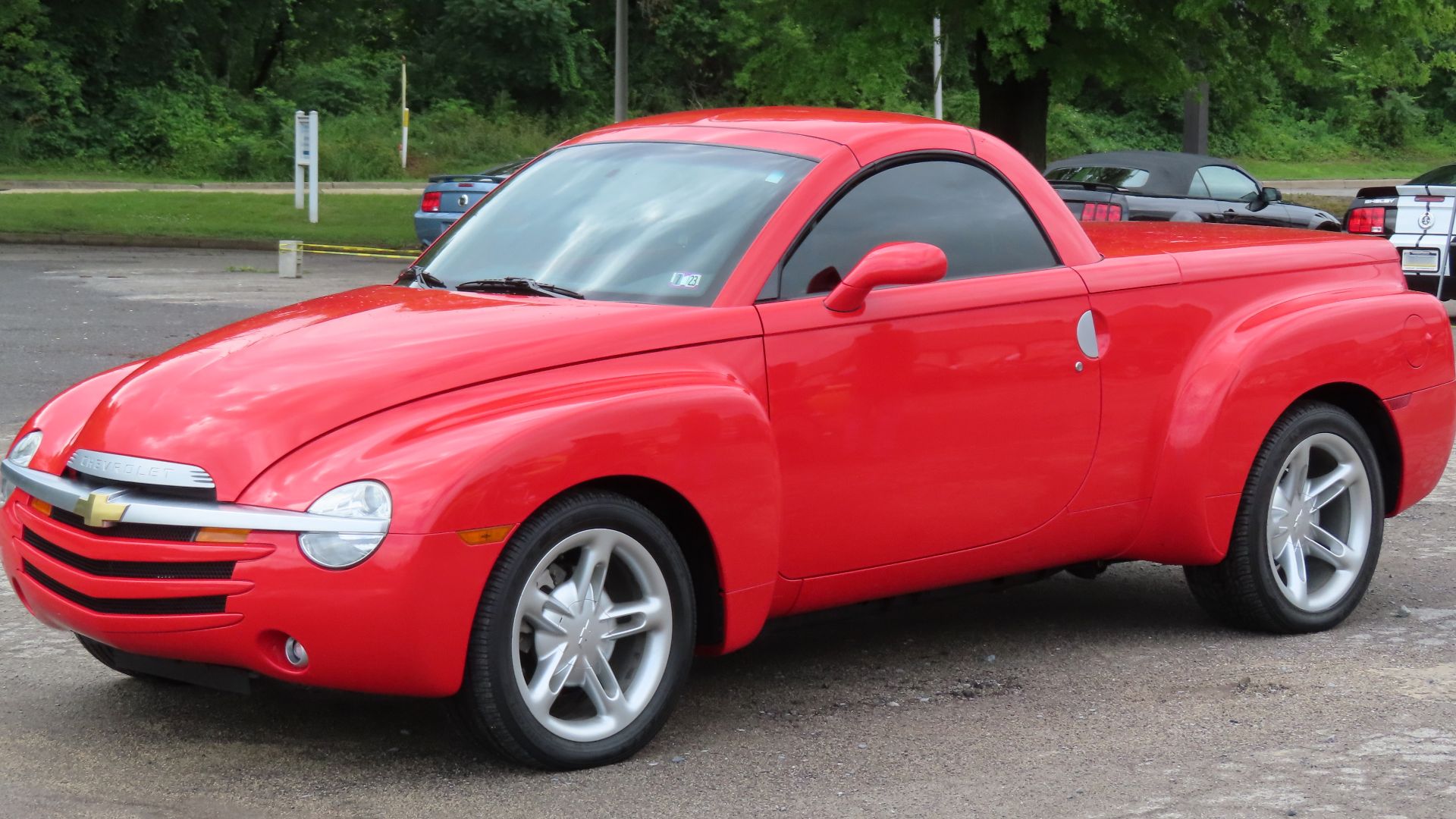
#12. Chevrolet SSR (2003–2006)
Part retro cruiser, part pickup, the SSR confused buyers—but it predicted the rise of niche lifestyle trucks. With a convertible top and V8 power, it was more about fun than function, something we now see in modern specialty trucks.
 MercurySable99, Wikimedia Commons
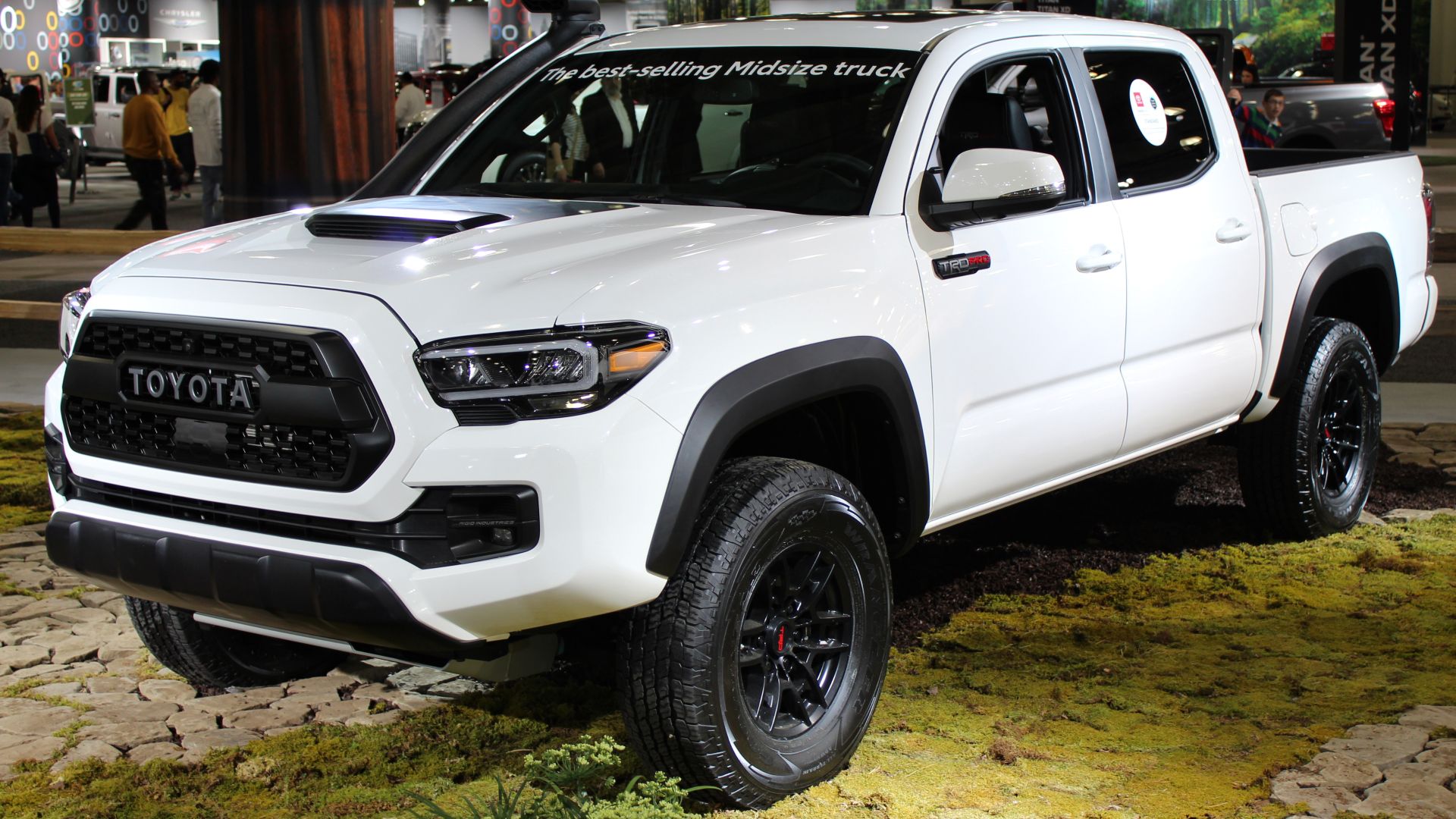
#11. Toyota Tacoma TRD Pro (2015–Present)
When it launched, factory-built off-road trucks weren’t common. The TRD Pro helped normalize the idea of buying a fully capable off-roader straight from the dealership—something nearly every brand now offers.
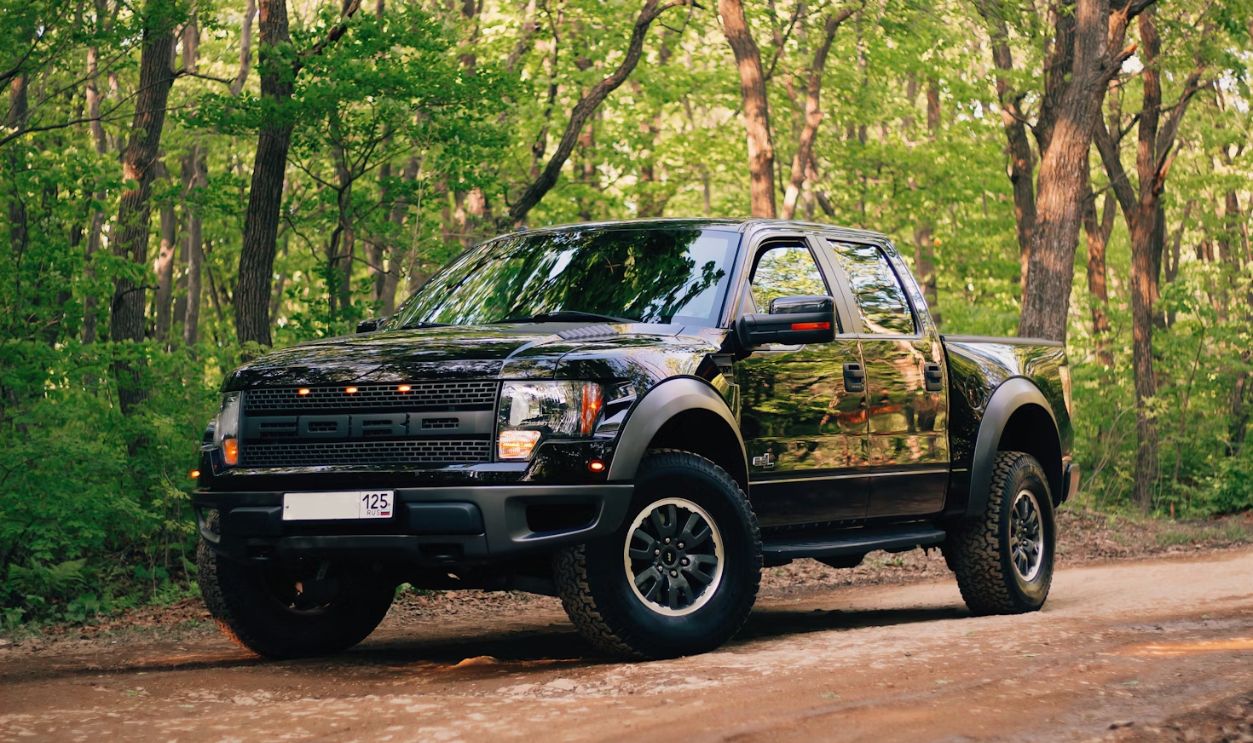
#10. Ford F-150 Raptor (2010–Present)
This truck completely changed the game. Built for high-speed off-road performance, it introduced a new category. Before the Raptor, no one was building trucks like this straight from the factory.
#9. Rivian R1T (2022–Present)
Electric trucks seemed like a distant idea—until Rivian made one that actually worked. Quad-motor AWD, insane acceleration, and clever storage solutions made it feel futuristic from day one.
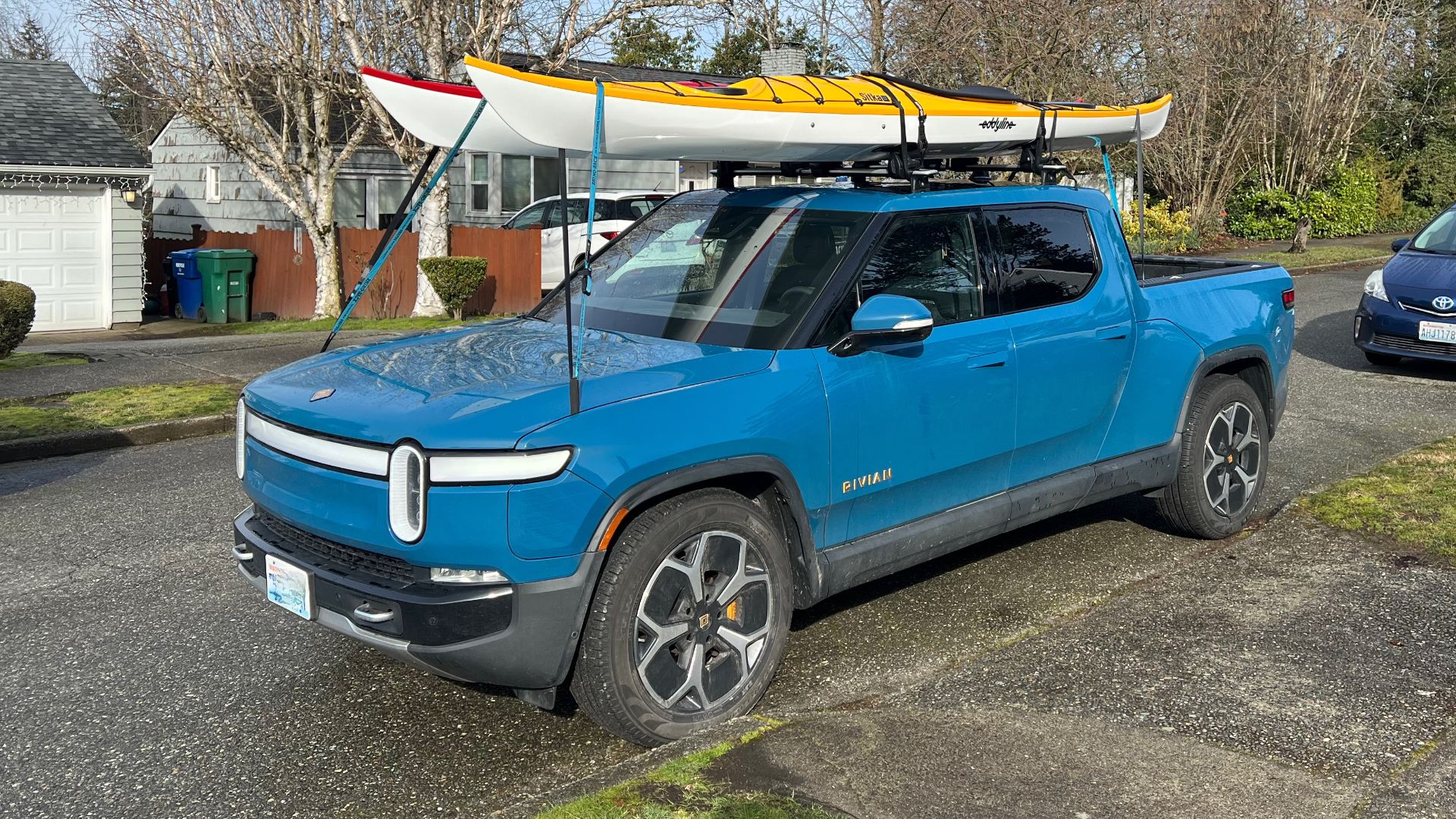 Benjamin Hollis from Seattle, WA, USA, Wikimedia Commons
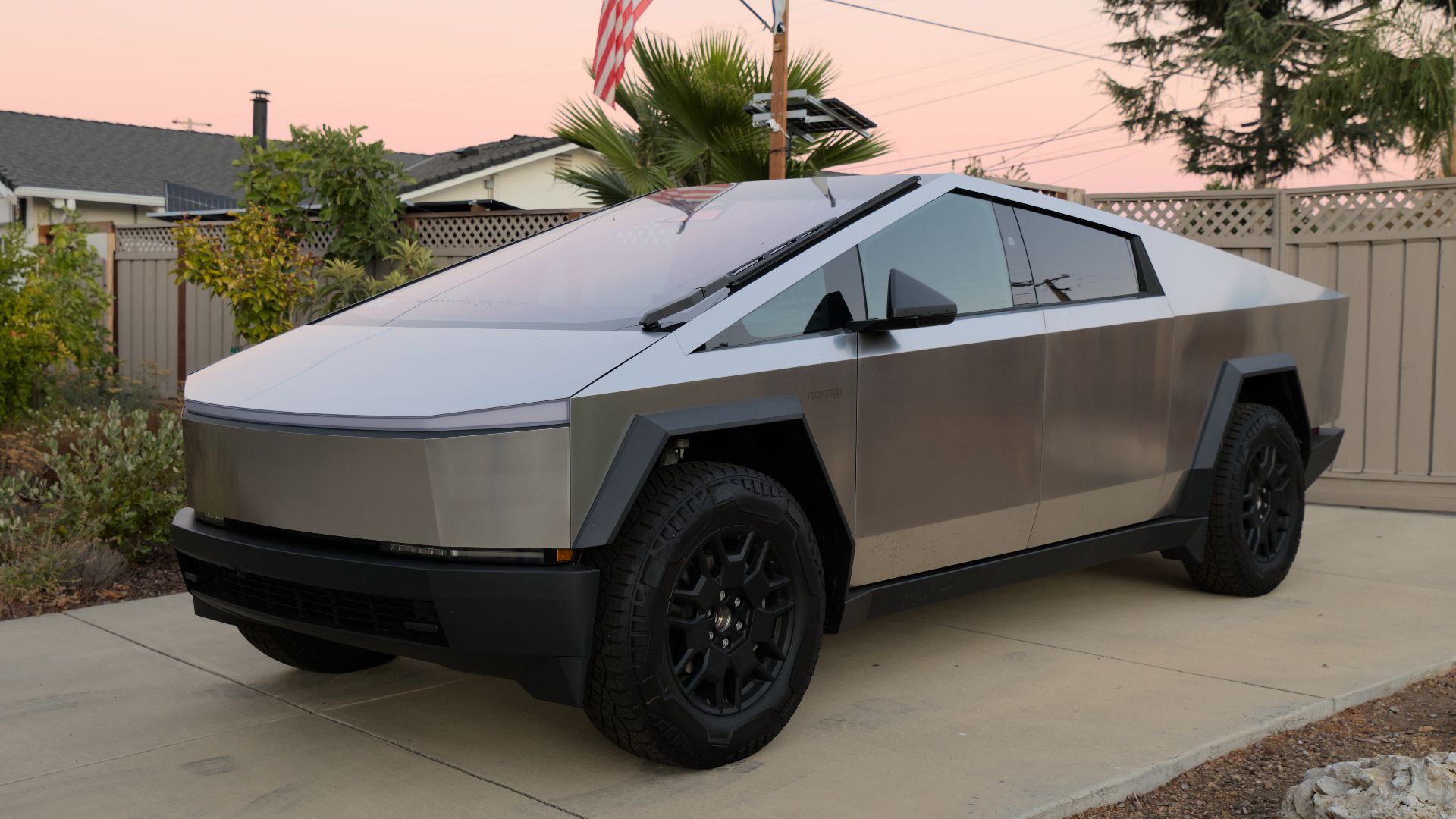
#8. Tesla Cybertruck (2024–Present)
Love it or hate it, the Cybertruck is undeniably forward-thinking. Its stainless steel body, unconventional design, and electric performance challenge everything we expect from a pickup.
#7. Dodge Ram (1994–2001)
This generation changed truck design forever. Big rig-inspired styling made pickups bold and aggressive, setting the tone for modern truck aesthetics.
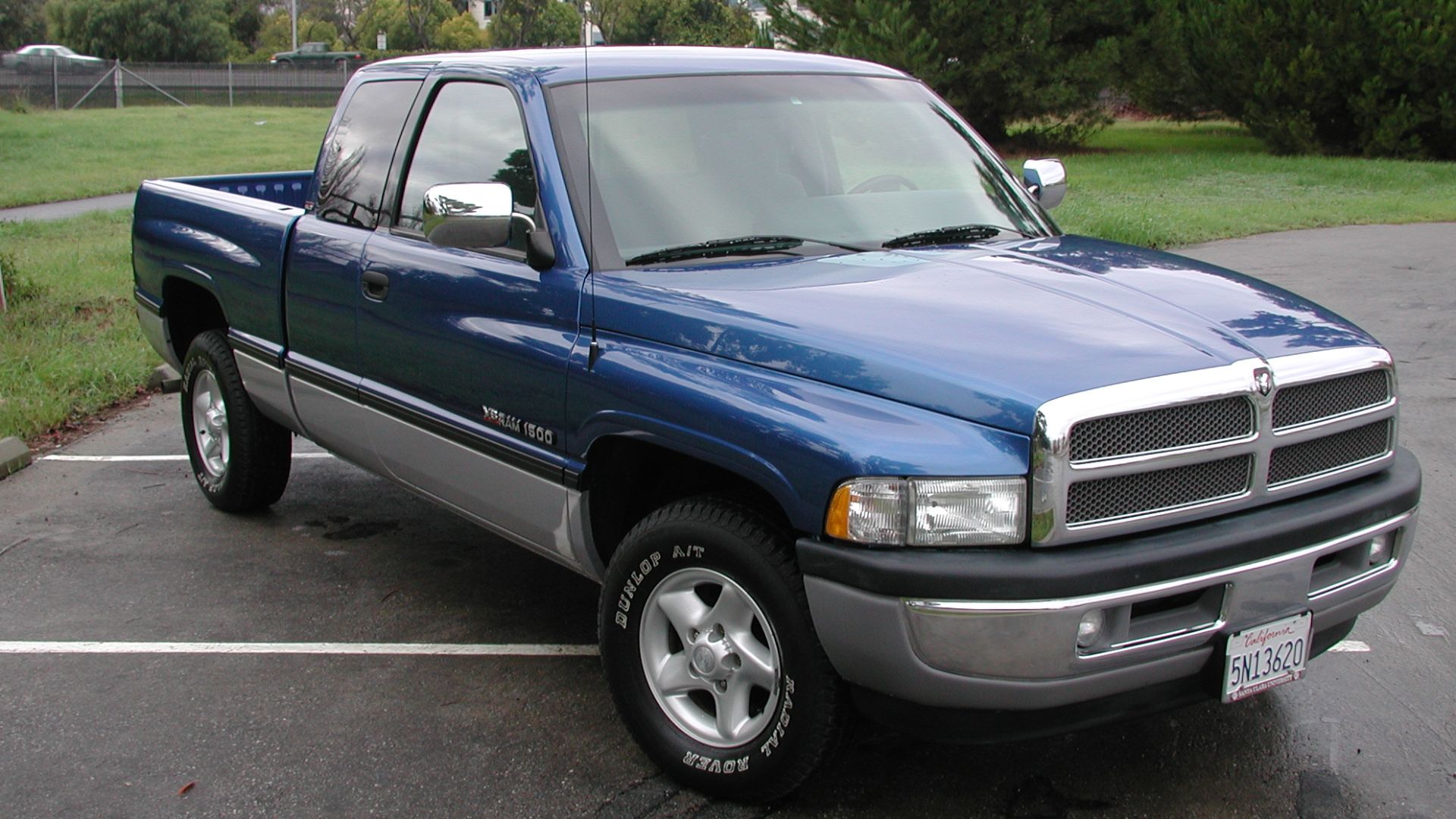 Brian Cantoni, Wikimedia Commons
#6. Chevrolet Silverado Hybrid (2004–2007)
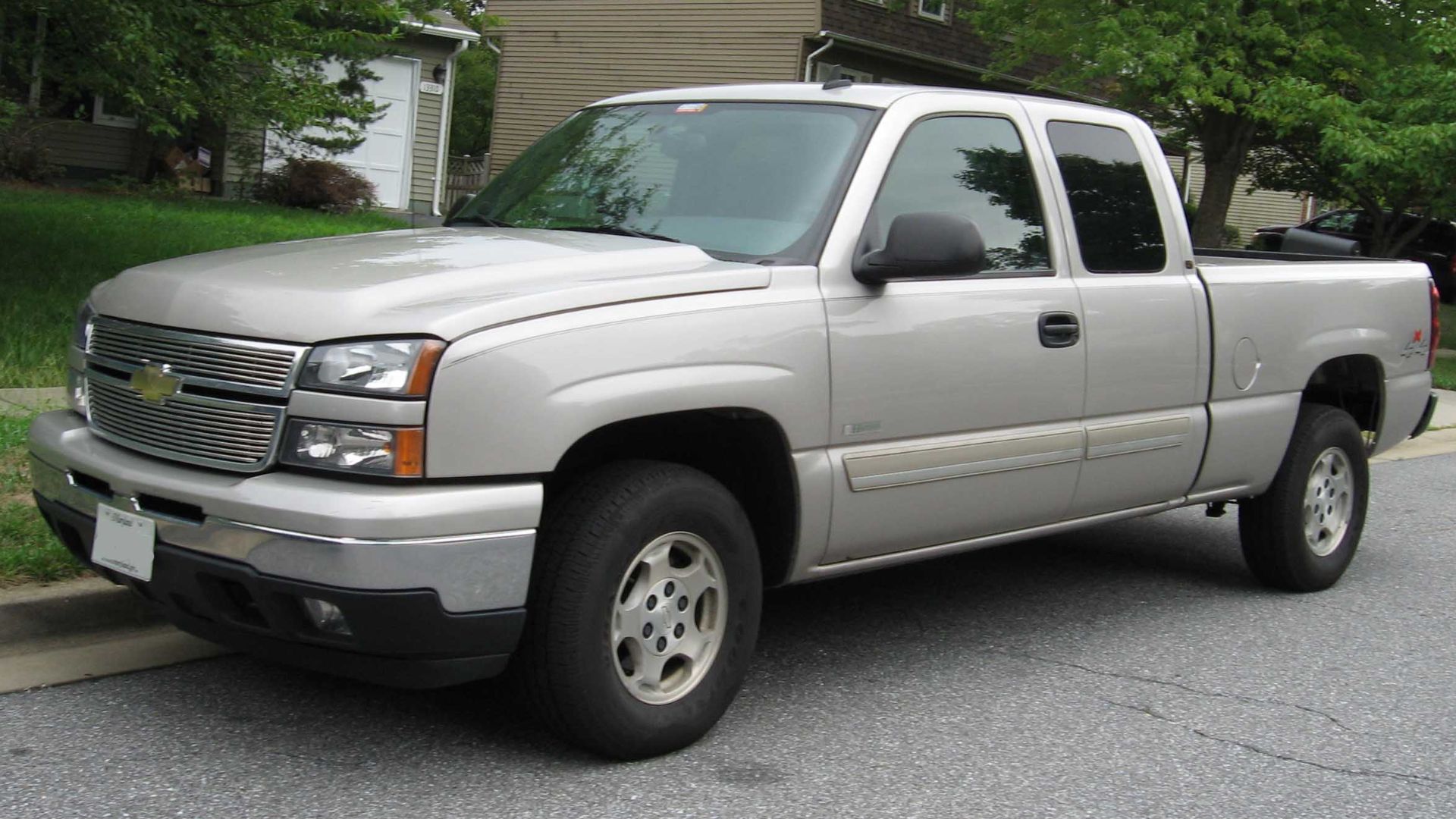
Way before hybrids were common in trucks, Chevy tried it. It wasn’t perfect, but it introduced the idea of combining efficiency with capability—something that’s becoming more relevant today.
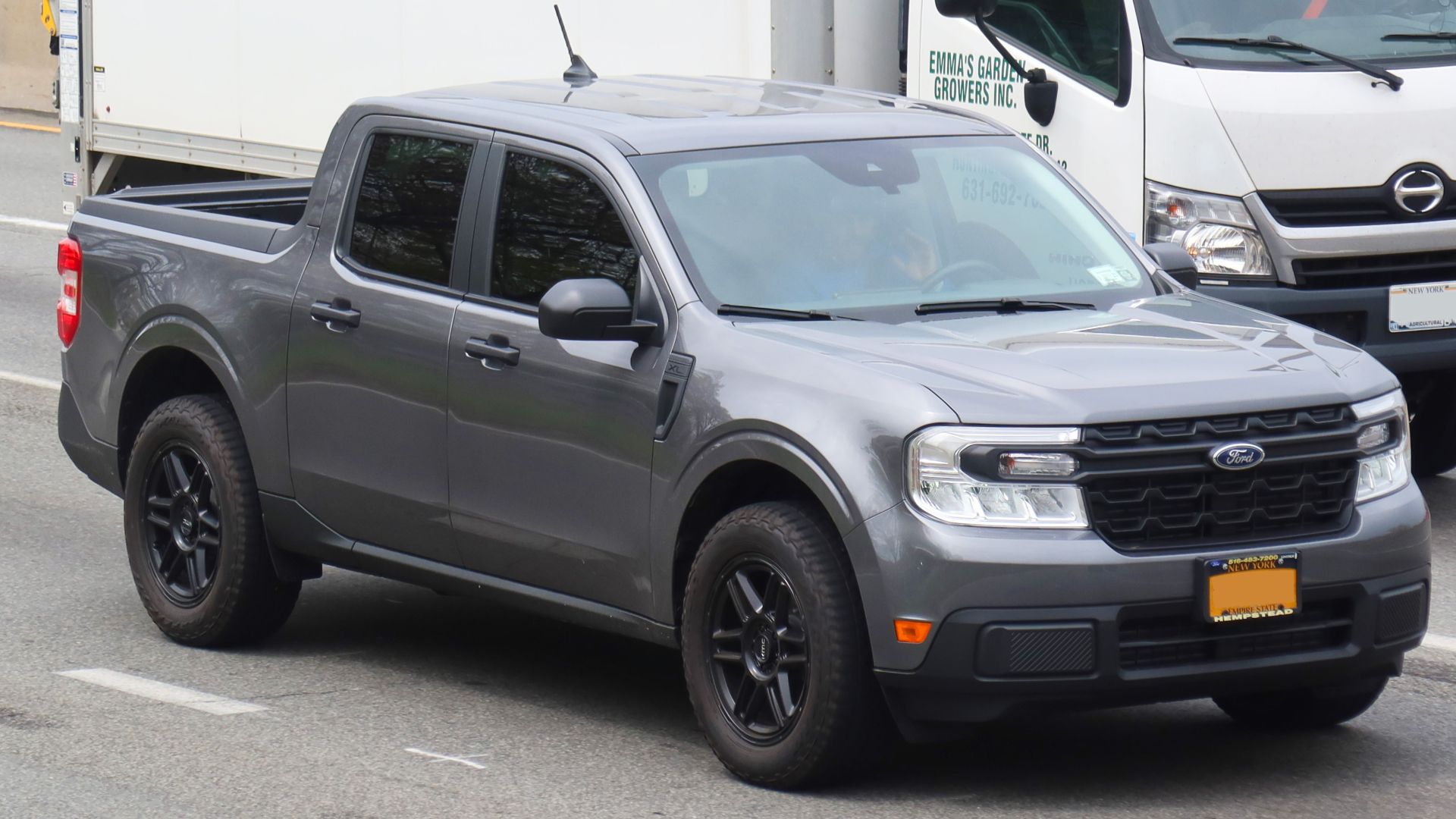
#5. Ford Maverick (2022–Present)
A compact, affordable hybrid pickup? That idea felt outdated—until Ford brought it back. The Maverick tapped into a market many thought was gone, proving there’s still huge demand for smaller, efficient trucks.
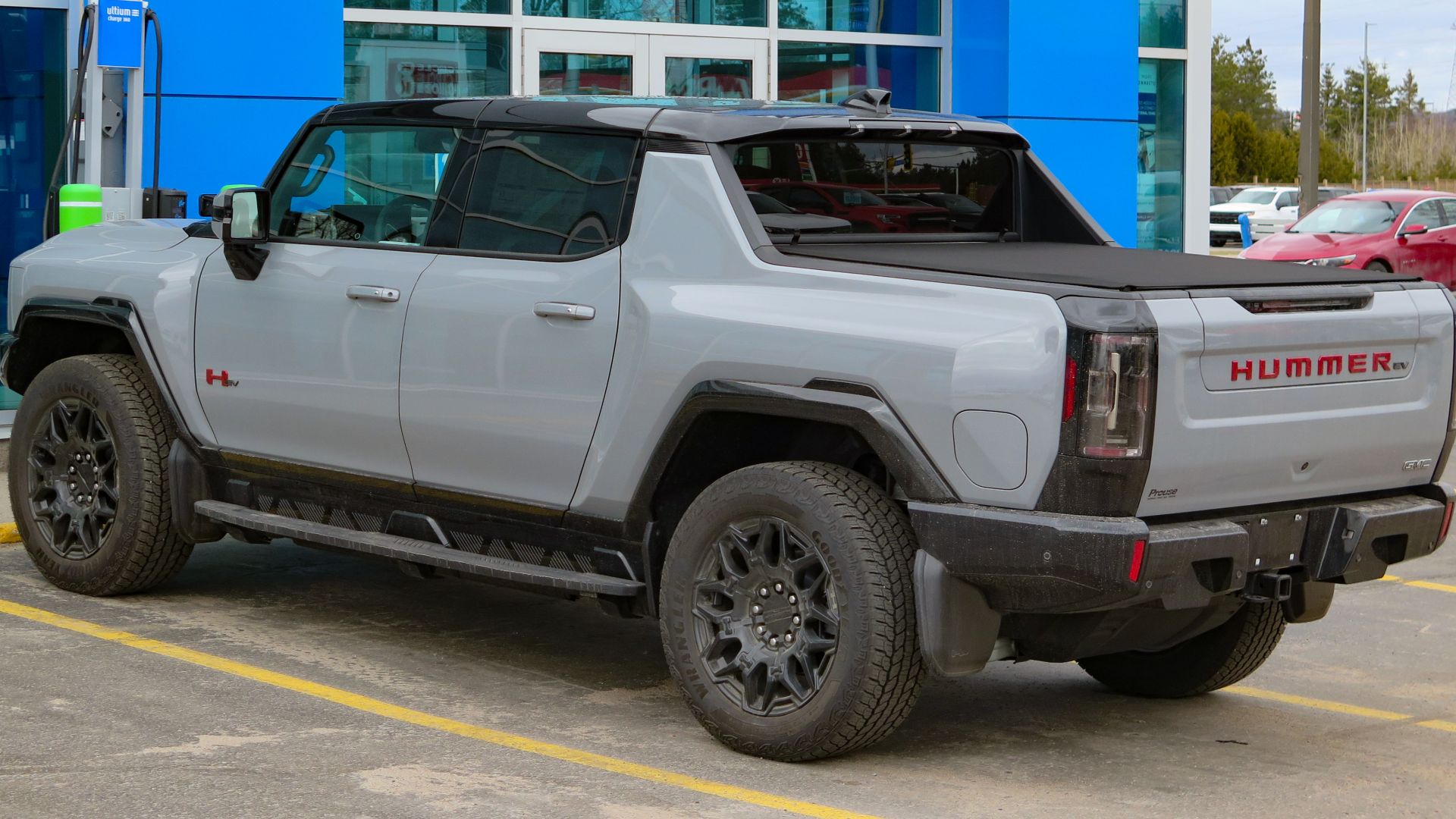
#4. GMC Hummer EV Pickup (2022–Present)
This truck redefined what electric trucks could be. CrabWalk, massive torque, and off-road capability made it feel like something out of the future. It’s less about tradition and more about pushing boundaries.
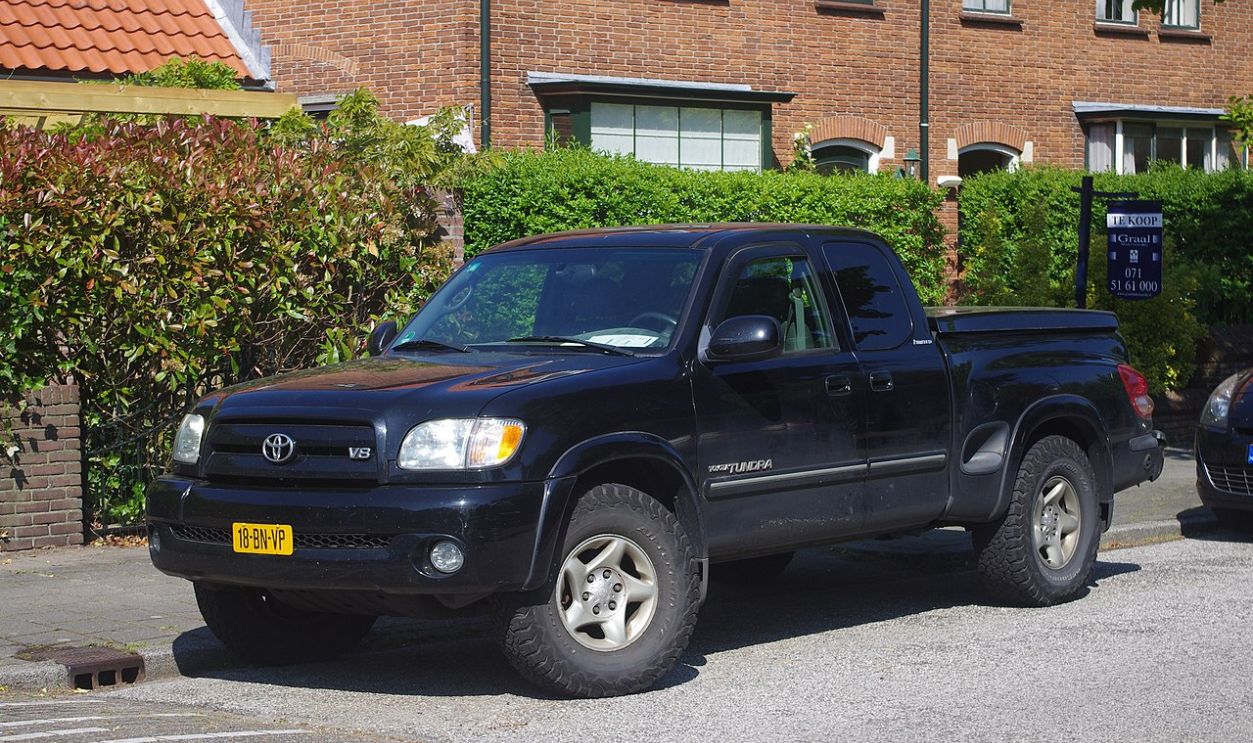
#3. Toyota Tundra (2000–2006)
When Toyota entered the full-size market seriously, many doubted it. But this Tundra proved that reliability could compete with American trucks, changing buyer expectations forever.
 Rutger van der Maar, Wikimedia Commons
#2. Ford F-150 PowerBoost Hybrid (2021–Present)
This truck made hybrids actually useful for truck owners. With onboard power generation and strong towing, it showed that electrification could enhance capability—not just efficiency.
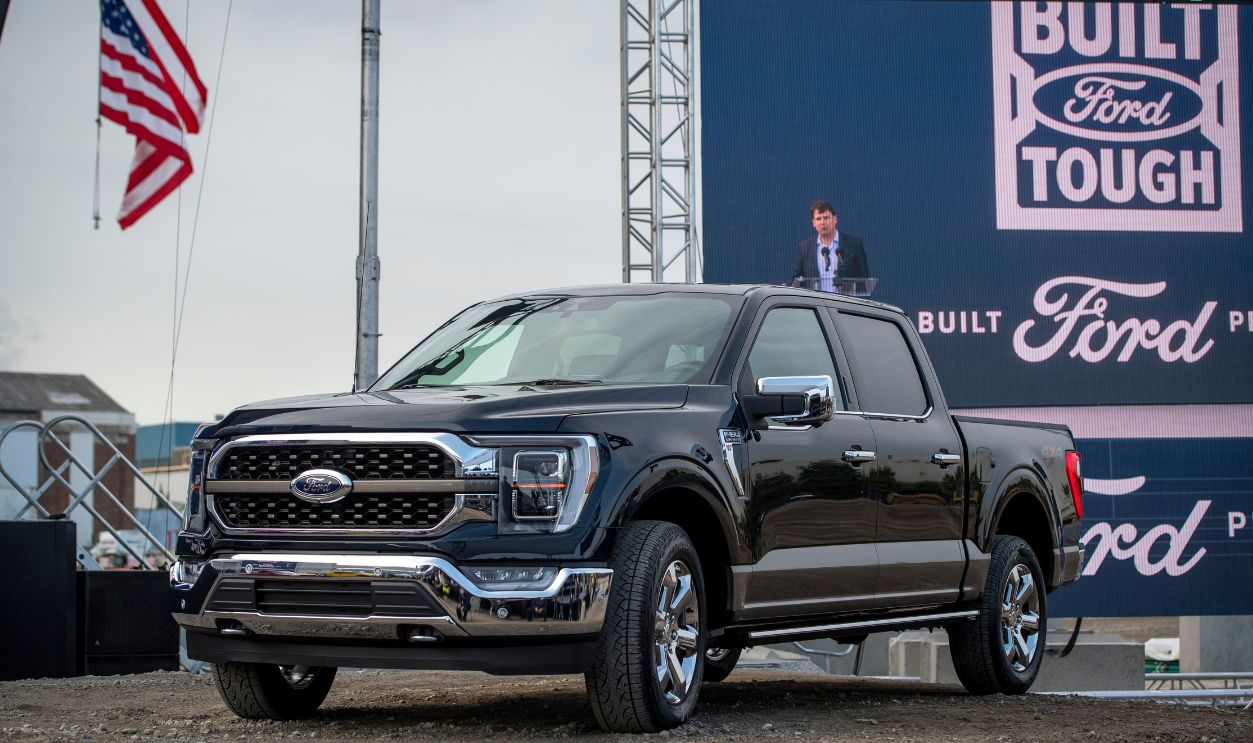
#1. GMC Sierra Denali (1999–Present)
Luxury trucks weren’t always a thing—until Denali changed that. It proved that pickups could be premium, comfortable, and status symbols. Today, high-end trims dominate the market, and this truck started it all.
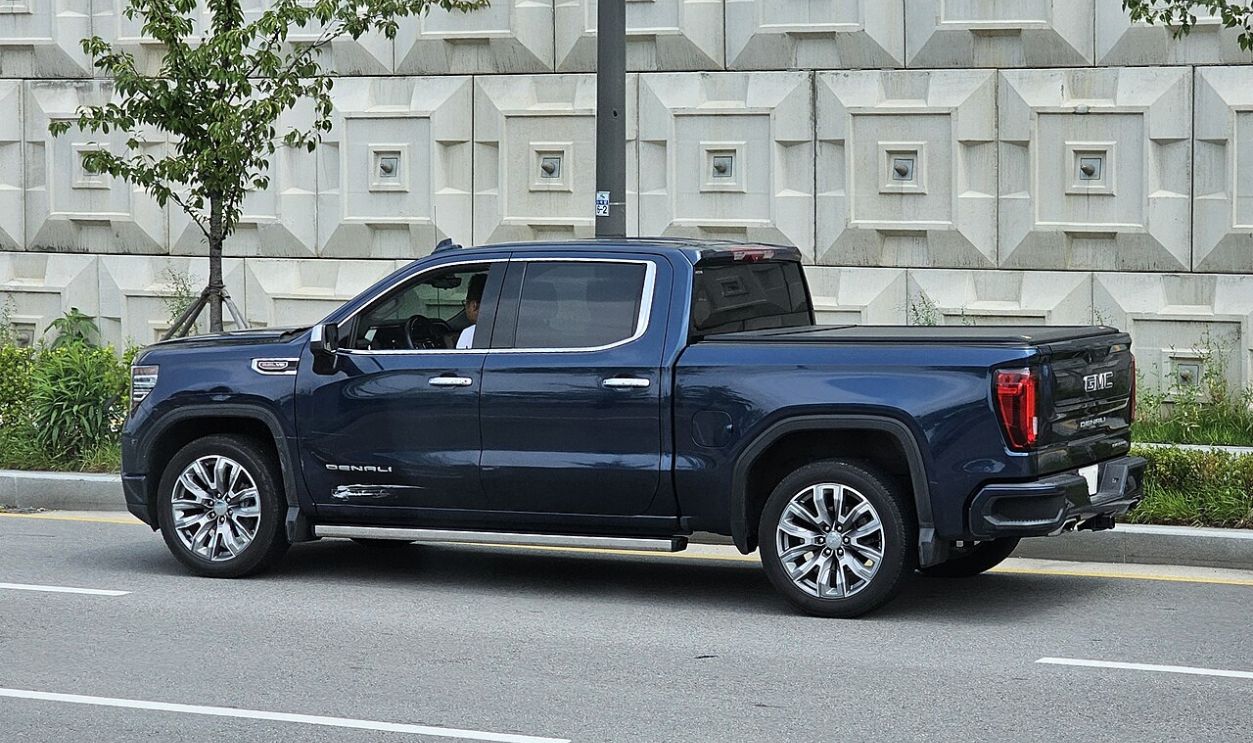 Damian B Oh, Wikimedia Commons
You May Also Like:
Pickup Trucks That Are Still Running Strong After 400,000 Miles
The Most Reliable Diesel Trucks For 2025, According To Edmunds
Classic Pickup Trucks Are Skyrocketing in Value—Here’s What’s Driving It






.jpg)
.jpg)