The Glove Box Was A Different World
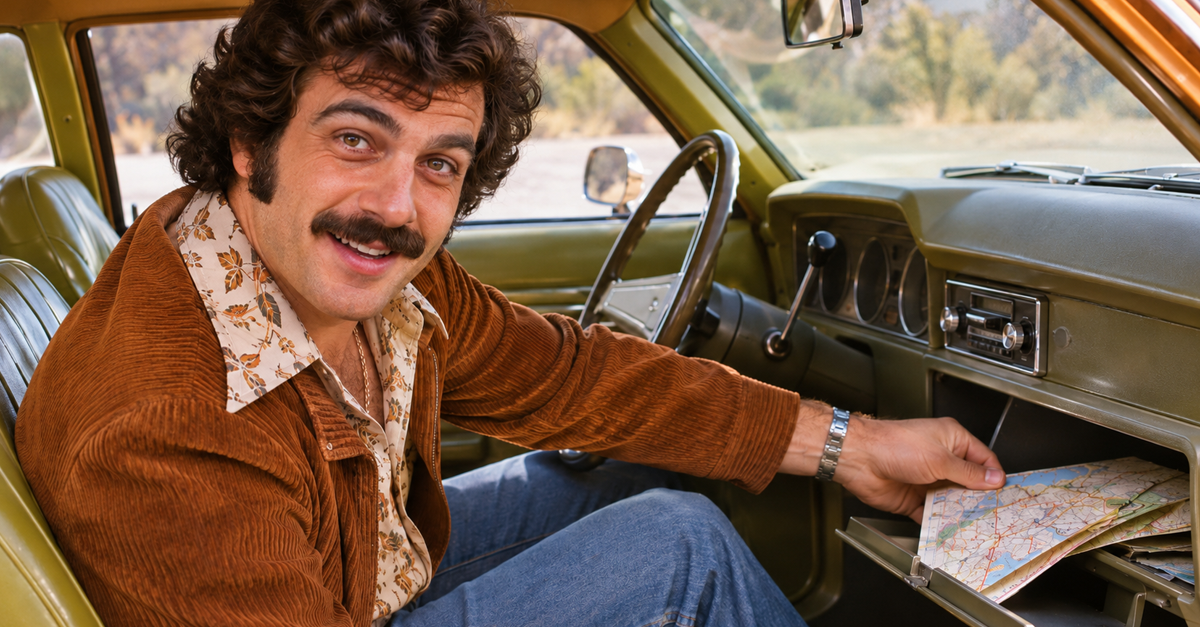
Open a car's glove box in the 1970s, and you might find a miniature collection of everything needed to survive life on the road. Before smartphones, GPS navigation, and digital records, drivers relied on paper maps, mechanical gadgets, and a few clever tricks to get around. Some of those everyday essentials have practically disappeared, while others would leave younger drivers scratching their heads.
How many of these forgotten staples did you have in your glove box?
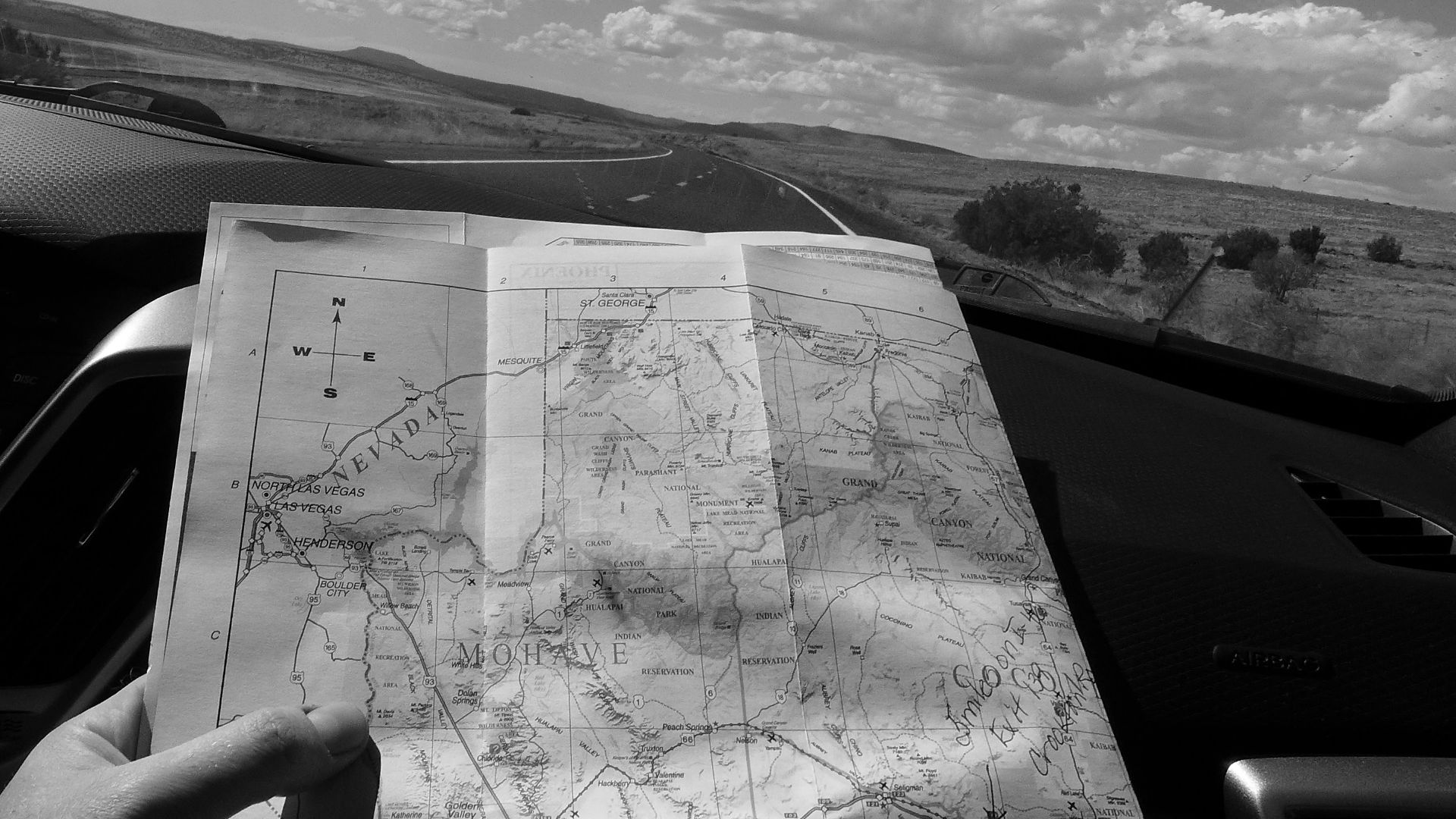
 Factinate Ltd.Folded Gas Station Road Maps
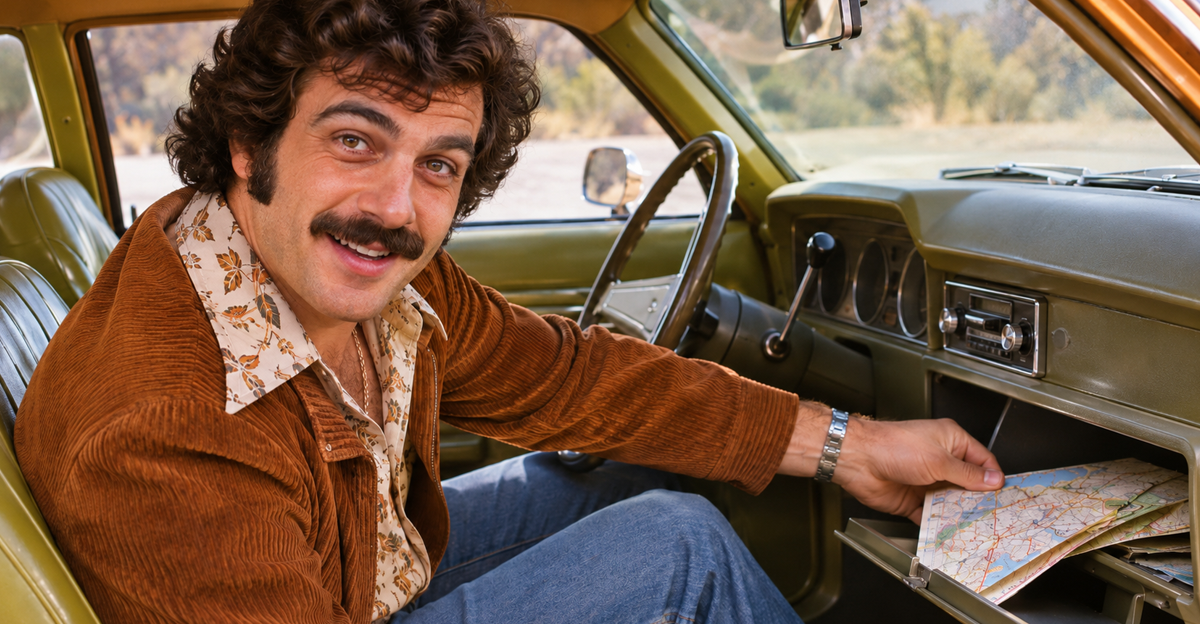
Before GPS, a paper road map could be a driver's most important possession. Gas stations once handed out free maps bearing the logos of companies like Shell and Texaco. They folded into surprisingly small rectangles, although getting them back into their original shape was another matter entirely.
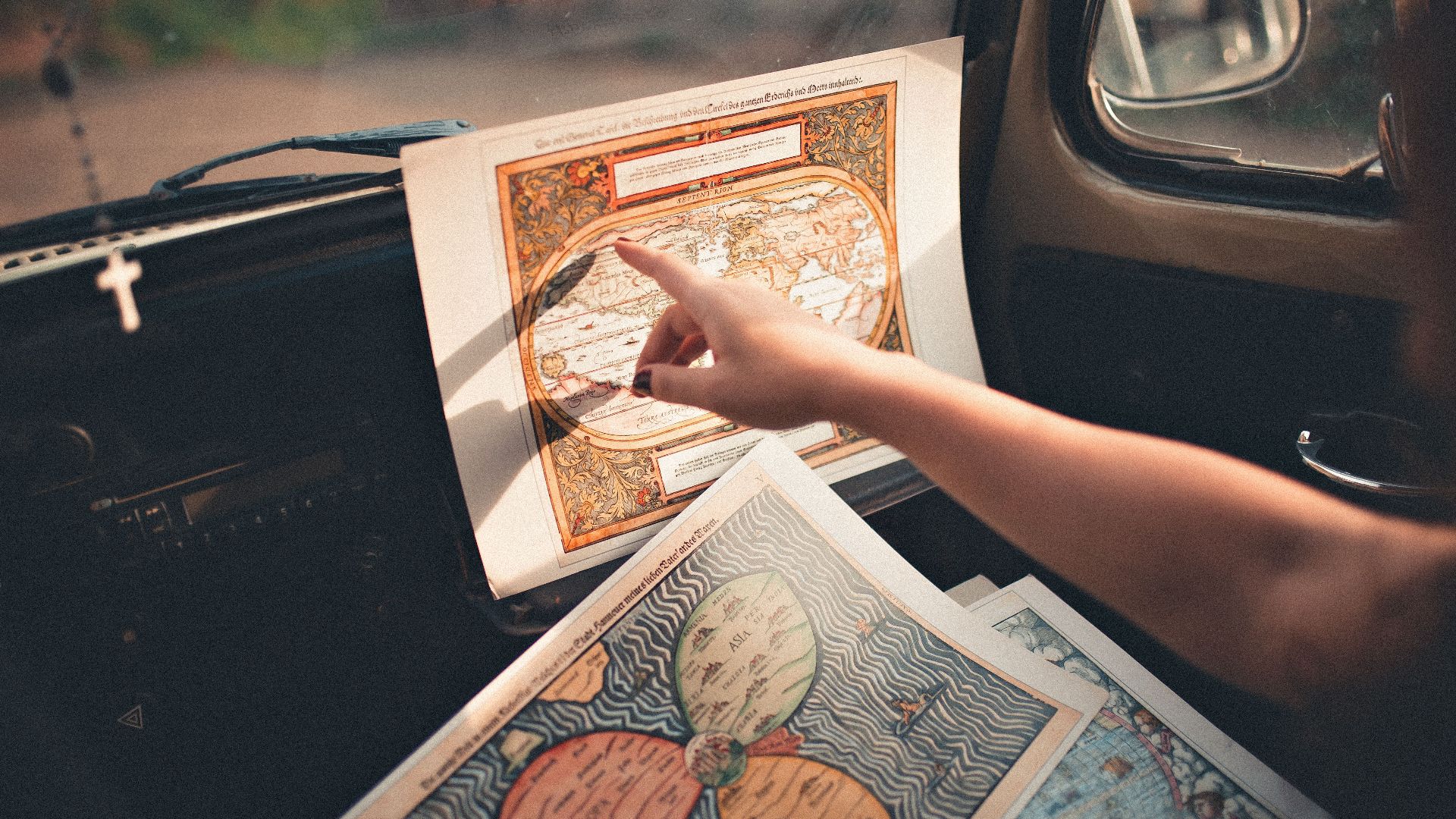
AAA TripTik Route Books
Long-distance travelers could visit an AAA office and have an entire journey mapped out for them. A TripTik contained individual strip maps showing the route, often highlighted by an AAA employee. These spiral-bound guides were especially useful when navigating unfamiliar highways without electronic directions.
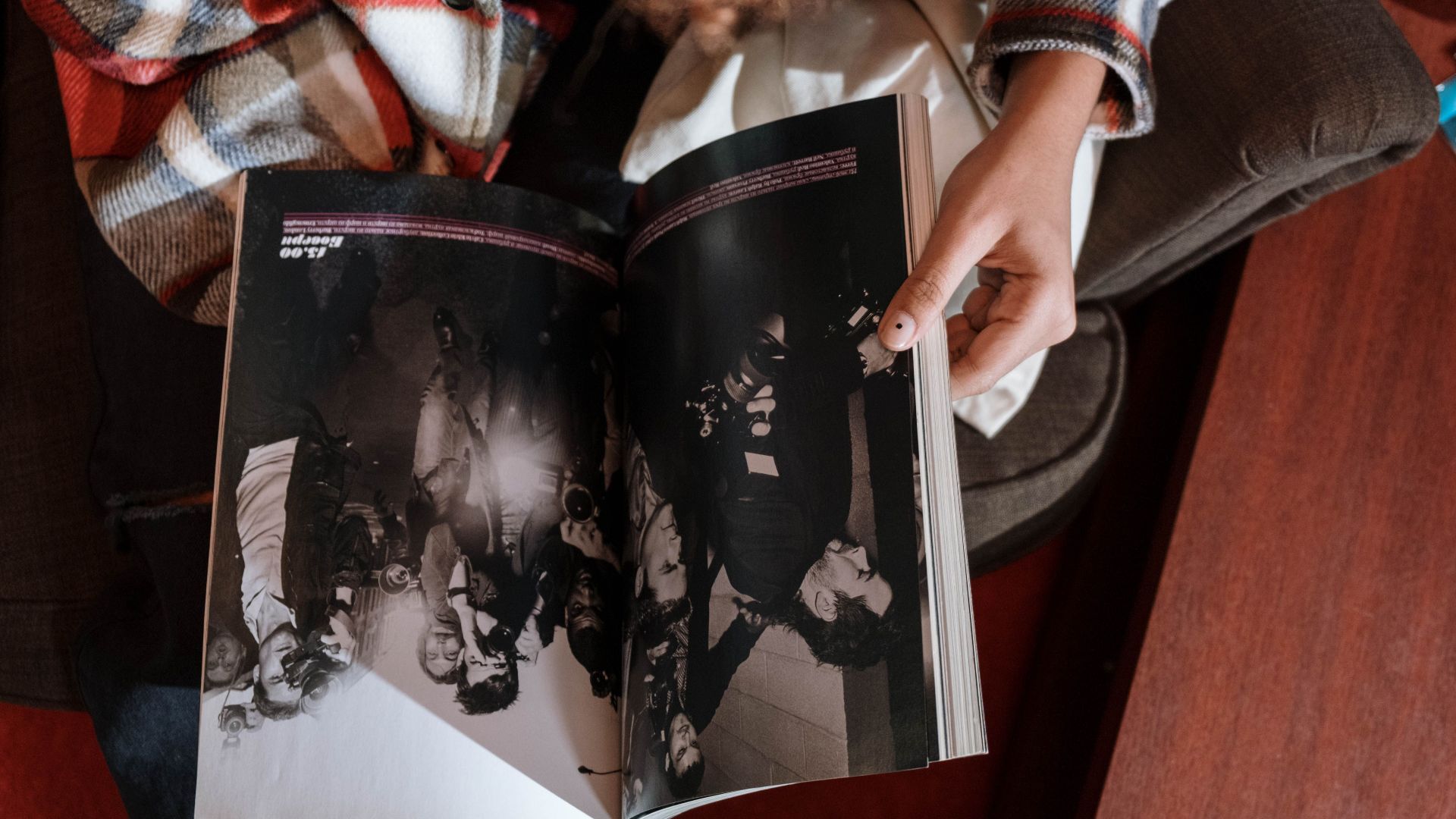
Those Thick AAA TourBooks
Finding a decent motel or restaurant was much harder without online reviews. AAA published regional TourBooks containing information about accommodations, restaurants, and other travel services. The organization introduced its Diamond Rating System for lodgings in 1976, giving motorists another way to evaluate unfamiliar places.
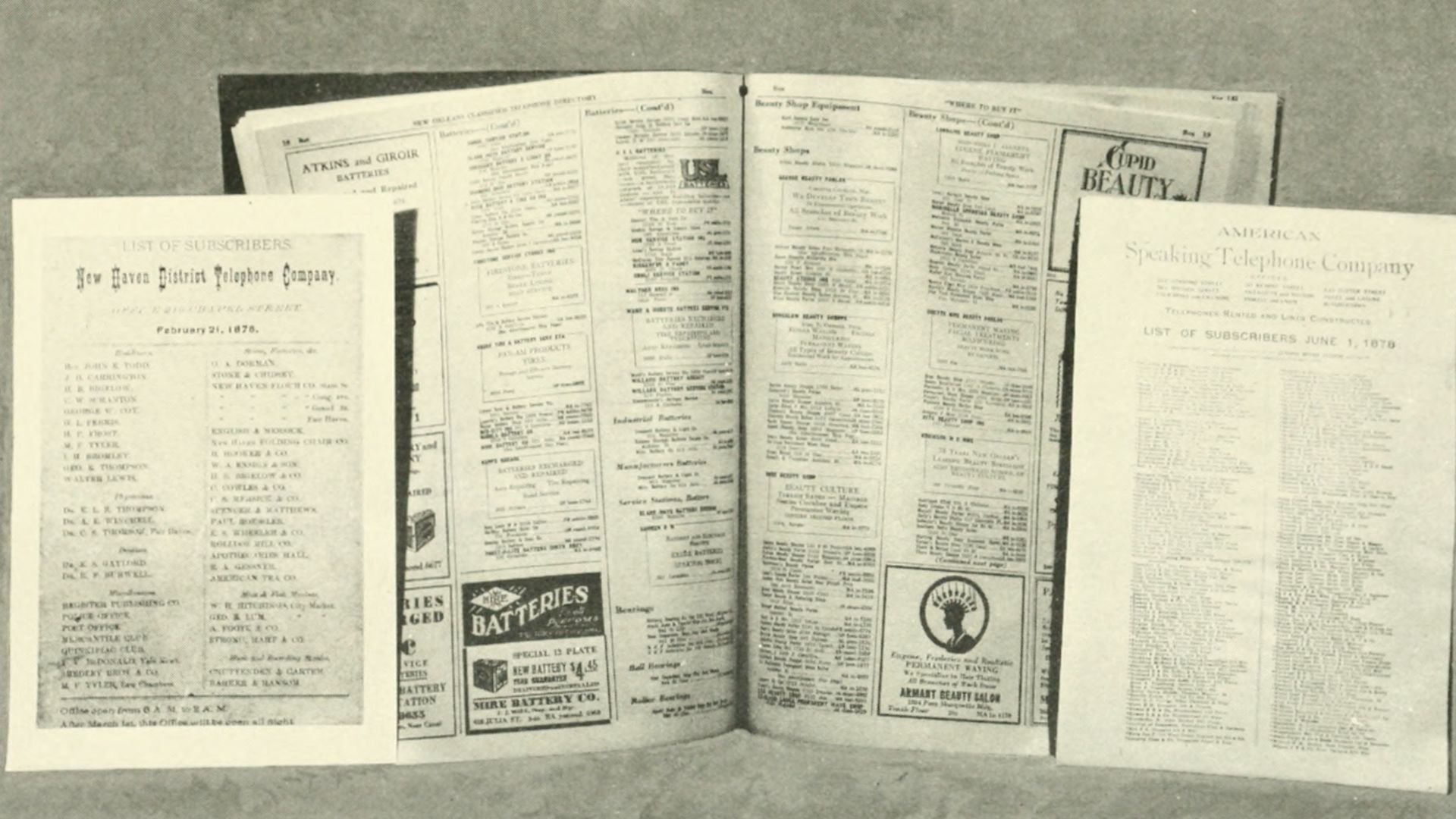
Motel Directories
Road-tripping families often carried printed directories showing where they could spend the night. Chains like Holiday Inn published guides listing their locations and available amenities. Instead of opening a booking app, travelers could consult a directory and telephone a motel to ask about availability.
 Internet Archive Book Images, Wikimedia Commons
Handwritten Turn-By-Turn Directions
A scrap of paper covered in directions could be more valuable than an expensive accessory. Drivers wrote down highway numbers, exit names, landmarks, and instructions provided by friends or relatives. One missed turn could mean pulling into a gas station to ask a stranger how to get back on track.

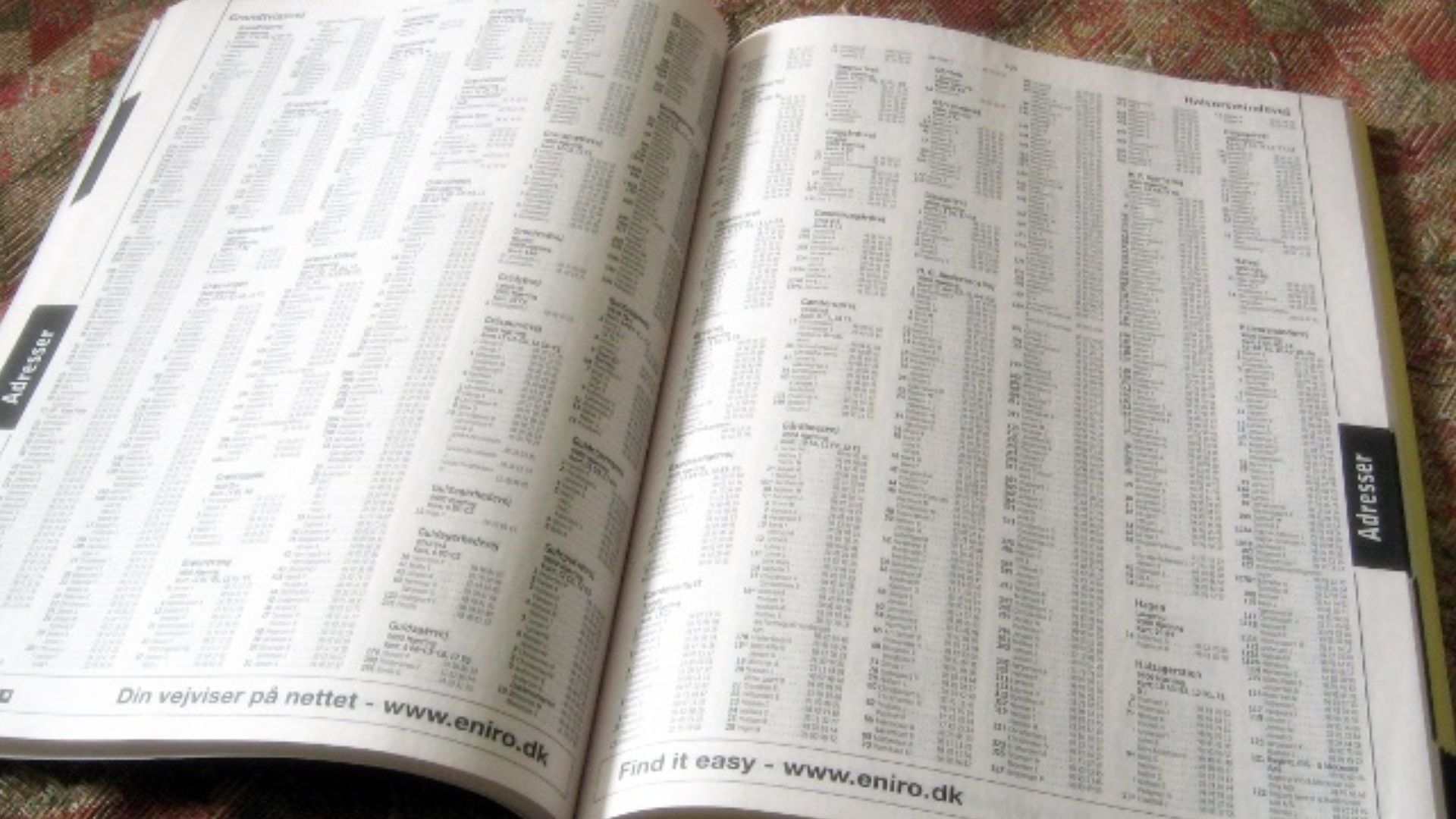
A Little Book Of Phone Numbers
An address book or handwritten contact list was useful when traveling away from home. Drivers could keep telephone numbers for relatives, workplaces, mechanics, and favorite motels close at hand. Without a mobile phone's contact list, losing that little book could make reaching someone considerably more difficult.
 © 2010 by Tomasz Sienicki [user: tsca, mail: tomasz.sienicki at gmail.com], Wikimedia Commons
Coins Reserved For Pay Phones
A few coins could be a lifeline when a driver broke down miles from home. Public pay phones required change for coin-paid calls, making a small supply of coins especially useful during emergencies. Finding a working telephone was often the first step toward getting a tow truck or calling someone for help.
 Michael Sander, Wikimedia Commons
Emergency Numbers On A Paper Card
Some motorists kept a separate card listing emergency contacts and roadside assistance information. AAA membership details and the telephone number of a trusted repair shop could be particularly useful. When trouble struck, drivers couldn't simply search for the nearest mechanic on their phones.

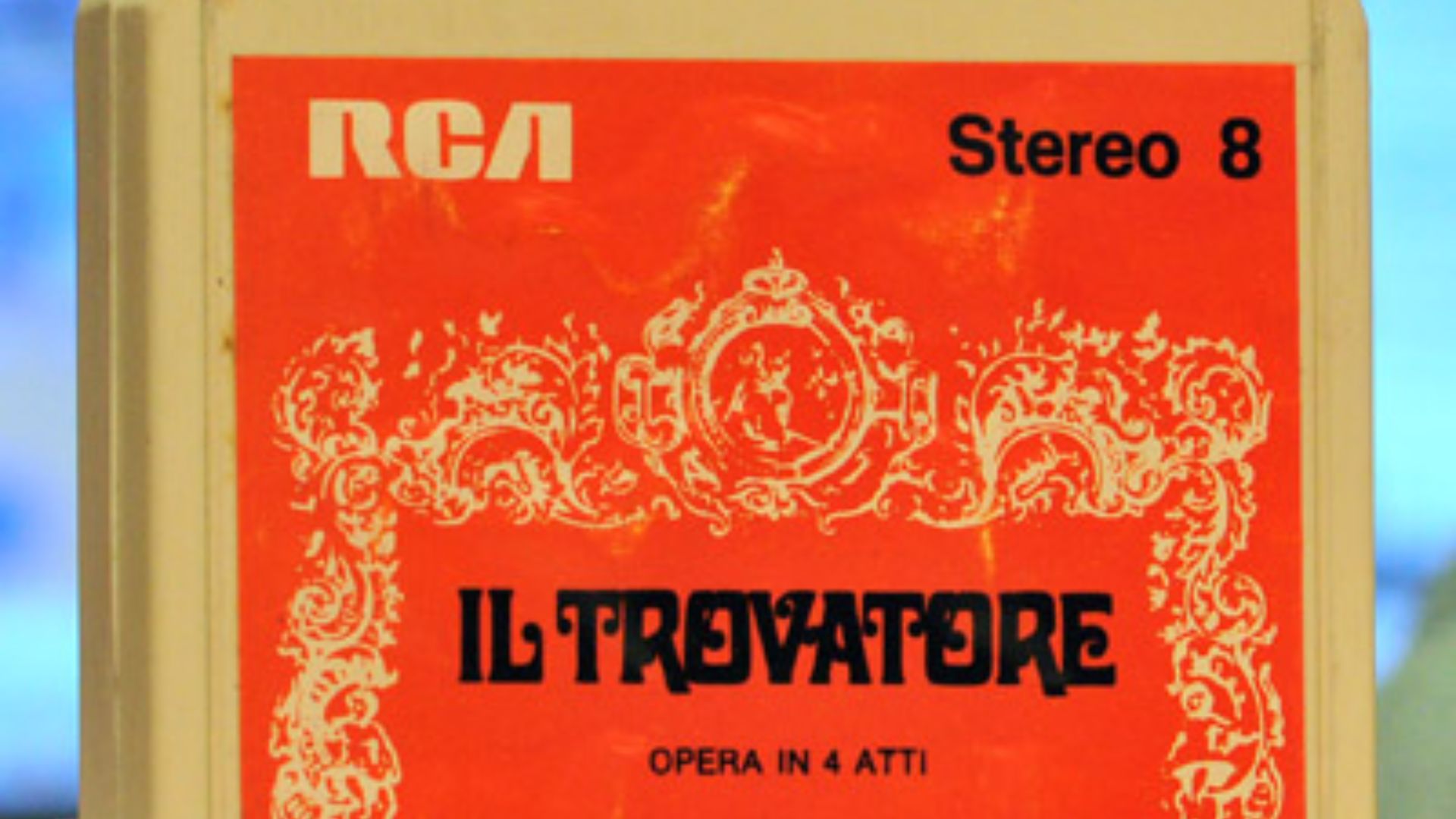
Eight-Track Tapes
These chunky plastic cartridges were a familiar sight in cars throughout the 1970s. Eight-track players offered prerecorded music without the need to tune into a radio station, although recordings were divided into four stereo programs. The cartridges were bulky enough that just a few could occupy much of the glove box.
 Runningboards, Wikimedia Commons
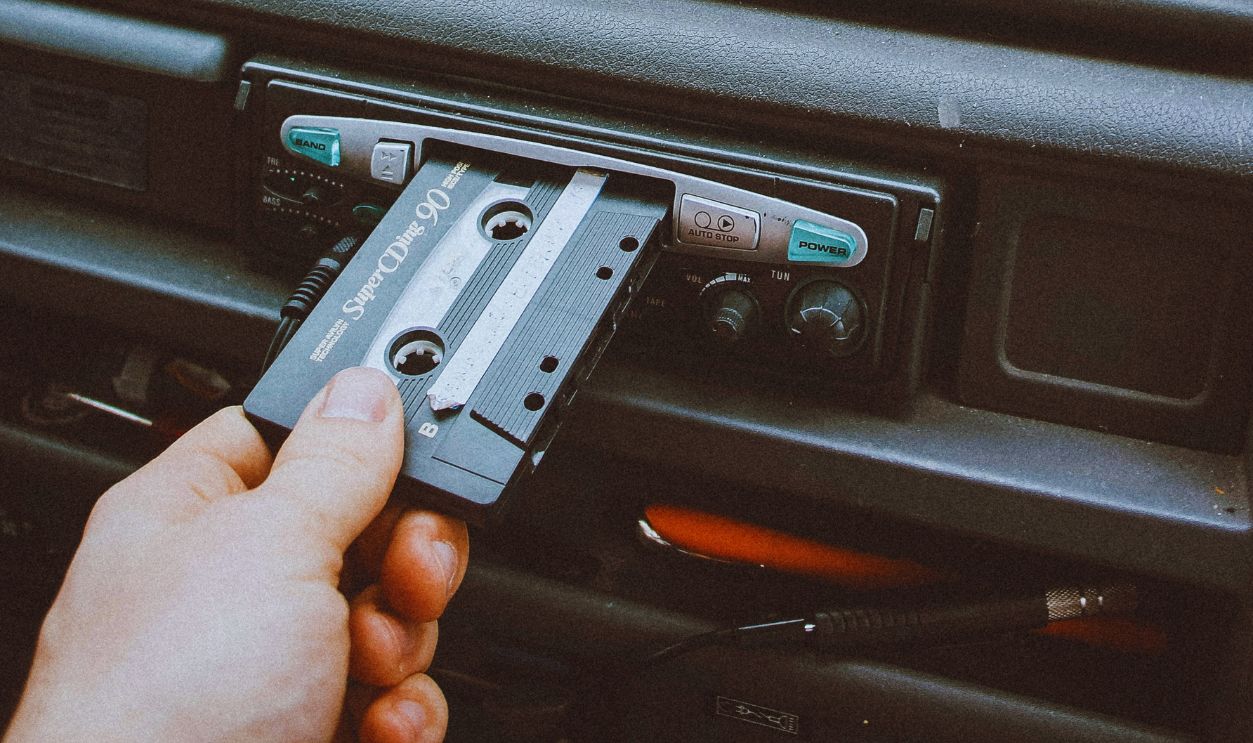
Cassette Tapes In Plastic Cases
As cassette players gained popularity, drivers began carrying their favorite albums in compact plastic cases. Unlike eight-tracks, cassettes could be rewound and fast-forwarded to specific parts of a recording. They were also small enough to fit several into a glove compartment, although tapes left in hot cars could suffer damage.
A Pencil For Fixing Cassette Tapes
A pencil wasn't always there for writing down directions. When a cassette's magnetic tape became loose, drivers could insert a pencil into one of the reels and turn it to take up the slack. Anyone who owned a cassette player probably remembers this surprisingly effective trick.
 Revital Salomon, Wikimedia Commons
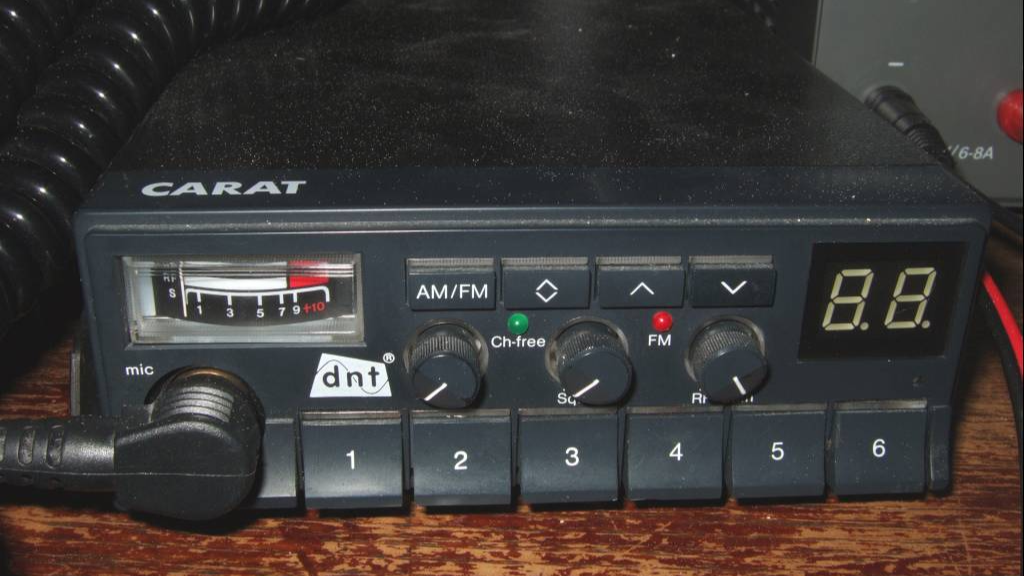
CB Radio Slang Guides
The CB radio craze turned ordinary motorists into amateur radio operators during the 1970s. Newcomers could consult printed guides explaining expressions like "10-4" for acknowledgment and "Smokey" for a police officer. The popularity of movies like Smokey and the Bandit helped bring this trucker vocabulary into everyday conversation.
 Benjamin Heinecke, CC BY-SA 2.5, Wikimedia Commons
The Original Owner's Manual
A thick printed owner's manual was indispensable when something unfamiliar happened to the car. It explained dashboard controls, fluid requirements, maintenance intervals, and the locations of important components. Many modern cars still have printed manuals, but digital versions now make it possible to look up the same information on a screen.

A Little Maintenance Record Book
Careful owners recorded oil changes, tire rotations, and other maintenance work in small booklets. Each entry might include the date, odometer reading, and the garage that performed the service. These handwritten records helped owners remember upcoming work and document the vehicle's history.

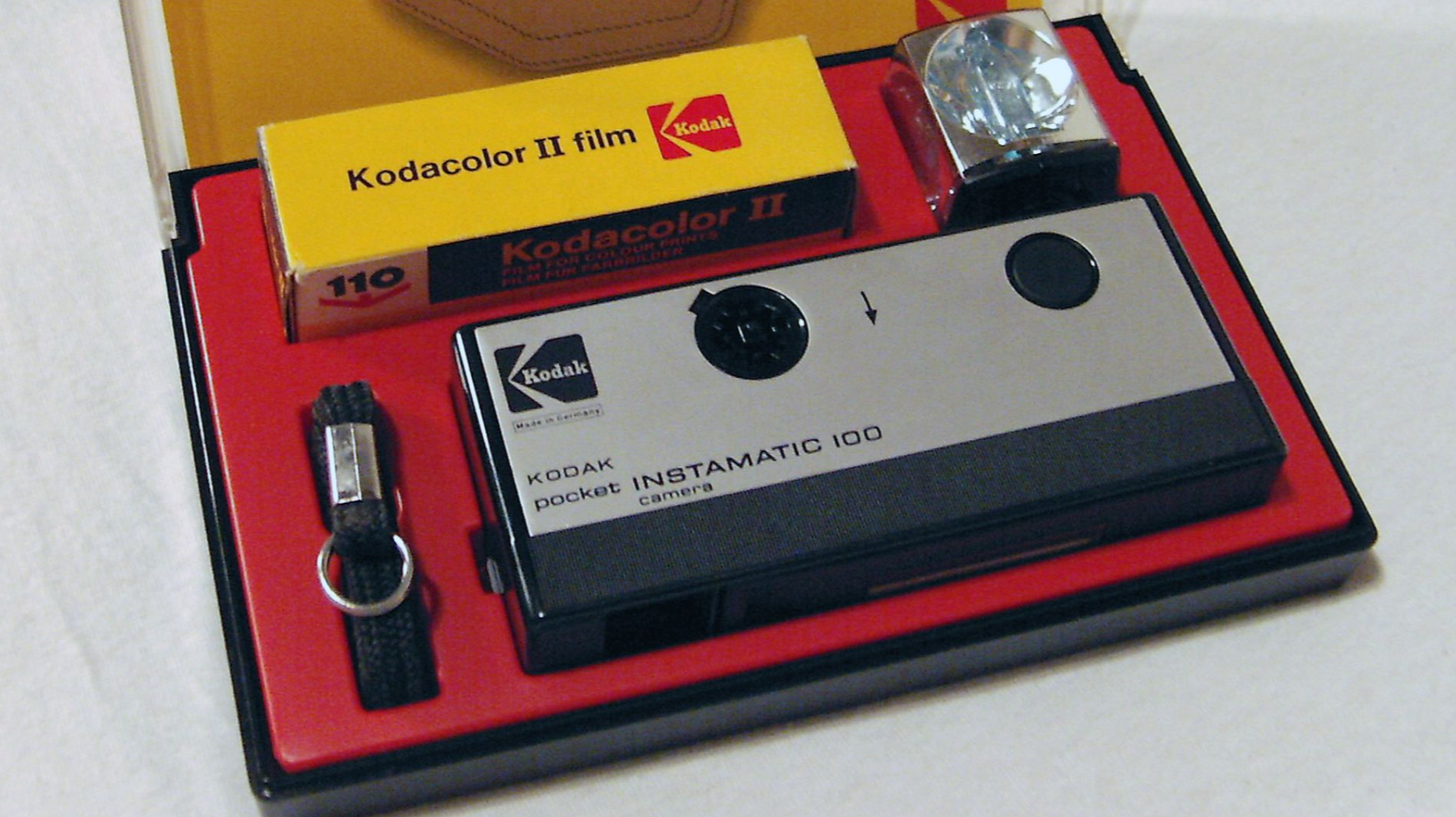
A Kodak Pocket Instamatic Camera
Some travelers kept a small film camera handy for unexpected roadside photo opportunities. Kodak introduced its Pocket Instamatic cameras in 1972, using compact 110 film cartridges. Unlike today's smartphone cameras, each photograph used up a frame of film that had to be developed before anyone could see the results.
 Carsten Corleis, Wikimedia Commons
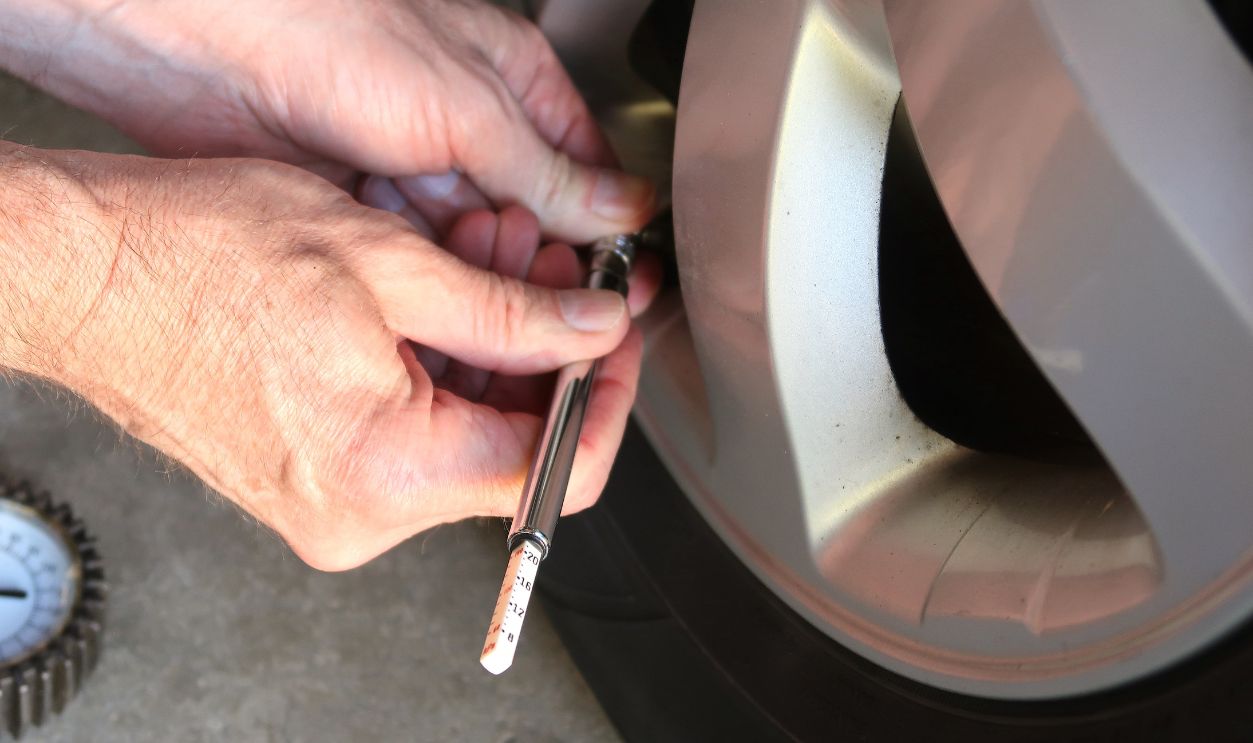
A Pencil-Shaped Tire Pressure Gauge
This little metal gadget was one of the handiest tools a driver could carry. Pressing it against a tire valve caused a marked measuring stick to pop out and display the pressure. Many modern vehicles have electronic tire-pressure monitoring systems, although a manual gauge remains useful for checking actual readings.
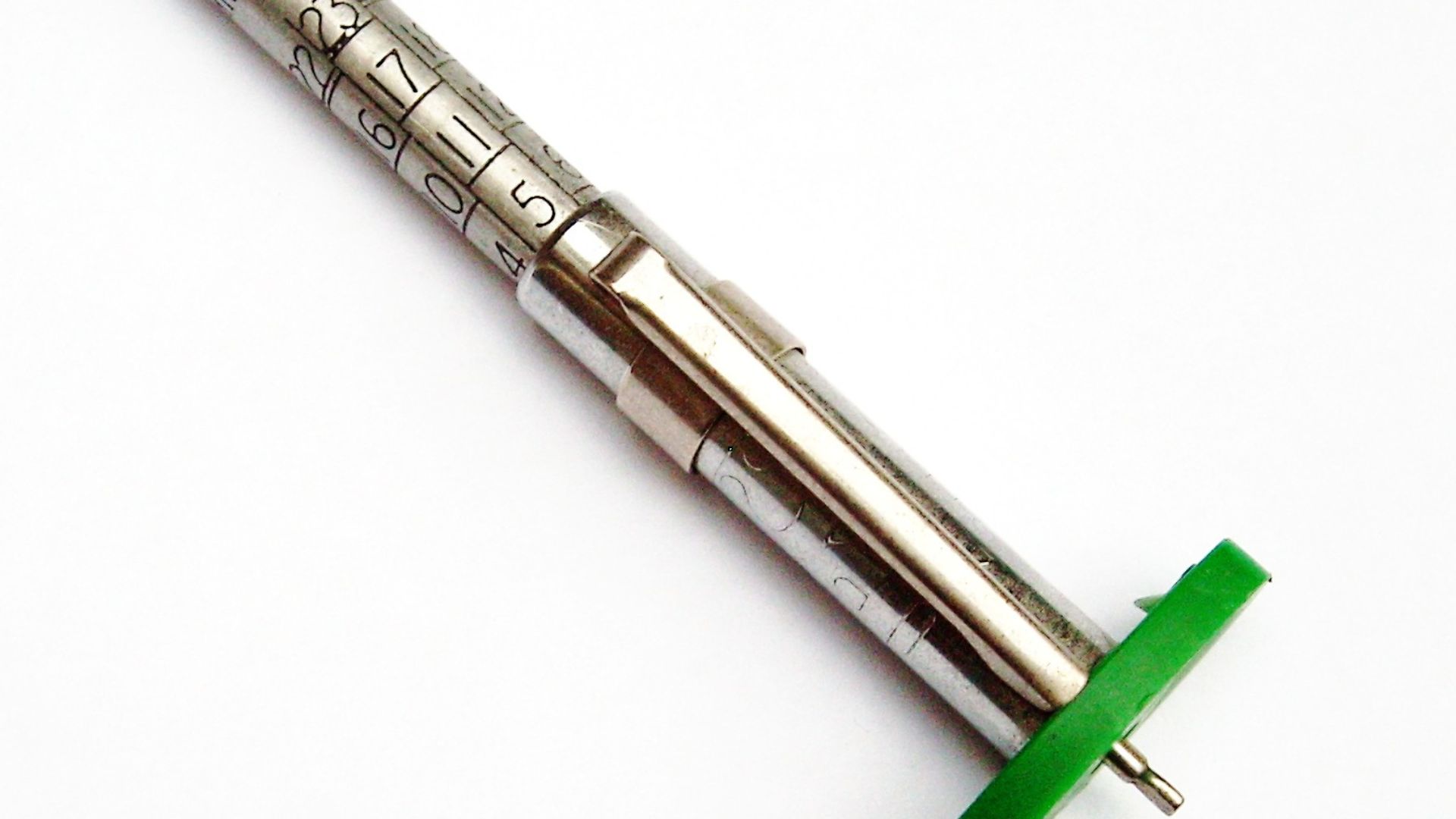
A Tire Tread Depth Gauge
Another small measuring tool helped motorists determine how much tread remained on their tires. Mechanical gauges used a narrow probe and graduated scale to measure the depth of a tire's grooves. Unlike simply looking at a tire, checking the measurement gave drivers a better indication of when replacement was necessary.
 Simon Speed, Wikimedia Commons
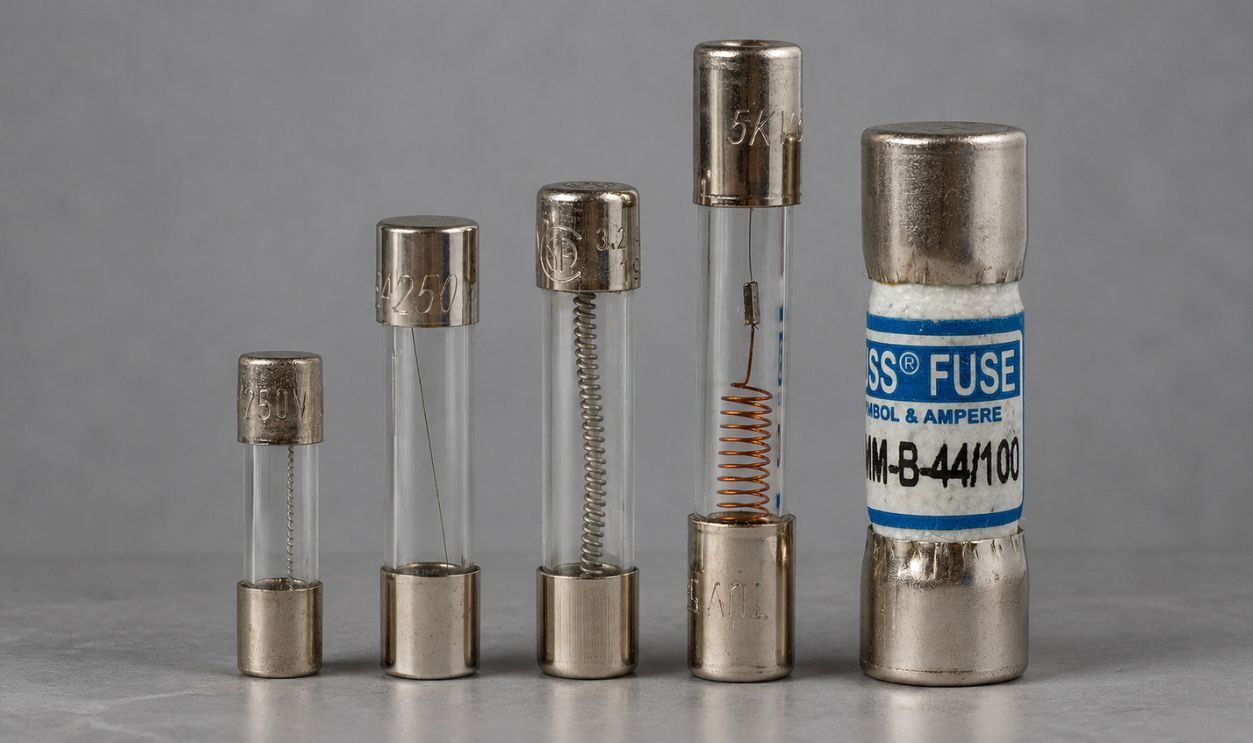
Spare Glass Tube Fuses
Many older cars used small cylindrical fuses with glass bodies and metal ends. When a circuit failed, drivers could inspect the fuse for a broken internal filament and replace it with one of the correct rating. Blade-style fuses began replacing the older design during the 1970s, making glass fuses a reminder of an earlier generation of automotive electronics.
 Medvedev, Wikimedia Commons, Enhanced
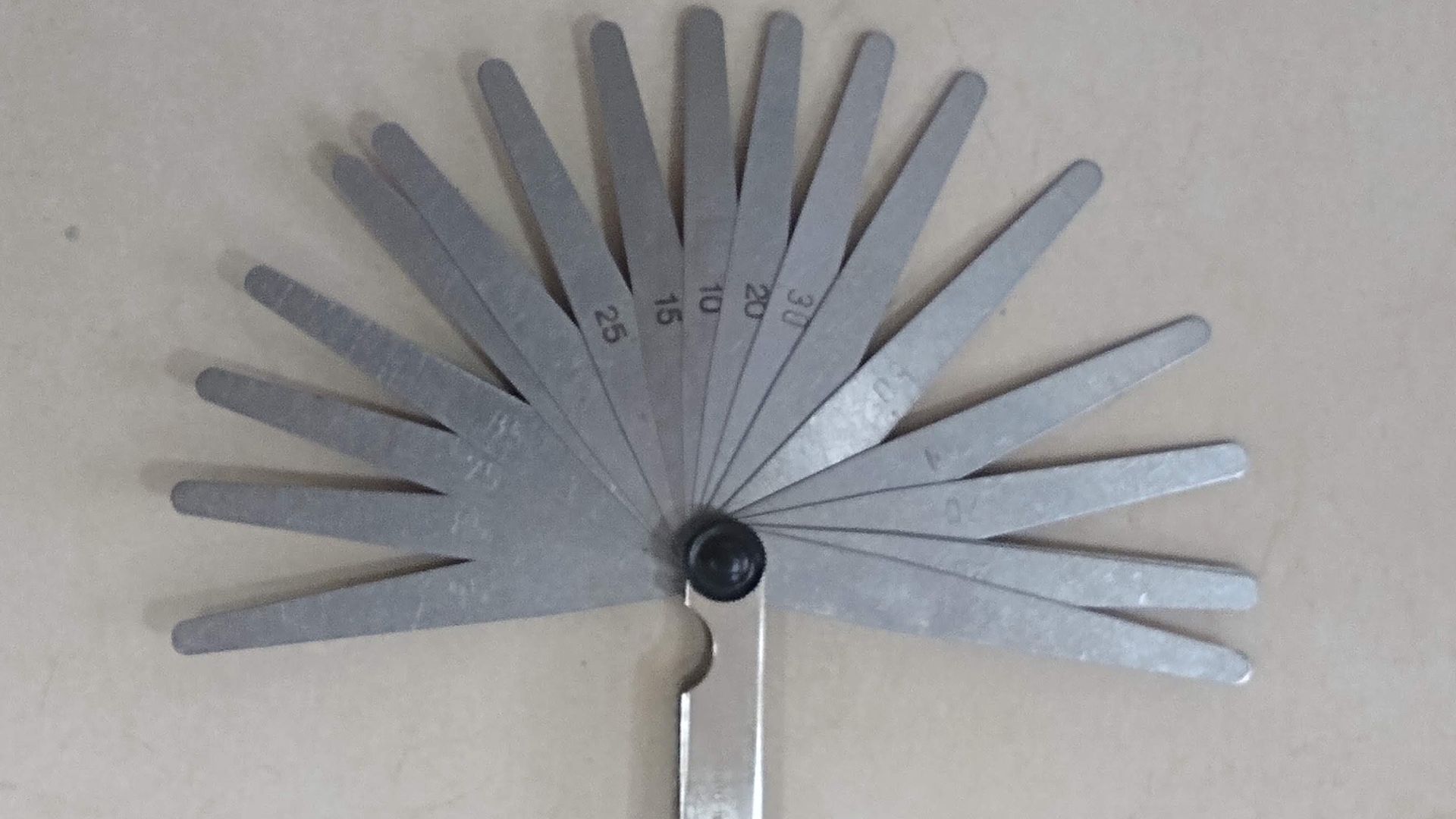
A Feeler Gauge For Ignition Points
Before electronic ignition became widespread, many engines depended on mechanical breaker points inside their distributors. A feeler gauge contained thin metal blades of different thicknesses for measuring and adjusting small gaps. Mechanically inclined drivers used these tools when servicing ignition systems, something most modern motorists never need to do.
 Mauro Cateb, Wikimedia Commons
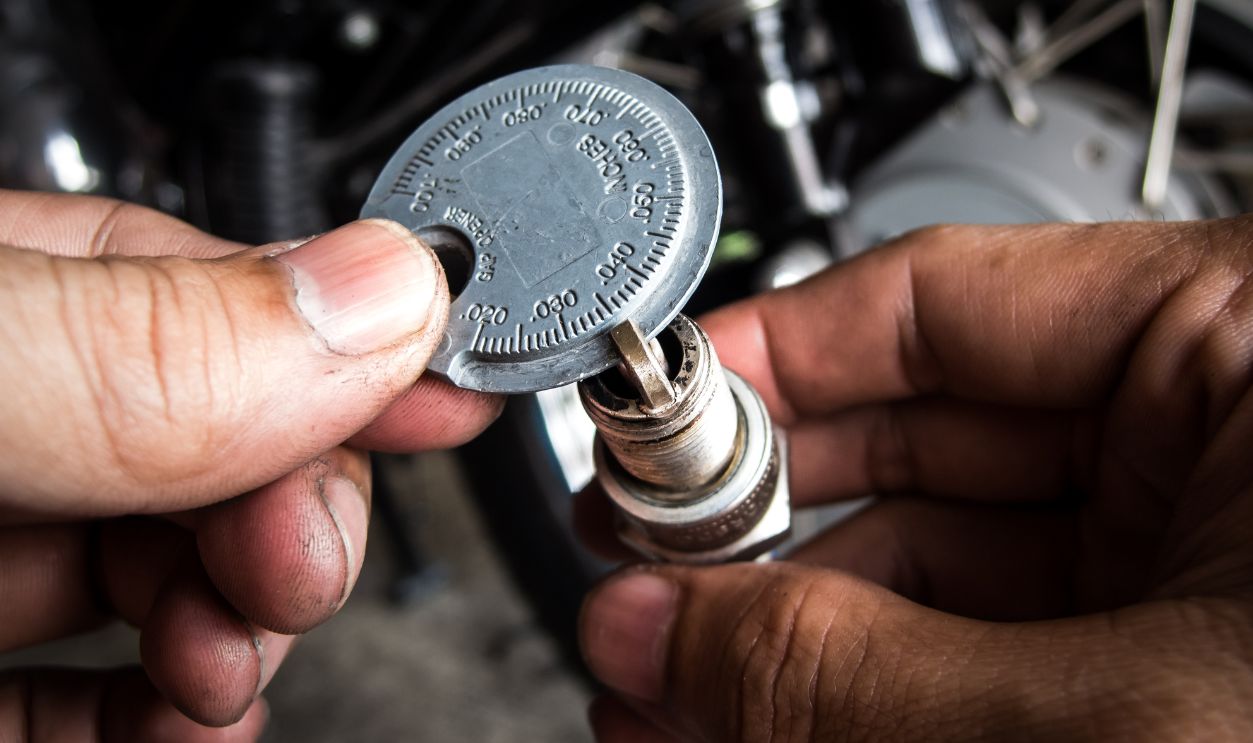
A Spark Plug Gap Tool
Another small gadget helped drivers check the distance between a spark plug's electrodes. The correct gap was important for reliable ignition, and owners could consult the car's specifications before making adjustments. Coin-shaped gap gauges were particularly convenient because they took up very little space.
 Ekkarat Khongrot, Shutterstock
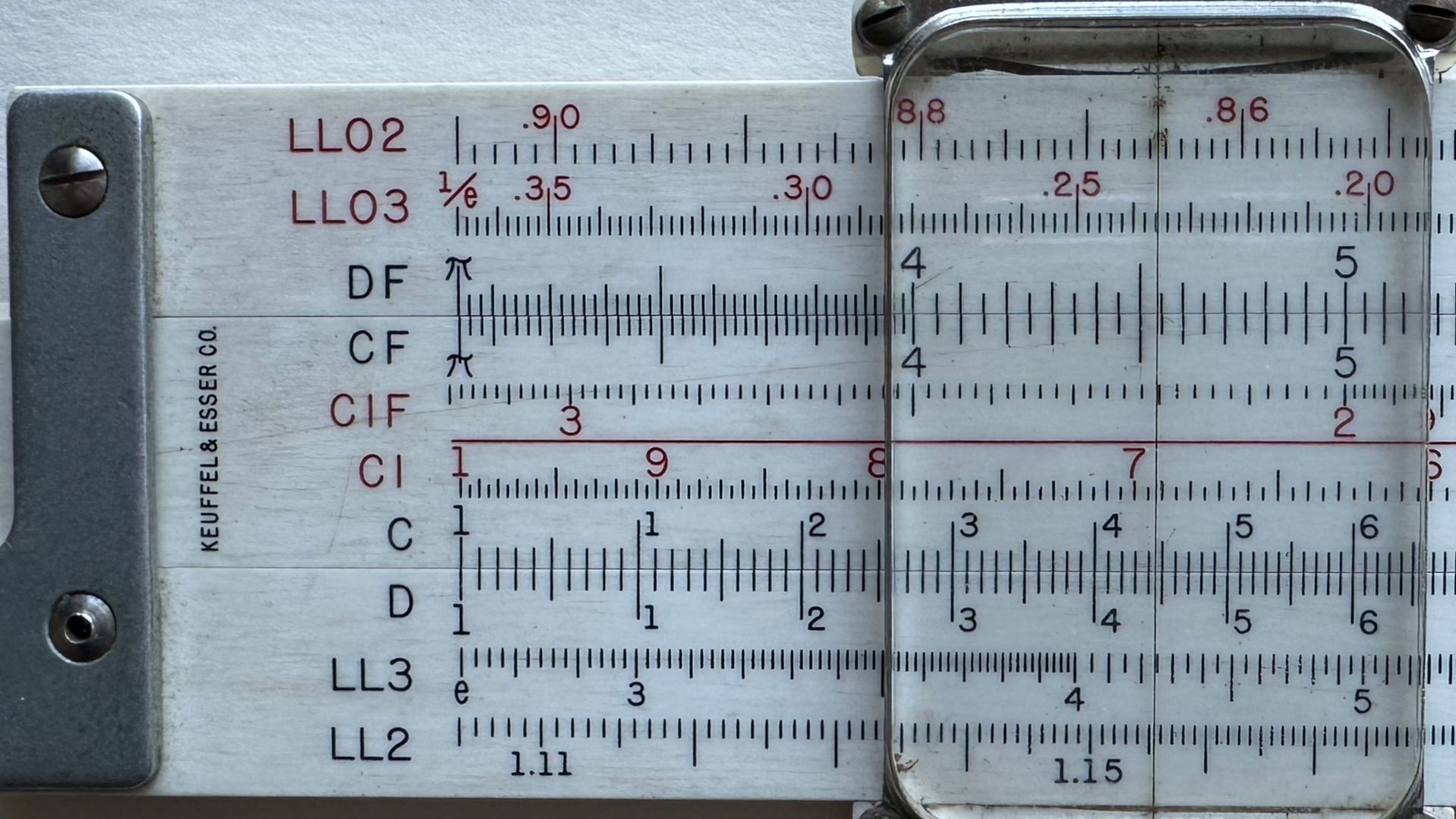
A Cardboard Gas Mileage Calculator
When gasoline prices soared during the 1970s, drivers became increasingly interested in fuel economy. Some gas companies distributed small circular calculators that helped motorists work out their miles per gallon. Skelly Oil even offered a promotional mileage meter around 1974, complete with a place to record fuel consumption.
 User:ArnoldReinhold, Wikimedia Commons
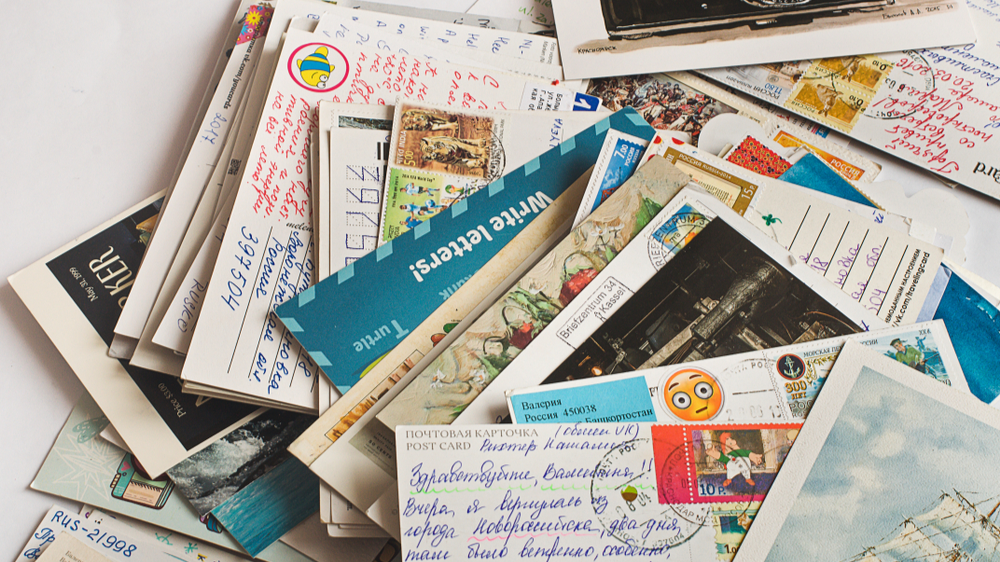
Postcards From Roadside Attractions
Long before travelers posted vacation photographs online, postcards were a popular way to share an interesting stop. Gift shops sold colorful cards featuring scenic highways, motels, and unusual roadside landmarks. Some travelers tucked unused cards into the glove box until they found time to write a message and mail them.
 Valentina Perfilyeva, Shutterstock
Spare Change For Toll Booths
Drivers who regularly used toll roads often kept a supply of coins within easy reach. Exact-change booths and collection baskets made having the right amount especially convenient. Electronic toll collection has largely eliminated the need to count out coins at highway entrances and exits.
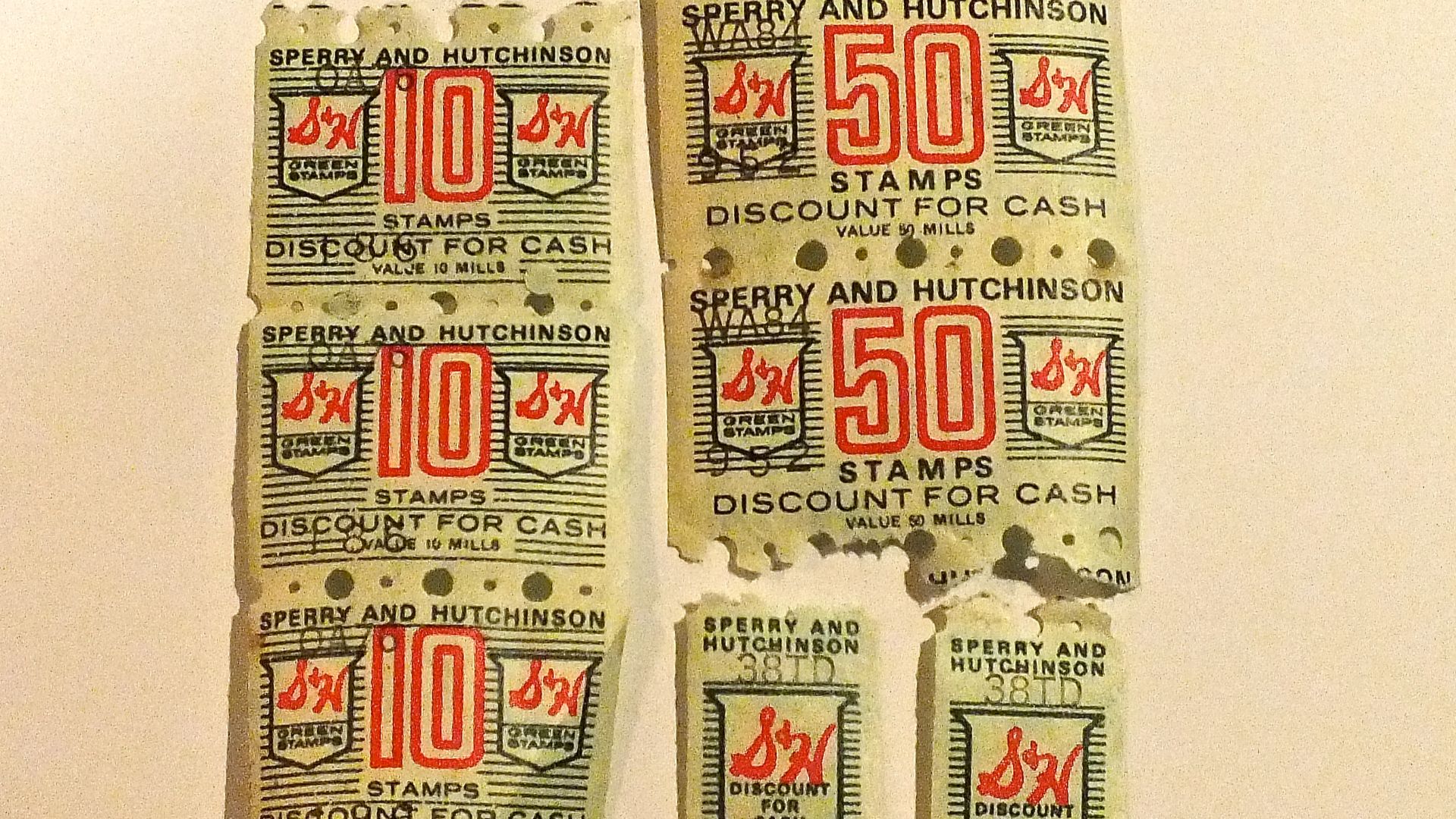
S&H Green Stamps
Before digital loyalty programs, shoppers collected physical trading stamps from participating businesses. S&H Green Stamps could be pasted into booklets and exchanged for merchandise once enough had been saved. Some gas stations participated in stamp promotions, although the program's popularity began declining during the 1970s.
 Cayobo from Key West, The Conch Republic, Wikimedia Commons
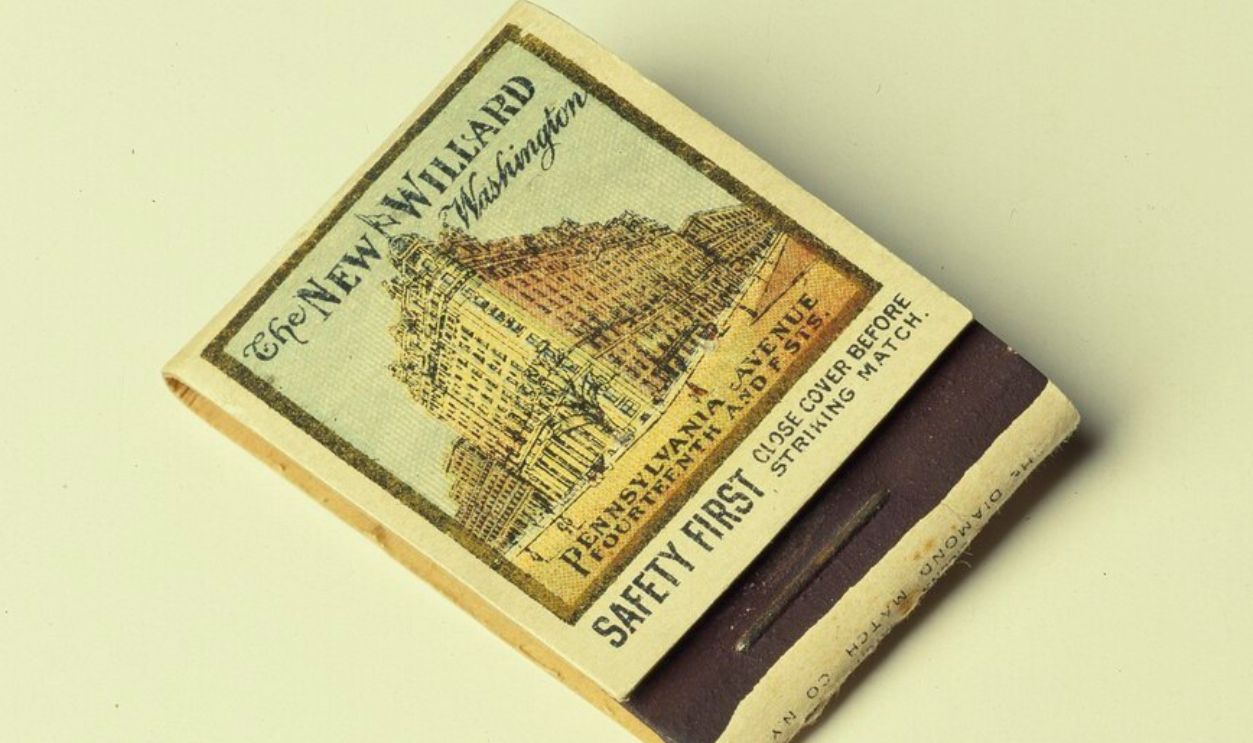
Matchbooks From Roadside Restaurants
Restaurant matchbooks were once a common form of inexpensive advertising. Travelers could pick them up at diners, motels, and other roadside businesses, sometimes accumulating quite a collection. Even nonsmokers might save a matchbook because its cover carried a useful business name, address, or telephone number.
 Carol M. Highsmith, Wikimedia Commons
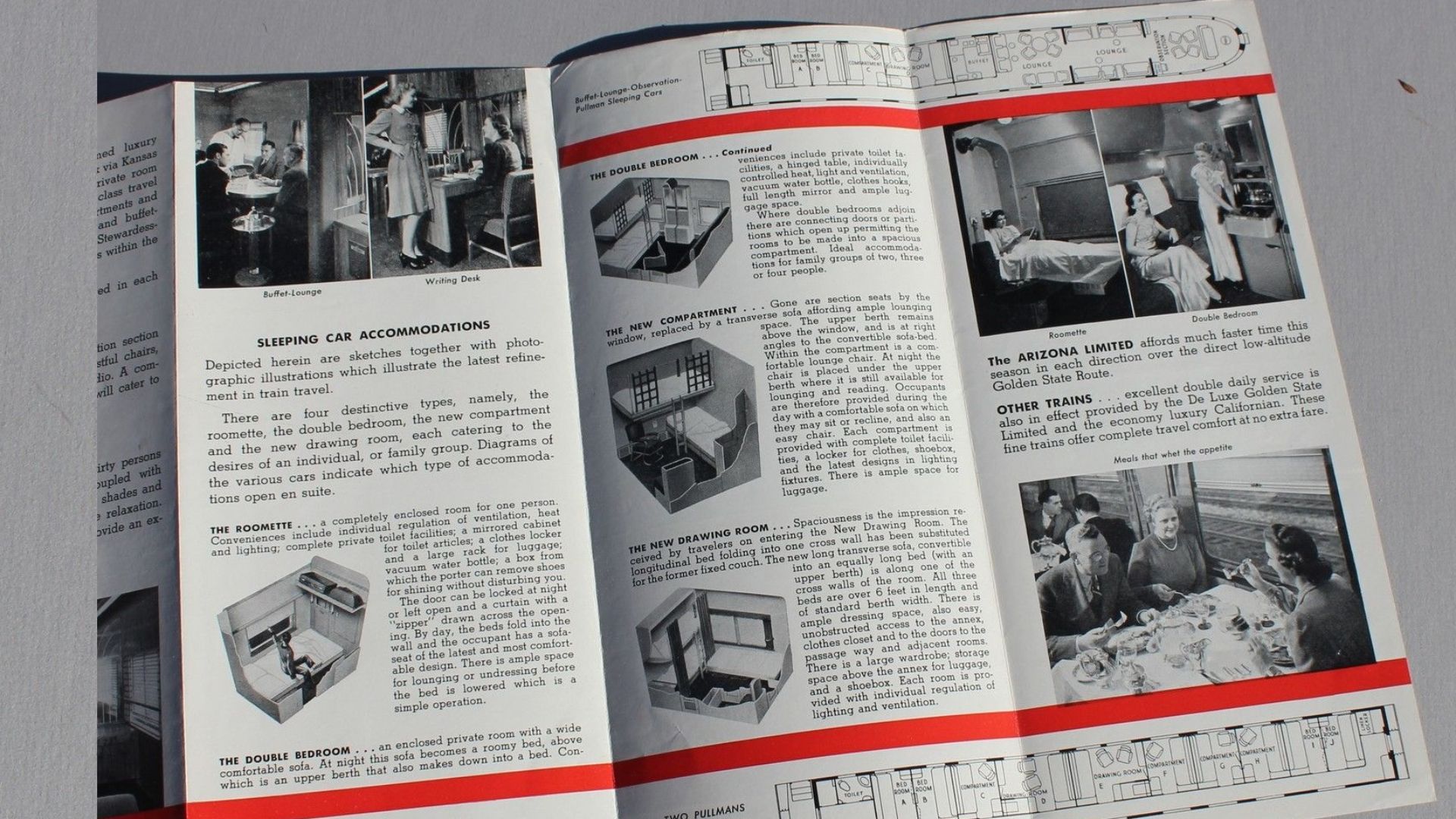
Tourist Attraction Brochures
Printed brochures advertised everything from national parks to unusual roadside attractions. Families picked them up at visitor centers, motels, and restaurants while planning their next stop. A glove box stuffed with colorful pamphlets could become a souvenir collection of an entire summer vacation.
 Rock Island and Southern Pacific Railroads, Wikimedia Commons
Gas Station Credit Cards
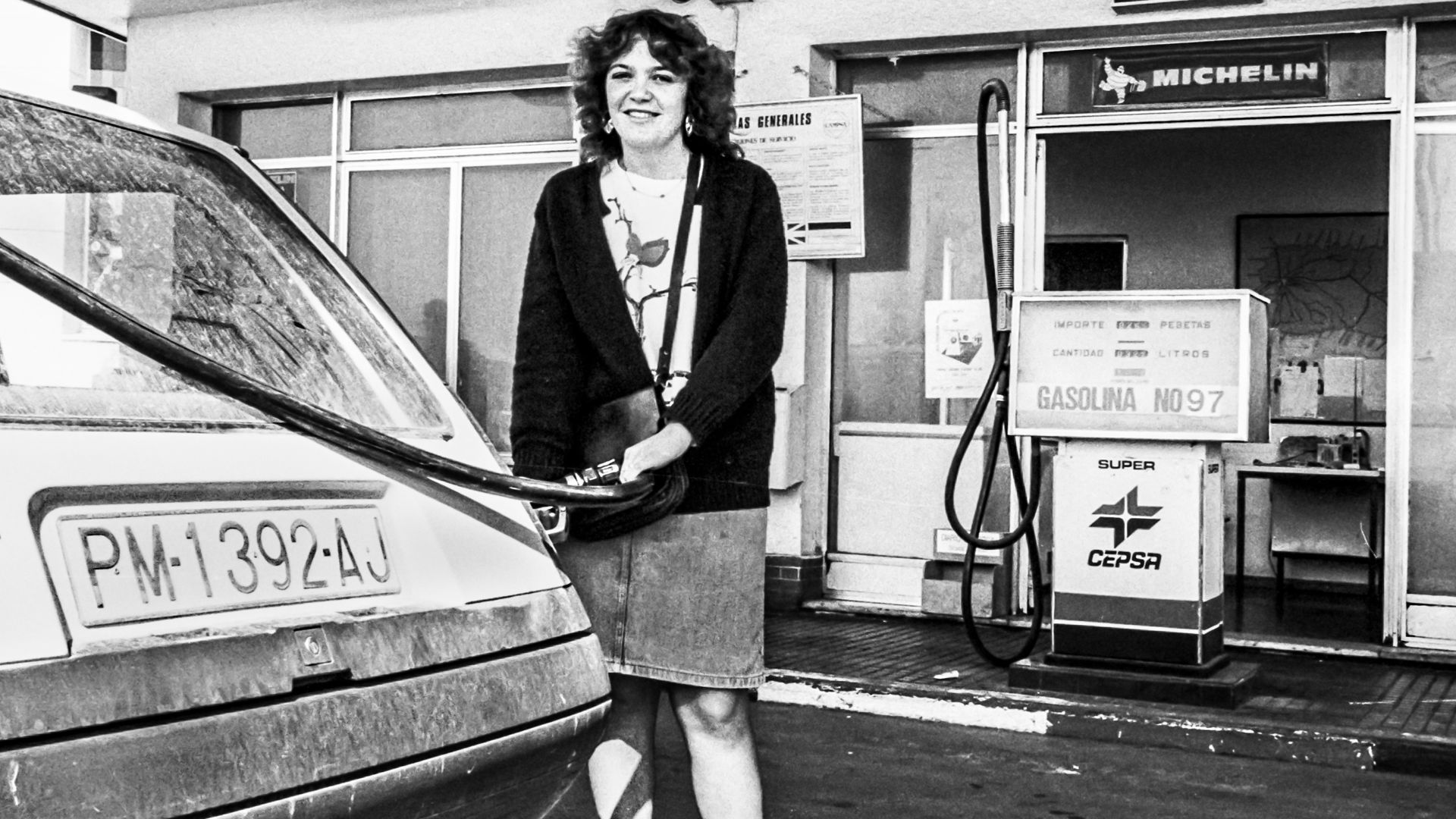
Long before universal payment cards became so convenient, oil companies issued their own branded credit cards. A driver might carry a card associated with a particular gasoline retailer and use it at participating stations. Finding a location that accepted the right card mattered considerably more than it does with today's widely accepted payment networks.
 Carolina Latorre Canet, Wikimedia Commons
A Flashlight For Roadside Emergencies
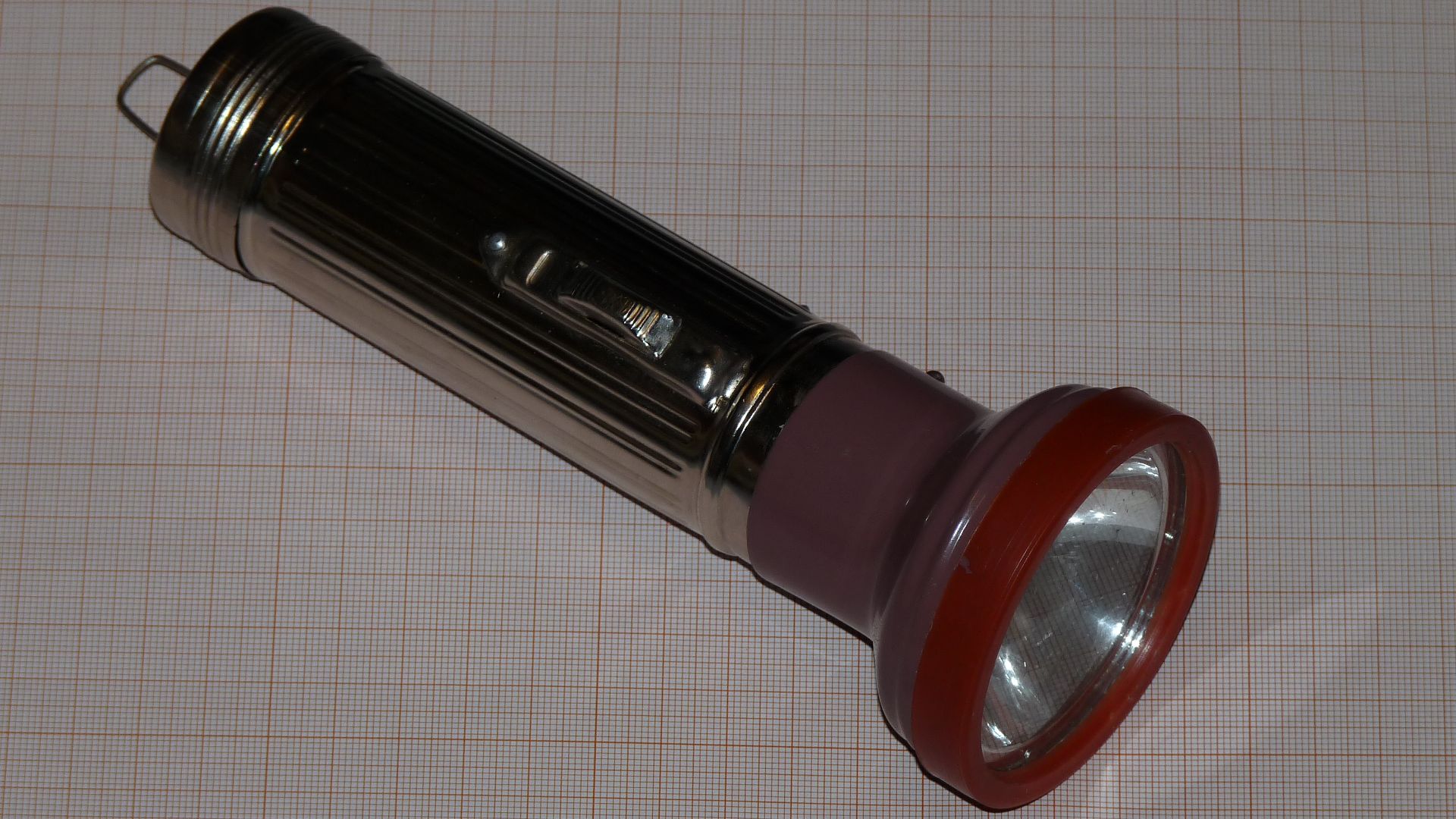
A small flashlight was worth keeping nearby when a breakdown happened after dark. Drivers could use one to inspect the engine compartment, locate a dropped item, or read a map without relying on the car's interior light. Today, many people would reach for their phone's flashlight, but a dedicated one remains a practical emergency accessory.
A Glove Box Full Of Memories
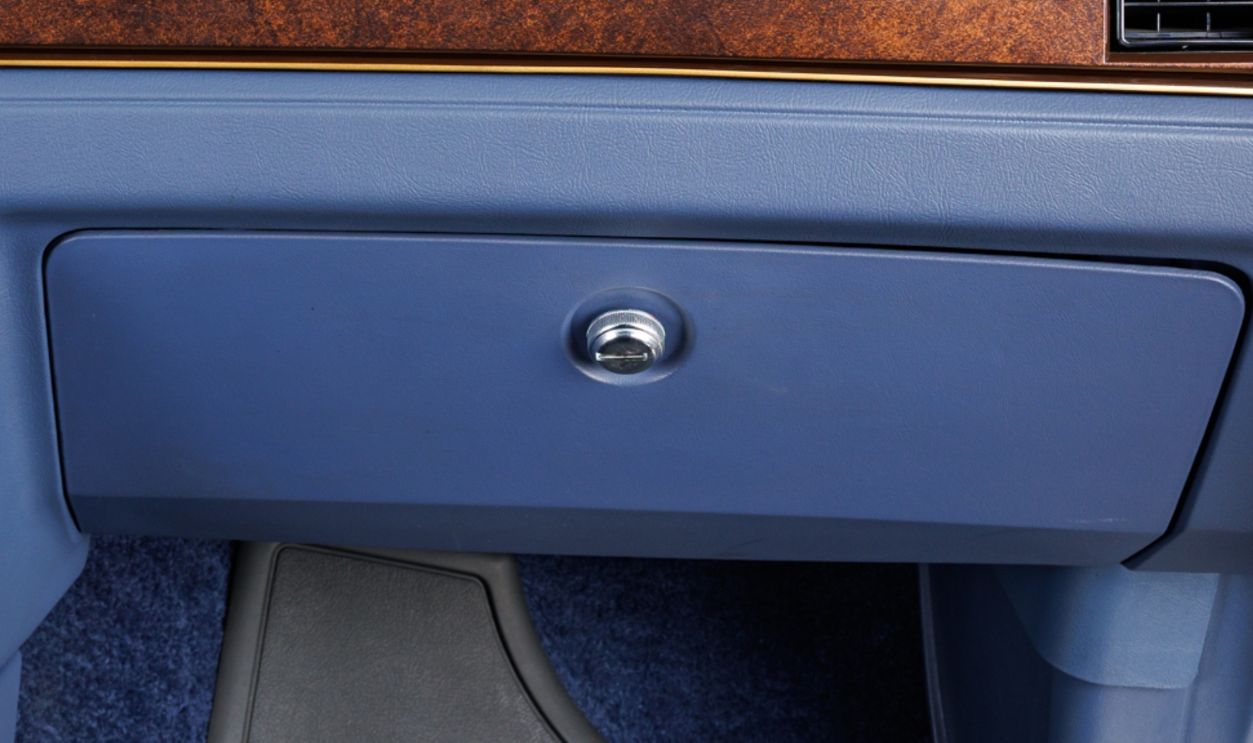
By the end of the 1970s, a well-stocked glove box could contain everything from road maps and music tapes to spare fuses and motel directories. Many of those objects eventually disappeared as cars became more sophisticated and technology changed how people traveled. Today's glove compartments might be less cluttered, but they also lack some of the character that made those old collections memorable.
What forgotten item from your own 1970s glove box would you add to the list?
You May Also Like:
Forgotten Brands Sold In Auto Parts Stores In The 1970s—How Many Do You Still Remember?