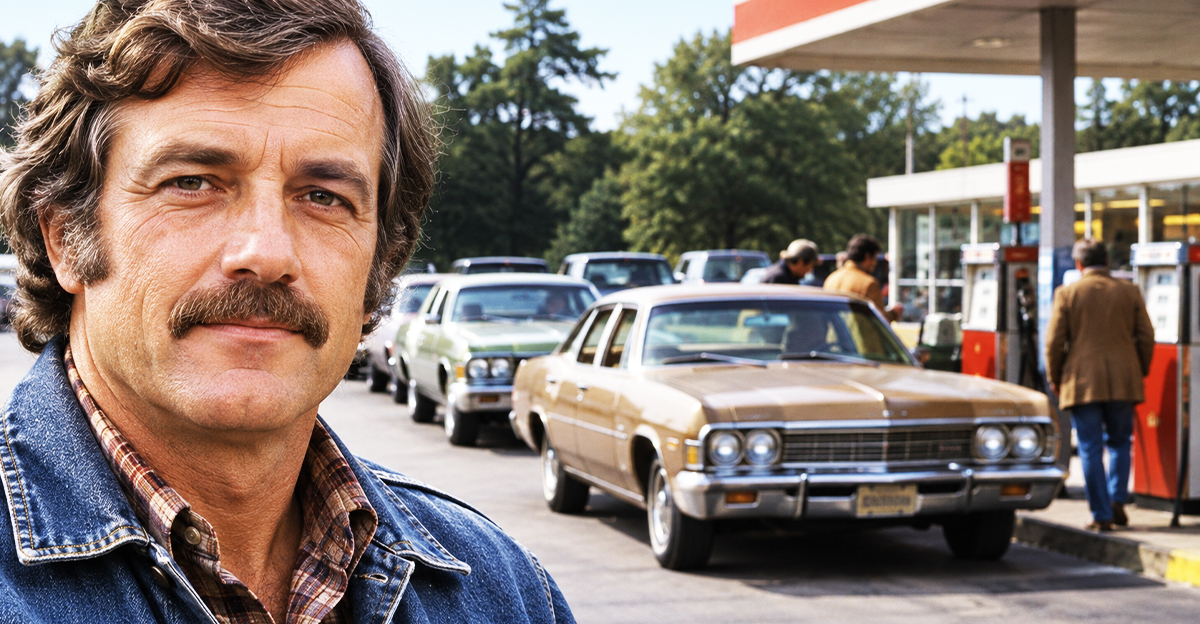
When Every Gallon Counted
Remember the gas shortages of the 1970s? Long lines at service stations, skyrocketing prices, and the sudden realization that gasoline wasn't always going to be cheap changed how Americans drove. Half a century later, a lot of those old fuel-saving habits are finding new relevance. From slowing down on highways to squeezing every possible mile out of a tank, here are 24 strategies from the energy crisis era that still make sense today.
Slowing Down On Highways
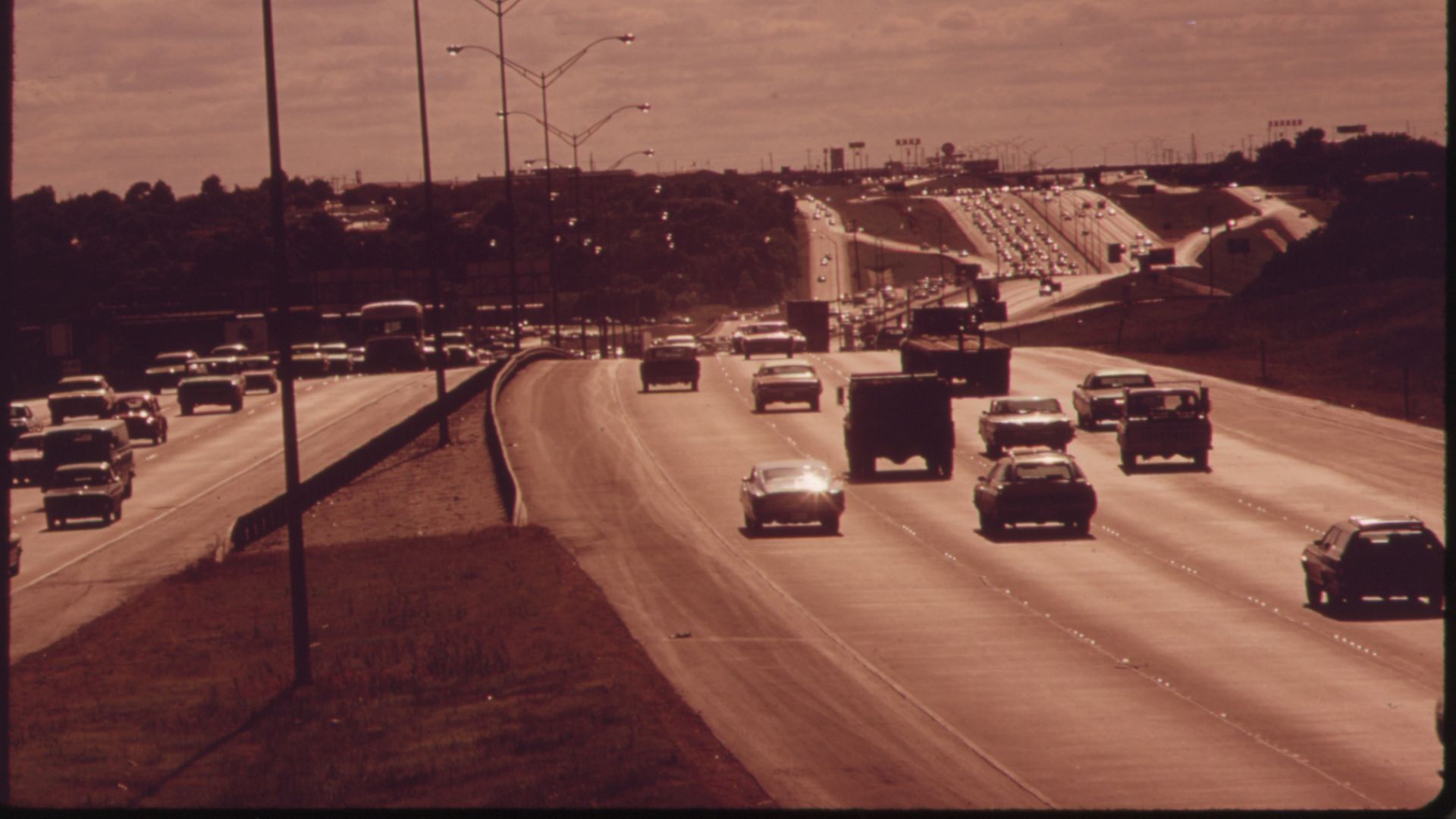
In 1974, the federal government introduced a national 55-mph speed limit to conserve fuel. Drivers weren't always thrilled, but the reasoning was sound. Higher speeds generally mean greater fuel consumption. Today, motorists looking to stretch their gasoline budgets are rediscovering the benefits of easing off the accelerator, even where higher speed limits are permitted.
 Smith, Bob, Photographer (NARA record: 8464481), Wikimedia Commons
Carpooling To Work
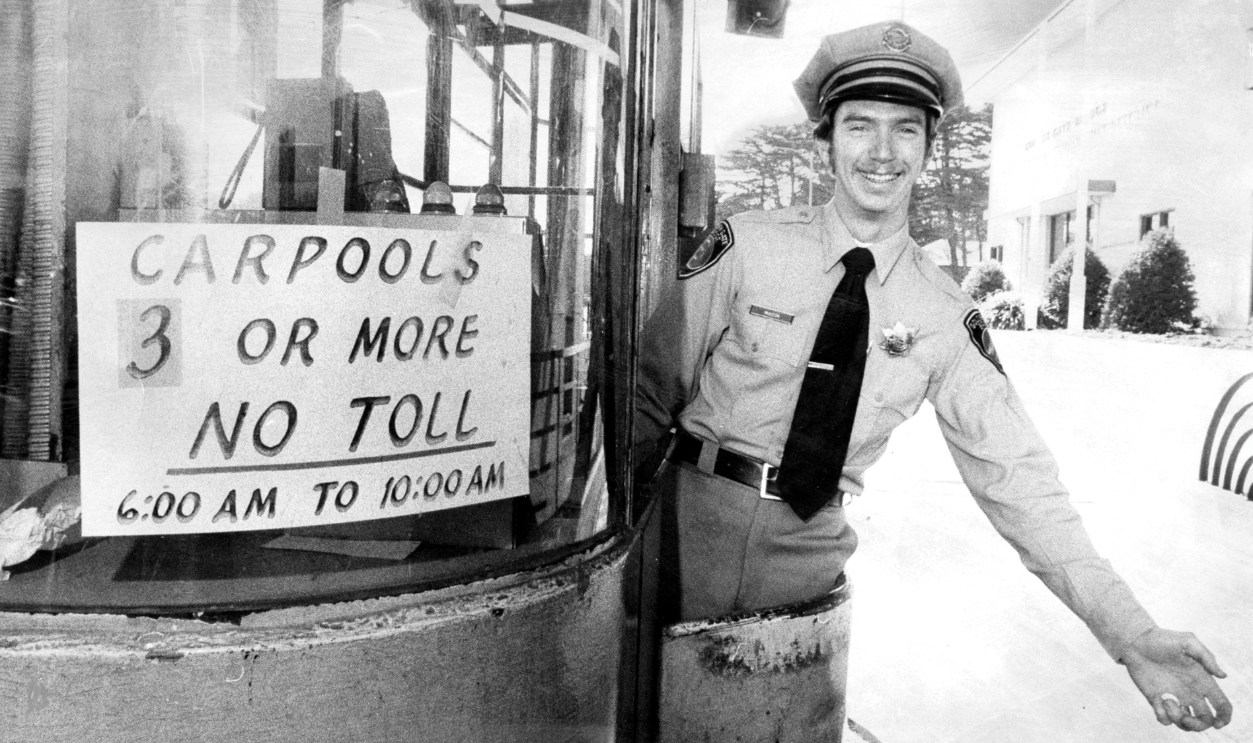
During the energy crisis, Americans were encouraged to share rides with coworkers rather than drive separately. Some employers even helped organize carpools. Although participation varied, the idea never disappeared. Today, workplace ridesharing programs, commuter apps, and high-occupancy vehicle lanes are helping revive the same practical approach to reducing individual fuel costs.
 San Francisco Chronicle/Hearst Newspapers, Getty images
Combining Several Errands
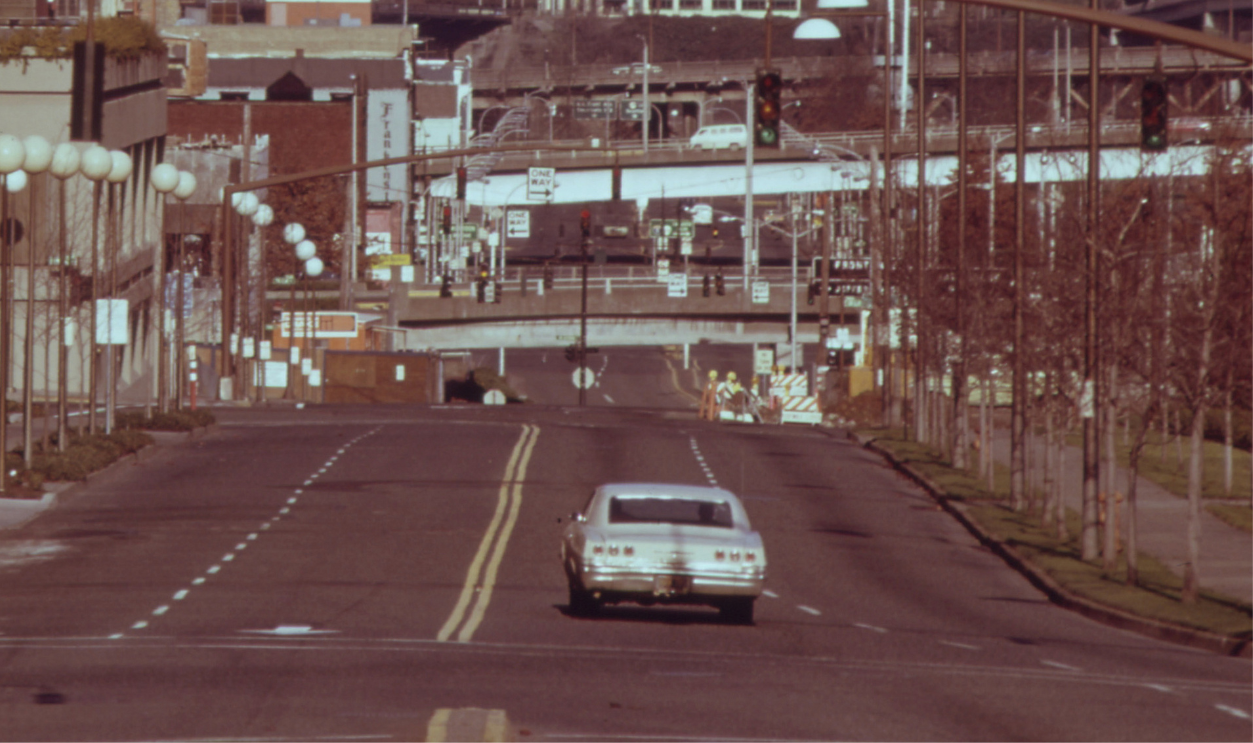
Instead of making separate trips to the grocery store, bank, and post office, cost-conscious drivers began planning their errands together. It's a strategy that remains surprisingly effective. Combining several short journeys into one longer trip reduces unnecessary mileage and allows the engine to spend more time operating at its most efficient temperature.
 Smith Collection/Gado, Getty images
Keeping Tires Properly Inflated
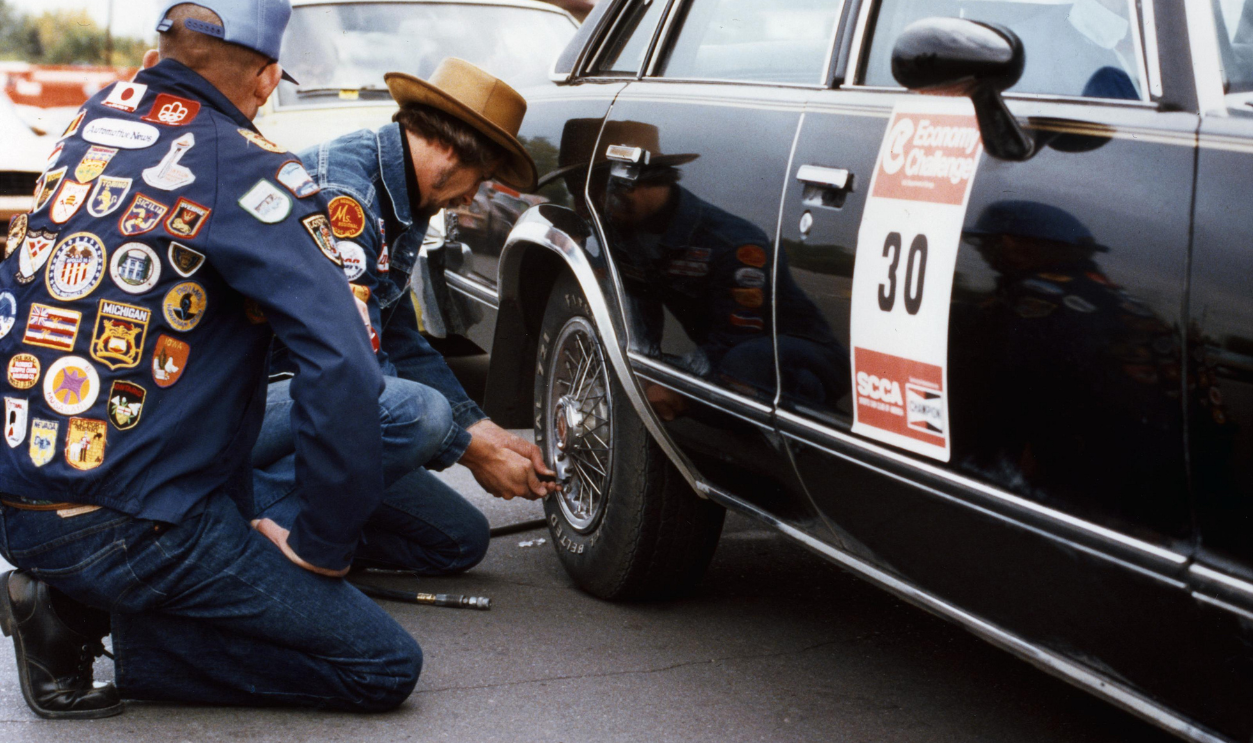
Checking tire pressure was a familiar part of 1970s fuel-saving advice. Underinflated tires increase rolling resistance, forcing the engine to work harder. Modern vehicles have tire-pressure monitoring systems, but they don't replace regular checks with a gauge. Maintaining the manufacturer's recommended pressure can improve efficiency while helping tires last longer.
 Smith Collection/Gado, Getty images
Accelerating More Gently
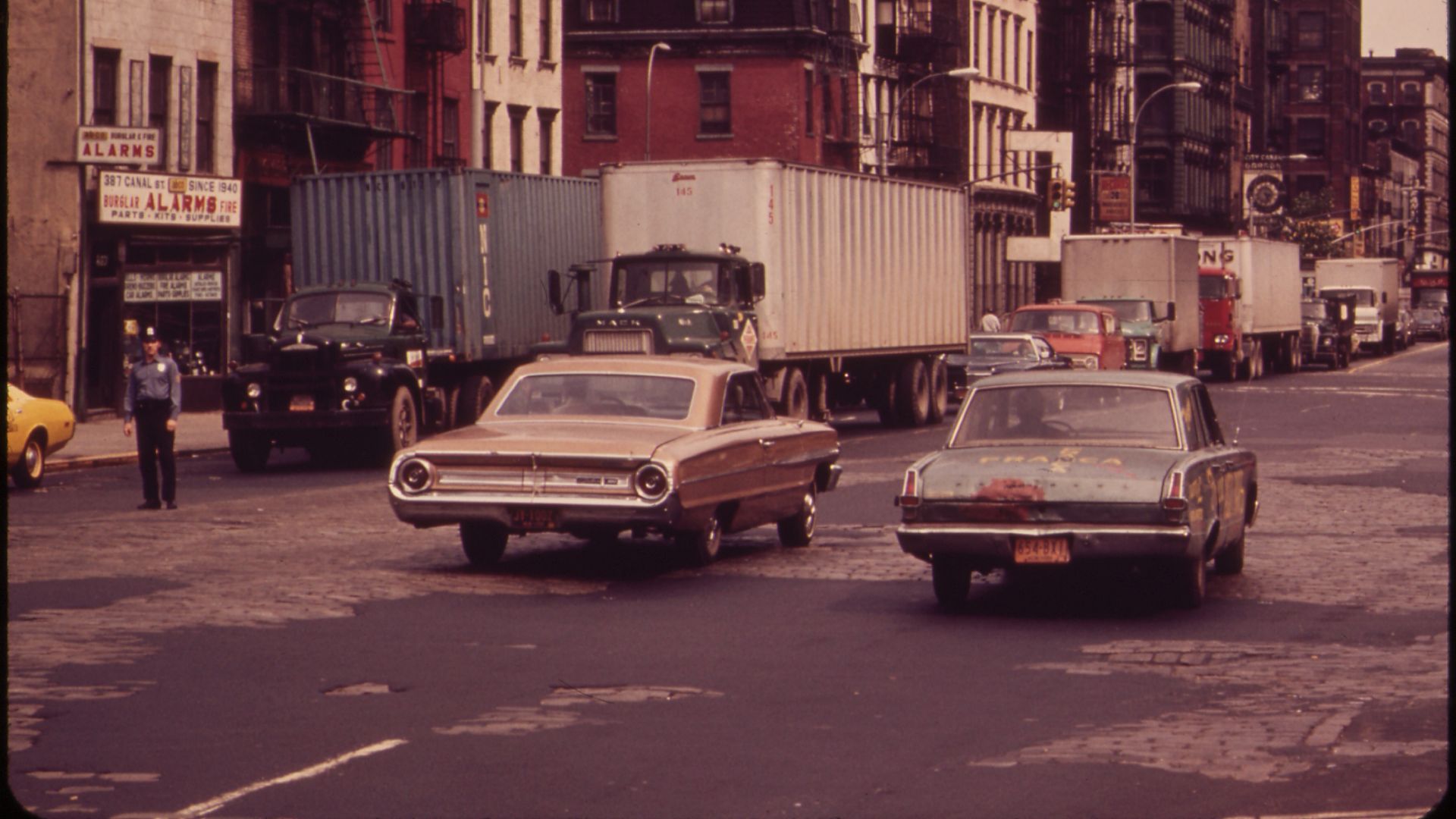
Drivers trying to conserve gasoline during the 1970s learned that flooring the accelerator wasn't particularly economical. Gentle starts and gradual acceleration became part of the fuel-saving conversation. Today, the same principle is central to eco-driving techniques, with modern fuel-economy displays providing immediate feedback whenever drivers accelerate more aggressively than necessary.
 Wil Blanche, Wikimedia Commons
Avoiding Sudden Braking
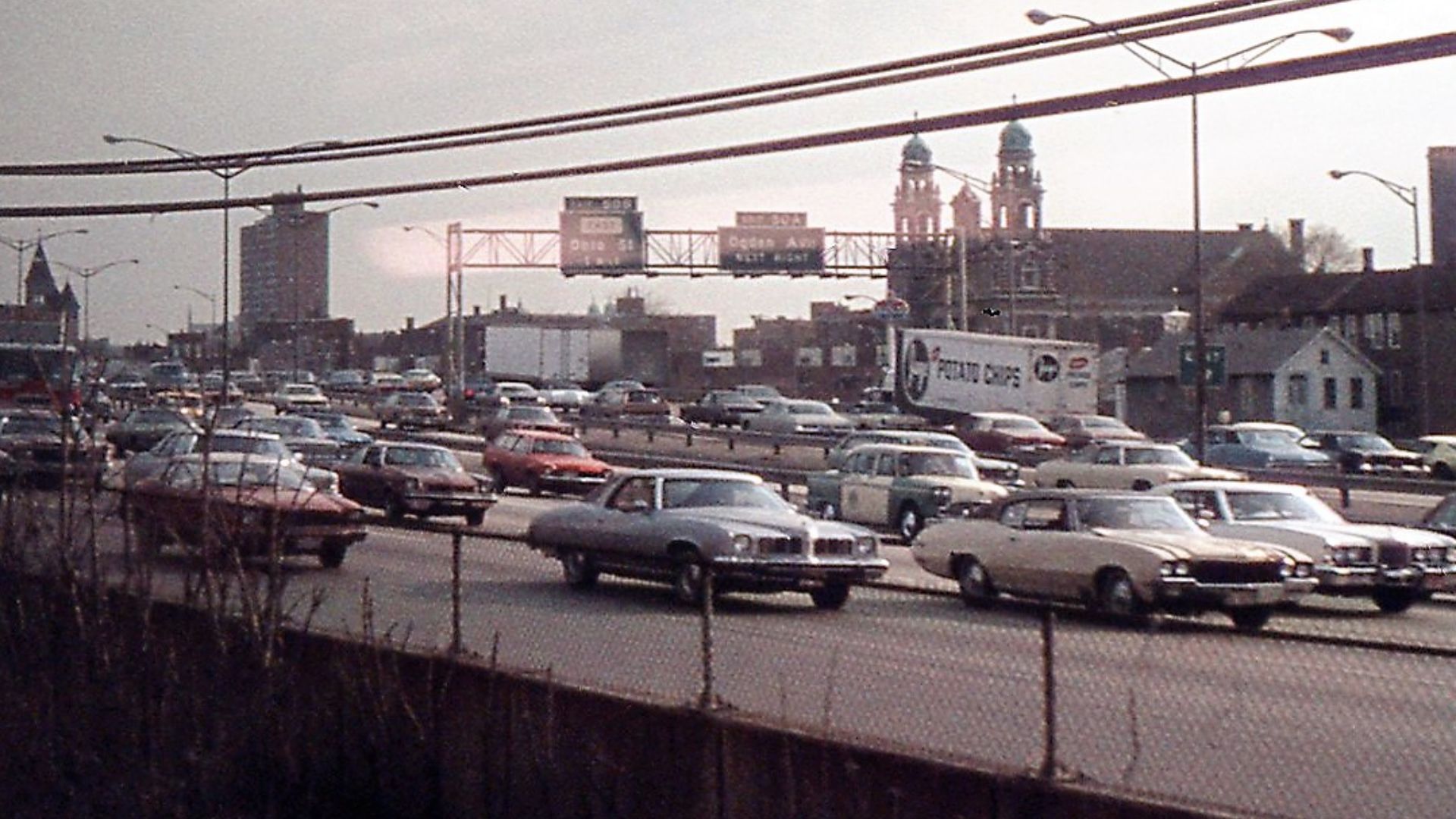
Every time a driver brakes unnecessarily, some of the energy used to accelerate the vehicle is wasted. That was true in 1975, and it's still true today. Looking farther down the road, anticipating traffic lights, and slowing gradually can reduce fuel consumption. Hybrid vehicles recover some braking energy, but smooth driving remains worthwhile.
 Robert Rynerson from Denver, U.S.A., Wikimedia Commons
Keeping Engines Properly Tuned
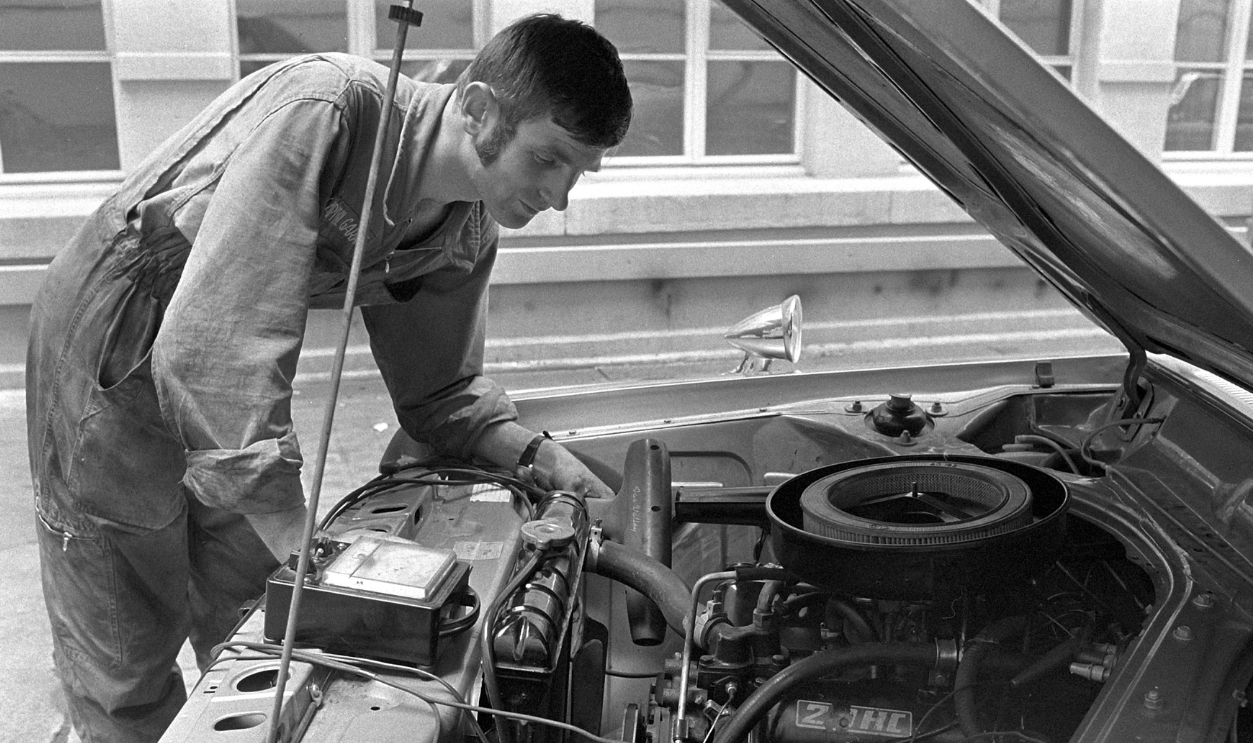
In the 1970s, a poorly adjusted carburetor, worn spark plugs, or incorrect ignition timing could seriously hurt fuel economy. Regular tune-ups were essential. Modern engines manage combustion electronically, but neglected maintenance, faulty sensors, and misfires can still waste gasoline. Keeping a vehicle in good mechanical condition remains an important money-saving habit.
 ullstein bild Dtl., Getty images
Choosing Smaller Cars
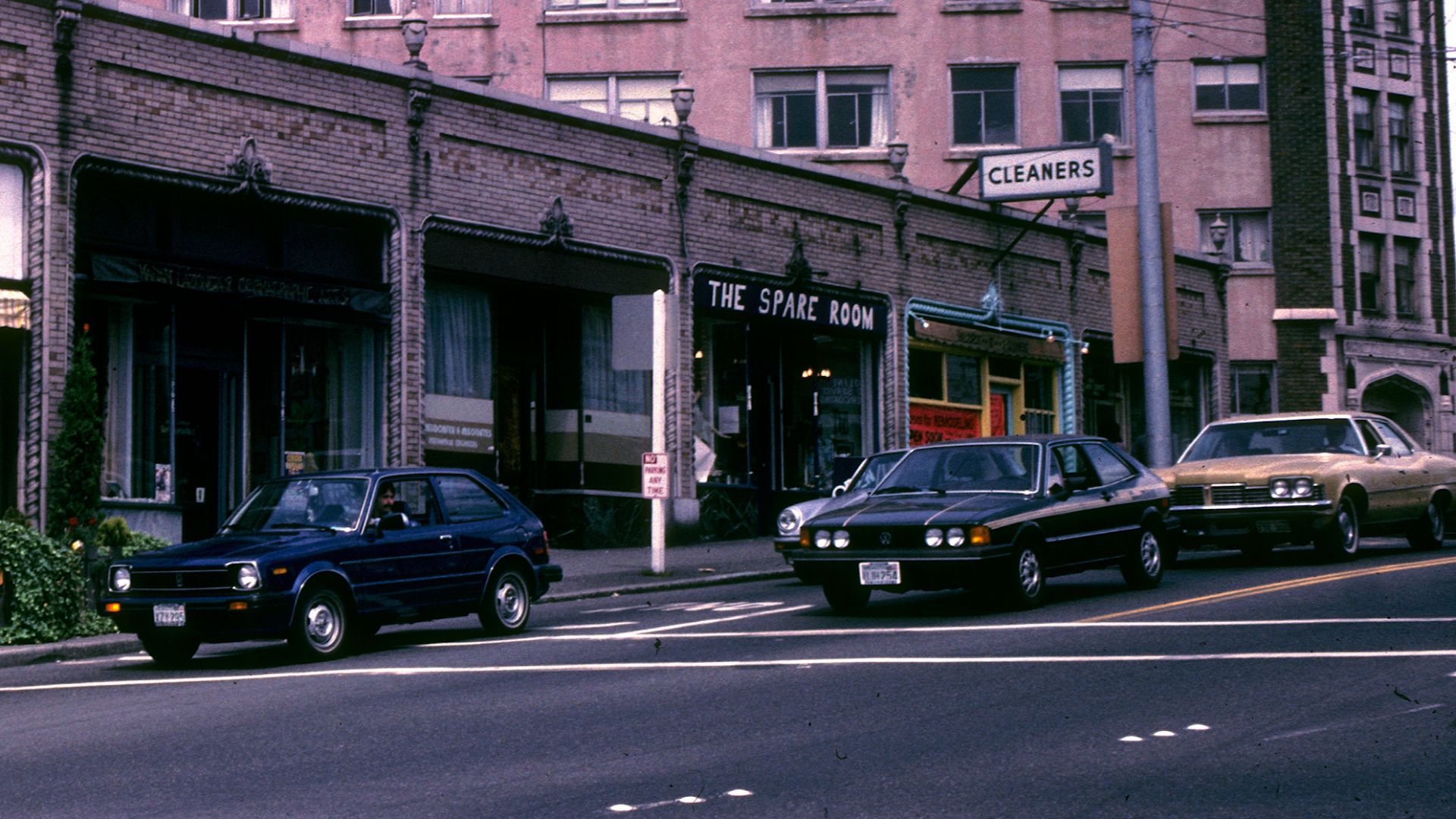
The energy crisis helped turn economical imports like the Honda Civic, Toyota Corolla, and Datsun B210 into increasingly attractive alternatives to enormous American sedans. Today's buyers face a similar calculation when comparing vehicle sizes. Smaller, lighter cars generally require less energy to move, making efficient compact models appealing to drivers concerned about operating costs.
 Seattle Municipal Archives from Seattle, WA, Wikimedia Commons
Taking Public Transportation
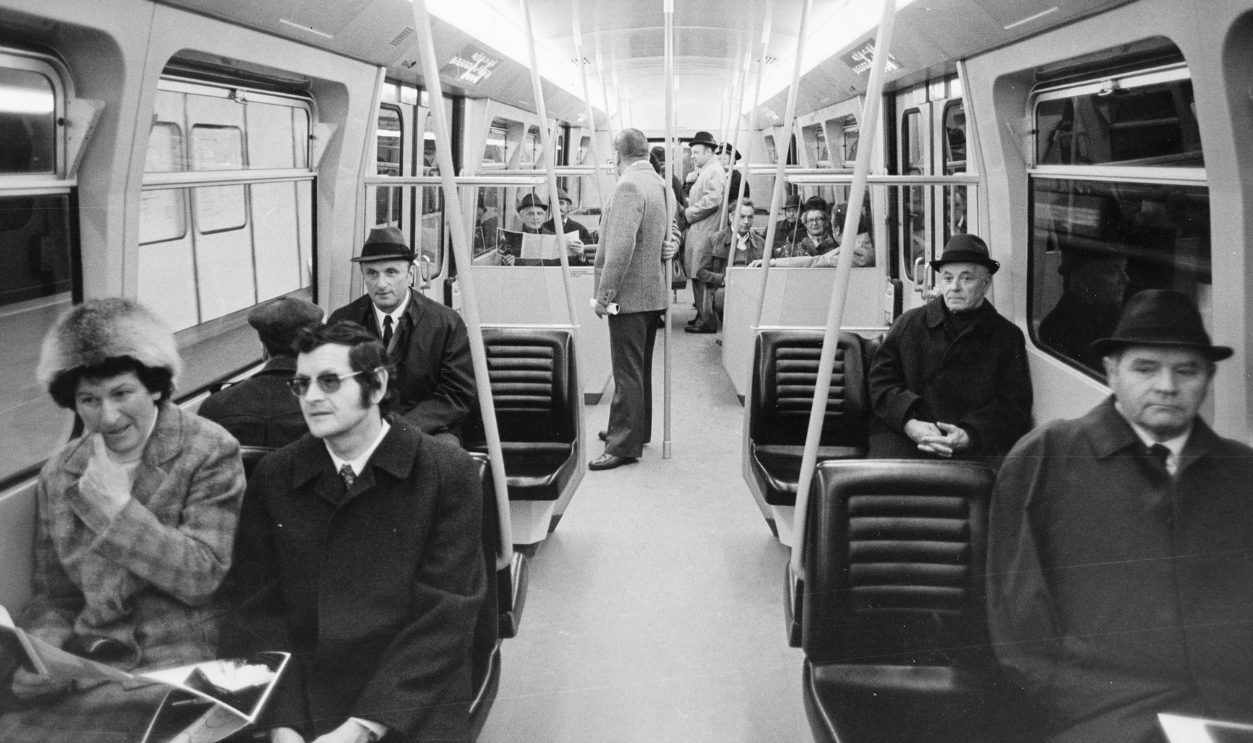
During the 1970s, government officials urged Americans to leave their cars at home and use buses or trains whenever possible. The idea was simple: fewer individual car trips meant less gasoline consumed. Today, commuters are again weighing the cost of driving against transit fares, parking expenses, and the convenience of avoiding congested roads.
 brandstaetter images, Getty images
Planning Routes Before Leaving
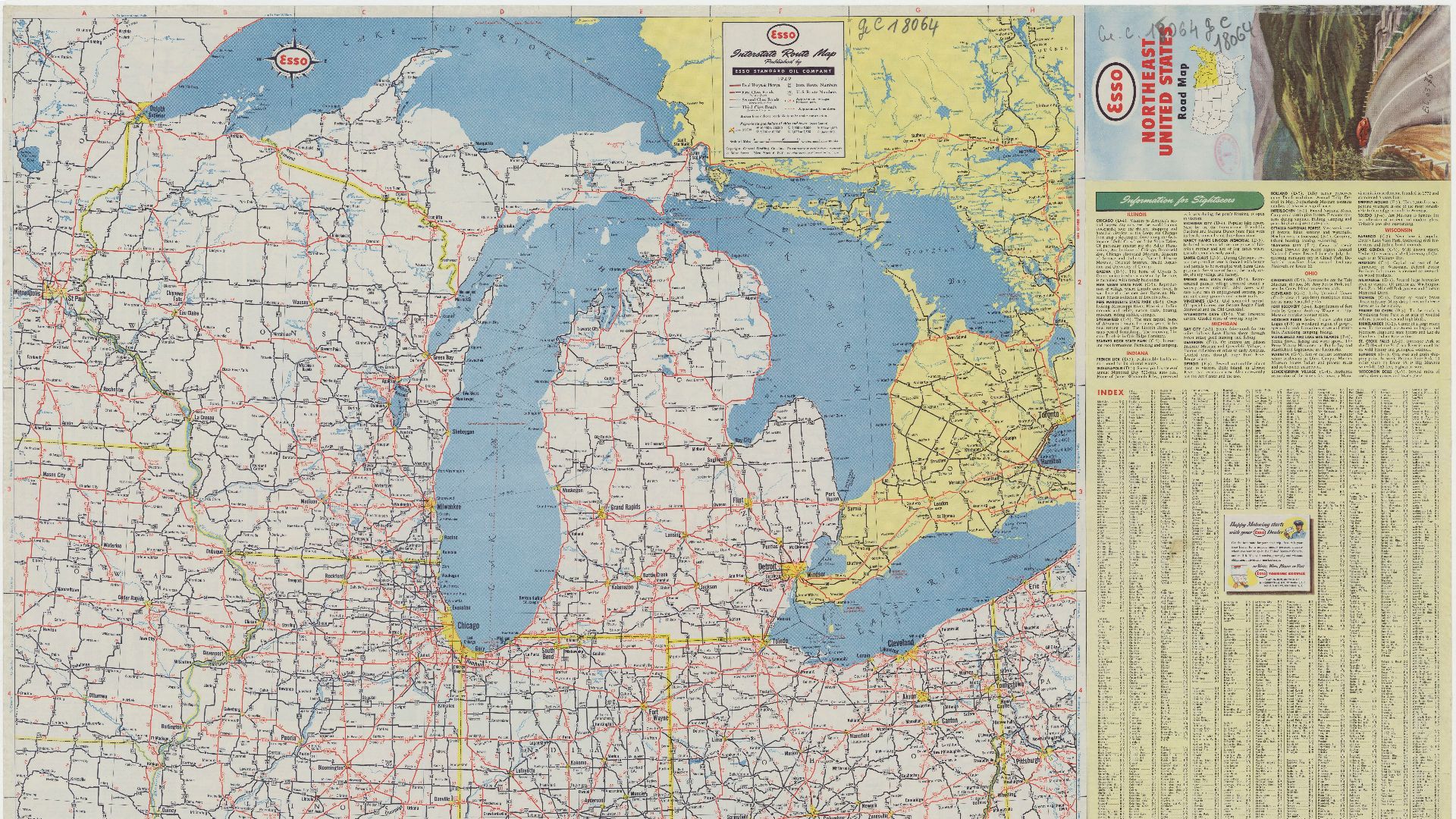
Before GPS navigation, drivers unfolded paper maps and worked out their journeys in advance. During gasoline shortages, avoiding unnecessary detours became particularly important. Modern navigation apps make the same strategy easier, identifying efficient routes and helping drivers avoid congestion. The technology has changed dramatically, but the underlying fuel-saving principle hasn't.
 Exxon Corporation. Auteur du texte General drafting company. Auteur du texte, Wikimedia Commons
Avoiding Unnecessary Idling
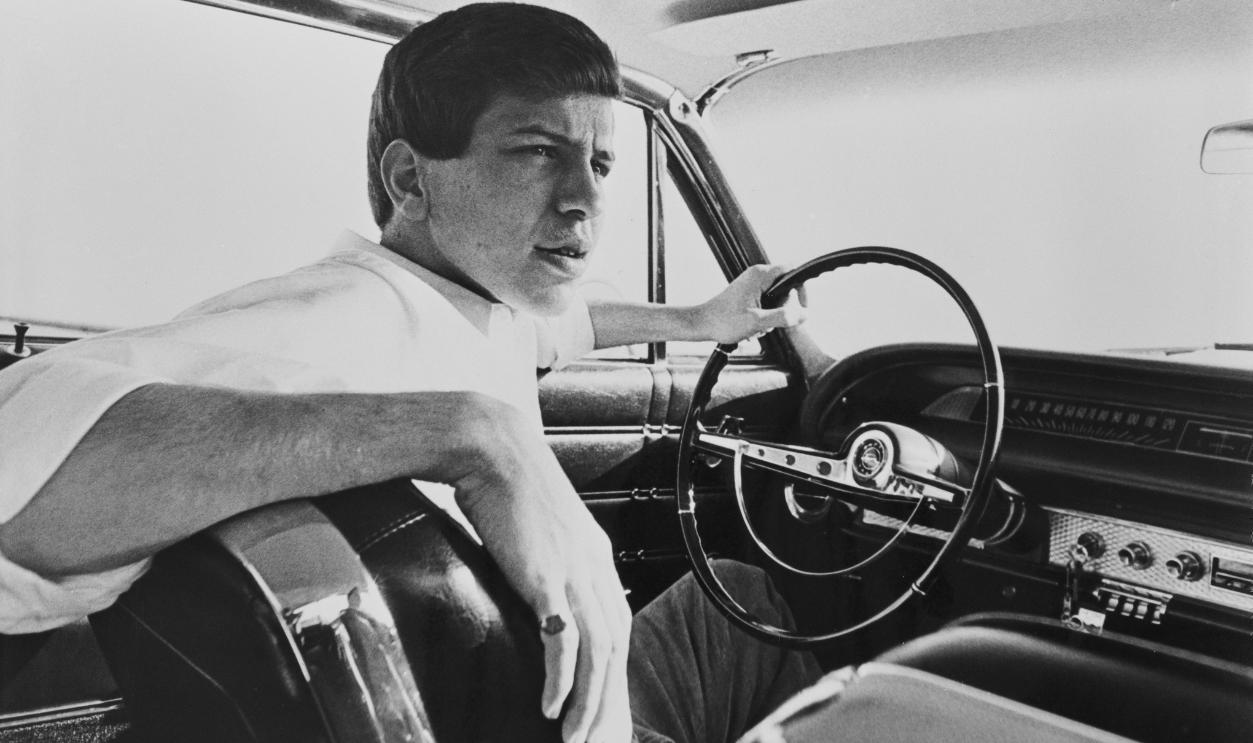
Leaving an engine running while parked wastes gasoline without getting the vehicle anywhere. During the energy crisis, drivers were encouraged to shut off engines rather than idle unnecessarily. Today, automatic stop-start systems perform a similar function in many vehicles. For drivers without that technology, switching off the engine during extended parking stops can still save fuel.
Removing Unnecessary Weight
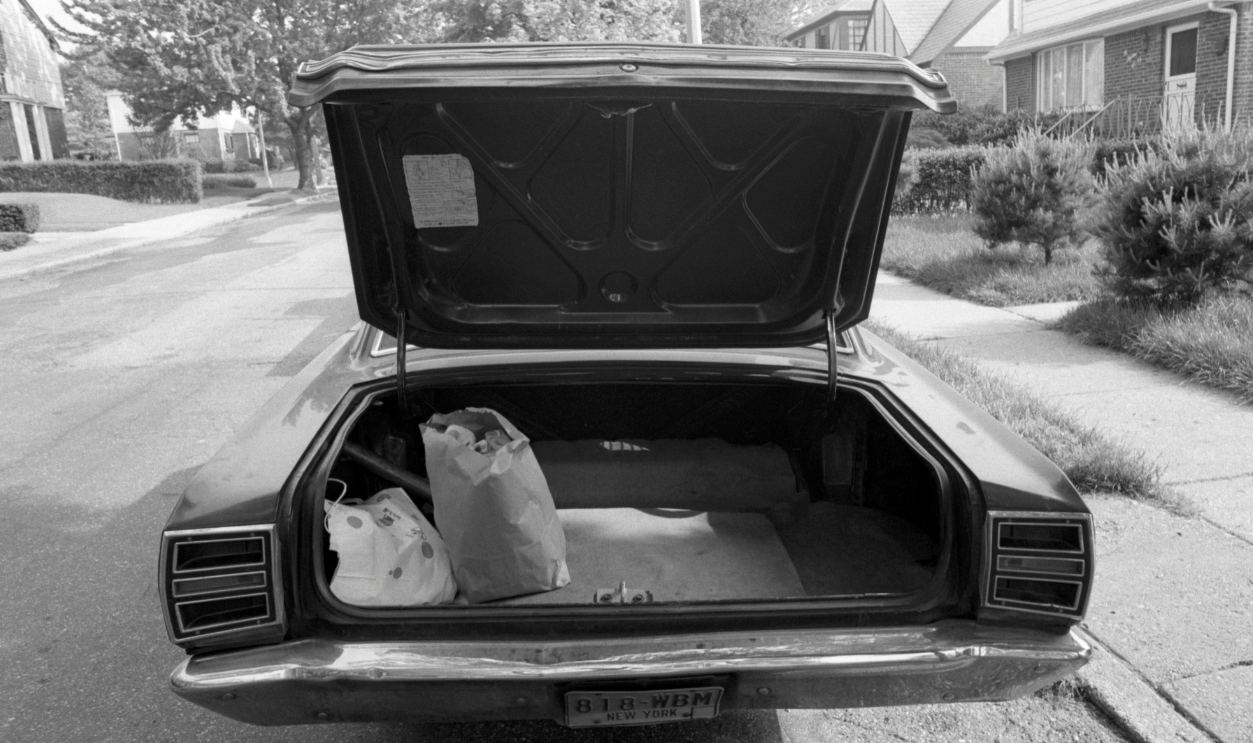
Some 1970s fuel-saving guides advised motorists to empty their trunks of unnecessary belongings. Carrying extra weight means the engine must expend more energy moving the vehicle. The same advice appears in modern efficiency recommendations. Removing unused equipment, heavy cargo, and other unnecessary items can produce modest savings, particularly during stop-and-go driving.
Using Cruise Control
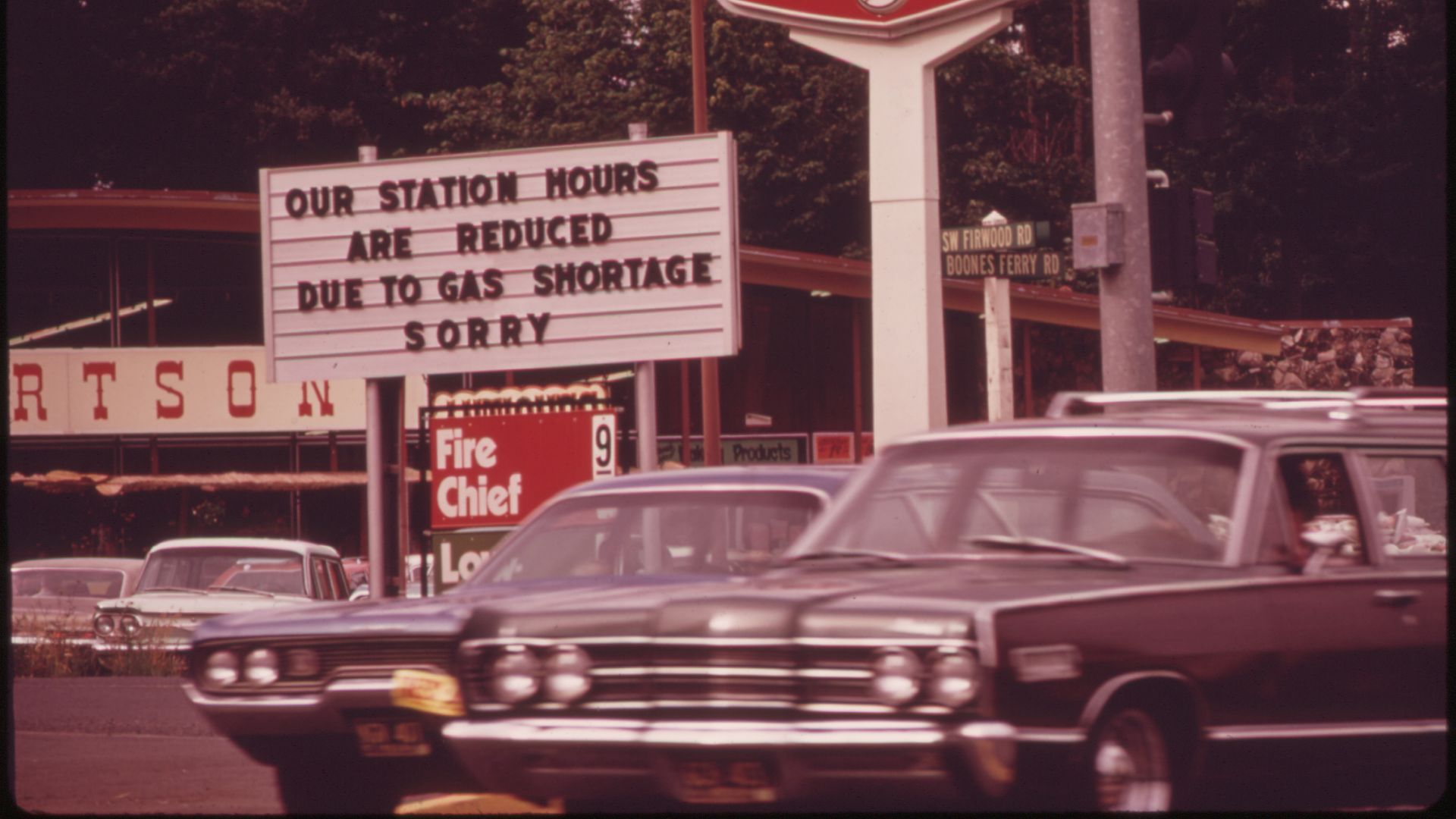
Cruise control was once associated mainly with luxury cars, but its ability to maintain a steady speed made it attractive to economy-minded drivers. Today, conventional cruise control can still help conserve fuel on relatively flat highways. Adaptive systems add convenience, although maintaining speed aggressively on steep hills may consume more fuel than a careful driver would.
 The U.S. National Archives, Wikimedia Commons
Checking Gas Mileage Regularly
During the 1970s, careful motorists recorded their odometer readings and calculated how many miles they traveled on each tank. A sudden drop in fuel economy could indicate mechanical trouble. Today's trip computers perform these calculations automatically, but tracking average consumption remains useful for identifying problems and measuring the benefits of economical driving habits.
Driving The Family's Economy Car
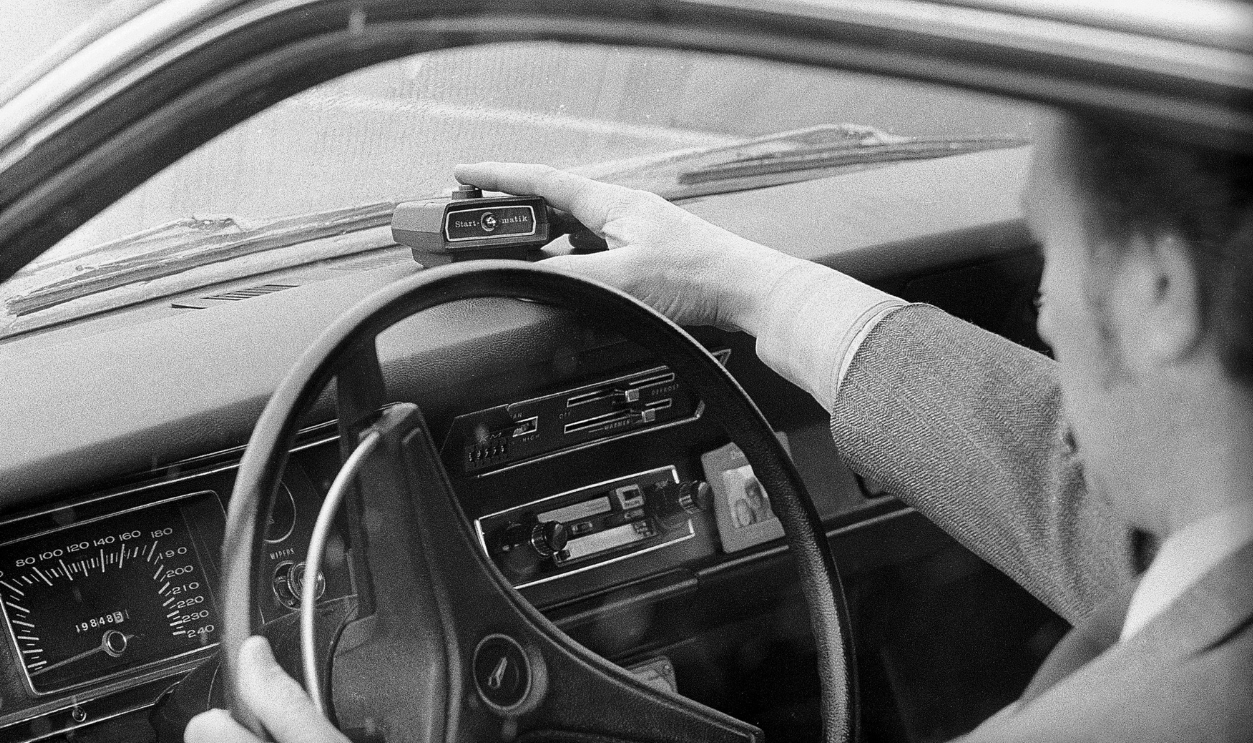
Families with two vehicles sometimes reserved their larger, thirstier car for special occasions and used a smaller model for everyday errands. The same logic applies today. Households with multiple vehicles can reduce gasoline expenses by choosing their most efficient car for commuting, shopping, and other routine journeys rather than automatically taking the largest one.
Avoiding Rush-Hour Traffic
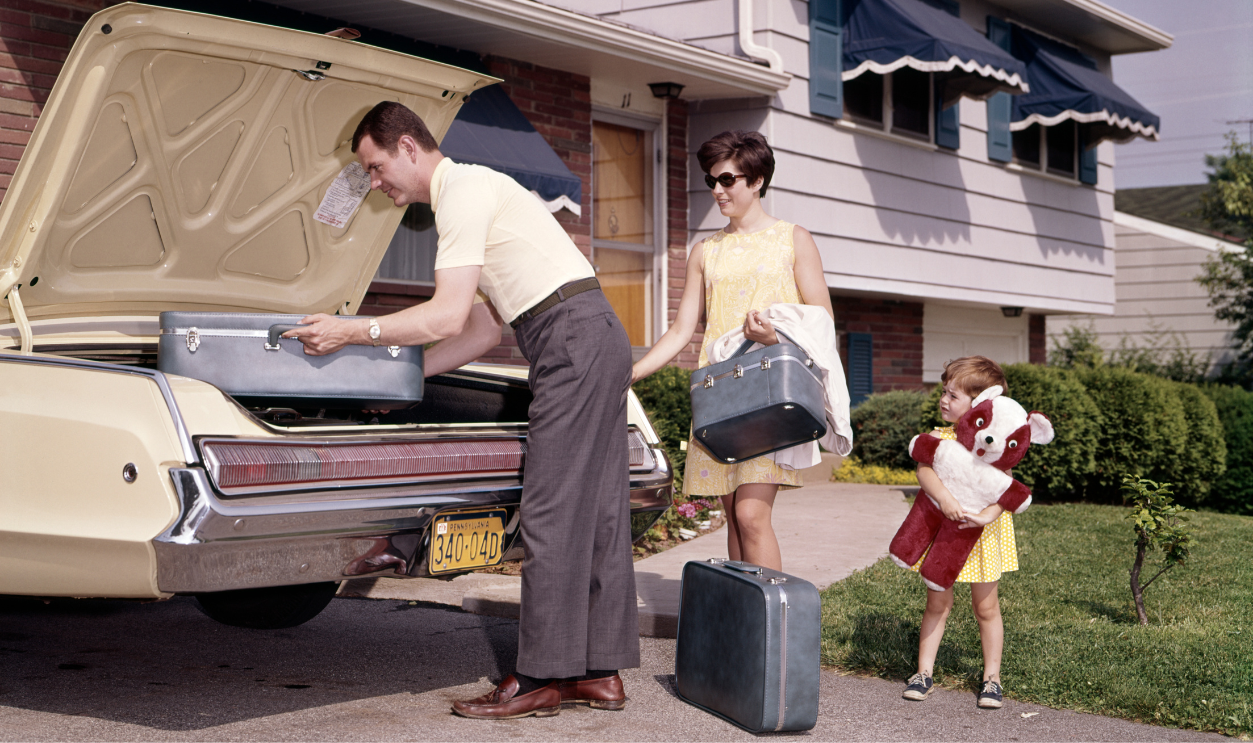
Sitting in traffic was frustrating enough without worrying about gasoline shortages. Drivers looking to conserve fuel sometimes adjusted their schedules to avoid heavily congested roads. Today, flexible working hours and real-time traffic information make this strategy easier. Less time spent idling and repeatedly accelerating can mean fewer gallons consumed during the daily commute.
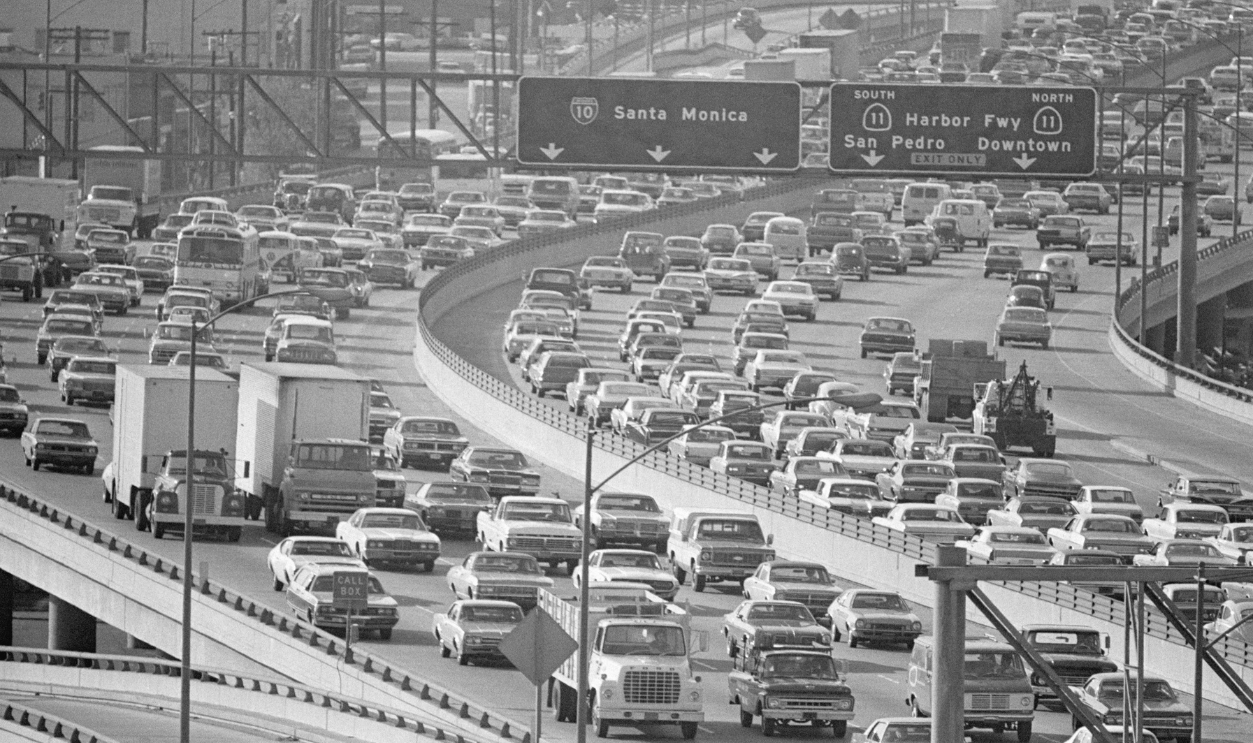
Removing Roof Racks
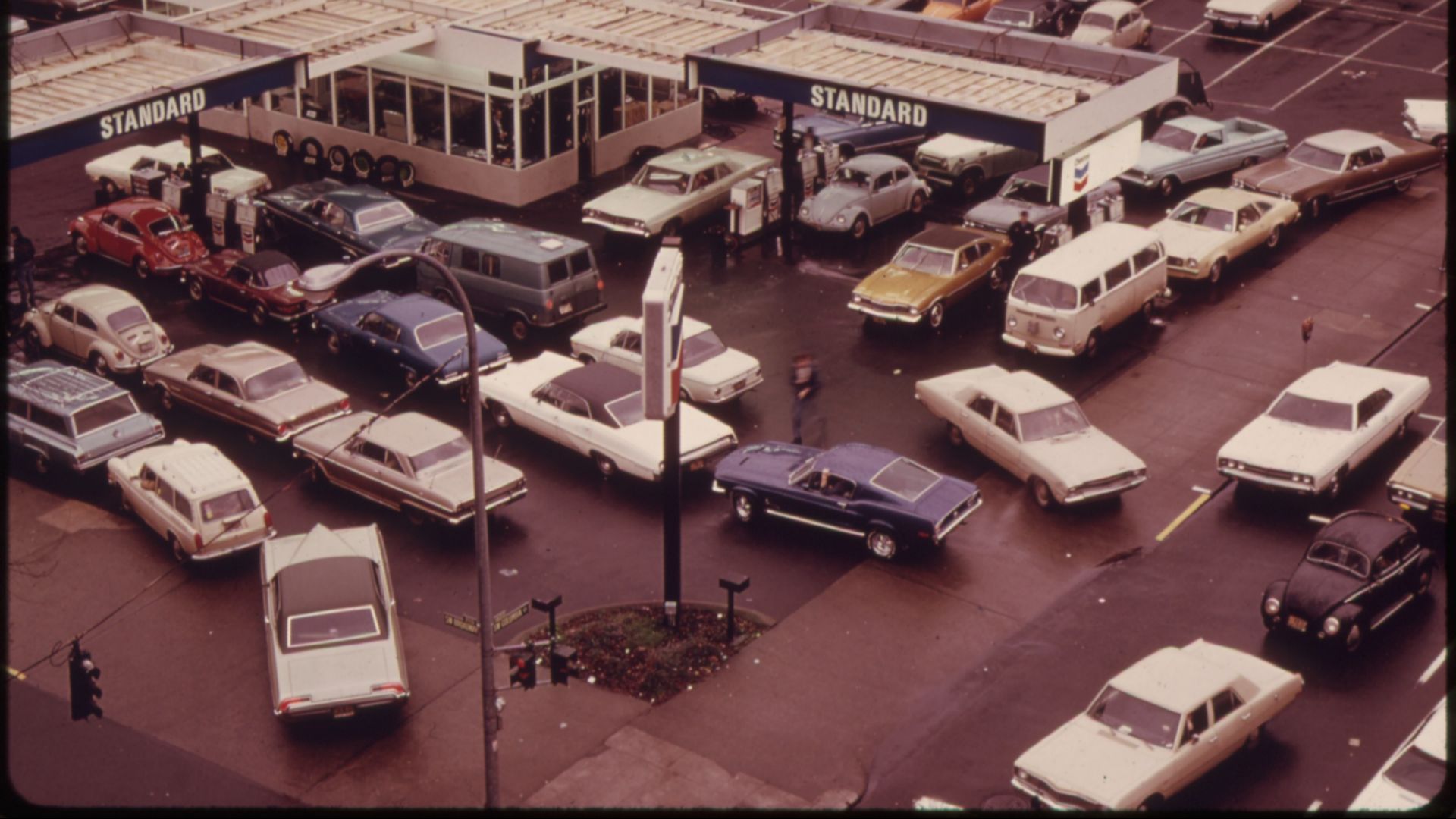
Fuel-conscious drivers in the 1970s were advised to remove unnecessary exterior accessories that increased wind resistance. That advice remains relevant today, particularly for vehicles carrying roof-mounted cargo boxes. Modern aerodynamic designs can be undermined by bulky attachments, so removing unused racks and carriers can help improve highway fuel economy.
 David Falconer, Wikimedia Commons
Using The Correct Motor Oil
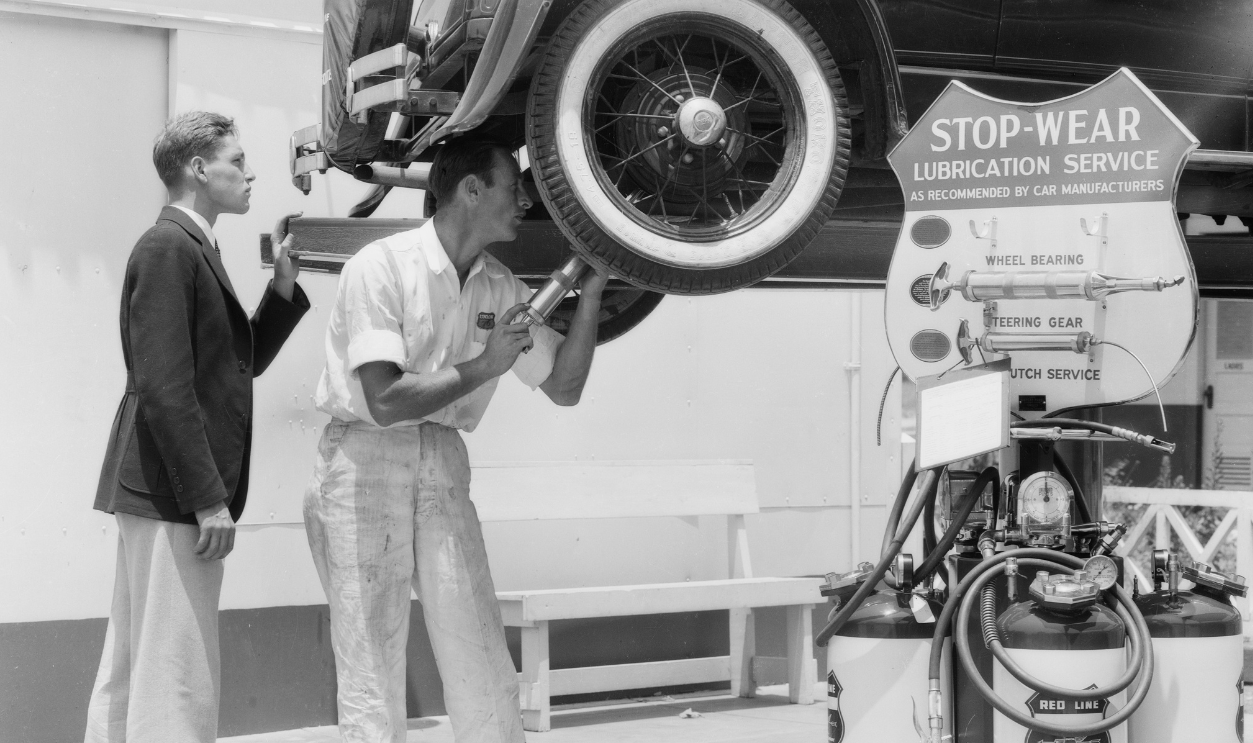
Choosing the appropriate motor oil was another recommendation in 1970s fuel-conservation literature. Oil that's too thick can increase internal engine friction and reduce efficiency. Modern engines have much more precise lubrication requirements, making it especially important to follow the manufacturer's specifications rather than experimenting with heavier oils or questionable fuel-saving additives.
 University of Southern California, Getty images
Driving Less On Weekends
During the gasoline shortages, some Americans cut back on recreational driving and unnecessary weekend trips. It wasn't always enjoyable, but it reduced the amount of fuel they needed. Today, drivers looking to control transportation expenses sometimes make similar decisions, replacing casual car journeys with activities closer to home or combining outings into fewer trips.
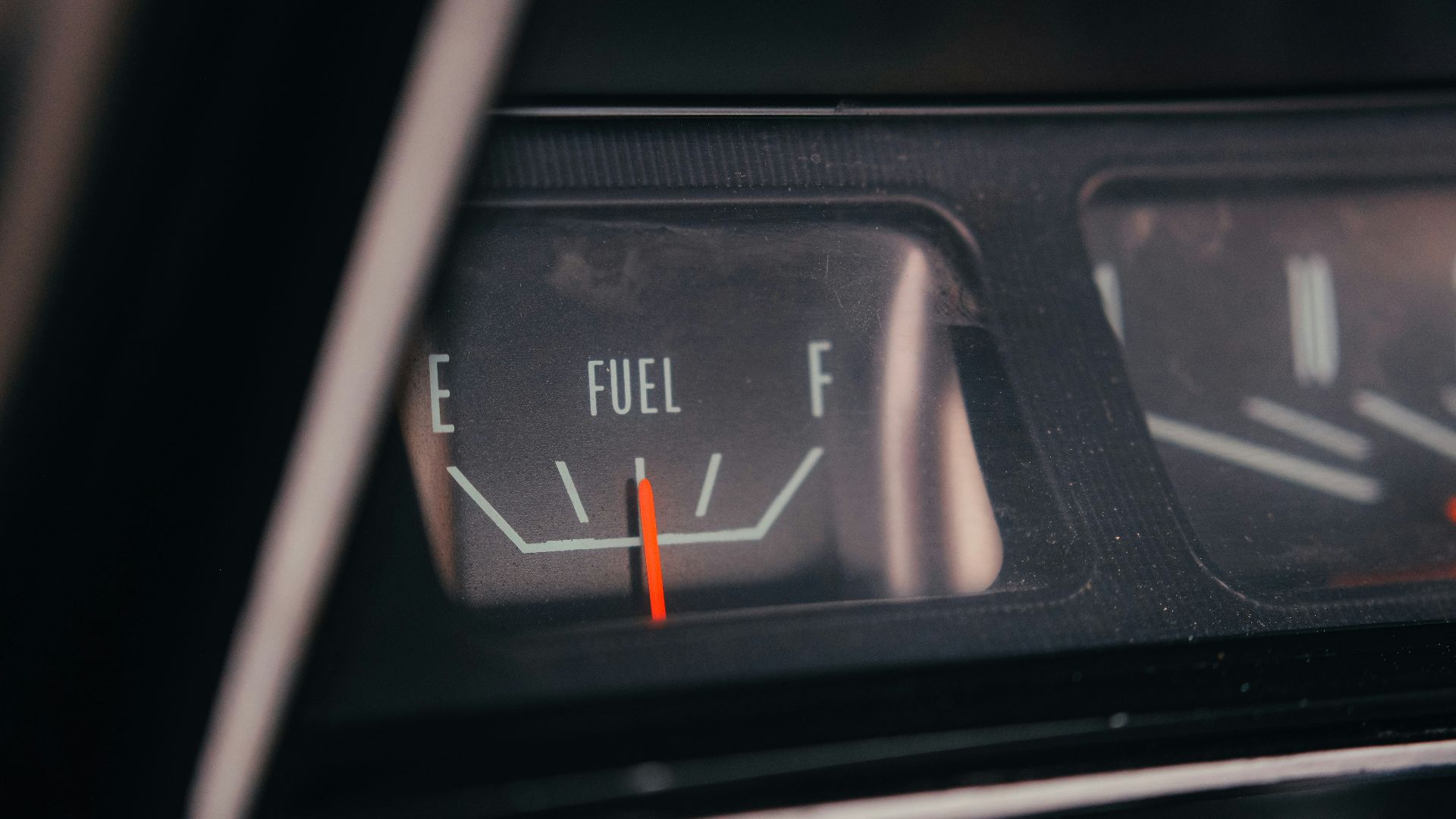
Watching The Gas Gauge
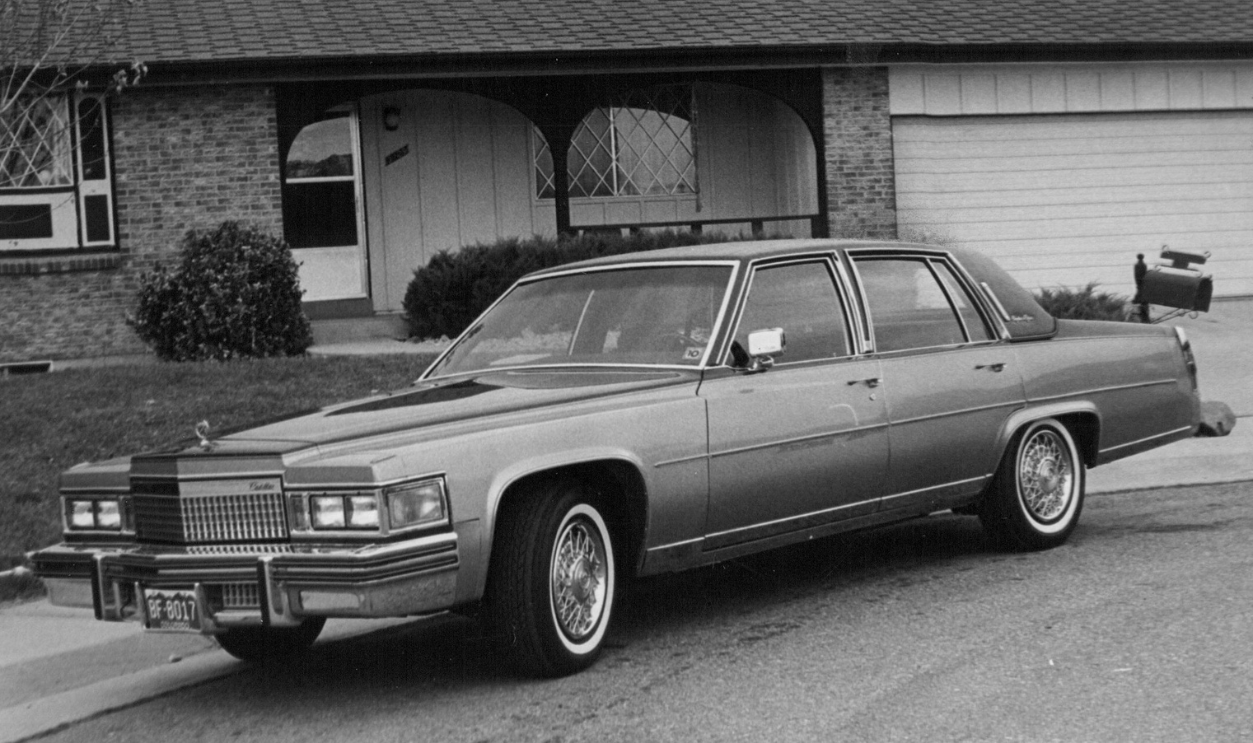
The energy crisis made drivers unusually conscious of how much gasoline remained in their tanks. Keeping track of consumption and planning refueling stops became important, especially when stations faced shortages. Today's drivers can use dashboard range estimates and fuel-price apps to plan ahead, although running a tank nearly empty is still best avoided.
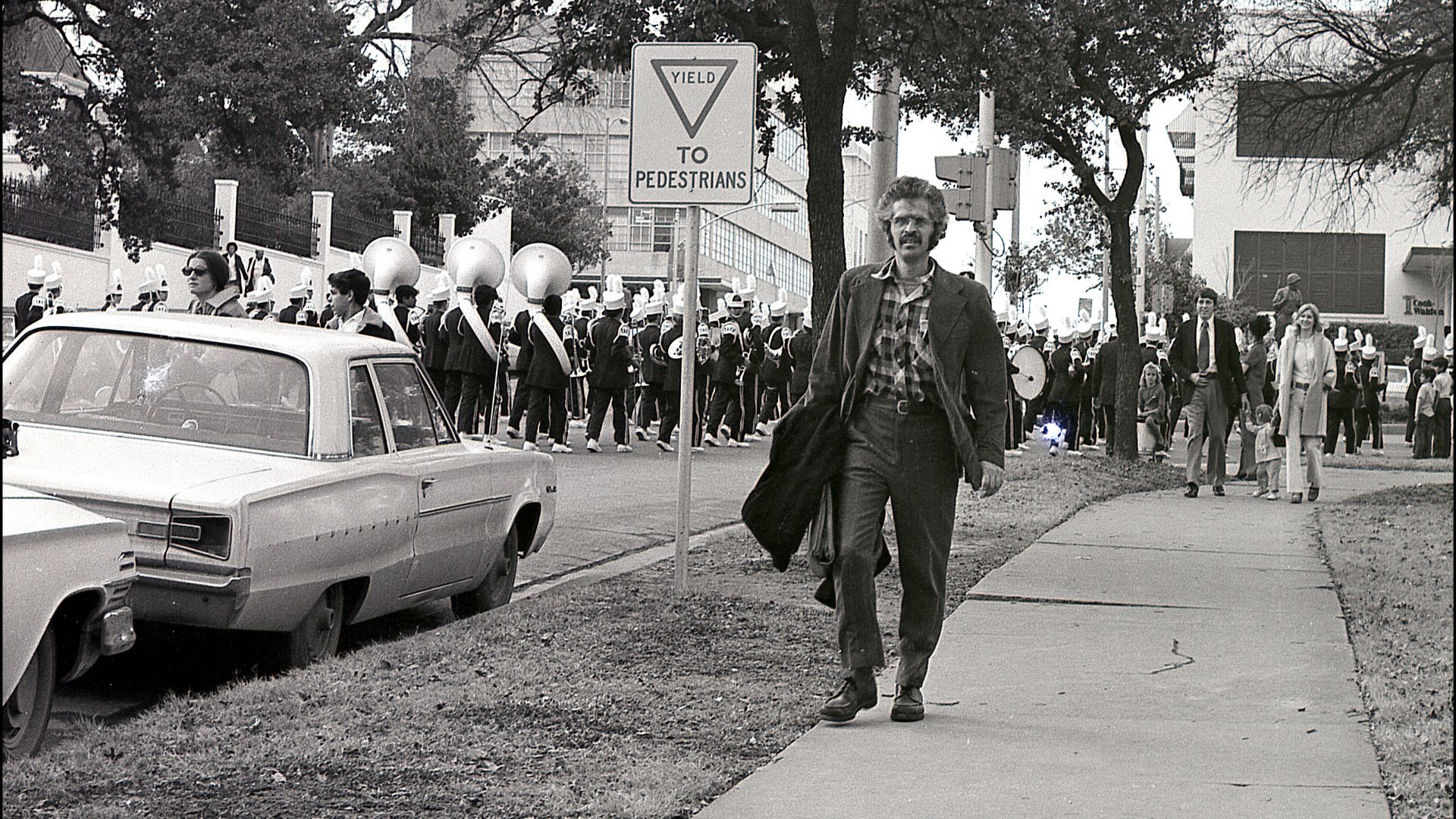
Walking Short Distances
When gasoline became expensive or difficult to find, walking to nearby stores suddenly seemed more attractive. The same calculation makes sense today. Replacing a short car journey with a walk eliminates the fuel expense entirely. It also avoids the relatively poor efficiency of repeatedly starting a cold engine for journeys of only a few blocks.
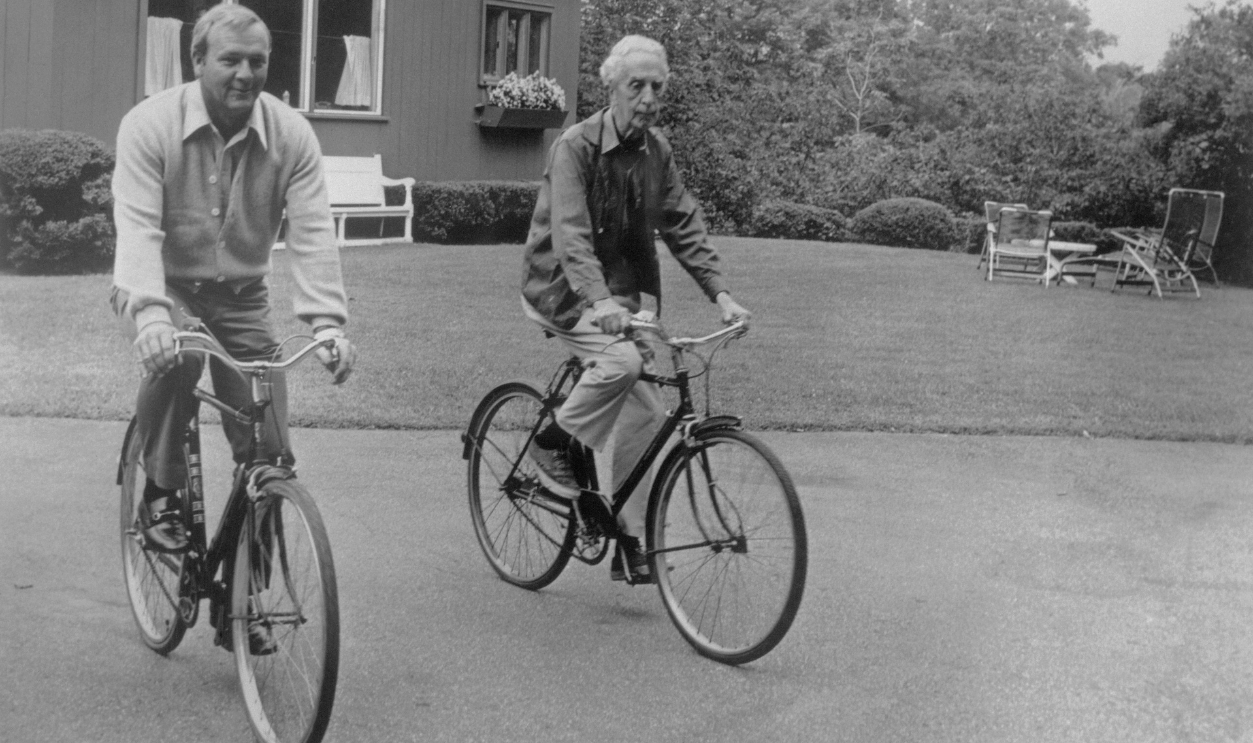
Riding Bicycles Again
Bicycles offered another alternative to gasoline-powered transportation during the 1970s. The decade also saw a major American bicycle boom, although recreation and fitness were important factors alongside transportation costs. Today, conventional bicycles and electric-assist models are making short-distance commuting practical for more people, especially where protected cycling infrastructure is available.
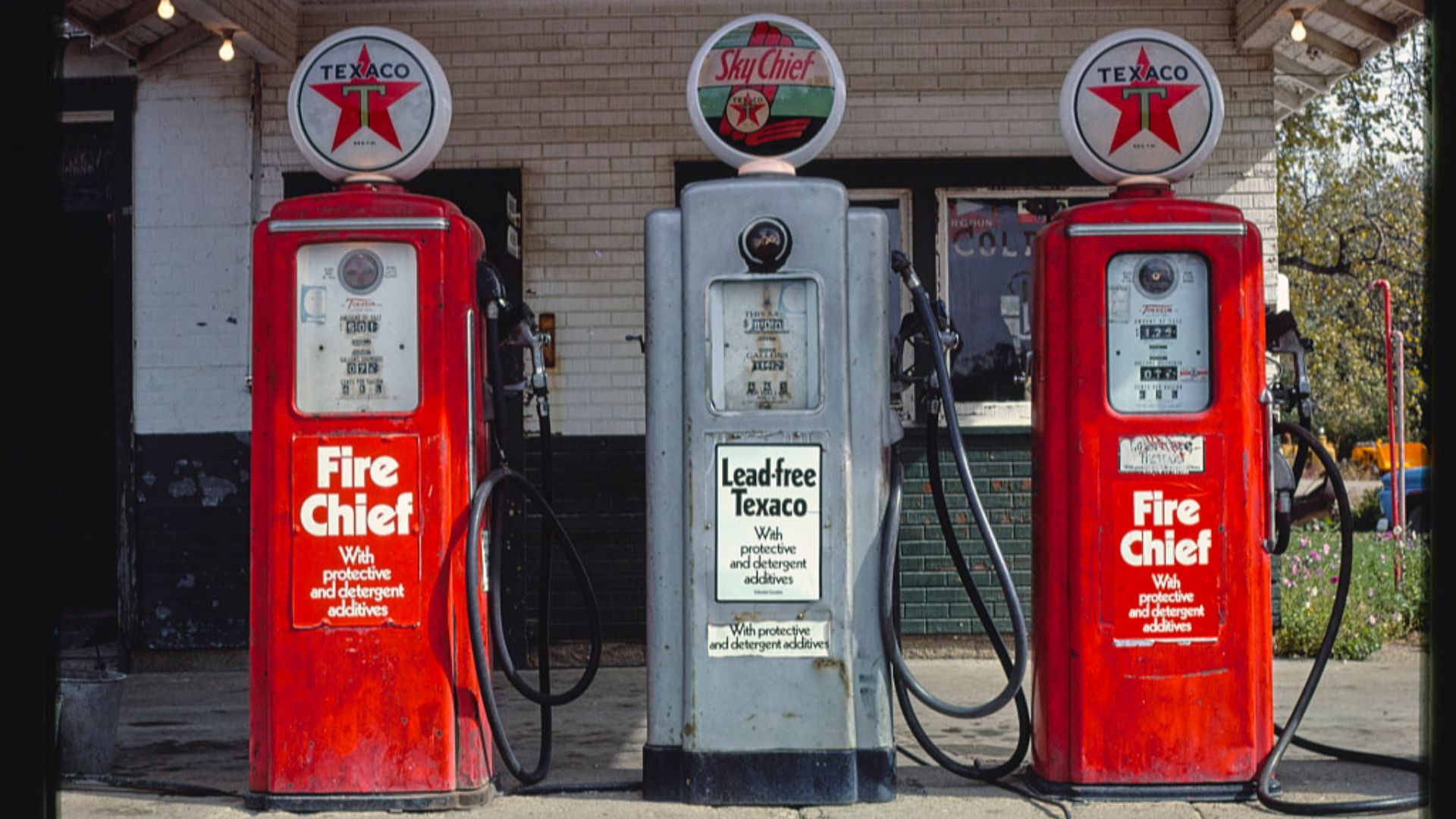
Comparing Gas Station Prices
During the energy crisis, motorists became acutely aware of gasoline prices, although shortages sometimes made availability more important than finding a bargain. Today, drivers can compare prices using smartphone apps rather than searching station by station. Choosing a reasonably priced station along an existing route can reduce expenses without wasting fuel on a lengthy detour.
 The Library of Congress from Washington, DC, United States, Wikimedia Commons
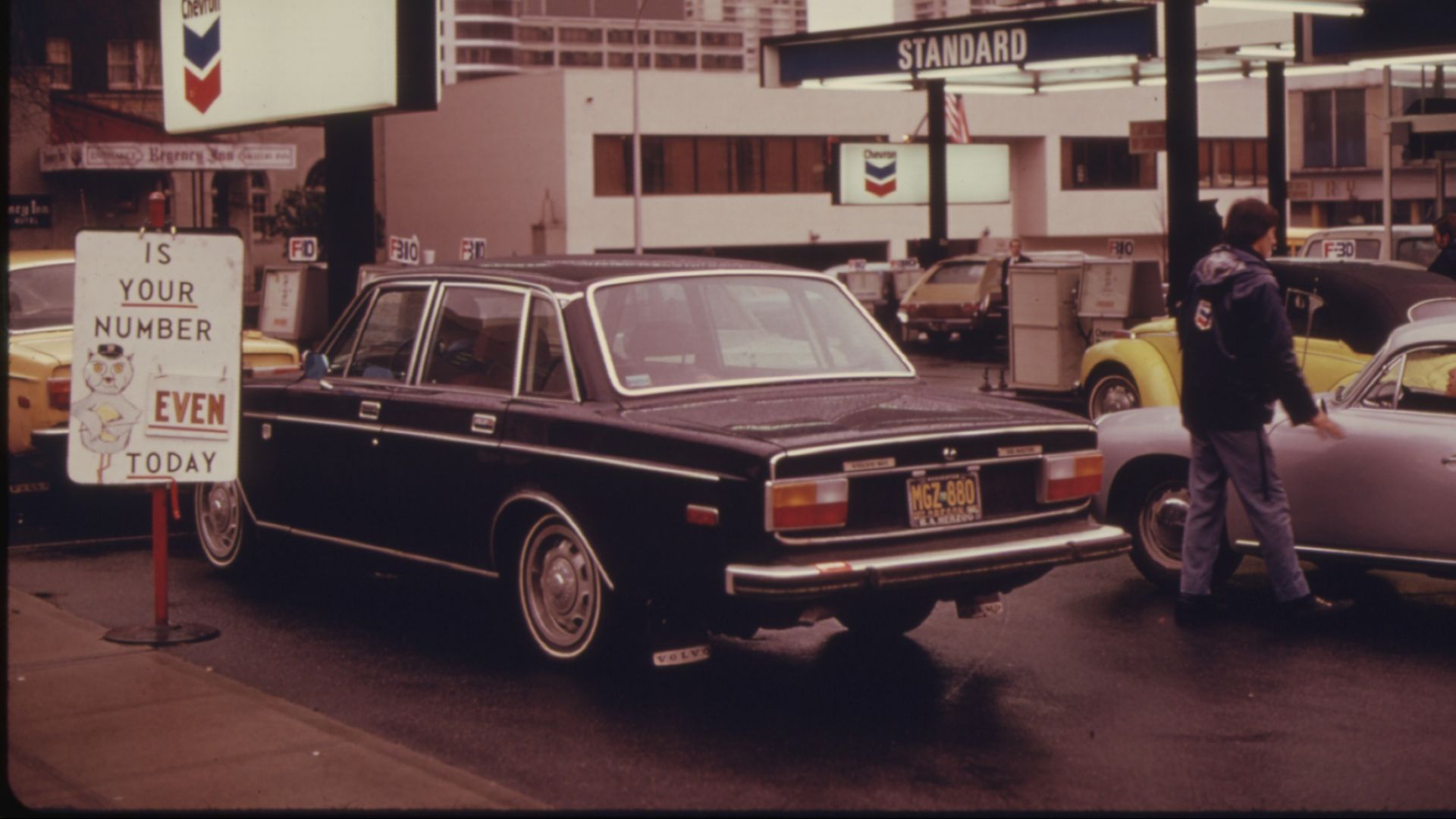
Buying Cars For Fuel Economy
Before the 1970s, many American buyers paid relatively little attention to miles per gallon when choosing a new car. The oil crises helped change that, encouraging interest in economical engines and smaller vehicles. Today's buyers are again comparing operating costs, with hybrids, efficient gasoline models, and electric vehicles offering different ways to reduce energy expenses.
 David Falconer, Wikimedia Commons
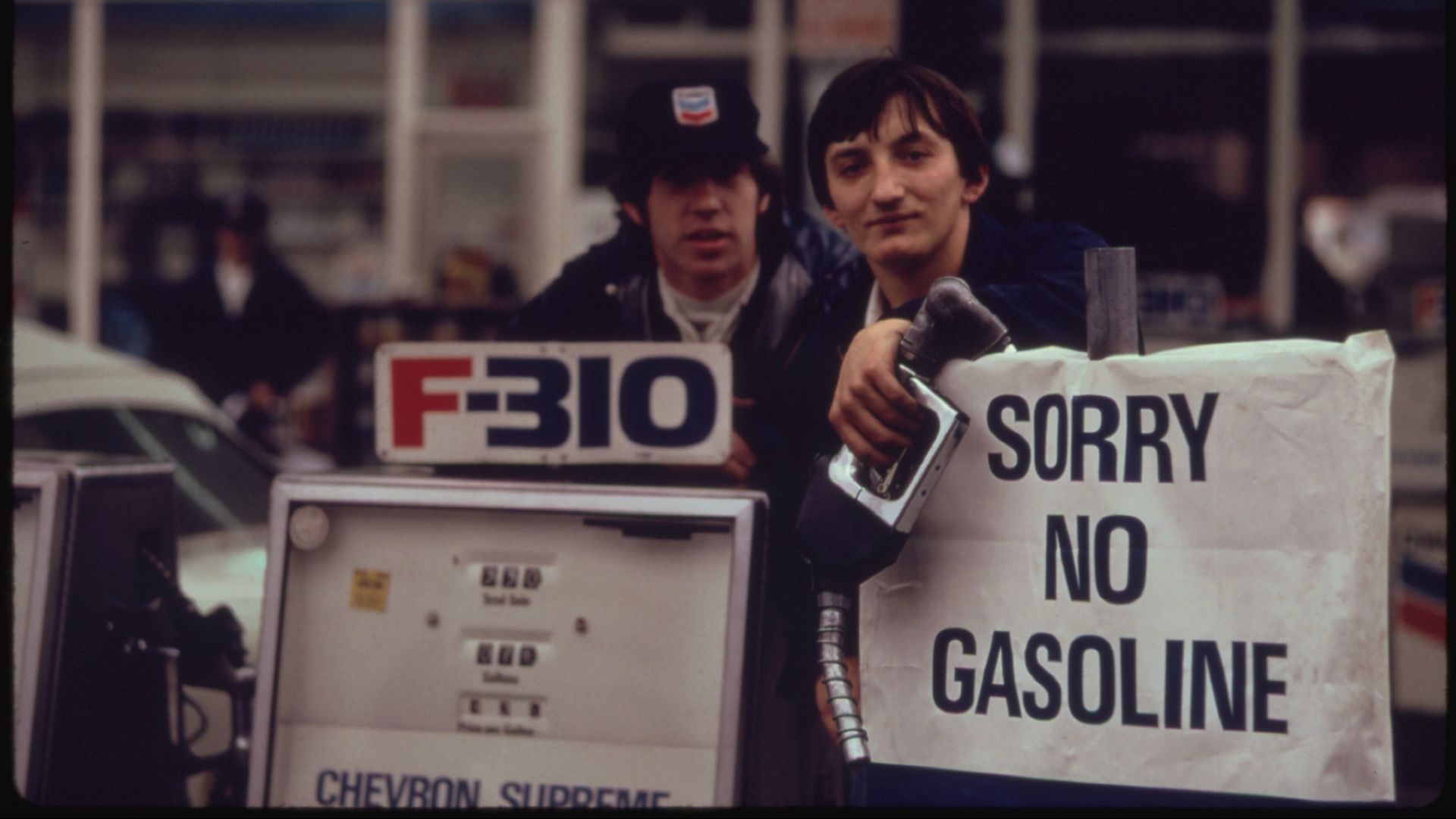
Rediscovering The Value Of Conservation
Perhaps the biggest lesson from the 1970s was that small changes could add up. Slower speeds, careful maintenance, fewer unnecessary trips, and smoother driving all helped motorists conserve gasoline. Modern cars are vastly more efficient than their predecessors, but the principles haven't changed. Sometimes the smartest fuel-saving technology is simply a more thoughtful driver.
 David Falconer, Wikimedia Commons
You May Also Like:
Things Drivers Think Will Improve Their Gas Mileage, But Can Actually Make It Worse