A New Car For How Much?
A brand-new car for less than $5,000. In the 1980s, that wasn’t a fantasy—it was totally feasible. Did any of these end up in your driveway?
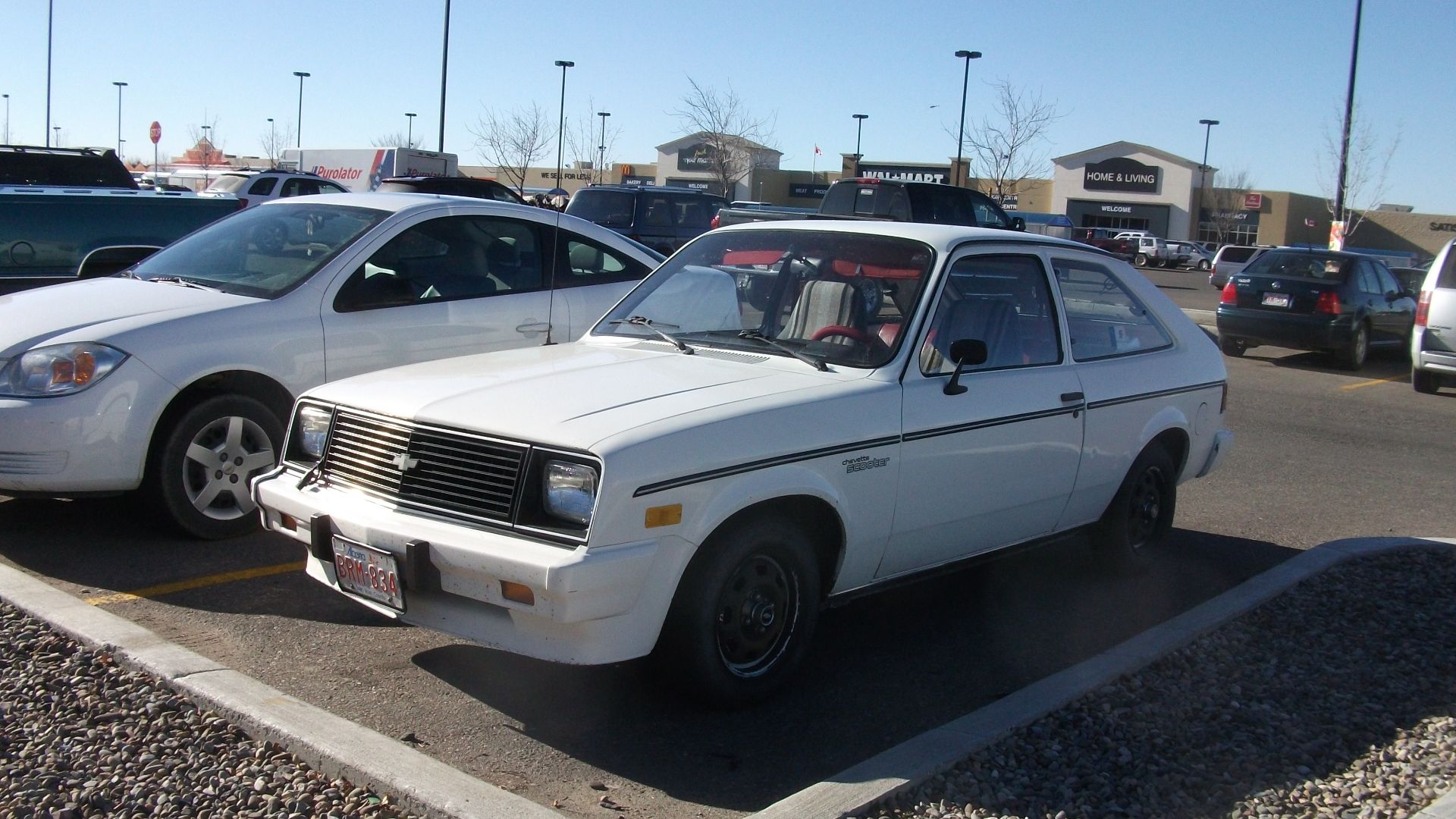
Chevrolet Chevette Scooter (1980)
At a listed base price of $4,057, the Chevette Scooter made getting a new Chevrolet surprisingly affordable. Getting excited about it was another matter. This was basic transportation with very little glamour attached. For someone who needed an inexpensive car and could live without much comfort or performance, though, there was a reasonable argument for bringing one home.
 dave_7 from Lethbridge, Canada, Wikimedia Commons
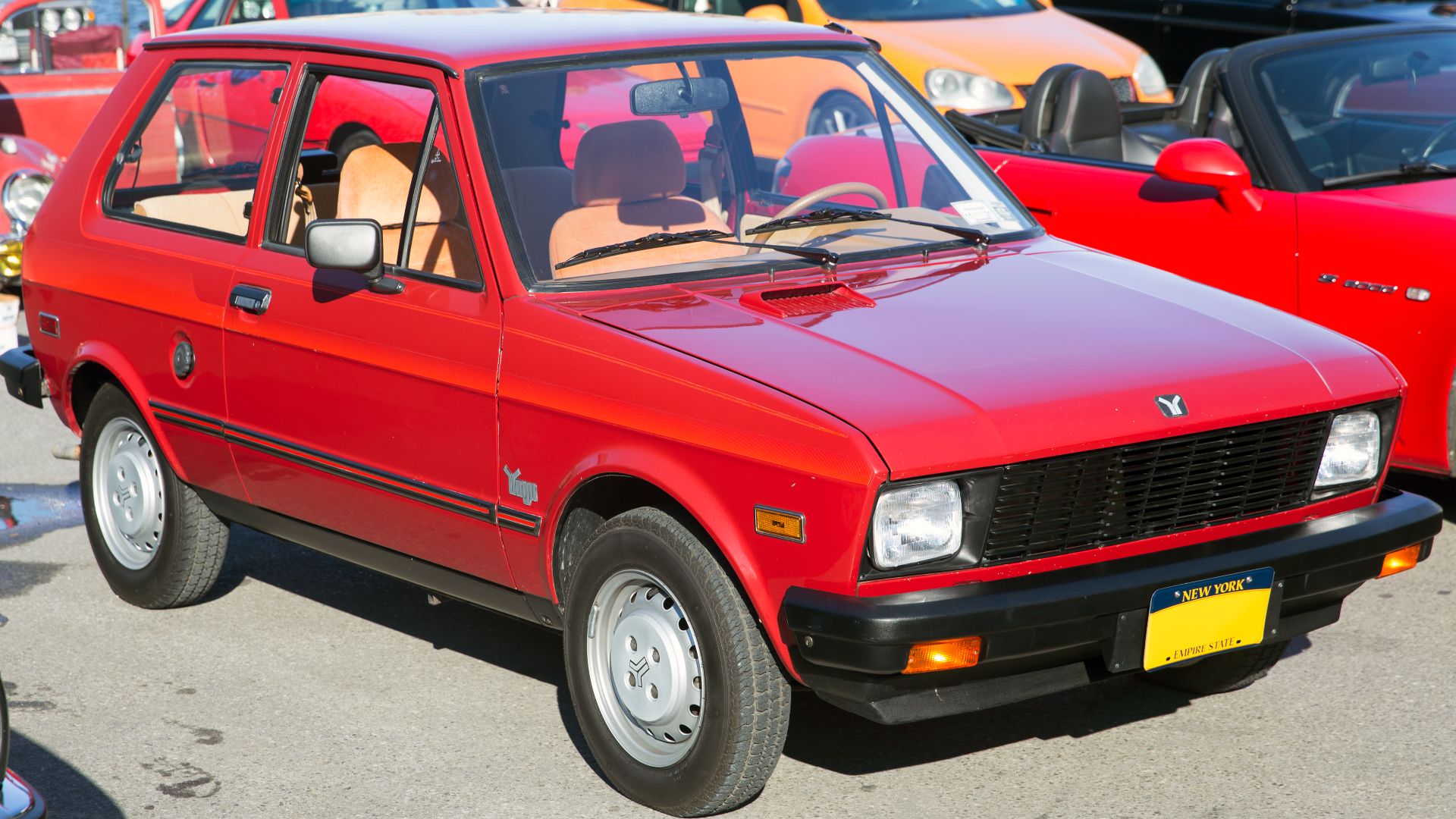
Yugo GV (1986)
The Yugo’s advertised $3,990 price became its entire personality. Unfortunately, its crude cabin, modest performance, and poor reputation became part of the conversation too. Delivery charges and dealer markups could also make that famous price harder to find. A new car for that little money sounded wonderful. Living with the car was where the argument started falling apart.
 Mr.choppers, Wikimedia Commons
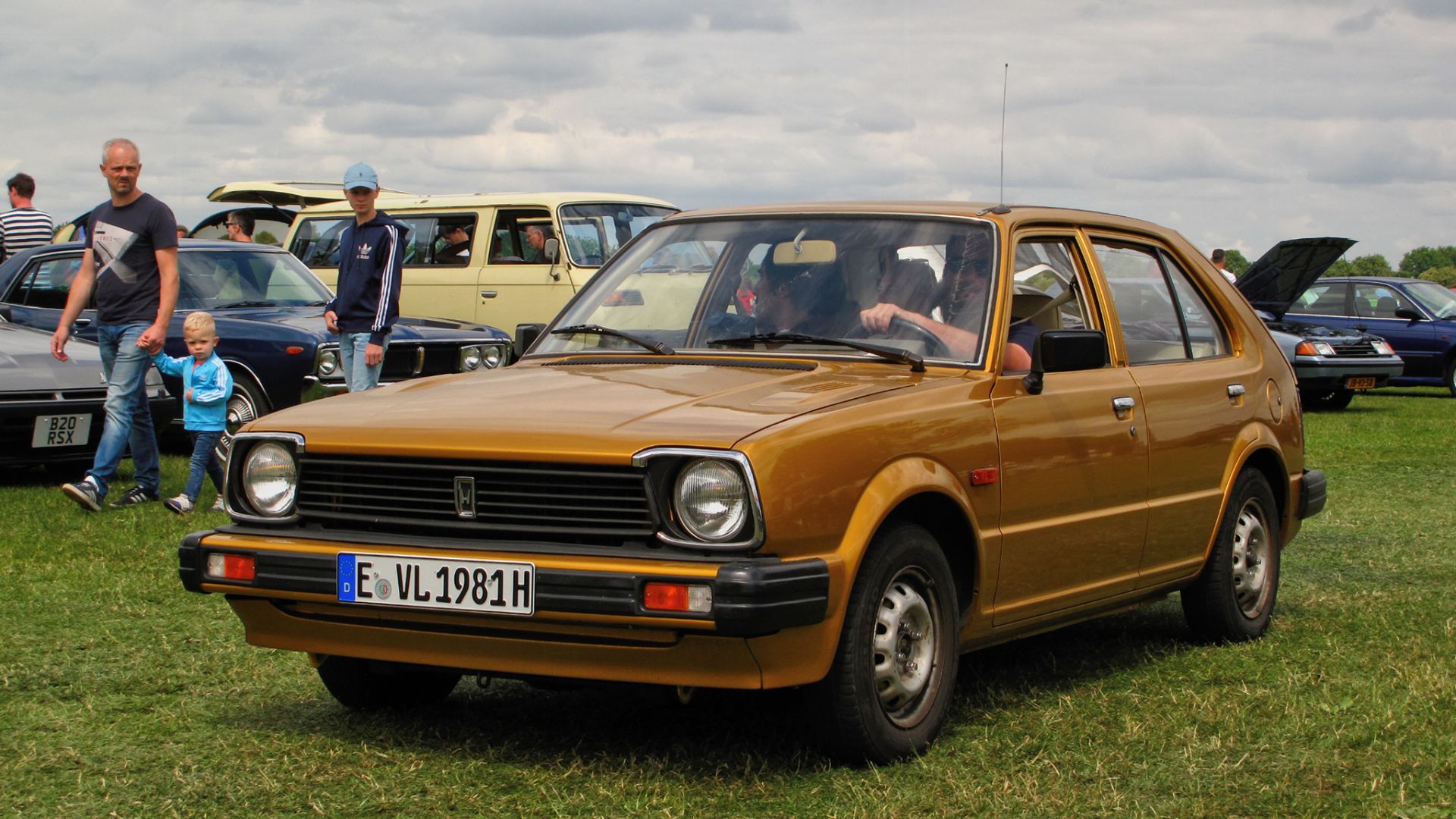
Honda Civic 1300 (1980)
A base Civic 1300 listed for just $3,699, which makes this one particularly painful to read today. Honda’s redesigned Civic earned enthusiastic reviews, although that cheapest engine wasn’t available in California or high-altitude areas. For buyers who could get one, this looks like one of the strongest bargains here. Cheap transportation didn’t have to feel like a punishment.
 Rutger van der Maar, Wikimedia Commons
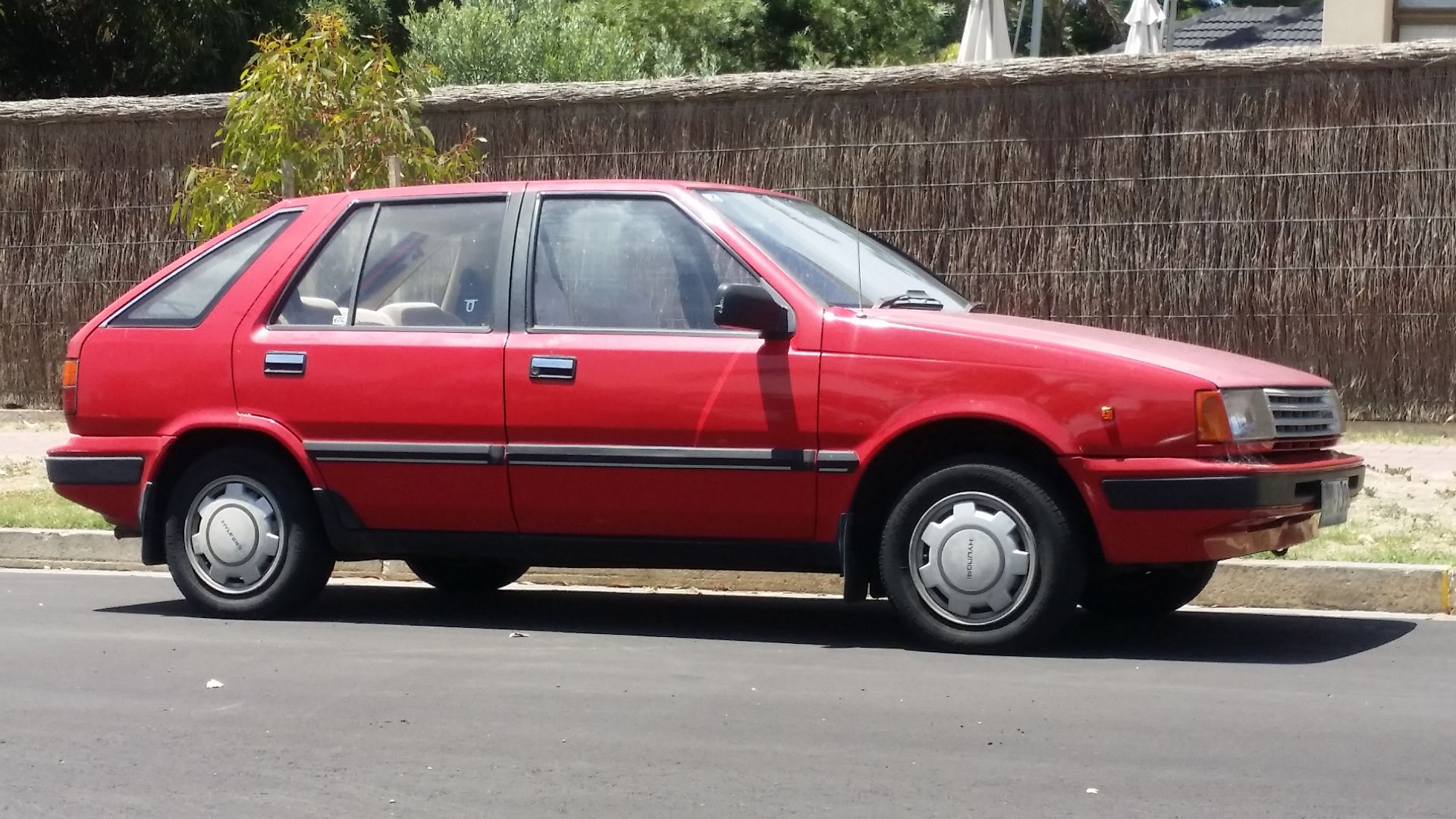
Hyundai Excel (1986)
Hyundai arrived in America with a $4,995 Excel, slipping under our limit by five dollars. The price helped make it an immediate sales success, but the early cars developed a much less impressive reputation for long-term quality. Understandable purchase at the time? Absolutely. A bargain every owner would happily buy again? That’s a considerably tougher question.
 TuRbO_J from Adelaide, Australia, Wikimedia Commons
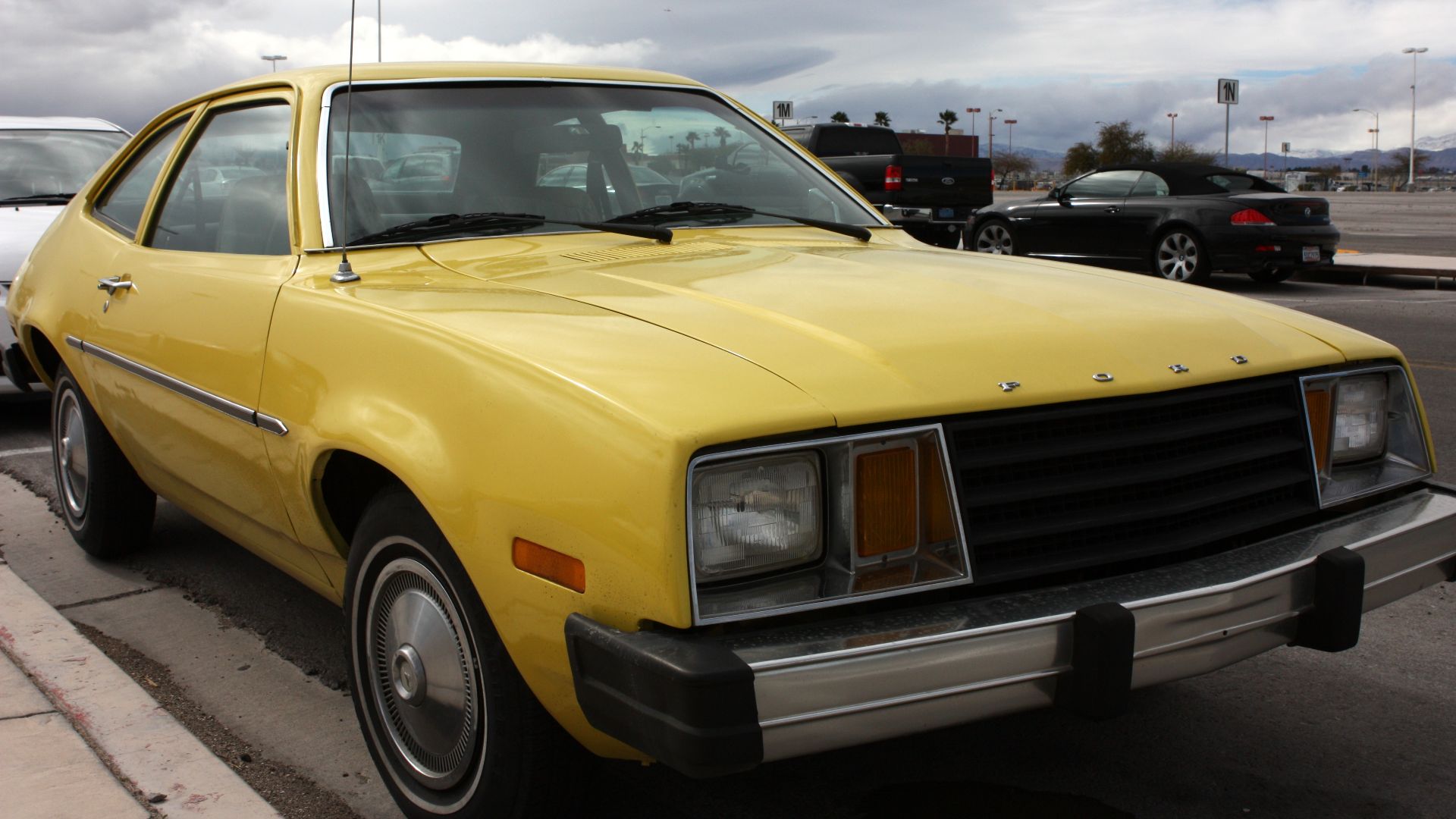
Ford Pinto Pony (1980)
By its final model year, the Pinto had plenty of baggage attached to its name. But the stripped-down Pony two-door sedan still offered a low entry price, listed at $4,056. It could provide basic transportation without a huge initial bill. Still, buying one in 1980 meant choosing a car at the end of its run, with a reputation that wasn’t going away.
 Michael Dorausch, Wikimedia Commons
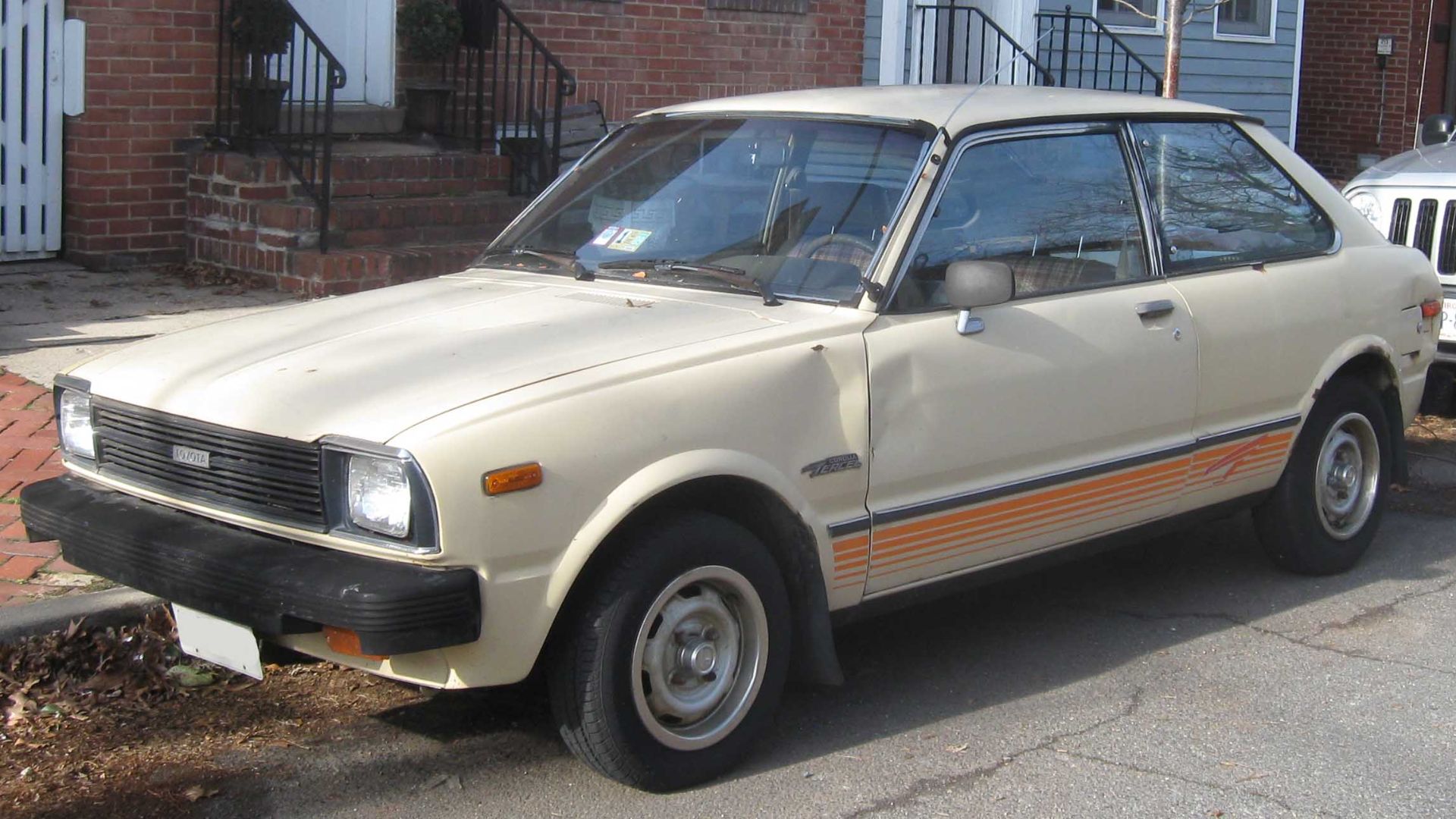
Toyota Corolla Tercel (1980)
Toyota initially advertised its new Corolla Tercel from $3,698. Despite the familiar Corolla name, this was a separate little car that brought front-wheel drive to Toyota’s American lineup. For someone interested in economical transportation rather than impressing the neighbors, it deserved serious consideration. The plain appearance was easier to forgive when the price started with a three.
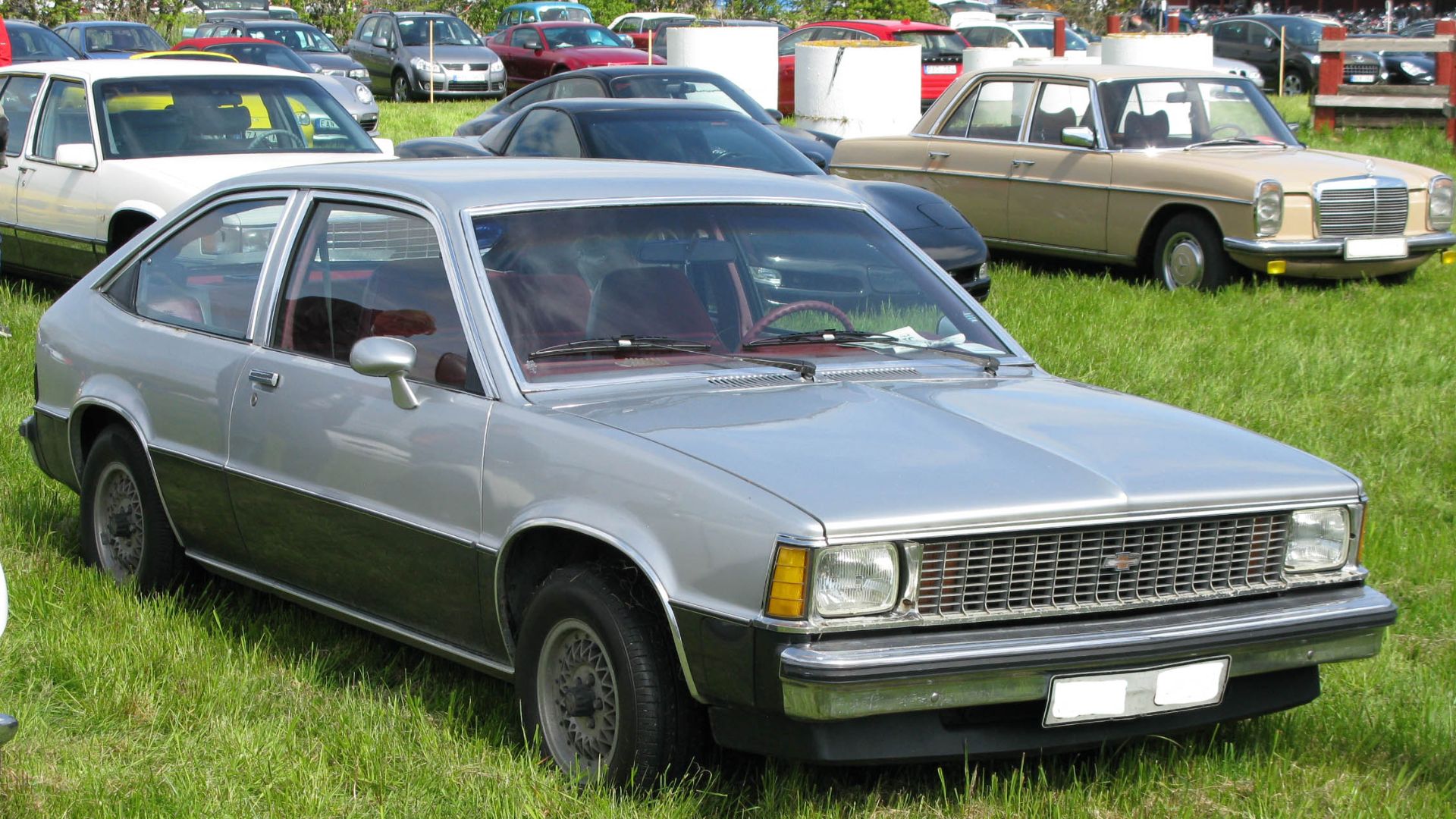
Chevrolet Citation (1980)
The Citation arrived with front-wheel drive, useful interior space, and a base coupe priced at $4,800. On paper, Chevrolet appeared to have an answer for buyers who wanted an affordable, modern compact. Then came quality problems and recalls that damaged its reputation. This was one purchase that could look much better in the showroom than it did a few years later.
 Herranderssvensson, Wikimedia Commons
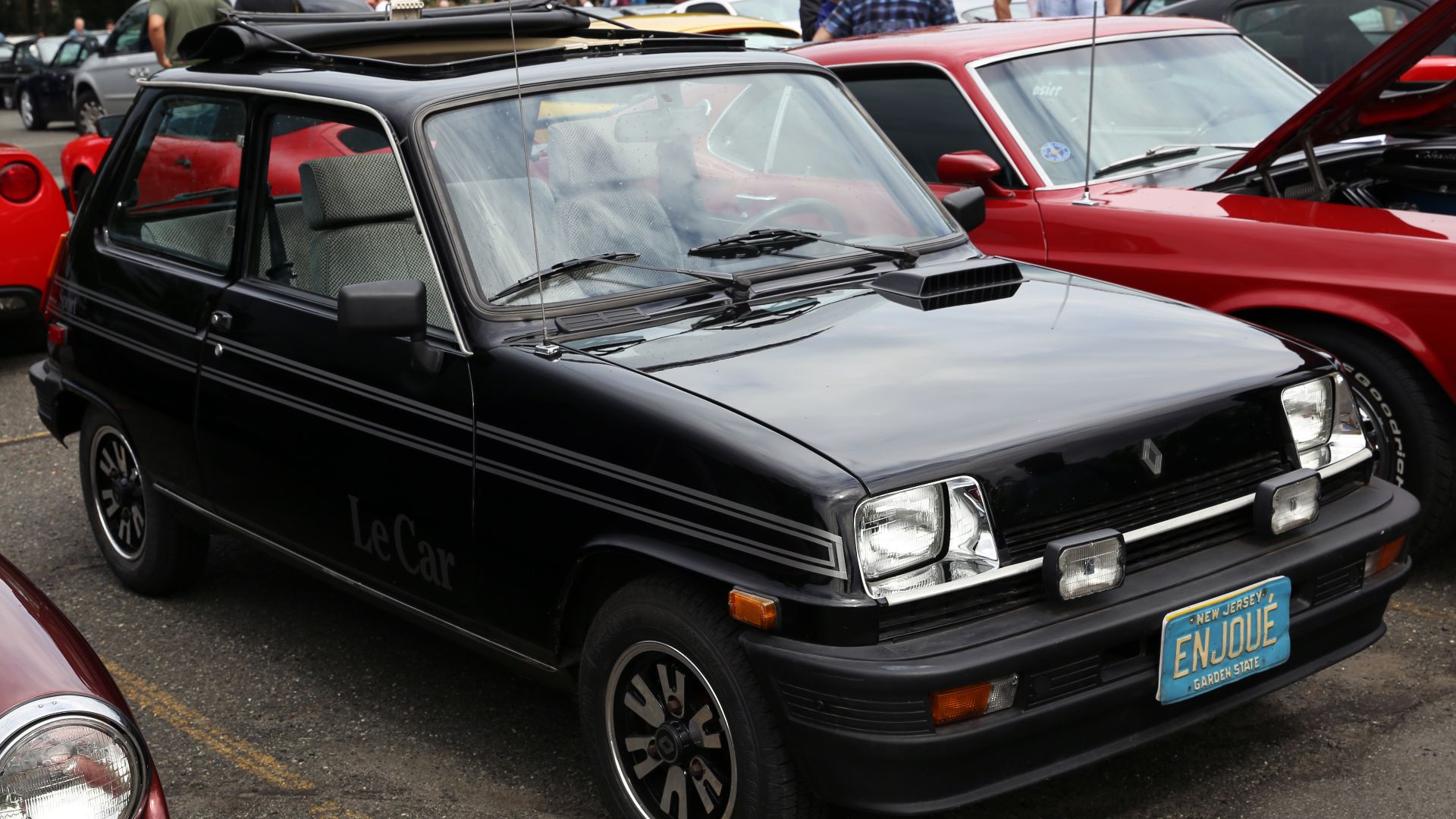
Renault Le Car (1983)
By its final American model year, the Renault Le Car offered a base three-door for $4,795. Its comfortable seats, surprisingly supple ride, and useful hatchback gave buyers reasons to look beyond the unusual name. Unfortunately, workmanship and ownership troubles weakened the appeal. Cheap and cheerful? Sometimes. Cheap and completely free of aggravation? That was asking considerably more of it.
 Mr.choppers, Wikimedia Commons
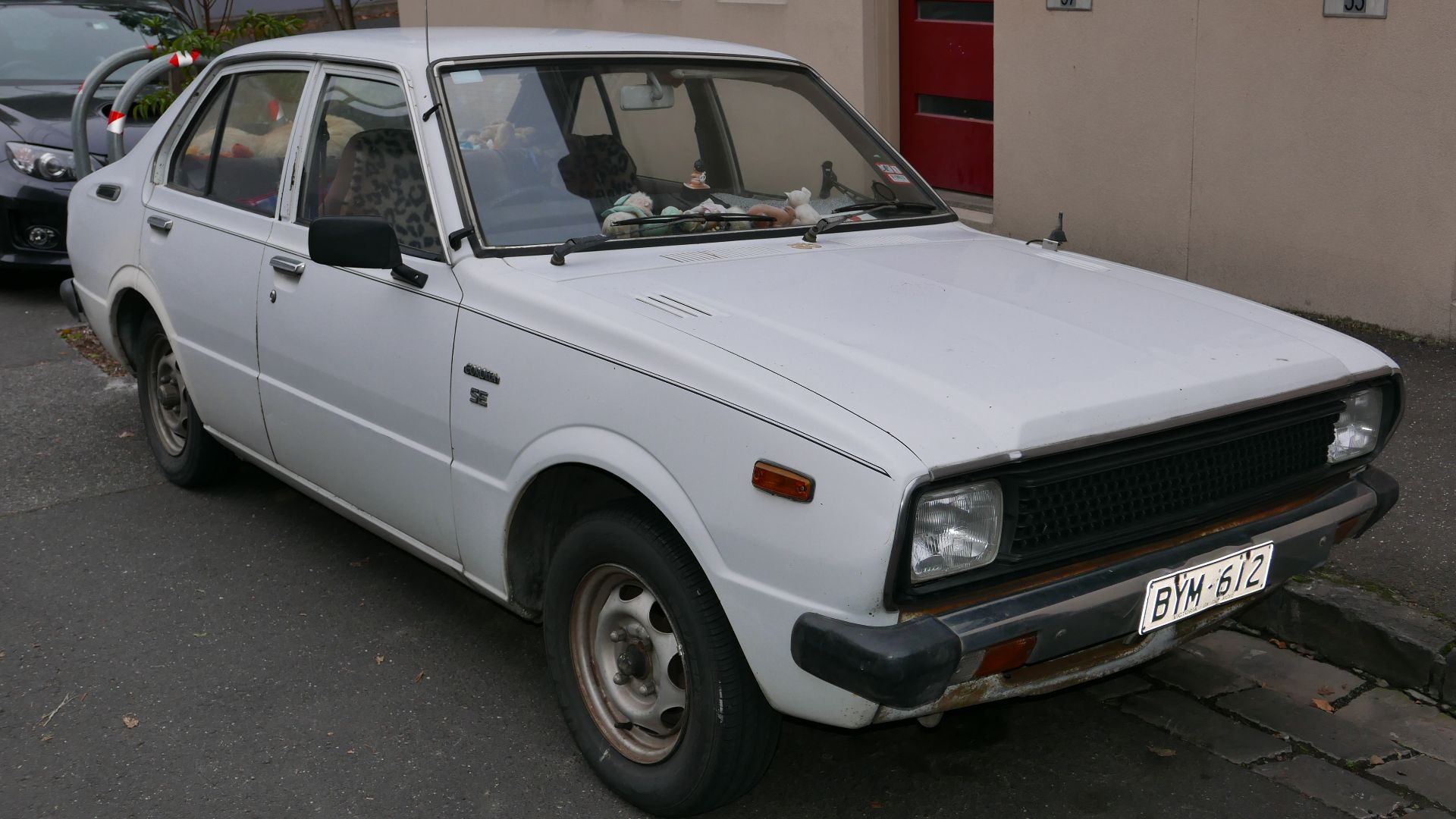
Toyota Corolla (1980)
The regular Corolla also qualified, with its standard two-door sedan priced at $4,198 following an early-1980 increase. Unlike the Corolla Tercel, this Corolla still used rear-wheel drive. Confusing names aside, it gave buyers another sensible Toyota option below our limit. Flashy? Hardly. But a modest car that did its job had an appeal all its own.
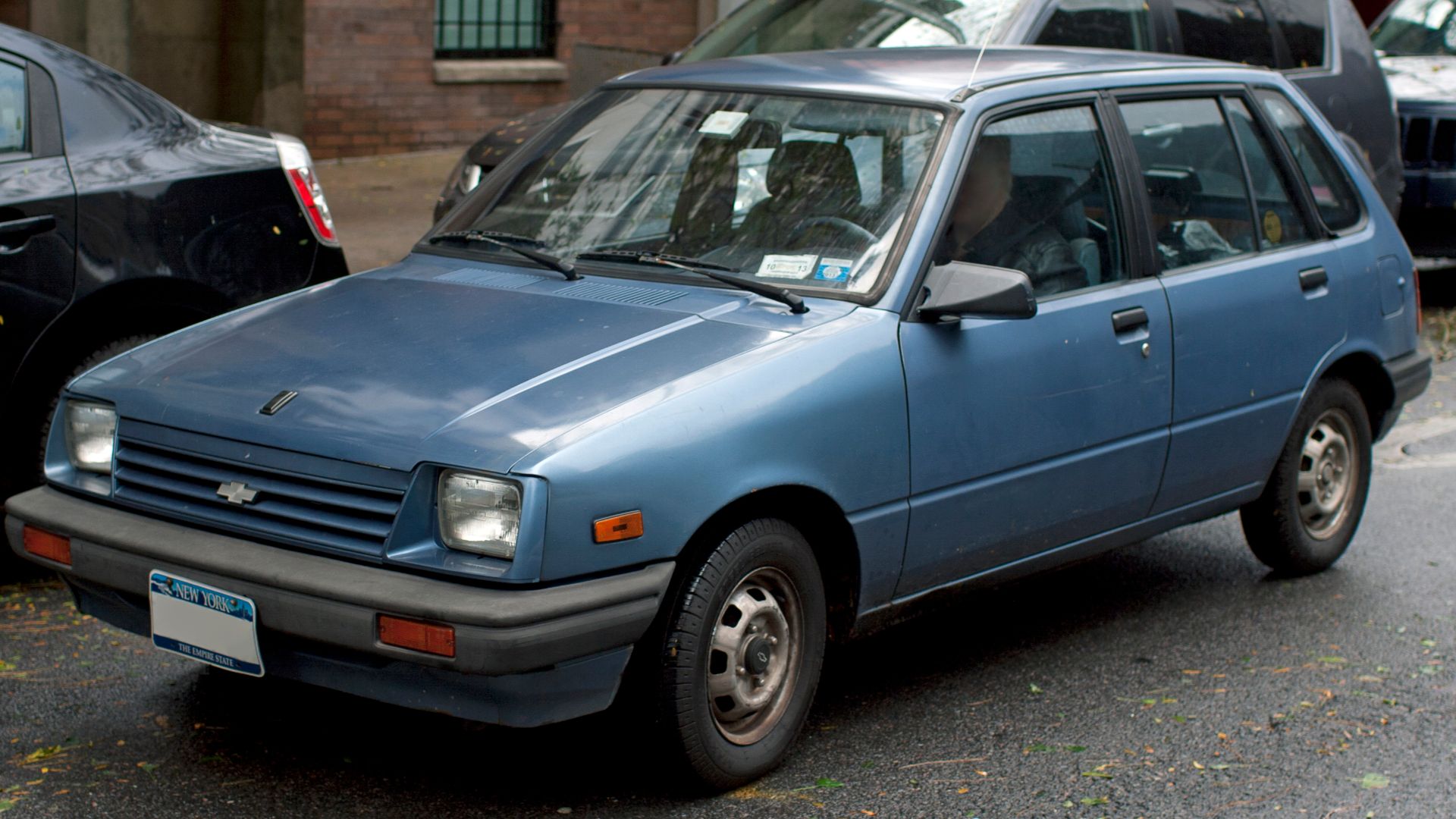
Chevrolet Sprint (1985)
Chevrolet’s tiny, Suzuki-built Sprint had an introductory base price of $4,949, proving that sub-$5,000 choices hadn’t completely disappeared by the middle of the decade. Its little three-cylinder engine made just 48 horsepower, so expectations needed adjusting before the first highway on-ramp. Still, for someone buying a lightweight commuter to save money, it made more sense than its humble appearance suggested.
 Mr.choppers, Wikimedia Commons
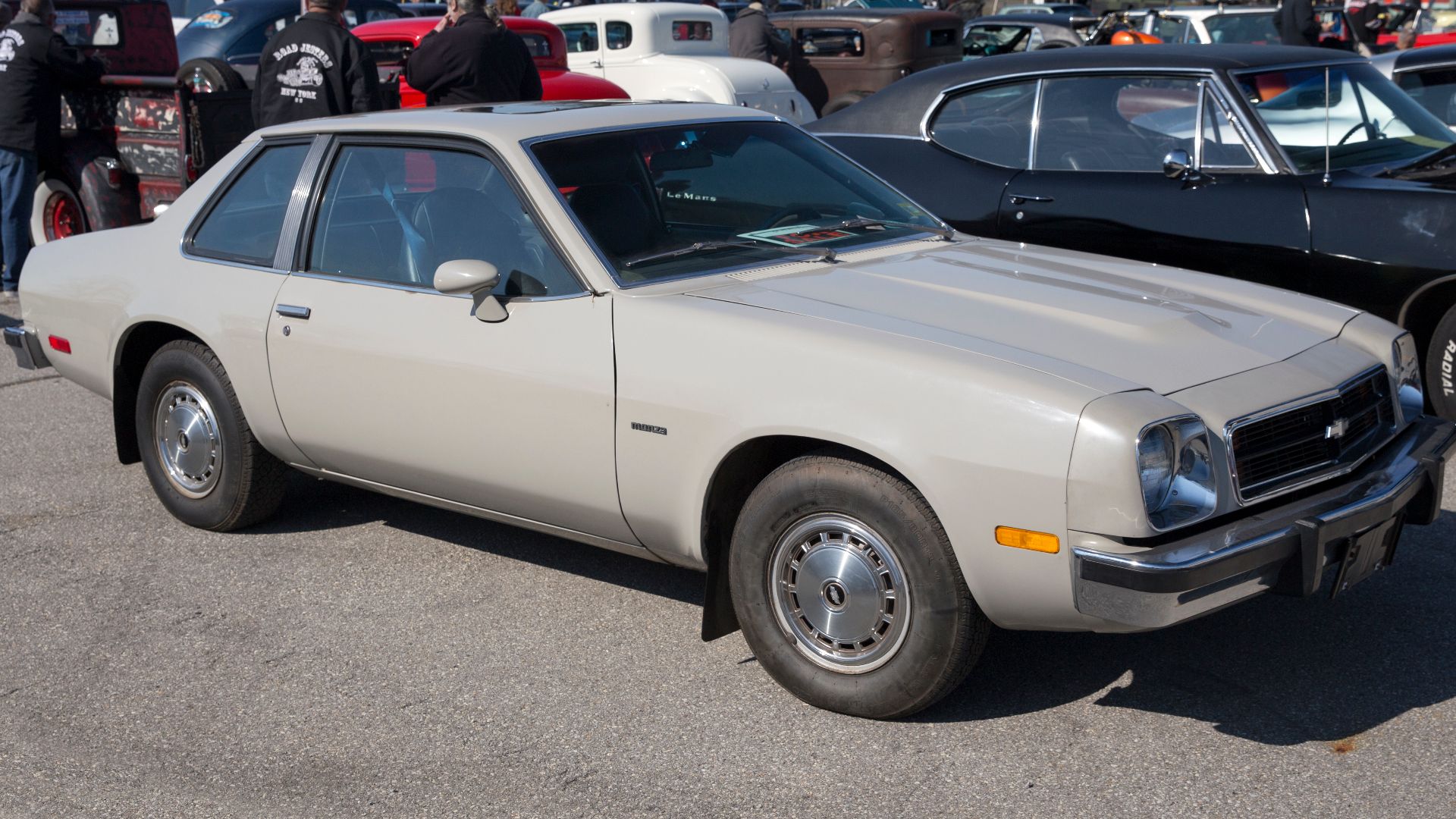
Chevrolet Monza (1980)
An early base price of $4,184 put the Monza two-door coupe within reach, although that wasn’t the price of a loaded, sporty-looking version. Add an automatic transmission, air conditioning, and an AM/FM radio, and the listed total passed $5,000. The basic car could fit the budget. Getting the Monza you actually wanted was where the arithmetic became less friendly.
 Mr.choppers, Wikimedia Commons
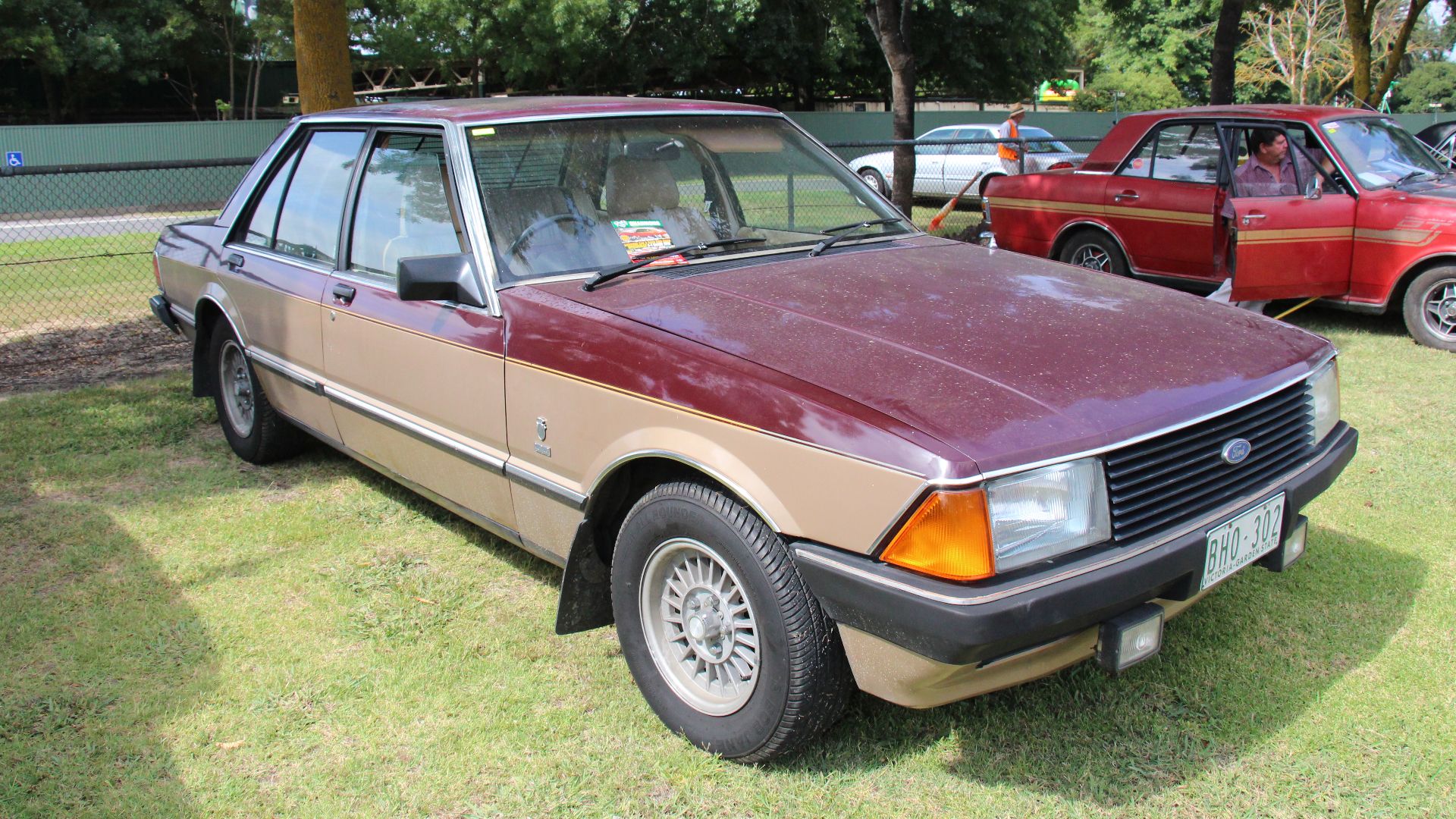
Ford Fairmont (1980)
An early-1980 pricing report listed the Fairmont from $4,823, giving buyers another option beyond the smallest economy cars. Its plain appearance wasn’t going to stop traffic, but the Fairmont made a practical family-car argument. Worth considering? Certainly, especially if room mattered more than excitement. Keeping the purchase below $5,000 still required showing some restraint with the options.
 Cars Down Under, Wikimedia Commons
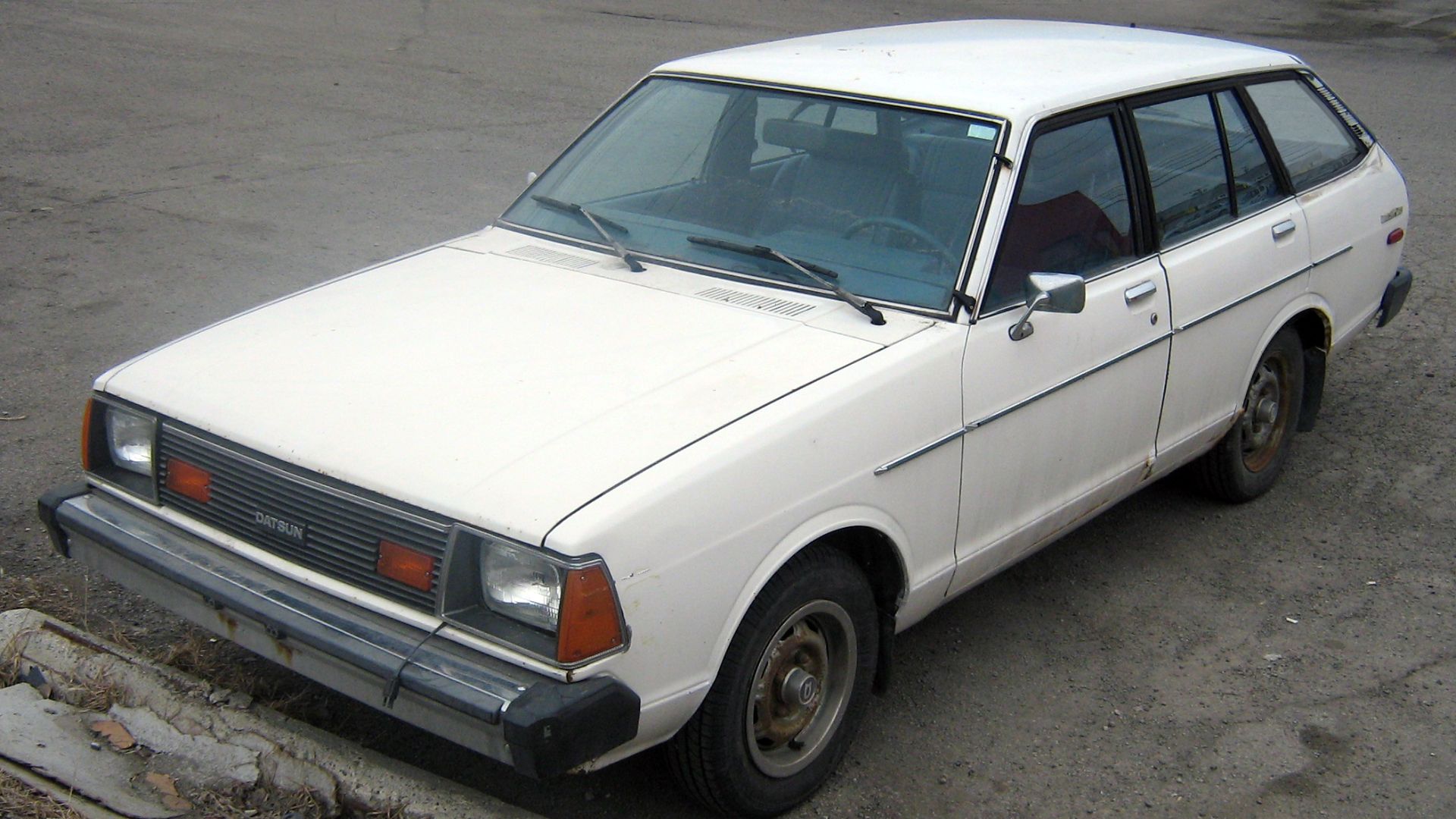
Datsun 210 (1980)
The cheapest 1980 Datsun 210 two-door sedan listed for $3,899, complete with a four-speed manual and very few frills. It wasn’t there to make a statement. It was there to get someone to work without requiring a bigger car payment. As an uncomplicated economy-car purchase, it made a convincing case. Sometimes being unremarkable was exactly the point.
 dave_7 from Lethbridge, Canada, Wikimedia Commons
Fiat Strada (1980)
At $4,881, the Fiat Strada offered distinctive Italian styling at an economy-car price. Its unusual details gave shoppers something more interesting to look at than another anonymous little sedan. Unfortunately, questionable build quality and a serious appetite for rust weakened the bargain. An interesting choice, certainly. The easiest car here to recommend to a practical-minded neighbor? Probably not.
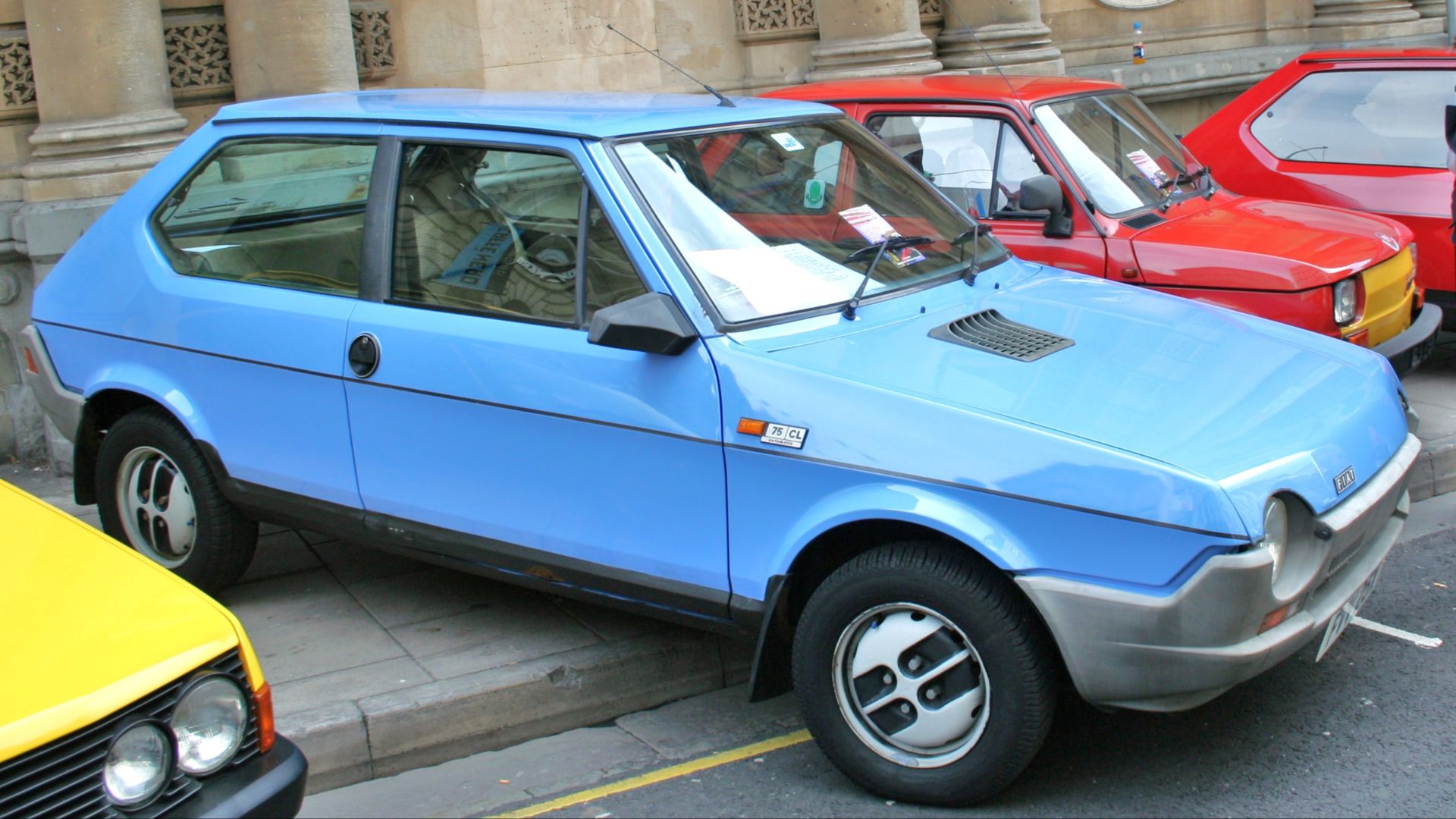 https://www.flickr.com/photos/tonysphotos/, Wikimedia Commons
Mercury Bobcat (1980)
Mercury’s version of the Pinto offered a different badge and some different styling, but the underlying idea remained familiar. A 1980 Bobcat Runabout had an early base price of $4,217. That qualified comfortably, until an automatic, air conditioning, and an AM/FM radio took the listed total to $5,088. Apparently, even a budget Mercury could develop slightly more expensive tastes.
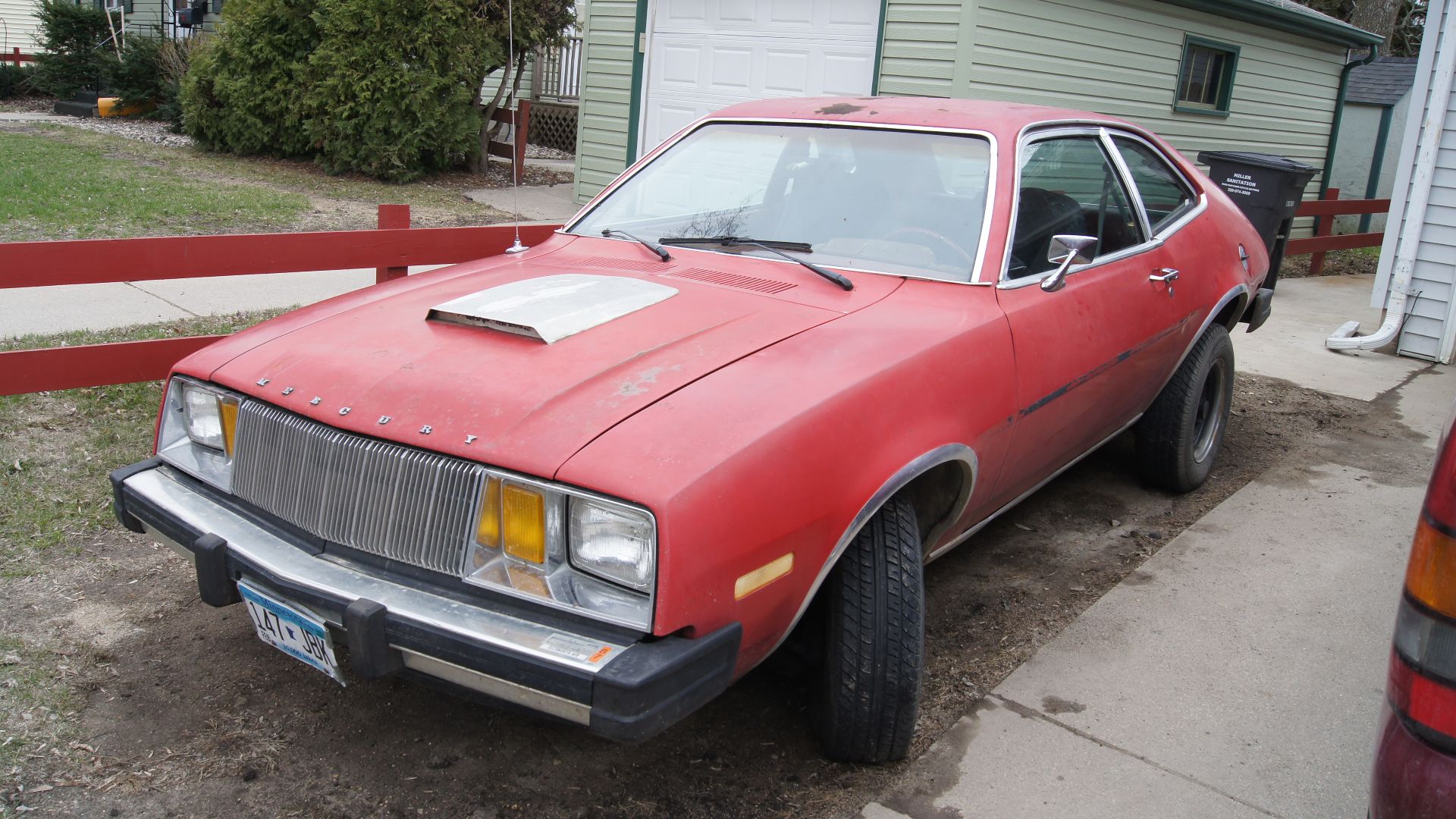 Greg Gjerdingen from Willmar, USA, Wikimedia Commons
Mazda GLC (1980)
GLC stood for “Great Little Car,” which was certainly an ambitious name to put on an inexpensive hatchback. A base 1980 model listed for $4,145, and this generation still used rear-wheel drive. Its simple, sturdy design made a reasonable case for the name. Mazda’s advertising department might have been enthusiastic, but this wasn’t entirely wishful thinking.
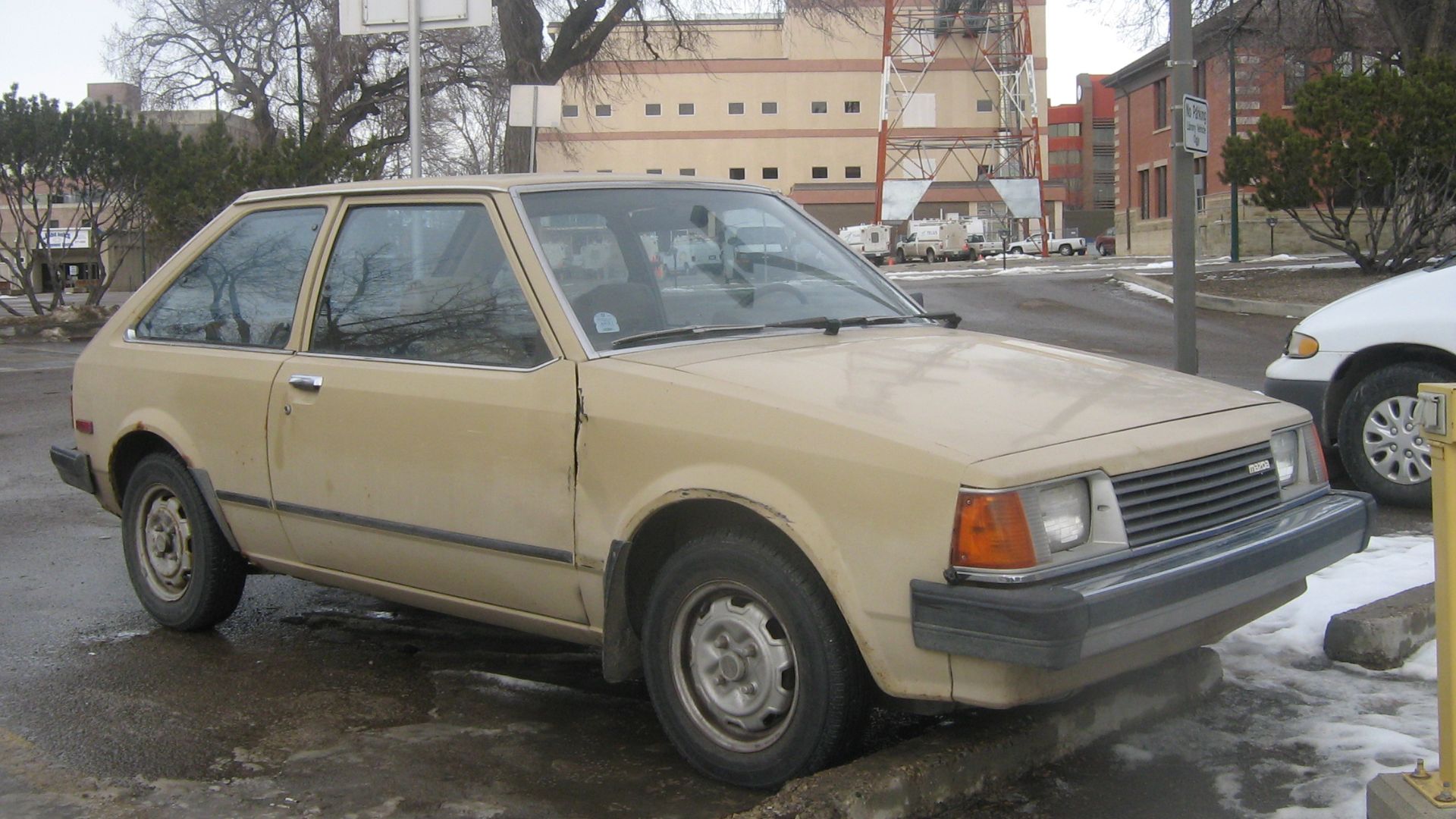
Nissan Sentra (1982)
The first Sentra offered a base two-door sedan for $4,949. Its front-wheel-drive layout helped provide more passenger space than the older rear-drive Datsun 210, and contemporary testing found plenty to like about its road manners. It wasn’t going to turn every trip into an adventure. For a budget-conscious buyer, that could be a fairly strong selling point.
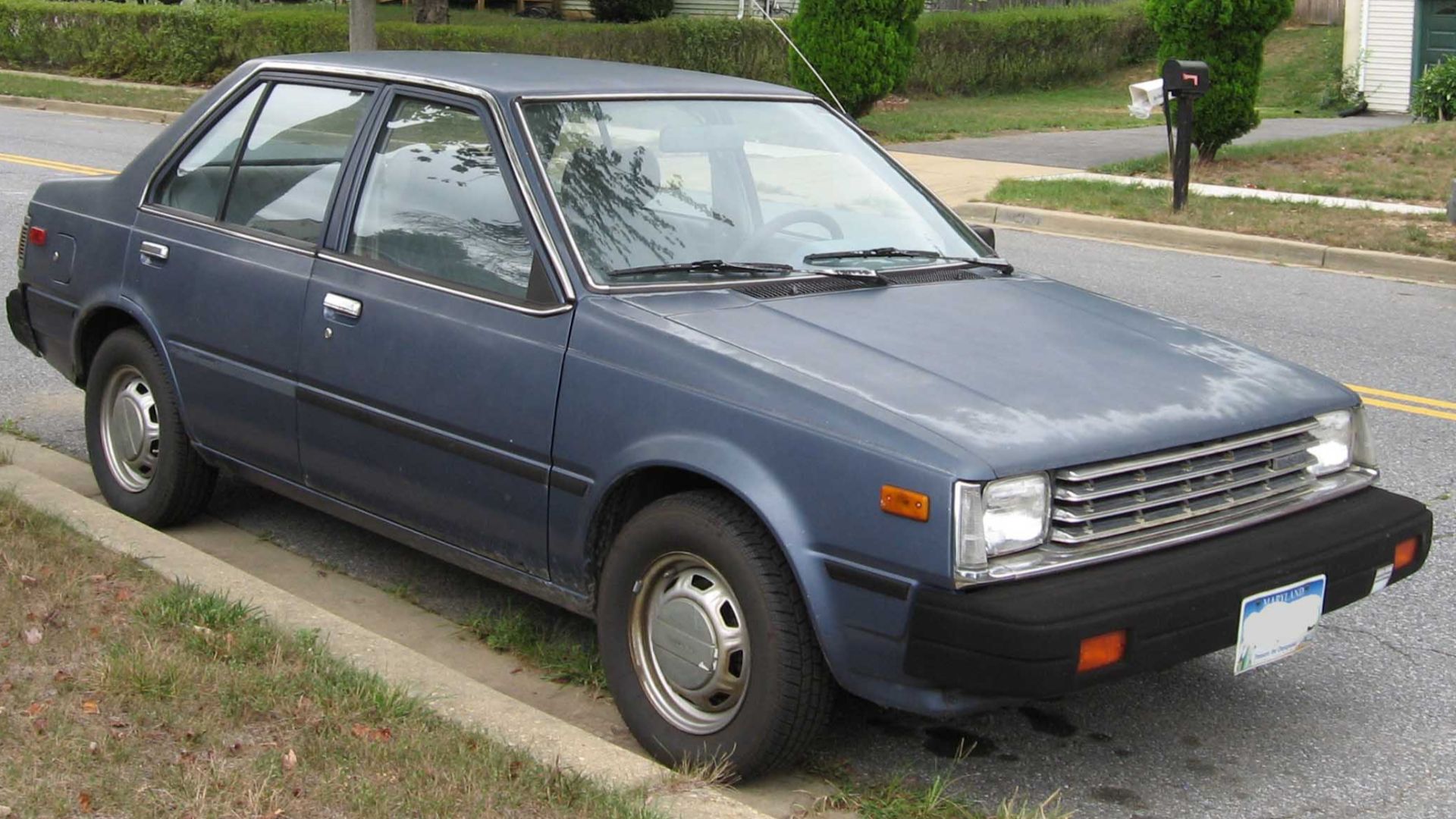
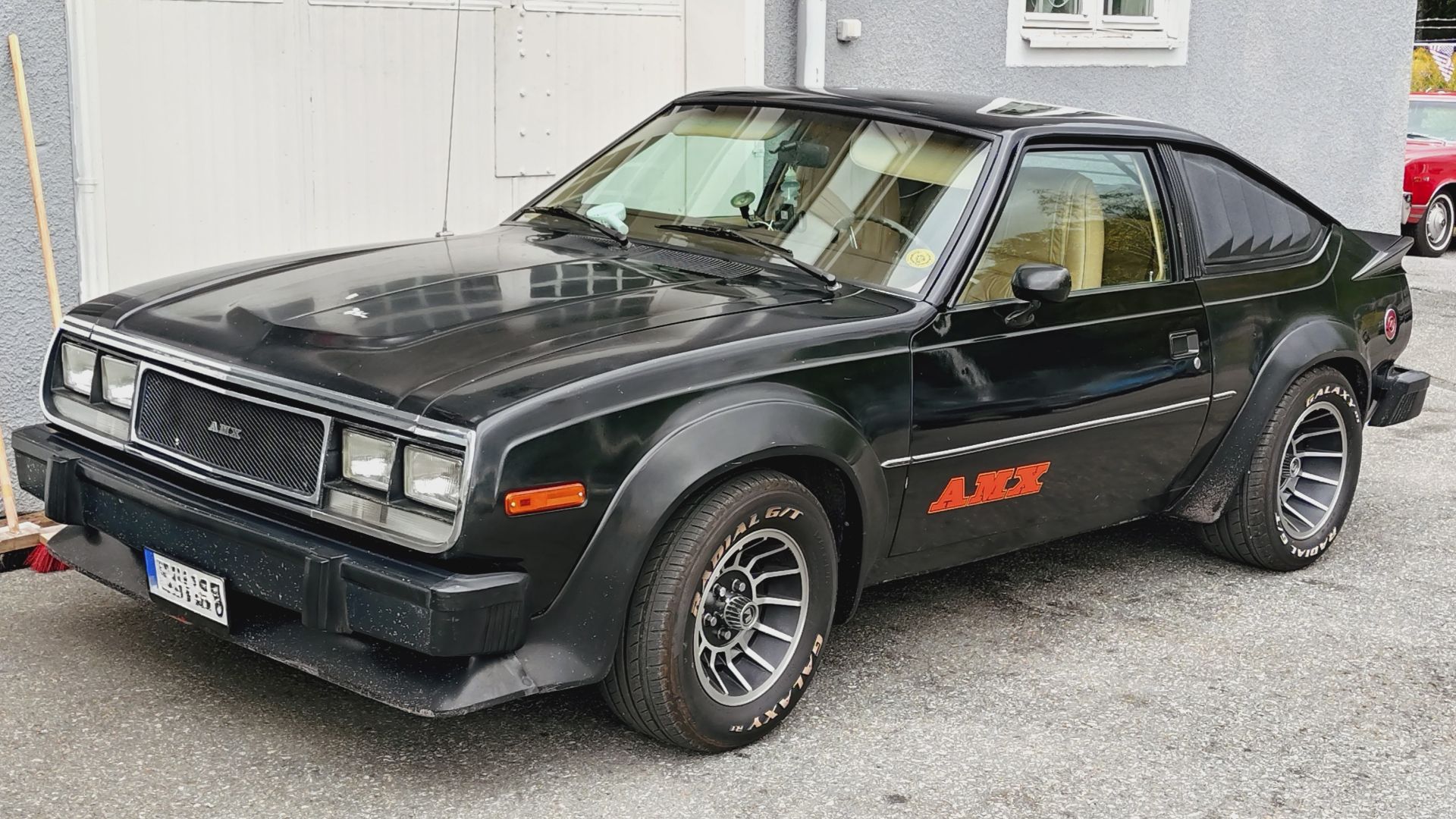
AMC Spirit (1980)
An early base price of $4,193 bought the Spirit two-door sedan, the version that still looked an awful lot like the Gremlin it replaced. AMC also offered a sleeker liftback, so remembering which body went with which price matters. The basic sedan offered straightforward transportation. Just don’t picture a sporty AMX sitting in the driveway for that money.
 Herranderssvensson, Wikimedia Commons
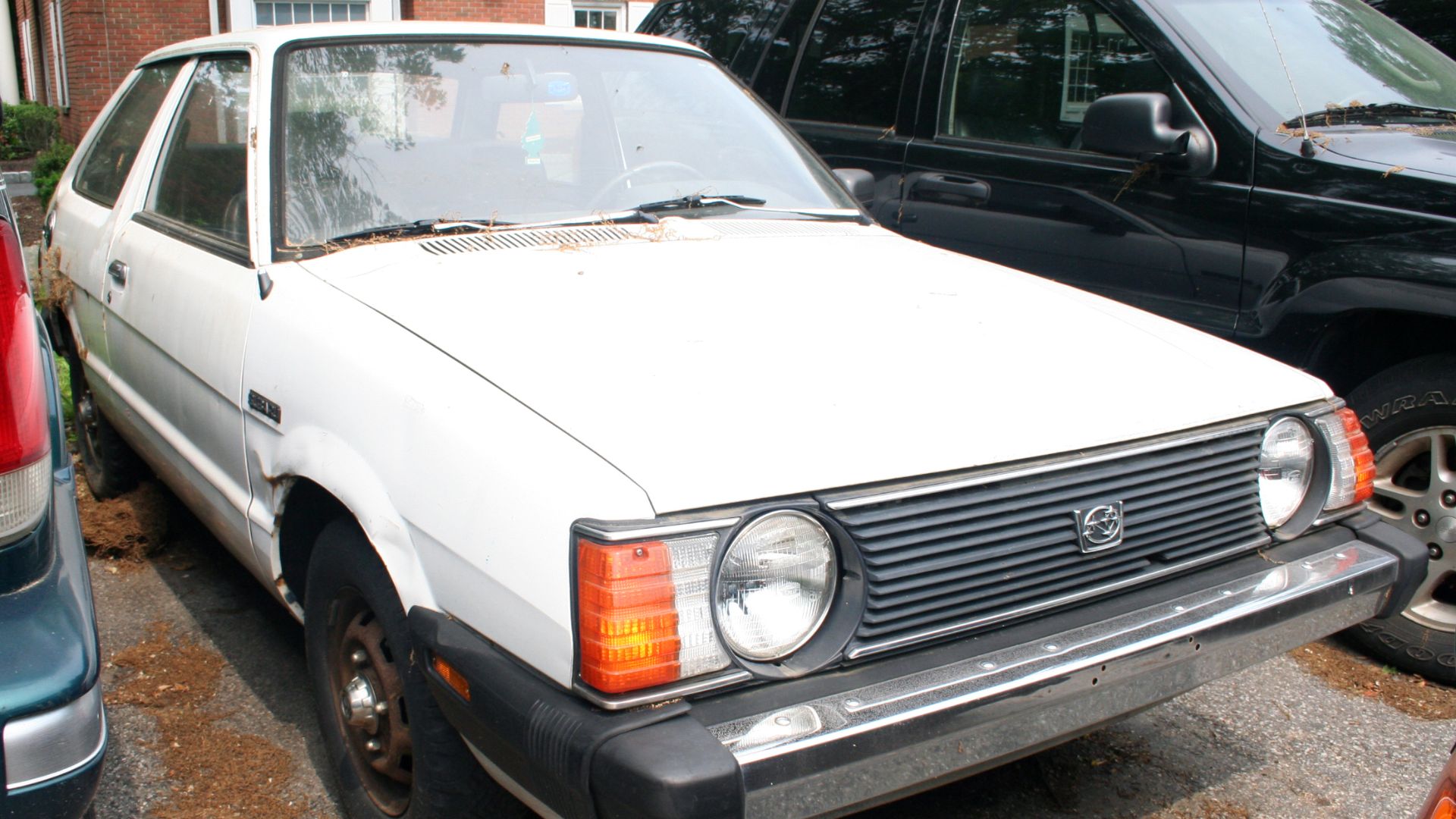
Subaru Standard Hatchback (1980)
A new Subaru for $3,999 sounds particularly tempting now. But this was the basic front-wheel-drive hatchback, rather than the four-wheel-drive Subaru people might be imagining. Equipment included a folding rear seat and power-assisted front disc brakes. As a modest economy car, it deserved consideration. That price simply bought a different Subaru experience than the badge might suggest today.
 Mr.choppers, Wikimedia Commons
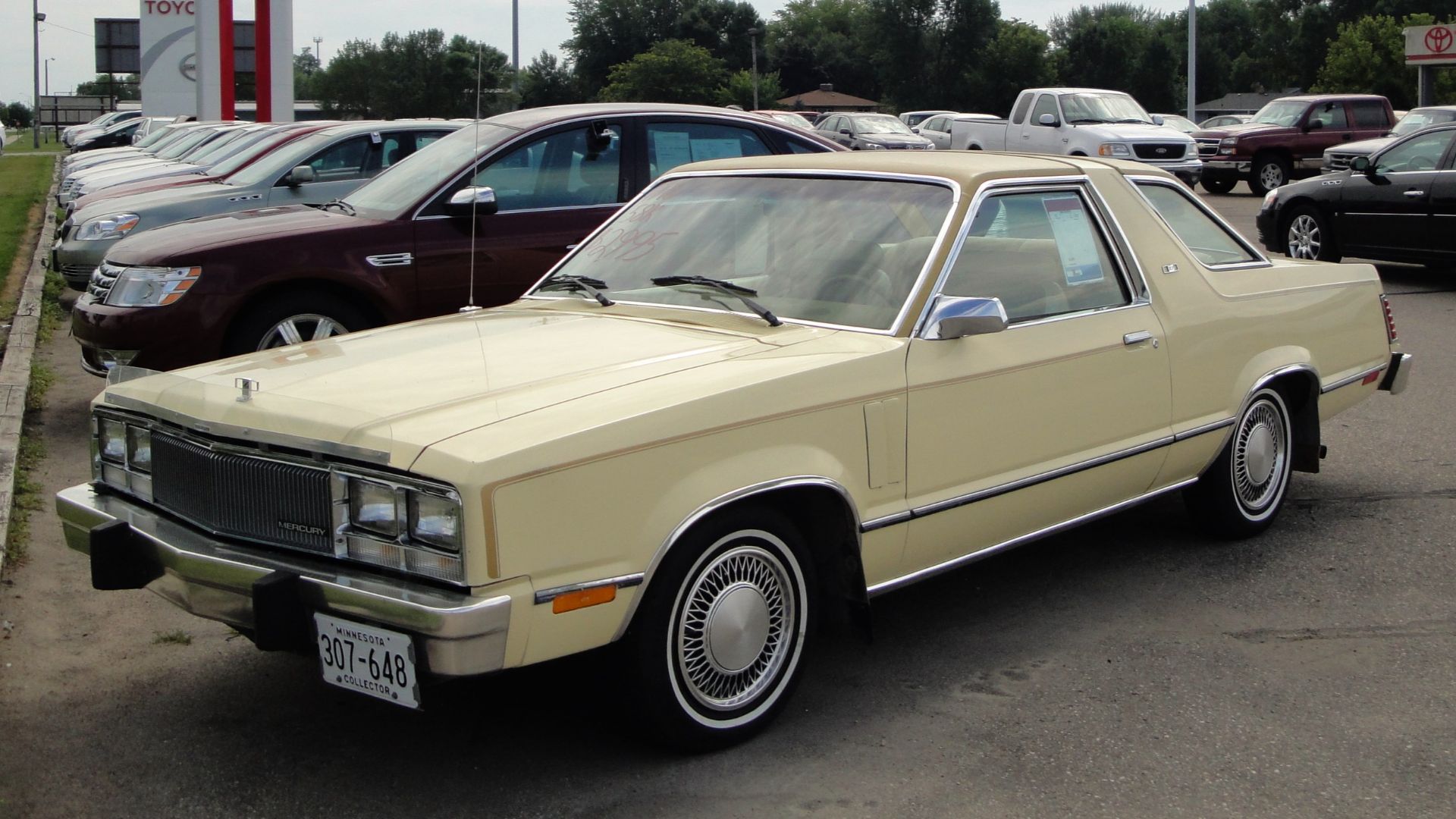
Mercury Zephyr (1980)
An early-1980 pricing report put the Mercury Zephyr’s base price at $4,970, just thirty dollars below our ceiling. It offered another familiar American compact for buyers who weren’t drawn to the tiniest imports. A sensible possibility in basic form, but that narrow margin mattered. Start adding desirable equipment, and the sub-$5,000 Mercury became a more expensive proposition.
 Greg Gjerdingen from Willmar, USA, Wikimedia Commons
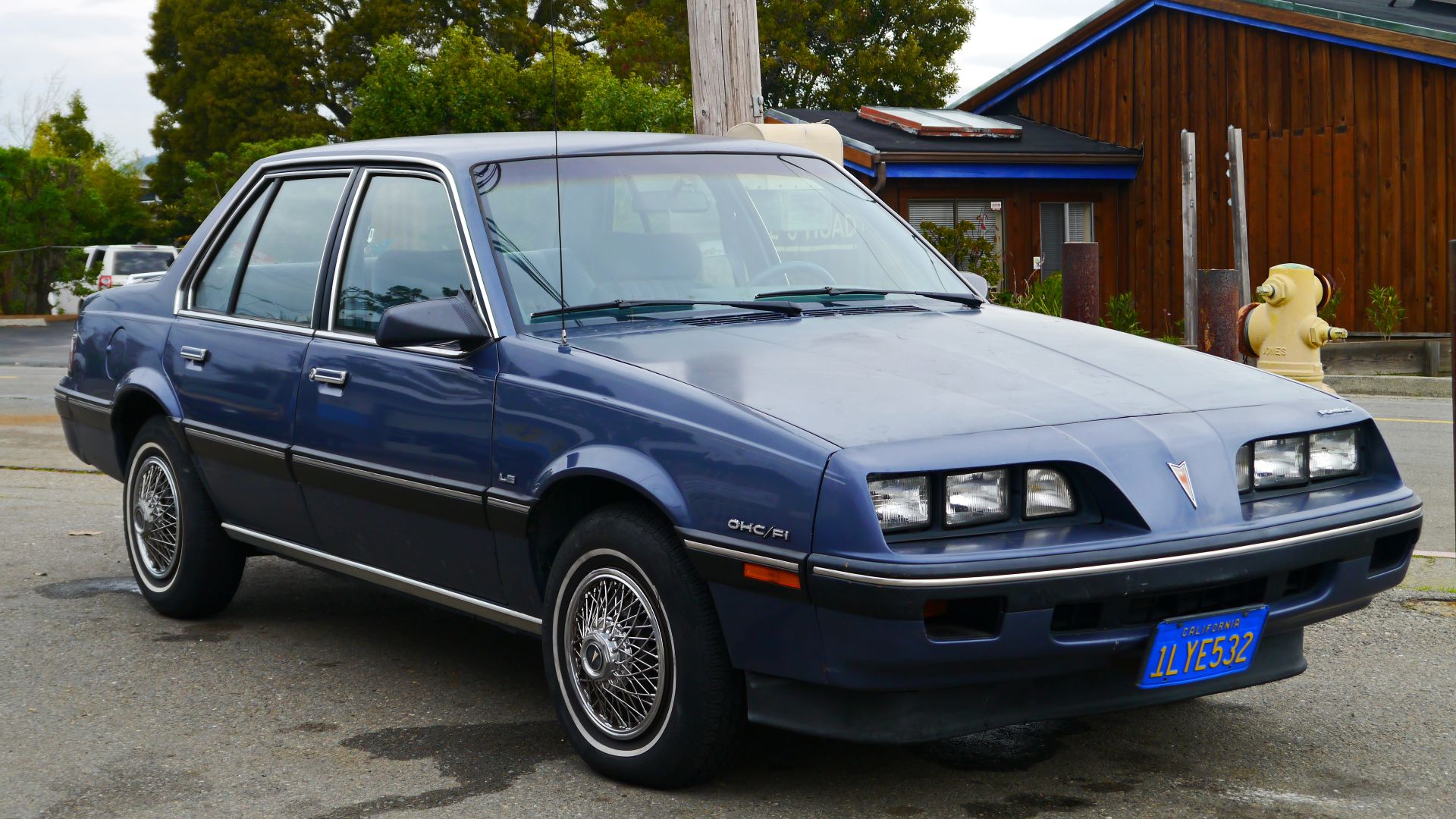
Pontiac Sunbird (1980)
The base 1980 Sunbird started at $4,371, giving buyers Pontiac styling without requiring Firebird money. A four-cylinder engine and four-speed manual came standard, while an AM radio provided something to listen to. For someone who liked its appearance and kept the options under control, it was a plausible budget choice. Those performance expectations just needed to stay equally modest.
 Mic from Reading - Berkshire, United Kingdom, Wikimedia Commons
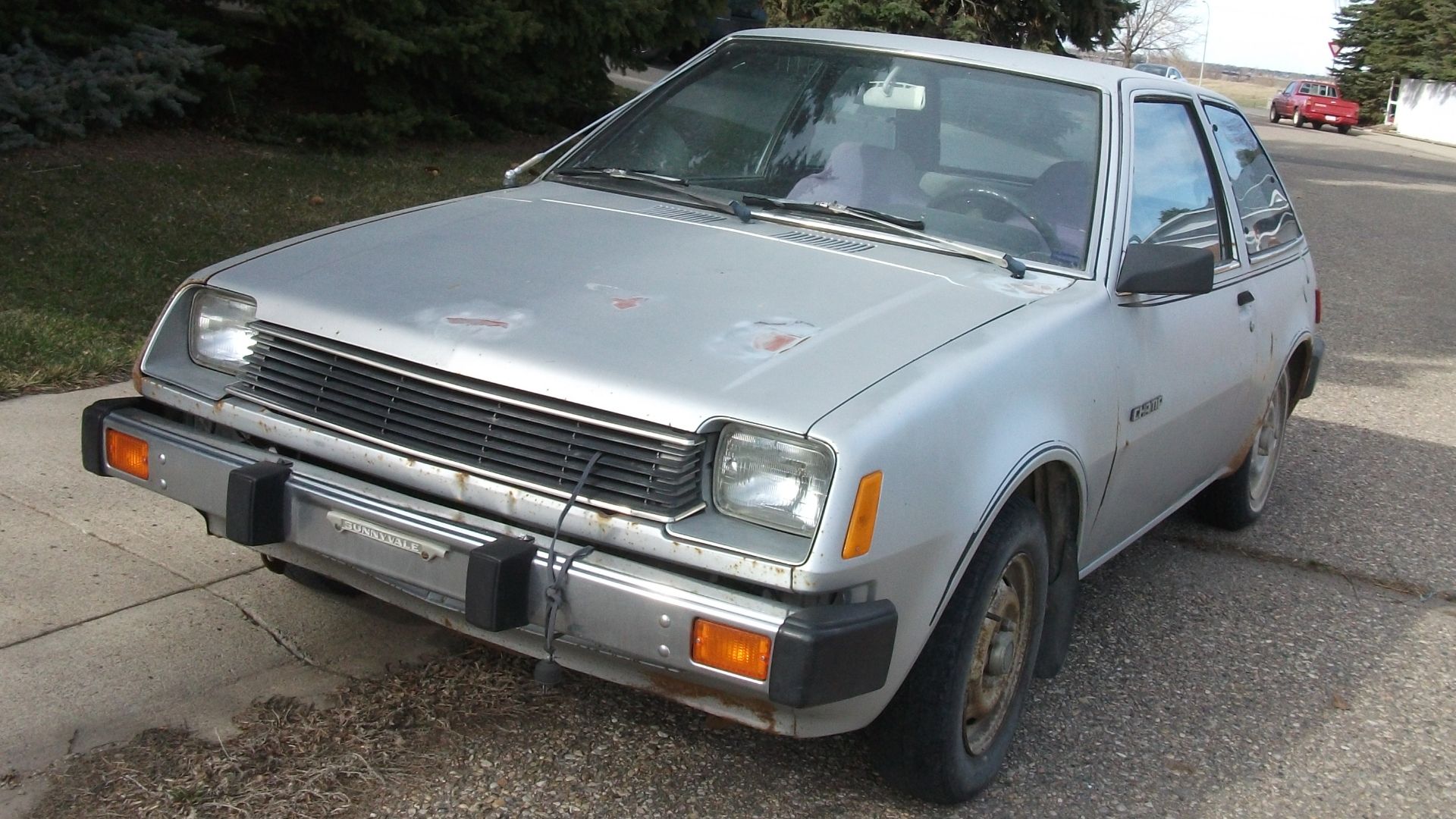
Dodge Colt And Plymouth Champ (1980)
These Mitsubishi-built hatchbacks wore different Chrysler-family badges, but both listed from $4,430. Their unusual Twin-Stick transmission used a second lever to select economy or power gearing, giving an ordinary commuter something to talk about. They deserved consideration from economy-minded shoppers. Buying a Dodge or Plymouth didn’t necessarily mean the little car underneath came from Detroit.
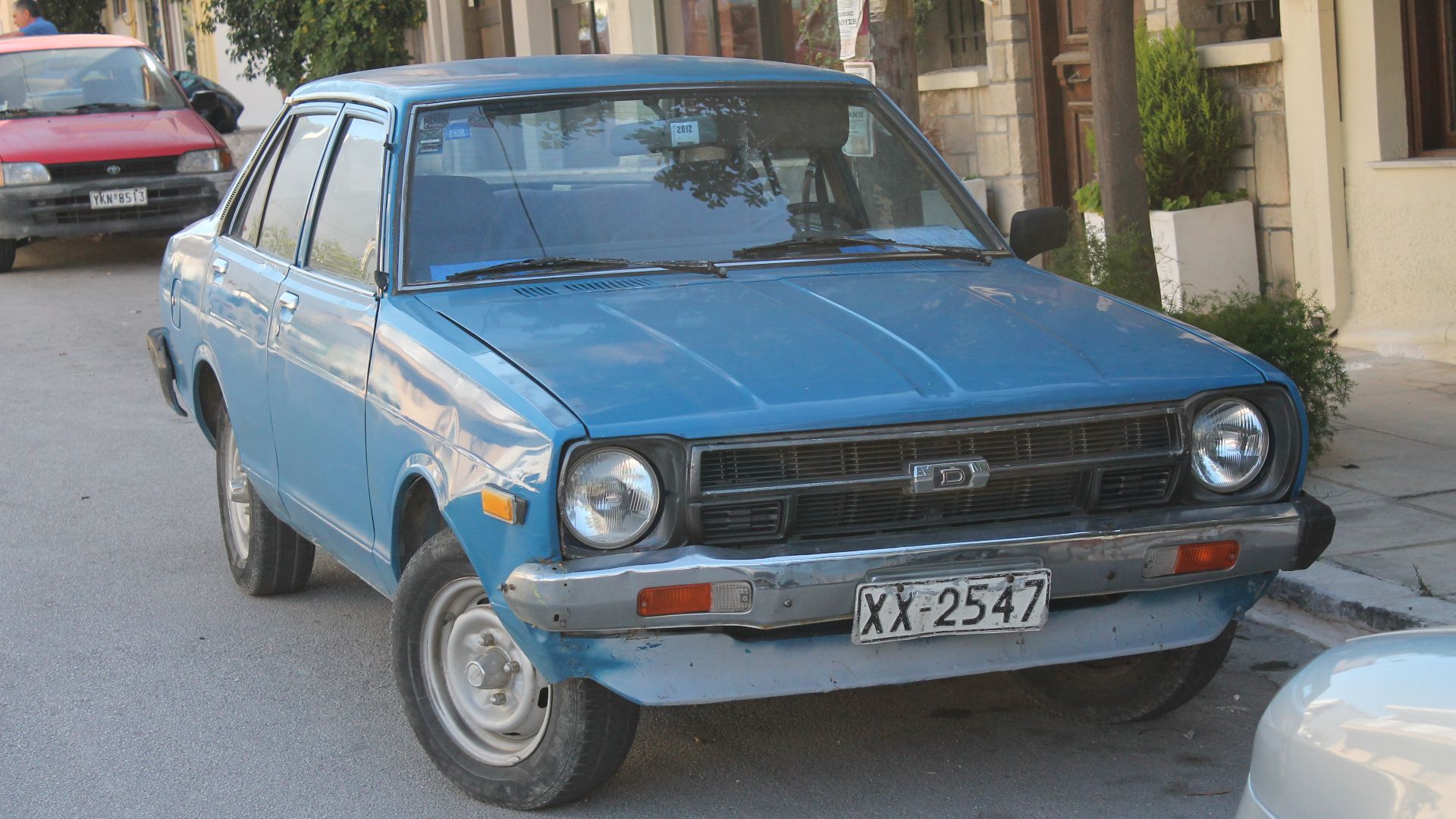
Datsun 310 (1980)
The 1980 Datsun 310 two-door sedan listed at $4,989, leaving just eleven dollars beneath our ceiling. Unlike the rear-wheel-drive 210, it used front-wheel drive, giving Datsun shoppers another approach to inexpensive transportation. Rust was a weakness, but its economy and practical equipment made it worth a look. Datsun certainly wasn’t making the names easy to keep straight.
 Charlie from United Kingdom, Wikimedia Commons
Which One Was Actually Worth It?
Some of these cars were sensible bargains. Others were simply inexpensive ways to acquire a headache. Knowing what came afterward, which set of keys would you have taken home?
 TuRbO_J from Adelaide, Australia, Wikimedia Commons
You Might Also Like:
Forgotten Coupes From The 1970s That Still Stand Out From The Crowd
Forgotten 1960s Gas Station Brands—Even Baby Boomers Can't Remember 5 Of These