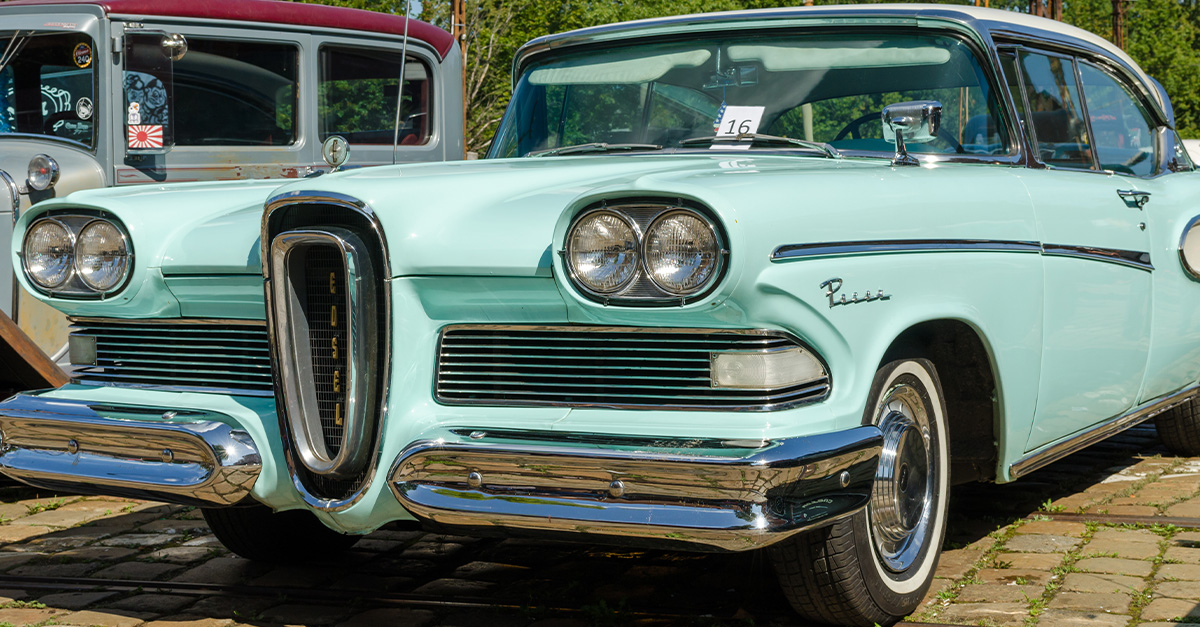
The Car That Was Supposed To Change Everything
In the mid-1950s, Ford Motor Company set out to build a car that would revolutionize the American auto market. It would fill a perceived gap between Ford and Mercury, dominate showrooms, and cement Ford’s postwar supremacy. Instead, the Edsel became a punchline, a cautionary tale, and a $400 million lesson in how not to read the market. This is the story of how one of the most anticipated cars in history became one of the most infamous flops.
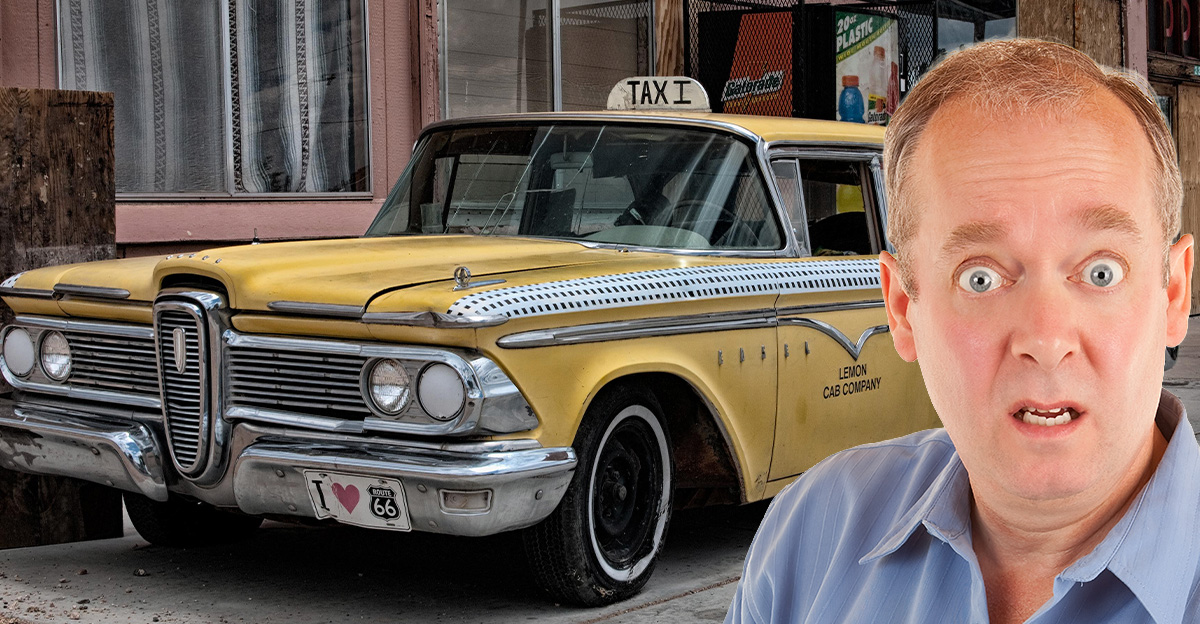
Postwar America And The Horsepower Race
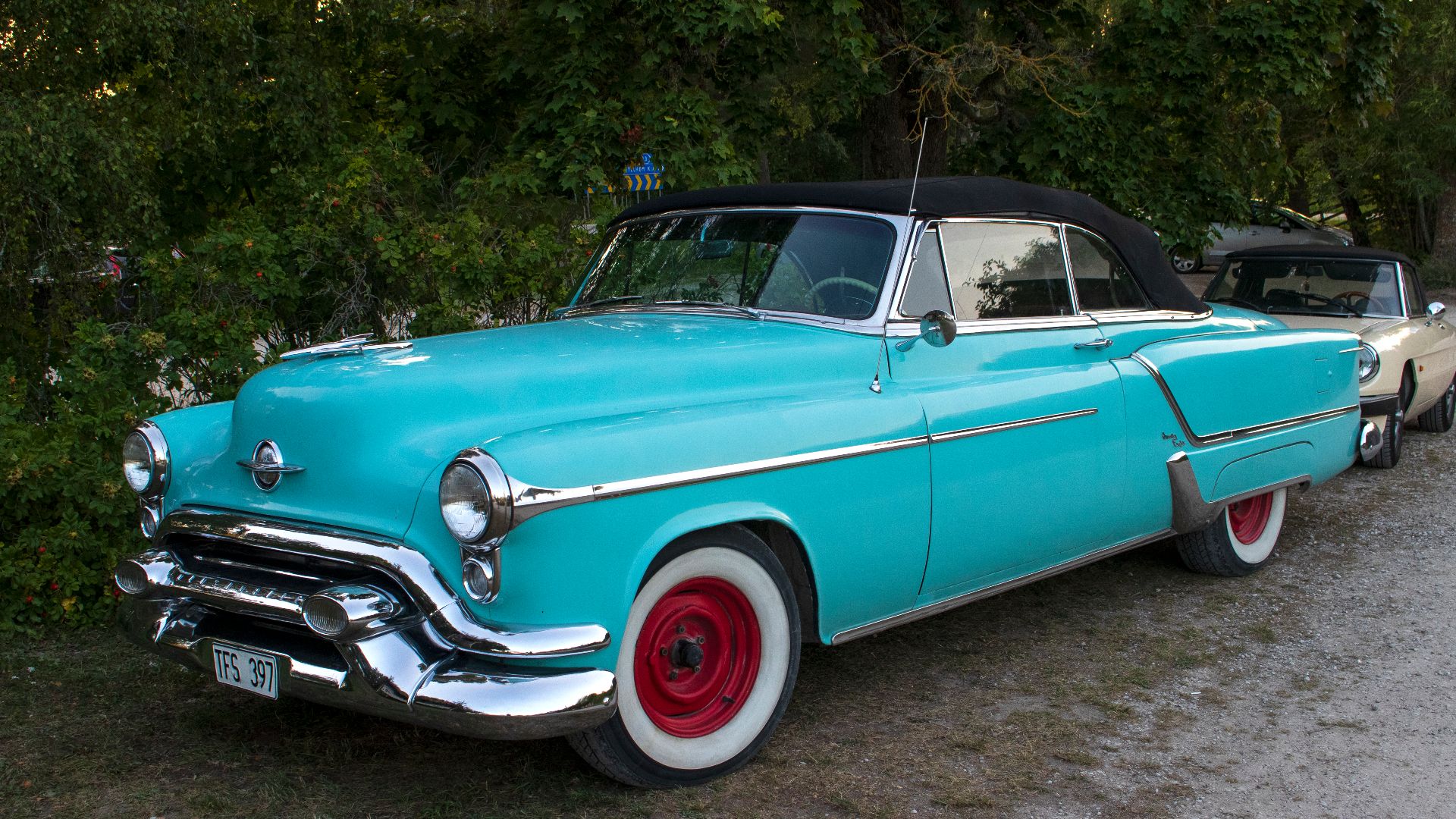
The 1950s were boom times in America, and automakers were locked in a chrome-plated arms race. GM led the pack with a carefully tiered brand ladder—Chevrolet, Pontiac, Oldsmobile, Buick, Cadillac—while Ford struggled to compete in every price bracket. Executives believed there was white space in the mid-price market, and they were determined to seize it before GM tightened its grip.
The Birth Of A Billion-Dollar Idea
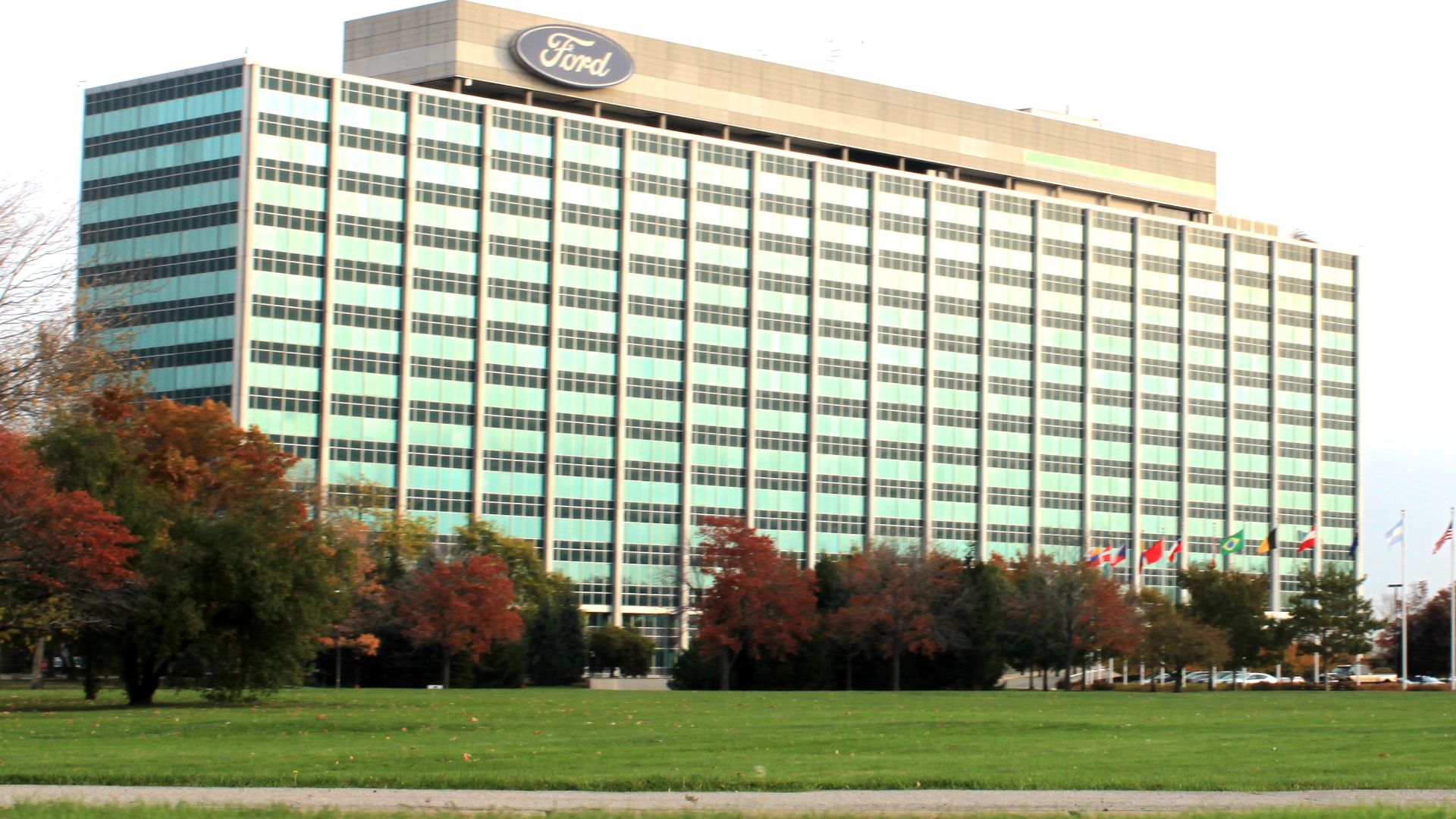
Inside Ford, the Edsel project was known as the “E-Car,” short for “Experimental Car.” The plan wasn’t modest. Ford invested heavily in market research, focus groups, and forecasting models that predicted a booming demand for mid-priced cars. The company reorganized its divisions and prepared for what it believed would be a guaranteed hit.
 Dwight Burdette, Wikimedia Commons
A Name That Sparked A Family Feud
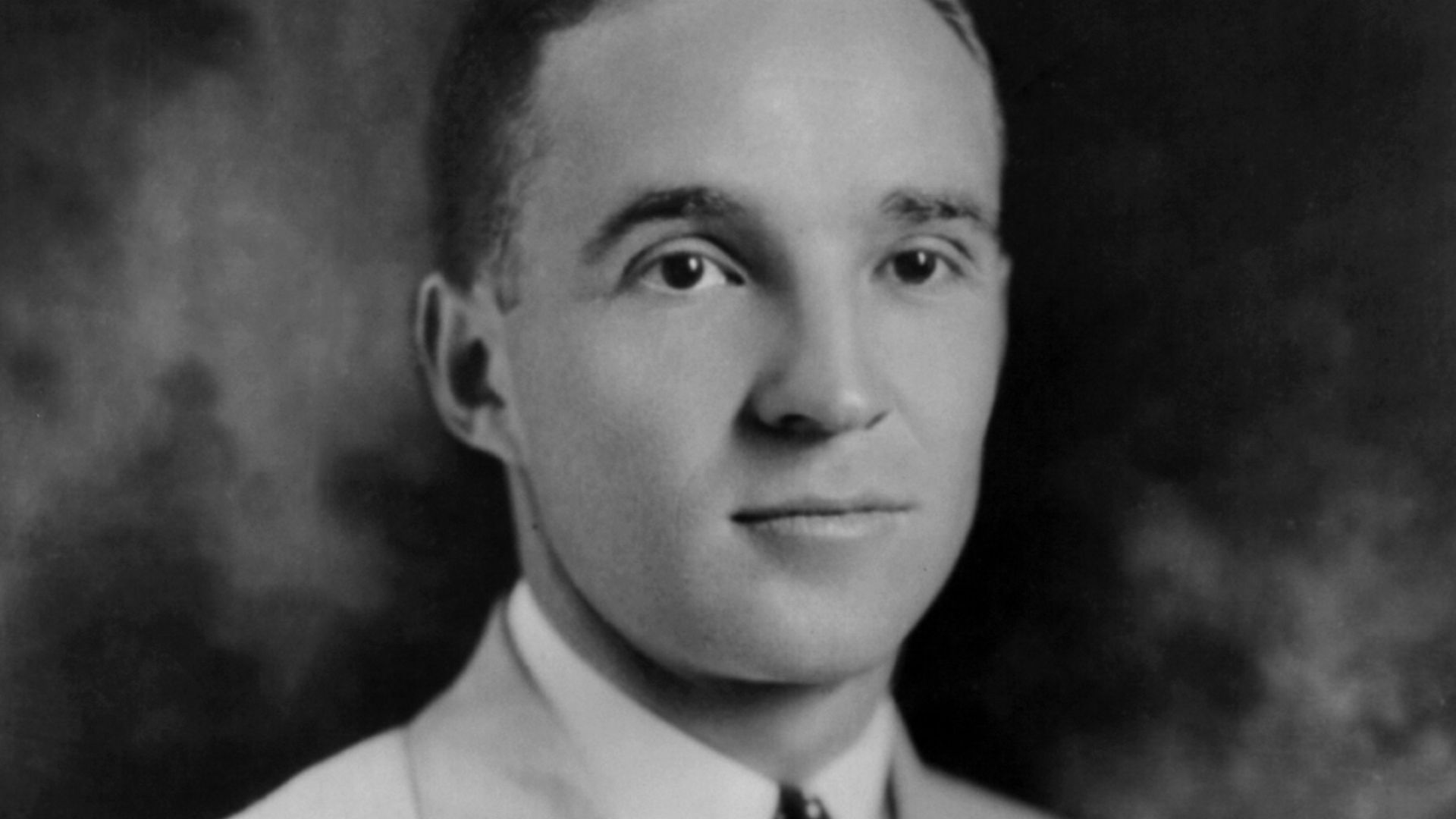
Naming the new car turned into an unexpected saga. After thousands of suggestions and months of debate, Ford chose “Edsel,” honoring Edsel Ford, the late son of Henry Ford. Many executives hated the name. It sounded awkward, they argued. Unfortunately, they were right—customers didn’t exactly swoon over it either.
 Frank Moore Studio, Wikimedia Commons
Hype Like The Auto Industry Had Never Seen
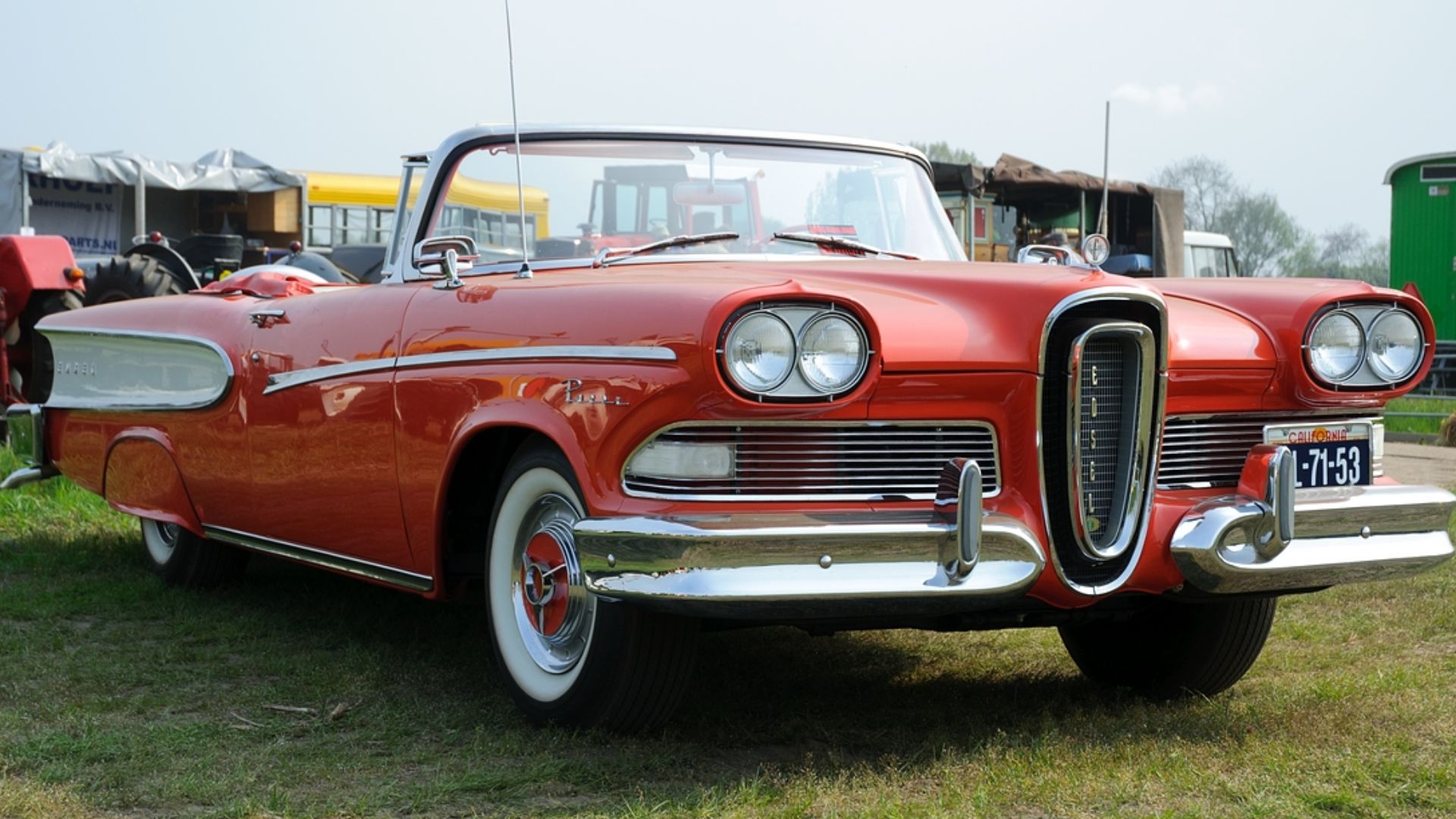
Ford didn’t just launch a car—it launched a media event. The Edsel rollout in 1957 was backed by a massive advertising blitz involving television specials, celebrity endorsements, and a carefully orchestrated “E-Day.” Anticipation reached a fever pitch. The public expected something revolutionary, futuristic, and dazzling.
 Arend from Oosterhout, Netherlands, Wikimedia Commons
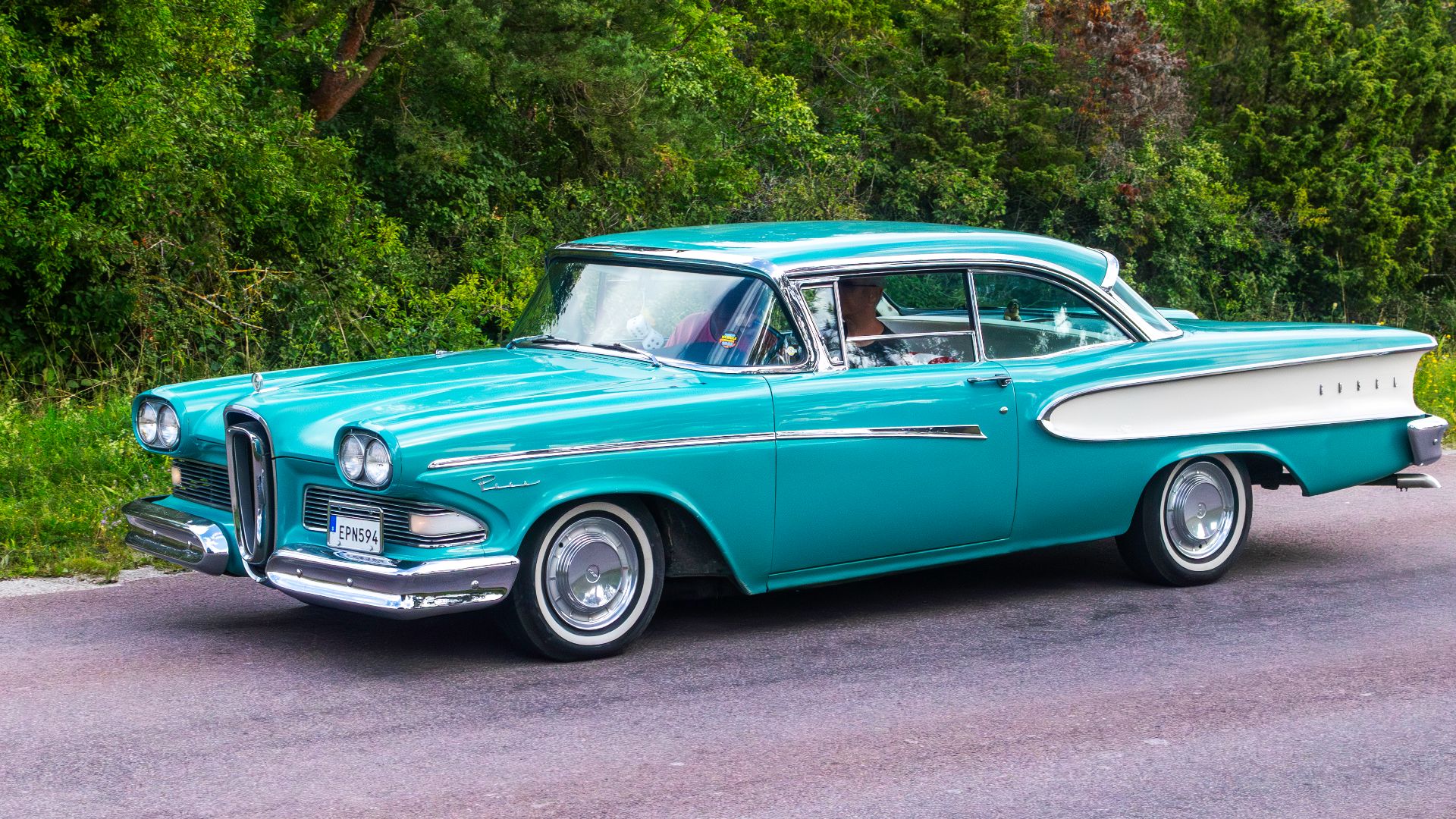
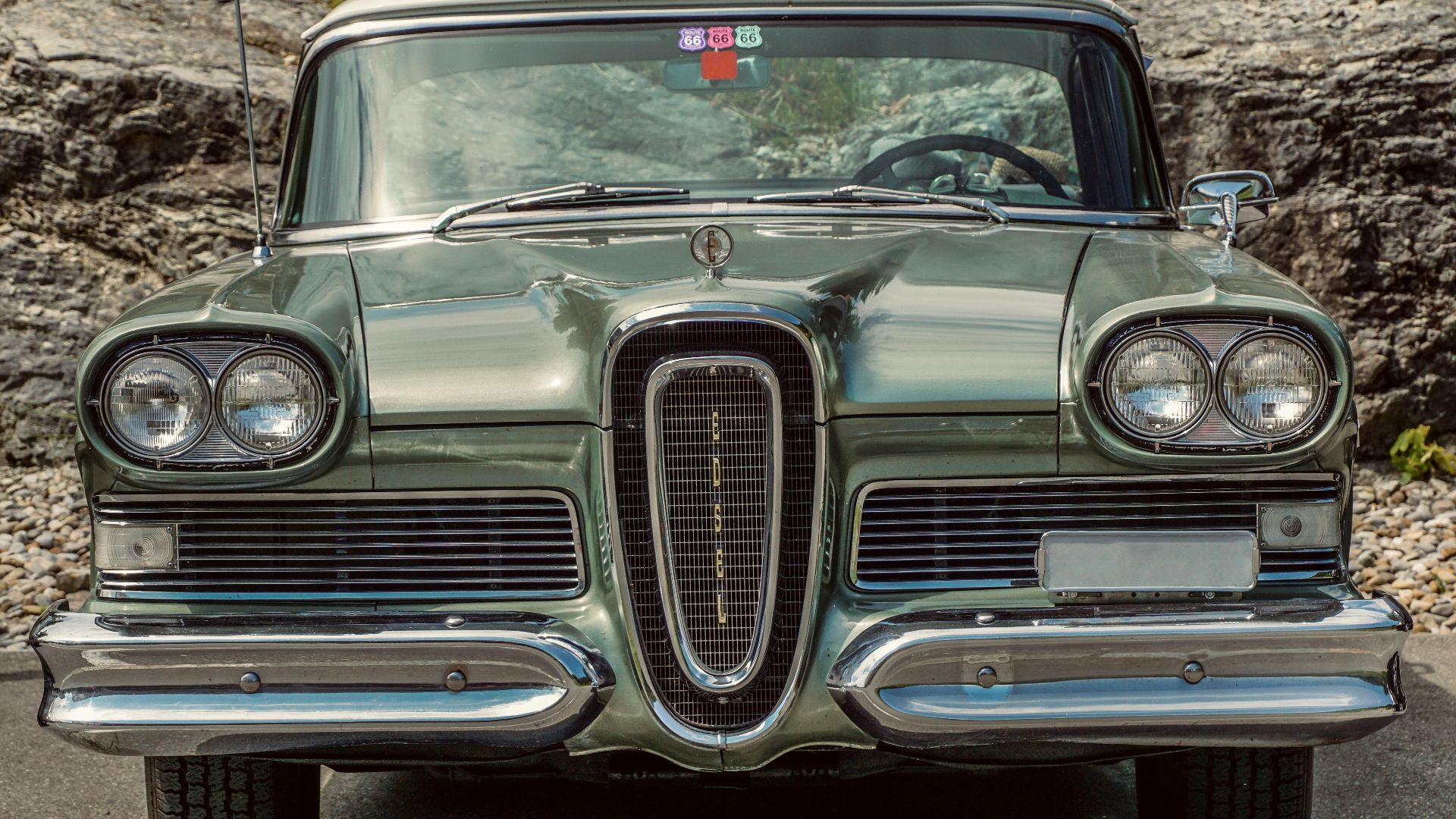
The Infamous Horse-Collar Grille
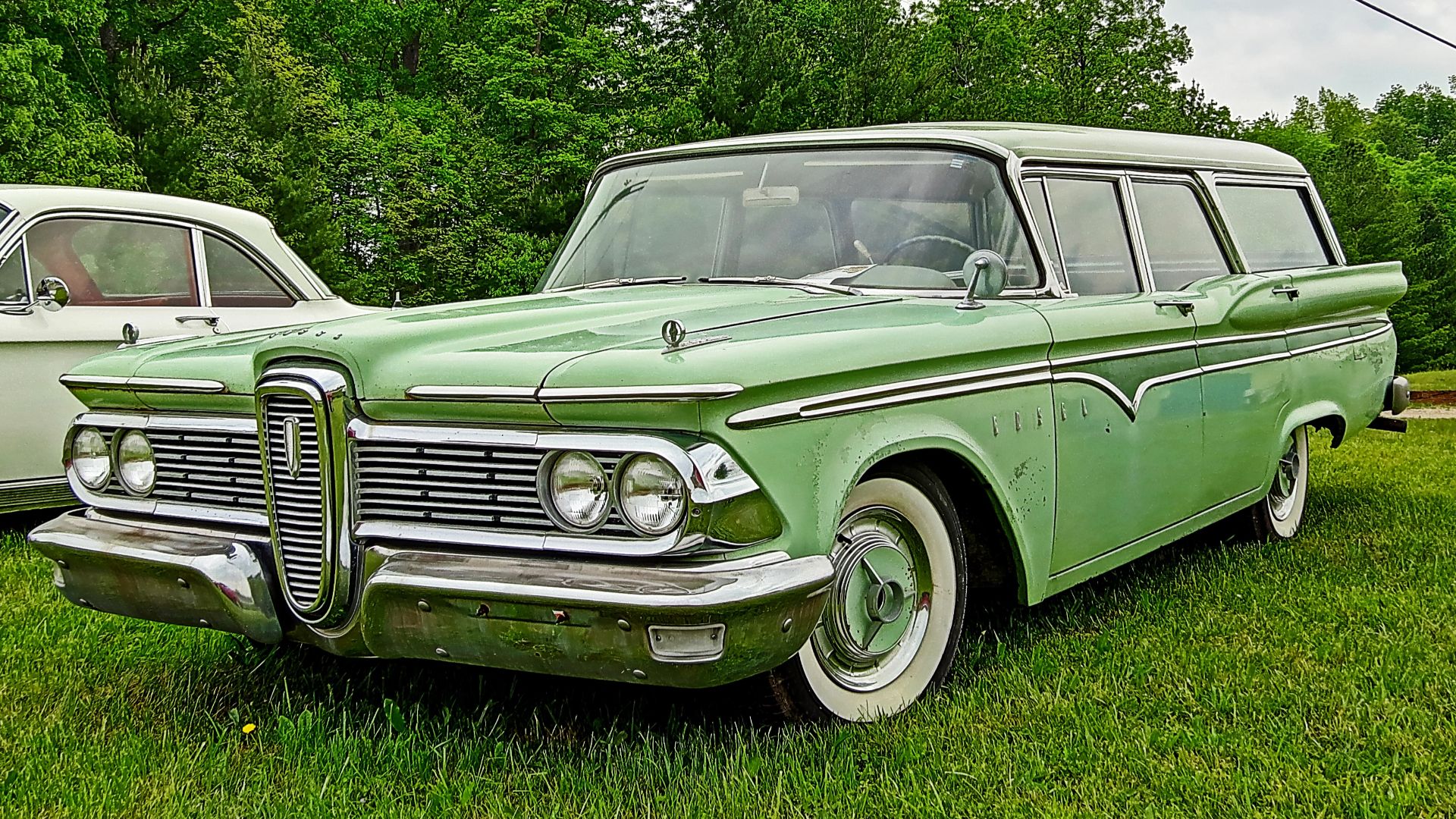
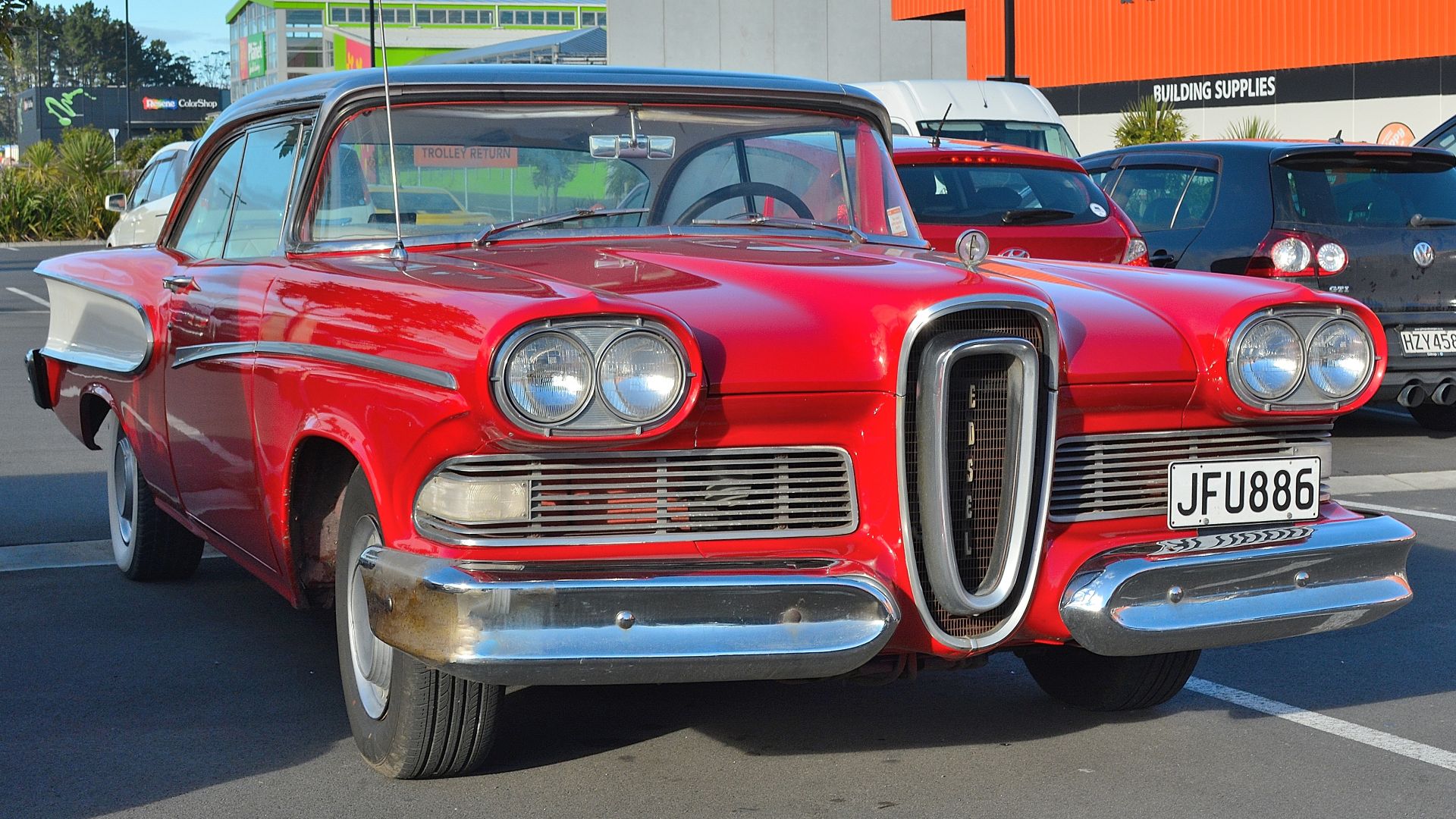
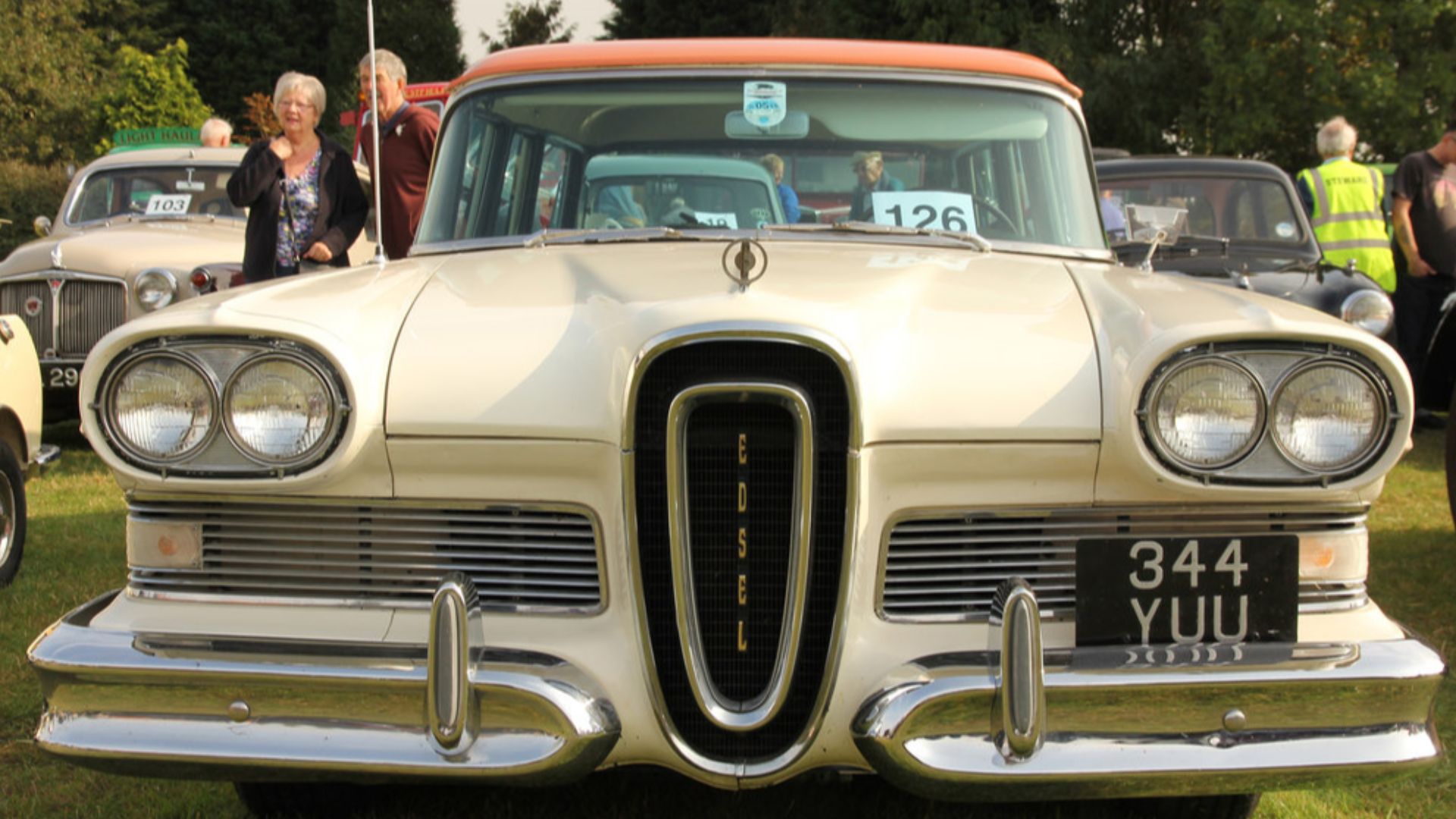
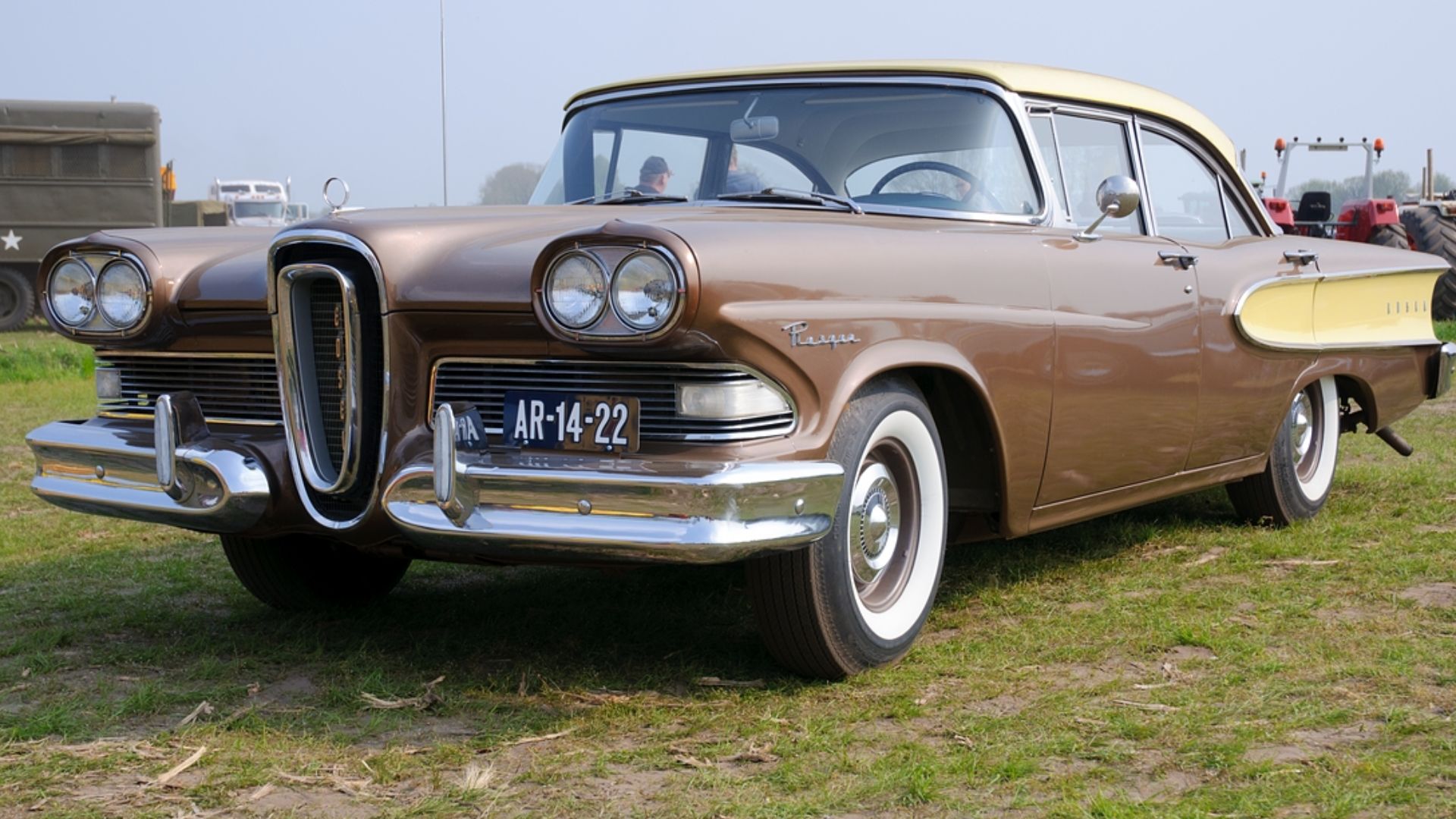
When the covers finally came off, the Edsel’s styling immediately stole the spotlight—though not always in a good way. Its vertical oval grille, often compared to a horse collar (or less flattering anatomy), became one of the most controversial design elements in automotive history. Bold? Yes. Beautiful? That depended on who you asked.
 Don O'Brien, Wikimedia Commons
Bigger, Flashier, And Packed With Features
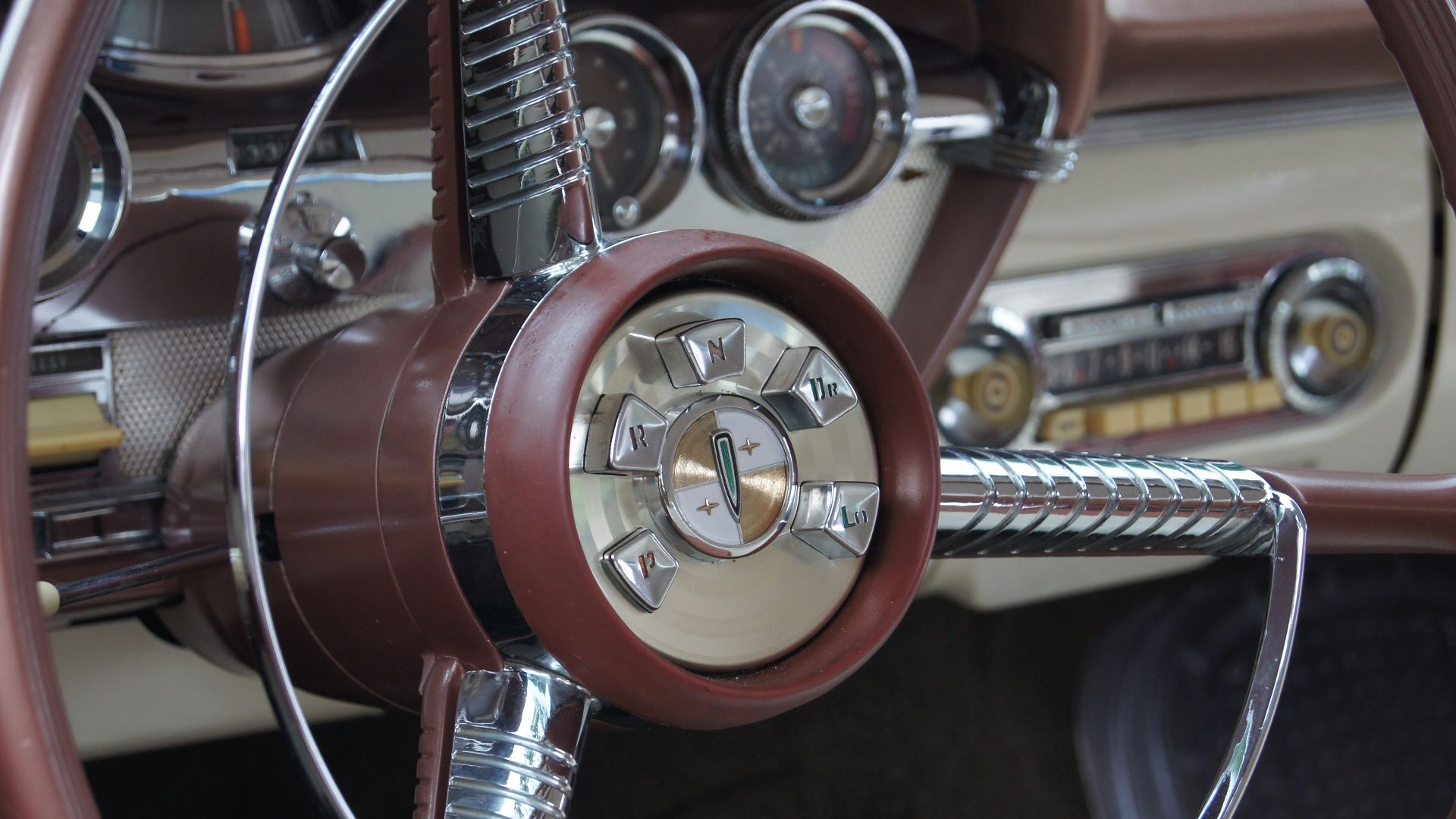
To be fair, the Edsel wasn’t lacking in ambition. It offered innovative features like the Teletouch push-button transmission mounted in the center of the steering wheel. There were multiple trim levels, powerful V8 options, and a wide range of body styles. On paper, it seemed like a technological marvel.
 Greg Gjerdingen from Willmar, USA, Wikimedia Commons
The Problem With Too Many Choices
Ford may have overthought the lineup. The Edsel launched with 18 different model variations across multiple series. Customers walking into showrooms were often confused. Instead of clarity and confidence, the buying experience felt overwhelming—never a good sign for a new brand trying to establish itself.
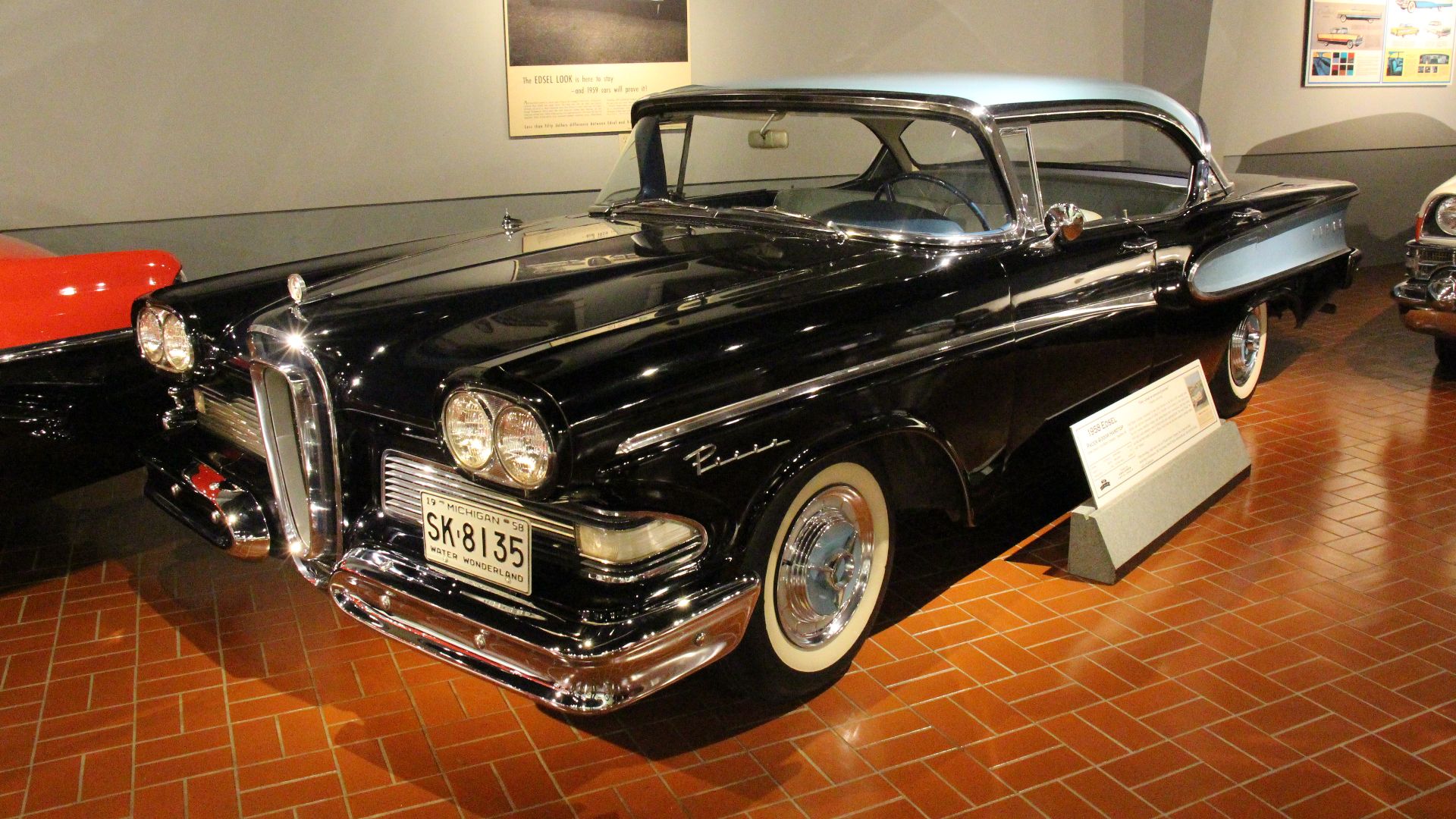
Launch Day Disappointment
September 4, 1957—E-Day—was supposed to be triumphant. Dealerships decorated their showrooms and prepared for massive crowds. While plenty of curious shoppers arrived, many left unimpressed. The styling felt odd, the pricing unclear, and the excitement didn’t convert into strong sales.
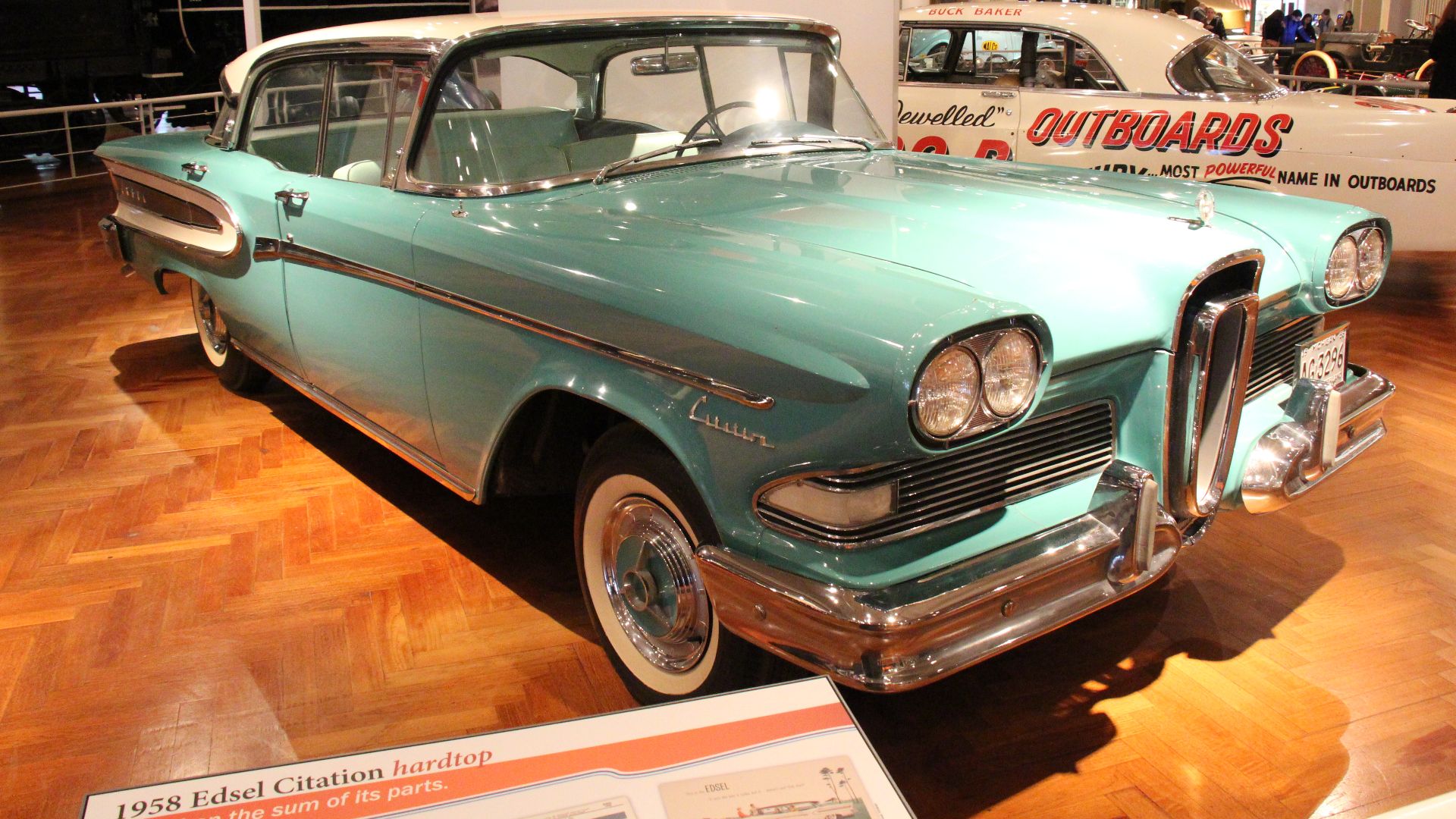
A Market Shift At The Worst Possible Time
As if things weren’t challenging enough, the Edsel debuted just as the U.S. economy dipped into recession. Consumers who once craved big, flashy mid-priced cars suddenly tightened their wallets. Compact imports like the Volkswagen Beetle began gaining traction, signaling a shift in buyer priorities.
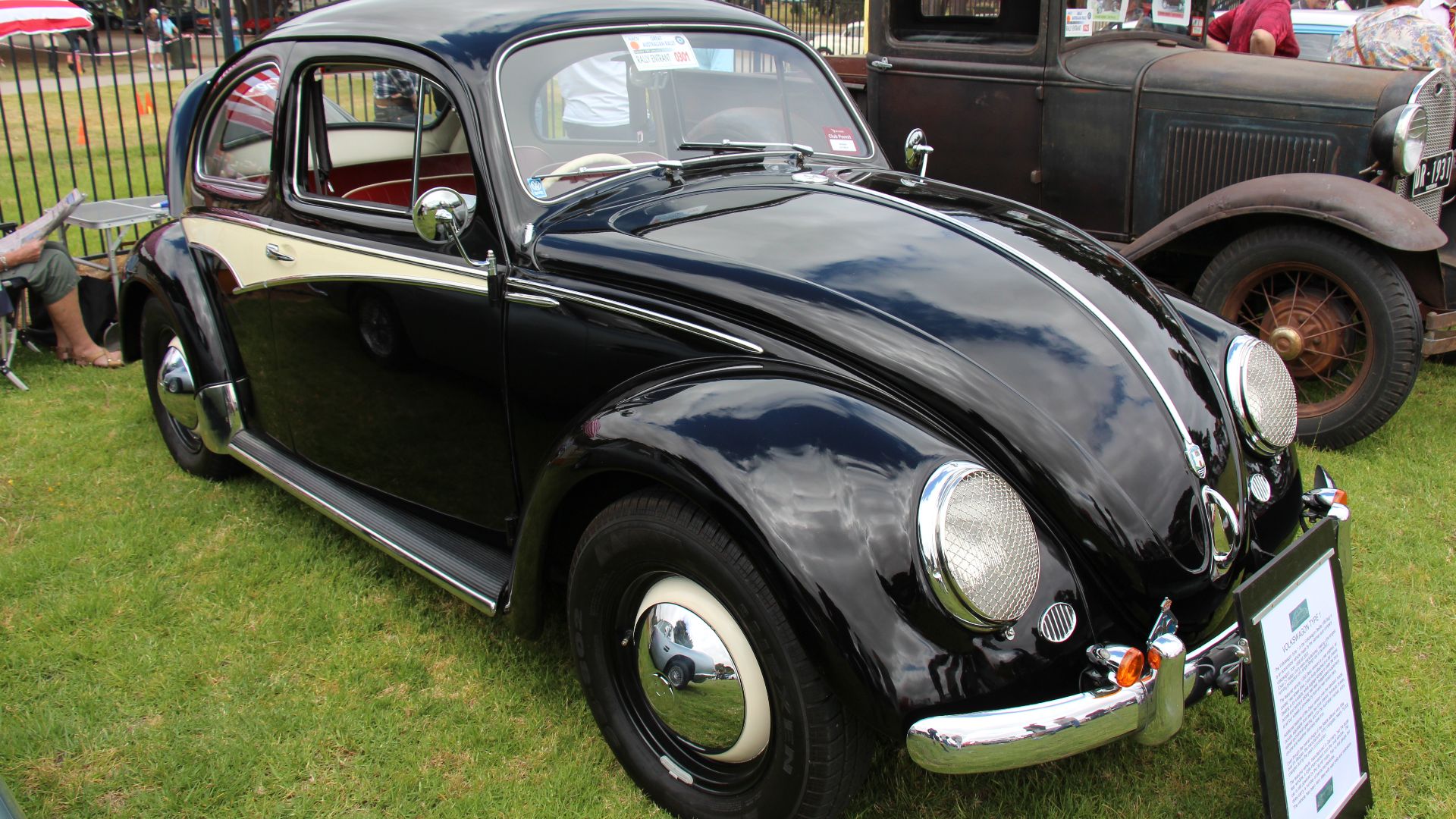
Quality Control Woes
The Edsel’s rocky start was worsened by production issues. Because it was built alongside Ford and Mercury models in shared factories, assembly workers sometimes struggled with unfamiliar parts and processes. Early cars suffered from fit-and-finish problems, mechanical glitches, and inconsistent quality.
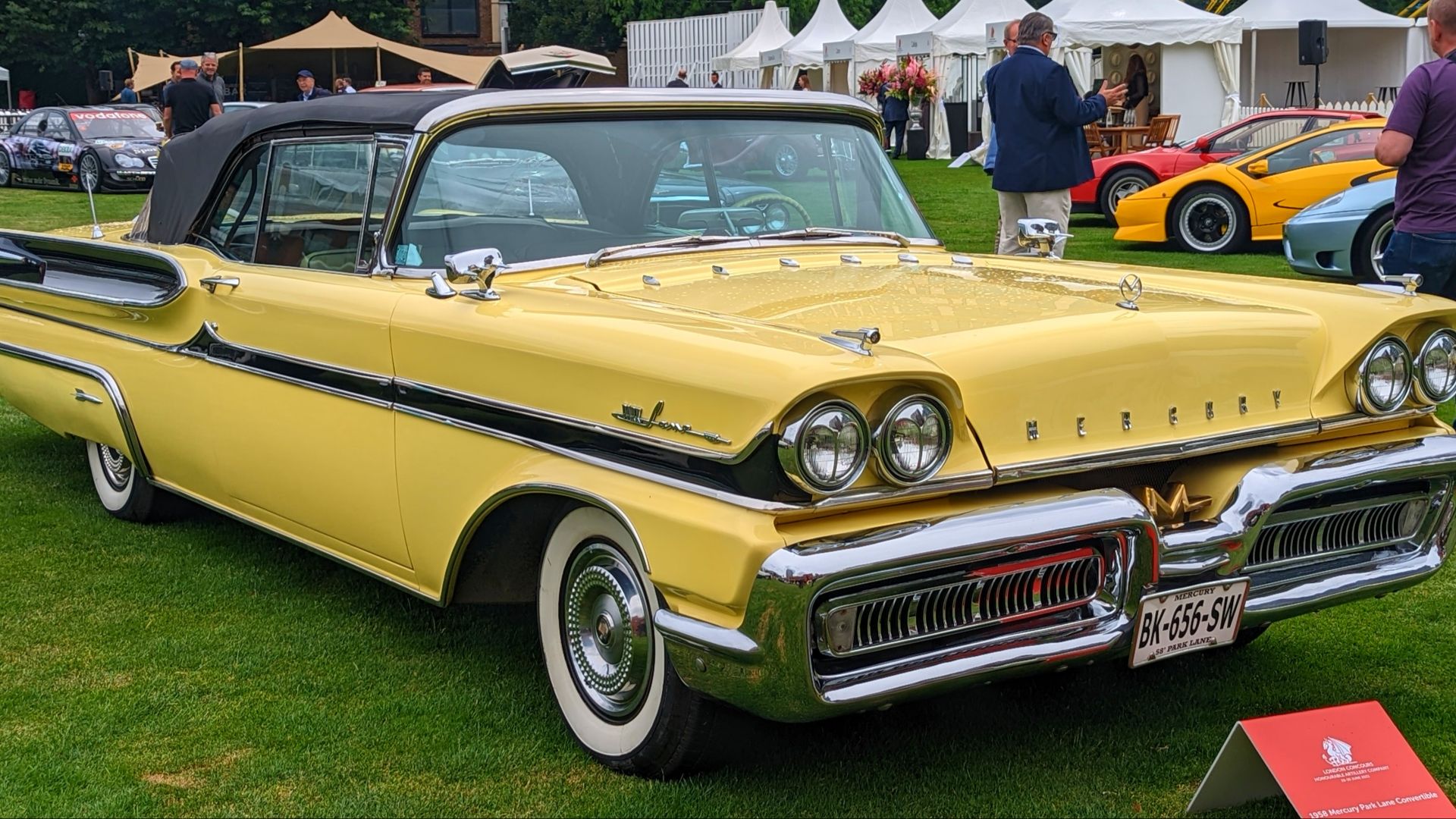
The Teletouch Transmission Troubles
That futuristic push-button transmission? It looked cool, but it was notoriously unreliable. Electrical gremlins caused shifting issues, frustrating owners and mechanics alike. In an era when reliability was king, the Edsel’s high-tech gamble didn’t pay off.
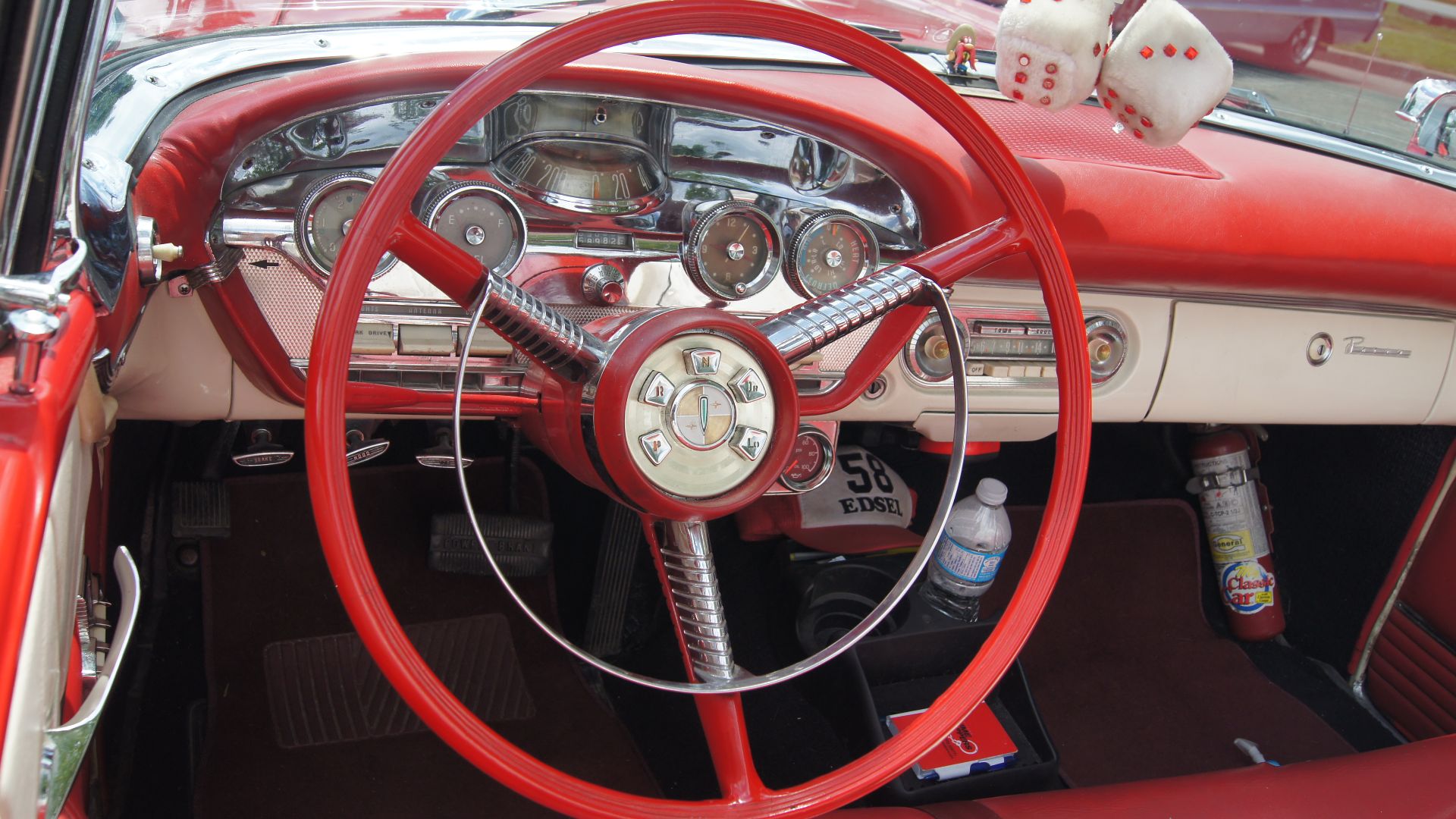 Greg Gjerdingen from Willmar, USA, Wikimedia Commons
Branding Without Identity
One of the Edsel’s core problems was existential. Was it a premium car? A sporty car? A family car? Even Ford seemed unsure. Without a clear identity, the Edsel floated awkwardly between Ford and Mercury, lacking the prestige of one and the affordability of the other.
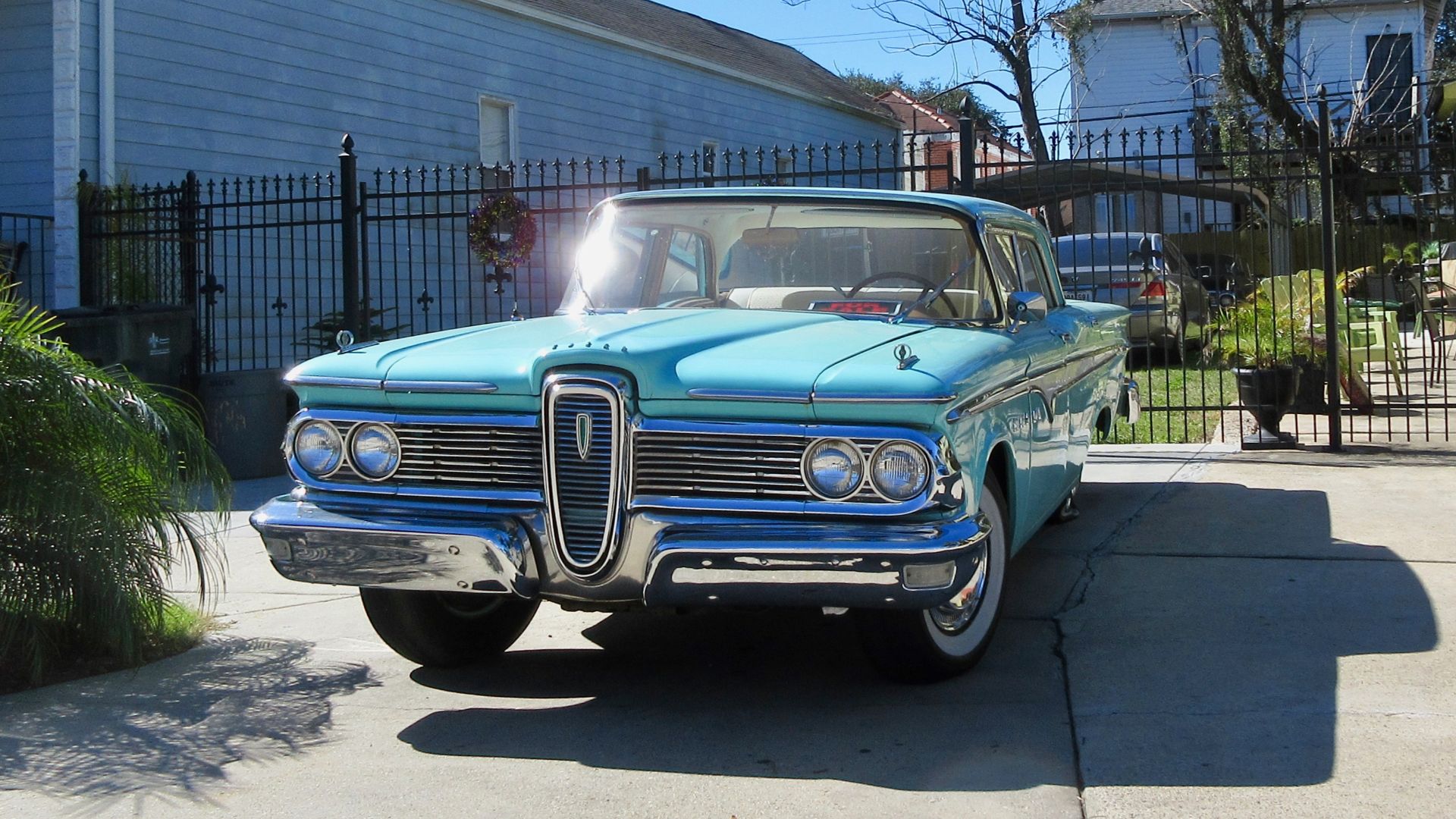 Infrogmation, Wikimedia Commons
The Mid-Price Market Mirage
Ford’s research predicted explosive growth in mid-priced vehicles, but reality told a different story. The segment was already crowded with strong offerings from GM and Chrysler. Worse still, buyers were either trading up to true luxury cars or down to practical, affordable options.
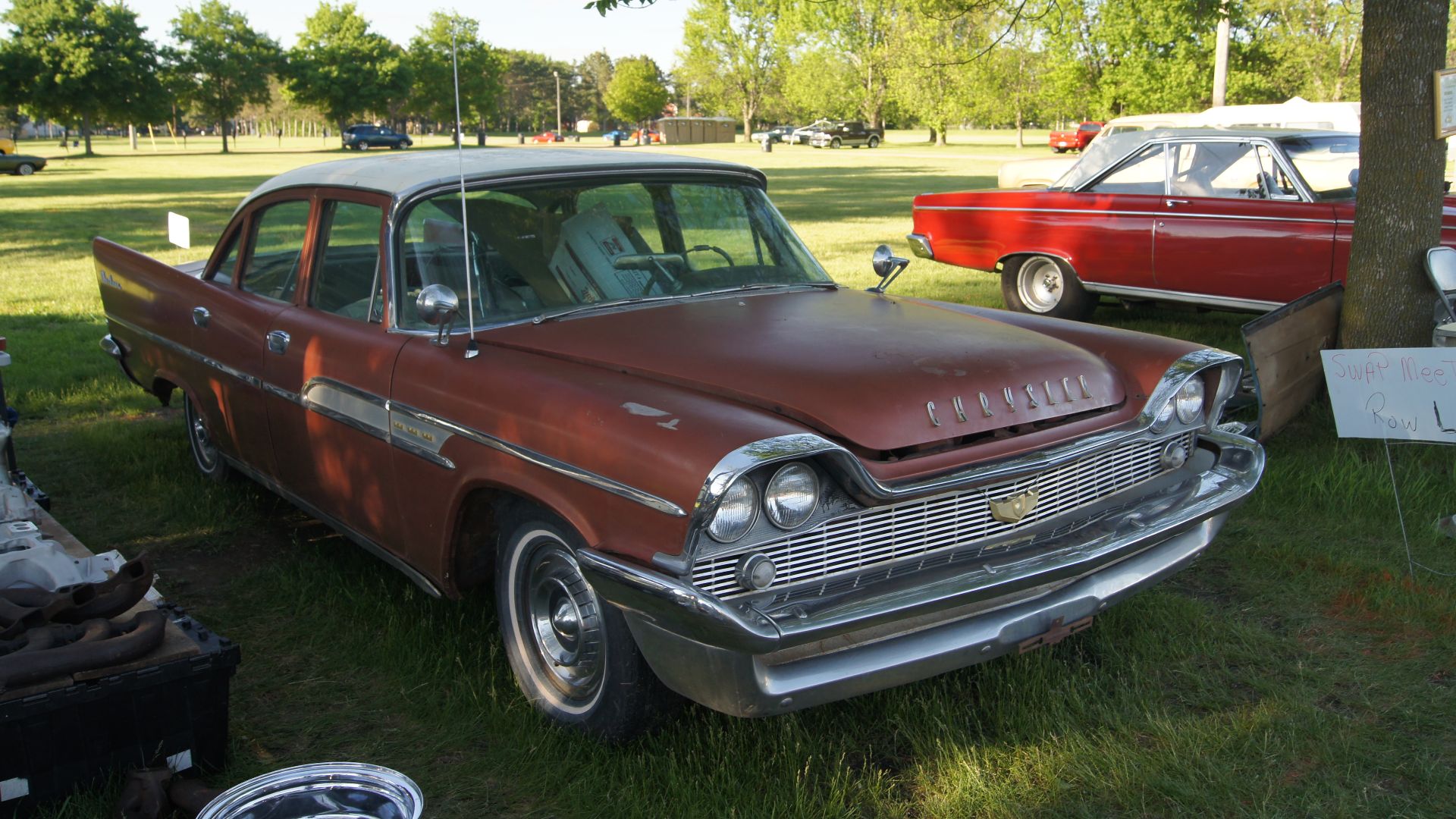 Greg Gjerdingen from Willmar, USA, Wikimedia Commons
Sales Numbers That Shocked Detroit
Ford projected annual sales of around 200,000 Edsels. In its first year, the company managed roughly 63,000. The drop-off in 1959 was even more dramatic. Showrooms that once buzzed with curiosity grew quiet, and unsold inventory piled up.
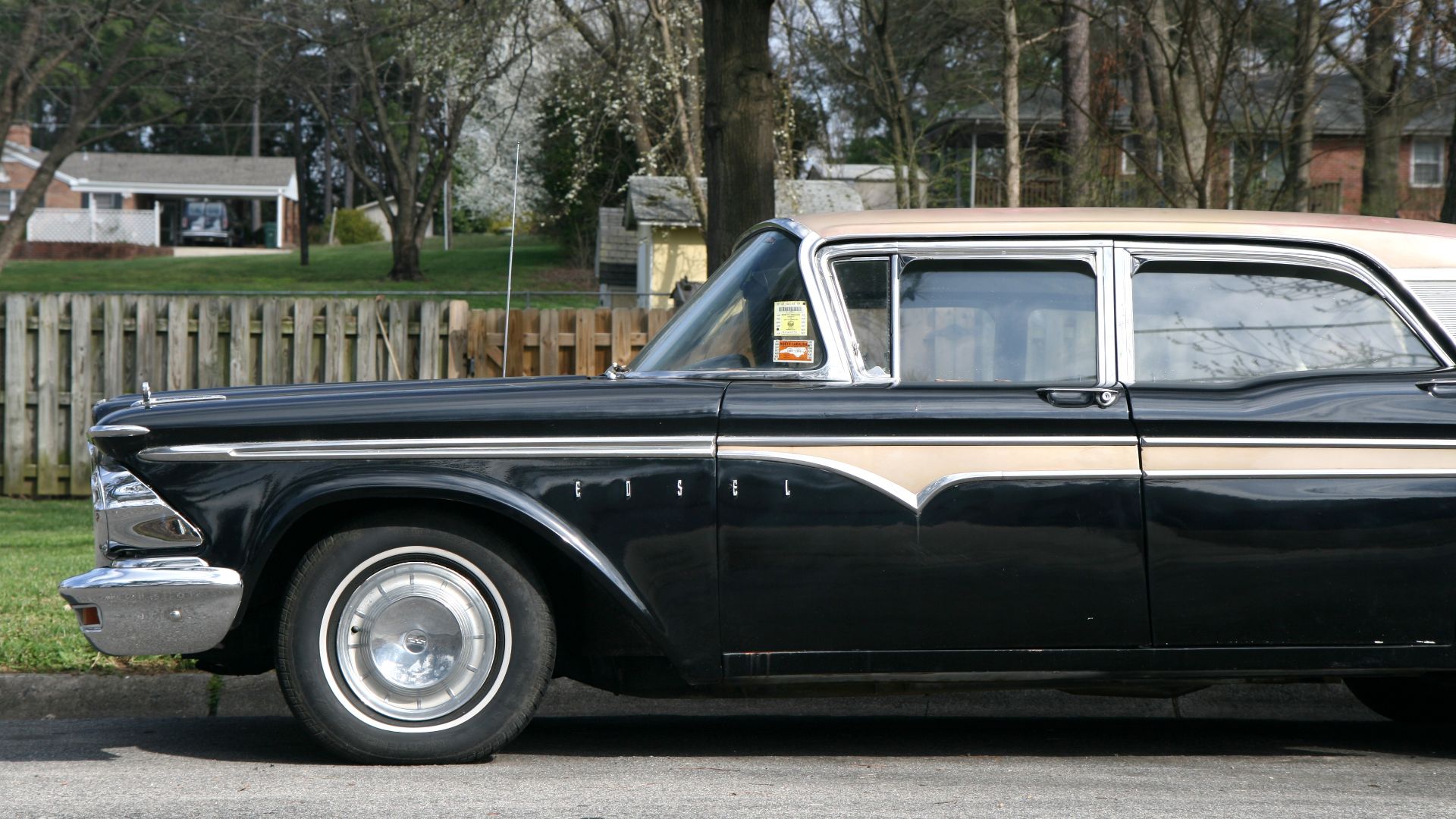 Ildar Sagdejev (Specious), Wikimedia Commons
Public Perception Turns Brutal
The press had a field day. Comedians mocked the grille. Critics called it overhyped and overpriced. The Edsel quickly became shorthand for corporate miscalculation. In the court of public opinion, the verdict was swift and unforgiving.
 GPS 56 from New Zealand, Wikimedia Commons
Dealers Caught In The Crossfire
Ford had convinced many dealers to invest heavily in separate Edsel franchises, new signage, and showroom upgrades. When sales faltered, those dealers were left holding the bag. Relationships between Ford and its dealer network became strained, compounding the damage.
A Costly Corporate Gamble
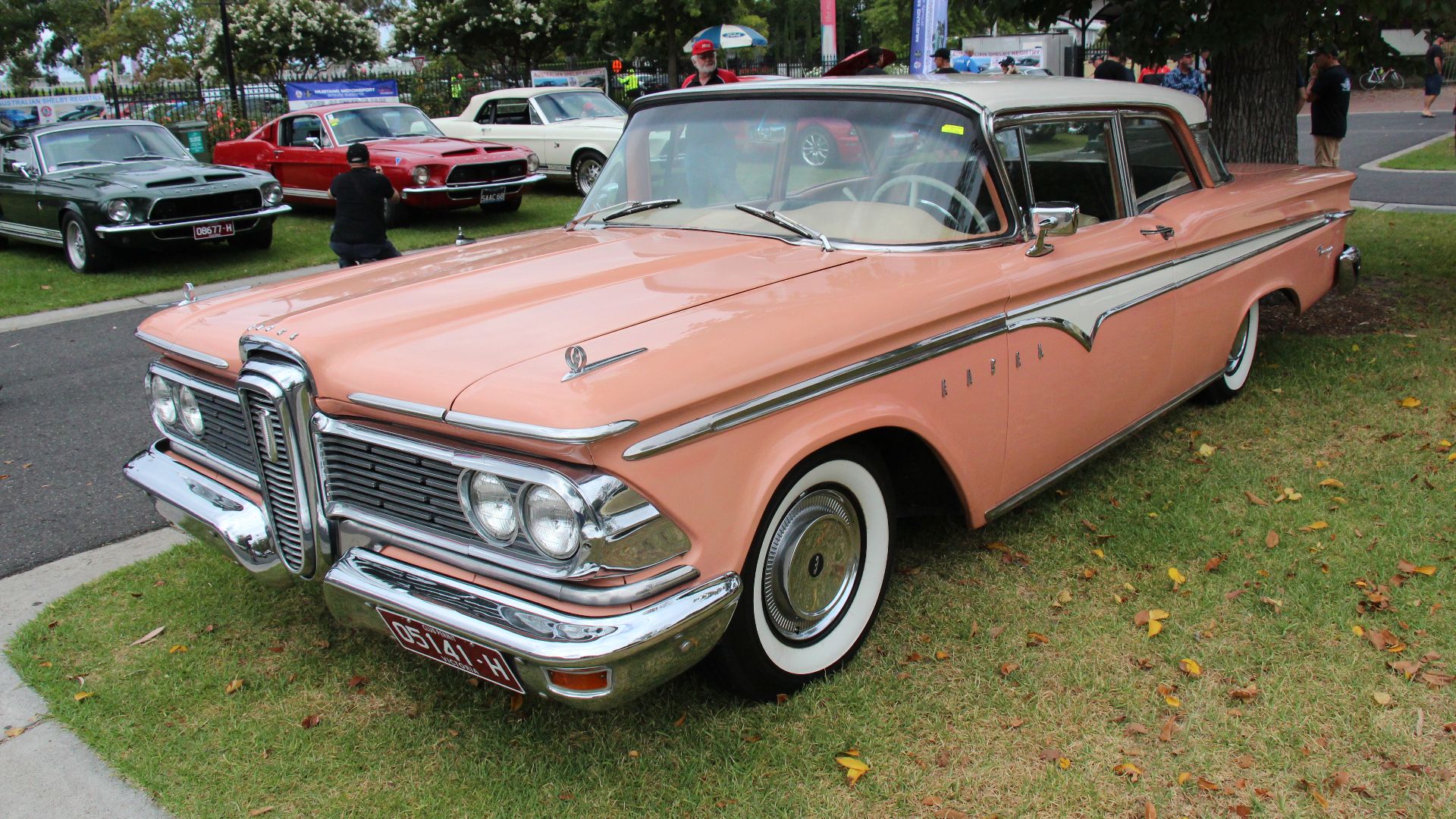
By the time Ford pulled the plug in late 1959, the financial damage was staggering. Adjusted for accounting methods of the time, the Edsel program cost Ford an estimated $400 million—equivalent to several billion dollars today. It remains one of the most expensive product failures in automotive history.
The 1959 Redesign Attempt
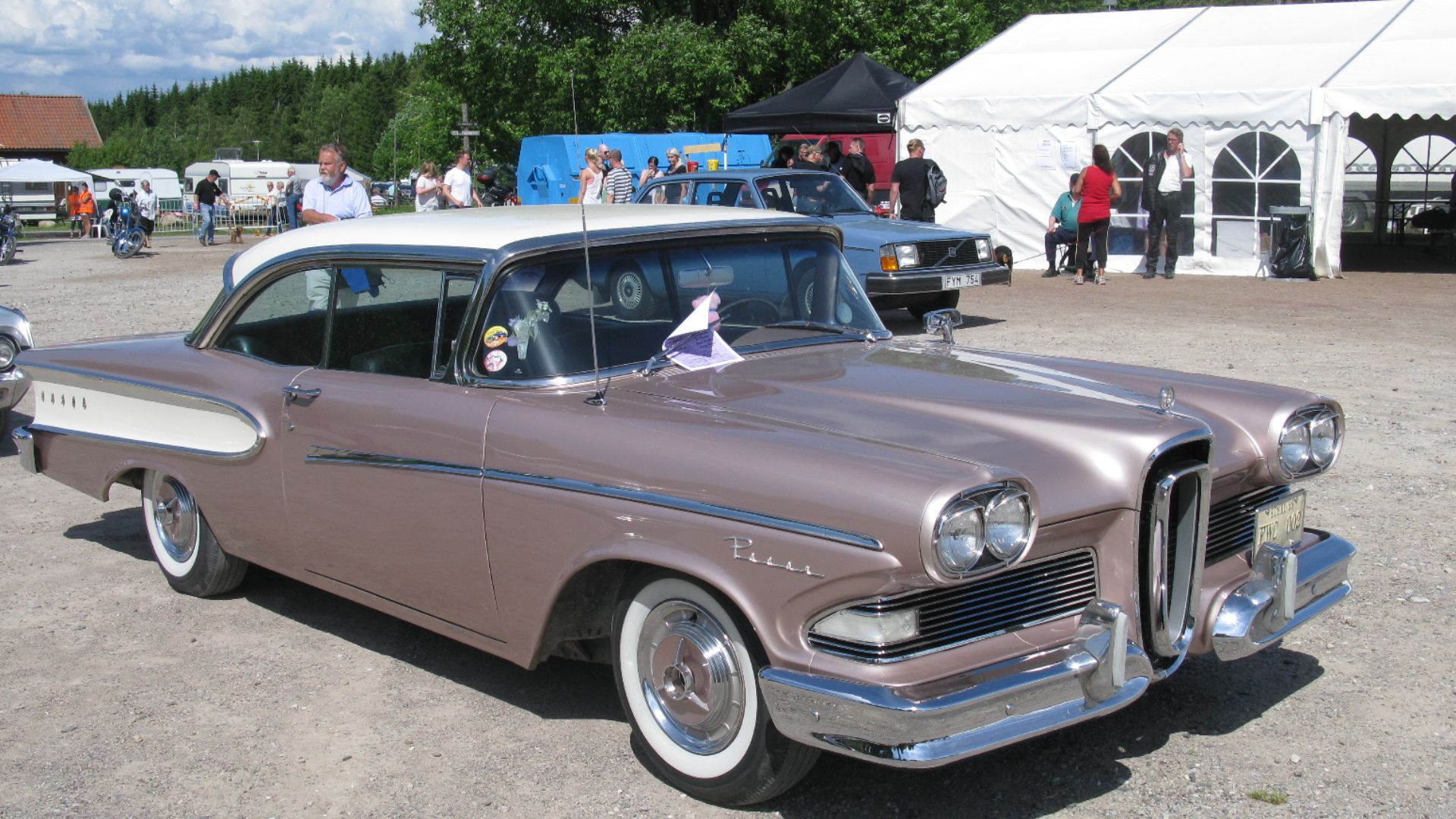
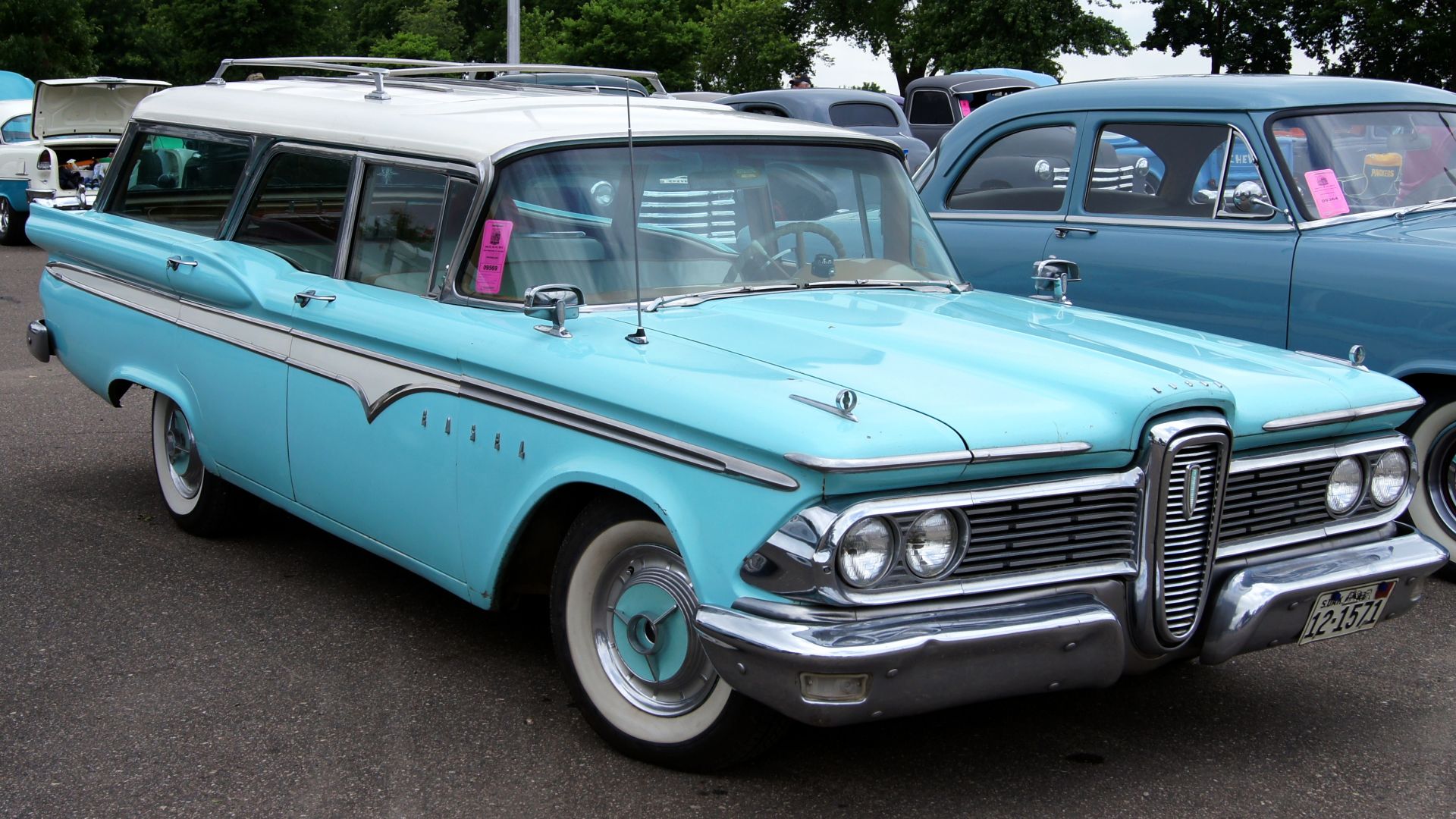
Ford tried to save the Edsel with a redesign for 1959. The infamous vertical grille was toned down, and the lineup simplified. But the brand’s reputation was already tarnished. Consumers rarely give second chances in the auto industry, and sales continued to slide.
 Greg Gjerdingen from Willmar, USA, Wikimedia Commons
The Final Curtain In 1960
For 1960, the Edsel name survived only as a trim level on redesigned models based heavily on Ford platforms. By November 1959, production officially ended. The dream was over just three years after it began.
Lessons In Market Research Gone Wrong
Ironically, Ford had invested heavily in research before launching the Edsel. But data can mislead when interpreted through optimism and corporate pressure. Executives saw what they wanted to see—a booming segment waiting to be conquered.
 Susanne Jutzeler, suju-foto, Pexels
The Danger Of Overhyping A Product
The Edsel’s marketing campaign promised something extraordinary. When the car turned out to be merely different rather than revolutionary, disappointment followed. Managing expectations is just as important as building a great product.
Timing Is Everything
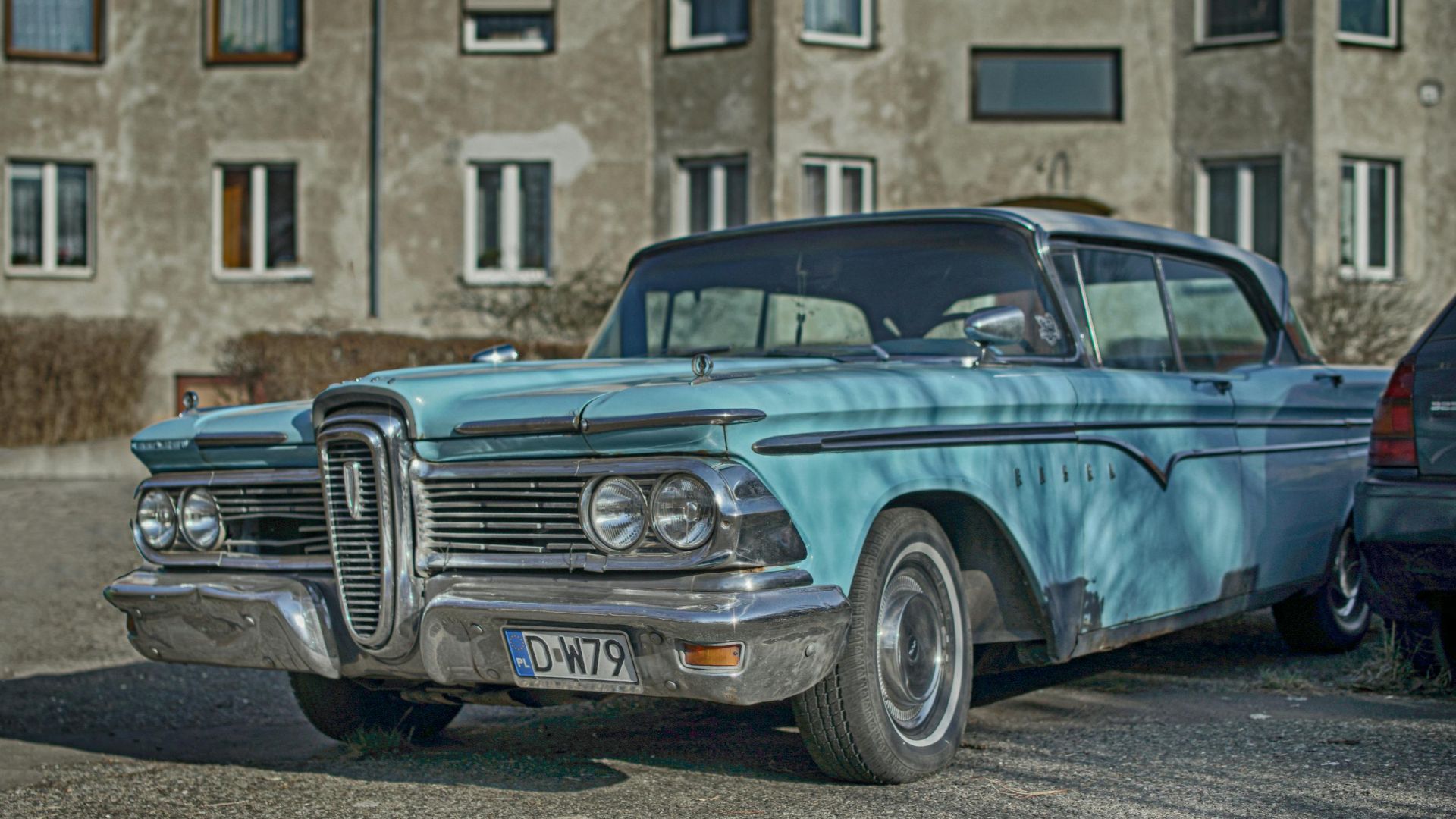
Had the Edsel launched during a stronger economy, its story might have been different. But in business—and especially in the auto industry—timing can make or break even the most ambitious projects.

When Design Polarizes Buyers
Bold design can define an era or doom a model. The Edsel’s grille was distinctive, but it alienated as many buyers as it attracted. Automakers today still wrestle with that balance between standing out and fitting in.
 GPS 56 from New Zealand, Wikimedia Commons
The Silver Lining For Ford
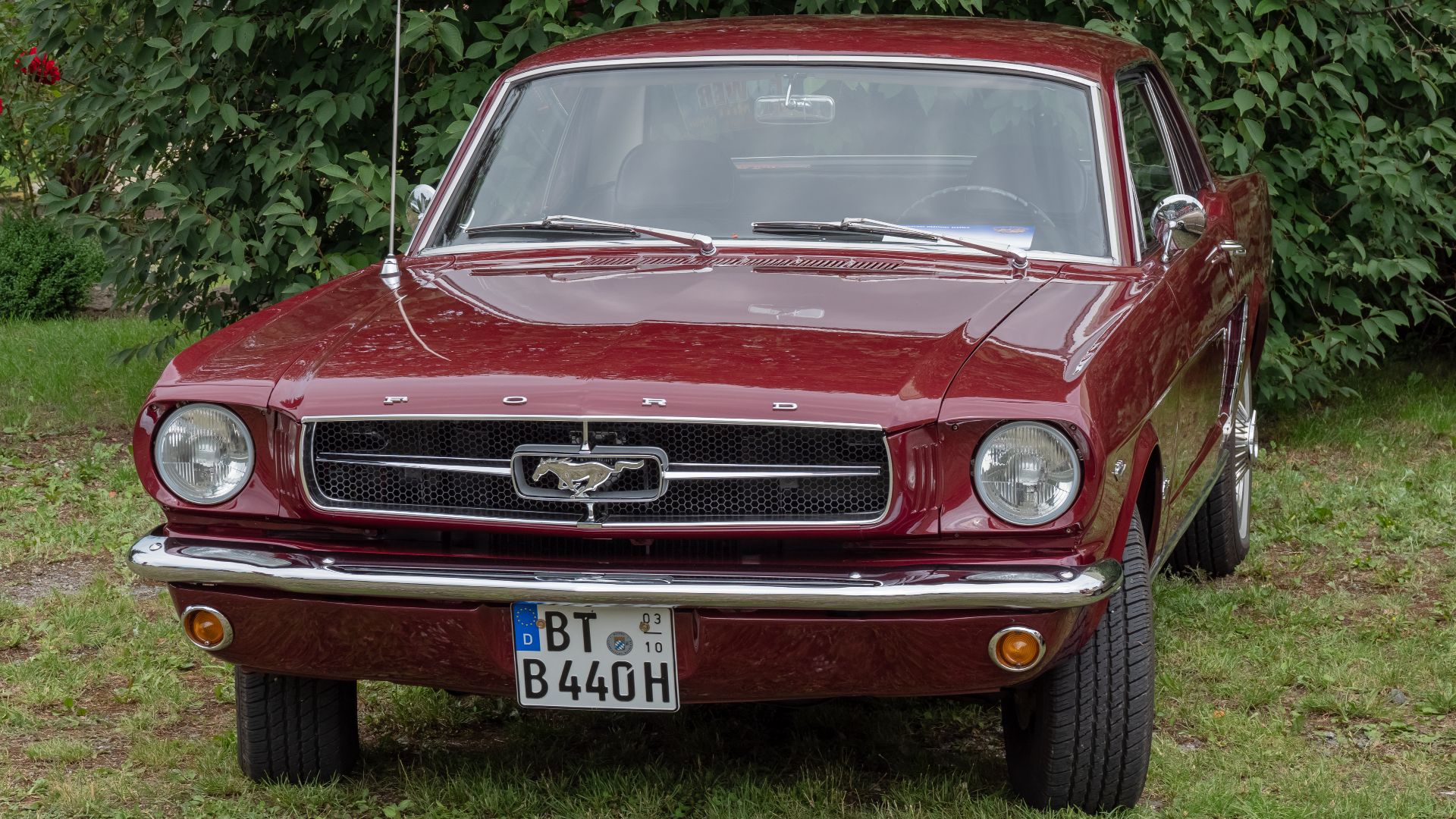
The Edsel’s failure forced Ford to rethink its strategy. The company streamlined operations and shifted focus. Just a few years later, Ford would launch the Mustang—another risk, but one grounded in clearer market understanding.
From Flop To Cult Classic
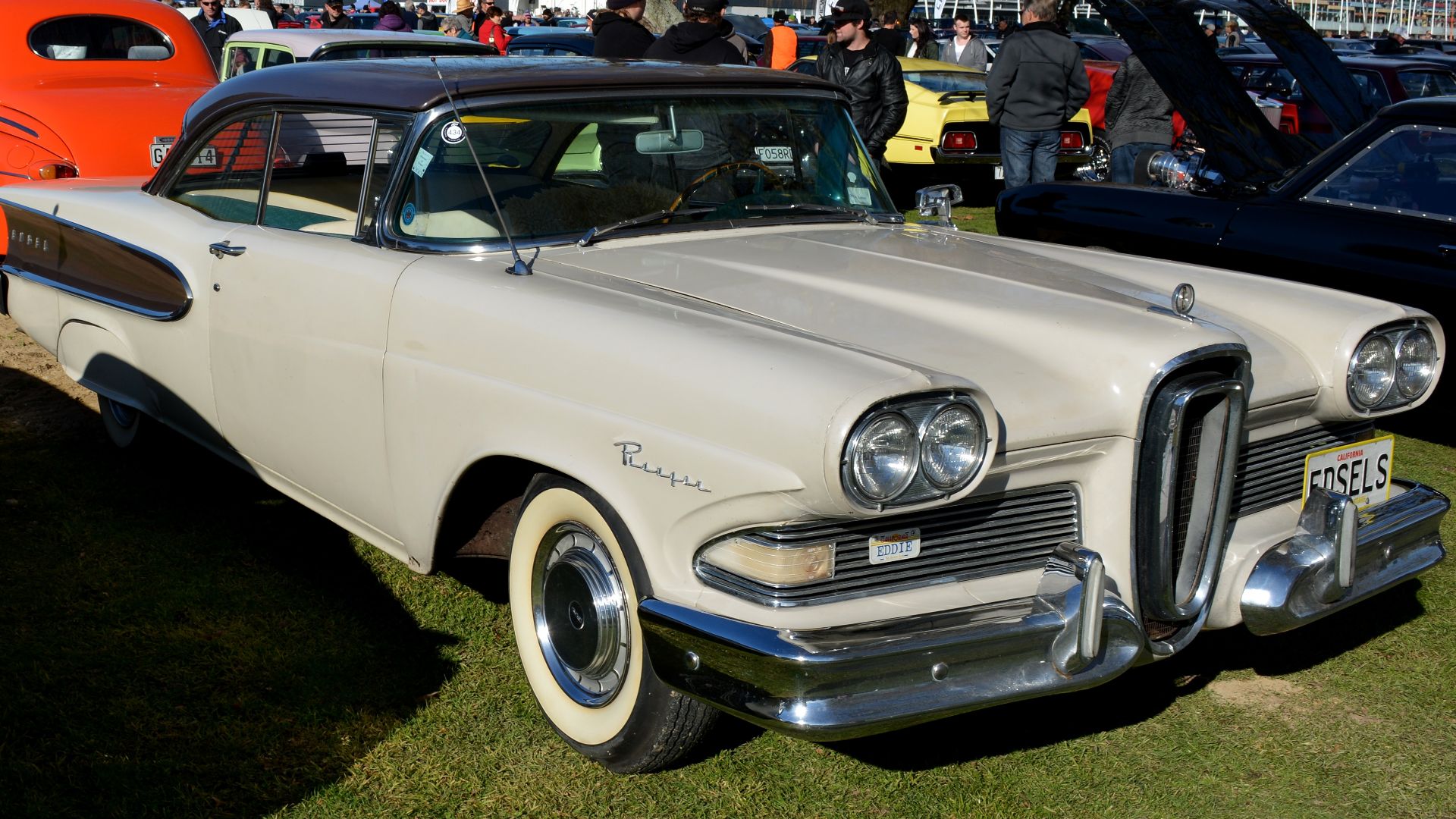
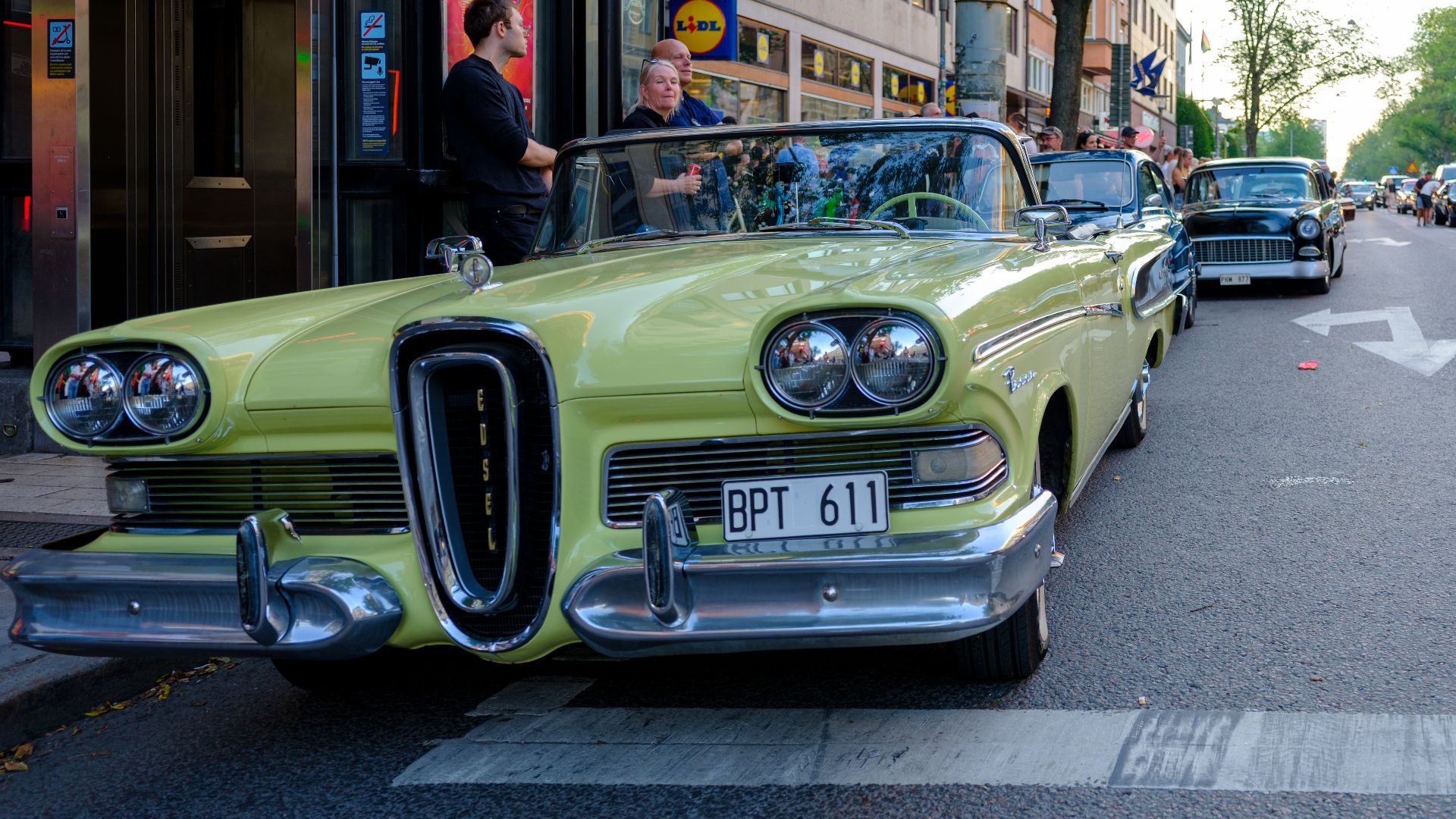
Ironically, the Edsel has found a second life among collectors. What was once ridiculed is now celebrated for its uniqueness and historical significance. At car shows, an Edsel draws a crowd—not for its failure, but for its story.
 Richard Croft , Wikimedia Commons
The $400 Million Lesson
In the end, the Edsel wasn’t just a failed car. It was a masterclass in the risks of misreading consumer demand, overcomplicating a product lineup, and believing hype over hard reality. For Ford, $400 million bought humility—and invaluable experience.
 Arend from Oosterhout, Netherlands, Wikimedia Commons
Why The Edsel Still Matters Today
Nearly seven decades later, the Edsel remains a case study in business schools and boardrooms alike. It reminds us that even giants can stumble, that data isn’t destiny, and that success in the auto industry requires more than ambition. Sometimes, the most important victories are born from spectacular defeats—and the Edsel stands as Ford’s most expensive, unforgettable lesson.
You May Also Like:
Car Things Baby Boomers Did That No One Born After 2000 Has Ever Done
Chevrolet Used To Build American Muscle Legends, And Gearheads Still Pay Big Money For Them