When Driving Meant More Than Just Driving
From cars to road trips, Baby Boomers experienced it all very differently than today’s younger generation. There was a time when cars didn’t guide you, entertain you, or protect you from your own mistakes. And if you were born after 2000? Some of this might sound completely made up. But…it isn’t. We promise.
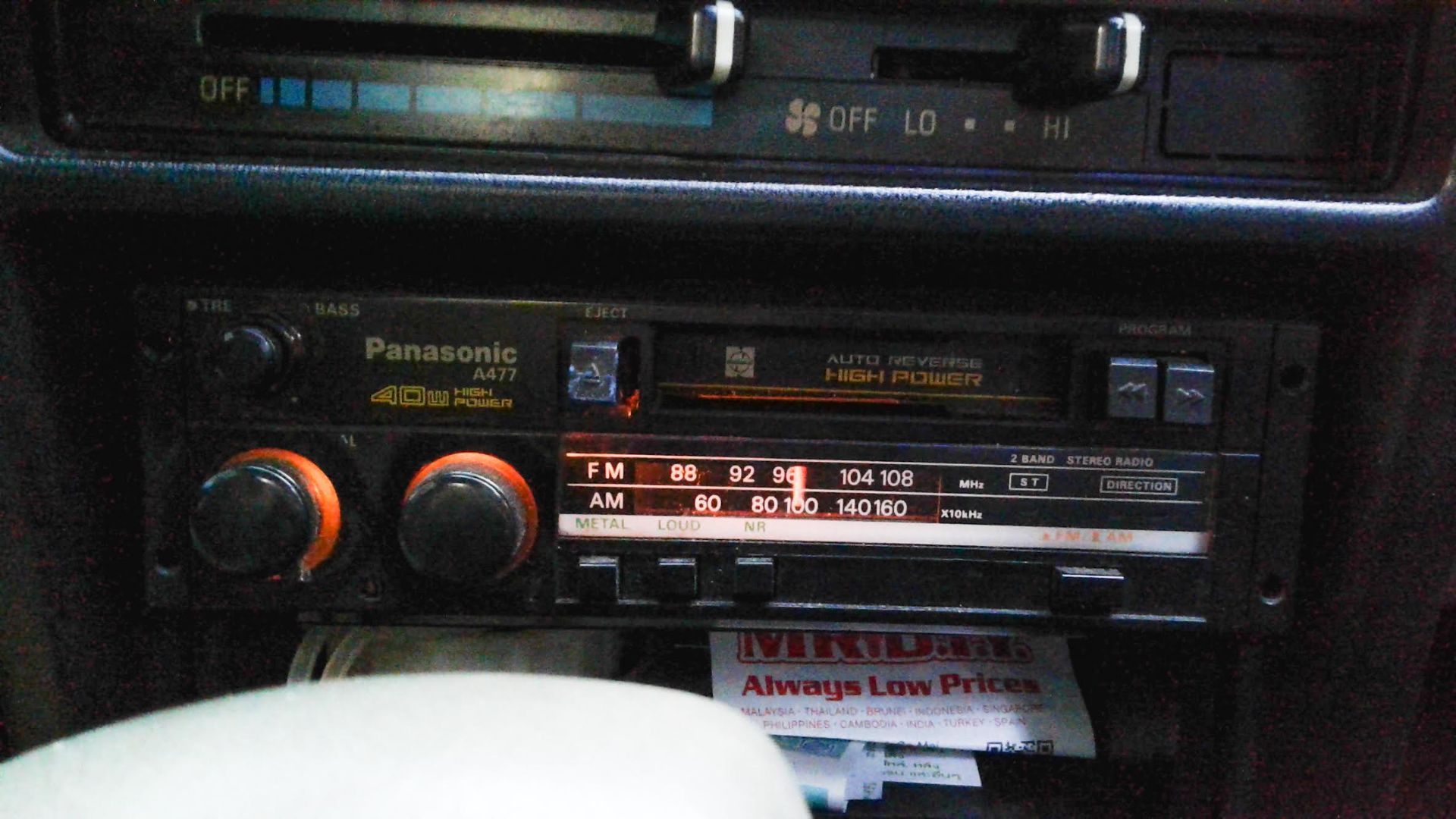
Tuning the Radio with a Physical Dial
Boomers remember slowly turning a real knob, trying to land perfectly on a station without static. There was no digital display—just numbers sliding past a little red line. If you drove out of range, you adjusted again. And again. Today, while to many Gen Zers radio itself is a pretty dated concept, the whole physical dial knob, well that's basically car museum territory.
 Santeri Viinamäki, Wikimedia Commons
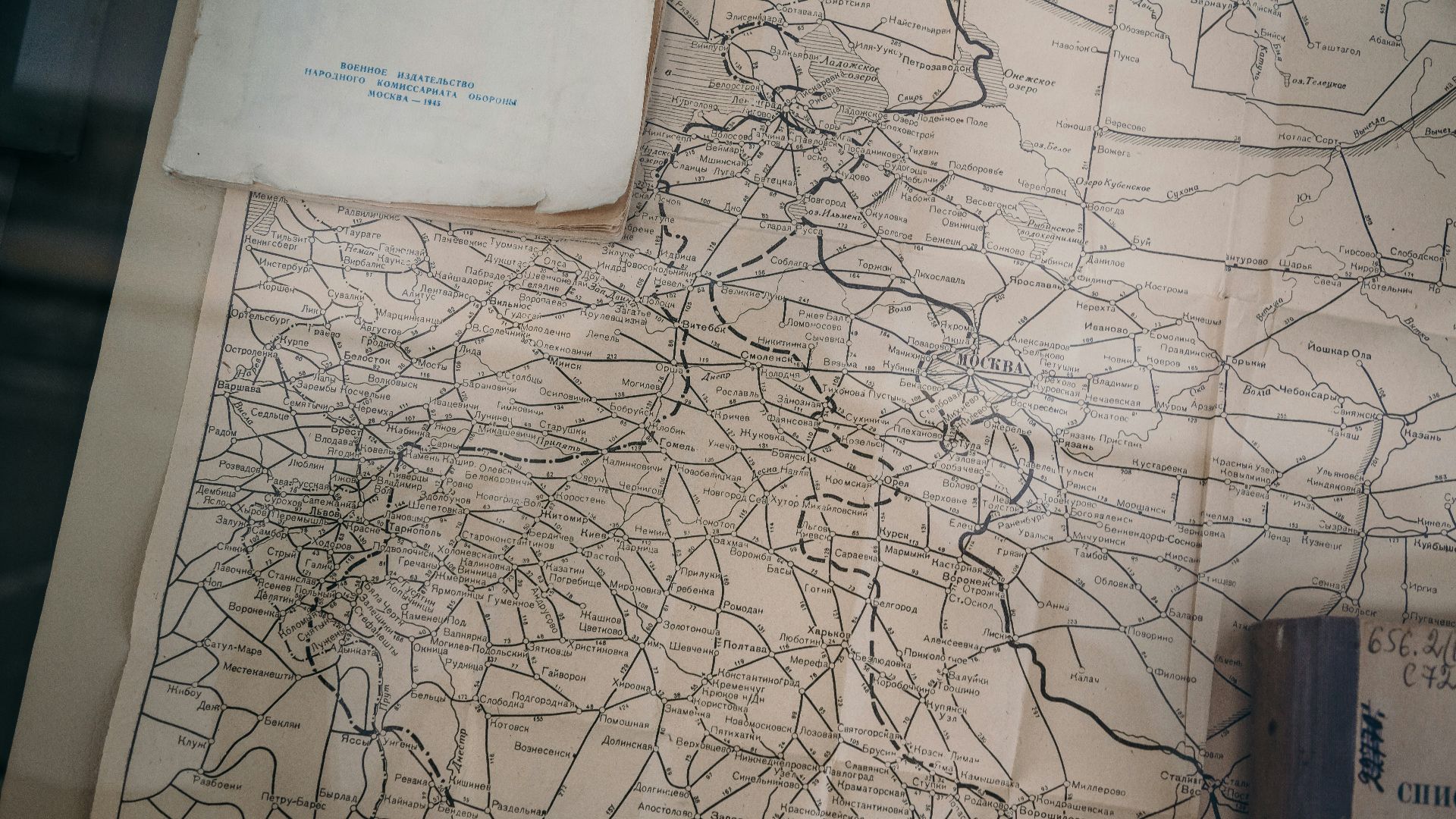
Using a Paper Road Atlas on Long Trips
Before Google Maps, road trips meant unfolding a massive paper atlas across your lap—or trusting the person next to you to navigate. If you missed a turn, there was no calm voice recalculating your route. There was an angry, anxious voice yelling at you from the passenger seat. Kids born after 2000 have probably never had to pull over to study a map under a gas station light.
Listening to AM Radio for Traffic Updates
Traffic apps didn’t exist. If you wanted to know about an accident ahead, you flipped to AM radio and waited for the hourly report. Sometimes you’d sit in gridlock simply because you had no idea what was coming. Now, your phone warns you before you even leave the driveway—and suggests three alternate routes you didn’t ask for.
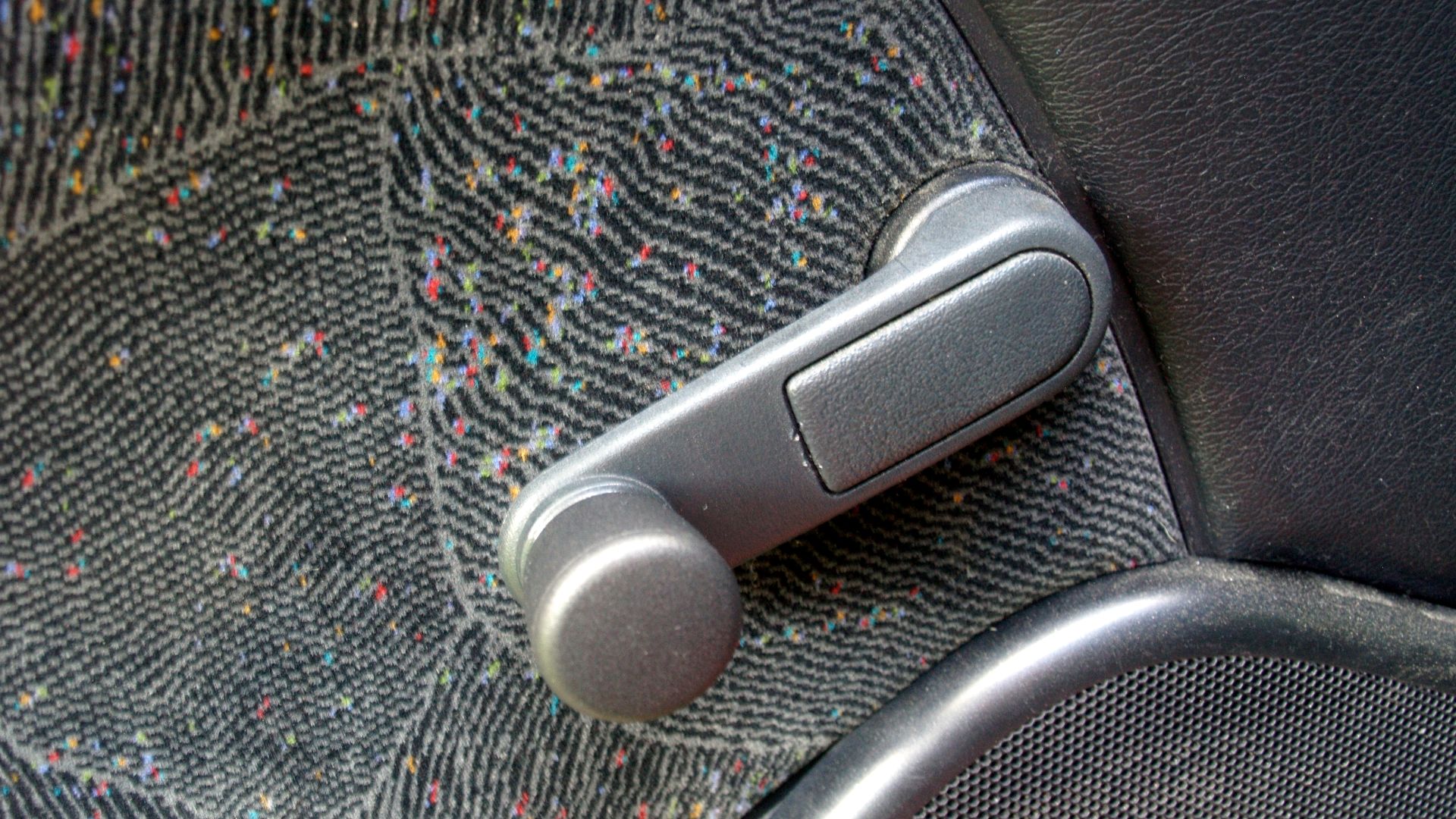
Rolling Down Windows Manually
That crank handle wasn’t optional. If you wanted fresh air, you used elbow grease. Every passenger had their own little arm workout built into the door panel. Power windows are so standard now that most drivers under 25 have never spun a handle just to feel the breeze.
 Santeri Viinamäki, Wikimedia Commons
Writing Directions on a Scrap of Paper
Someone would read directions over the phone, and you’d scribble them down: “Left at the Shell station. Right after the church. If you pass the red barn, you’ve gone too far.” Landmarks mattered more than street names. That scrap of paper lived on the dashboard like treasure. If it slid onto the floor mid-drive—or flew out the window—you were officially navigating by vibes.

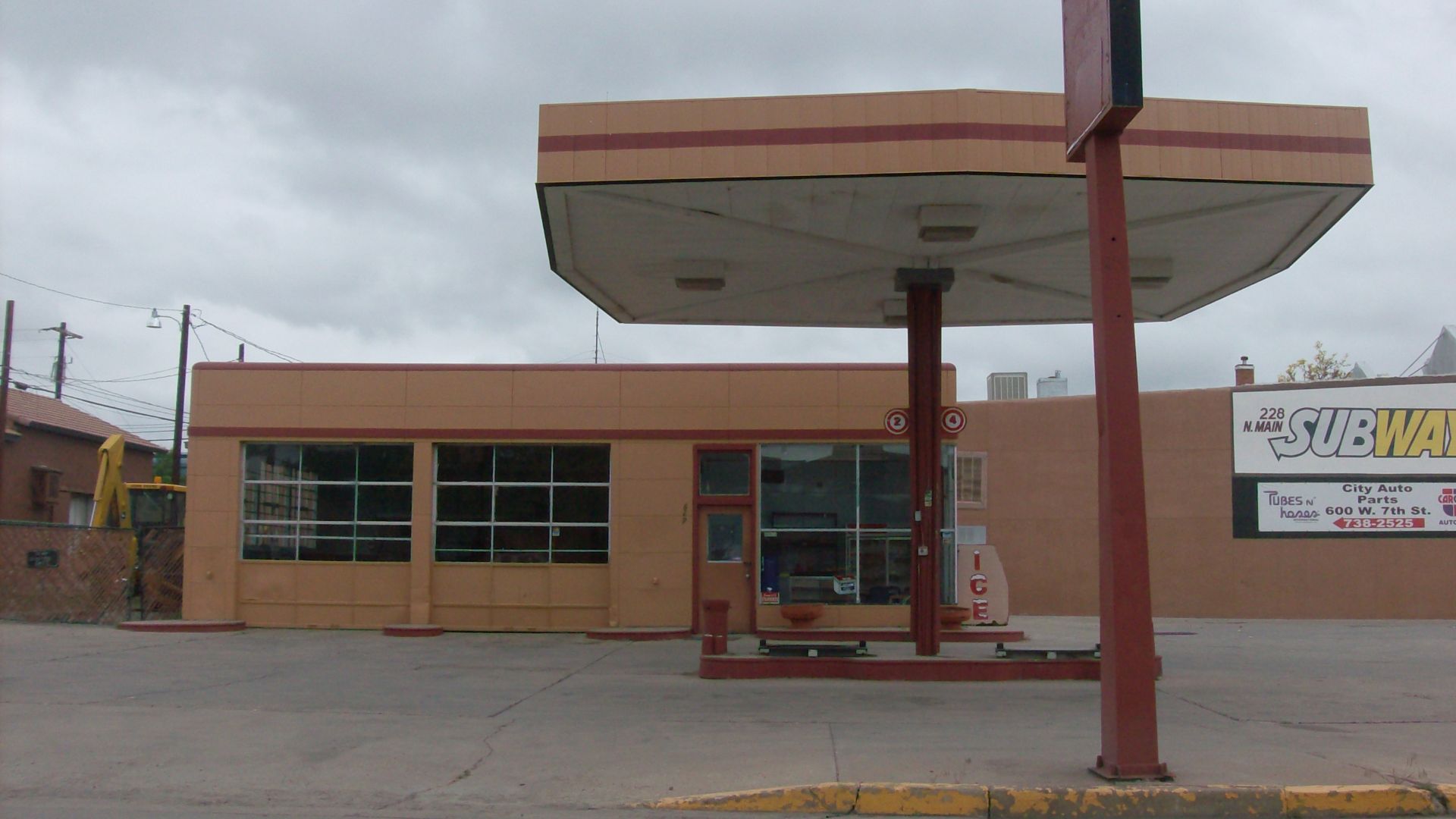
Pumping Gas Before Paying
You’d pull up, fill the tank, then walk inside to tell the clerk how much you owed. The honor system ruled. Prepaying at the pump came much later. Today the pump won’t even start without your card—honor system, shmonor system.
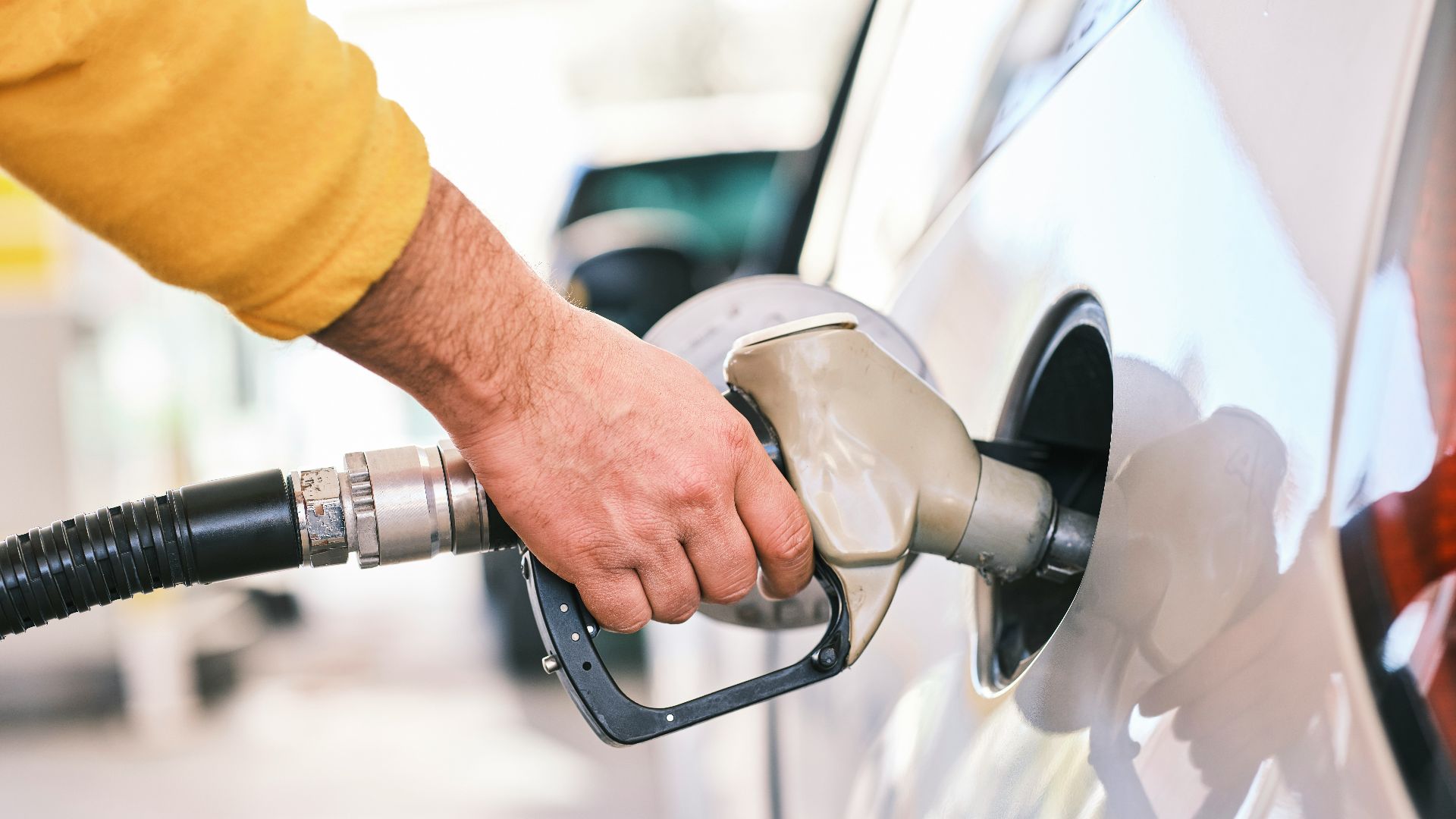
Letting a Gas Station Attendant Fill the Tank for You
Full-service gas stations were once standard. An attendant would pump your gas, sometimes check your oil, wipe your windshield, and even top off your fluids. You barely had to step out of the car. Today that feels like luxury treatment—unless you live in New Jersey, where attendants still pump your gas by law. For everyone else, it’s strictly DIY.
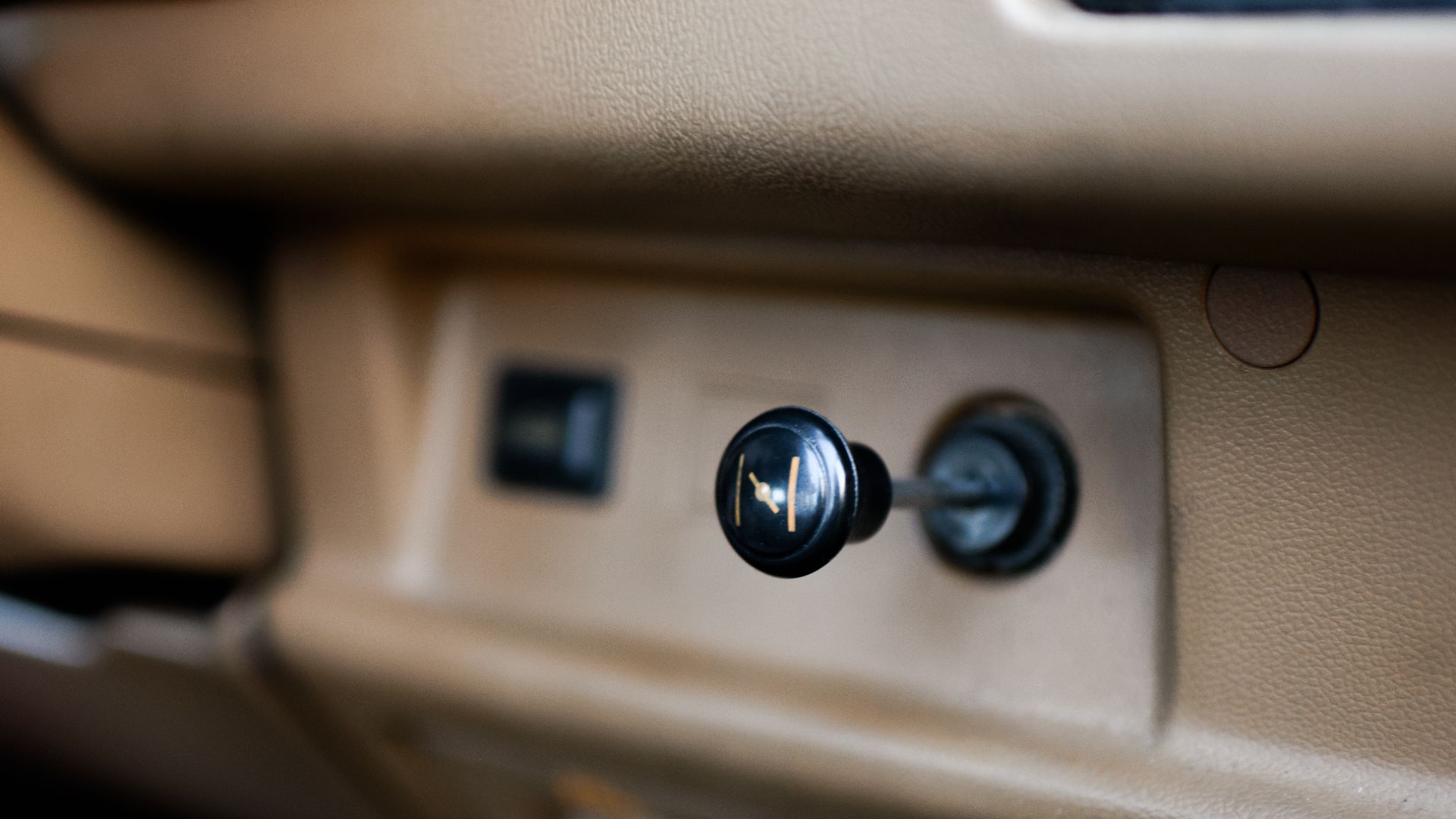
Adjusting the Choke on Cold Mornings
Older carbureted engines sometimes needed a little help starting in winter. Boomers learned how to feather the gas pedal or adjust the choke to keep the engine alive. Modern fuel injection systems handle it automatically. Most Gen Z drivers wouldn’t even recognize the term.
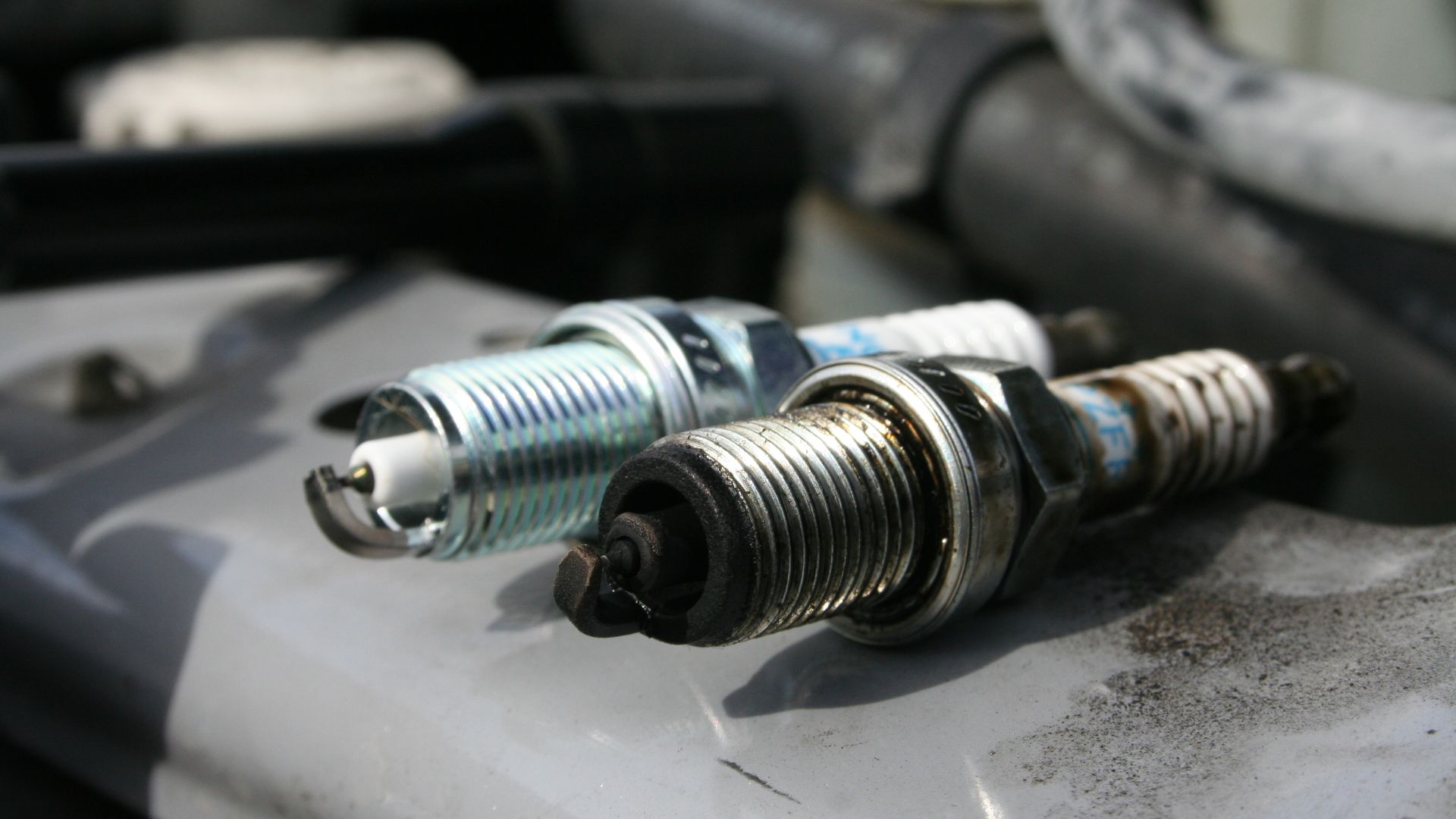
Changing Spark Plugs in the Driveway
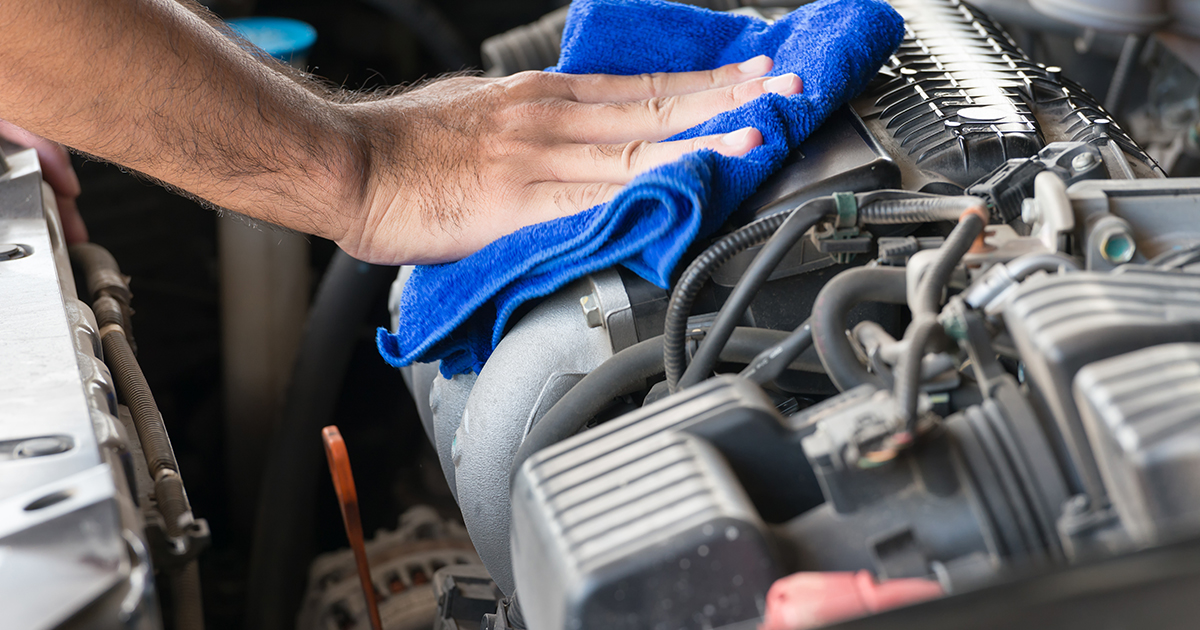
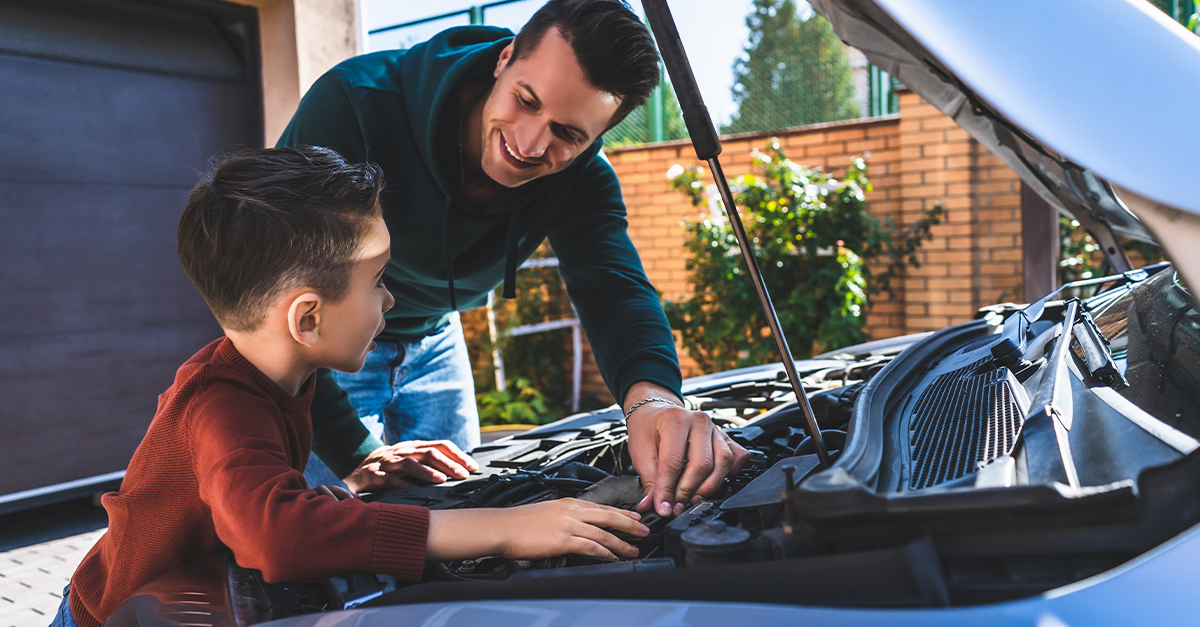
Car maintenance was often hands-on. Boomers routinely changed oil, replaced spark plugs, and swapped air filters themselves. The engine bay wasn’t hidden under plastic covers and sensors. Today’s cars are more complex—and many younger drivers wouldn’t know where to begin.
 Aidan Wojtas, Wikimedia Commons
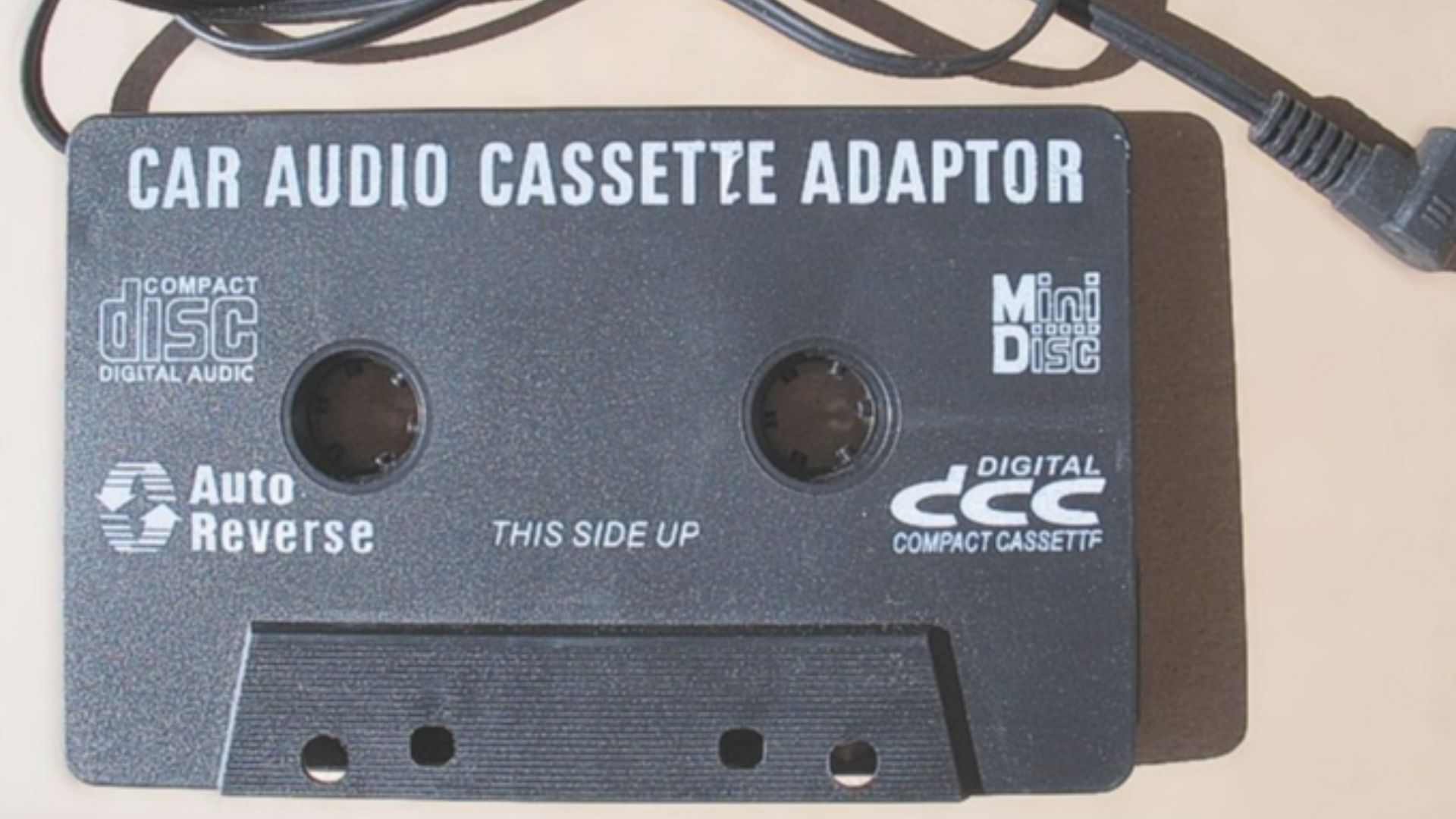
Using a Cassette Adapter for “Modern” Music
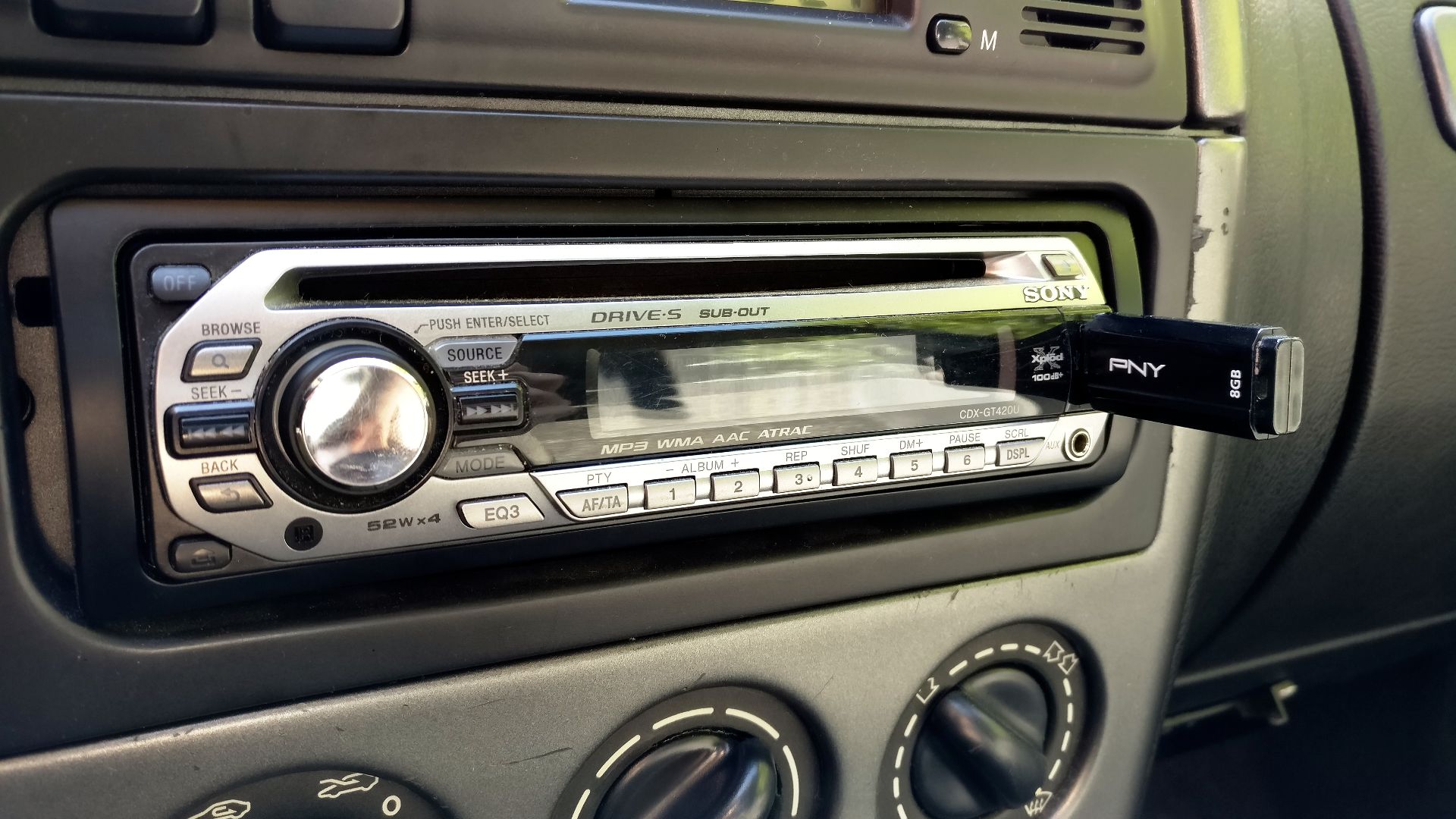
When cassette decks replaced 8-tracks, it felt revolutionary. Later, plugging a portable CD player into a cassette adapter felt cutting-edge. Now? Streaming from your phone is effortless. Many younger drivers buy used cars as their first vehicle that still have CD players built in—and plenty of them have no idea what to do with that slot in the dash. These days it’s more likely holding a phone mount than playing a disc.
Hanging Fuzzy Dice from the Rearview Mirror
It wasn’t just decoration—it was personality. Cars were customized with decals, bumper stickers, and dashboard trinkets. Modern minimalism and stricter safety rules have toned that down. Today’s interiors look more like tech lounges than rolling bedrooms.
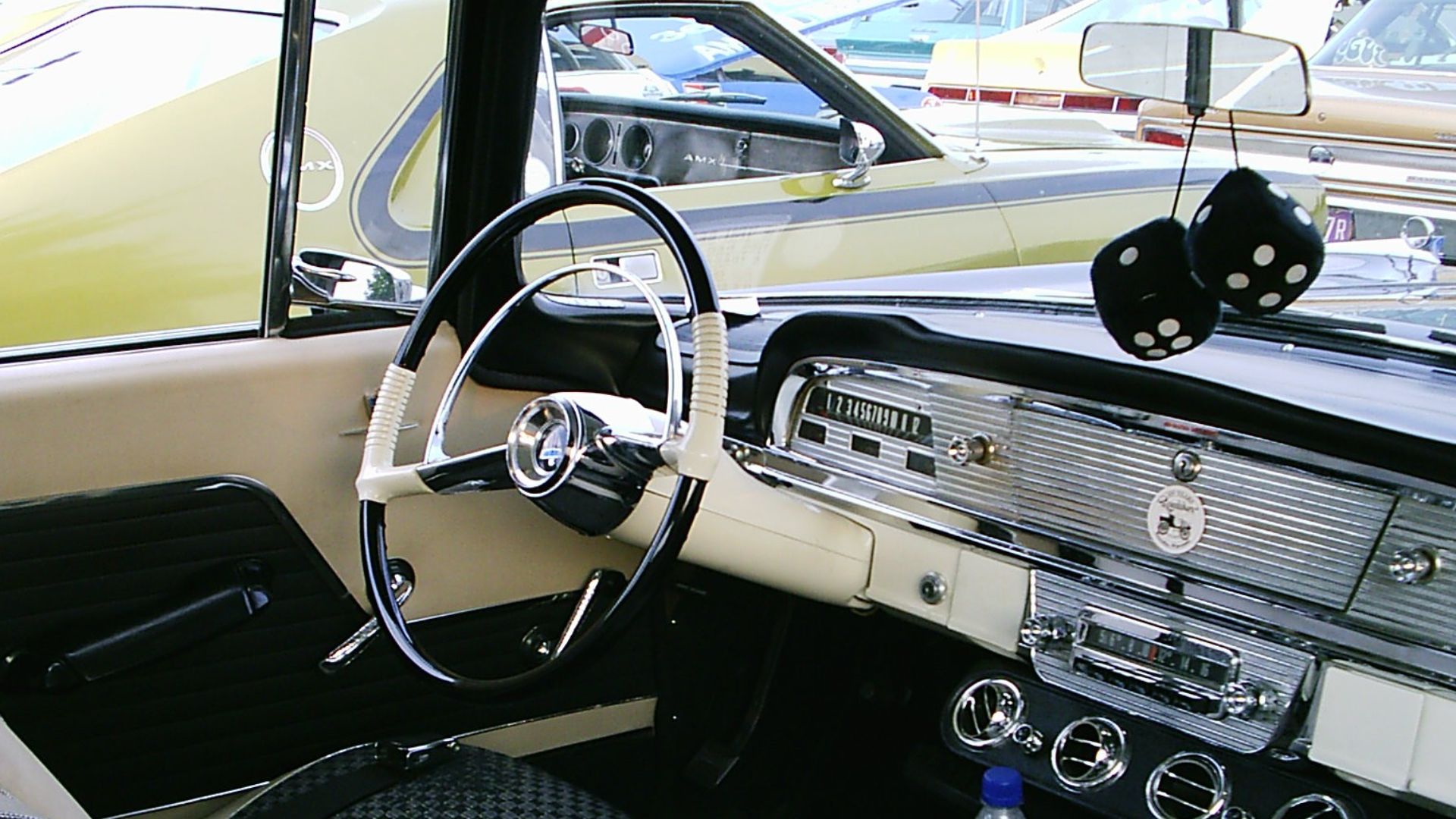 CZmarlin — Christopher Ziemnowicz,, Wikimedia Commons
Memorizing Phone Numbers
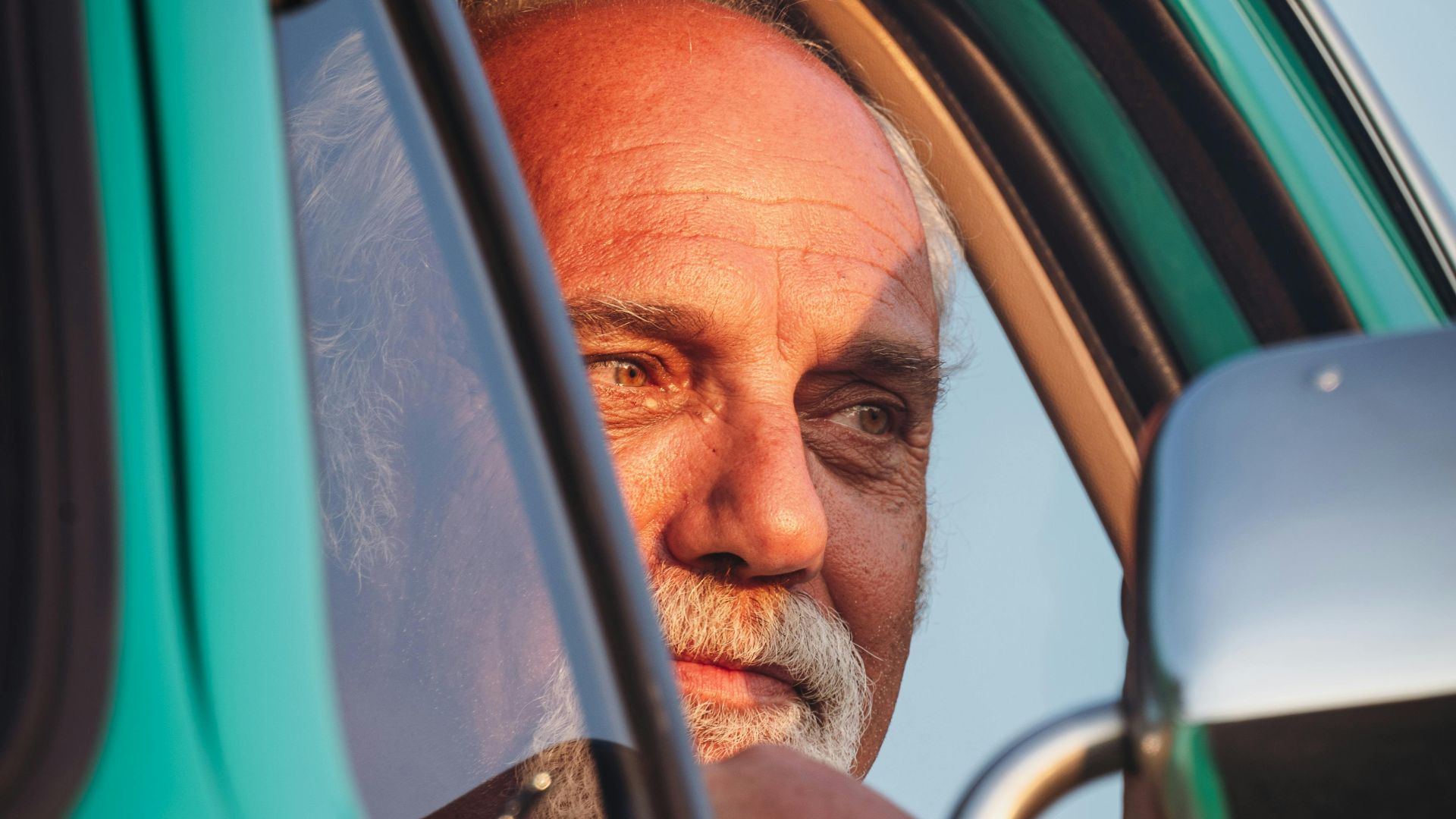
No contact list. If your car broke down, you had to remember who to call—or keep a little address book in the glove compartment. Now, roadside assistance is one tap away. Memorization isn’t required.
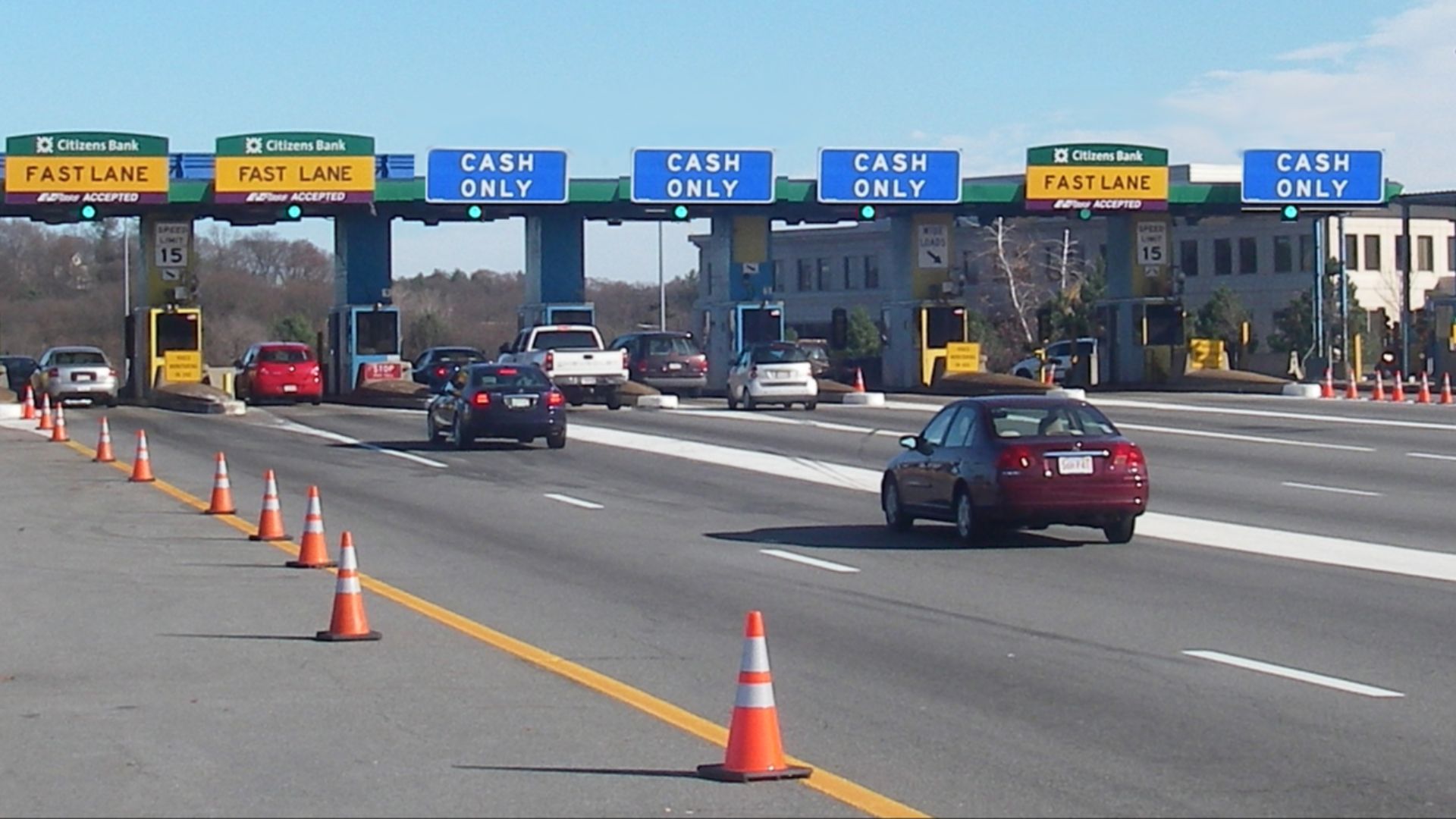
Paying Tolls with Exact Change
Highway toll booths meant scrambling for quarters while cars lined up behind you. Drop the coins in the basket, hope you had enough, and move on. Electronic toll tags have made that frantic coin search a thing of the past. No more digging through cup holders while the driver behind you judges your life choices.
Parallel Parking Without Sensors or Cameras
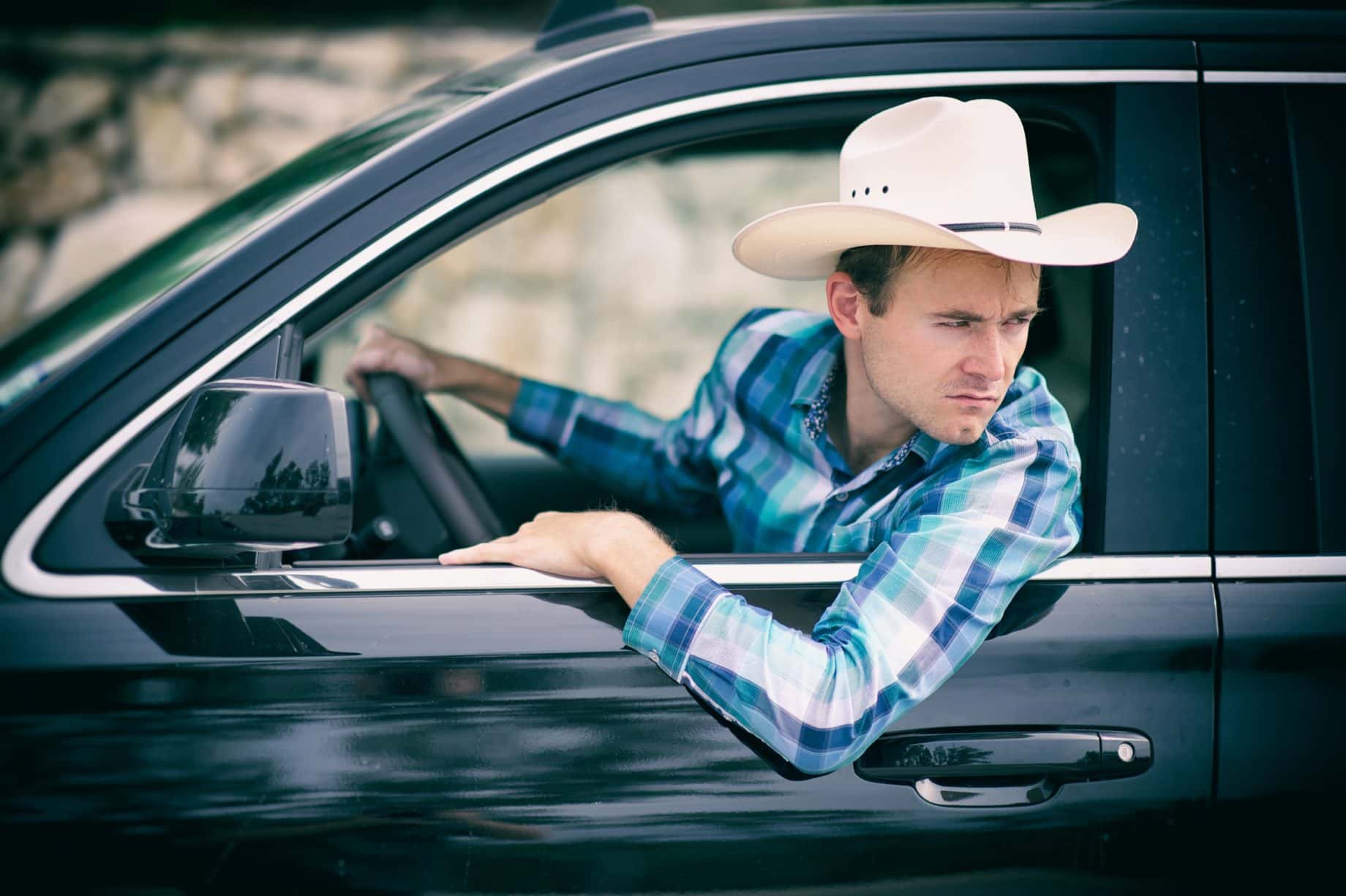
You used mirrors. And judgment. That was it. If you bumped the curb, you tried again. Backup cameras weren’t even a fantasy. The closest Boomers got to a backup camera was having someone stand on the curb to guide you in—and yell when you were about to hit the car behind you. Today, cars beep, vibrate, flash warnings—and sometimes even park themselves while you just sit there pretending you helped.
Warming Up the Car for Ten Minutes
On cold mornings, Boomers would start the car early and let it idle while they finished getting ready. It was just what you did. Modern engines don’t need that long warm-up—and most younger drivers have never stood in a freezing driveway wondering if the car would survive the winter.
Plugging the Car In Overnight So It Would Start
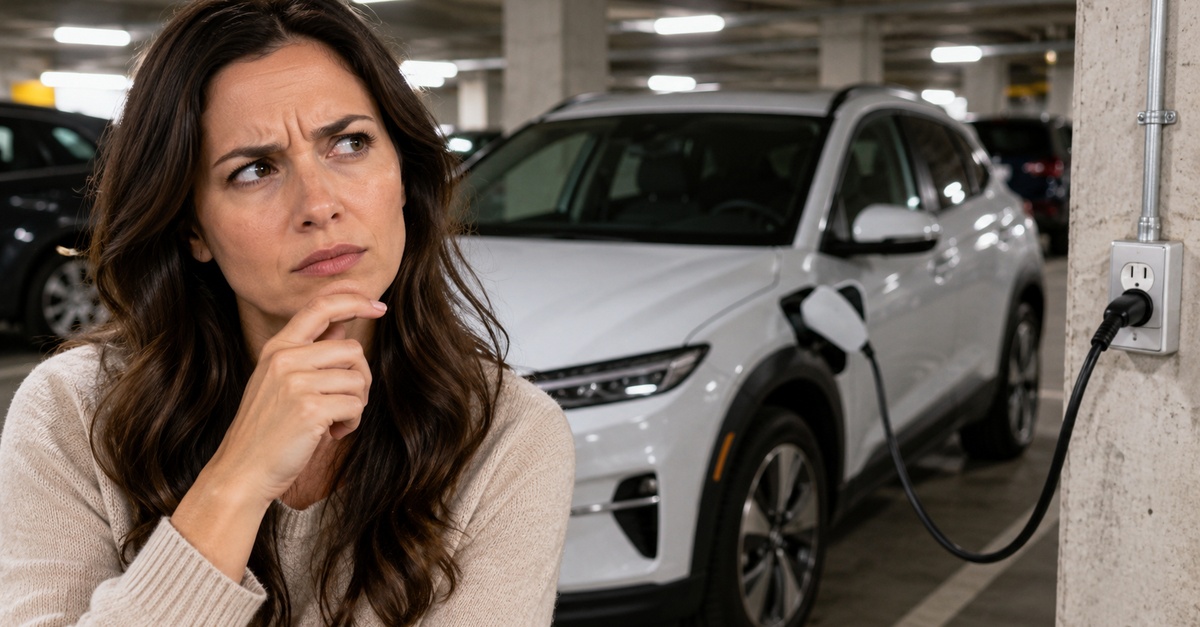
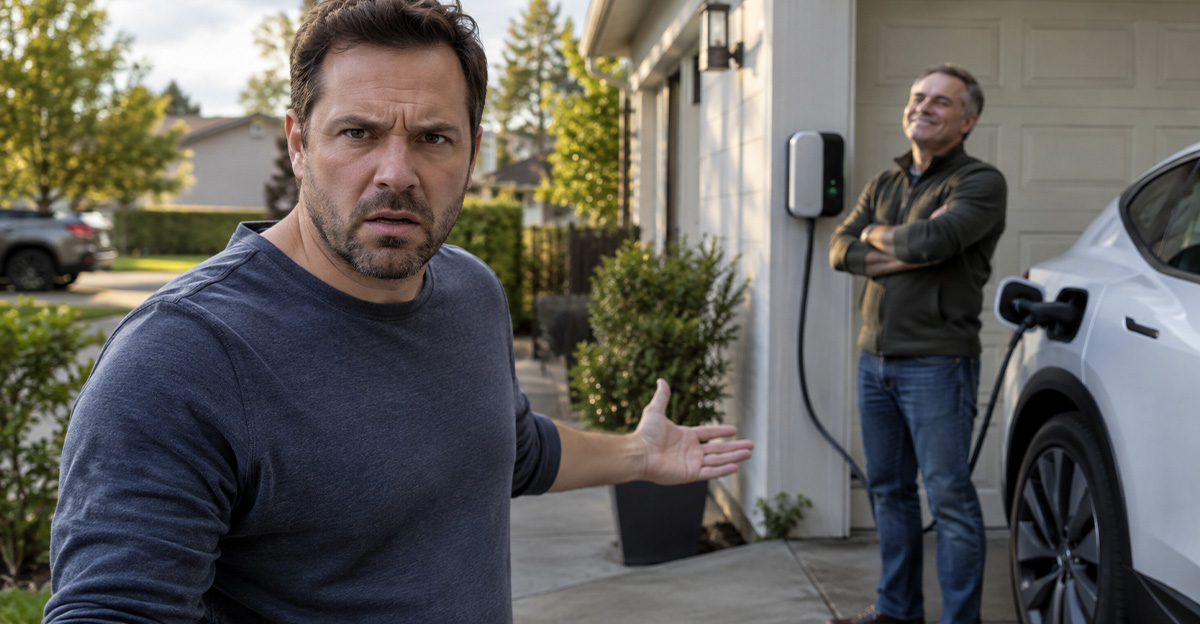
If you lived somewhere truly cold, winter meant running an extension cord from your house to your car. Not for music. Not for charging. For survival. Engine block heaters kept the engine warm enough to actually start in the morning. In parts of the Midwest and Canada, parking lots even had outlets for this. To anyone born after 2000, plugging in a car means an EV. For Boomers, it meant hoping the engine would turn over at 7 a.m.
Using the Car as a Date Spot
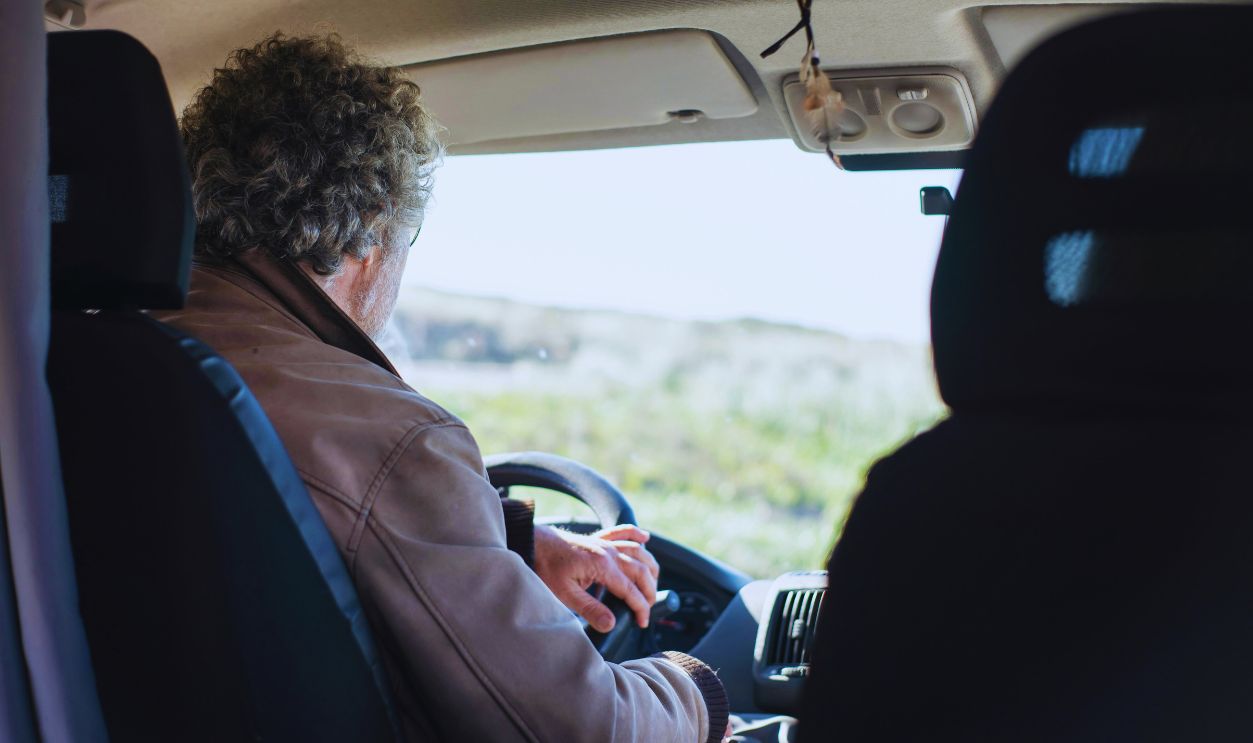
For many Boomers, the car wasn’t just transport—it was privacy. Drive-ins, scenic overlooks, and parking by the lake were social rituals. With smartphones and constant connectivity, cars don’t hold quite the same mysterious magic. Privacy now requires better Wi-Fi, not a fogged-up windshield.
Driving Without Seatbelt Laws
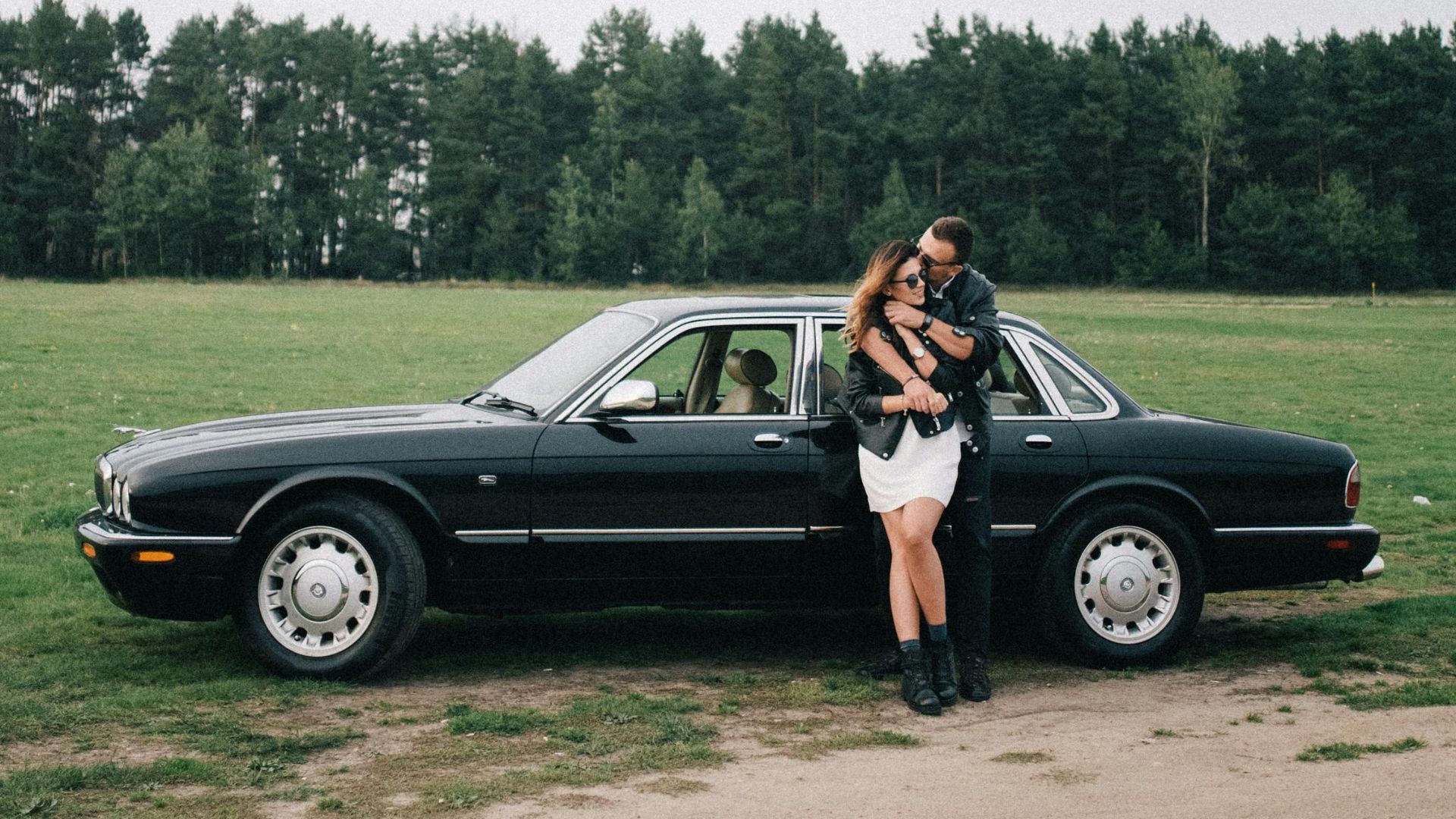
Seatbelts existed, but many people didn’t use them regularly until laws required it. Cultural attitudes were very different. Anyone born after 2000 grew up buckling up automatically—often with warning chimes reminding them.
Buying Gas for Under a Dollar a Gallon
In the 60s and 70s, gas prices were dramatically lower than what young drivers know today. Fueling up didn’t feel like a budget decision. Now, gas prices are a weekly conversation topic.

Reading the Owner’s Manual Cover to Cover
With fewer digital tutorials and no YouTube, if something seemed off, you grabbed the manual. It was often thick, detailed, and surprisingly important. Today it’s still thick and detailed, but it rarely gets taken out of the glove compartment to see the light of day. Most drivers Google the answer before even remembering there’s an actual book in the car.

Using CB Radios on Road Trips
“Breaker, breaker.” CB radios weren’t just for truckers—many drivers used them to talk to others on the highway. It was a community on wheels. Modern drivers rely on group chats and navigation apps instead.
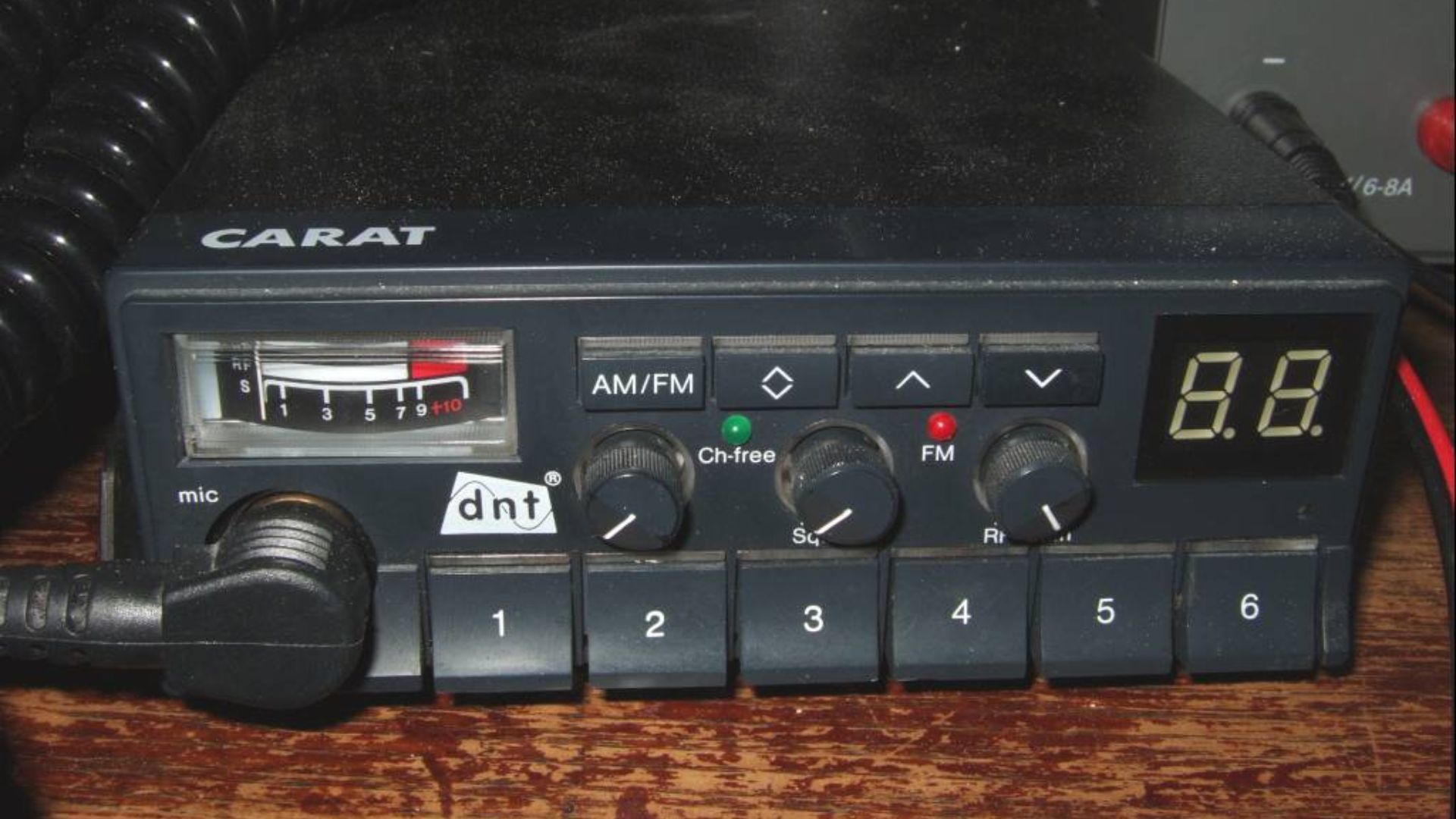 Benjamin Heinecke, Wikimedia Commons
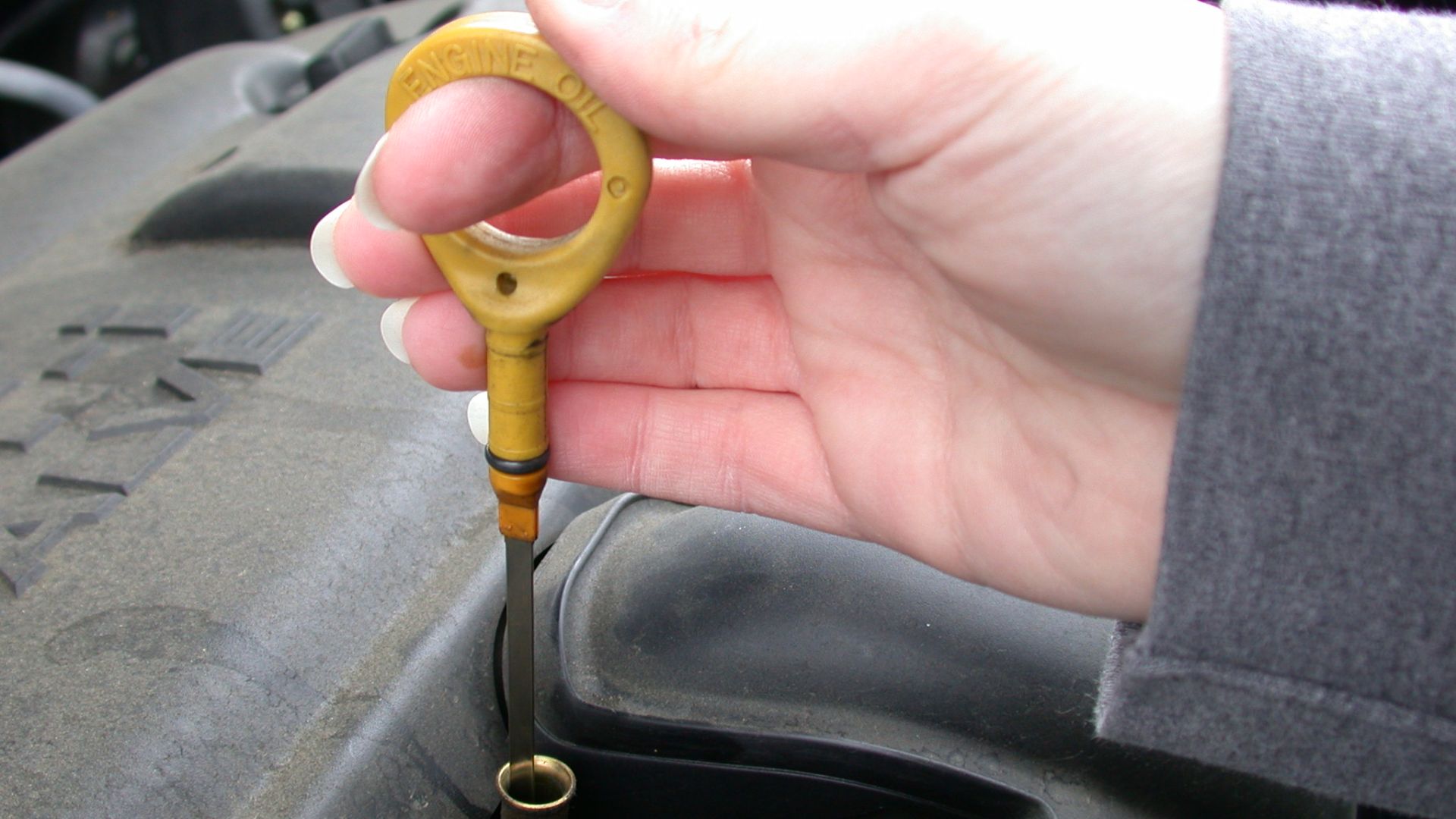
Checking the Oil with a Real Dipstick—Regularly
Routine checks weren’t optional. Pop the hood, wipe the dipstick, reinsert, check the level. It was part of being a responsible driver. Many newer vehicles now monitor oil electronically—and some younger drivers might not even know a dipstick still exists.
Cars Were Mechanical—Not Digital
At the end of the day, Boomers grew up with cars that were machines first and computers second. You could hear, feel, and sometimes fix what was wrong. For drivers born after 2000, cars are software-driven, sensor-packed, and connected to the cloud.
You Might Also Like:
The Story Of The BMW C1—The Bizarre Scooter With A Roof
Cars That Will Disappear With The Baby Boomer Generation (Fingers Crossed)