
Could Cheap Off-Road Diesel Secretly Cost You Thousands?
When it comes to diesel fuel, not all pumps are created equal — and some come with legal strings attached. Your buddy swears it’s the same fuel and nobody checks anyway. Your uncle says you’ll get slapped with fines so big you’ll wish you’d just paid at the pump — so who’s actually right?

First, What Is Off-Road Diesel?
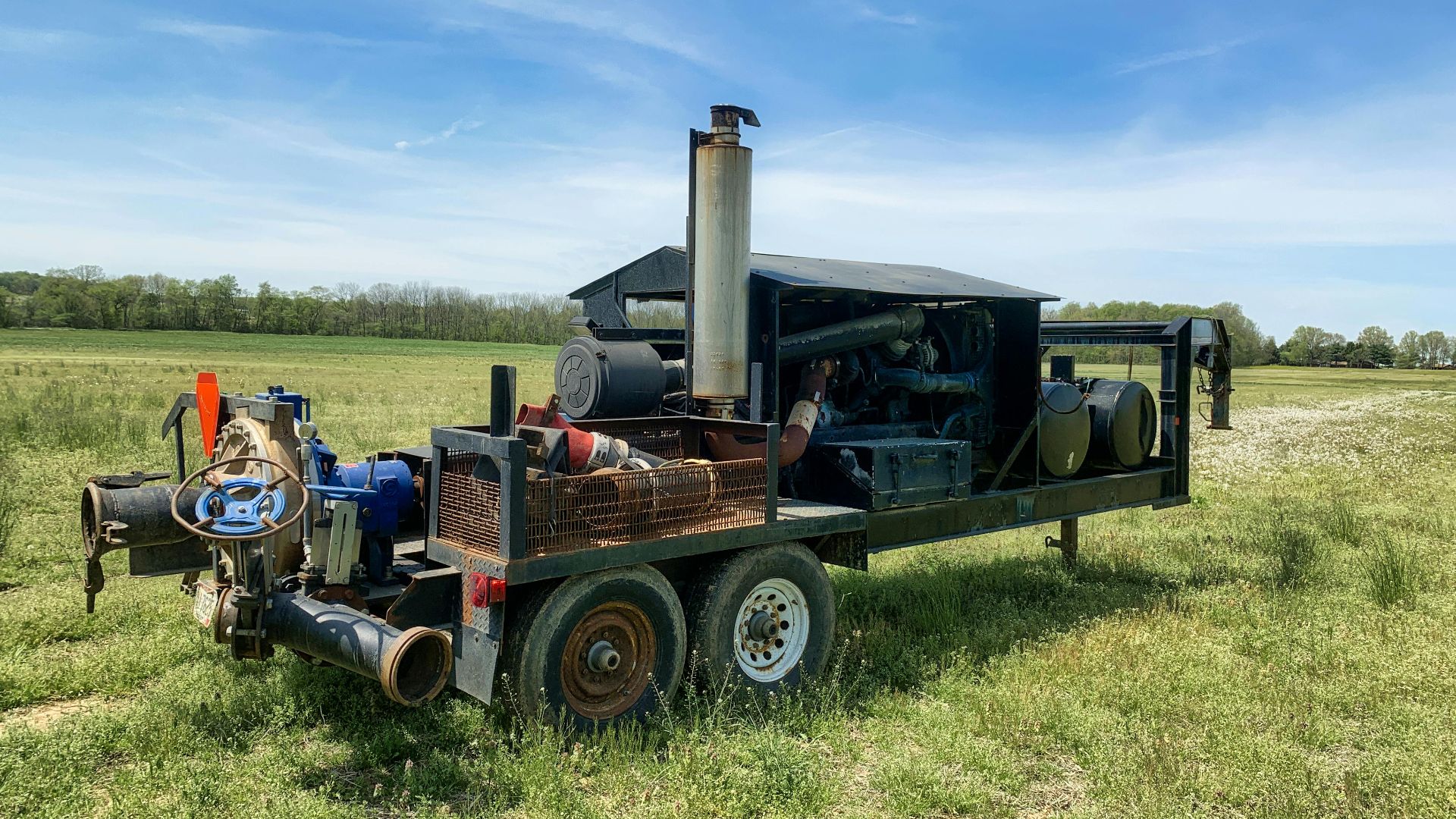
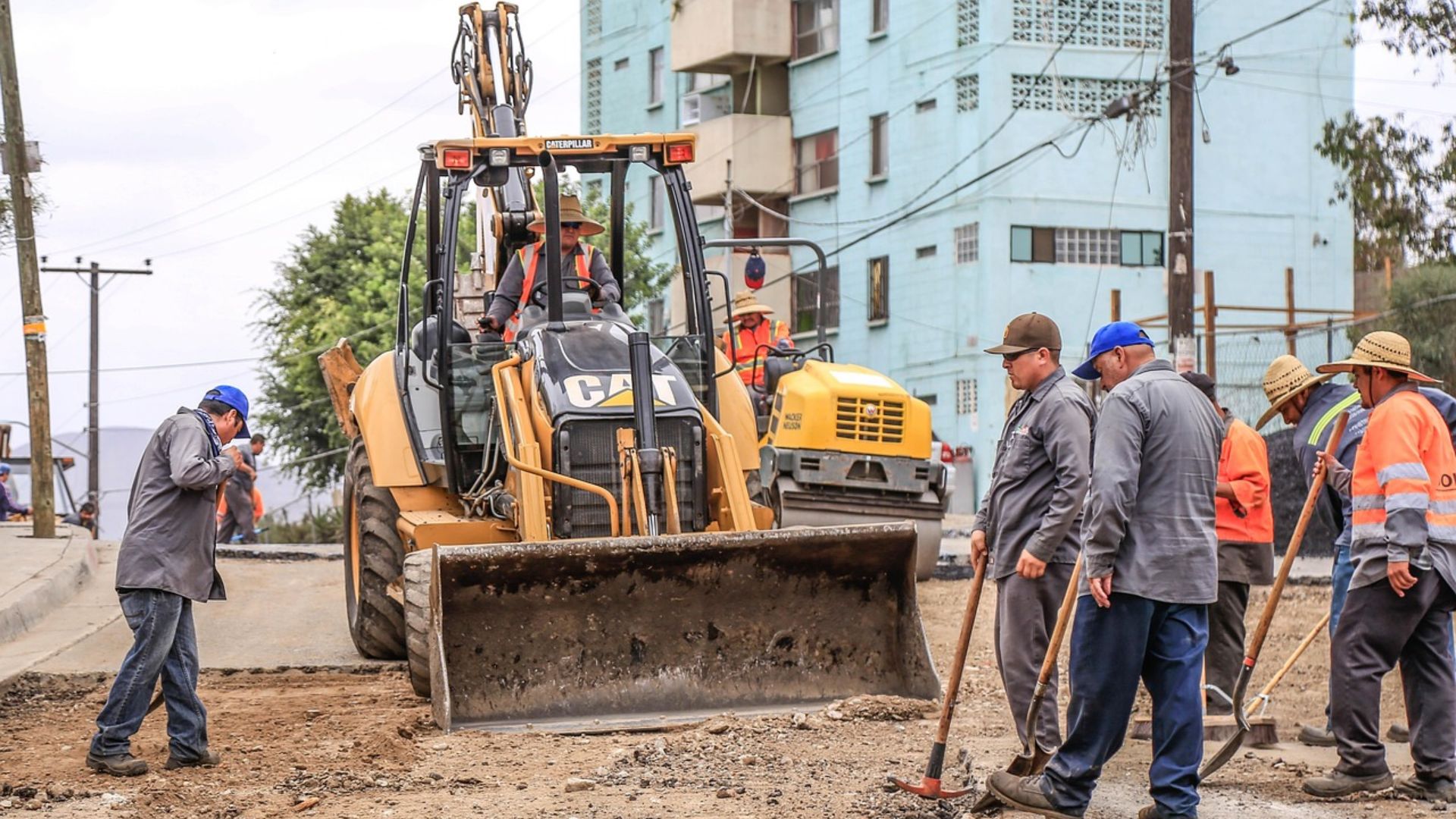
Off-road diesel (also called dyed diesel or red diesel) is fuel intended for equipment that doesn’t operate on public roads — tractors, construction machines, generators, farm trucks, that kind of thing. Chemically, it’s very similar to regular diesel. The big difference isn’t performance. It’s taxes.
Why It’s Dyed Red
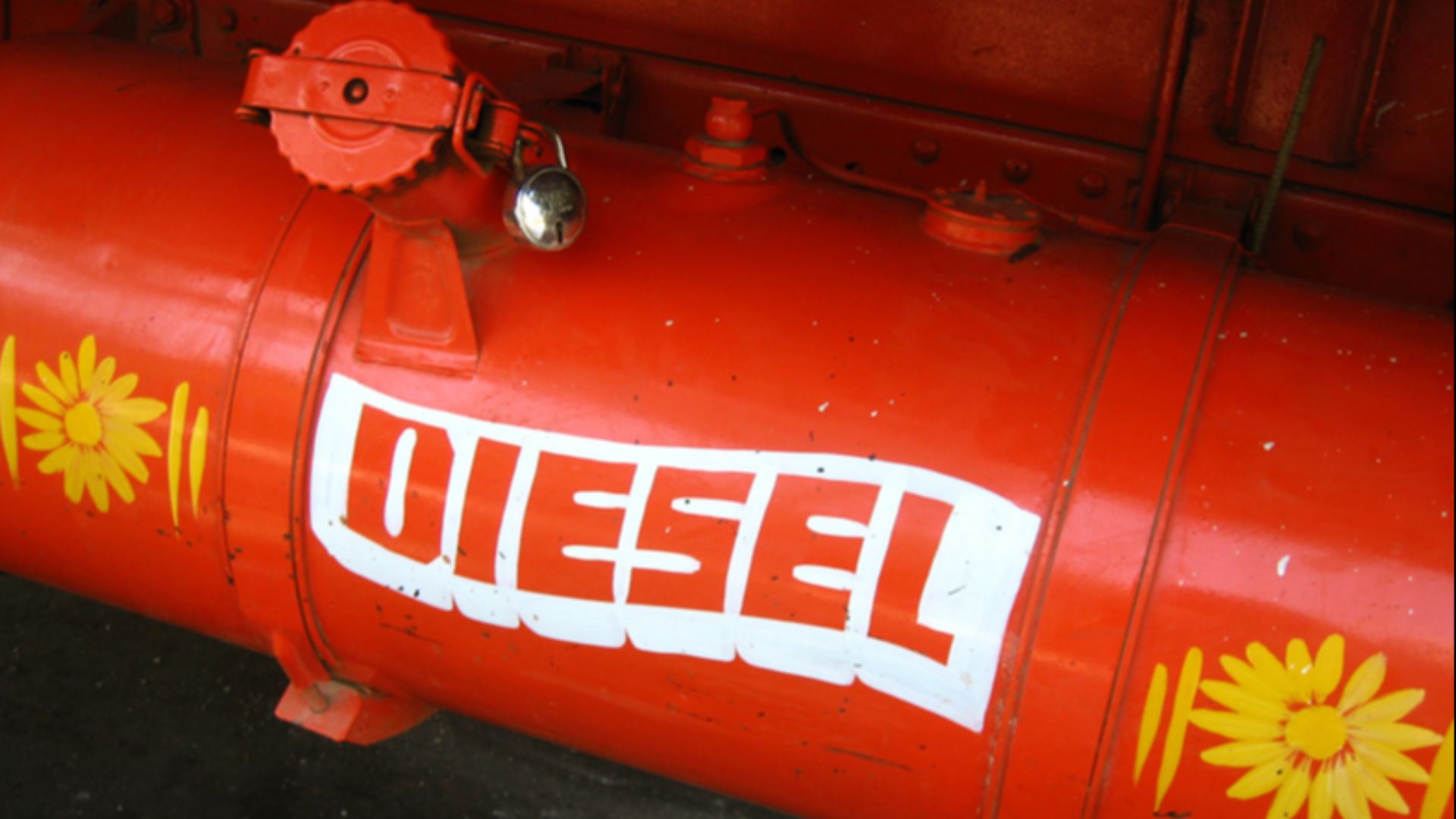
Off-road diesel is dyed bright red on purpose. Not for style points — for enforcement. The dye makes it easy for inspectors to spot if someone is running untaxed fuel in a street-driven vehicle. If it’s in your tank, they’ll know immediately.
 Meena Kadri, Wikimedia Commons
The Real Difference: Road Taxes
Regular on-road diesel includes federal and state road taxes. Those taxes help pay for highways and infrastructure. Off-road diesel is cheaper because it doesn’t include those taxes. That lower price is exactly why some people are tempted to use it illegally.

“It’s The Same Fuel Though…”
Your buddy isn’t totally wrong about one thing: mechanically, most engines will run fine on off-road diesel. It’s not like pouring soda into your fuel tank. The engine usually won’t know the difference. The law, however, absolutely does.

Is It Actually Illegal?
Yes. If you use off-road diesel in a vehicle driven on public roads, it’s illegal in the United States. Federal law prohibits using untaxed fuel for on-road vehicles. States enforce it too, and penalties can stack up quickly.

How Do They Catch People?
Random roadside inspections do happen — especially for commercial trucks. Officers can dip your tank and test for dye. It’s not dramatic; it’s quick and simple. If red dye shows up in a vehicle that’s registered for road use, that’s a problem.

What Kind Of Fines Are We Talking?
This is where your uncle starts sounding smarter. Federal penalties can reach thousands of dollars per violation. Some states add their own fines. In certain cases, penalties are calculated per gallon in your tank — which adds up fast in a diesel truck.

It’s Worse For Businesses
If you’re operating a commercial vehicle, the consequences can escalate. Fines, audits, tax investigations, and even vehicle impoundment are possible. For companies, the reputational and financial damage can outweigh any fuel savings.

“But My Friend’s Been Doing It For Years”
That’s the classic logic. Plenty of people speed and never get a ticket. That doesn’t make it legal — it just means they haven’t been caught yet. Enforcement isn’t constant, but when it happens, it’s expensive.

Can You Accidentally Get In Trouble?
Yes — especially in rural areas. If someone fills portable cans with dyed diesel for equipment and mistakenly puts it in a road truck, that can still trigger penalties. Intent doesn’t always erase the violation.

Does It Hurt The Engine?
In most modern vehicles, off-road diesel won’t cause mechanical damage by itself. However, depending on sulfur content and local regulations, some off-road fuel may not meet on-road emissions standards. That can complicate things for newer diesel trucks.

What About Farm Or Work Trucks?
There are exemptions — but they’re specific. Farm equipment operating exclusively off-road can use dyed diesel legally. The moment that vehicle is driven on public highways outside its exemption, the rules change.

State Laws Can Be Even Tougher
Federal law sets the foundation, but states often add their own enforcement policies. Some states impose additional per-gallon penalties, plus back taxes. That “cheap fuel” can suddenly become the most expensive tank you’ve ever filled.

How Big Can The Fines Get?
Depending on jurisdiction, penalties can range from several hundred dollars to $1,000 or more per violation — sometimes calculated at $10 per gallon or higher. In serious cases, totals can climb into the five-figure range.

Why The Government Cares So Much
It comes down to tax revenue. Road maintenance depends on fuel taxes. Using dyed diesel on the street is considered tax evasion. That’s why enforcement agencies take it seriously — even if it feels minor to individual drivers.
Is It Ever Worth The Risk?
Let’s do simple math. Saving maybe 50 cents to a dollar per gallon sounds good — until a single inspection wipes out years of “savings” in one ticket. Financially, it’s a gamble with terrible odds.

What If You’re Stopped?
If an inspector finds dyed fuel in your road vehicle, you’re unlikely to talk your way out of it. The dye doesn’t lie. Fines are typically administrative, not criminal for first offenses — but they still hurt.

So… Who’s Right?
Your buddy is right that the engine probably won’t explode. Your uncle is right that it can mean serious fines. Legally speaking, your uncle wins this argument. Off-road diesel on public roads isn’t “no big deal” — it’s a tax violation waiting to happen.

The Bottom Line
Running off-road diesel on the street isn’t about engine performance — it’s about legality. You might never get checked. Or you might get checked once and wish you hadn’t rolled the dice. When it comes to dyed diesel, the risk usually outweighs the reward.

You May Also Like: