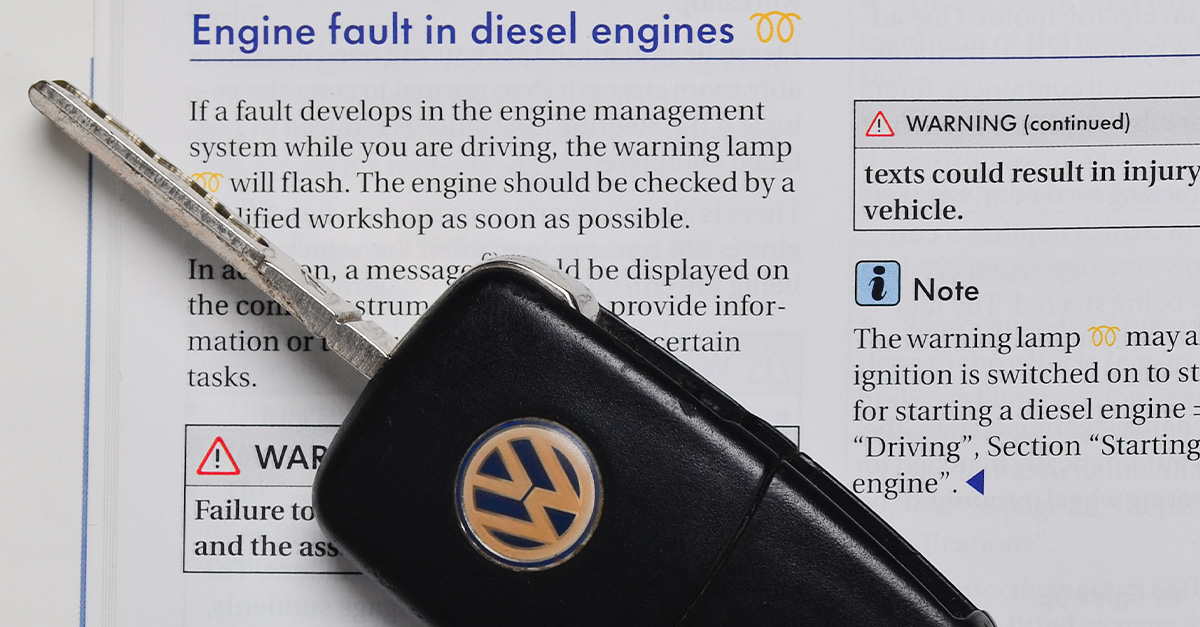
The Emissions Scandal That Shook The World
For years, Volkswagen sold diesel cars with a simple promise: better fuel economy, strong performance, and cleaner emissions. It sounded like the perfect deal. Then the truth came out, and the auto world was rocked by a scandal so huge it changed the way people looked at diesel forever.
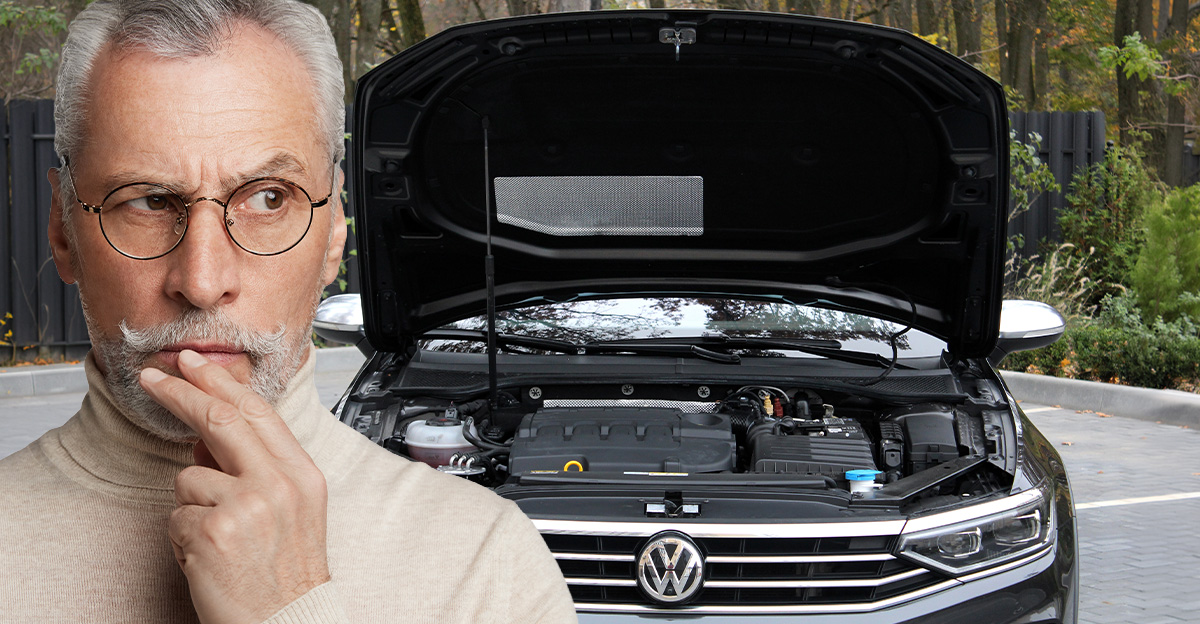
Volkswagen’s Golden Diesel Pitch
In the late 2000s and early 2010s, Volkswagen pushed diesel as the smart choice for practical drivers. These cars were marketed as efficient, modern, and surprisingly green. Buyers were told they could enjoy great mileage without feeling guilty. That message worked, and VW’s diesel lineup became a major global success story.
Diesel Was Cool Again
That may sound strange now, but diesel really did have a moment. Carmakers promoted it as the clever middle ground between thirsty gas engines and expensive hybrids. Volkswagen leaned into that image hard, especially in the United States, where it sold diesel cars as clean, fun, and just a little rebellious.
The Cars At The Center
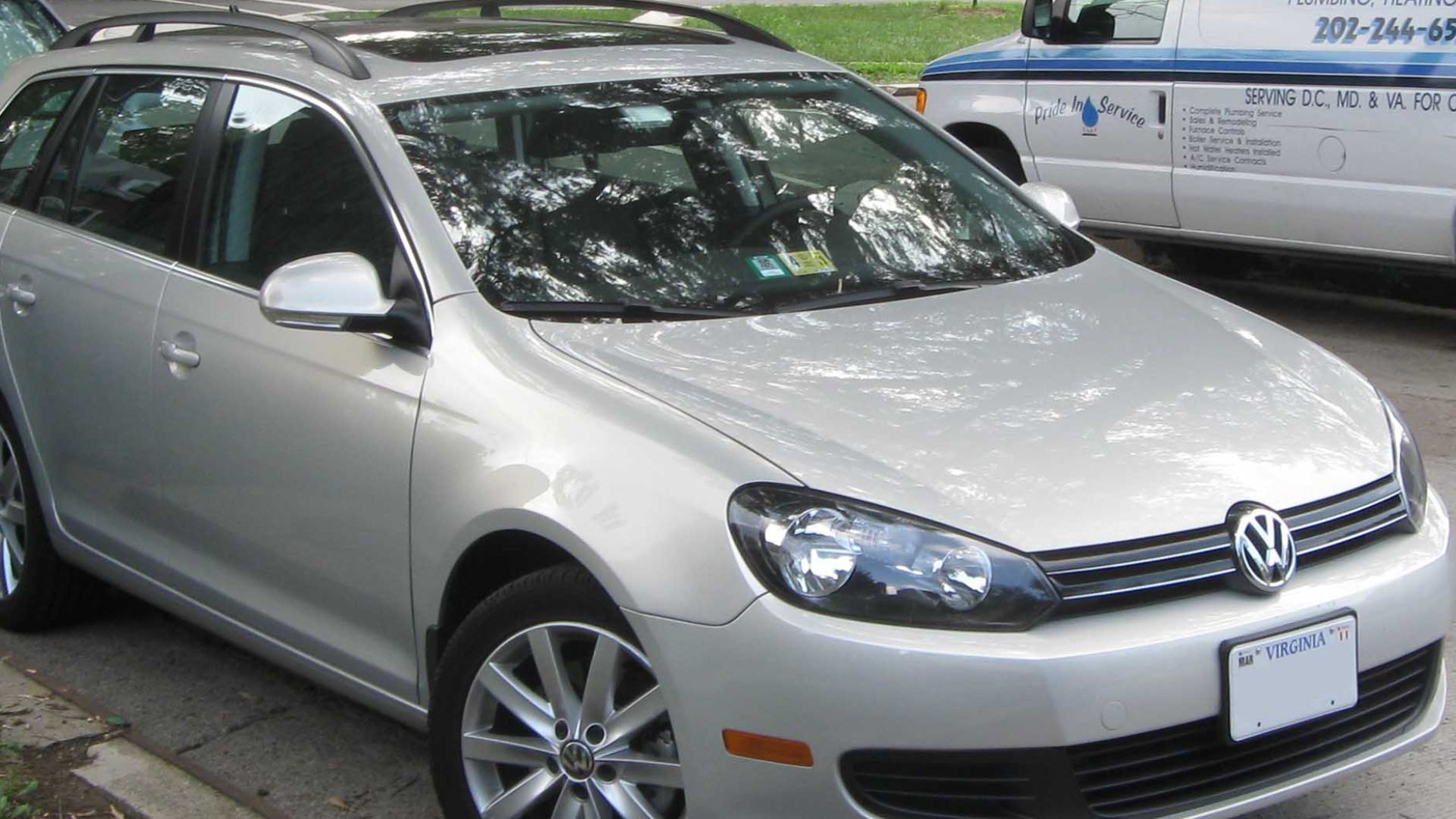
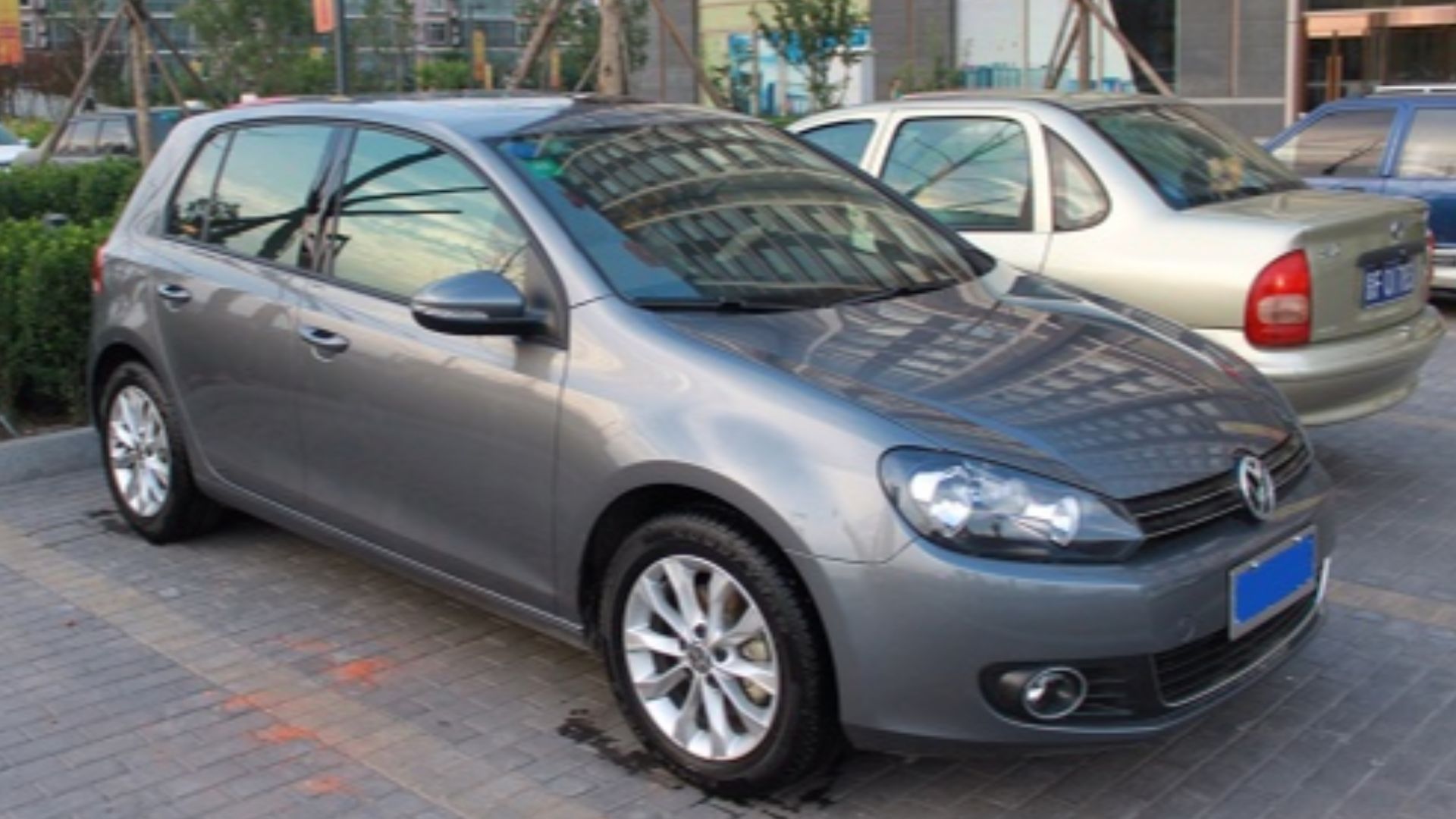
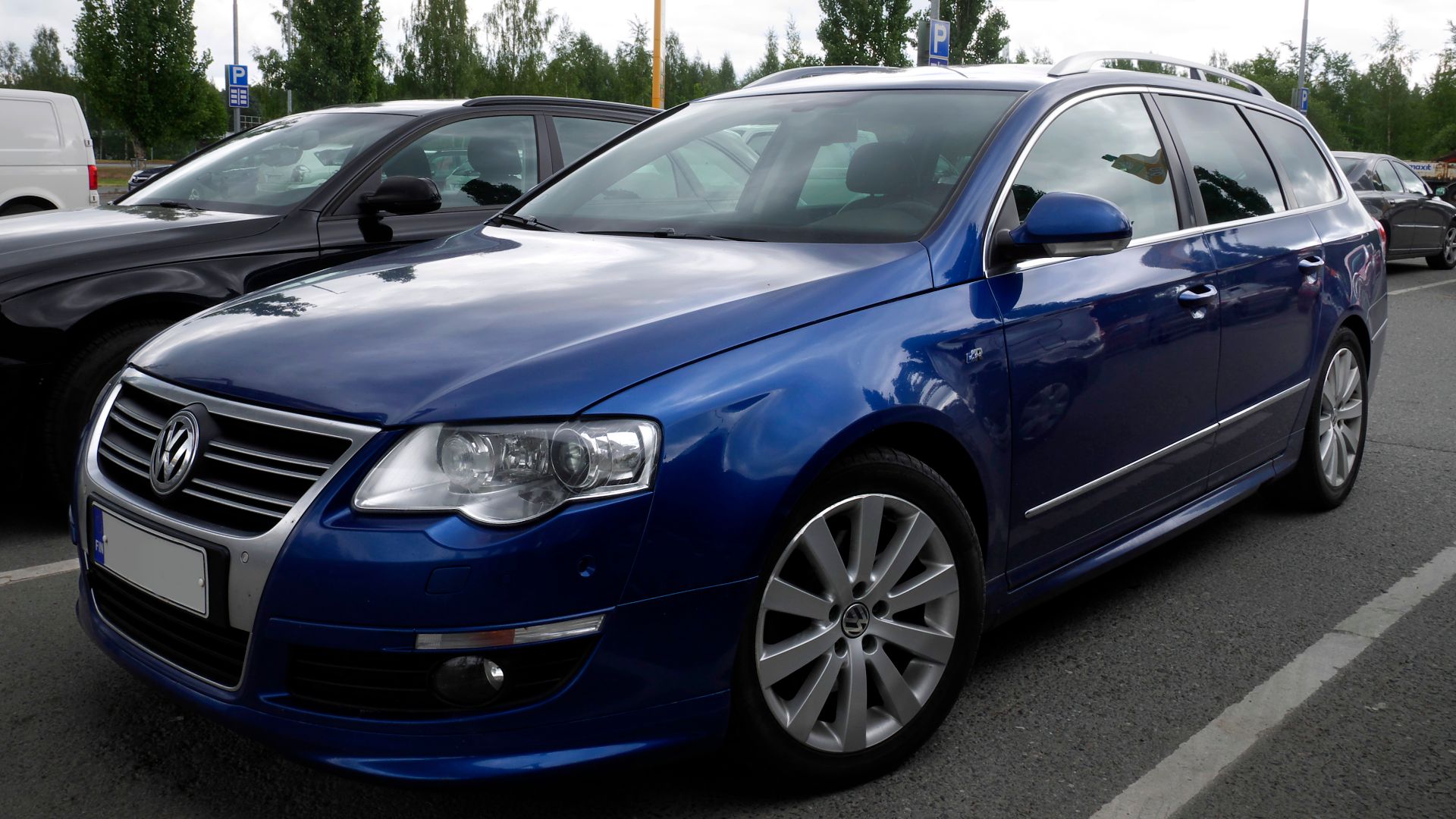
The scandal touched several popular models, including the Volkswagen Jetta, Golf, Passat, and Beetle, along with some Audi vehicles. Many buyers thought they were getting advanced engineering at a fair price. Instead, they were driving cars that behaved very differently in the real world than they did in lab testing.
The Secret Software Trick
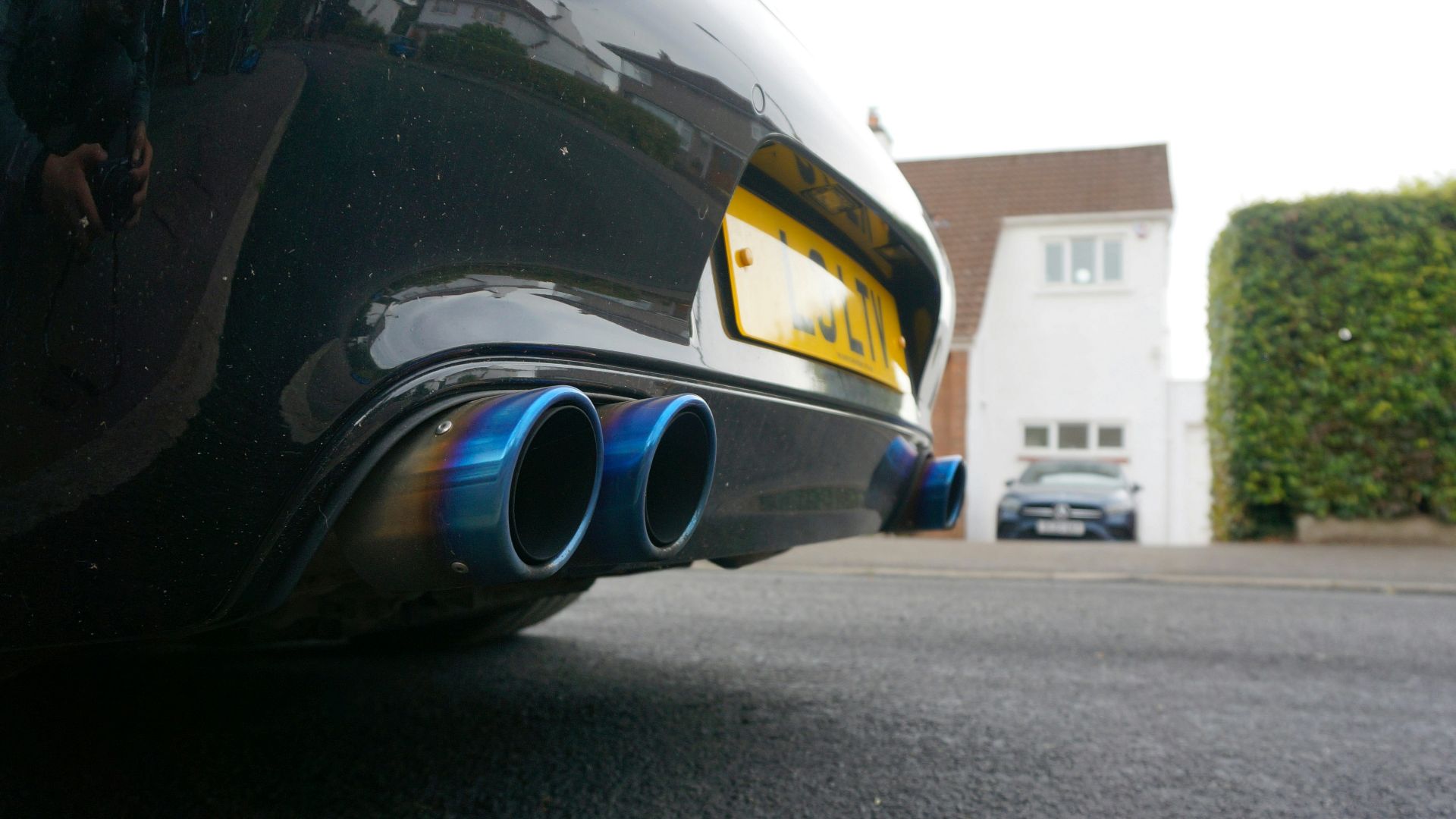
At the heart of Dieselgate was software built to detect when a car was being tested for emissions. During those tests, the engine would switch into a cleaner operating mode. Once the car returned to normal driving, emissions controls were reduced, and pollution levels could jump far beyond legal limits.
Why That Was Such A Big Deal
This was not a minor technical error or a harmless loophole. Regulators set emissions rules to limit harmful pollutants, especially nitrogen oxides, which can damage air quality and public health. If a car only behaves well in a test lab, then the whole approval system starts to look shaky.
 Anastasiia Chepinska, Unsplash
The Discovery That Started It All
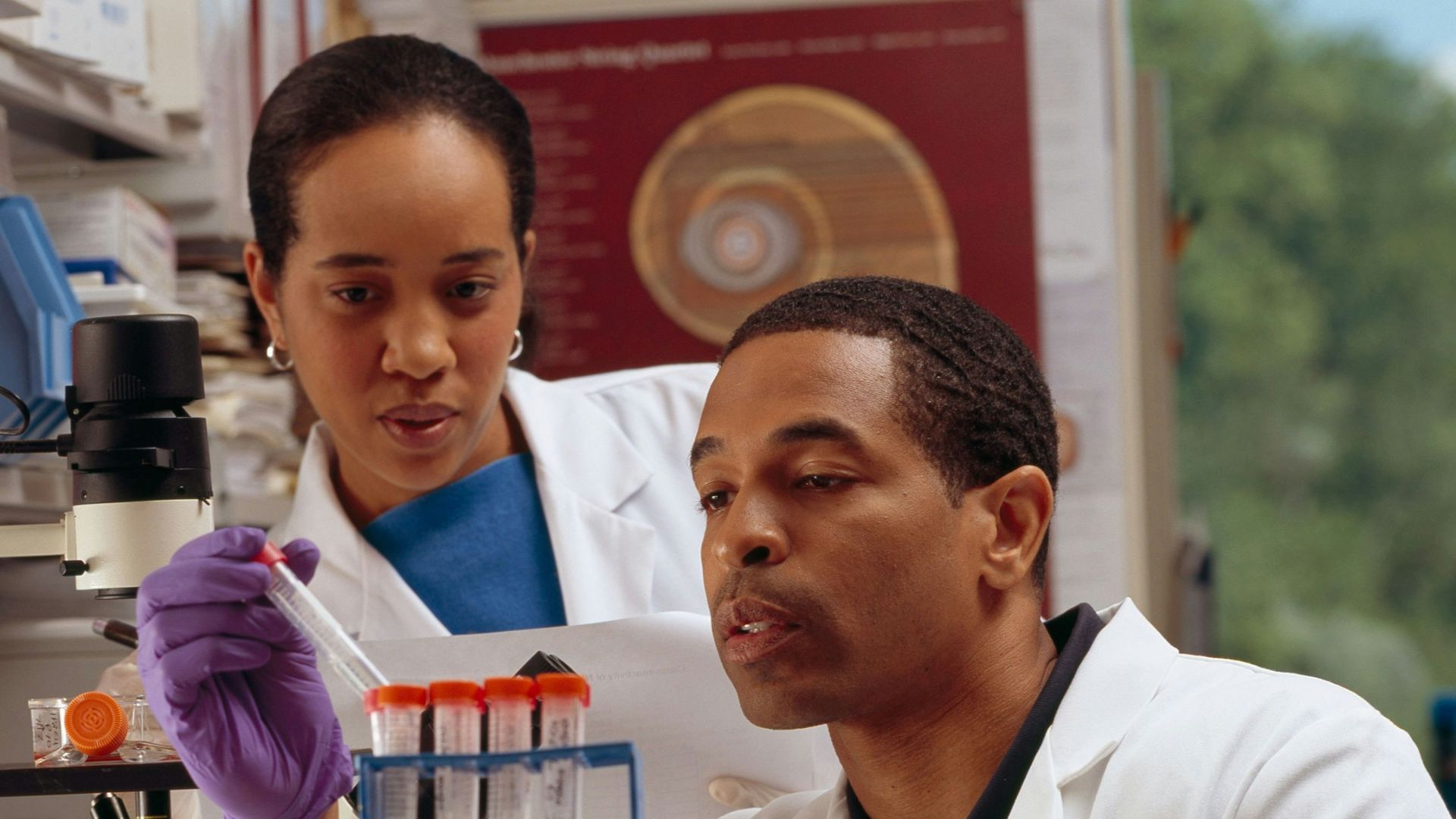
The scandal did not begin with a dramatic movie-style leak. Instead, researchers began noticing a strange gap between lab results and real-world emissions. Independent testing showed that some diesel Volkswagens were producing far more pollution on the road than their official figures suggested. That raised an obvious question: why?
 National Cancer Institute, Unsplash
Cracks In The Story
At first, the differences could have been explained away as engineering quirks or testing variations. But the numbers were too large to ignore. Regulators and investigators kept digging, and the more they examined the cars, the harder it became for Volkswagen to maintain that something innocent was going on.

The Moment Everything Exploded
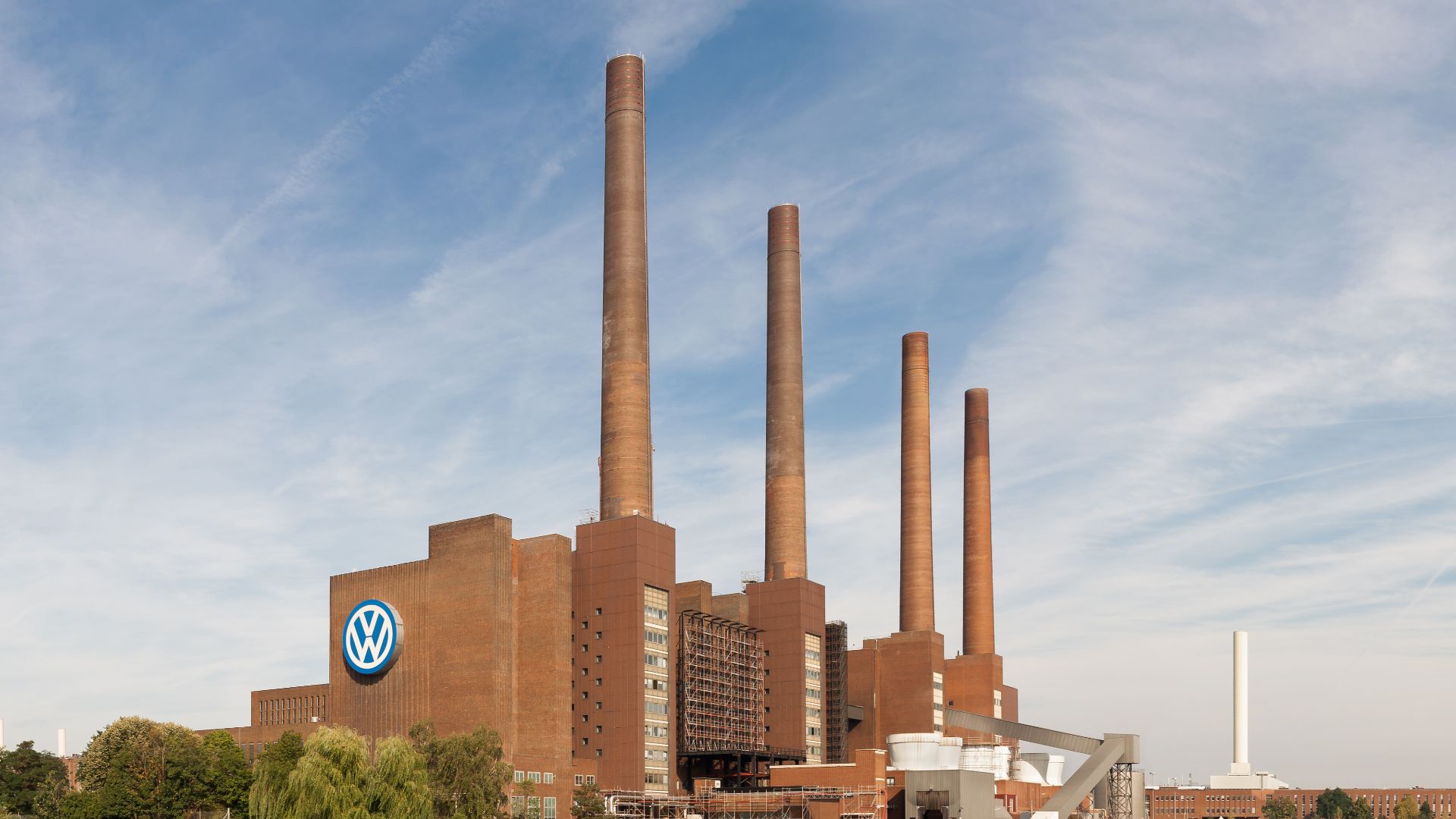
In 2015, the scandal burst into public view. Suddenly, Volkswagen was no longer talking about clean diesel innovation. It was facing allegations that it had intentionally used cheating software. What had been a proud marketing advantage turned into a full-blown corporate nightmare almost overnight, and headlines spread around the world.
 Richard Bartz, Wikimedia Commons
The Word Everyone Remembers
The phrase “defeat device” quickly became one of the most famous terms in modern automotive history. It sounds almost cartoonish, but the meaning was deadly serious. It referred to technology designed to help vehicles pass emissions tests while hiding what they were actually doing during everyday driving.
 Airbunny at Chinese Wikipedia, Wikimedia Commons
A Global Brand Under Fire
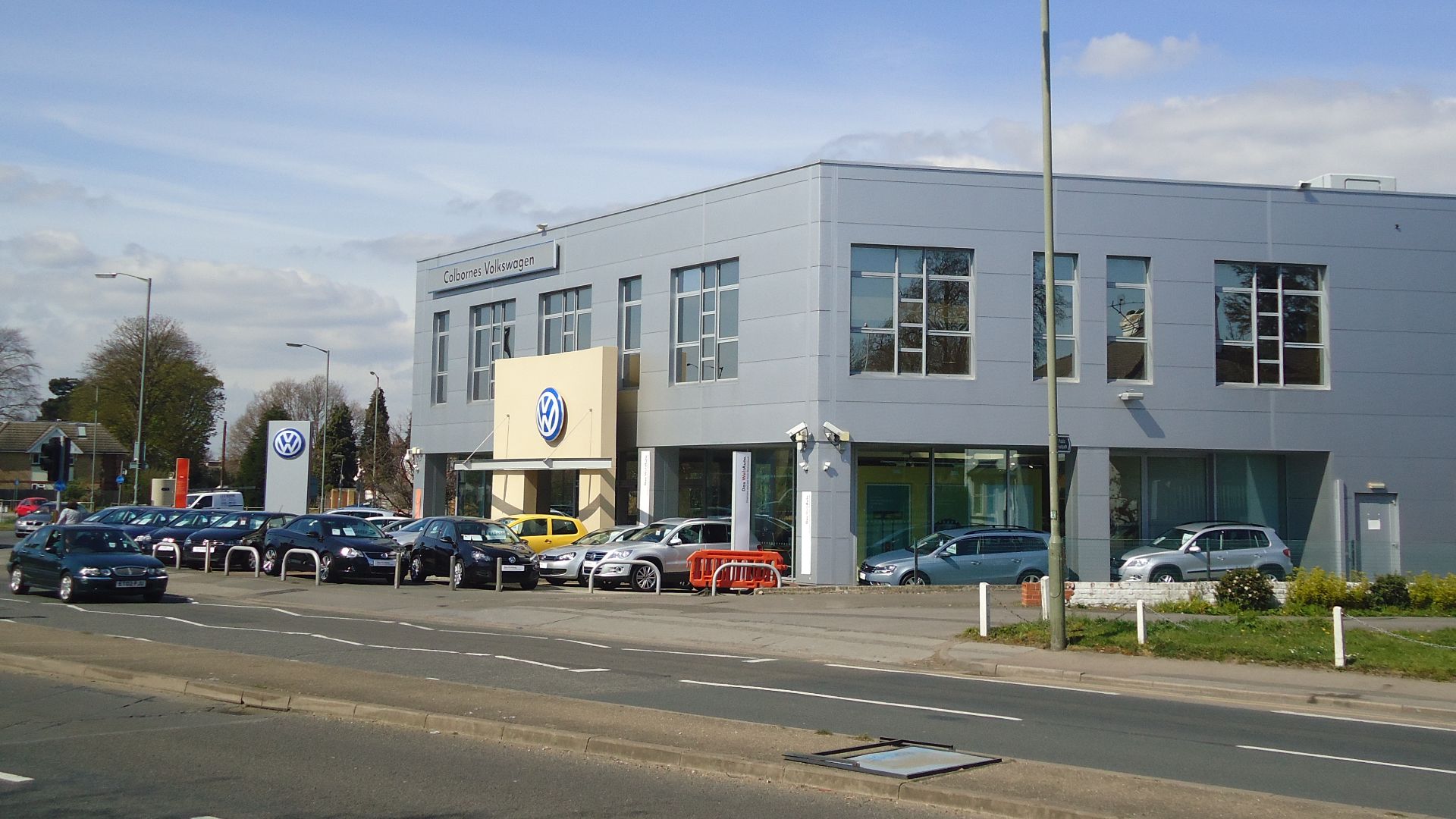
Volkswagen was not some tiny niche manufacturer caught bending the rules. It was one of the biggest and most respected automakers on the planet. That made the scandal even more shocking. When an industry giant gets caught cheating, the fallout is bigger, louder, and far more damaging.
 Stacey Harris , Wikimedia Commons
Customers Felt Betrayed
Many buyers were furious, and understandably so. They had chosen diesel Volkswagens because they believed the clean-diesel promise. Some paid extra for that technology. They thought they were making a practical and environmentally responsible choice. Instead, they learned they had been sold a carefully polished story built on false claims.

Regulators Came Down Hard
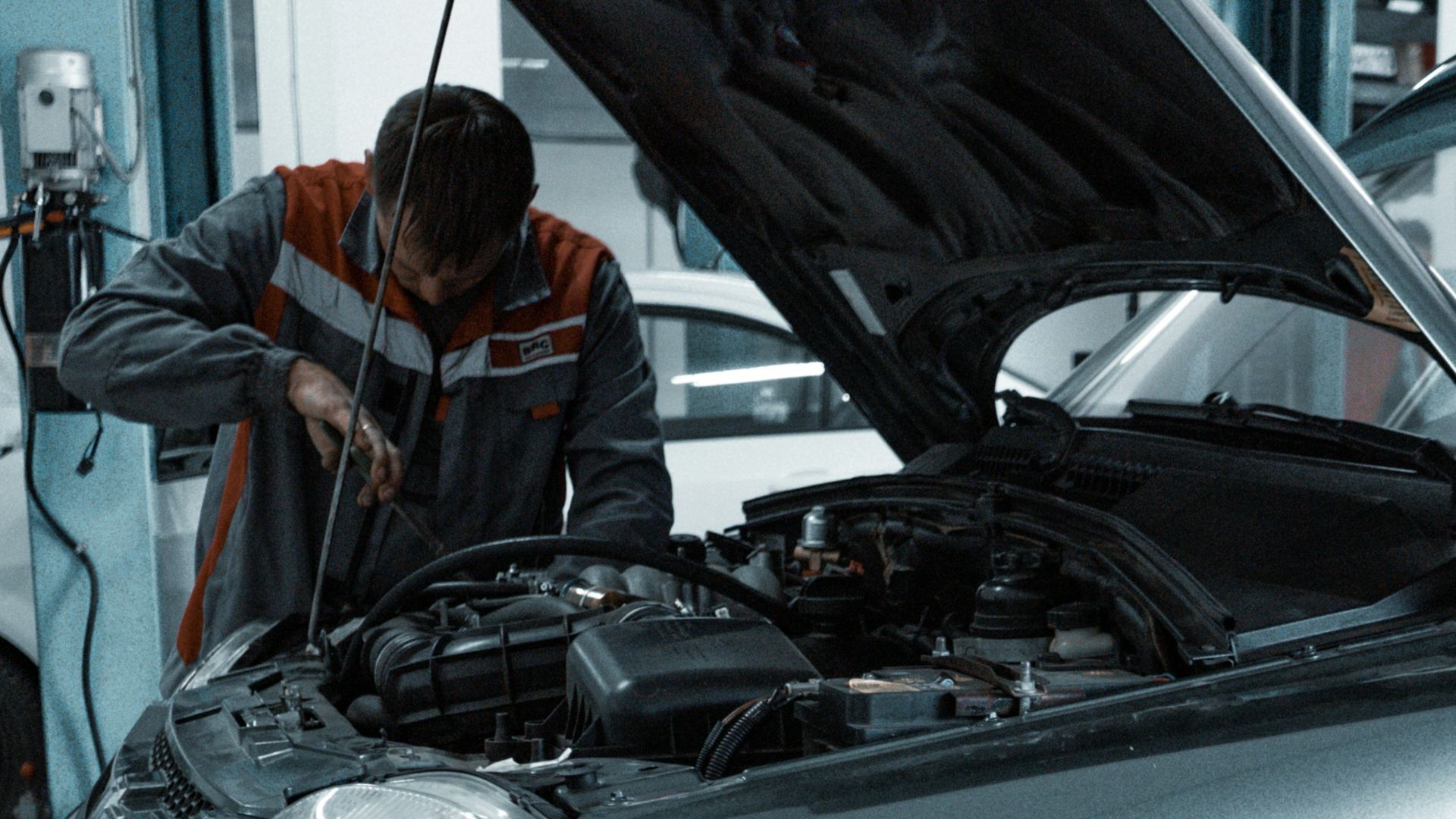
Once the truth started coming out, regulators moved quickly. Investigations widened, recalls followed, and Volkswagen faced intense legal pressure in multiple countries. What began as an emissions issue soon became a financial and political disaster. The company was forced into a long, painful, and very public reckoning.

Billions Began To Disappear
Dieselgate was not just embarrassing. It was expensive on a scale that would make any executive break into a cold sweat. Fines, settlements, buybacks, repairs, legal fees, and damage to the brand added up to staggering losses. The cost of cheating turned out to be far greater than the cost of compliance.
Executives Faced Serious Consequences
The scandal did not stop at corporate apologies. Senior figures at Volkswagen came under heavy scrutiny, and several executives and managers were investigated or charged. That mattered because Dieselgate showed the world that a scandal this large does not happen through magic. Decisions are made by people.

Volkswagen’s Reputation Took A Hit
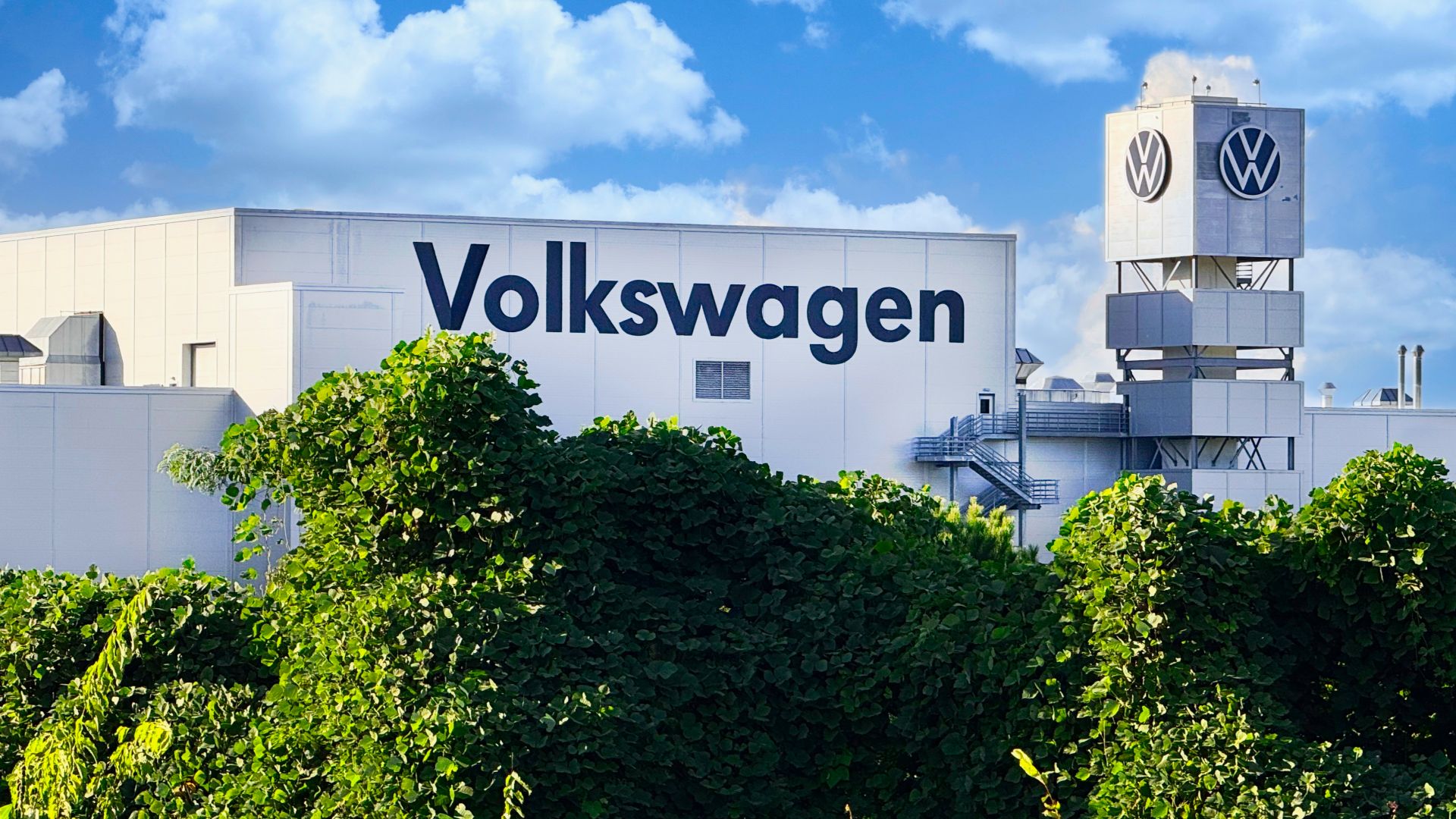
Before Dieselgate, Volkswagen’s image was built on sensible engineering, quality, and trust. Afterward, that image was badly bruised. Even people who did not own a VW knew the name of the scandal. That is when you know a corporate mess has escaped the business pages and entered pop culture.
 Harrison Keely, Wikimedia Commons
Diesel’s Image Collapsed Too
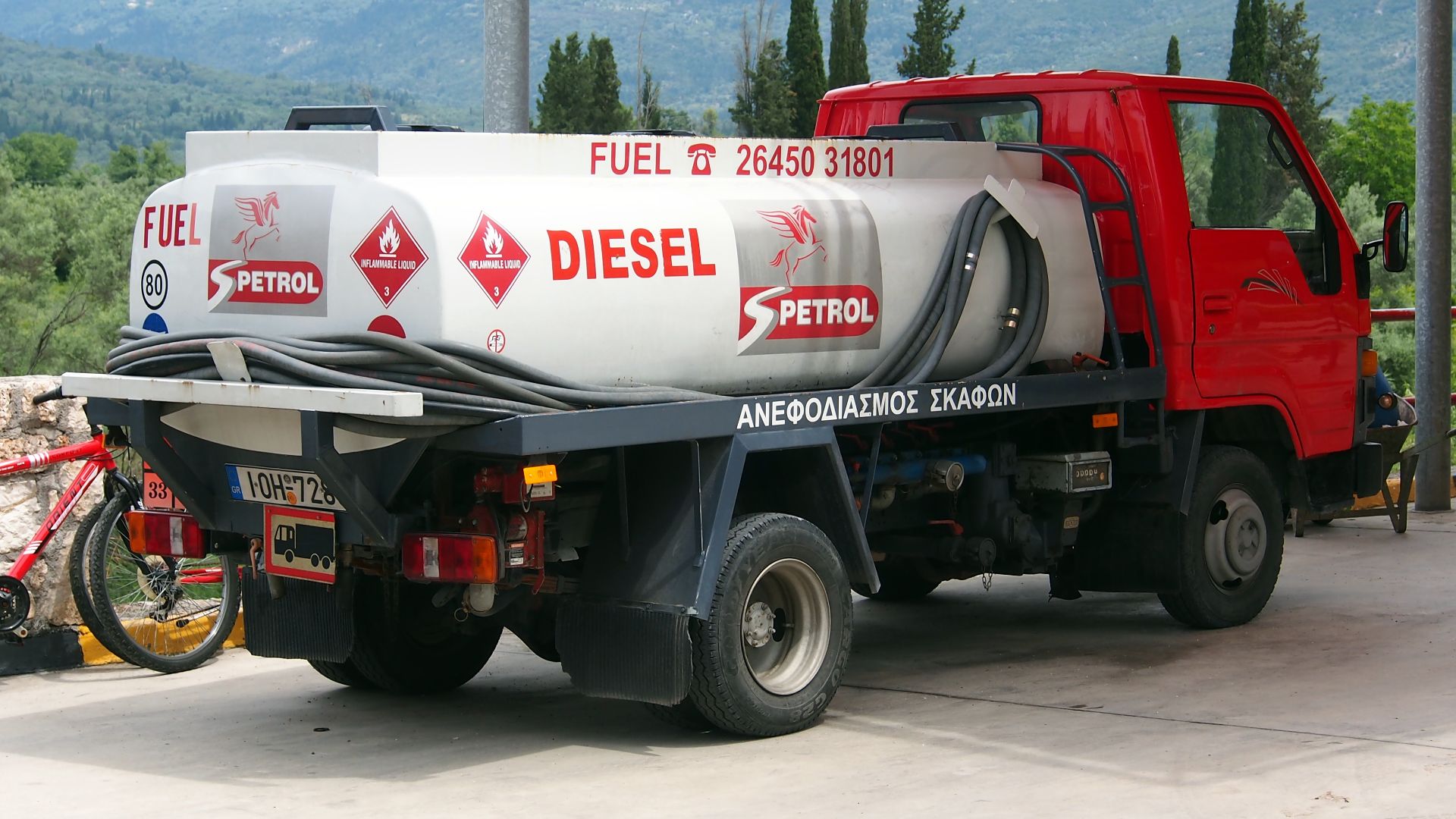
Volkswagen was the main character in Dieselgate, but diesel itself also took a beating. Public trust in diesel technology fell sharply, especially in markets where it had once been popular. Suddenly, diesel was no longer the clever answer. It became the thing people side-eyed at the dealership.
 Alf van Beem, Wikimedia Commons
Other Carmakers Got Nervous
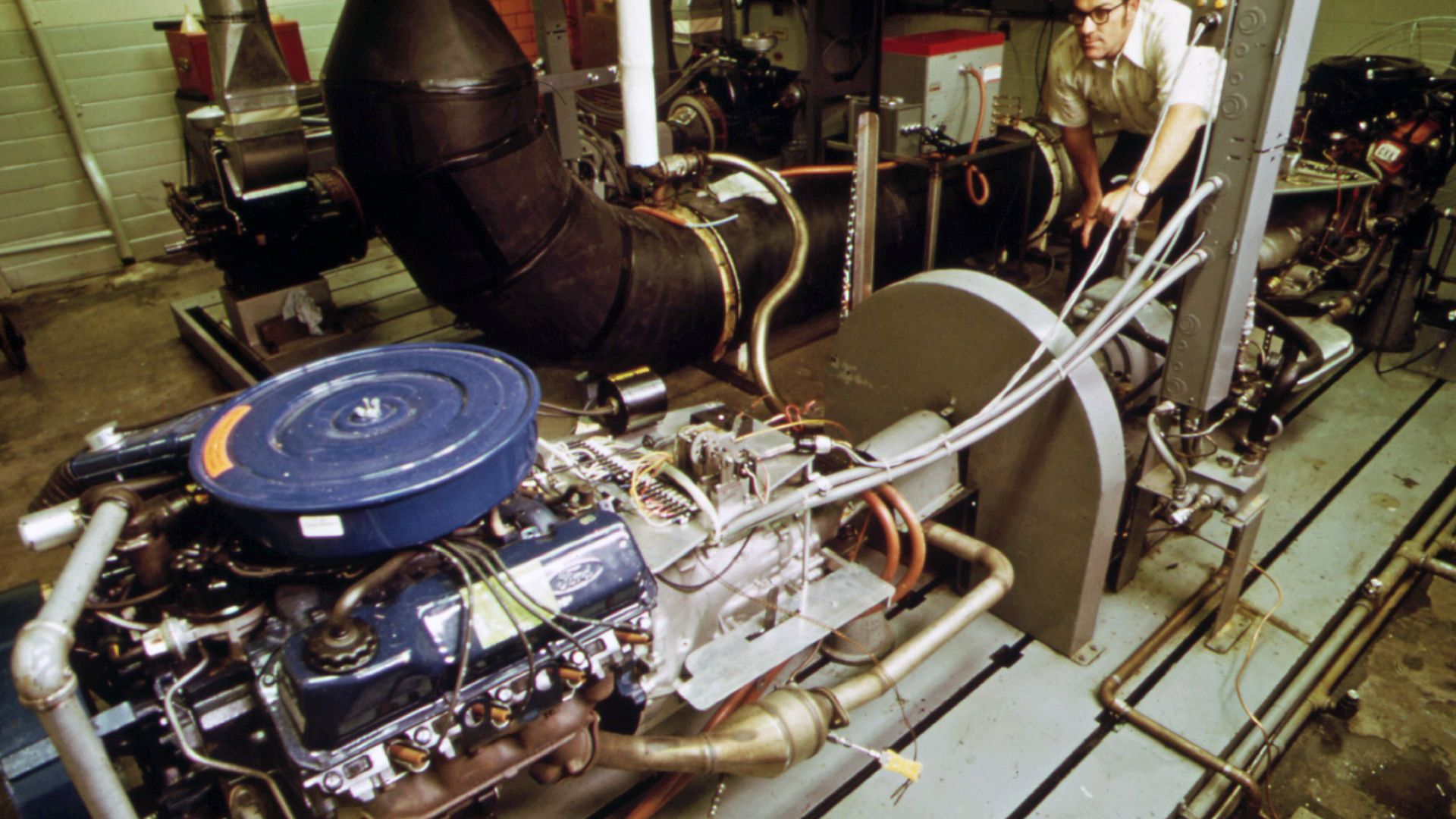
The scandal sent shockwaves through the entire auto industry. Regulators began paying closer attention to emissions testing everywhere, and rival automakers knew they could be next under the microscope. Even brands not directly involved had to deal with a more suspicious public and a much tougher regulatory environment.
 Tom Hubbard, Wikimedia Commons
Testing Changed Forever
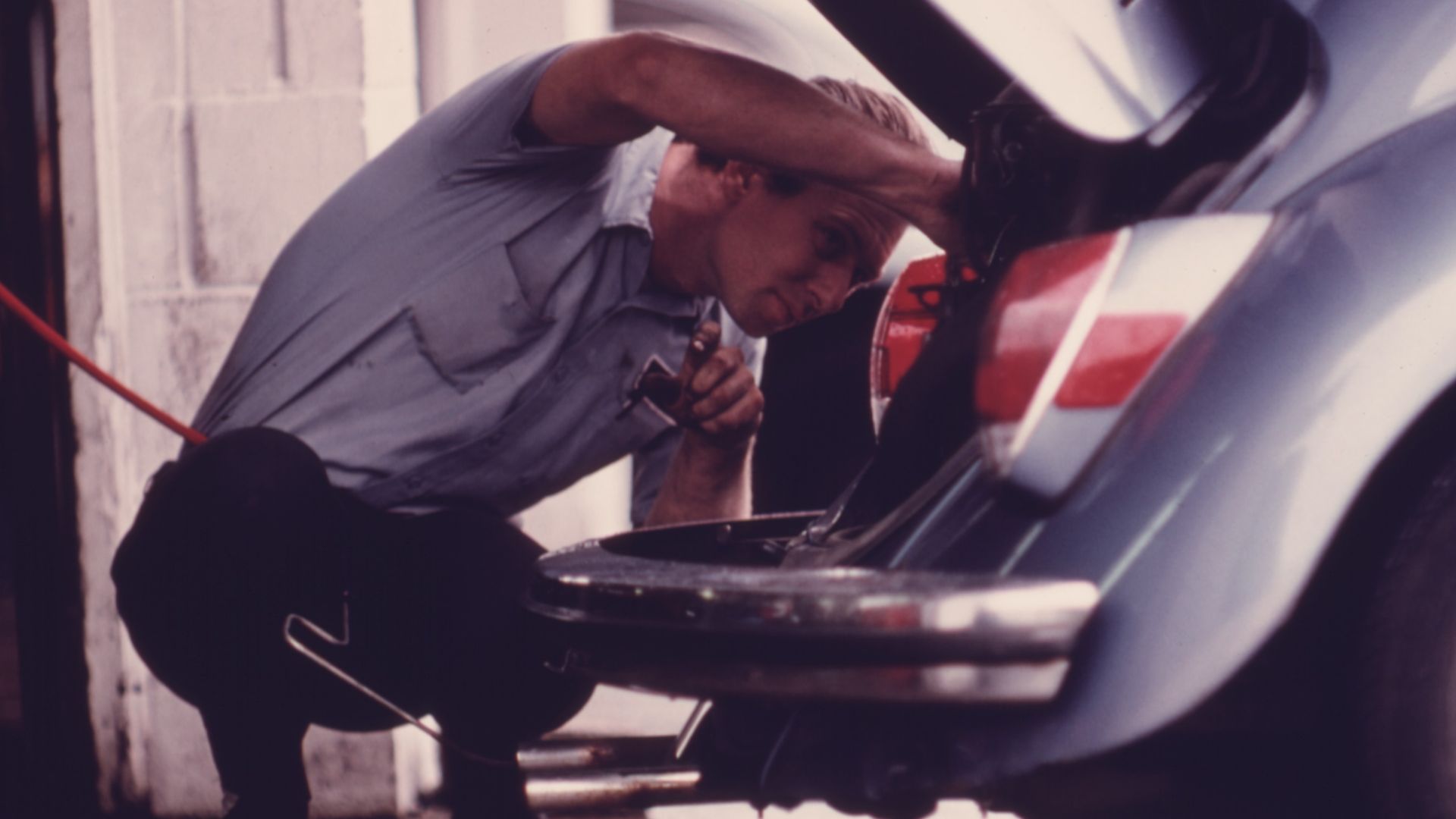
One of Dieselgate’s biggest effects was what happened after the headlines cooled. Emissions testing procedures became more demanding, with greater focus on real-world driving rather than perfectly controlled lab conditions. That was a direct result of the scandal. The system had been fooled once, and regulators were not eager to repeat that mistake.
 Lyntha Scott Eiler, Wikimedia Commons
The Engineering Irony
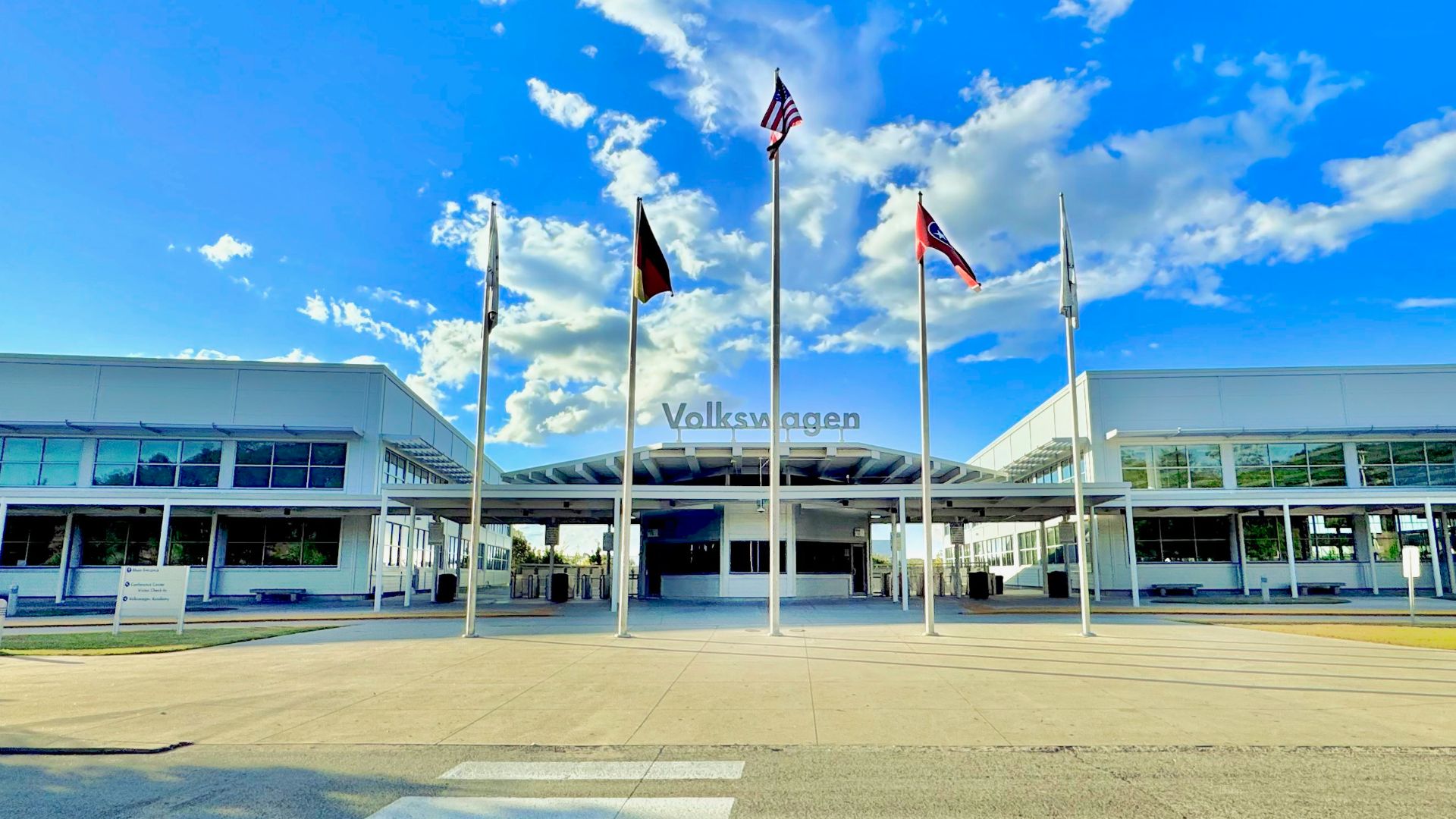
Perhaps the strangest part of Dieselgate is that Volkswagen had a reputation for technical excellence. This was a company admired for clever design and sharp engineering. Yet some of that brilliance was used in the worst possible way: not to solve the problem honestly, but to hide it convincingly.
 Harrison Keely, Wikimedia Commons
Was It Worth It?
That question hangs over the whole story. Was short-term sales success worth the damage to a global brand, the legal fallout, and the public humiliation? The obvious answer is no. Dieselgate became a textbook example of what happens when a company chases wins and forgets the consequences.
 Brian Snelson, Wikimedia Commons
The Human Side Of The Scandal
Behind the legal language and engineering jargon were ordinary people: customers, workers, dealers, and communities breathing polluted air. Scandals can feel abstract when the numbers get huge, but this one had real effects. It was about trust, health, money, and the belief that rules should mean something.

Volkswagen Tried To Move Forward
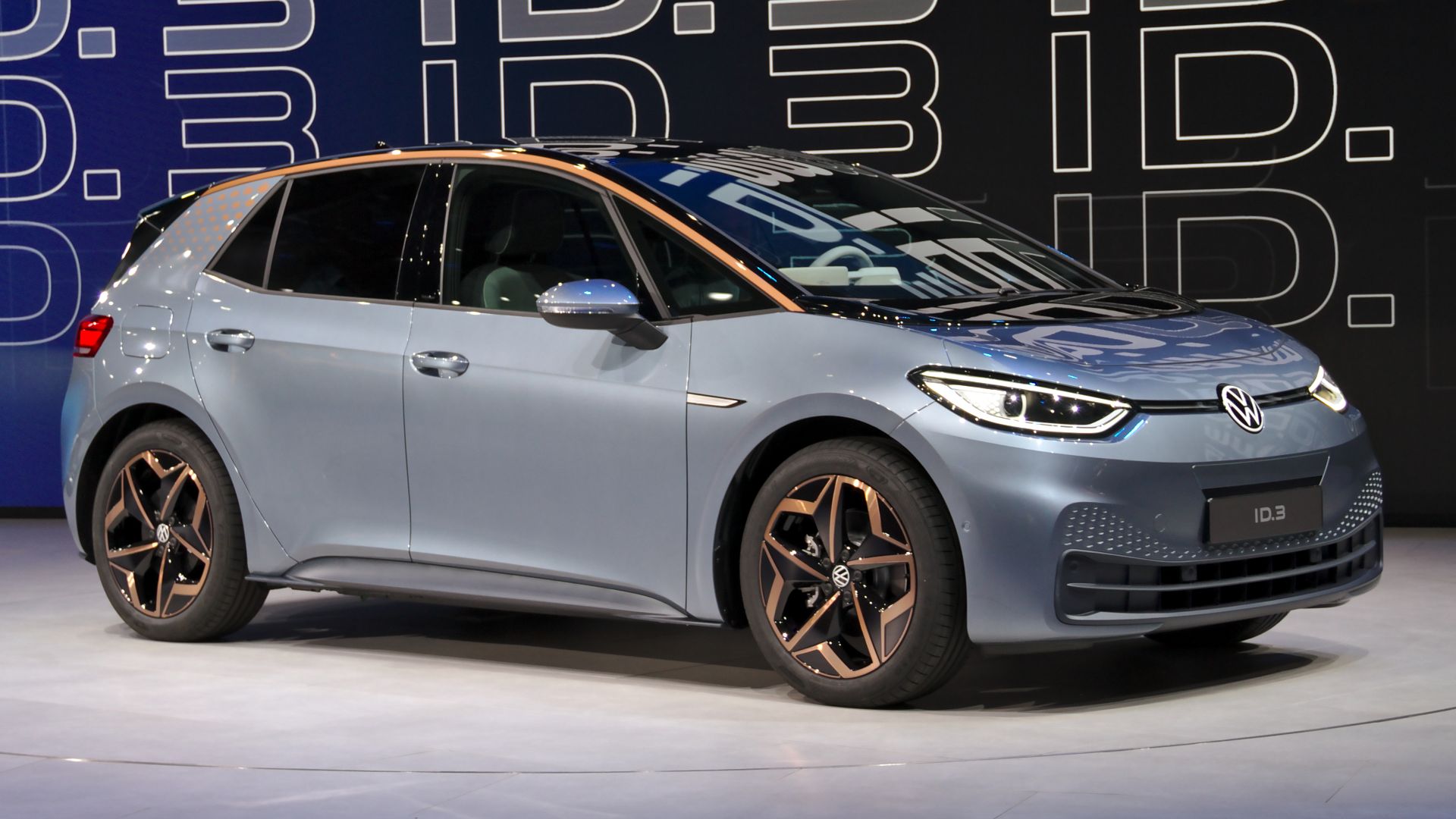
After the scandal, Volkswagen worked hard to rebuild its image. It poured energy into damage control, public apologies, and a future focused more heavily on electric vehicles. The company clearly understood one thing: after Dieselgate, it could not simply go back to business as usual and hope everyone forgot.
 Alexander Migl, Wikimedia Commons
Electric Cars Became Part Of The Redemption Arc
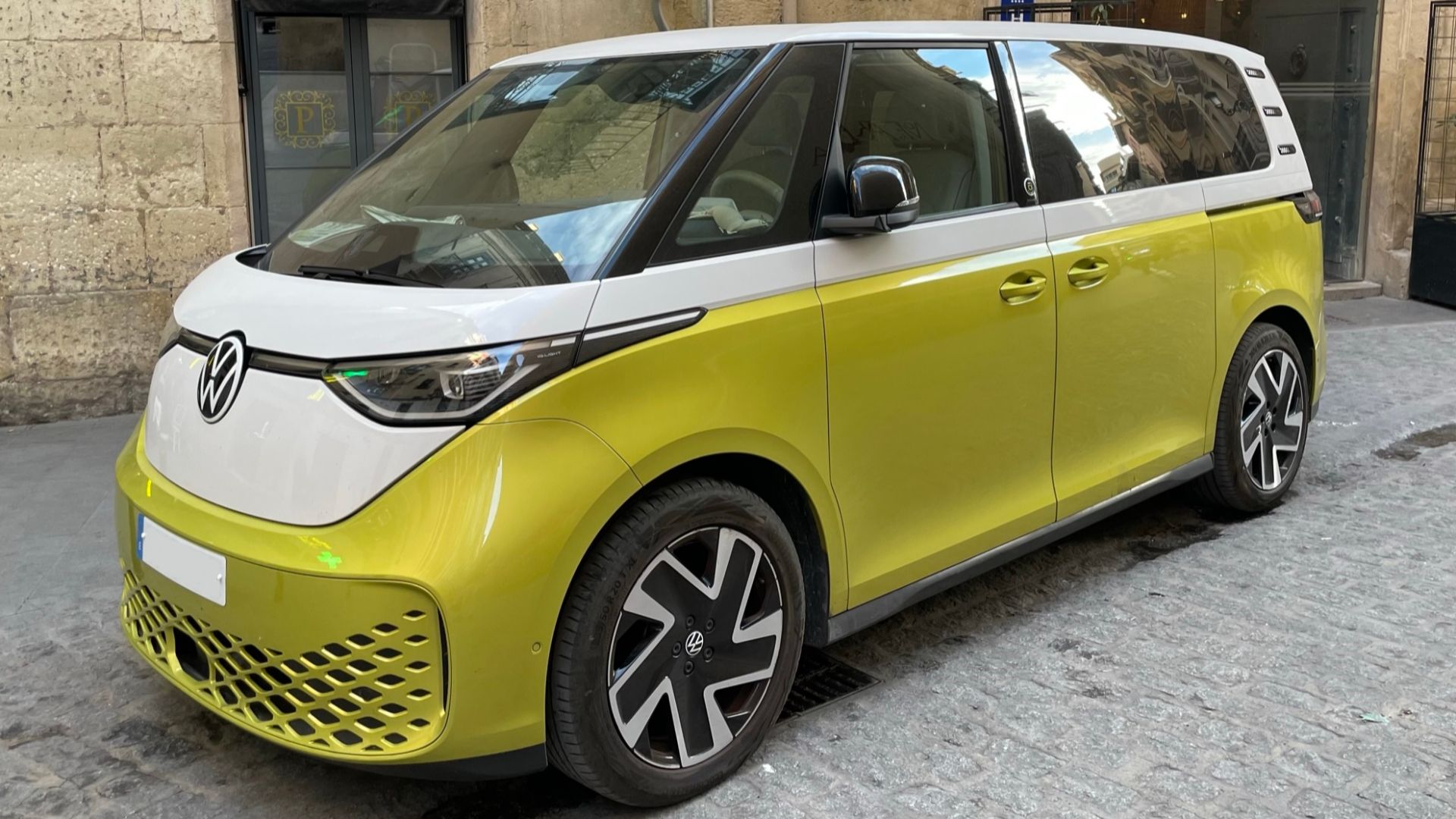
In a strange twist, Dieselgate helped push Volkswagen harder toward electrification. The company began presenting electric vehicles as part of a cleaner, more forward-looking future. Cynics rolled their eyes, of course, but the shift was still significant. Sometimes a scandal does not just damage a company; it forces reinvention.
Why Dieselgate Still Matters
This story still matters because it exposed weaknesses in regulation, testing, and corporate culture. It also reminded buyers that marketing claims should never be accepted blindly. Dieselgate was not just a Volkswagen scandal. It became a warning for the whole industry about what happens when image outruns honesty.

One Of The Biggest Car Scandals Ever
Automotive history has seen recalls, cover-ups, and bad decisions, but Dieselgate sits in a class of its own. It combined corporate ambition, clever software, environmental harm, and global embarrassment into one massive scandal. It was dramatic, expensive, and impossible to ignore, which is exactly why people still talk about it.
 Santeri Viinamäki, Wikimedia Commons
The Lasting Lesson
Volkswagen Dieselgate was more than a cheating scandal. It was a trust-crushing moment that shook the auto industry, damaged diesel’s reputation, and changed emissions testing around the world. Long after the headlines faded, the lesson remained painfully clear: in the car business, clever engineering means nothing if honesty is missing.
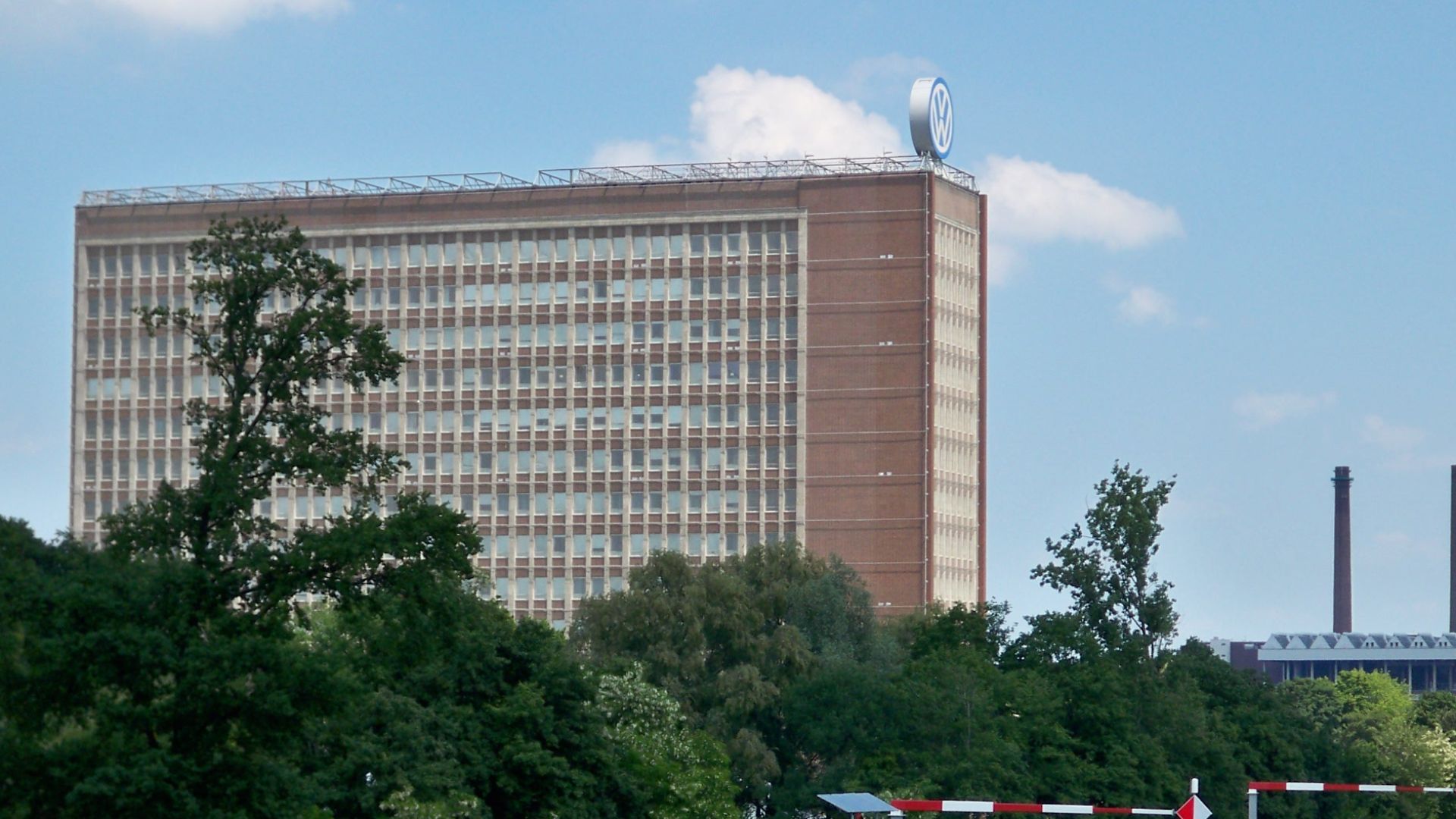 Vanellus Foto, Wikimedia Commons
You May Also Like: