
Worth The Chase
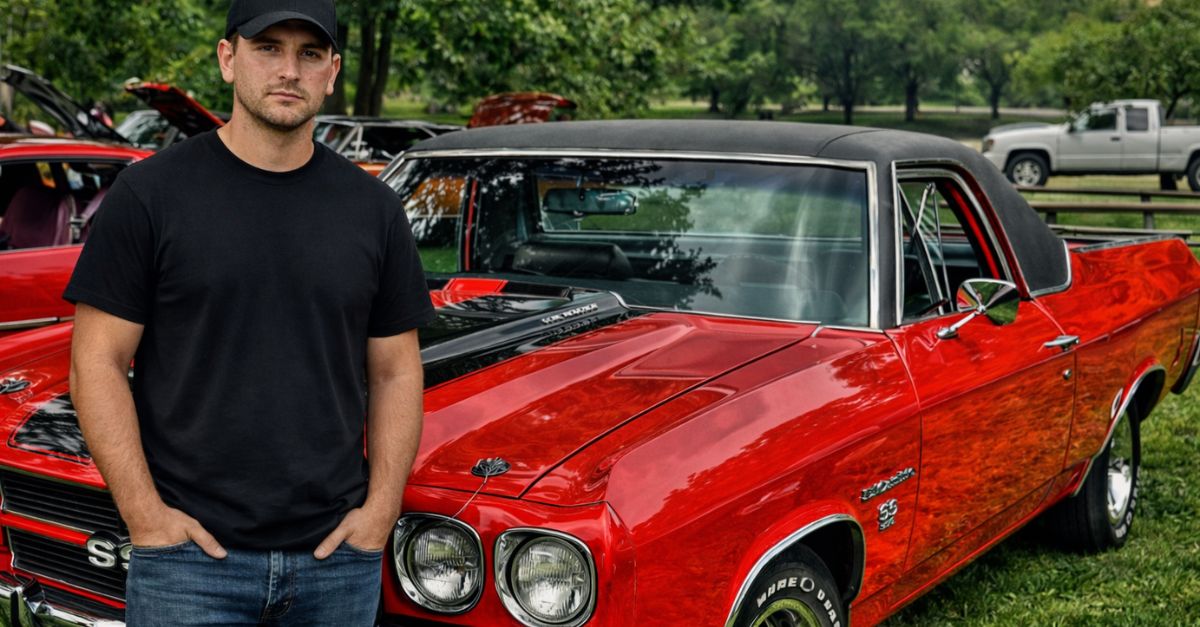
Some cars get forgotten. Chevrolet's greatest muscle cars did not. The names alone still carry serious weight in collector circles, and the prices these machines command today prove that great engineering never goes out of style.
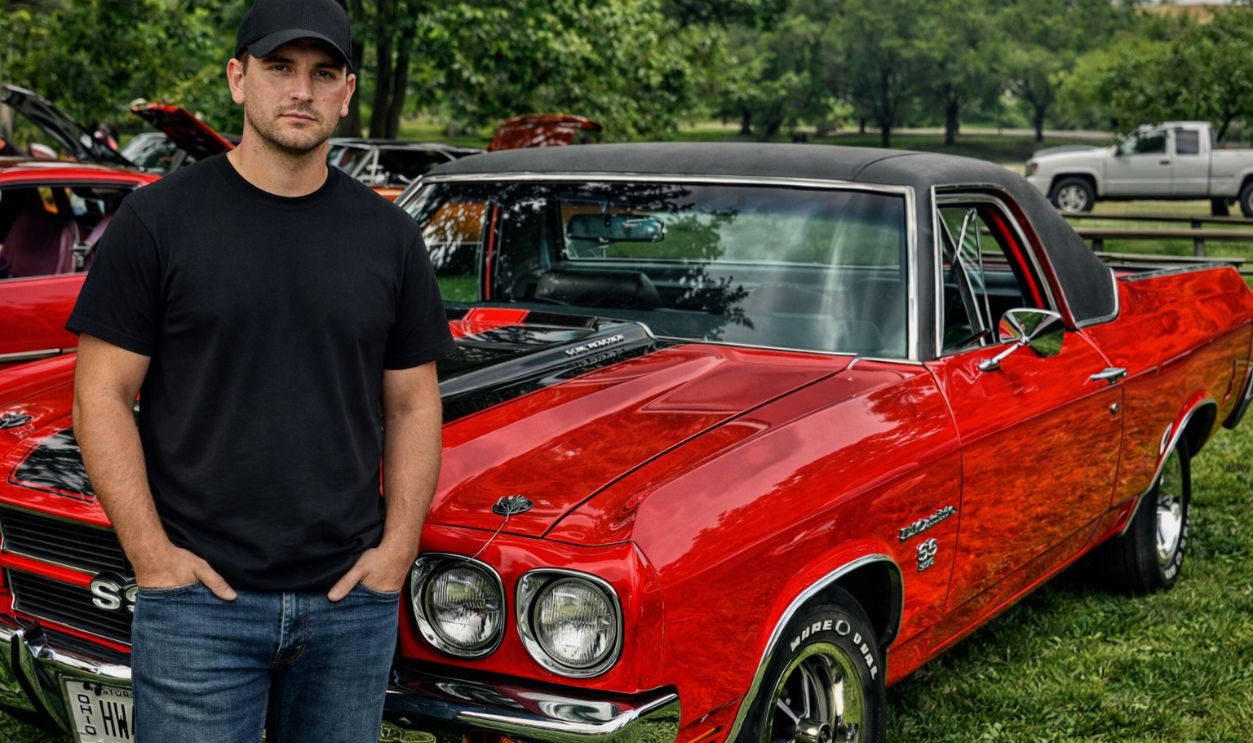 Don O'Brien, Wikimedia Commons, Modified
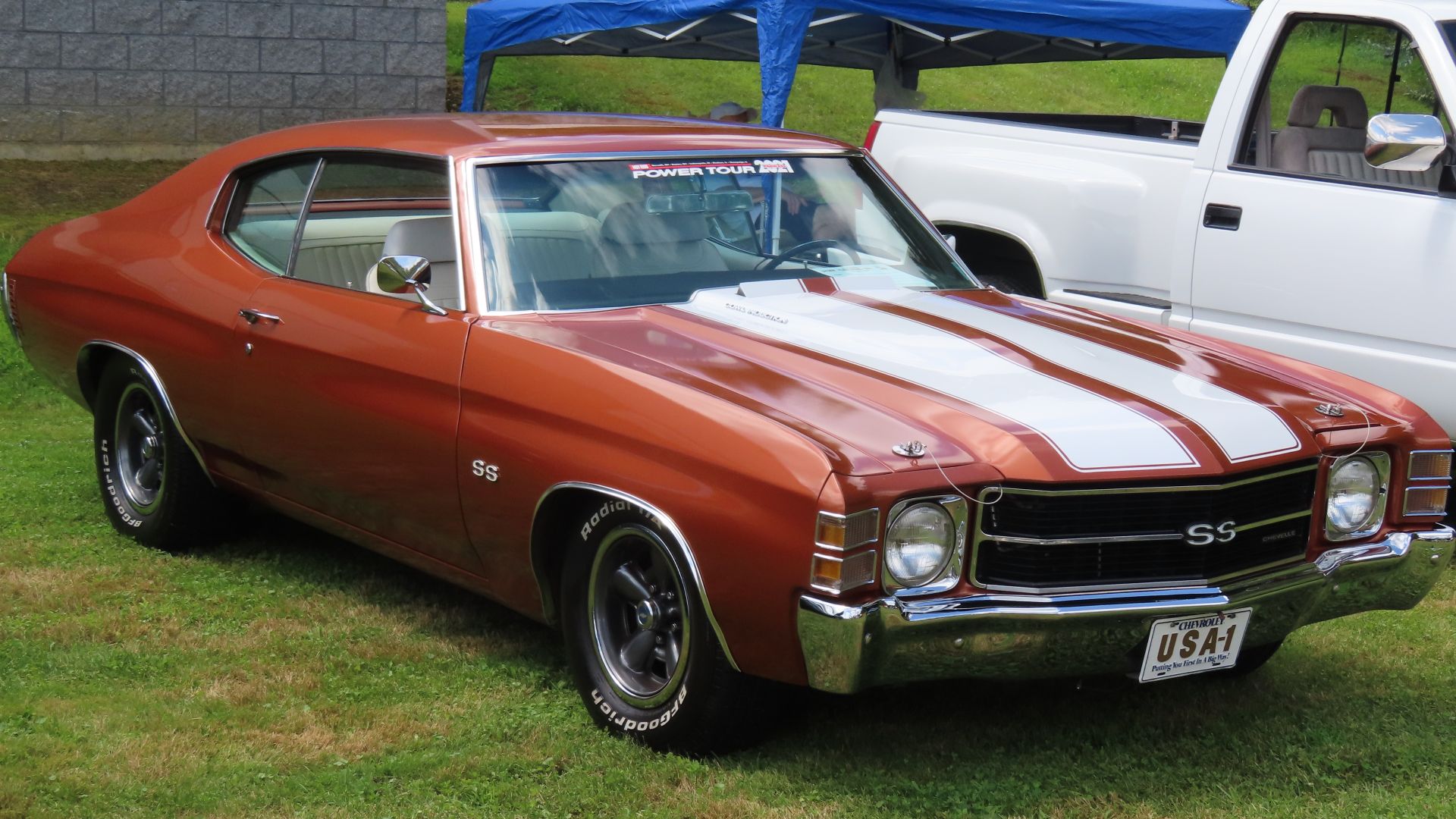
1971 Chevrolet Chevelle SS 454 ($55,000–$95,000)
By 1971, the muscle car era was already breathing its last, and the Chevelle SS 454 knew it. With the legendary LS6 gone from the options sheet, the LS5 stepped up as the last true big-block king, pumping out 365 gross horsepower at 4,800 RPM.
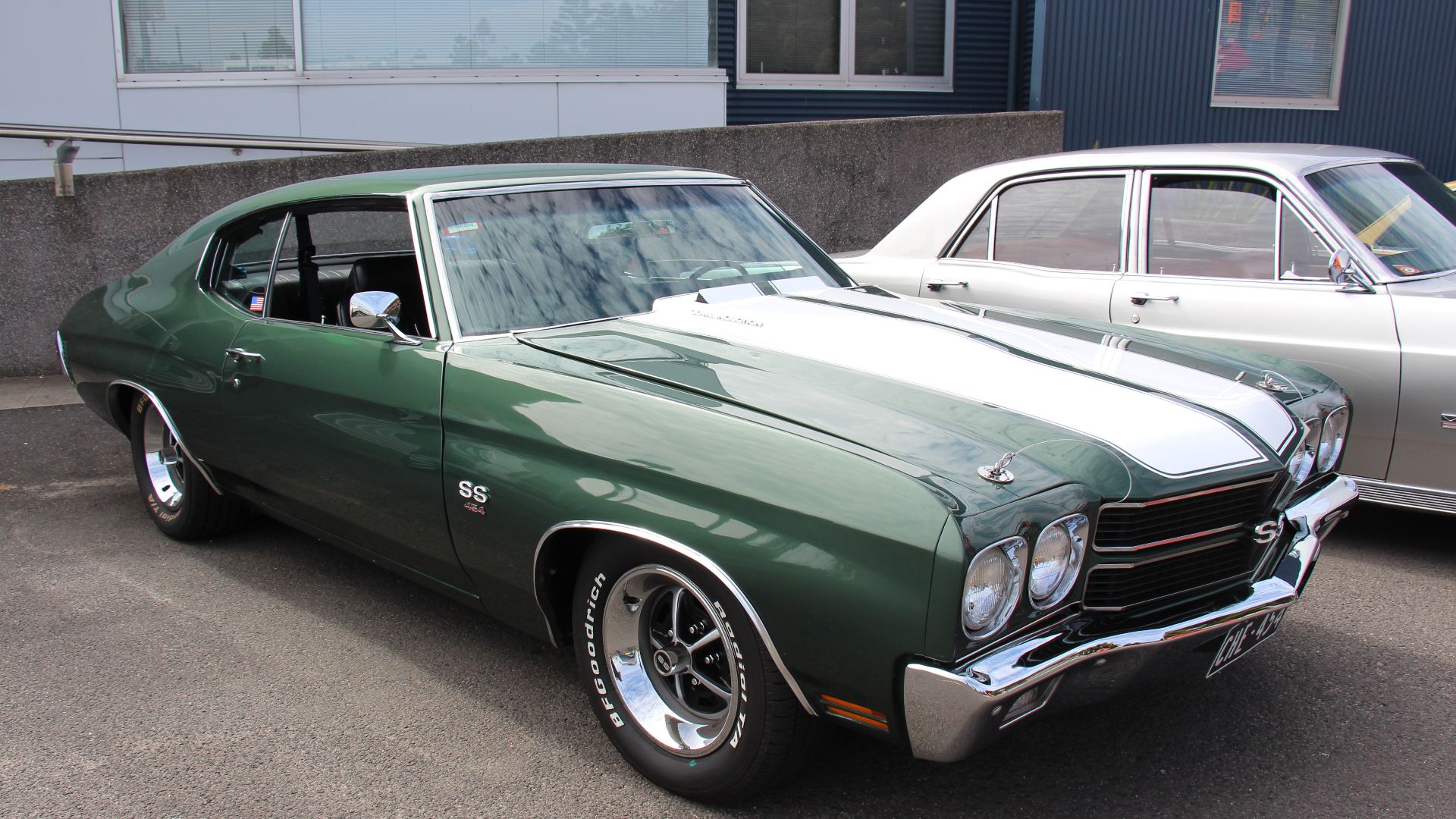
1971 Chevrolet Chevelle SS 454 (Cont.)
Sitting on a 112-inch wheelbase and tipping the scales at around 4,000 lbs, this wasn't a lightweight brawler. Only about 9,502 units rolled out with the LS5 that year, making it rarer than it looks. It hit 60 mph in roughly 6.0 seconds.
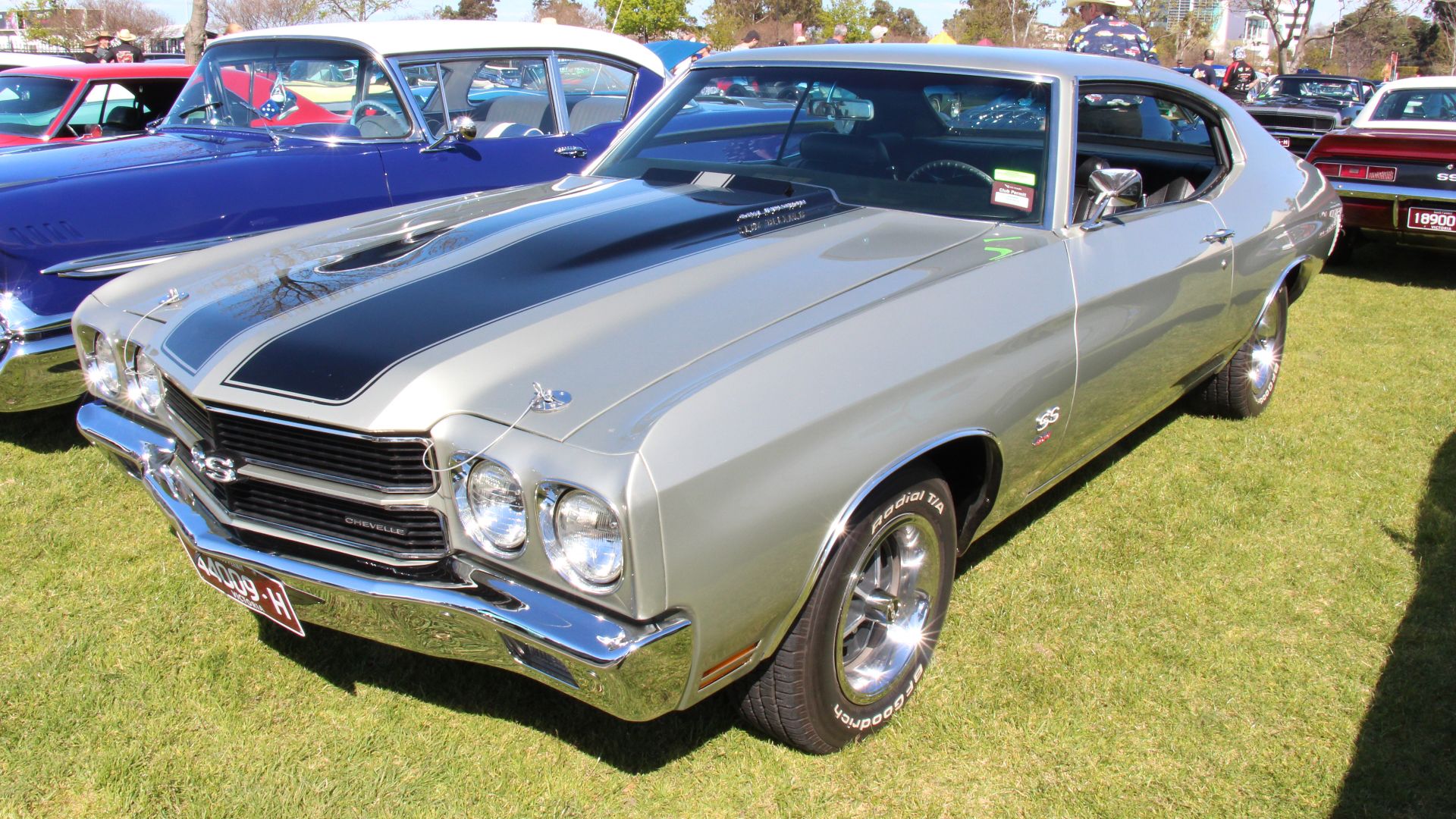
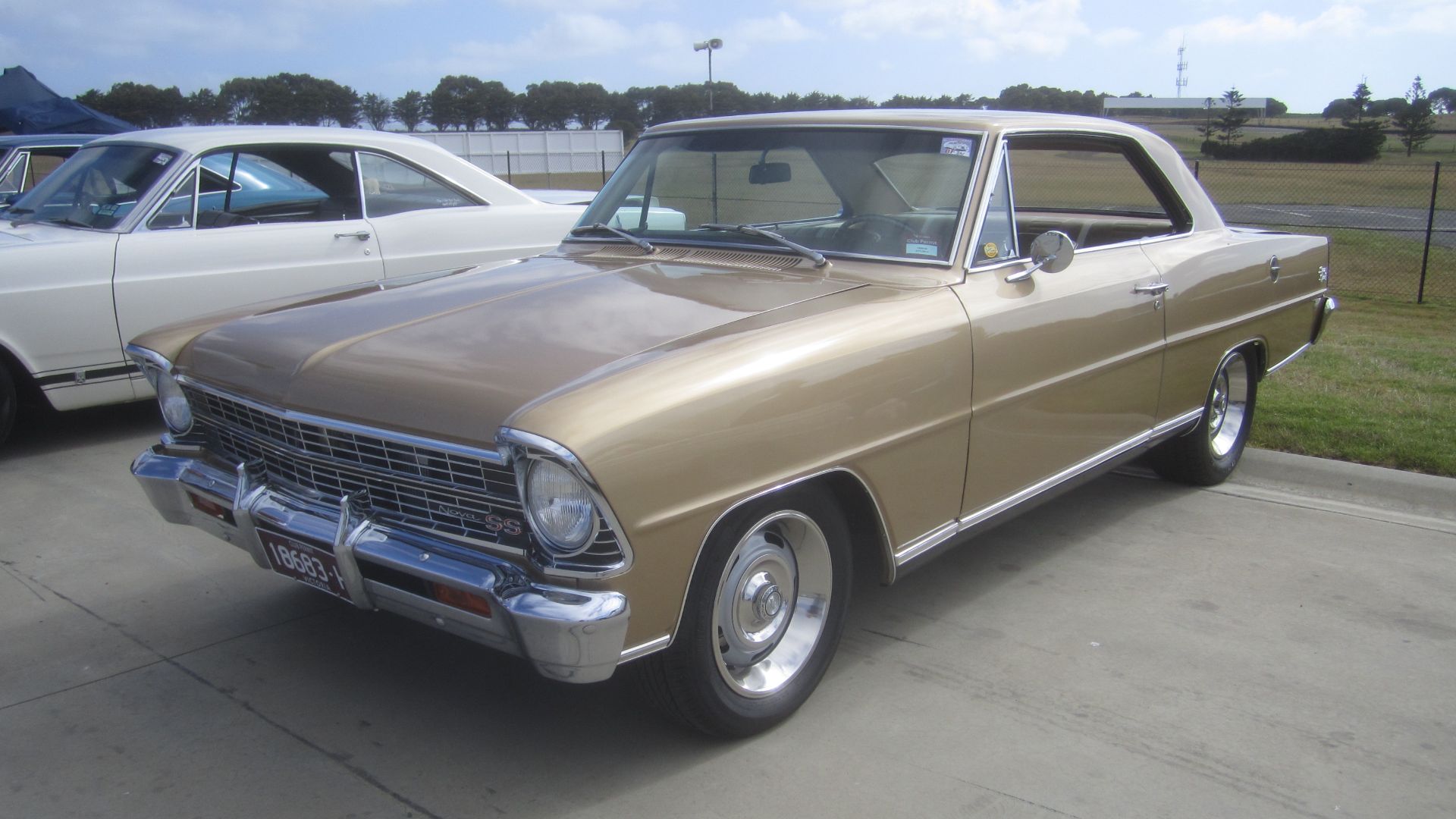
1967 Chevrolet Chevy II Nova SS 327 ($60,000–$180,000)
Don't let the compact body fool you. The 1967 Nova SS was a lightweight wrecking ball hiding behind a polite exterior. Weighing just 2,690 to 2,955 lbs on a 110-inch wheelbase, it was nimbler than virtually anything else in Chevy's performance lineup.
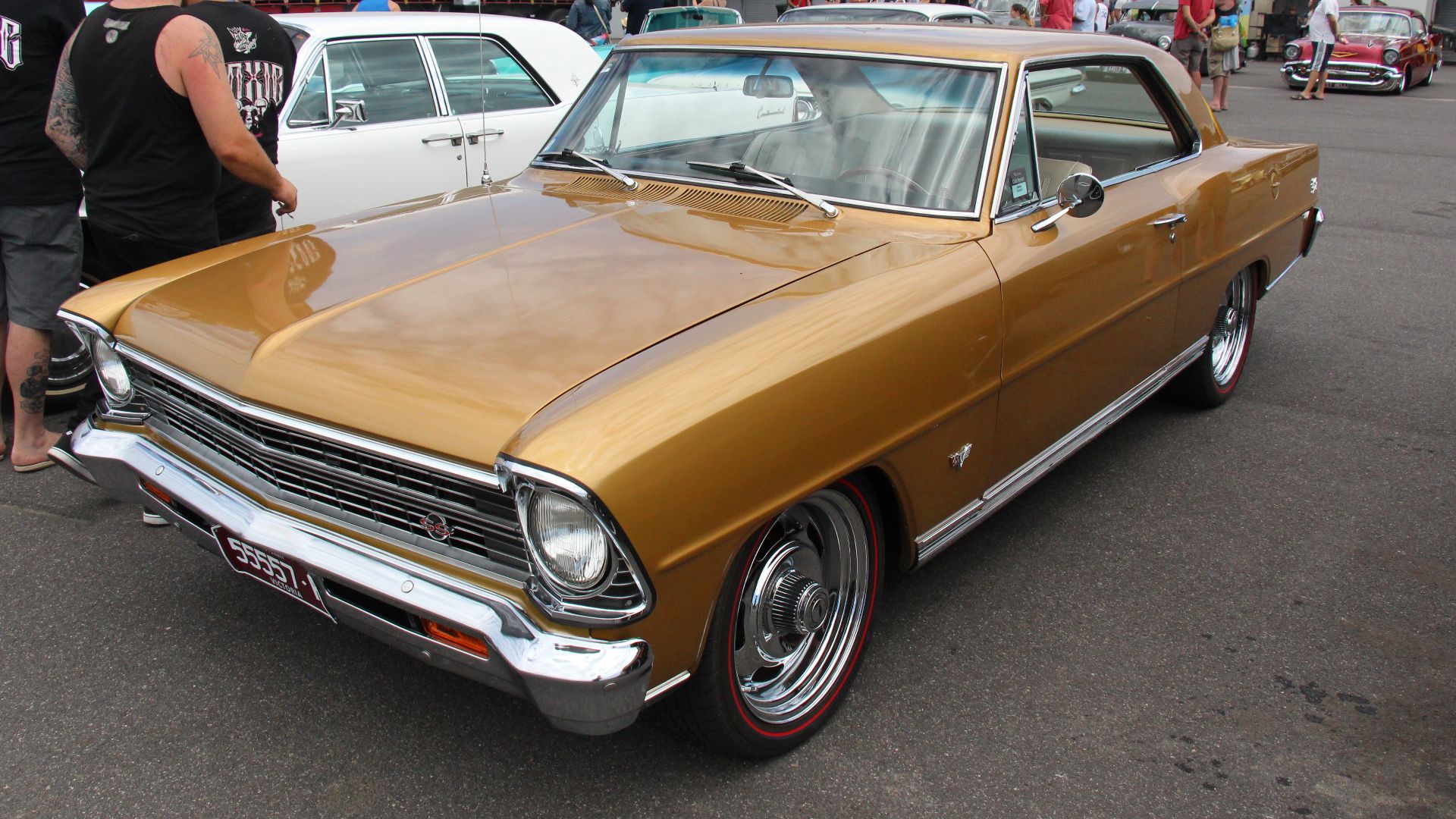
1967 Chevrolet Chevy II Nova SS 327 (Cont.)
What makes this one special is the exclusivity. Only about 10,100 Nova SS units were produced in 1967 out of roughly 106,500 total Chevy II and Nova models, making it a genuinely scarce find today. The quarter-mile fell in the mid-14s with a manual transmission.
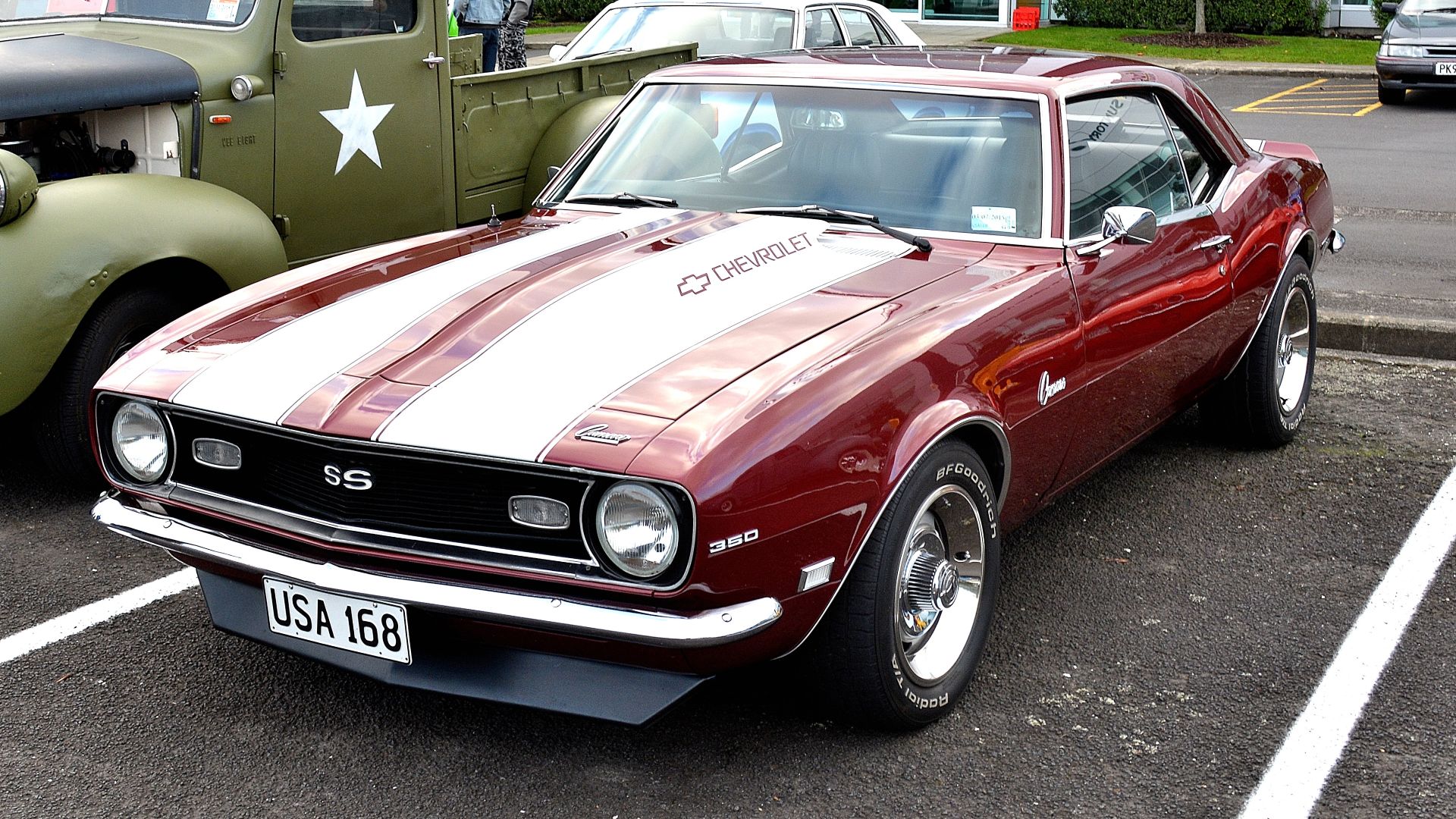
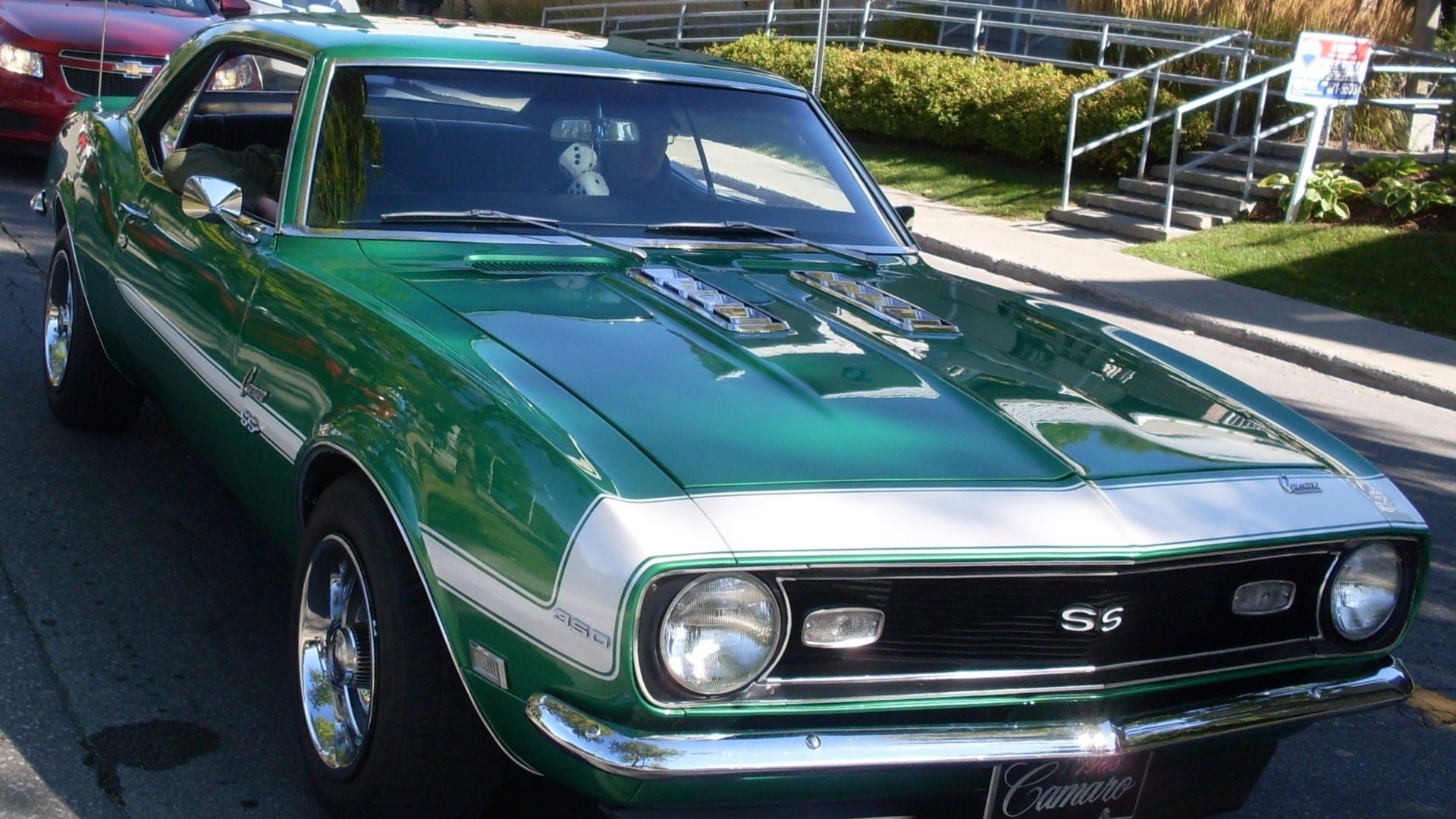
1968 Chevrolet Camaro SS ($35,000–$76,000)
The second-year Camaro had lessons learned and upgrades ready. Chevy refined the formula with side marker lights, an improved interior, and a broader engine menu that swelled to ten distinct options, though the SS package zeroed in on V8 muscle.
 GPS 56 from New Zealand, Wikimedia Commons
1968 Chevrolet Camaro SS (Cont.)
The introduction of the 396 was genuinely significant. It marked one of the first times a pony car platform carried a big-block engine straight from the factory, putting the 1968 SS in direct combat with the Mustang GT and Plymouth Barracuda Formula S.
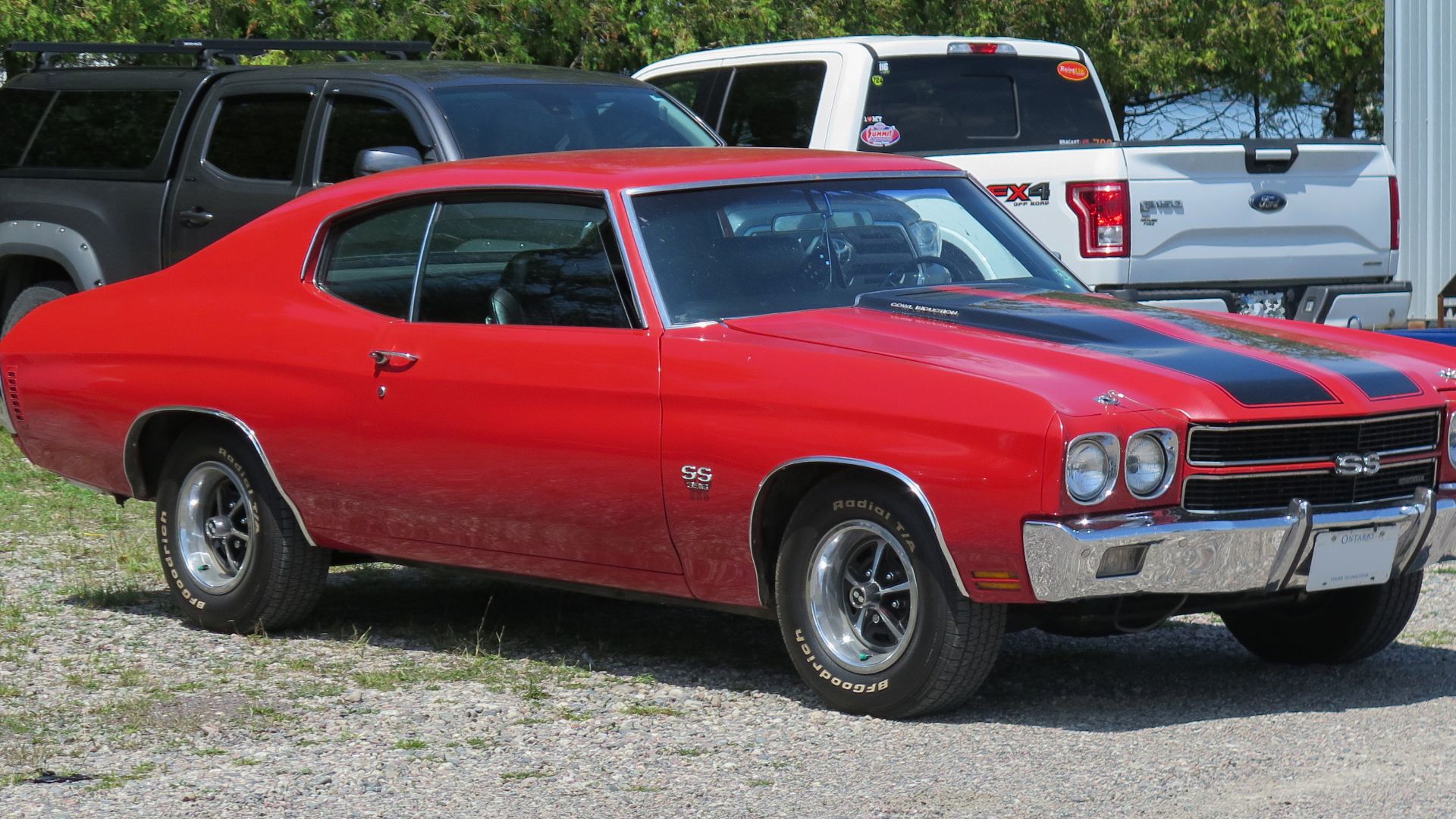
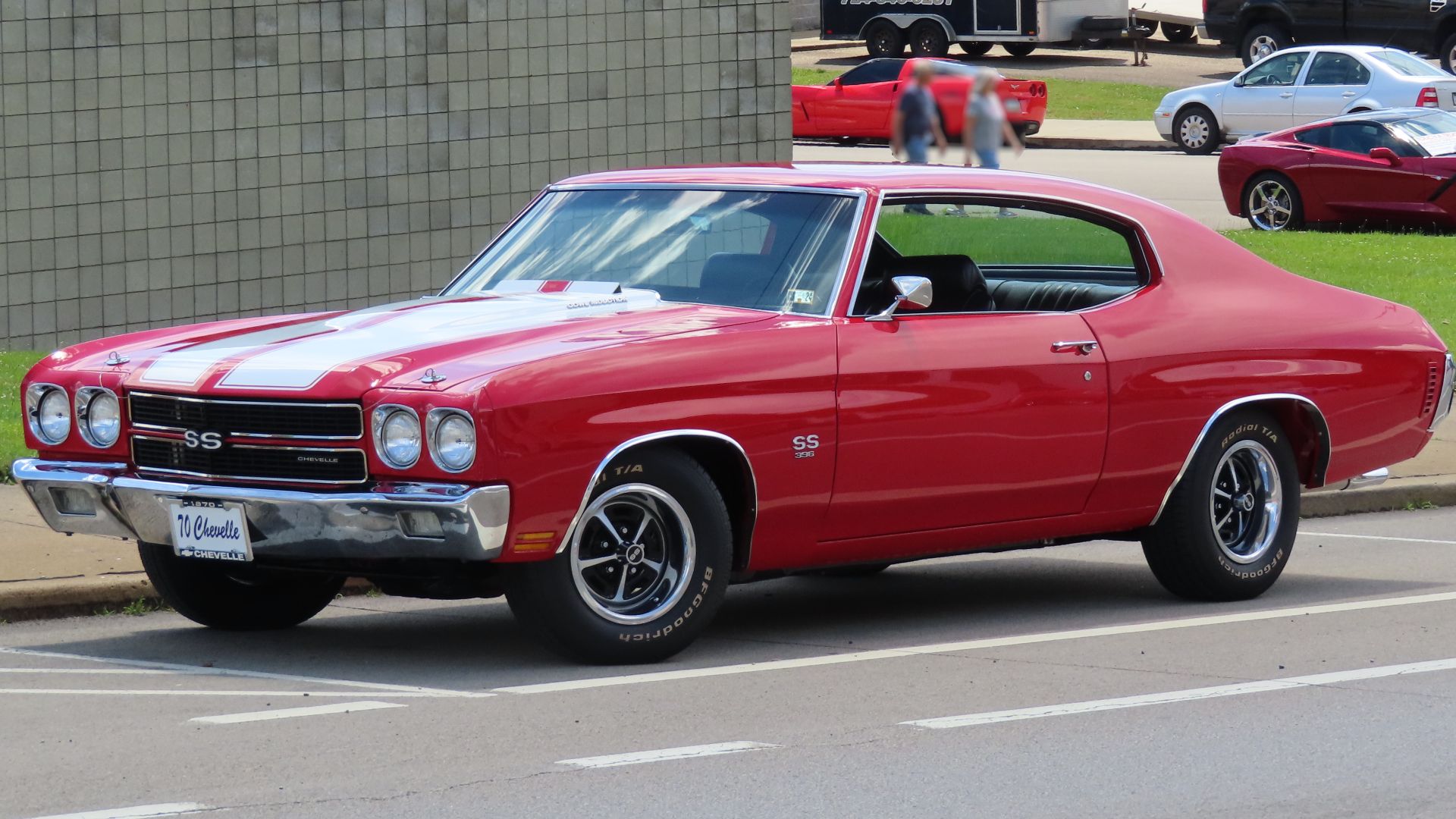
1970 Chevrolet Chevelle SS 396 ($40,000–$120,000)
Here's a fun piece of trivia: the 1970 Chevelle SS 396 didn't actually have a 396. Chevy quietly bored the engine out to 402 cubic inches for emissions and tooling reasons, but the marketing department wasn't about to surrender one of the most powerful names in muscle car history.
1970 Chevrolet Chevelle SS 396 (Cont.)
Power figures told the honest story. The L34 engine produced 350 hp and the L78 bumped that to 375 hp, both sitting on a 112-inch wheelbase platform with aggressive black-accented grille styling and a resilient rear bumper. This was the absolute peak year for the Chevelle as a performance machine.
 MercurySable99, Wikimedia Commons
1969 Chevrolet Camaro SS (Small V8) (50,000–$90,000)
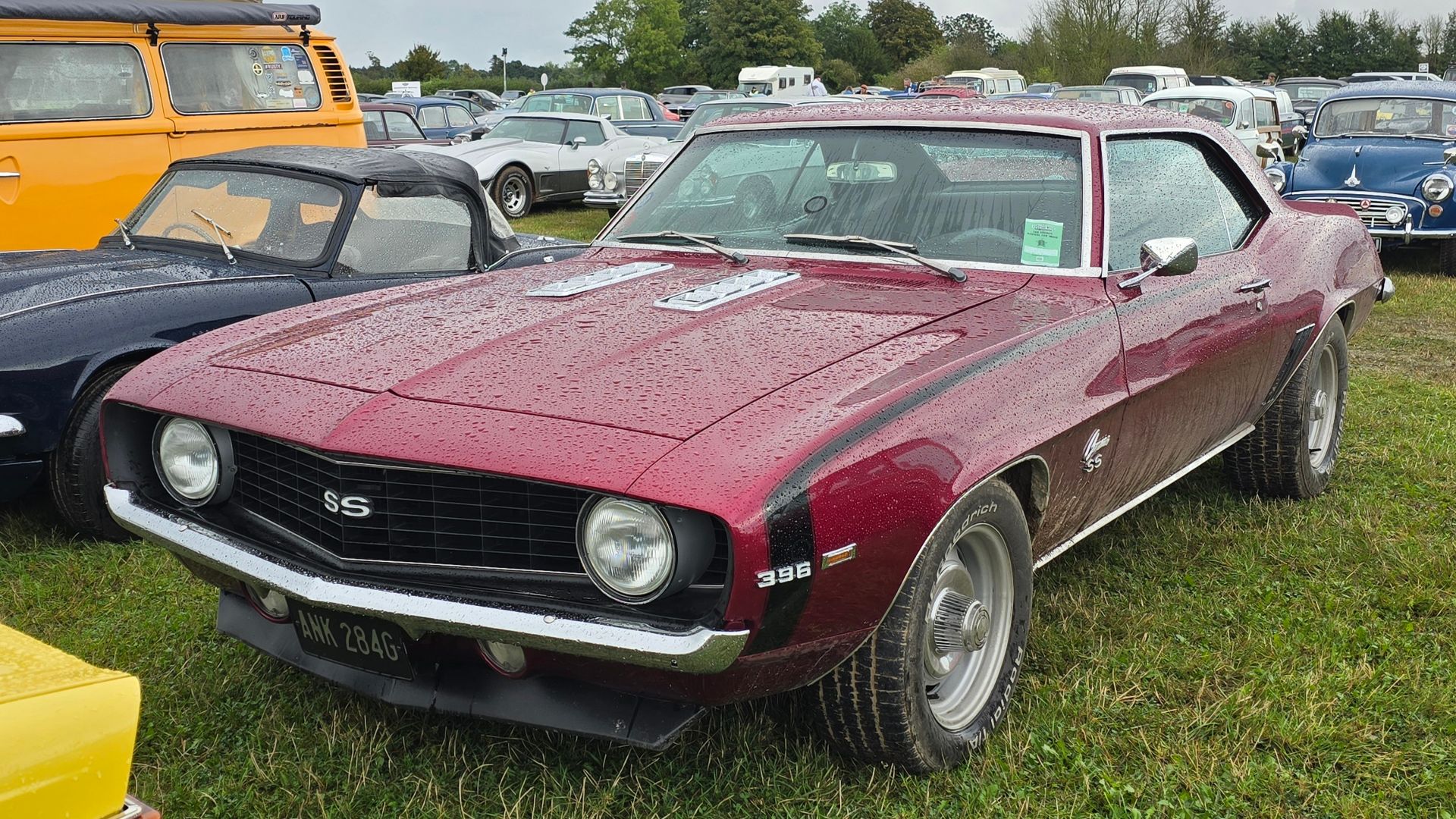
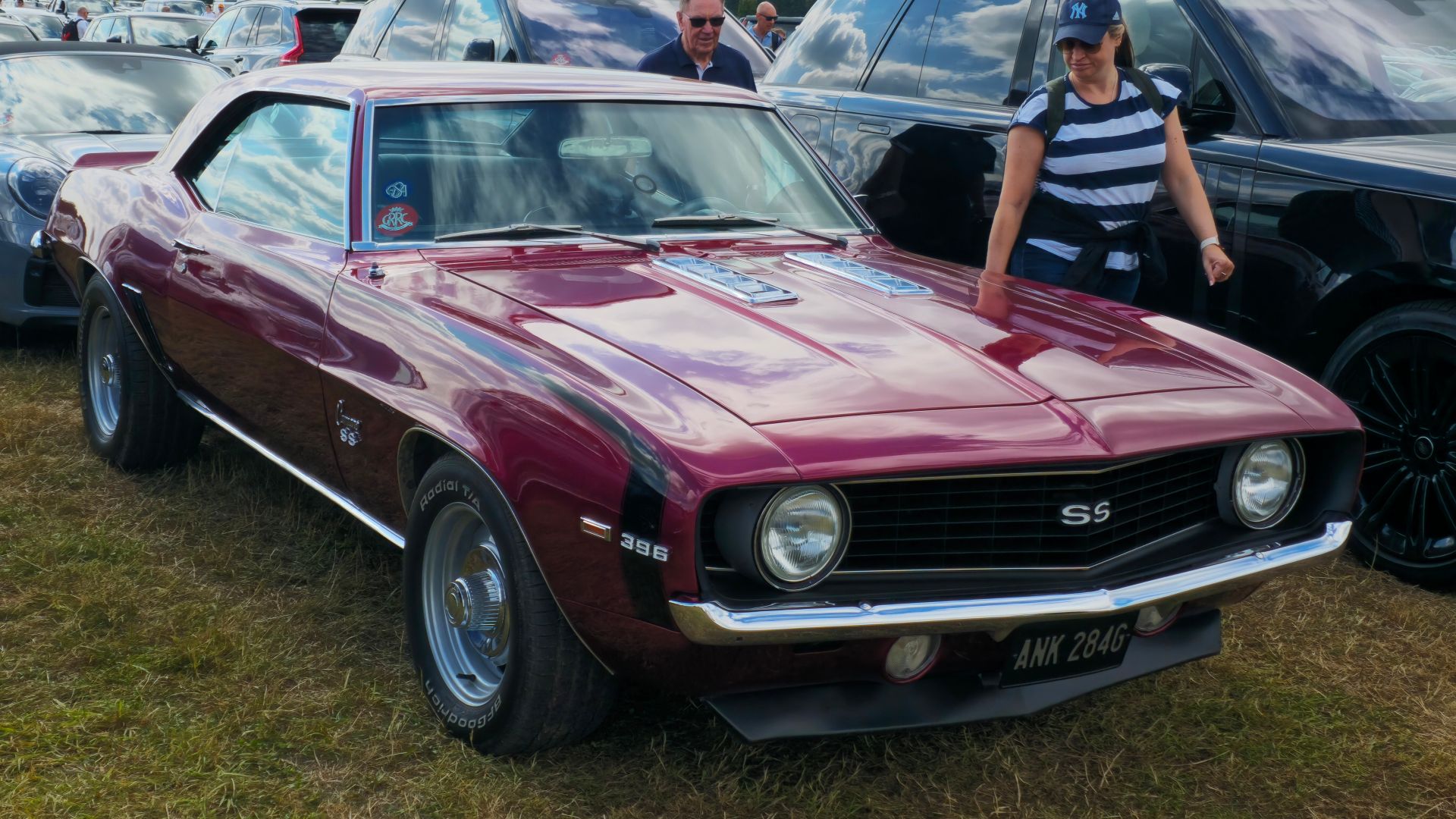
While buyers next to them were spec-ing out 396 big-blocks and Z/28s, the SS 350 crowd got the L48 350 ci V8 with 295 to 300 gross horsepower, a four-barrel carburetor, and a car that moved with considerably more urgency than it let on from the outside.
1969 Chevrolet Camaro SS (Small V8) (Cont.)
Chevy offered twelve engine options for the 1969 Camaro, but the small-block SS targeted buyers who wanted the full SS experience—hood air inlets, special striping, badges, upgraded suspension—without the premium of a big-block. Total Camaro production hit 243,085 that year.
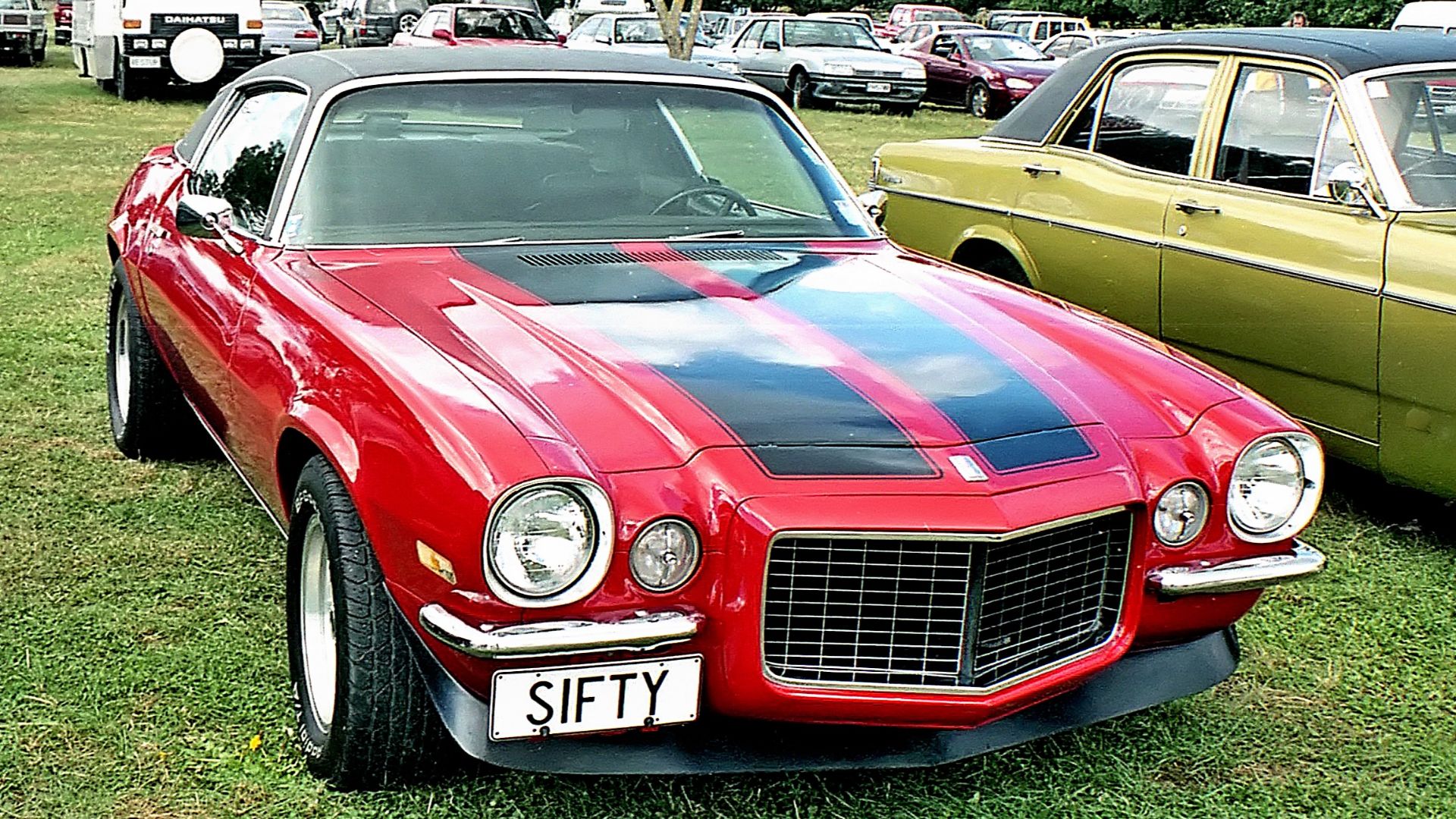
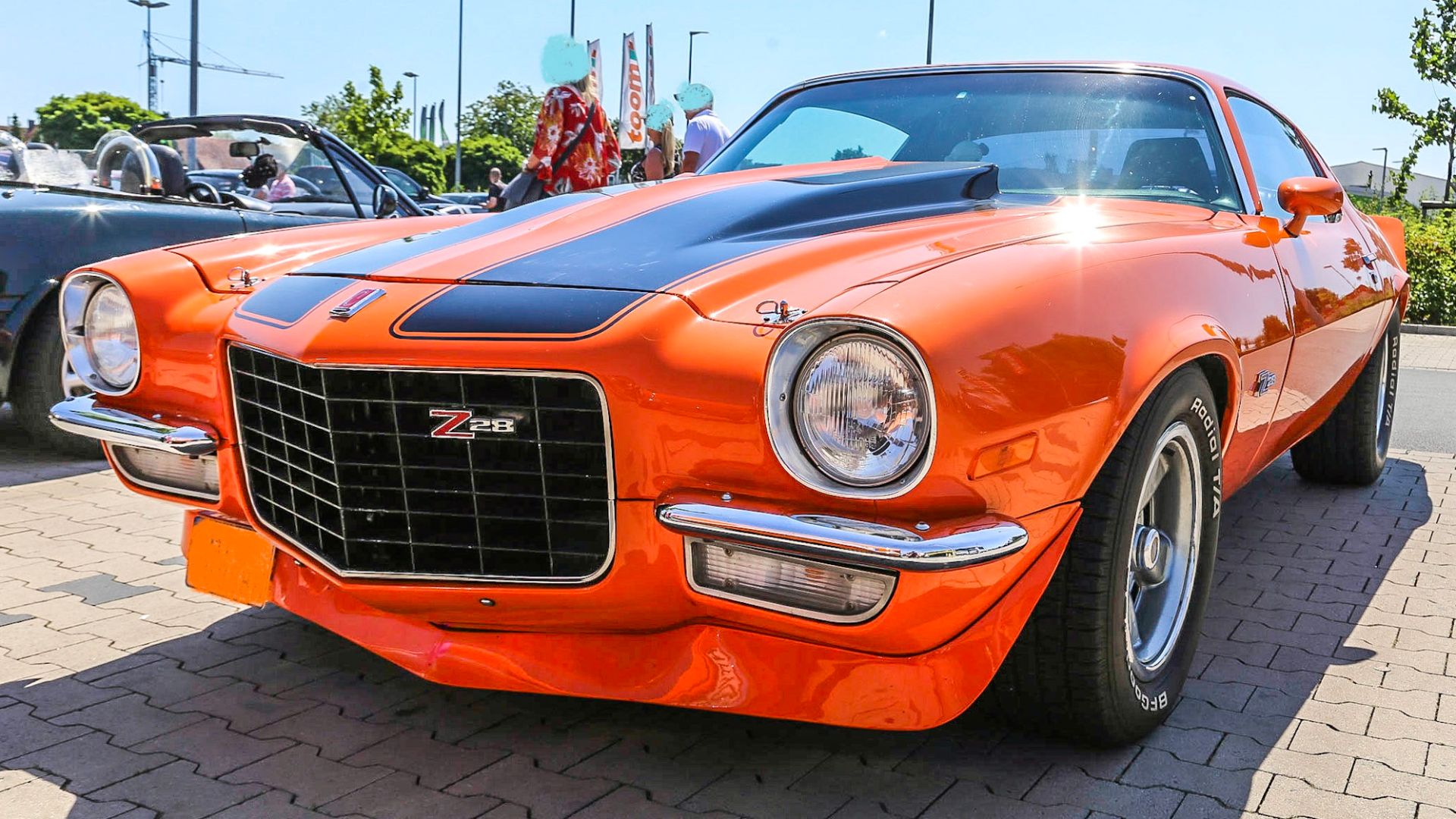
1970 Chevrolet Camaro Z/28 ($40,000–$80,000)
The LT-1 engine didn't arrive quietly. Rated at 360 gross horsepower at 5,600 RPM with 380 lb-ft of torque, solid lifters, and an 11.0:1 compression ratio, it was the same heart Chevy dropped into the Corvette.
 GPS 56 from New Zealand, Wikimedia Commons
1970 Chevrolet Camaro Z/28 (Cont.)
This one was now transplanted into the brand-new second-generation Camaro riding on a 108-inch wheelbase and weighing around 3,400 to 3,500 lbs. Only 8,733 Z/28 units were produced in 1970 out of 124,901 total Camaros, lending this car a genuine scarcity that collectors still chase today.
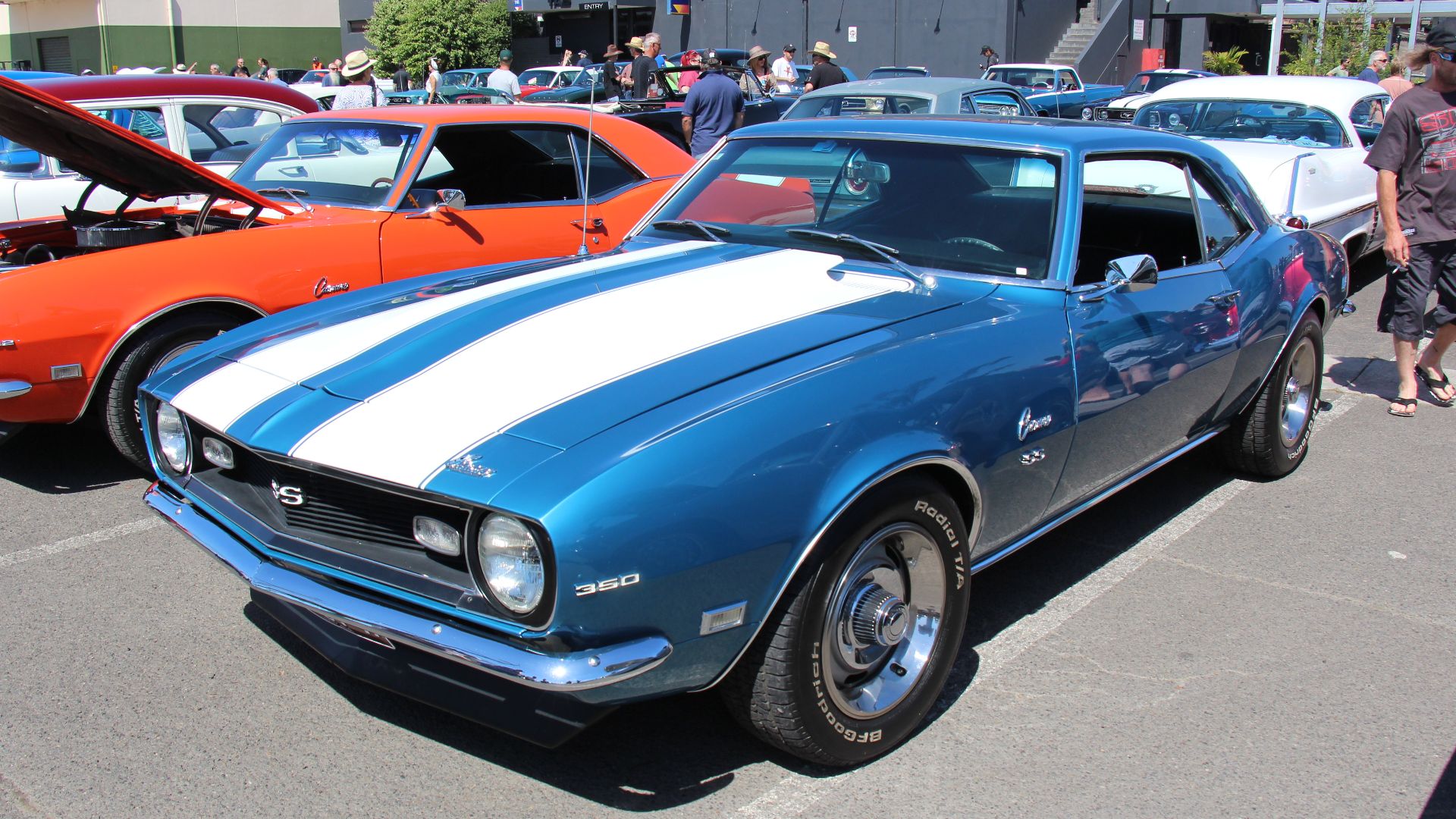
1968 Chevrolet Camaro SS 350 ($40,000–$80,000)
Start with the numbers: 295 gross horsepower at 4,800 RPM, 380 lb-ft of torque at 3,200 RPM, a 10.25:1 compression ratio, and a curb weight sitting between 3,500 and 3,700 lbs. The L48 350 was the only way to get a factory 350 ci engine in a 1968 Camaro.
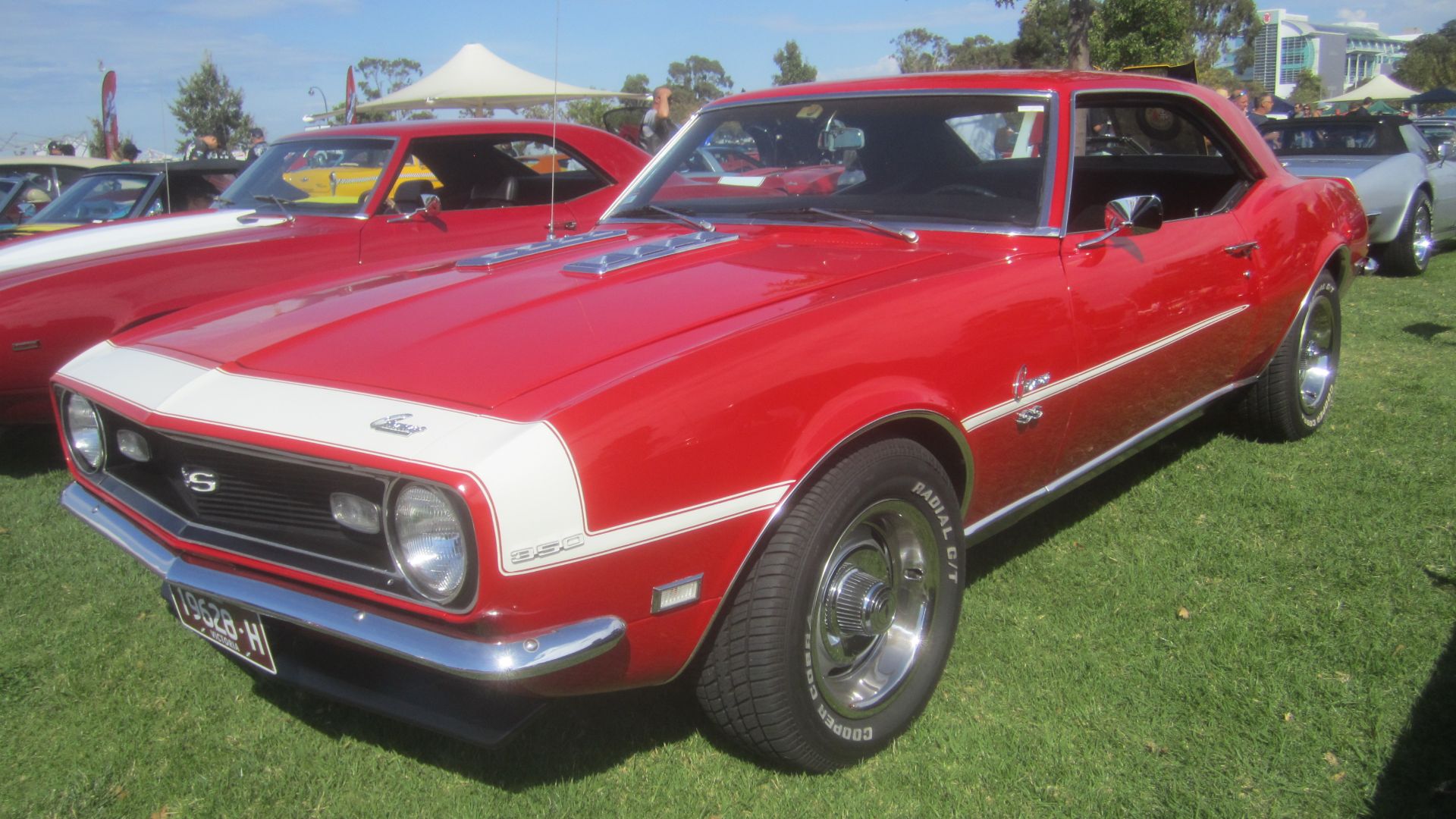
1968 Chevrolet Camaro SS 350 (Cont.)
The SS package added heavy-duty suspension, dual exhaust, redline tires, SS badging across the fenders and grille, and those unmistakable non-functional velocity stack hood inserts that became an enduring Camaro design signature. Quarter-mile times landed in the mid-15s with 0–60 coming in at 7 to 8 seconds.
1971 Chevrolet Chevelle SS (350/396) ($40,000–$100,000)
Two engines, one identity crisis—in the best possible way. The 1971 Chevelle SS could leave the factory with either a 350 ci small-block (ranging from 245 gross hp with a two-barrel to 275 gross hp with a four-barrel) or the big-block "396" producing 300 gross hp.
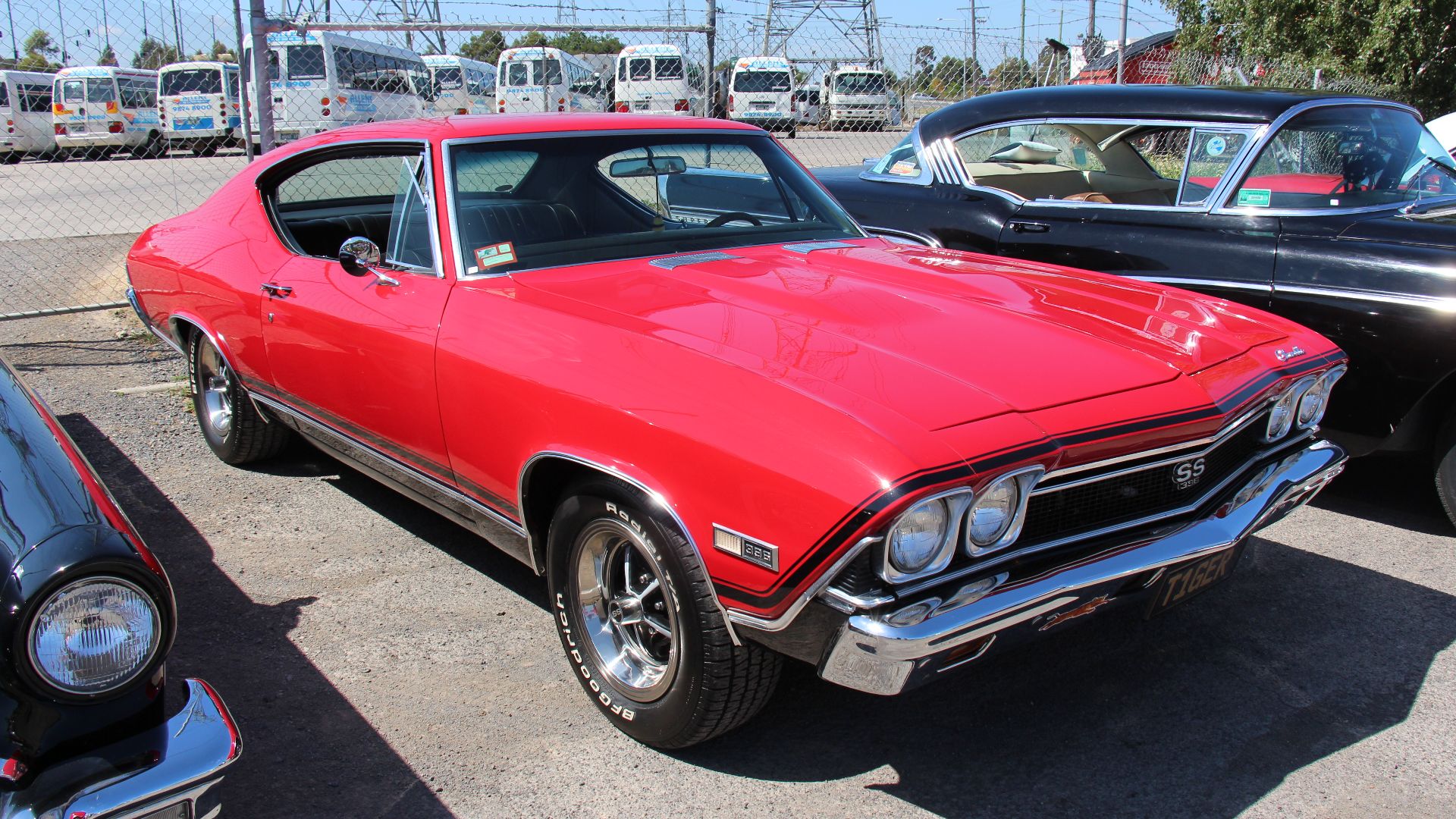
1971 Chevrolet Chevelle SS (350/396) (Cont.)
The compression ratio had already been knocked down to 8.5:1 across most configurations as emissions pressure tightened its grip on the industry. Out of roughly 327,000 total Chevelle units produced that year, around 20,000 carried SS packages.
 MercurySable99, Wikimedia Commons
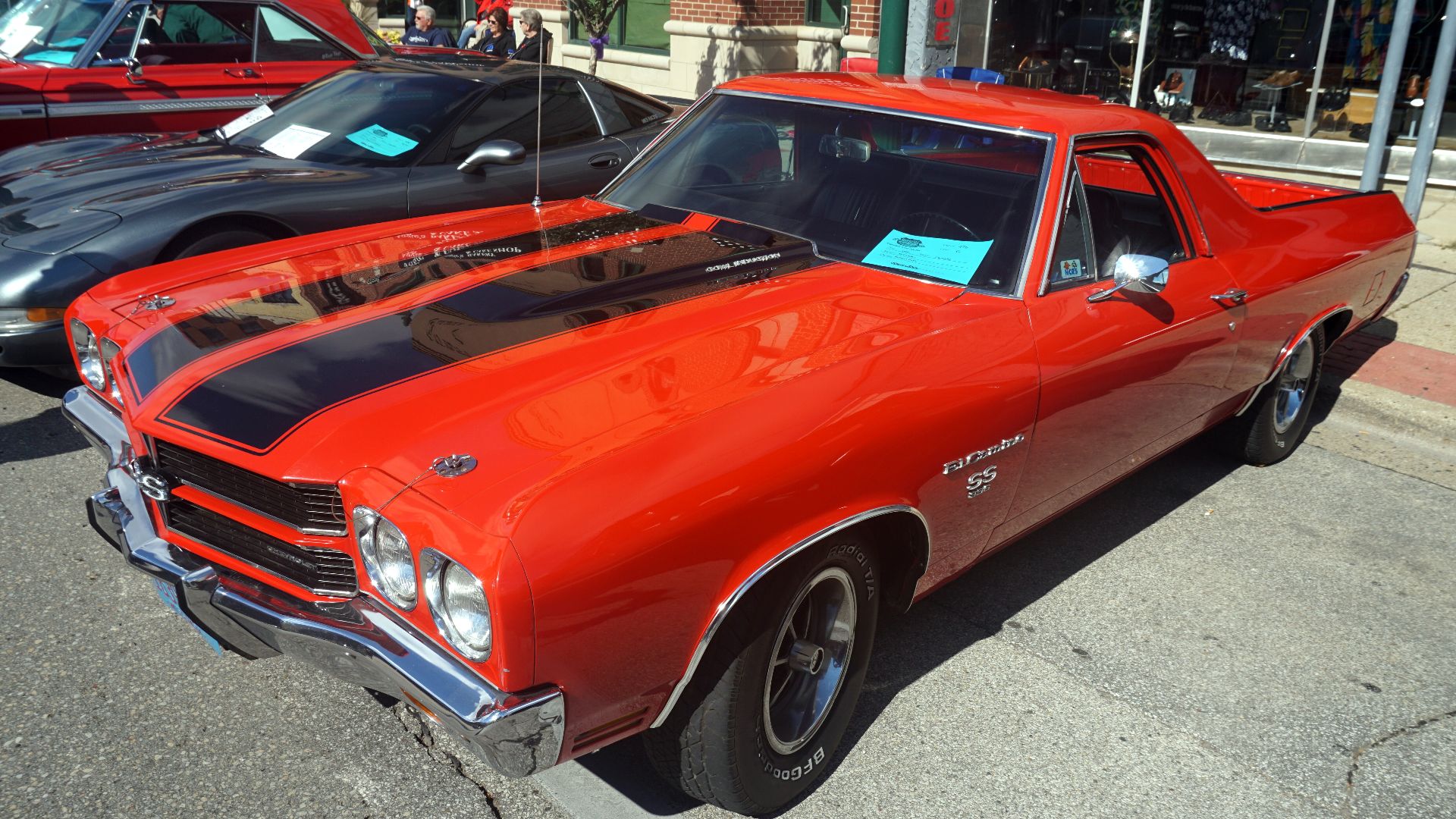
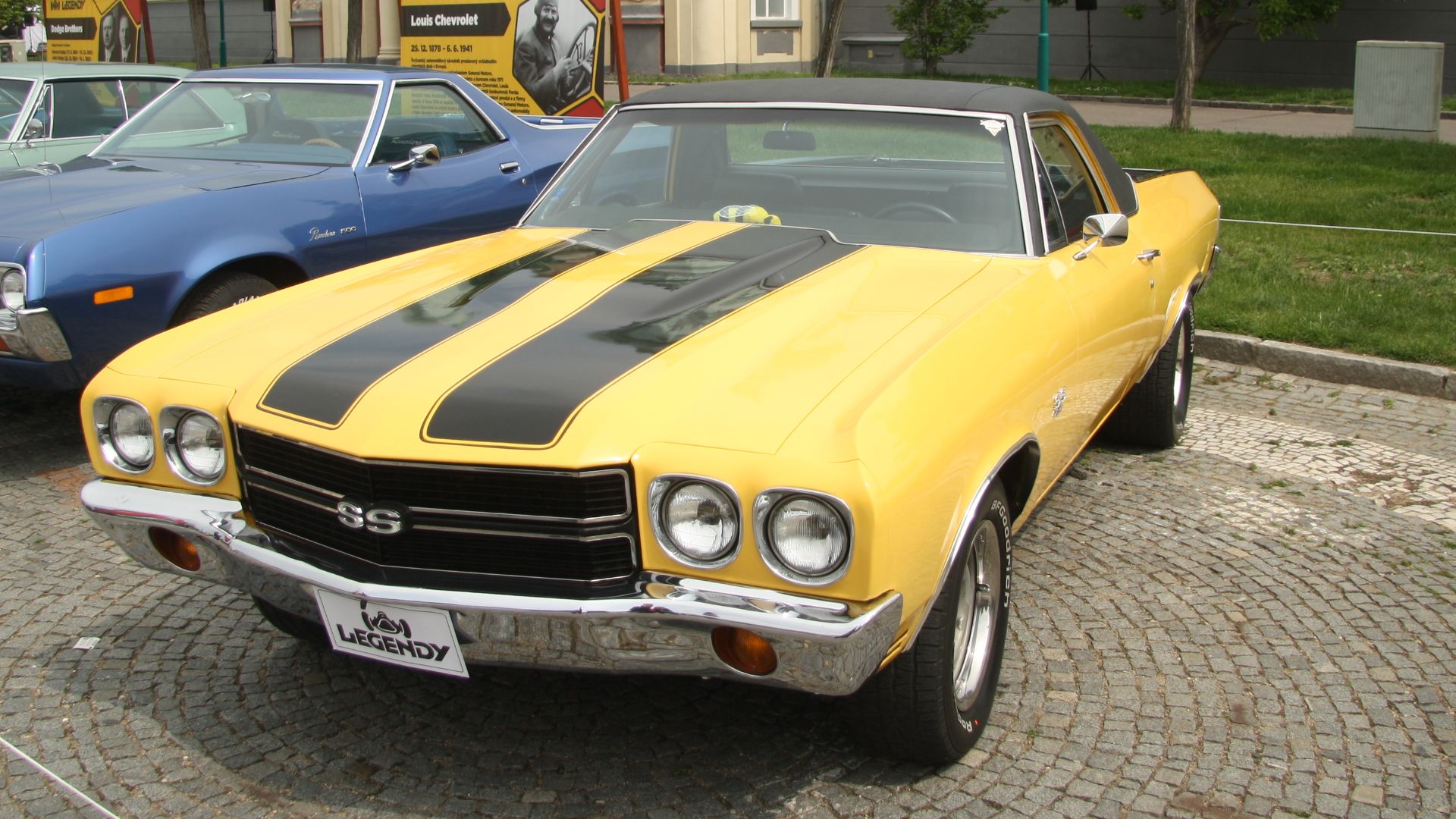
1970 Chevrolet El Camino SS ($40,000–$80,000)
A car that hauled lumber and humiliated sports cars in the same afternoon—that was the 1970 El Camino SS in a sentence. Riding the same 112-inch Chevelle platform with a curb weight between 3,600 and 3,900 lbs, the SS option opened the door to some seriously absurd powertrains.
 Michael Barera, Wikimedia Commons
1970 Chevrolet El Camino SS (Cont.)
Total El Camino production for 1970 reached 47,707 units, with SS versions estimated at around 7,000 to 8,000. Quarter-mile times ranged from the mid-14s in base SS trim all the way into the upper 13s for LS6-powered trucks, which remains an almost absurd performance figure.
 Jiri Sedlacek, Wikimedia Commons
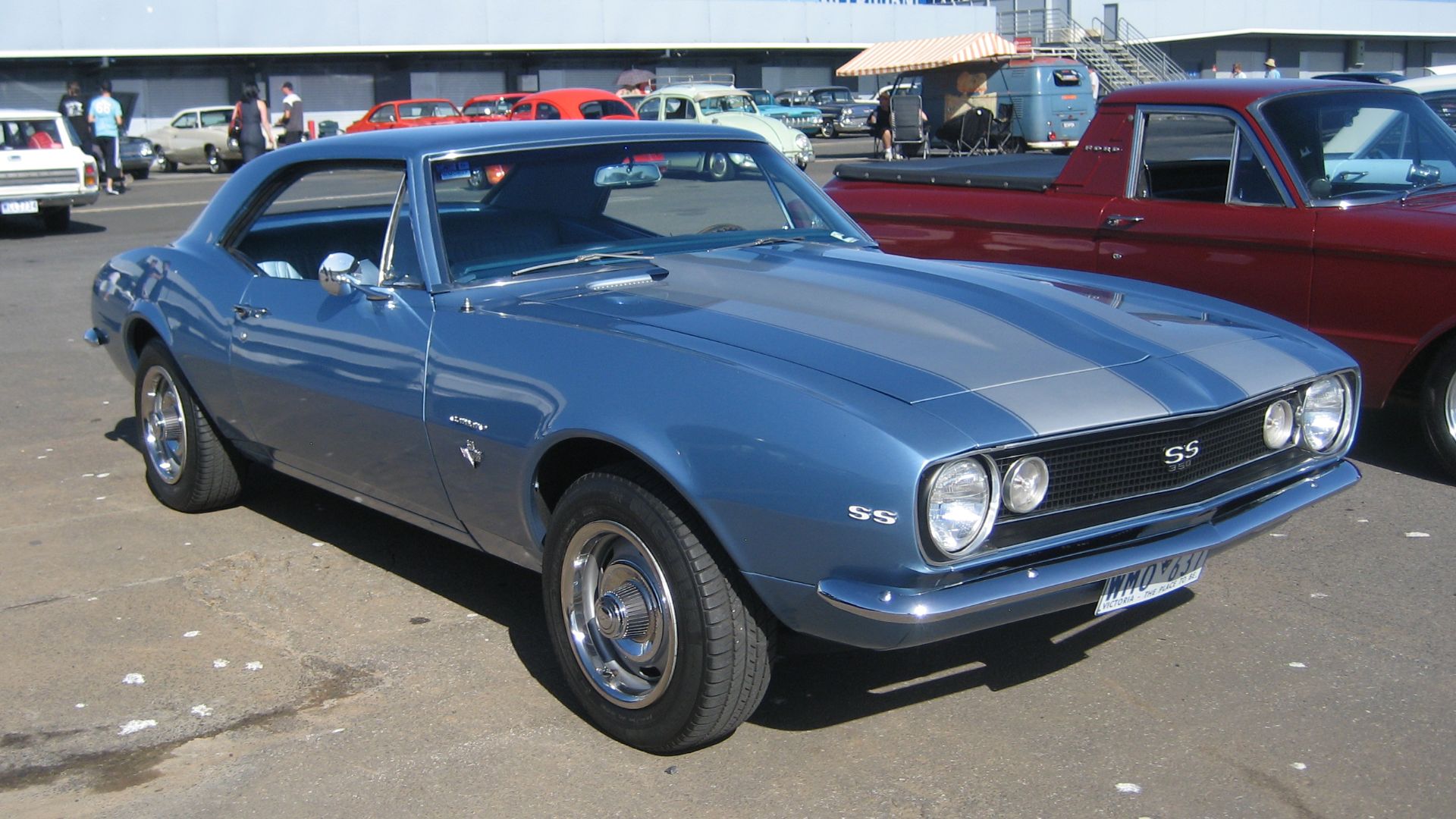
1967 Chevrolet Camaro SS ($40,000–$100,000)
Everything had to start somewhere, and for one of the greatest performance lineages in automotive history, it started here. The 1967 Camaro SS debuted with the brand-new 350 ci L48 small-block as its standard engine.
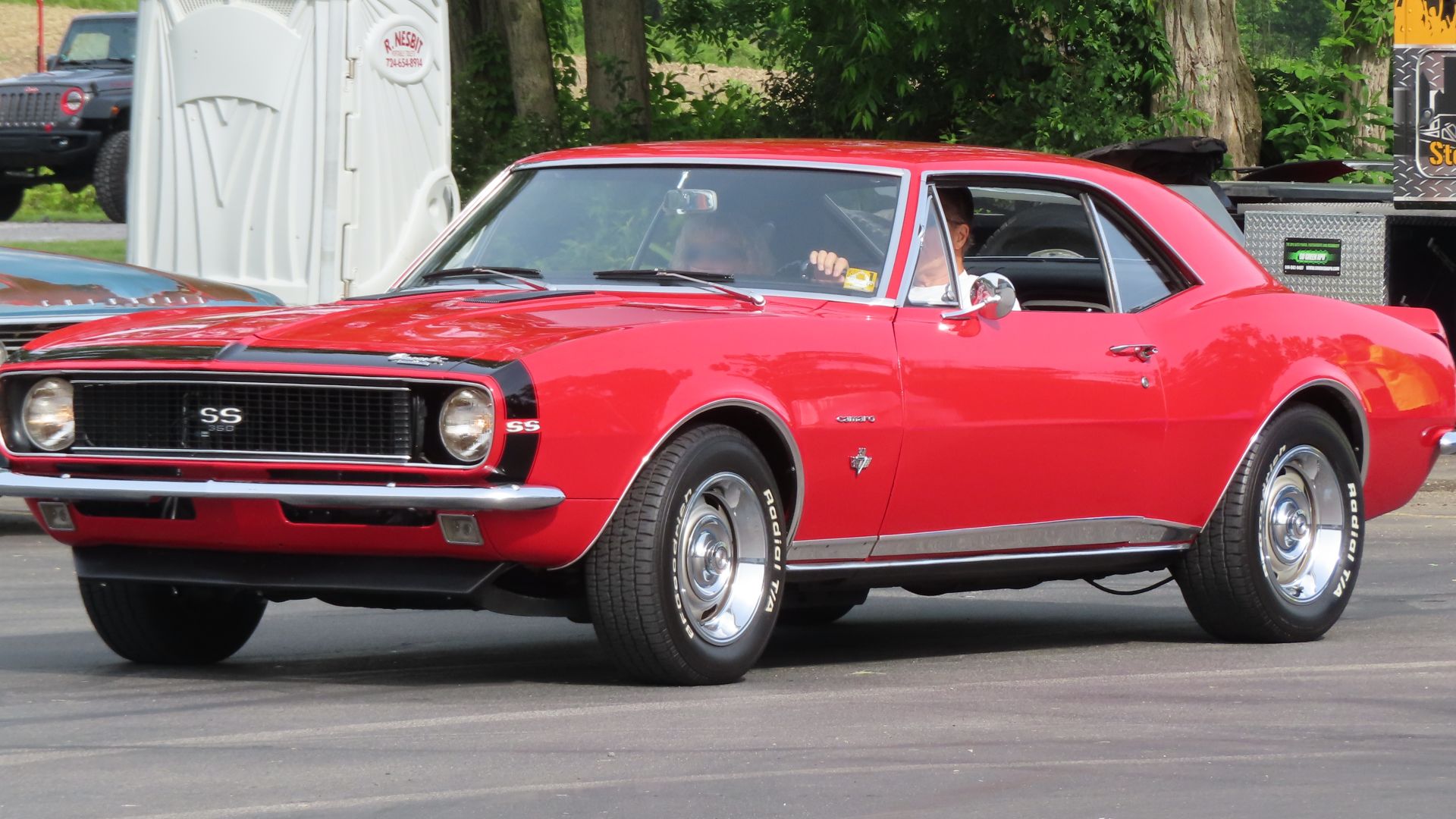 MercurySable99, Wikimedia Commons
1967 Chevrolet Camaro SS (Cont.)
Total production reached 220,906 Camaros, with around 34,411 wearing SS badges, and the options list included the 396 big-block in both L35 (325 hp) and L78 (375 hp) forms for buyers who wanted something louder. An RS/SS convertible paced the Indianapolis 500 that year.
1969 Chevrolet Chevelle SS 396 ($40,000–$100,000)
Dyno tests on stock L78 engines have repeatedly shown outputs of 50 or more horsepower above factory claims. Out of over 400,000 Chevelles produced that year, 86,307 carried the SS option. A remarkable number that speaks to how badly the American public wanted this car.
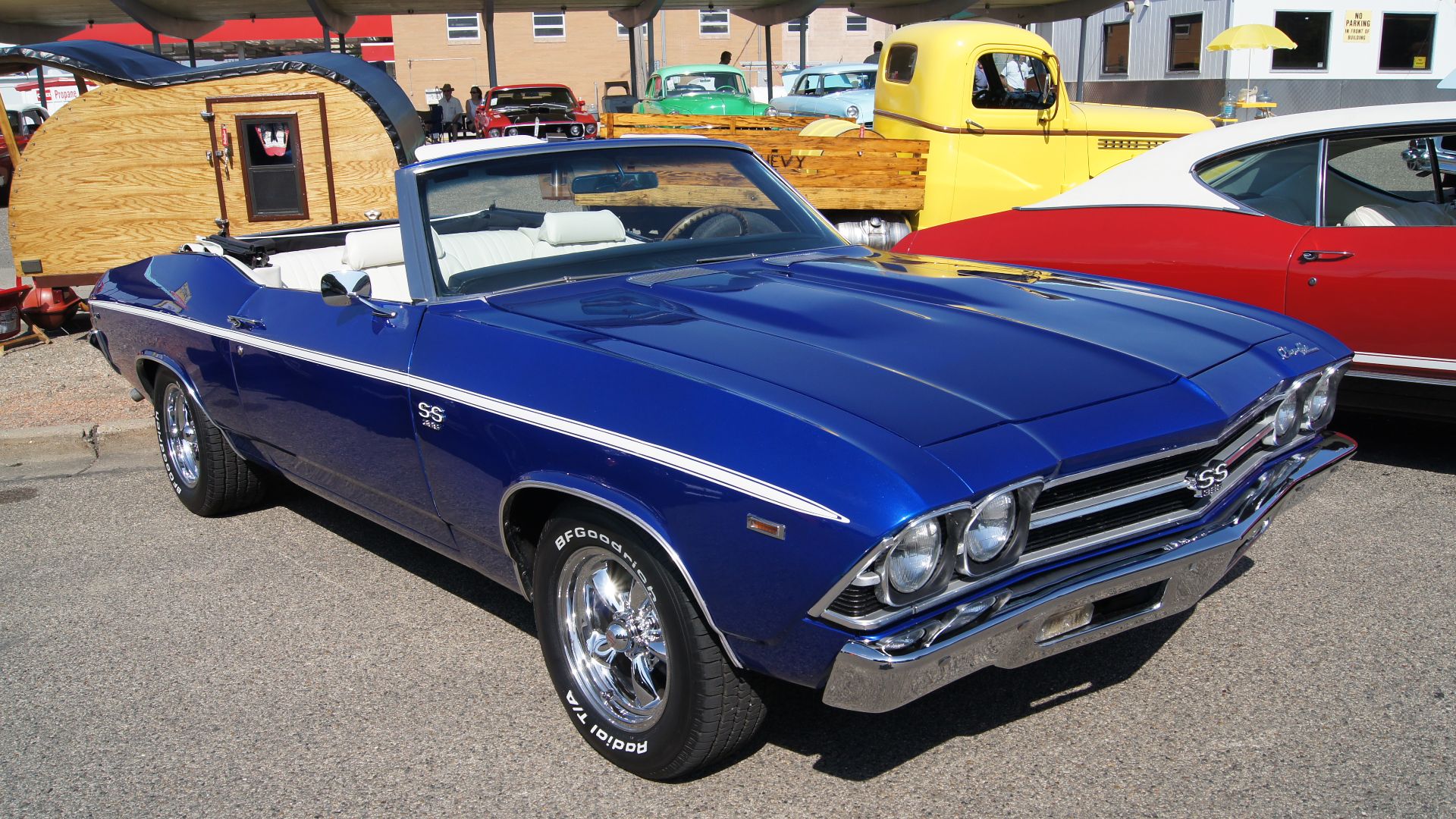 Greg Gjerdingen from Willmar, USA, Wikimedia Commons
1969 Chevrolet Chevelle SS 396 (Cont.)
Only 9,486 of those were L78-equipped, making the high-output variant genuinely scarce. Sitting on a 112-inch wheelbase and weighing between 3,600 and 3,800 lbs, the L78 could crack the high 13s in the quarter-mile with proper gearing.
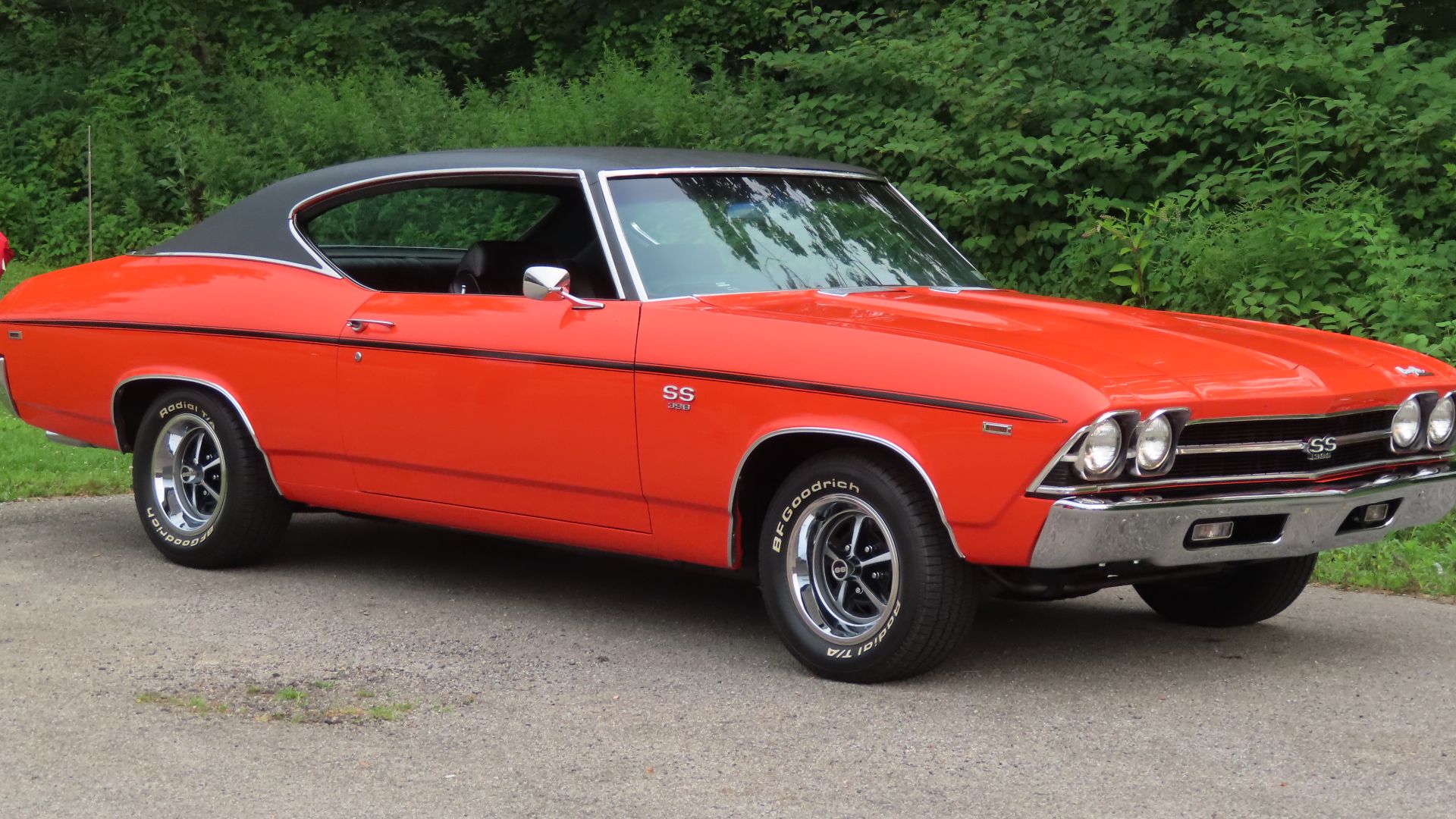 MercurySable99, Wikimedia Commons
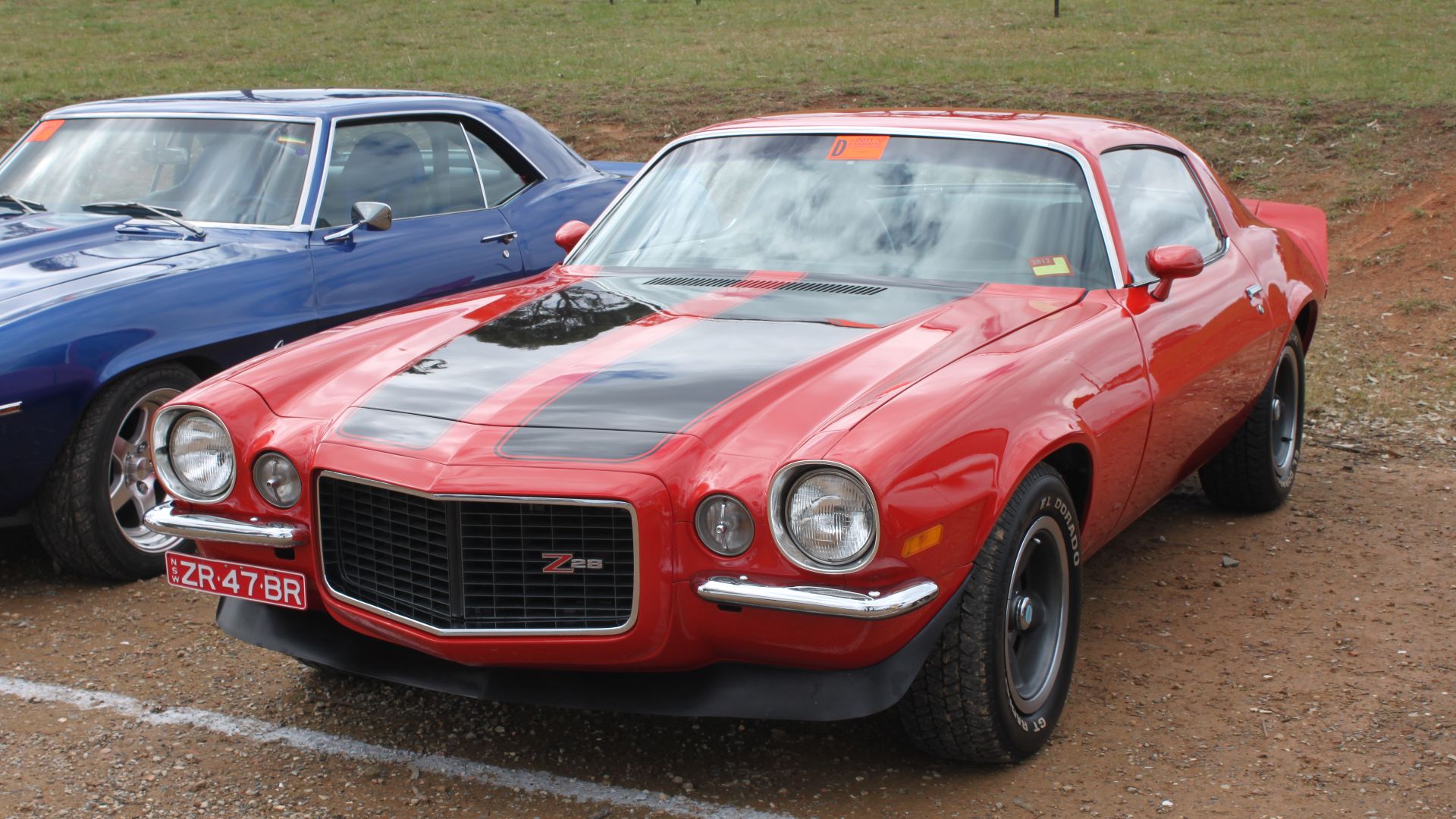
1973 Chevrolet Camaro Z/28 ($40,000–$54,000)
11,574—that's how many buyers chose the Z/28 package in 1973, making it the highest-selling Z/28 year of the early second generation. The 350 ci small-block was now rated at 245 SAE net horsepower at 5,200 RPM.
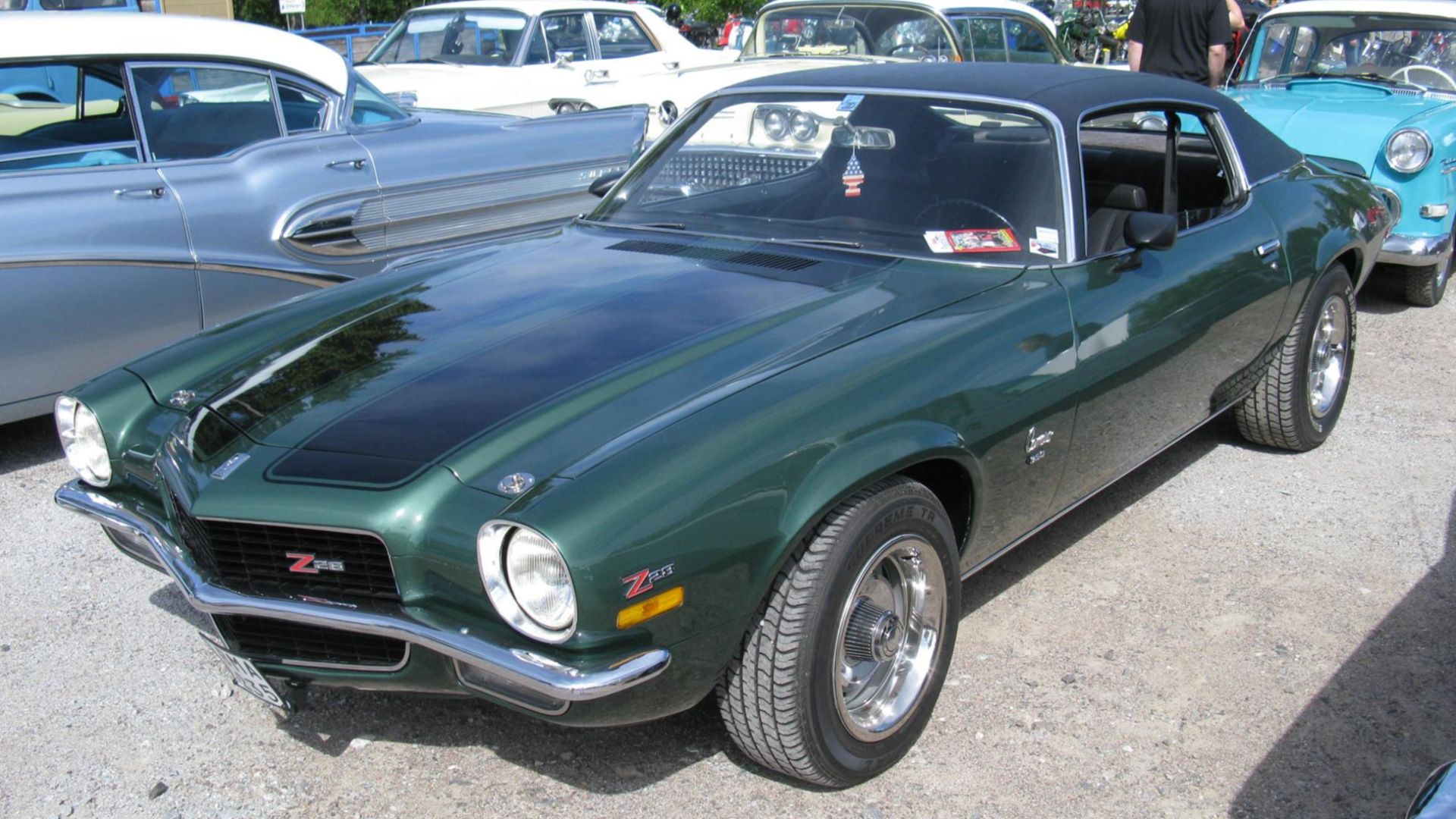
1973 Chevrolet Camaro Z/28 (Cont.)
What the spec sheet couldn't fully capture was how this car drove against its contemporaries. The 1973 Z/28 regularly left the Mustang II Mach 1 embarrassed in straight-line tests, running 0–60 in about 6.7 to 7.0 seconds.
 Jeremy from Sydney, Australia, Wikimedia Commons



.jpg)