When Two Doors Made Almost Anything Look Cooler
The 1970s were an incredible decade for coupes. Some were tiny, affordable cars meant to make daily driving more interesting, while others packed V8s, V12s, rotary engines, or enough luxury to resemble private lounges. Yet despite the innovations, a surprising number are barely remembered today.
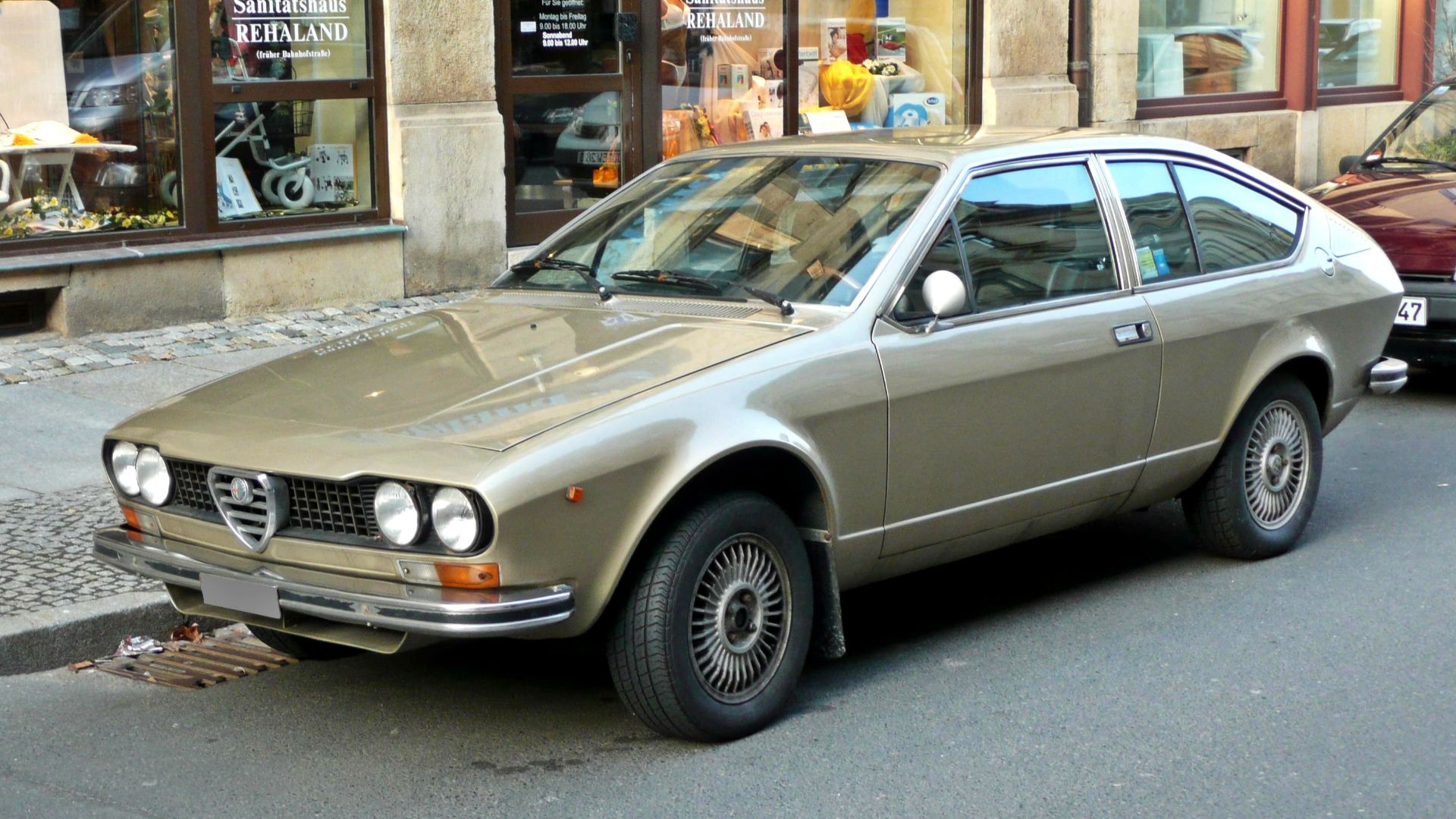
Alfa Romeo Alfetta GT
The Alfetta GT arrived in 1974 with sharp Giorgetto Giugiaro styling and engineering that was much more interesting than the understated body suggested. Alfa placed the gearbox and clutch at the rear in a transaxle arrangement, helping give the car excellent weight distribution. Early versions used a lively 1.8-liter twin-cam four, with 1.6- and 2.0-liter versions following. It was practical enough for daily use without sacrificing that unmistakably Italian personality.
 Norbert Kaiser, Wikimedia Commons
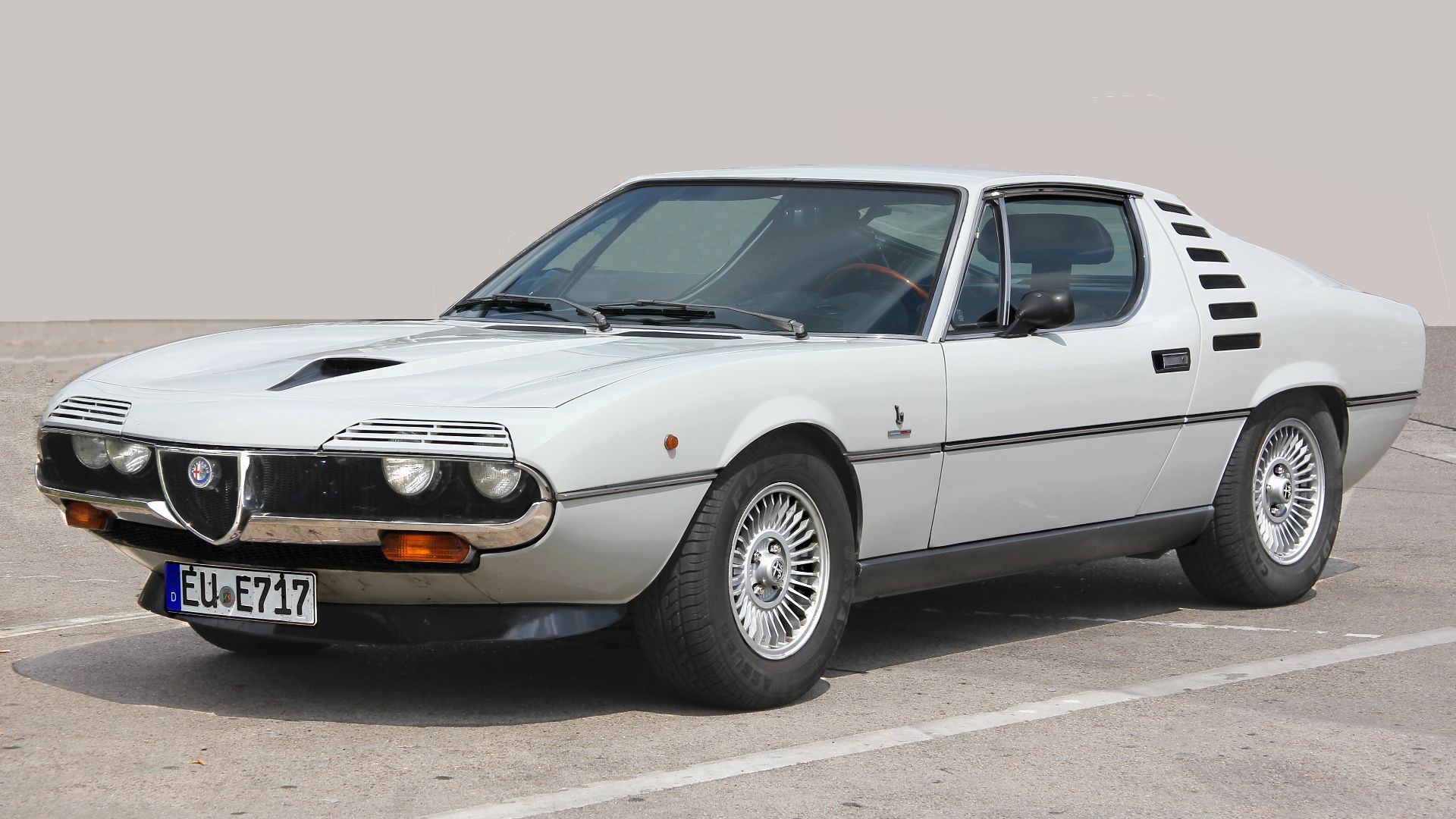
Alfa Romeo Montreal
Few cars looked quite like the Montreal when it reached production in 1970. Marcello Gandini gave it dramatic slatted headlight covers, sculpted vents, and proportions that looked far more exotic than the Alfa coupes beneath it in the range. The real surprise was the 2.6-liter V8, derived from Alfa’s Tipo 33 racing program and producing around 200 horsepower. Fewer than 4,000 were built, which only adds to its mystique today.
 Lothar Spurzem, Wikimedia Commons
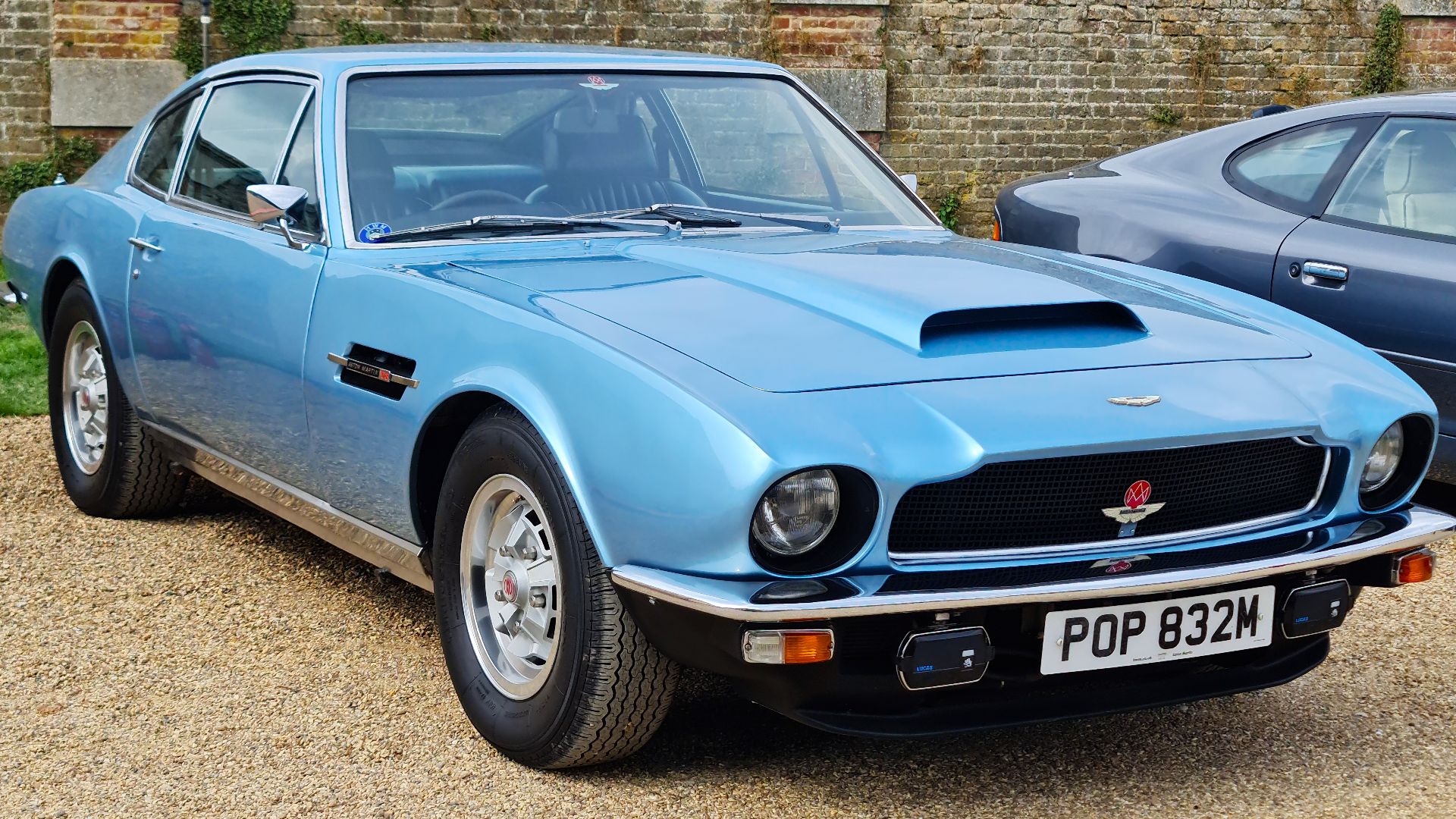
Aston Martin V8
Aston Martin called it a saloon, but one look at the two-door body makes its place among the decade’s great coupes pretty obvious. Introduced in 1972 as an evolution of the DBS V8, it combined muscular British styling with a 5.3-liter V8 and a genuinely luxurious interior. Then came the V8 Vantage in 1977, with roughly 375 horsepower and enough speed to earn a reputation as Britain’s first true supercar.
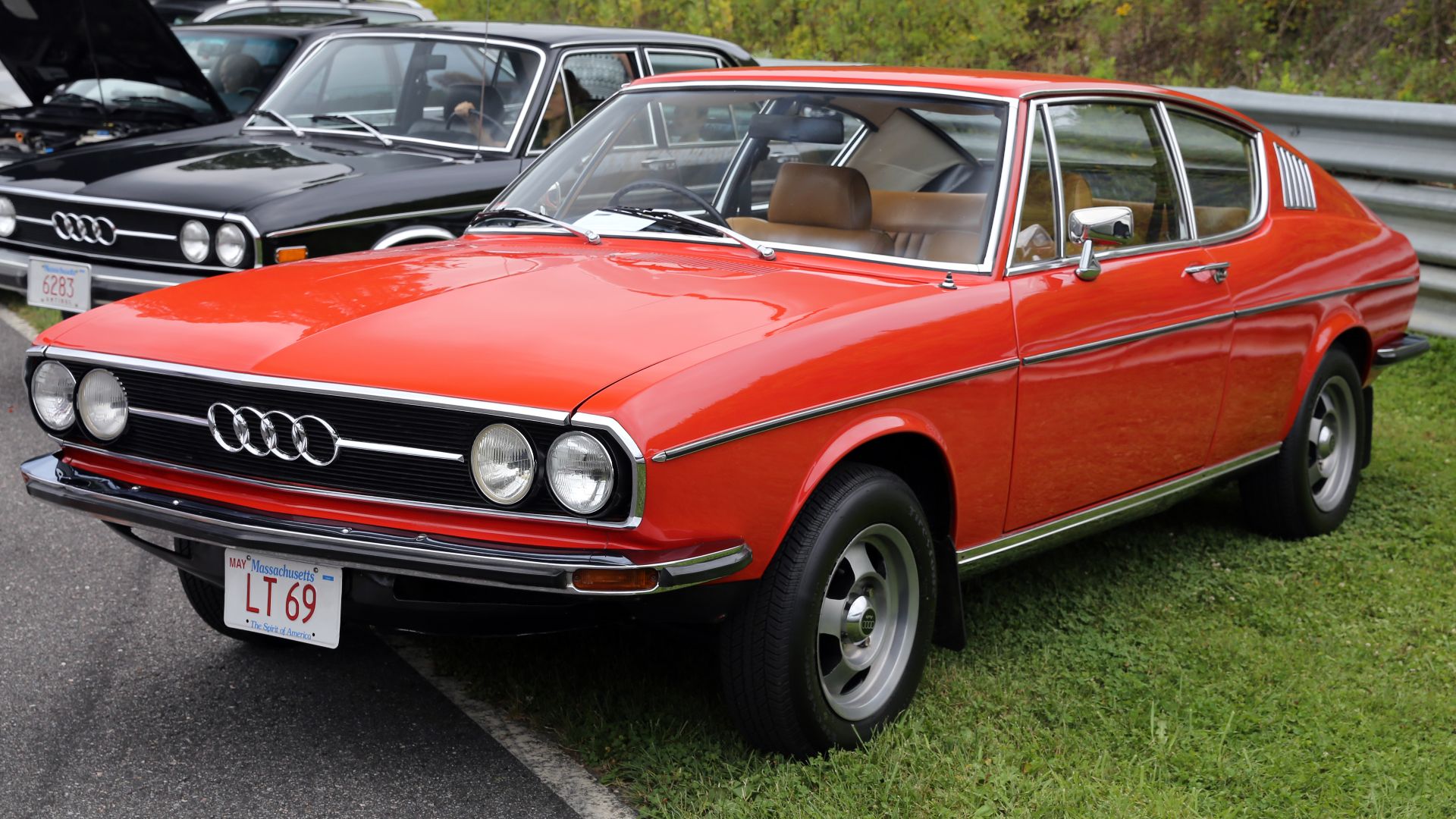
Audi 100 Coupé S
Long before Audi became synonymous with Quattro performance cars, it built this elegant fastback. The 100 Coupé S shared its basic foundation and 1.9-liter engine with the 100 sedan, but almost none of the exterior bodywork carried over. Performance was respectable rather than dramatic, with a top speed around 112 mph. The sleek shape was the bigger attraction, giving early-1970s Audi a surprisingly glamorous flagship.
 Mr.choppers, Wikimedia Commons
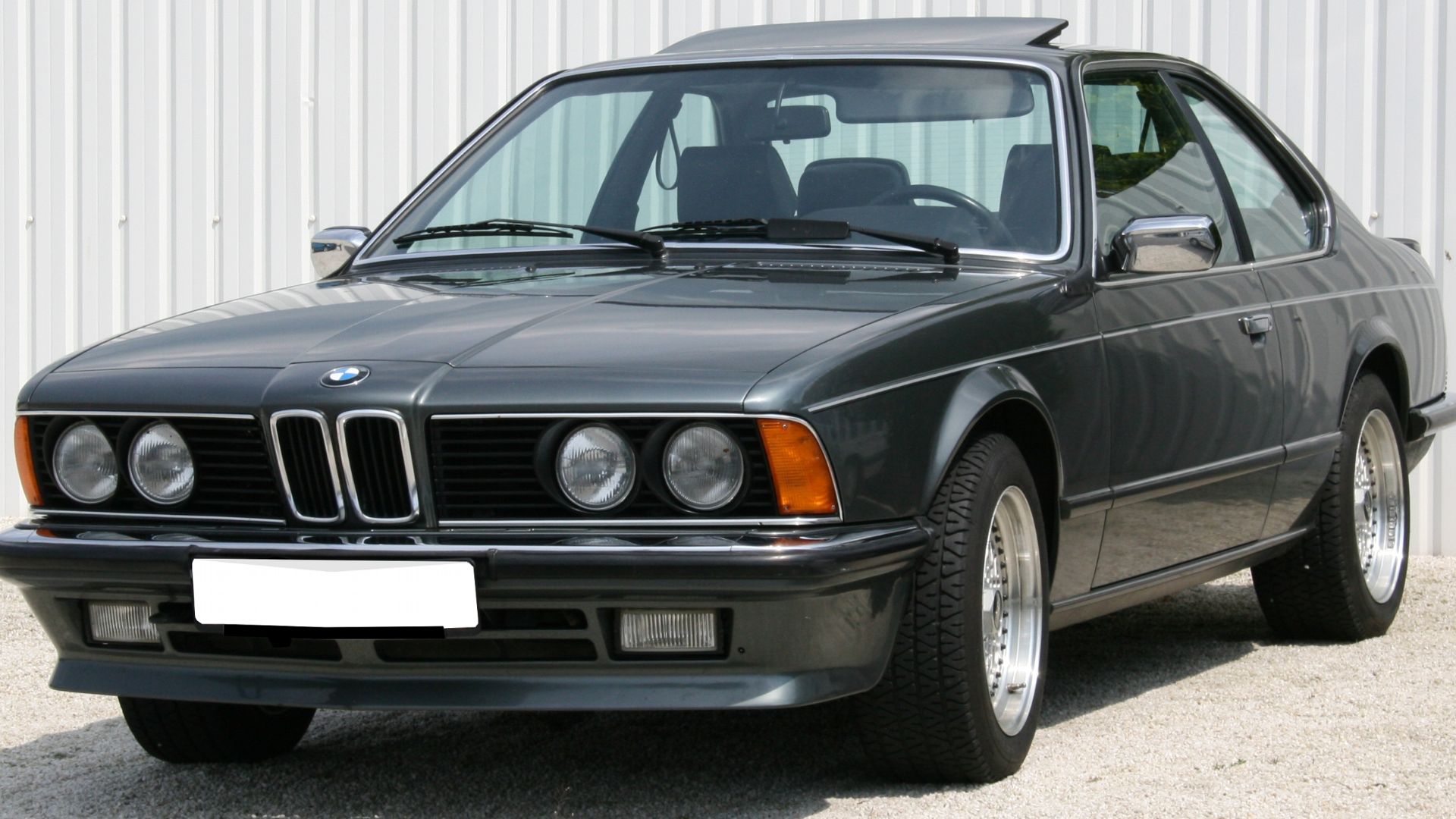
BMW 6 Series
BMW replaced the beloved CS coupe with something even more distinctive in 1976. The E24 6 Series combined Paul Bracq styling, a driver-focused cabin, and smooth straight-six power with enough room to work as a genuine grand tourer. The 635CSi arrived in 1978 with a 3.5-liter engine and became the version enthusiasts really wanted. Its shark-nosed profile would remain a BMW signature for years.
 HLW at de.wikipedia, Wikimedia Commons
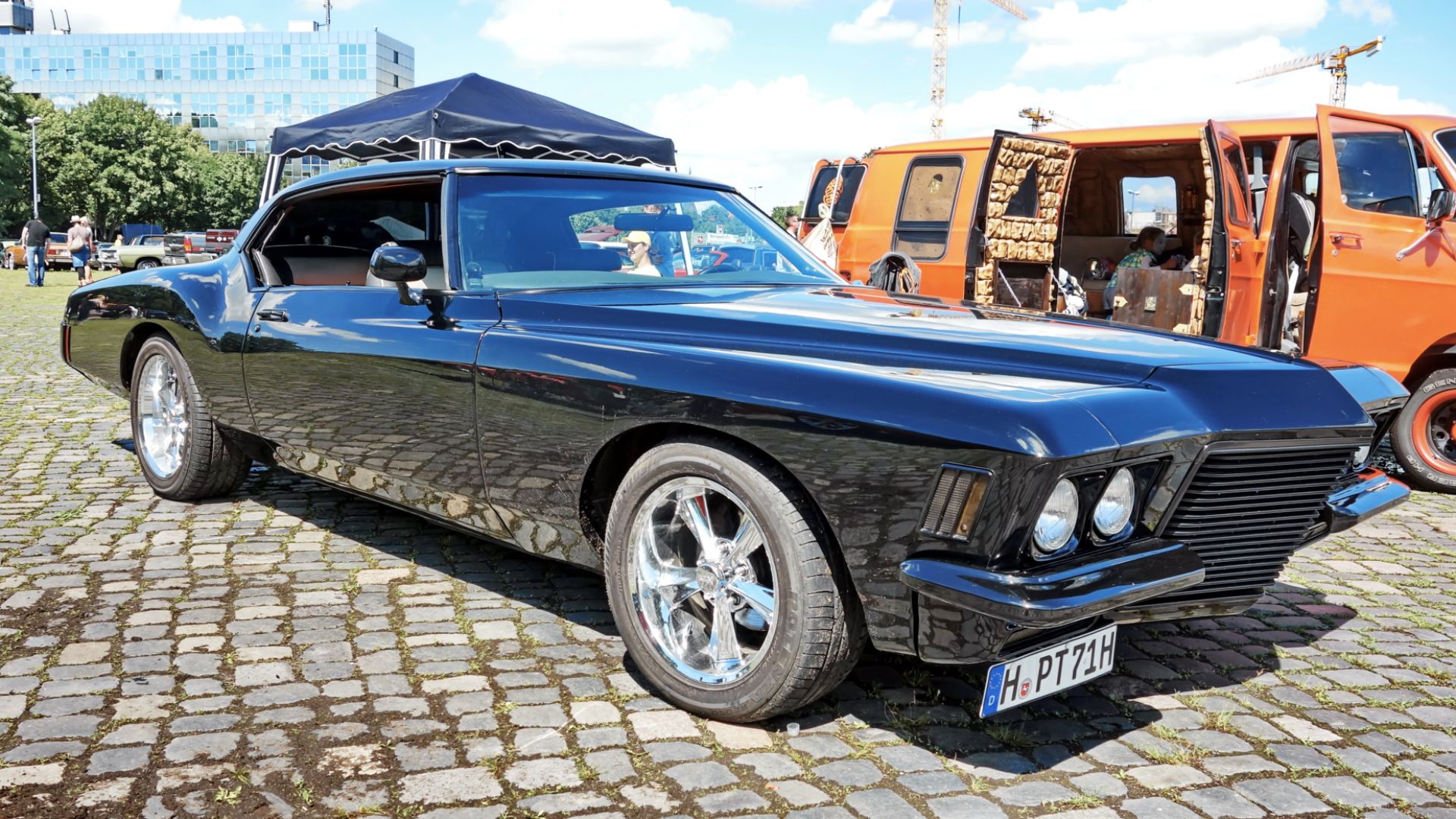
Buick Riviera
The boat-tail Riviera might be one of the boldest American designs of the decade. Introduced for 1971, it paired a dramatic pointed rear window and sweeping body sides with Buick’s enormous 455-cubic-inch V8. It was still big enough to carry six people, so this wasn’t some tiny sports coupe pretending to be practical. The styling divided opinion then and still does now, which is probably exactly why it remains so memorable.
 More Cars from Berlin, Germany, Wikimedia Commons
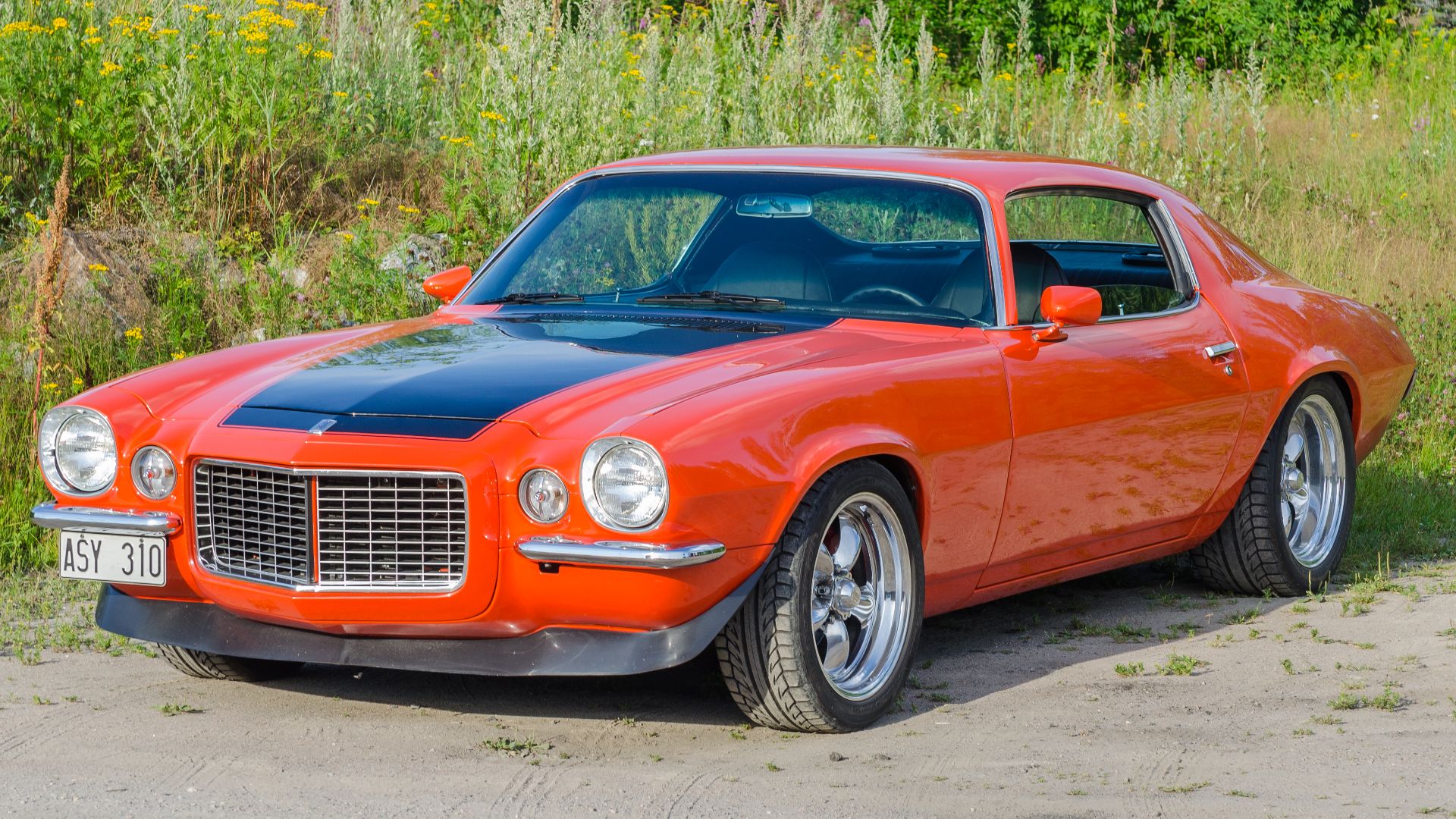
Chevrolet Camaro
The second-generation Camaro arrived for 1970 looking lower, sleeker, and more European-influenced than the original. Its long hood and short rear deck gave it terrific proportions even as tightening emissions rules gradually chipped away at the muscle-car horsepower war. Chevrolet kept adapting the design throughout the decade, and the Z28 eventually returned as performance interest started recovering. The basic shape was good enough to survive all the way through 1981.
 Arild Vågen, Wikimedia Commons
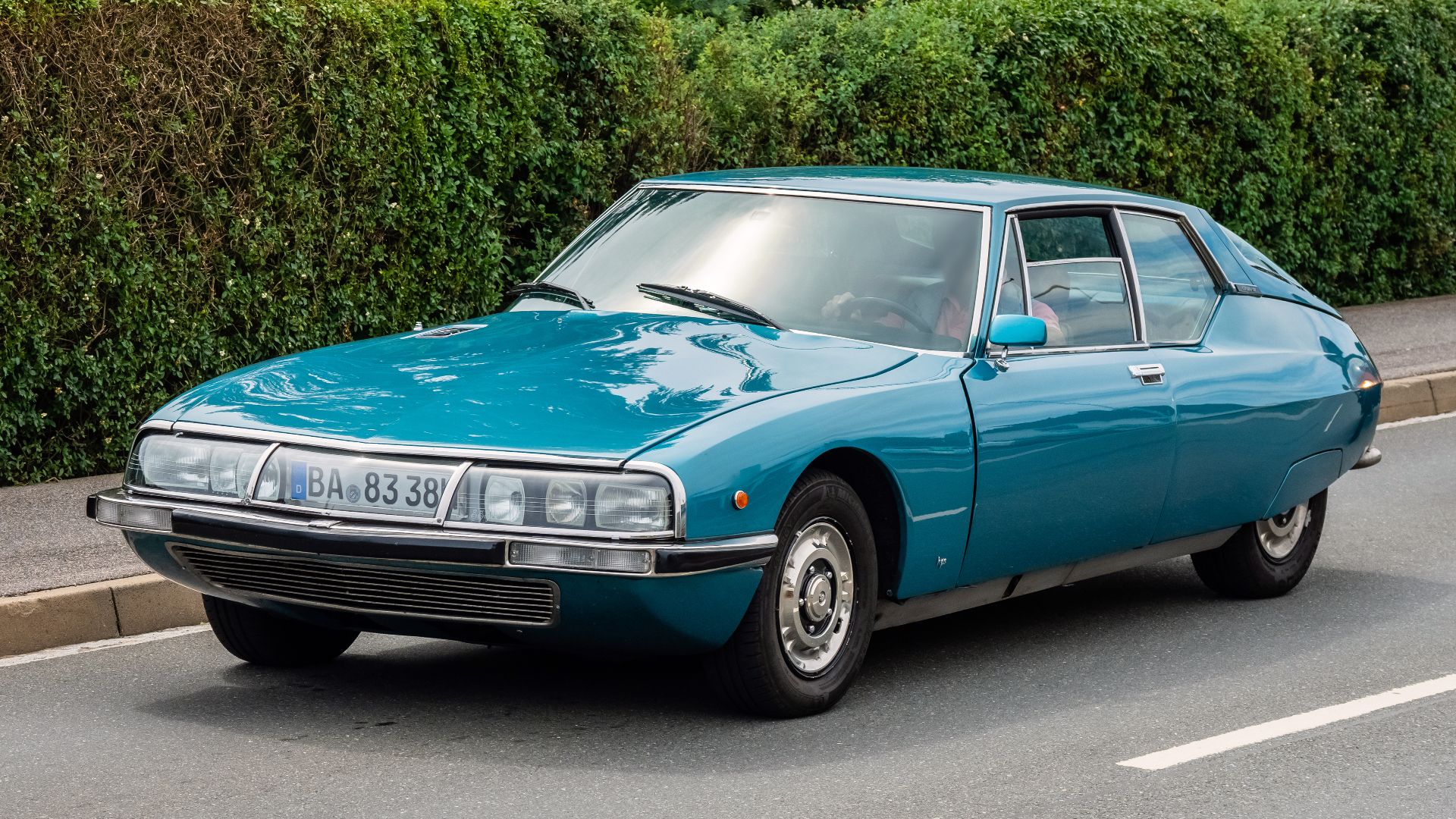
Citroën SM
The SM was what happened when Citroën’s appetite for strange engineering met Maserati performance. Its 2.7-liter Maserati V6 sat beneath an incredibly aerodynamic body, while hydropneumatic suspension kept the ride smooth regardless of load. European cars could also have headlights that turned with the steering, and the unusual self-centering steering system made the SM feel unlike almost anything else. It was complicated, brilliant, and very French.
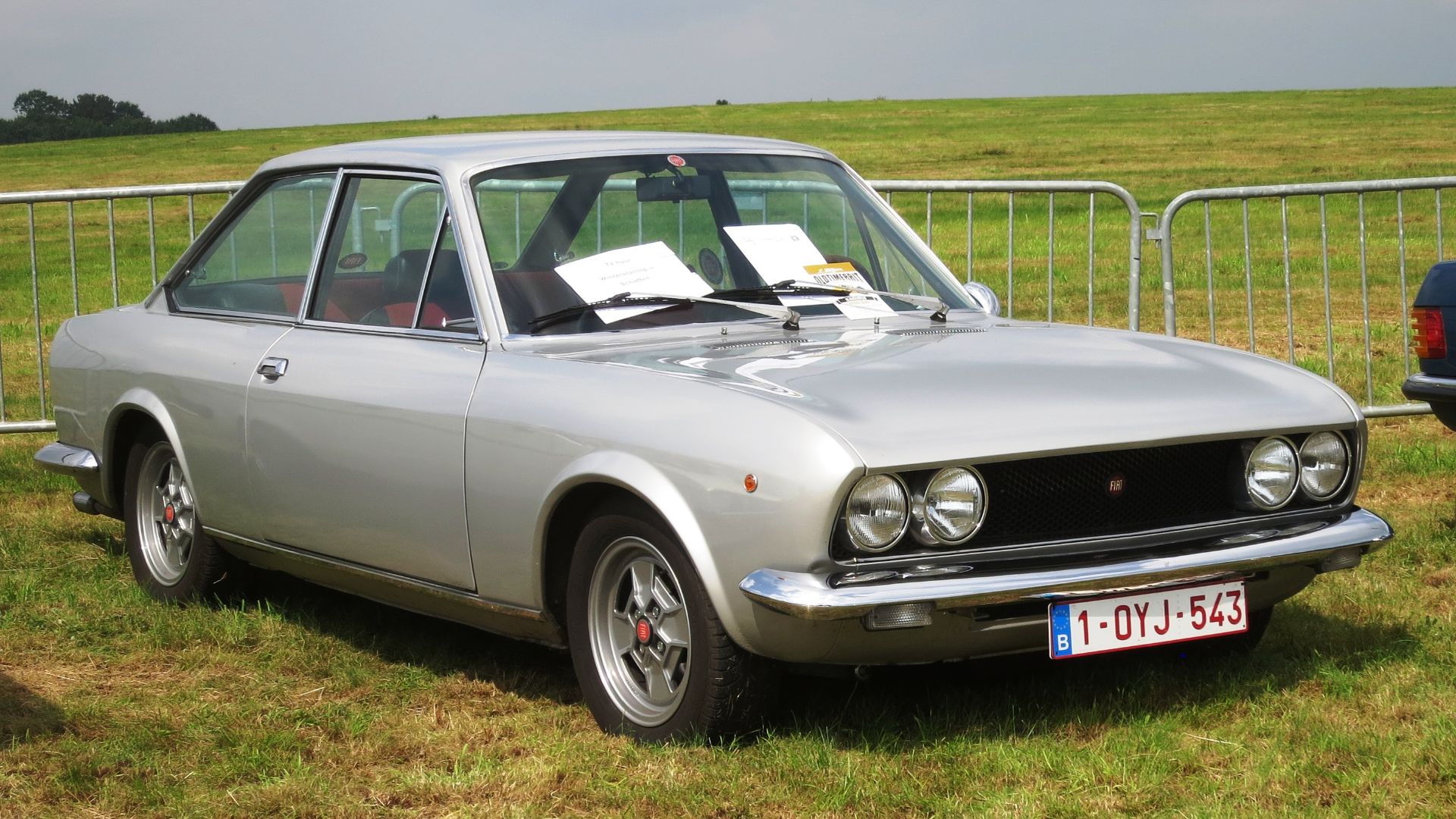
Fiat 124 Coupé
The Fiat 124 Coupé brought genuine Italian sports-car flavor to buyers who couldn’t afford anything exotic. During the 1970s it gained four headlights and progressively larger twin-cam engines, eventually reaching 1.8 liters before production ended in 1975. A five-speed manual was also unusually sophisticated equipment at its price point. It looked elegant rather than aggressive, making it the sort of coupe that could be fun without constantly announcing itself.
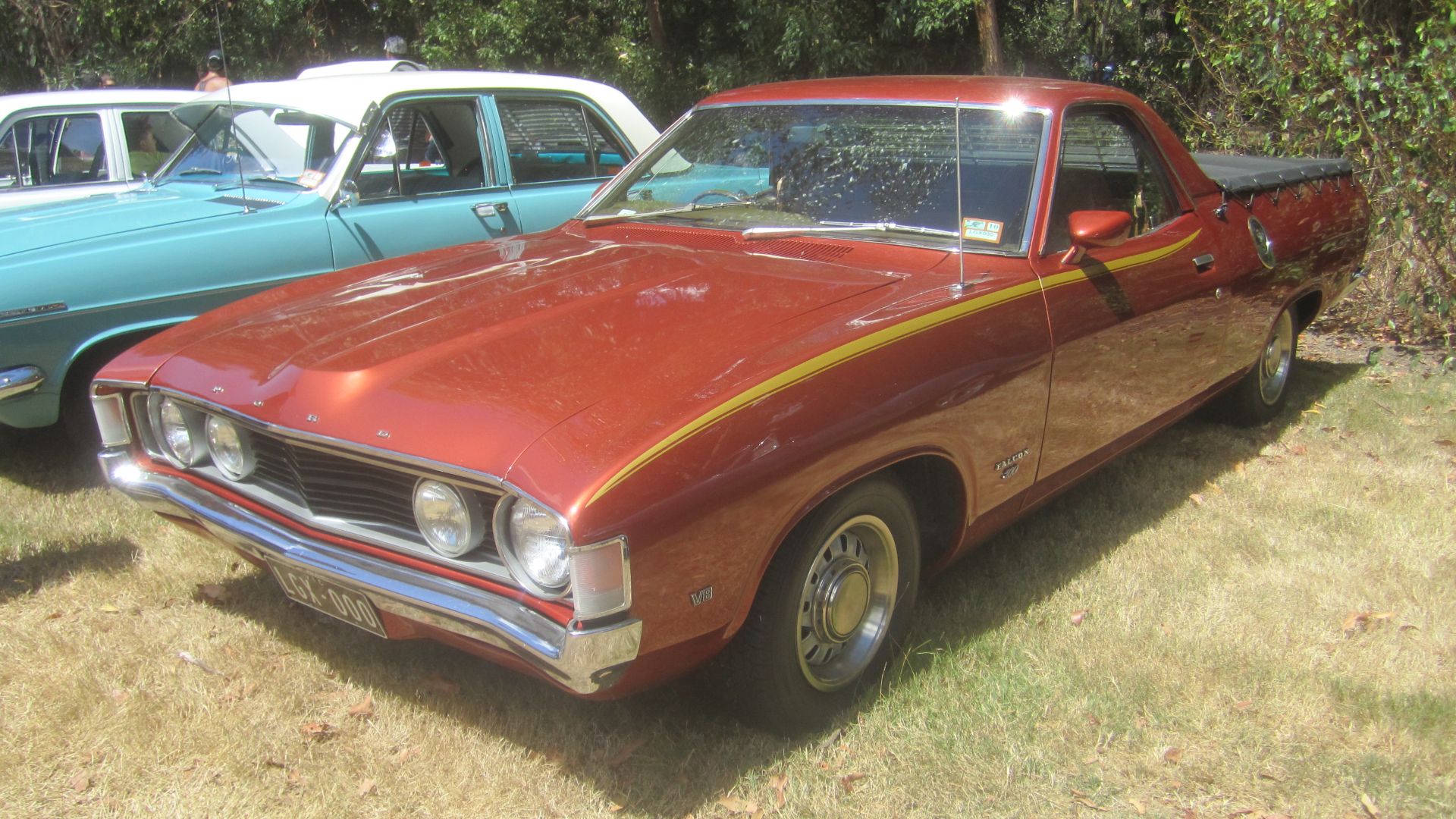
Ford Falcon
This is the Australian Falcon, where Ford offered something much more dramatic than the four-door family sedan most people picture. The XA hardtop arrived in 1972, followed by the XB and XC, with powerful V8 versions giving Australia its own distinctly local muscle coupe. The XB shape later became internationally famous through Mad Max. The rare XC Cobra pushed the formula even further with its white-and-blue racing-inspired appearance.
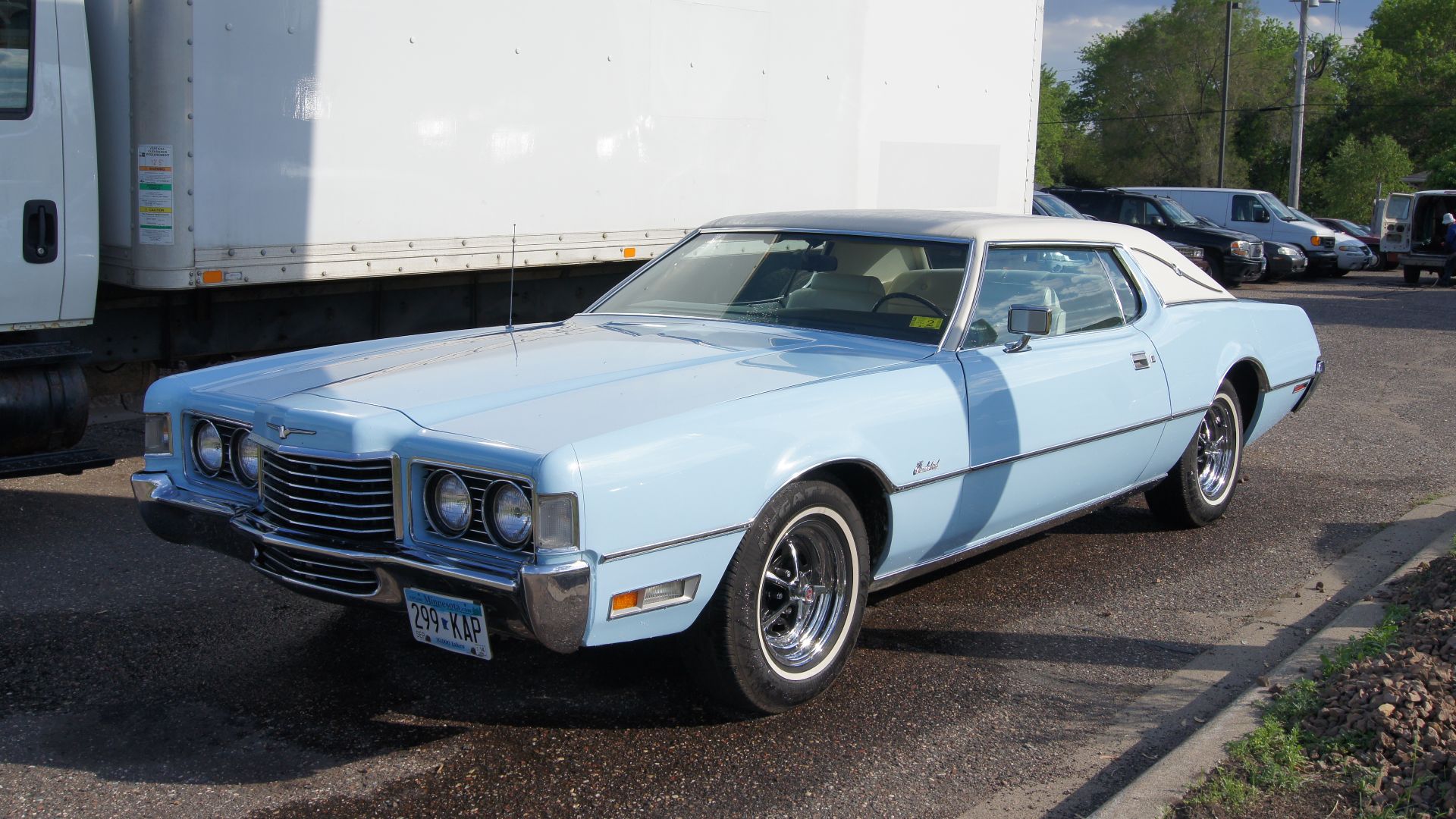
Ford Thunderbird
The Thunderbird spent the 1970s transforming along with American tastes. The 1972–76 versions were enormous personal-luxury coupes with long hoods, thick interiors, and big V8 engines, making the original two-seat Thunderbird seem like a distant memory. Ford then dramatically downsized the car for 1977. Buyers loved the change, and that smaller 1977–79 generation became one of the most commercially successful Thunderbirds ever.
 Greg Gjerdingen from Willmar, USA, Wikimedia Commons
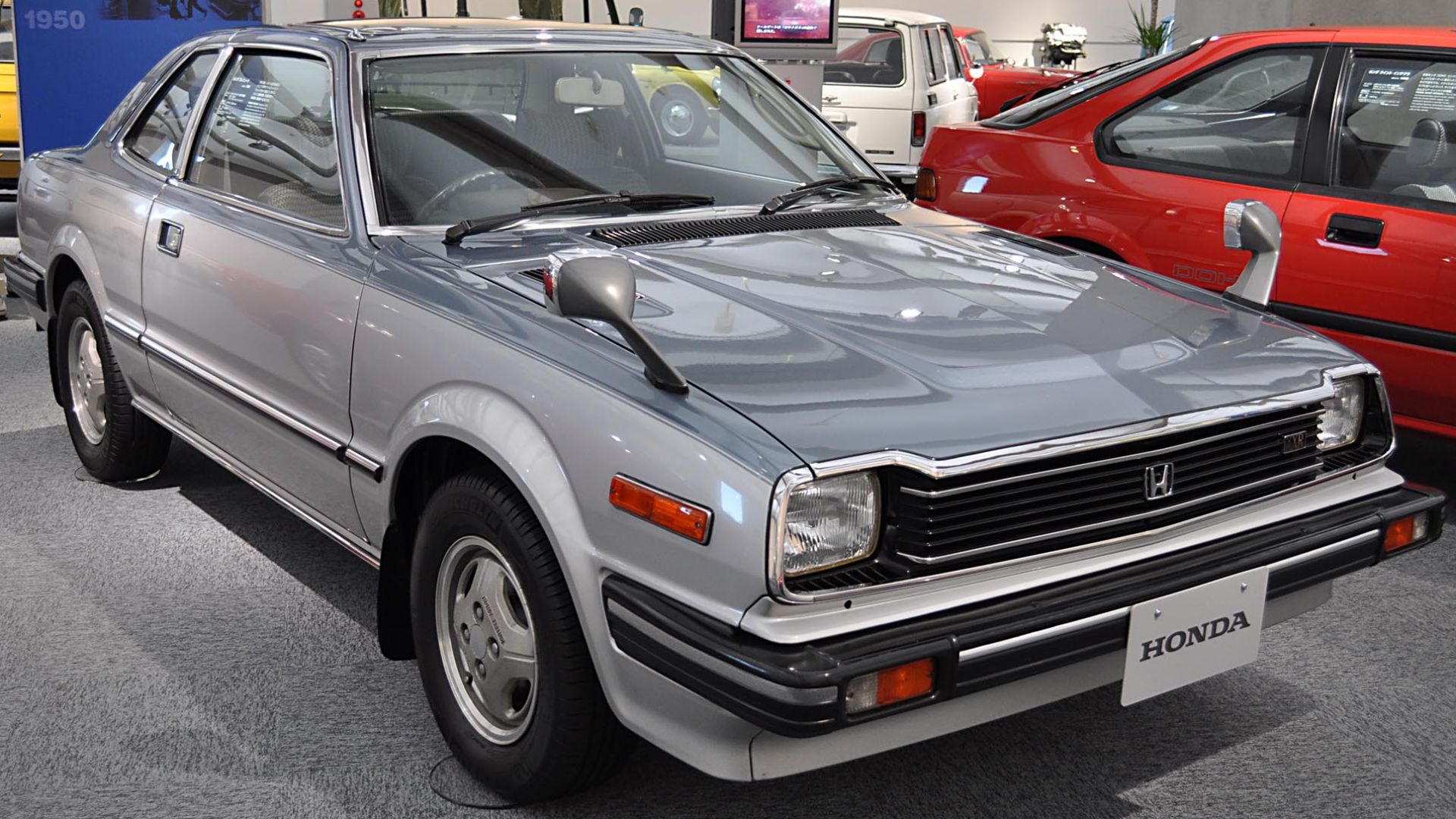
Honda Prelude
Honda entered the personal-coupe market surprisingly late in the decade, launching the original Prelude in Japan in 1978. It borrowed some mechanical pieces from the Accord but wrapped them in a lower, sportier two-door body with four-wheel independent suspension. One of its biggest novelties was an electric sunroof, unusually sophisticated equipment for an affordable Japanese coupe. Later Preludes became much sportier, but this first one established the formula.
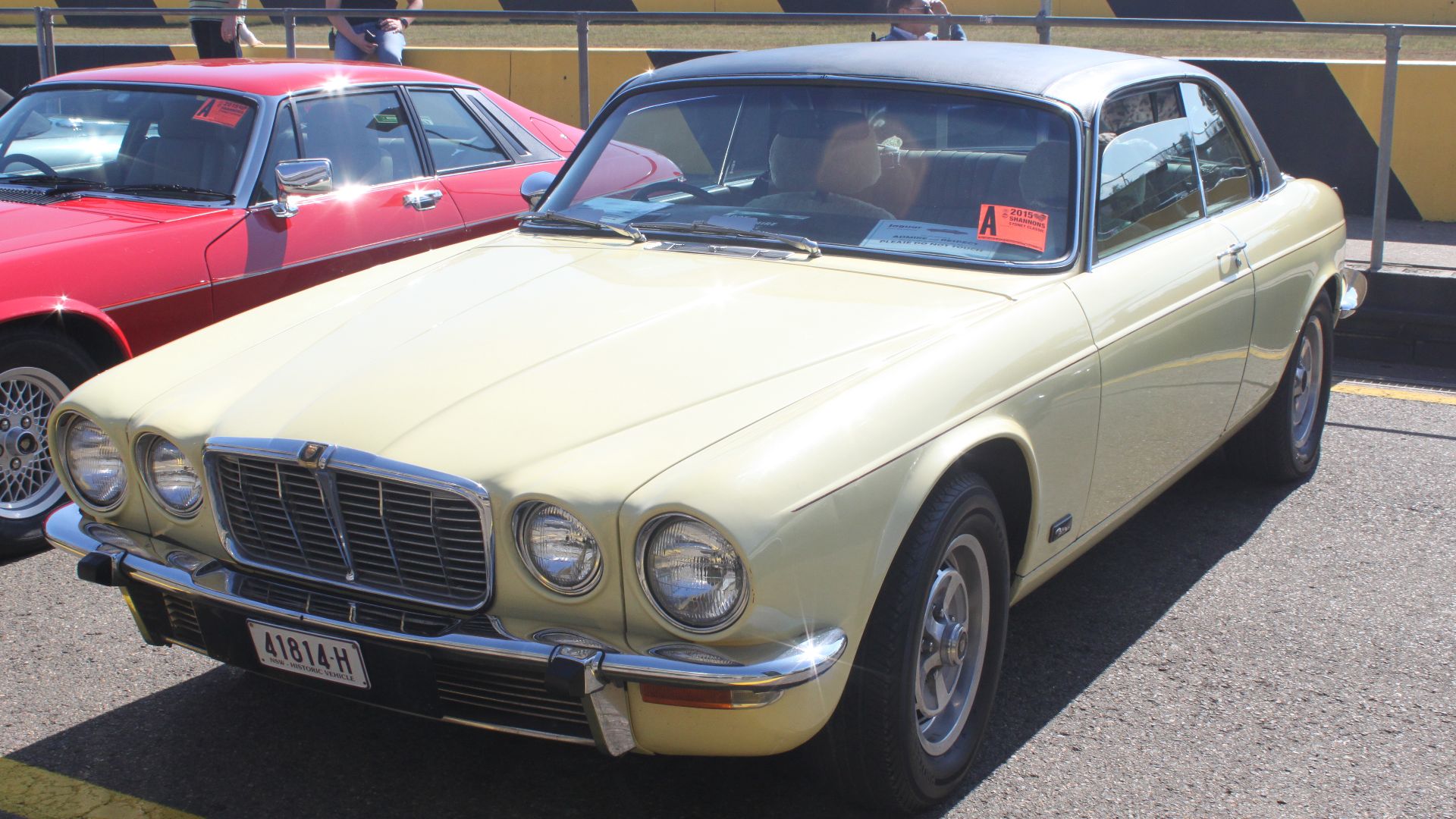
Jaguar XJC
Jaguar took the elegant XJ sedan, removed two doors and the center pillars, and somehow made the shape look even better. The XJC was shown earlier in the decade but didn’t reach customers until 1975 because Jaguar struggled with sealing the large pillarless side windows. Buyers could choose six-cylinder or V12 power. Production ended in 1977, leaving behind one of Jaguar’s prettiest and shortest-lived coupes.
 Jeremy from Sydney, Australia, Wikimedia Commons
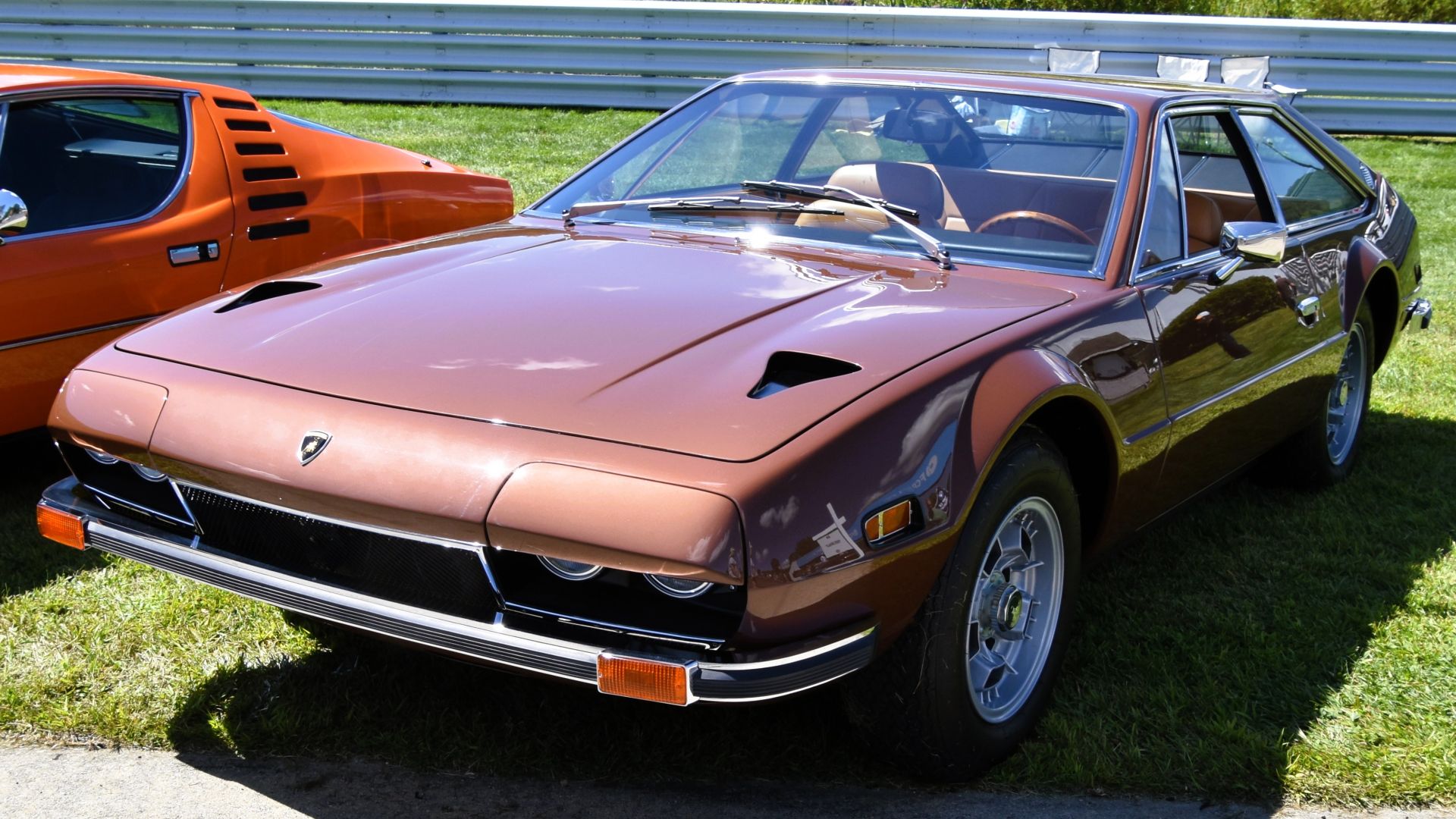
Lamborghini Jarama
The Jarama was Lamborghini’s final front-engine 2+2 and one of the company’s more unusual designs. Introduced in 1970, it combined Bertone styling with partially covered headlights, huge rear quarter windows, and Lamborghini’s familiar 4.0-liter V12. The later Jarama S increased output to around 365 horsepower. Even Ferruccio Lamborghini reportedly favored the model, yet it has always lived in the shadow of the Miura and Countach.
 Charles from Port Chester, New York, Wikimedia Commons
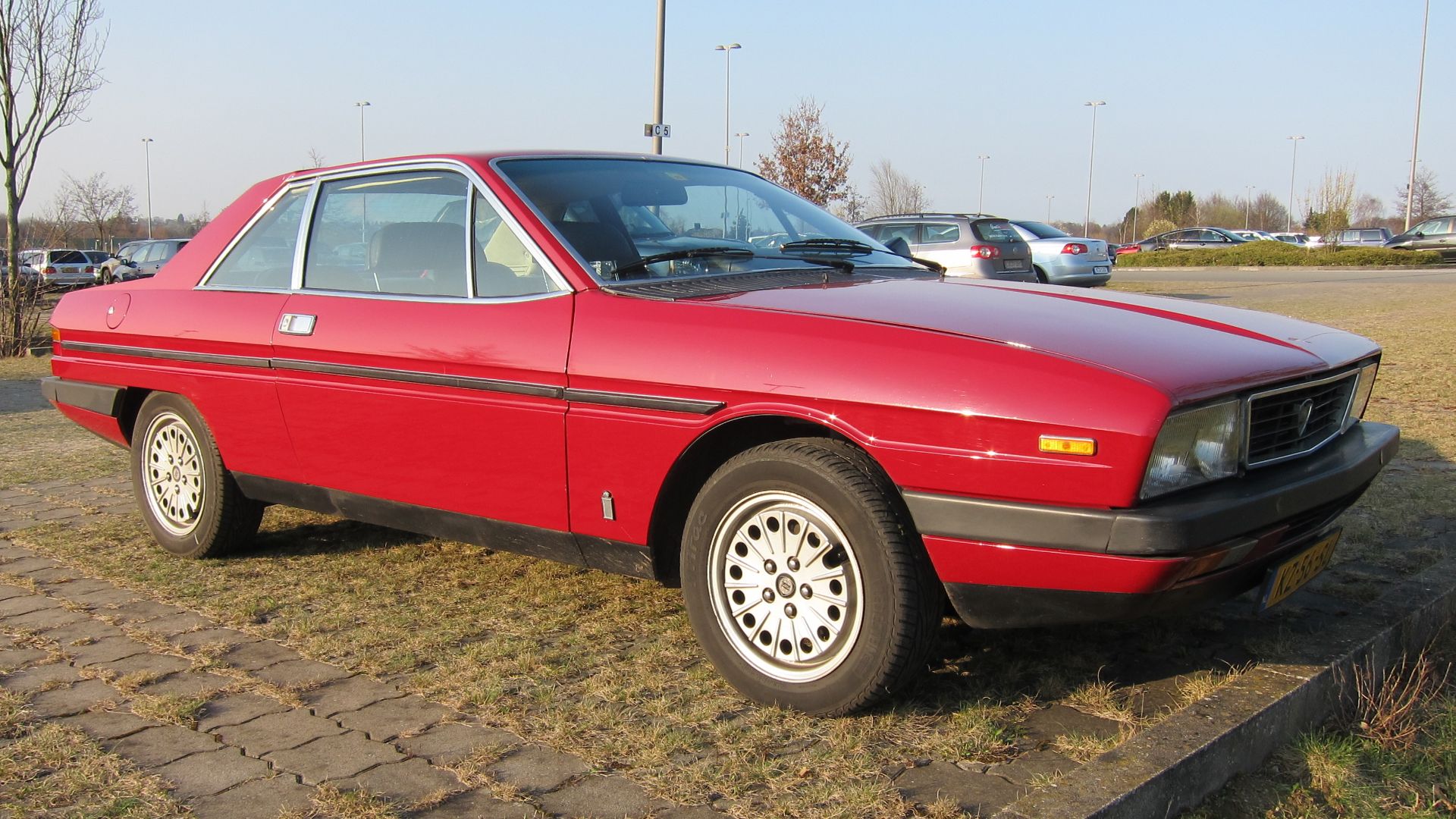
Lancia Gamma Coupé
The Gamma Coupé was an unusually restrained kind of Italian luxury car. Pininfarina gave it clean, elegant lines that looked almost minimalist beside some of the decade’s wilder designs, while Lancia installed a flat-four engine and front-wheel drive underneath. The 2.5-liter version produced around 140 horsepower. Early mechanical problems hurt the Gamma’s reputation, but the coupe’s understated design has aged particularly well.
 Triple-green, Wikimedia Commons
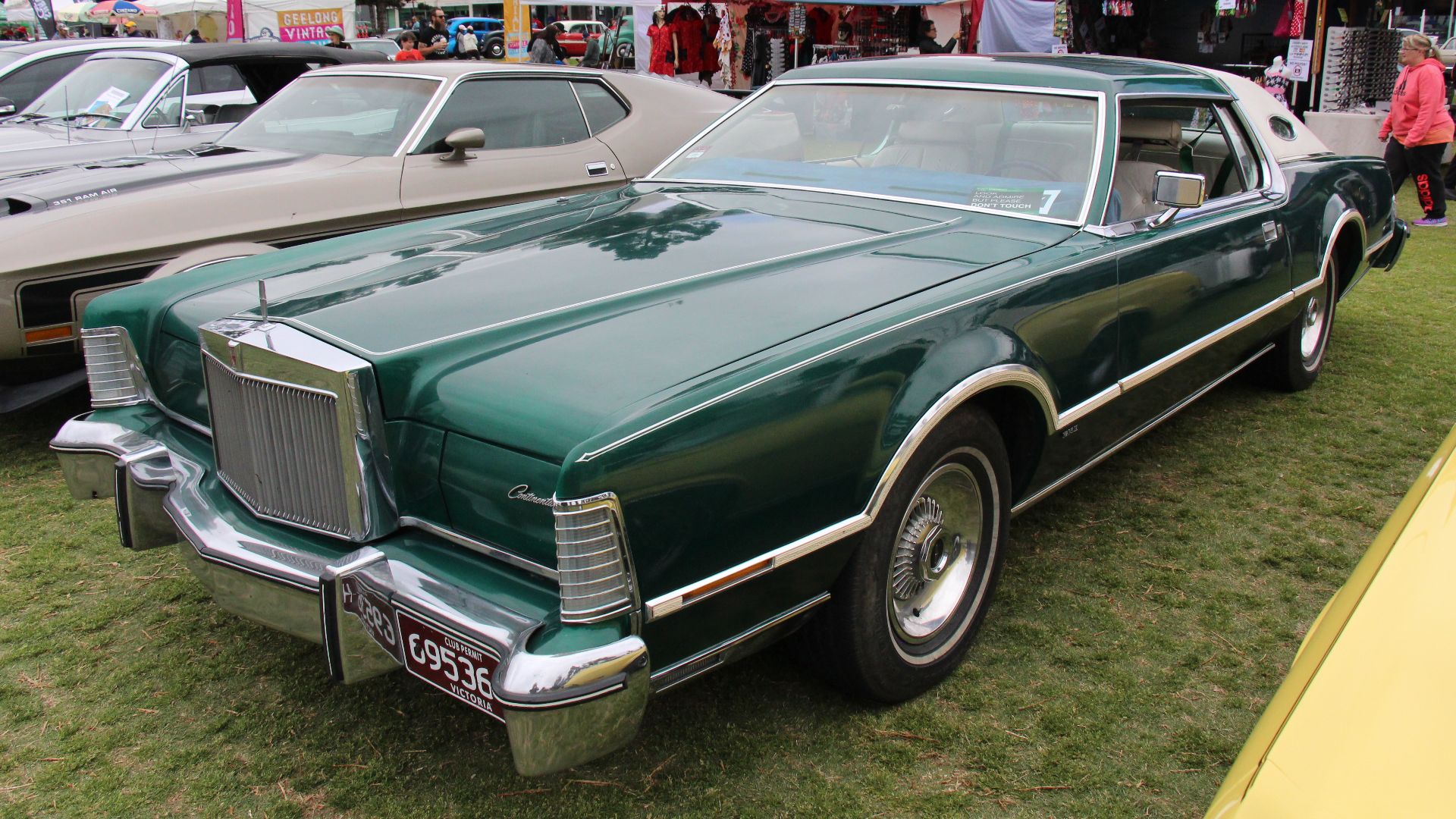
Lincoln Continental MkIV
The Continental Mark IV represented American personal luxury at its most unapologetic. Sold from 1972 through 1976, it had an enormous hood, formal roofline, opera windows, a Continental-style spare-tire hump in the trunk lid, and acres of heavily padded interior trim. Performance wasn’t really the point, despite the massive V8 under the hood. This was a coupe built to make an entrance, not chase lap times.
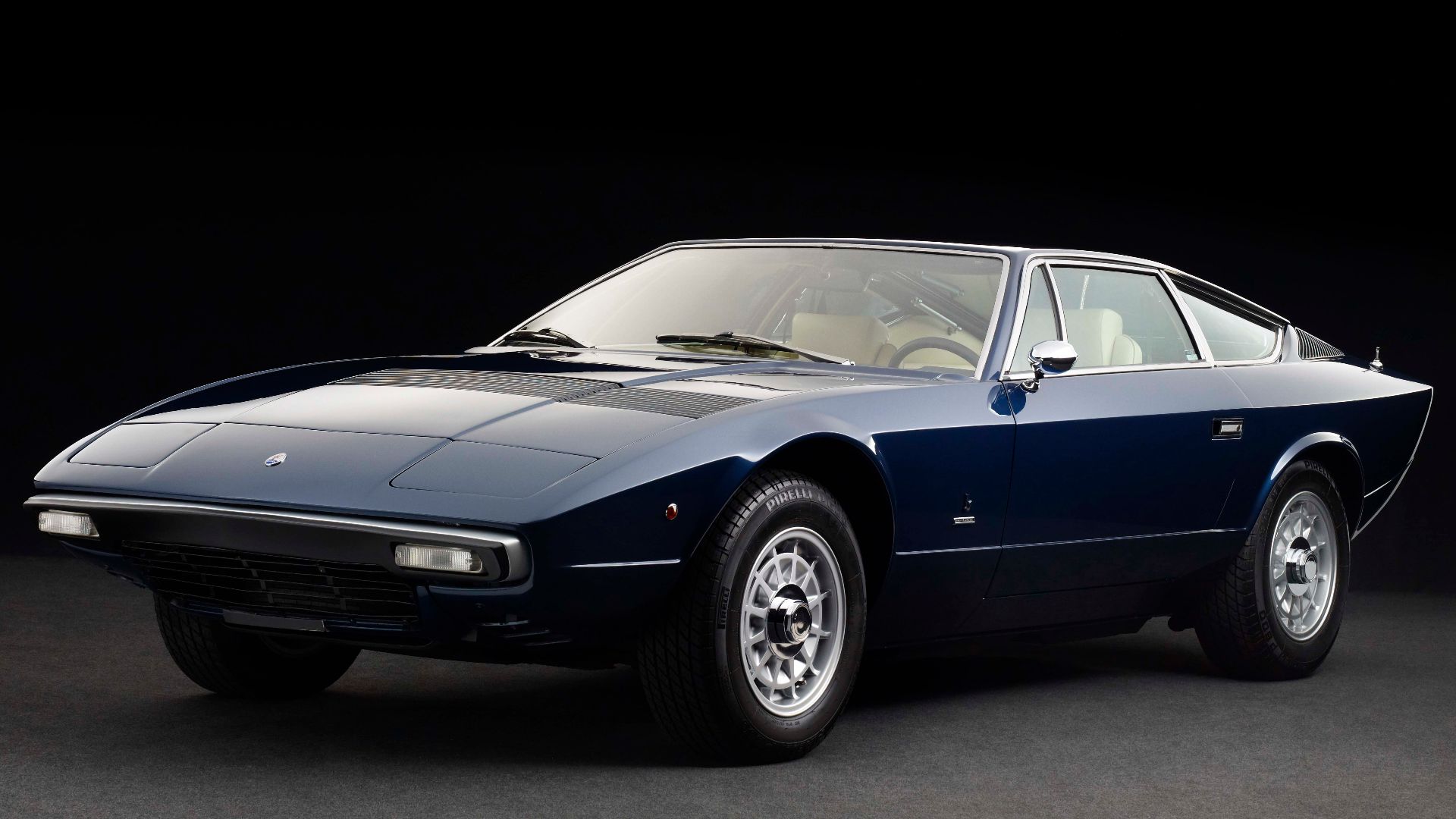
Maserati Khamsin
Marcello Gandini’s Khamsin was a radically different successor to Maserati’s Ghibli. Its wedge-shaped body included a transparent rear panel, while a 4.9-liter quad-cam V8 produced around 320 horsepower and could push the car toward 168 mph. Citroën ownership also brought unusual high-pressure hydraulic systems for functions including the brakes and steering. Only a few hundred were produced, making the Khamsin rare even by classic Maserati standards.
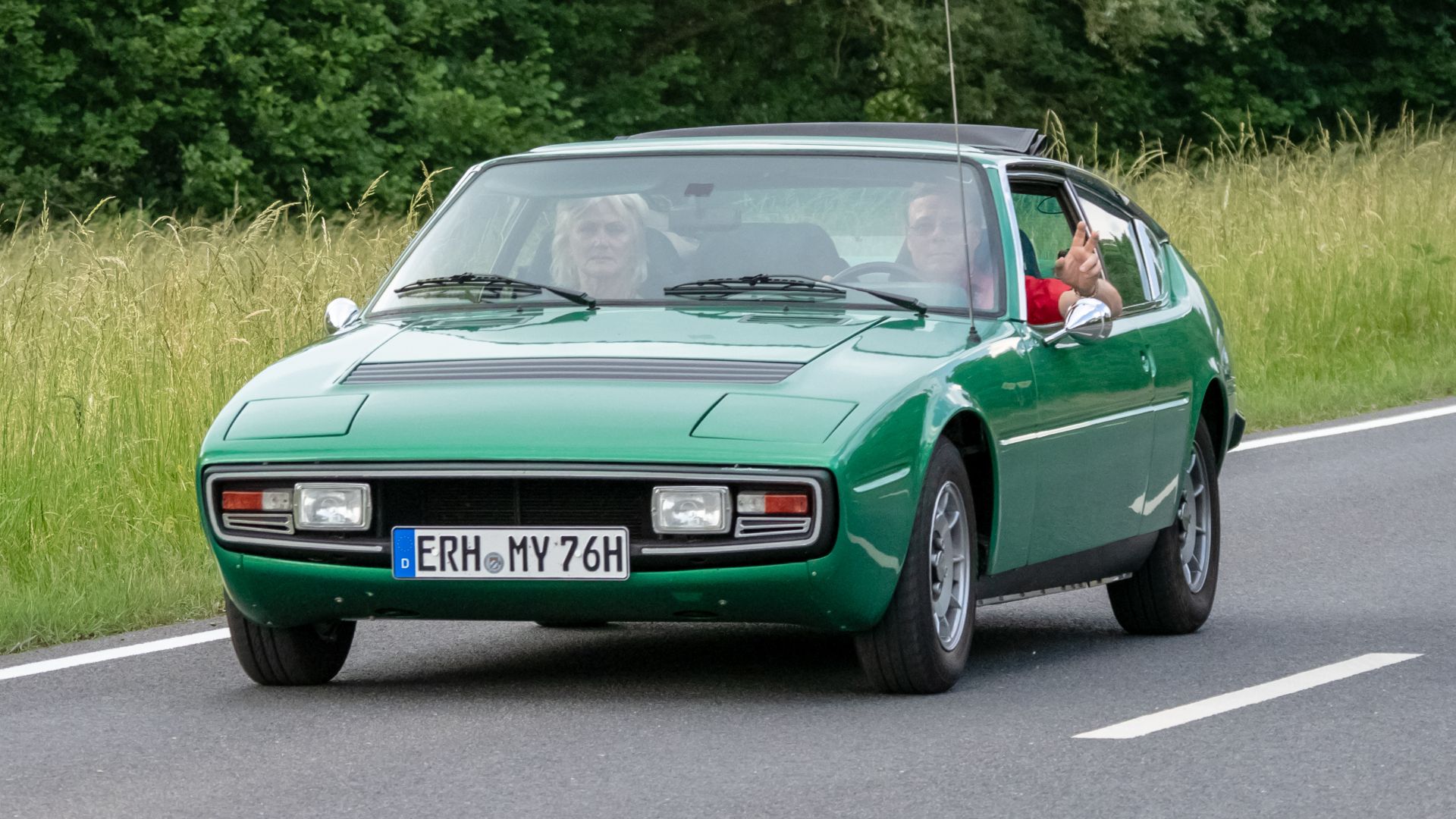
Matra Bagheera
The Bagheera might have one of the cleverest interiors of any sports coupe from the decade. Matra placed its three seats side-by-side across one row, giving the mid-engine car room for three without adding a conventional back seat. Power initially came from a modest 1.3-liter four-cylinder, so straight-line performance wasn’t the main attraction. Instead, it offered lightweight construction, unusual packaging, and styling that looked far more exotic than the mechanicals suggested.
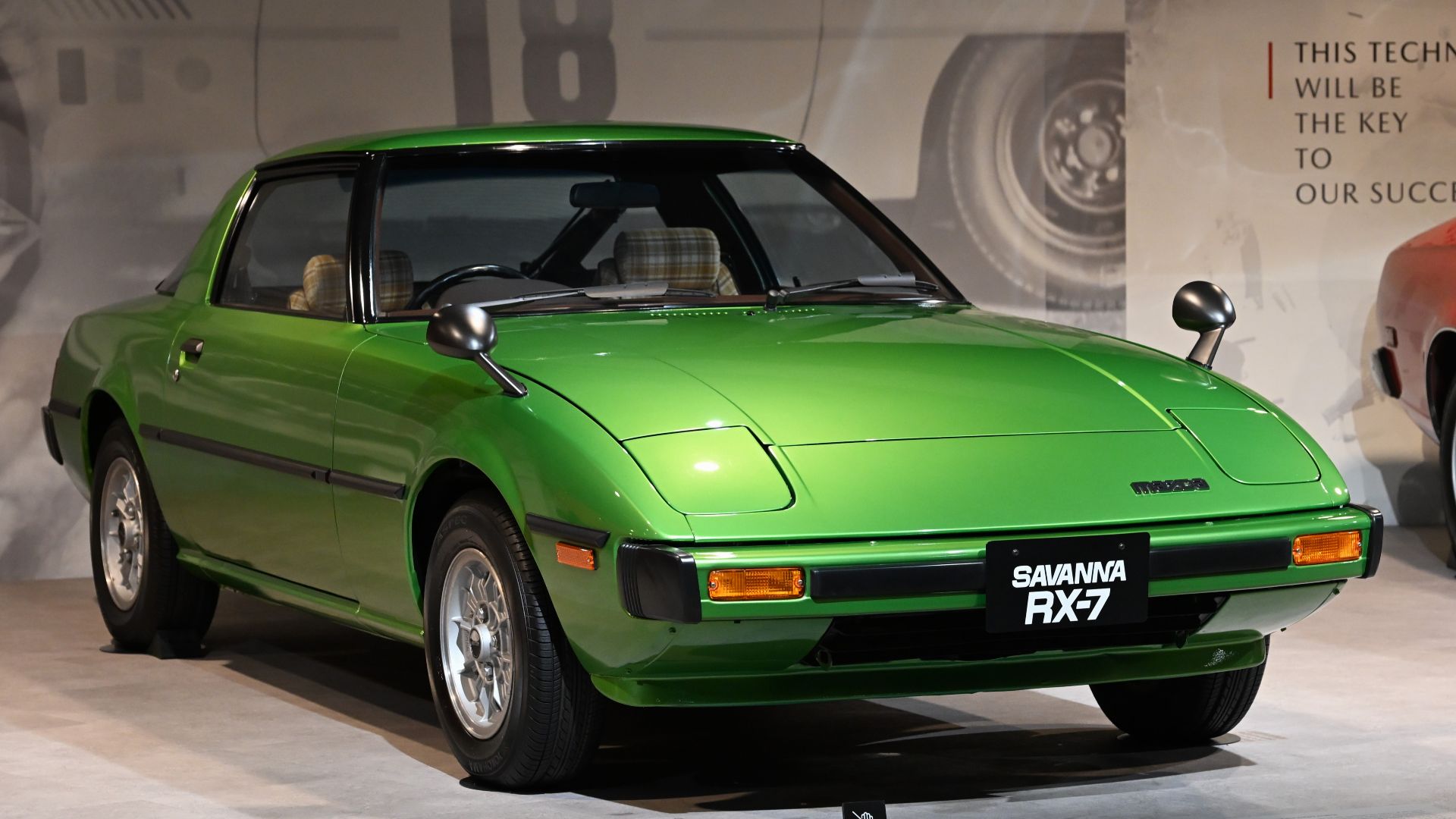
Mazda RX-7
The first RX-7 arrived in 1978 and gave Mazda exactly the kind of car its rotary engine had been waiting for. Mounting the compact 12A rotary behind the front axle helped create excellent balance, while the low nose, pop-up headlights, and glass hatch made the car look thoroughly modern. It wasn’t overwhelmingly powerful, but it was light and eager. The RX-7 quickly showed that Japan could build a genuinely distinctive affordable sports coupe.
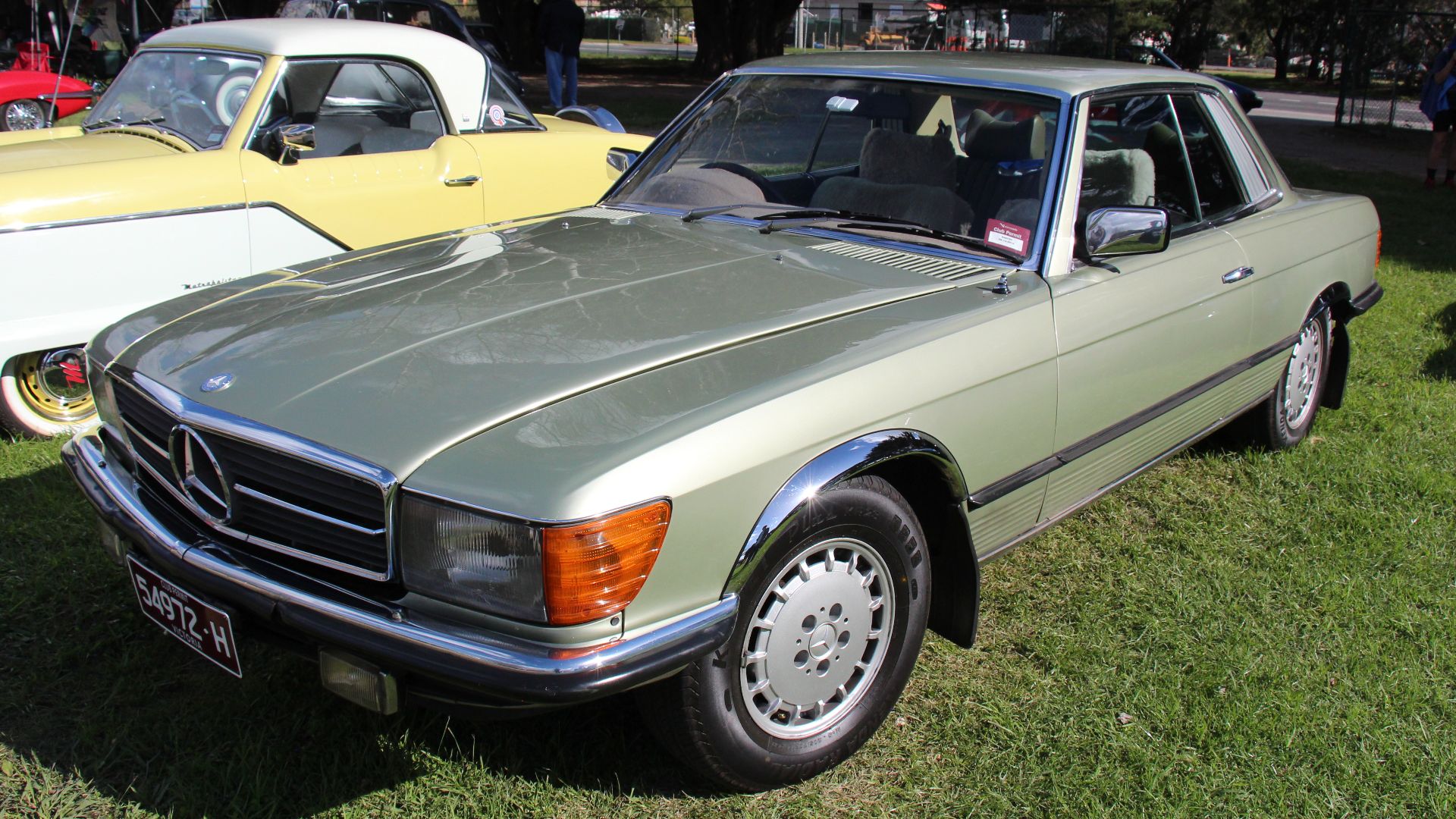
Mercedes-Benz SLC
Mercedes stretched the R107 SL platform and turned it into the fixed-roof SLC in 1971. The longer wheelbase created proper rear seating, while the unusual side-window louvers became one of the coupe’s most recognizable details. Six- and eight-cylinder versions were offered, with the V8s giving it effortless autobahn performance. It was less delicate than many European coupes, but that substantial feel was exactly what buyers expected from a Mercedes grand tourer.
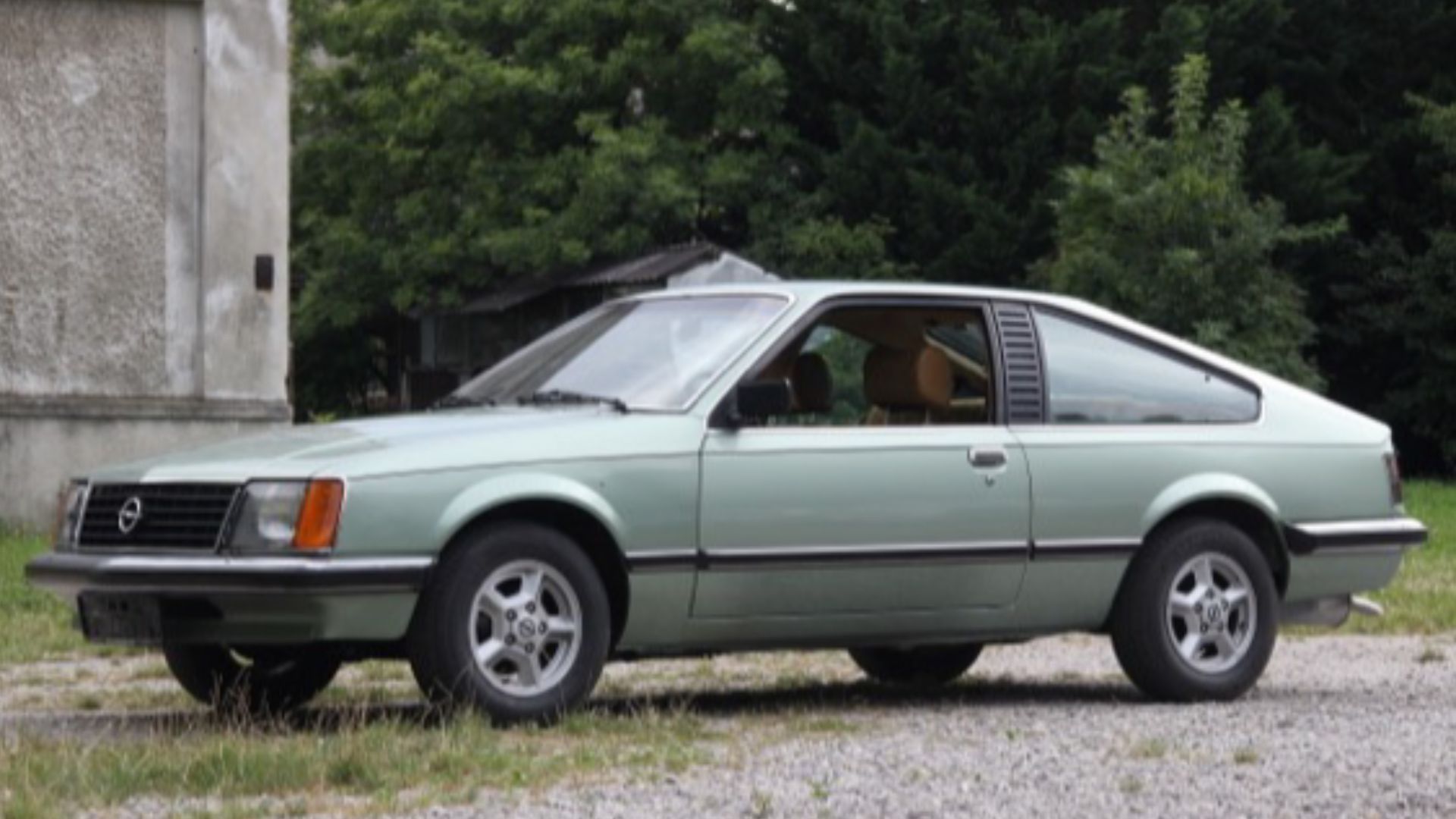
Opel Monza
The Opel Monza arrived in 1978 as the sporty fastback companion to the more formal Senator sedan. Its large rear hatch made it surprisingly practical, while rear-wheel drive and available straight-six engines gave it proper grand-touring credentials. The 3.0-liter version was the early performance choice. It occupied an interesting space between ordinary European family cars and more expensive luxury coupes, making it a kind of attainable German GT.
 Garagenschnüffler, Wikimedia Commons
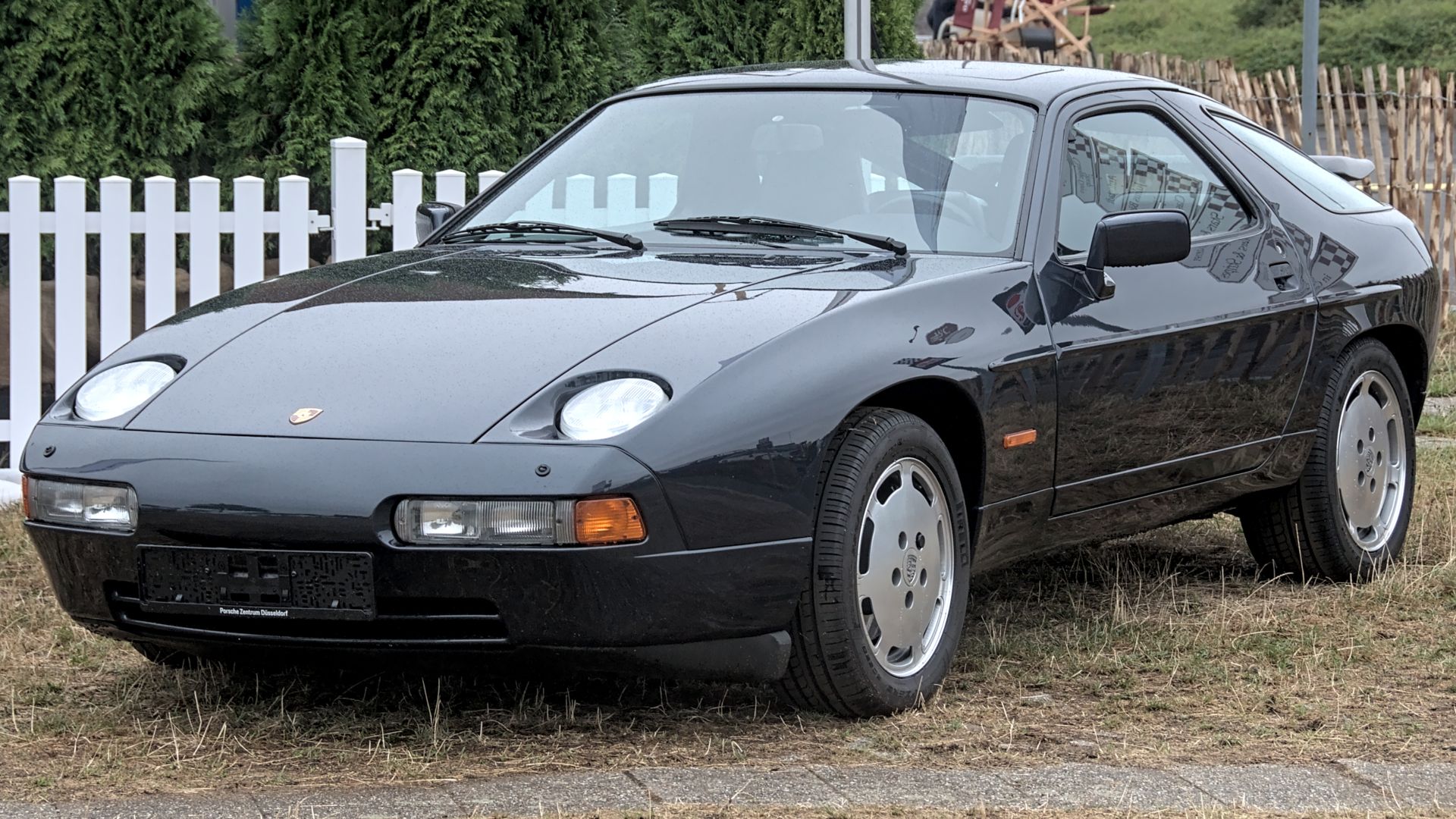
Porsche 928
Porsche shocked traditionalists when it unveiled the 928 in 1977. Instead of an air-cooled flat-six hanging behind the rear axle, it used a water-cooled V8 up front with a transaxle at the rear for better balance. Porsche initially intended the luxurious grand tourer to eventually replace the 911. That never happened, but the 928 was impressive enough to win the 1978 European Car of the Year award, something no other sports car has managed.
 Alexander Migl, Wikimedia Commons
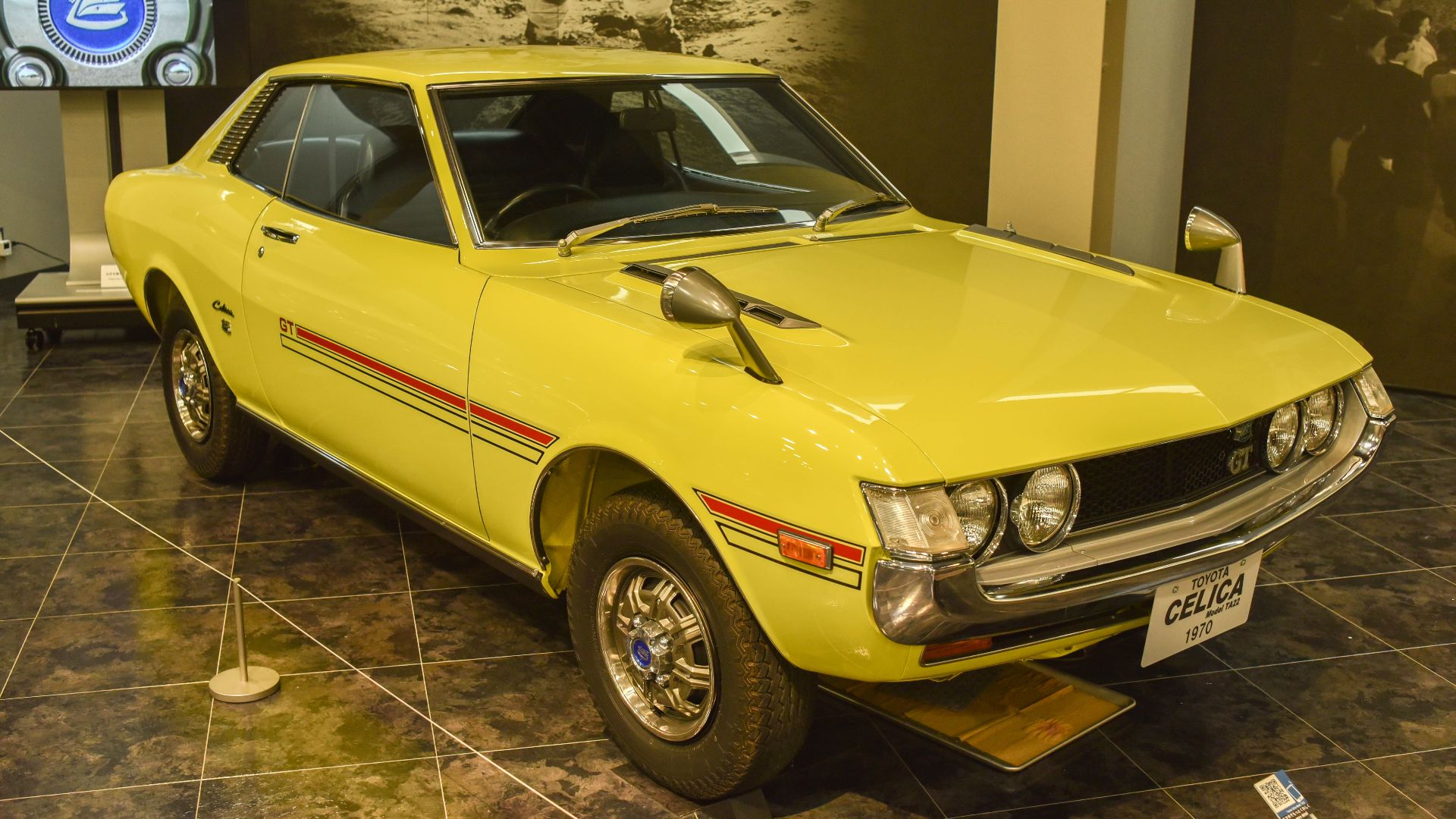
Toyota Celica
The Celica helped prove that stylish coupes didn’t have to be expensive or temperamental. Introduced in 1970, Toyota offered conventional coupe and later Liftback body styles, with numerous engines and trim levels depending on the market. The formula worked spectacularly well: Toyota produced its millionth Celica by early 1977. It gave young buyers sporty looks, rear-wheel drive, and Toyota practicality in one approachable package.
 Coolalabright, Wikimedia Commons
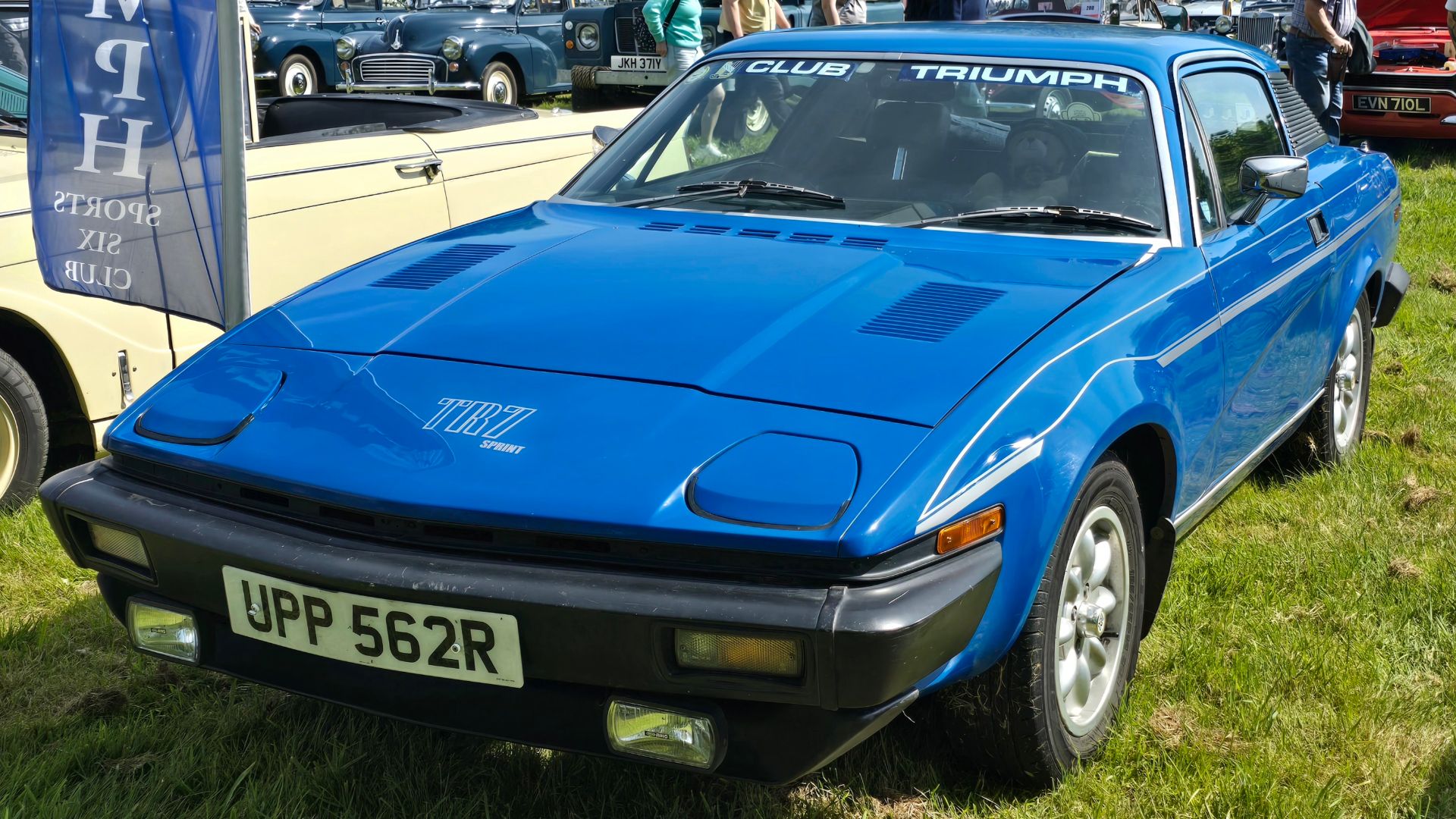
Triumph TR7
Nothing about the TR7 looked like the rounded British roadsters that came before it. Its dramatic wedge-shaped body arrived for 1975 with pop-up headlights, sharp lines, and advertising that famously called it “the shape of things to come”. Underneath was a 2.0-liter four-cylinder driving the rear wheels. Build-quality troubles hurt its reputation, but the design now feels like one of the purest expressions of mid-1970s styling.
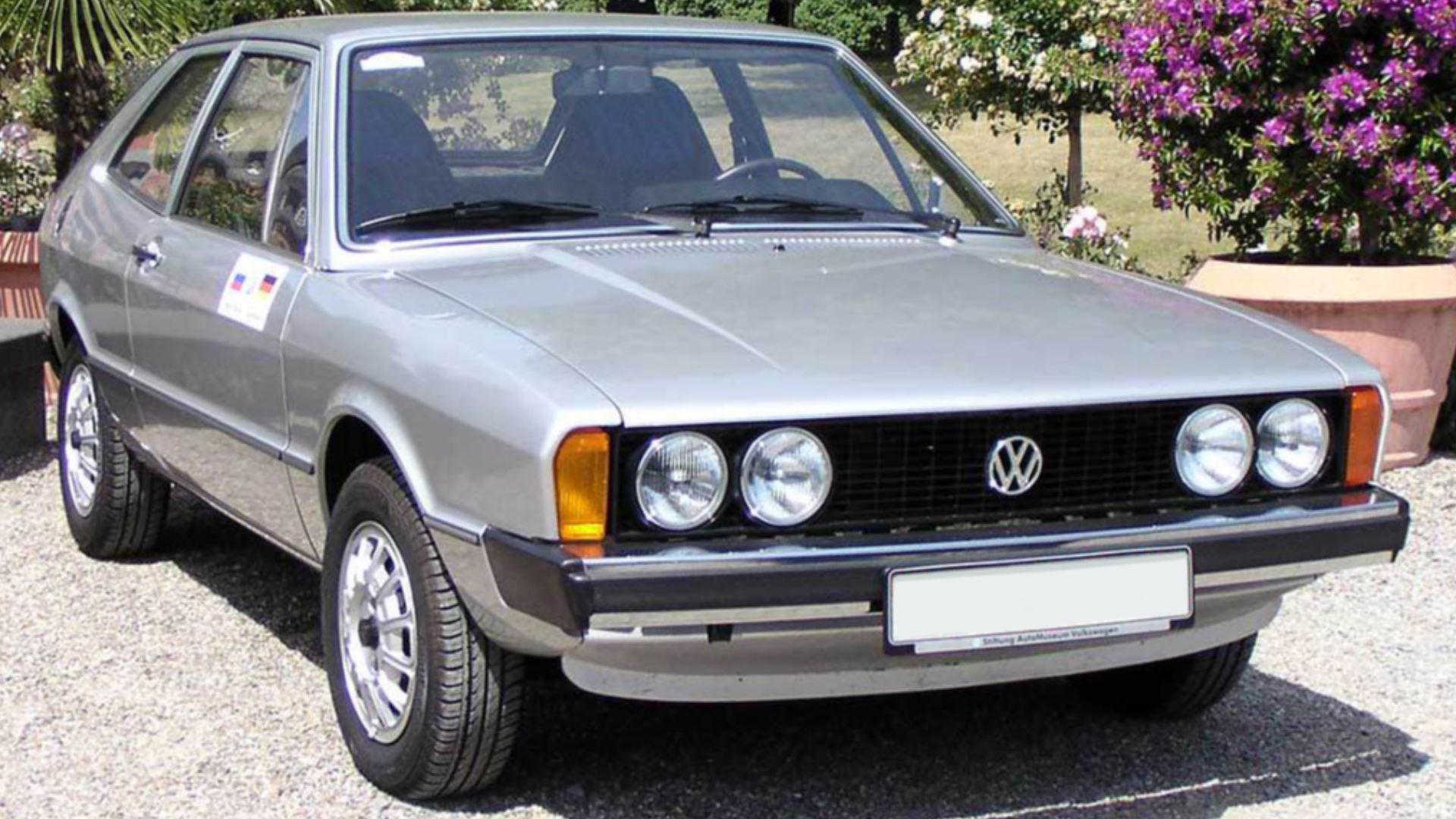
Volkswagen Scirocco
Volkswagen introduced the Scirocco in 1974, several months before the first Golf, giving buyers an early look at the company’s new front-wheel-drive future. Giorgetto Giugiaro’s low, angular body sat over hardware closely related to the Golf, keeping the coupe light, affordable, and practical. The hotter GTI and GLI versions arrived in 1976 with 110 PS. More than half a million first-generation Sciroccos would eventually be built.
You May Also Like:
Forgotten American Coupes That Tried To Keep Personal Luxury Alive
Small Pickup Trucks From The 1970s That Worked Hard Before Trucks Became Huge. Did You Ever Own One?