Remember Running Out Of Numbers?
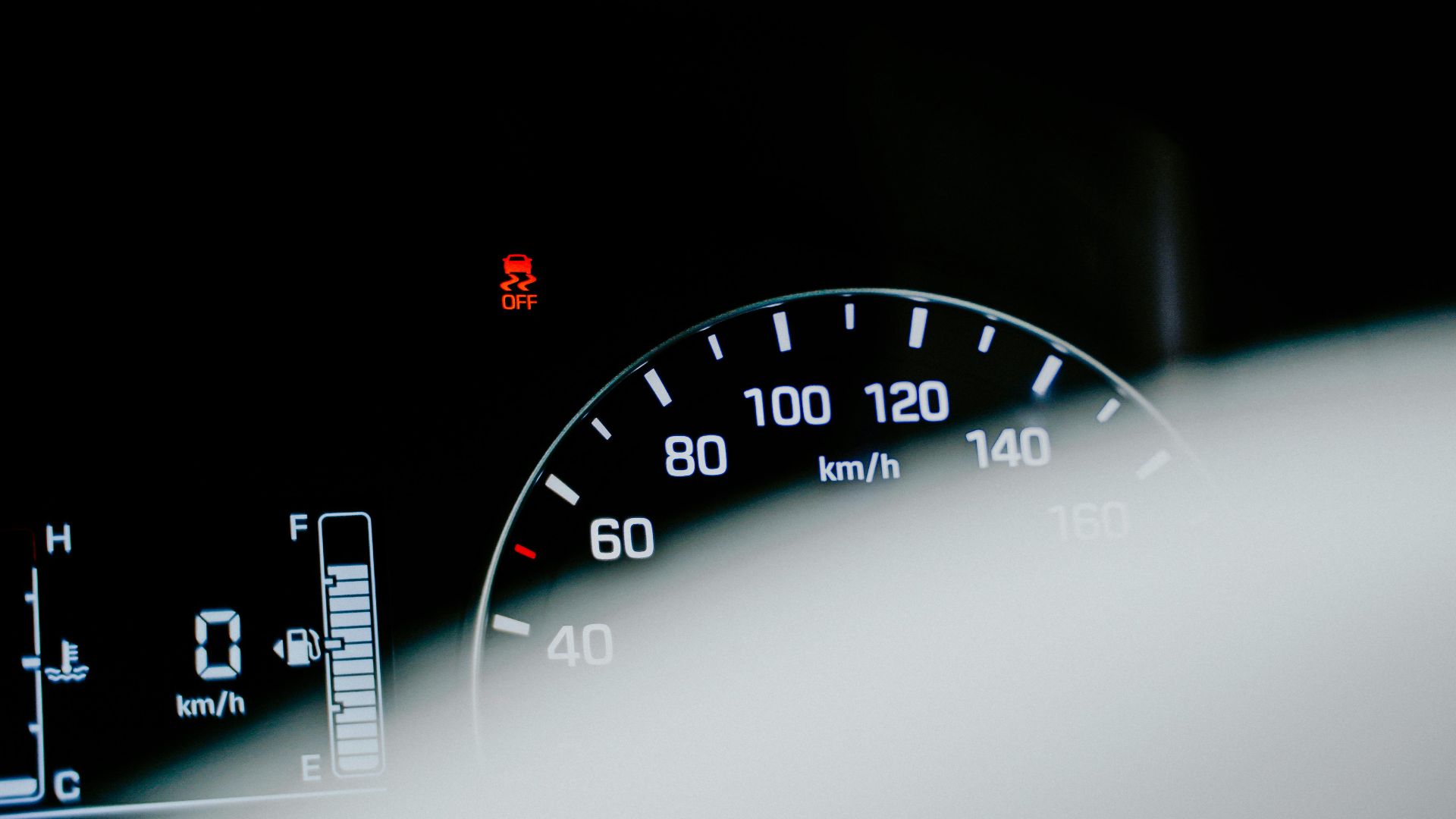
Get into certain old cars, look at the dashboard, and there it is: 85 mph. That’s as far as the speedometer goes. But why did so many different cars end up with that same peculiar stopping point? Well, there’s a very interesting story behind that…

The Numbers Used To Go Higher
Plenty of older cars had speedometers stretching to 120 mph, whether they could comfortably reach that speed or not. Some manufacturers were already using shorter scales before the government stepped in. But eventually, that 85 mph ceiling became more than a design decision. For new cars covered by the rule, it became a requirement.
And Then There Was That 55
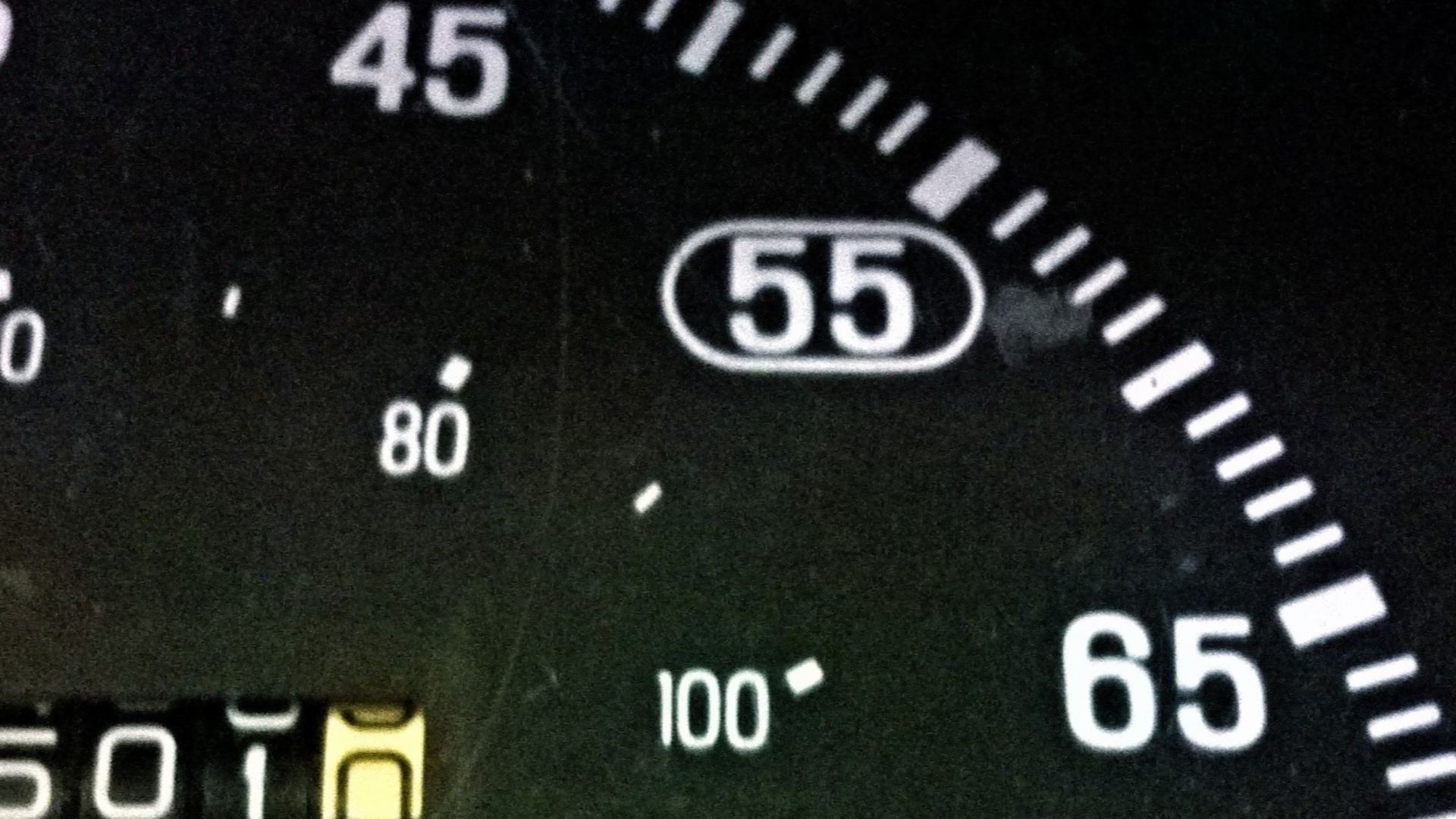
The other detail you might remember is the number 55 standing out from its neighbors. Sometimes it appeared in a different color or received another bit of visual emphasis. That little dashboard decoration was connected to the missing higher numbers. To understand both, though, you have to go back to the gas pumps.
The Trouble Started At The Pump
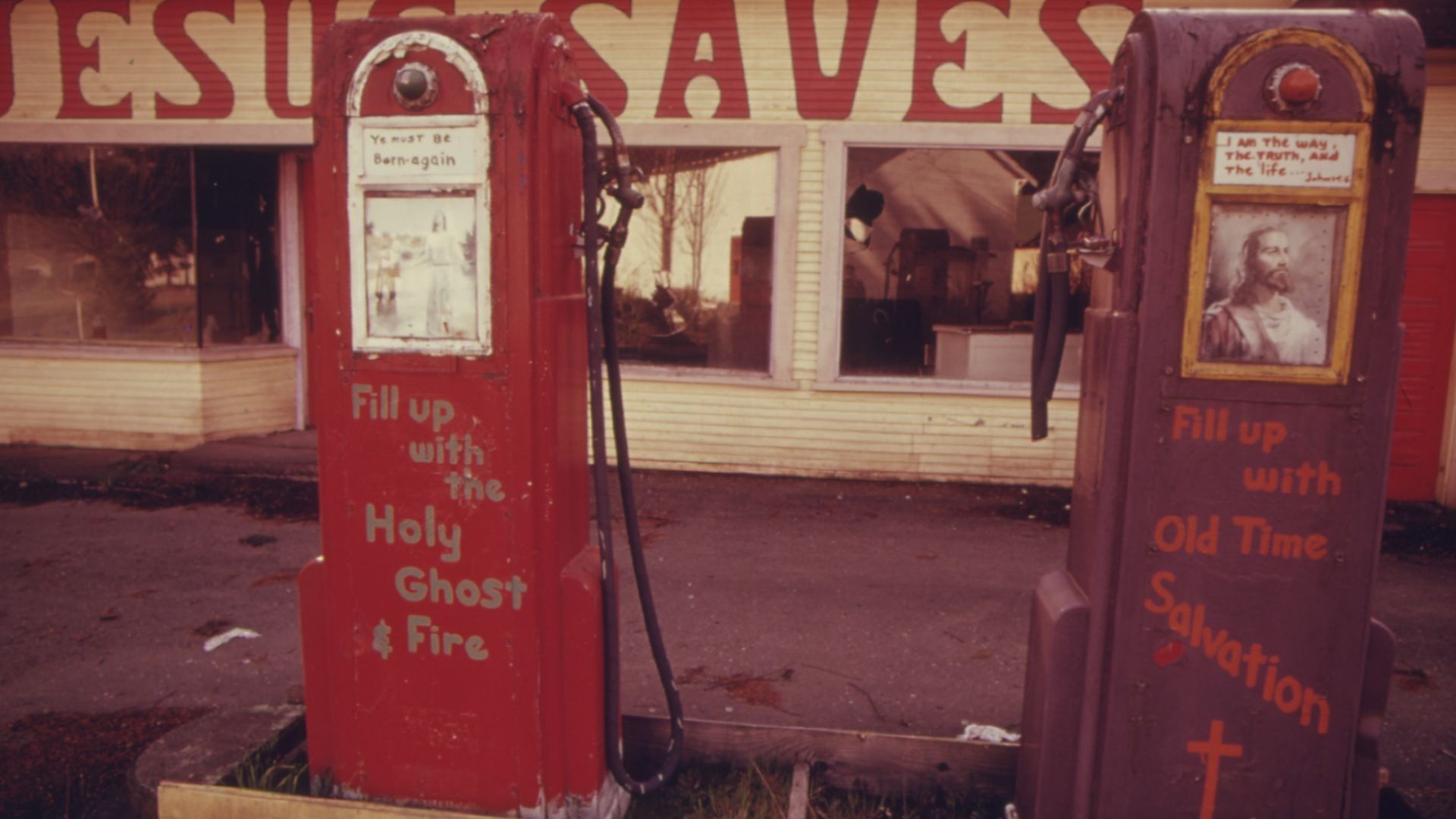
The 1973 oil crisis brought fuel shortages, higher prices, and those gas station lines Americans of a certain age remember all too well. Suddenly, saving gasoline became a national priority. And one way to get Americans to use less of it was to change how fast they drove.
 David Falconer, Wikimedia Commons
America Was Told To Slow Down
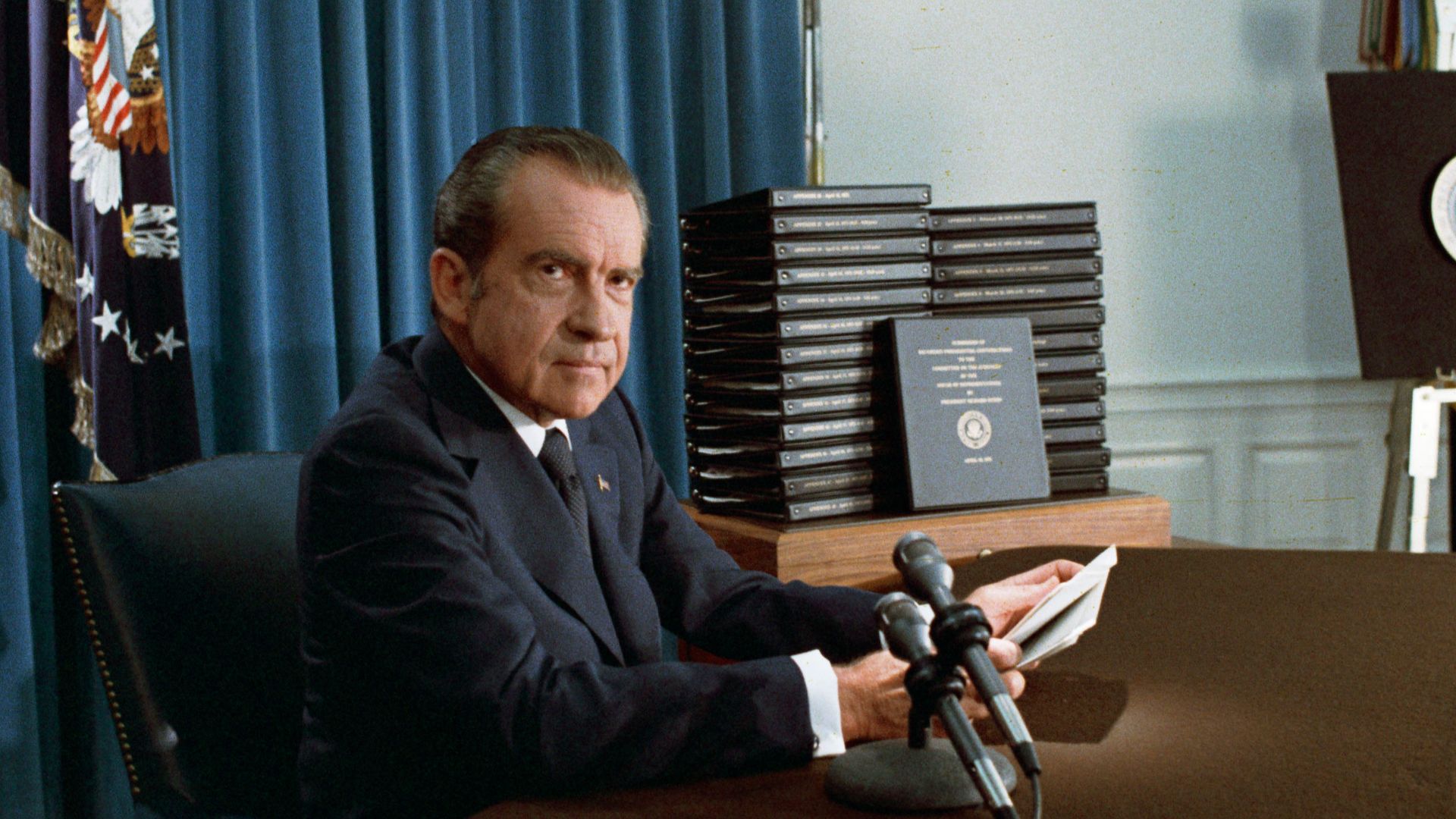
In January 1974, President Richard Nixon signed legislation tying federal highway project approvals to states adopting maximum speed limits of 55 mph. That’s how the familiar national limit took hold. But putting a lower number on roadside signs was one thing. Getting drivers to respect it was another.
 National Archives & Records Administration, Wikimedia Commons
Washington Came For The Dashboard
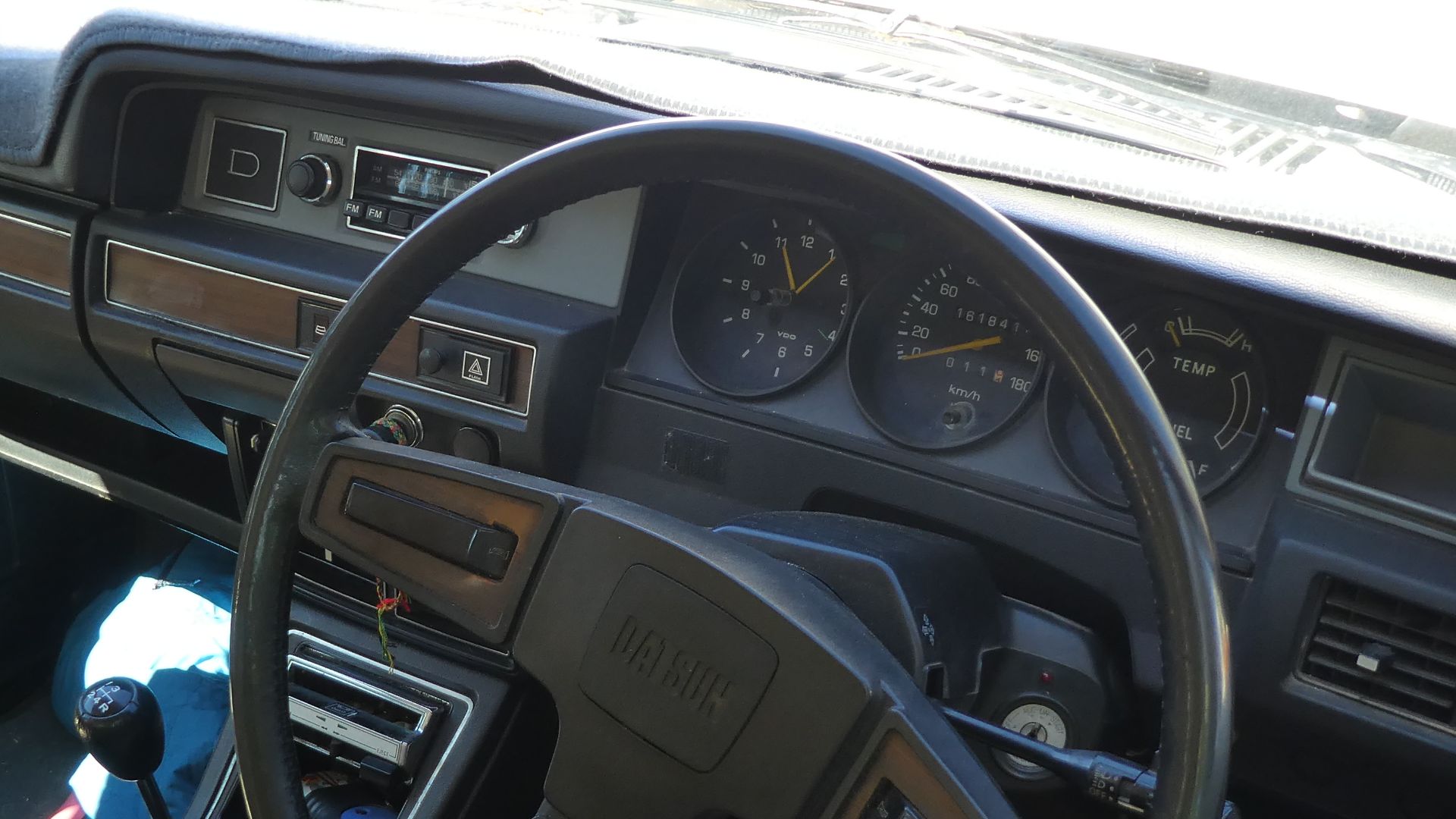
A few years later, federal regulators took the campaign inside the car. A new safety standard required speedometers in covered new vehicles to display no more than 85 mph and make 55 mph stand out. The speedometer requirements took effect September 1, 1979, bringing the rule into the 1980 model year.
 ZidaneHartono, Wikimedia Commons
The Bigger Numbers Were Considered Tempting
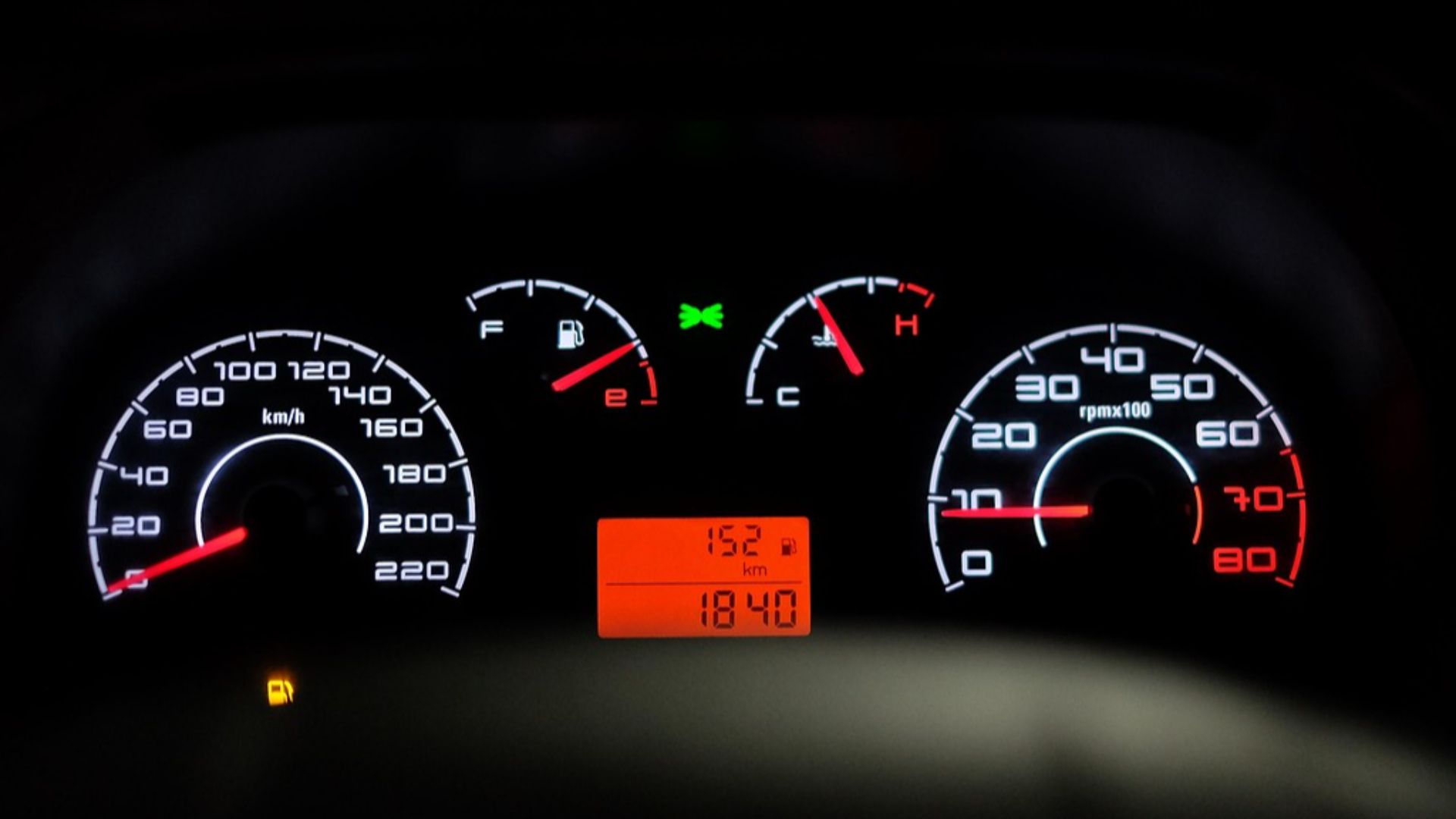
The thinking was surprisingly simple: show drivers a high number, and some might want to find out whether their car could reach it. Regulators specifically raised concerns about immature drivers testing top speeds on public roads. Removing those numbers was supposed to remove some of the temptation. Yes, really.
There Was A More Practical Argument
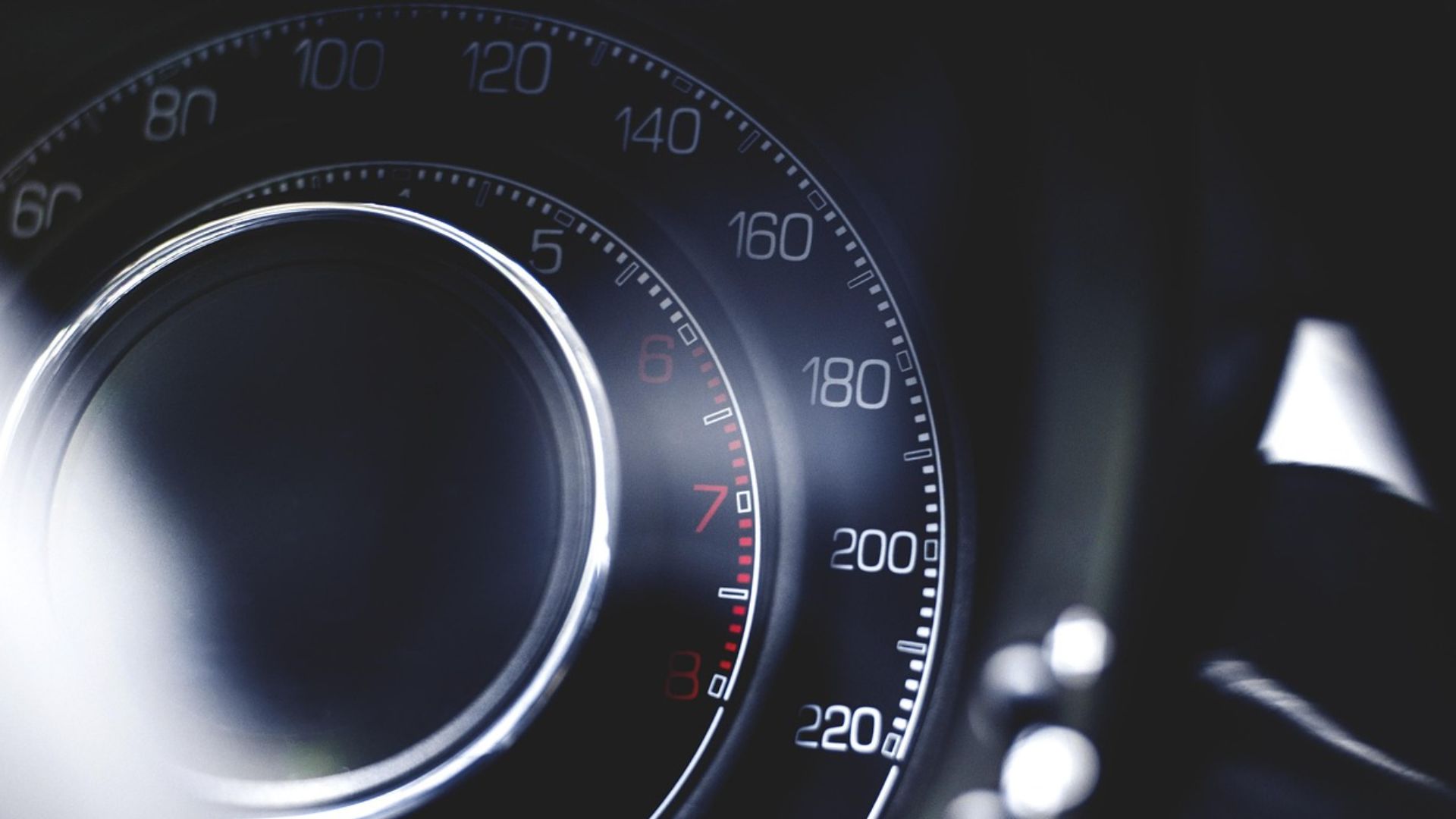
Regulators also argued that a shorter scale could make speedometers easier to read. With fewer speeds squeezed into the same space, manufacturers could use larger numbers or spread the markings farther apart. That part had a straightforward purpose: make the speeds people actually used easier to recognize at a glance.
Miles Weren’t The Only Numbers
The standard also required speedometers to show both miles per hour and kilometers per hour, with maximum displayed values of 85 mph and 140 km/h. So the familiar combination of an emphasized 55, an 85 mph ceiling, and a second metric scale wasn’t just a collection of unrelated dashboard design choices.
Even A Sticker Could Count
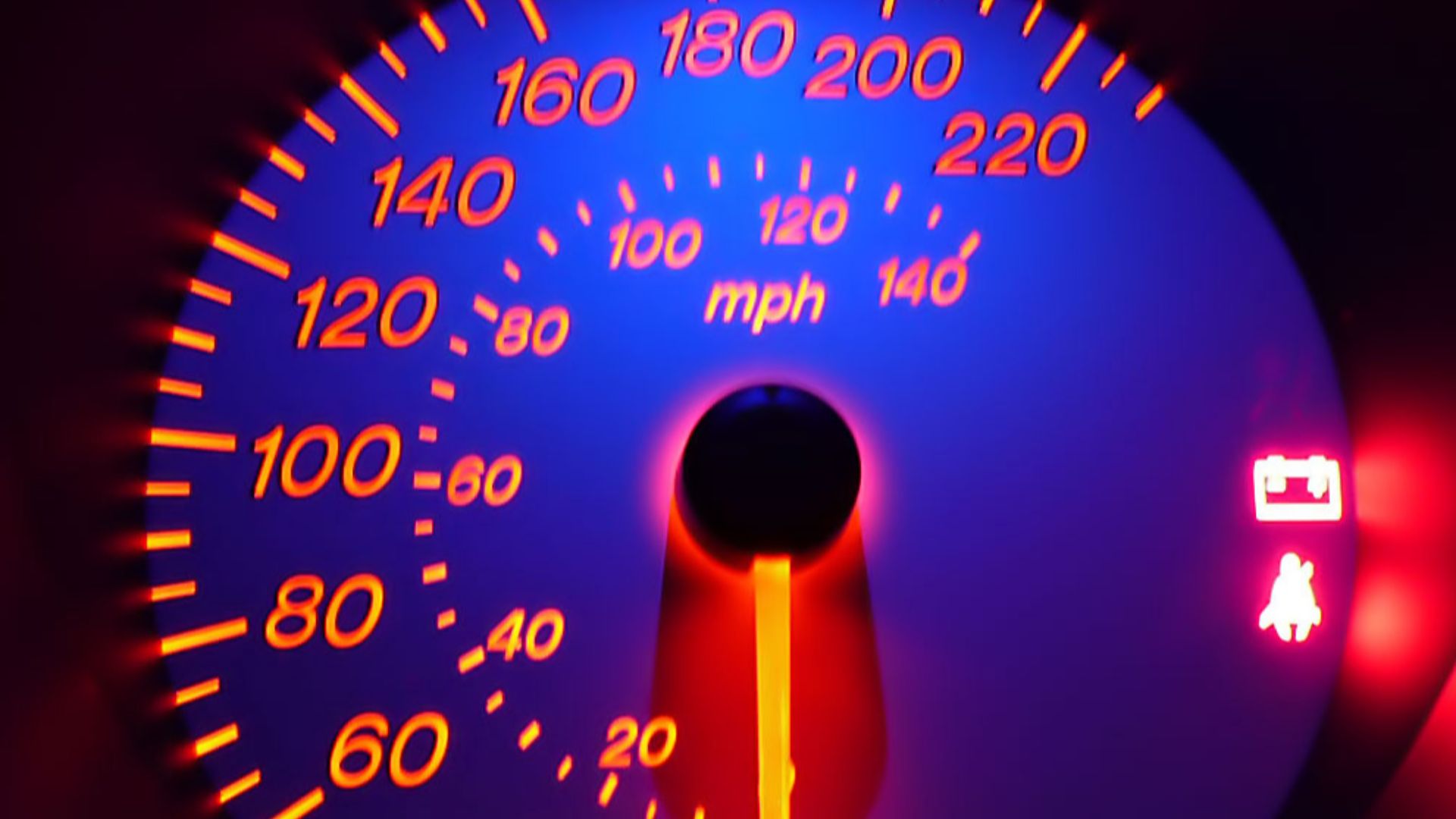
The highlighted 55 didn’t require some elaborate piece of engineering. When an importer asked about using a sticker, regulators explained that the number simply had to stand out from the other numerals. A sticker on the outside of the speedometer glass could satisfy that requirement. Sometimes government compliance really was that simple.
The Car Could Still Go Faster
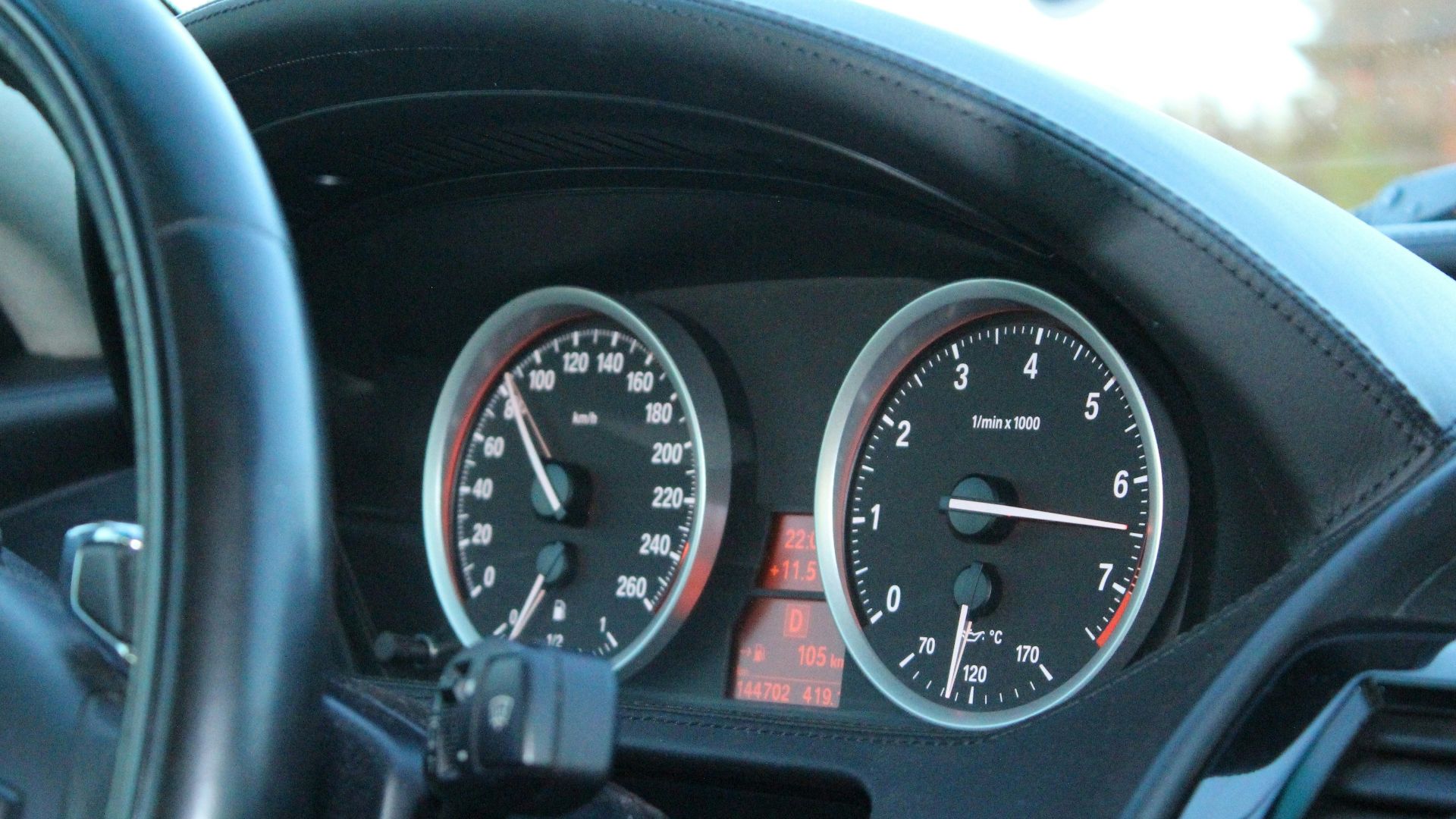
Here’s the distinction that sometimes gets lost: the rule limited what the speedometer could display. It didn’t require an engine control that stopped the car from exceeding 85 mph. A car capable of going faster could still do so. Its dashboard simply wasn’t allowed to keep giving the driver higher readings.
Imported Cars Had To Play Along
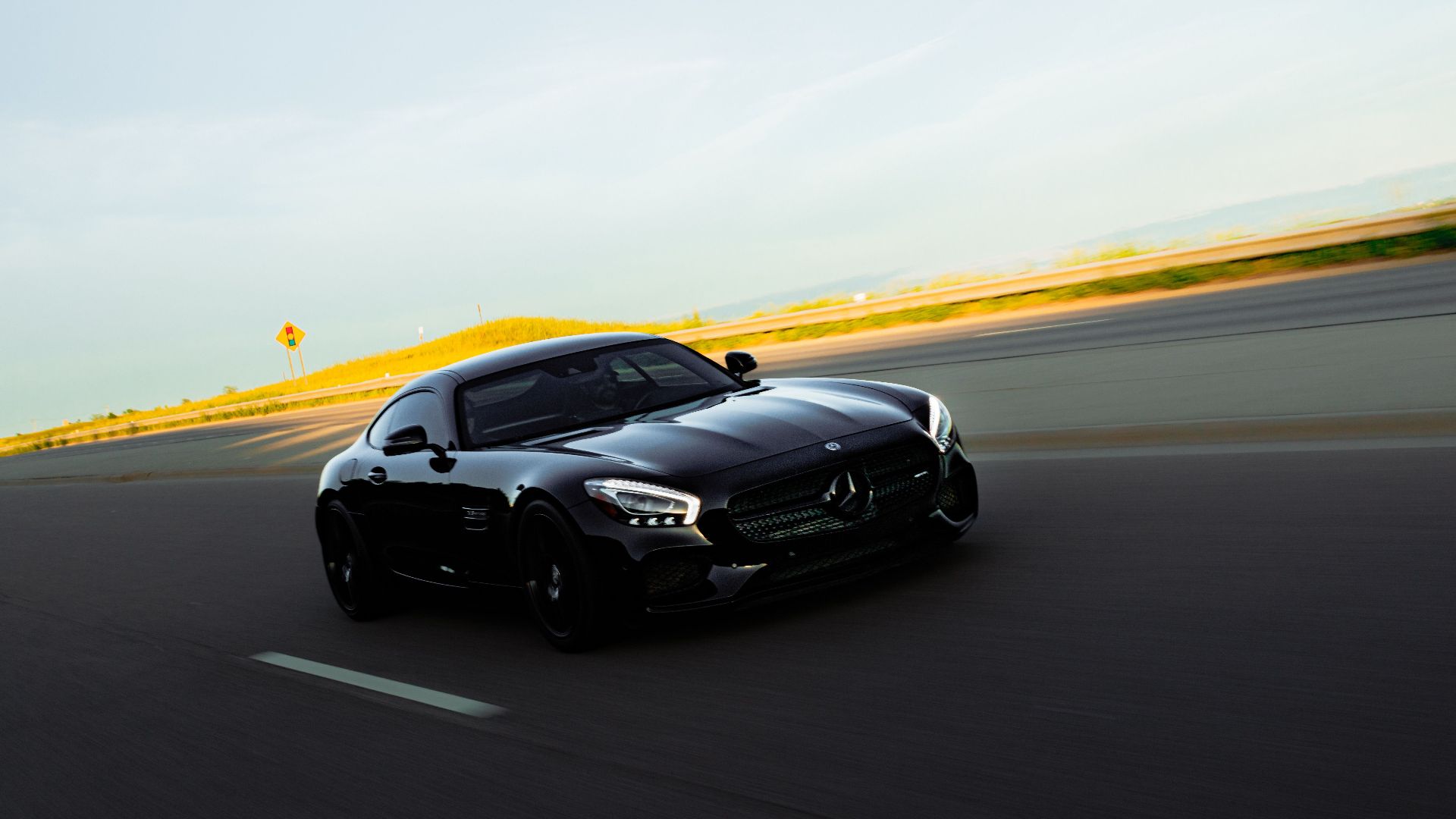
This wasn’t just something Detroit had to deal with. Cars built overseas for the American market also had to meet the applicable federal requirements. A foreign badge didn’t buy an exemption. Even Nissan submitted a speedometer design to regulators to confirm that its highlighted 55 satisfied the rule.
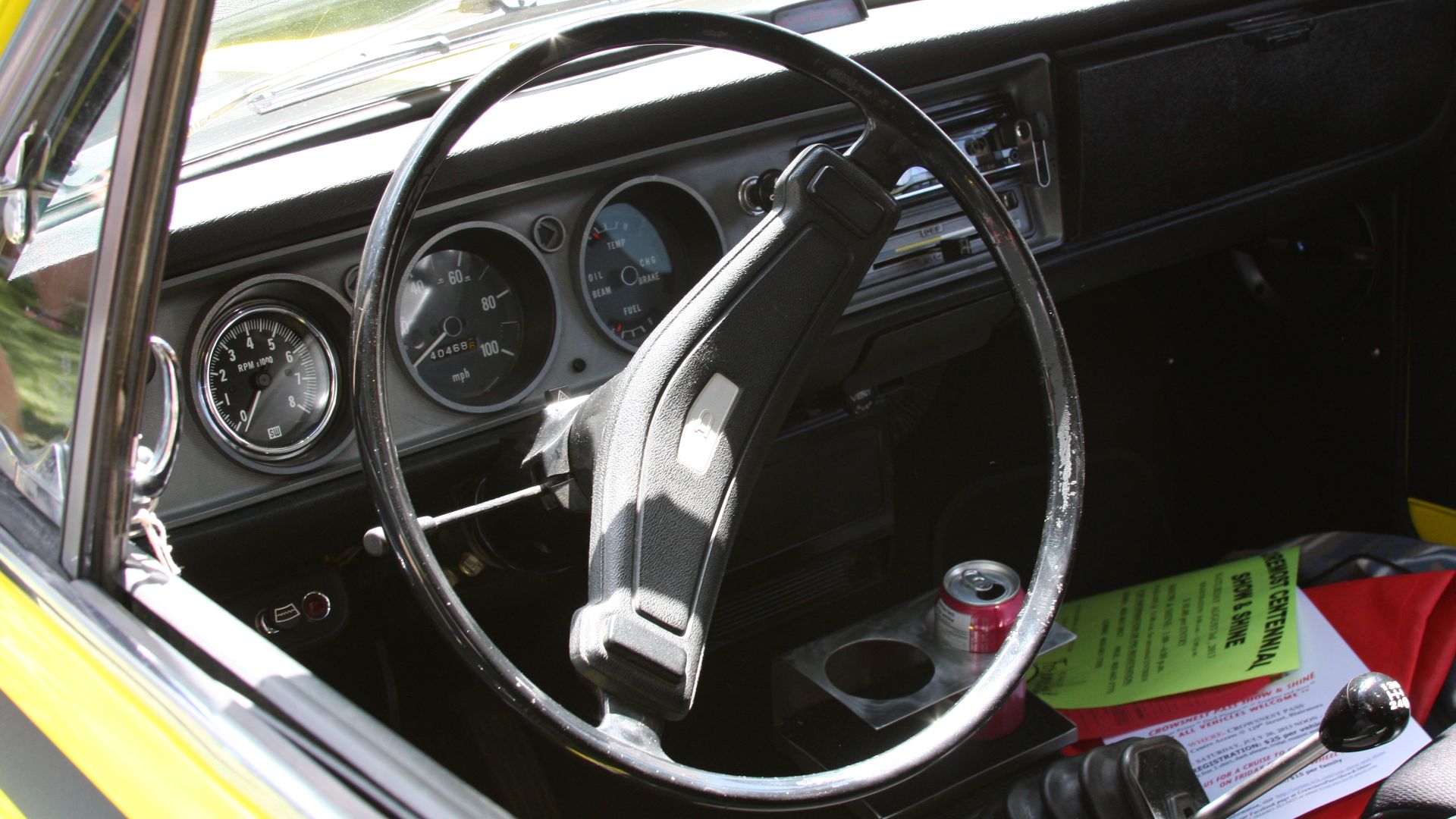 dave_7 from Lethbridge, Canada, Wikimedia Commons
Your Older Car Could Keep Its Numbers
Nobody required Americans to take their existing cars into a shop and have the higher numbers removed. The requirements applied according to when a vehicle was manufactured. Replacement speedometers intended for cars built before the relevant dates could also retain their older designs. The change arrived through newer vehicles entering the fleet.
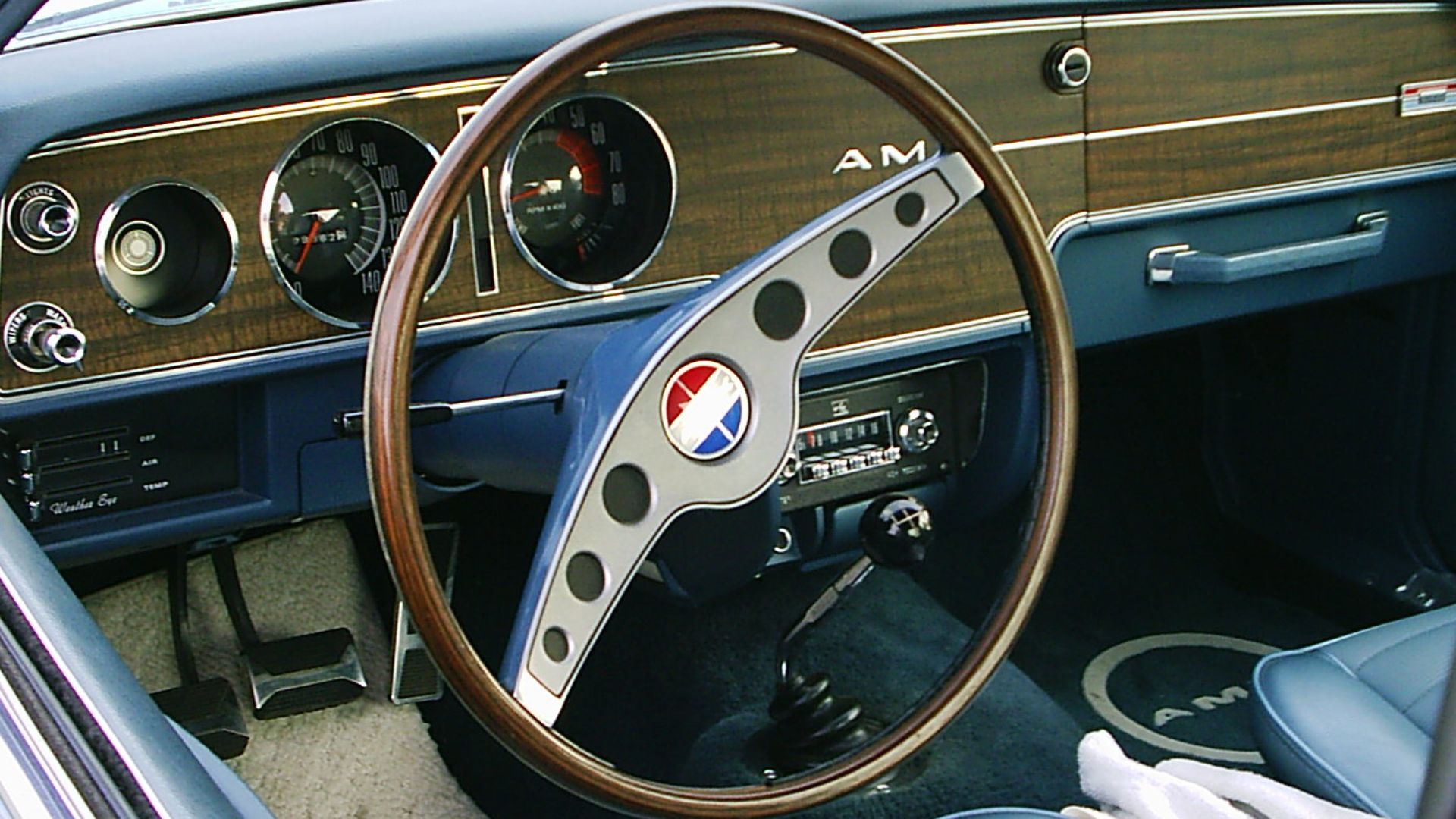
Police Cars Got An Exception
There was one particularly sensible exception: passenger cars sold to law enforcement agencies for law enforcement purposes could have speedometers reading beyond 85 mph. In 1980, regulators expanded that exception to other police vehicles, including trucks and multipurpose vehicles. Officers sometimes needed those higher readings to do their jobs.
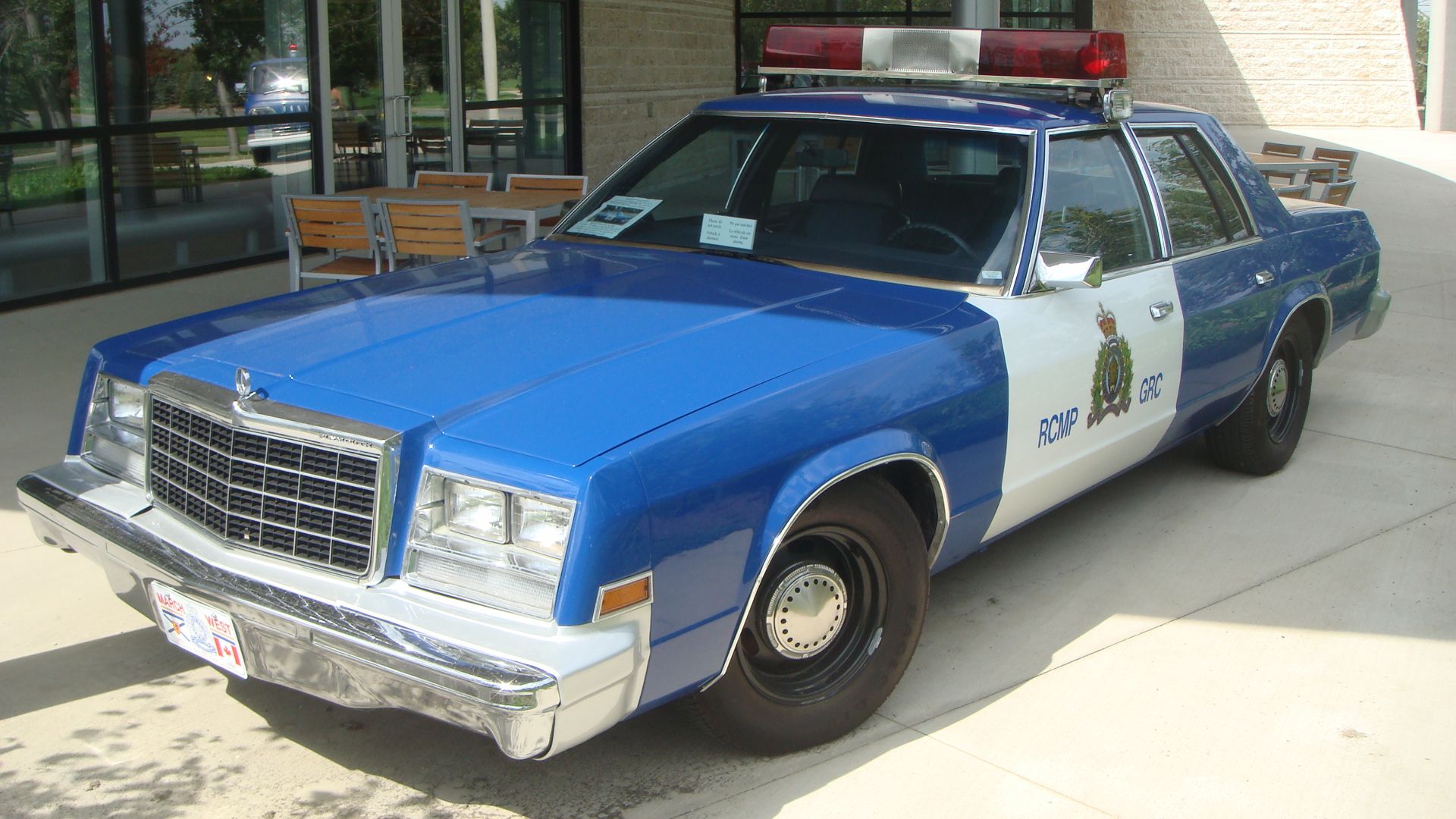
Dodge Could Give Police A 125 MPH Dial
Dodge’s 1980 police equipment catalog shows exactly how that worked. An 85 mph speedometer was standard equipment on its Aspen and St. Regis police packages, but a speedometer certified to 125 mph was available at extra cost. So even a police car didn’t automatically receive the bigger numbers. Somebody had to order them.
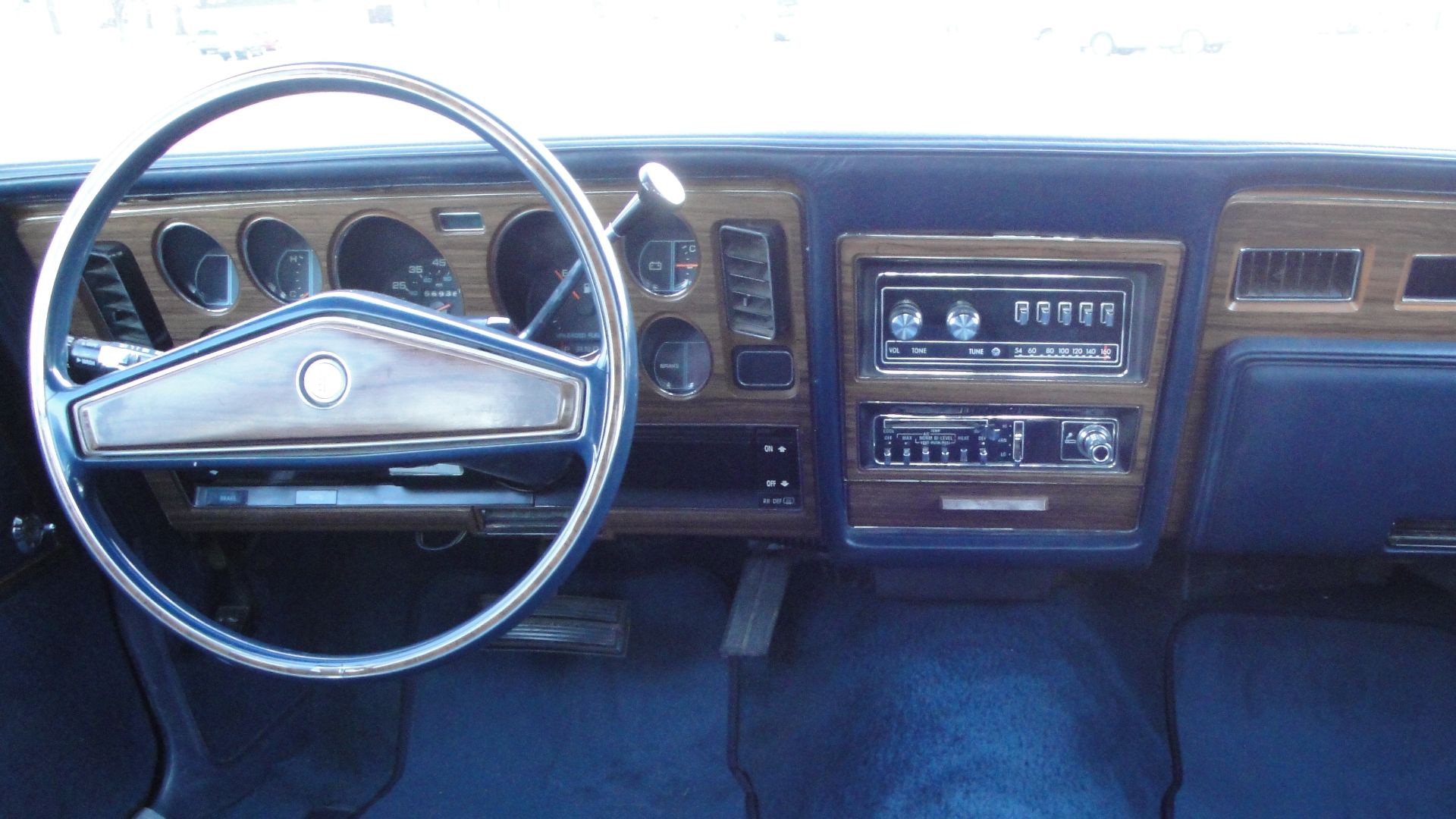 Greg Gjerdingen from Willmar, USA, Wikimedia Commons
"Back To The Future" Had A Problem
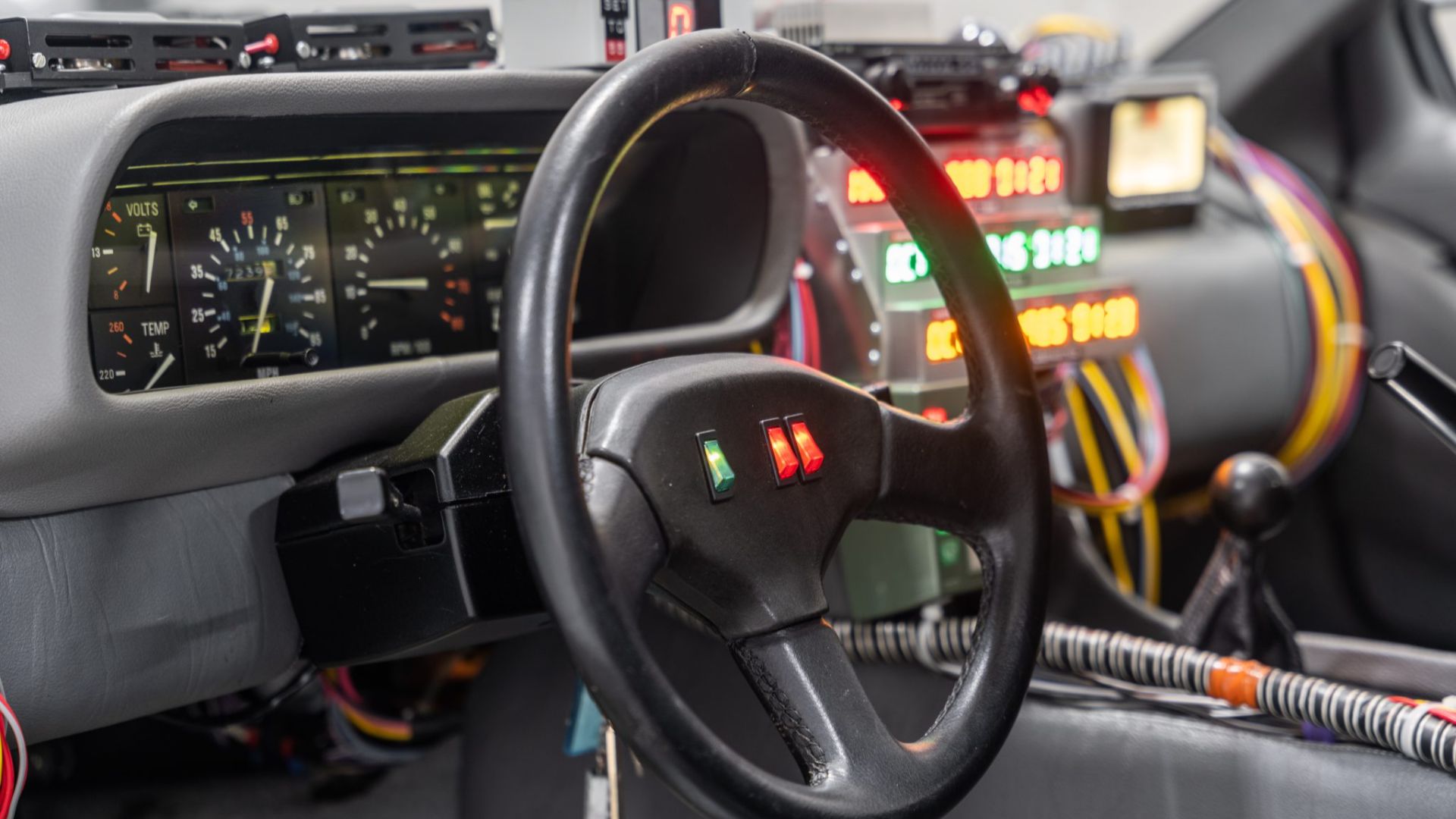
Remember the DeLorean needing to reach 88 mph? Well, the American-market production car’s speedometer only went to 85. That wasn’t much help for a dramatic close-up of the needle approaching the magic number. The filmmakers used a modified speedometer display reaching 95 mph. Apparently, traveling through time also required a little dashboard adjustment.
The Rule Didn’t Last Very Long
By the early 80s, the Reagan administration was reconsidering the requirement. The federal standard was revoked effective March 25, 1982. That meant the mandatory 85 mph ceiling lasted roughly two and a half years. For something so many drivers remember, its actual life as a federal requirement was surprisingly short.
 Michael Evans, Wikimedia Commons
The Evidence Just Wasn’t There
When regulators scrapped the standard, they said its specific requirements were unlikely to produce significant safety benefits. They had no data showing that emphasizing 55 had been effective. The 85 mph ceiling, meanwhile, had amounted to a hoped-for psychological deterrent. The case for making everyone keep it wasn’t strong enough.
 formulanone, Wikimedia Commons
Not Everyone Wanted It Gone
Subaru supported keeping the 85 mph ceiling, arguing that it could discourage young drivers from excessive speeds. The Center for Auto Safety made similar arguments. So the idea wasn’t universally dismissed, even as the government moved away from requiring it. Some still thought the smaller numbers served a useful purpose.
 AgnosticPreachersKid, Wikimedia Commons
Detroit Didn’t Rush To Change Everything
During the repeal process, American Motors, Chrysler, Ford, and General Motors said they intended to keep maximum readings of 85 mph or less. The displays could outlive the requirement, and the cars could remain on the road for years. So, yes, some Millennials remember those dashboards too. They just might have encountered them in the family’s aging car.
The Speed Limit Had Its Own Timeline
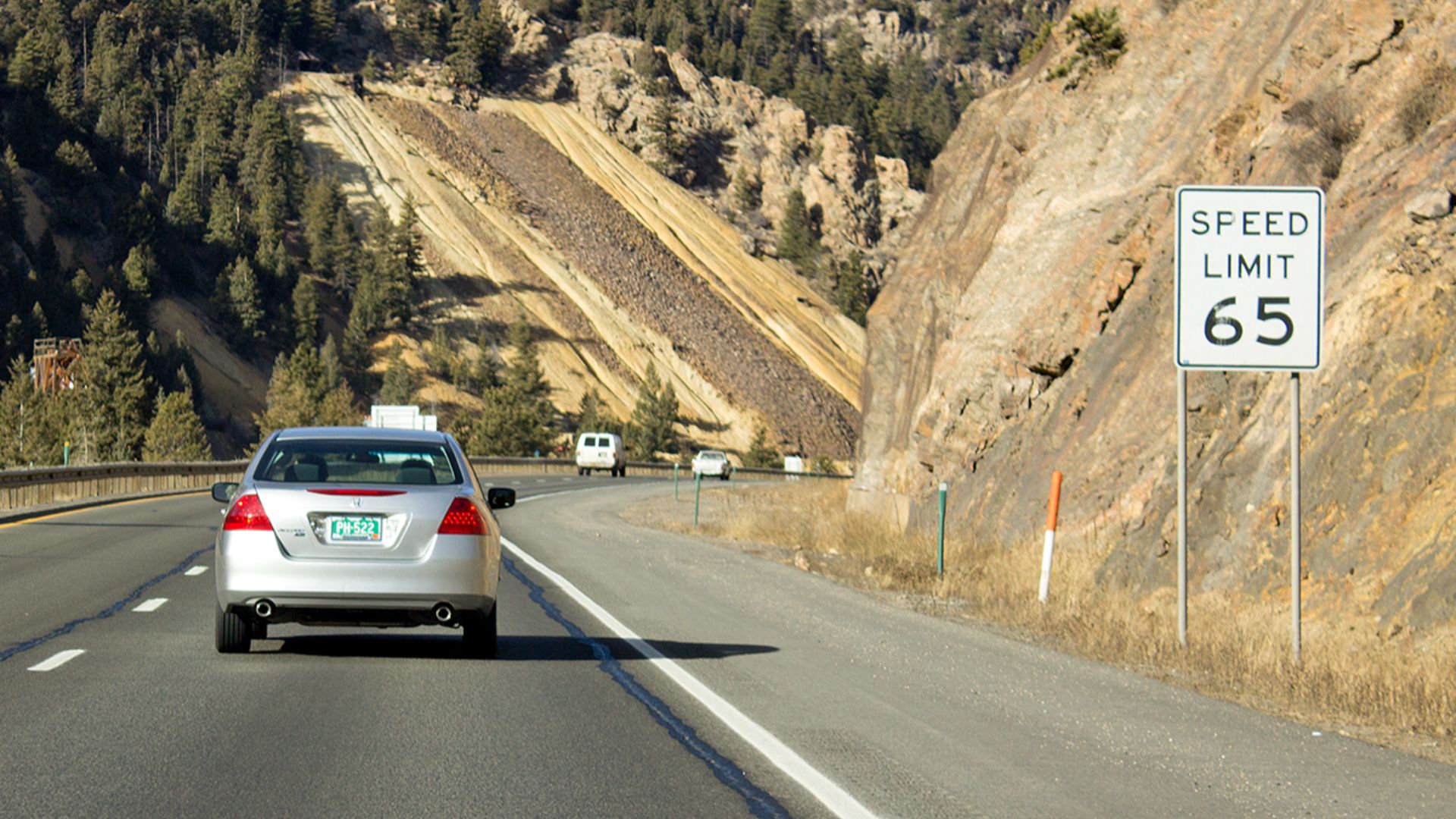
Removing the dashboard requirement didn’t remove the national speed limit. Those were separate policies. Congress allowed states to raise limits to 65 mph on qualifying rural interstates in 1987, and repealed the national maximum speed limit in 1995. The missing speedometer numbers returned on a different schedule from the higher roadside limits.
A Strange Little Piece Of Driving History
That old speedometer was doing more than reporting how fast the car was traveling. Its design reflected a period when Washington hoped changing the numbers in front of drivers might change their behavior. So, did you know the reason—or did you spend years assuming 85 was simply all the car had?

You Might Also Like:
Forgotten Coupes From The 1970s That Still Stand Out From The Crowd
Forgotten 1960s Gas Station Brands—Even Baby Boomers Can't Remember 5 Of These
Special-Edition Cars Built To Celebrate Anniversaries That Collectors Still Look For