Everybody Wanted a Piece of the Fiberglass Pie
For more than 70 years, car companies have been announcing, hinting at, or quietly developing the machine that would finally knock the Corvette off America’s sports-car throne. Some came surprisingly close. Others had gullwing doors, enormous promises, and roughly enough funding to survive until Thursday. The Corvette, meanwhile, just kept showing up for work.
 MercurySable99, Wikimedia Commons
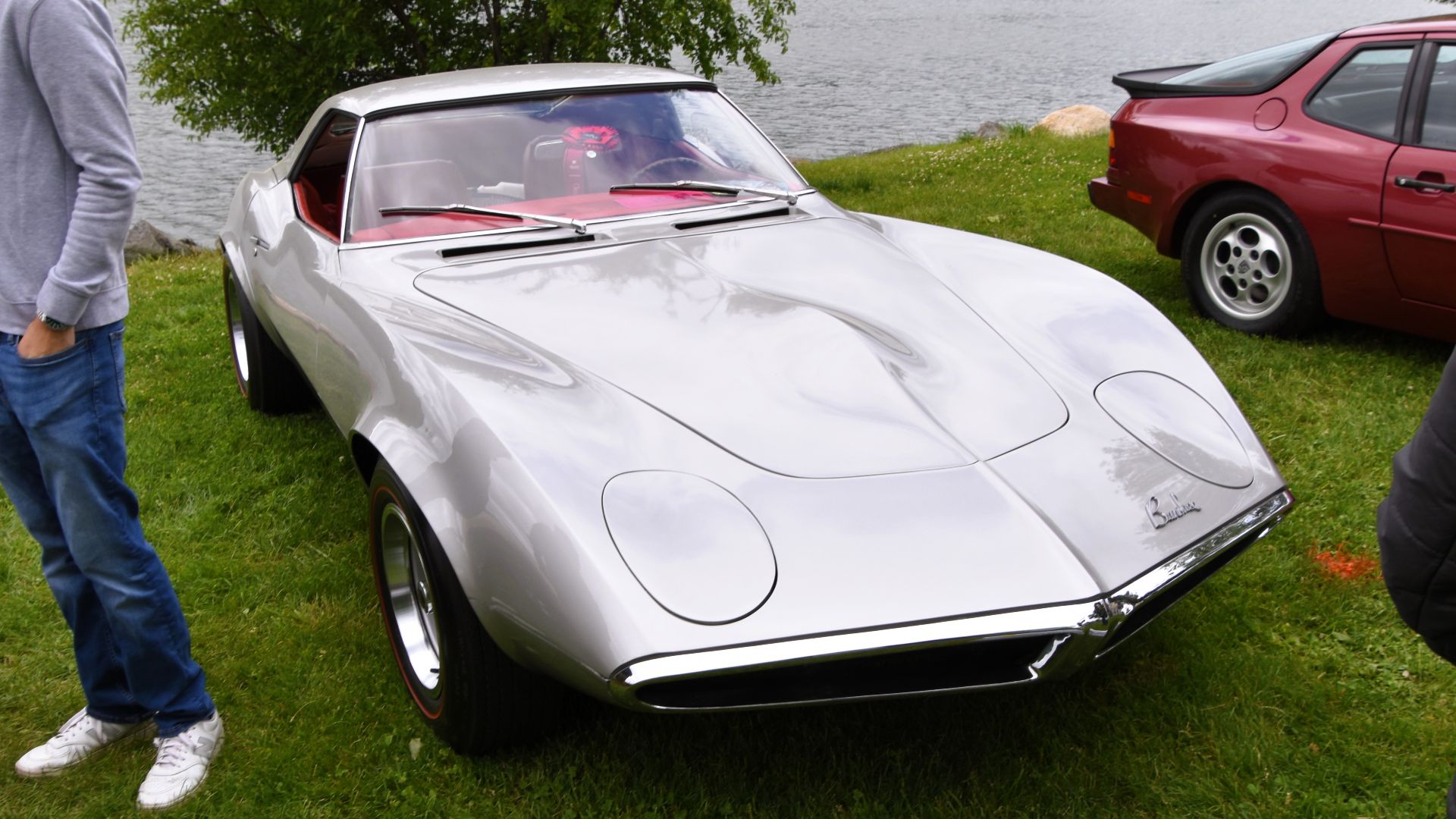
Pontiac Banshee XP-833
The XP-833, later known as the Banshee, may be the greatest “what if?” on this entire list. John DeLorean’s team developed the sleek two-seater in the 60s, and Pontiac appeared ready to give Chevrolet some serious competition inside GM’s own showrooms. Instead, the project was reportedly stopped because it wandered much too close to Corvette territory.
 Charles from Port Chester, New York, Wikimedia Commons
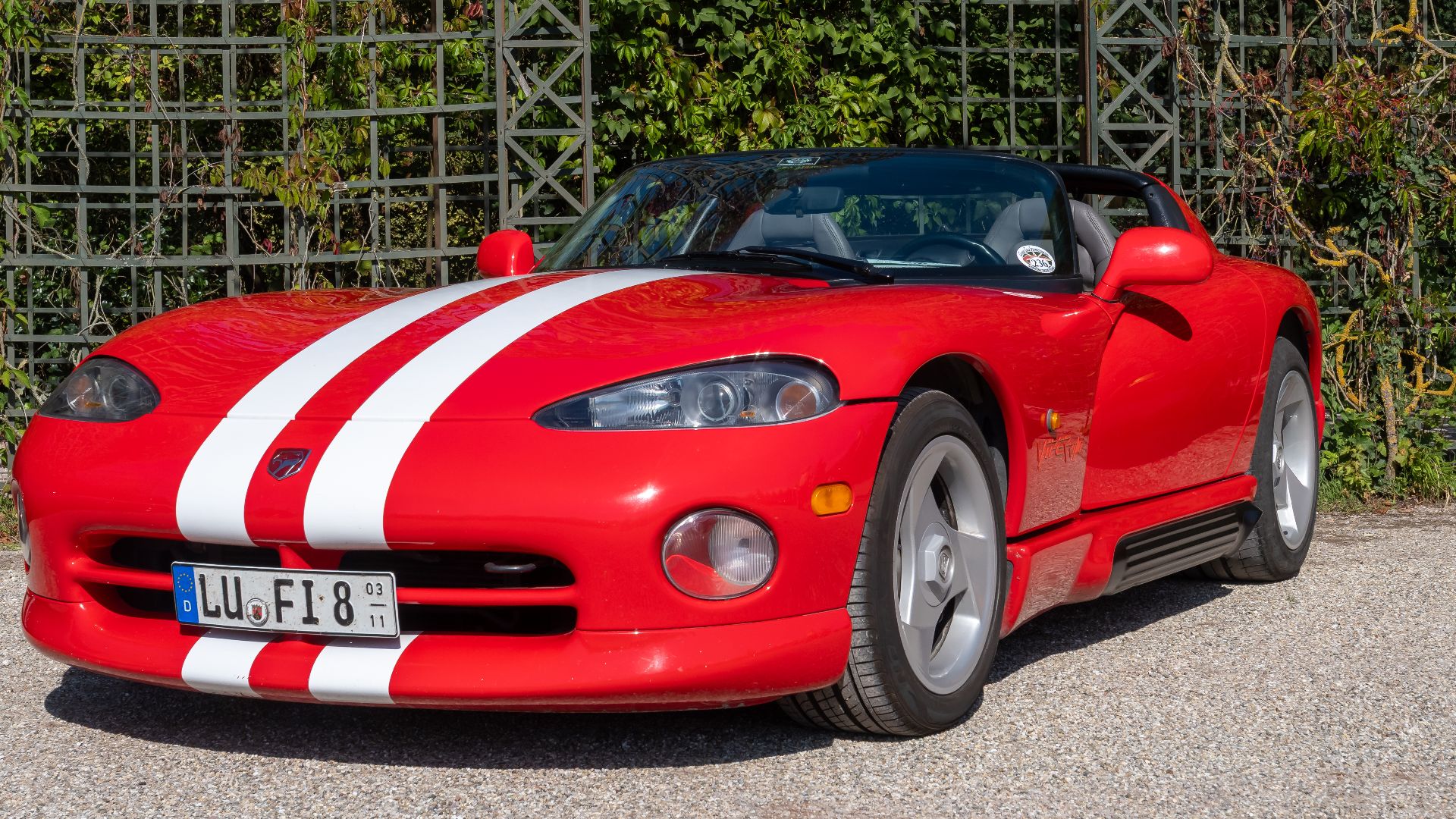
Dodge Viper
The Viper became one of the few truly credible Corvette rivals. It arrived with a massive V10, outrageous styling, side exhaust pipes, and all the subtlety of a bear entering a garden party. Chrysler kept it alive through five generations and roughly 25 years, but the Corvette still won the endurance contest.
 Matti Blume, Wikimedia Commons
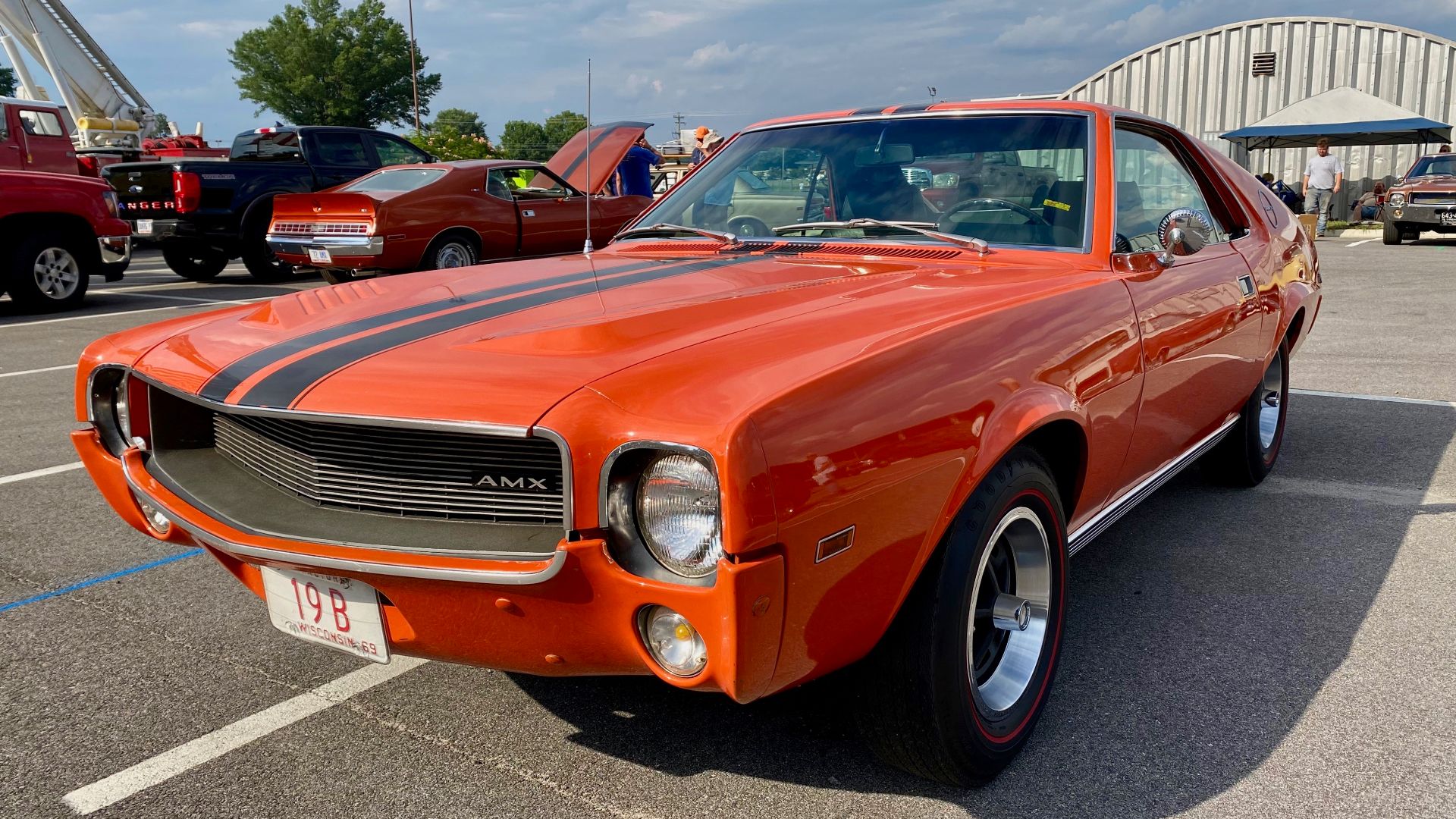
AMC AMX
AMC took its Javelin, shortened the wheelbase, removed the rear seat, installed a V8, and suddenly had the only other mass-produced American two-seater then on sale. The AMX was quick, handsome, and considerably cheaper than a Corvette. Unfortunately, buyers apparently liked the idea of an affordable Corvette alternative more than they liked actually buying one.
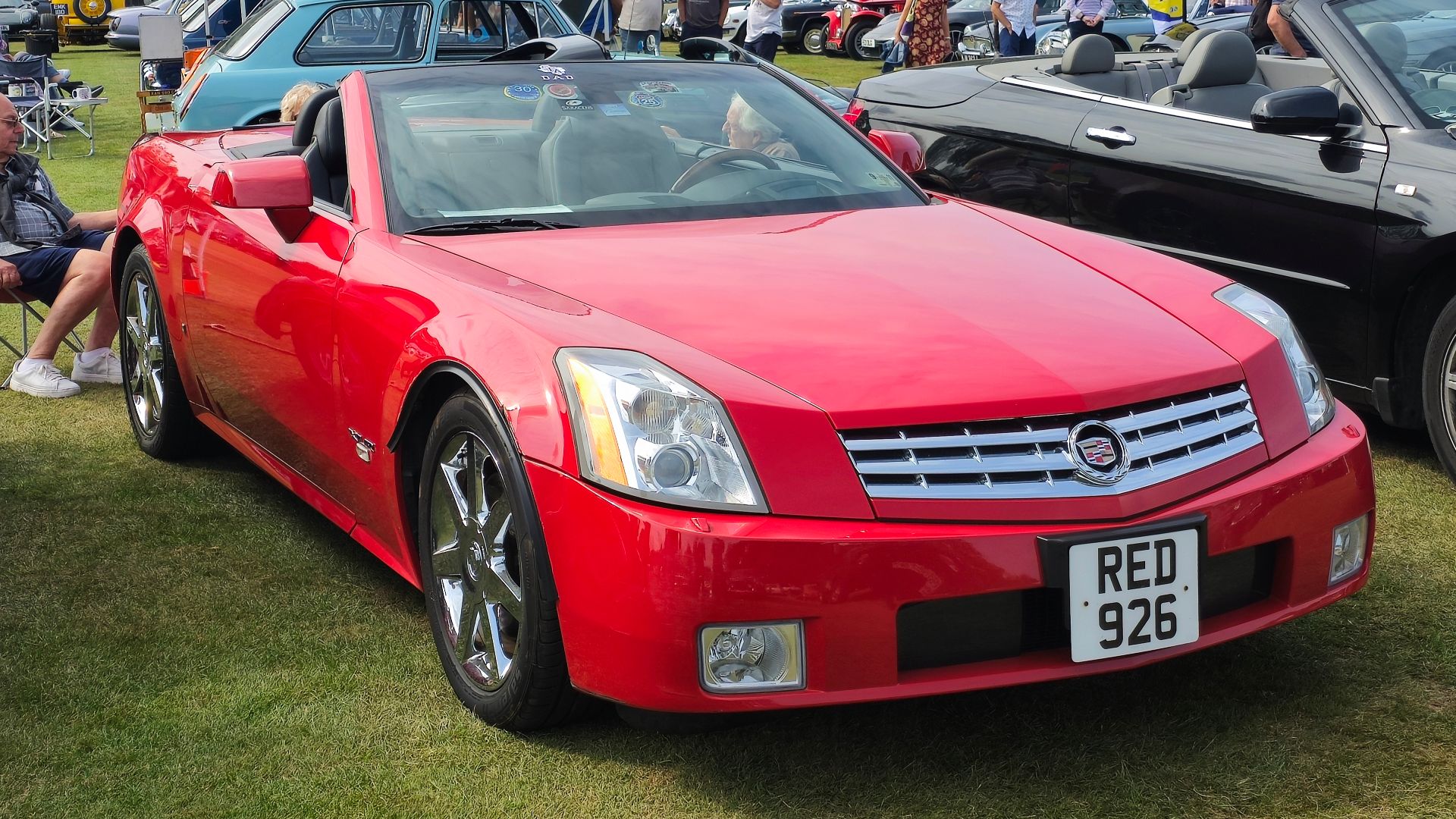
Cadillac XLR
The XLR was practically a Corvette wearing an expensive suit. It shared GM’s Y-platform, was assembled beside the Corvette in Bowling Green, and added a power-folding hardtop, Cadillac styling, and a 320-horsepower Northstar V8. Then Cadillac charged considerably more money for considerably less performance. That turned out to be a small problem.
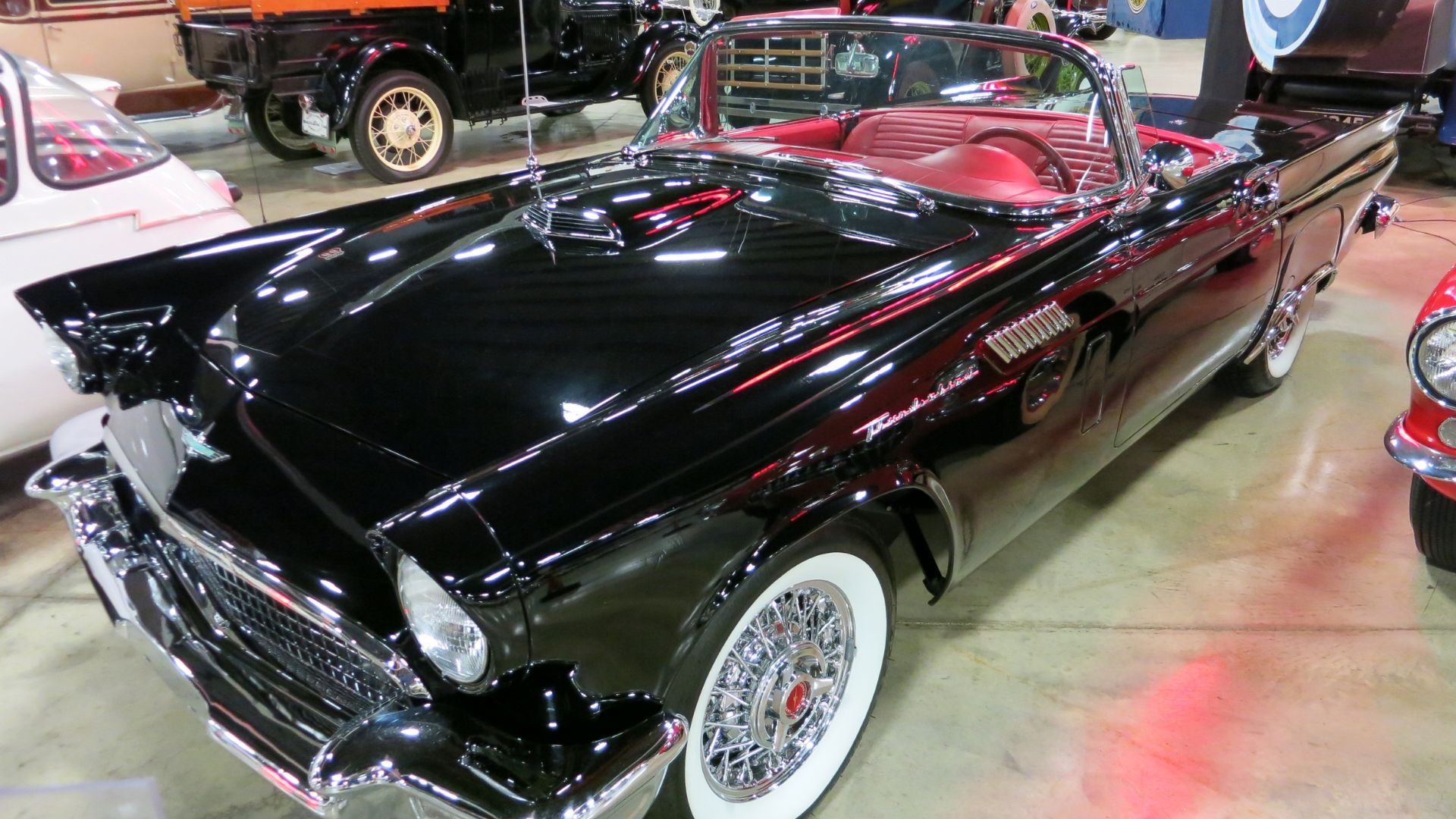
Ford Thunderbird
The original Thunderbird was the first car to prove the Corvette could be challenged. Ford’s stylish two-seat convertible dramatically outsold Chevrolet’s struggling sports car and even offered a supercharged V8 for 1957. Then Ford added a back seat in 1958 and turned the Thunderbird into a personal luxury car. Corvette escaped while Ford was rearranging the furniture.
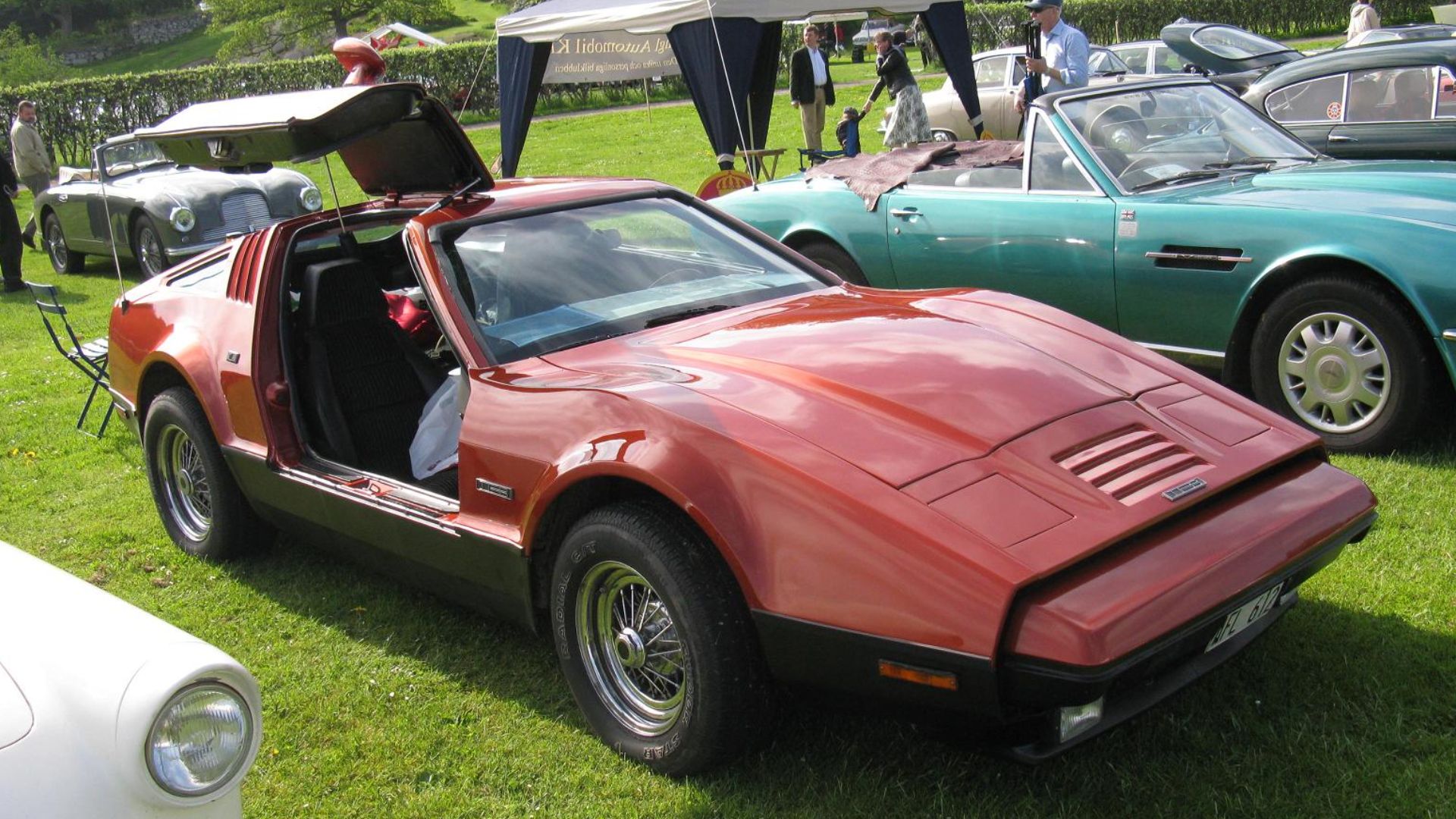
Bricklin SV-1
Malcolm Bricklin wanted to build a safe, affordable sports car that could undercut the Corvette. What arrived had gullwing doors, dramatic wedge styling, a heavy body, troublesome door mechanisms, and a price that kept climbing. The SV-1 looked like the future right up until you tried opening the future’s doors on a cold morning.
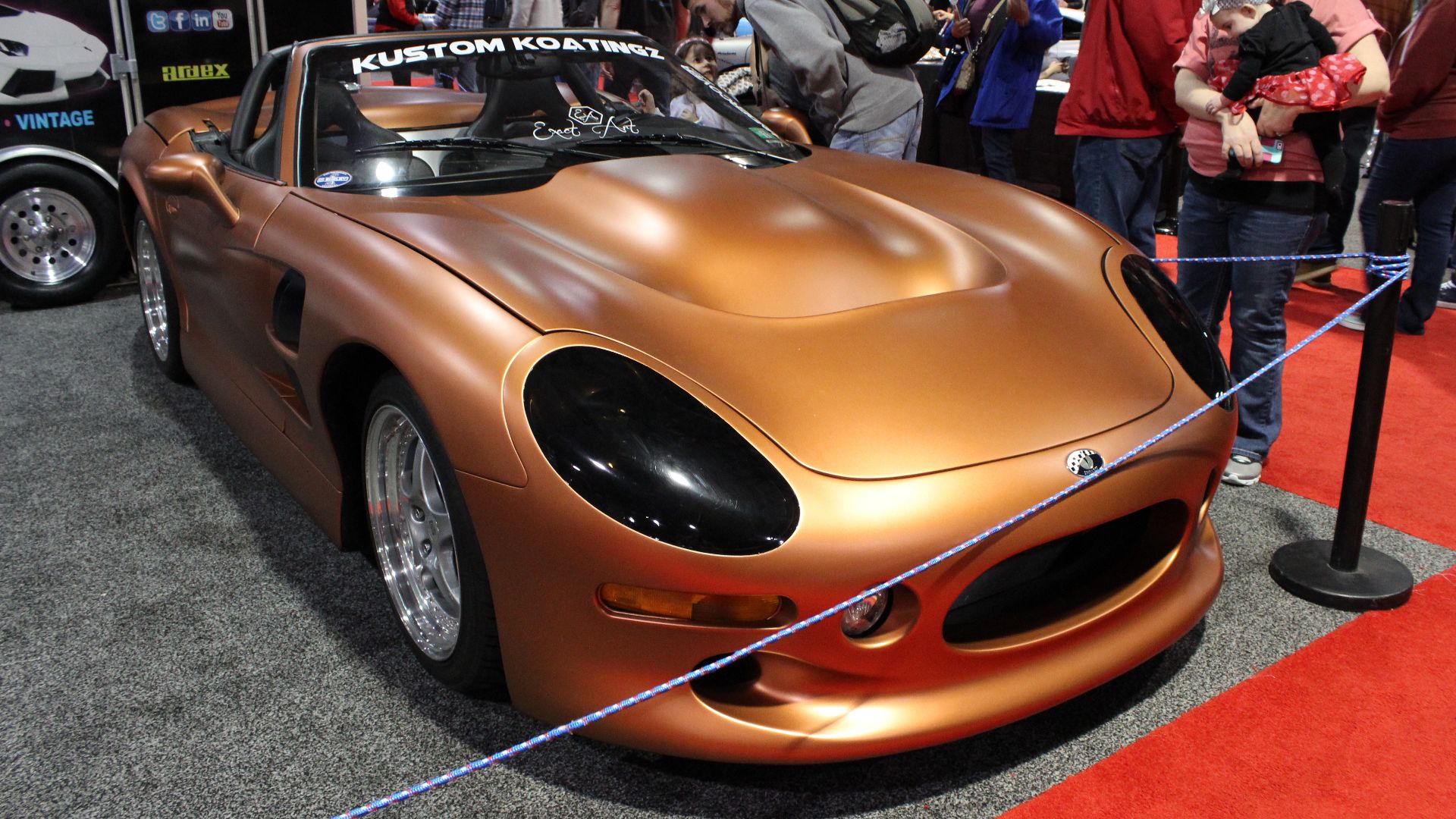
Shelby Series 1
Carroll Shelby finally designed a clean-sheet sports car bearing his own name, and expectations were enormous. The Series 1 had an aluminum chassis, an Oldsmobile V8, and Shelby’s fingerprints all over it. Production delays, quality problems, and a rapidly increasing price spoiled the party after roughly 250 cars.
 Jacob Frey 4A, Wikimedia Commons
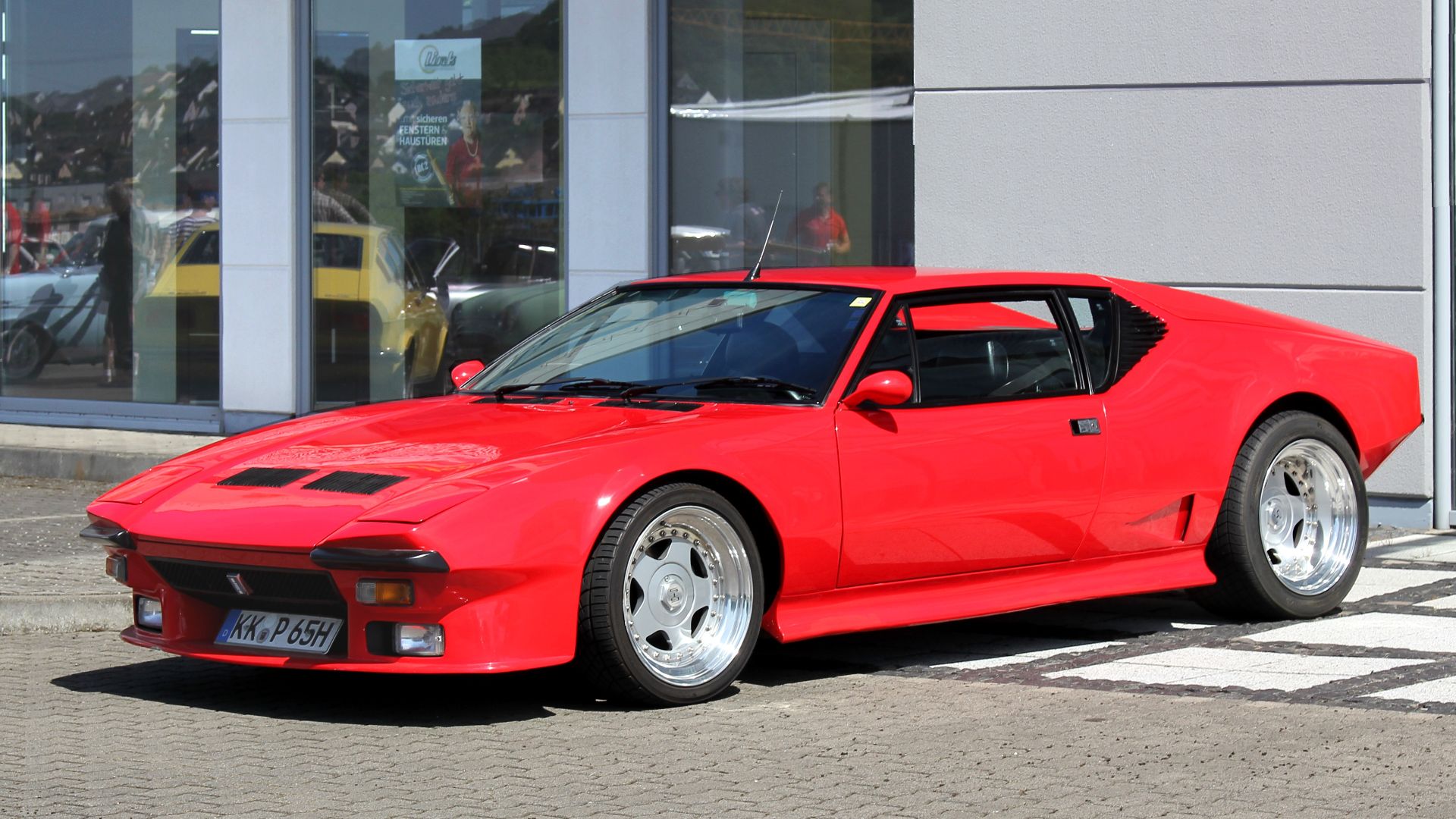
Ford Mach 2
Ford’s 1967 Mach 2 concept placed a 289 V8 behind the driver and wrapped it in a low, two-seat body that looked more like a Corvette competitor than any Mustang. Built with plenty of Mustang-derived hardware, it was considered as a possible Cobra successor and Corvette challenger. Ford never approved production. Apparently, one successful sporty-car lineup was enough paperwork.
 Lothar Spurzem, Wikimedia Commons
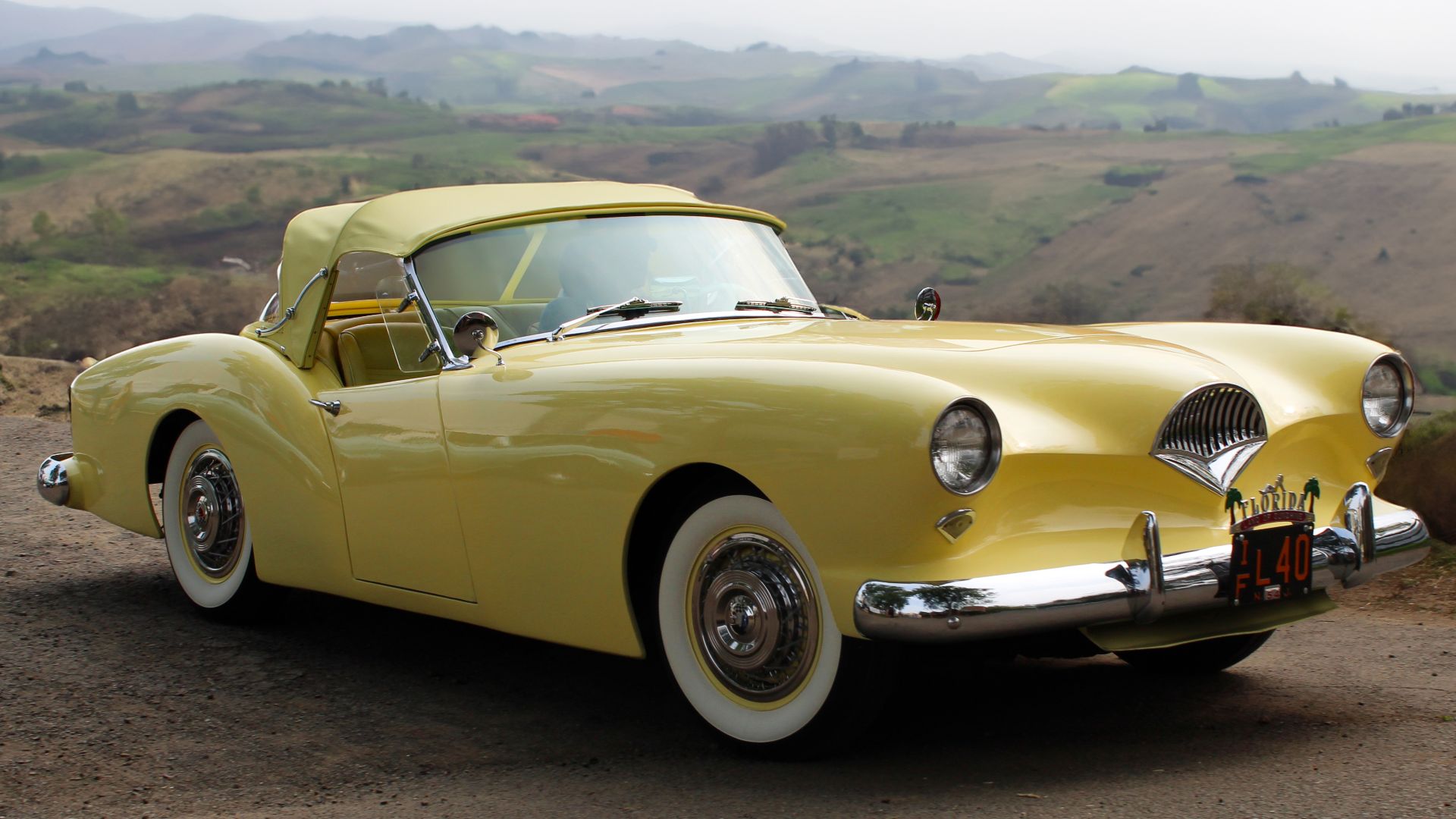
Kaiser Darrin
The Kaiser Darrin reached production in 1954, right when the young Corvette still looked vulnerable. It had a fiberglass body and brilliant doors that slid forward into the front fenders. Unfortunately, it also had just 90 horsepower and cost more than a Corvette. Only 435 were built before Kaiser left the American passenger-car business.
 Charles from Port Chester, New York, Wikimedia Commons
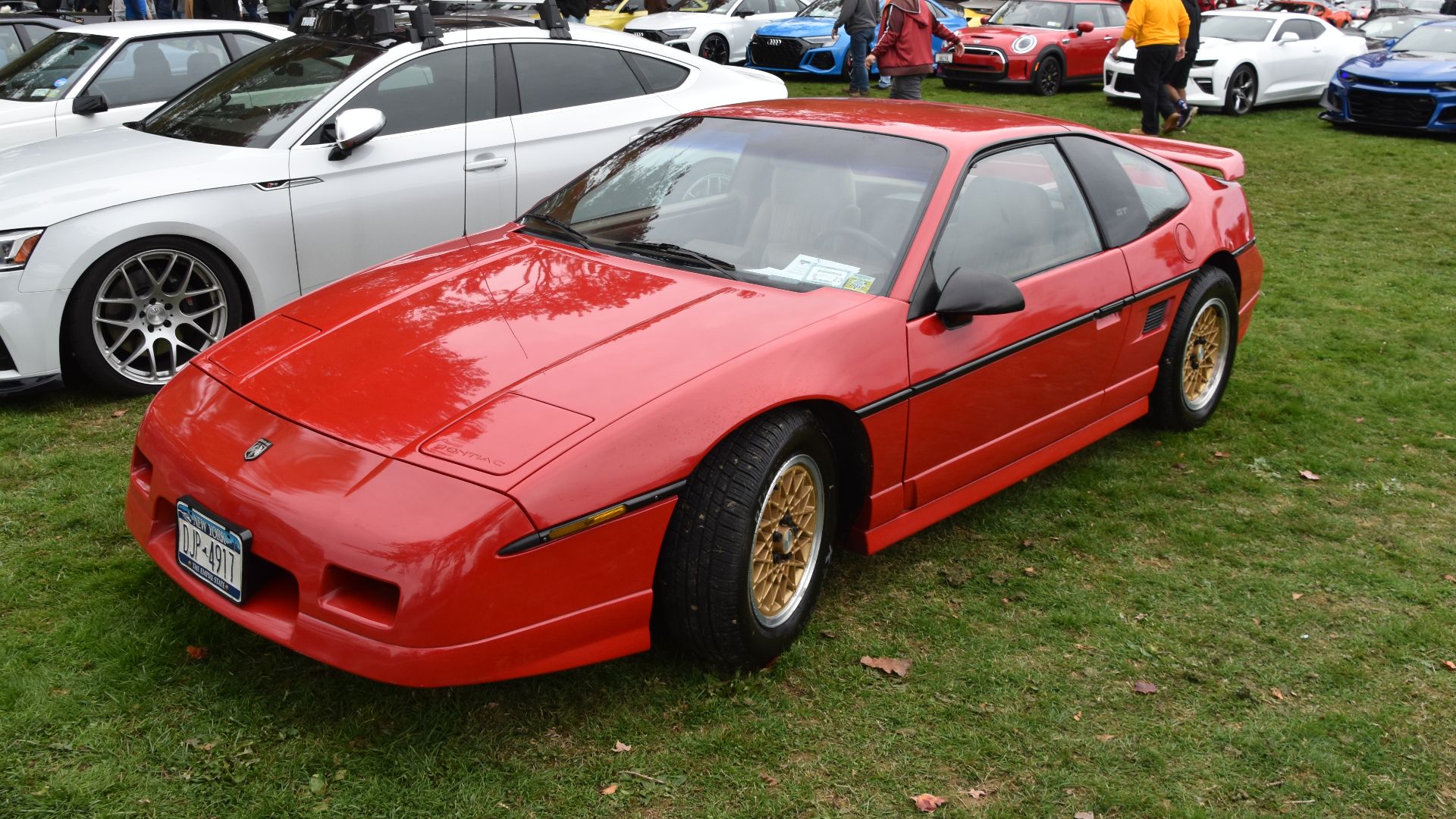
Pontiac Fiero
A mid-engine Pontiac two-seater sounded suspiciously like the beginning of a Corvette problem. Early Fieros were economical commuter cars dressed like sports cars, but Pontiac kept improving them. By 1988, the Fiero finally had a properly redesigned suspension and better brakes. Naturally, that was the exact moment GM cancelled it.
 Charles from Port Chester, New York, Wikimedia Commons
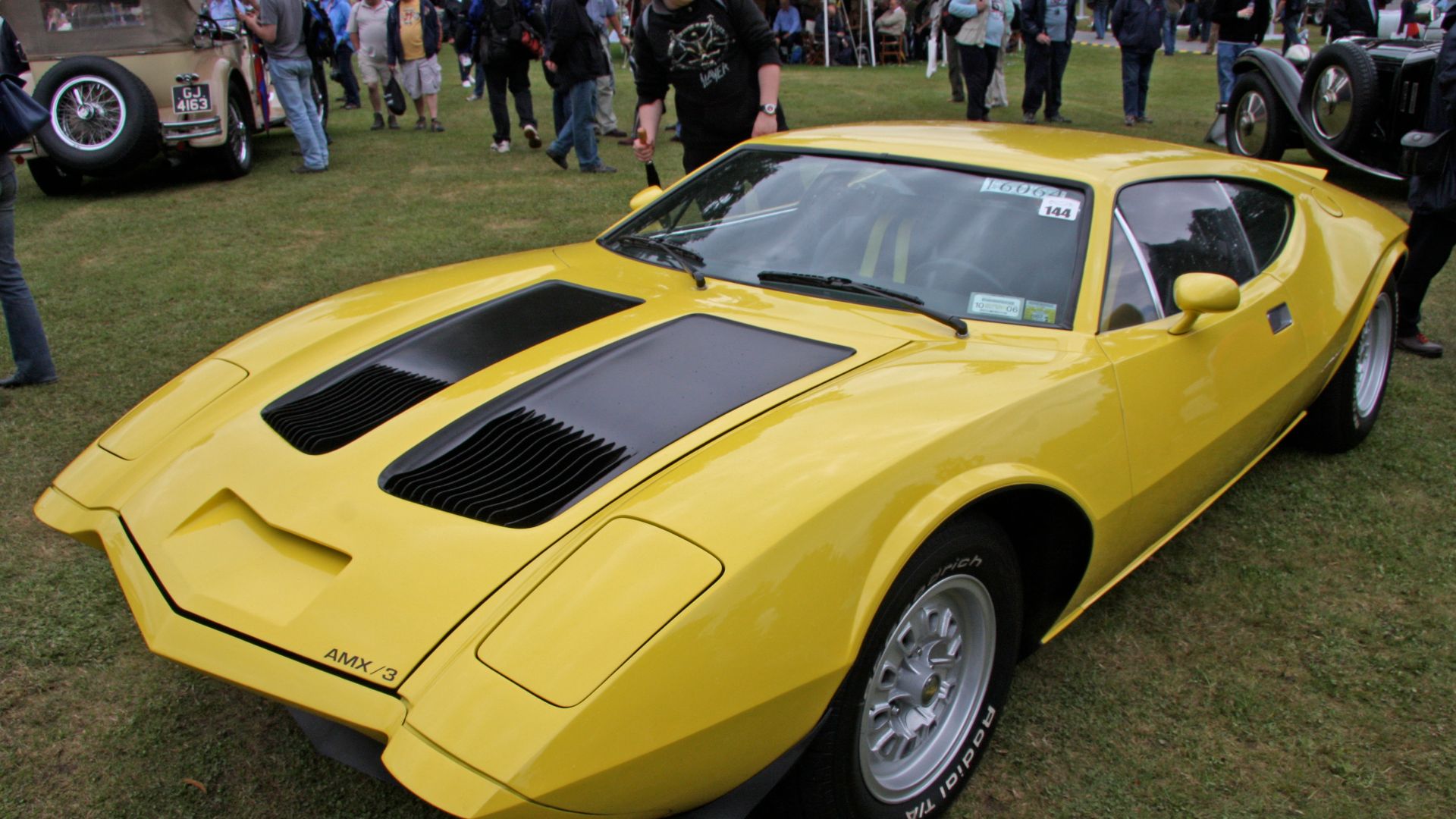
AMC AMX/3
AMC’s production AMX was already interesting, but the mid-engine AMX/3 looked ready to become something truly special. Developed with Italian expertise and powered by an AMC 390 V8, it reached the running-prototype stage before rising costs helped end the project. Only a handful were built, leaving Corvette completely unbothered.
 Brian Snelson from Hockley, Essex, England, Wikimedia Commons
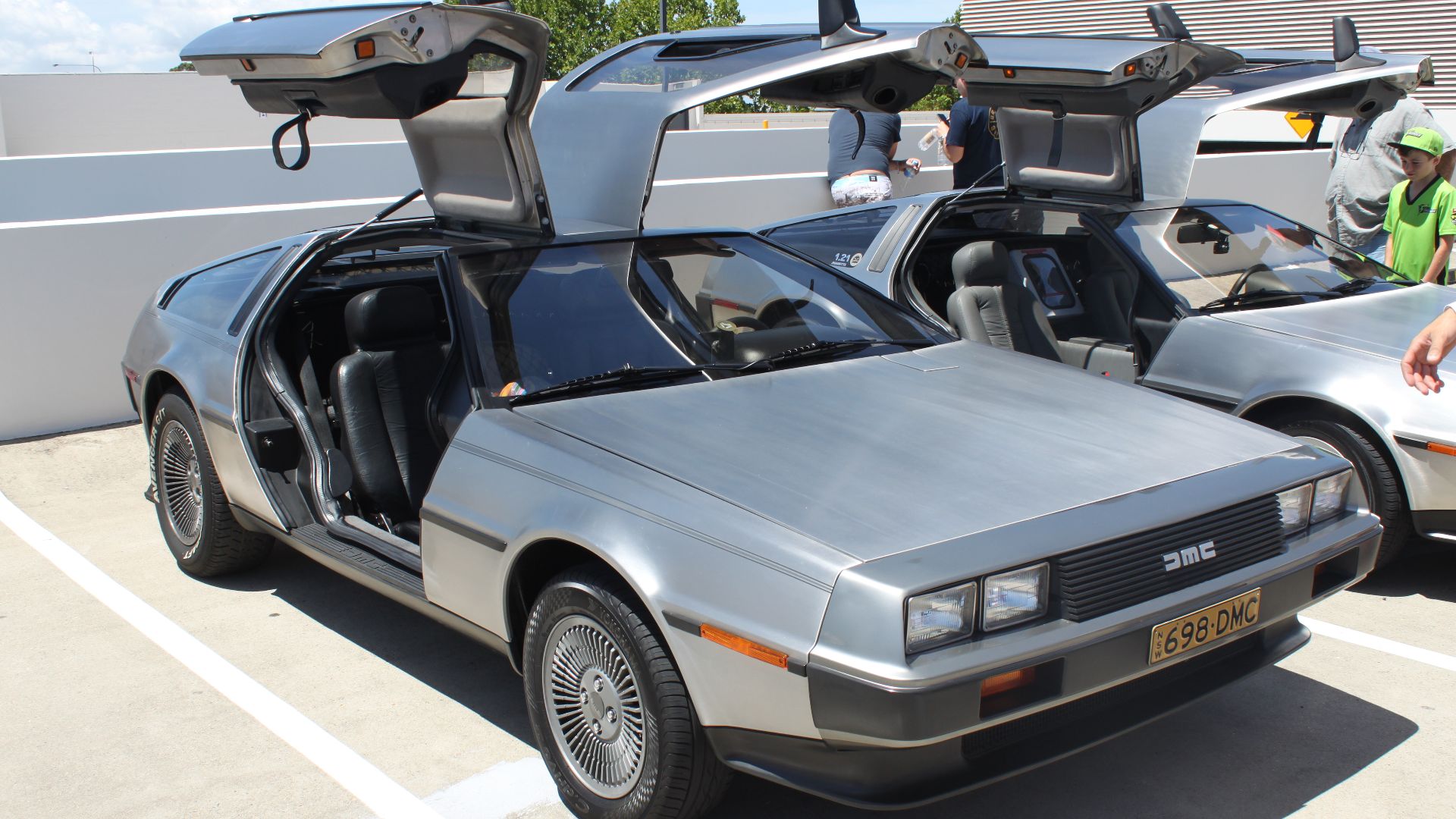
DeLorean
John DeLorean promised a futuristic American sports car with stainless-steel bodywork, gullwing doors, and genuine exotic-car appeal. He absolutely delivered two of those things. The car commonly known as the DMC-12 looked sensational, but reviewers quickly noticed its modest performance. It eventually became an immortal movie star, which was probably better than becoming another forgotten Corvette rival.
 Jeremy from Sydney, Australia, Wikimedia Commons
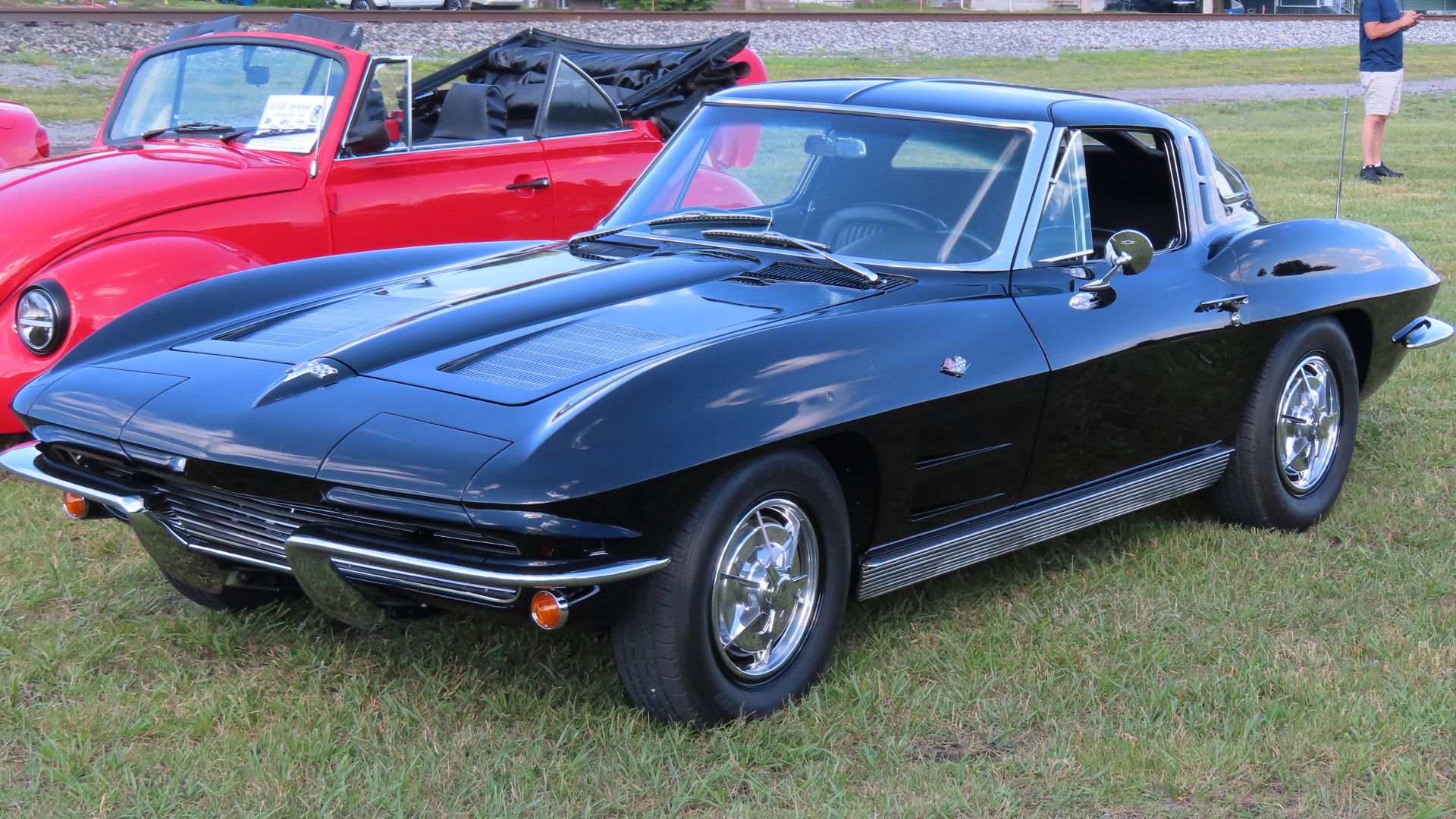
Ford Cougar II
Ford unveiled the Cougar II in 1963 as a sleek, closed-roof sports car built around Cobra hardware. With a long hood, hidden headlights, and a body that looked aimed directly at the new Sting Ray, it was one of Ford’s clearest attempts to imagine a Corvette fighter. Then it remained a concept, where it could never disappoint anyone.
 MercurySable99, Wikimedia Commons
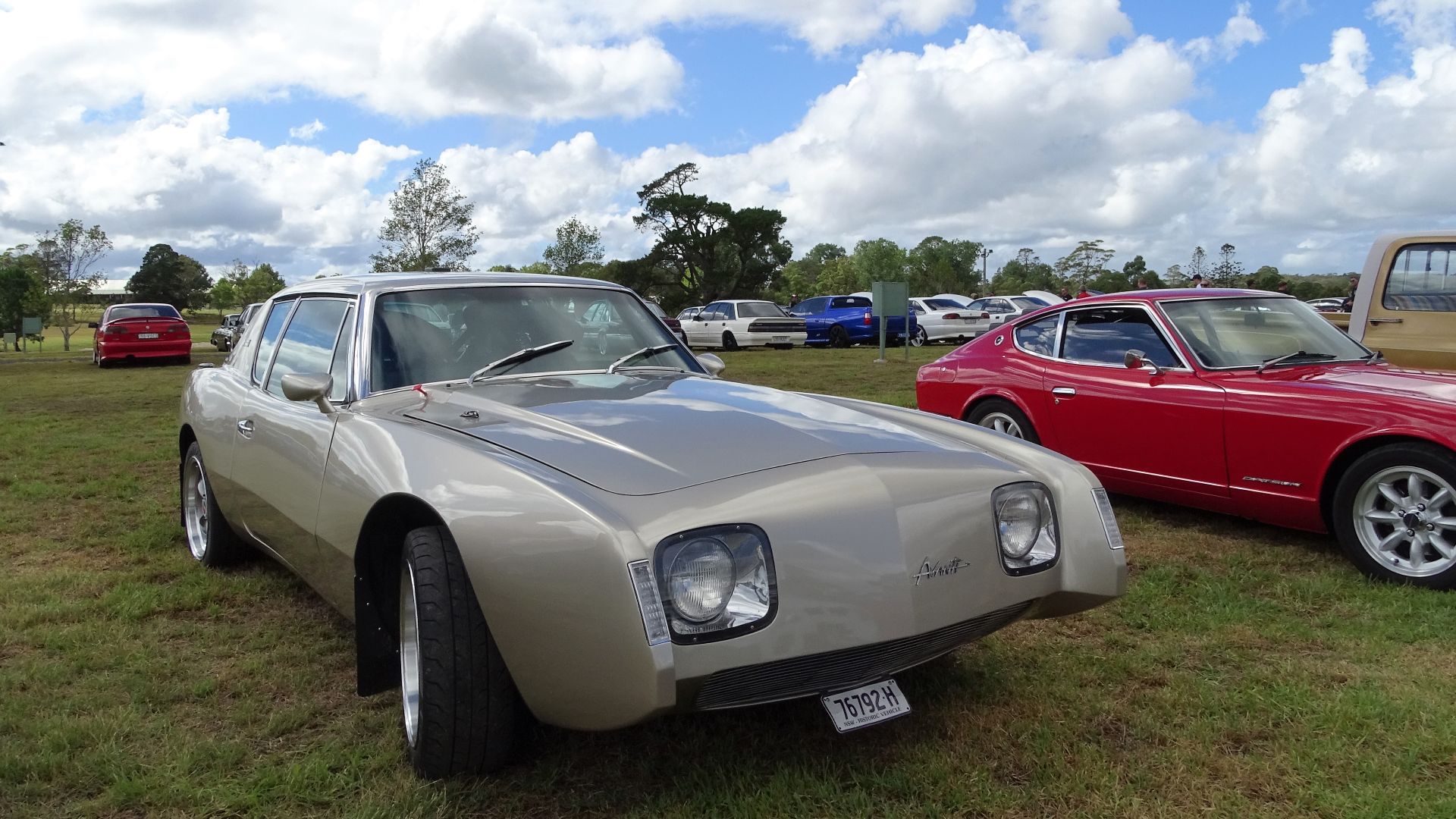
Studebaker Avanti
The Avanti looked like it had landed from 1975 even though it arrived in 1962. Its fiberglass body, available supercharged V8, front disc brakes, and Bonneville speed records gave Studebaker a legitimate halo car. Sadly, building the complicated body proved difficult, and Studebaker closed its South Bend plant after producing fewer than 5,000 originals.
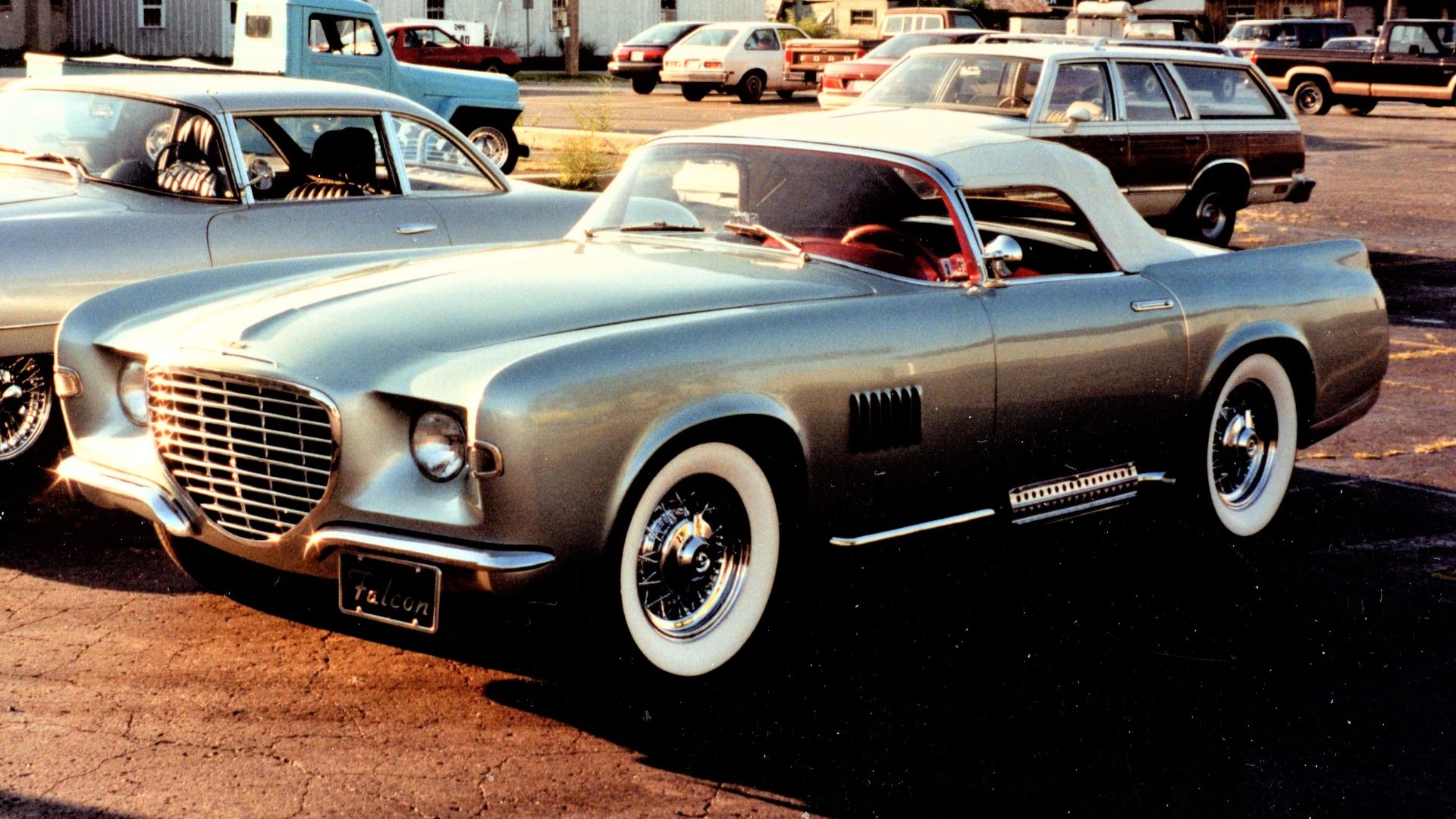
Chrysler Falcon
Before Dodge had the Viper, Chrysler nearly had the Falcon. This 1955 Ghia-built concept combined Italian styling with an American V8 and was considered a possible answer to the Corvette and Thunderbird. Chrysler ultimately decided against production. Ford later used the Falcon name on a compact sedan, which was not quite the same thing.
 Alden Jewell, Wikimedia Commons
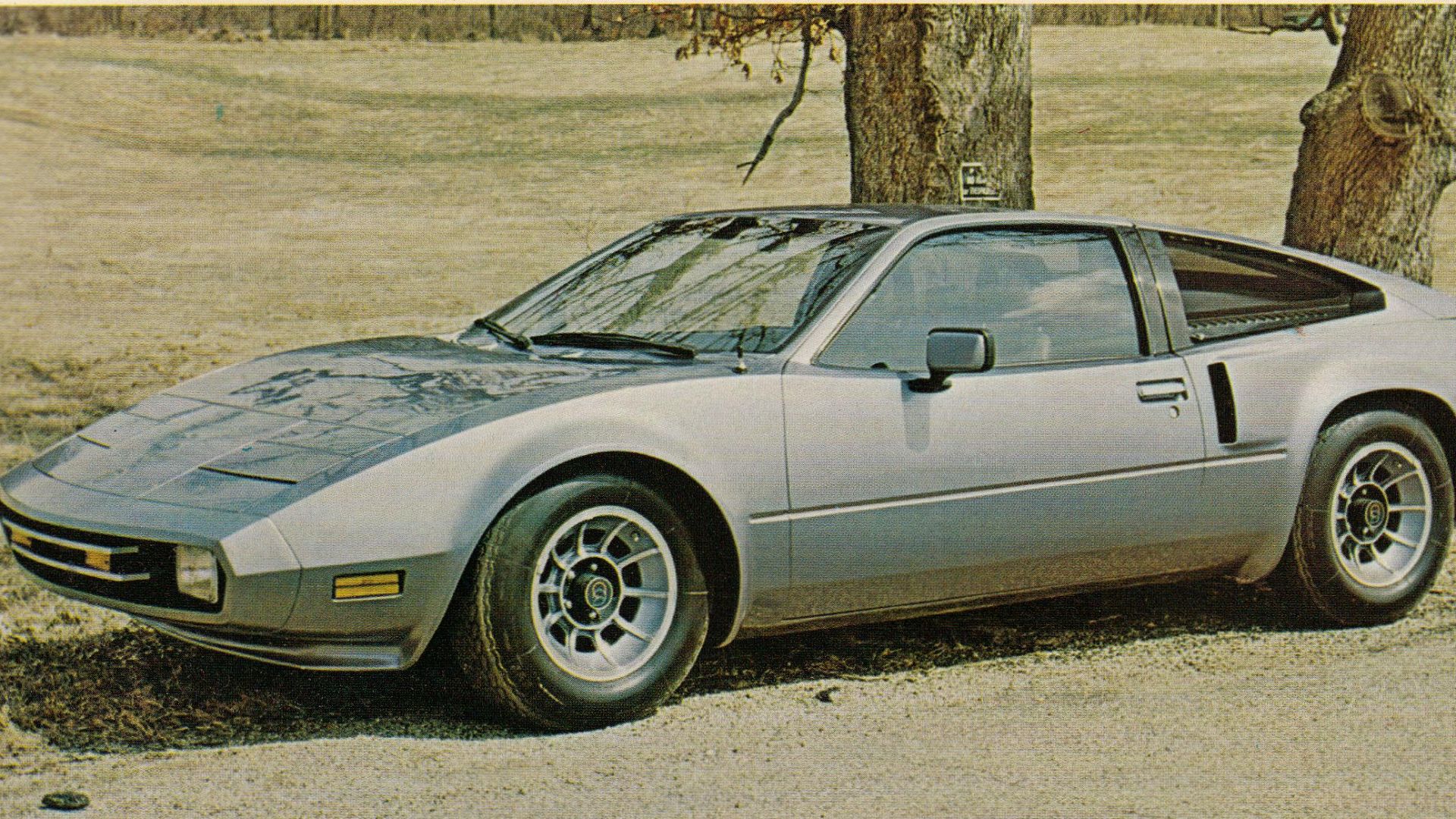
Guanci SJJ
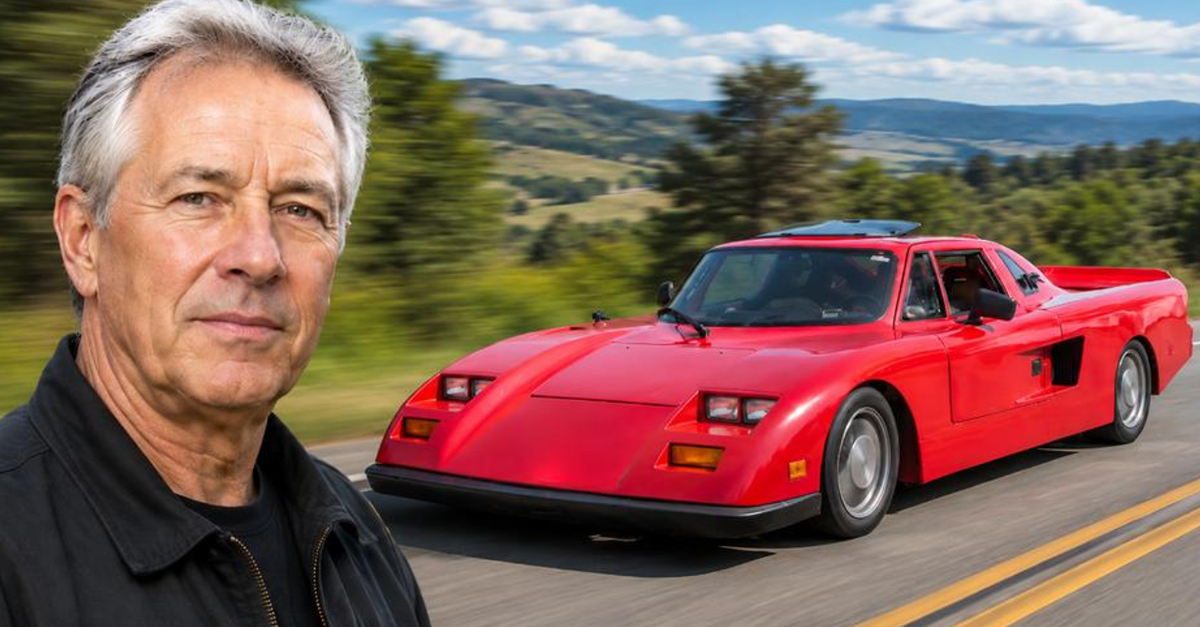
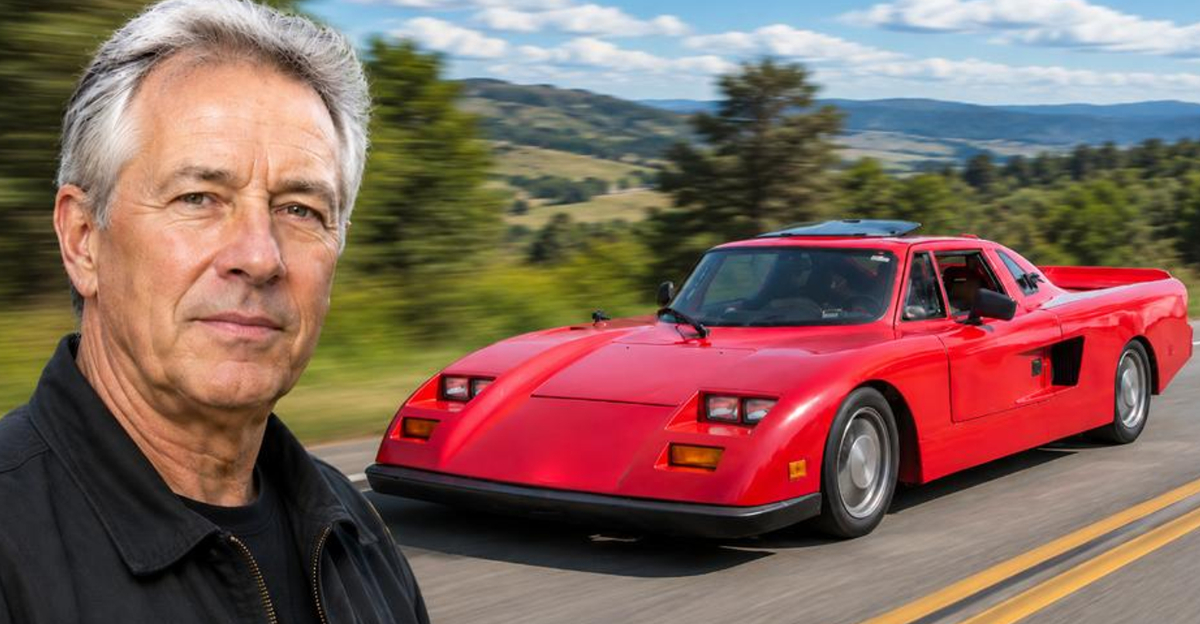
Chicago industrialist John Guanci believed America could build something better than the aging Corvette, so he created his own mid-engine exotic. The early prototypes even borrowed the Corvette’s L82 V8. Three prototypes are generally believed to have been completed, but funding problems and a projected price deep into exotic-car territory prevented the ambitious machine from reaching production.
 JOHN LLOYD from Concrete, Washington, United States, Wikimedia Commons
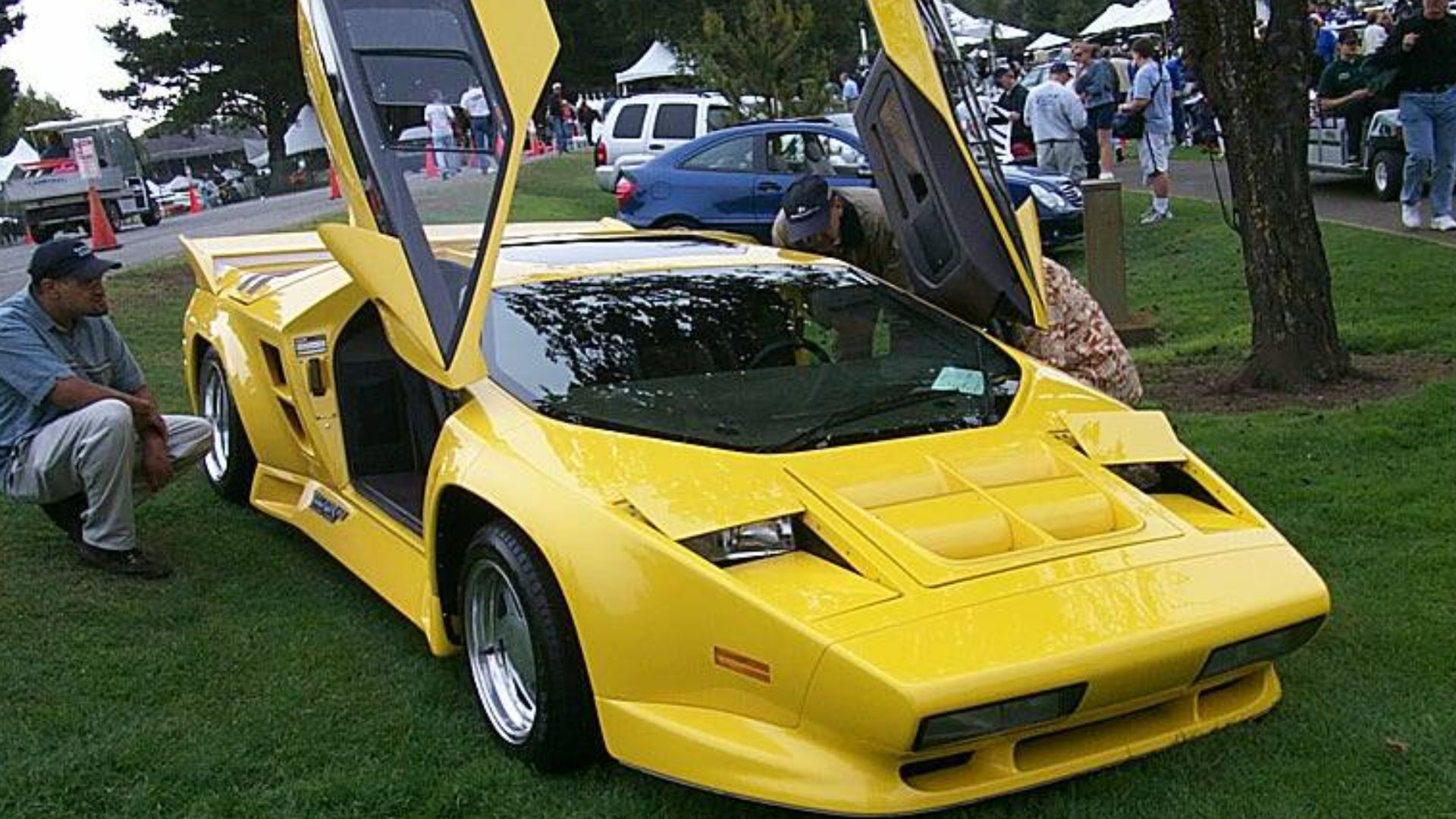
Vector W8
The Vector W8 was not merely supposed to beat the Corvette. It was supposed to show Ferrari and Lamborghini what America could do. Its twin-turbo V8 was advertised at 625 horsepower, and the fighter-jet styling looked appropriately wild. Unfortunately, mechanical problems, endless delays, and tiny production kept the Vector in permanent “almost” territory.
 Craig Howell from San Carlos, CA, USA, Wikimedia Commons
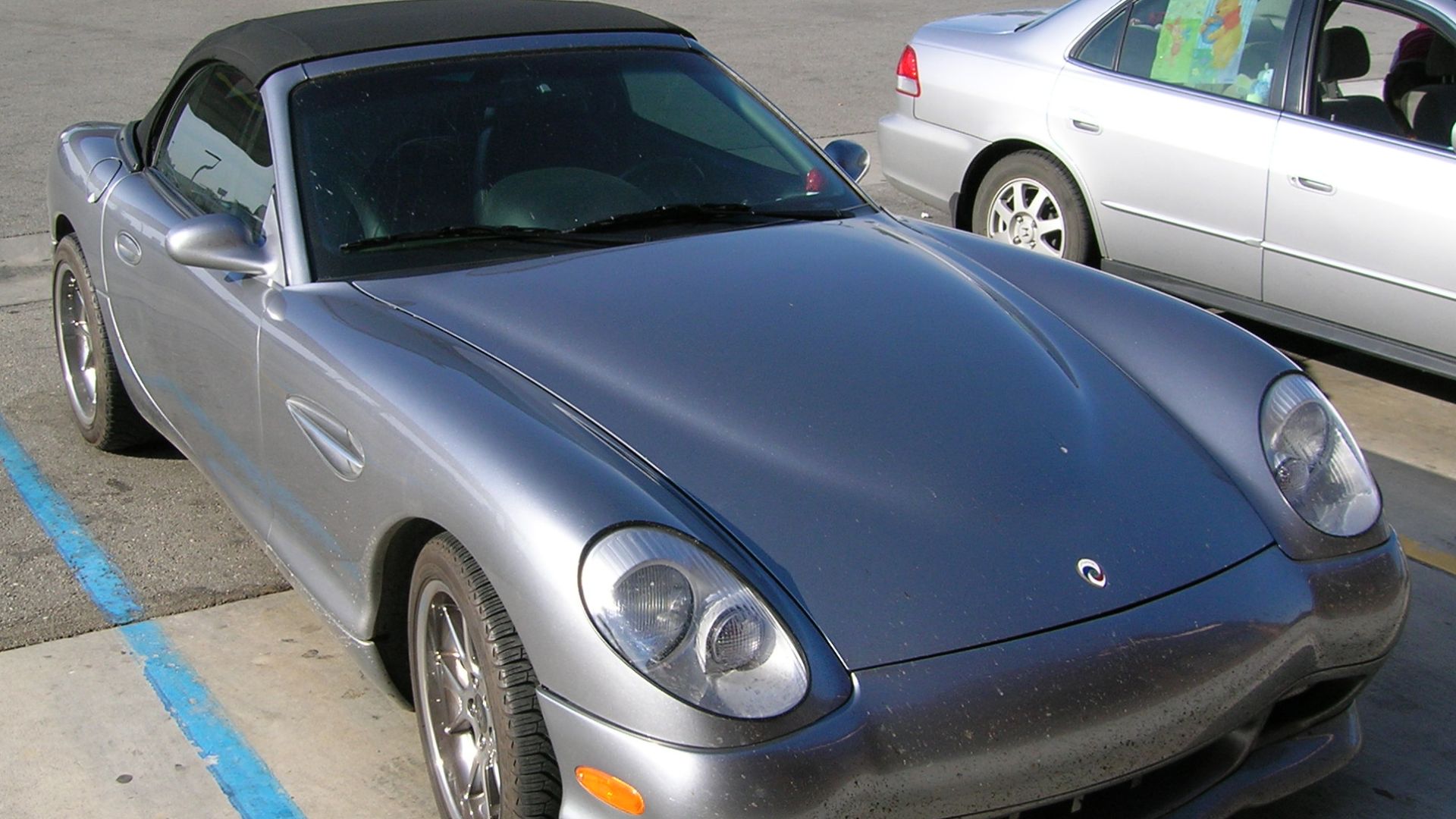
Panoz Esperante
The Esperante had many of the ingredients people claimed they wanted in an American sports car: aluminum-intensive construction, V8 power, distinctive styling, and a small company willing to build something different. Racing versions even won their class at Sebring and Le Mans. The road car, however, remained far too rare to threaten Corvette showrooms.
 User:BillWeiss, Wikimedia Commons
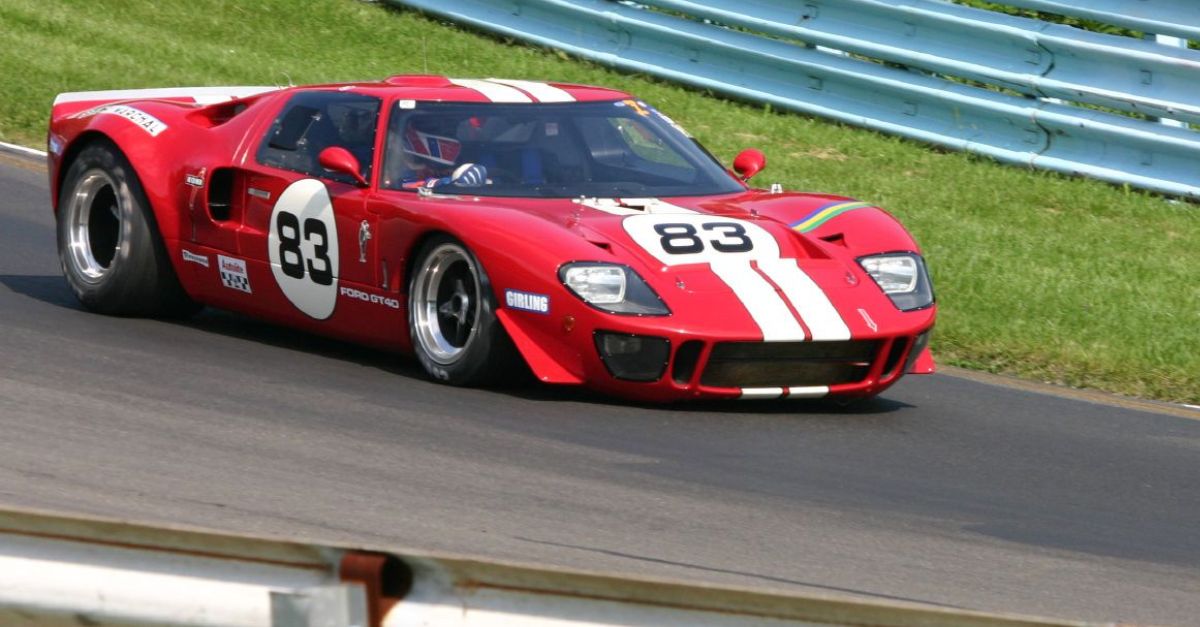
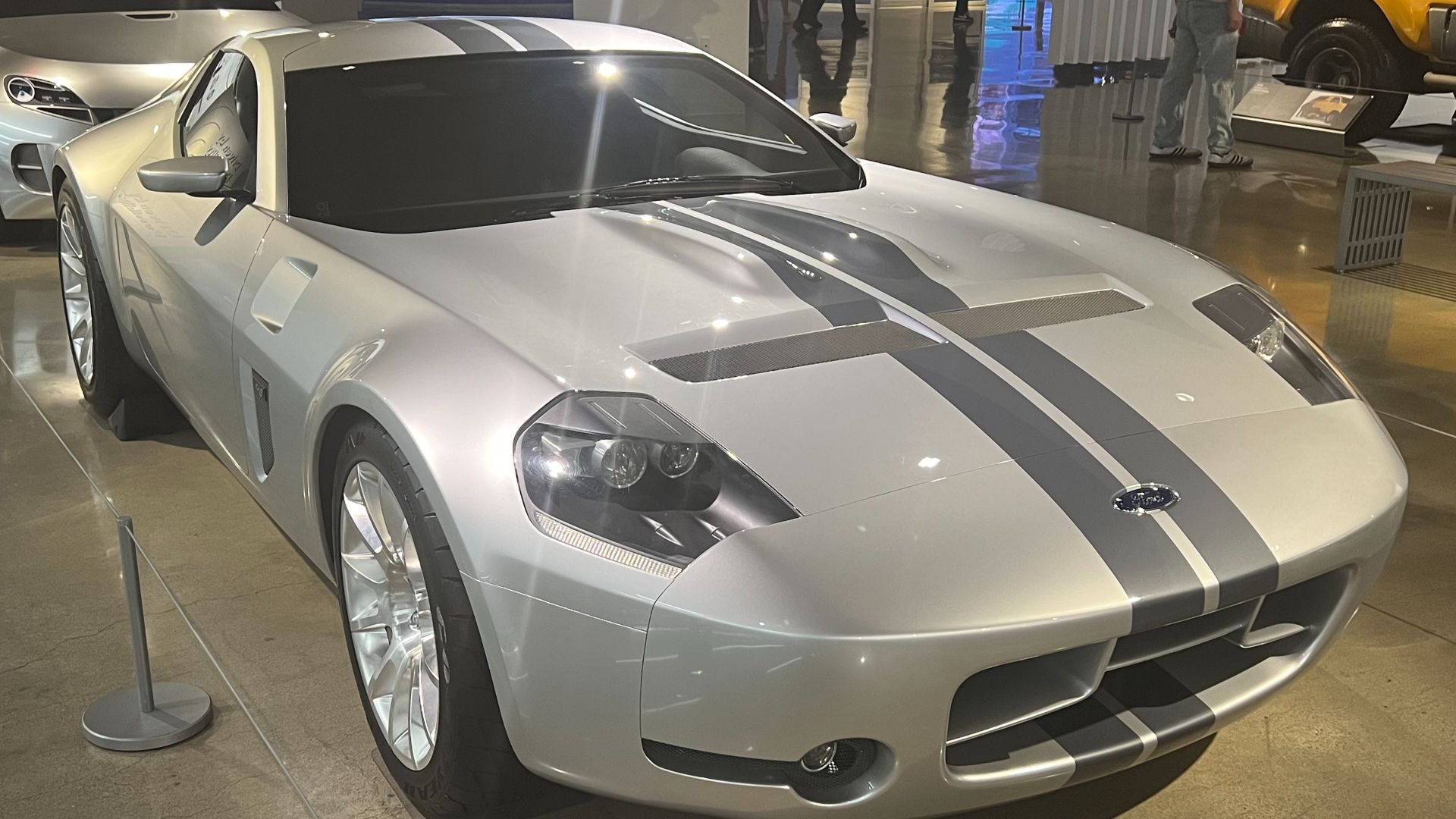
Ford Shelby GR-1
The Shelby GR-1 looked like Ford had finally decided to build a proper front-engine Corvette fighter. Inspired by the Shelby Daytona Coupe, it had a 6.4-liter V10, a six-speed manual, and one of the best-looking bodies Ford has ever placed on a concept. Ford built one functional example and then walked away.
 TaurusEmerald, Wikimedia Commons
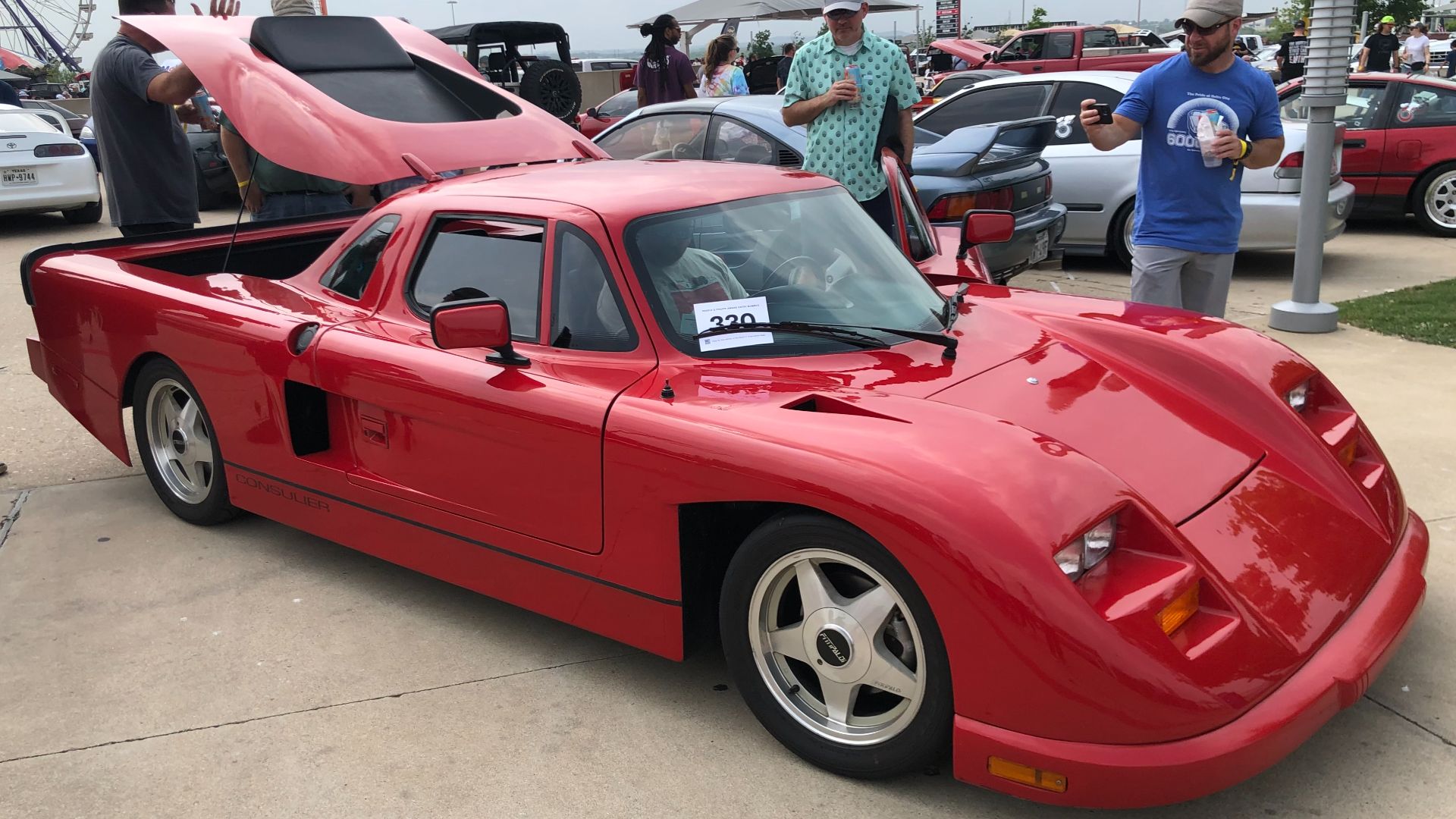
Consulier GTP
Warren Mosler’s Consulier GTP weighed roughly 2,200 pounds and used a turbocharged Chrysler four-cylinder mounted behind the driver. It looked slightly homemade, but it was brutally effective on a racetrack. IMSA imposed a 300-pound weight penalty and later excluded it from the series. Buyers were less enthusiastic, possibly because they had eyes.
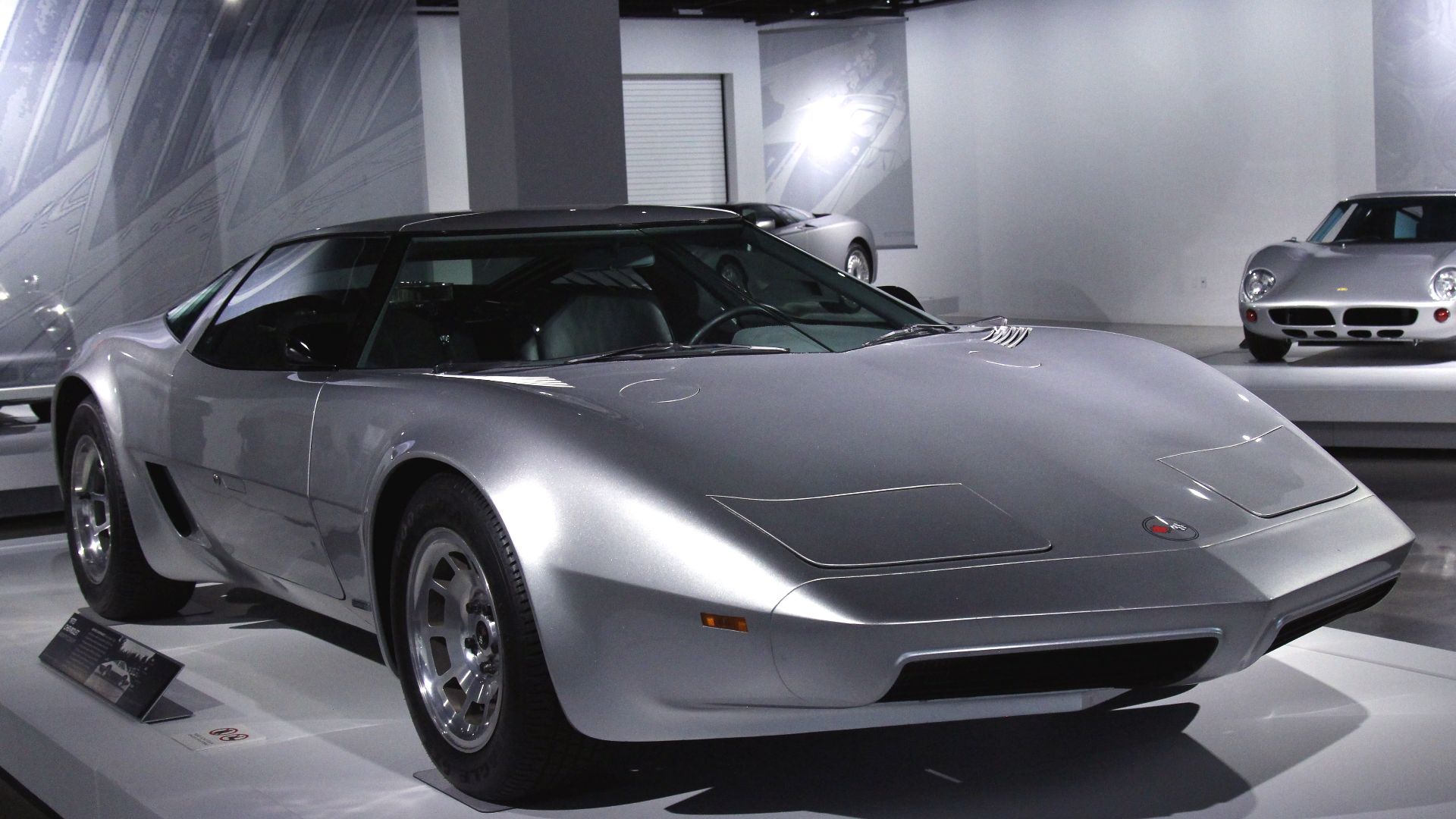
Chevrolet Aerovette
The Aerovette was not just another concept supposedly coming after the Corvette—it was approved to become the Corvette. GM planned to put the mid-engine design into production for 1980 before changing course. Chevrolet had finally created the next Corvette, looked at it, reconsidered, and decided the current Corvette could keep the job.
 Prayitno / Thank you for (12 millions +) view from Los Angeles, USA, Wikimedia Commons
The Corvette Just Kept Going
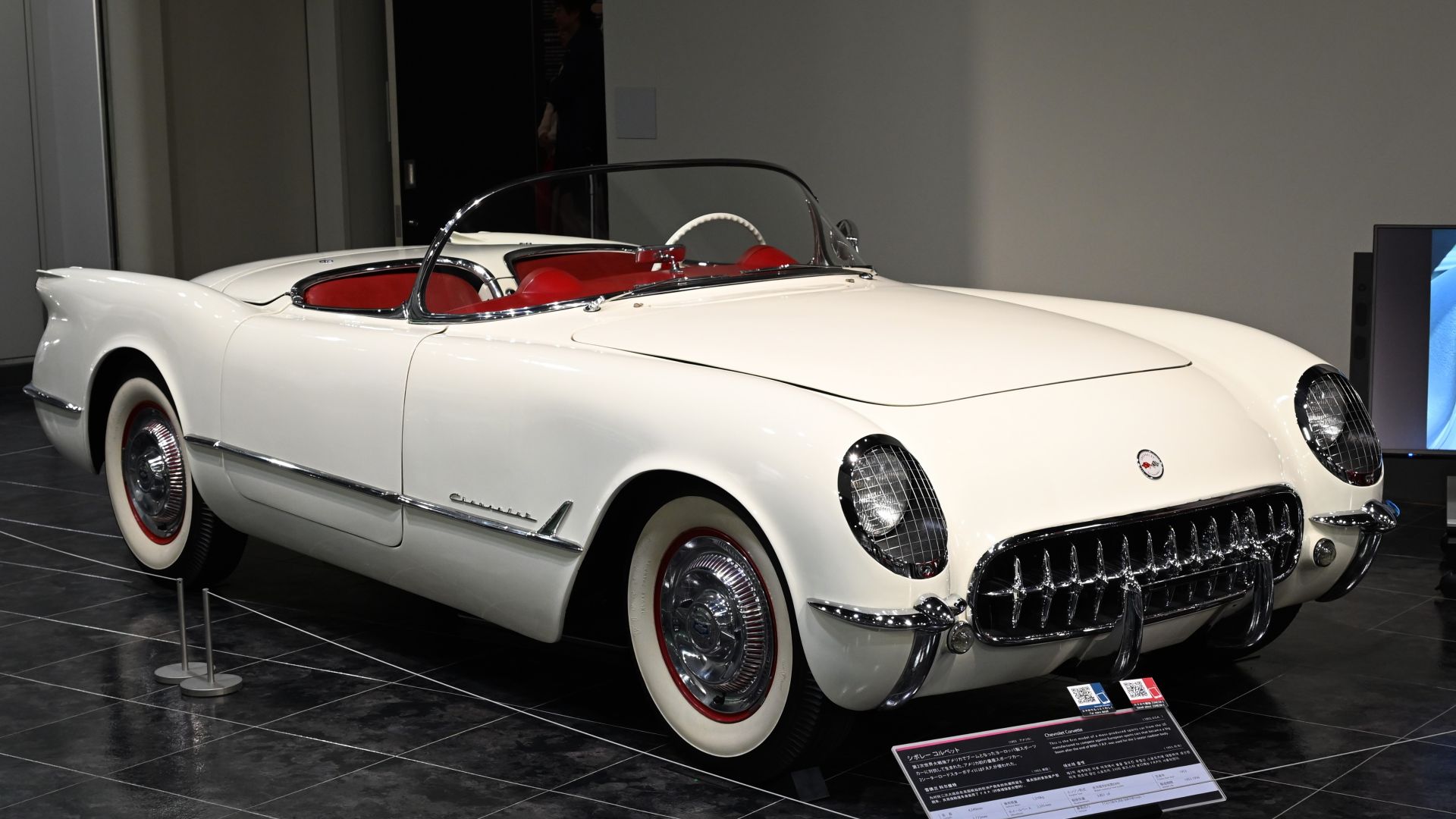
That is the part everyone underestimated. Building one exciting sports car is difficult, but plenty of companies managed it. Building one for more than seven decades—through fuel shortages, recessions, changing regulations, corporate reshuffles, and several questionable interior designs—is something else entirely. The next Corvette never arrived because the original refused to leave.
You Might Also Like:
Car Features Baby Boomers Used All The Time That Millennials Have Never Even Heard Of
The Most Beautiful Classic Cars Ever Built
My car collects driving data everywhere I go. Who actually owns that information?