Your Car Has A Secret Code
Look through the bottom corner of your windshield, and you'll find a seemingly random string of 17 letters and numbers. It's your car's Vehicle Identification Number, or VIN, and it's much more than a serial number. Those characters can reveal where your car was built, its model year, its manufacturer, and even which factory assembled it. Here's how the system works, and why every modern American-market car has one.
Before VINs, There Was Confusion
In the early days of American motoring, manufacturers used engine numbers, chassis numbers, and their own identification systems to distinguish vehicles. There was no universal format, and different companies used different numbering conventions. That made tracking vehicles a lot more complicated, particularly when cars changed owners, crossed state lines, or were stolen. A standardized identification system would eventually become essential.
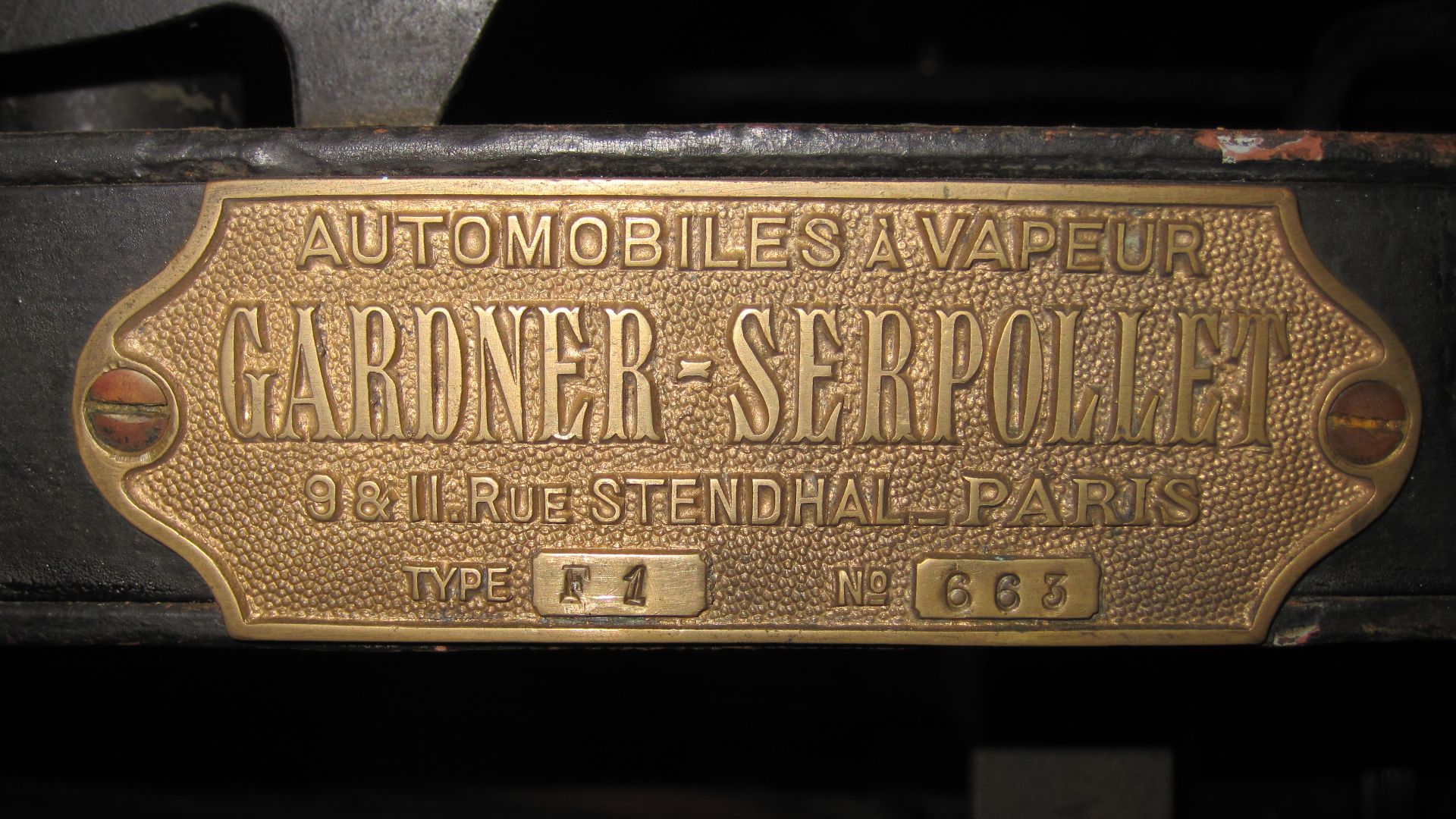 Peter Turvey from Marlborough, UK, Wikimedia Commons
The First VINs Appeared In 1954
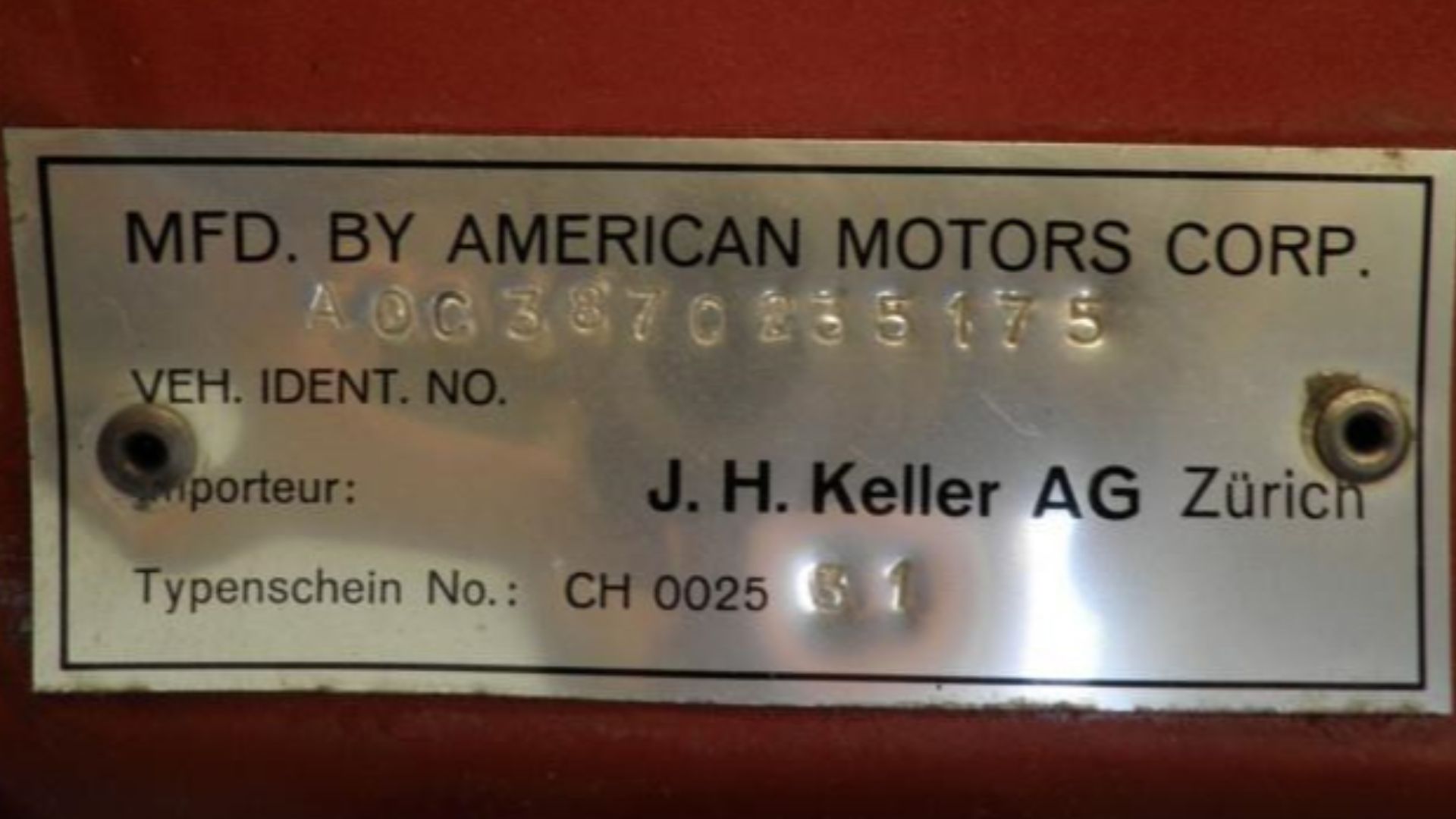
American automobile manufacturers began using Vehicle Identification Numbers in 1954, although the early systems were anything but uniform. One company might use a relatively short sequence, while another included letters identifying the model, factory, or engine. The codes varied between manufacturers and sometimes between model years. Unlike today's VINs, there was no nationwide requirement that every number follow the same structure.
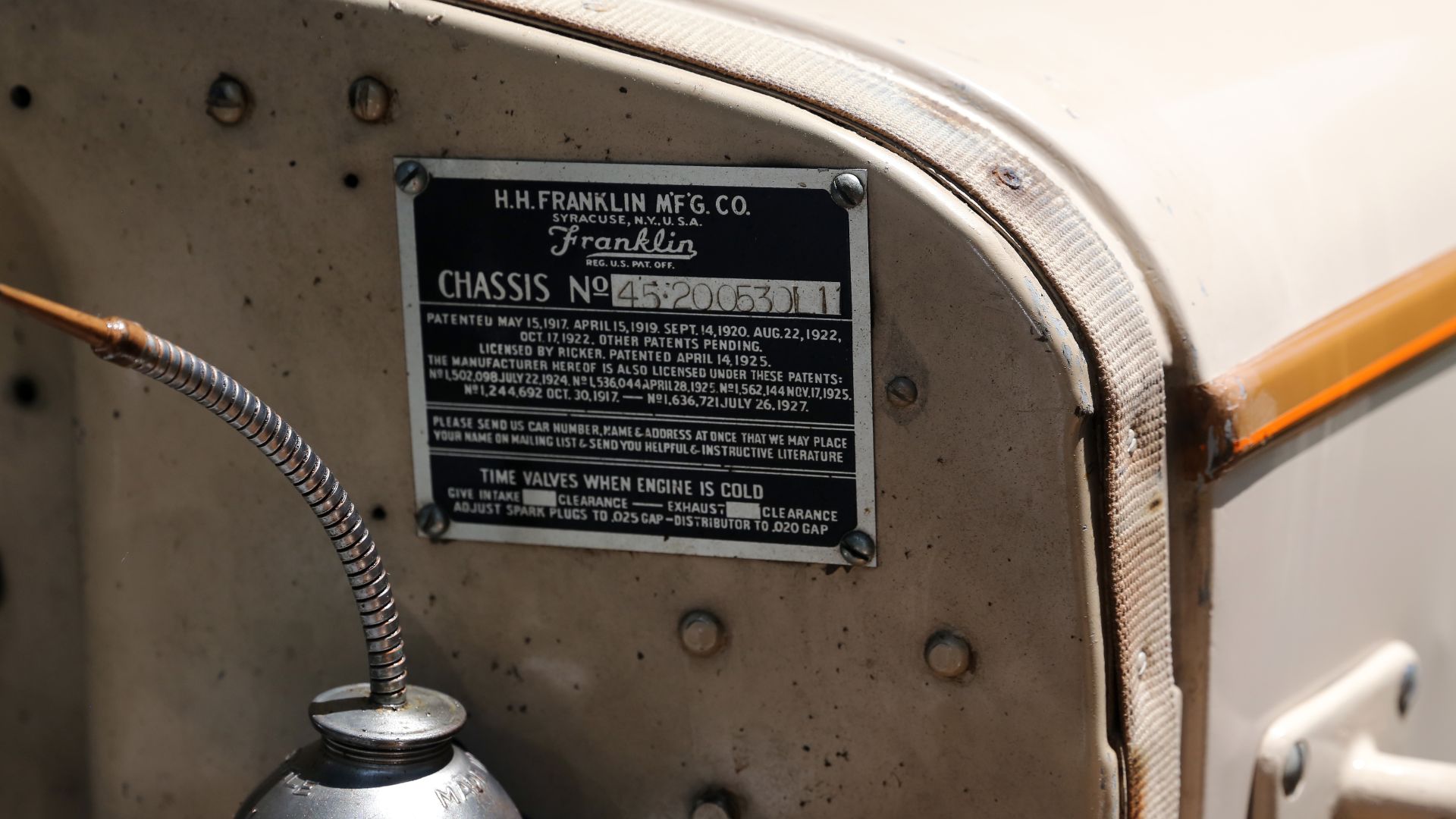 Mr.choppers, Wikimedia Commons
Washington Steps In
Federal regulation brought greater consistency in 1969, when passenger cars were required to carry identification numbers visible near the driver's side of the windshield. However, manufacturers could still determine much of their own numbering format. The big change arrived with regulations issued in 1978, establishing the standardized 17-character VIN for the 1981 model year. For the first time, manufacturers had to follow a common framework.

Why Exactly 17 Characters?
Seventeen characters provide enough combinations to identify enormous numbers of vehicles while reserving specific positions for important information. The system uses both letters and numbers, but excludes the letters I, O, and Q because they can be confused with 1 and 0. The result is a standardized code that manufacturers, insurers, police, and government agencies can interpret without relying on completely different systems for every automaker.
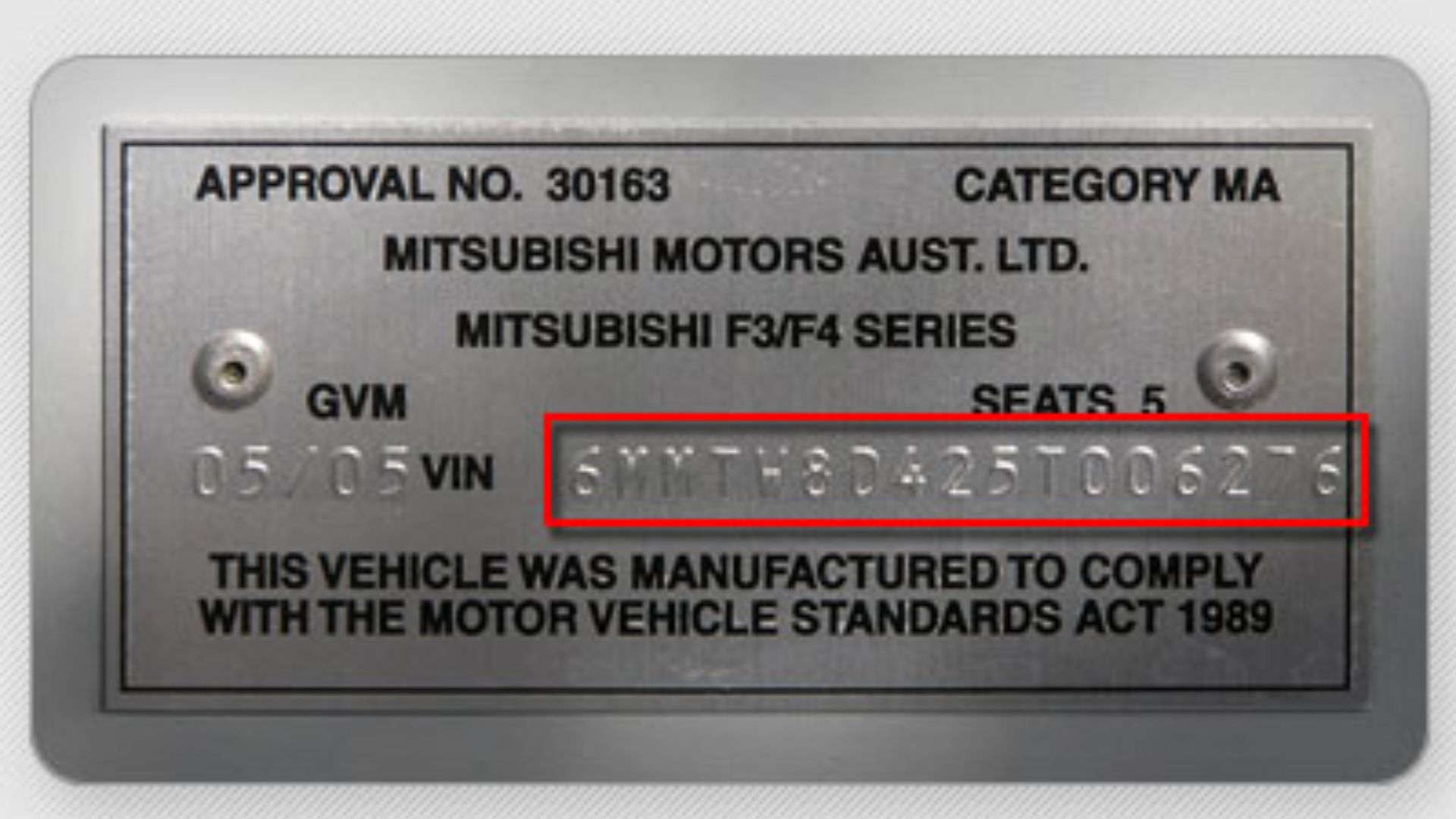 SipleDailyUser, Wikimedia Commons
Three Sections, One Identity
A modern VIN is divided into three principal sections. The first three characters generally form the World Manufacturer Identifier, identifying the manufacturer. Characters four through nine make up the Vehicle Descriptor Section, including information about the vehicle and a check digit. Characters 10 through 17 form the Vehicle Identifier Section, covering the model year, assembly plant, and production identification. The exact meaning of some characters varies by manufacturer.
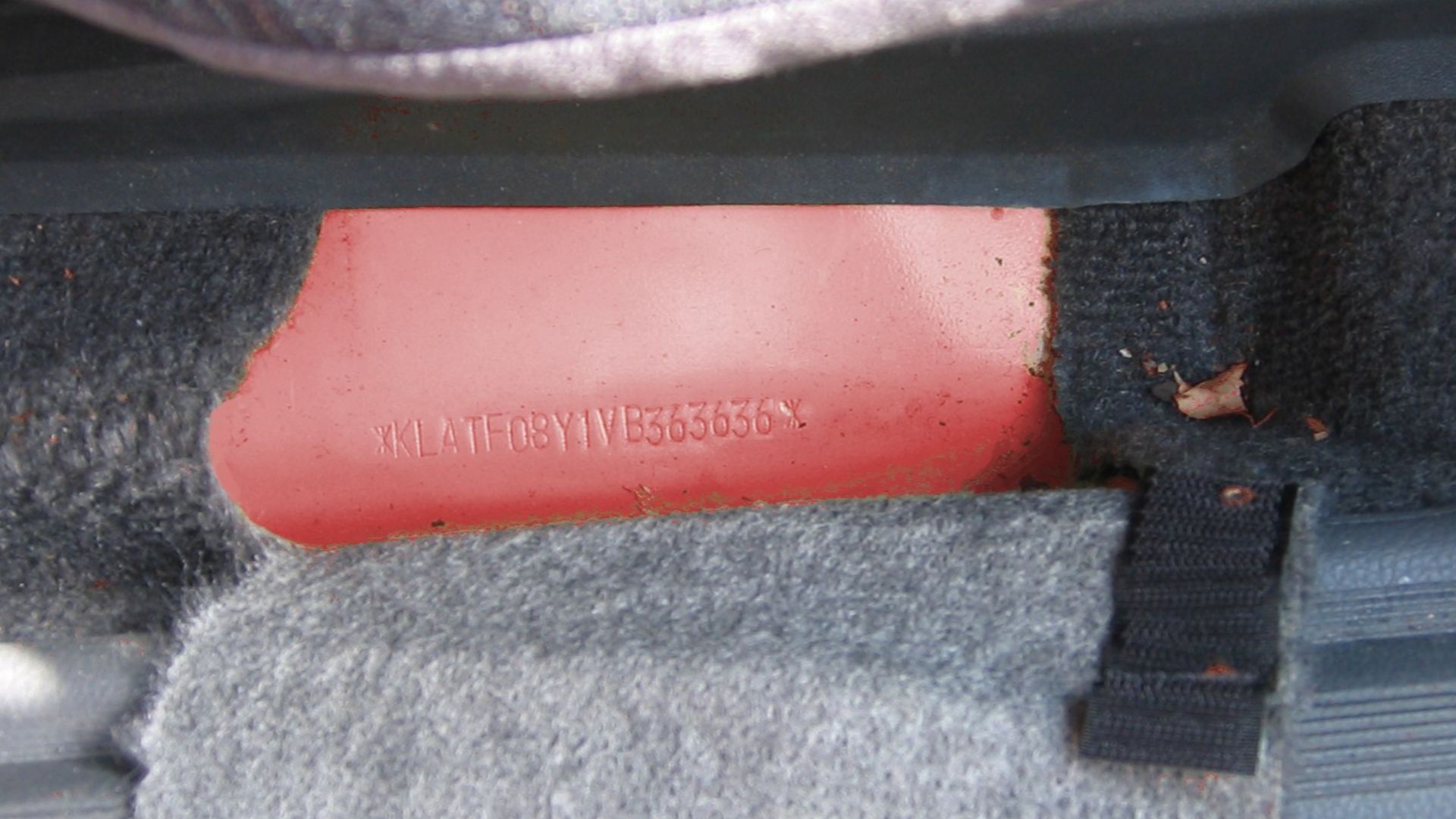
Character One: Geographic Origin
The first character helps identify the geographic origin associated with the manufacturer. Common North American codes include 1, 4, and 5 for the United States, 2 for Canada, and 3 for Mexico. Japan commonly uses J, Germany W, and South Korea K. However, the first character is part of a manufacturer identifier, so interpreting it alongside the next two characters gives a more reliable picture.
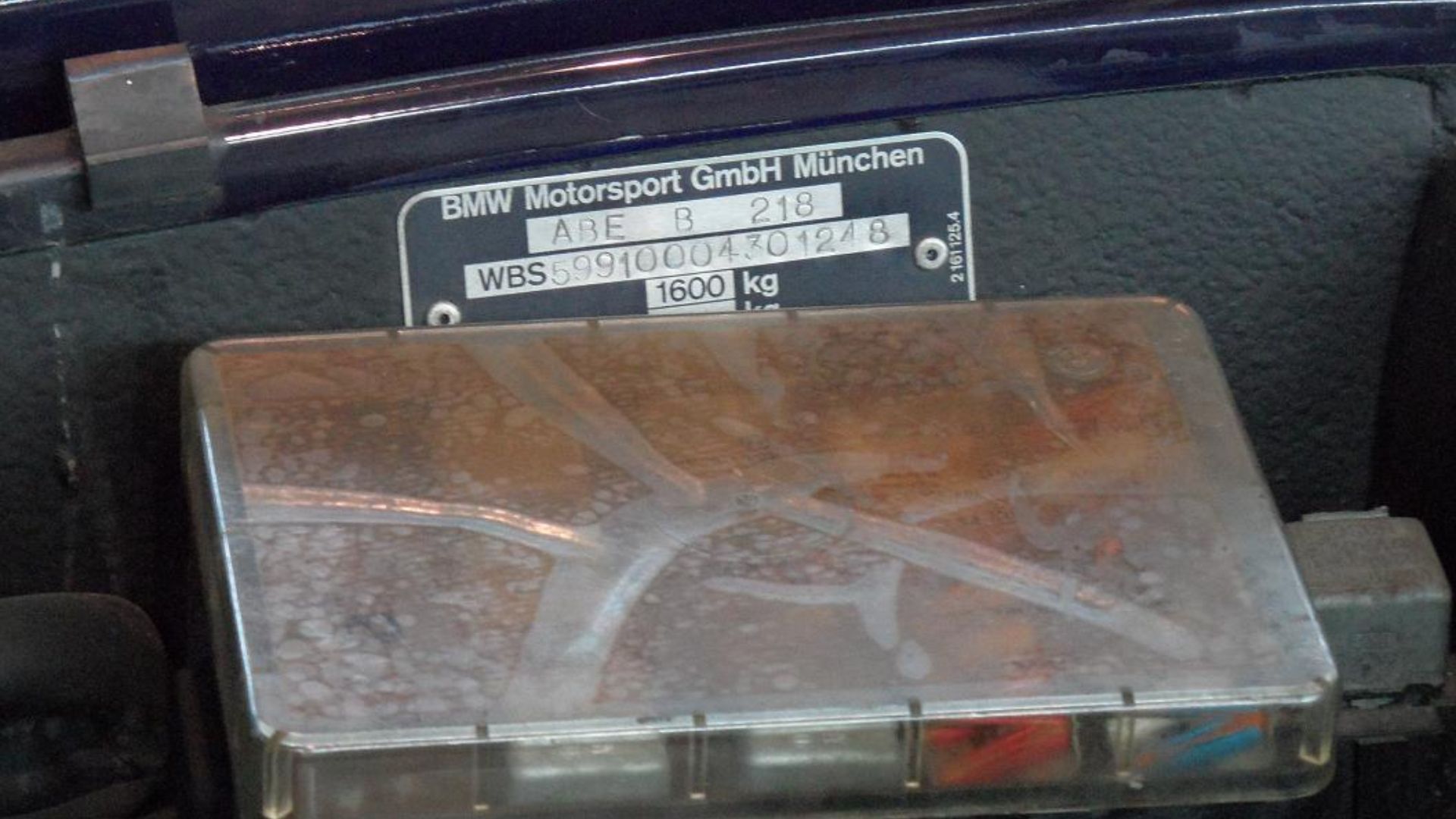
Character Two: The Manufacturer
The second character helps identify the company responsible for the vehicle. For example, F frequently appears in Ford identifiers, while G appears in certain General Motors identifiers. However, the second character doesn't work independently in every case. Manufacturers may have several codes, particularly when operating in multiple countries. That's why you should always interpret the first three characters together rather than relying on one letter.
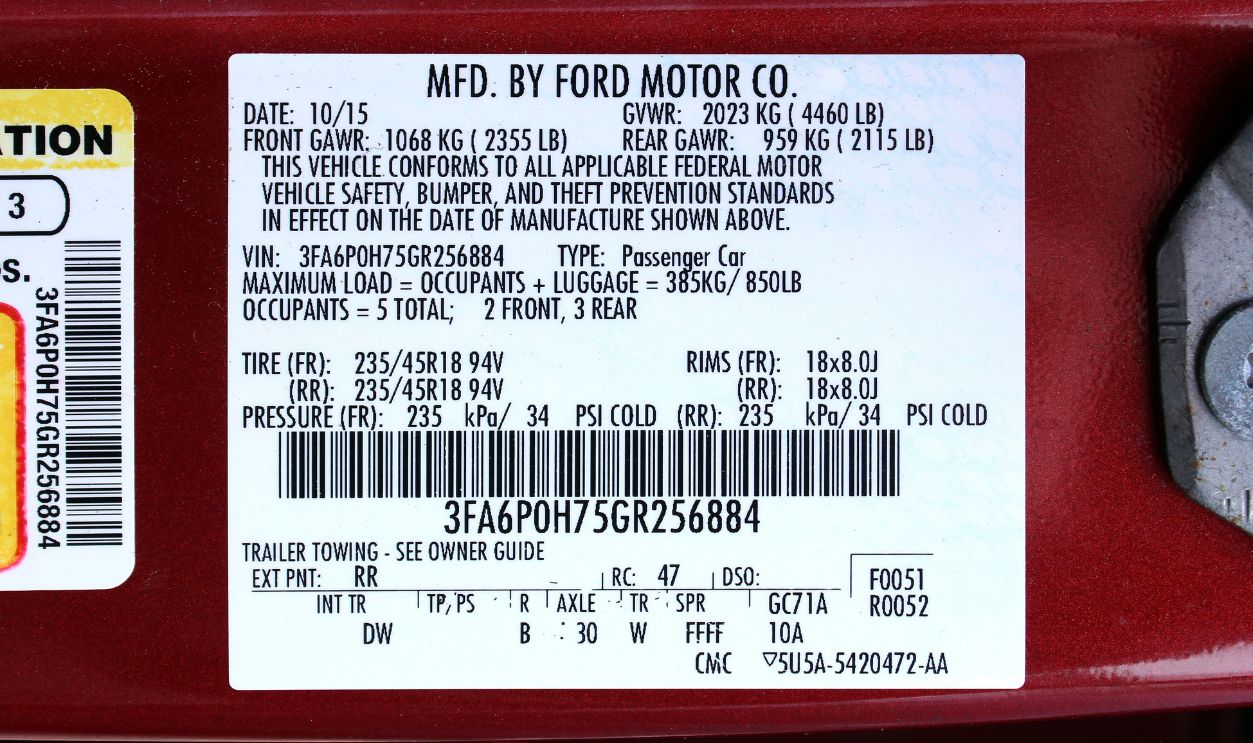
Character Three: Vehicle Division
The third character completes the World Manufacturer Identifier, or WMI. Depending on the manufacturer, it can help distinguish a vehicle division, brand, or type. For example, 1FA has been used for Ford passenger cars built in the United States. Together, these first three characters identify the manufacturer or manufacturing entity much more precisely than a simple country code.
Characters Four Through Eight
These five positions describe important characteristics of the vehicle, potentially including its model, body style, engine, restraint system, or weight class. However, there's an important catch: manufacturers don't all assign identical meanings to individual positions. The eighth character might identify an engine in one manufacturer's system, but you shouldn't assume that rule applies universally. Accurate decoding requires the manufacturer's specifications.
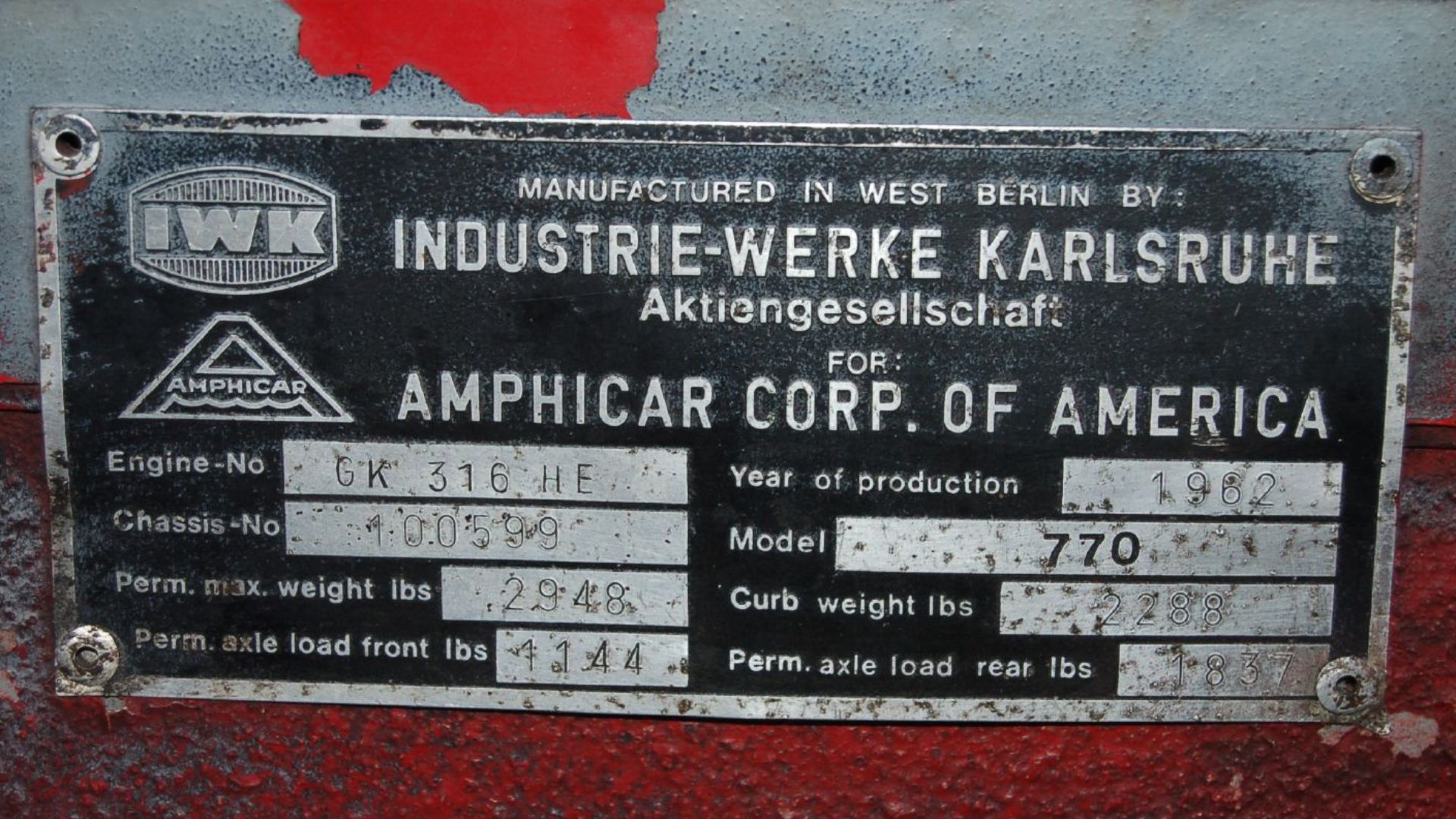 Joe Ross from Lansing, Michigan, Wikimedia Commons
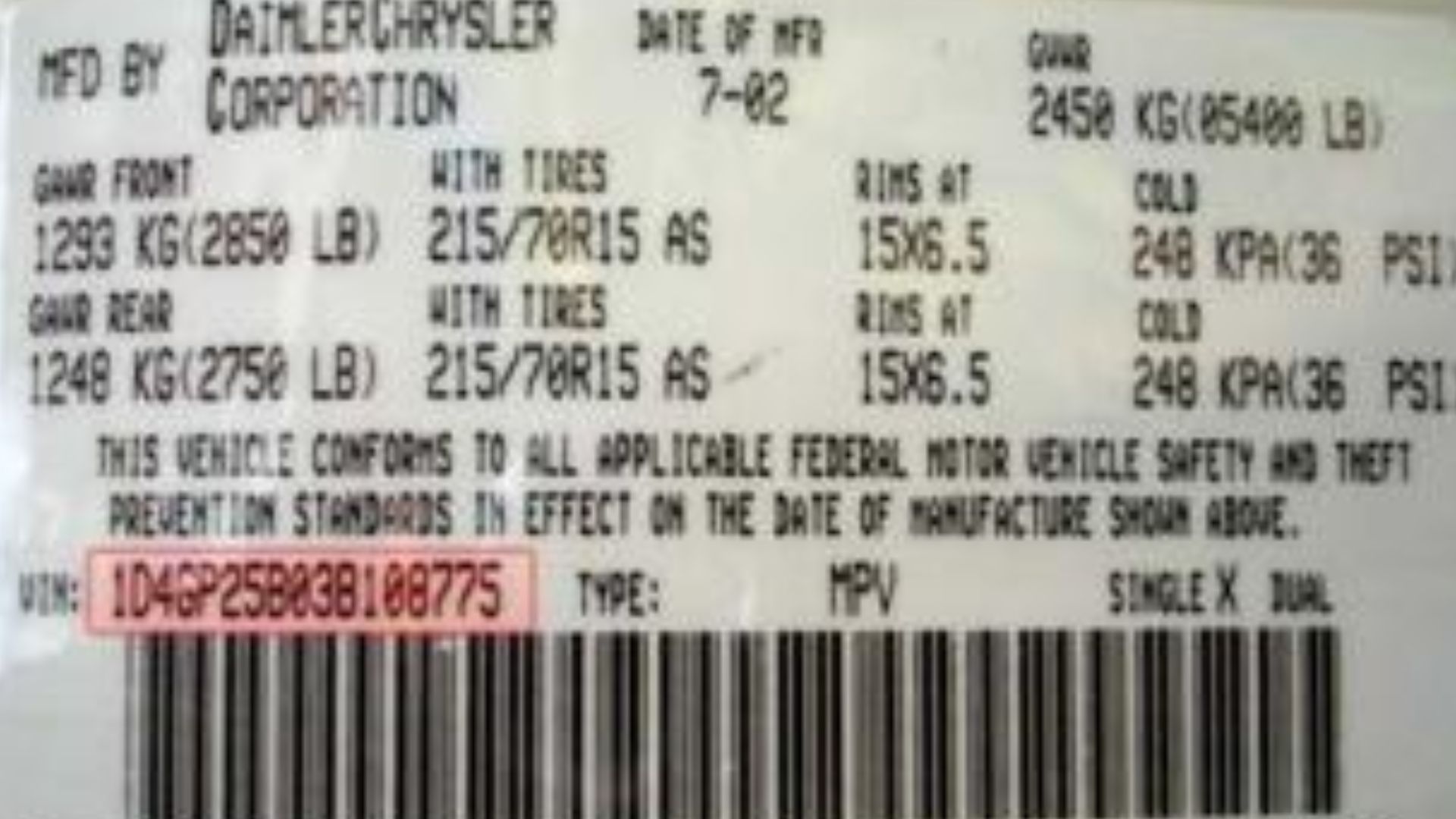
Character Nine: The Check Digit
The ninth character has a completely different purpose. It's a mathematical check digit designed to help detect errors or alterations in the VIN. Rather than describing the vehicle, it verifies whether the other characters produce the expected result. The check digit can be a number from zero to nine, or the letter X. That X represents the value 10 in the calculation.
How The Check Digit Works
Each VIN character is converted into a numerical value, multiplied by a weighting factor based on its position, and added to the others. The total is divided by 11, and the remainder determines the check digit. This mathematical safeguard can flag many transcription mistakes and some attempts to alter a VIN. However, a valid check digit doesn't prove a vehicle is genuine or that its identity hasn't been fraudulently changed.
Character Ten: The Model Year
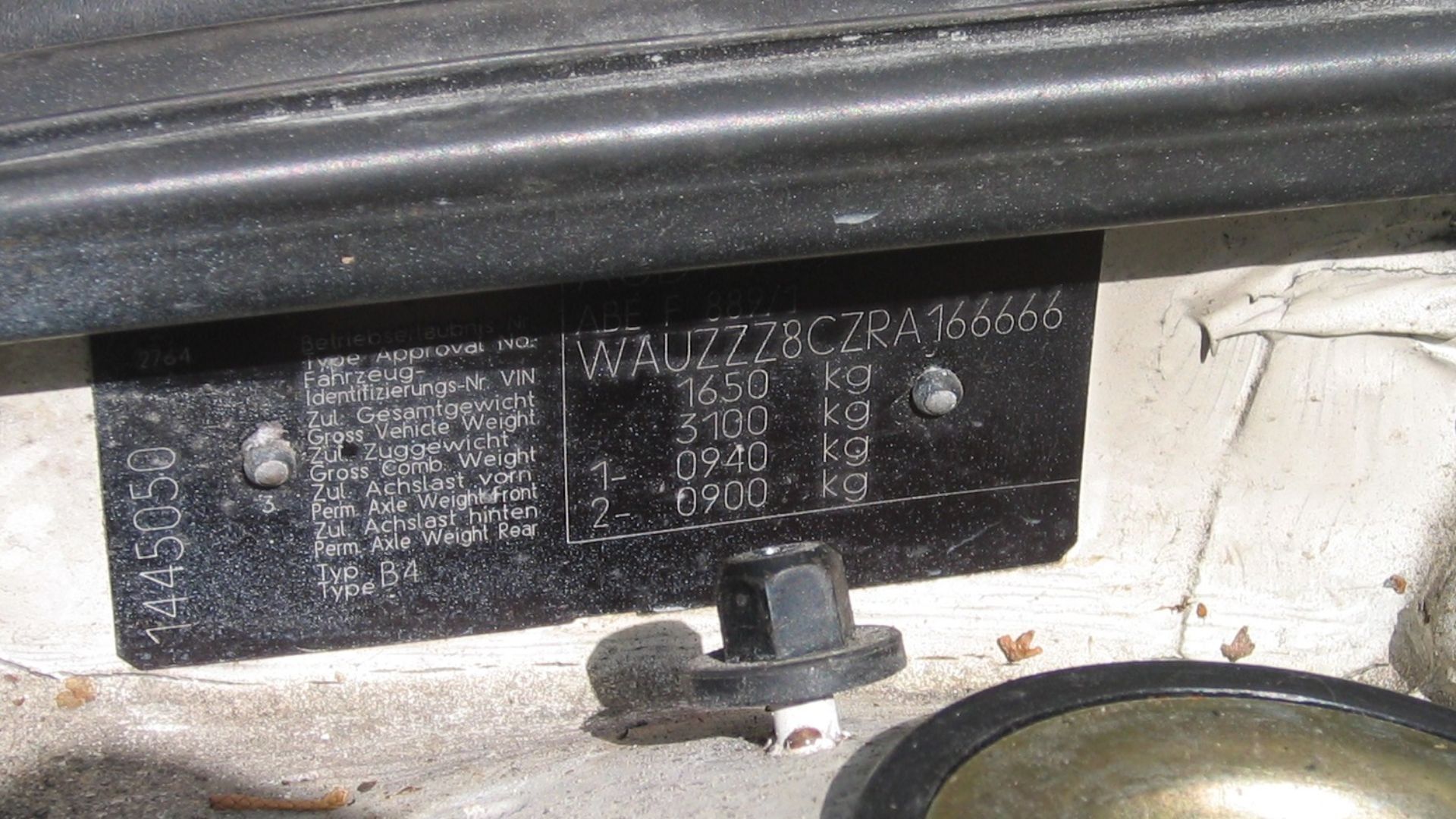
The tenth character identifies the vehicle's model year, not necessarily the calendar year when it was manufactured. For example, A represents 1980 and 2010, while T represents 1996 and 2026. The letters I, O, Q, U, and Z aren't used as model-year codes. The system also uses numbers from 1 through 9, representing model years 2001 through 2009 in one cycle.
 Andrew Duthie from Nashville, TN, USA, Wikimedia Commons
Why The Years Repeat
You might wonder how the same letter can represent vehicles built decades apart. The VIN model-year sequence repeats every 30 years, so additional context is necessary. Under US rules, the seventh character helps distinguish certain model-year cycles for passenger cars and lighter vehicles. A VIN decoder also considers the vehicle's manufacturer and configuration. That prevents a 2026 model from being mistaken for one built in 1996.
 Bertosalceda, Wikimedia Commons
Character Eleven: The Factory
The eleventh character identifies the plant where the vehicle was manufactured. Each manufacturer assigns its own plant codes, meaning the same letter can refer to different factories depending on the company. This information can help identify whether a particular vehicle came from a plant in Michigan, Kentucky, Mexico, or elsewhere. It's especially useful when manufacturers operate several assembly facilities producing similar models.
 Cliff from Arlington, Virginia, USA, Wikimedia Commons
Characters Twelve Through Seventeen
For most mass-produced passenger cars, the final six characters form a production sequence number assigned by the manufacturer. This helps distinguish one otherwise identical vehicle from another. However, don't assume the number reveals exactly how many examples of that model were built before yours. Manufacturers can use different numbering sequences, starting points, and production allocations across plants and vehicle lines.
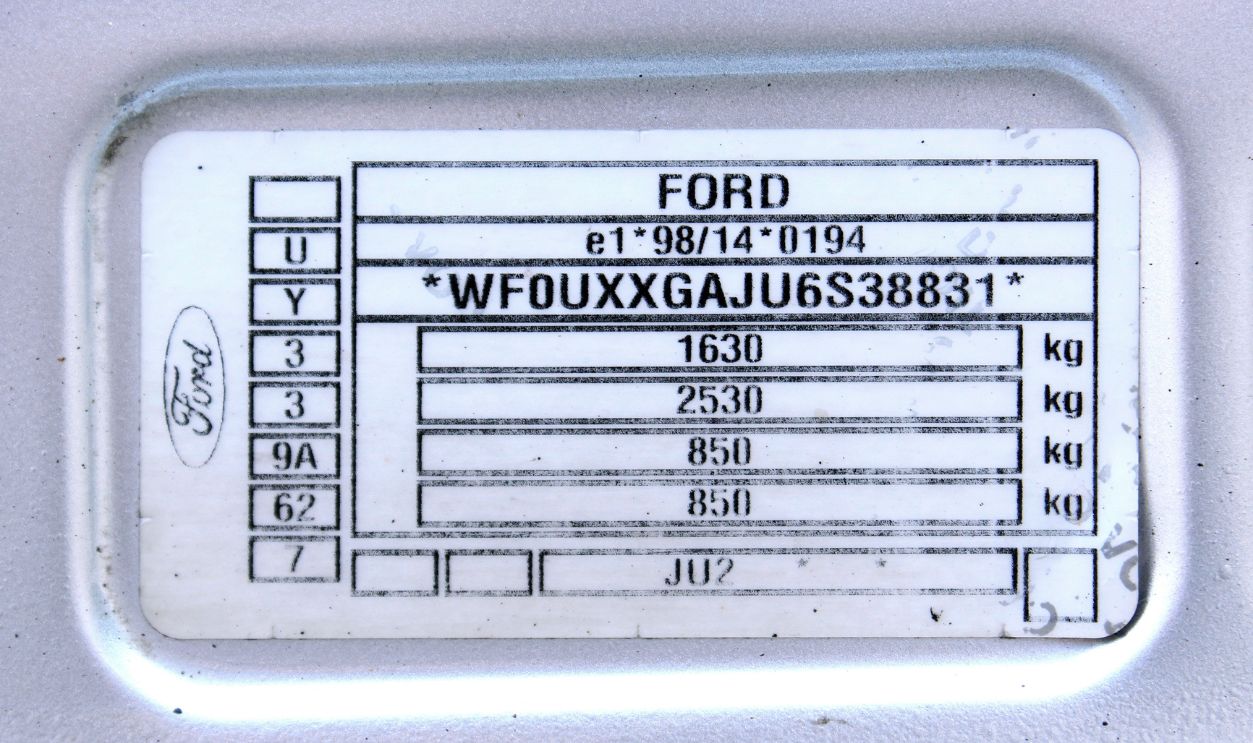
Small Manufacturers Have Different Rules
There's an interesting exception for manufacturers producing fewer than 500 vehicles of a particular type annually. Their identification system uses characters 12 through 14 as an extension of the manufacturer identifier. That leaves the final three characters for the production sequence. This arrangement allows low-volume manufacturers to receive unique identifiers without exhausting the available three-character combinations.
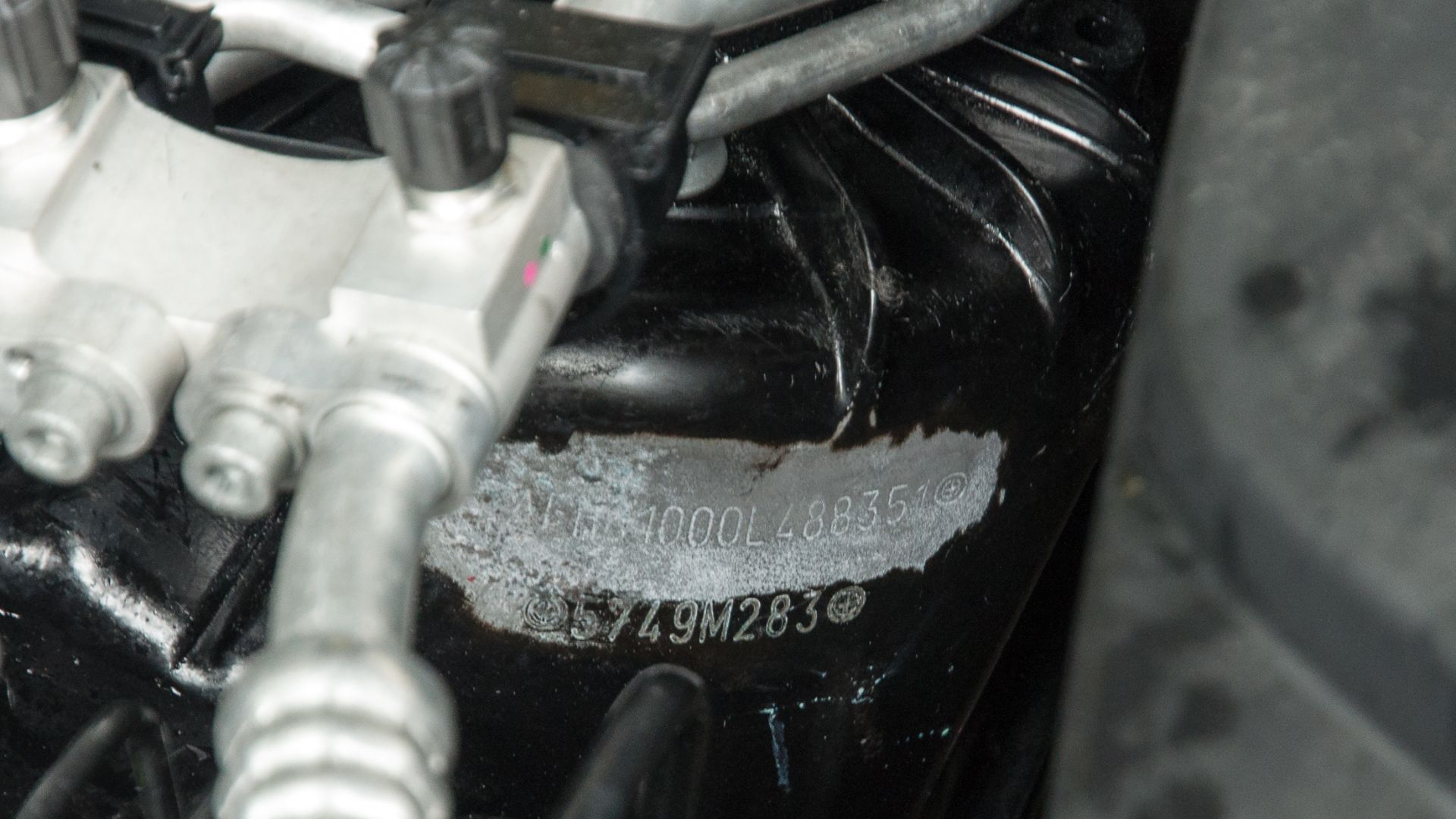
Who Assigns Your VIN?
The manufacturer assigns the VIN, not the dealership, DMV, or insurance company. Automakers use their own production and identification systems to generate VINs according to federal requirements. The codes must distinguish vehicles while correctly identifying their characteristics and production information. Manufacturers also submit decoding information to the National Highway Traffic Safety Administration, allowing regulators and others to interpret the codes.
 AgnosticPreachersKid, Wikimedia Commons
How Factories Apply VINs
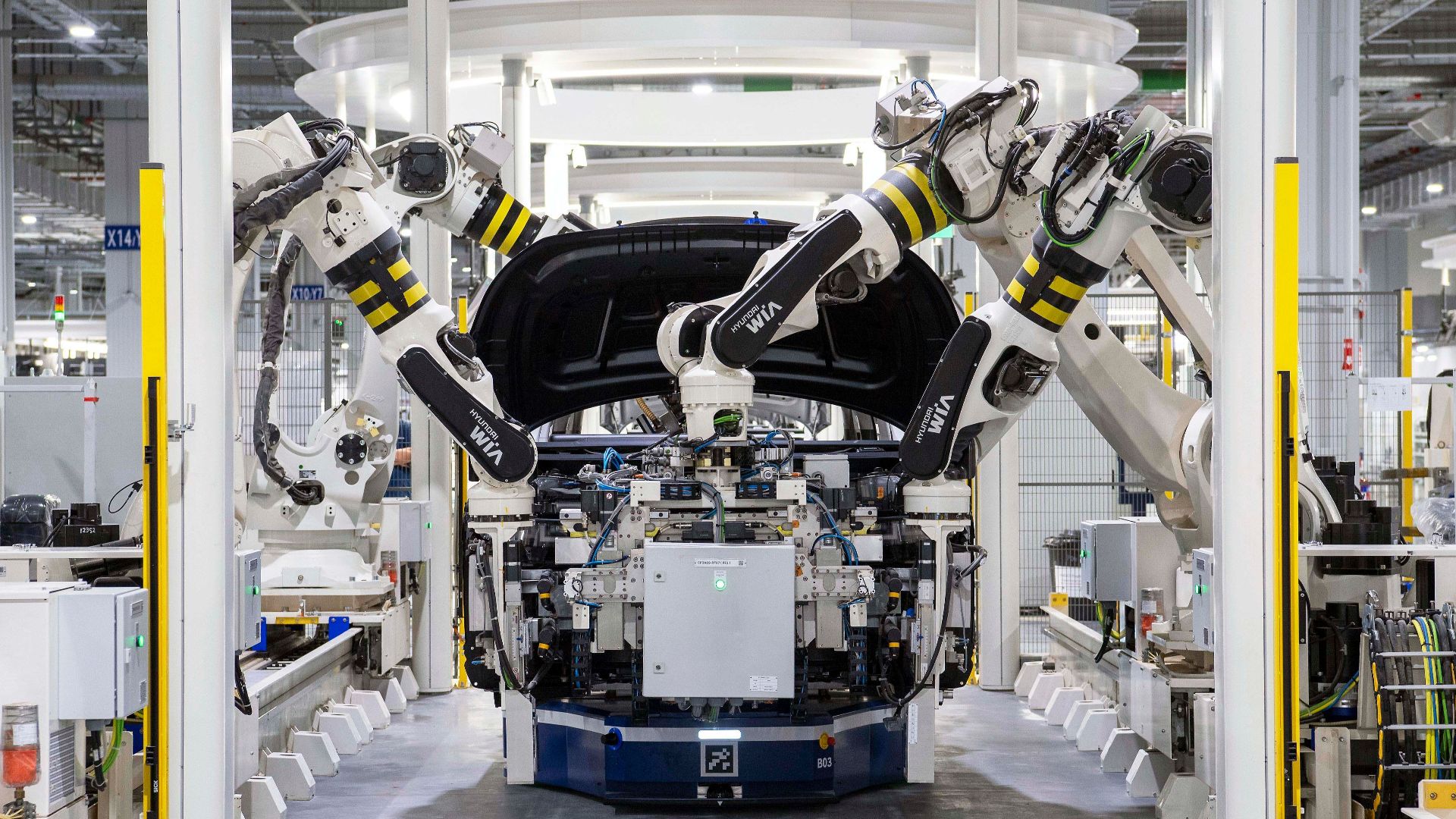
During manufacturing, the assigned VIN becomes part of the vehicle's permanent identity. Automakers typically attach a VIN plate near the dashboard and apply identification markings or labels elsewhere on the vehicle. Depending on the manufacturer, some identifiers may be stamped into structural components. These markings are incorporated into production and quality-control processes, helping the factory track the vehicle as it moves toward completion.
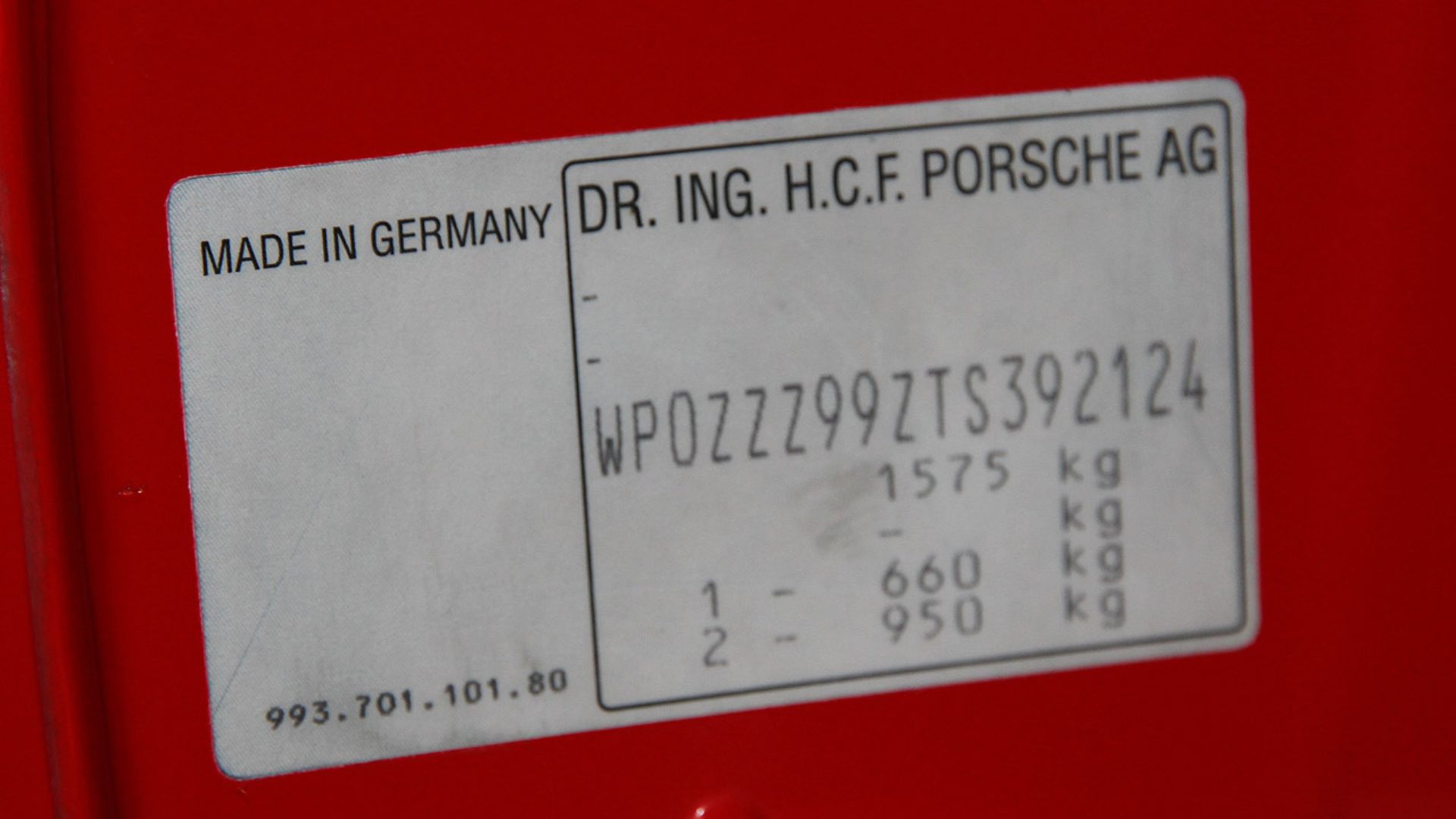 The Car Spy, Wikimedia Commons
Where To Find Your VIN
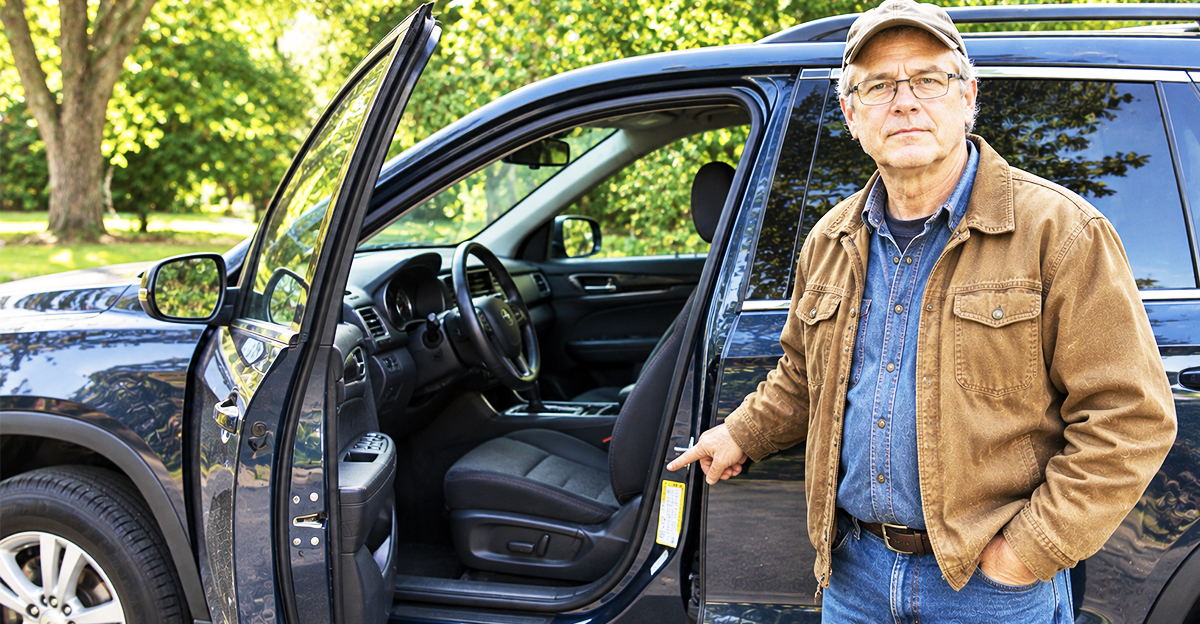
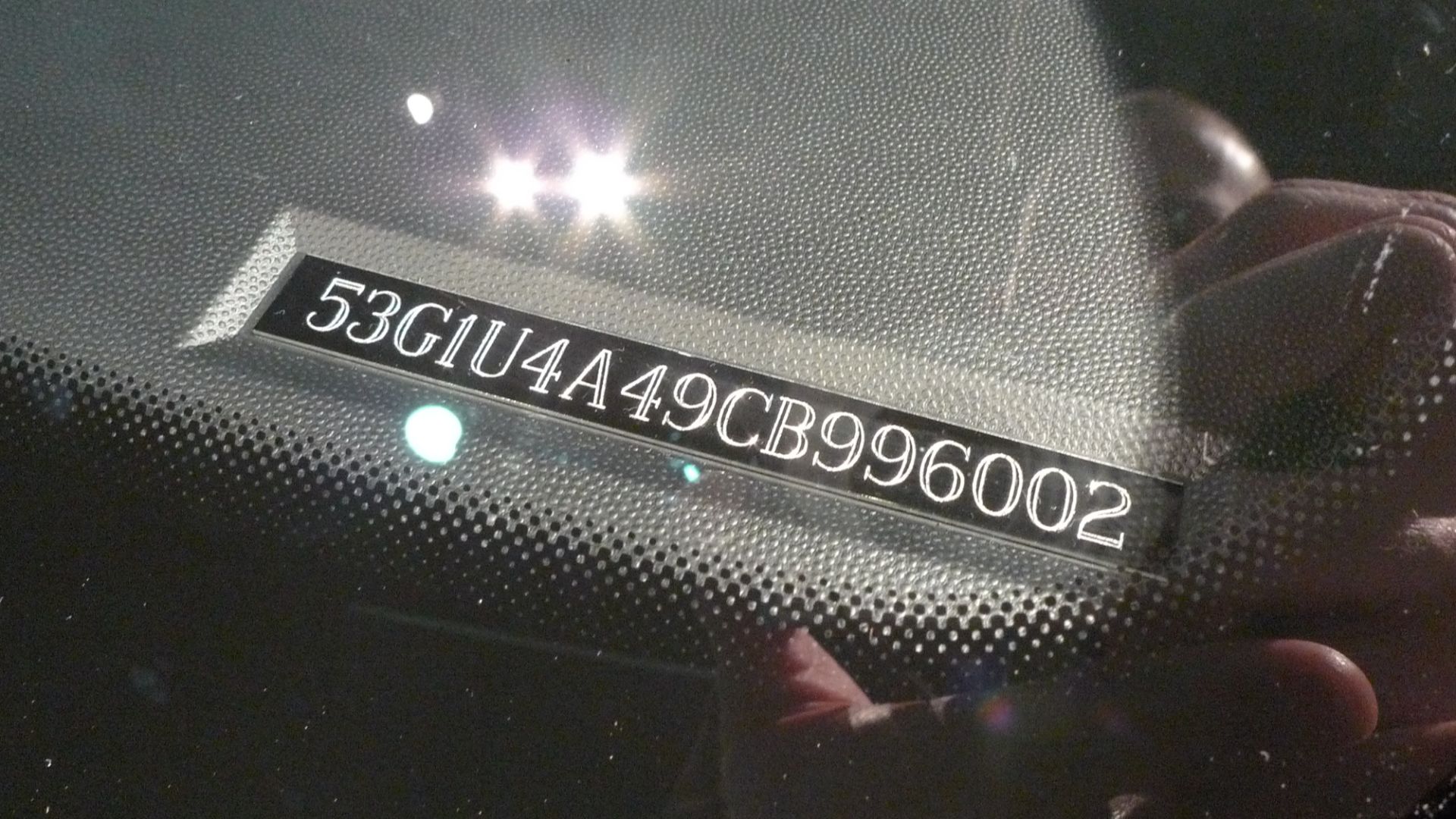
The easiest place to find your VIN is usually at the bottom of the windshield on the driver's side, where it can be read from outside. Another common location is the certification label on the driver's door jamb. Your registration, title, and insurance documents should also display it. If you're purchasing a used vehicle, check that the visible VIN matches the paperwork.
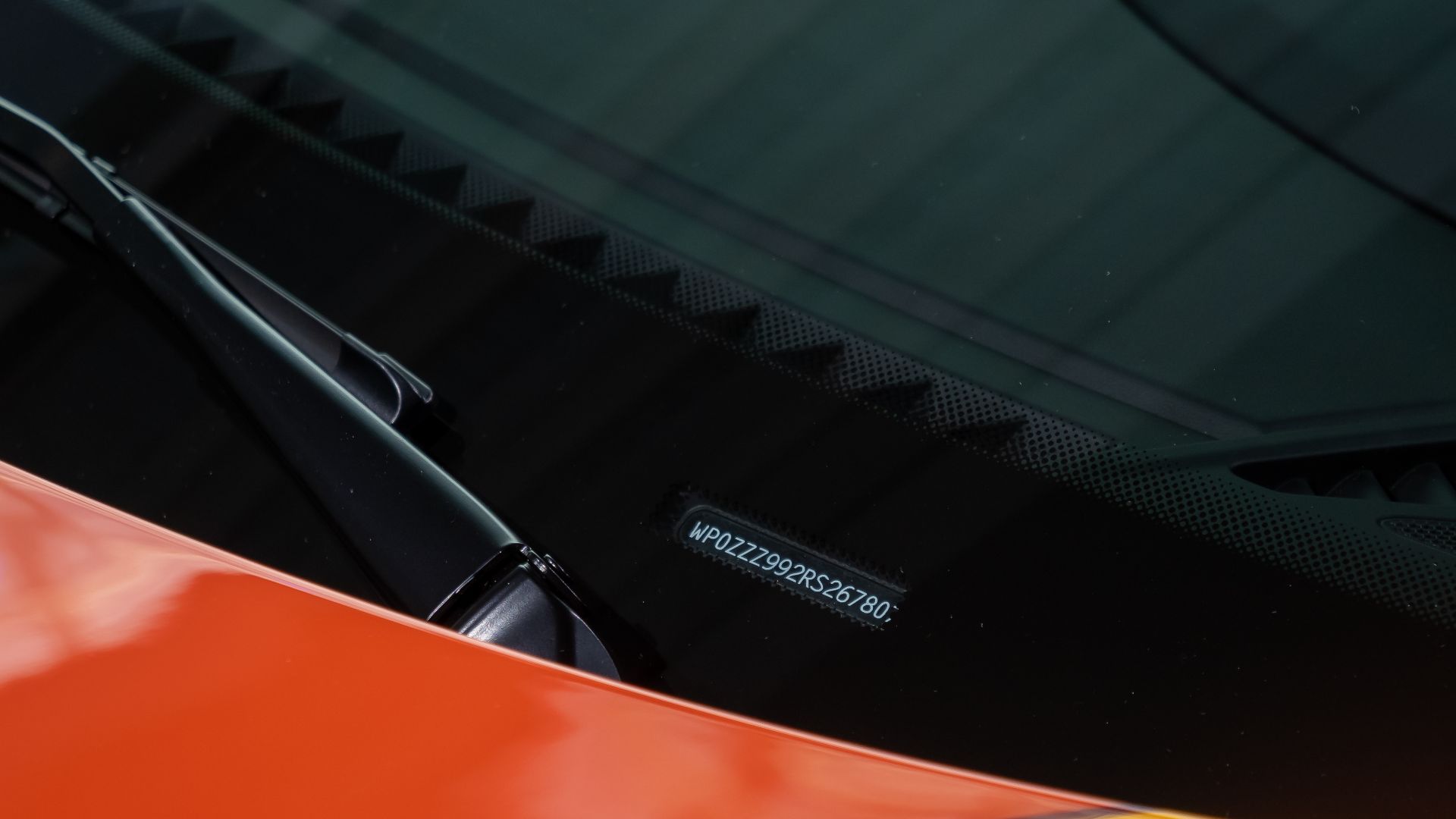 Matti Blume, Wikimedia Commons
Why VINs Matter So Much
VINs allow manufacturers to identify vehicles affected by safety recalls, help insurers distinguish individual cars, and give police an important tool for investigating theft. They're also used in vehicle registration, title records, and many vehicle-history services. A VIN can help reveal reported accidents, salvage branding, or previous registrations, although no vehicle-history database is guaranteed to contain every incident involving a car.
Decode Your Own Car
You don't need specialized equipment to uncover much of your vehicle's identity. The National Highway Traffic Safety Administration provides a free online VIN decoder that can identify the manufacturer, model year, assembly plant, and other reported specifications. It's especially useful when checking a used-car advertisement or verifying paperwork. Those 17 characters might look meaningless, but together they provide a remarkably detailed identification system that has served American motorists for more than four decades.

You May Also Like:
Auto Parts Stores That Used To Be Everywhere, But Now No One Remembers