The Machines That Built American Farms
Before GPS guidance, climate-controlled cabs, and computerized controls, American farmers depended on tractors that were simple, rugged, and built to work. Some became so reliable that families kept them running for generations, repairing them instead of replacing them. From early Fordsons to powerful John Deeres, these 26 classic tractors helped transform American agriculture, and many are still working today.
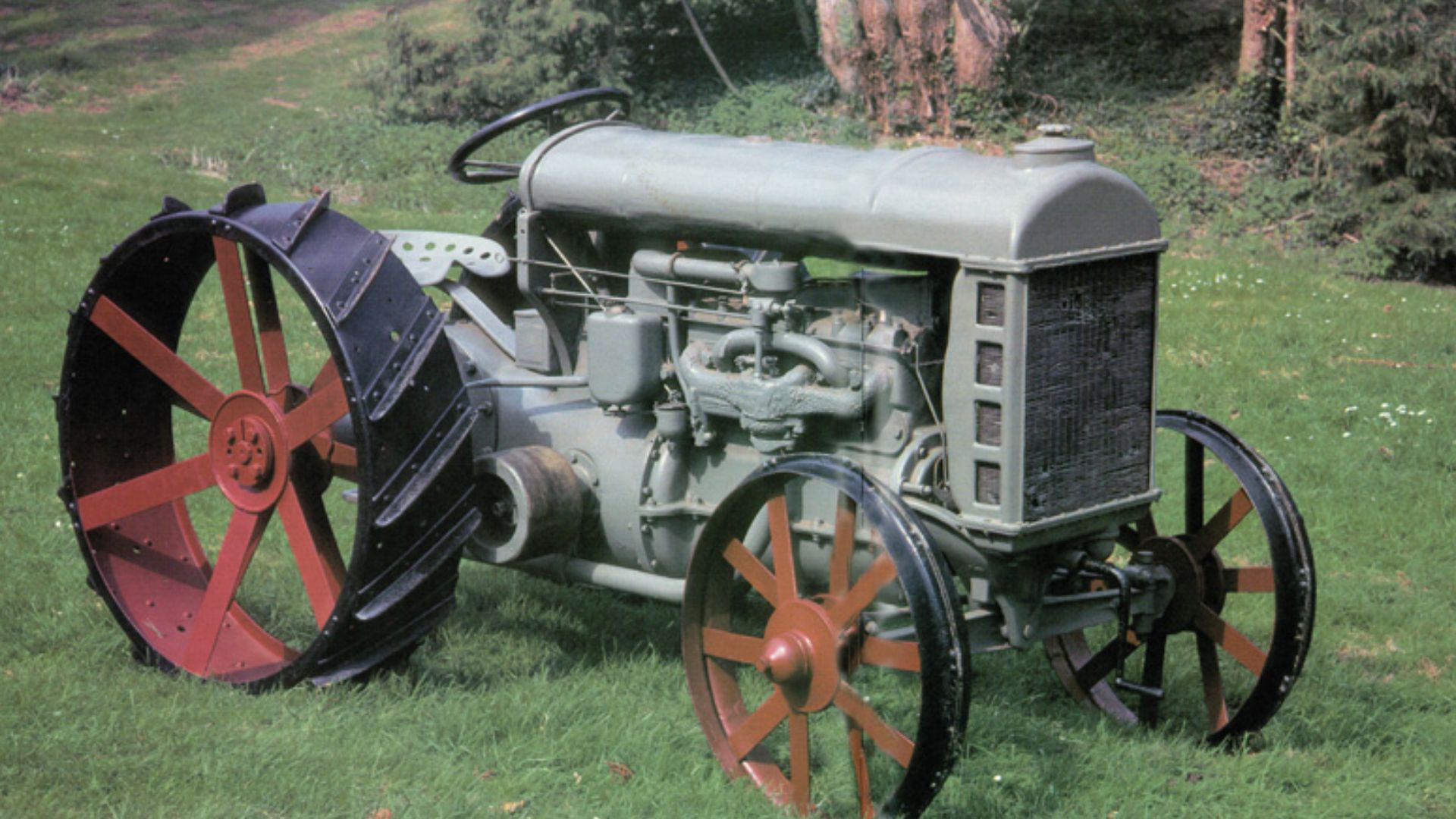
Fordson Model F (1917)
Henry Ford's Fordson Model F helped bring affordable mechanization to American farms. Introduced in 1917, its compact design and relatively low price made it an attractive alternative to horses and expensive steam-powered equipment. The Fordson could plow, cultivate, and operate belt-driven machinery, reducing the labor required for everyday farm work. More than 700,000 were built worldwide, and surviving examples remain popular with collectors who appreciate their importance in agricultural history.
 newhollandag, Wikimedia Commons
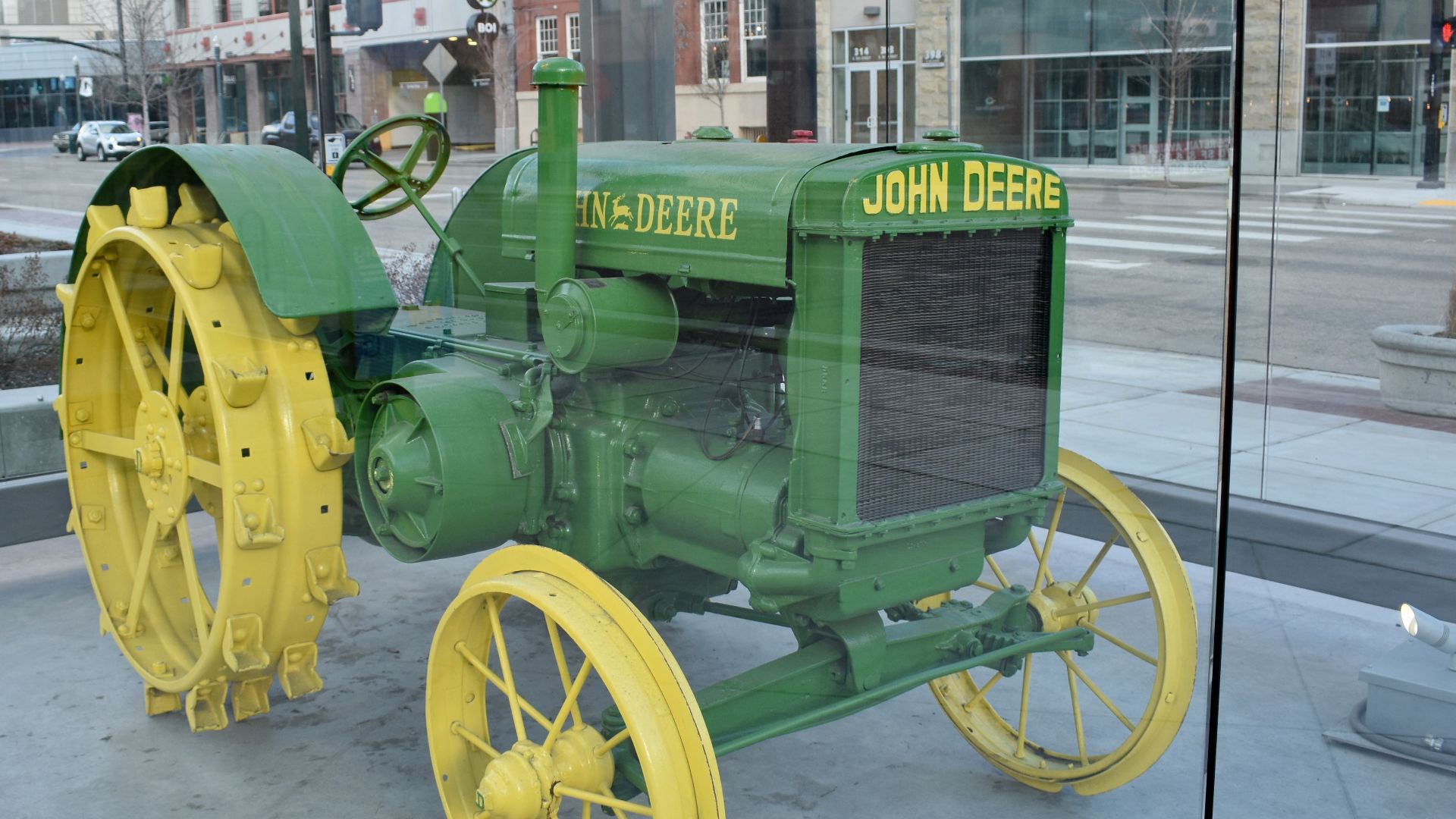
John Deere Model D (1923)
The John Deere Model D helped establish the company's reputation for tough, dependable tractors. Introduced in 1923, it featured a large, horizontal two-cylinder engine and a distinctive exhaust sound that became synonymous with early John Deere machines. Its simple construction and ability to burn inexpensive fuels appealed to farmers watching every dollar. Production continued until 1953, making it one of John Deere's longest-running tractor models and a favorite among vintage machinery enthusiasts.
 Tamanoeconomico, Wikimedia Commons
Farmall Regular (1924)
International Harvester's Farmall Regular changed farming by combining several jobs into one versatile machine. Introduced in 1924, it was designed to handle plowing, planting, cultivating, and other row-crop work that previously required different equipment. Its high ground clearance and narrow front wheels allowed farmers to work between growing crops. The Regular helped popularize the general-purpose row-crop tractor, making mechanized farming practical for smaller operations and setting the stage for decades of Farmall success.
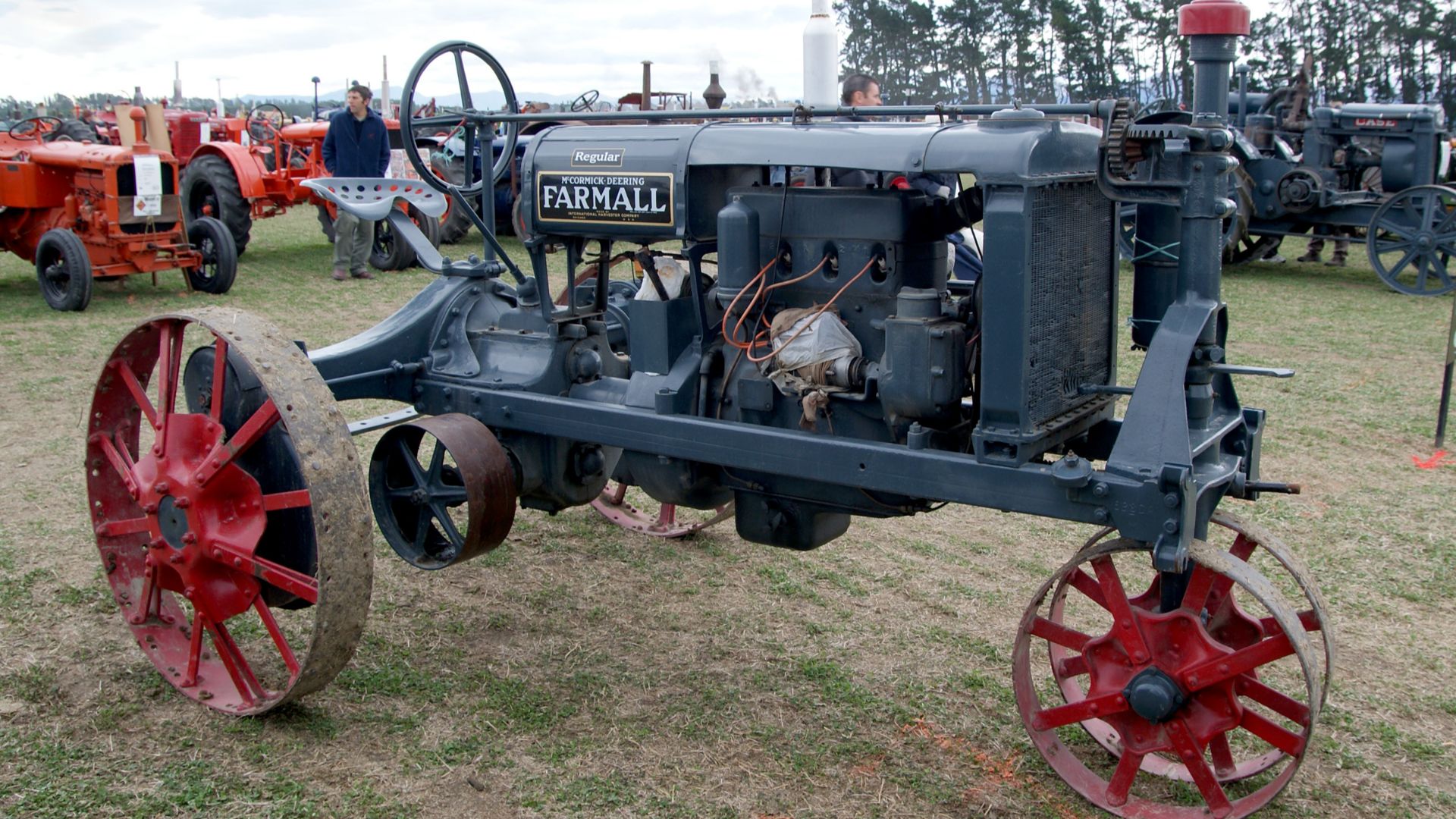 Bernard Spragg. NZ from Christchurch, New Zealand, Wikimedia Commons
Allis-Chalmers Model U (1929)
The Allis-Chalmers Model U earned its place in tractor history by demonstrating the benefits of rubber tires. In the early 1930s, Allis-Chalmers promoted pneumatic agricultural tires as an alternative to heavy steel wheels. Rubber improved traction on many surfaces, reduced vibration, and allowed higher travel speeds. The Model U also offered dependable power for plowing and belt work. Its association with the transition to rubber tires helped make it one of the company's most historically significant tractors.
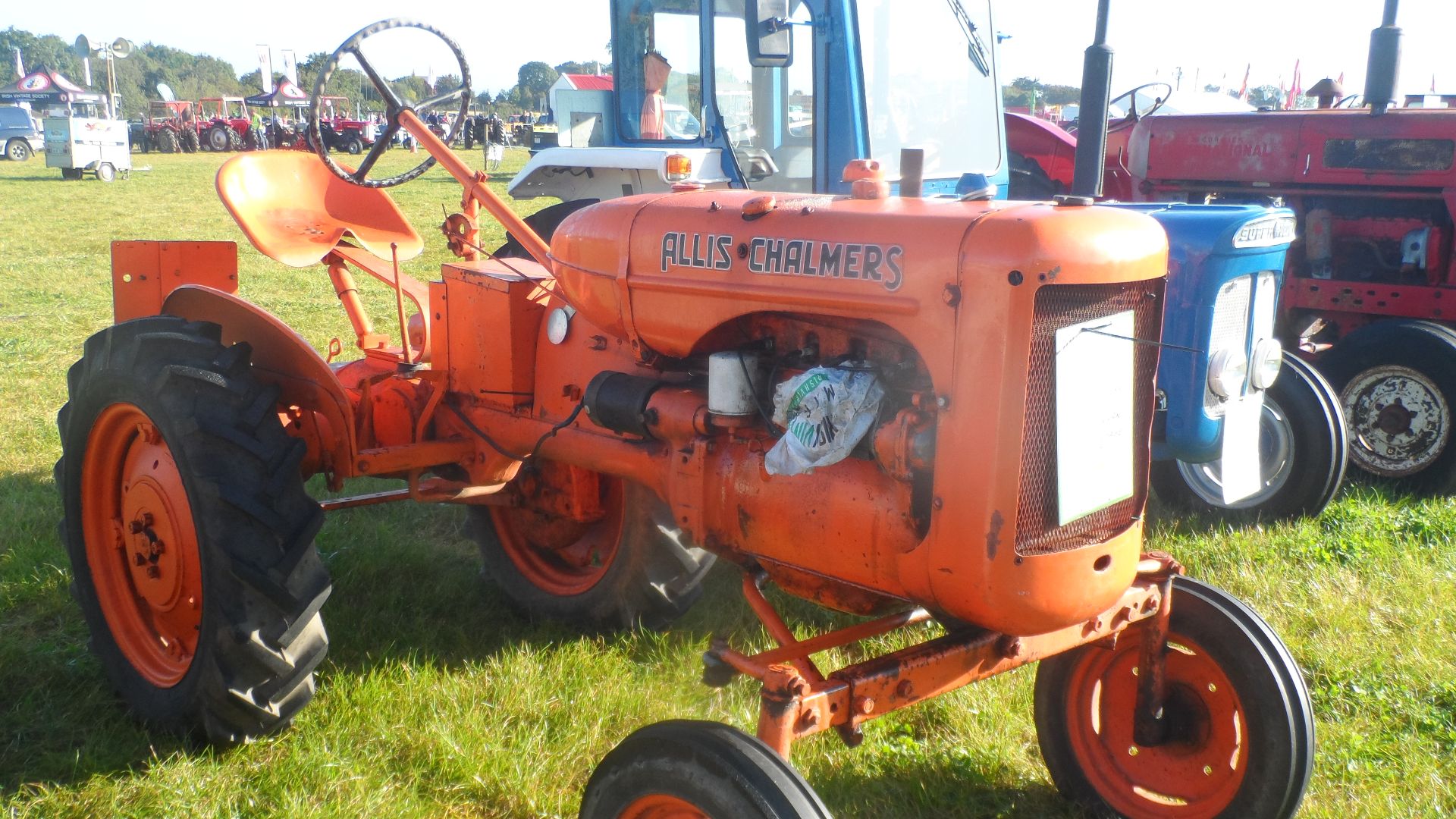
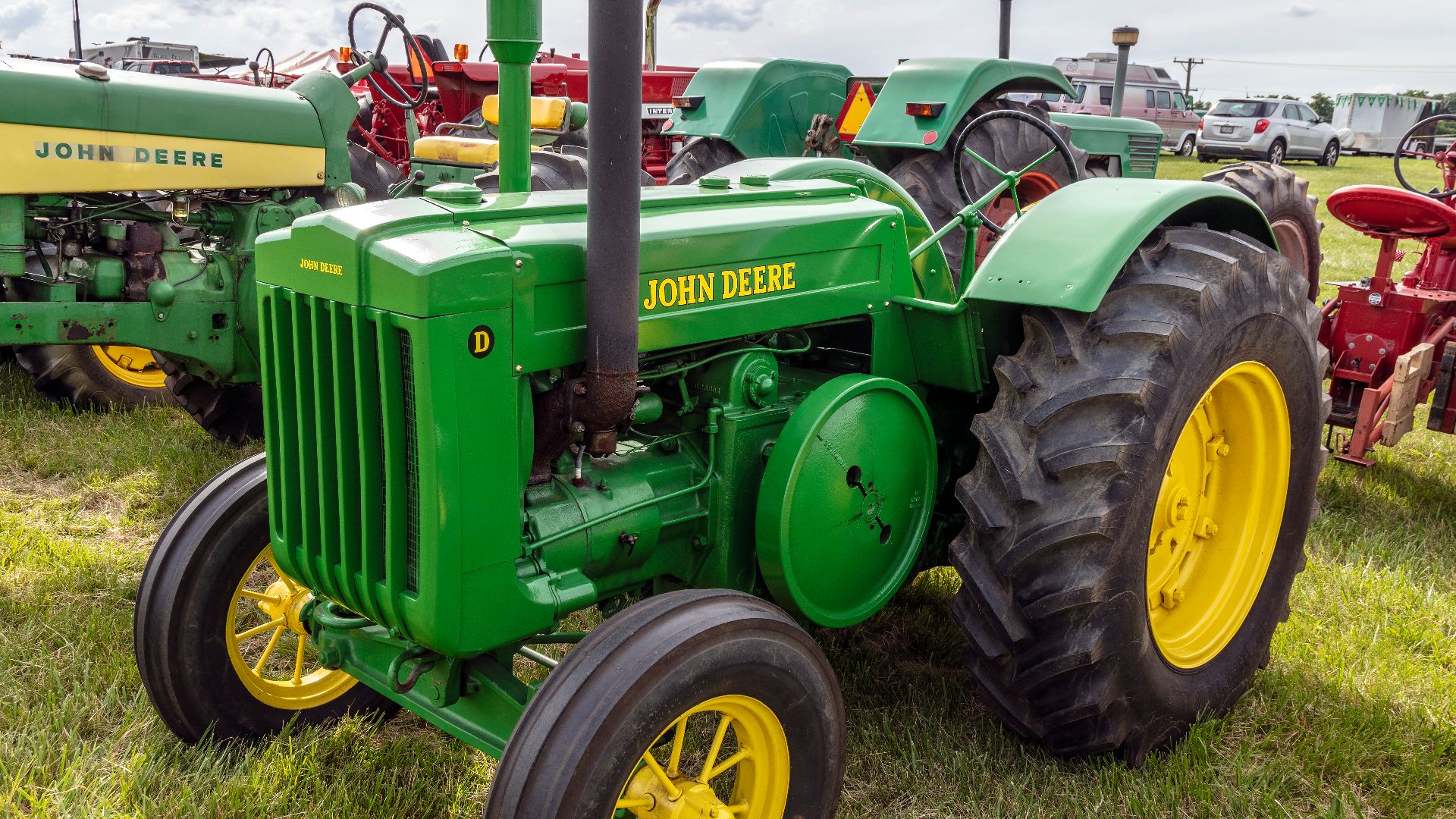
John Deere Model A (1934)
Introduced in 1934, the John Deere Model A became one of America's best-known row-crop tractors. Its powerful two-cylinder engine, straightforward mechanical design, and adaptable equipment made it suitable for a wide variety of farm operations. Deere repeatedly improved the model, eventually offering features such as electric starting and hydraulic lift equipment. Production continued until 1952, with hundreds of thousands built. Many survived because their engines were durable and replacement parts remained widely available.
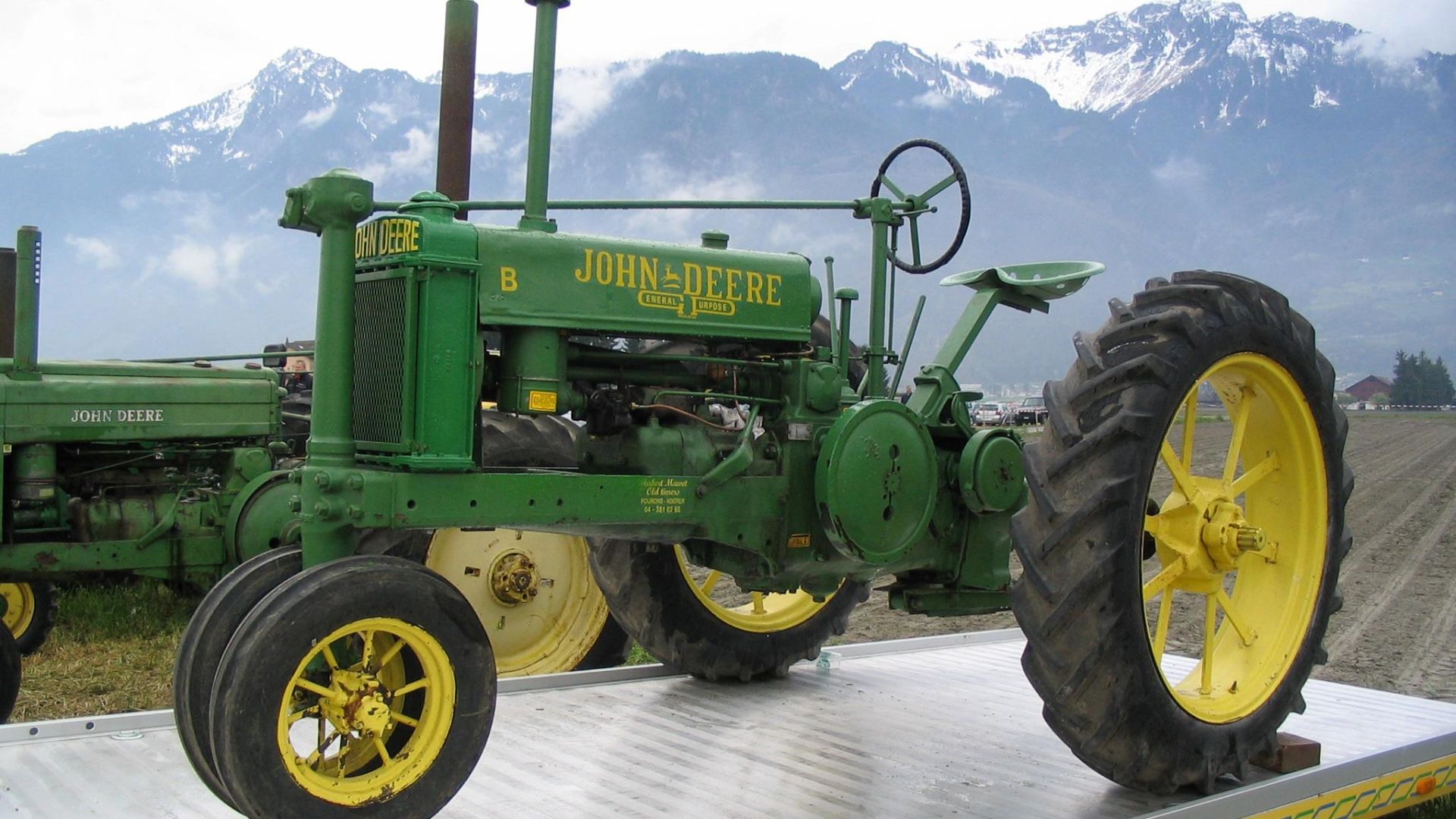
John Deere Model B (1935)
The smaller companion to the Model A, the John Deere Model B was introduced in 1935 and quickly became a favorite on family farms. It offered the familiar reliability of Deere's two-cylinder engine in a more economical package. Farmers used it for cultivating, mowing, hauling, and other lighter tasks. The Model B remained in production until 1952, and its manageable size helped ensure that many continued working long after larger tractors replaced them in the fields.
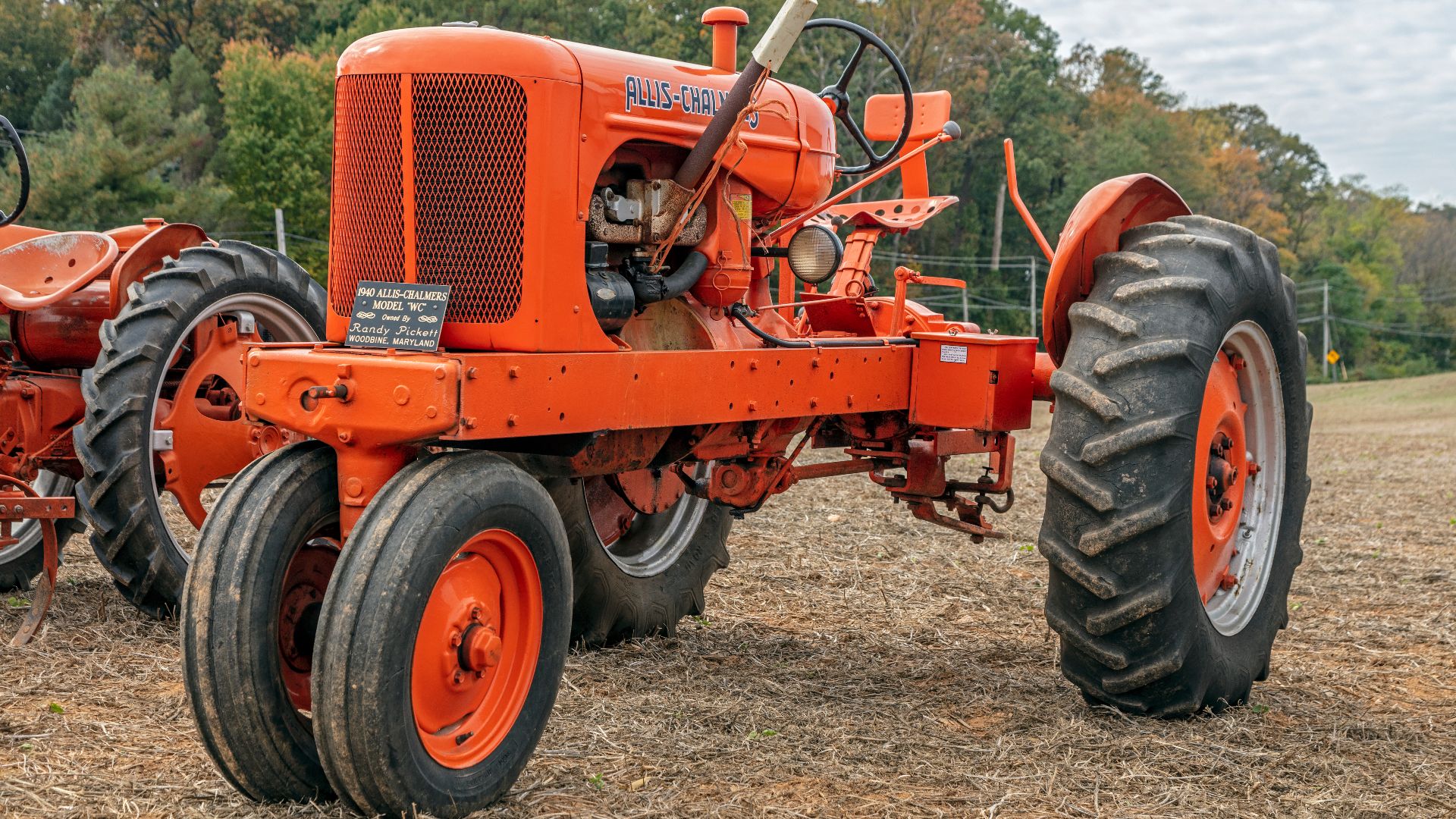
Allis-Chalmers Model WC (1933)
The Allis-Chalmers WC combined affordable power with several innovations that made everyday farming easier. Introduced in 1933, it became one of the company's most successful tractors, with production continuing until 1948. Its relatively light construction and pneumatic tires helped it perform efficiently in the field. Later versions offered useful improvements, including electric starting. The WC's rugged four-cylinder engine and simple drivetrain made it a practical workhorse that many farmers maintained for decades.
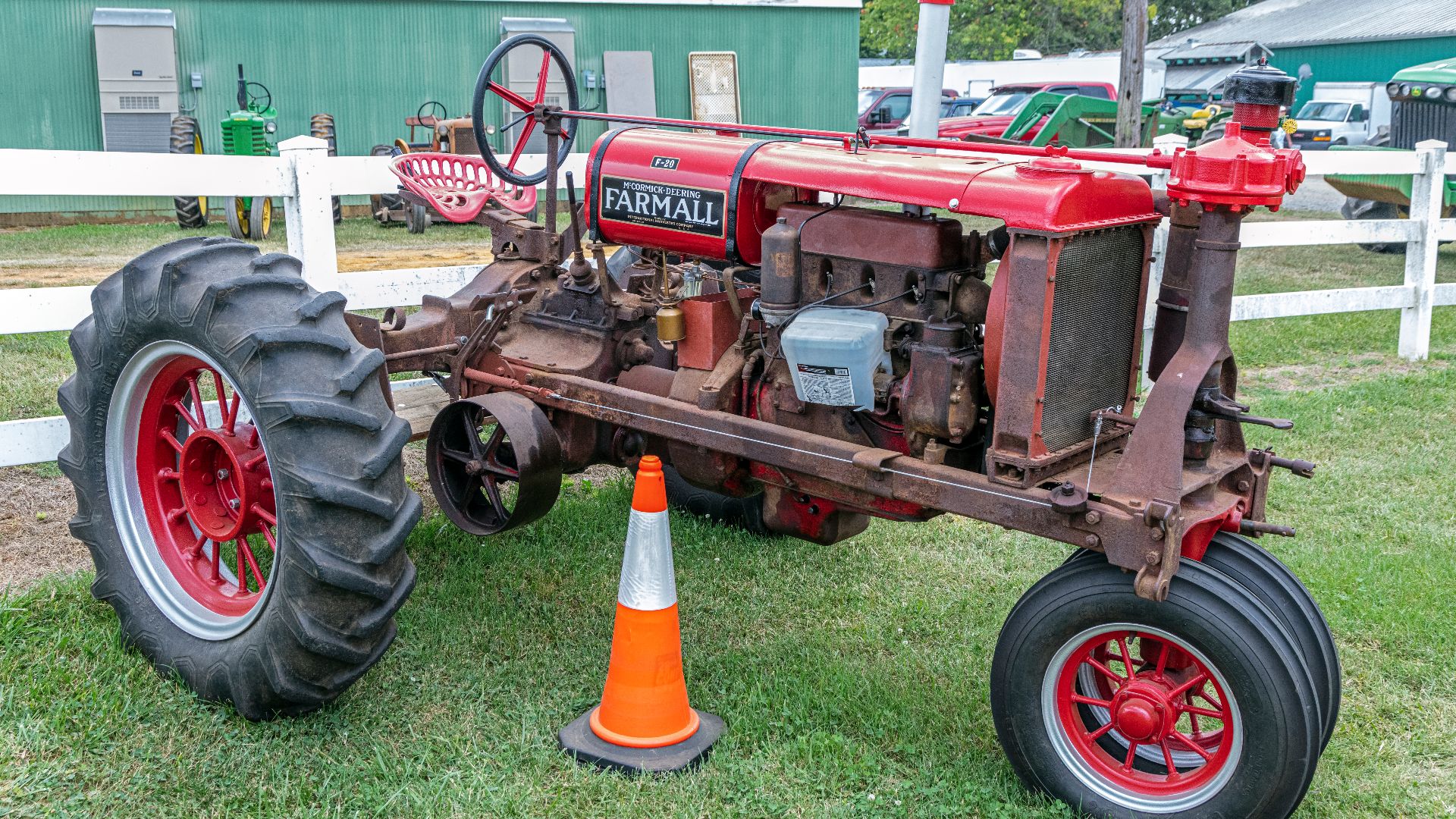
Farmall F-20 (1932)
The Farmall F-20 was a sturdy successor to the original Farmall Regular, offering improved performance for row-crop farmers. Introduced in 1932, it became a familiar sight on American farms throughout the Depression. Its simple four-cylinder engine, useful ground clearance, and ability to handle numerous implements made it a dependable all-purpose machine. Many F-20s were later converted from steel wheels to rubber tires, allowing farmers to modernize their tractors without buying replacements.
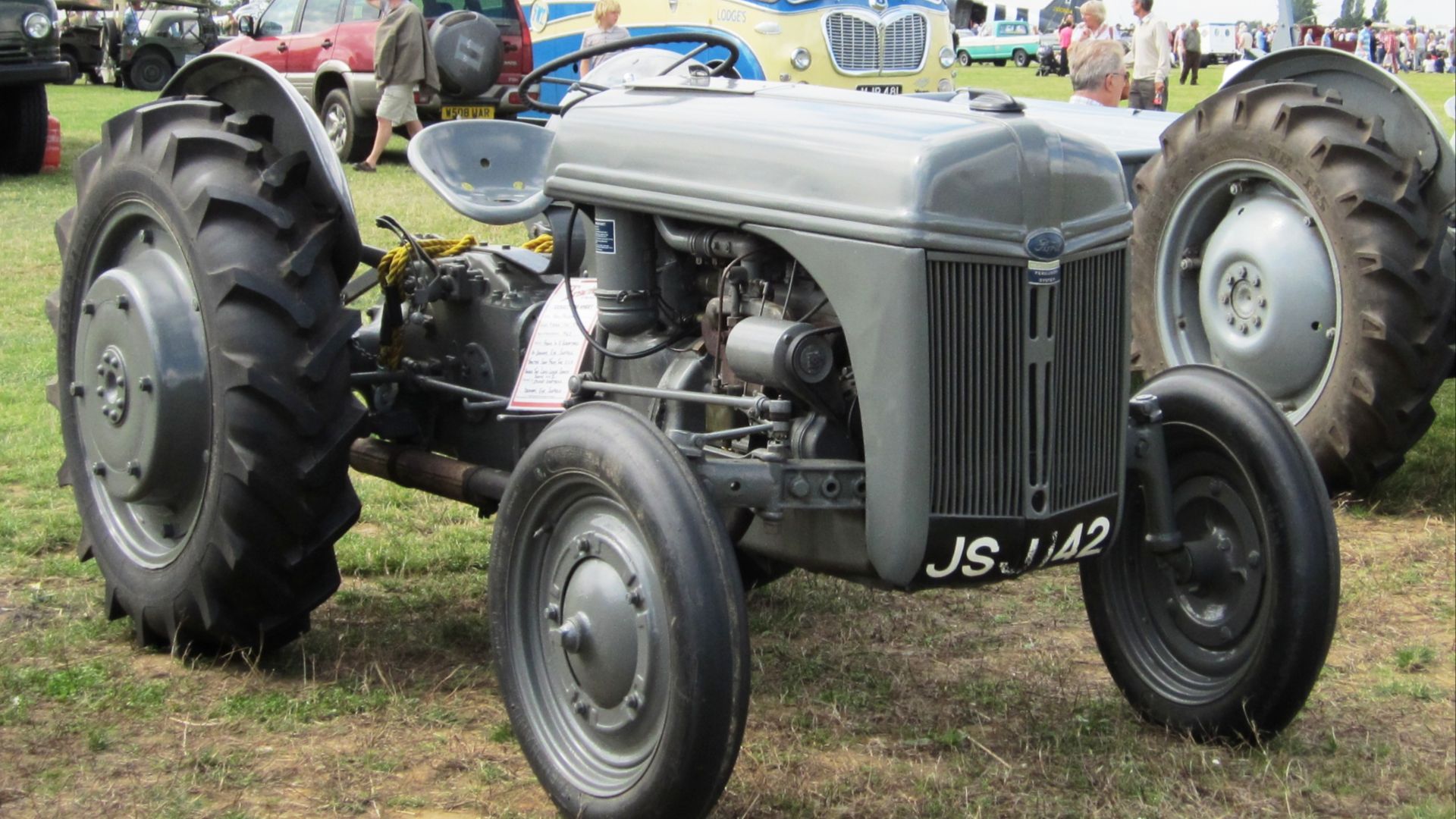
Ford 9N (1939)
The Ford 9N revolutionized small-farm equipment when it appeared in 1939. Developed through Henry Ford's partnership with Harry Ferguson, it featured an integrated three-point hitch and hydraulic draft control system. These innovations allowed mounted implements to work more efficiently and made them easier to raise, lower, and maneuver. Its affordable price and compact size appealed to family farmers. The 9N helped establish a tractor design philosophy that influenced agricultural machinery for generations.
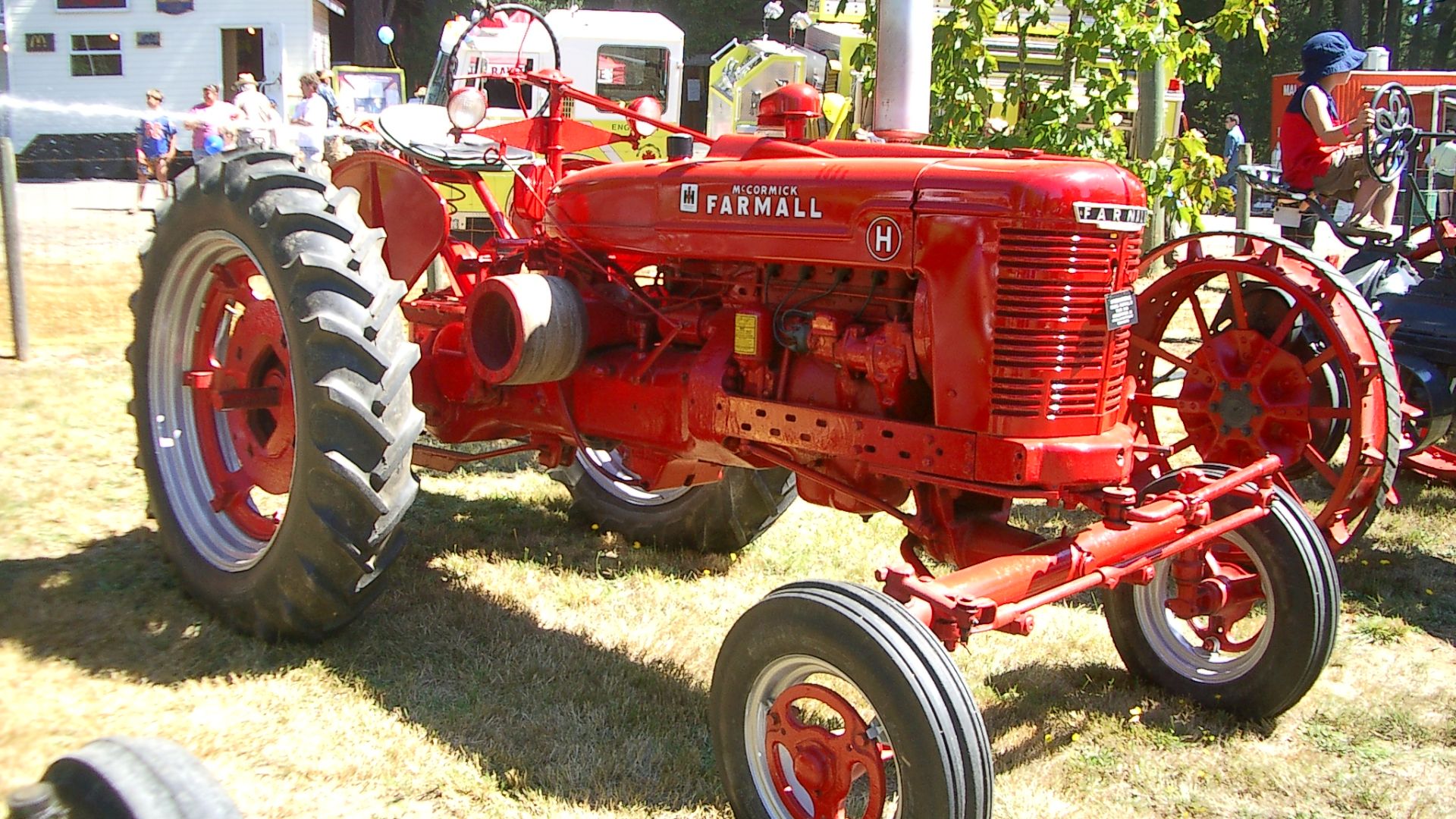
Farmall H (1939)
The Farmall H became one of International Harvester's most beloved tractors after its introduction in 1939. Designed for smaller and medium-sized farms, it provided enough power for cultivating, mowing, hauling, and many other daily jobs. Its comfortable operating position, straightforward controls, and reliable four-cylinder engine made it popular with farmers. More than 390,000 were manufactured before production ended in 1953. Its versatility explains why restored and working examples are still common across rural America.
 thievingjoker, Wikimedia Commons
Farmall M (1939)
The larger brother of the Farmall H, the Farmall M was built for farmers who needed greater pulling power. Introduced in 1939, it became especially popular in the Corn Belt, where it handled demanding plowing and fieldwork. Its rugged engine and sturdy transmission could withstand years of heavy use. Later improvements included enhanced hydraulic equipment and more powerful Super M versions. For many farm families, the M was the dependable centerpiece of their machinery fleet.
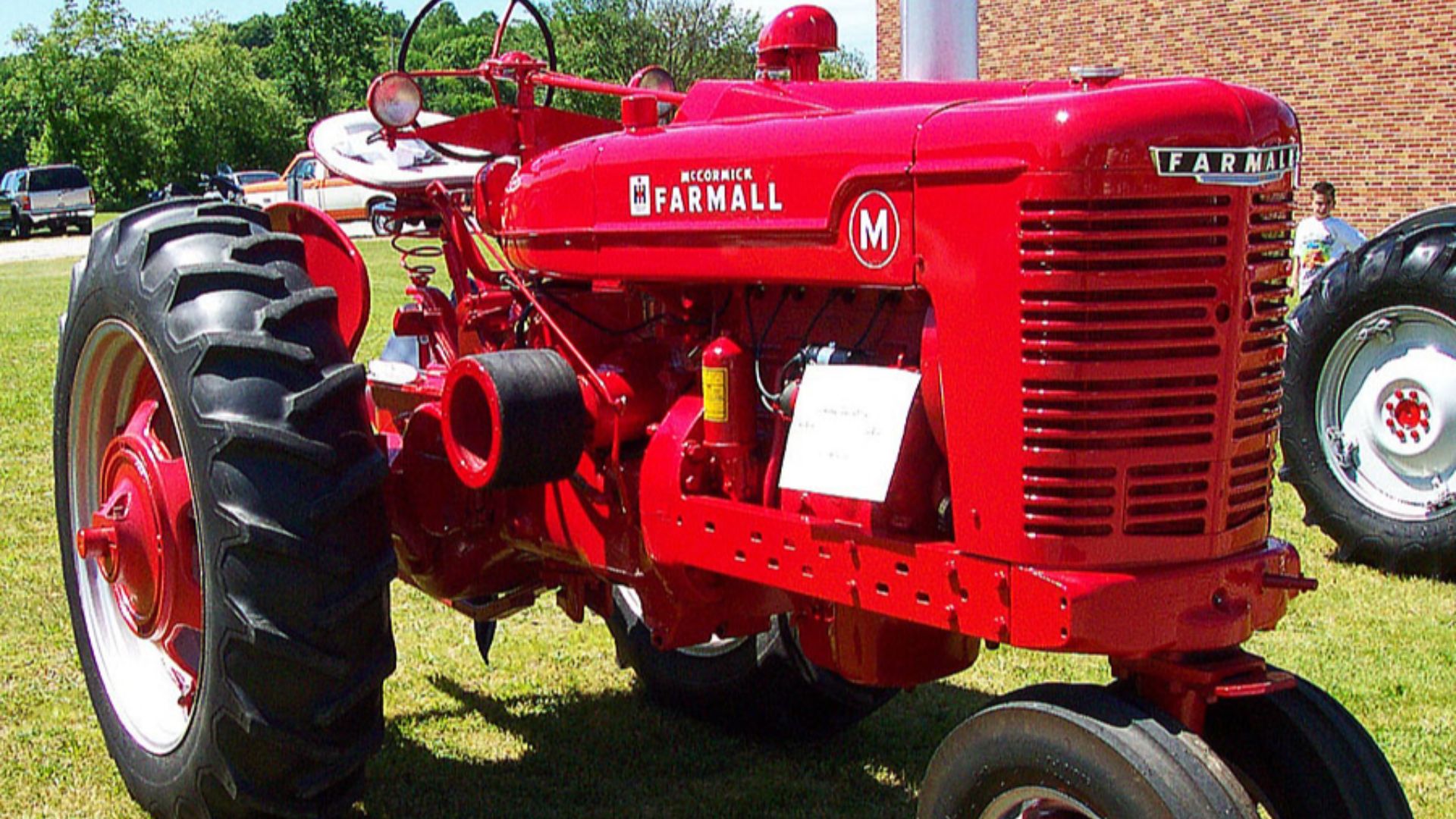 Don O'Brien from Piketon, Ohio, United States, Wikimedia Commons
Oliver 70 (1935)
The Oliver Hart-Parr 70 arrived in 1935 with a distinctive appearance and a smooth-running six-cylinder engine. Available in row-crop and other configurations, it offered unusually refined performance for its era. In 1937, Oliver introduced a more streamlined design and dropped the Hart-Parr name from its branding. Its combination of attractive styling, efficient power delivery, and practical versatility made the Model 70 one of the most recognizable American tractors of its generation.
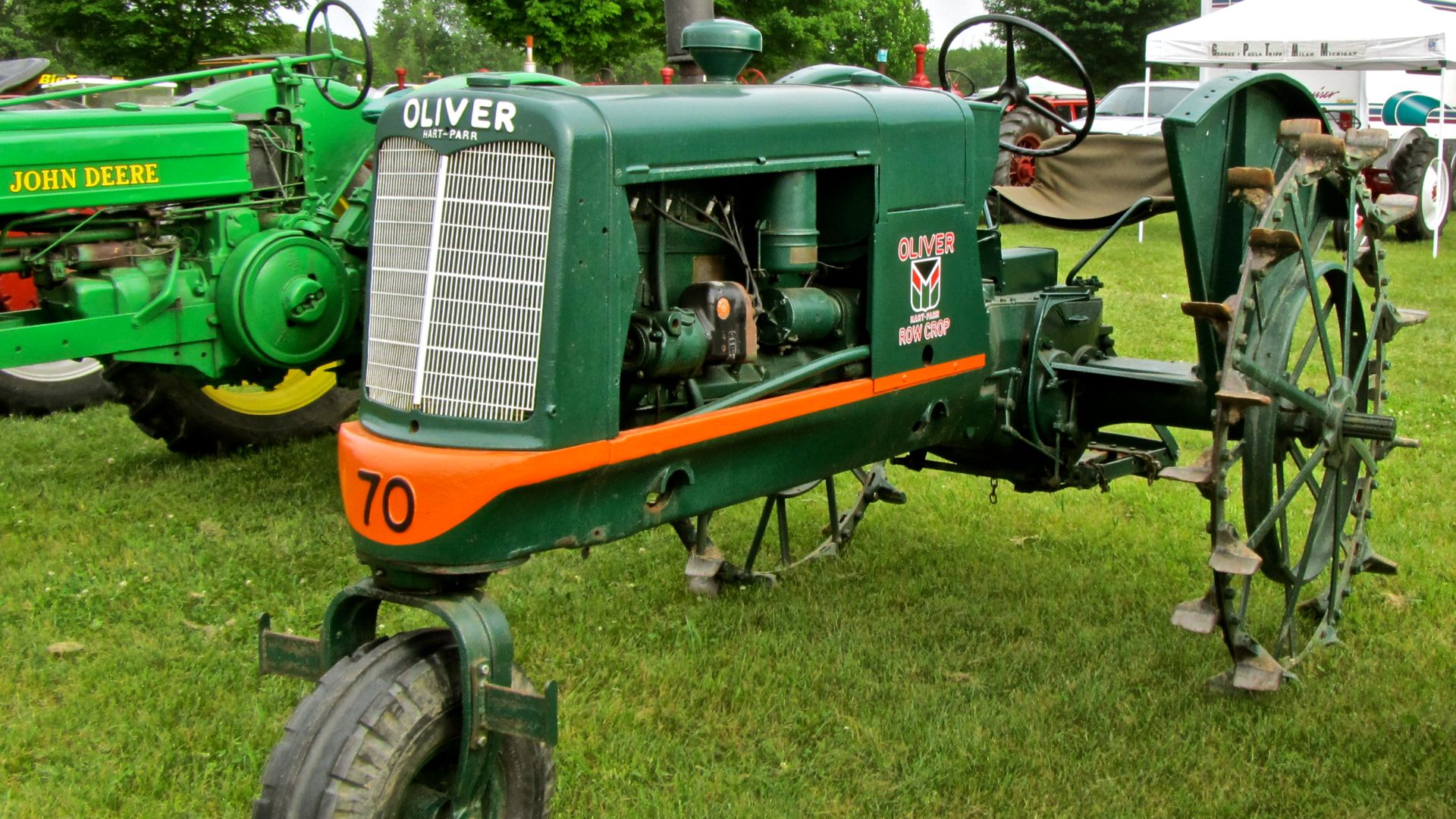
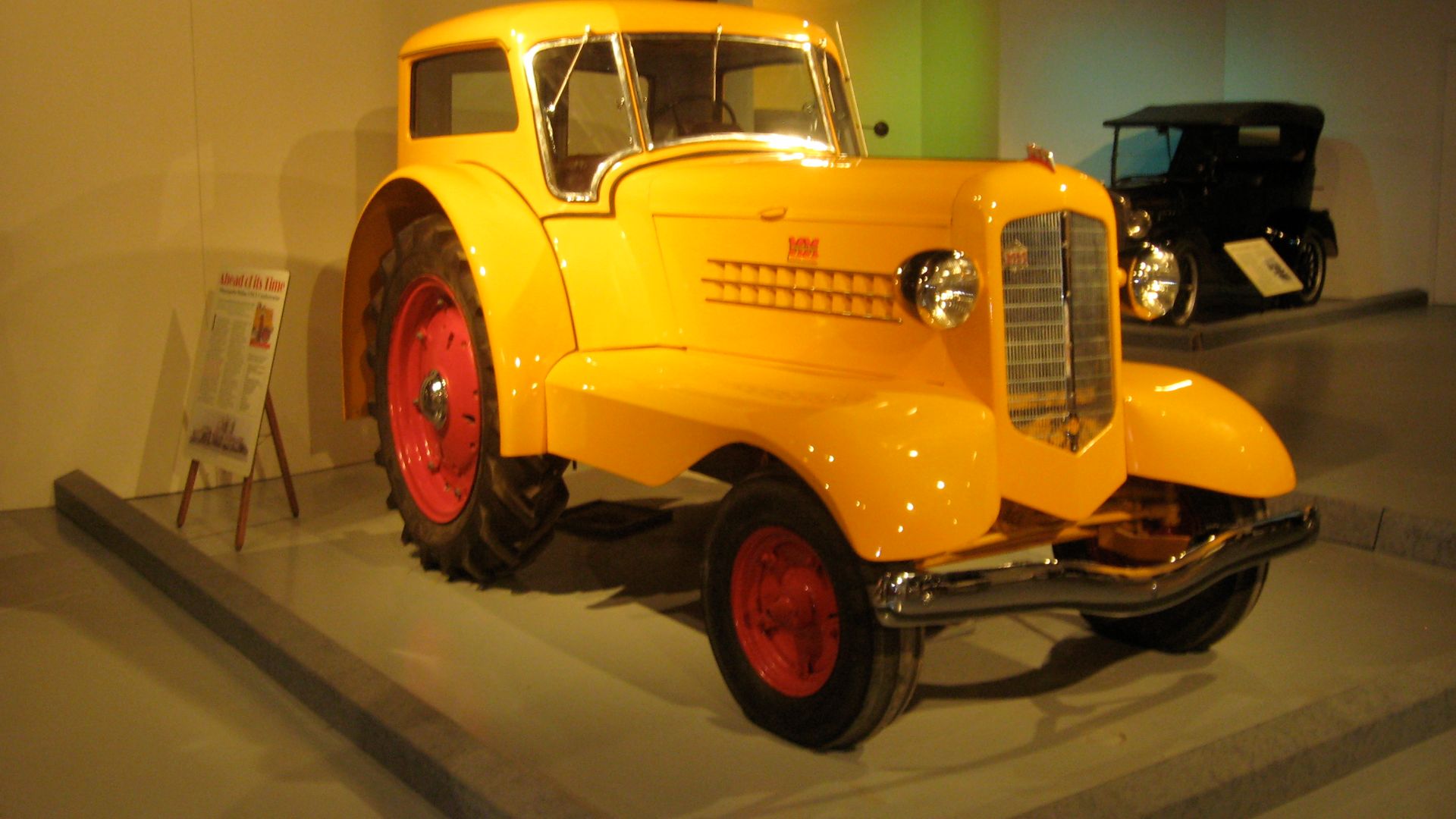
Minneapolis-Moline Model U (1938)
Minneapolis-Moline's Model U was a powerful, durable tractor designed for demanding farm work. Introduced in 1938, it featured a large four-cylinder engine and substantial pulling ability. Farmers used it for heavy tillage, belt-powered equipment, and hauling. Later versions benefited from improvements in comfort and operating convenience. The Model U became particularly familiar across the Midwest, where its robust construction and comparatively straightforward mechanical systems helped keep examples working for many years.
Ford 8N (1947)
Few American tractors have earned a reputation quite like the Ford 8N. Introduced in 1947, it improved on the earlier 9N and 2N with a four-speed transmission, position control for its hydraulic hitch, and other refinements. Its compact dimensions made it ideal for small farms, orchards, and property maintenance. More than 500,000 were produced before the model was replaced in 1952. Its enormous popularity helped establish a lasting supply of replacement parts, keeping countless 8Ns operational decades later.
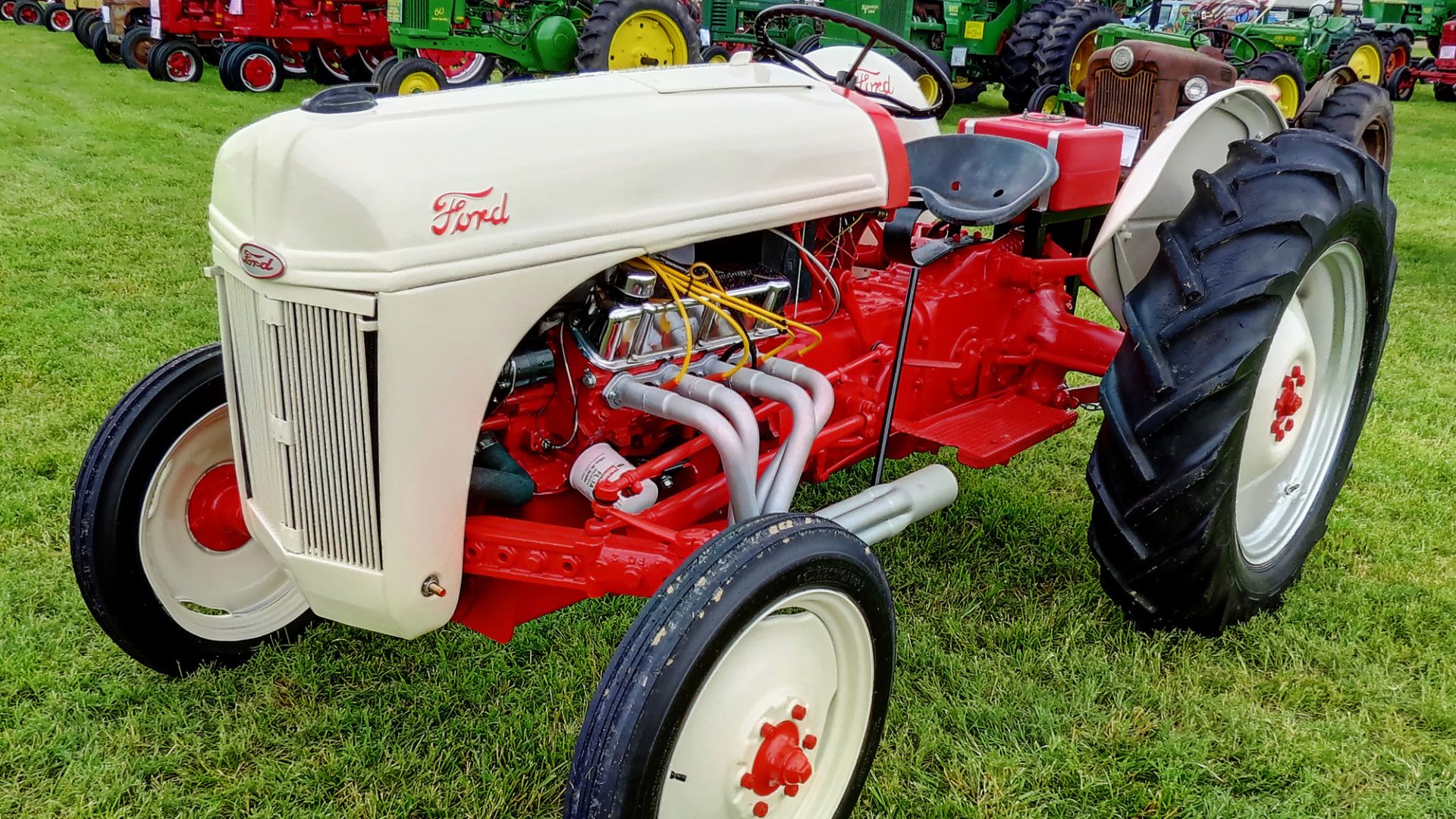 Don O'Brien from Piketon, Ohio, United States, Wikimedia Commons
Allis-Chalmers WD (1948)
The Allis-Chalmers WD offered practical innovations that made fieldwork more efficient. Introduced in 1948, it featured a hand-operated clutch that allowed operators to stop the tractor's forward movement while keeping the engine-driven power takeoff operating. This was particularly useful for equipment such as balers and combines. Its hydraulic system and dependable four-cylinder engine made it versatile for numerous tasks. The WD's relatively simple construction helped make it a lasting favorite, while its successor, the WD45, offered even greater power.
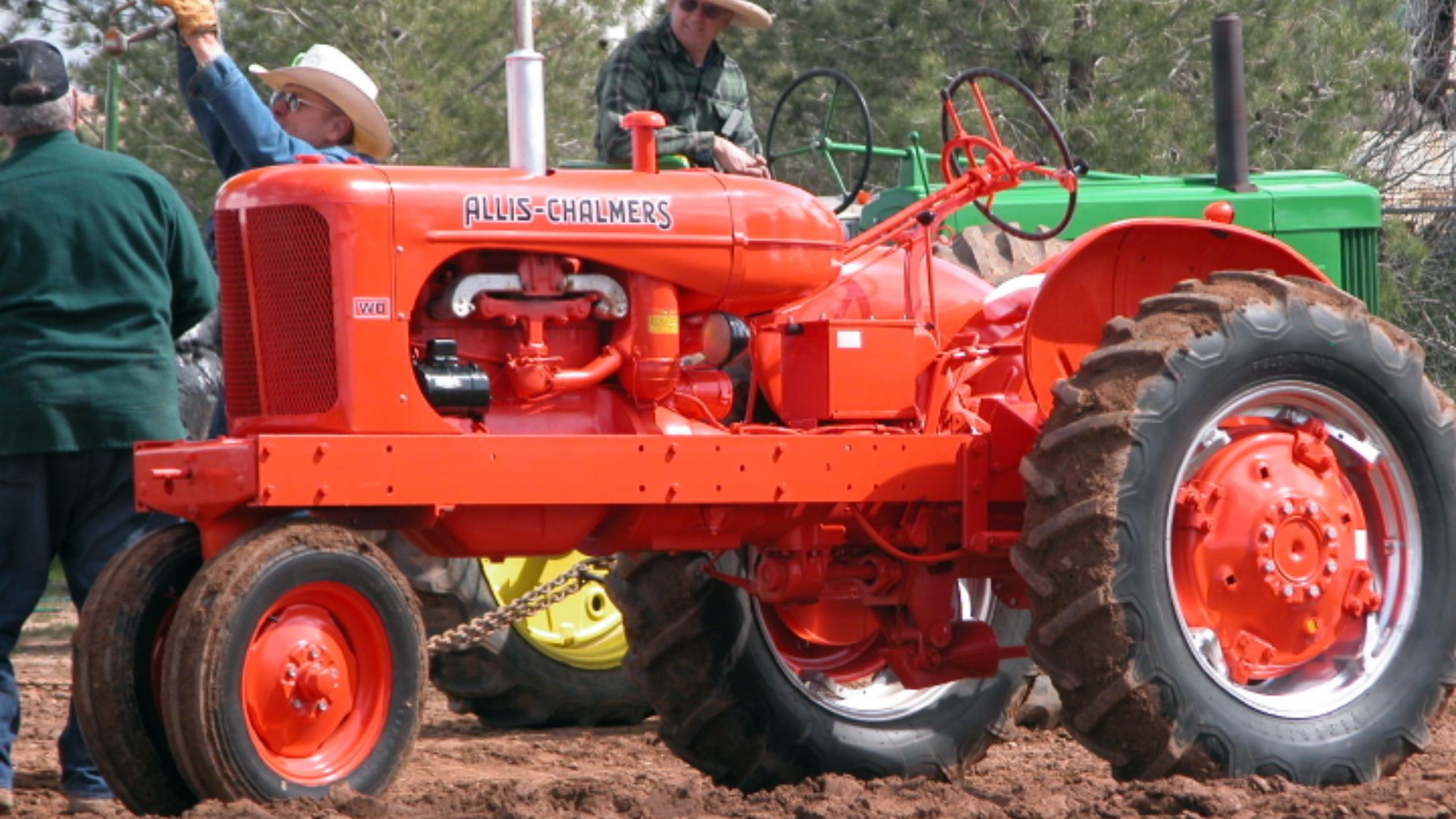 D Guisinger, Wikimedia Commons
John Deere Model R (1949)
The John Deere Model R marked an important milestone as the company's first production diesel tractor. Introduced in 1949, it used a two-cylinder diesel engine started with the assistance of a small gasoline-powered pony motor. Diesel fuel offered advantages in economy during long working days, particularly for heavy fieldwork. The R was a substantial machine designed for demanding jobs, and its durable engine helped establish John Deere's reputation in diesel-powered agricultural equipment.
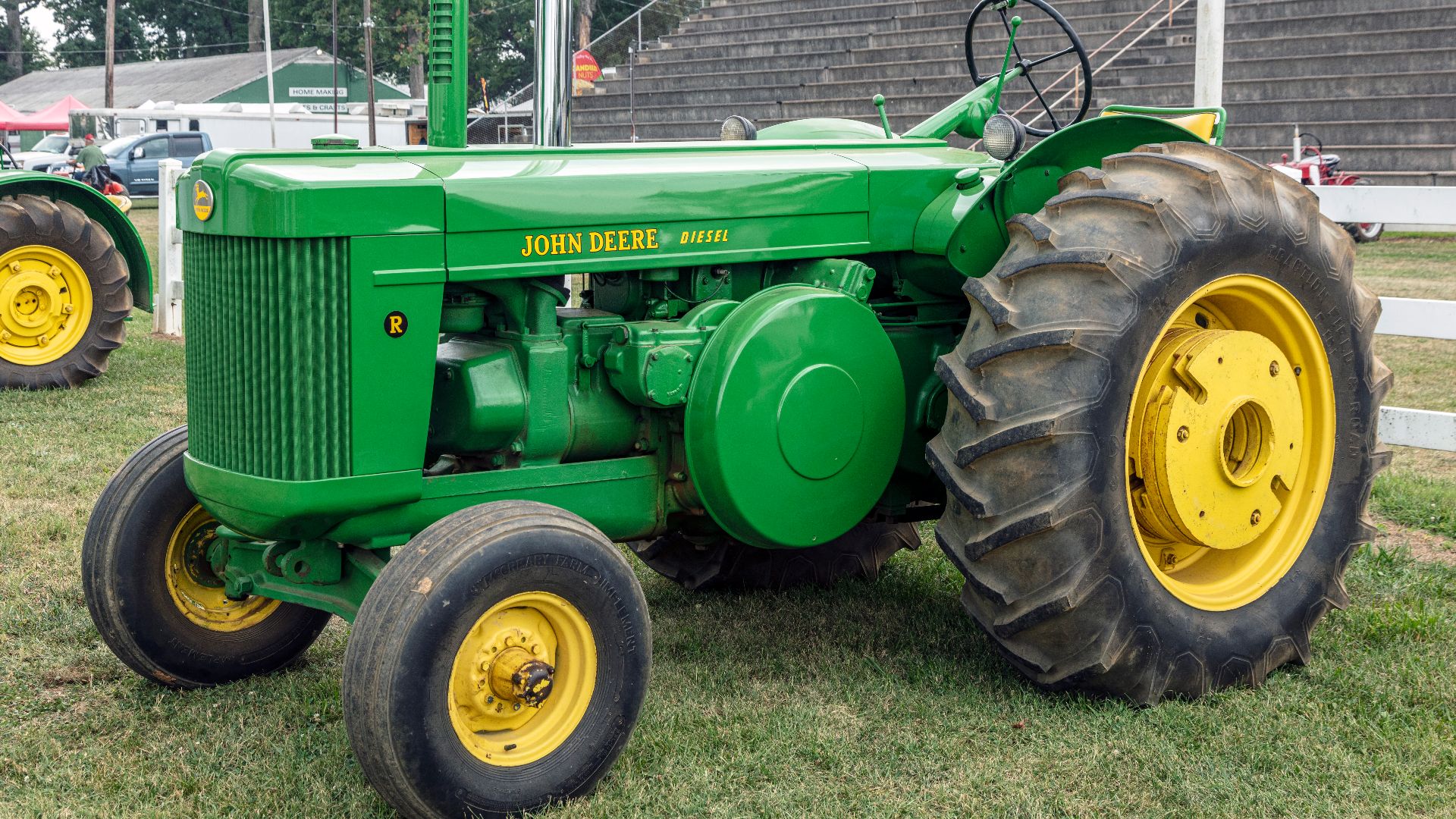
Allis-Chalmers WD45 (1953)
The WD45 arrived in 1953 as a more powerful development of the popular WD. Its improved engine gave farmers greater pulling ability while retaining the practical features that made its predecessor successful. Allis-Chalmers later offered a diesel version, broadening its appeal. The WD45 became a favorite for plowing, mowing, baling, and general farm duties. Its reputation for dependable performance helped make it one of the company's most recognizable and frequently preserved tractors.
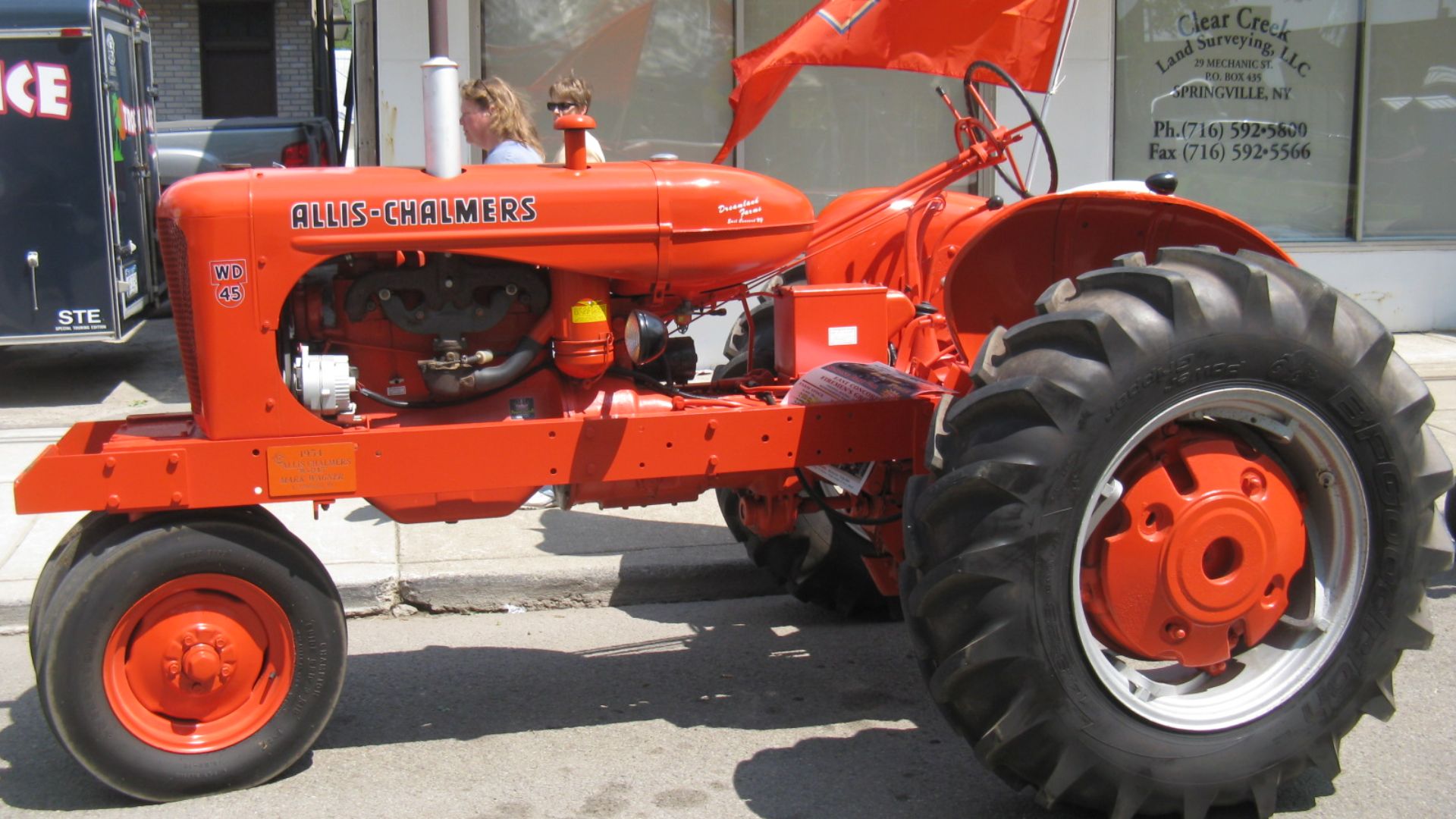
John Deere 70 Diesel (1953)
Introduced in November 1954, the John Deere 70 Diesel combined the company's familiar two-cylinder design with impressive fuel efficiency. Its diesel engine was especially popular with farmers who spent long hours pulling heavy equipment, and it used a small gasoline-powered engine for starting. The tractor also offered useful improvements in operating convenience over earlier models. Its strong performance and economical operation made it a valuable machine for heavy agricultural work, with well-maintained units remaining useful for decades.
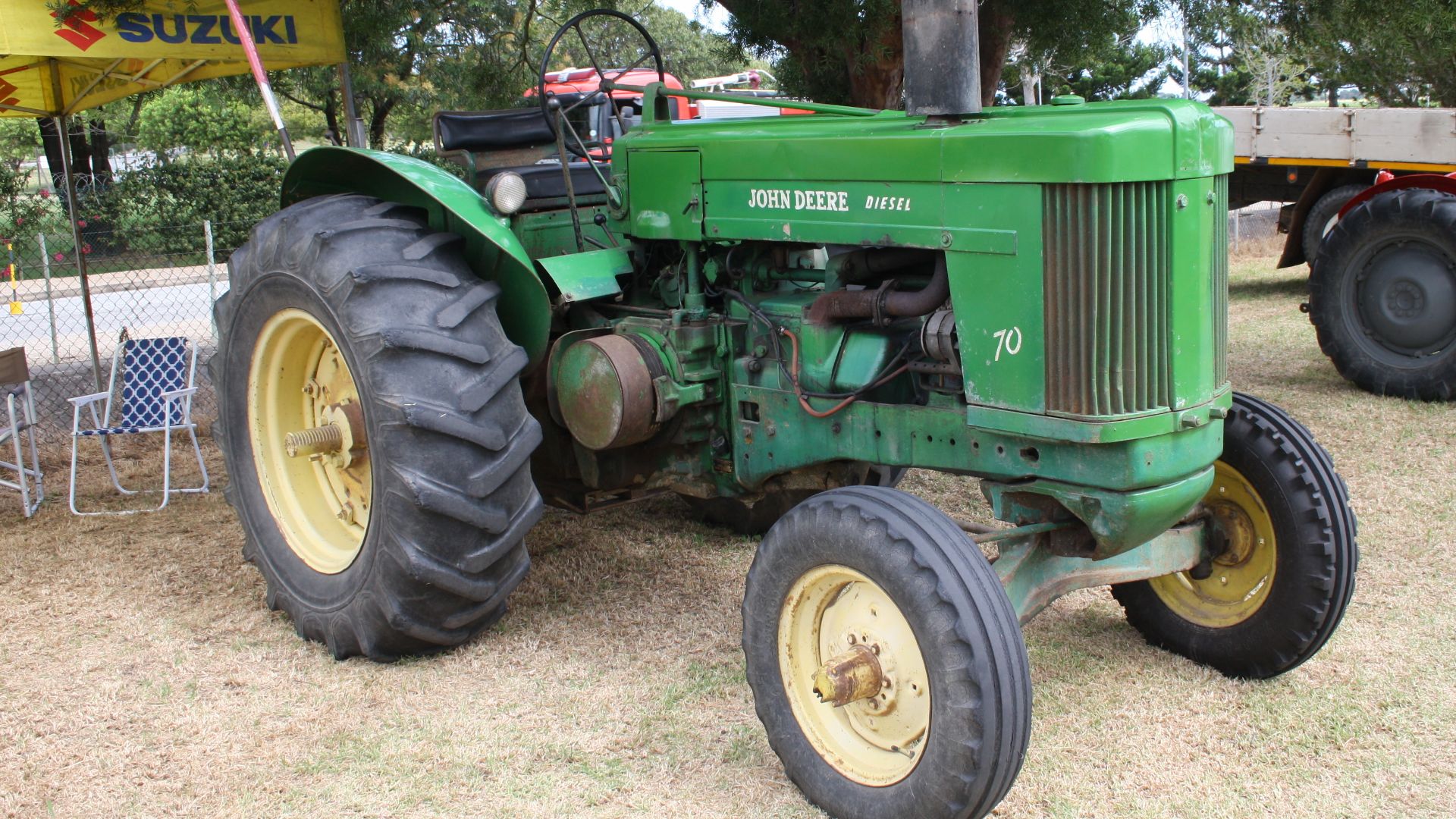 Bob Adams from Amanzimtoti, South Africa, Wikimedia Commons
Farmall Super M-TA (1954)
The Farmall Super M-TA represented an important step forward in tractor technology. Introduced in 1954, it featured International Harvester's Torque Amplifier, which allowed operators to select a lower effective gear ratio without using the main clutch. This was especially valuable when pulling equipment through difficult soil or climbing hills. The tractor also offered live power takeoff equipment. Although produced for only a short period, the Super M-TA became one of the most admired Farmalls ever built.
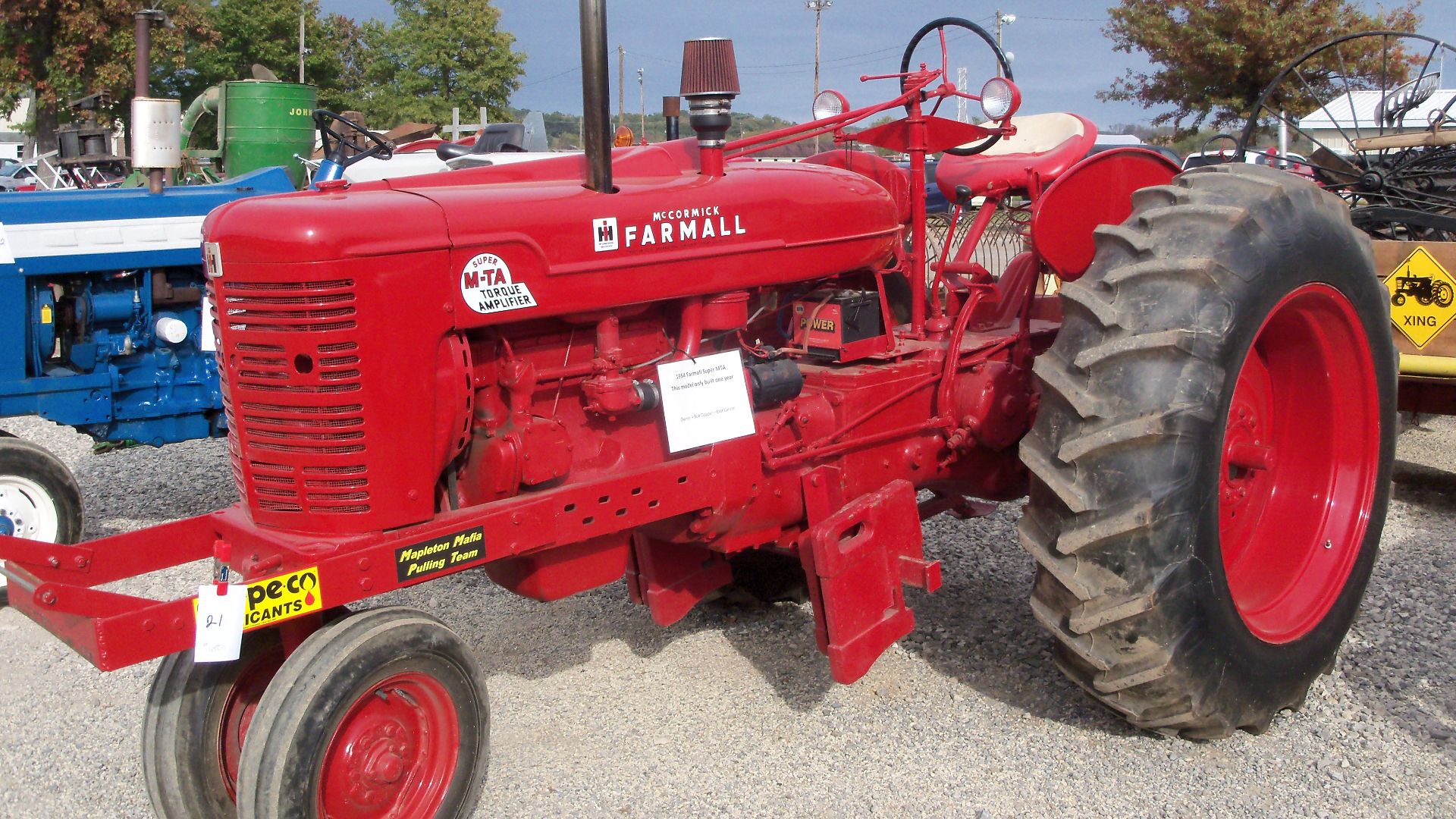 Roseohioresident, Wikimedia Commons
Case 830 (1960)
The Case 830 became a familiar sight on American farms during the 1960s. Available in several configurations, including diesel-powered versions, it offered substantial pulling power for demanding agricultural work. Farmers valued its sturdy construction and practical transmission choices. Later Comfort King versions featured a redesigned operator platform that improved accessibility and visibility. The 830's combination of strength, straightforward servicing, and useful equipment made it a dependable choice for farms needing something larger than the traditional small row-crop tractor.
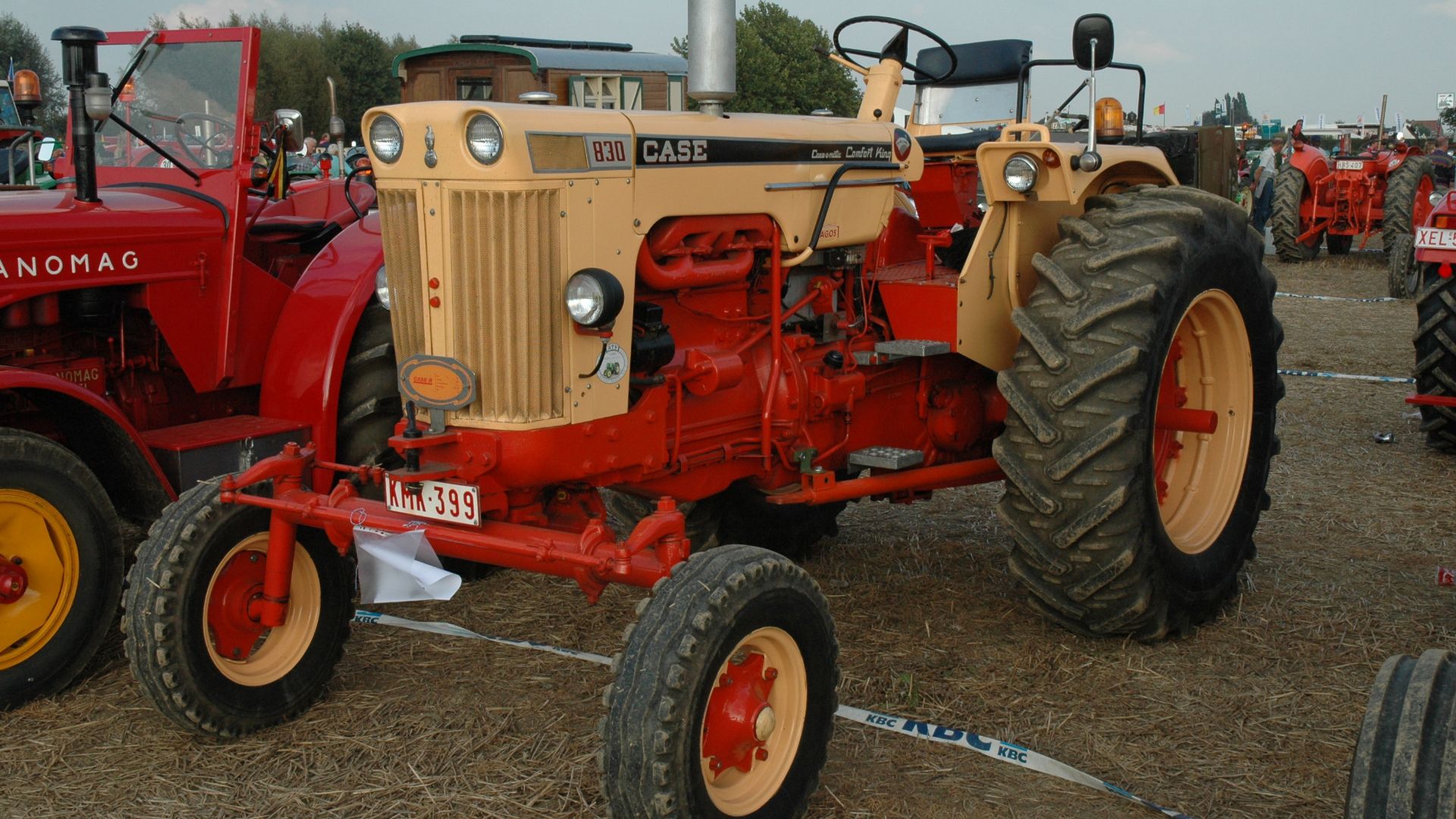 werktuigendagen, Wikimedia Commons
John Deere 4010 (1960)
When John Deere introduced the 4010 in 1960, it represented a dramatic departure from the company's traditional two-cylinder tractors. Its modern six-cylinder engine, improved hydraulics, and more comfortable operator layout helped redefine expectations for agricultural machinery. Diesel versions delivered substantially more power than many earlier models without an equally dramatic increase in weight. As one of the principal tractors in John Deere's revolutionary New Generation series, the 4010 helped establish a new standard for American farm equipment.
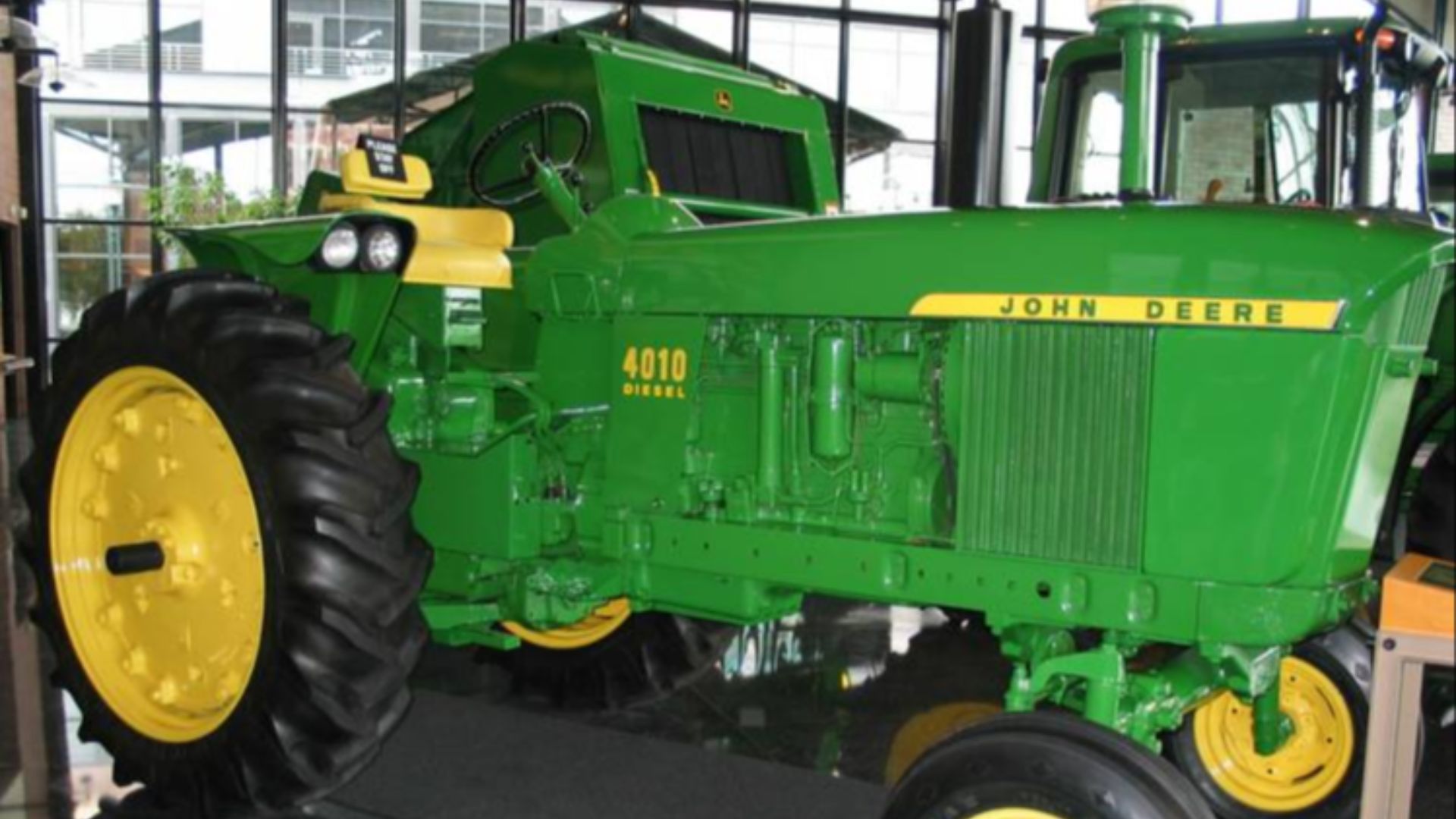 Tim Fischer, Wikimedia Commons
Allis-Chalmers D17 (1957)
The Allis-Chalmers D17 combined respectable horsepower with a manageable size, making it popular on mixed farms. Introduced in 1957, it featured the company's Power Director system, allowing operators to change between two drive ranges while maintaining power to suitable implements. Later versions received improvements to hydraulics and other equipment. Available with gasoline, diesel, and other engine options during its production run, the D17 proved versatile enough for plowing, haymaking, hauling, and countless other jobs.
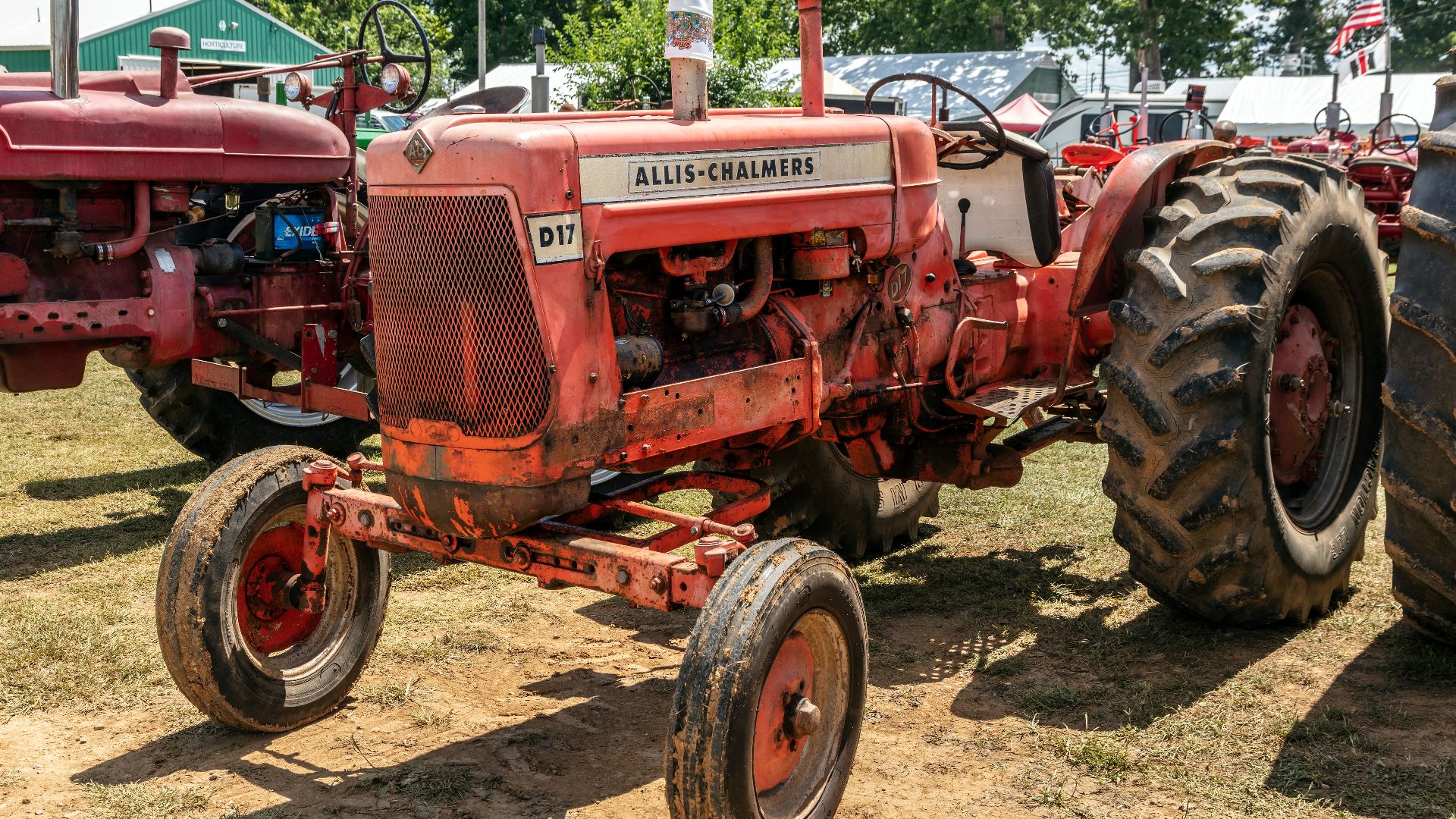
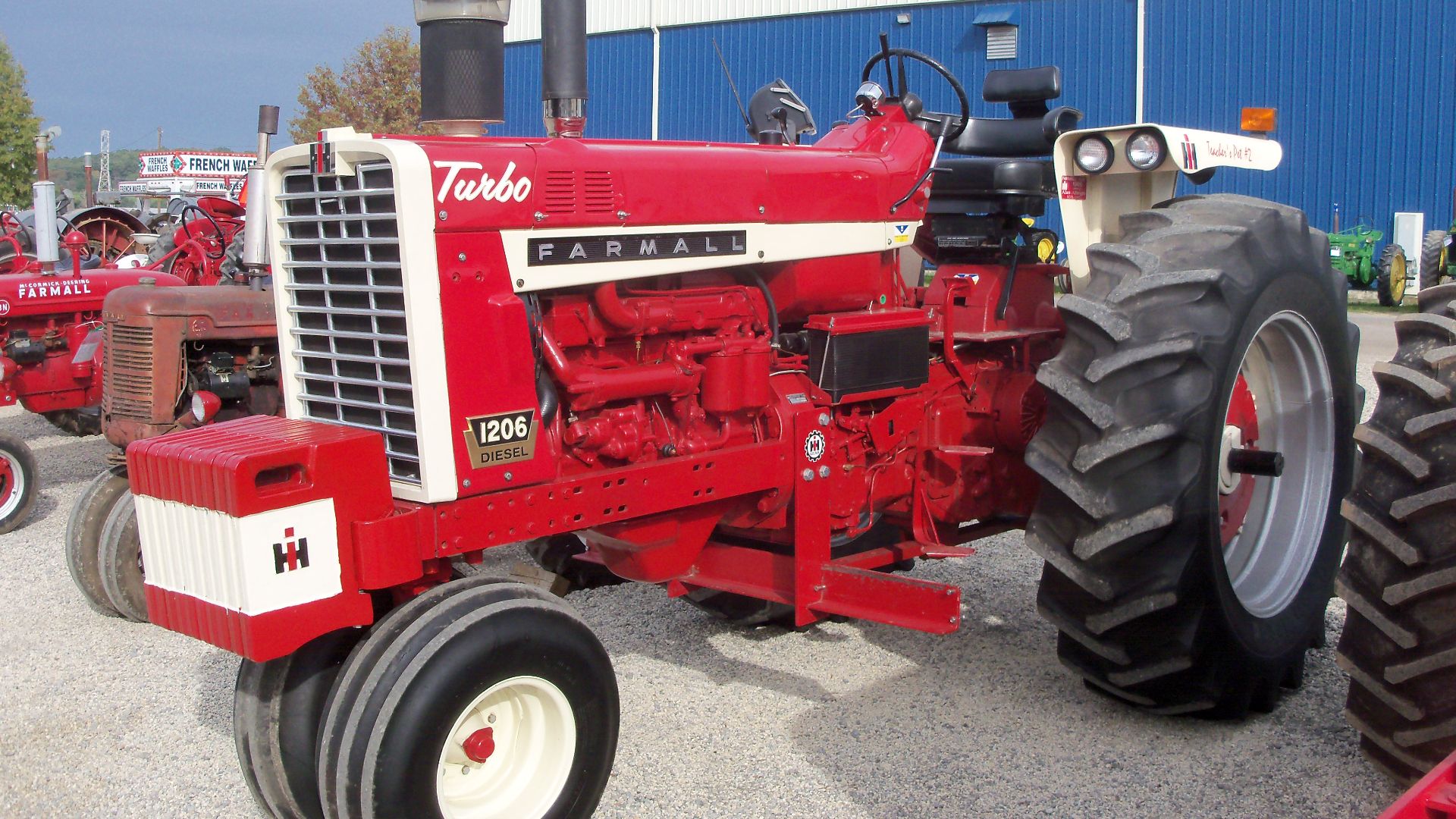
International Harvester 806 (1963)
The International Harvester 806 was a powerful step forward for farmers who needed to operate larger implements. Introduced in 1963, it was offered with gasoline or diesel engines, with the diesel version becoming particularly well regarded. Its heavy-duty drivetrain, substantial hydraulic capacity, and Torque Amplifier option made it suitable for demanding fieldwork. The 806 developed a reputation as a rugged workhorse, and surviving examples continue to be valued for their strength and relatively uncomplicated mechanical construction.
 Roseohioresident, Wikimedia Commons
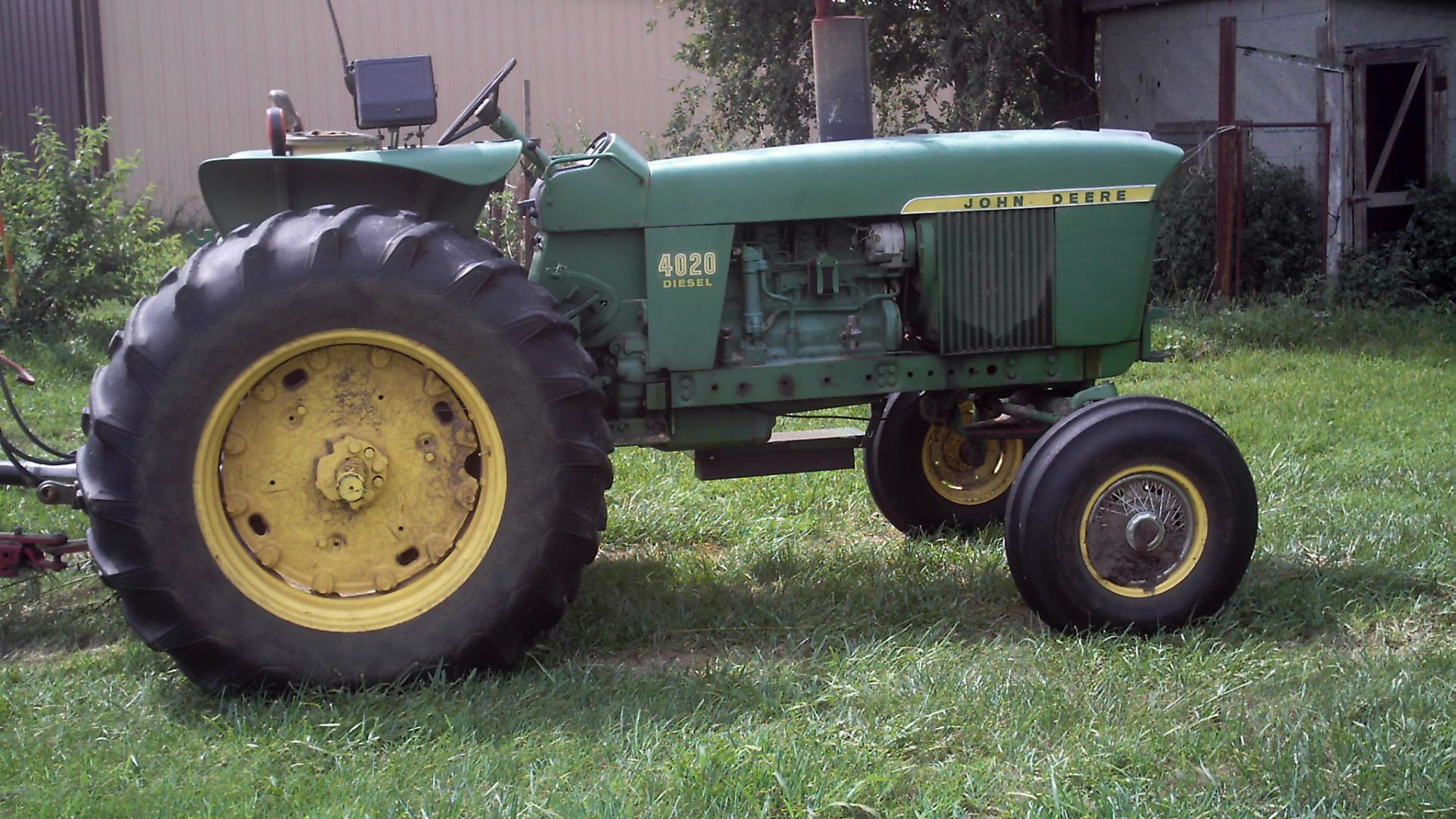
John Deere 4020 (1963)
Few tractors have achieved the legendary status of the John Deere 4020. Introduced for the 1964 model year, it improved on the 4010 with additional power, stronger components, and refinements that made it exceptionally versatile. Buyers could choose between Syncro-Range and Power Shift transmissions, while later models offered an improved hydraulic system and optional Roll-Gard protection. Nearly 200,000 were built. Its reputation for reliability, ease of repair, and everyday usefulness made the 4020 a favorite that farmers often refused to retire.
 Marion Doss, Wikimedia Commons
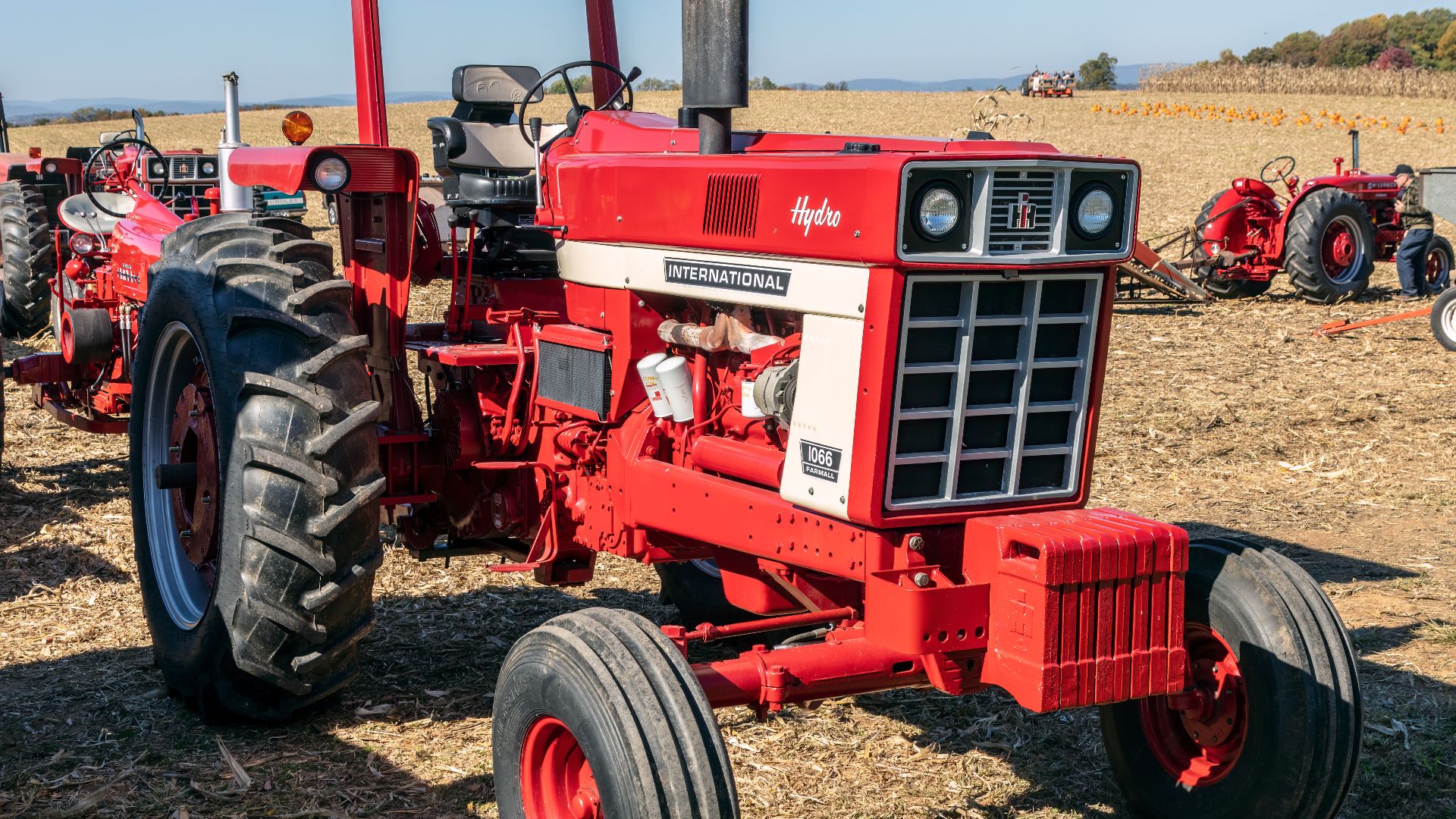
International Harvester 1066 (1971)
The International Harvester 1066 became one of the defining tractors of the 1970s. Its turbocharged six-cylinder diesel engine produced substantial power for plowing, cultivating, and pulling increasingly large implements. Farmers appreciated its robust construction and the ability to handle demanding workloads. Although operator comfort was relatively basic compared with modern tractors, the 1066 developed an enthusiastic following. Many examples accumulated thousands of working hours, and the model remains highly recognizable to collectors and working farmers alike.
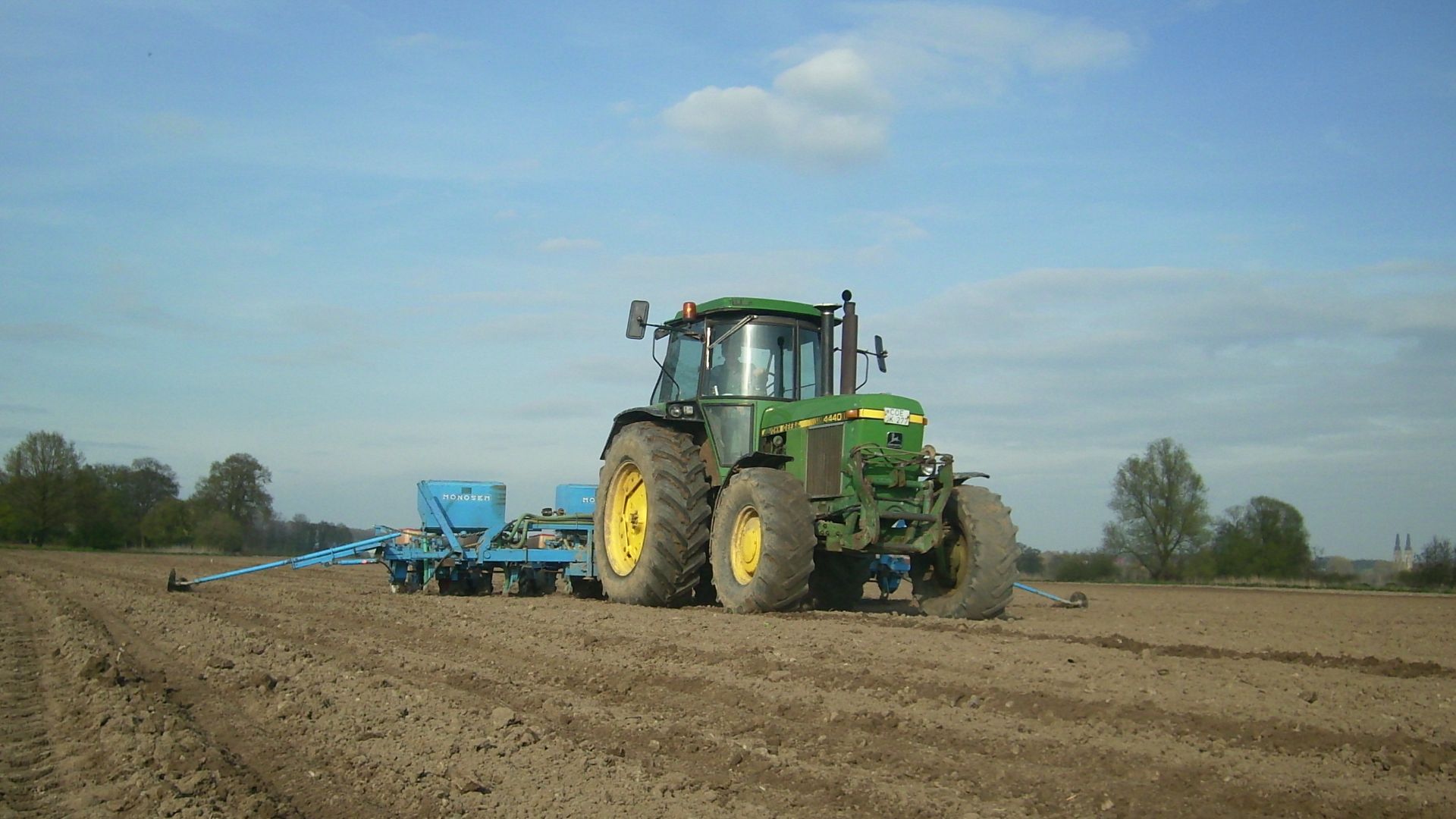
John Deere 4440 (1978)
Introduced in 1978, the John Deere 4440 combined strong diesel power with features that made long working days considerably more comfortable. Its available Sound-Gard cab cut down on noise and provided a more pleasant operating environment, while its hydraulic system and transmission choices supported a wide range of implements. The 4440 became famous for its durability, versatility, and straightforward maintenance. Many remained in regular farm service long after production ended in 1982, earning it a reputation as one of John Deere's finest classic tractors.
 Lars W. (user Ezekiel), Wikimedia Commons
You May Also Like:
Rare Vintage Farm Equipment That's Beautiful And Worth A Fortune
Trucks That Made Farmers, Contractors, And Cowboys Lifelong Brand Loyalists