
They Were Supposed To Make People Rich
Every car enthusiast knows someone who's said, "Buy one now. You'll thank me in twenty years." Sometimes they're absolutely right. Other times...they're spectacularly wrong.
The cars on this list were all tipped as future collector gold for one reason or another. But, at least so far, they just haven’t turned into the retirement plans people expected.
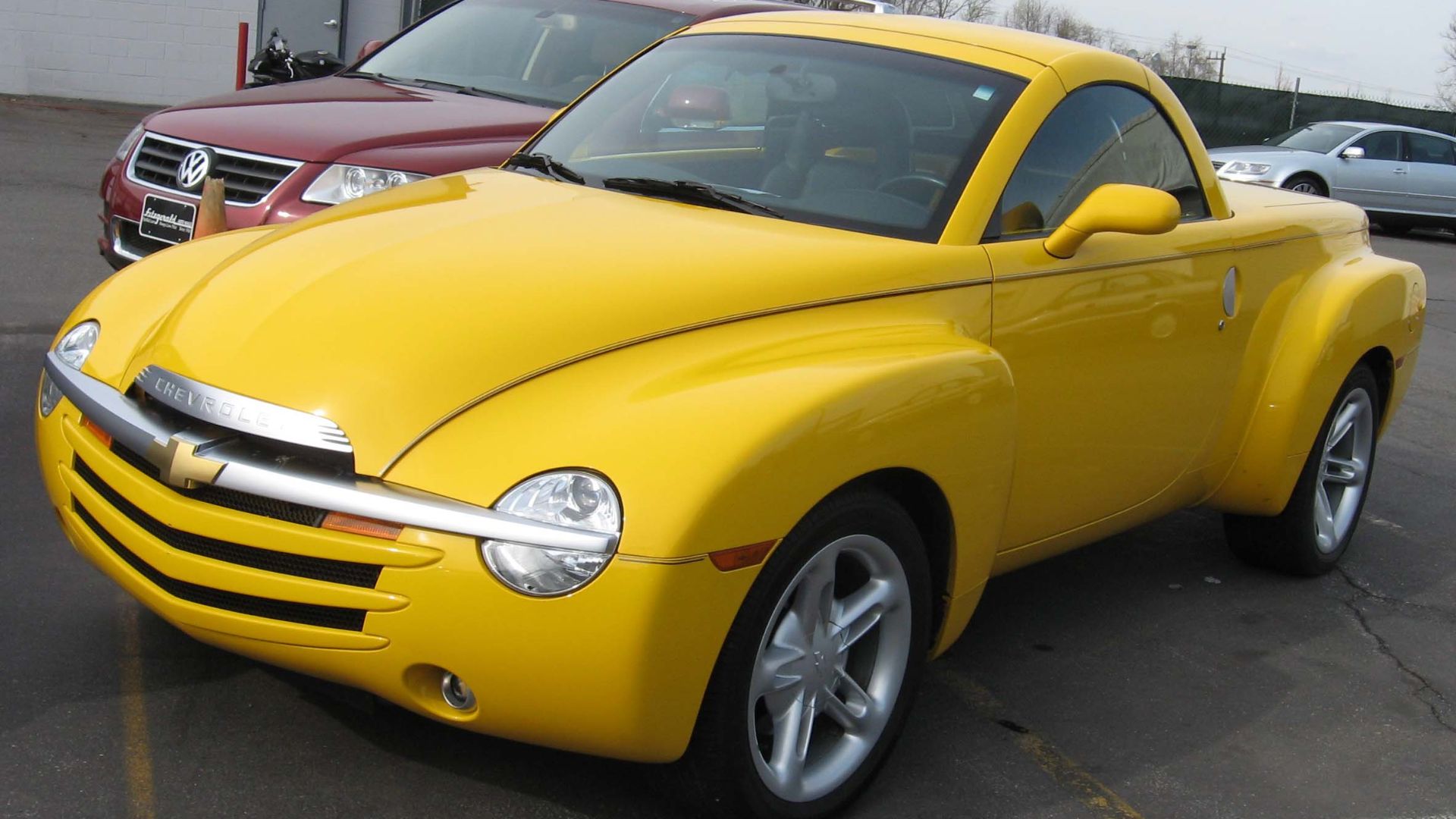
Chevrolet SSR (2003–2006)
The SSR looked like Chevrolet couldn't decide whether it was building a 1950s pickup, a muscle car, or a giant Hot Wheels toy. It had a V8, a folding hardtop, and relatively low production, so collectors assumed values would eventually explode. Instead, they've remained surprisingly reasonable because lots of people enjoy looking at an SSR, but far fewer actually want to own one.
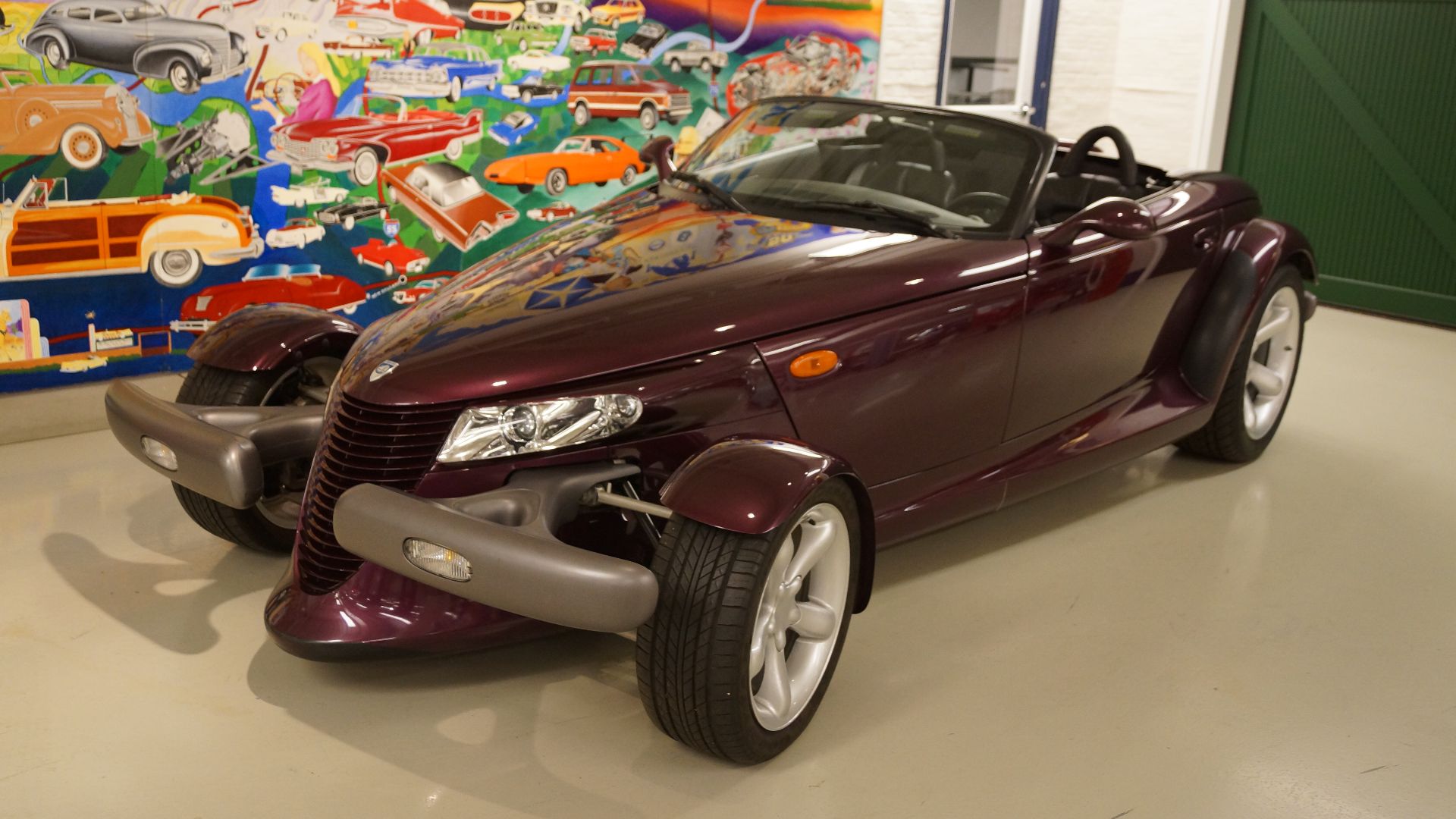
Plymouth Prowler / Chrysler Prowler (1997, 1999–2002)
Nothing else looked remotely like the Prowler. Its exposed front wheels and hot rod styling practically screamed "future collectible" from the moment it debuted. Low production only added to the excitement, and when Plymouth disappeared, some people became even more convinced it would skyrocket. While clean examples certainly aren't cheap anymore, they never became the six-figure investments many owners confidently predicted.
 Greg Gjerdingen from Willmar, USA, Wikimedia Commons
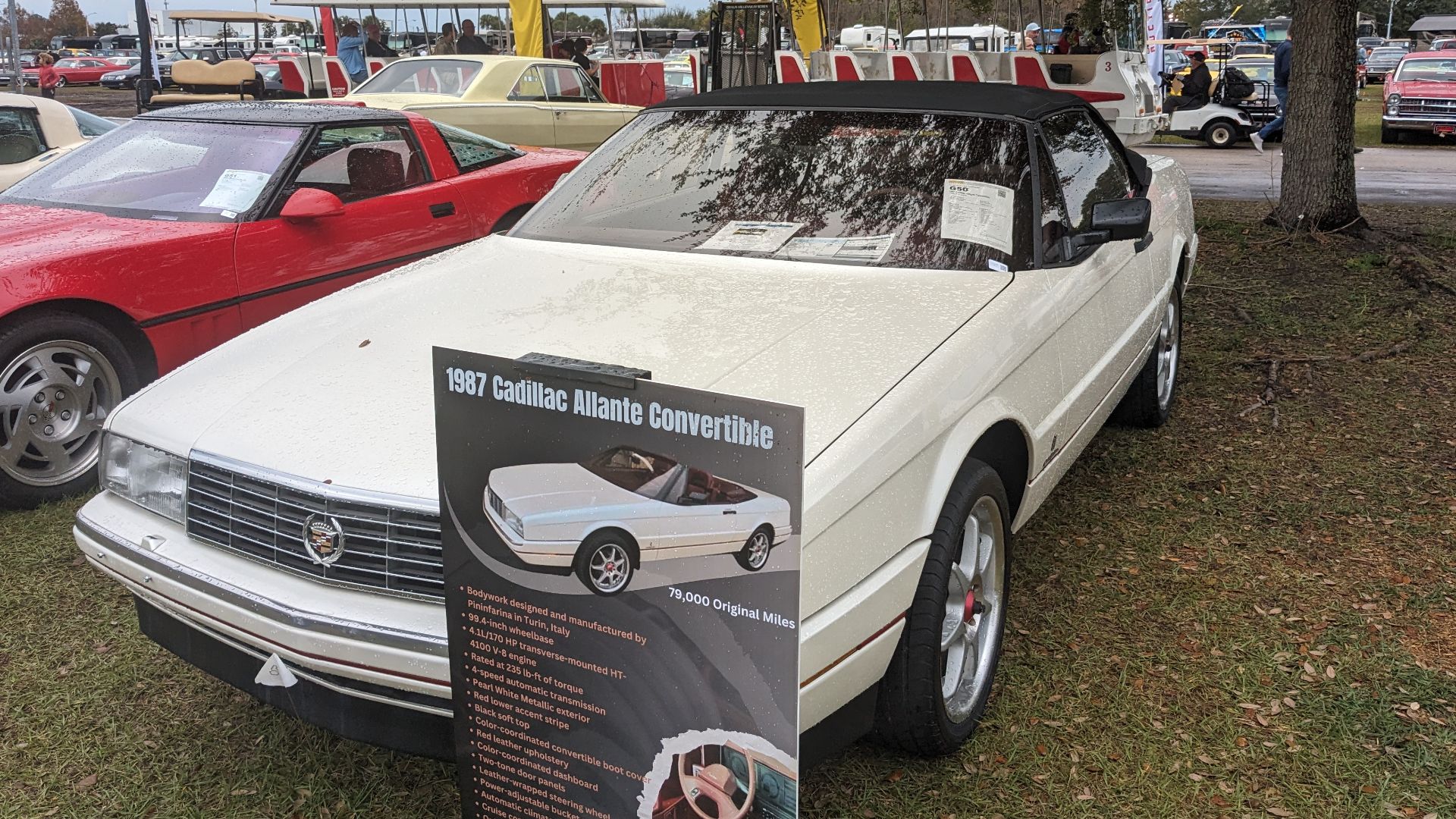
Cadillac Allanté (1987–1993)
Cadillac spent an incredible amount of money building the Allanté. Bodies were designed and assembled by Pininfarina in Italy before being flown to Detroit for final assembly. That unbelievable production story convinced many people these cars would someday become blue-chip collectibles. Instead, appreciation has been modest despite their fascinating history.
 Pokemonprime, Wikimedia Commons
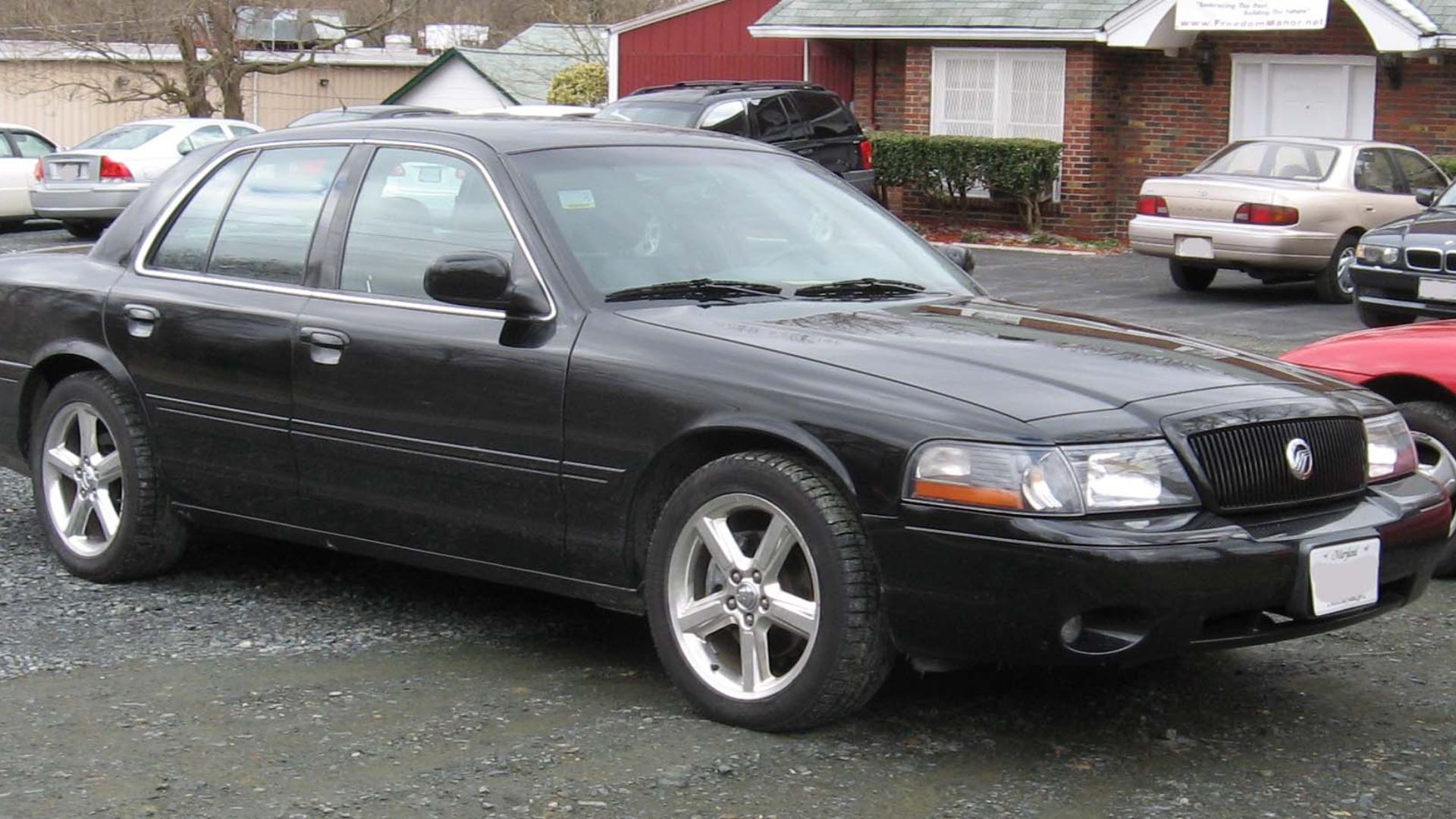
Mercury Marauder (2003–2004)
A full-size Mercury sedan hiding a Mustang-derived V8 sounded like the perfect future classic. When Mercury disappeared a few years later, predictions of soaring collector values only grew louder. The Marauder has definitely earned respect among enthusiasts, but it's still surprisingly attainable compared with what many buyers once expected.
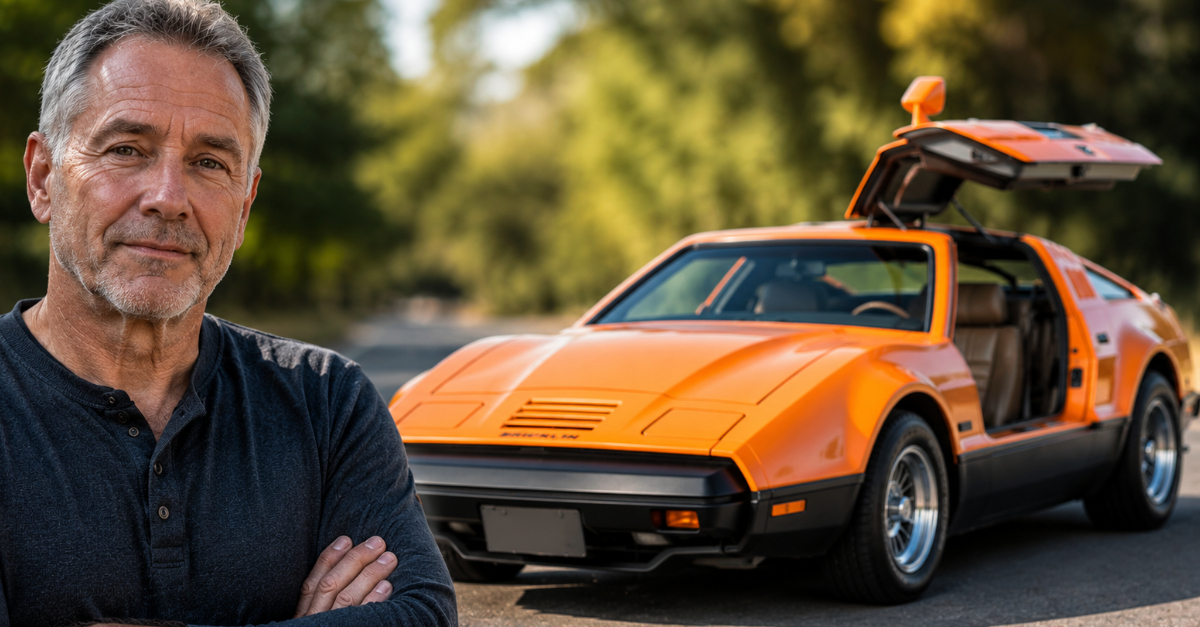
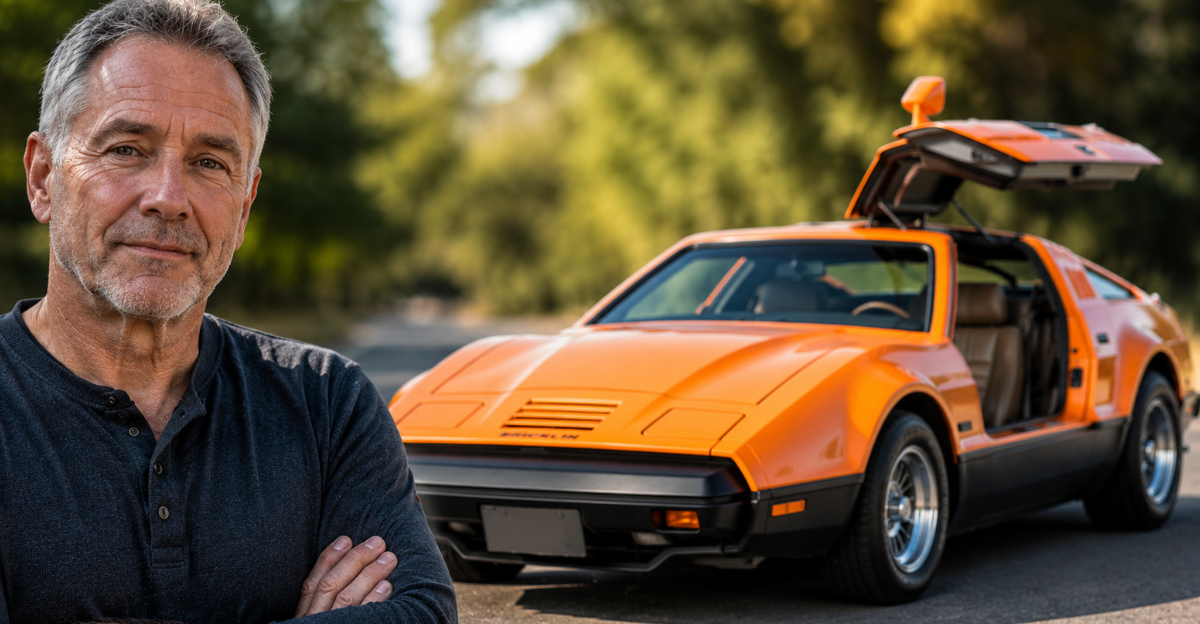
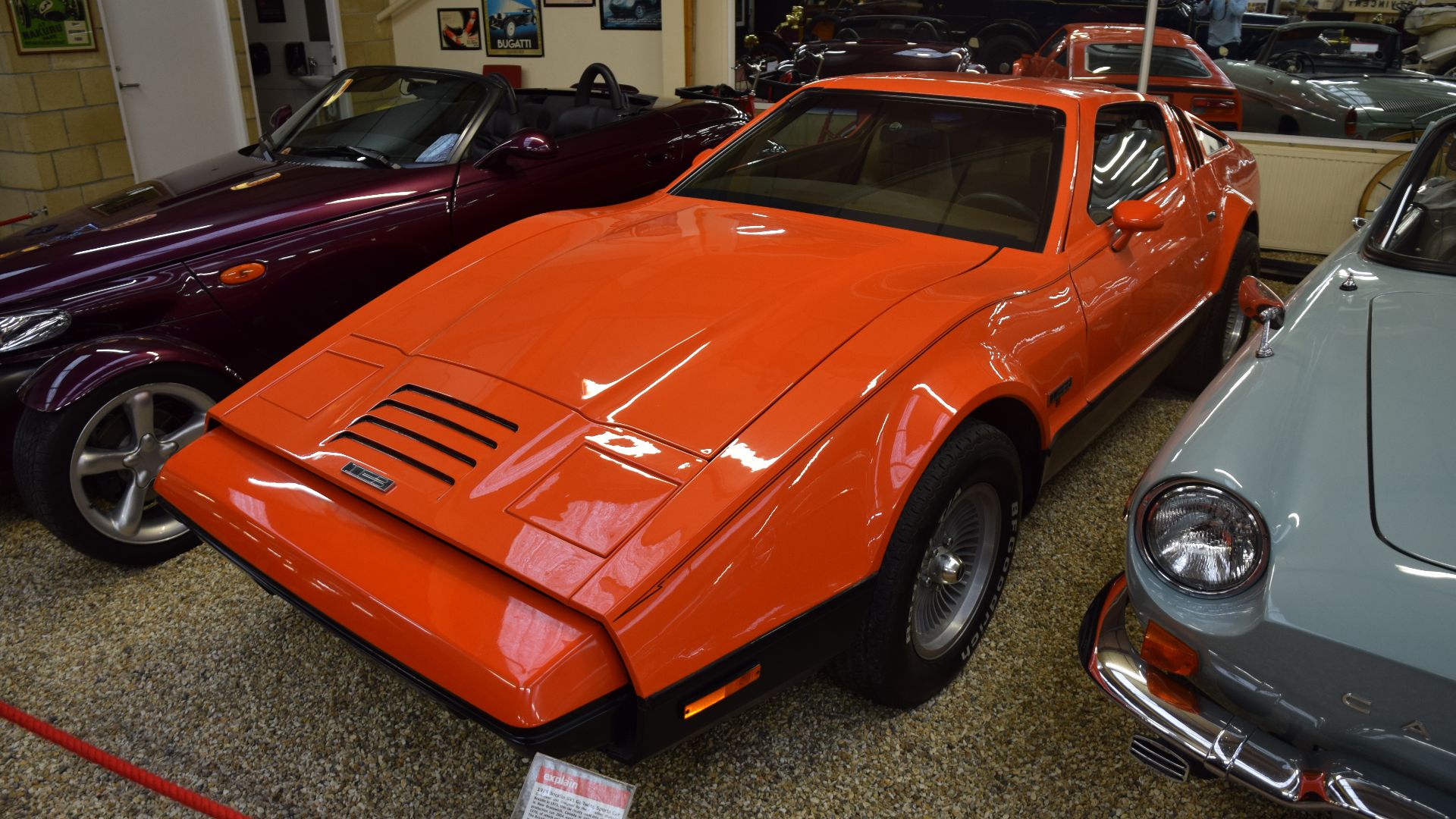
Bricklin SV-1 (1974–1976)
Few cars looked more like "the future" in the mid-70s than the Bricklin SV-1. Gullwing doors, built-in safety features, and fewer than 3,000 examples produced made it seem destined for collector greatness. While the SV-1 has a loyal following today, prices remain far lower than many people imagined when they tucked theirs away.
 Hugh Llewelyn from Keynsham, UK, Wikimedia Commons
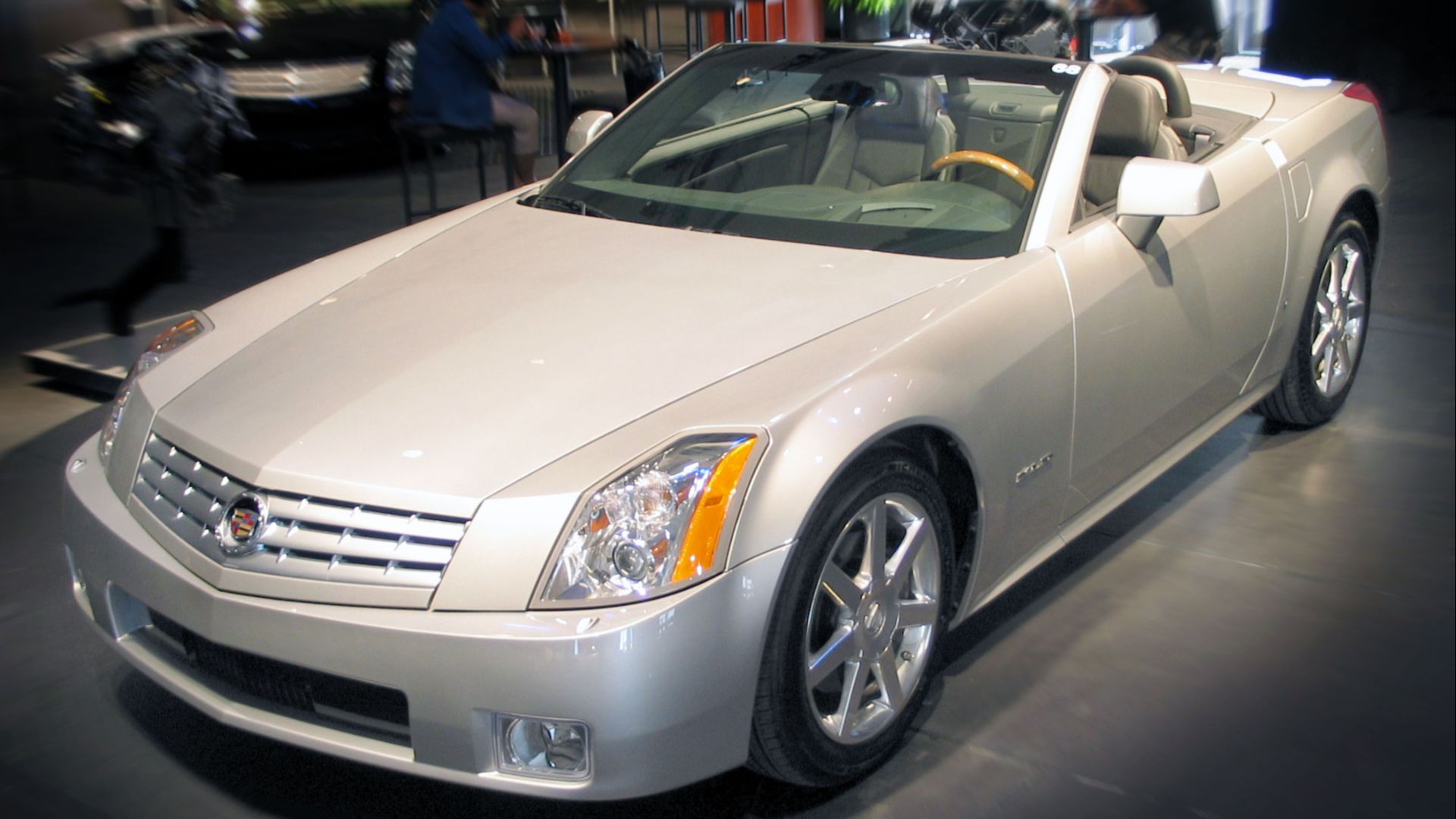
Cadillac XLR (2004–2009)
A luxury Cadillac sharing its platform with the Corvette sounded like an instant winner. Add a retractable hardtop, limited production, and plenty of technology, and buyers figured appreciation was only a matter of time. Expensive repairs and relatively modest collector demand have kept values much lower than early predictions suggested.
AMC Marlin (1965–1967)
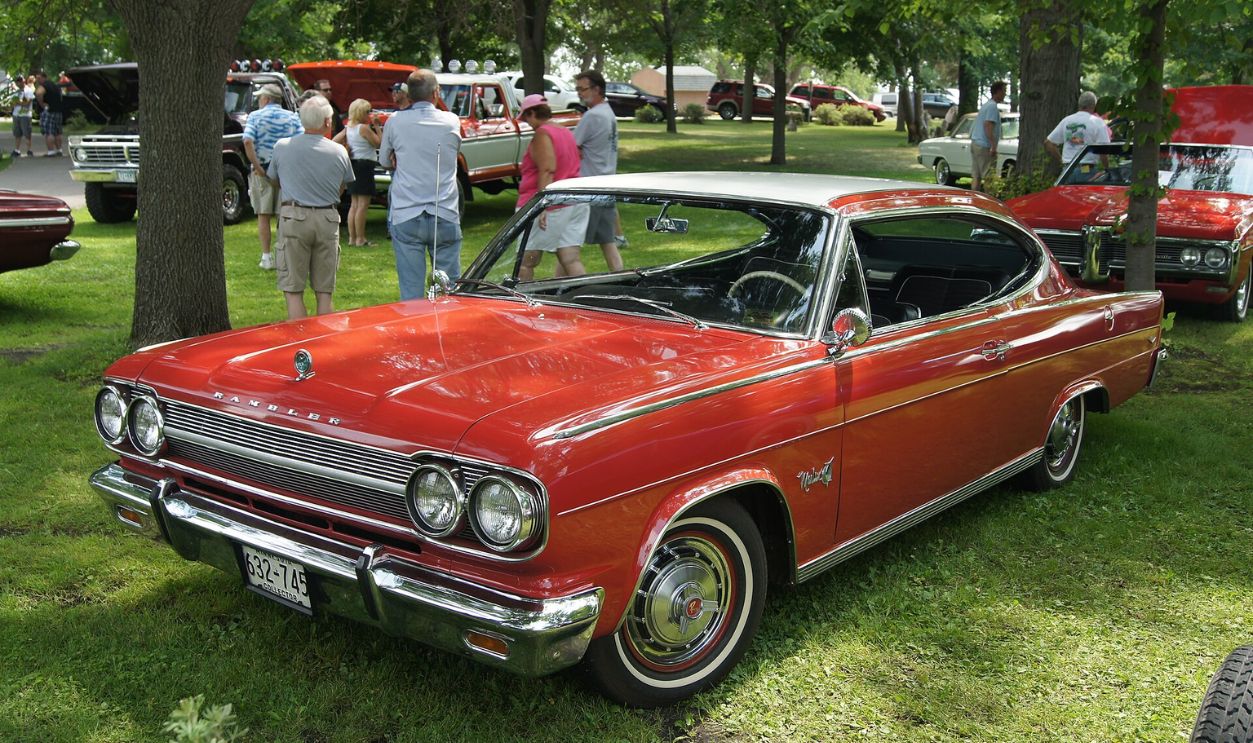
The Marlin's unusual fastback styling guaranteed it would never blend into traffic. Its low production numbers also convinced collectors that rarity would eventually work its magic. Instead, it became one of those cars people admire at shows before walking over to something else. It's interesting, uncommon, and still much more affordable than many expected.
 Greg Gjerdingen from Willmar, USA, Wikimedia Commons
Pontiac Solstice GXP (2007–2009)
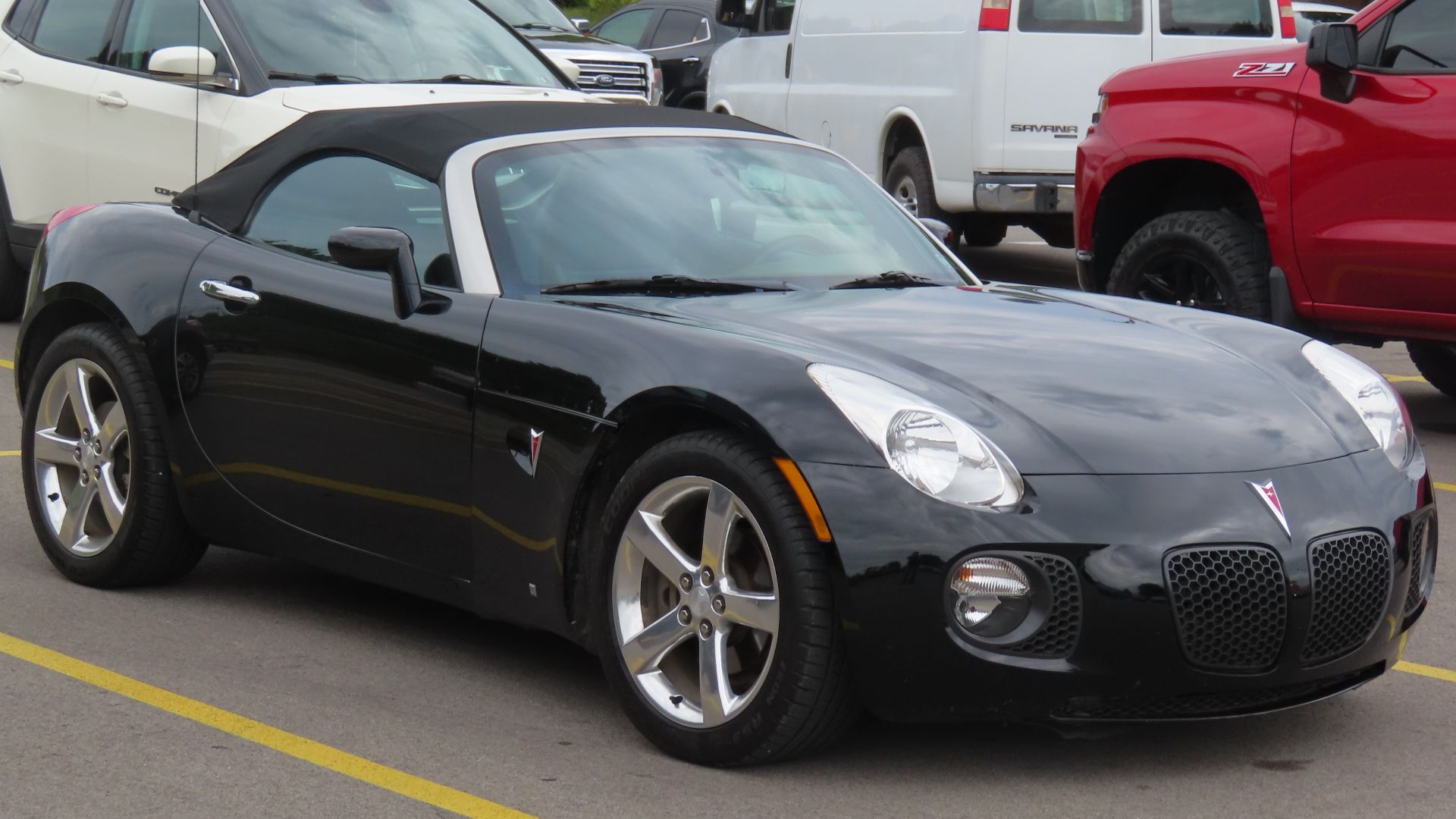
Turbocharged, rear-wheel drive, and built during Pontiac's final years—it sounded almost too perfect. Plenty of enthusiasts predicted the Solstice GXP would become one of Pontiac's next great collectibles. Values have improved gradually over time, but nowhere near the dramatic leap owners were expecting fifteen years ago.
 MercurySable99, Wikimedia Commons
Stutz Blackhawk (1971–1987)
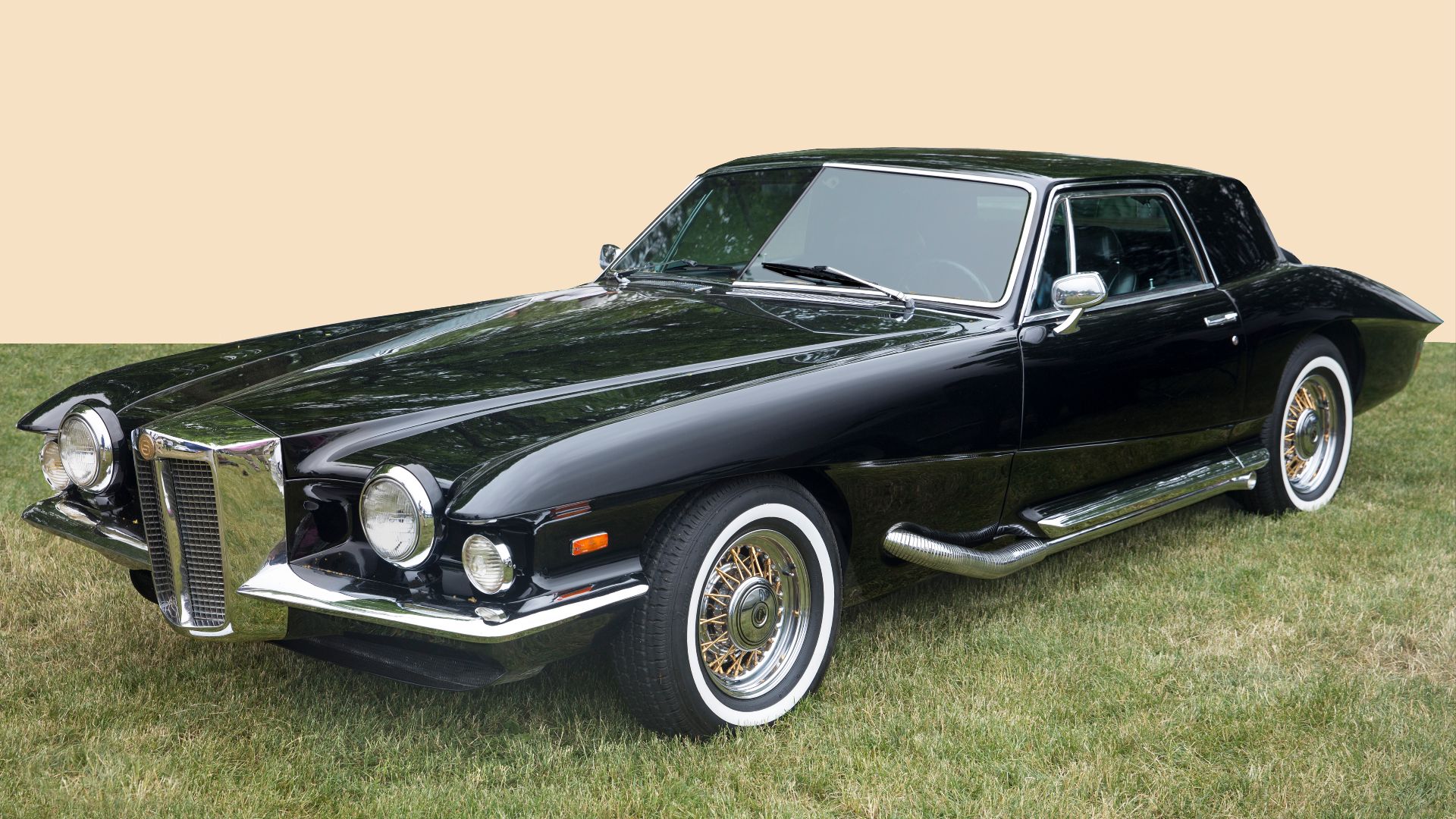
When Elvis Presley, Frank Sinatra, Lucille Ball, Muhammad Ali, and countless other celebrities owned the same car, it seemed like a safe investment. The hand-built Stutz Blackhawk originally cost more than many Rolls-Royces. Today they're still rare and undeniably fascinating, but values have never matched the lofty expectations surrounding them.
 Mr.choppers, Wikimedia Commons
Ford Thunderbird (2002–2005)
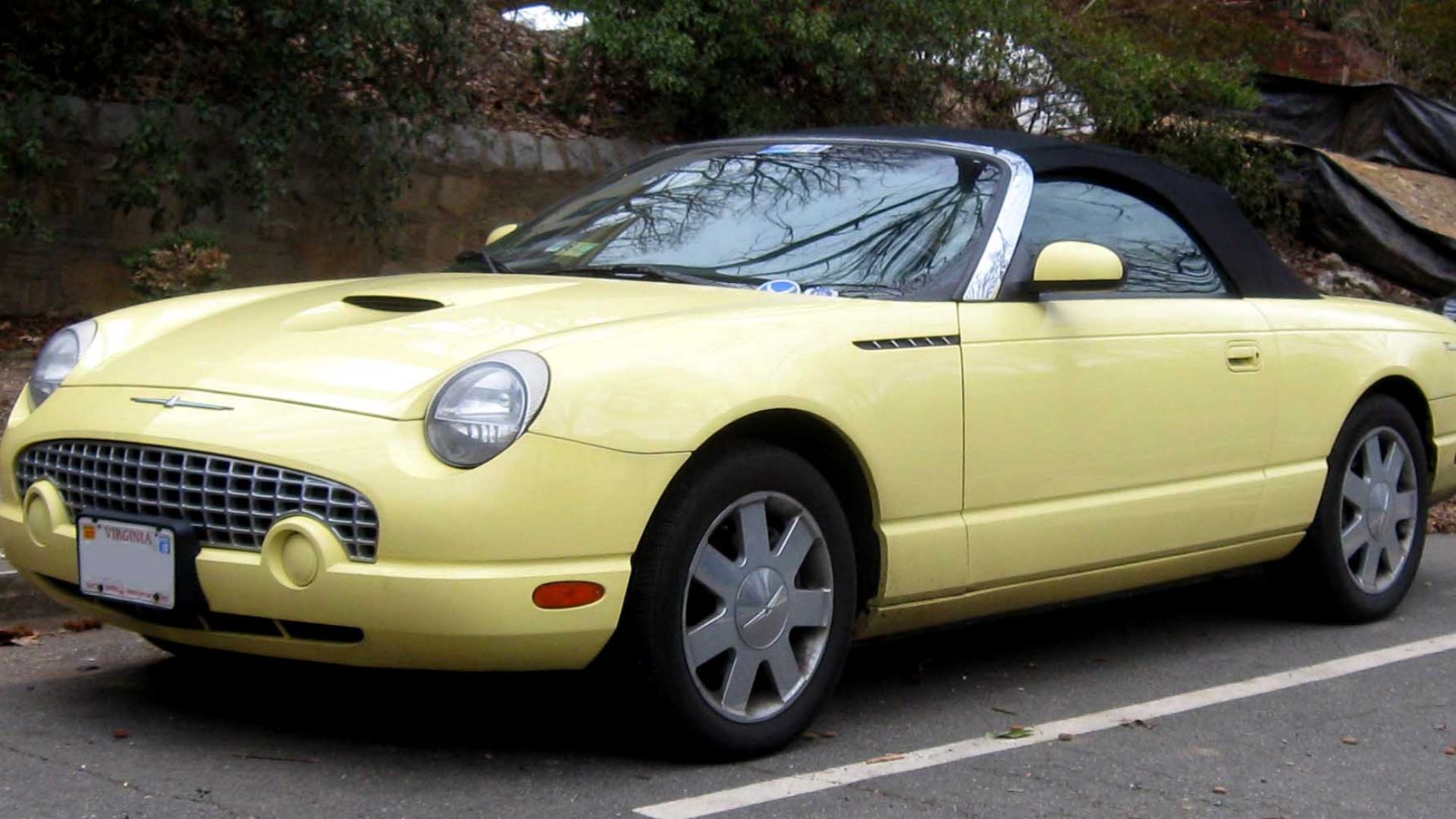
Ford's retro Thunderbird arrived to enormous fanfare. Some dealerships were charging thousands above sticker because demand looked unstoppable. Buyers assumed they were getting in early on the next collector sensation. Instead, excitement faded surprisingly quickly, leaving these stylish convertibles selling for much less than many owners once imagined.
Zimmer Golden Spirit (1978–1988)
If any car looked expensive, it was the Zimmer Golden Spirit. With its hand-built construction, extravagant neo-classic styling, and very high price when new, many believed it was destined to become a museum-worthy investment. Instead, today's market values are often only a fraction of what optimistic buyers originally expected.
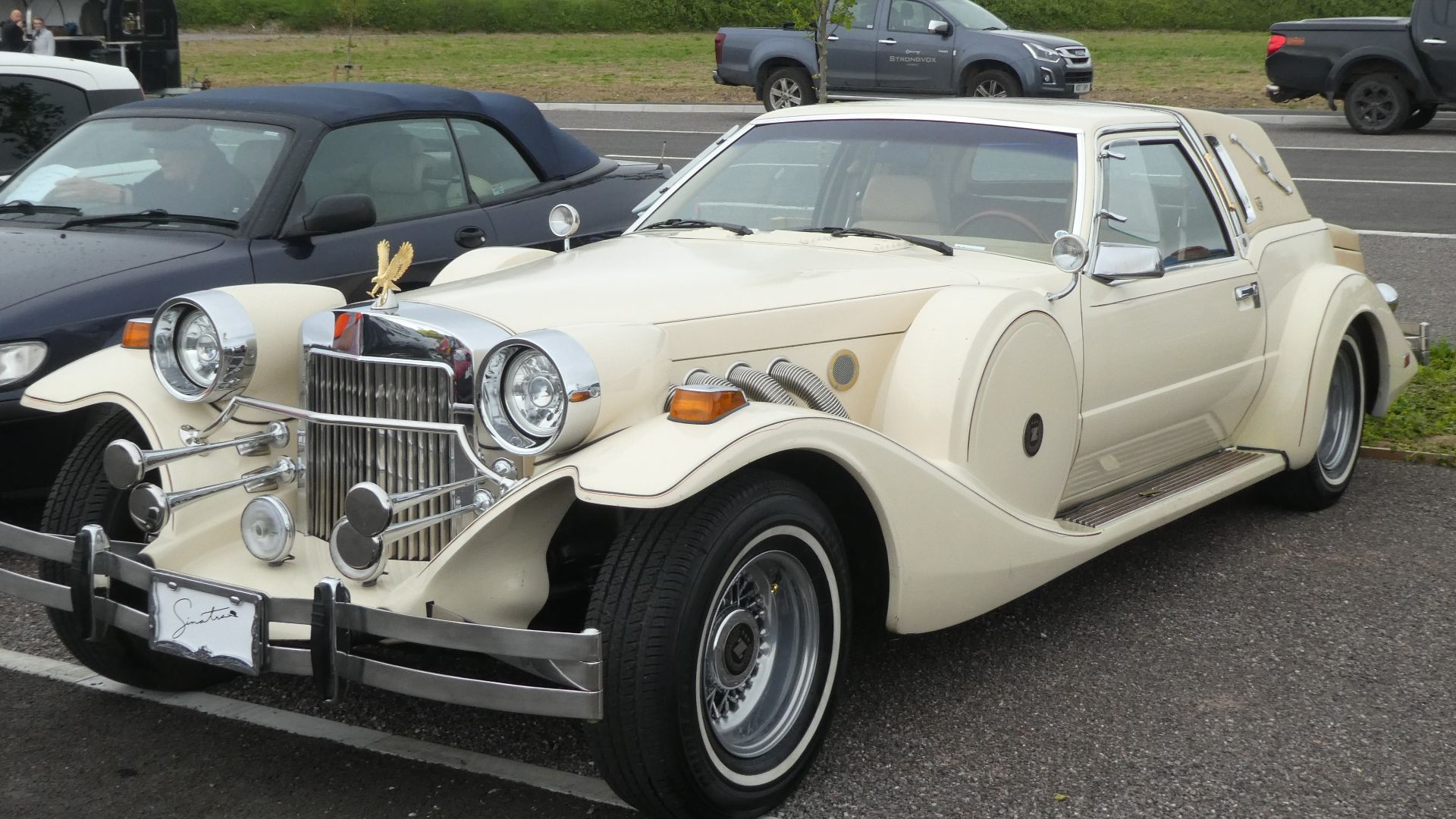 Andrew Bone from Weymouth, England, Wikimedia Commons
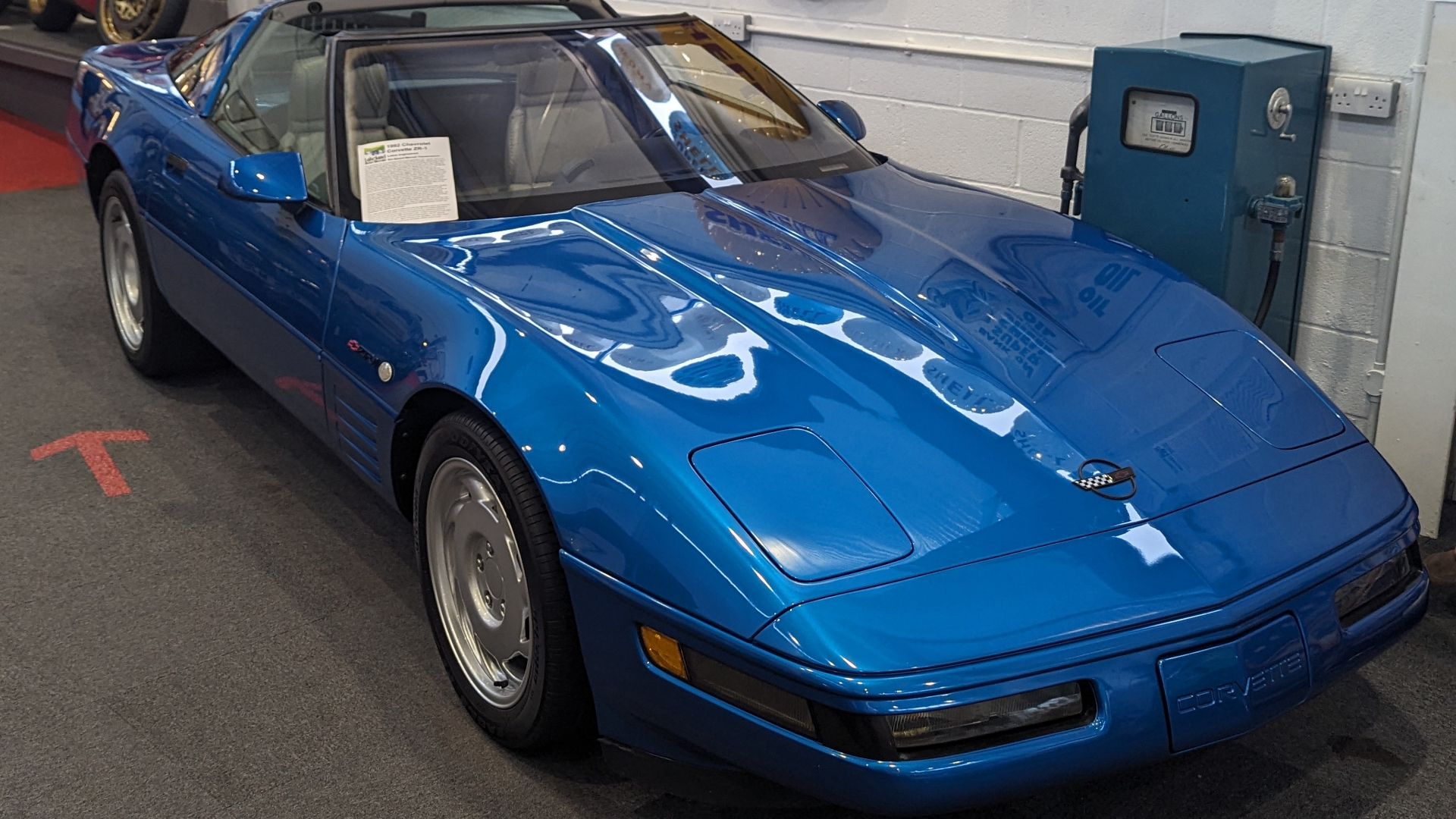
Chevrolet Corvette C4 ZR-1 (1990–1995)
Nicknamed the "King of the Hill," the ZR-1 represented the most advanced Corvette Chevrolet had ever built. Its GM/Lotus-developed LT5 engine and world-class performance convinced enthusiasts it would quickly become one of America's most valuable modern classics. Appreciation eventually came, but much more slowly—and less dramatically—than people predicted.
Chrysler TC by Maserati (1989–1991)
Any car wearing a Maserati badge naturally attracts collector attention. That's exactly why the Chrysler TC generated so much excitement when it debuted. Unfortunately, buyers quickly realized it wasn't quite the exotic machine they'd imagined. Limited production couldn't overcome lukewarm demand, leaving values far below the lofty expectations.
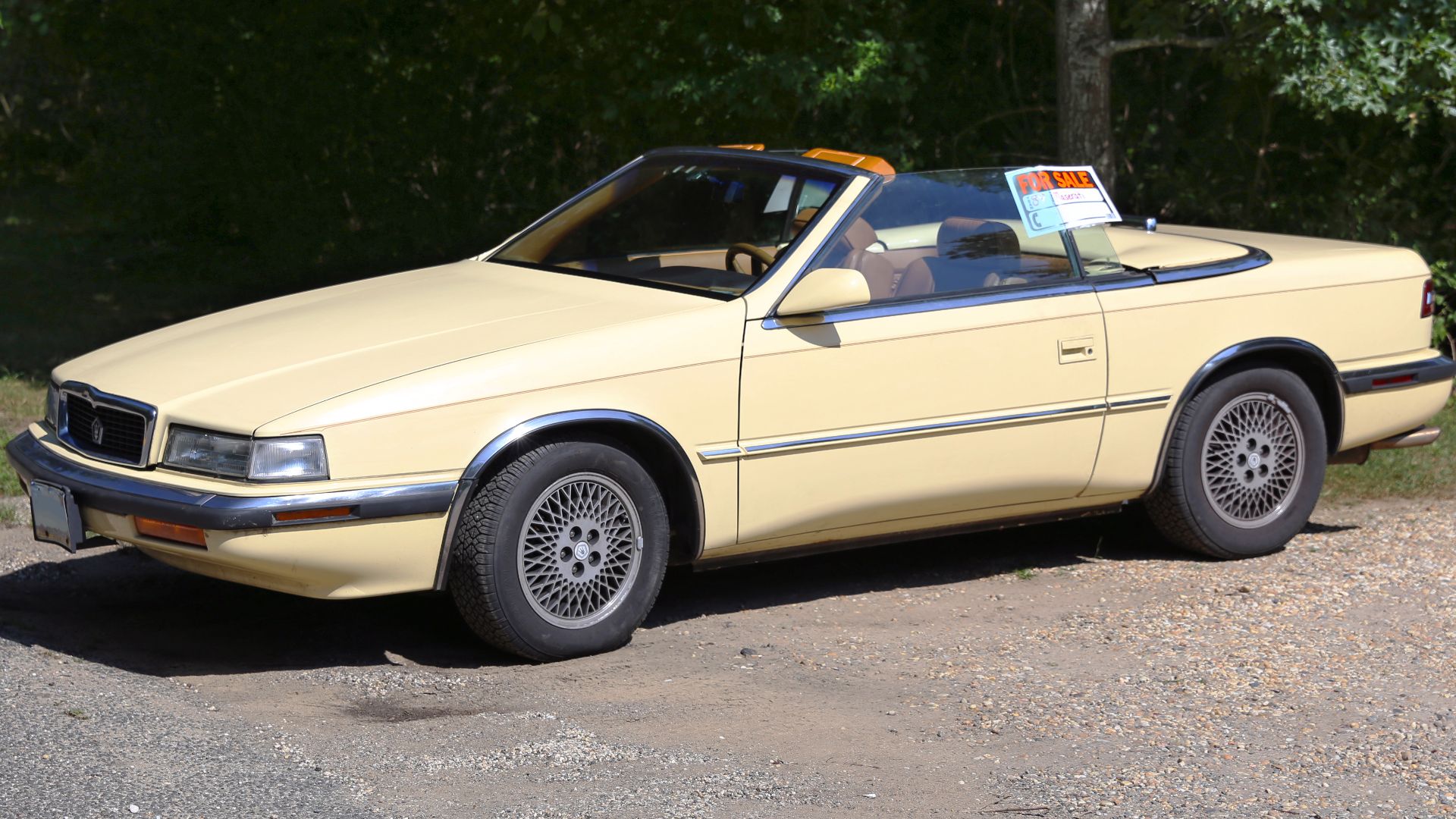 Mr.choppers, Wikimedia Commons
Saturn Sky Red Line (2007–2010)
When Saturn disappeared, collectors immediately started hunting for future classics wearing the brand's badge. The Sky Red Line looked like the obvious choice thanks to its sharp styling, turbocharged engine, and limited production. It's still one of the best-looking affordable sports cars from the era, but values remain surprisingly grounded.
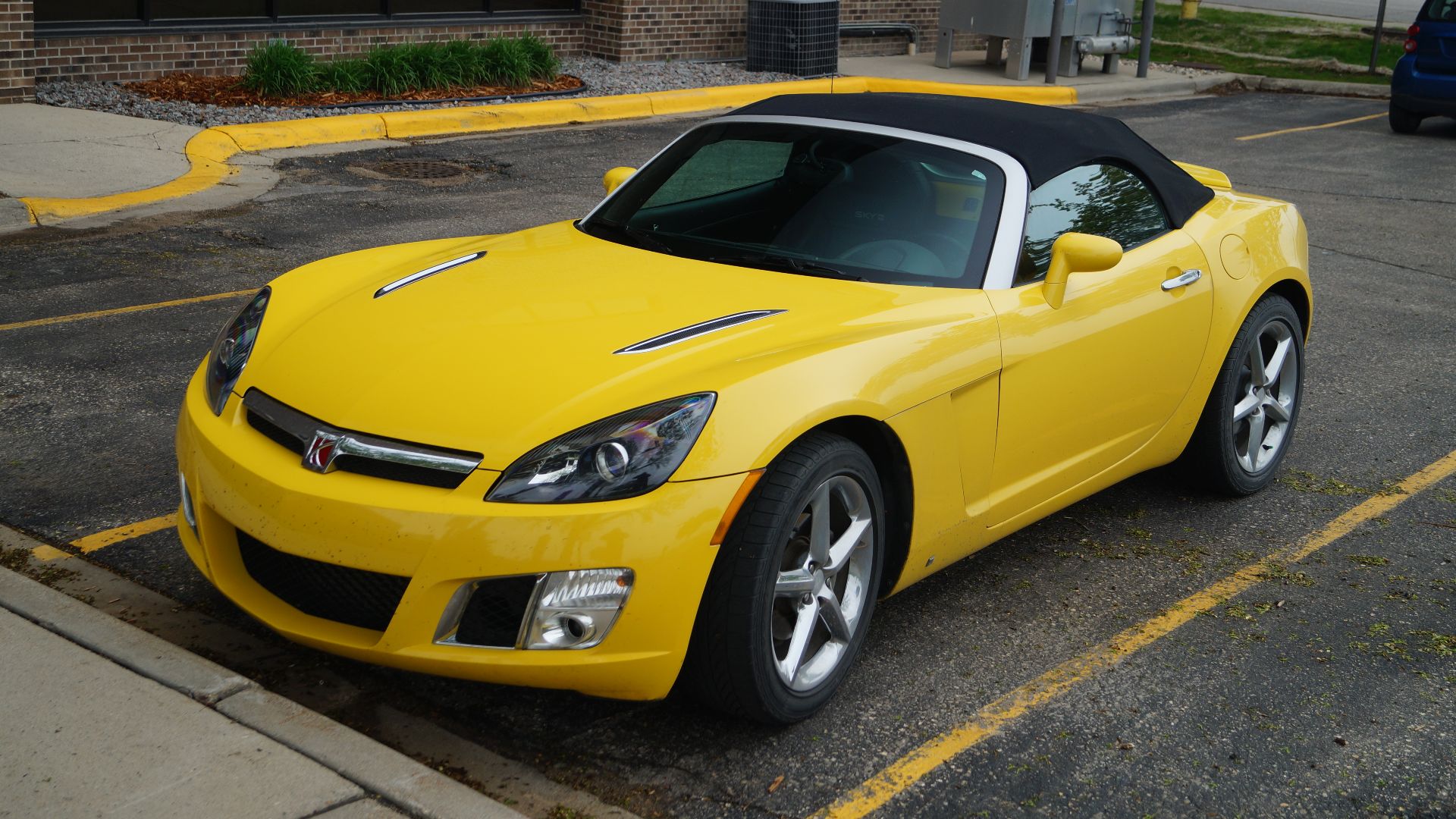 Greg Gjerdingen from Willmar, USA, Wikimedia Commons
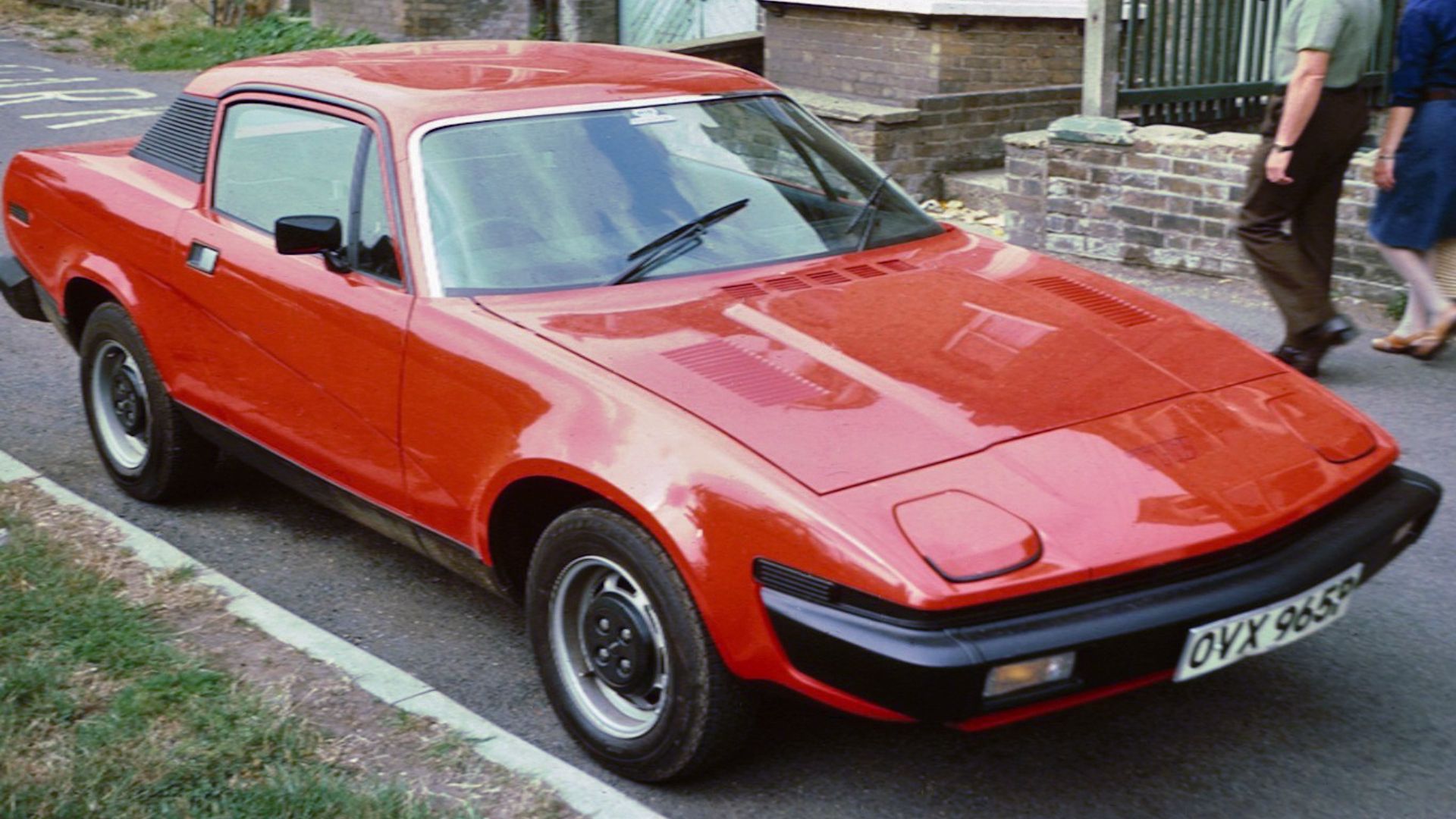
Triumph TR7 (1975–1981)
British sports cars have produced plenty of genuine collector cars over the decades, so many people assumed the TR7 would eventually join them. It even arrived with the slogan "The Shape of Things to Come." Reliability problems damaged its reputation early, and collector demand has never really recovered despite its distinctive looks.
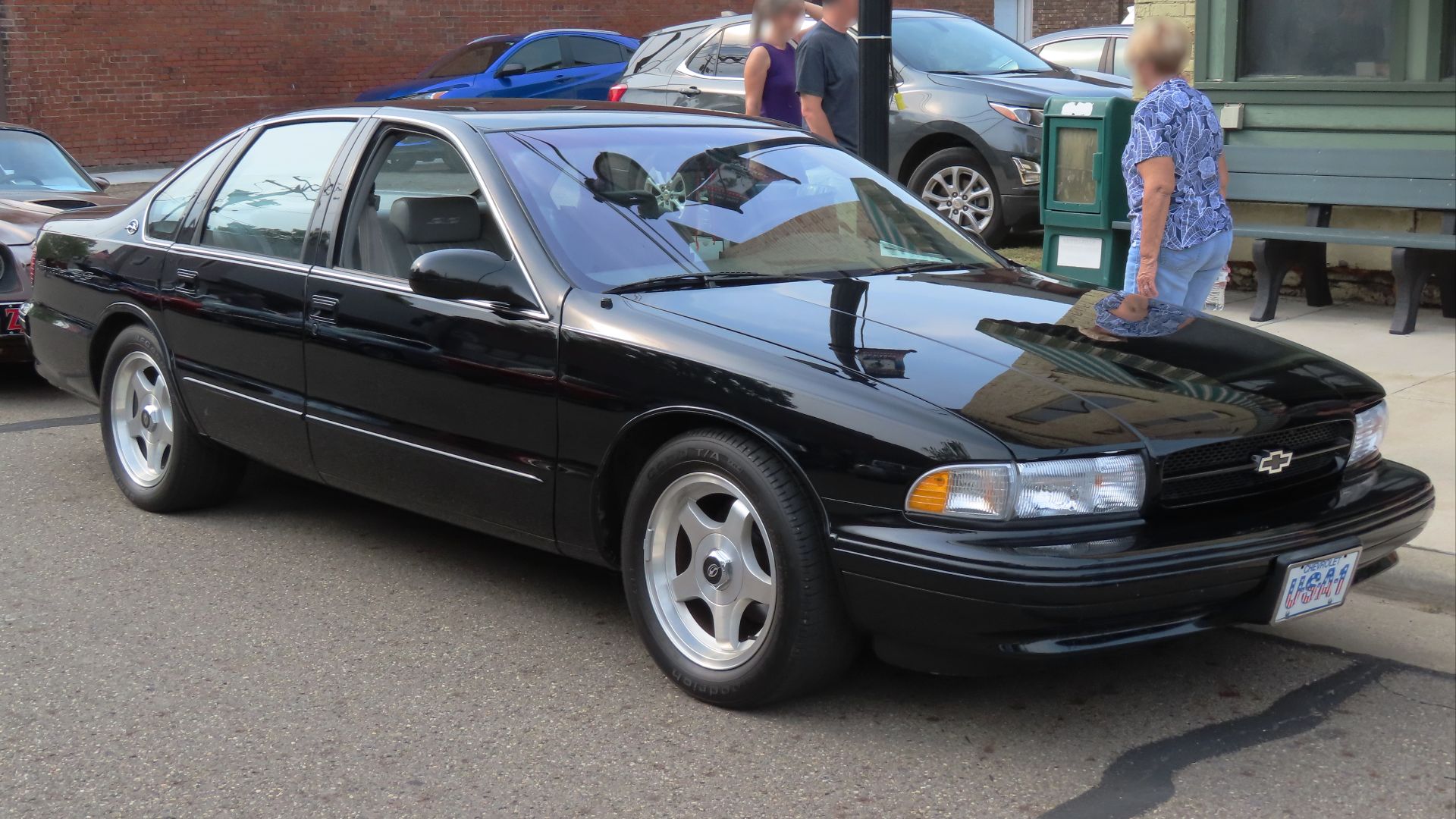
Chevrolet Impala SS (1994–1996)
This one almost belongs on both sides of the debate. The Impala SS has absolutely become more valuable over time. The surprise is just how many buyers expected much more. Plenty were parked with delivery miles, waiting for auction prices that never quite arrived. They're respected modern classics, just not the gold mines many anticipated.
 MercurySable99, Wikimedia Commons
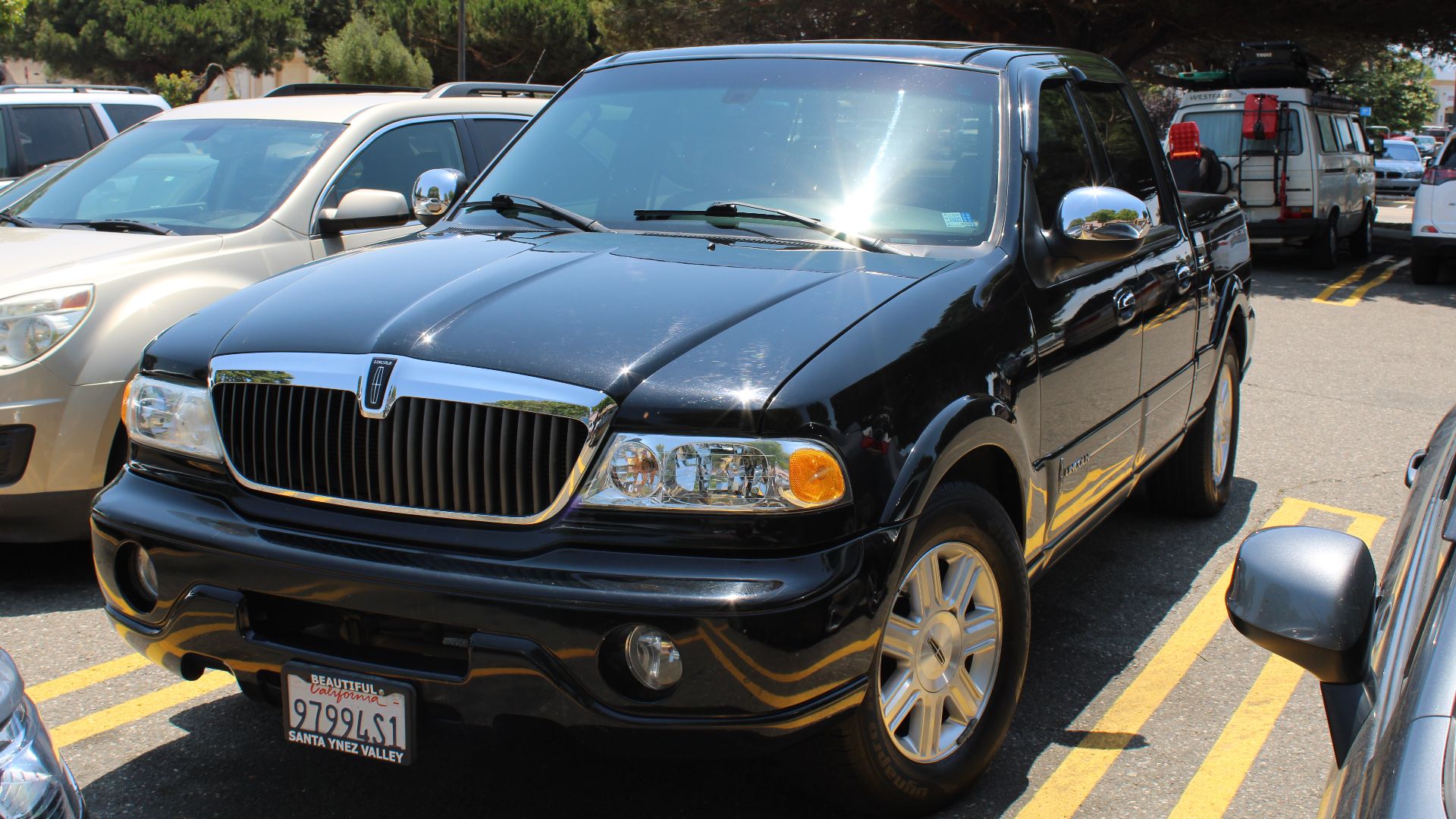
Lincoln Blackwood (2002)
One-year production usually sounds like collector gold, and that's exactly what many buyers believed. The Blackwood certainly had rarity on its side. Unfortunately, there's a big difference between being rare because everyone wanted one and being rare because almost nobody bought one. The Blackwood remains interesting, but not especially valuable.
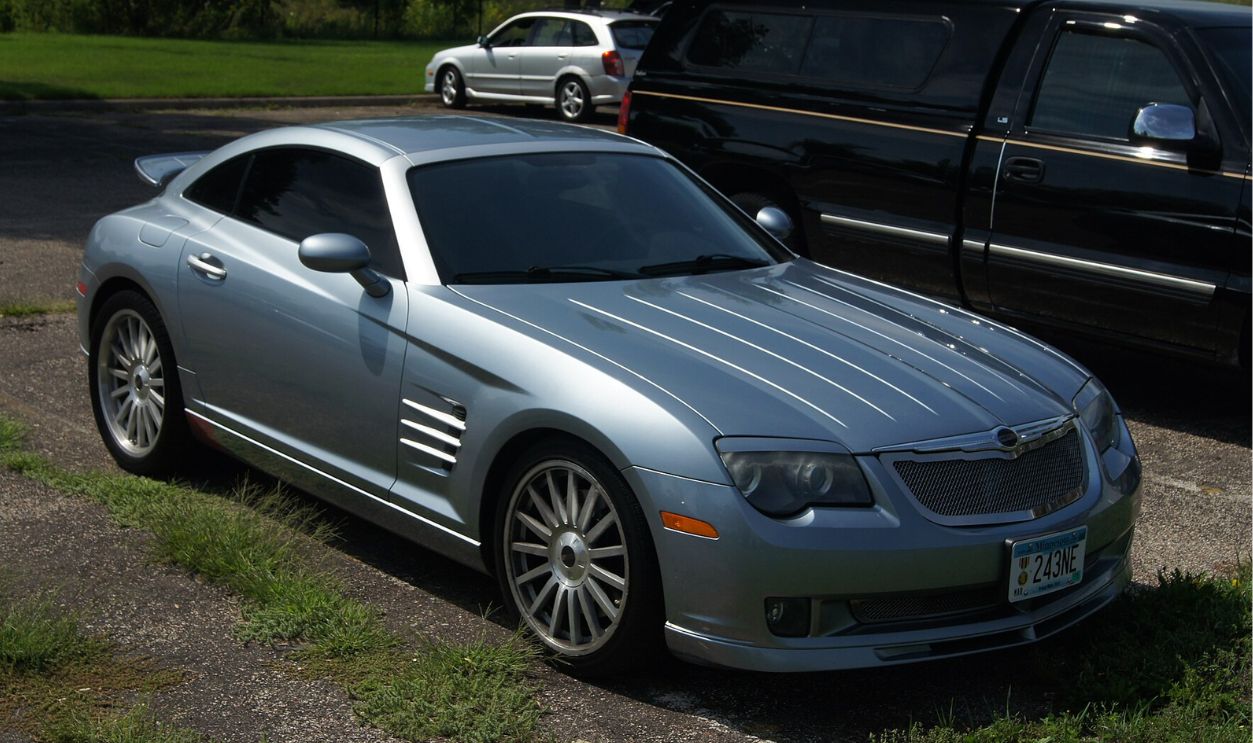
Chrysler Crossfire SRT-6 (2005–2006)
Mercedes-Benz engineering, a supercharged V6, and relatively low production numbers looked like the perfect collector formula. Instead, the Crossfire became one of those cars people always stop to look at but rarely go searching to buy. It's uncommon, genuinely quick, and still one of the market's better performance bargains.
 Greg Gjerdingen from Willmar, USA, Wikimedia Commons
Edsel Corsair (1958–1959)
Few automotive failures are as famous as the Edsel, and that reputation convinced many collectors surviving examples would eventually become incredibly valuable. After all, how could something that rare not be worth a fortune someday? The reality has been much less dramatic. Nice Corsairs certainly have value, but nowhere near what many people once expected.
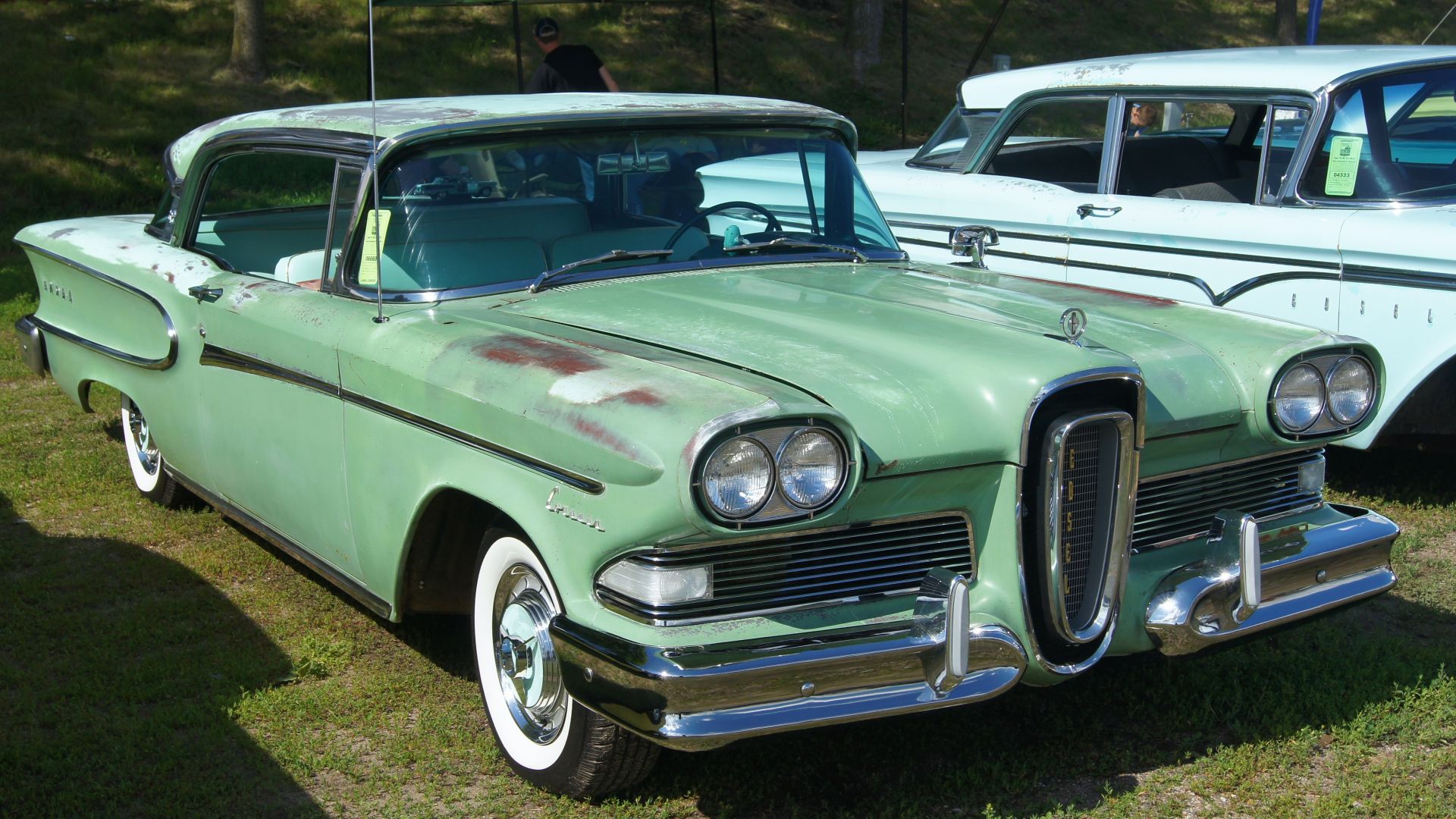 Greg Gjerdingen from Willmar, USA, Wikimedia Commons
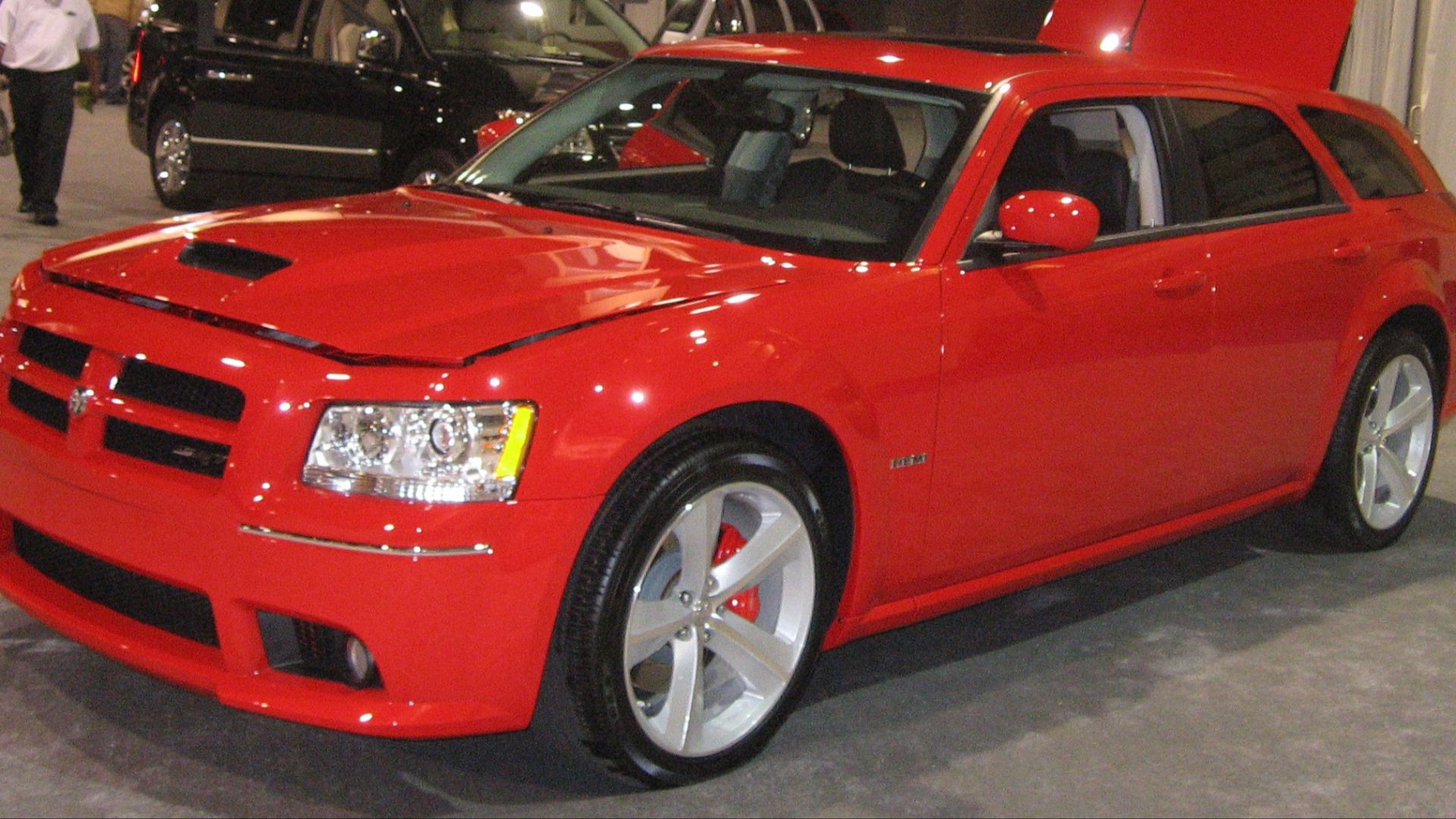
Dodge Magnum SRT8 (2006–2008)
Fast wagons have become increasingly desirable, which made the Magnum SRT8 seem like a guaranteed future collectible. It packed a Hemi V8, aggressive styling, and enough cargo room to haul home an antique engine block. While prices have risen steadily, they still haven't reached the heights enthusiasts confidently predicted when production ended.
Sometimes The Best Investment Is Just Enjoying The Drive
The good news? Most of these cars are still affordable enough that you can actually drive and enjoy them instead of worrying about preserving them for someone else's auction bid.
You Might Also Like:





.jpg)
