The Sneaky Way To Save Before You Even Buy
Car insurance is one of those bills that never feels fun, but your choice of car can make it a lot less painful. For 2026, the cheapest vehicles to insure are mostly sensible SUVs, crossovers, vans, and practical family rides. Translation: boring can be beautiful when your monthly premium stays calm.
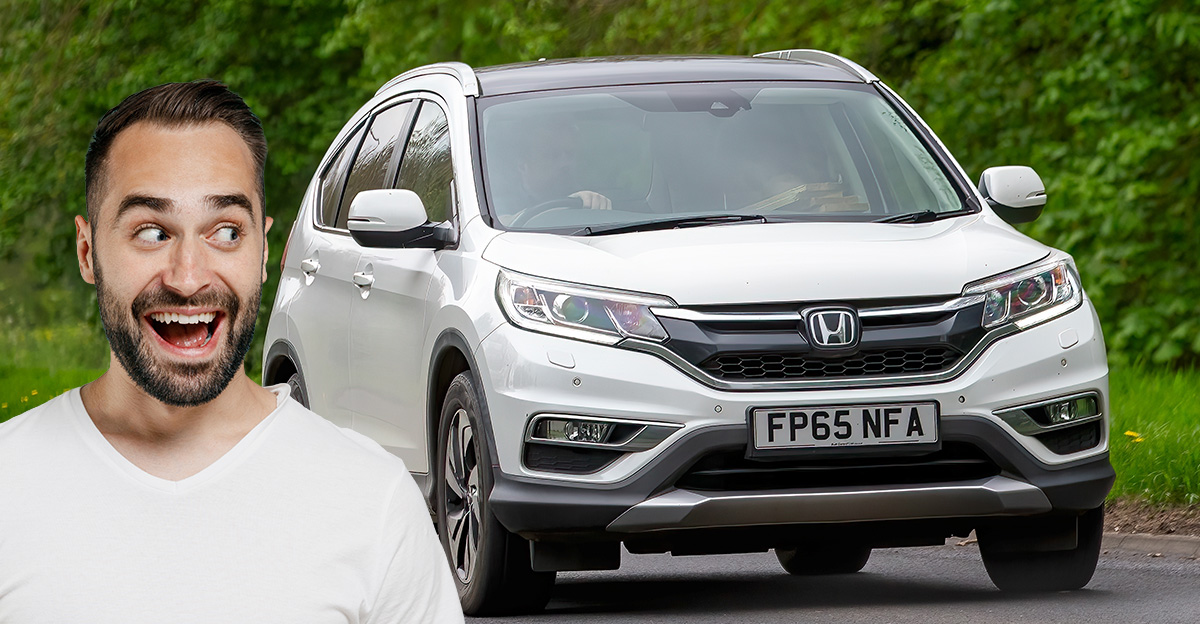
Honda CR-V
The Honda CR-V is the insurance-budget hero of 2026, averaging about $1,932 per year. It is roomy, reliable, loaded with safety tech, and not trying to cosplay as a race car. Insurers like that. Families like that. Your wallet will probably like it most of all.
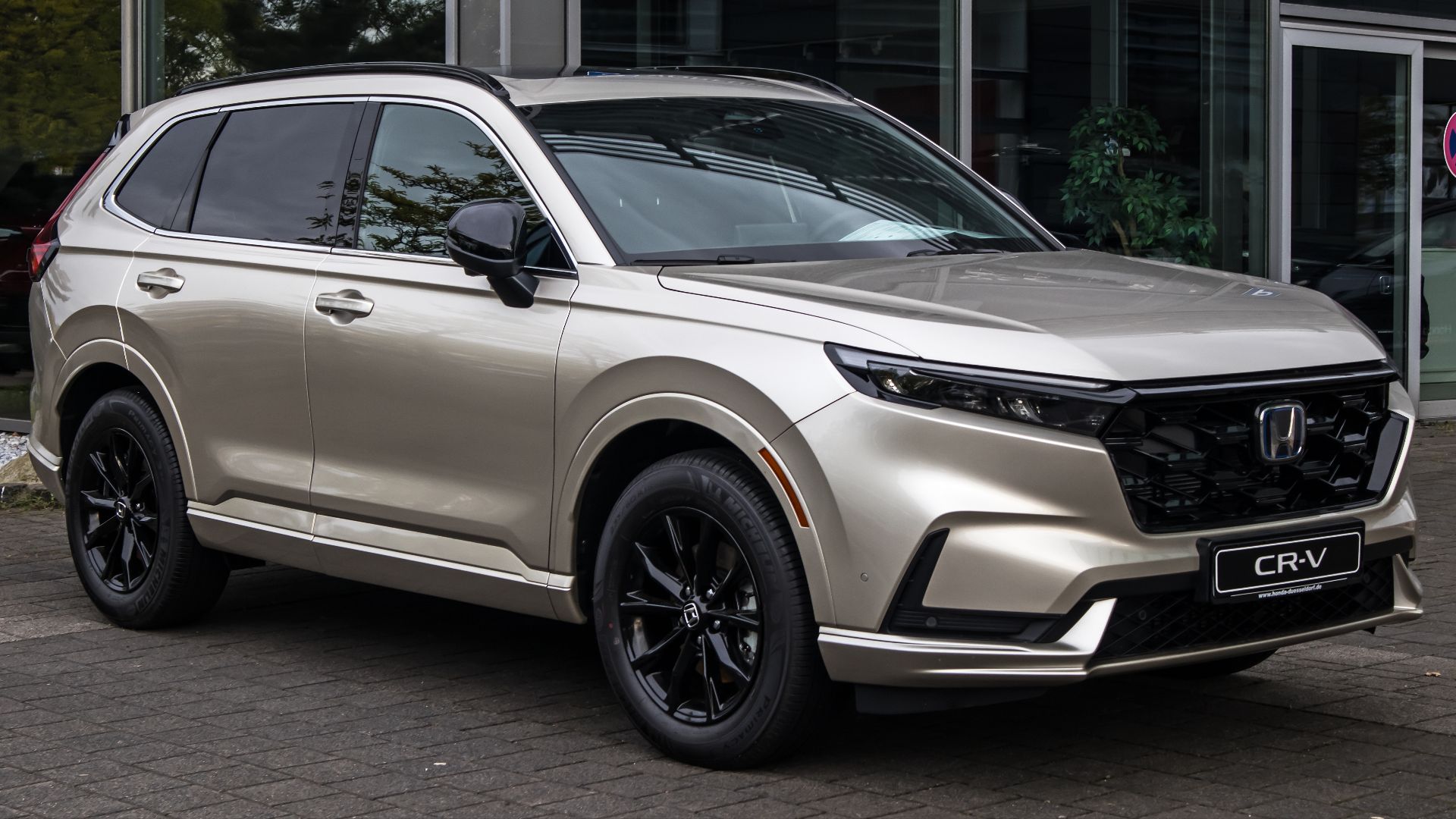
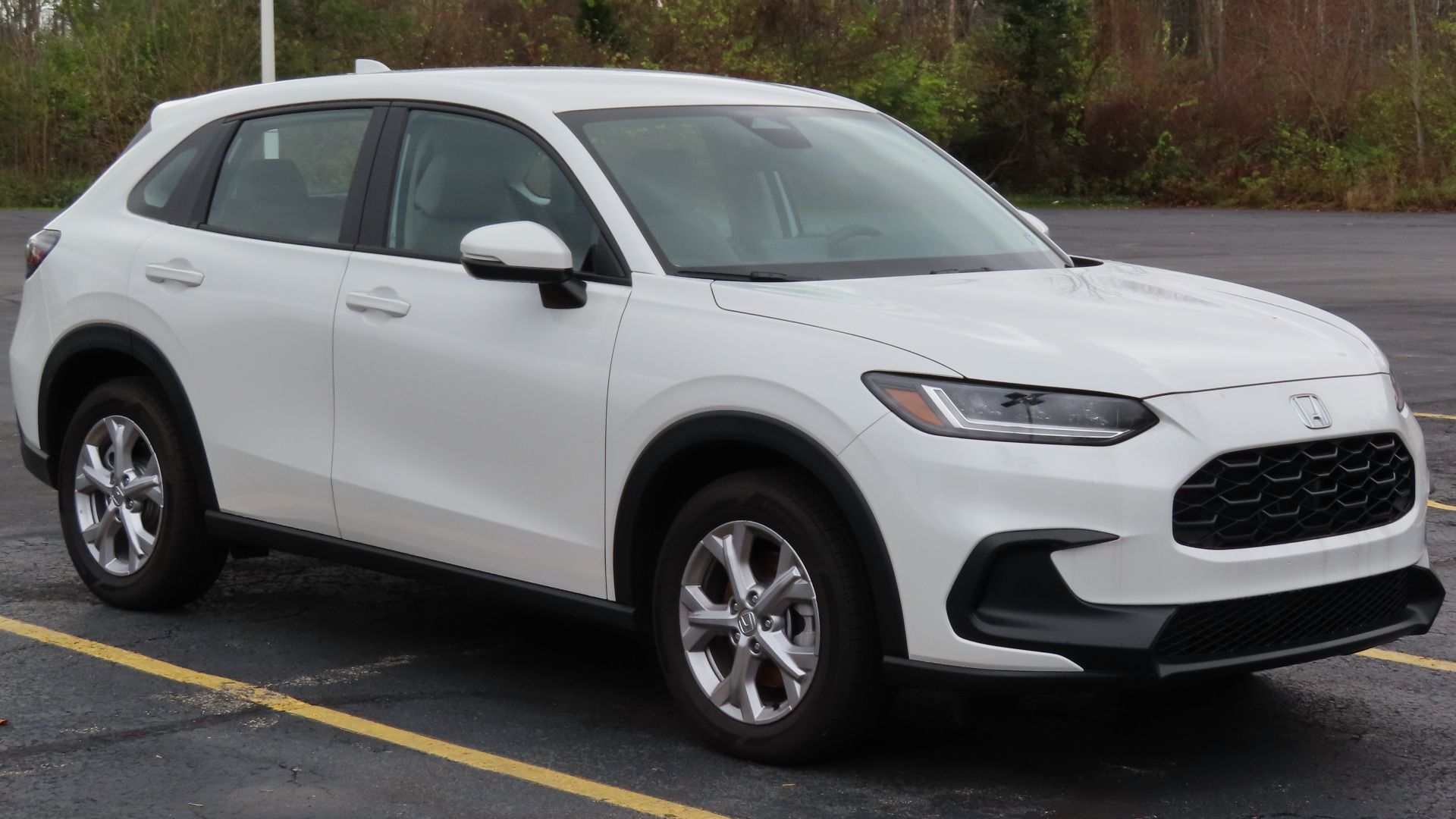
Honda HR-V
The Honda HR-V is basically the CR-V’s smaller, thriftier sibling, and its insurance costs land almost exactly in the same sweet spot. With an average annual premium around $1,936, it is easy to park, easy to live with, and surprisingly kind to drivers who hate surprise bills.
 MercurySable99, Wikimedia Commons
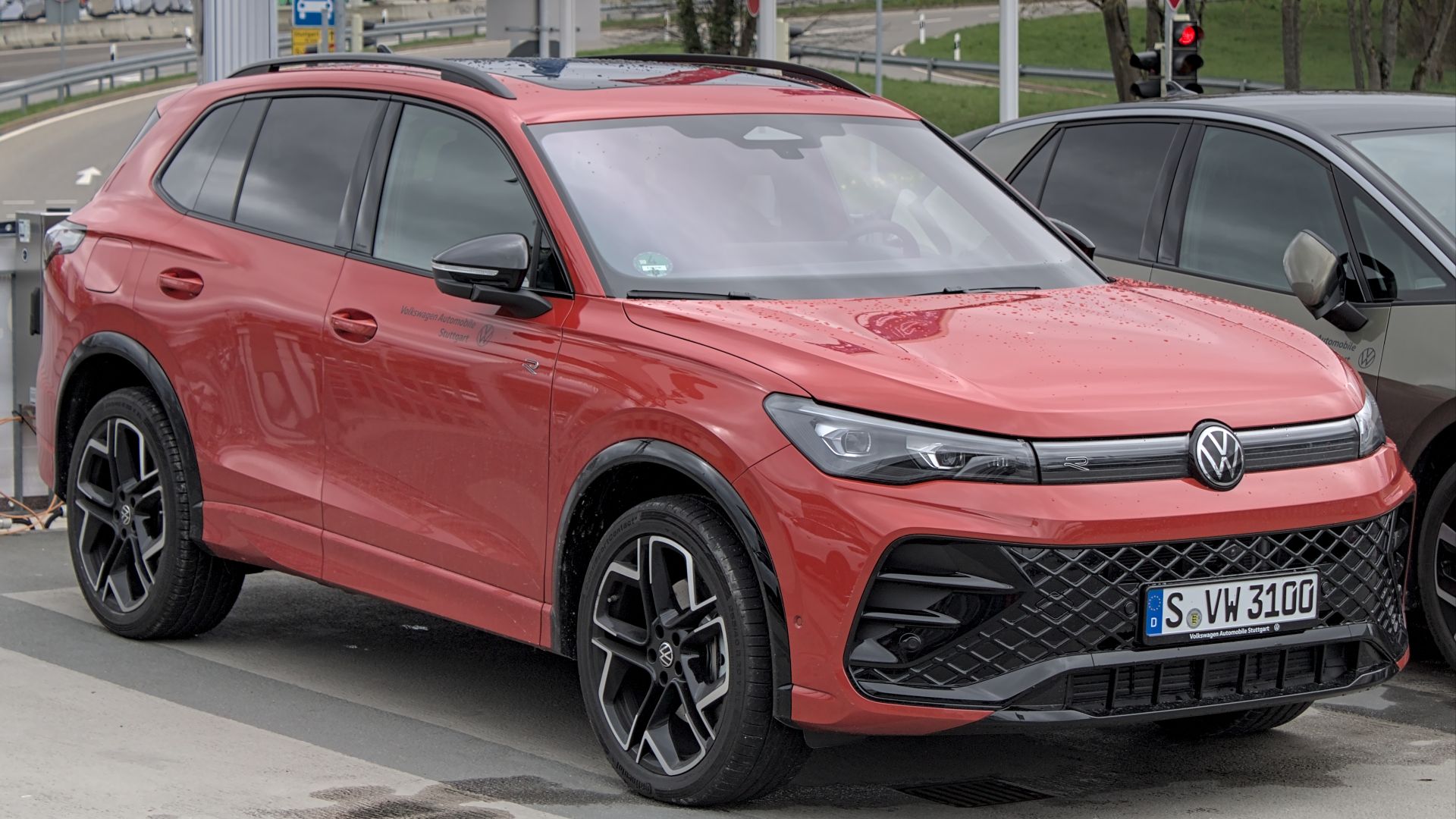
Volkswagen Tiguan
The Volkswagen Tiguan brings a little European flavor without the luxury-car insurance sting. Averaging about $1,979 per year, it offers space, comfort, and a grown-up cabin while still staying reasonable to repair and replace. It is practical, but not painfully plain.
 Alexander-93, Wikimedia Commons
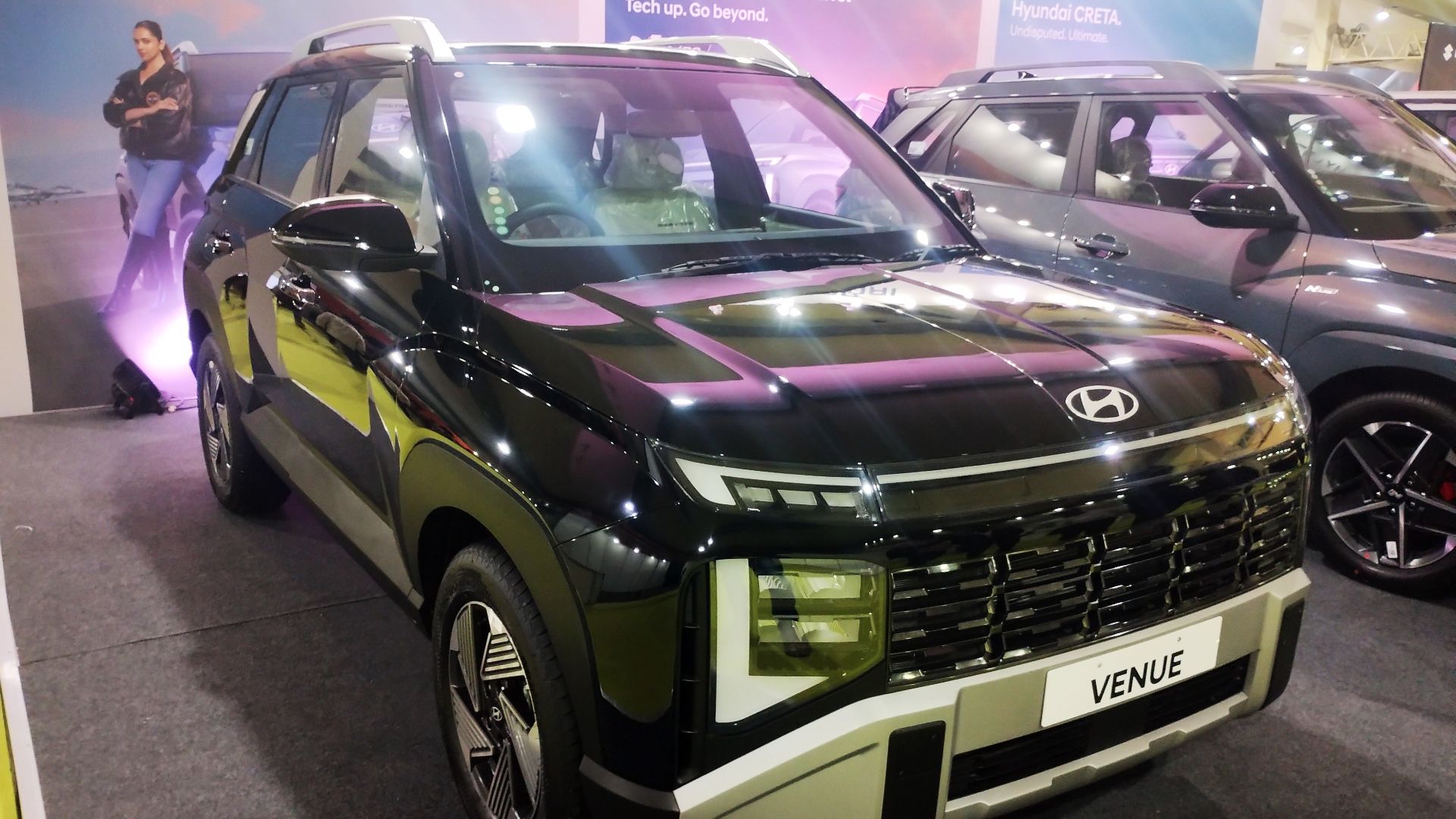
Hyundai Venue
The Hyundai Venue is small, cheerful, and refreshingly cheap to insure, with average annual coverage around $1,999. It is not the fastest thing on the block, but that is part of the charm. Lower power, simple packaging, and approachable pricing help keep premiums nicely under control.
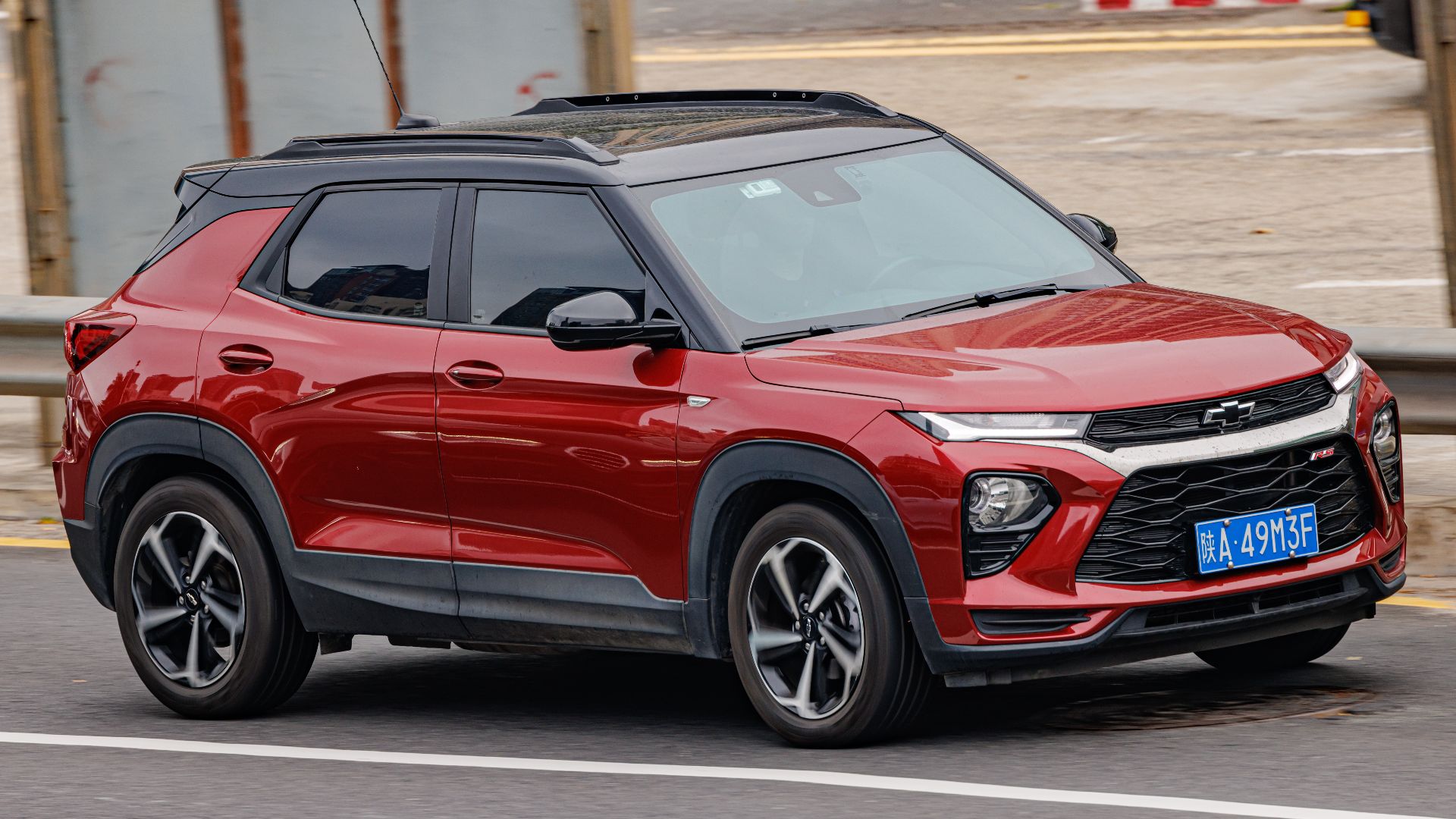
Chevrolet TrailBlazer
The Chevrolet TrailBlazer proves a stylish little crossover does not have to punish you at renewal time. Average insurance comes in around $2,012 per year, making it a strong pick for drivers who want SUV vibes, useful cargo space, and a premium that does not act dramatic.
 Dinkun Chen, Wikimedia Commons
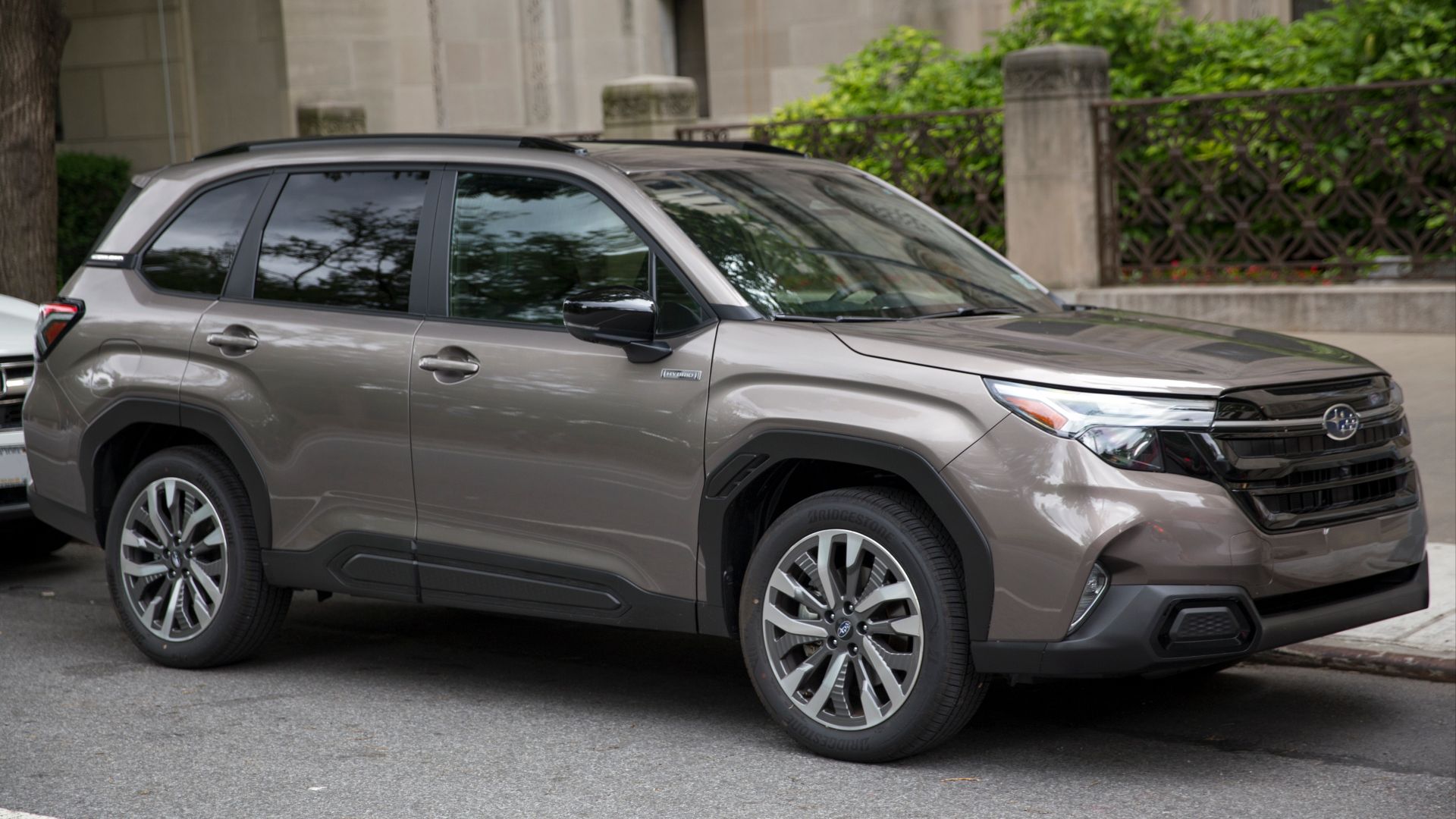
Subaru Forester
The Subaru Forester has long been the unofficial mascot of safe, outdoorsy common sense. For 2026, it averages about $2,013 per year to insure. Standard all-wheel drive, strong safety credibility, and a practical shape all help make it friendly to both drivers and insurance companies.
 Mr.choppers, Wikimedia Commons
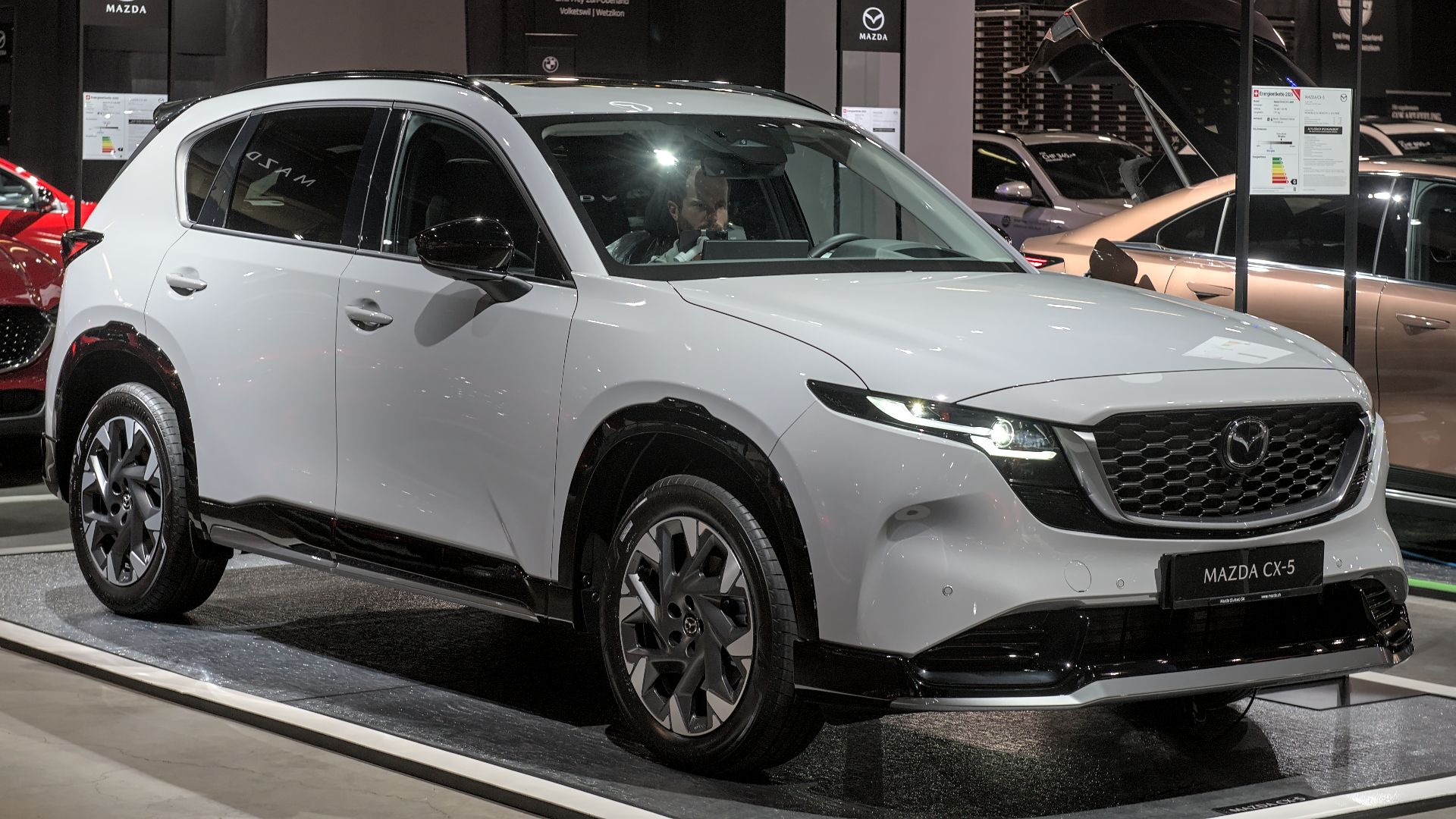
Mazda CX-5
The Mazda CX-5 feels more polished than its insurance rate suggests. At about $2,021 per year, it gives you handsome styling, a nicer-than-average interior, and fun-to-drive manners without drifting into expensive-to-insure territory. It is the rare sensible choice that still has personality.
 Alexander Migl, Wikimedia Commons
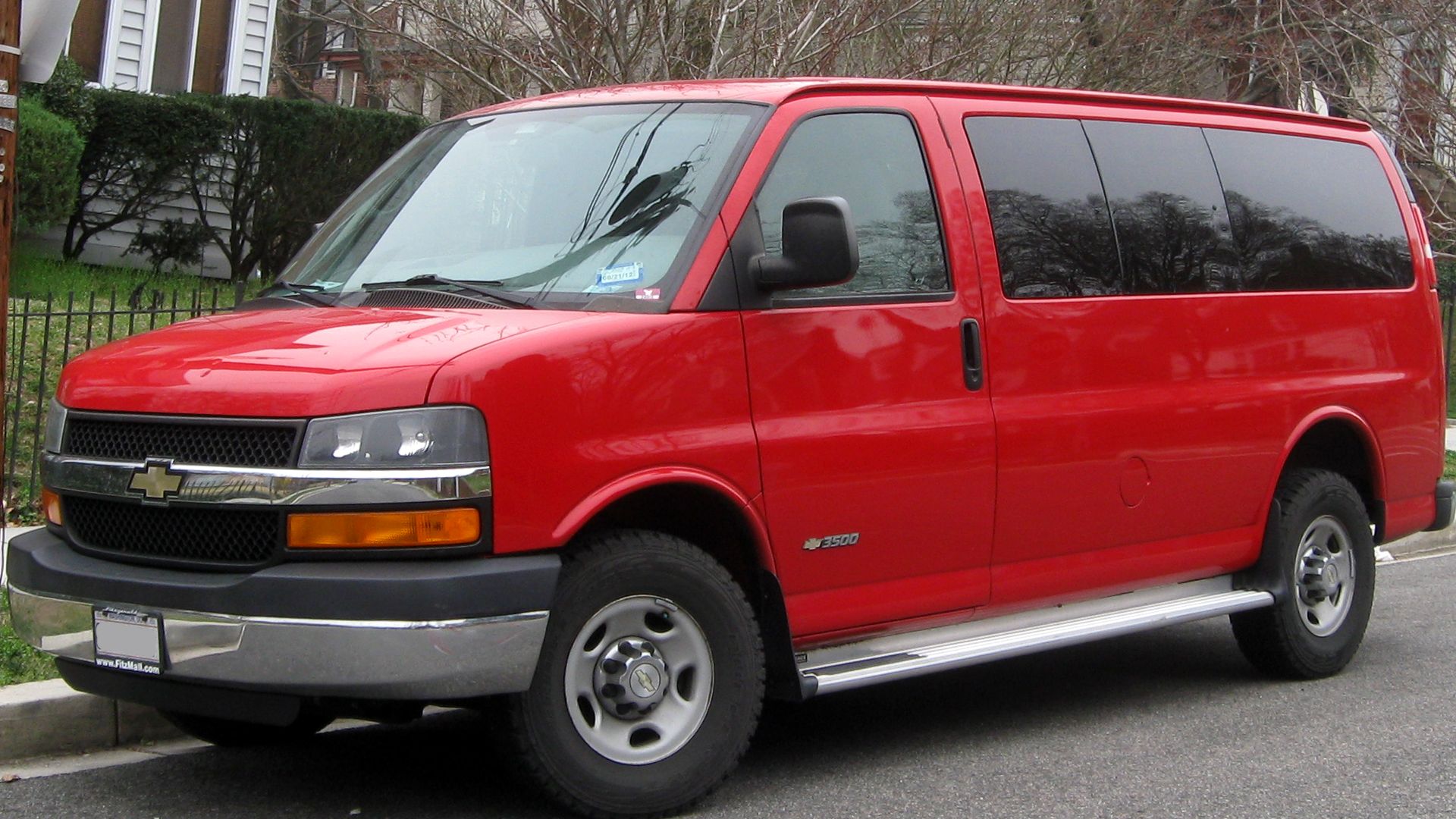
Chevrolet Express
The Chevrolet Express is not glamorous, unless your idea of glamour is hauling everything you own in one trip. Still, with average insurance around $2,035 per year, this old-school van benefits from simple mechanicals, broad parts availability, and a workhorse reputation that insurers understand.
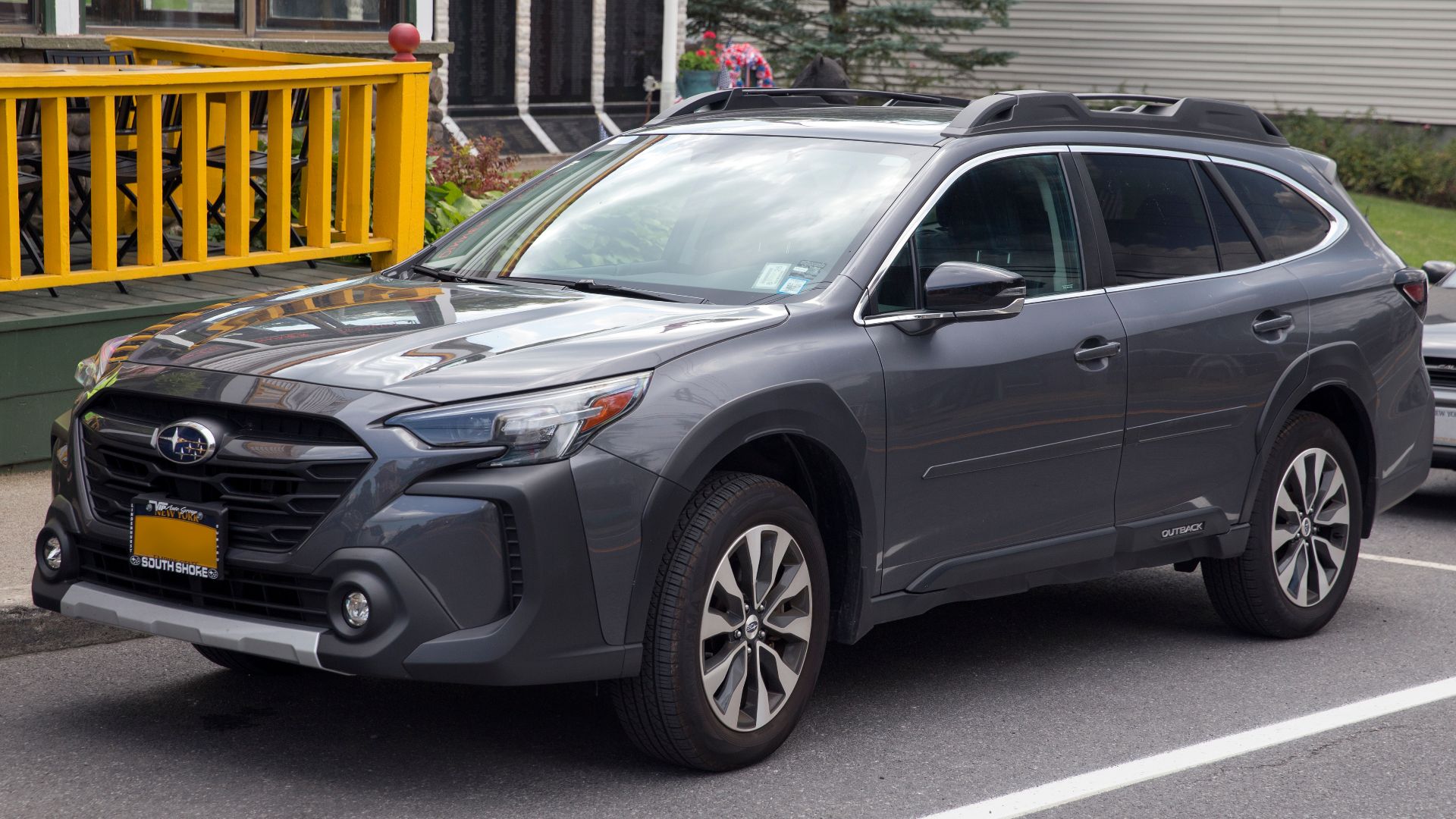
Subaru Outback
The Subaru Outback is the wagon-crossover-whatever that refuses to quit, and insurers seem to respect its sensible nature. Average annual insurance is about $2,042. It is safe, roomy, all-weather friendly, and wonderfully unflashy, which is exactly the recipe for keeping premiums tame.
 Mr.choppers, Wikimedia Commons
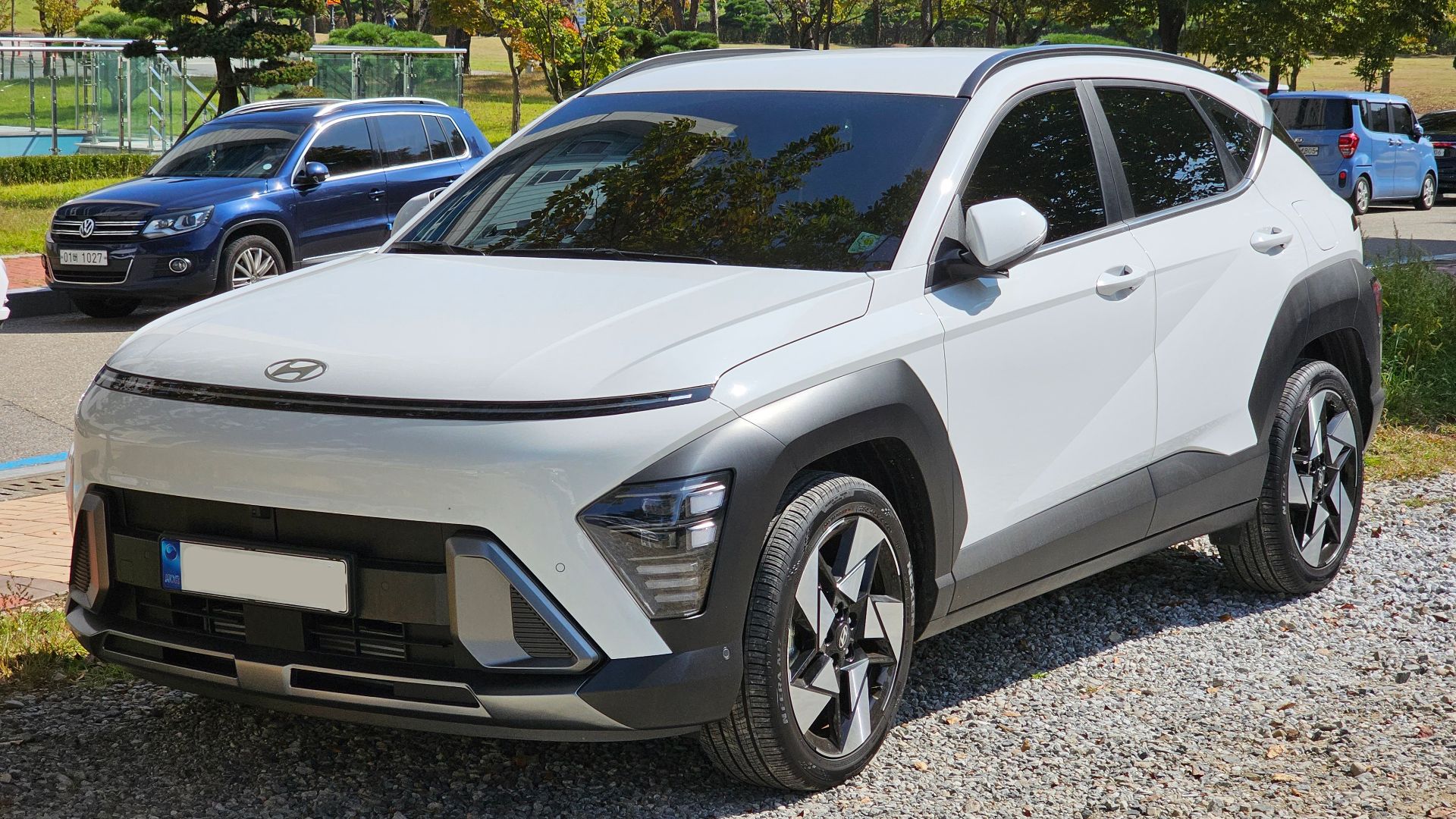
Hyundai Kona
The Hyundai Kona adds a little funk to the cheap-to-insure crowd. With average annual insurance around $2,048, it brings compact sizing, good safety equipment, and youthful styling without pushing into pricey performance territory. It is fun enough for daily life and sensible enough for renewal day.
 Damian B Oh, Wikimedia Commons
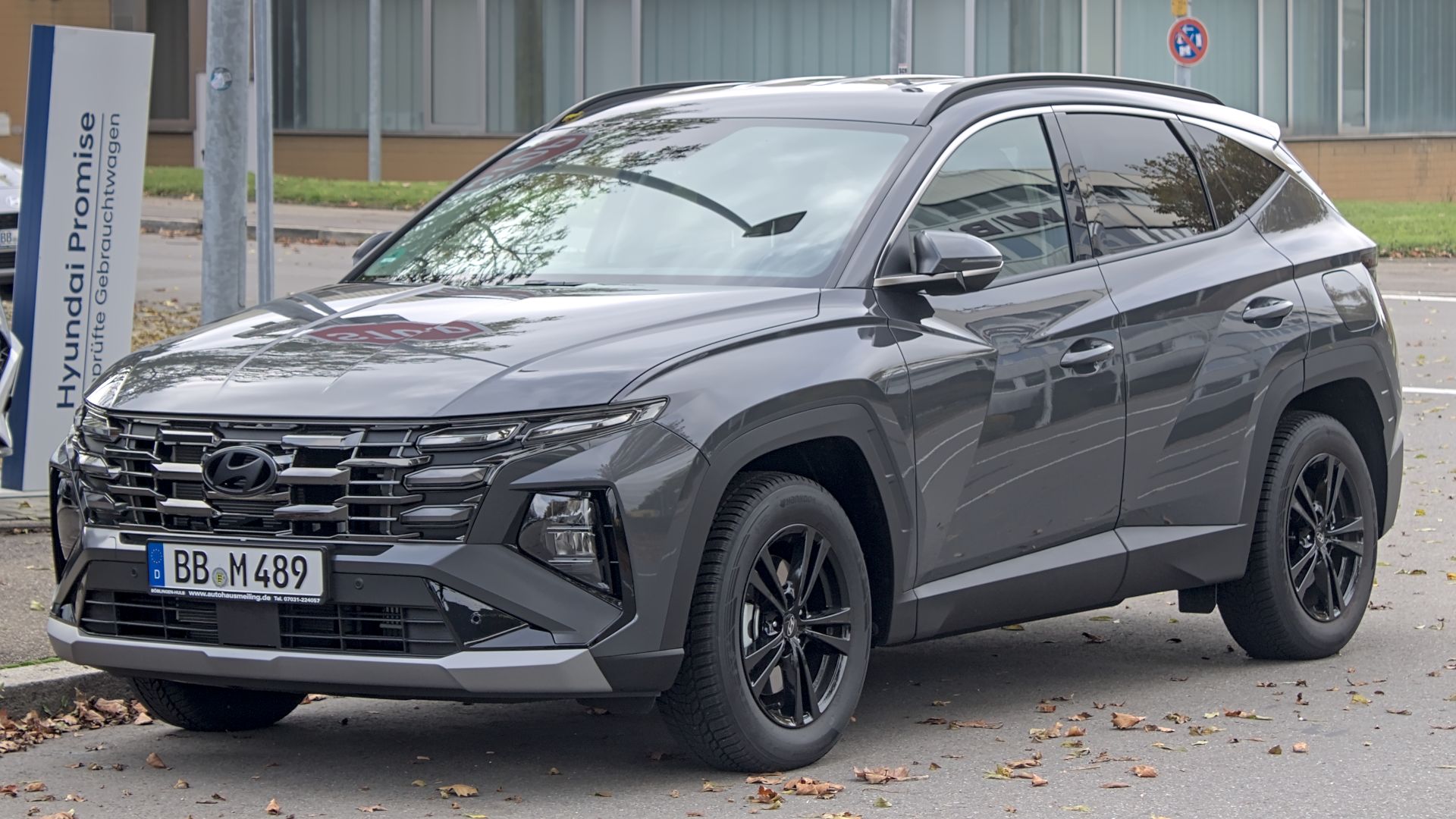
Hyundai Tucson
The Hyundai Tucson looks sharp, but its insurance costs are surprisingly relaxed. Averaging about $2,062 per year, it offers family-friendly space, modern tech, and strong value. It is proof that a crossover can look current and still avoid the “expensive car” penalty.
 Alexander-93, Wikimedia Commons
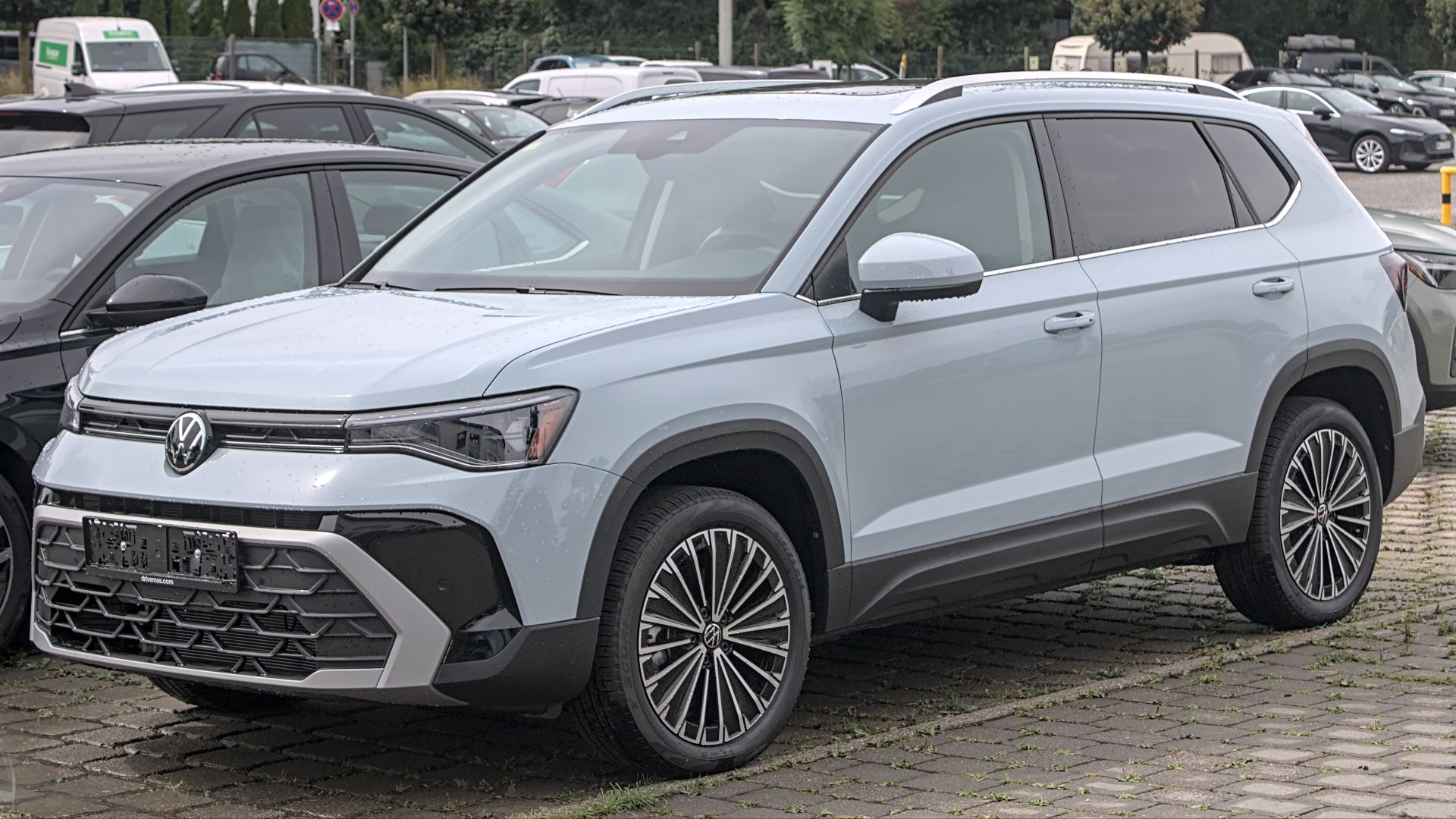
Volkswagen Taos
The Volkswagen Taos is another compact SUV that sneaks onto the money-saving list. Average insurance sits around $2,064 per year, and its formula is simple: reasonable price, useful size, modest performance, and enough practicality to keep risk calculations from getting too spicy.
 Alexander Migl, Wikimedia Commons
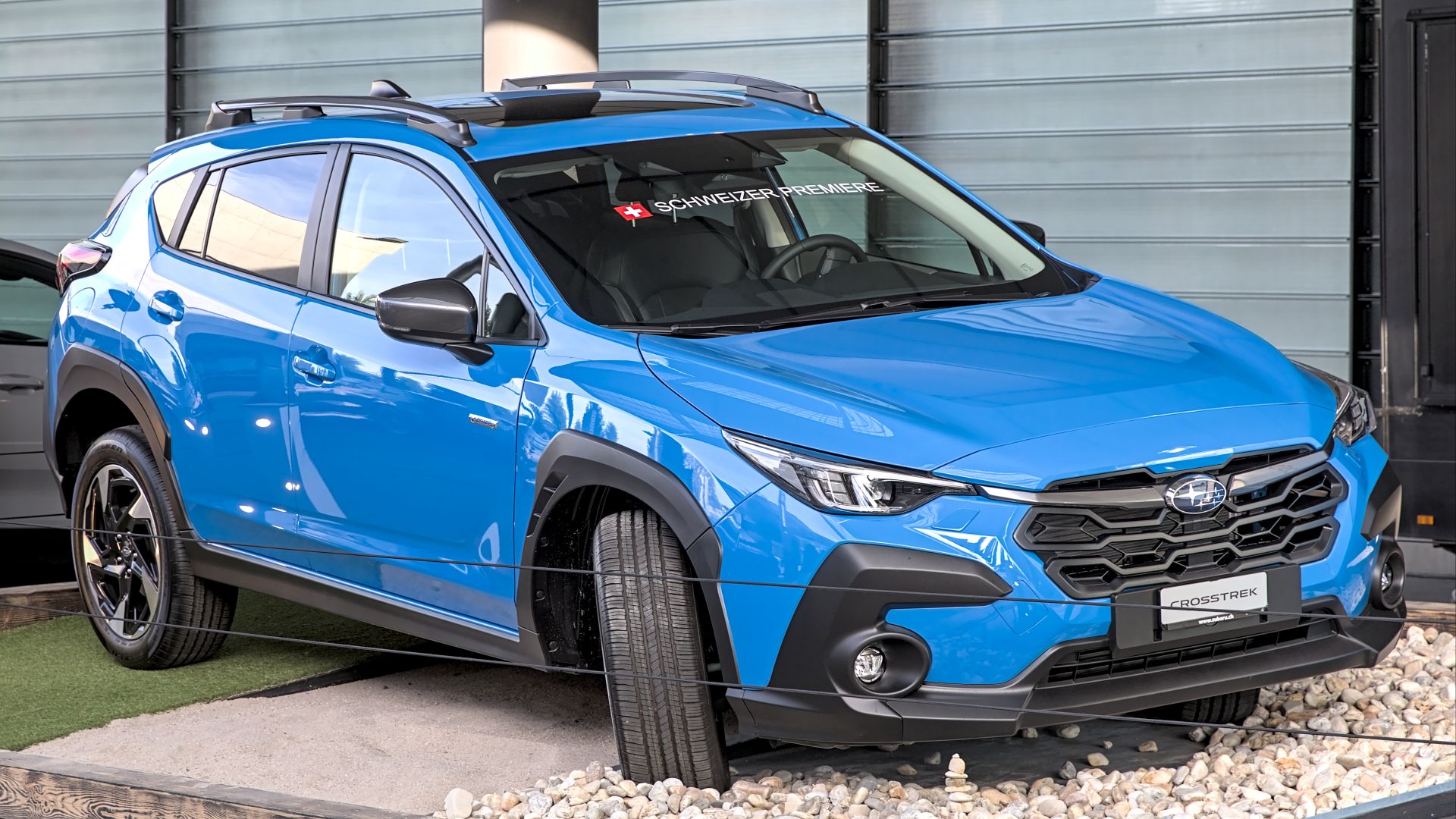
Subaru Crosstrek
The Subaru Crosstrek is a favorite among people who own hiking boots, dogs, roof boxes, or all three. It averages about $2,064 per year to insure, thanks to its manageable size, standard all-wheel drive, safety reputation, and low-drama personality. Adventure, but make it responsible.
 Alexander-93, Wikimedia Commons
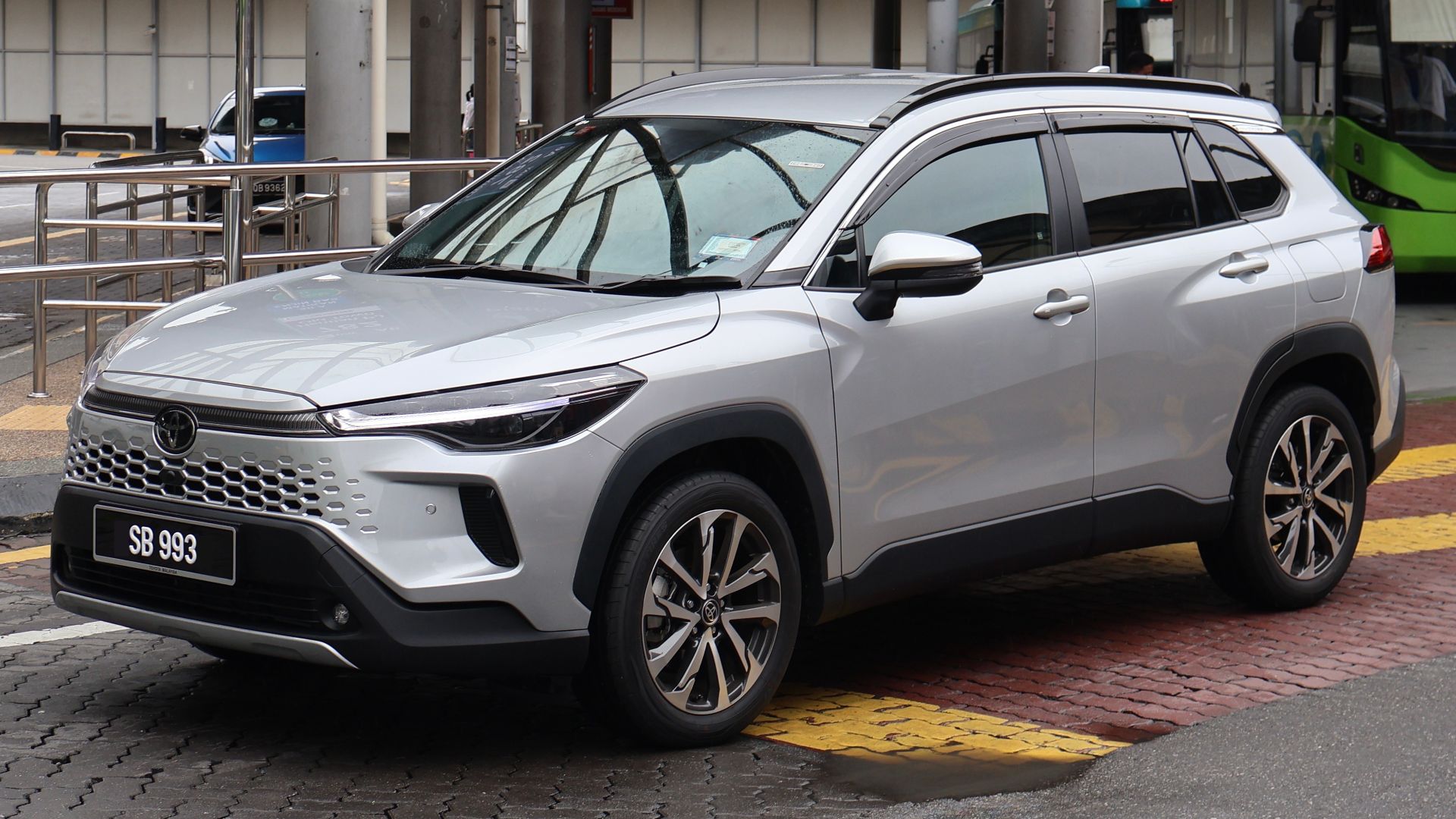
Toyota Corolla Cross
The Toyota Corolla Cross takes everything people trust about the Corolla and lifts it into a small SUV shape. With average annual insurance around $2,066, it is practical, efficient, and refreshingly normal. Sometimes “normal” is not an insult; it is an insurance discount wearing a Toyota badge.
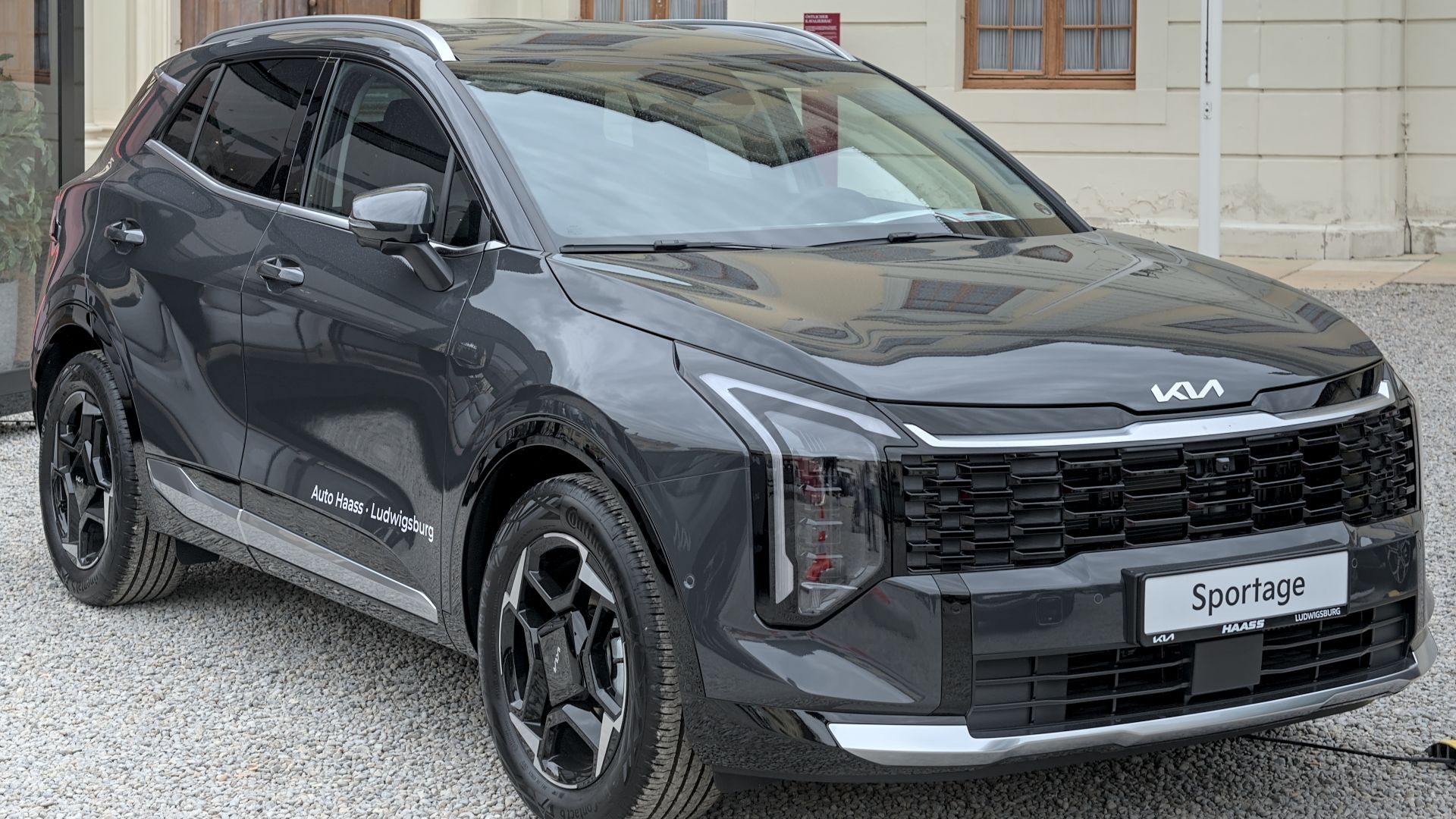
Kia Sportage
The Kia Sportage brings bold styling and useful features while keeping insurance costs surprisingly grounded. Average annual coverage lands around $2,069. It looks more expensive than it is, which is always satisfying, especially when the insurance bill does not ruin the illusion.
 Alexander Migl, Wikimedia Commons
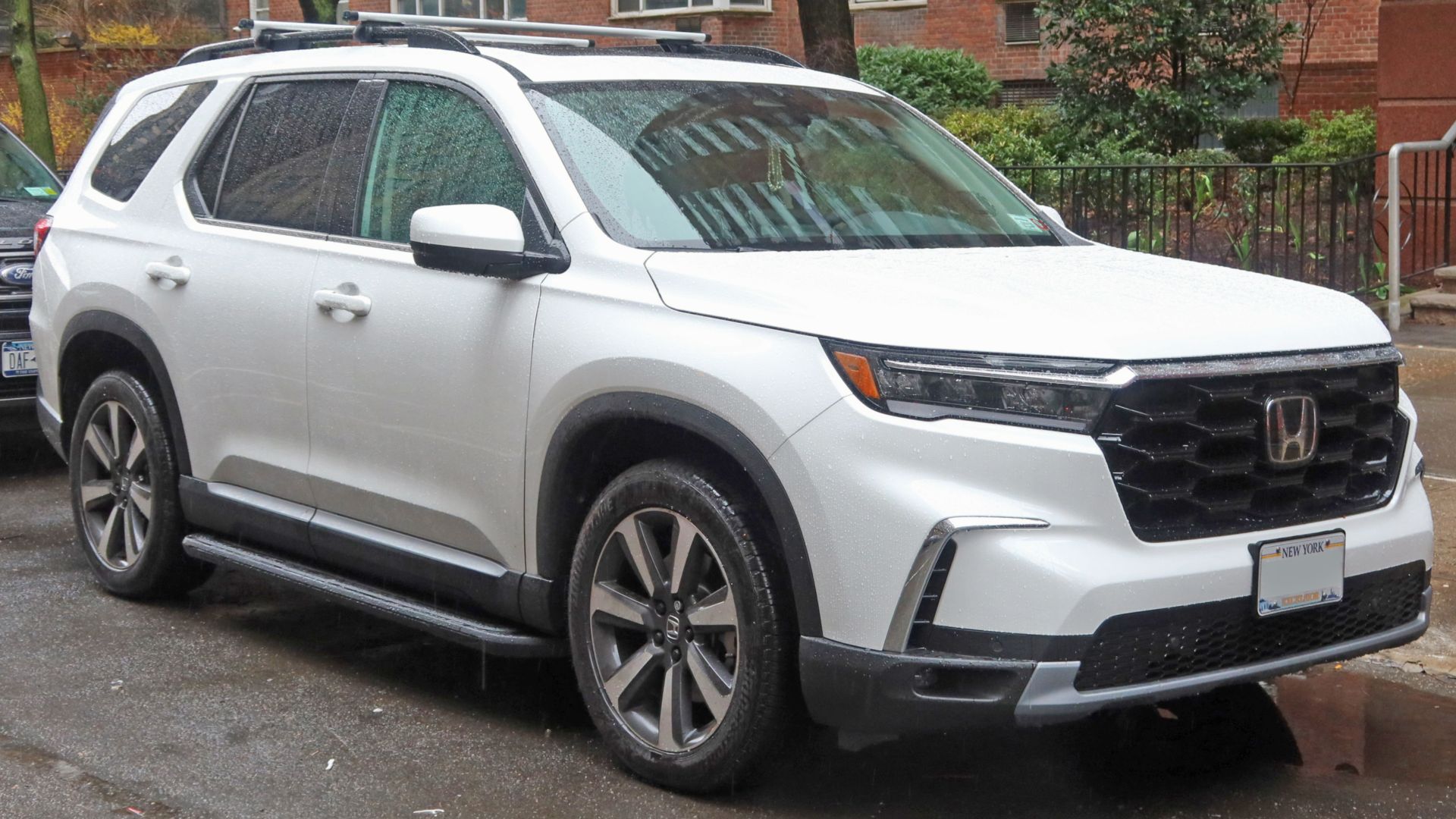
Honda Pilot
The Honda Pilot is bigger than many vehicles on this list, but it still keeps premiums reasonable at about $2,076 per year. Why? It is a family SUV with a strong safety focus, not a luxury missile. For three-row shoppers, that is very good news.
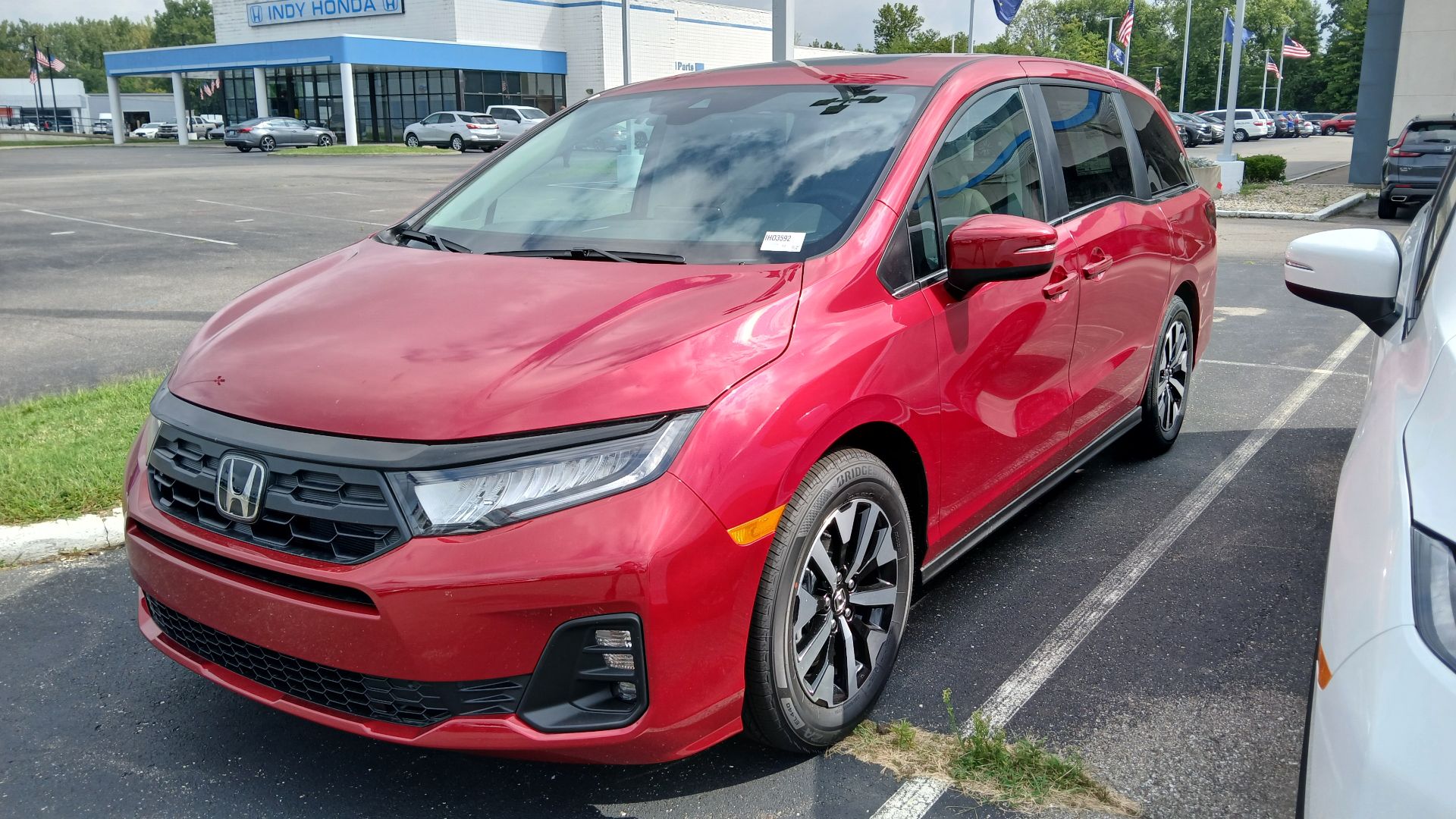
Honda Odyssey
Minivans are not always cool, but they are secretly brilliant. The Honda Odyssey averages about $2,080 per year to insure, helped by its family-hauler mission, safety features, and practical design. It may not impress the valet, but it can absolutely impress your insurance agent.
 Deathpallie325, Wikimedia Commons
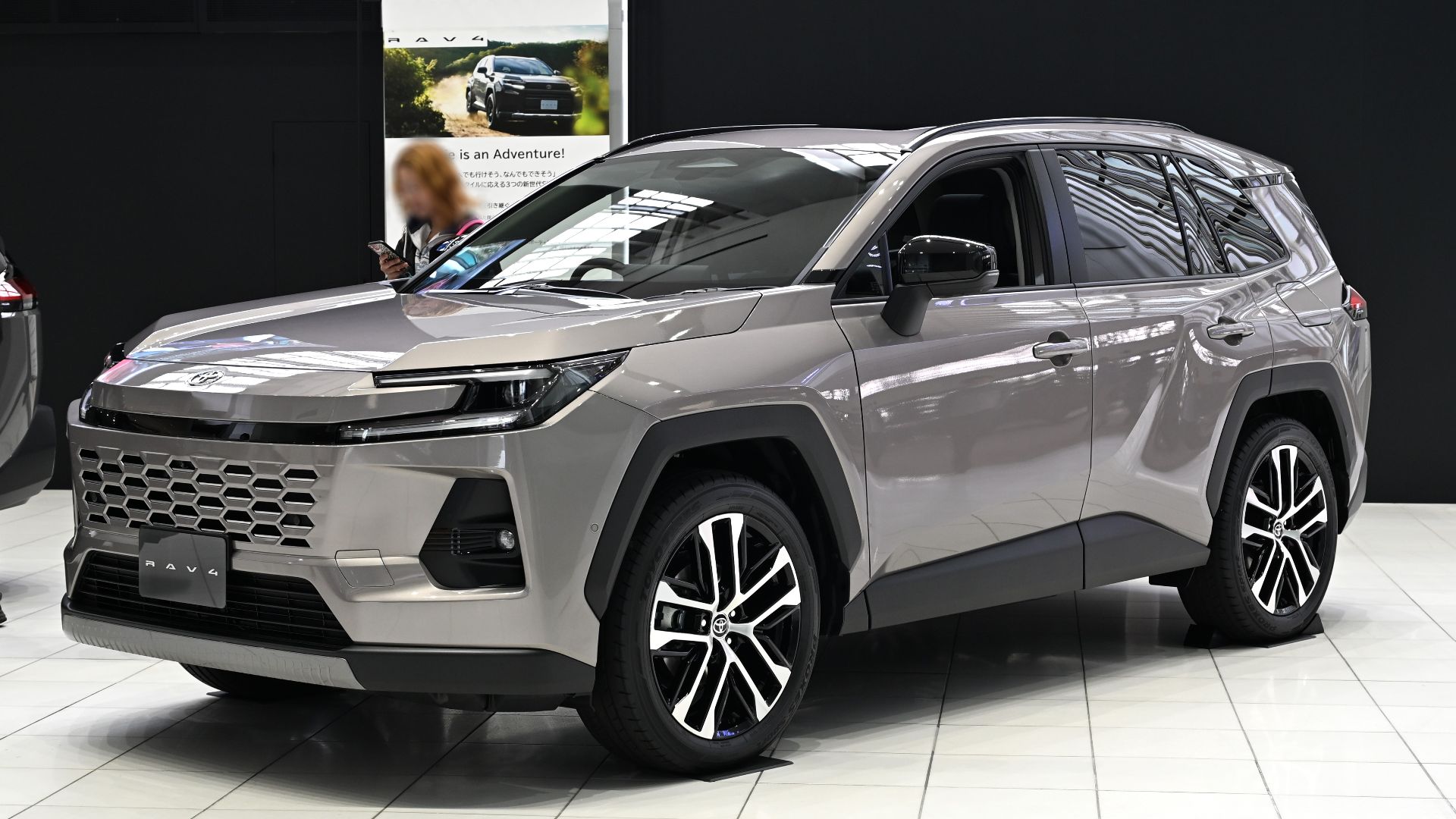
Toyota RAV4
The Toyota RAV4 is everywhere for a reason: it is dependable, practical, and easy to recommend. Average insurance comes in around $2,085 per year. Its popularity also helps because parts, repairs, and claims history are familiar territory for insurers. Boring? Maybe. Smart? Definitely.
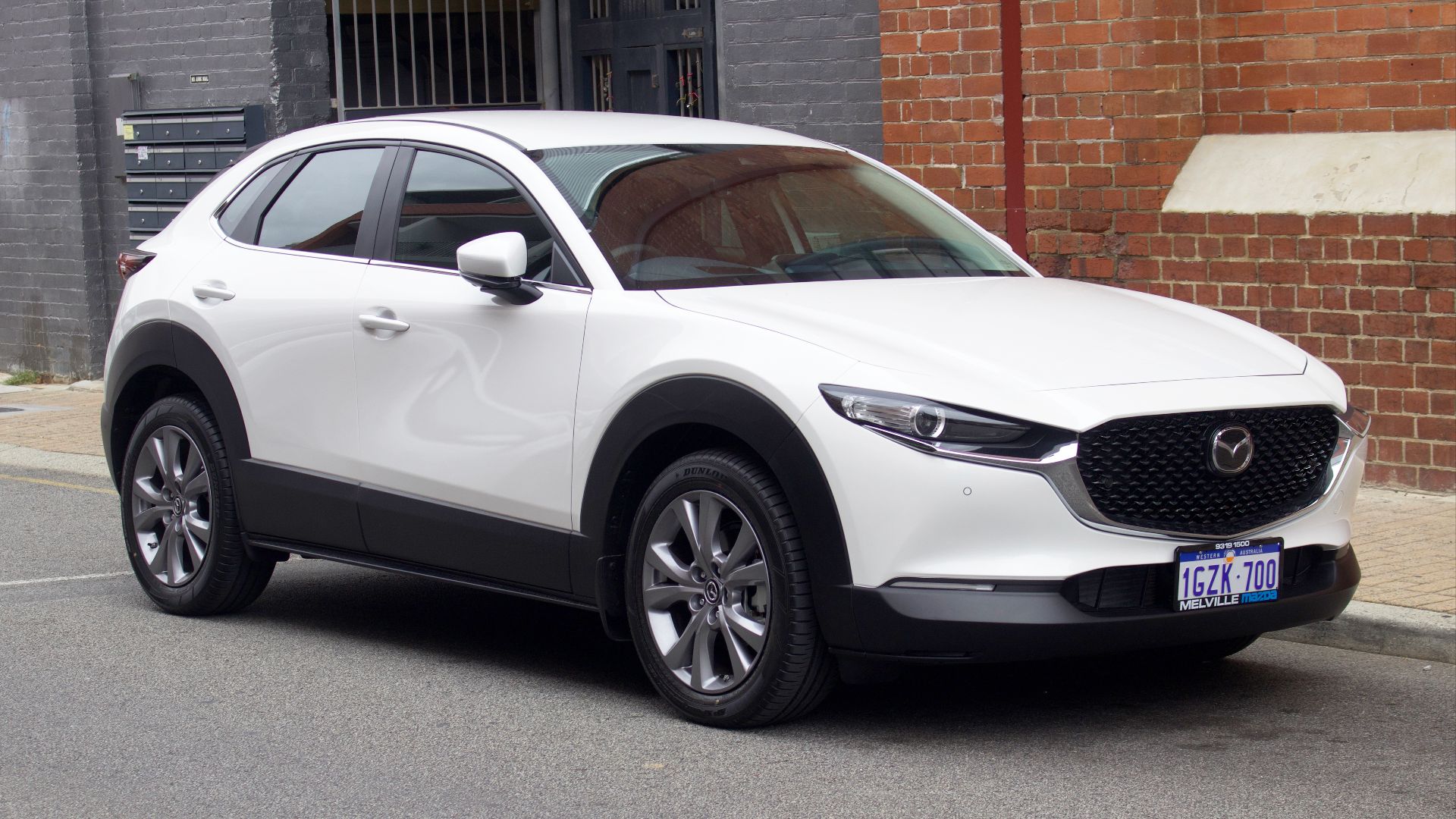
Mazda CX-30
The Mazda CX-30 gives small-crossover shoppers a dose of style without a luxury-brand bill. Average annual insurance is about $2,086. It feels upscale inside, drives nicely, and still sits in a manageable price and risk zone, which is exactly where bargain hunters want to be.
 EurovisionNim, Wikimedia Commons
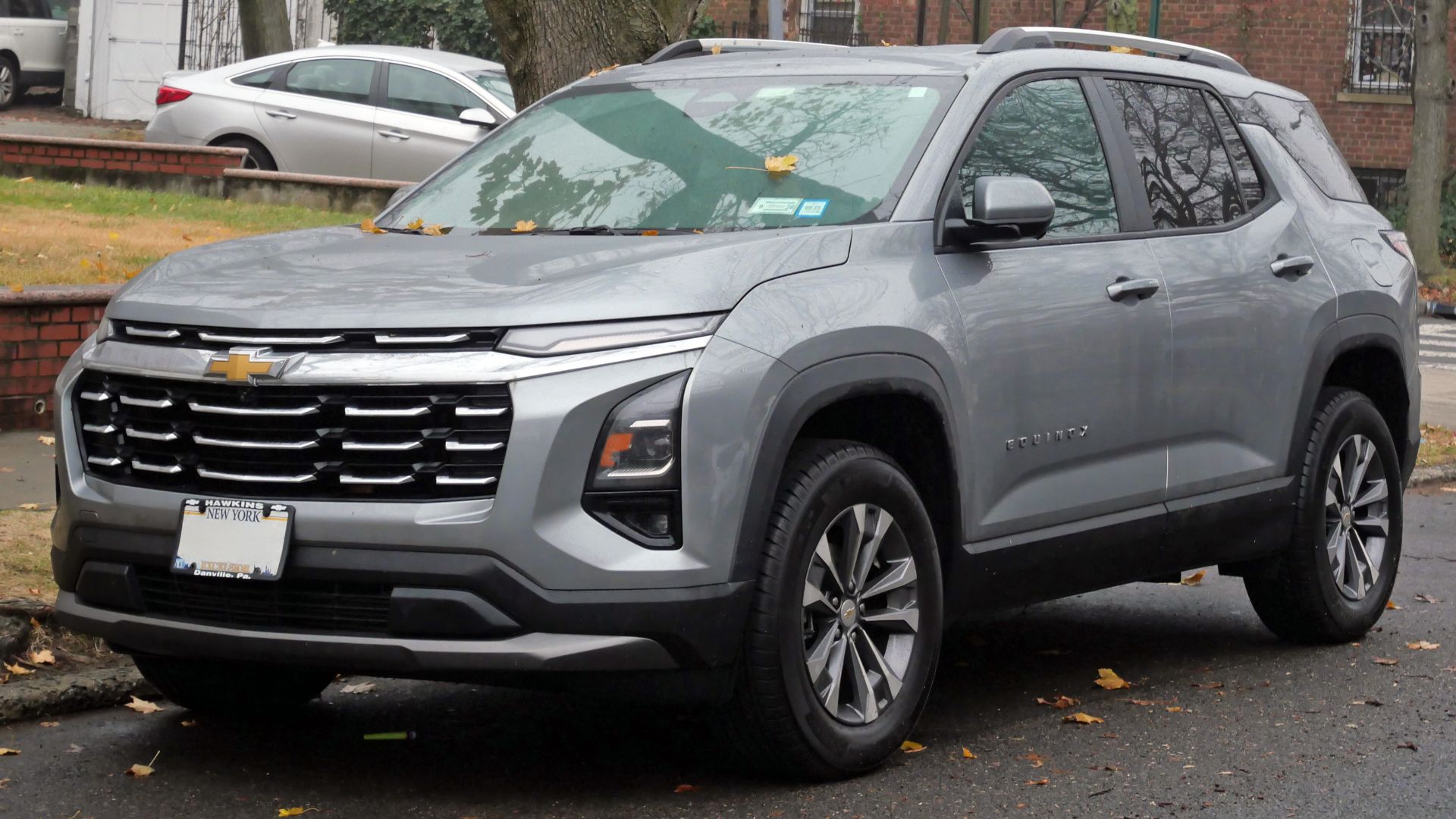
Chevrolet Equinox
The Chevrolet Equinox is a mainstream crossover doing mainstream crossover things, and that is a compliment here. With average insurance around $2,090 per year, it benefits from wide availability, practical pricing, and family-focused design. Nothing too wild, nothing too precious, just affordable everyday usefulness.
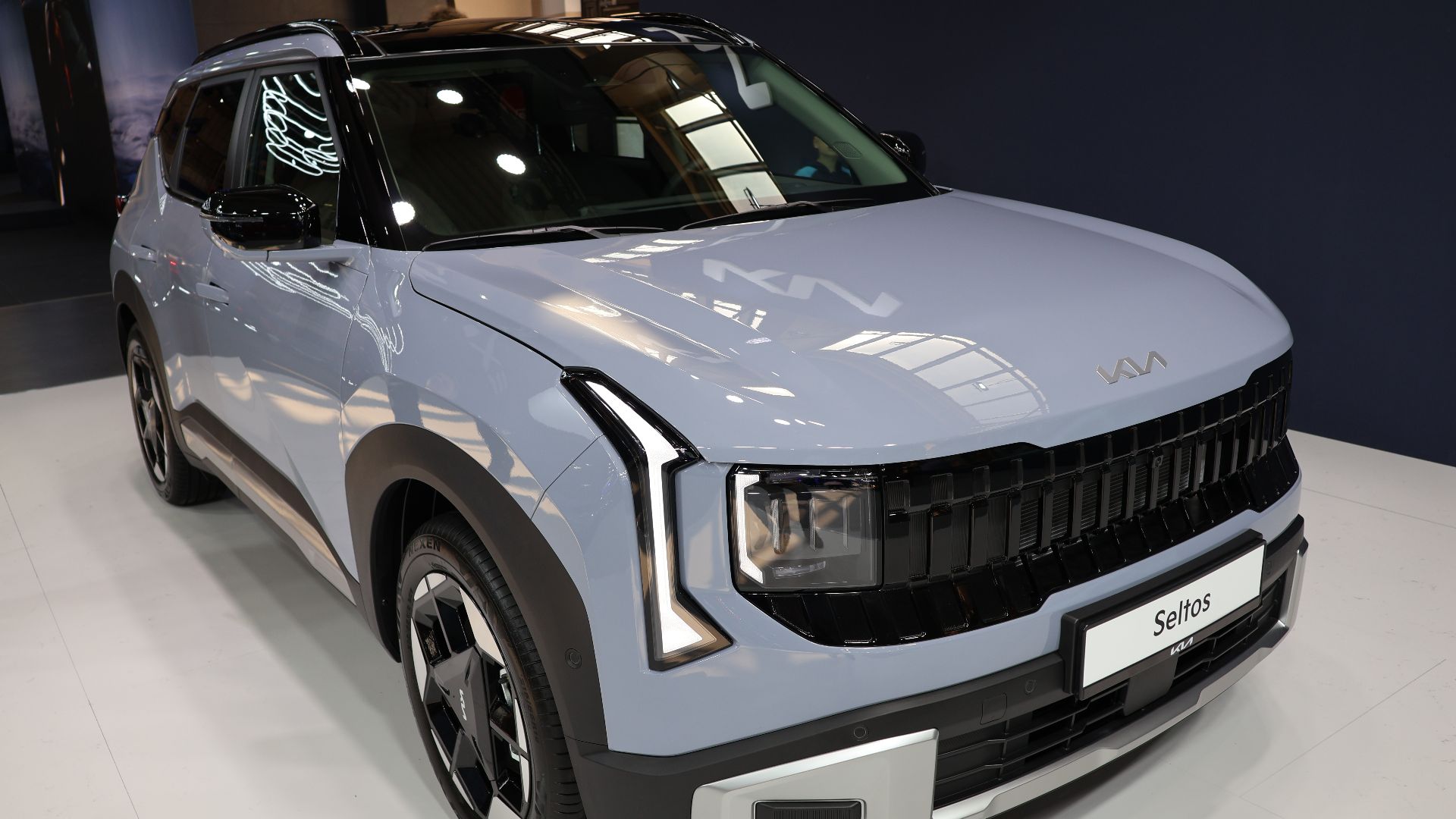
Kia Seltos
The Kia Seltos is compact, stylish, and surprisingly easy on insurance costs, averaging about $2,094 per year. It has enough attitude to stand out in a parking lot, but not so much performance or complexity that insurers start clutching their calculators.
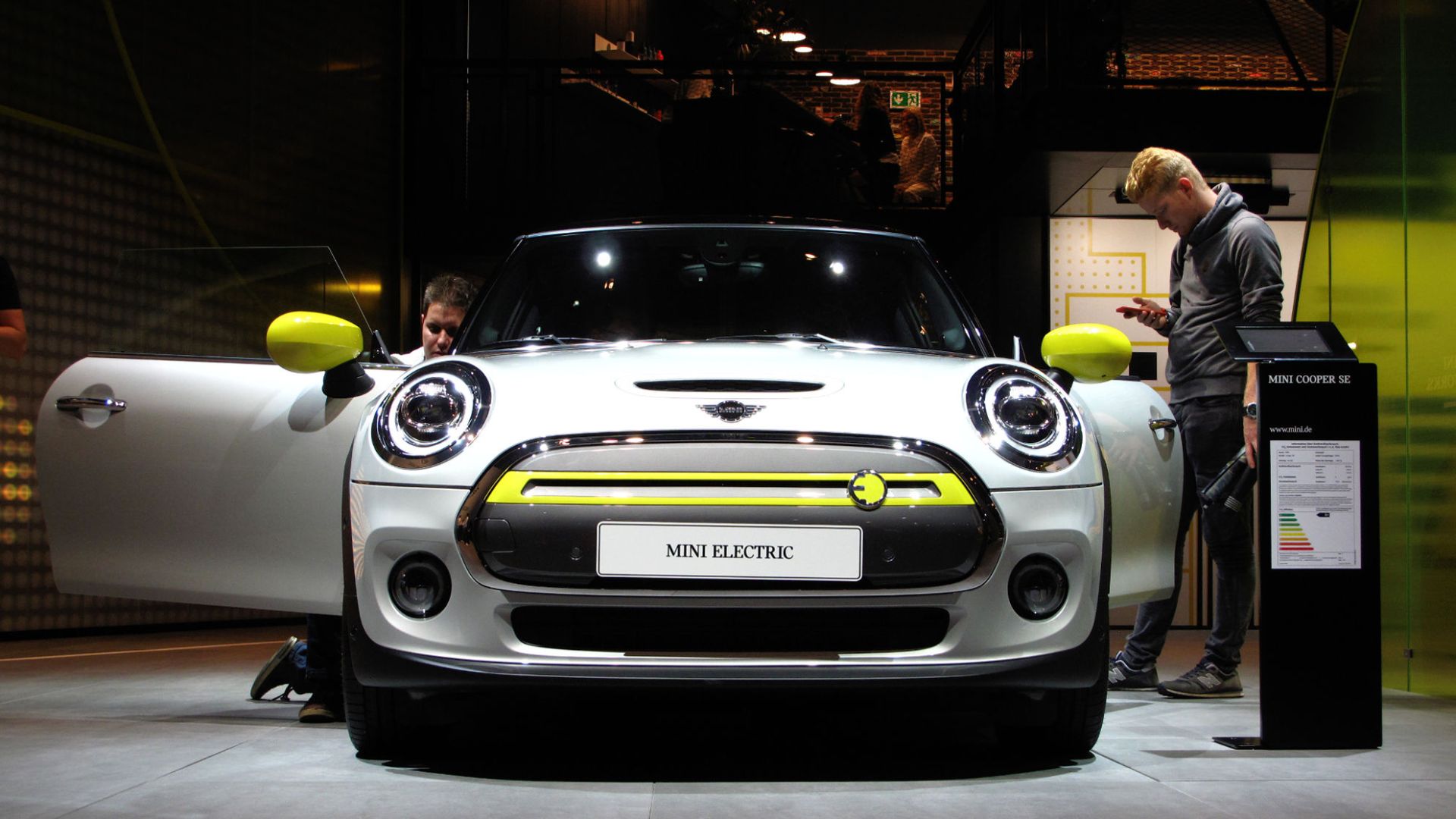
Mini Cooper Electric
The Mini Cooper Electric is one of the more surprising names here, averaging about $2,099 per year to insure. EVs can be pricey to cover, but this little Mini’s compact size and lower-cost positioning help it stay more approachable than many battery-powered alternatives.
 Rutger van der Maar from Leiden, The Netherlands, Wikimedia Commons
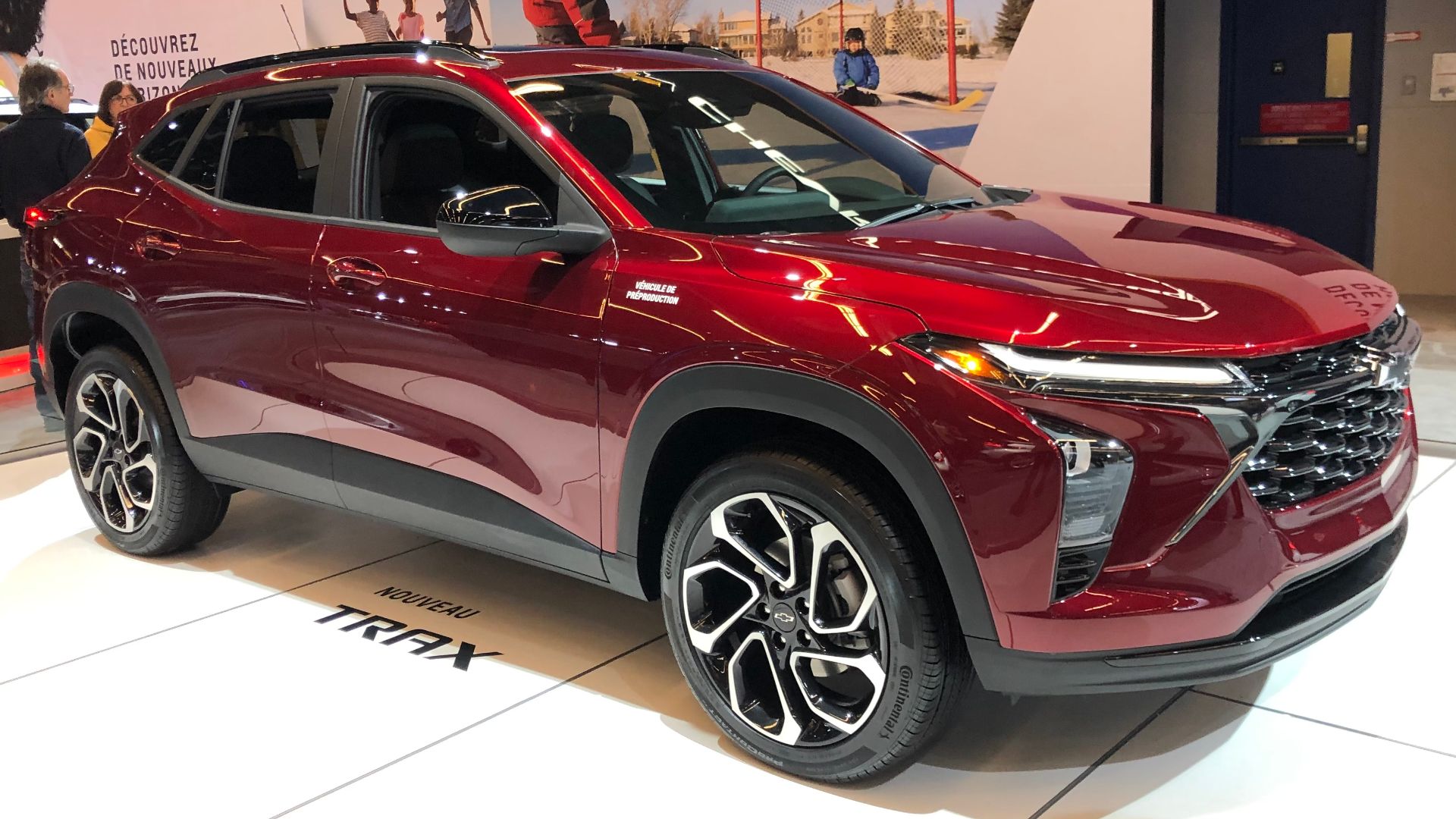
Chevrolet Trax
The Chevrolet Trax is built for buyers who want affordable transportation with a little crossover attitude. Average insurance is around $2,102 per year, making it one of the cheaper choices for 2026. It is simple, useful, and happily uninterested in draining your checking account.
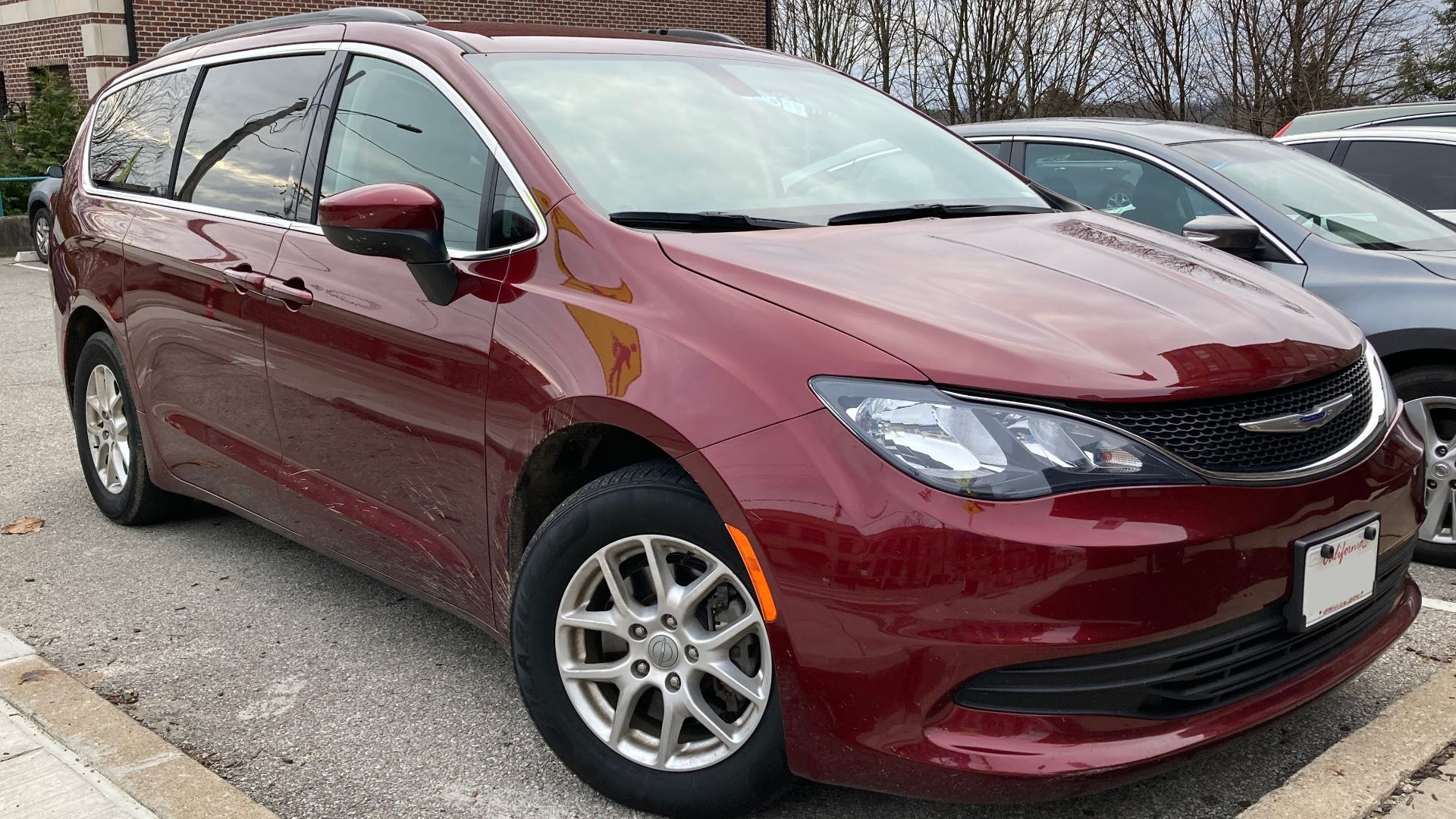
Chrysler Voyager
The Chrysler Voyager is a budget-minded minivan, and its insurance costs match the theme. Averaging about $2,102 per year, it is made for school runs, airport pickups, and snack-covered road trips. Insurers tend to like practical family vehicles, and the Voyager fits the brief.
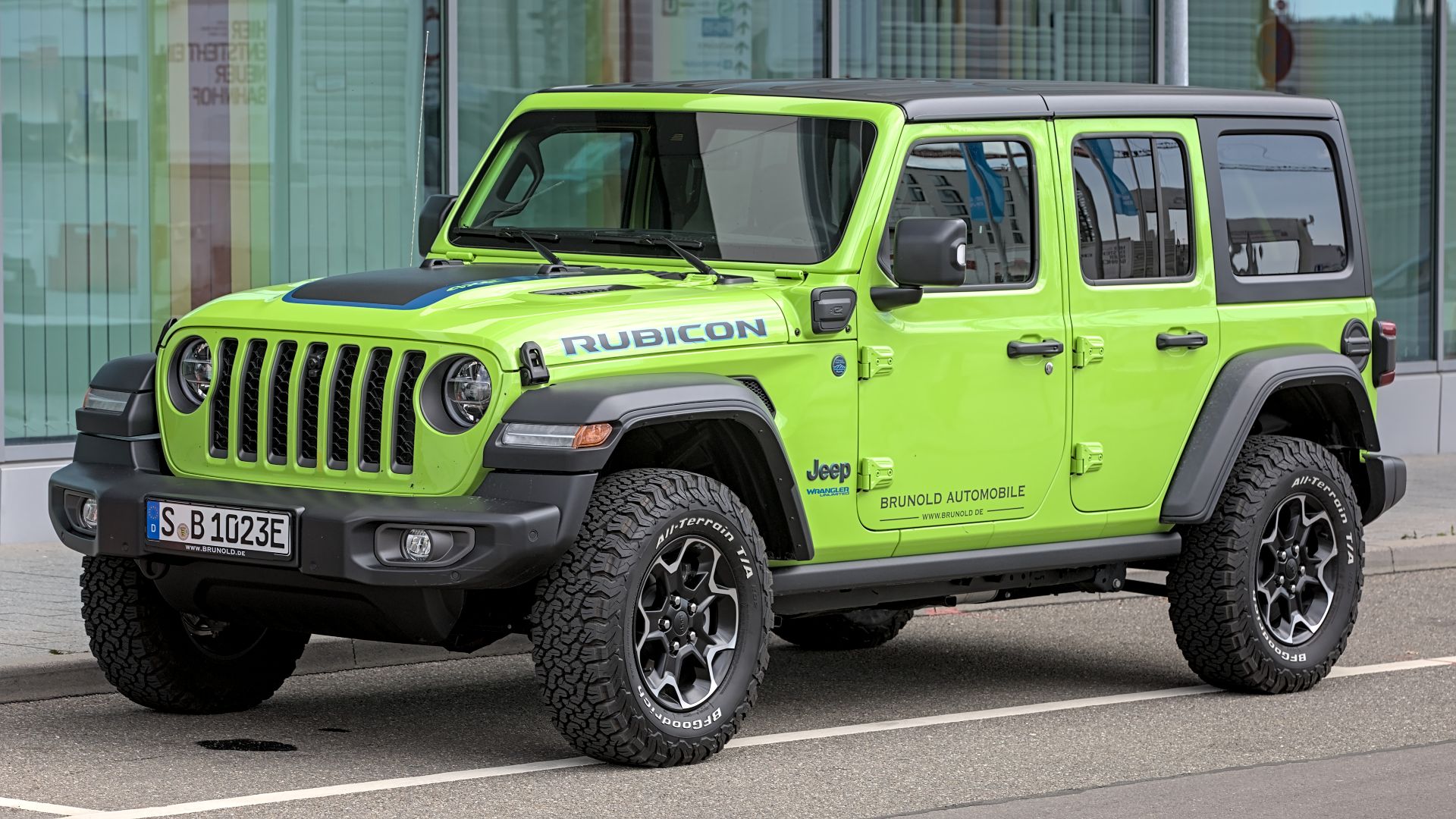
Jeep Wrangler
The Jeep Wrangler squeaks into the top 25 with average insurance around $2,104 per year. That may surprise anyone who pictures lifted tires and muddy weekends, but its strong resale value, recognizable parts market, and loyal ownership base help keep it more affordable than expected.
 Alexander Migl, Wikimedia Commons
Cheap To Insure Usually Means Smart To Own
The big lesson for 2026 is simple: safe, practical, mainstream vehicles usually win the insurance game. Compact SUVs dominate, but minivans, small crossovers, and even a few surprises make the cut. Before buying anything, compare quotes by exact trim and ZIP code—because the cheapest car is even better when it is cheapest for you.
You May Also Like: