
The Fast And The Unusual
Car designers have spent more than a century trying to make automobiles faster, safer, and more eye-catching. While engines and styling usually take he spotlight, some manufacturers decided the doors deserved just as much attention. Whether created to solve engineering problems or simply make a dramatic entrance, these unconventional designs became defining features of some of the world's most memorable vehicles.
 ClassicCarPhoto, Shutterstock Images
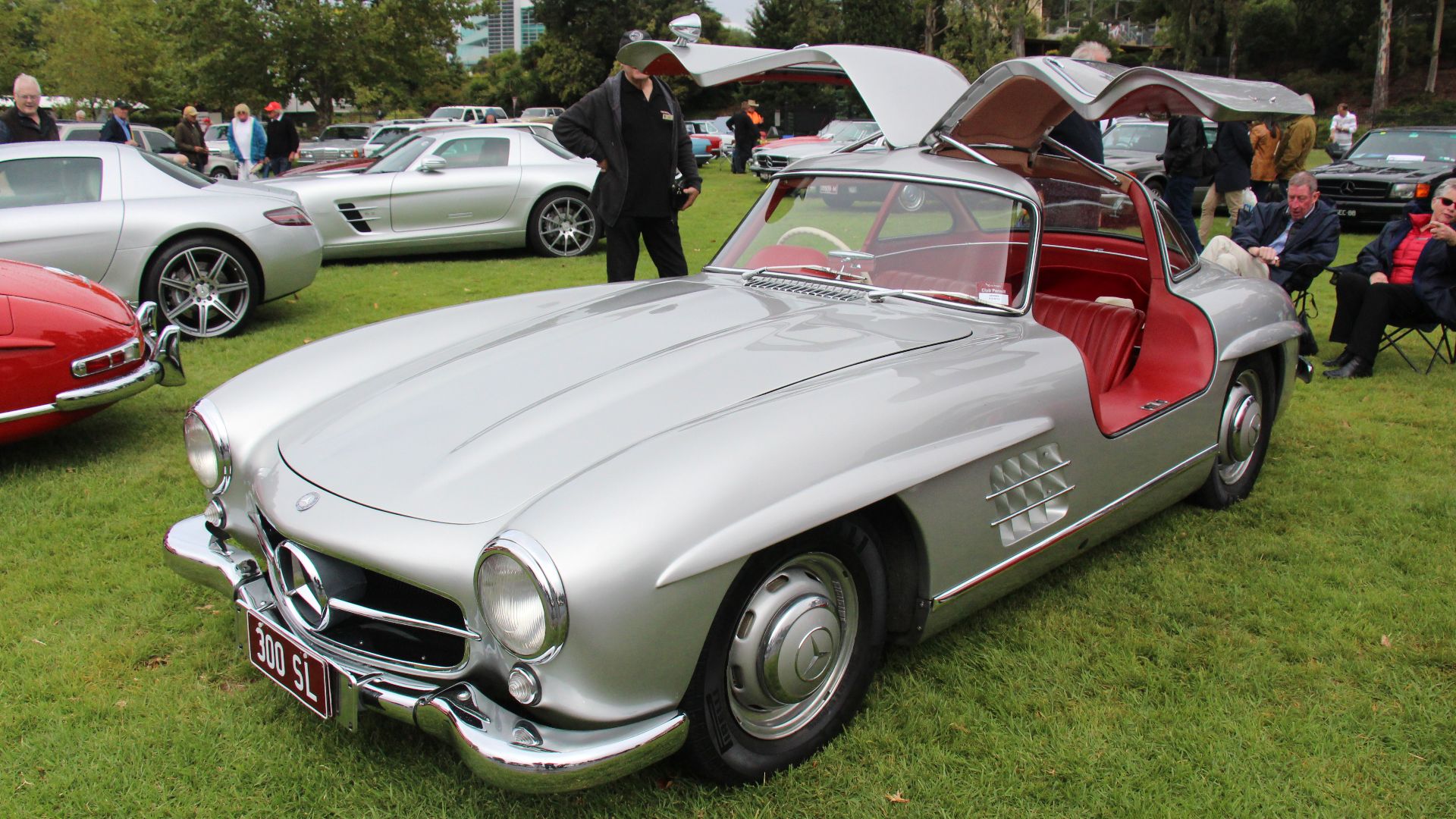
Mercedes-Benz 300 SL Gullwing
The 1954 Mercedes-Benz 300 SL remains the gold standard for unusual doors. Its famous gullwing doors weren't added for style alone—they were necessary because the car's lightweight tubular spaceframe chassis had extremely high side sills that prevented conventional doors from working. The solution became one of the most recognizable automotive designs ever produced, inspiring countless imitators over the decades.
Lamborghini Countach
When the Lamborghini Countach debuted in the 1970s, its dramatic scissor doors instantly became part of the brand's identity. Designed by Marcello Gandini, the vertically opening doors also helped drivers see behind the wide, wedge-shaped supercar while reversing. Lamborghini has continued using variations of this design on flagship V12 models for decades.
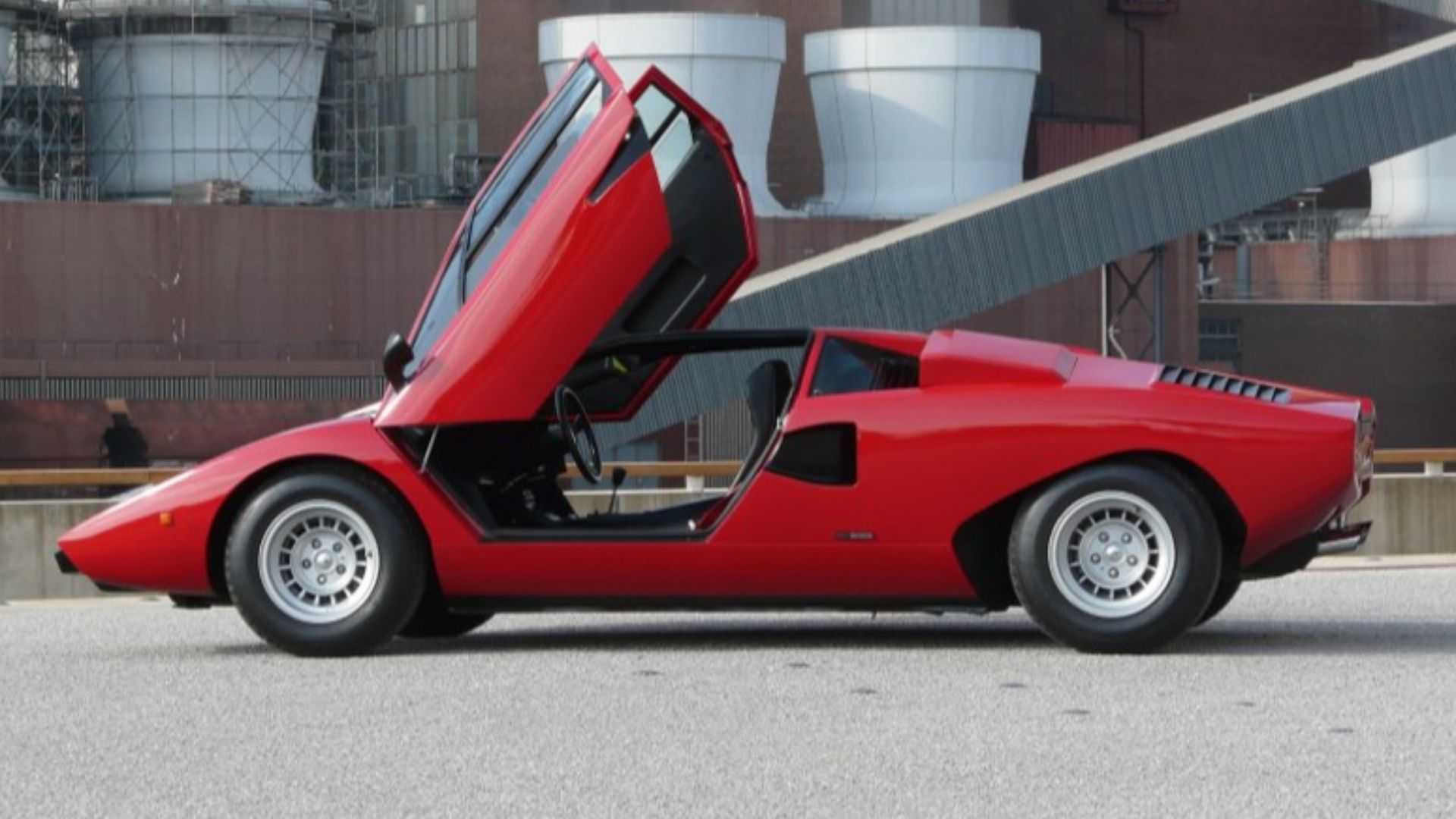 Countachinfo.de, Wikimedia Commons
DeLorean DMC-12
The DeLorean DMC-12 may owe much of its fame to Back to the Future, but its stainless-steel body and gullwing doors were already unlike anything else on the road. Gas struts made the heavy doors surprisingly manageable, while their upward movement allowed them to open in relatively tight parking spaces despite their dramatic appearance.
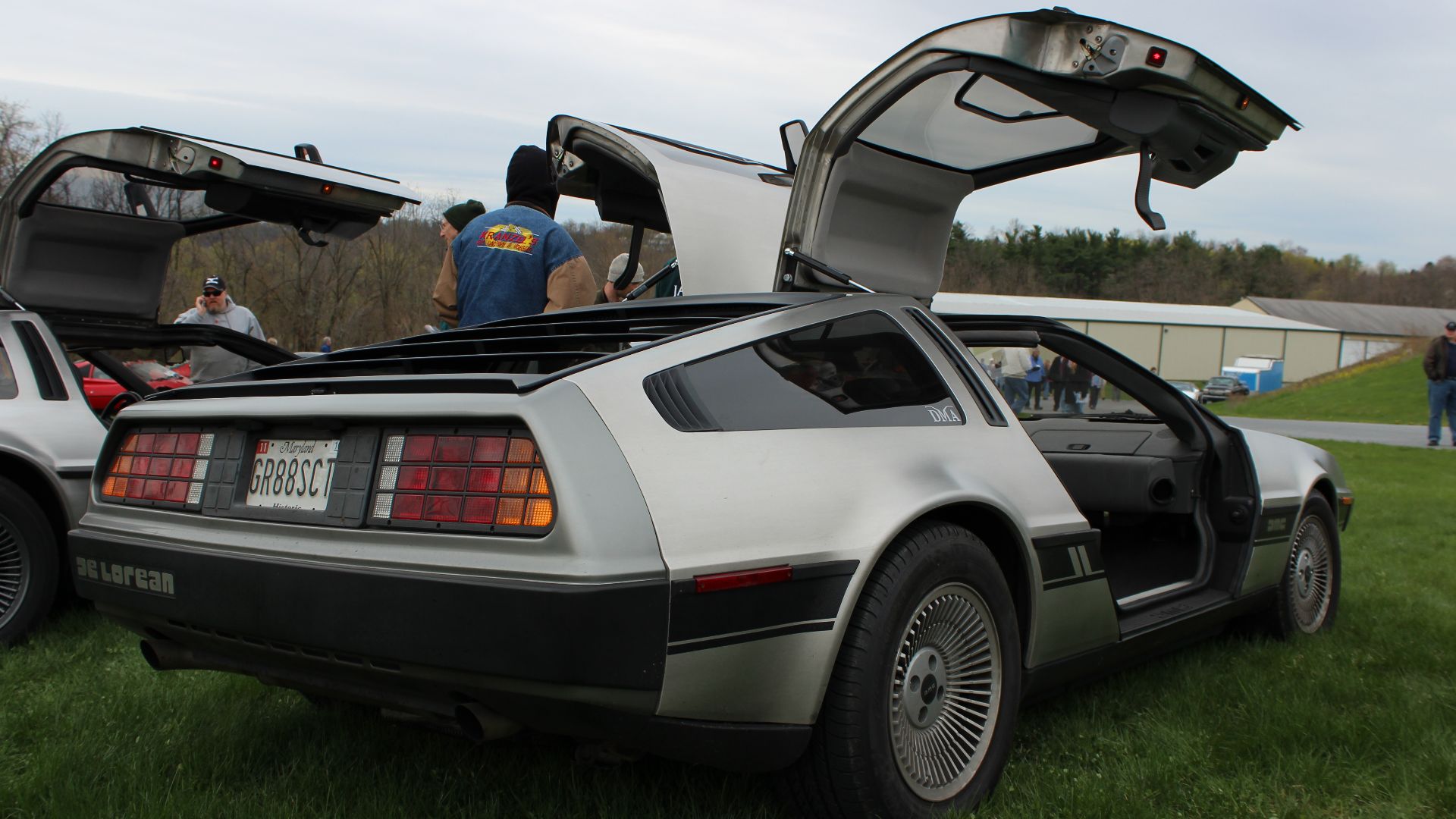 ilikewaffles11, Wikimedia Commons
BMW Isetta
Rather than opening from the side, the BMW Isetta featured a single front-hinged door that swung outward with the steering column attached. This tiny microcar was designed to maximize interior space while keeping costs low during postwar Europe. Few production cars have ever relied on a front-entry design quite like it.
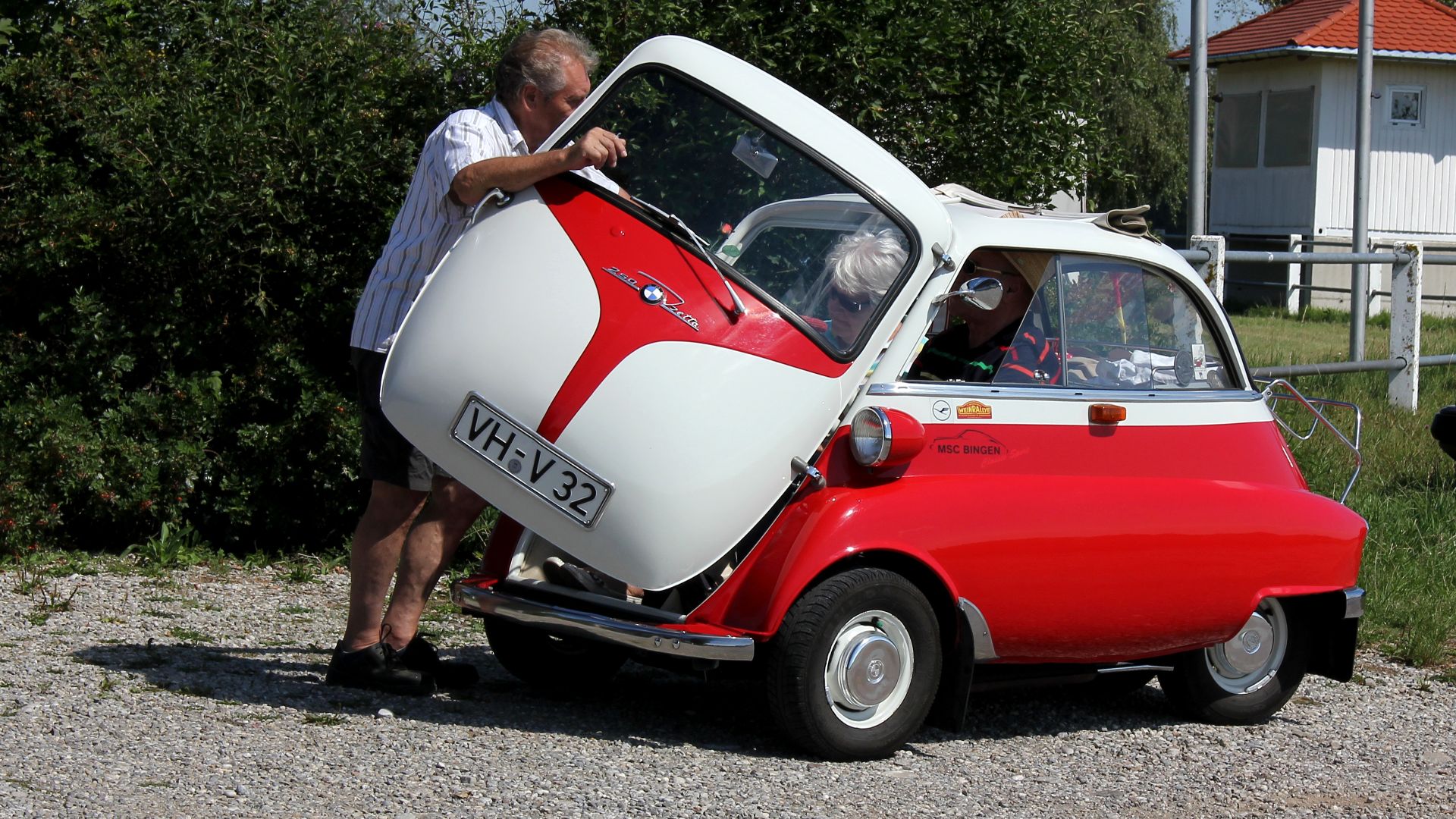 Lothar Spurzem, Wikimedia Commons
Toyota Sera
The Toyota Sera introduced butterfly doors to mass production in the early 1990s. Unlike gullwing or scissor doors, the Sera's doors swung both upward and outward, creating a spectacular glass canopy effect. Although sold only in Japan, the Sera influenced later exotic cars, including the McLaren F1.
 Rutger van der Maar, Wikimedia Commons
McLaren F1
Gordon Murray's legendary McLaren F1 adopted butterfly doors partly because they made entering the low-slung cockpit easier. The doors also extended into the roof, improving headroom during entry and exit. Combined with the F1's central driving position, the unusual doors reinforced the car's reputation as one of history's greatest supercars.
 Andrew Basterfield, Wikimedia Commons
Tesla Model X
Tesla reimagined the gullwing concept with its Falcon Wing doors on the Model X. Instead of a single roof hinge, each rear door uses a double-hinged mechanism guided by sensors that monitor nearby obstacles and ceiling height. The design allows easier access to rear seats in tight parking spaces while distinguishing the SUV from competitors.

Mercedes-Benz SLS AMG
The SLS AMG revived Mercedes' gullwing heritage more than 50 years after the original 300 SL. Engineers also addressed one of the classic design's biggest drawbacks by equipping the doors with explosive hinge bolts that allow emergency removal if the vehicle rolls onto its roof. It blended nostalgic styling with modern safety engineering.
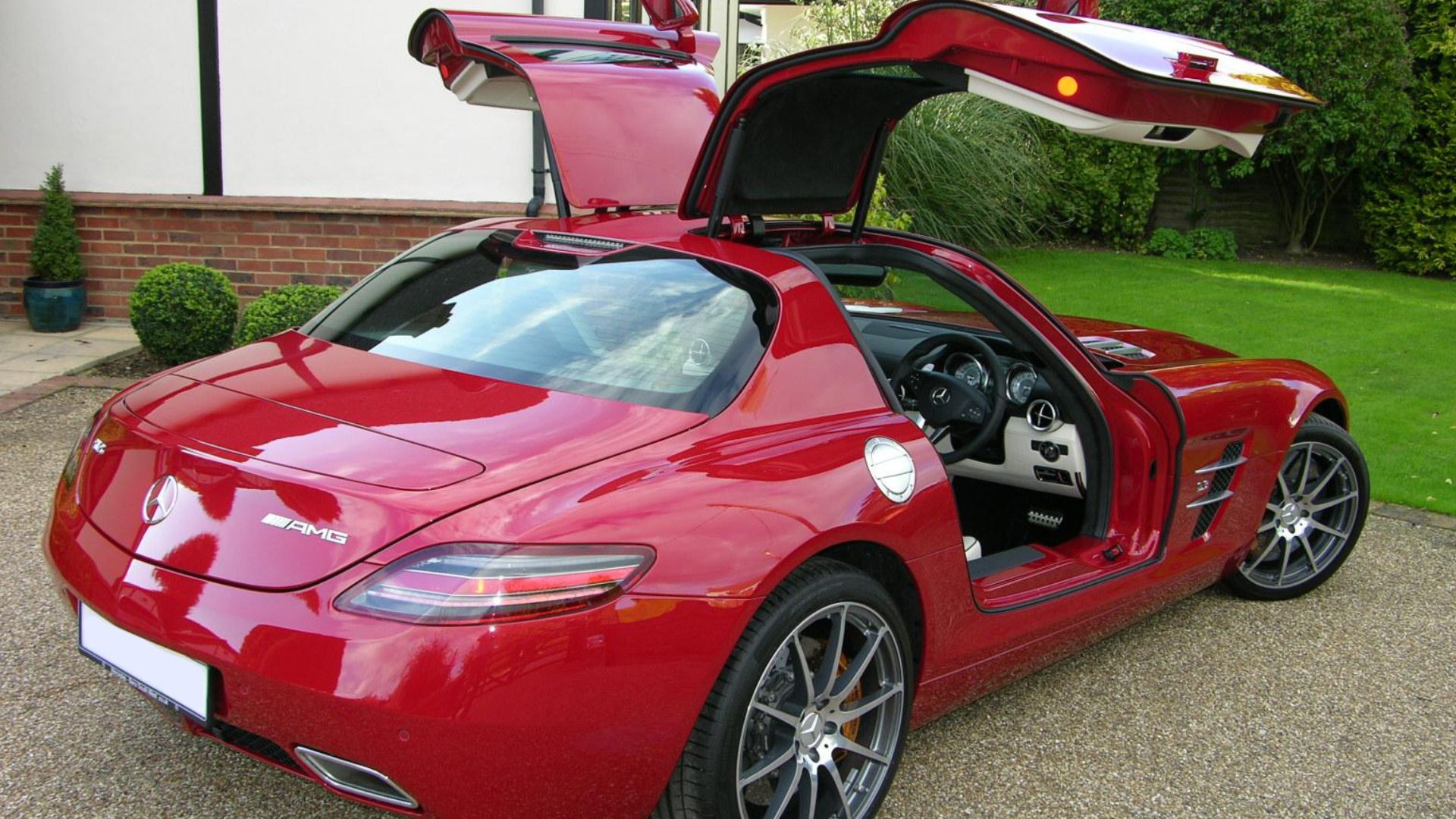 The Car Spy, Wikimedia Commons
Ferrari Enzo
Ferrari gave the Enzo butterfly doors that complemented its Formula One-inspired construction. The doors extended into the roofline, making it easier to climb over the high carbon-fiber sills. Their dramatic motion matched the Enzo's role as Ferrari's flagship technology showcase.

Maserati MC20
The Maserati MC20 continues Ferrari's and McLaren's tradition of butterfly doors on modern supercars. The doors were designed alongside the carbon-fiber monocoque to improve access without sacrificing structural rigidity. Large openings also make entering the compact cabin noticeably easier than many earlier exotics.
 Starting with the basics, Wikimedia Commons
Aston Martin DB9
Instead of opening straight outward, the Aston Martin DB9 introduced elegant swan doors that rise slightly as they swing open. The subtle upward angle helps prevent the door edges from scraping high curbs while adding a distinctive flourish. Aston Martin has since made the feature a signature across much of its lineup.
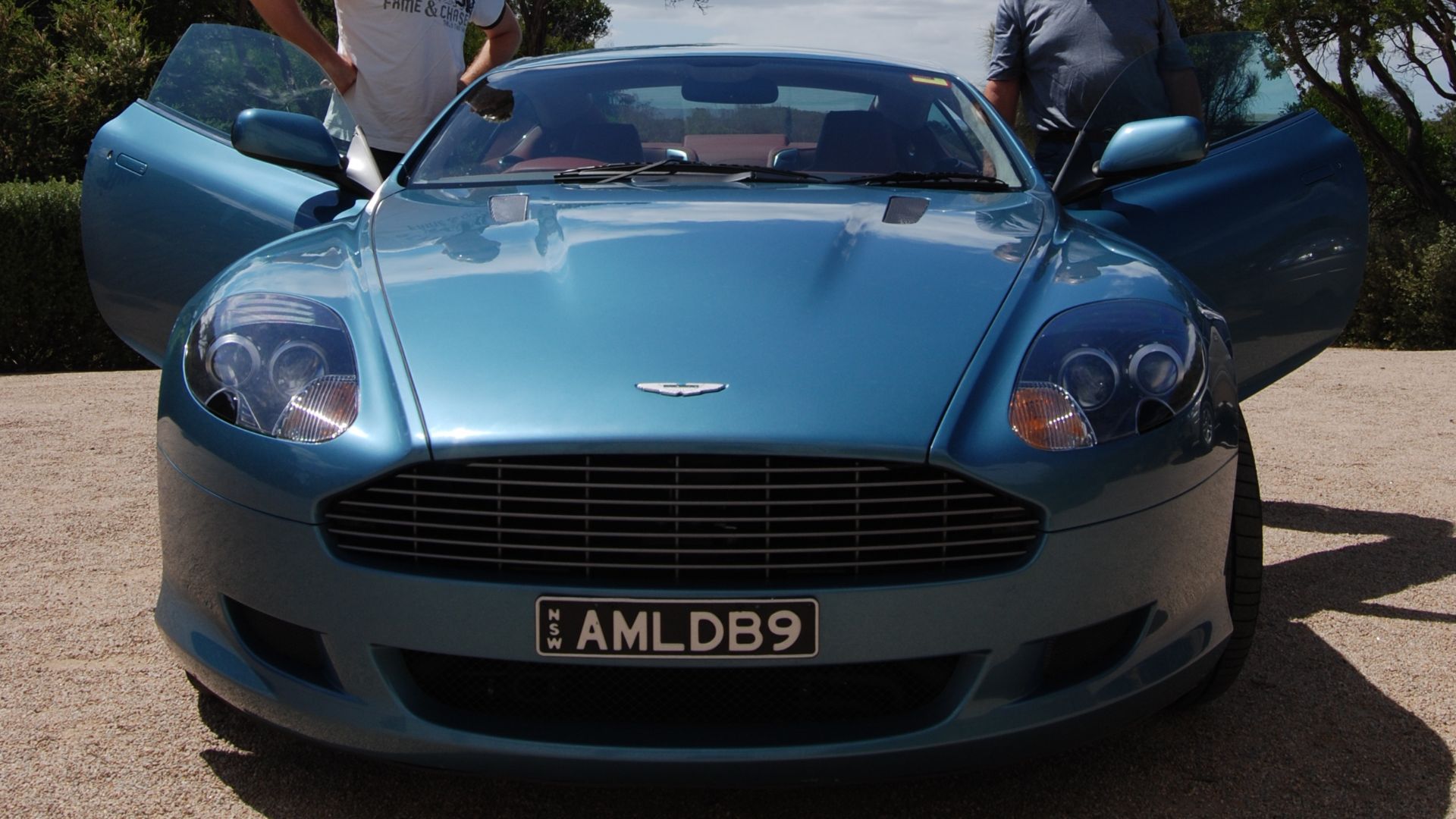 Tom Reynolds from Melbourne, Australia, Wikimedia Commons
BMW i8
The futuristic BMW i8 paired lightweight carbon-fiber construction with dramatic butterfly doors. The doors helped drivers clear the high carbon-fiber passenger cell while emphasizing the hybrid sports car's futuristic appearance. Despite the theatrical motion, BMW designed them with everyday usability in mind.
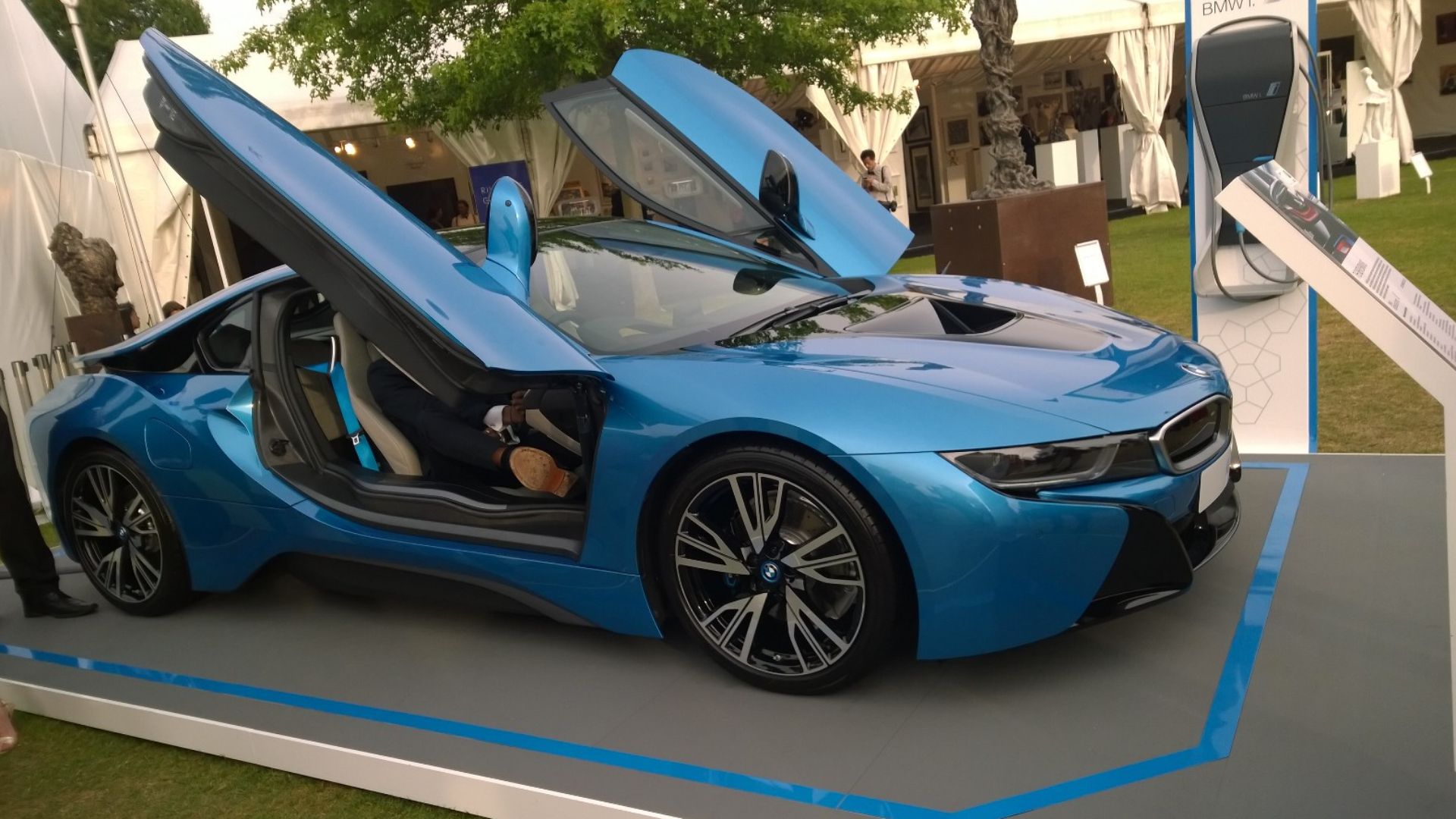 BMW i8 exhibited at Henley, Berkshire, Wikimedia Commons
Koenigsegg Jesko
Koenigsegg's dihedral synchro-helix doors represent one of the most sophisticated door mechanisms ever engineered. Rather than simply lifting upward, the doors rotate outward before rising in a complex synchronized motion. The mechanism requires surprisingly little side clearance despite its spectacular presentation.
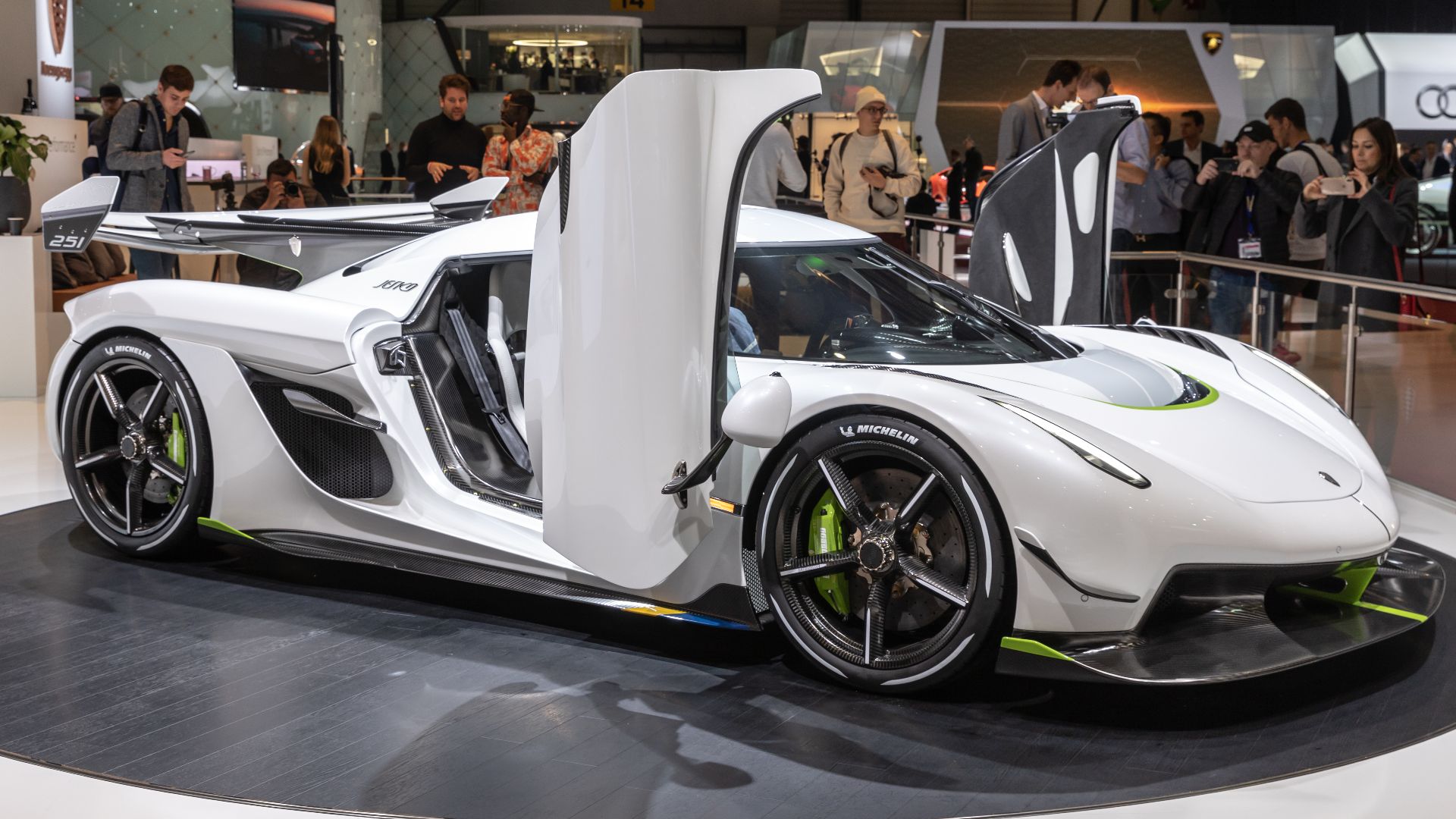 Matti Blume, Wikimedia Commons
Bricklin SV-1
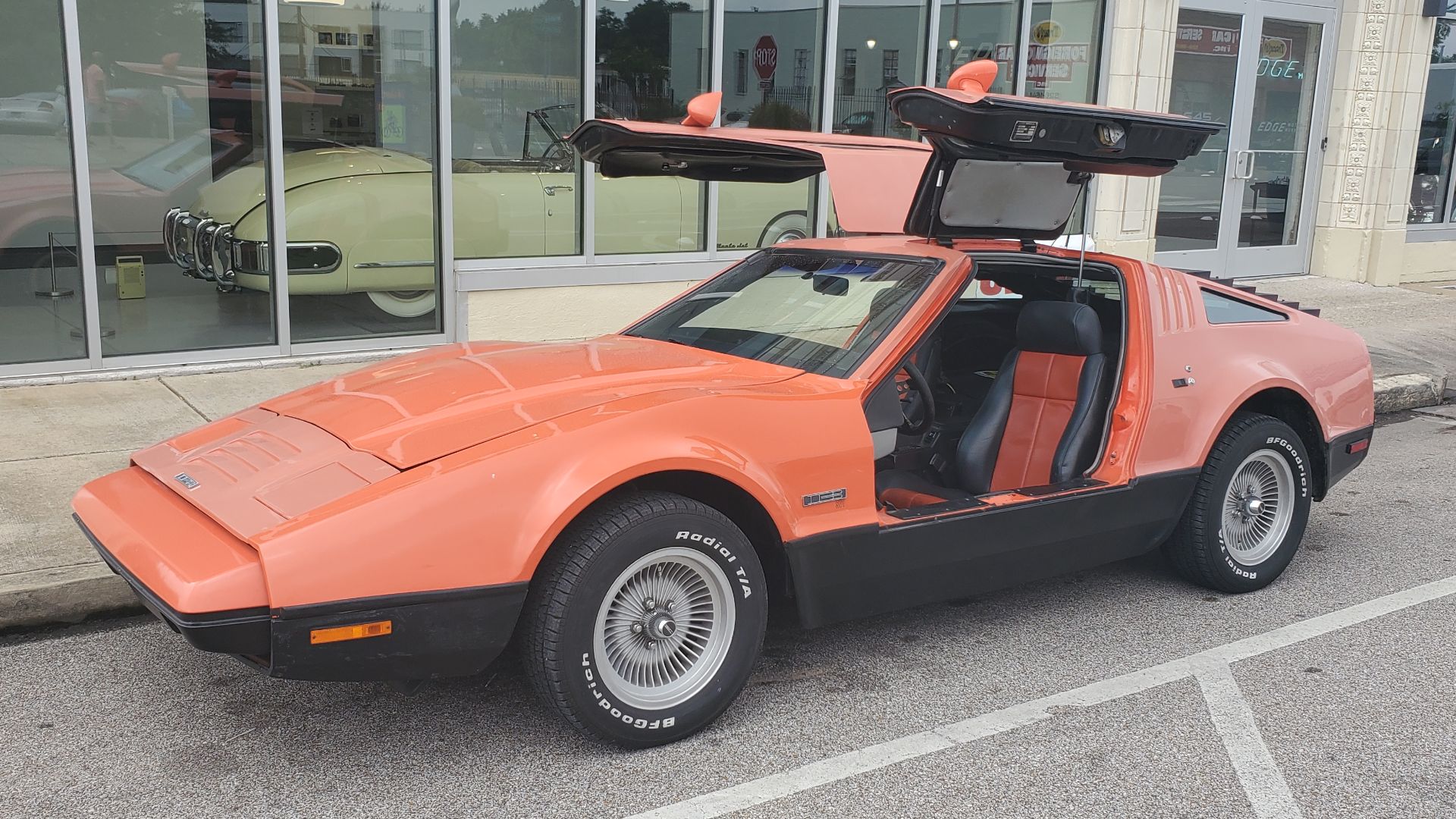
The Canadian-built Bricklin SV-1 combined safety-focused engineering with dramatic gullwing doors powered by hydraulic cylinders. Although the hydraulic system wasn't always reliable, the unusual doors helped distinguish the car in a crowded 1970s market. Today they're among the vehicle's defining characteristics.
 KyleStockton92, Wikimedia Commons
Saab Aero-X Concept
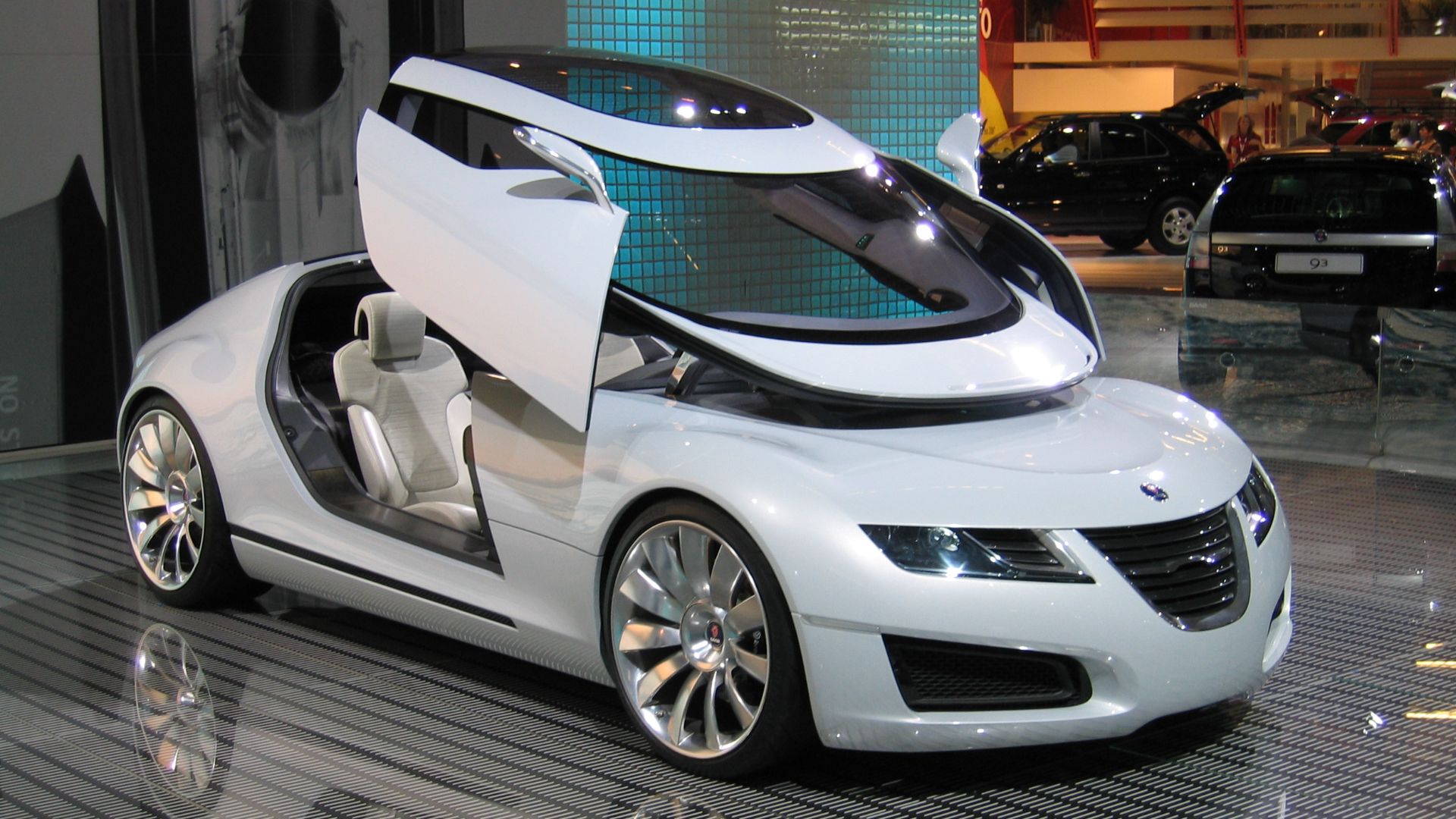
Saab took unconventional access to another level with the Aero-X concept. Instead of separate doors, nearly the entire cockpit canopy—including the windshield and roof—lifted upward as a single piece. The aircraft-inspired approach reflected Saab's aviation heritage and created one of the most memorable concept cars of the 2000s.
 Robin Corps from Crowthorne, England, Wikimedia Commons
Ferrari LaFerrari
Ferrari's LaFerrari refined the butterfly-door formula with lightweight carbon-fiber construction and carefully engineered hinge geometry. The doors cut into the roof to improve access while preserving the car's aerodynamic profile. They reinforced the hybrid hypercar's blend of advanced technology and dramatic styling.

Bugatti Tourbillon
Bugatti's Tourbillon continues the company's tradition of combining engineering innovation with visual drama. Its butterfly doors provide easier access to the cockpit while complementing the car's sculpted bodywork. The design balances practicality with the theatrical experience expected from a modern Bugatti flagship.
 Erik Cox Photography, Shutterstock
Rolls-Royce Phantom
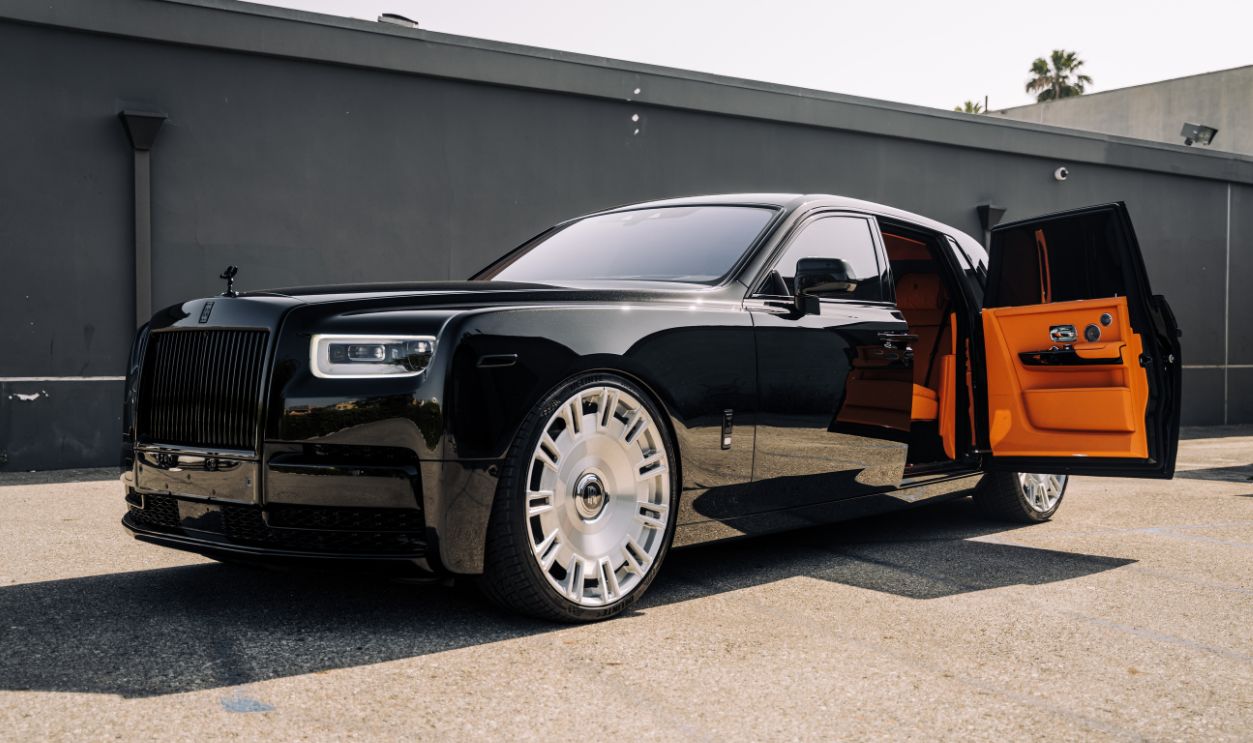
Rolls-Royce has long embraced rear-hinged coach doors though the company prefers the more elegant "coach doors" description. The arrangement allows passengers to enter and exit gracefully while emphasizing luxury over sportiness. Modern Rolls-Royce models incorporate sophisticated latching systems to meet current safety standards.
Lincoln Continental
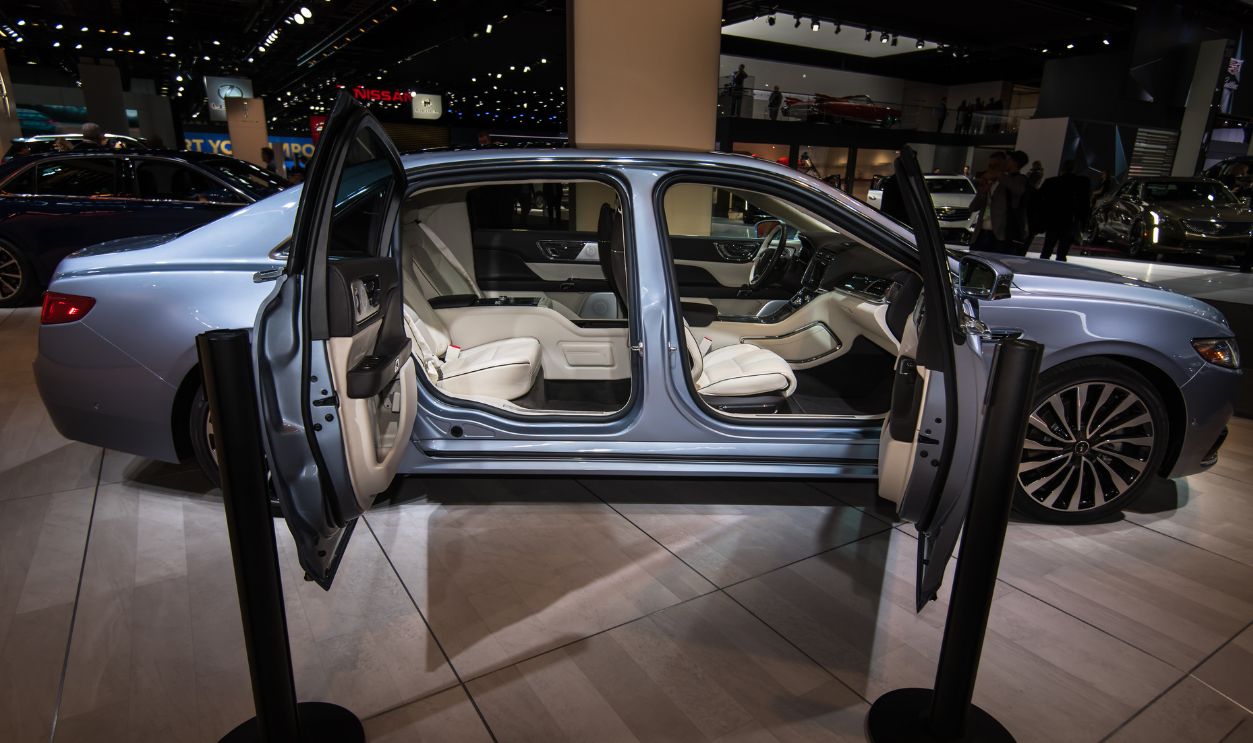
The tenth-generation Lincoln Continental revived rear-hinged coach doors on a limited-production Coach Door Edition. Inspired by classic Lincolns of the 1960s, the extended-wheelbase sedan combined nostalgic styling with modern crash protection and electronic safety systems. It demonstrated that vintage ideas can still appeal to modern buyers.
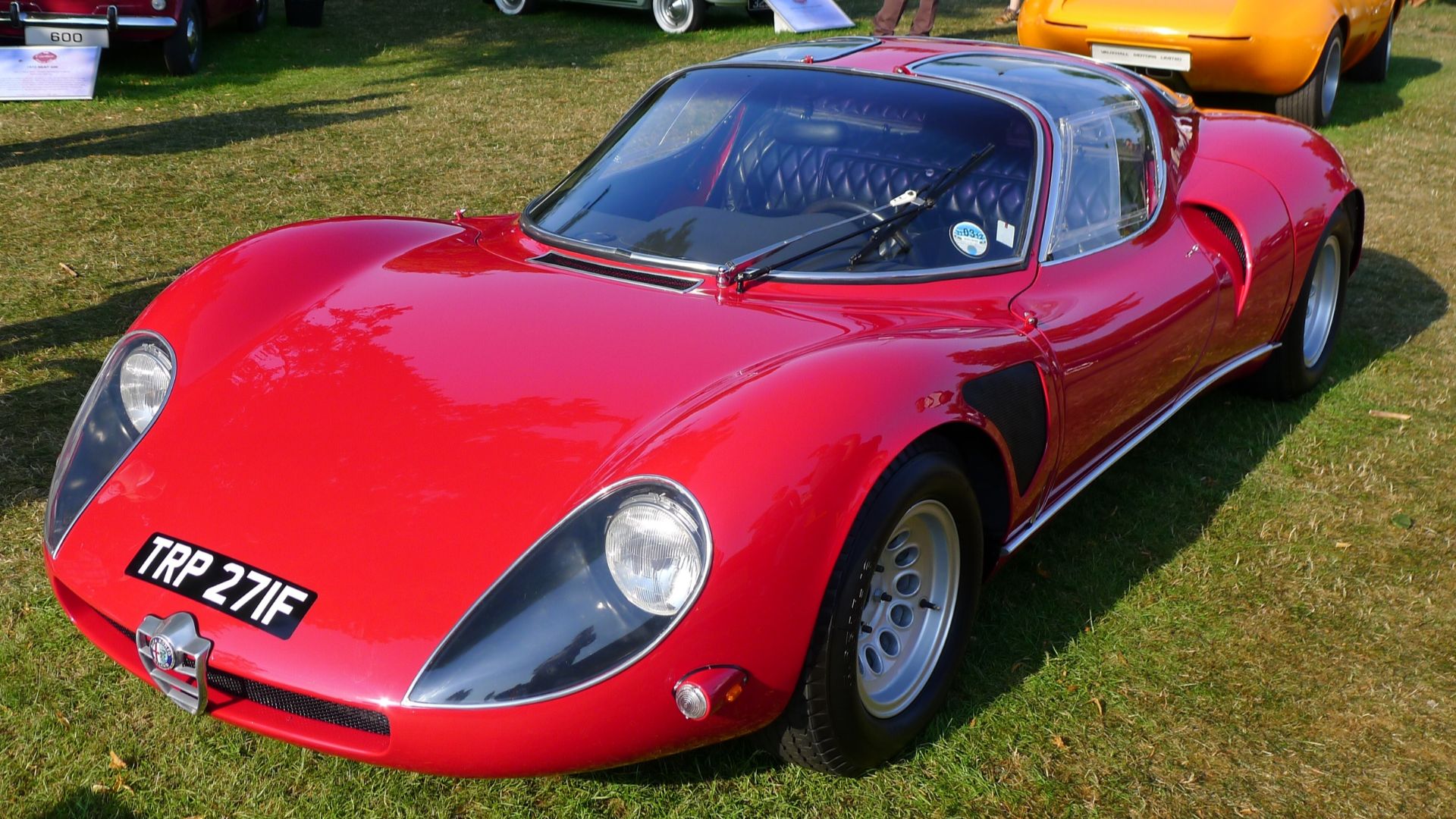
Alfa Romeo 33 Stradale
Introduced in 1967, the Alfa Romeo 33 Stradale was among the first production cars to feature butterfly-style doors. Its elegant doors curved into the roofline, making it easier to access the compact cockpit while enhancing the car's flowing bodywork. Many later exotic manufacturers drew inspiration from this groundbreaking design.
You May Also Like:
The Top 6 Family-Friendly Pickup Trucks
The Best Affordable Turbocharged Cars
Which Is Better For You And Your Family: A Minivan or an SUV?
Source: 1