Welcome To The First-Car Hall Of Fame
There’s nothing quite like your first car. It might have smelled faintly of fast food and regret, had more miles than your parents’ patience, and featured a sound system that peaked somewhere around "acceptable." But for millions of teens over the last 20 years, that first set of wheels meant freedom, independence, and the start of a lifelong relationship with driving. This article looks back at the cars that became rite-of-passage rides for teenagers from the early 2000s through today. These are the models that were affordable, reliable enough (usually), easy to insure, and forgiving to inexperienced drivers. Whether you owned one, wanted one, or are shopping for your teen now, these cars helped define generations of new drivers.
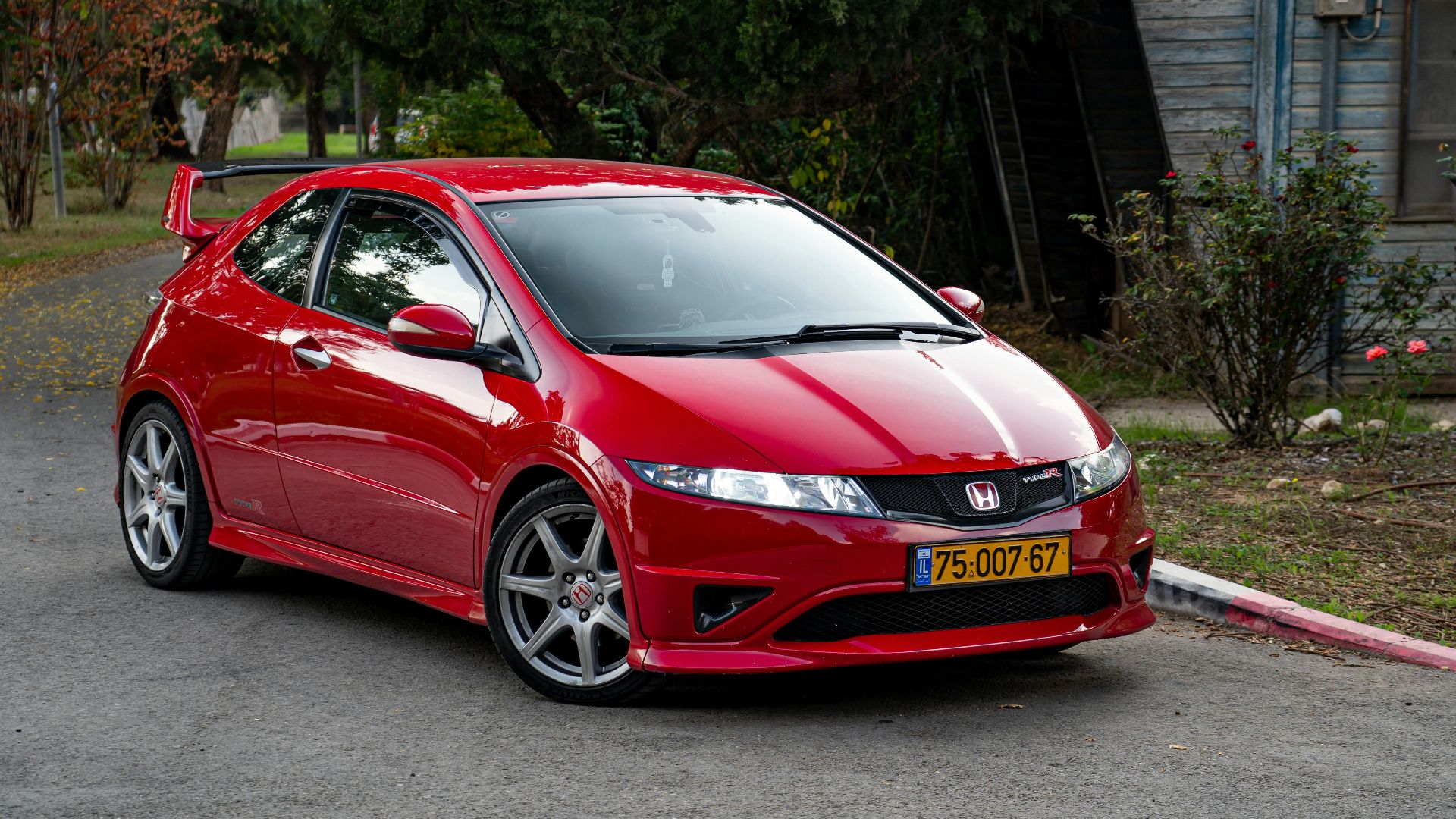
Honda Civic
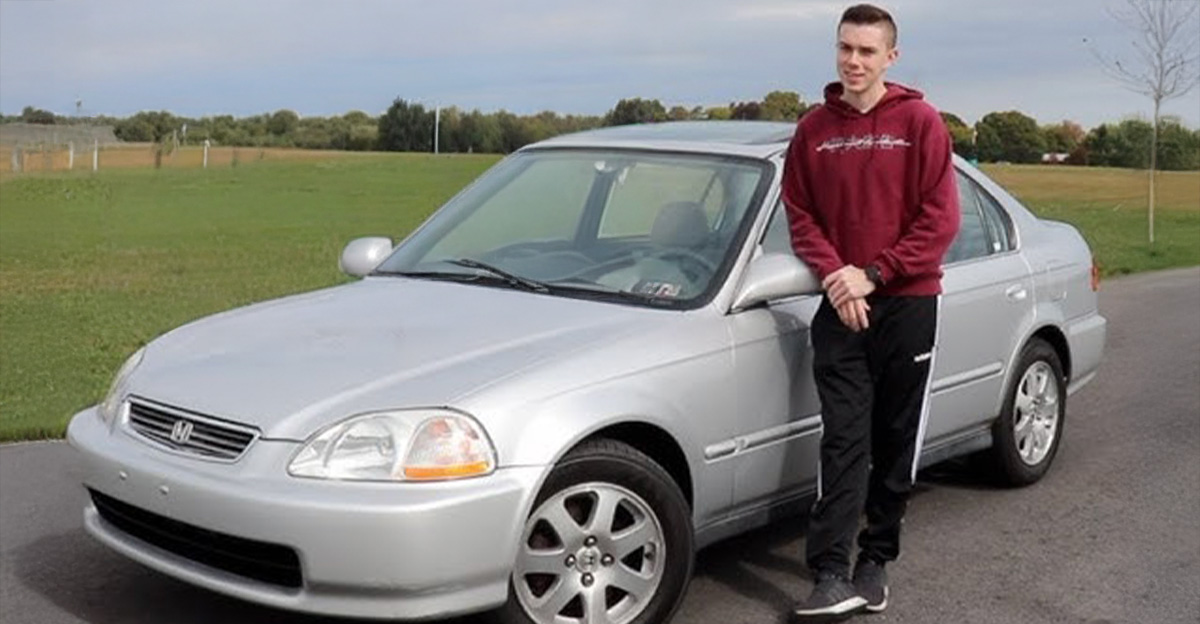
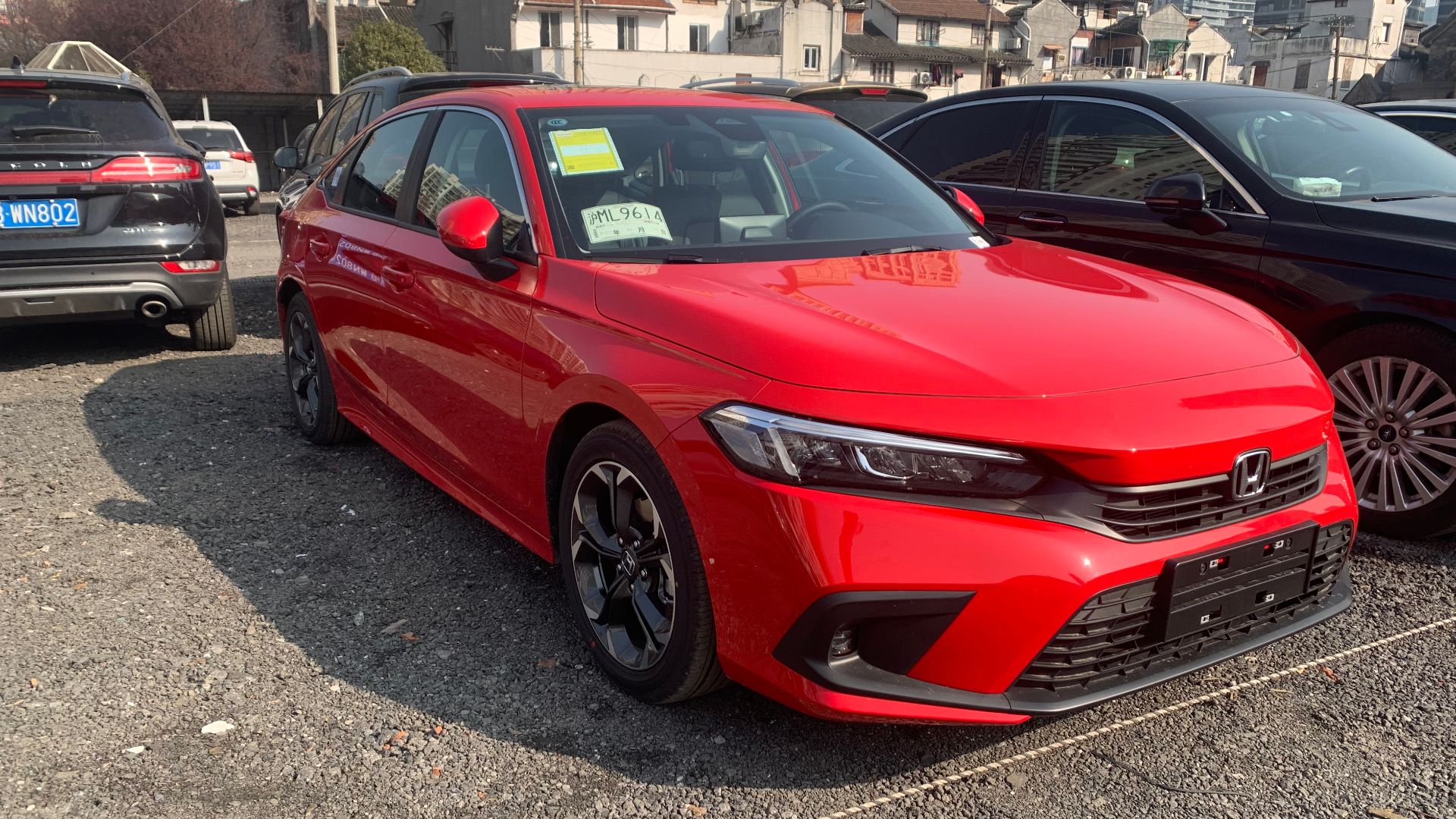
Few cars scream "first car" louder than the Honda Civic. Over the last two decades, Civics have been everywhere — in high school parking lots, college campuses, and driveways across America. Teens loved them because they were affordable and fuel-efficient. Parents loved them because they were safe, reliable, and hard to kill. The Civic’s forgiving clutch (for manuals), predictable handling, and excellent visibility made it a confidence booster for new drivers. Plus, it had just enough personality to feel cool without encouraging reckless behavior — unless someone bolted on a questionable exhaust.
 Elizbeth smith, Wikimedia Commons
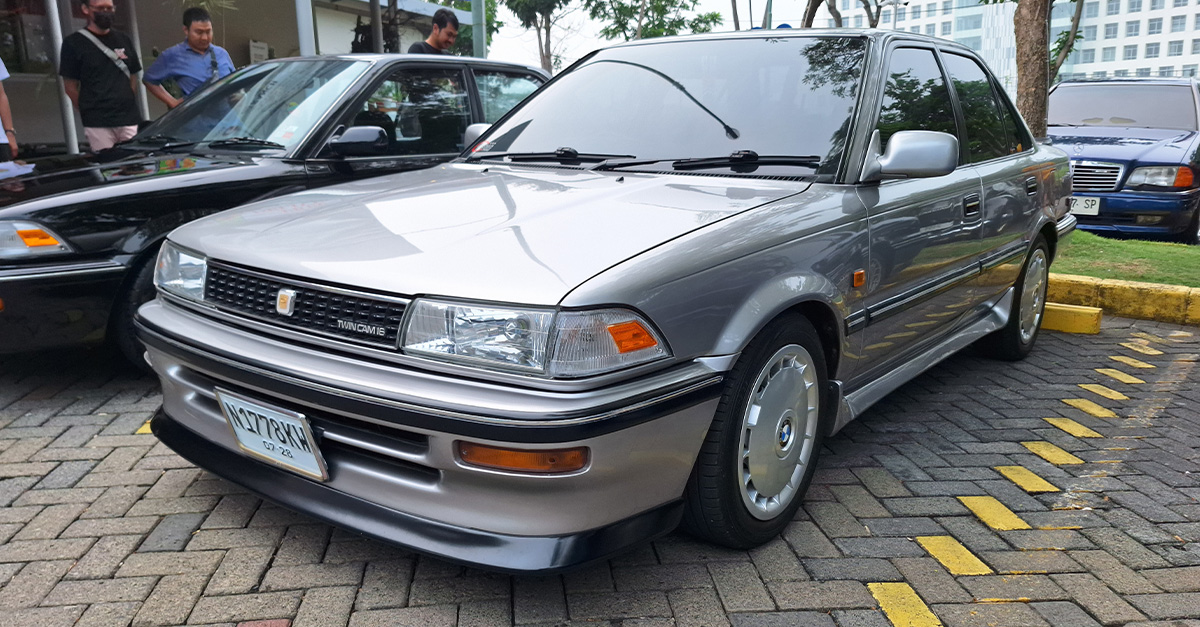
Toyota Corolla
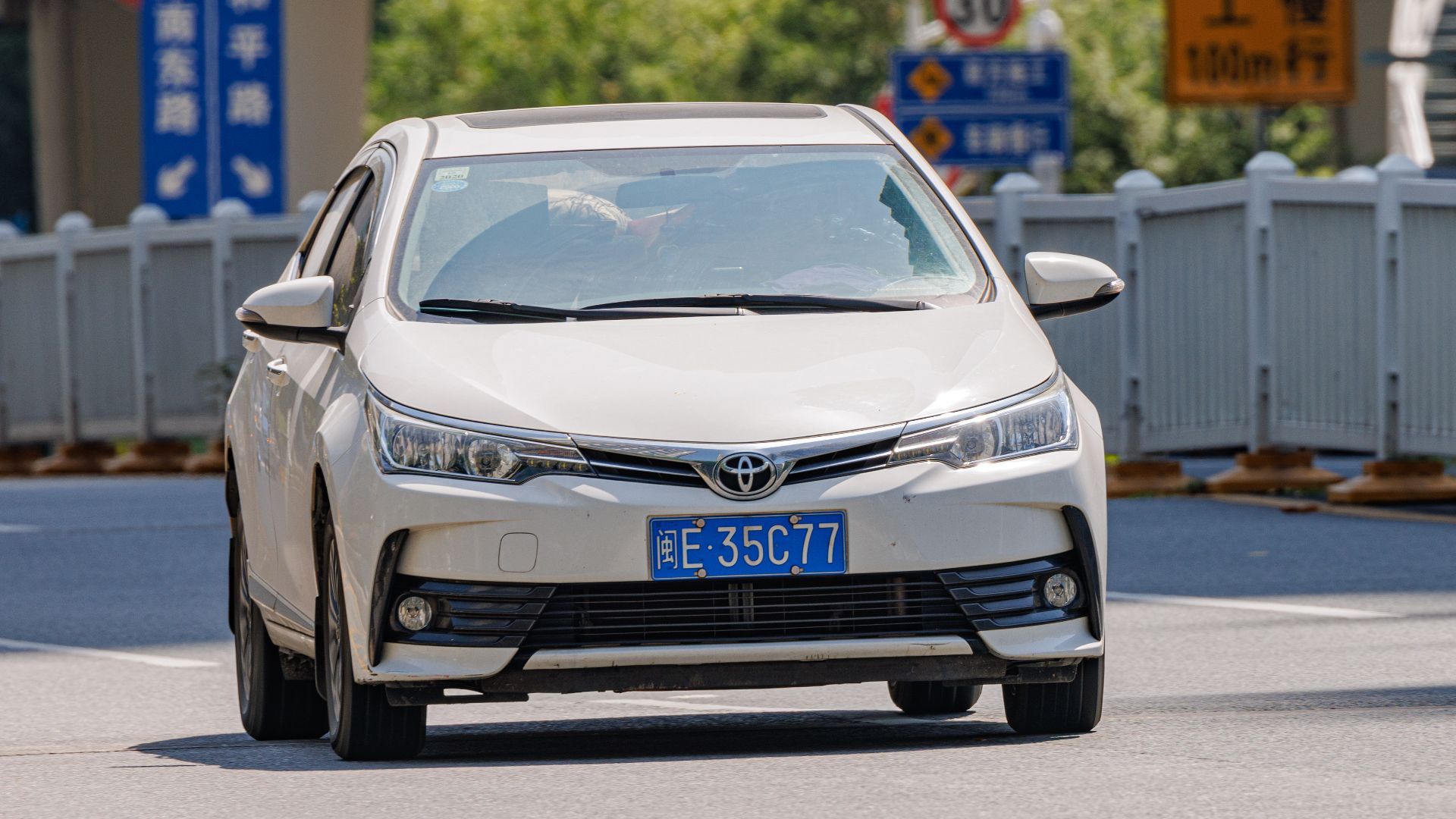
The Corolla is the quiet hero of teen driving. It’s not flashy, it doesn’t beg to race, and it rarely breaks. For millions of teens, that was exactly the point. Corollas from the mid-2000s onward offered solid safety features, simple controls, and incredible longevity. Many teens inherited them from parents or grandparents, and those cars often kept going well past graduation. It may not have been exciting, but it was dependable — a perfect first-car trait.
 Dinkun Chen, Wikimedia Commons
Ford Focus
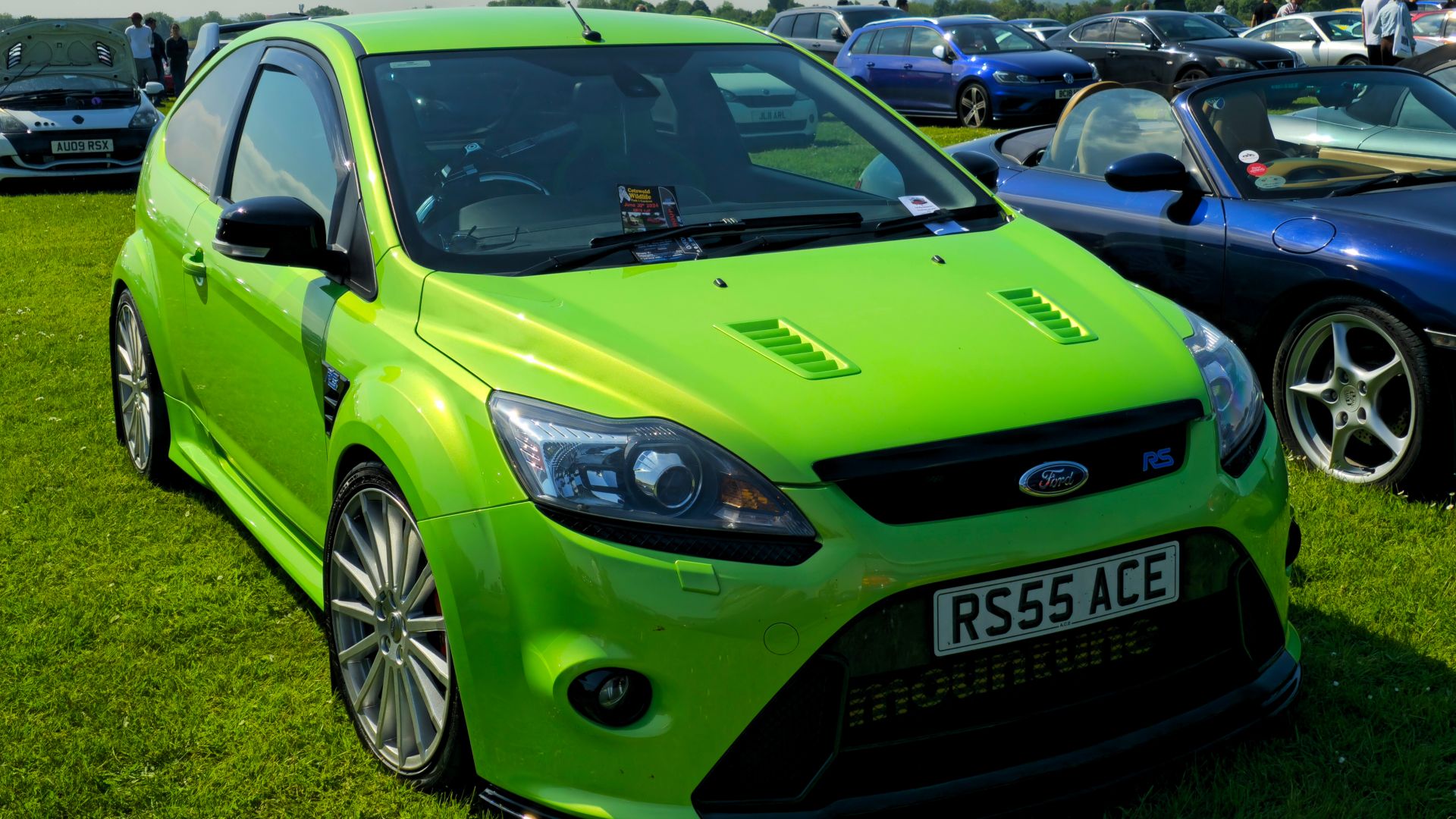
For teens growing up in the 2000s and early 2010s, the Ford Focus was a common sight. Affordable new and plentiful used, the Focus delivered decent handling, good fuel economy, and a more modern look than many economy cars of the era. While some later automatic transmissions earned a reputation, earlier models were especially popular with teens learning to drive stick. The Focus felt slightly sporty without being intimidating, which made it a fun yet manageable first ride.
Volkswagen Jetta
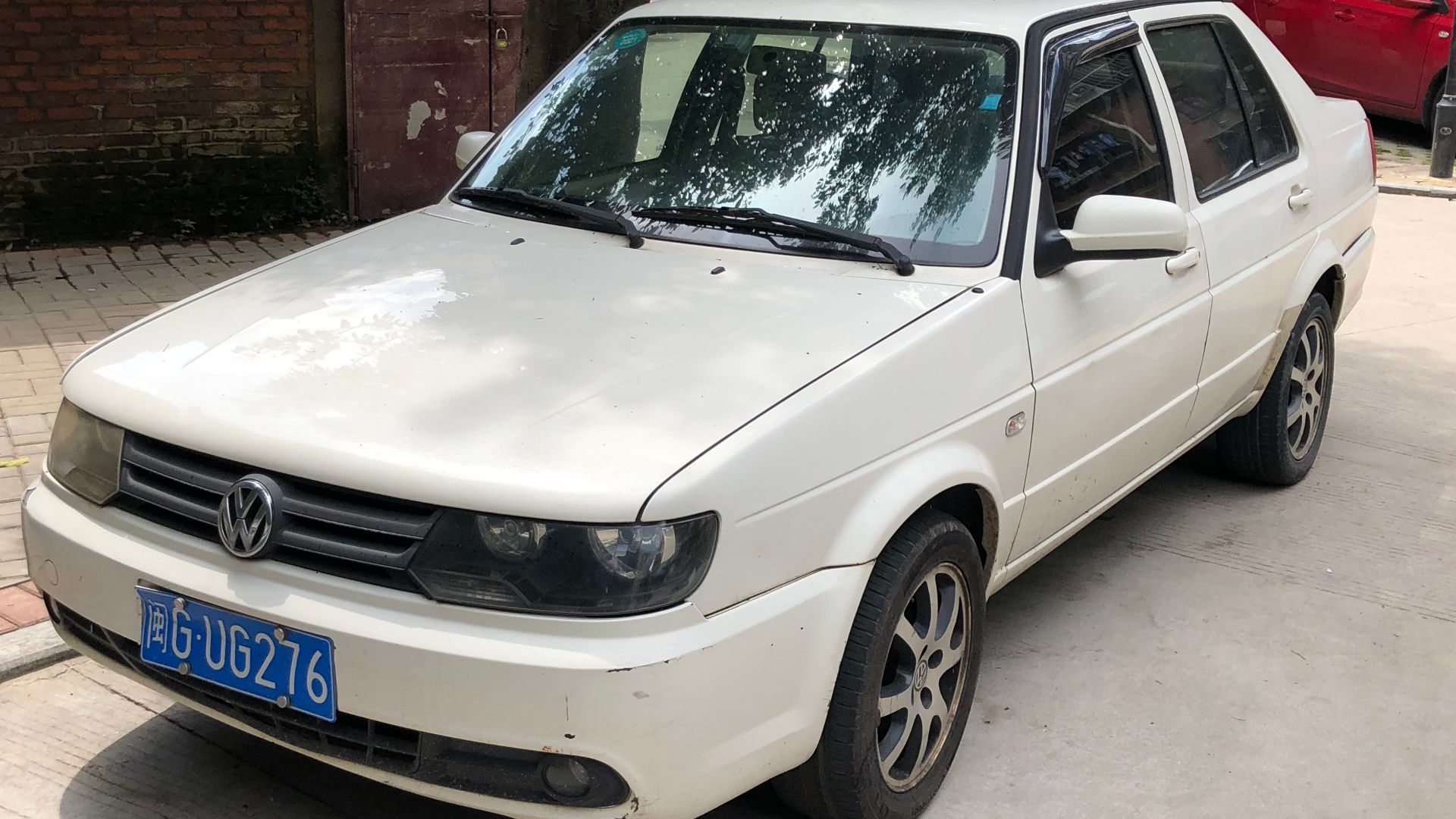
The Jetta offered teens something a little more grown-up. It looked and felt more refined than many economy cars, which made it appealing to students who wanted to stand out just a bit. Jettas from the 2000s and 2010s combined solid safety ratings with comfortable interiors and a planted driving feel. They weren’t always the cheapest to maintain, but for many teens, that European flair was worth it.
 JamesYoung8167, Wikimedia Commons
Toyota Camry
While technically a midsize sedan, the Camry became a first car for countless teens thanks to hand-me-down culture. Parents bought them new, drove them for years, then passed them along. Camrys offered smooth rides, excellent reliability, and plenty of space for friends, sports gear, or band instruments. It wasn’t sporty, but it was safe and predictable — exactly what nervous parents wanted.
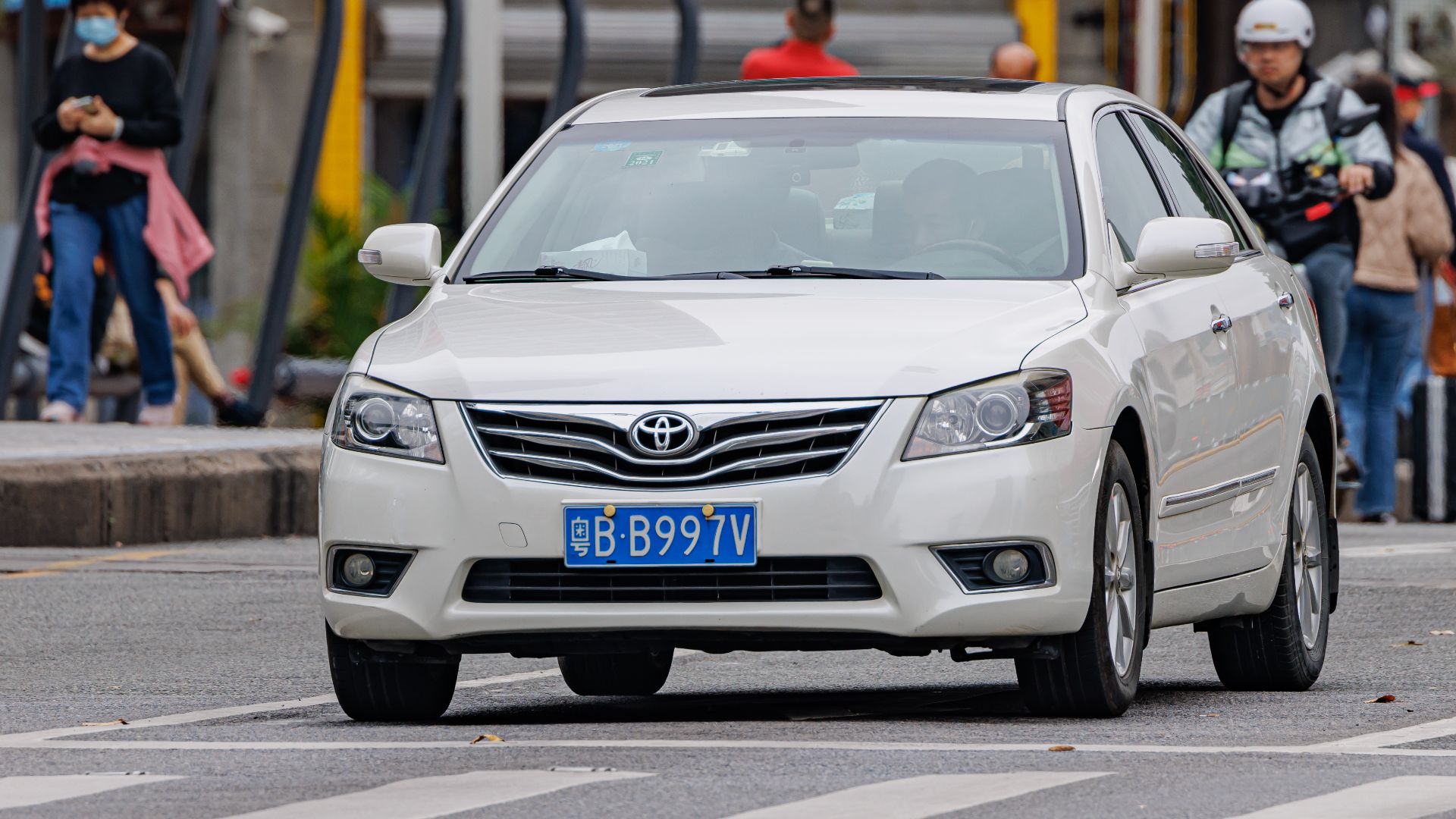 Dinkun Chen, Wikimedia Commons
Honda Accord
Much like the Camry, the Accord thrived as a second-life teen car. It delivered a little more driving engagement than the Toyota, which made it especially popular with teens who actually enjoyed driving. Accords were roomy, safe, and long-lasting, and many came with surprisingly peppy four-cylinder engines or optional V6s. For teens, it felt like a real car — not just transportation.
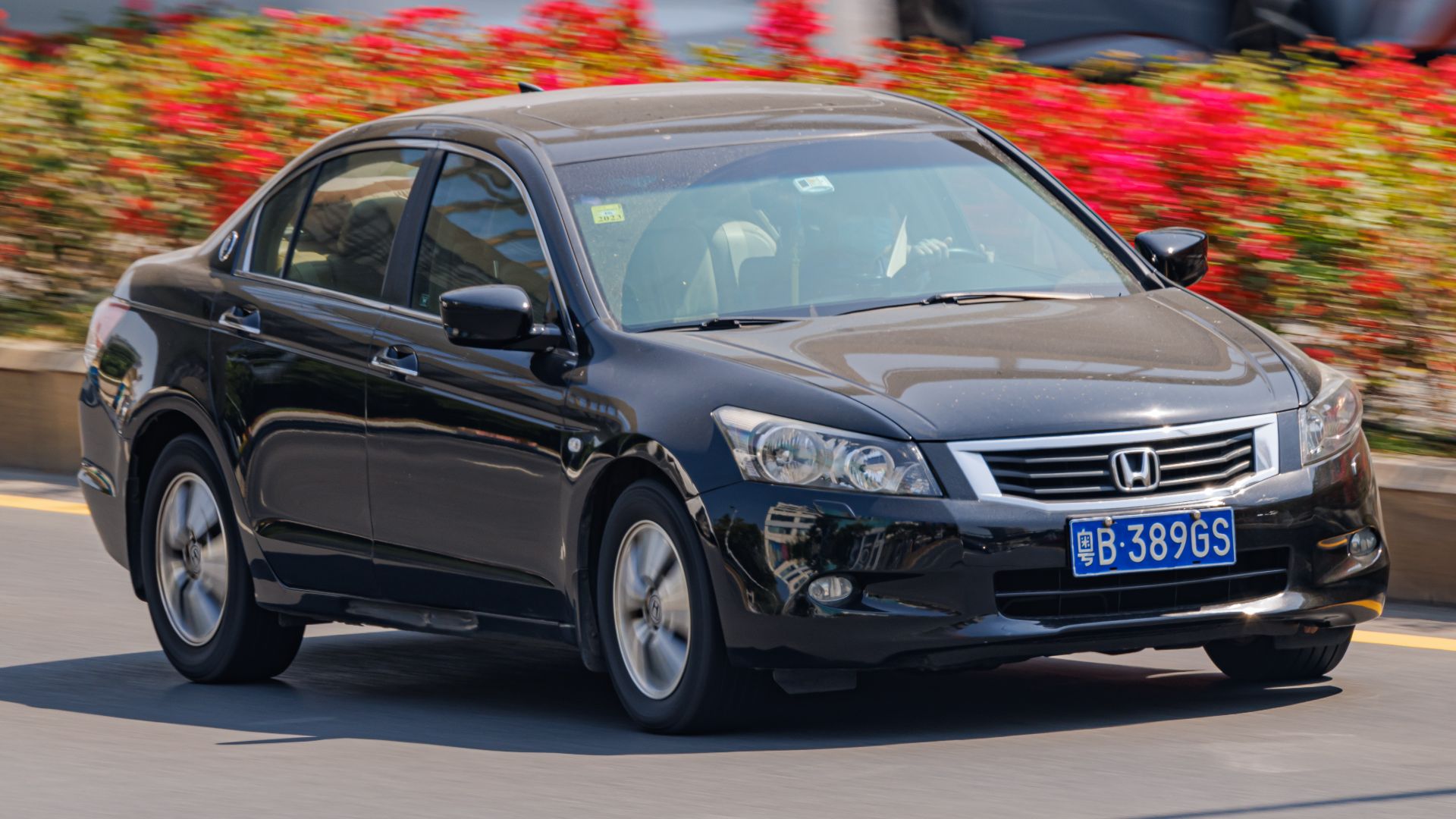 Dinkun Chen, Wikimedia Commons
Mazda3
The Mazda3 earned a reputation as the fun choice among economy cars. For teens who wanted something reliable but still enjoyable to drive, it hit the sweet spot. Sharp steering, compact dimensions, and sporty styling made it feel youthful without being reckless. It also offered strong safety features and solid reliability, making it an easy sell for parents.
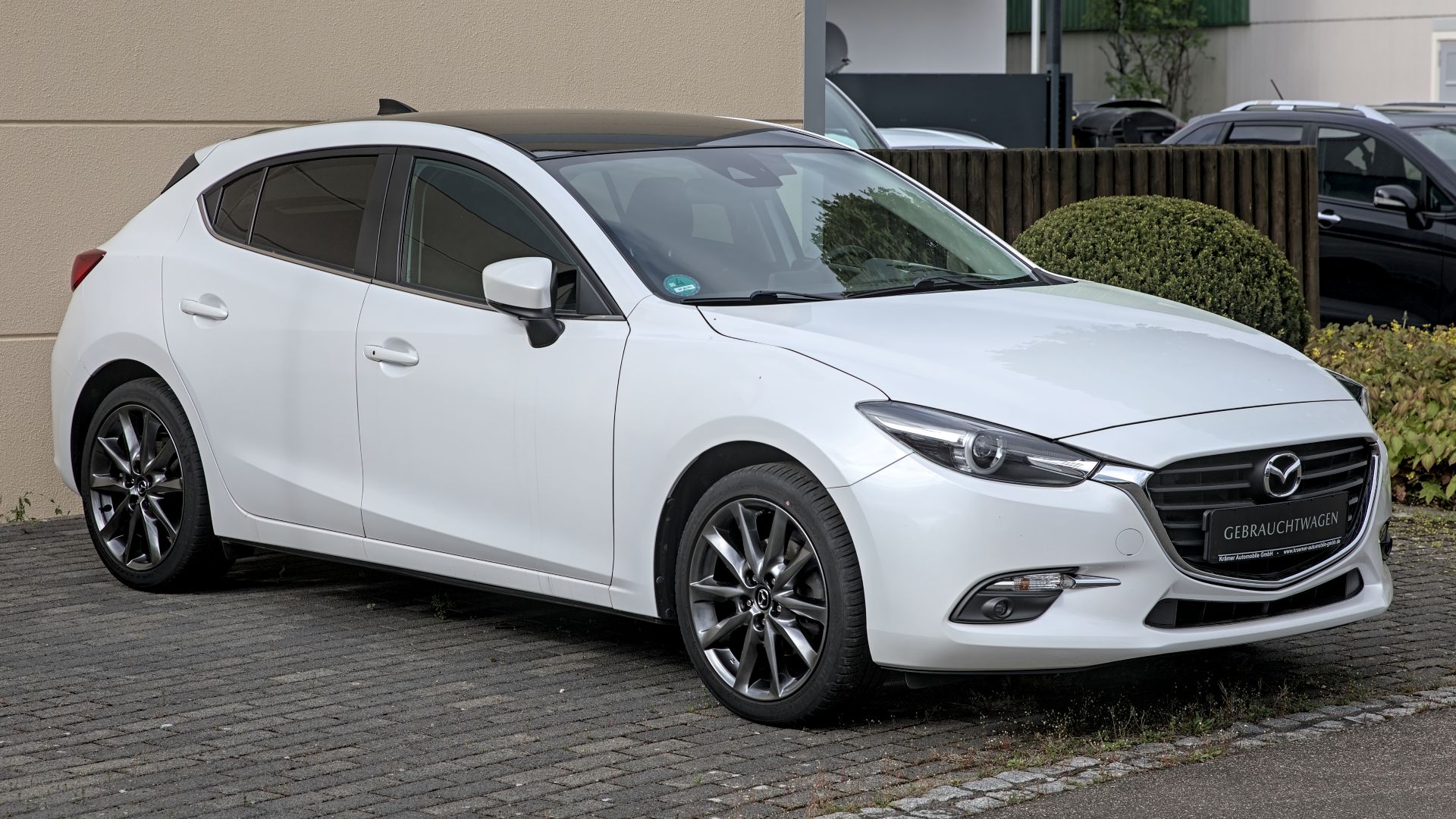 Alexander-93, Wikimedia Commons
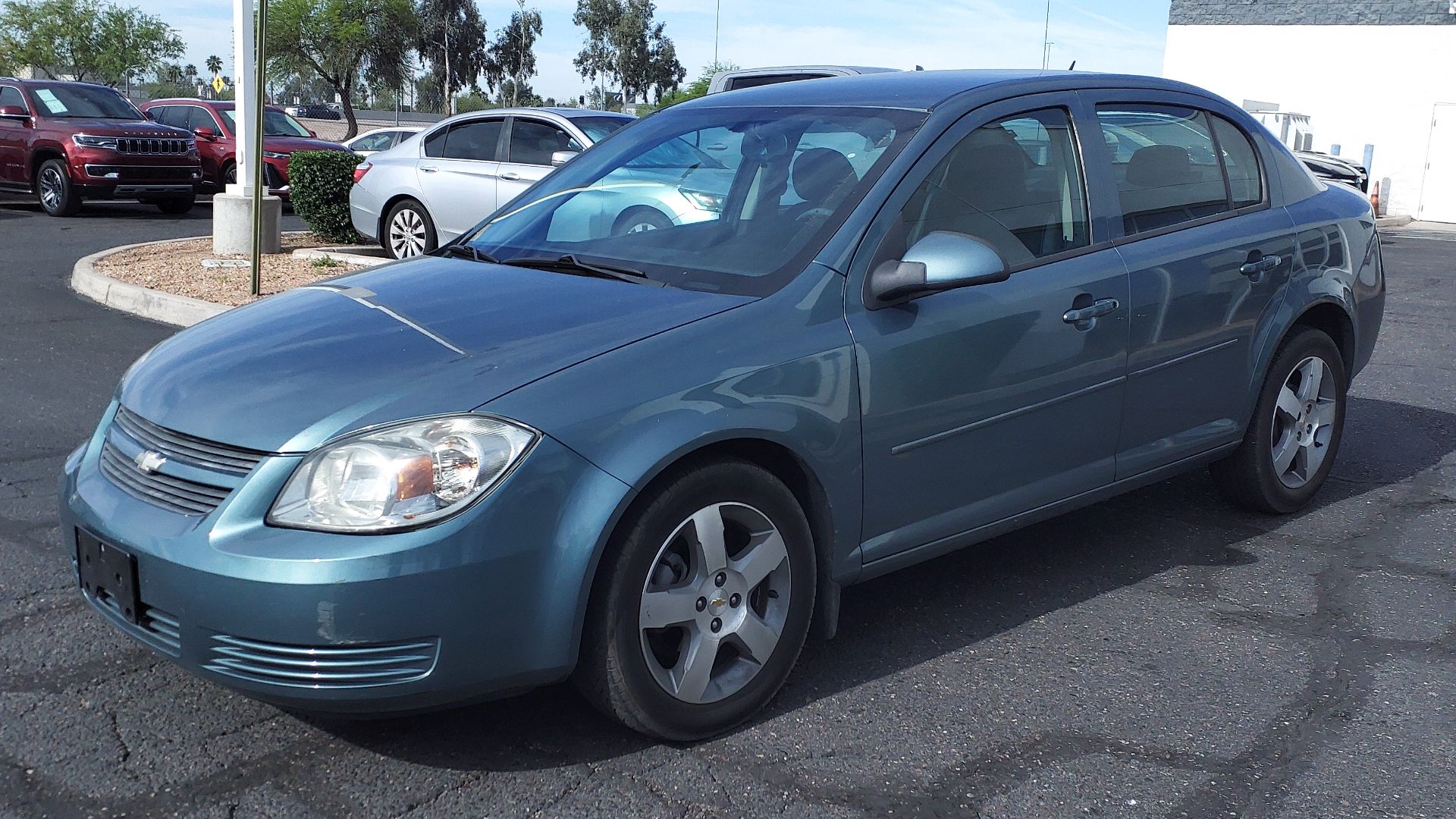
Chevrolet Cobalt
The Cobalt filled an important role in the mid-2000s: affordable American transportation for first-time drivers. It wasn’t glamorous, but it was cheap to buy and easy to maintain. Many teens drove Cobalts simply because they were available and within budget. For better or worse, that made it a defining first-car experience for a generation.
Hyundai Elantra
Hyundai’s reputation transformation helped make the Elantra a common teen car in the 2010s. With improved build quality, longer warranties, and competitive pricing, it became a practical first choice. Elantras offered modern interiors, good fuel economy, and straightforward driving dynamics. For teens, it felt new enough to be exciting without being overwhelming.
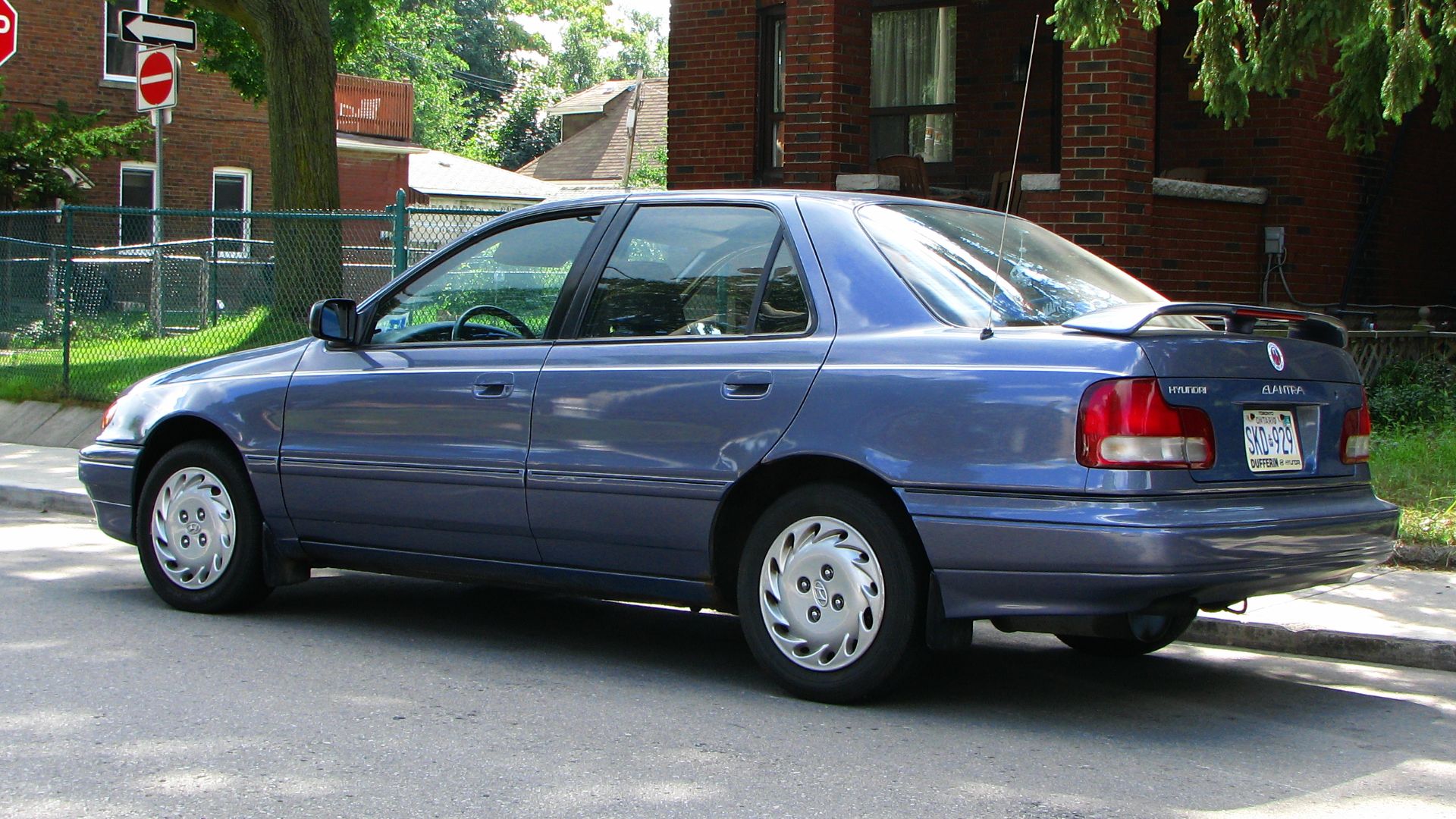 Michael Gil from Calgary, AB, Canada, Wikimedia Commons
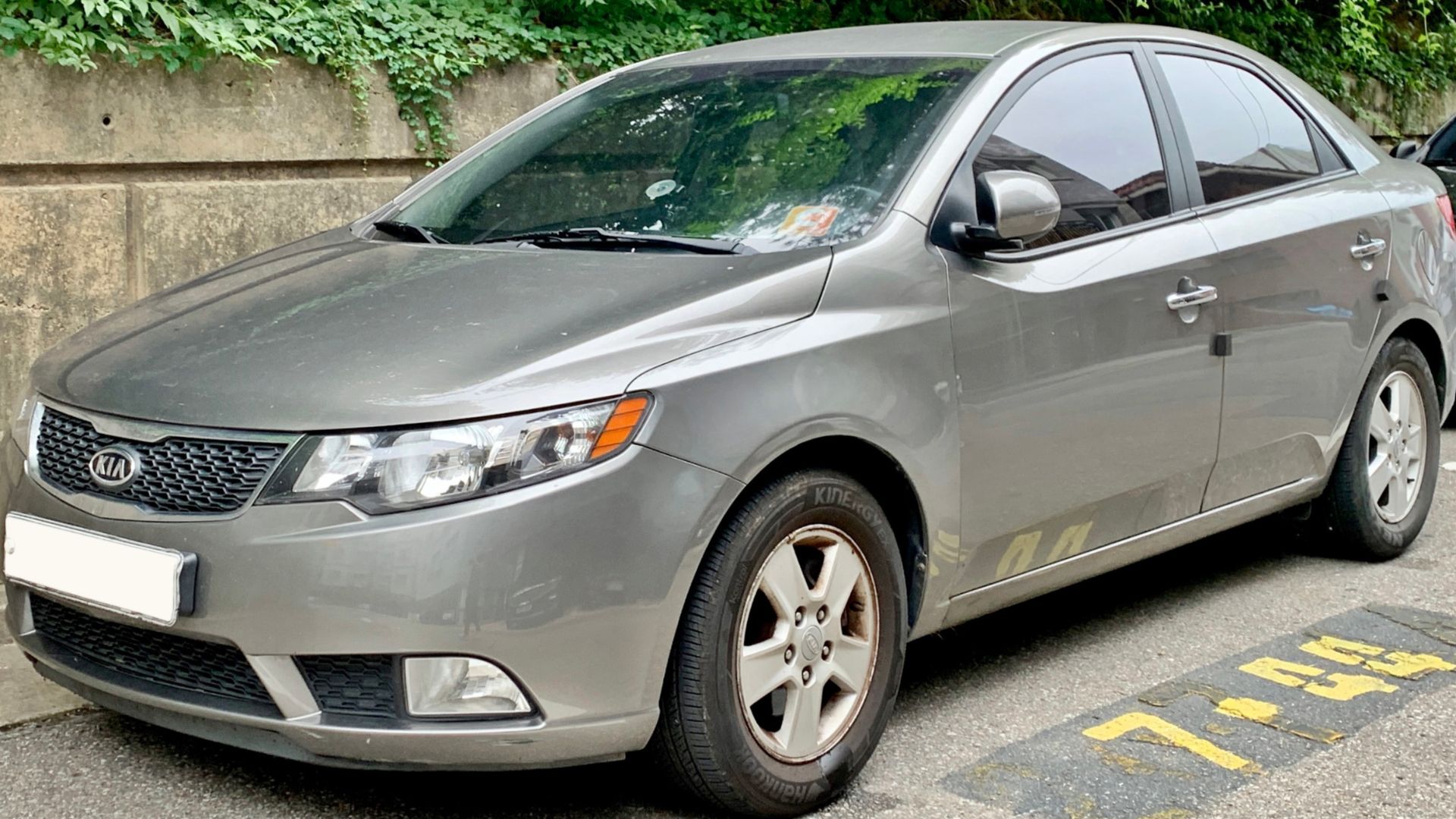
Kia Forte
The Forte followed a similar path to the Elantra, offering strong value and surprising refinement. Teens appreciated its modern tech and stylish design, while parents appreciated the price. As Kia’s quality improved, the Forte became a legitimate alternative to the Civic and Corolla — and a frequent first ride.
Nissan Sentra
The Sentra has long lived in the affordable, sensible corner of the market. Over the last 20 years, it became a frequent choice for teens thanks to availability and low running costs. While not thrilling, the Sentra’s easy controls and compact size made it unintimidating for new drivers learning the basics.
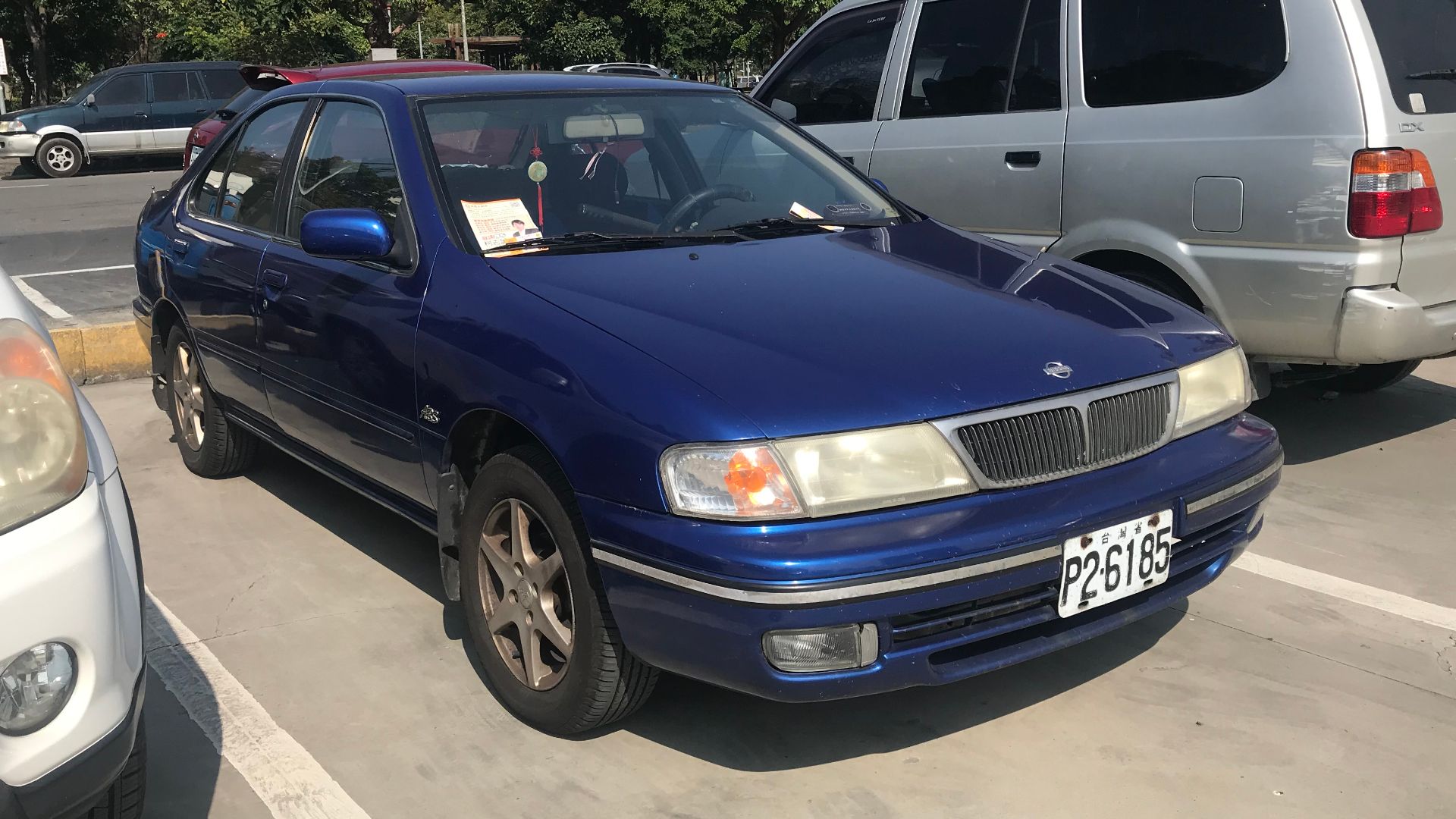 Jengtingchen, Wikimedia Commons
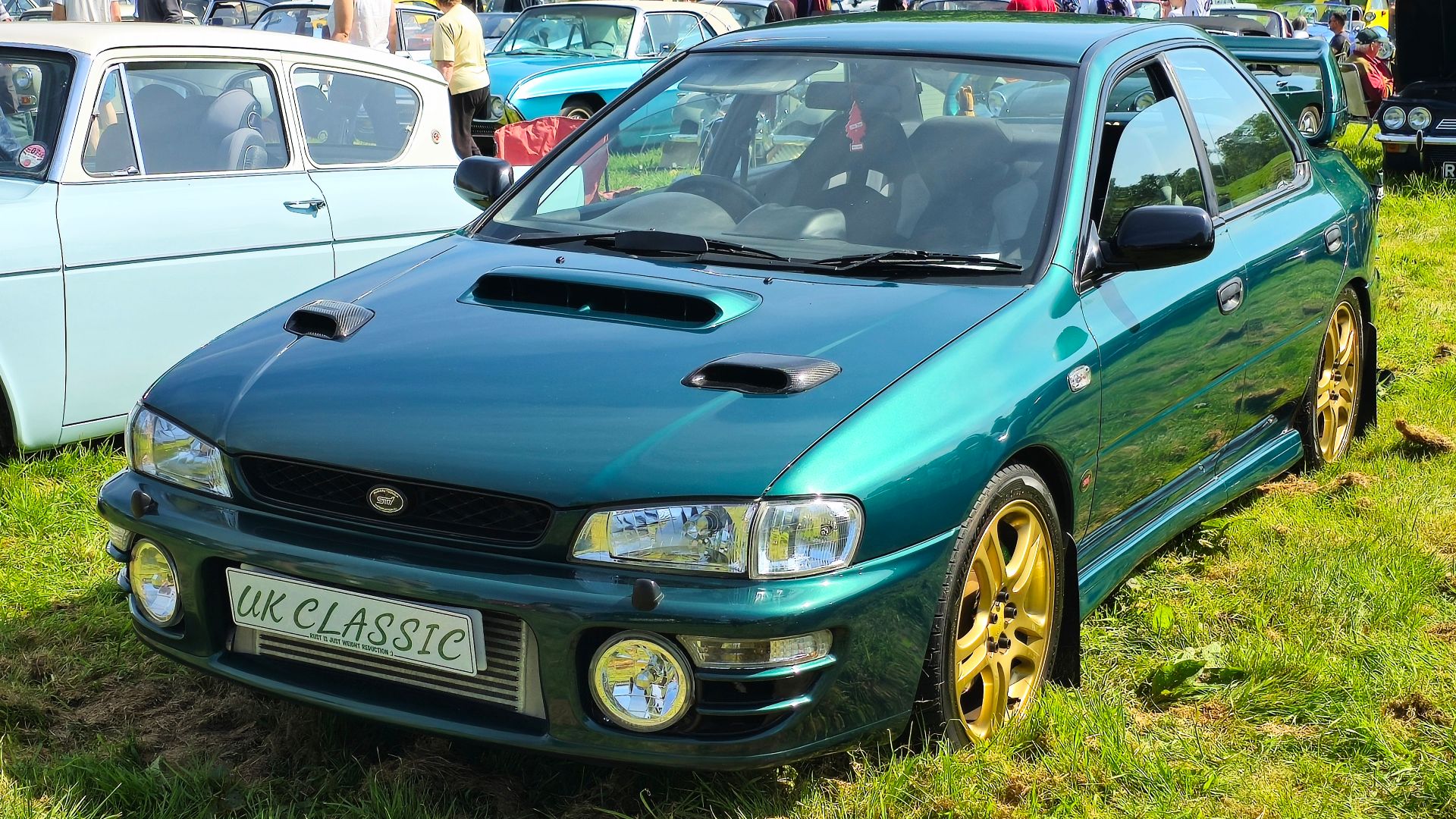
Subaru Impreza
For teens in snowy climates, the Impreza stood out thanks to standard all-wheel drive. It offered extra confidence during winter driving, which parents loved. Imprezas also had a youthful image, especially hatchback versions. They were practical, safe, and capable — a strong first car for adventurous teens.
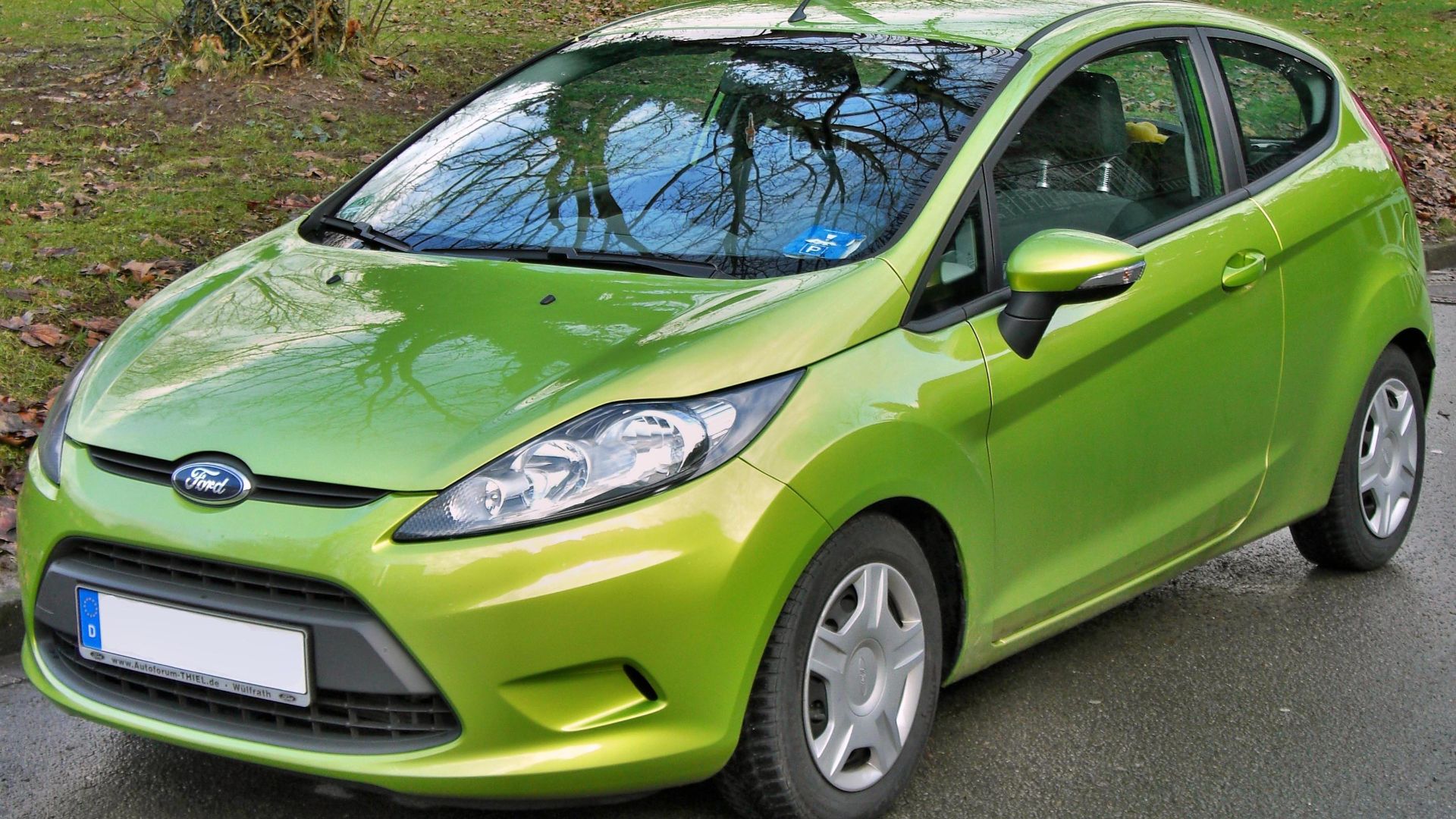
Ford Fiesta
Small, cheap, and cheerful, the Fiesta became popular in the early 2010s as fuel prices climbed. Its compact size made parking easy and mistakes less costly. For new drivers, the Fiesta felt approachable and lighthearted, even if long-term reliability varied by year.
Chevrolet Cruze
The Cruze replaced the Cobalt and aimed to feel more modern and refined. It quickly became a popular first car due to affordability and widespread availability. With decent safety ratings and comfortable interiors, it fit neatly into the teen-car mold.
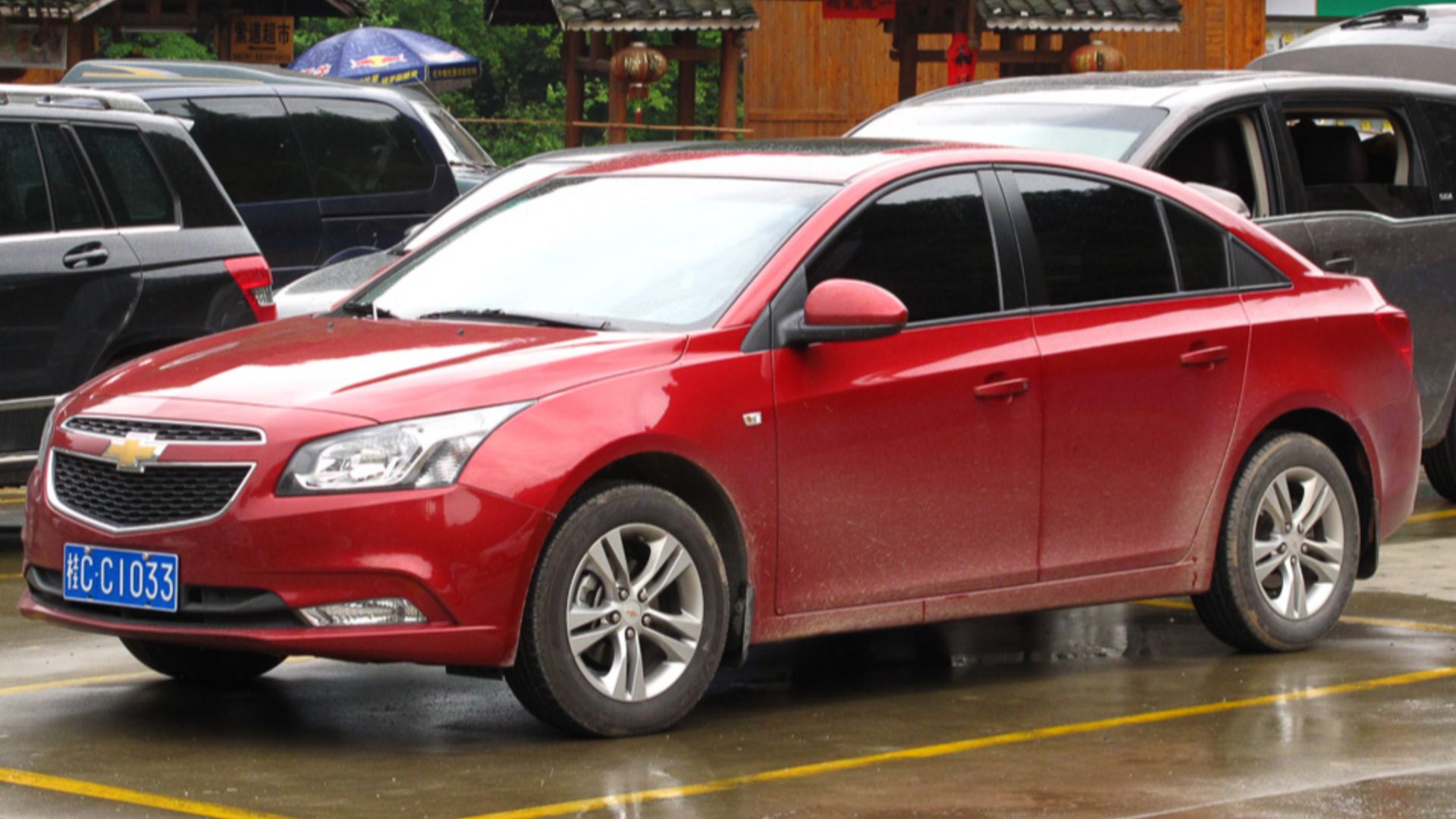 Rutger van der Maar, Wikimedia Commons
Dodge Neon
While discontinued earlier in the timeline, the Neon still influenced early-2000s teen driving culture. Cheap, simple, and everywhere, it was often someone’s first taste of independence. Its simplicity made it easy to learn on — and easy to fix.
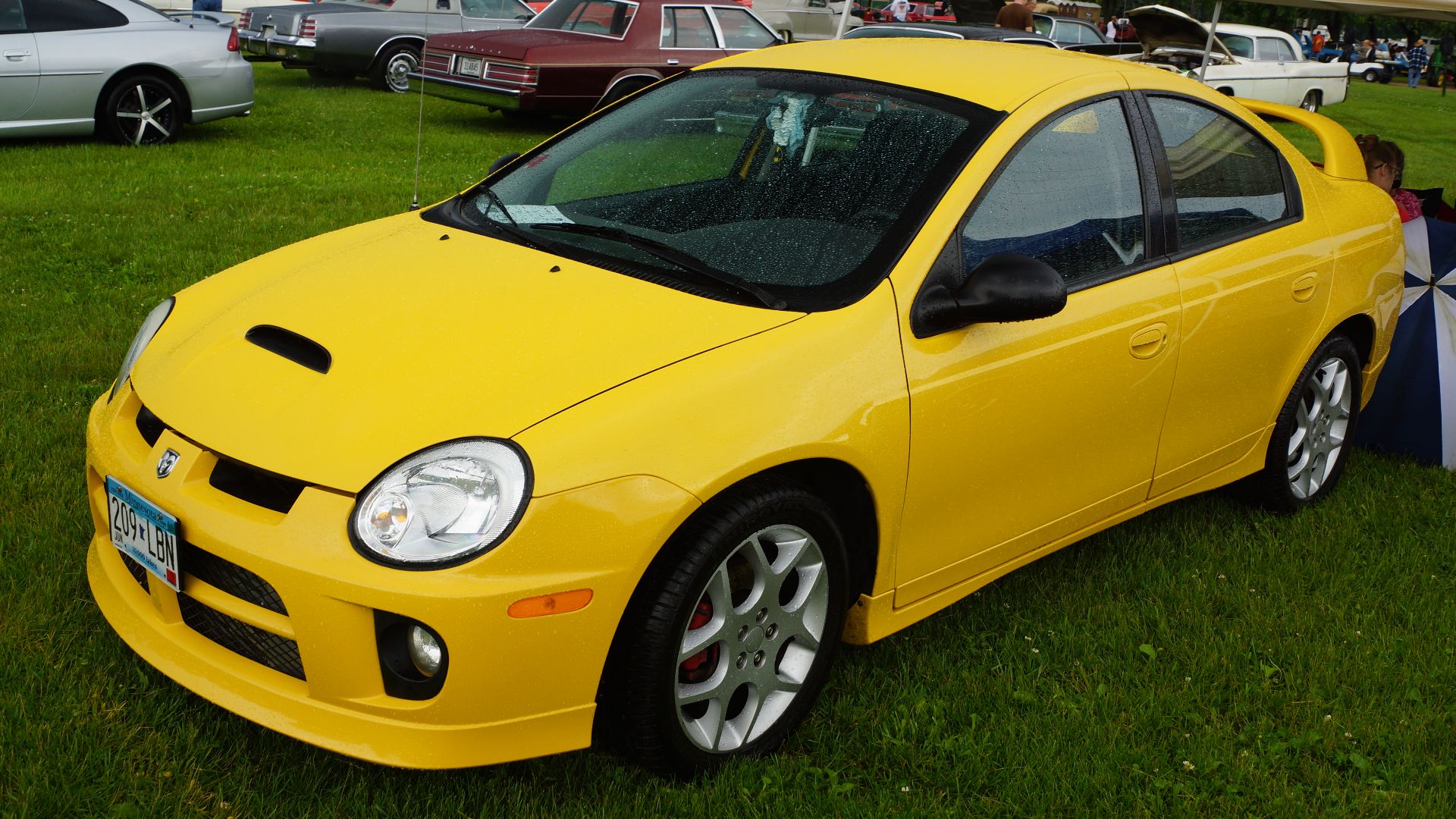 Greg Gjerdingen, Wikimedia Commons
Toyota Yaris
The Yaris became a go-to choice for city-driving teens. Its small footprint, excellent fuel economy, and bulletproof reliability made it ideal for beginners. It wasn’t fast or fancy, but it did exactly what a first car should do: start every time and forgive mistakes.
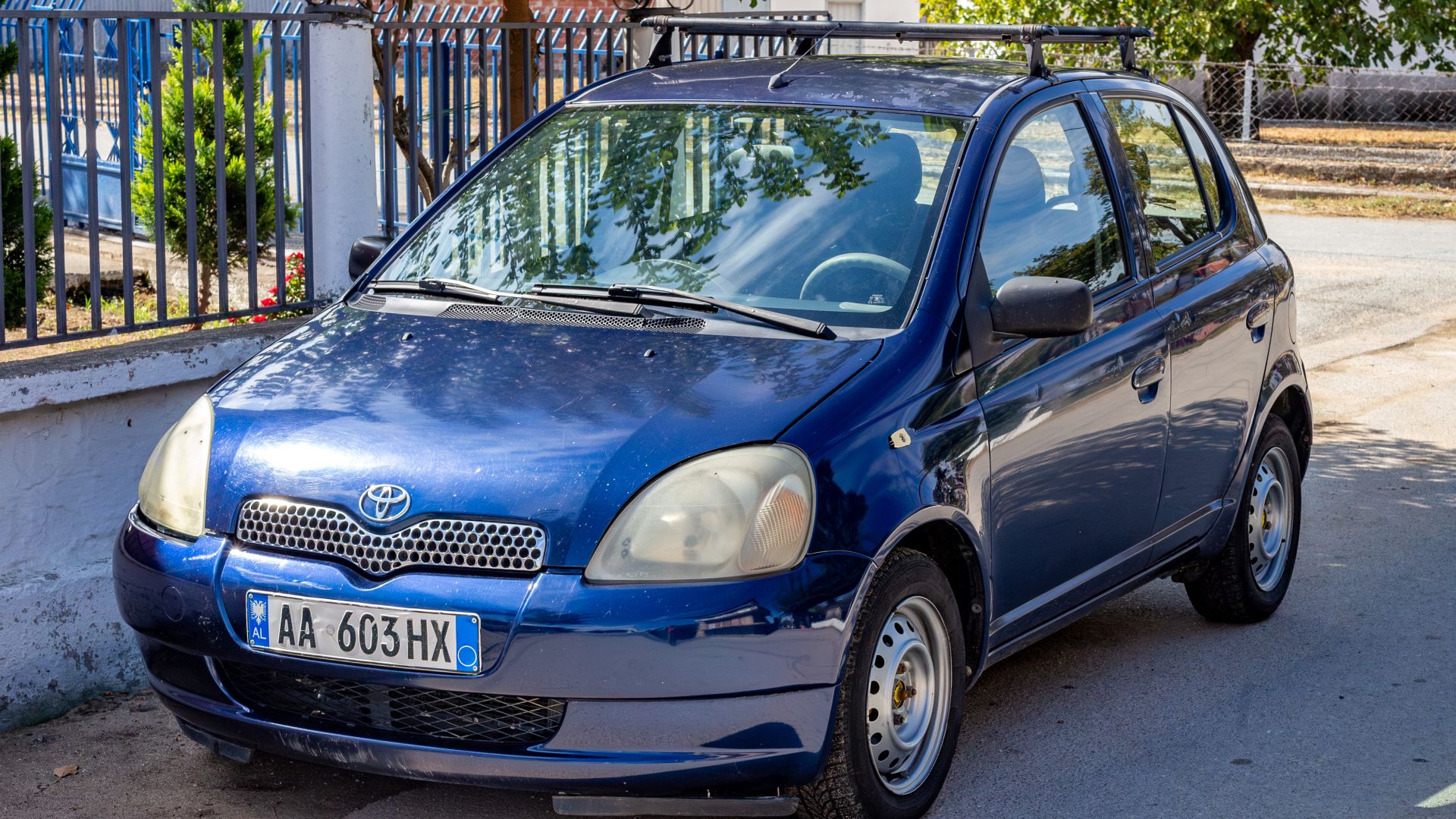 Nikolai Bulykin, Wikimedia Commons
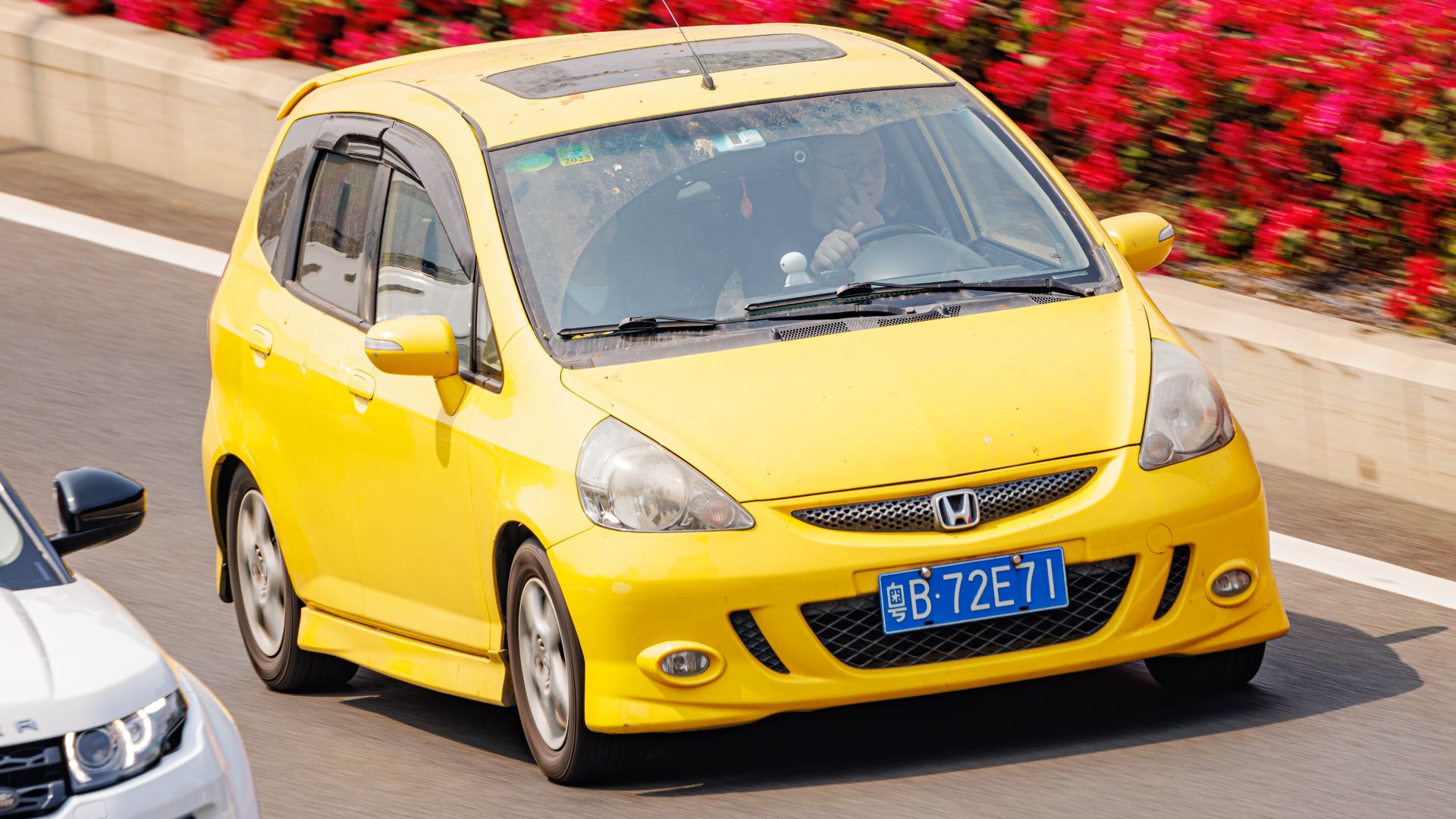
Honda Fit
The Fit surprised many teens with just how practical it was. Despite its small size, it could haul friends, gear, and groceries with ease. Excellent visibility and nimble handling made it especially beginner-friendly, while Honda reliability sealed the deal.
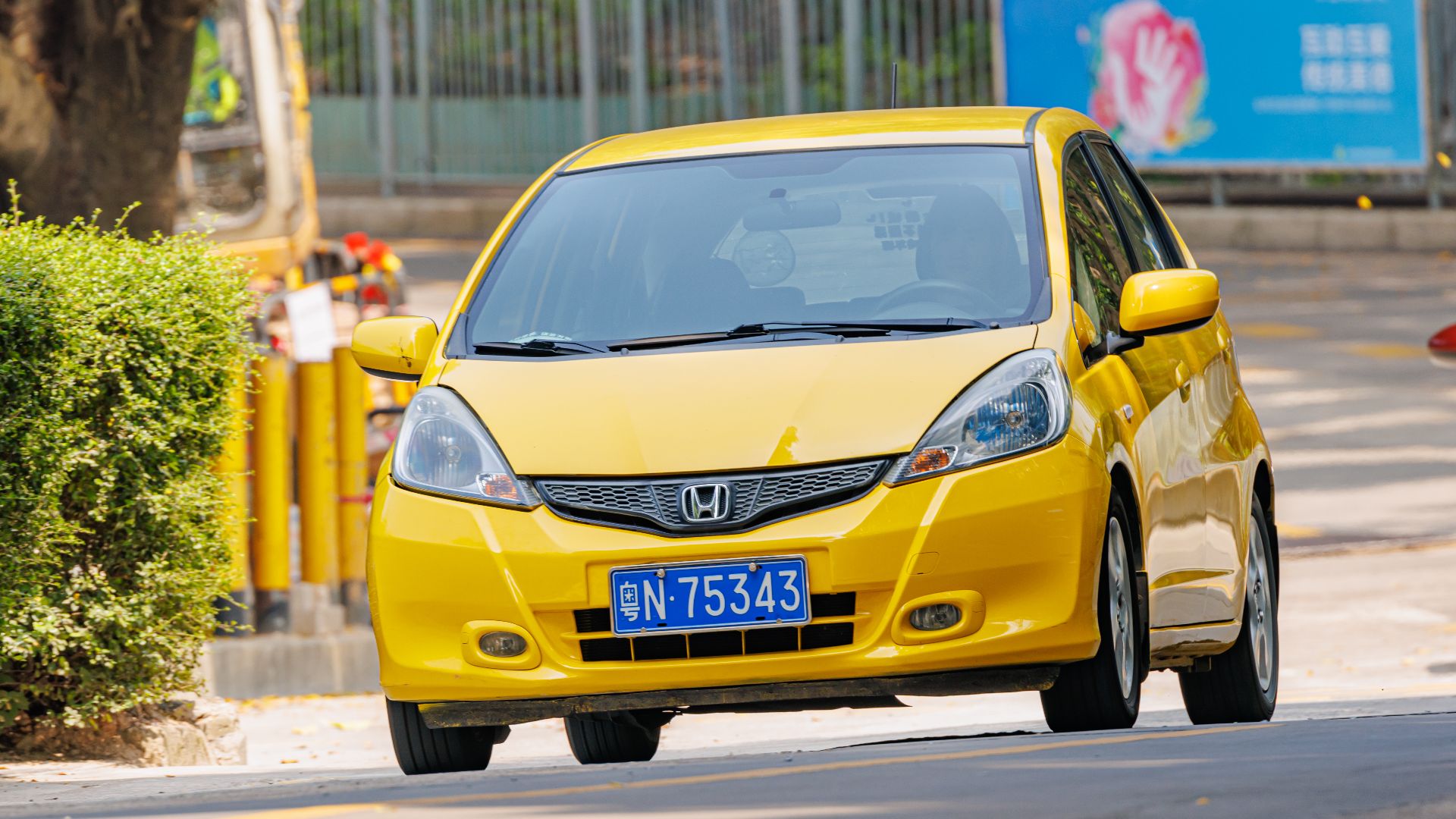 Dinkun Chen, Wikimedia Commons
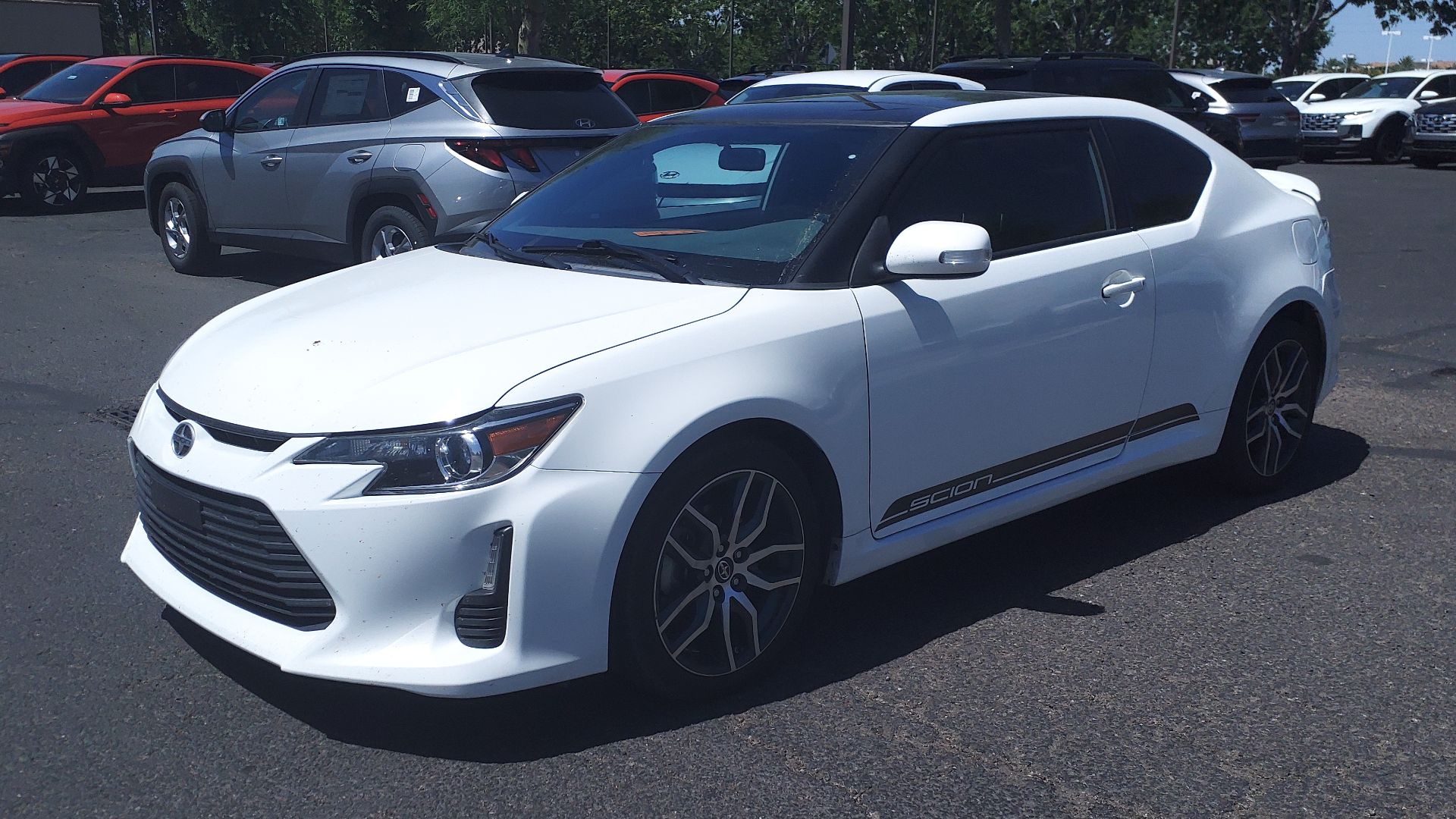
Scion tC
For teens who wanted something sportier-looking without sports-car insurance, the Scion tC delivered. It had style, a coupe shape, and Toyota reliability underneath. It became a popular choice for image-conscious teens who still needed practicality.
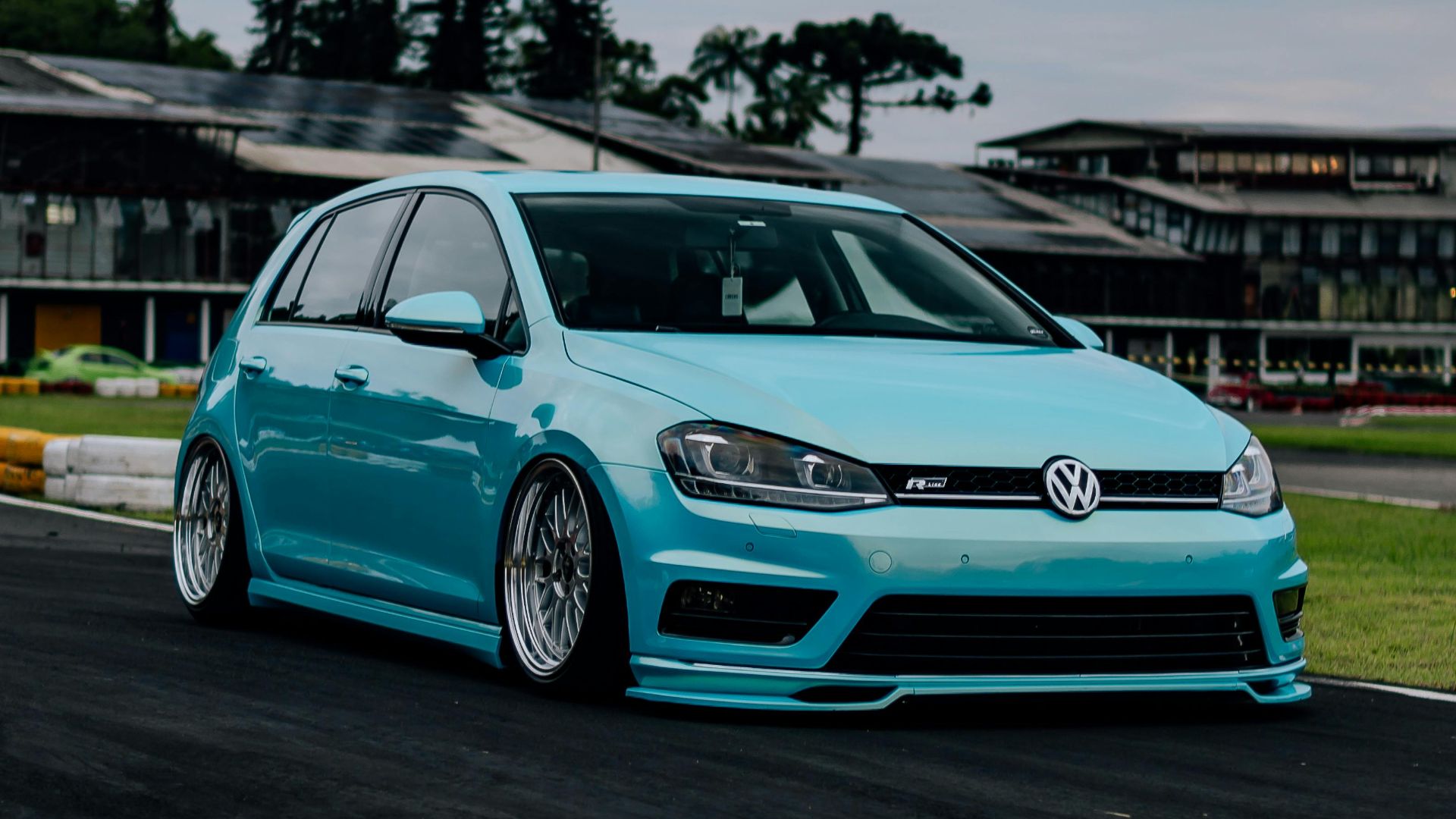
Volkswagen Golf
The Golf blended practicality with a premium feel. Hatchback versatility and solid handling made it appealing to teens who wanted something a little different. It also introduced many young drivers to European driving dynamics for the first time.
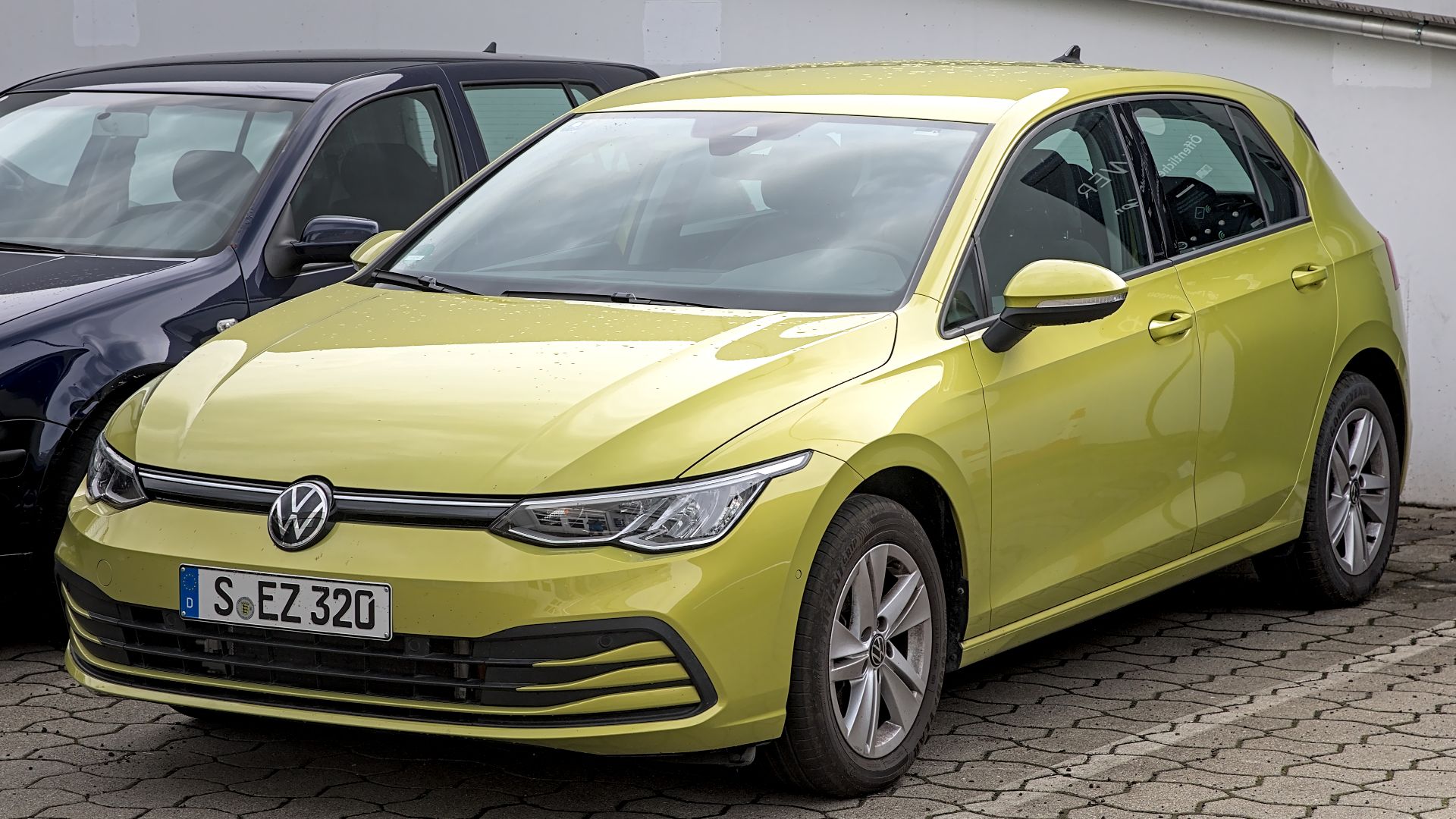 Alexander Migl, Wikimedia Commons
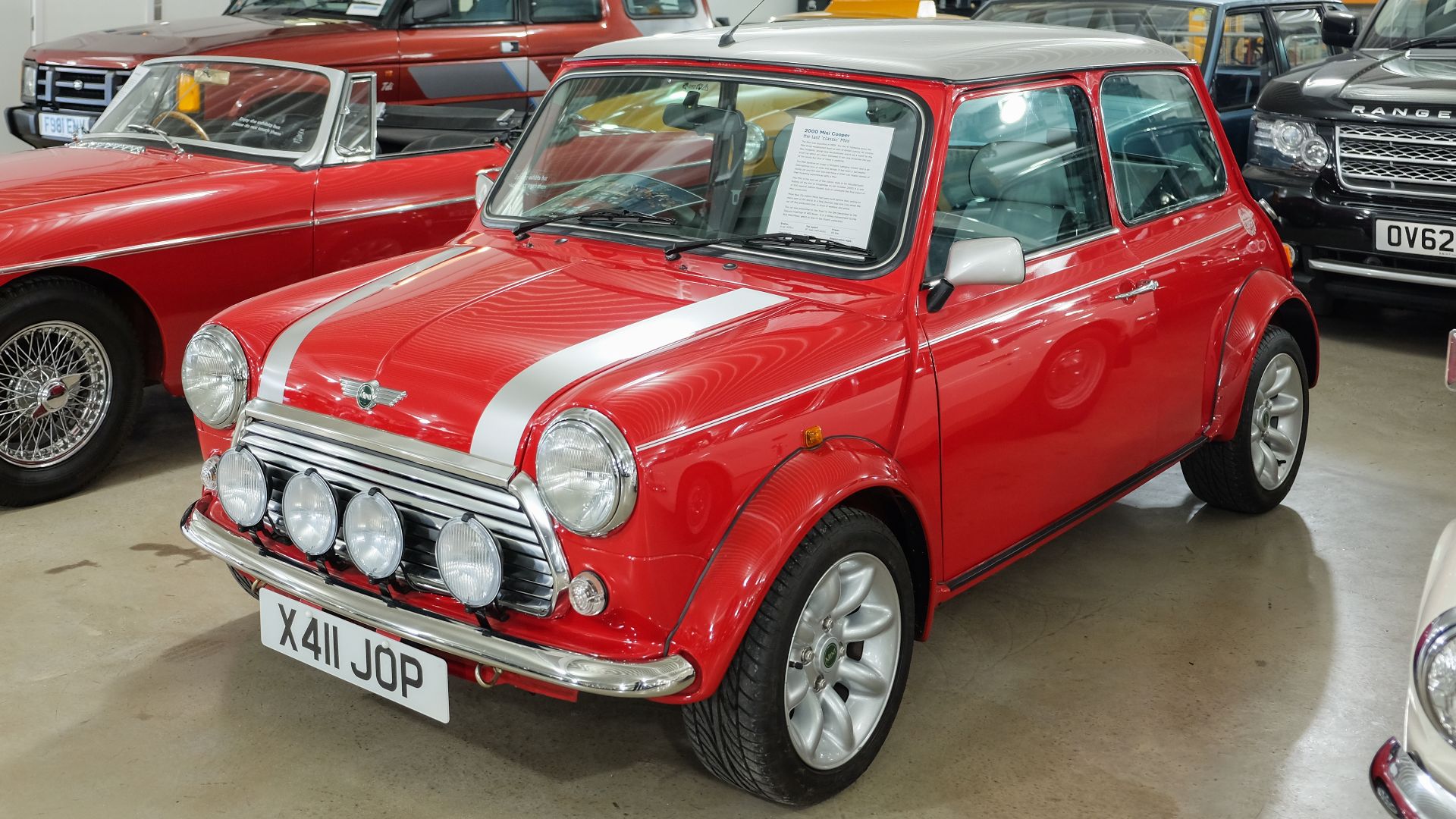
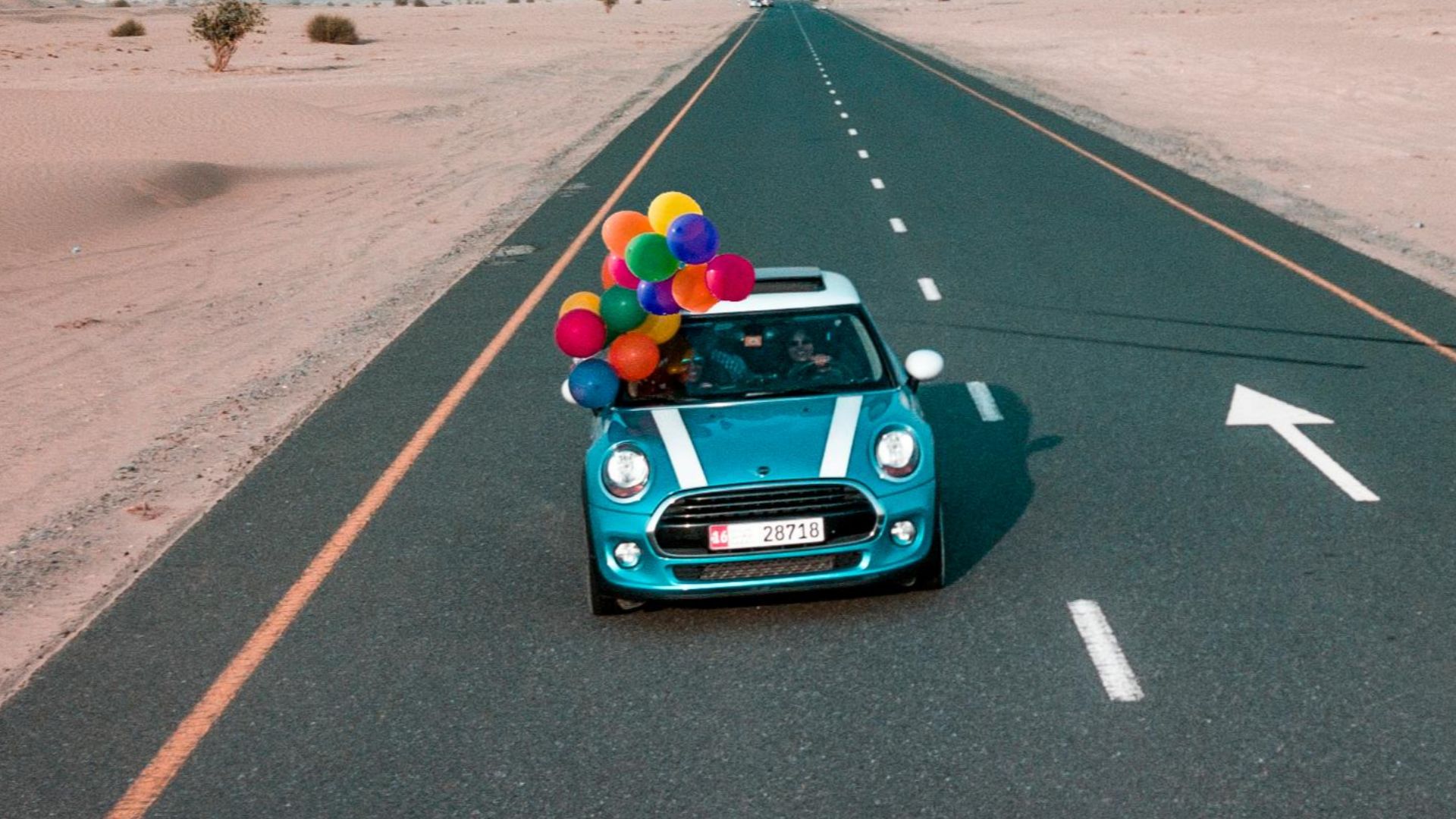
Mini Cooper
The Mini wasn’t cheap, but it was undeniably cool. Teens drawn to style and personality gravitated toward it. Its compact size and go-kart-like handling made it fun, though maintenance costs meant it wasn’t for everyone.
Jeep Wrangler (Hand-Me-Down Era)
In the last decade, older Wranglers became popular teen cars, especially in warmer states. Often passed down, they symbolized freedom more than practicality. While not the safest or most efficient, they left lasting memories.
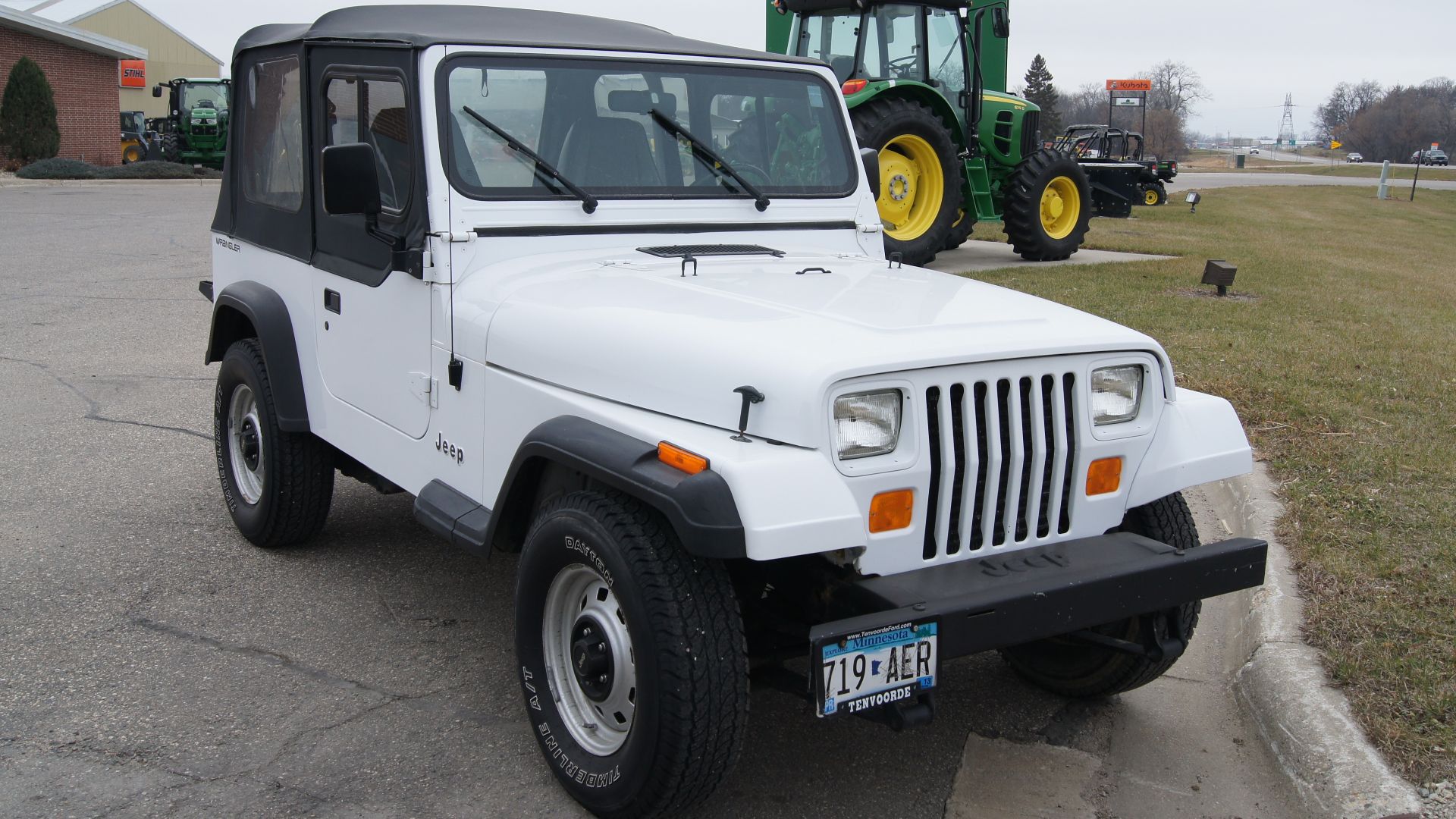 Greg Gjerdingen from Willmar, USA, Wikimedia Commons
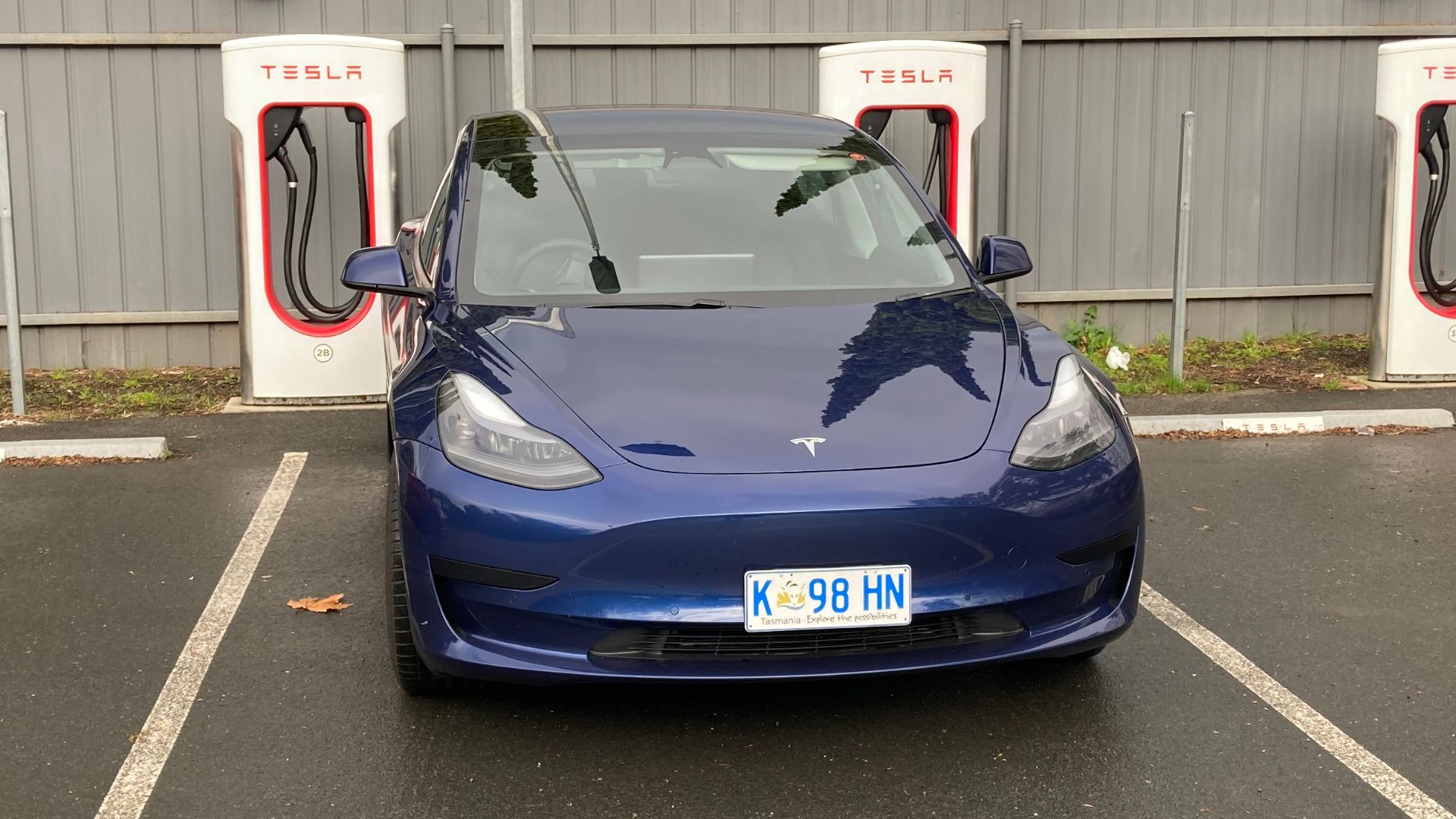
Tesla Model 3 (The Newcomer)
In the late 2010s and early 2020s, the Model 3 emerged as a first car for some teens, particularly in affluent areas. With advanced safety tech and simple driving mechanics, it represents a new era of first-time driving.
The Role Of Hand-Me-Down Cars
Many of these vehicles became teen cars not because they were bought new, but because they survived long enough to be passed down. Reliability mattered more than trendiness. These cars earned their place through longevity.
How First Cars Shape Driving Habits
A first car teaches patience, responsibility, and respect for the road. Cars that are predictable and forgiving help new drivers develop good habits. That’s why so many of these models stuck around.

Why These Cars Endured
Affordability, safety, and reliability are the holy trinity of first cars. The models on this list delivered those qualities consistently. They didn’t just transport teens — they taught them how to drive.
 The Lazy Artist Gallery, Pexels
Looking Ahead To The Next Generation
As technology evolves, first cars will look different. But the core needs remain the same: safety, simplicity, and affordability.
 Dinkun Chen, Wikimedia Commons
More Than Just First Cars
These cars weren’t just transportation — they were classrooms on wheels. They taught millions of teens how to navigate roads, responsibilities, and independence. Scratches, stalled engines, and late-night drives included. While styles and technologies change, the idea of a first car remains timeless. And somewhere, right now, a teenager is nervously adjusting mirrors in one of these models, ready to begin their own driving story.
You May Also Like:
Ford fanatics have tracked down the rarest Fords in existence, and they aren't what we expected.
Why Pontiac Named A Car After A Native American Chief—And Later Regretted It