Only Legends Know These Models
Muscle car legends aren’t always the loudest names in the room. Some of the rarest builds slipped quietly through Detroit’s doors in numbers so low that most people never even knew they existed.
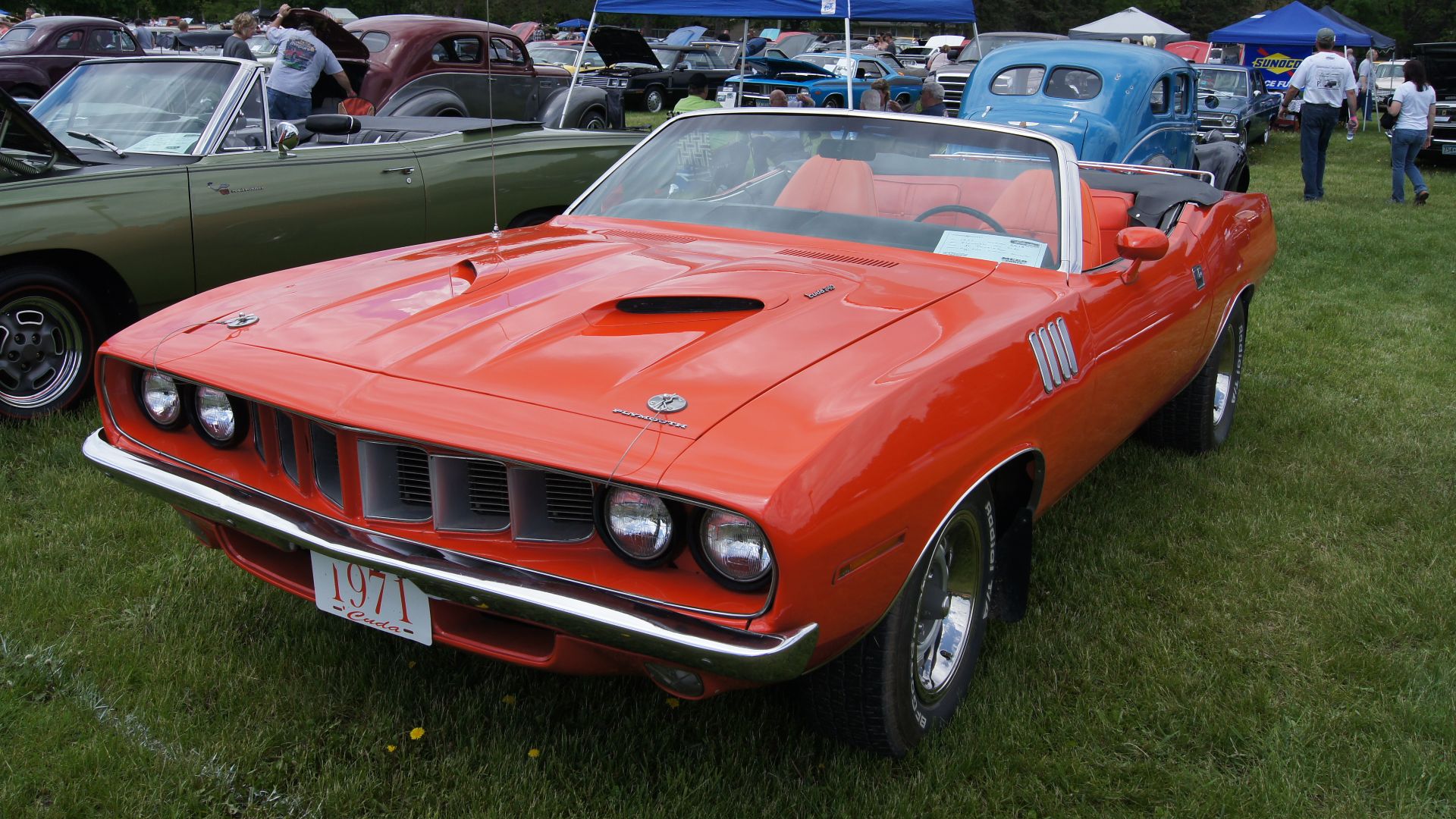
1971 Plymouth Hemi ’Cuda Convertible — Only 11 Made
A true holy grail of muscle cars, this convertible packed Chrysler’s legendary 426 Hemi V8 under its bulging hood. While hardtop ’Cudas were wild enough, this drop-top version became an ultra-rare beast. One verified example once hammered for more than $3.5 million.
 Greg Gjerdingen from Willmar, USA, Wikimedia Commons
1970 Dodge Coronet R/T Hemi Convertible — Only 2 Built
Few muscle cars blended brute force with full-size style like this one. It offered the same 426 Hemi found in Dodge’s most aggressive racers, wrapped in a bold, open-roof body. Today, it stands as one of the rarest Hemi drop-tops ever.
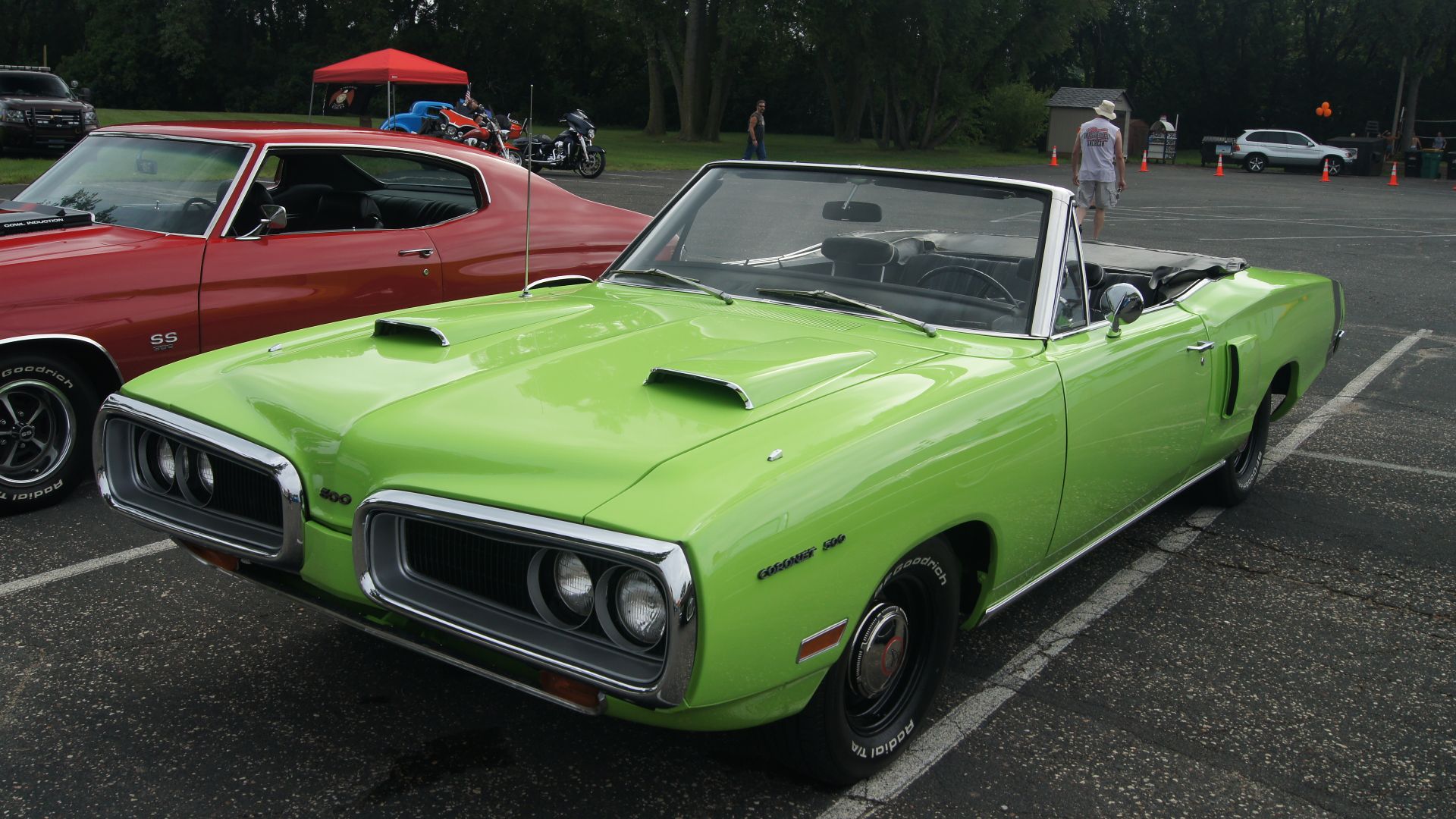 Greg Gjerdingen from Willmar, USA, Wikimedia Commons
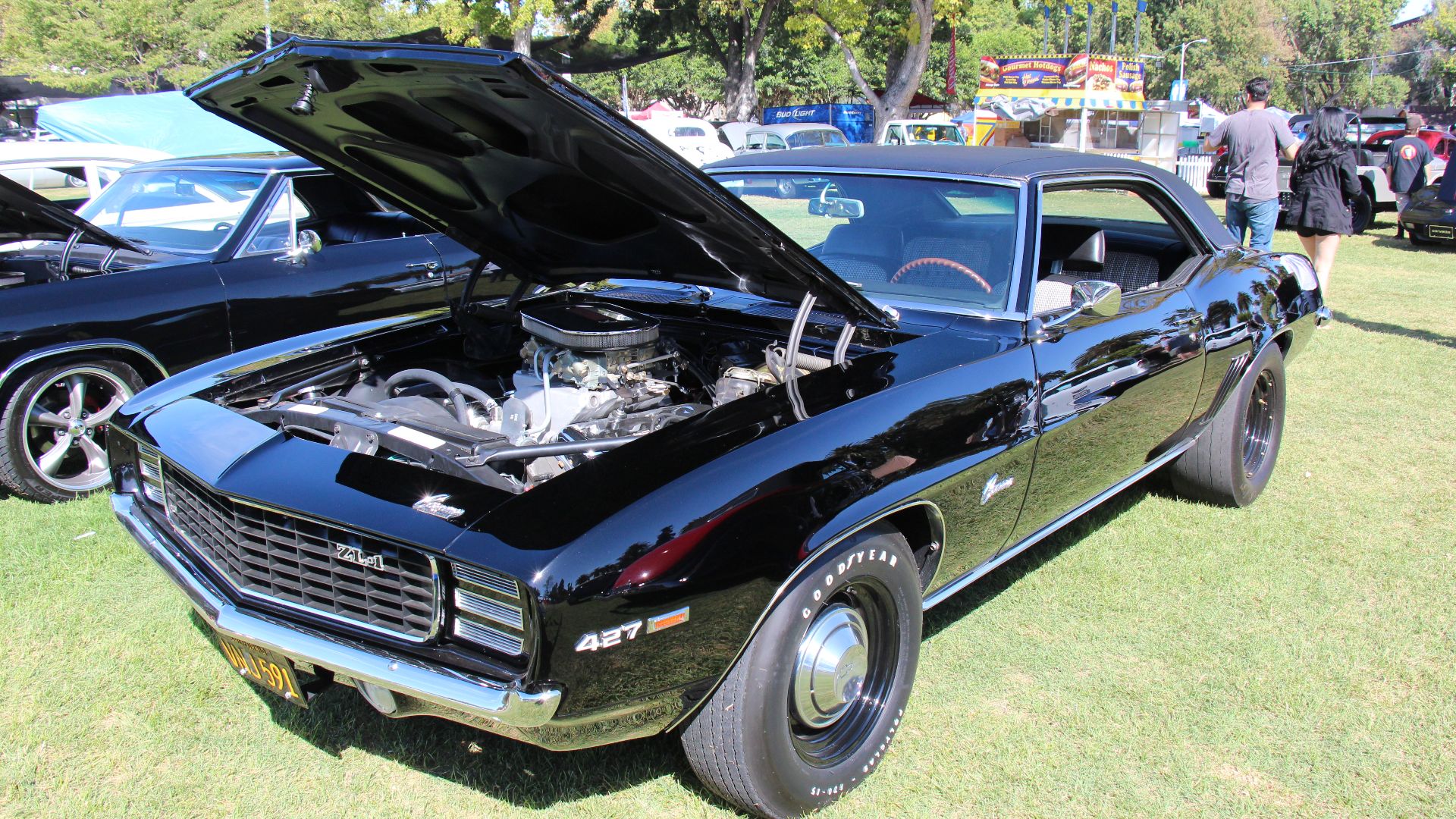
1969 Chevrolet Camaro COPO ZL1 — Only 69 Produced
This wasn’t your average Camaro. Chevrolet slipped a monstrous all-aluminum 427 ZL1 engine into a handful of cars using its secret Central Office Production Order system. Born for the drag strip, surviving ZL1s now command sky-high prices among collectors.
1967 Chevrolet Corvette L88 — Only 20 Produced
Designed for track domination, the L88 ditched creature comforts like radios and heaters to save weight. Its power rating was intentionally lowballed, making it insurance-friendly but race-ready. Many ended up where they belonged—at full throttle on the competition circuit.
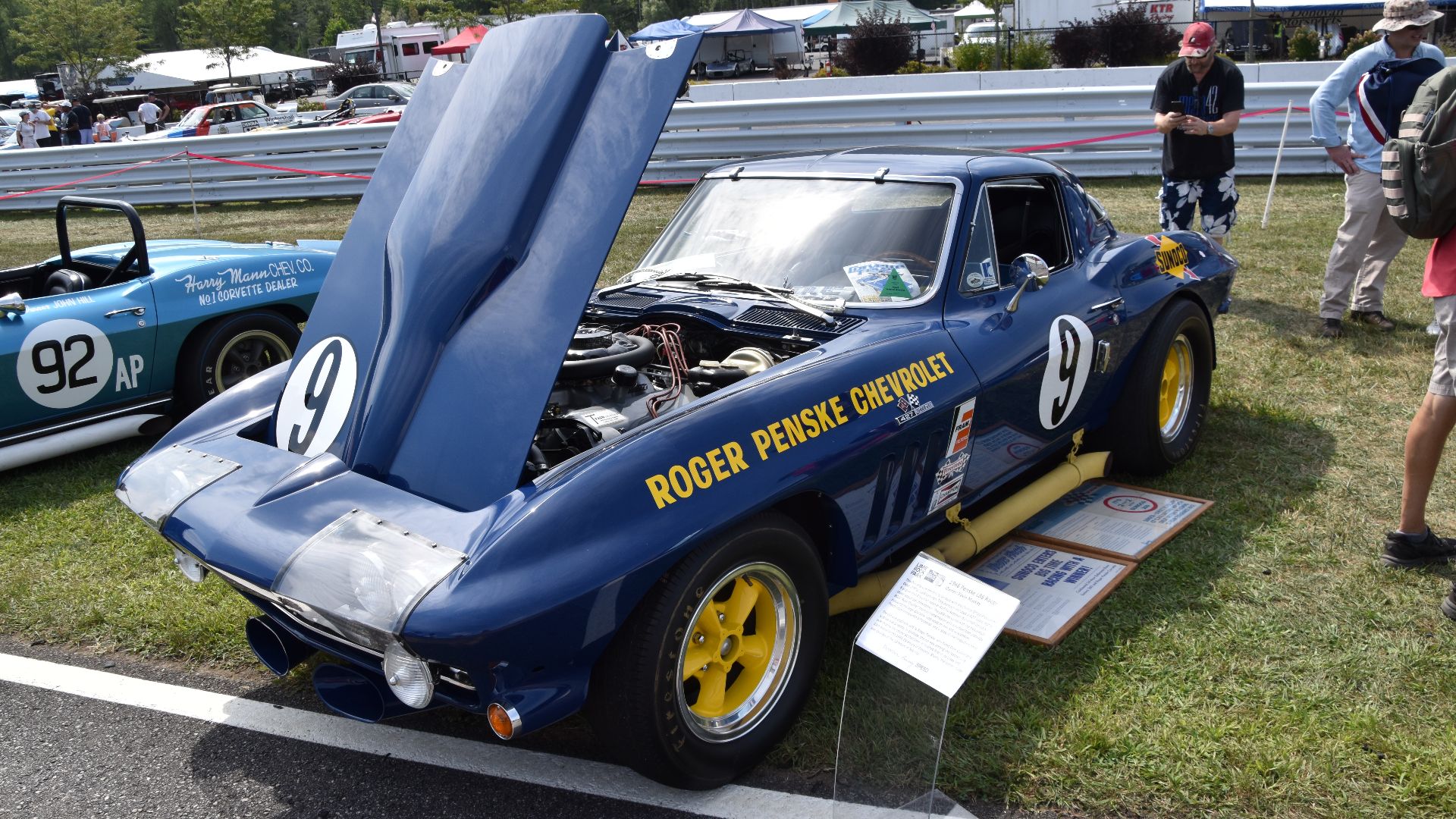 Charles from Port Chester, New York, Wikimedia Commons
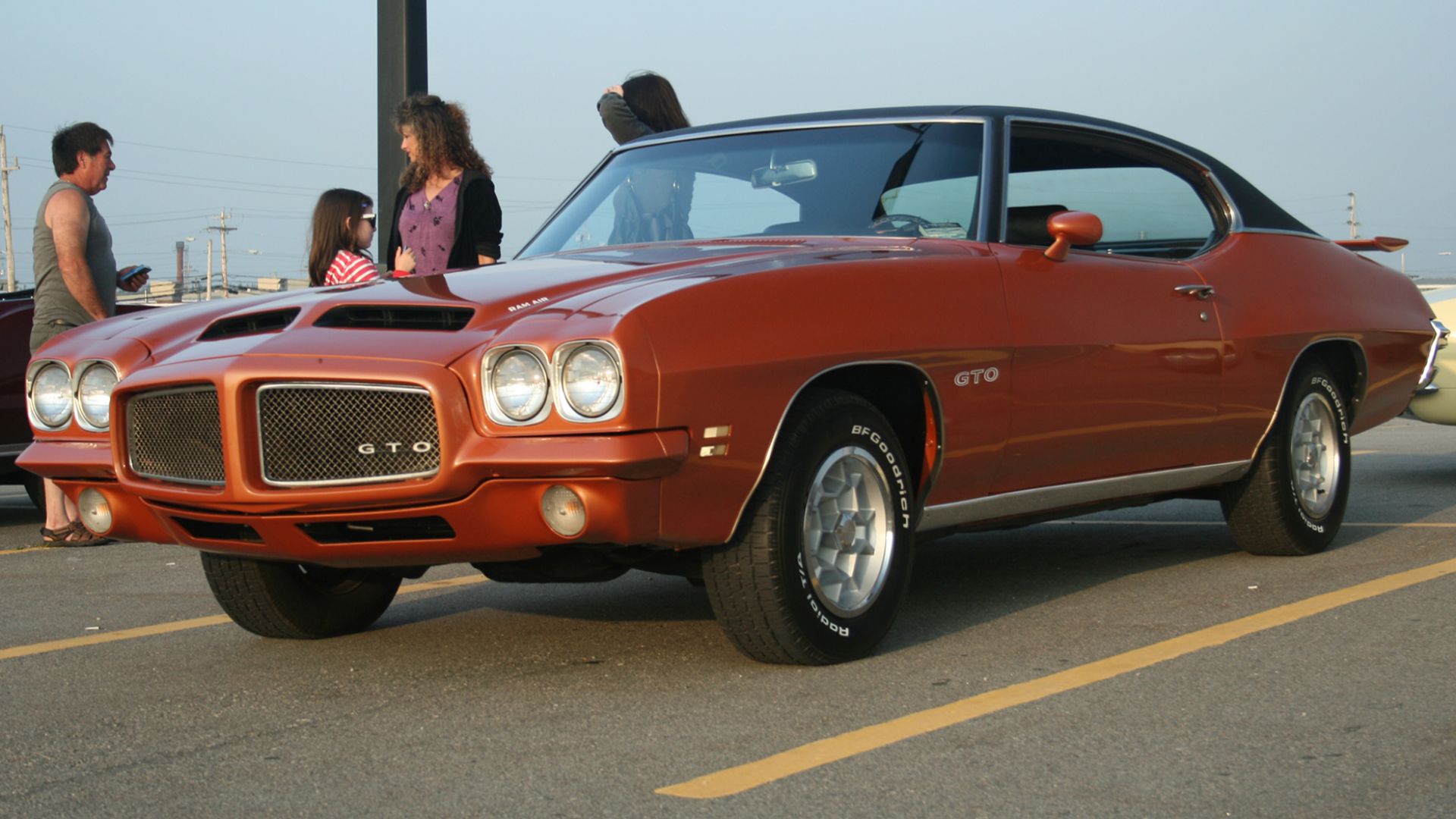
1971 Pontiac GTO Judge Convertible — Only 17 Made
Pontiac’s Judge trim was already wild, but the 1971 convertible version took rarity to another level. Equipped with high-output engines and bold styling, this top-down muscle car was a last gasp of GTO flash before the performance era began to fade.
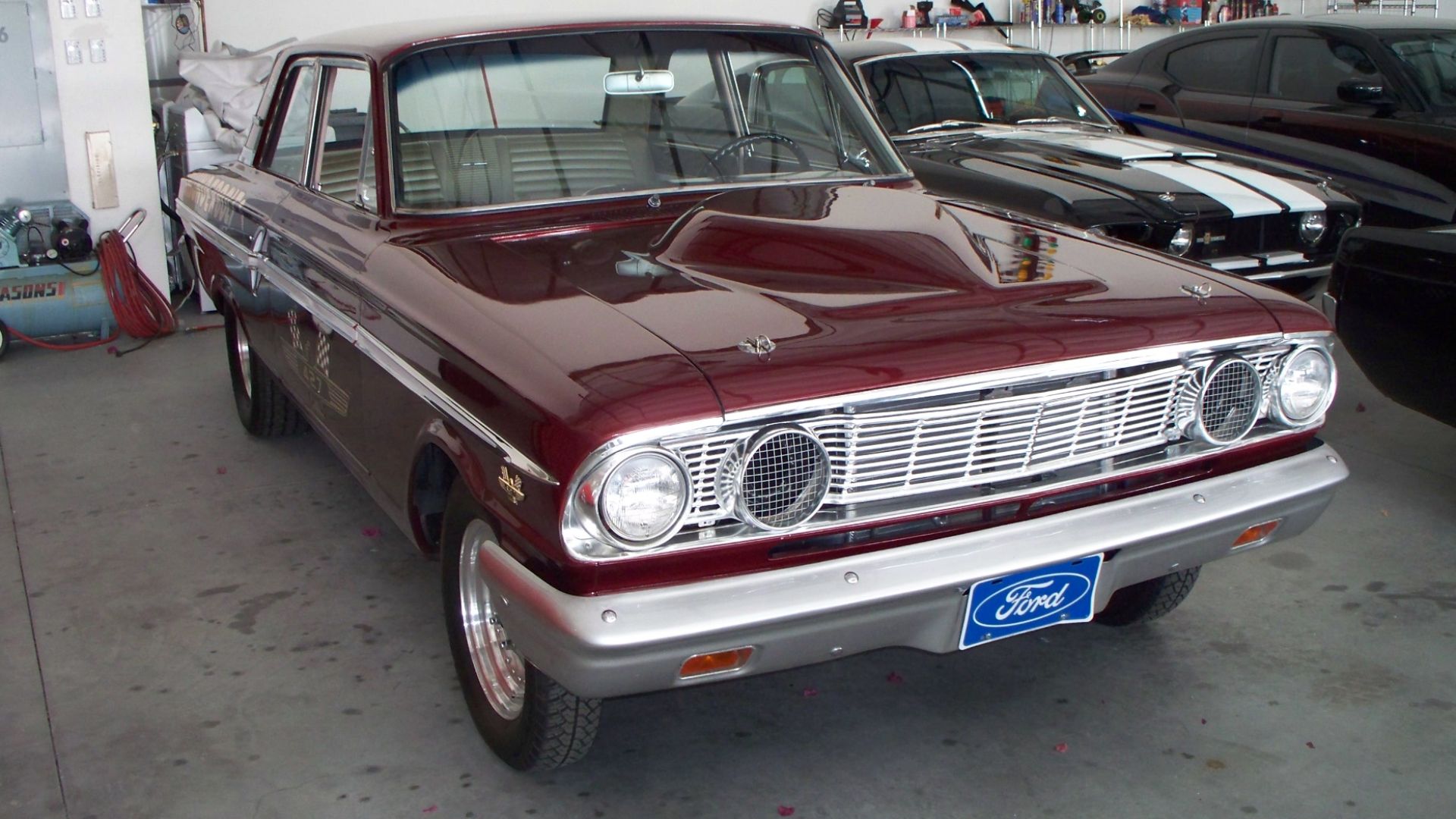
1964 Ford Thunderbolt — Only 100 Built
Ford designed the Thunderbolt to conquer the drag strip, not the showroom. It came stripped of luxuries, filled with a massive 427 V8, and equipped with lightweight body panels. These street-legal race cars were born for one thing—quarter-mile domination.
 PMDrive1061, Wikimedia Commons
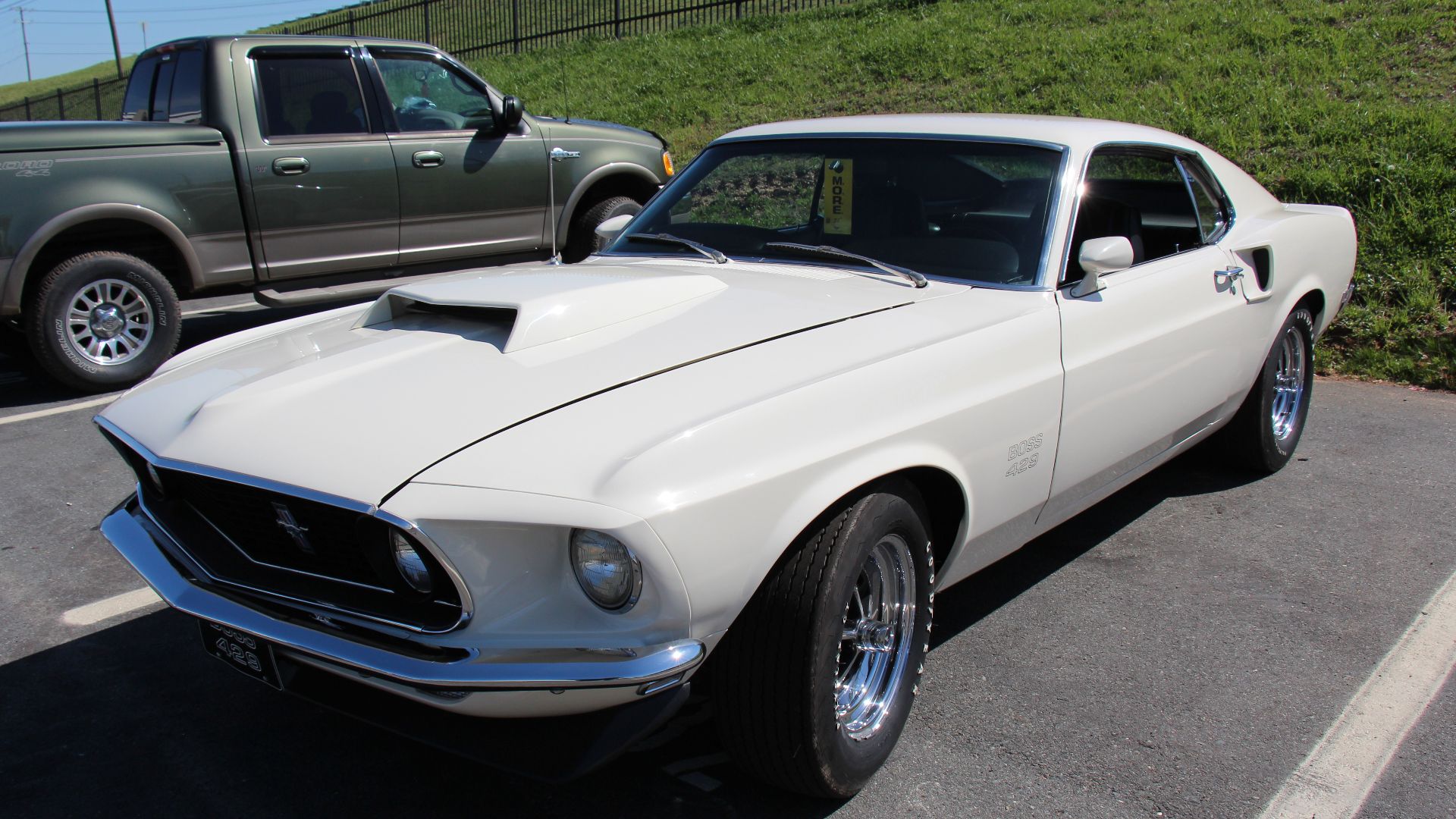
1969 Ford Mustang Boss 429 — Only 859 Produced
Built to qualify Ford’s NASCAR engine for competition, the Boss 429 Mustang was anything but ordinary. Final assembly was outsourced to Kar Kraft, where each car received custom engine bays to fit the massive V8. It’s a factory hot rod with racing DNA.
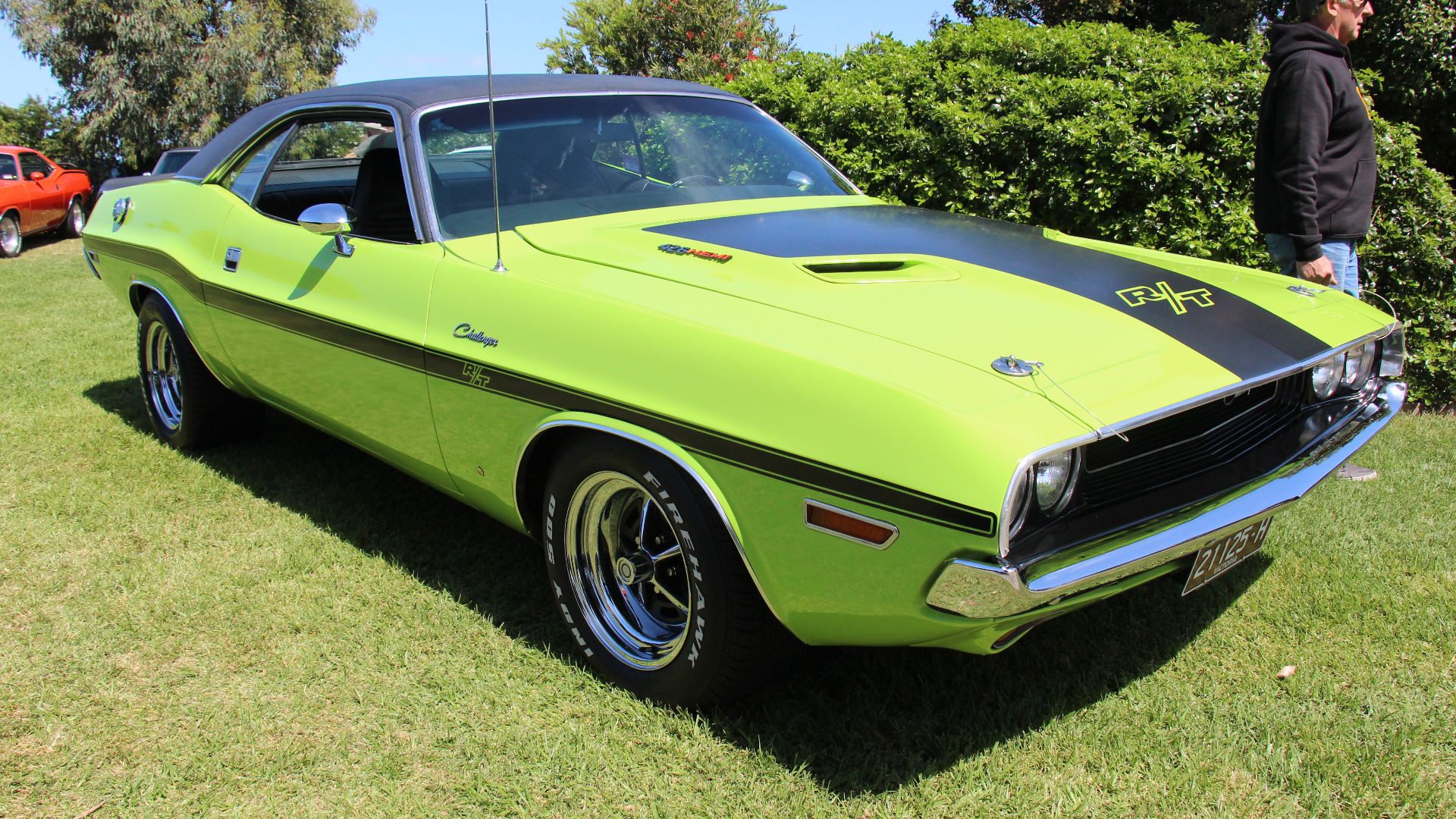
1970 Dodge Challenger Hemi Convertible — Only 9 Made
This Challenger packed the fearsome 426 Hemi into a rare convertible body. Insurance costs scared off buyers, which helped keep production extremely low. Today, any auction appearance sparks a frenzy among collectors chasing the ultimate Hemi Mopar unicorn.
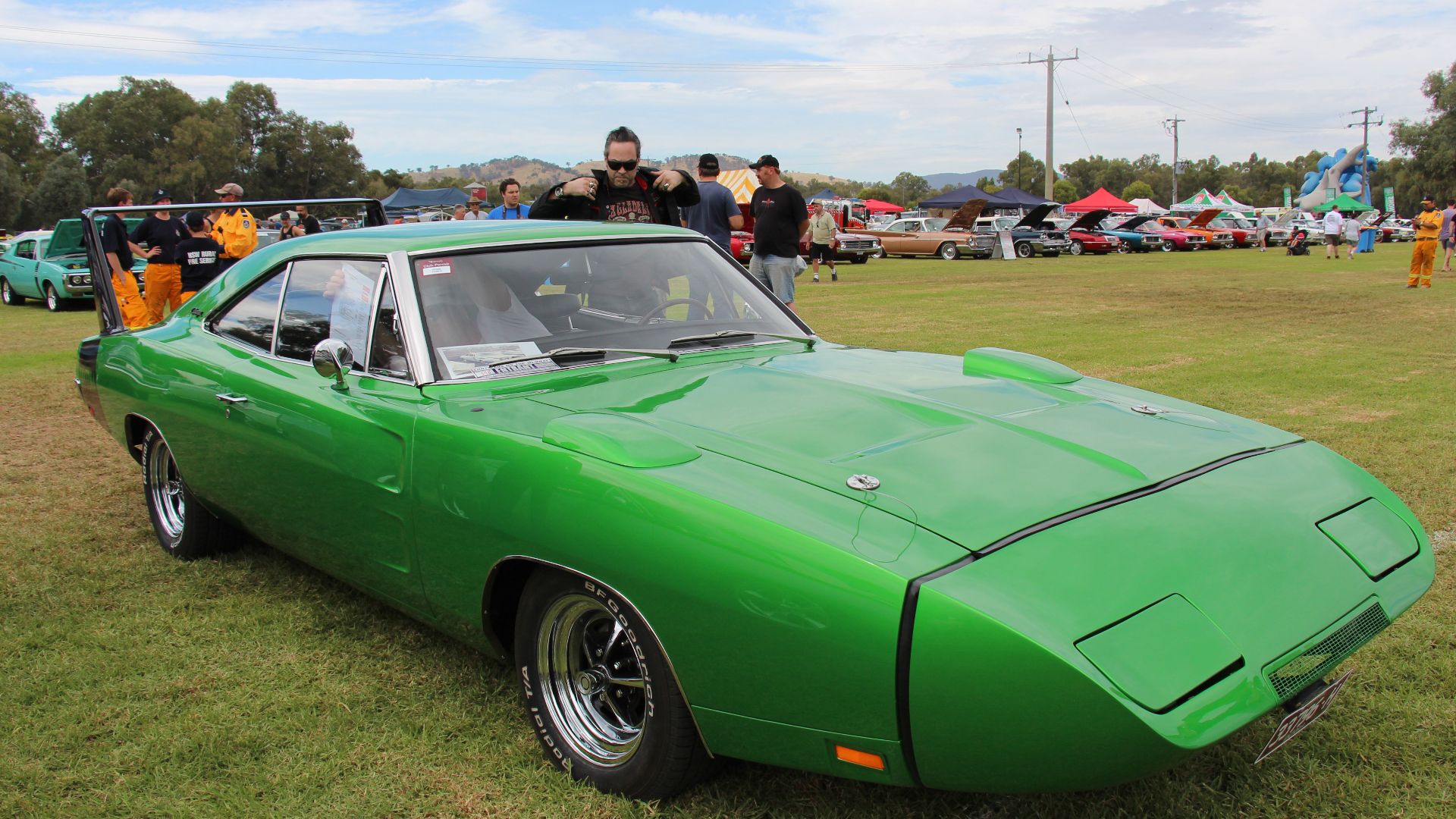
1969 Dodge Charger Daytona Hemi — Only 70 Built
Purpose-built for NASCAR, this Daytona came with a towering rear wing and extended nose for extreme speed. The Hemi version was even more exclusive. It became the first stock car to break 200 mph and remains a milestone in racing history.
1970 Plymouth Superbird Hemi — Only 135 Built
With its towering rear wing and pointed nose, the Superbird was built to rule NASCAR. The Hemi version added serious firepower. Despite its performance, the styling split opinions as many sat unsold on lots, waiting for the legend to catch up.
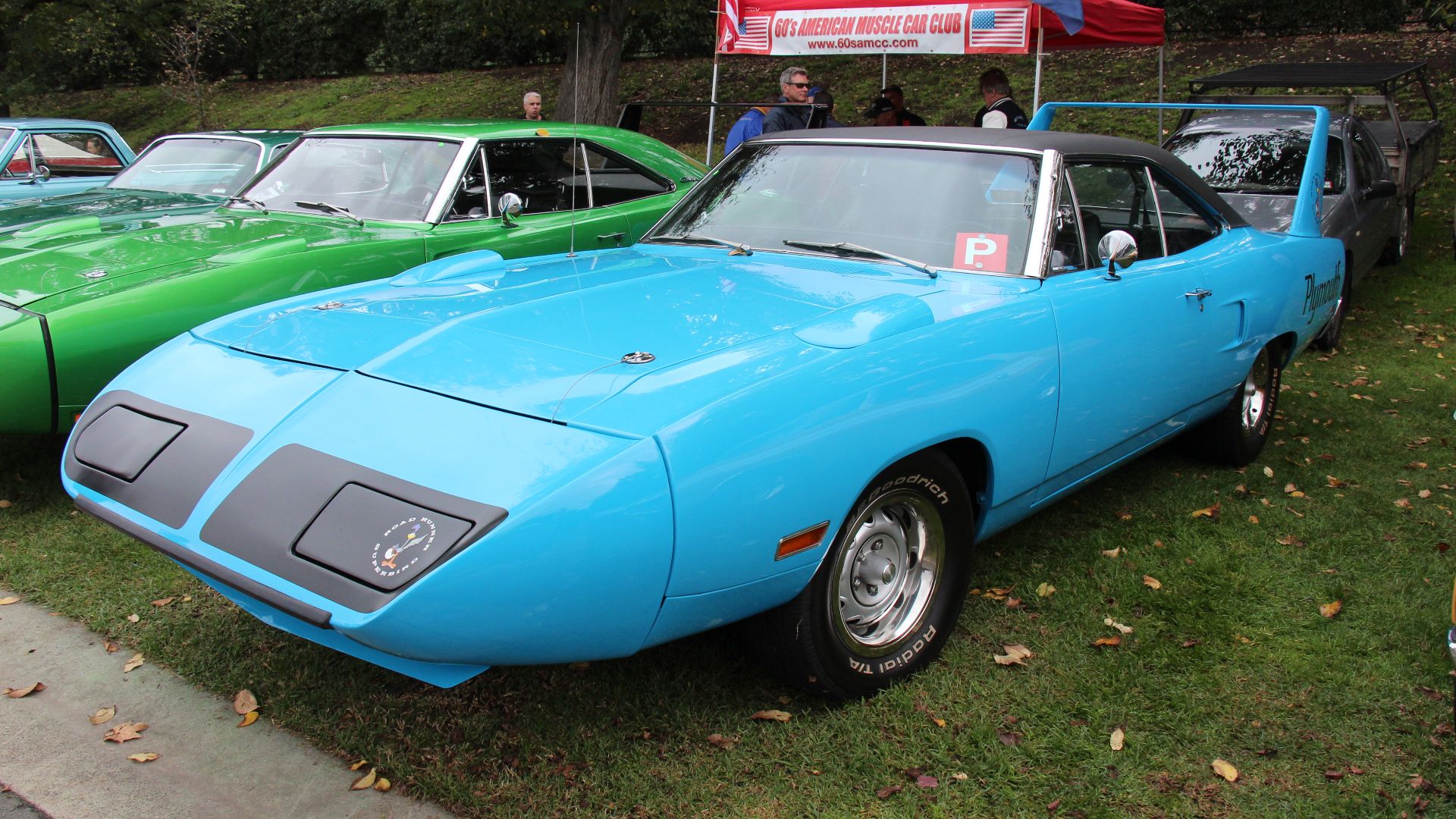
1968 Dodge Dart LO23 Hemi — Only 80 Produced
This was a factory-built dragstrip warrior. Interiors were stripped, windows were plastic, and the monstrous Hemi engine dominated the quarter-mile. These Darts weren’t meant for streets; they were sold as race cars with just enough legality to wear license plates.
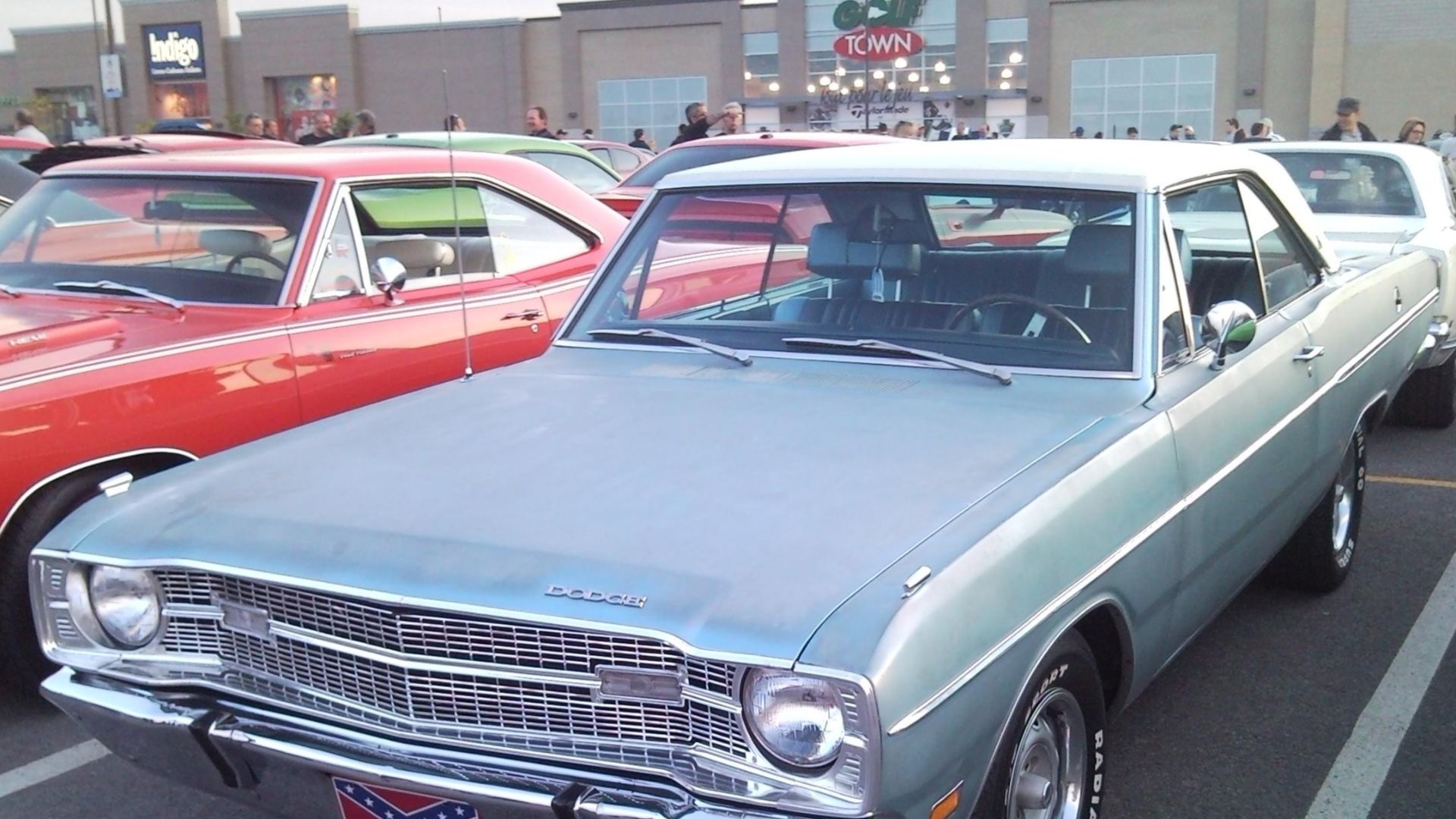 Bull-Doser at English Wikipedia, Wikimedia Commons
1963 Chevrolet Impala Z11 — Only 57 Made
Created for drag racers, the Z11 used aluminum panels and a 427 V8 to cut serious weight and boost speed. It looked like a standard Impala, but under the skin, it was a lightweight missile made to crush competition at the strip.
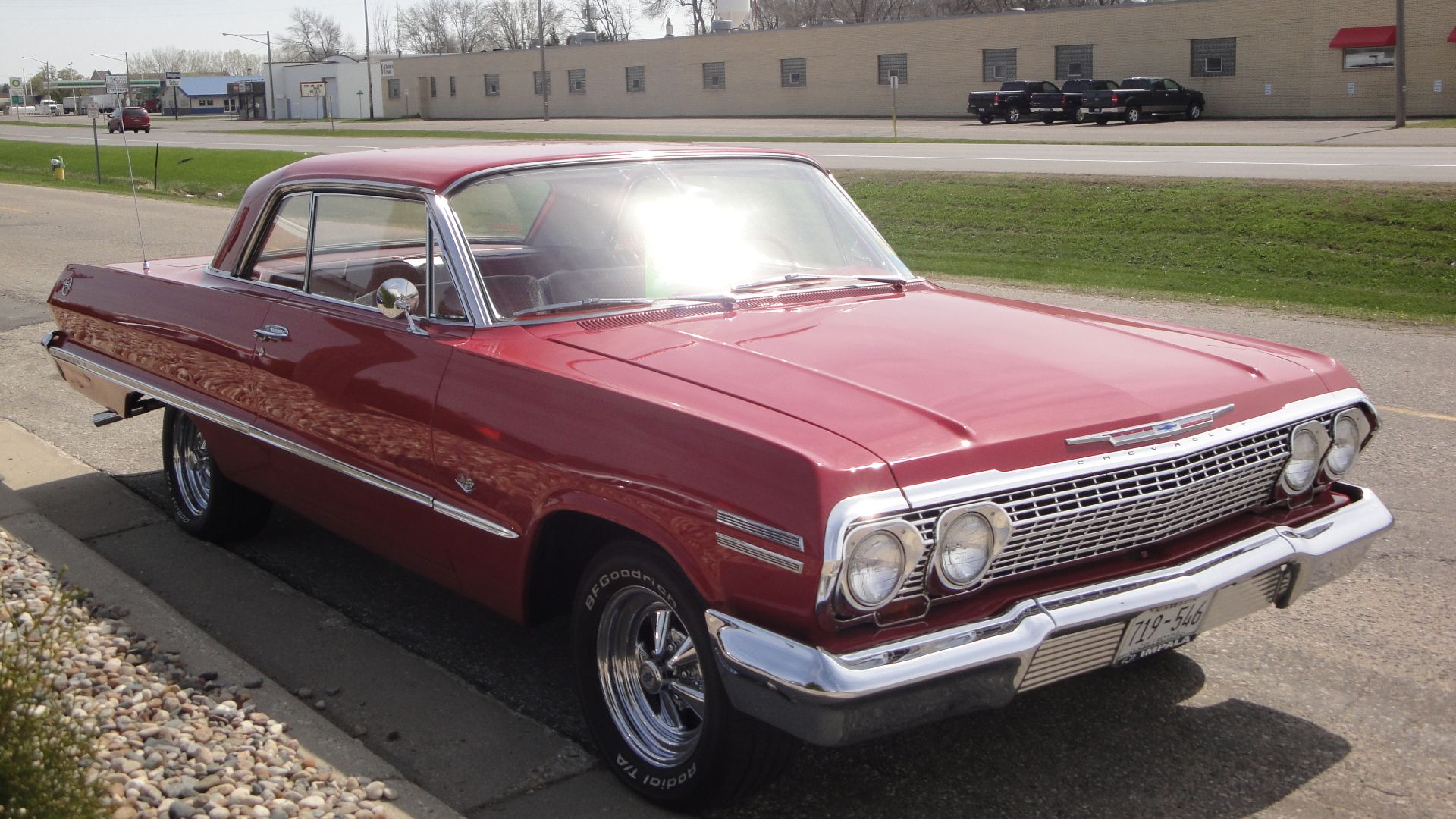 Greg Gjerdingen from Willmar, USA, Wikimedia Commons
1970 Ford Torino Twister Special — Only 90 Produced
Built as a dealer-exclusive model for Kansas City, the Twister Special wore unique graphics and came with a variety of powerful engines. While not widely advertised, its limited run and bold identity made it a cult favorite among regional Ford fans.
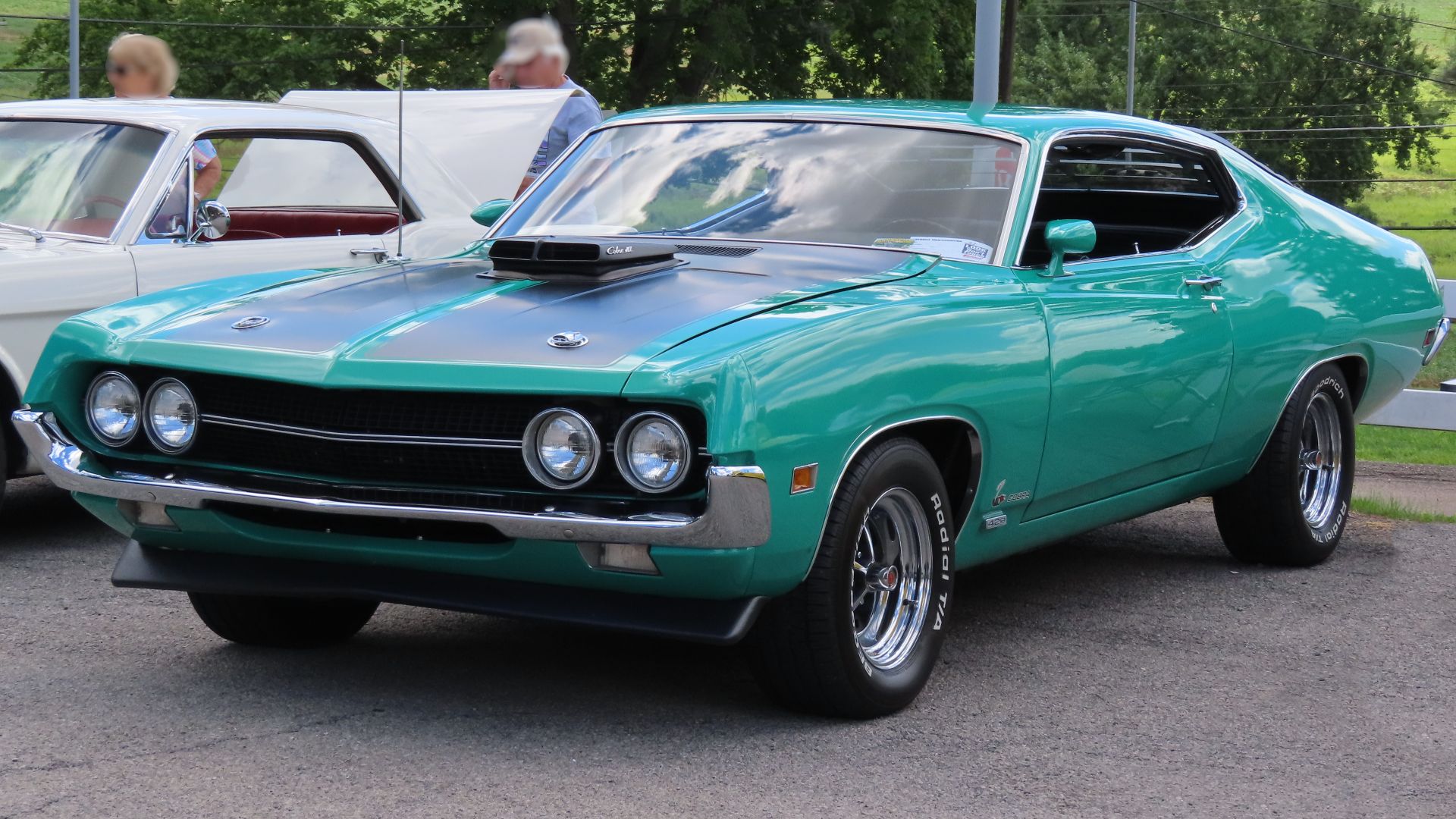 MercurySable99, Wikimedia Commons
1970 Chevrolet Chevelle LS6 Convertible — Only 26 Built
The LS6 convertible combined top-down style with Chevrolet’s most powerful big-block engine. It was the peak of Chevelle performance in 1970, and with only a few known examples today, these cars have become prized blue-chip collectibles in the muscle world.
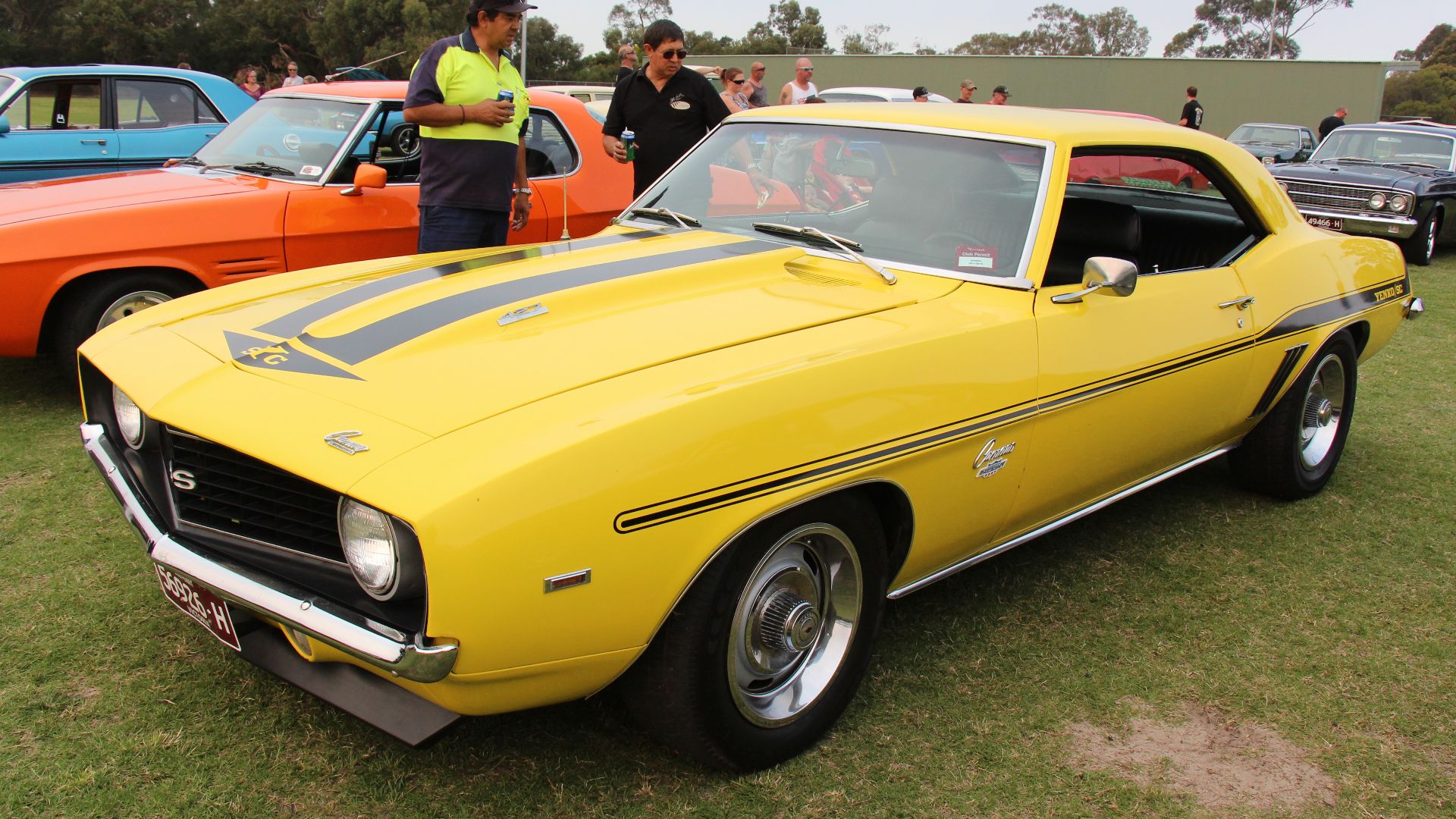
1969 Yenko Camaro — Only 201 Built
Don Yenko took Chevrolet’s COPO Camaros and turned them into street monsters with 427-cubic-inch V8s. Sold through his Pennsylvania dealership, these cars wore bold Yenko stripes and were ready for the dragstrip. They became instant legends in the muscle car world.
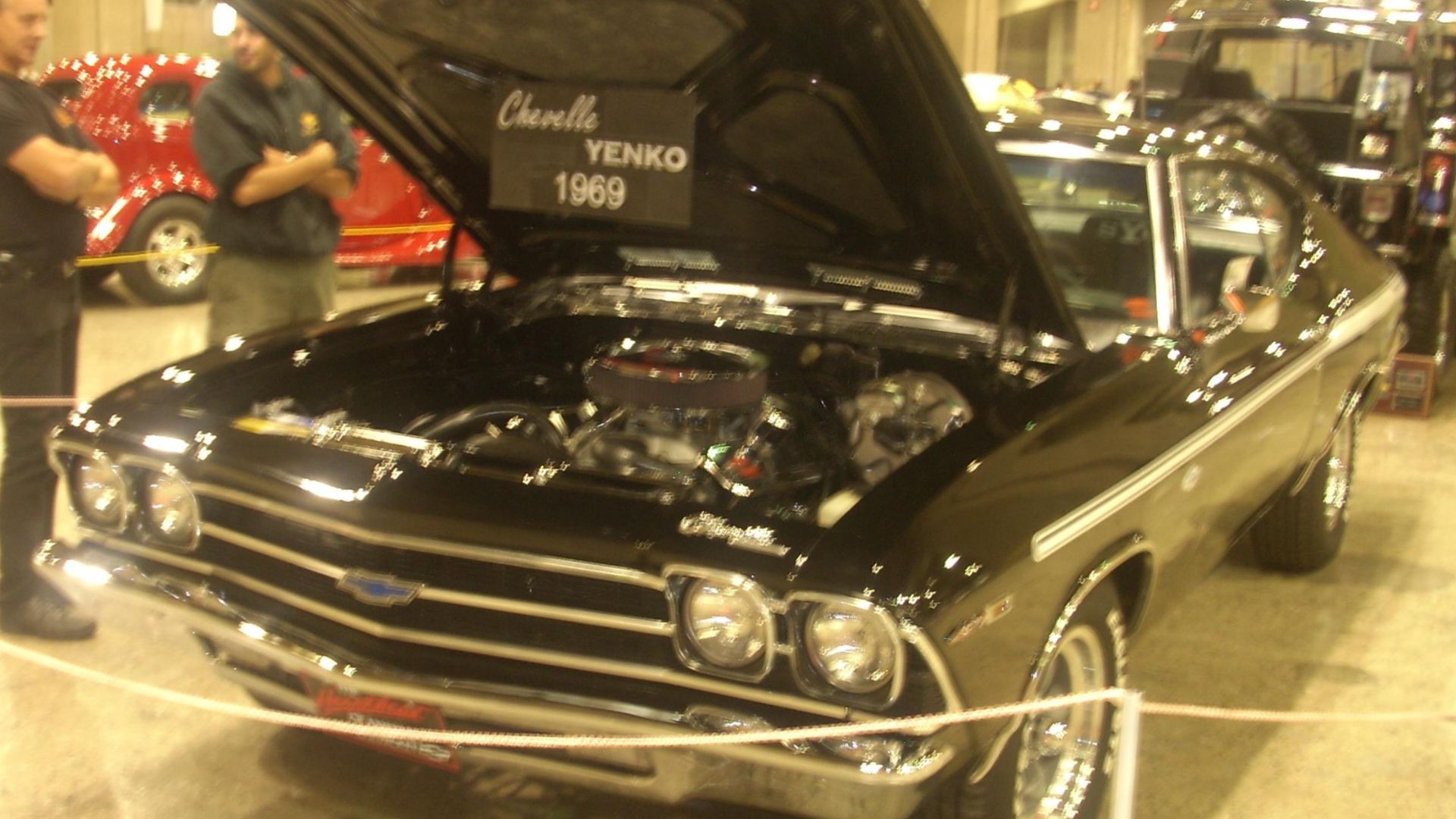
1969 Yenko Chevelle — Only 99 Produced
Yenko worked the same performance magic on the Chevelle, installing big-block engines that were never offered by the factory. These cars were brutally fast and much rarer than his Camaros. Their sleeper looks mask their true muscle, making them highly prized today.
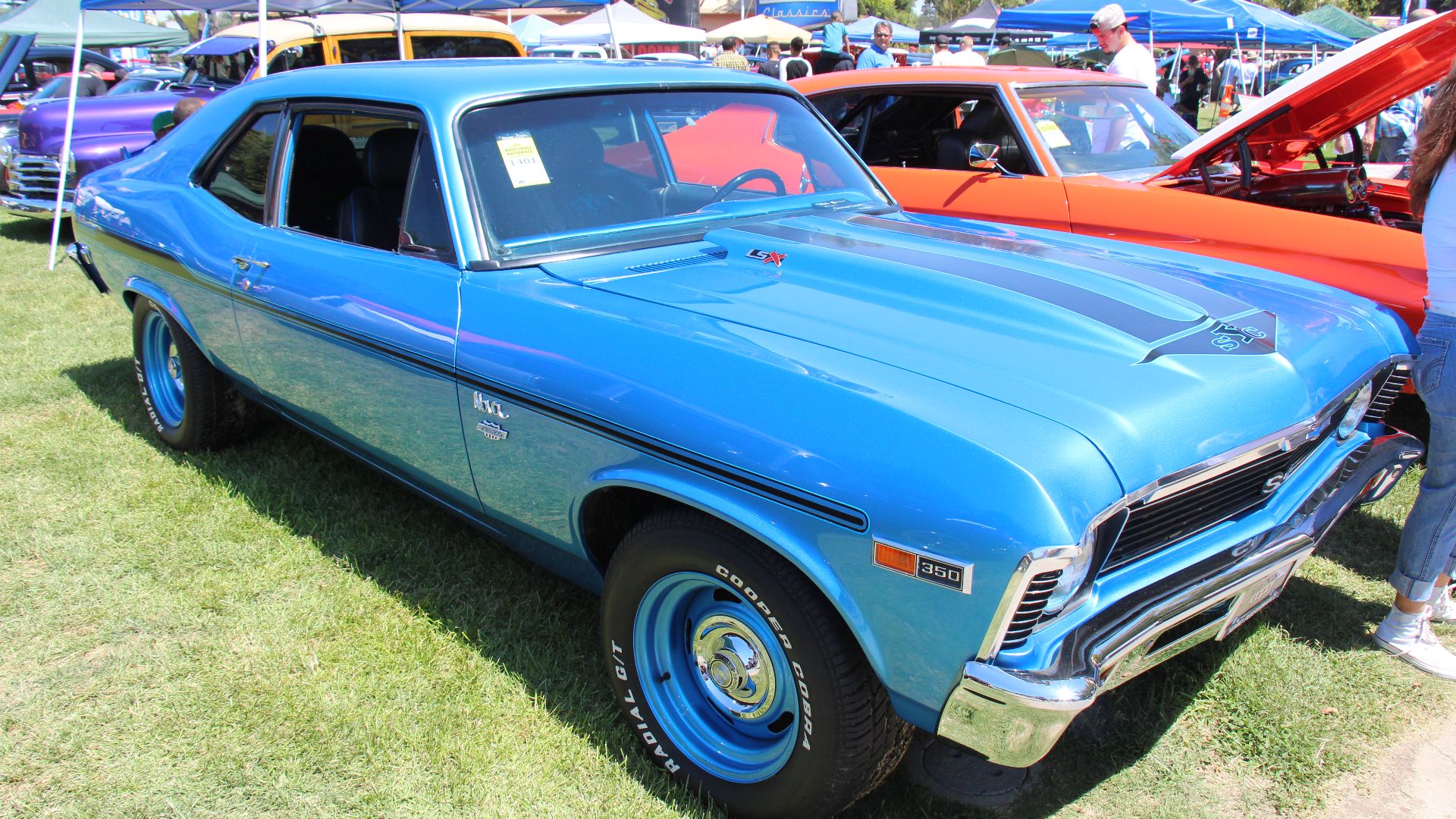
1969 Yenko Nova — Only 37 Built
Packing a 427 V8 into one of Chevy’s lightest bodies created a true sleeper. The Yenko Nova looked unassuming but could blow past bigger, flashier rivals. With only a few ever made, it’s one of the most elusive muscle missiles around.
1970 Oldsmobile 442 W-30 Convertible — Only 264 Made
This W-30 ragtop brought serious performance to Oldsmobile’s luxury image. It used a 455 V8, had functional hood scoops, and looked elegant while sounding ferocious. That rare blend of comfort and horsepower makes it a standout among convertible muscle cars.
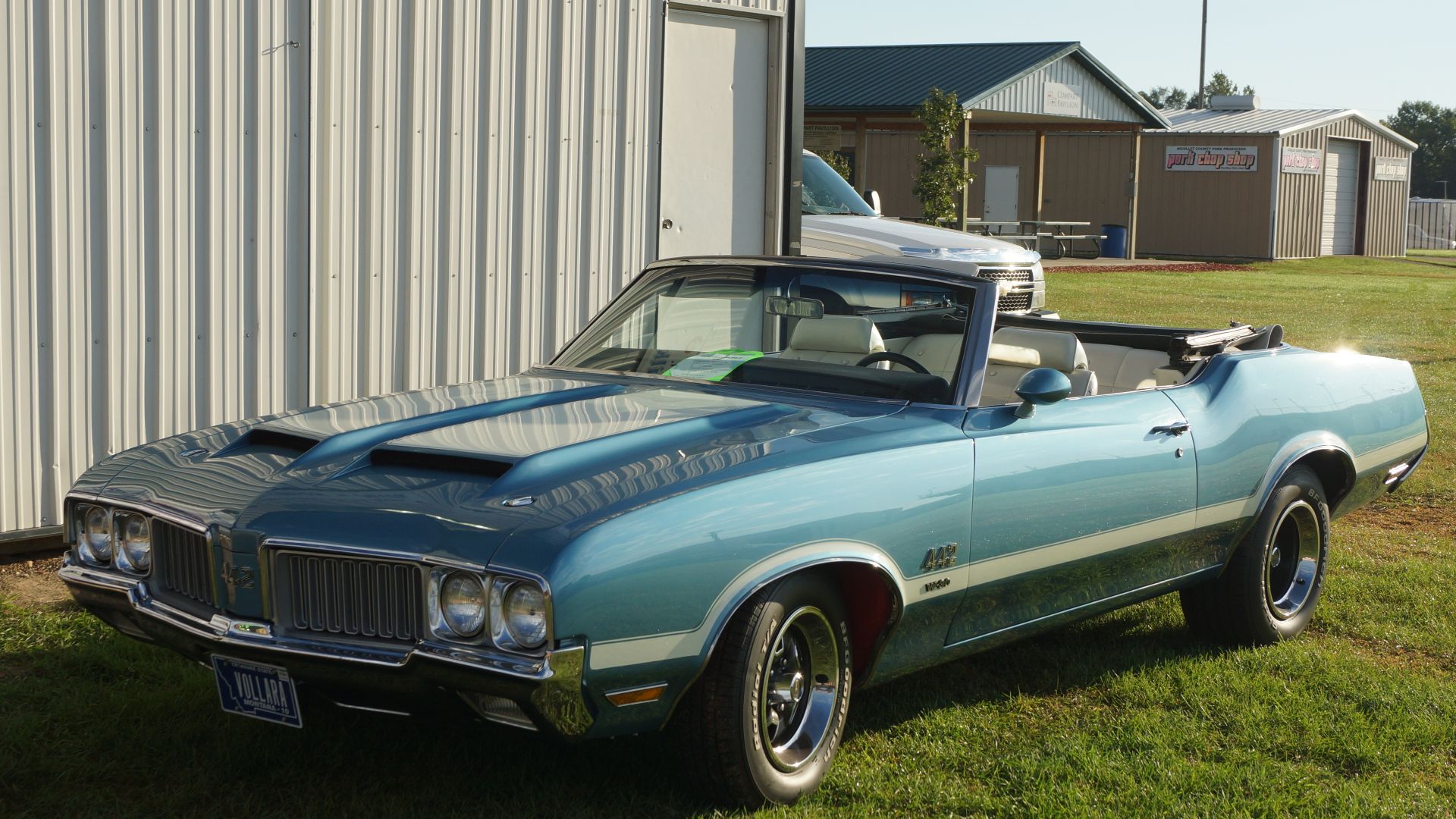 Greg Gjerdingen from Willmar, USA, Wikimedia Commons
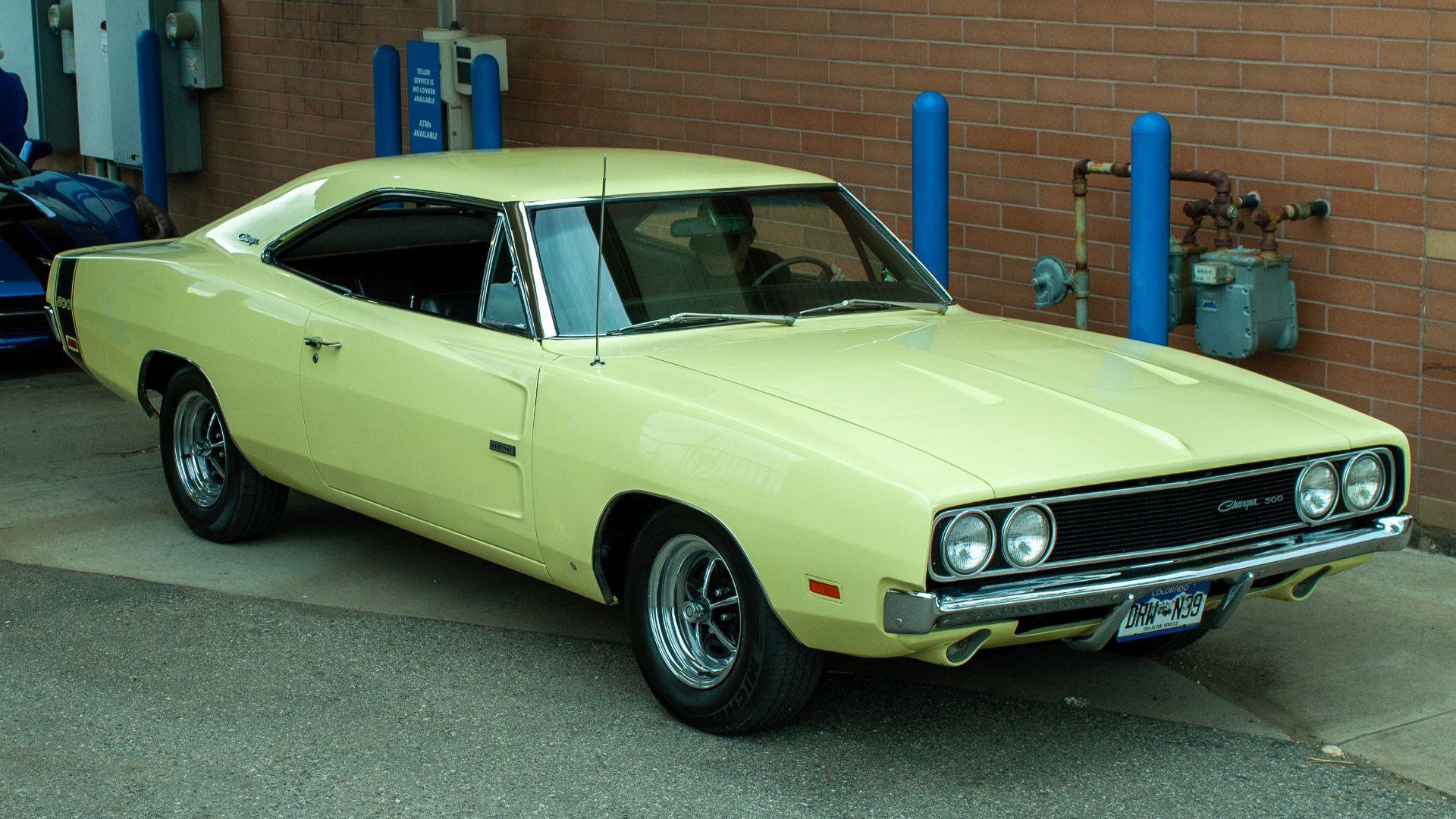
1969 Dodge Charger 500 — Only 392 Built
Before the wild-winged Daytona, Dodge created the Charger 500 to fix its NASCAR aerodynamics. It had a flush grille and fastback rear window, making it more track-worthy. Though overshadowed later, it marked an important step in Mopar’s racing evolution.
1973 Pontiac Trans Am Super Duty — Only 252 Produced
At a time when emissions rules were killing performance, Pontiac dropped a beast into the Trans Am. The Super Duty 455 featured heavy-duty internals and defied the muscle car decline. It helped prove Detroit still had fight left in the tank.
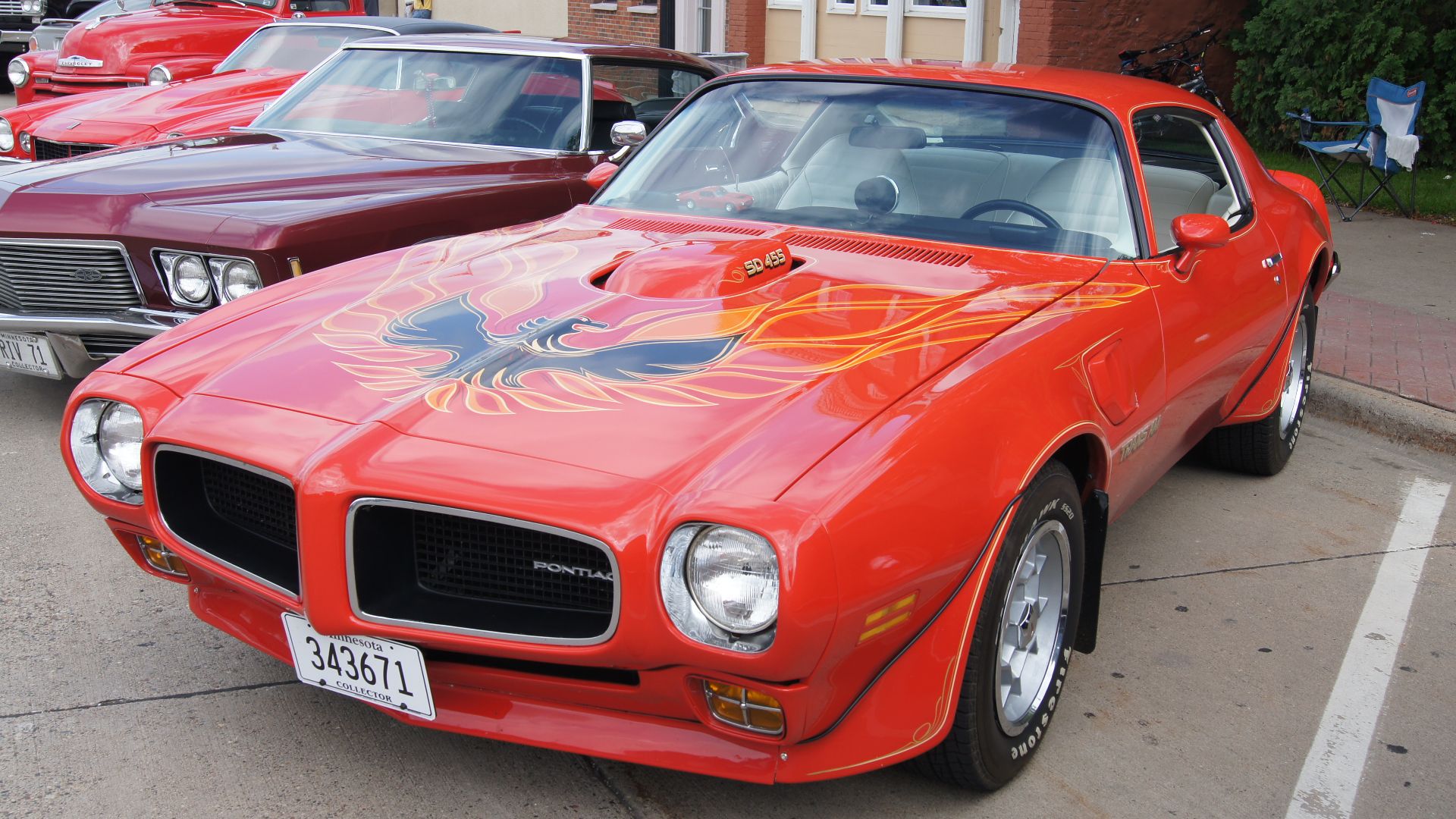 Greg Gjerdingen from Willmar, USA, Wikimedia Commons
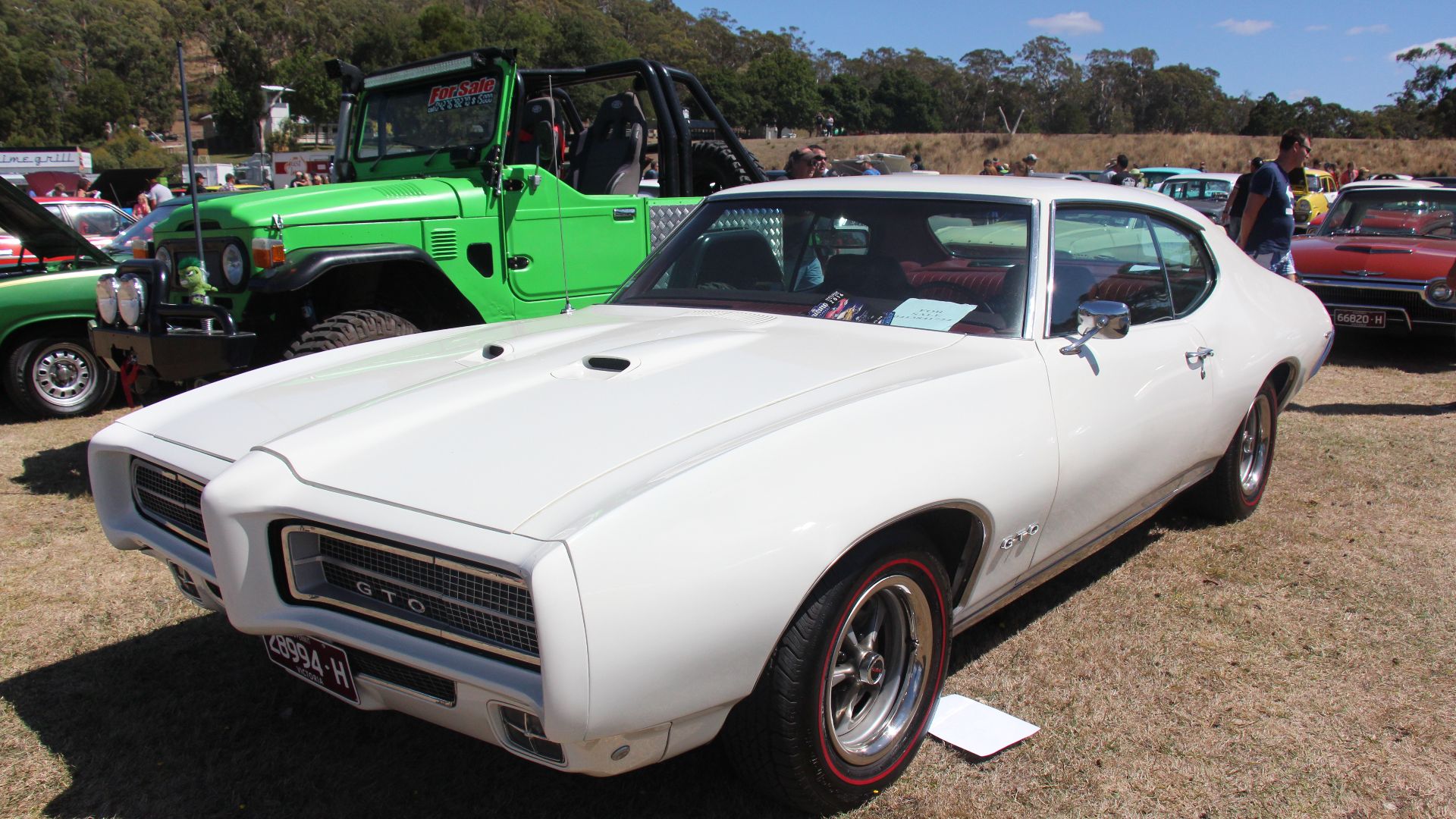
1969 Pontiac GTO Judge Ram Air IV Convertible — Only 5 Built
This was peak GTO. The Ram Air IV engine delivered brutal acceleration, and only a handful of Judge convertibles received it. It mixed muscle and flair with top-down freedom, and today it ranks among the rarest and most valuable Pontiacs ever made.
1970 Buick GSX Stage 1 — Only 479 Produced
Buick went all-in with the GSX, giving it massive torque, hood-mounted tachometers, and bright racing stripes. The Stage 1 package added even more power. Quiet by nature, the GSX proved Buick could build something that could leave the competition choking on dust.
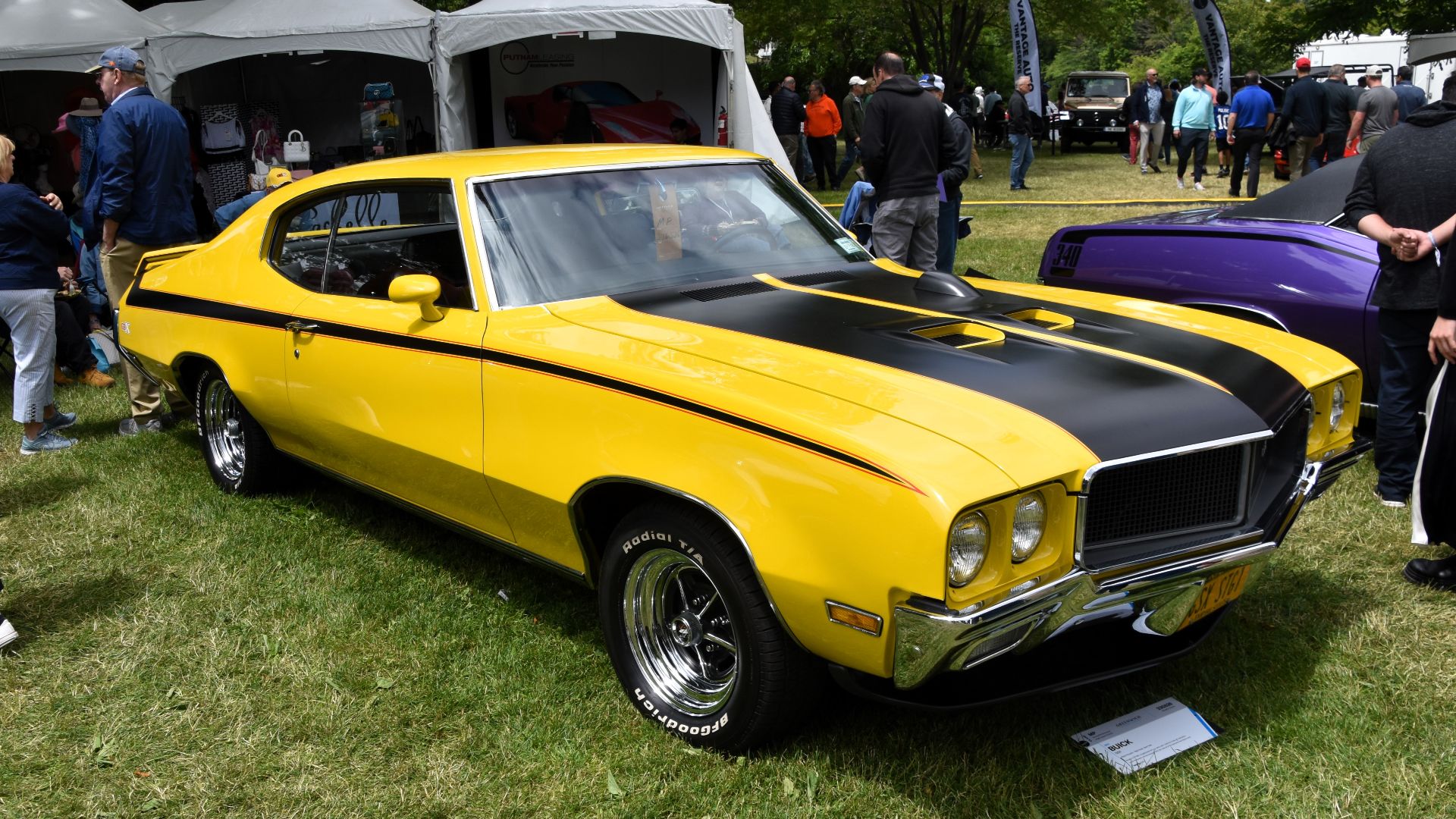 Charles from Port Chester, New York, Wikimedia Commons
1970 Chrysler 300 Hurst — Only 485 Built
This luxury bruiser came out of a collaboration with Hurst Performance. It kept its upscale features but packed a serious punch under the hood. With a bold gold-and-white color scheme and hidden headlights, it quietly delivered muscle in a full-size executive package.
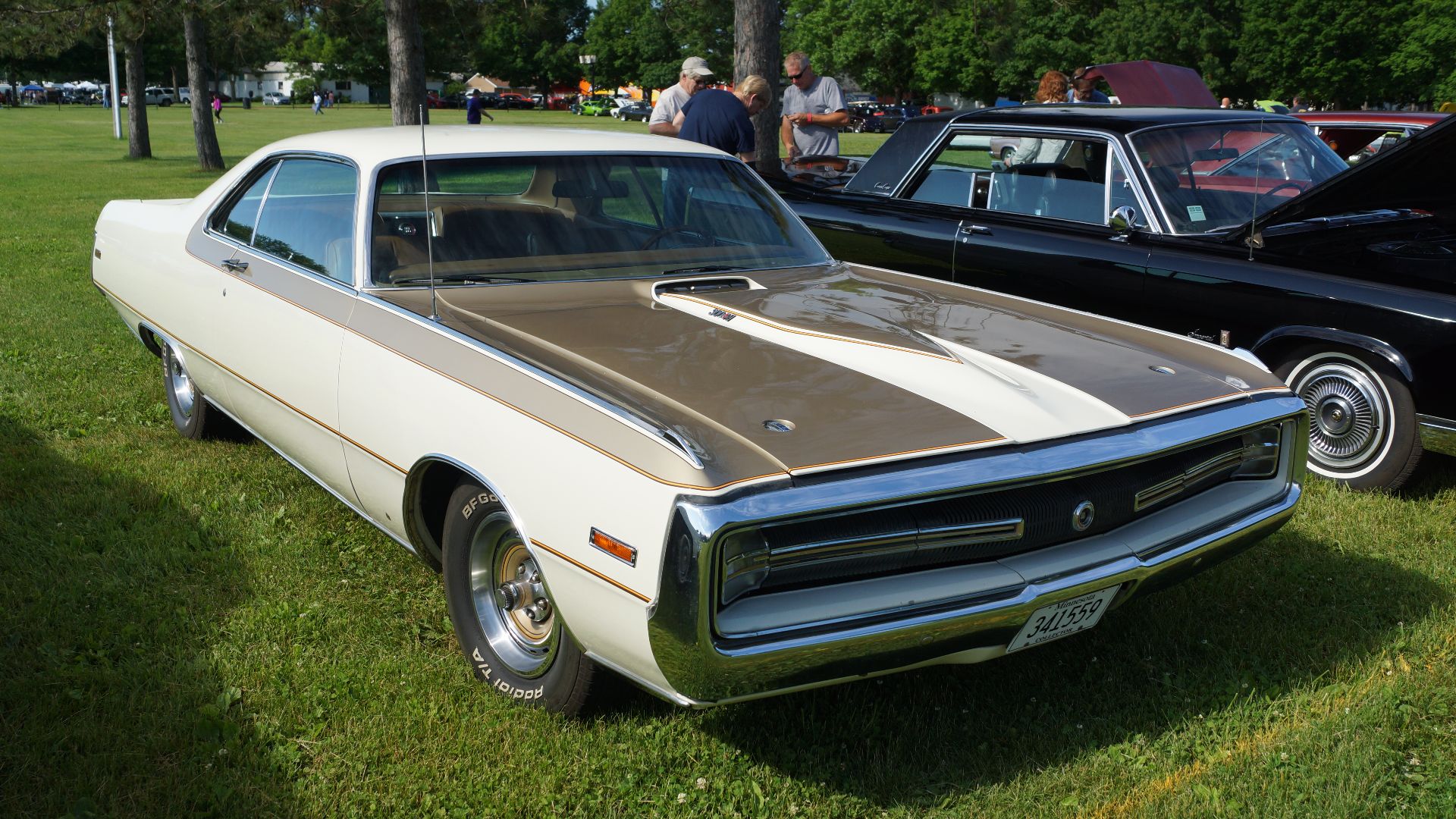 Greg Gjerdingen from Willmar, USA, Wikimedia Commons
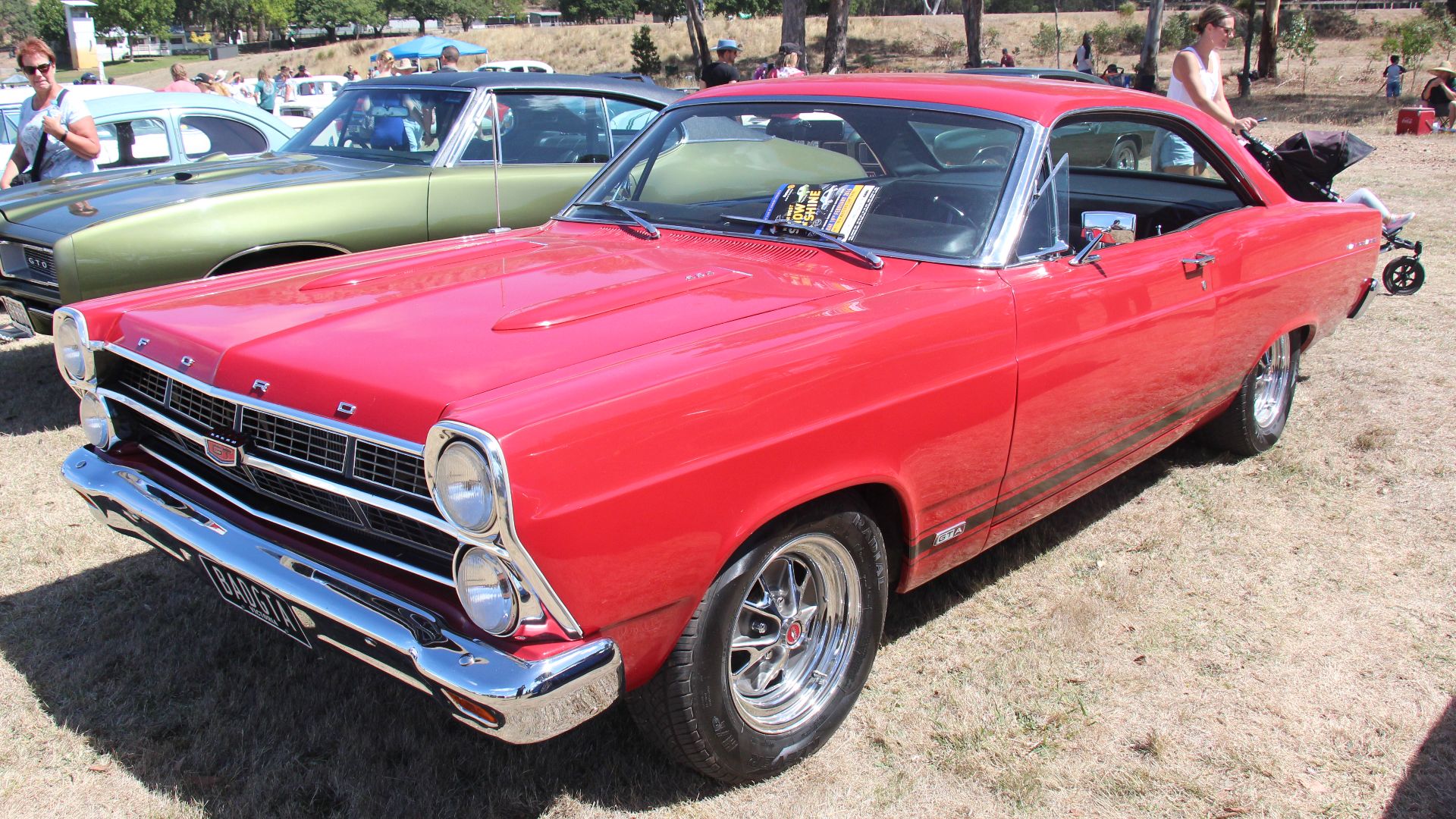
1967 Ford Fairlane R-Code — Only 92 Made
Ford’s answer to Chrysler’s dominance was the R-Code Fairlane—a mid-size car with a monstrous 427 V8. It skipped comfort and focused on speed, with minimal trim and maximum engine. Built for drag racing, it brought pure Detroit muscle to the track.
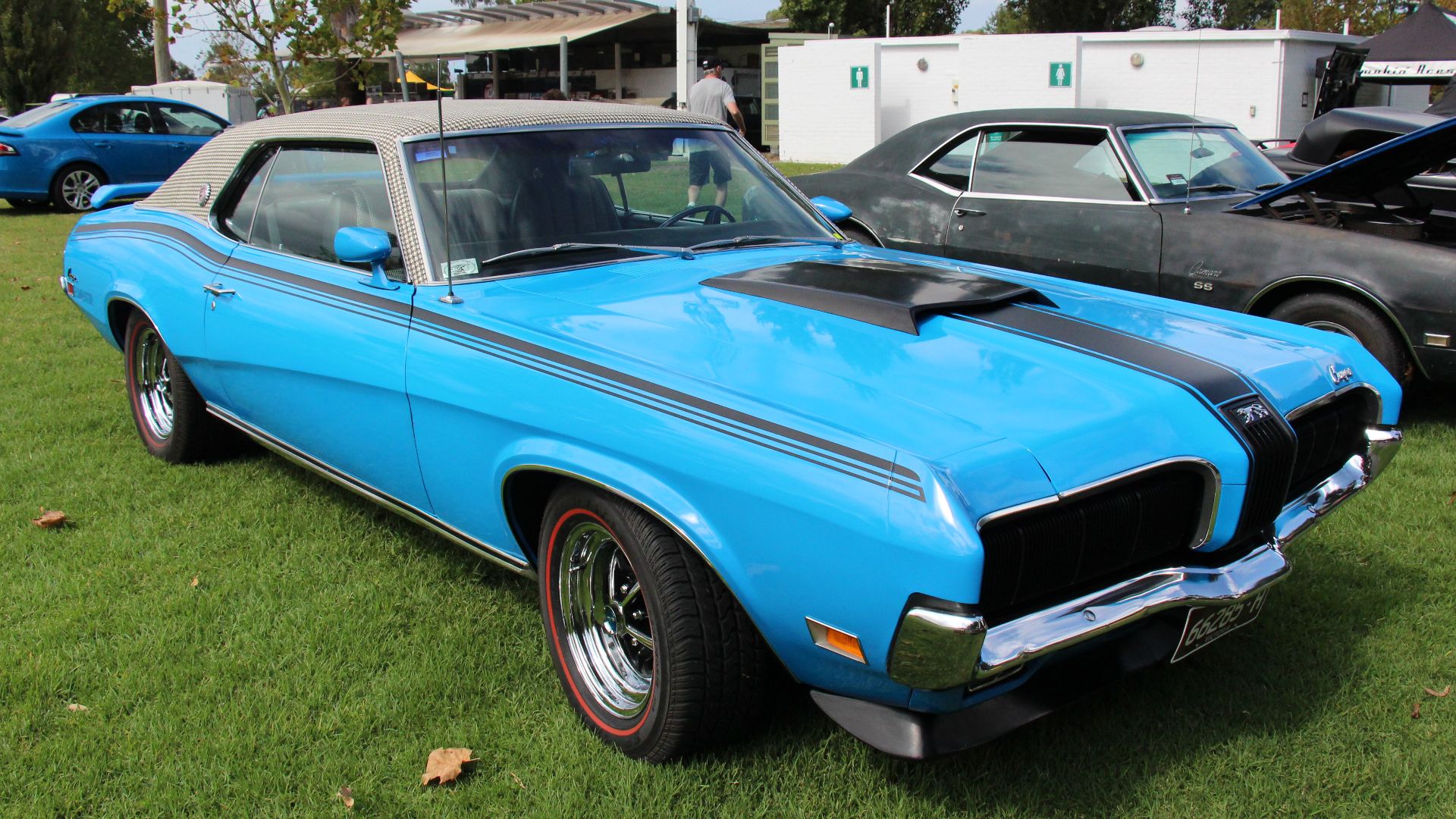
1969 Mercury Cougar Eliminator Boss 302 — Only 169 Built
Mercury gave the Cougar some real teeth with the Boss 302 Eliminator. Subtle styling met serious power, borrowing Ford’s high-revving small-block engine. While Mustangs grabbed more attention, this refined muscle car offered top-tier performance wrapped in a sleek, understated package.