Obscurity Runs Deep
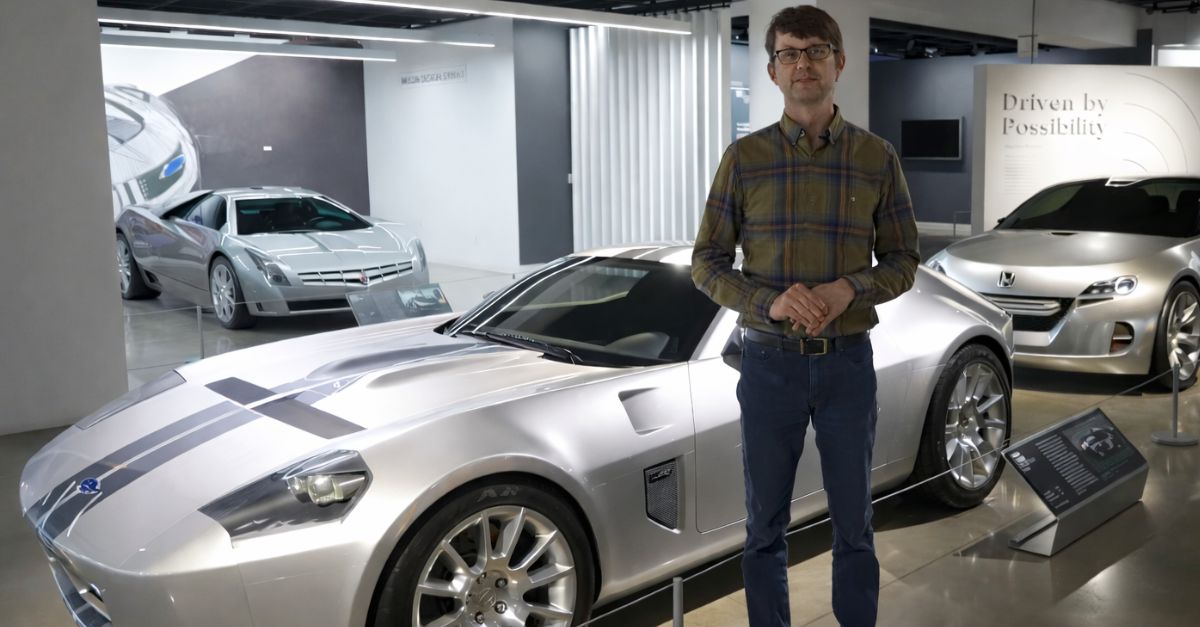
Beyond the Mustangs and F-150s that dominate our roads, there's a hidden collection of automotive unicorns. These aren't your neighbor's rides. They're so rare that even die-hard collectors struggle to find them.
Ford Fairlane 500 R-Code (1966)
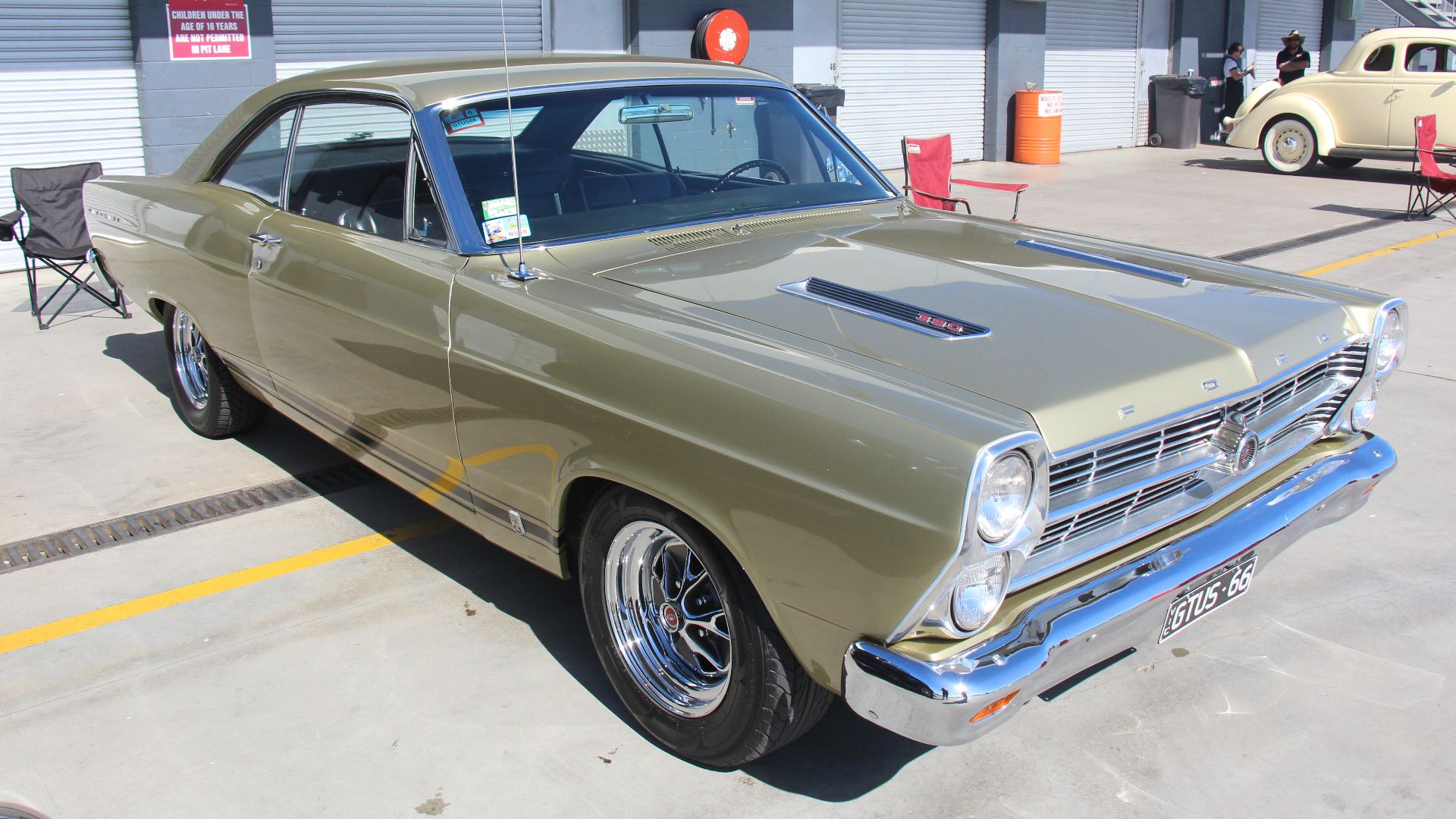
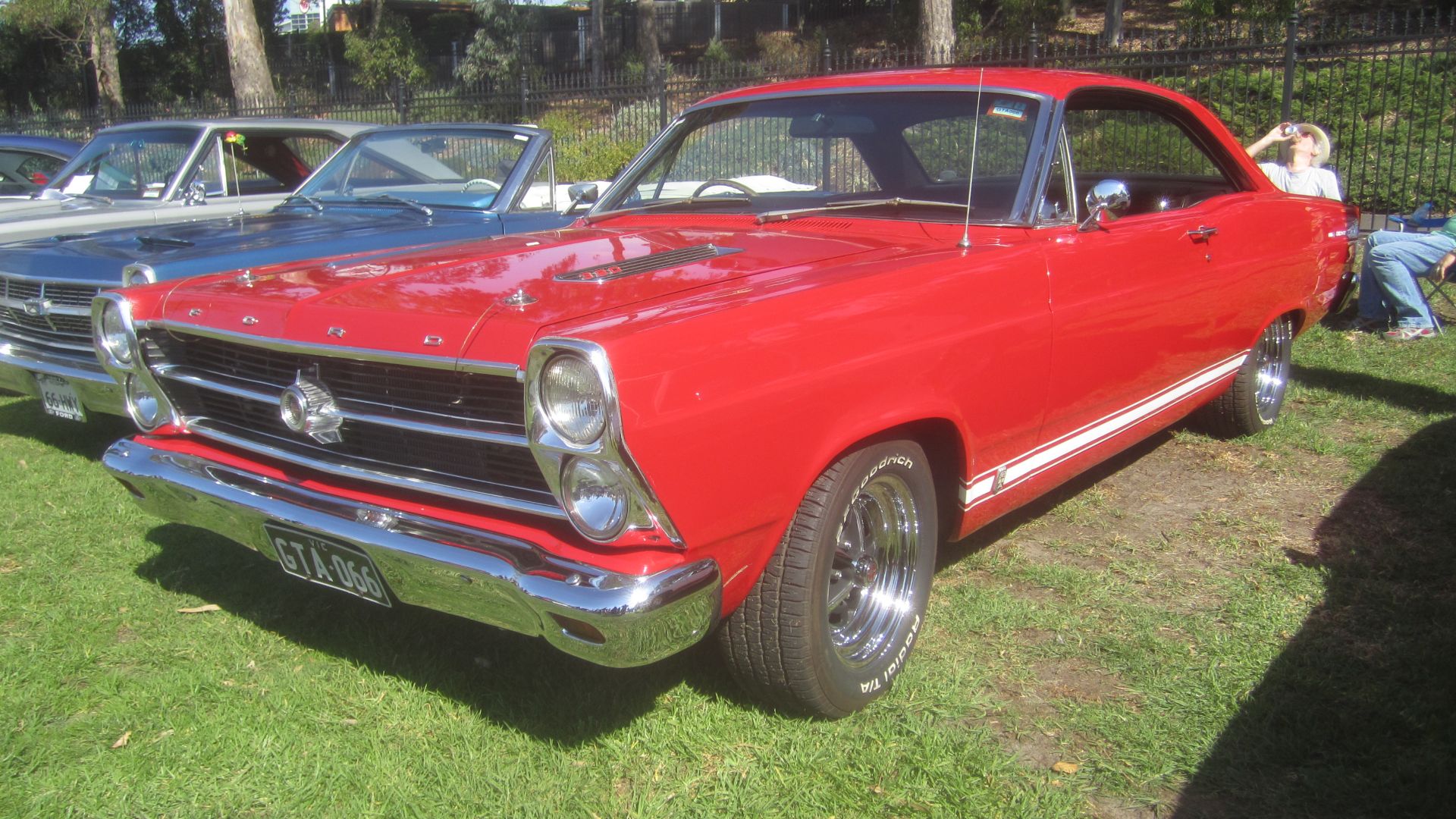
Imagine it's 1966, and the muscle car wars are raging. Ford drops a stunner that most people missed entirely—the Fairlane 500 R-Code. Only 57 of these beasts ever rolled off the assembly line, making it rarer than a hen's tooth.
Ford Fairlane 500 R-Code (Cont.)
Under that innocent-looking hood with its functional scoop sat the legendary R-Code 427 cubic-inch V8, officially rated at 425 horsepower. The kicker? Everyone knew Ford was sandbagging those numbers. Some dyno tests revealed the real output exceeded 500 horsepower, making this the ultimate sleeper of the 1960s.
Ford Mustang McLaren M81 (1980)
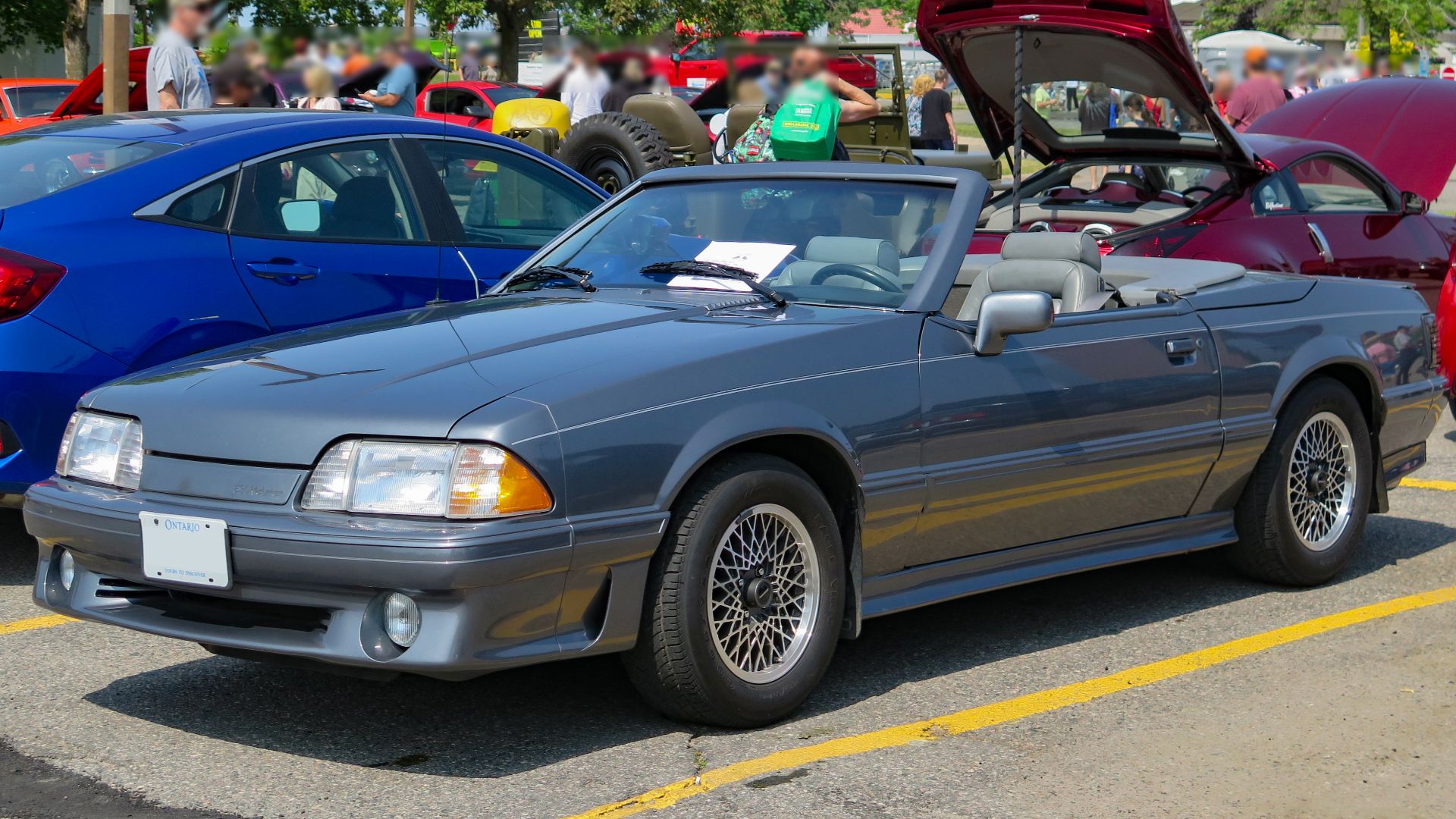
The year 1980 was rough for muscle car fans. Emissions regulations had strangled performance, and Ford's Mustang was wheezing along with the malaise-era Foxbody. Enter McLaren, the superb racing outfit, with an audacious plan to inject some life back into the pony car.
Ford Mustang McLaren M81 (Cont.)
They took the humble 2.3-liter turbocharged four-cylinder (yes, the Pinto engine) and somehow coaxed 175 horsepower from it. With hand-built turbochargers, IMSA-inspired fender flares, and those distinctive BBS wheels, the M81 looked like it meant business.
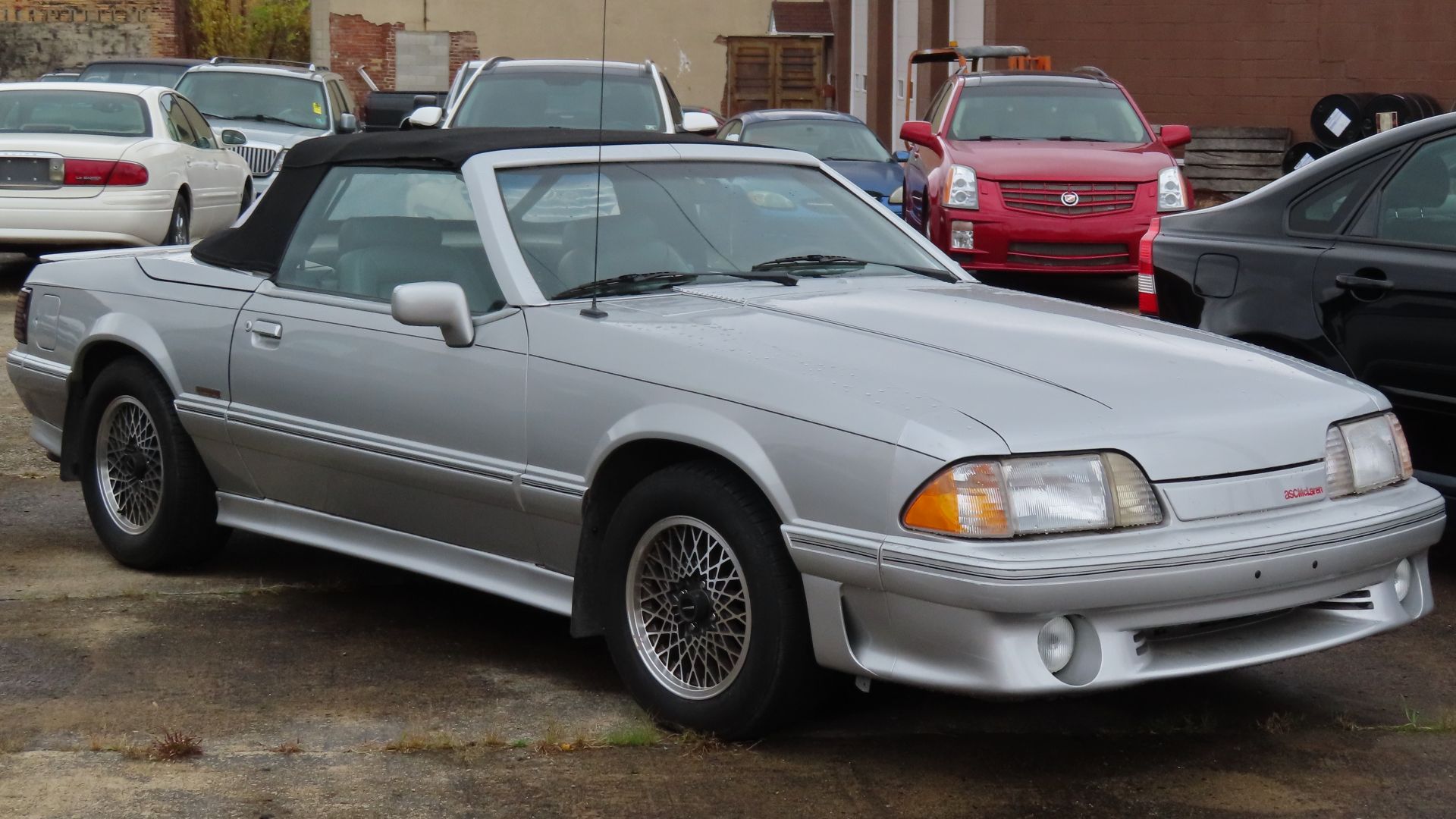 MercurySable99, Wikimedia Commons
Ford RS200 (1985–1986)
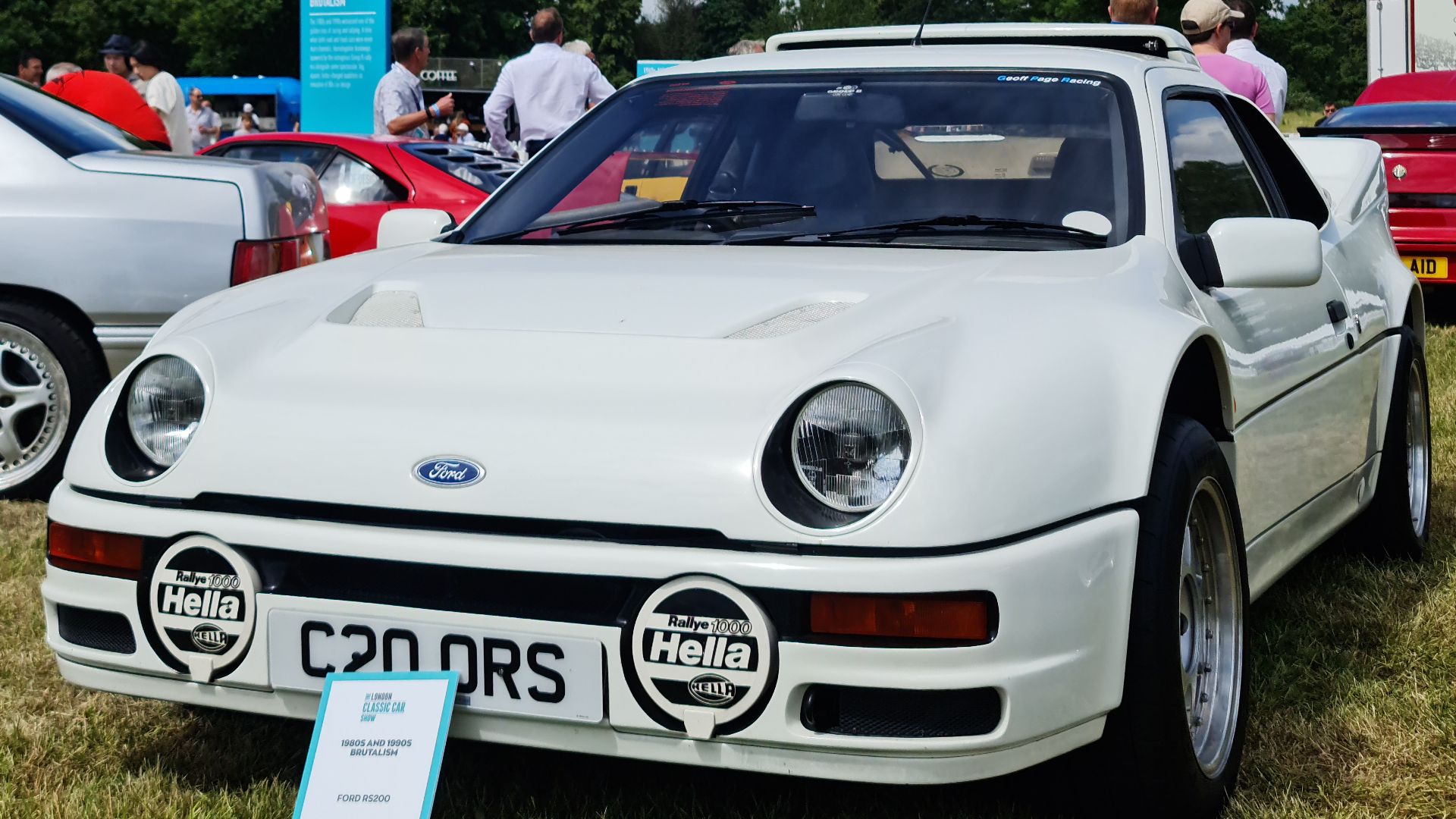
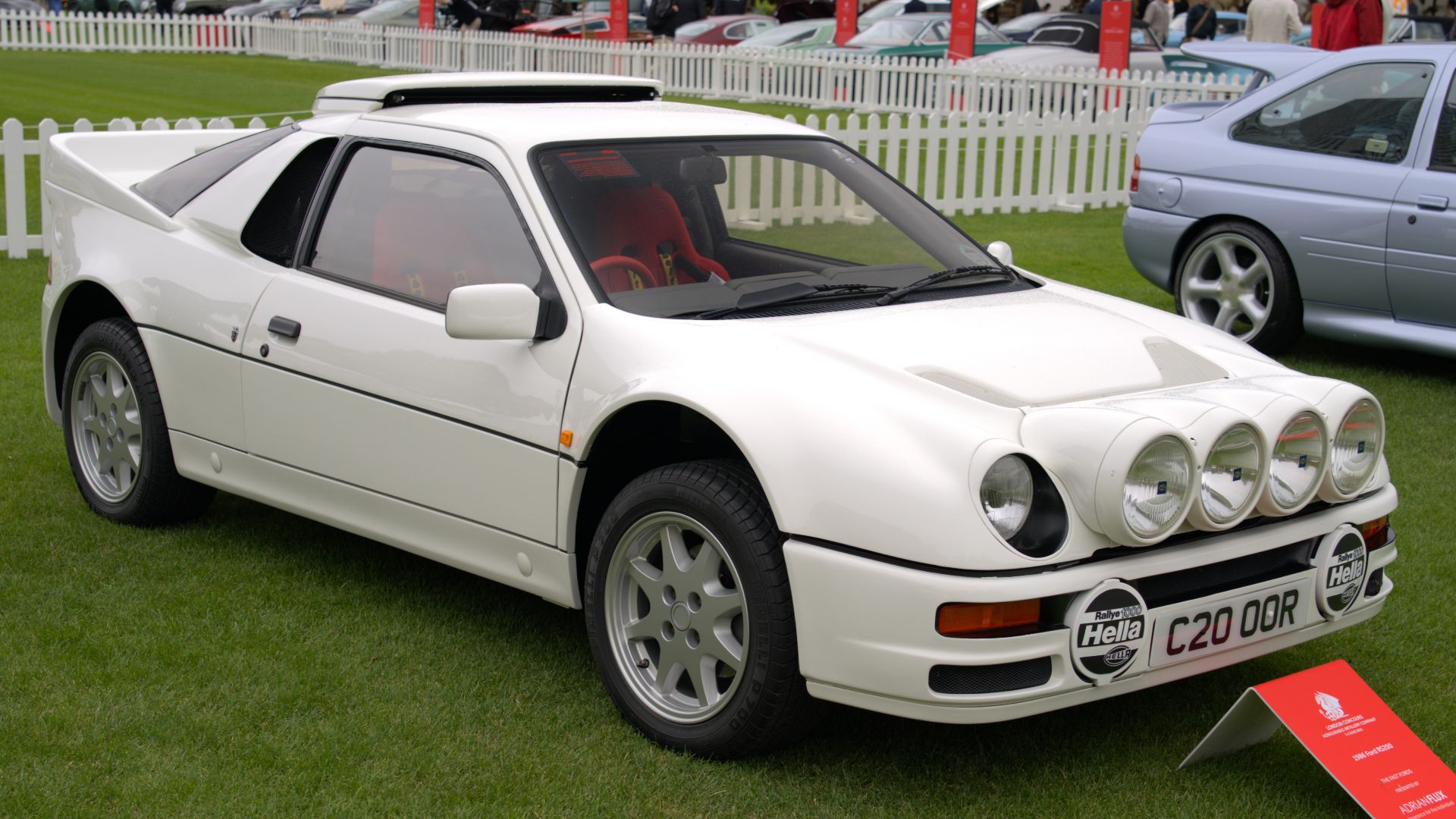
Ford built the RS200 for one purpose: to annihilate the competition in Group B rallying, the wildest, most dangerous motorsport series ever conceived. This mid-engine, all-wheel-drive monster featured a turbocharged 1.8-liter four-cylinder pumping out 250 horsepower in street trim—enough to rocket from 0–60 in around 5 seconds.
Ford RS200 (Cont.)
The RS200's timing couldn't have been worse. Group B rallying was banned in 1986 following a series of horrific crashes, leaving Ford with many unsold supercars designed for a racing series that no longer existed. Desperate to move inventory, Ford even offered some models with plusher interiors.
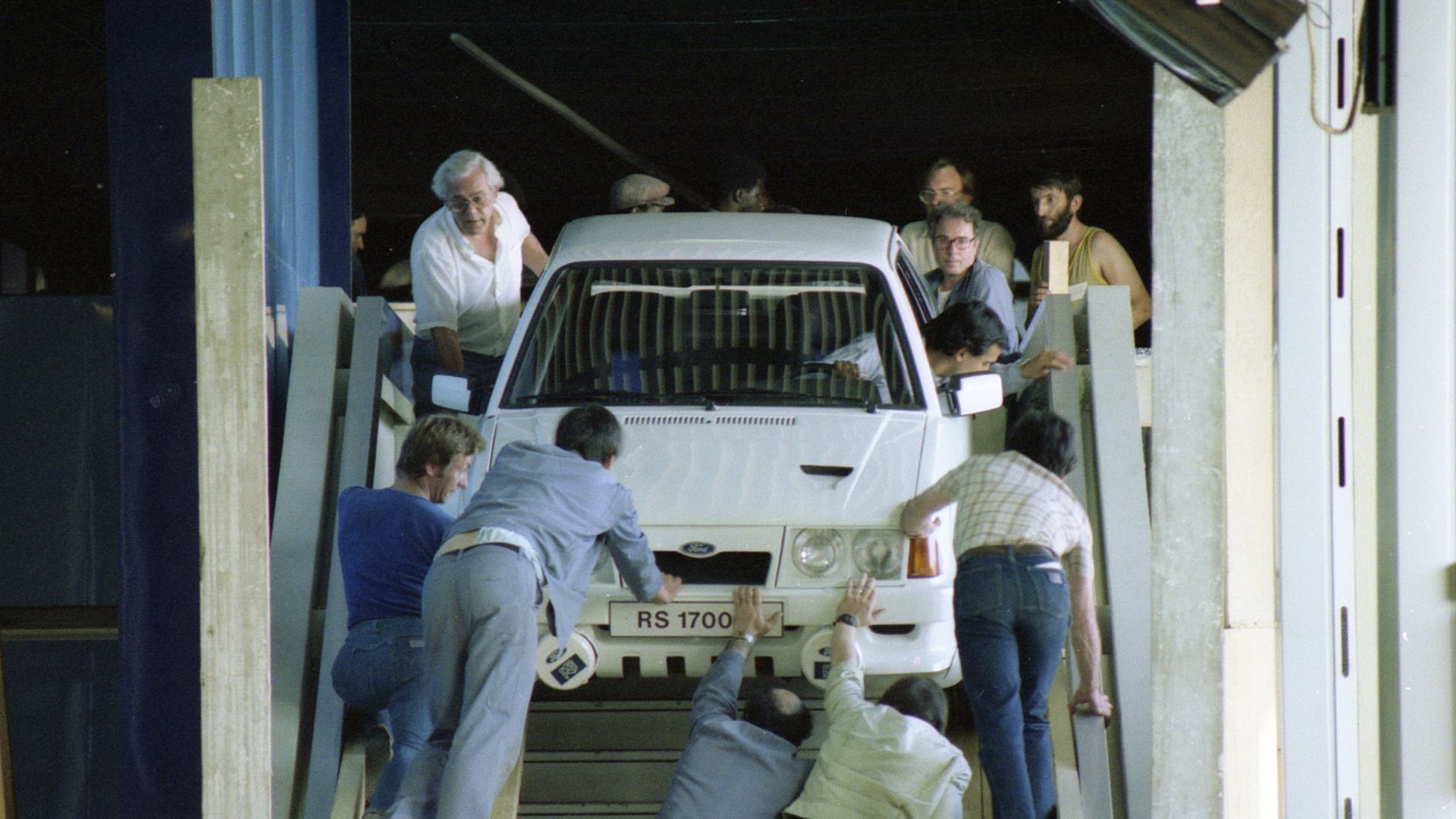
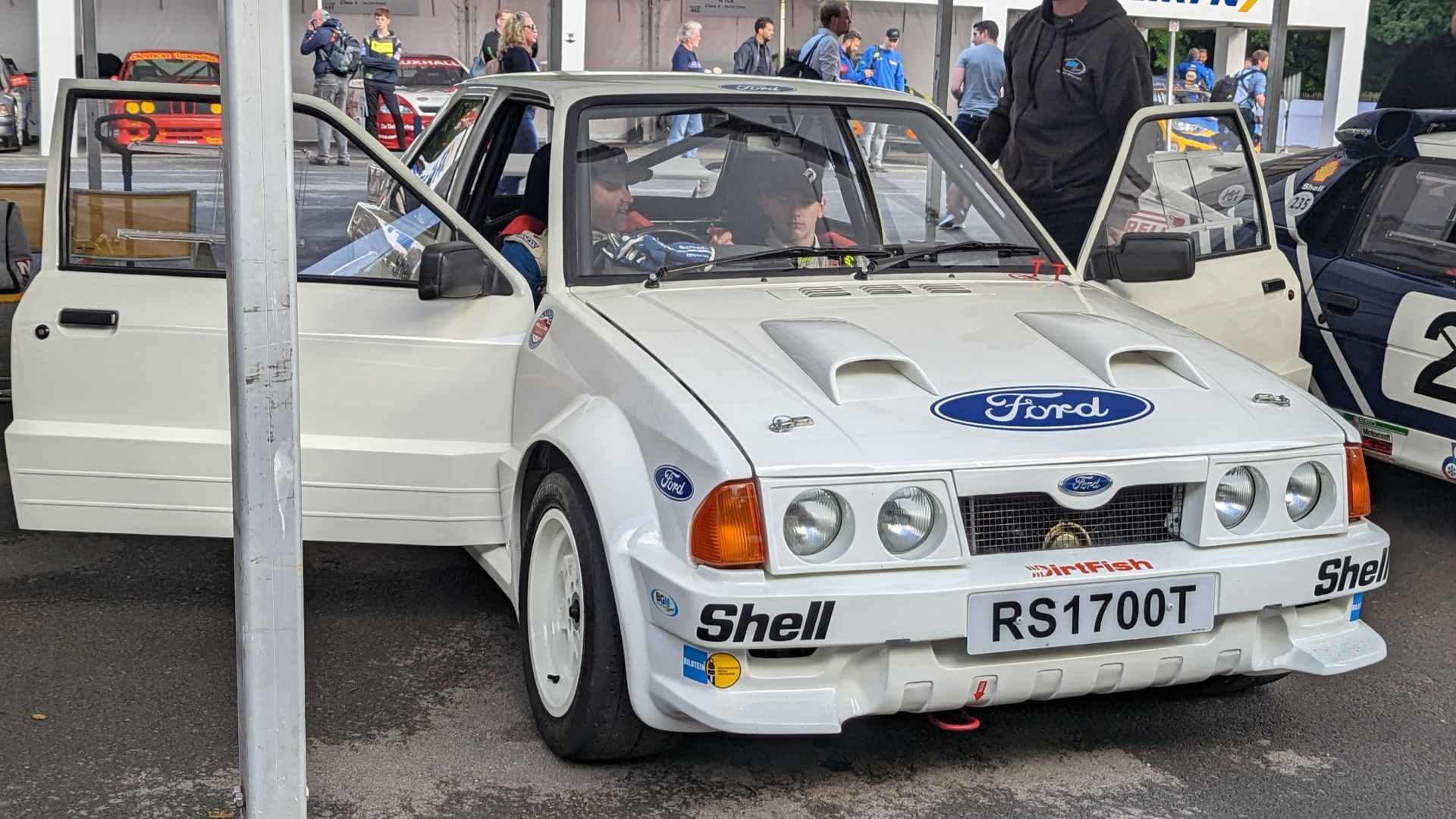
Ford Escort RS1700T Prototype (1980)
Before the RS200 became Ford's Group B champion, there was an earlier contender that almost nobody remembers. Yup, the Escort RS1700T. Ford's engineers took the beloved Escort and gave it a radical makeover: they downsized the engine to 1,778cc to comply with new rallying regulations.
 Brian Snelson, Wikimedia Commons
Ford Escort RS1700T Prototype (Cont.)
It was then given a turbocharger to compensate. The result was a rear-wheel-drive rally weapon whose early testing was promising (faster than the Mk2 Escort by seconds per km). Ford was so confident that they built 18 prototypes, preparing for the homologation run that would make it rally-legal.
Ford GTX1 Roadster (2005)
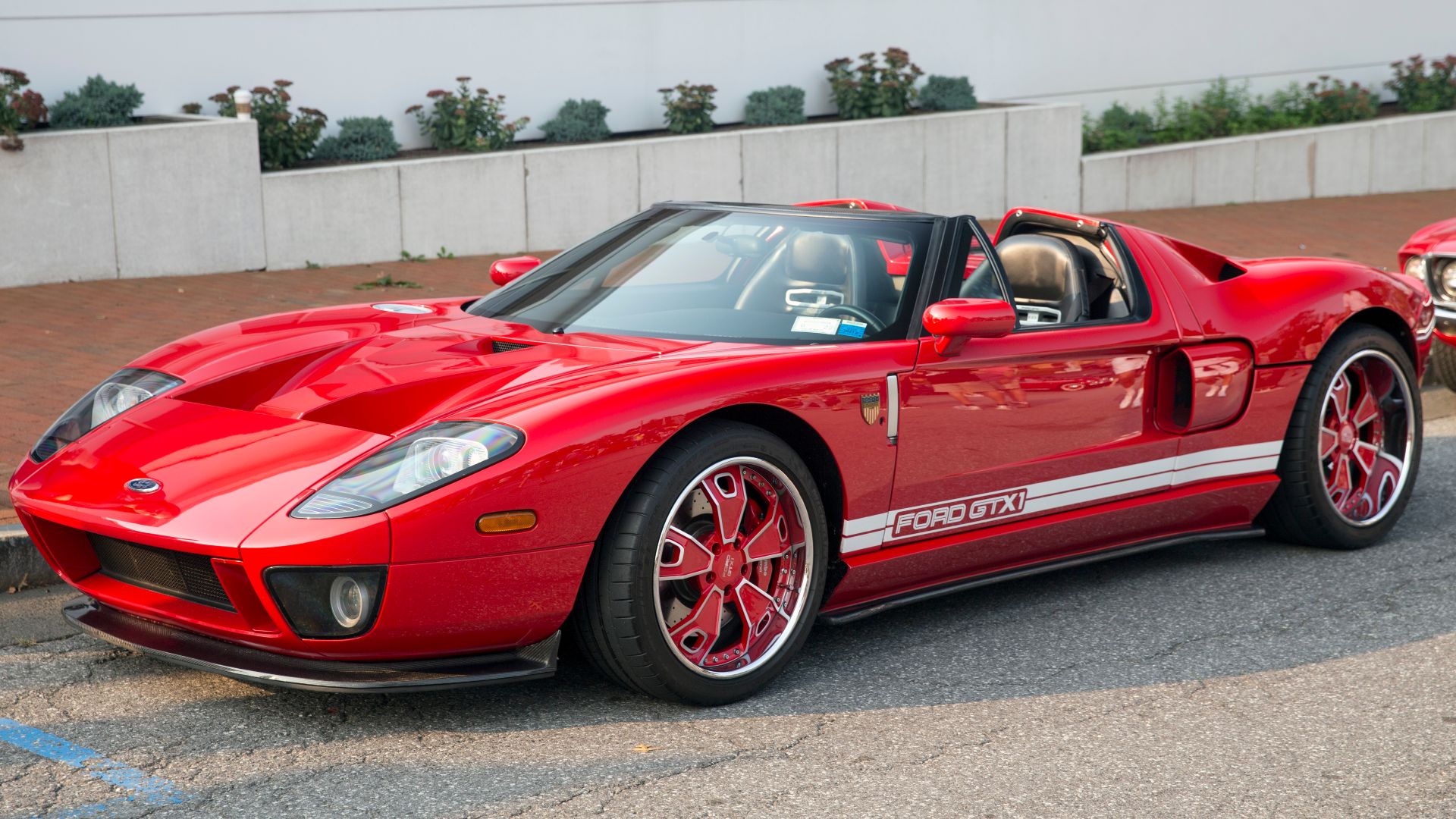
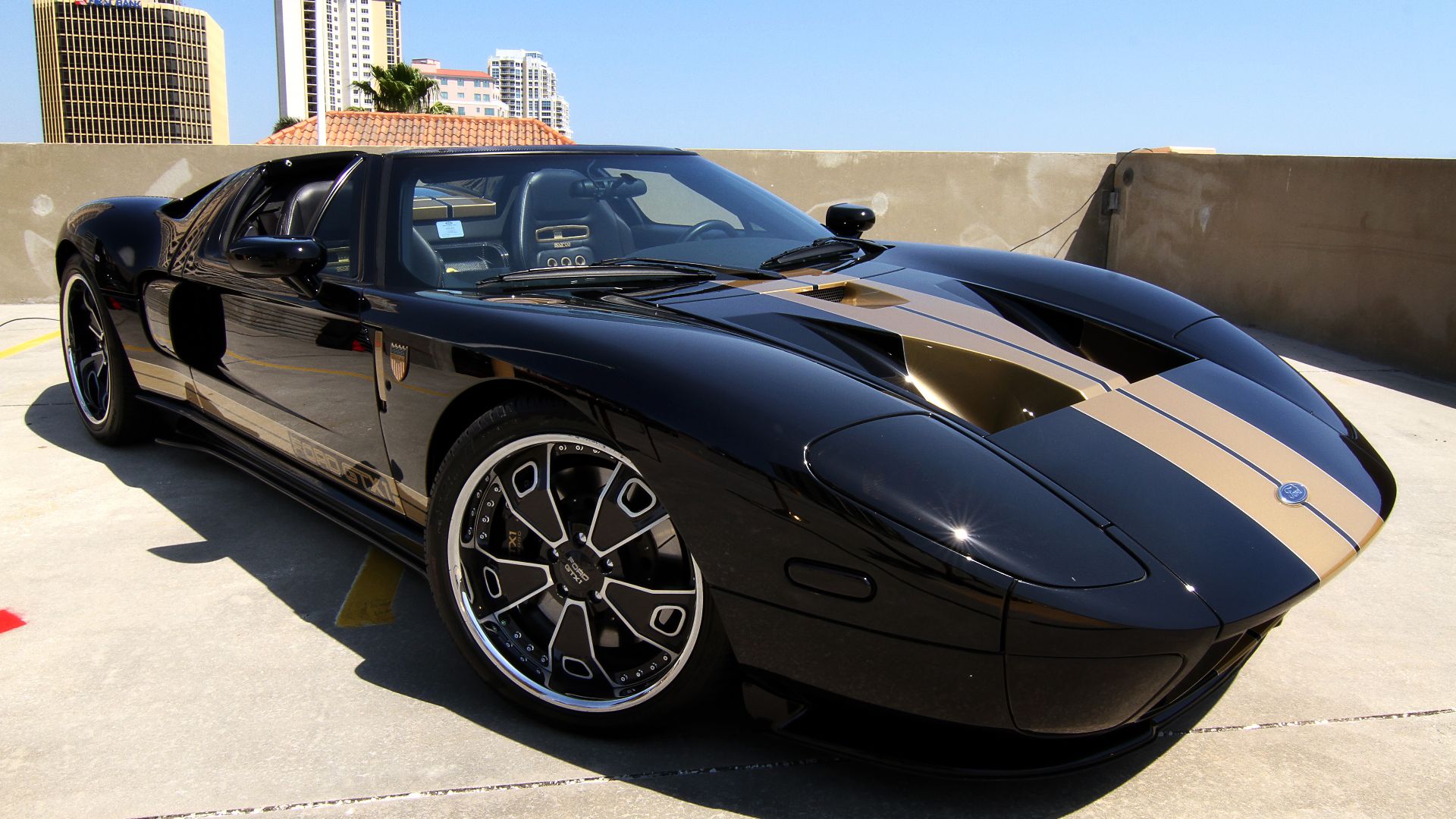
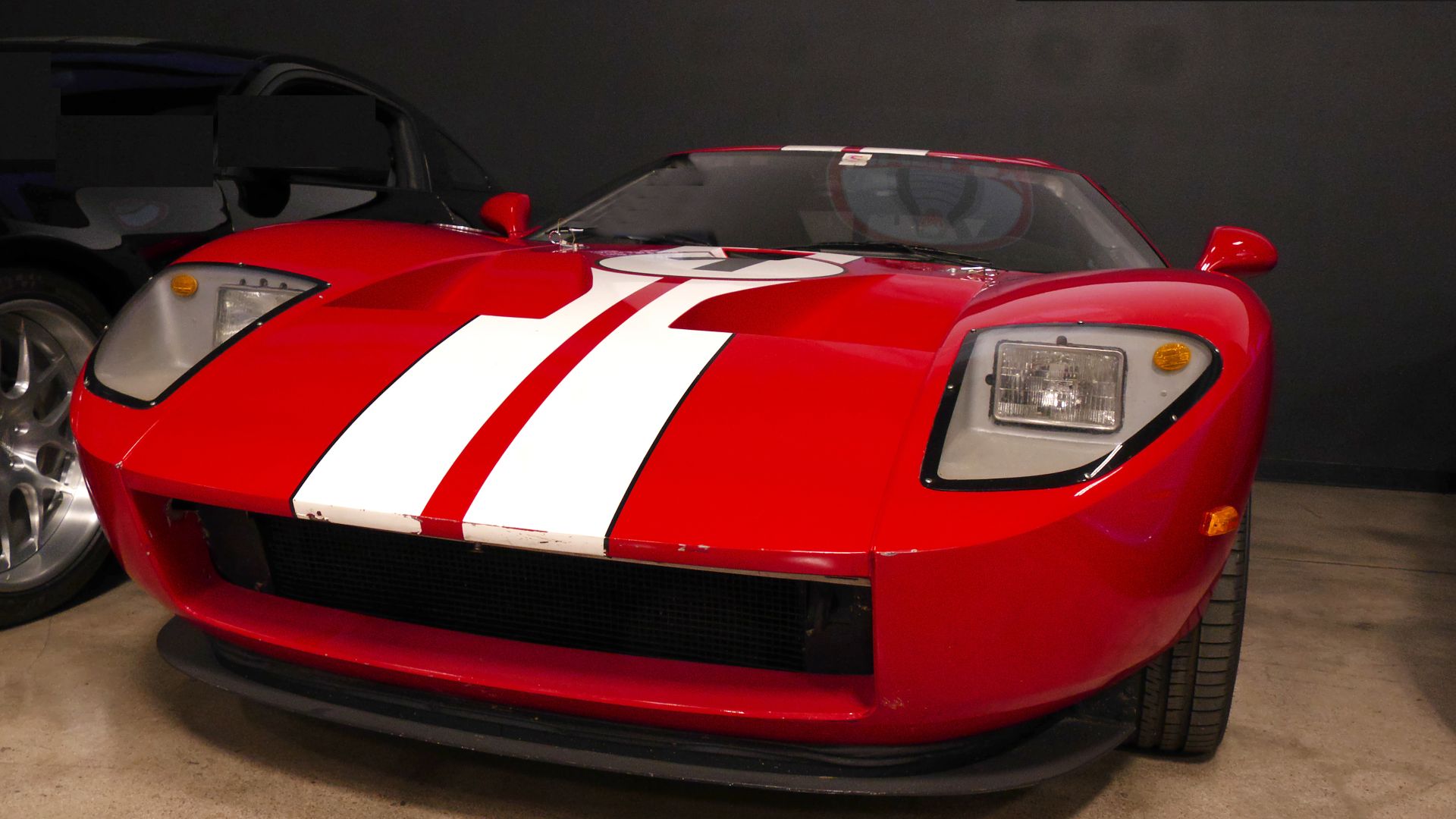
When Ford showcased the GTX1 at the 2005 SEMA show, attendees couldn't believe their eyes. It was a targa-top version of the already exotic GT supercar. The crowd reaction was so overwhelmingly positive that Ford, alongside Genaddi Design Group, decided to build a limited run of units.
 Mr.choppers, Wikimedia Commons
Ford GTX1 Roadster (Cont.)
Under the skin, the GTX1 was pure GT: the same 5.4-liter supercharged V8 producing 550 horsepower and 500 pound-feet of torque, mated to the six-speed manual Ricardo transmission. Performance remained virtually identical to the hardtop despite the structural modifications required for the targa conversion.
 Gordon Tarpley from Tampa, USA, Wikimedia Commons
Ford GT/109 Competition Prototype Roadster (1965)
Of the five GT roadster prototypes Ford built in 1964–1965, only two survived the brutal world of racing development. Well, the GT/109 stands as the only one to compete at Le Mans. This wasn't some pampered show car; it was a genuine race warrior prepared by Shelby American.
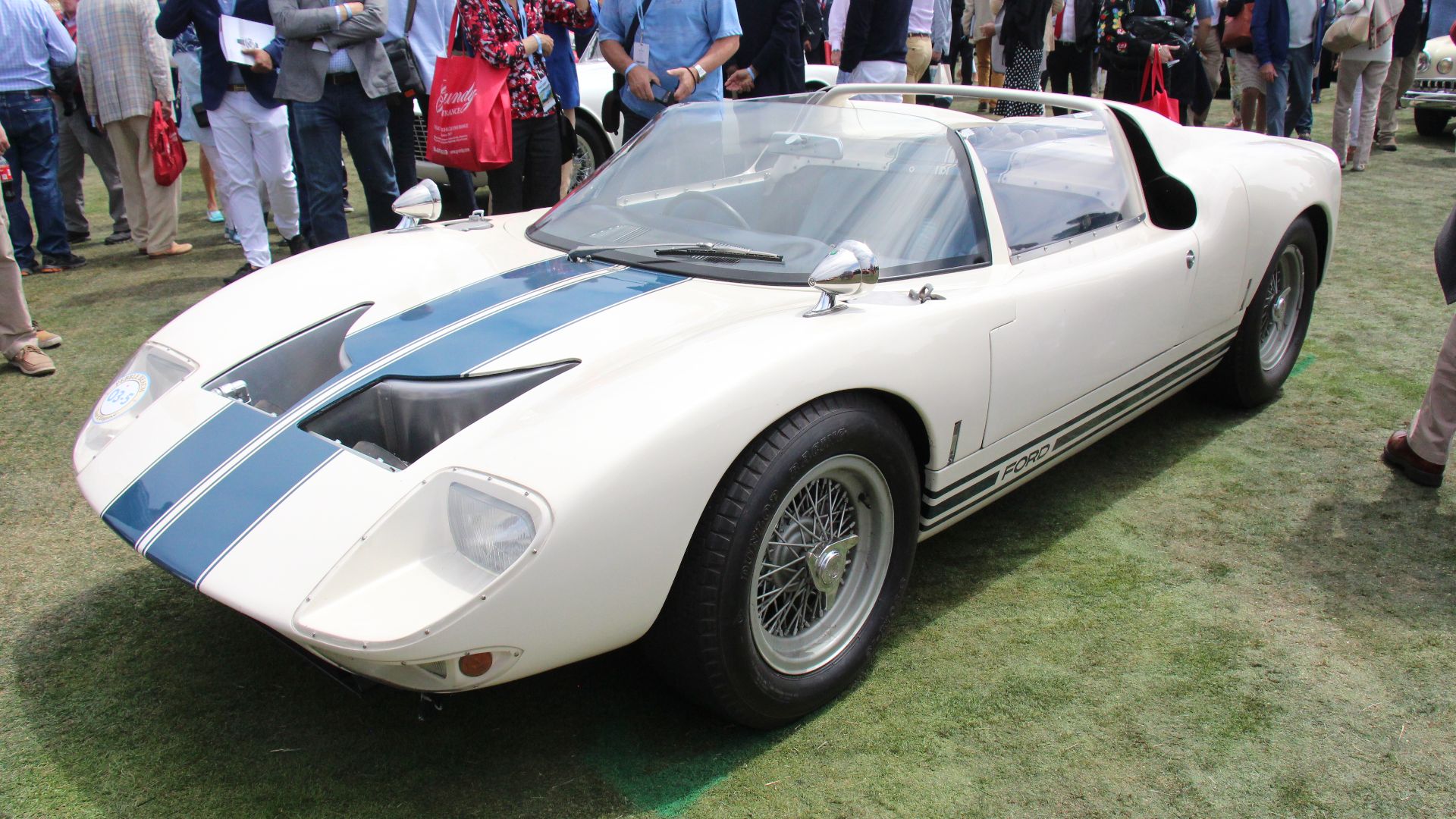
Ford GT/109 Competition Prototype Roadster (Cont.)
The roadster concept was Ford's experiment with open-top racing. Its primary motivations were reduced weight and testing aero/handling variations. After its Le Mans stint, this prototype changed hands multiple times, underwent a comprehensive restoration, and collected prestigious awards at concours events.
 Bernard Spragg. NZ from Christchurch, New Zealand, Wikimedia Commons
Ford Thunderbird Italien (1963)
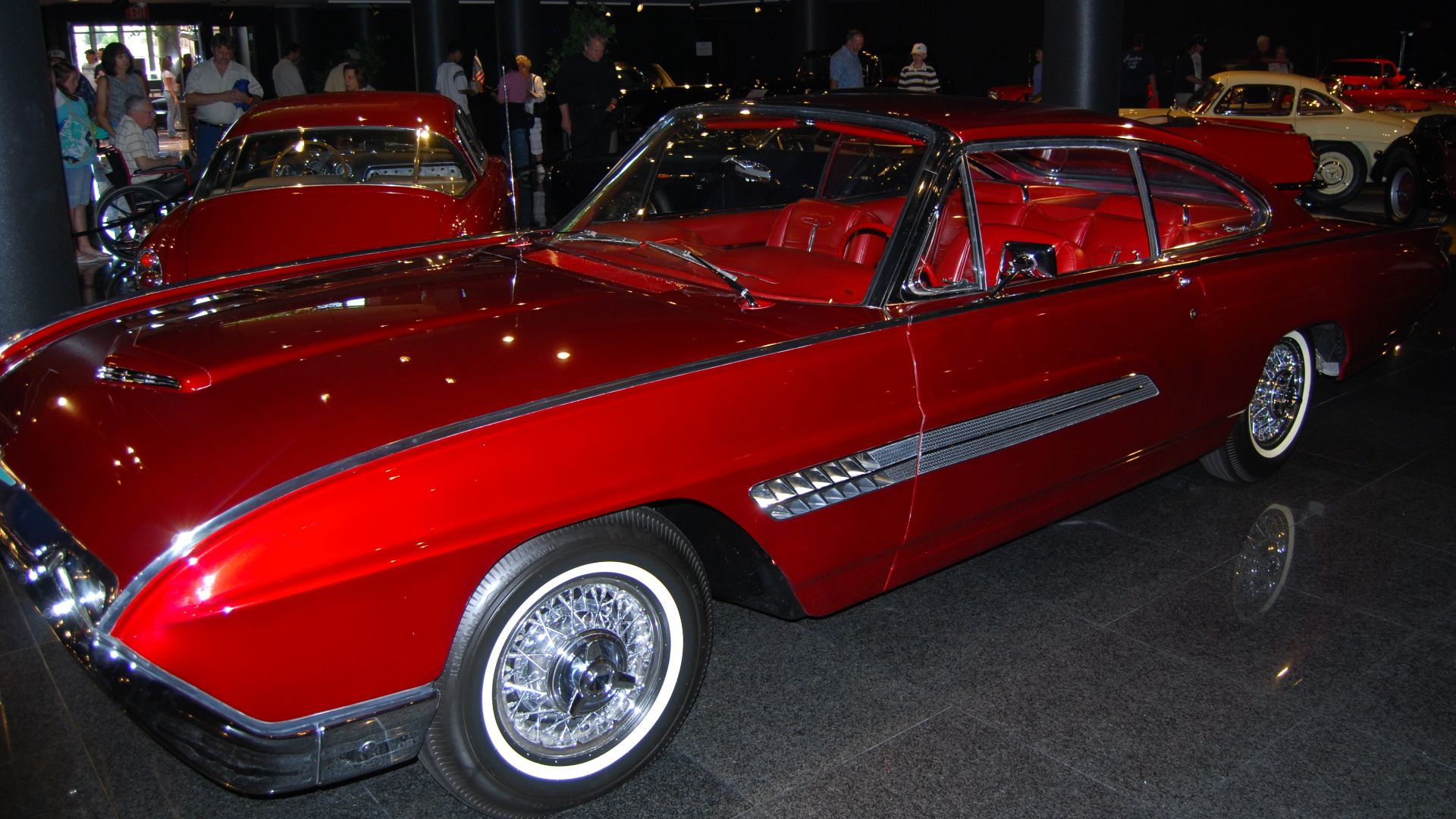
Walk into any classic car show and mention the Thunderbird Italien, and you'll likely get blank stares, even from die-hard Ford enthusiasts. That's because only one was ever built. This was a custom show car created by Ford's styling department and constructed by Dearborn Steel Tubing.
 Bill Abbott, Wikimedia Commons
Ford Thunderbird Italien (Cont.)
Starting life as a 1962 Thunderbird convertible, it received a dramatic fastback roofline crafted from fiberglass, a Ferrari-inspired egg-crate grille, and over 80 custom trim pieces. The Italien was Henry Ford II's love letter to Italian design during a period when he was obsessed with all things European.
 Spanish Coches, Wikimedia Commons
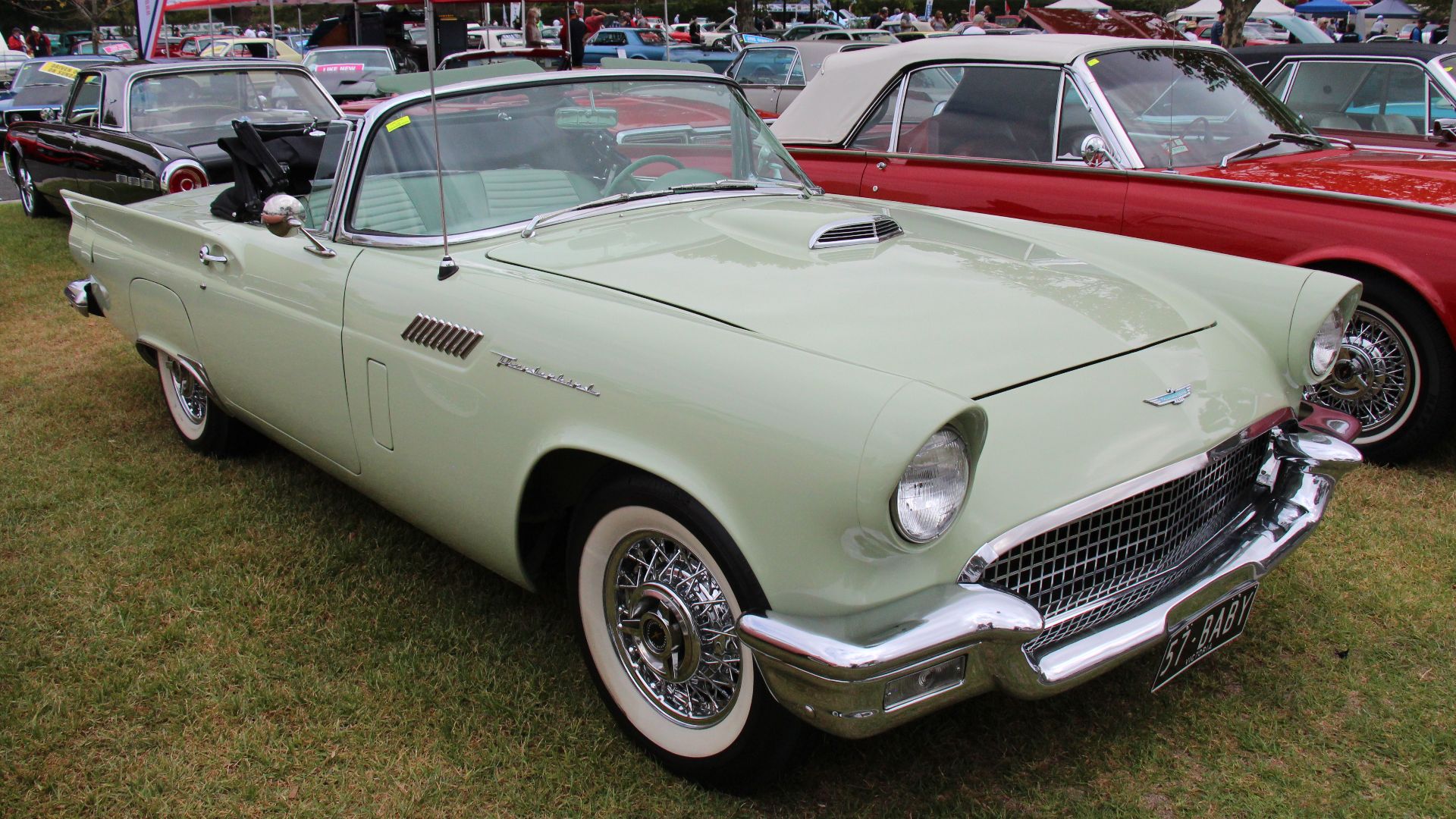
Ford Thunderbird Phase One D/F Supercharged (1957)
NASCAR homologation rules in the 1950s crafted some wild machines, but few were as exclusive as the 1957 Thunderbird Phase One D/F Supercharged. Ford built exactly 15 of these supercharged two-seaters to satisfy racing regulations, and only eight are believed to survive today.
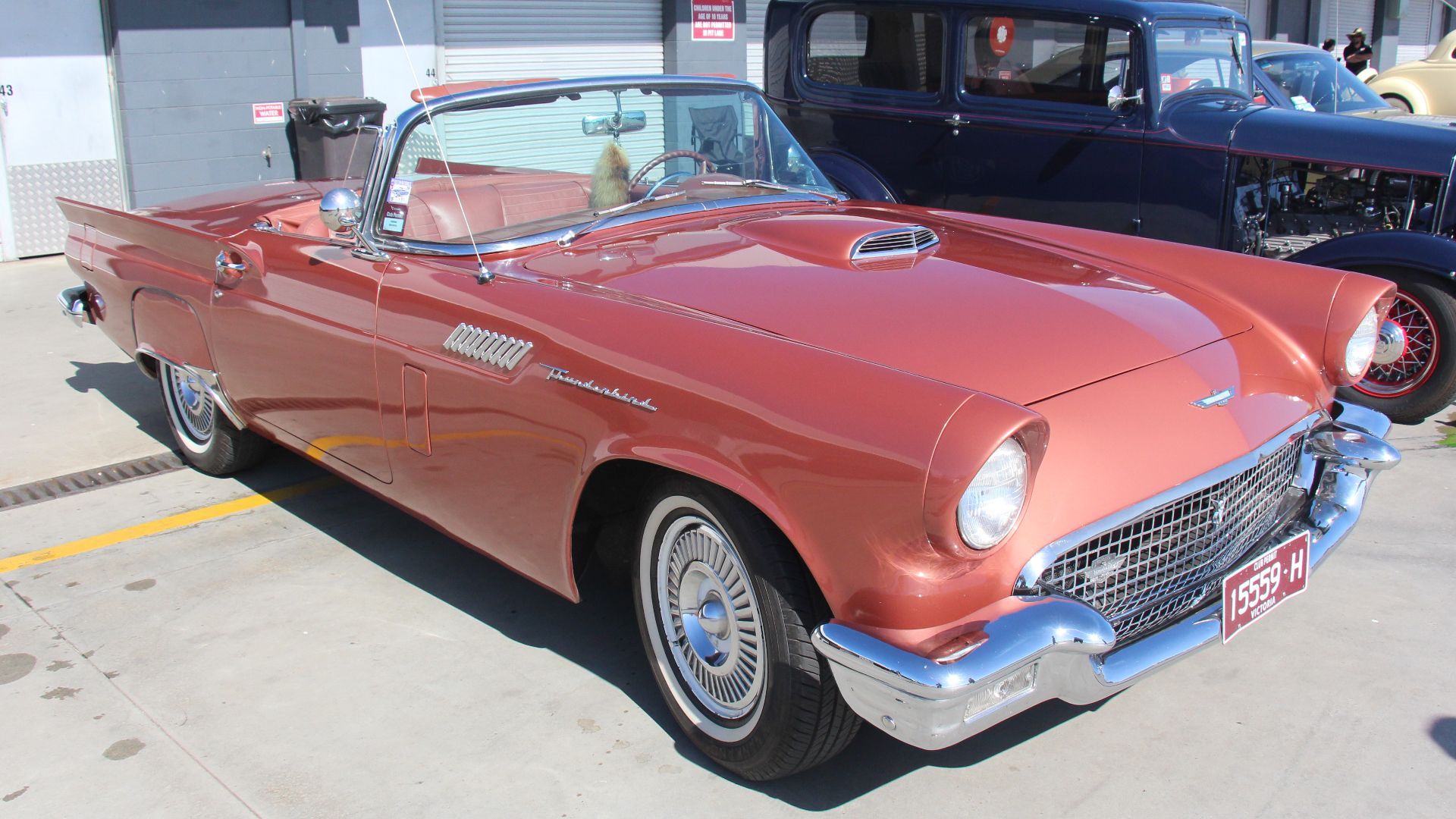
Ford Thunderbird Phase One D/F Supercharged (Cont.)
The Phase One project represented Ford's first serious foray back into motorsport after a brief hiatus, setting the stage for the "Total Performance" era that would define the 1960s. However, the program was short-lived; Ford completed the required homologation numbers and then largely abandoned racing again.
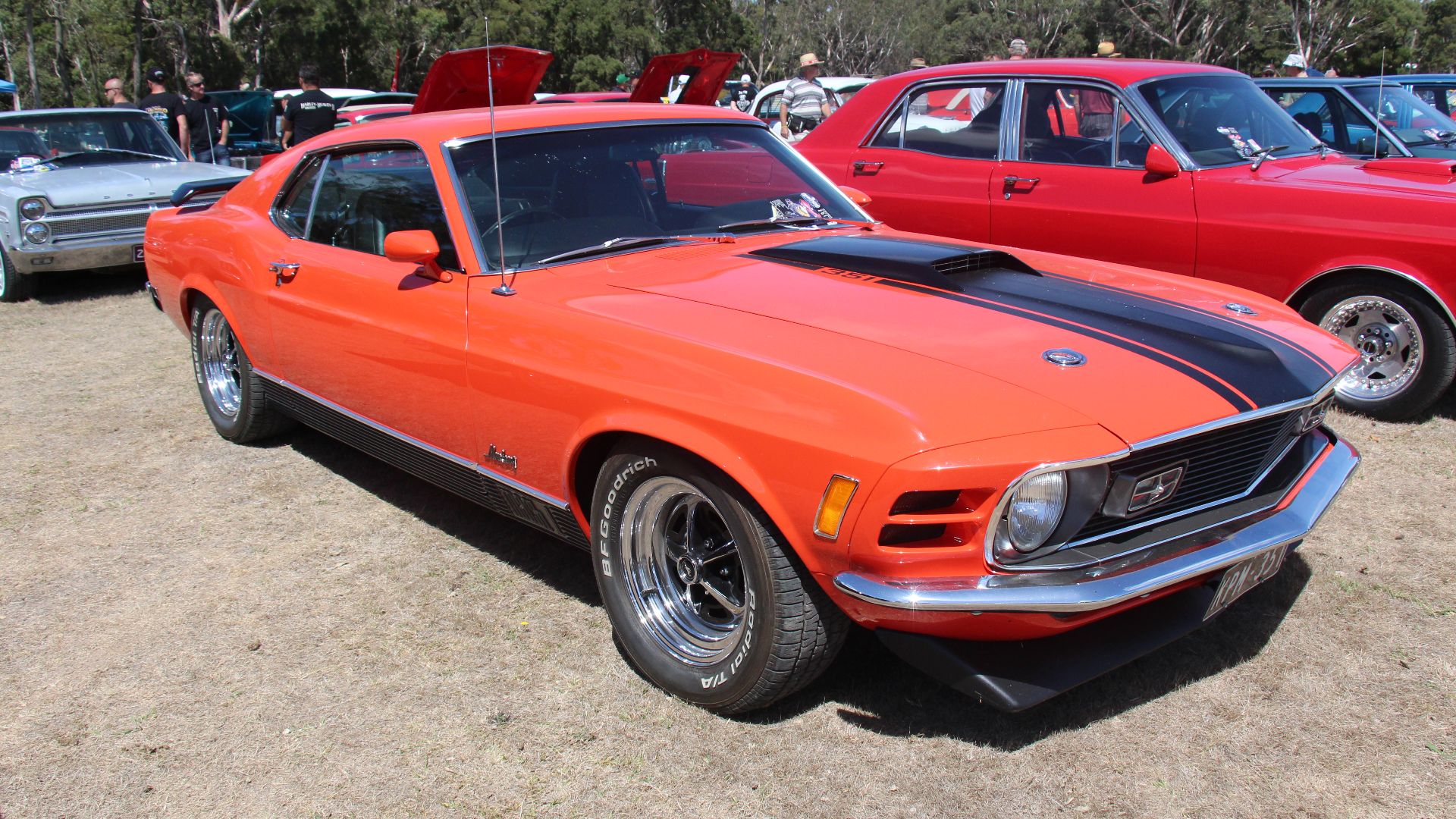
Ford Mustang Boss 351 Calypso Coral (1971)
The 1971 Boss 351 itself is already rare, with only 1,806 produced during its single model year. But here's where things get insane: just four were painted in Calypso Coral, and of those four, only one featured a white interior.
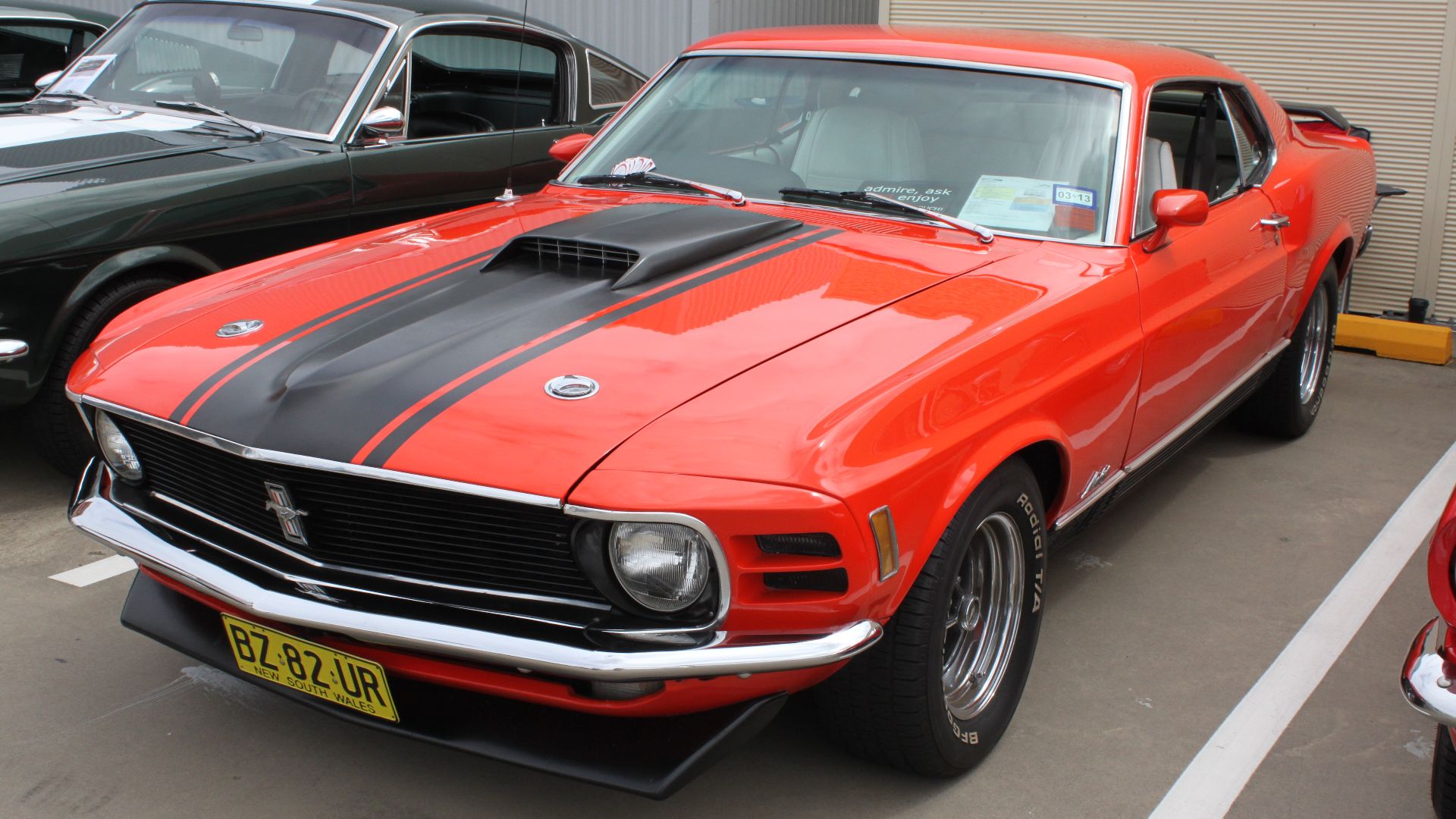 Jeremy from Sydney, Australia, Wikimedia Commons
Ford Mustang Boss 351 Calypso Coral (Cont.)
This specific color combination wasn't even officially listed on the order forms. It was a special-order option that required customers to specifically request it and pay extra. Most buyers gravitated toward the flashier Grabber Yellow or the more conservative Light Pewter Metallic.
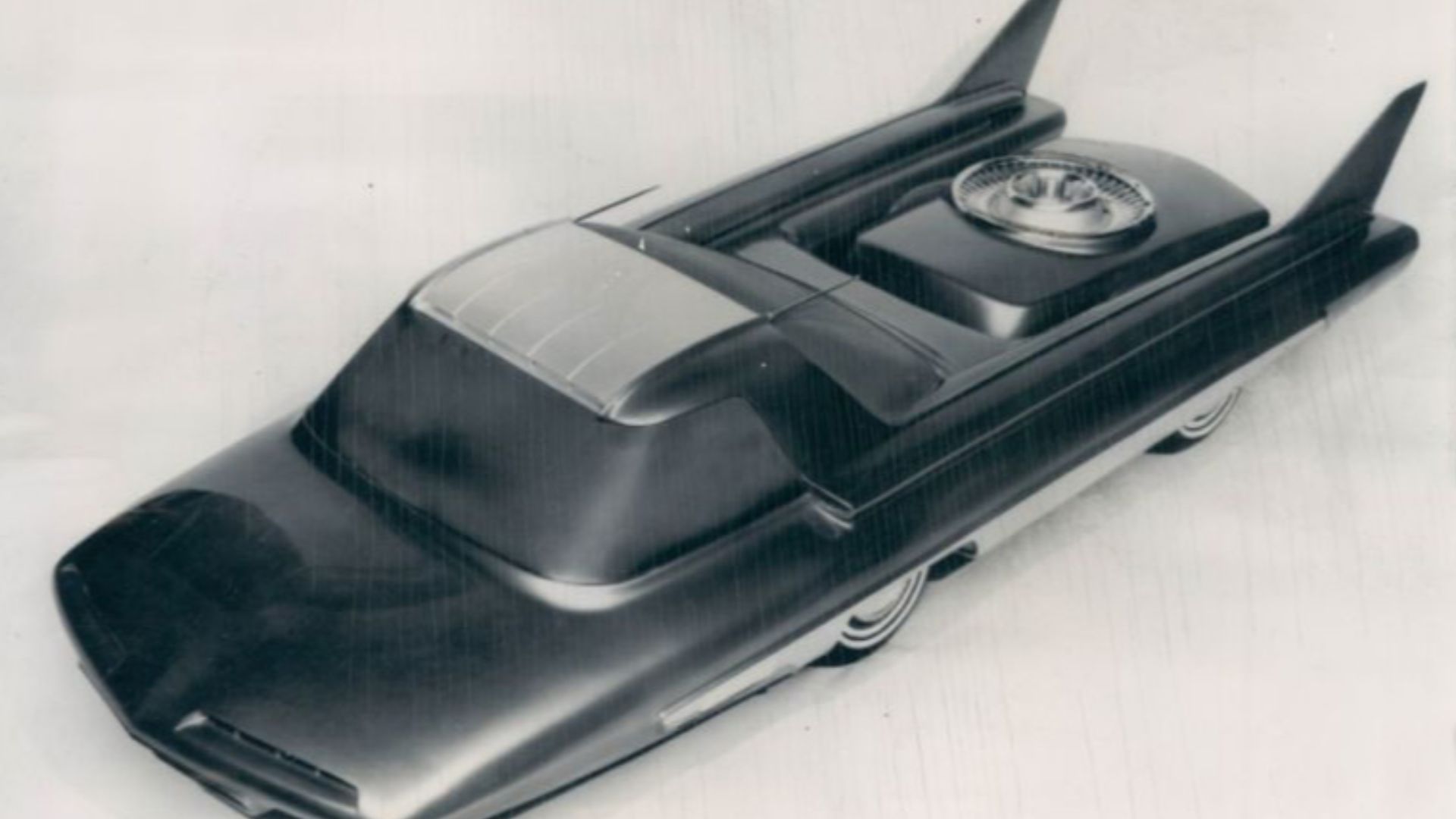
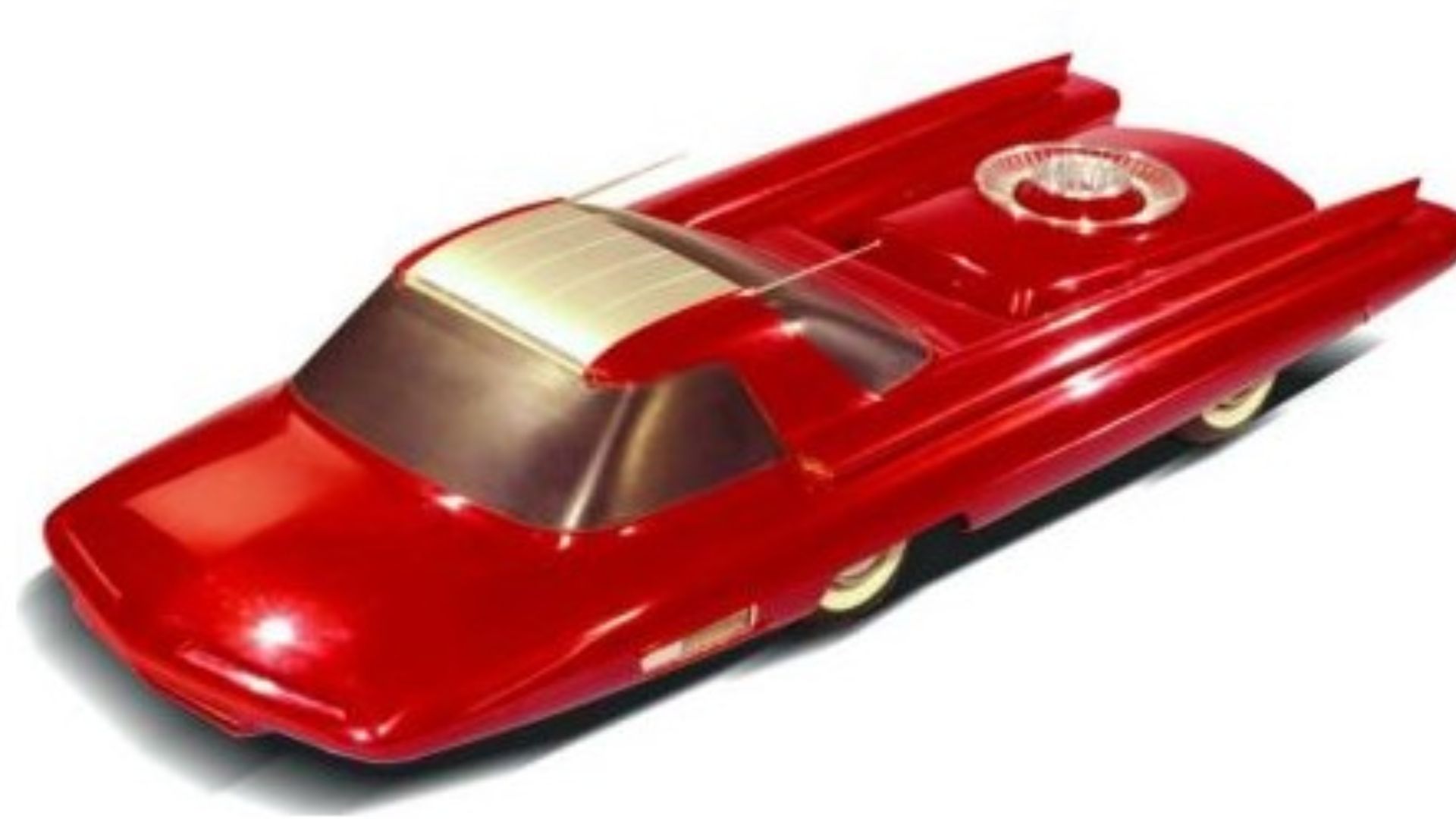
Ford Nucleon Concept (1958)
Imagine pulling into a service station not for gasoline, but to swap out your car's nuclear reactor core every 5,000 miles. That's precisely what Ford envisioned with the 1958 Nucleon concept, perhaps the most audacious—and terrifying—automotive idea ever conceived.
 Unknown authorUnknown author, Wikimedia Commons
Ford Nucleon Concept (Cont.)
The uranium-powered steam engine would theoretically allow drivers to travel thousands of miles between "refuelings," with service stations offering different reactor cores, economy or high-performance, like choosing regular or premium gas. The Nucleon existed only as a 3/8-scale model.
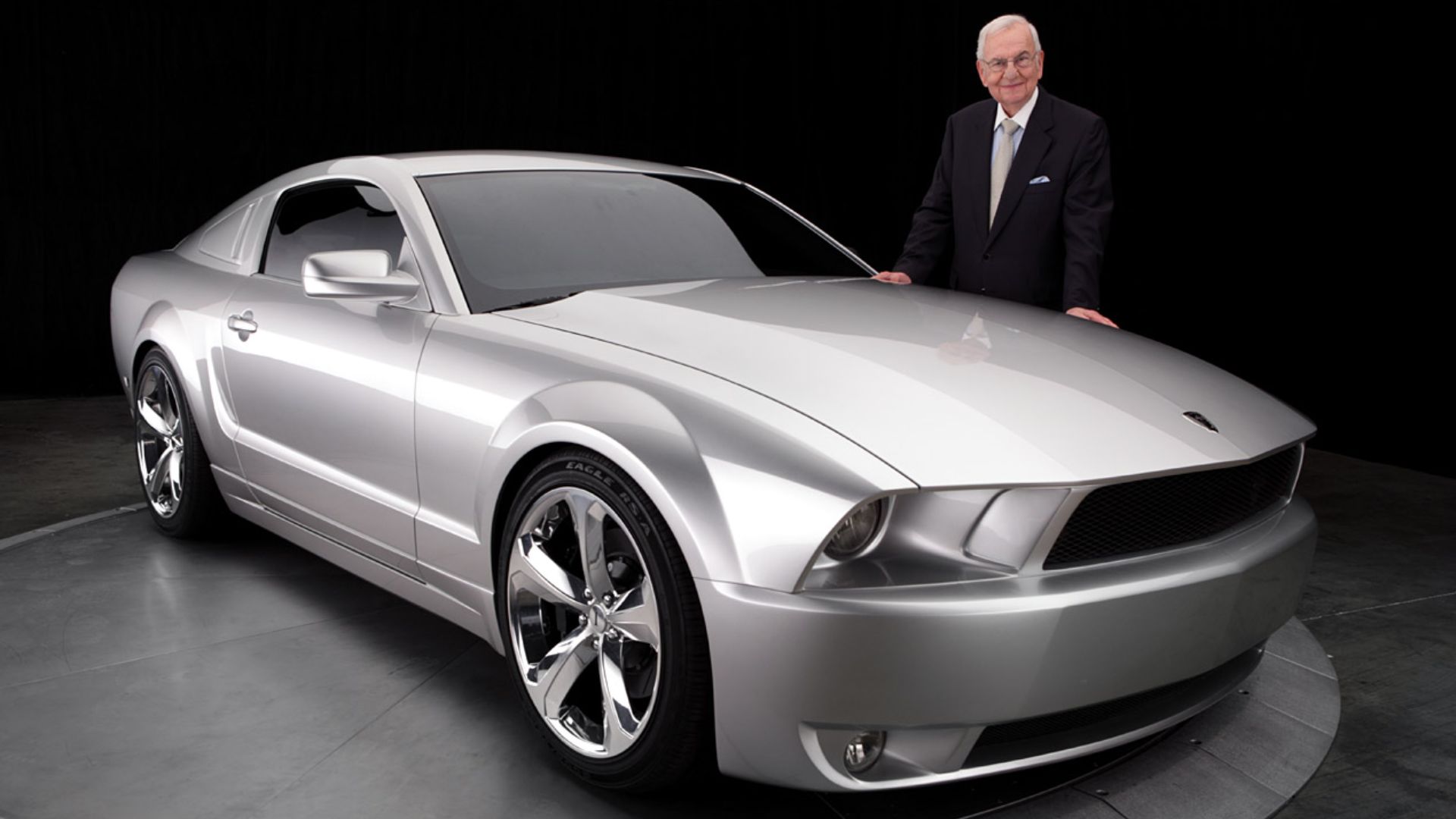
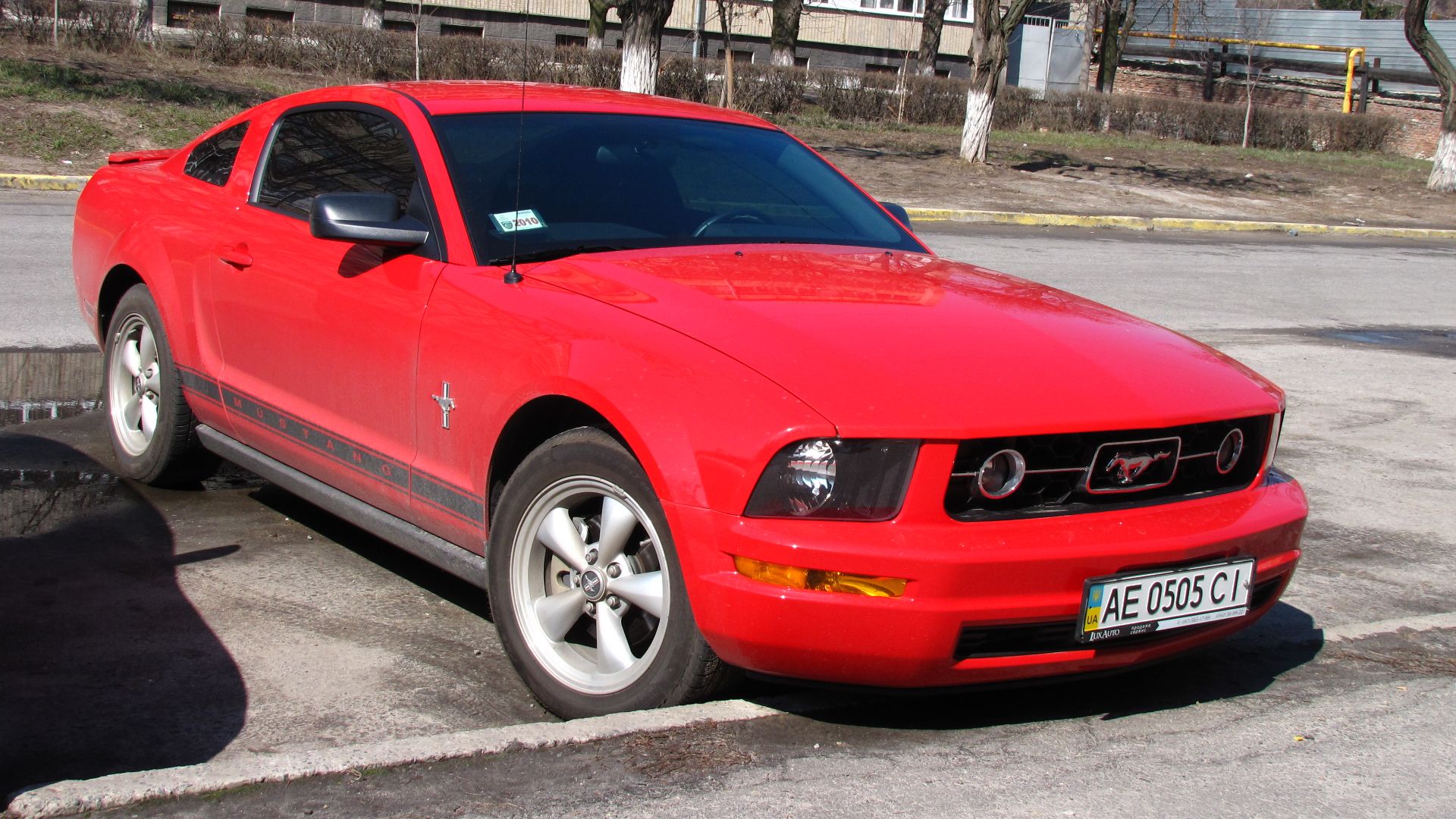
Ford Mustang Iacocca 45th Anniversary (2009)
Well, the name Lee Iacocca is synonymous with the Mustang's creation, so when Ford decided to celebrate 45 years of the pony car in 2009, they turned to the legend himself. But here's the catch. They only built 45 units, one for each year of the Mustang's existence.
 The World of the Ford Mustang, Wikimedia Commons
Ford Mustang Iacocca 45th Anniversary (Cont.)
Designer Michael Leone reimagined the body with custom metalwork crafted by Gaffoglio Family Metalcrafters, the same specialists who shape metal for high-end custom cars and Hollywood film cars. The exterior received a complete overhaul with unique panels, while the interior was lavished with premium leather.
Ford Shelby GR-1 Concept (2005)
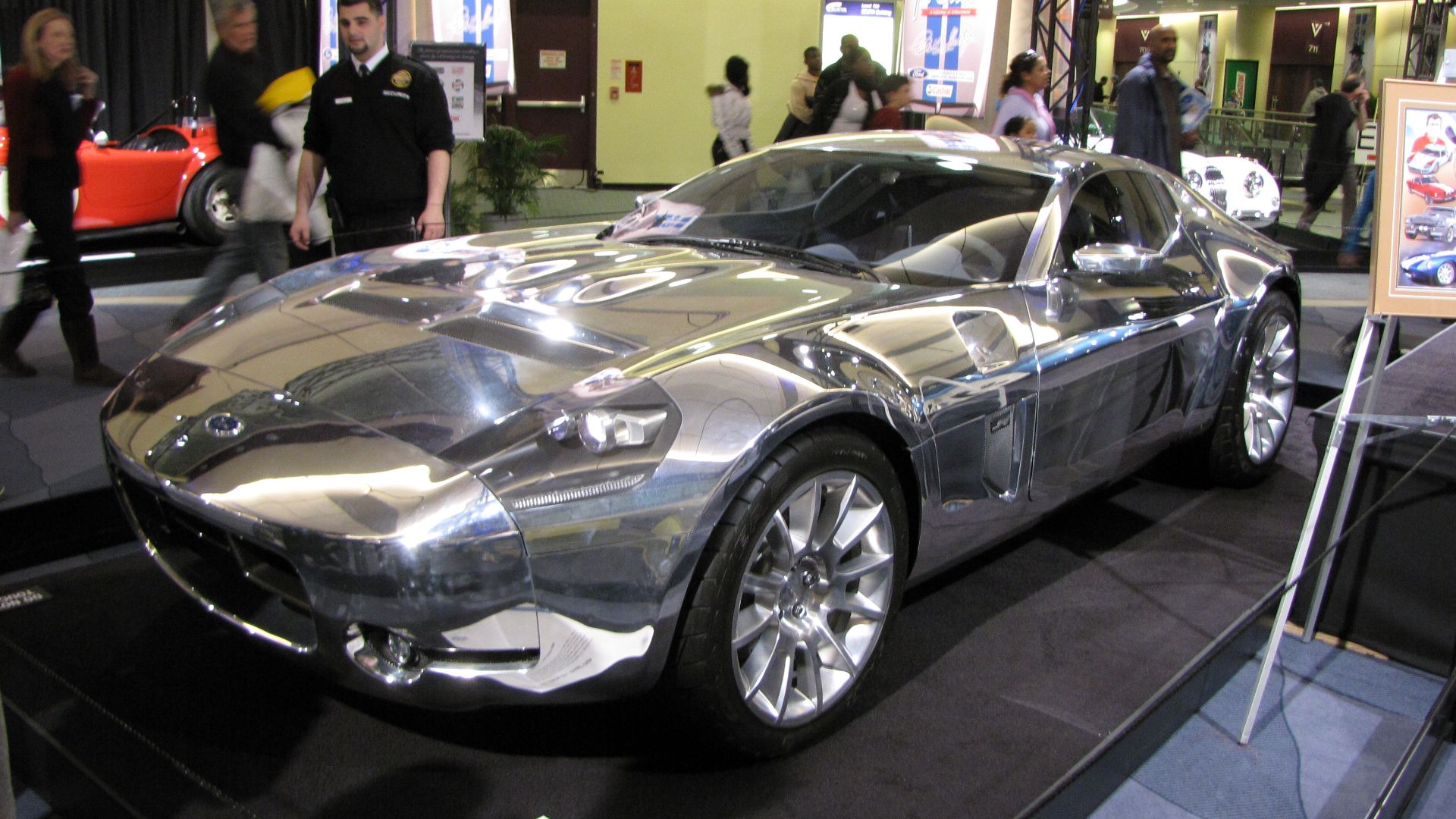
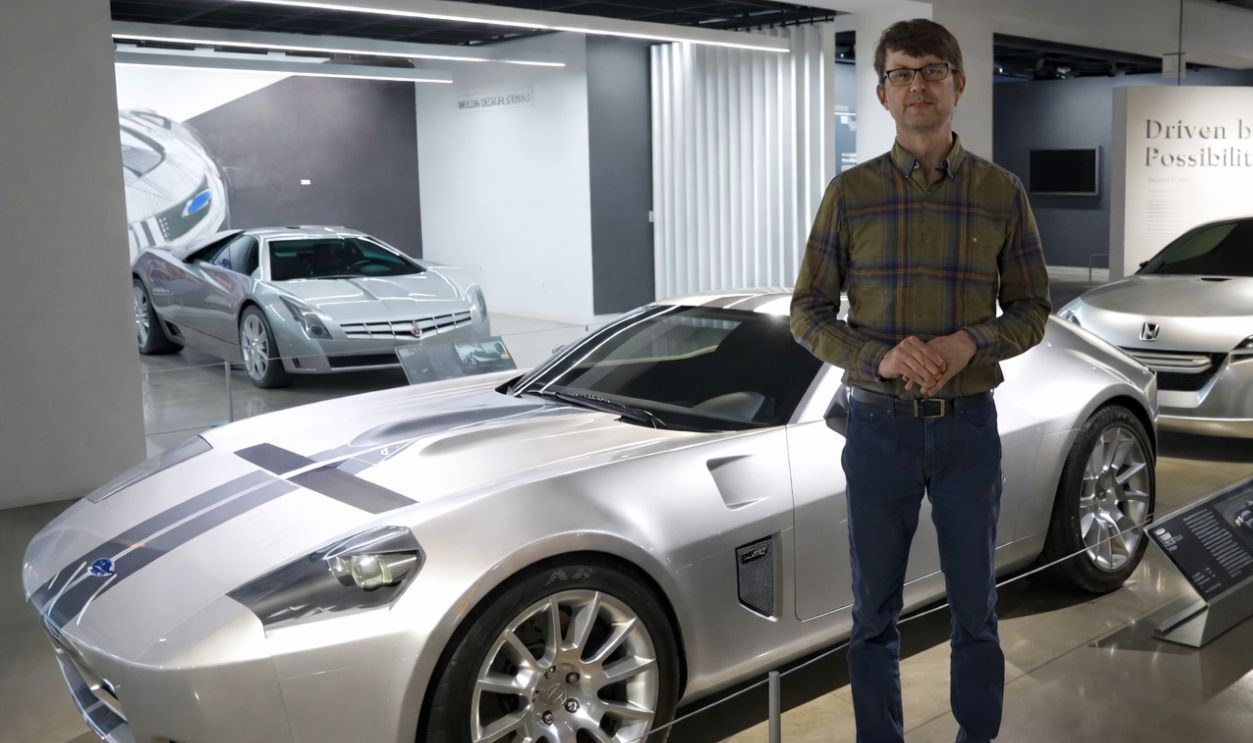
Behind the polished aluminum body of the Shelby GR-1 lies one of Ford's greatest missed opportunities—a supercar that could have been the GT's successor but never made it past the concept stage. Only one fully functional prototype was ever built, unveiled at the 2005 North American International Auto Show.
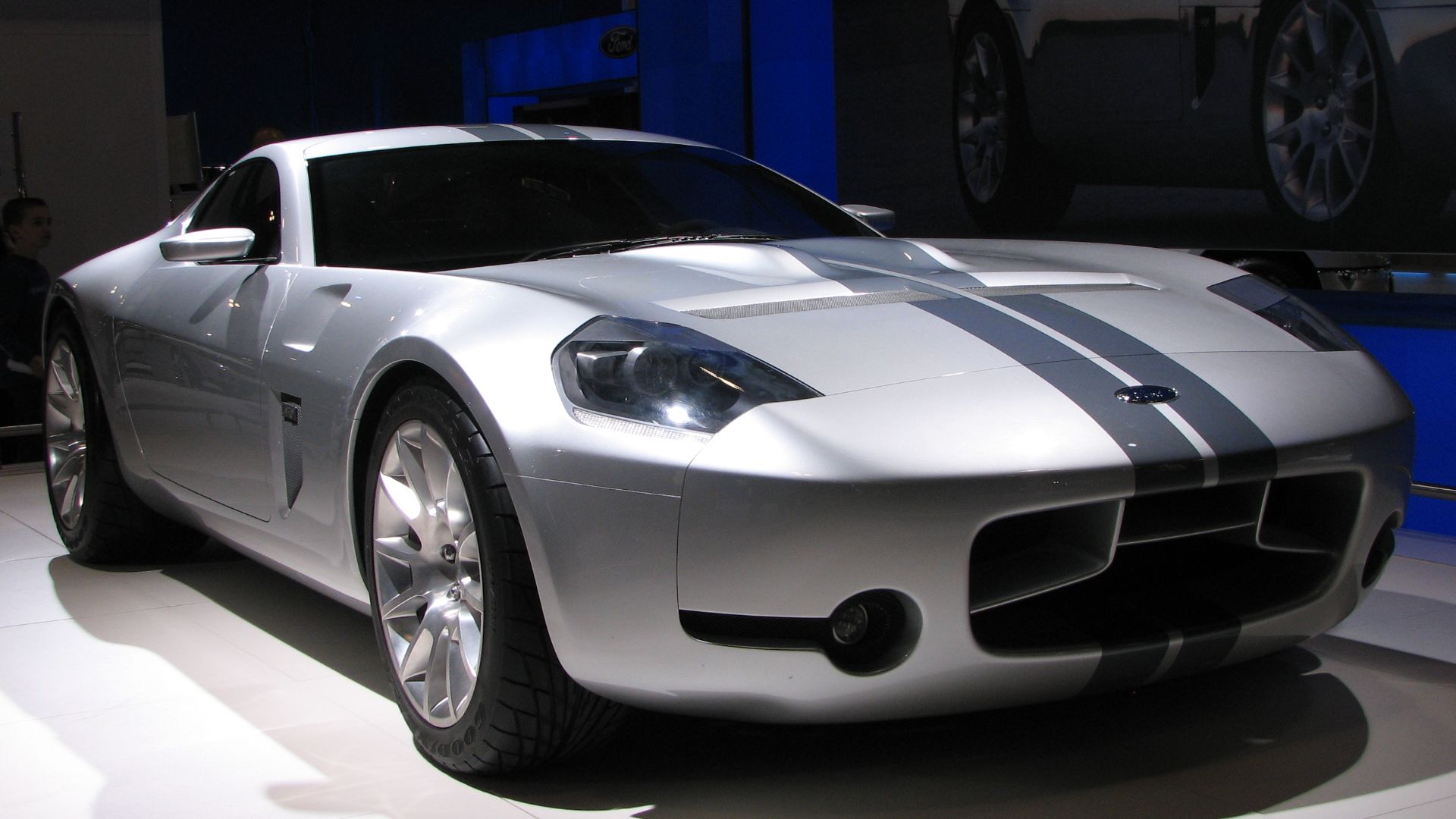
Ford Shelby GR-1 Concept (Cont.)
The GR-1 paid homage to the 1964 Shelby Daytona Coupe with its long-hood, fastback design, but updated everything for the 21st century. That gleaming bare aluminum skin wasn't just for show. It was hand-polished and left unpainted, crafting a rolling sculpture that looked like liquid metal in motion.