The Recall Letter Lands And The Clock Starts Ticking
You open a recall notice, read words like “safety risk,” and then hear the dealership say the fix could take months because parts are not available. That's a frustrating but very real situation in the recall system. The key question is not just whether the car is recalled, but whether the manufacturer says you should stop driving it now or keep using it until the remedy is ready.

A Recall Does Not Always Mean Park It Immediately
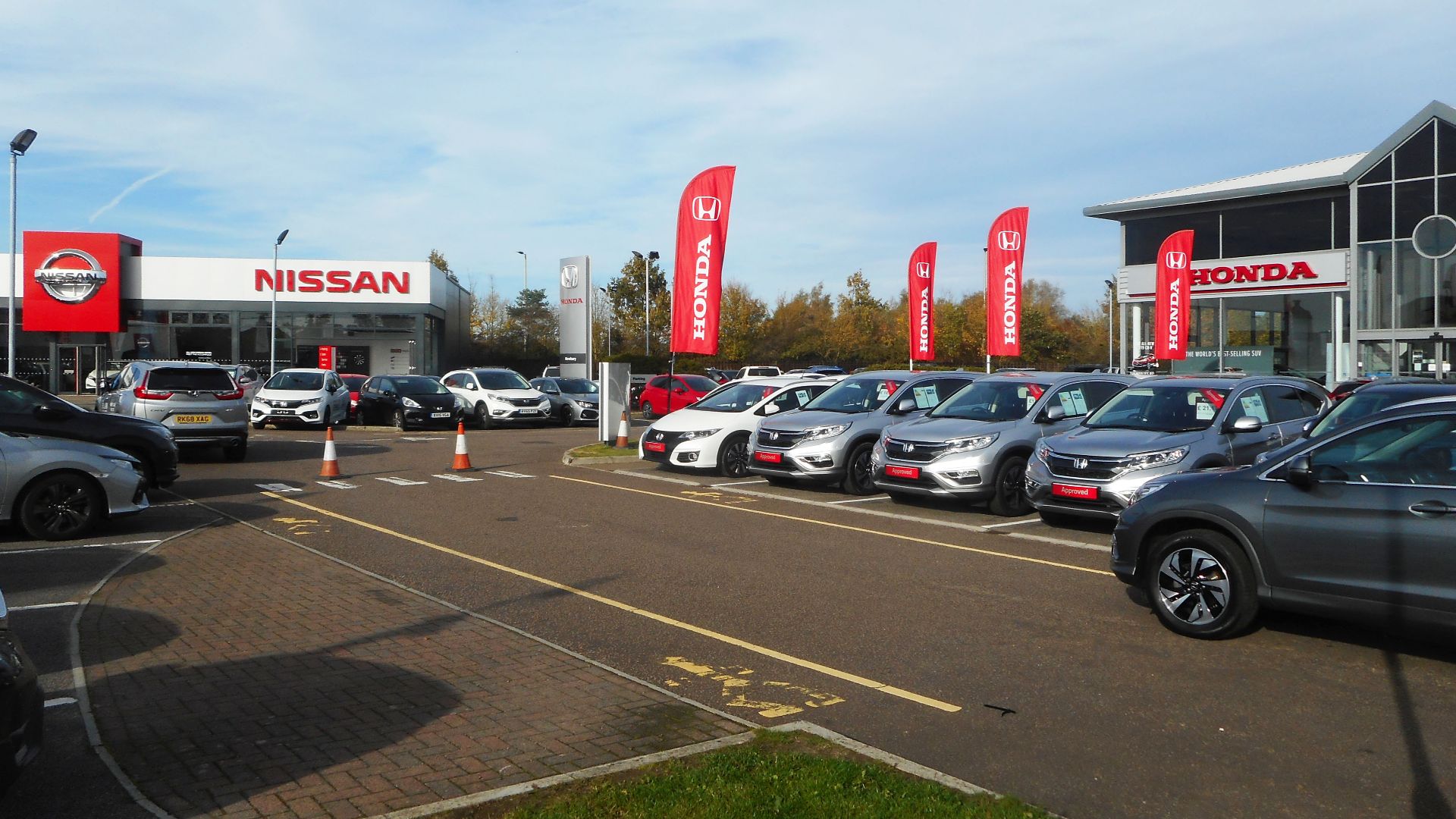
Most recalls do not come with an instruction to stop driving right away. The National Highway Traffic Safety Administration, or NHTSA, generally posts whether a vehicle should be parked, repaired promptly, or can continue to be driven until parts arrive. If the notice does not say “Do Not Drive” or “Park Outside,” many owners are expected to keep driving cautiously while waiting for the repair.
 Des Blenkinsopp , Wikimedia Commons
The Big Distinction Is The Type Of Warning
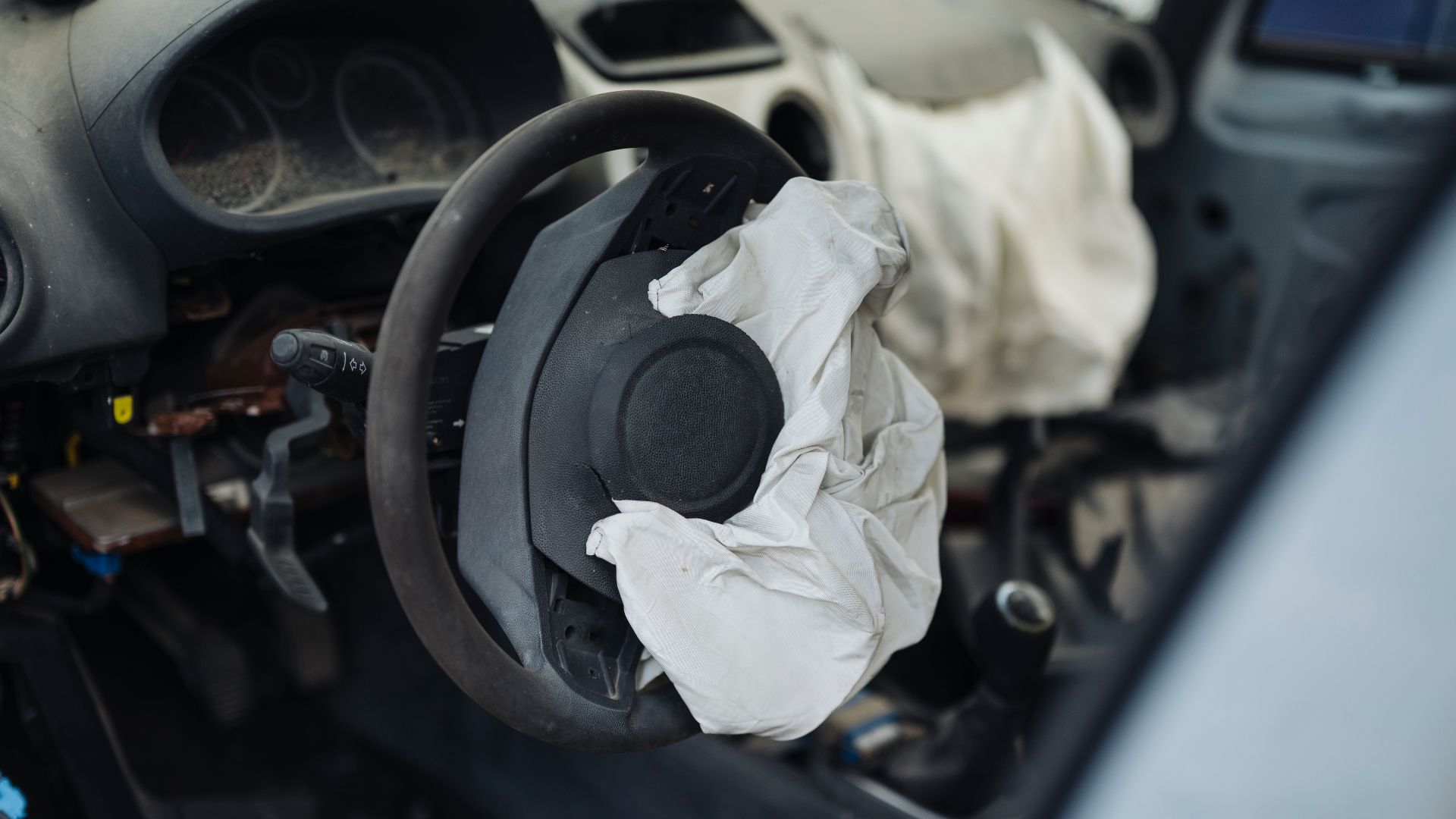
There is a huge practical difference between a normal safety recall and a “Do Not Drive” recall. NHTSA has issued rare but urgent “Do Not Drive” warnings in especially dangerous cases, including some Takata air bag recalls that could explode and send metal fragments into the cabin. When that kind of warning exists, continuing to drive is not the plan.
 Shixart1985, Wikimedia Commons
Takata Is The Case That Changed How Drivers See Recall Delays
One of the clearest examples came from the long-running Takata air bag crisis. NHTSA says defective Takata inflators have caused more than 30 deaths worldwide, including at least 28 in the United States, and injured hundreds more. In those cases, the government and automakers sometimes told owners not to drive certain vehicles until repairs were completed.
 Shixart1985, Wikimedia Commons
When The Government Says Stop, Take It Literally
NHTSA’s public guidance on recalled vehicles is direct. If your recall notice says “Do Not Drive,” you should not drive the vehicle until it is repaired and the defect is remedied. If it says “Park Outside,” NHTSA warns owners to keep the vehicle away from structures because of fire risk.
 John Firth , Wikimedia Commons
Why Parts Shortages Happen In The First Place
It can feel suspicious when a recall is announced before enough parts exist, but that is often how the system works. Federal law generally requires manufacturers to notify owners and NHTSA after deciding a safety defect exists, even if the remedy rollout must happen in phases. That means the warning can arrive before the fix is sitting on your dealer’s shelf.

The Law Requires A Free Remedy But Not Instant Inventory
NHTSA explains that manufacturers must fix the problem, replace the vehicle, or refund it in certain circumstances, and recall repairs must be provided free of charge. What the law does not guarantee is same-day parts availability for every recalled vehicle nationwide. For large recalls involving millions of cars, phased repairs are common.

Your Dealer Is Not Usually The One Making The Delay
Dealerships often become the face of the problem, but they usually do not control recall part production. The manufacturer develops the remedy, allocates parts, and tells dealers which vehicles are prioritized first. If the dealer says parts are backordered, the holdup is usually upstream.
 deathpallie325, Wikimedia Commons
Priority Often Goes To The Riskiest Vehicles First
Automakers commonly prioritize parts based on age, geography, crash exposure, or defect severity. That happened in the Takata recall, where certain inflators in hot and humid regions were considered higher risk and were repaired first. So if your repair is delayed, it may be because other vehicles are considered more dangerous to leave on the road.

Read The Recall Notice Closely Before You Panic
Your recall letter matters more than the service advisor’s quick summary. Look for exact language about whether the car is safe to drive, whether there are interim precautions, and whether the manufacturer recommends limiting use. Then confirm the recall status by VIN on NHTSA’s recall lookup tool or the automaker’s own recall page.

If It Is Not A Do Not Drive Recall, You May Still Need To Change Your Habits
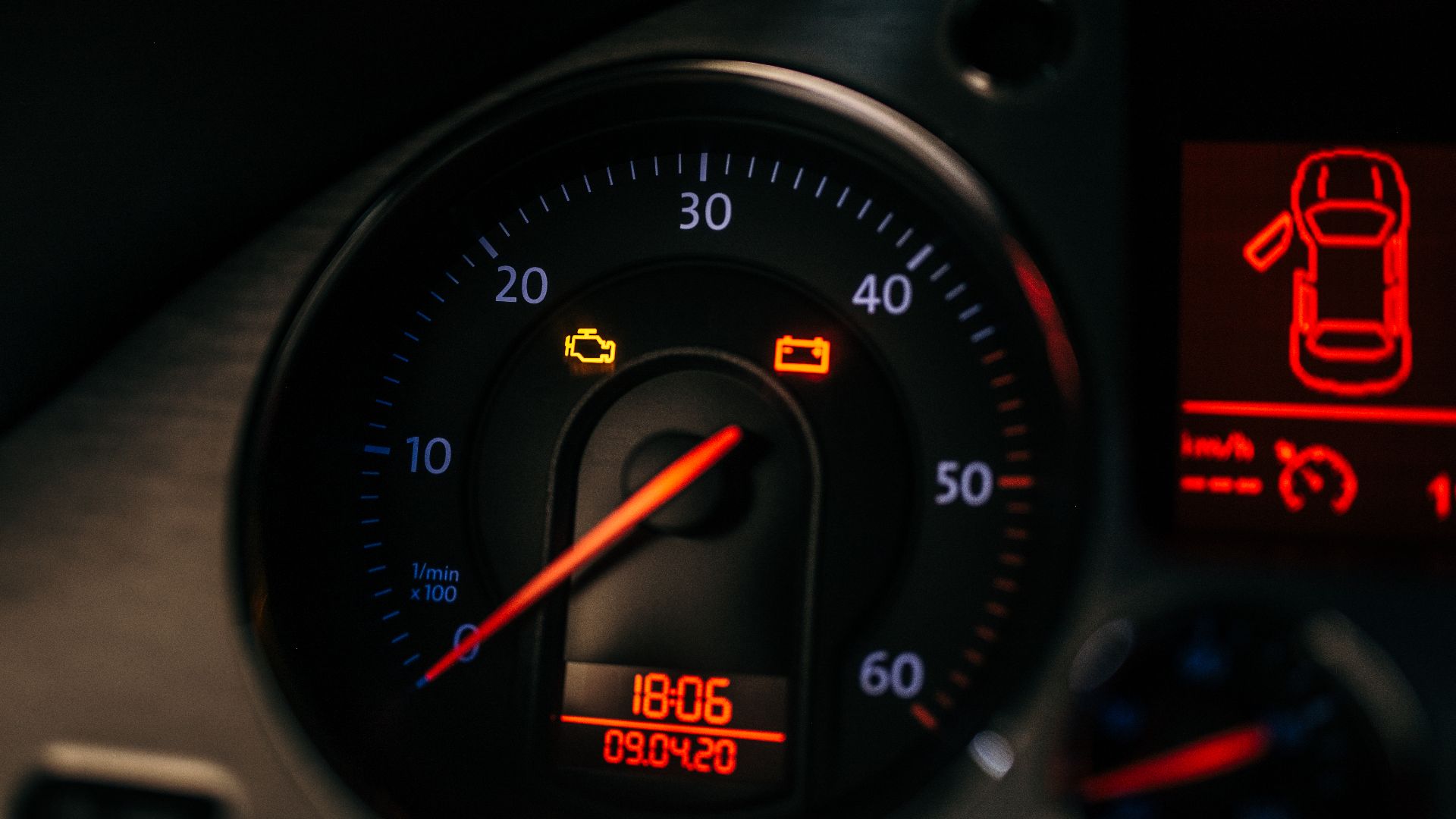
Even when NHTSA does not say to park the vehicle, the notice may suggest practical steps to reduce risk. For example, fire-related recalls sometimes come with instructions to park outside and away from structures until the repair is completed. Other recalls may urge owners to avoid using a front passenger seat or to watch for warning lights and unusual behavior.
 Christopher Hilton , Wikimedia Commons
You Can Ask The Manufacturer For A Loaner
If the car is under a serious recall and the remedy is delayed, ask the dealership and the manufacturer’s customer care line about alternate transportation. NHTSA says manufacturers can offer free loaner cars, towing, or mobile repair in some recall situations, though it is not automatic in every case. If the risk is severe, asking firmly and documenting the request is smart.

Reimbursement Is Sometimes On The Table Too
NHTSA’s recall guidance also says automakers may reimburse owners for out-of-pocket costs related to a recall remedy if specific conditions are met. That usually applies when the owner already paid to fix the defect before the recall was announced. It is not a blanket promise to cover rental cars during every parts delay, but it is worth checking the recall documents.

There Is A Specific NHTSA Rule On Parts Delays
NHTSA has addressed what happens when manufacturers do not have enough remedy parts. Under federal recall rules, a company that cannot carry out a campaign according to schedule may need to file a Part 573.15 report explaining the delay and the estimated time for obtaining enough parts. In plain English, the government knows parts shortages happen and expects updates.

The Dealer Should Be Able To Tell You More Than “We Have No Parts”
A vague answer is not good enough when safety is involved. Ask whether your VIN is included, whether the recall has an interim remedy, whether there is a “Do Not Drive” or “Park Outside” advisory, and where you are on the parts waiting list. Those details turn a helpless conversation into an actionable one.

Some Recalls Come With Interim Fixes
Not every delayed recall leaves owners stuck. Sometimes manufacturers offer an interim software update, inspection, fuse replacement, towing option, or temporary protective measure before the final remedy is ready. NHTSA has used this two-step approach in multiple campaigns when engineering or part production took longer than expected.
Fire Risk Recalls Deserve Extra Respect
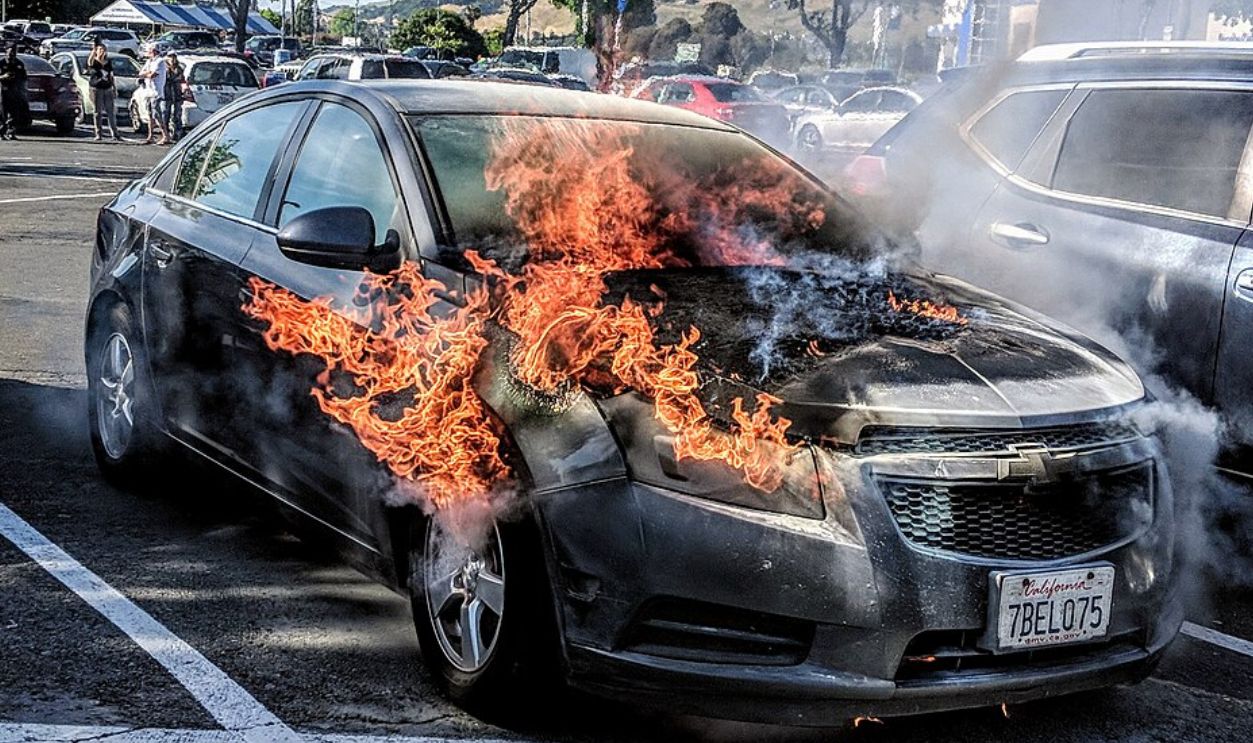
Recalls involving engine compartment or battery fire hazards often come with unusual instructions. NHTSA has repeatedly warned owners in some campaigns to park outside and away from homes because vehicles can catch fire even when turned off. That is the kind of language that should immediately shape where and how you keep the car.
Air Bag Recalls Can Be Time Bombs
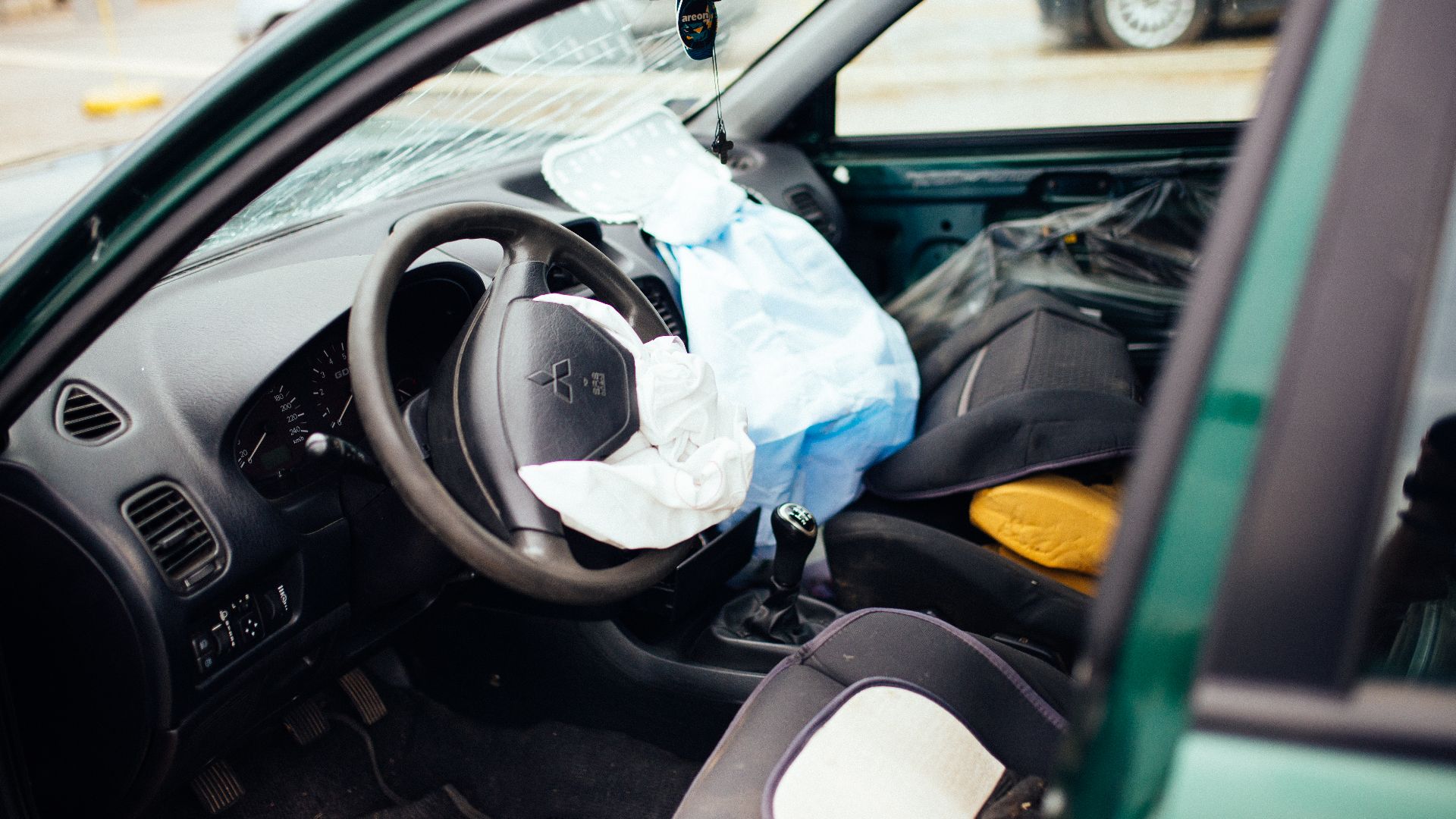
The Takata cases showed how a parts delay can become deeply personal. NHTSA says a recalled air bag inflator can explode in a crash and hurl sharp metal fragments toward drivers and passengers. That is why some of the agency’s toughest public warnings have centered on air bag recalls, especially older vehicles whose owners had delayed repairs for years.
 Shixart1985, Wikimedia Commons
Used Car Buyers Can Get Burned By Old Recalls
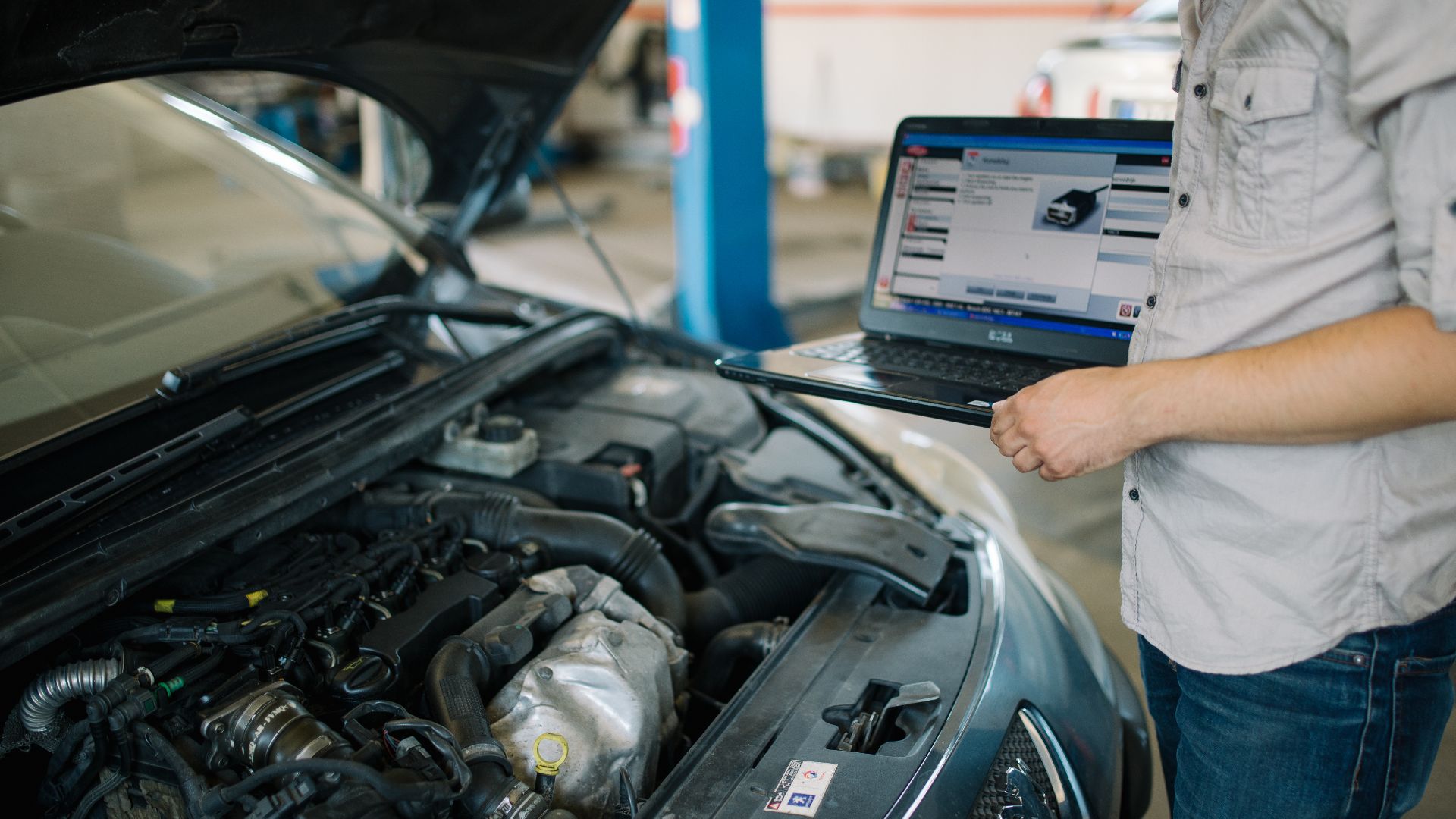
If you bought the car used, do not assume the prior owner handled every safety campaign. NHTSA’s VIN lookup tool lets you check whether a recall repair is still open. That matters because a months-long wait feels even worse when you did not know the problem existed at all.
 Shixart1985, Wikimedia Commons
Your Best First Move Is To Check Your VIN Yourself
Go to NHTSA.gov/recalls and enter your vehicle identification number. That lookup can show open recalls from the past 15 calendar years for most vehicles and often links to manufacturer instructions. It is the fastest way to verify whether the dealership’s explanation matches the official record.

Document Every Call And Every Promise
Keep a simple log with the date, the dealer name, who you spoke to, and what they said about parts and safety. Save emails, text confirmations, and recall letters. If the delay becomes unreasonable or the instructions are inconsistent, your paper trail becomes useful fast.

Escalate Past The Service Desk If The Story Sounds Off
If the dealership cannot answer basic safety questions, call the automaker’s customer assistance center directly. Ask for a case number and ask whether your vehicle should be driven while waiting for parts. The manufacturer has the formal recall instructions, and that answer matters more than informal dealer chatter.

You Can Also File A Complaint With NHTSA
NHTSA encourages consumers to report vehicle safety problems and recall concerns. If you think a manufacturer is mishandling a recall, failing to provide clear guidance, or not honoring the free remedy, filing a complaint can create a record. It will not conjure parts overnight, but it can put your case on the radar.

Lemon Law Questions Are Separate But Sometimes Relevant
A recall itself does not automatically make a vehicle a lemon. But if a serious safety defect cannot be repaired within a reasonable time, or the car is repeatedly out of service, state lemon laws or warranty laws may come into play. This is where dates, repair orders, and written dealer statements suddenly become very important.

If The Car Feels Unsafe, Trust That Instinct And Get Specific
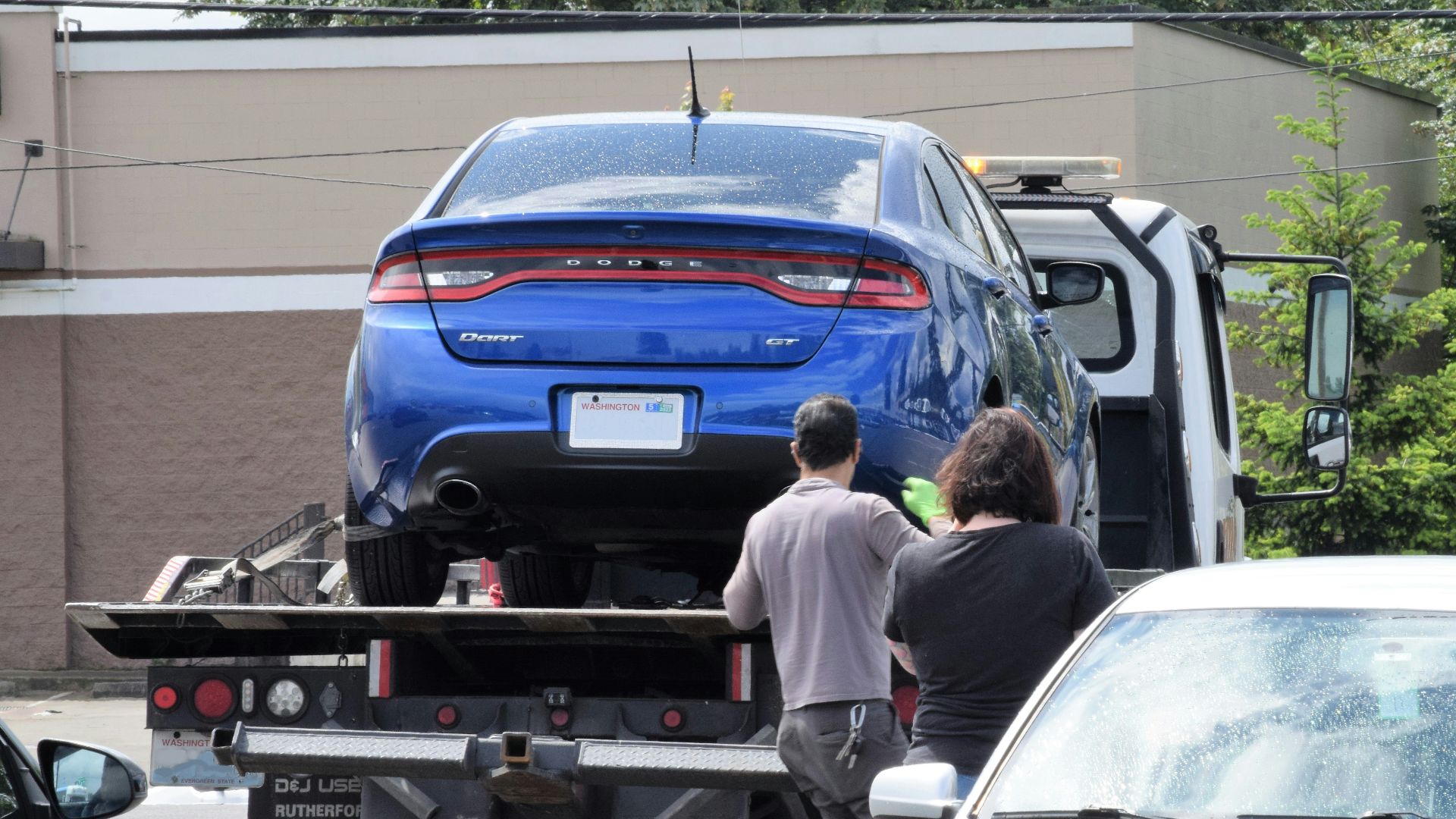
If the recall concerns brakes, steering, sudden stalling, or another system tied directly to control of the vehicle, ask the dealer whether they recommend towing instead of driving. If they say it is safe, ask them to state the manufacturer’s guidance clearly. A careful owner should not be forced to guess what “probably okay” means.
The Short Answer Is Annoying But Important
So, are you just supposed to keep driving a recalled car for months? Sometimes yes, but only if the official recall guidance says the vehicle can still be driven while you wait for the remedy. If NHTSA or the manufacturer says “Do Not Drive” or “Park Outside,” the answer changes immediately and the burden shifts to getting the automaker to help with transportation or urgent repair logistics.

The Smartest Way To Handle A Parts Delay
Verify the recall by VIN, read the exact notice, ask whether there is any interim fix, and push for a loaner or alternate transportation if the risk is high. Do not rely on one casual conversation at the service counter. When months of waiting collide with a known safety defect, facts and documentation are your best tools.