What PART Do You Remember?
A car from the 1970s had plenty of familiar parts: a steering wheel, four tires, and a radio if you were lucky. But it also had parts and pieces that seem completely mysterious now.
Some were clever. Some were a nuisance. And a few disappeared so quietly that you may have forgotten they ever existed until you see one again. How many of these do you remember using?
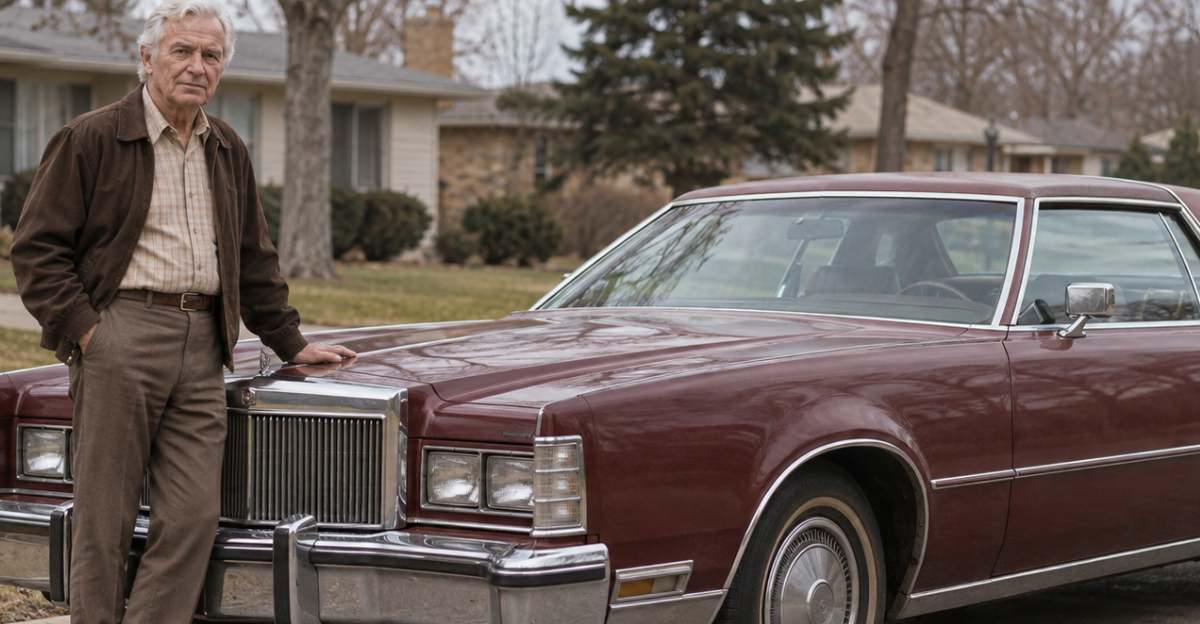
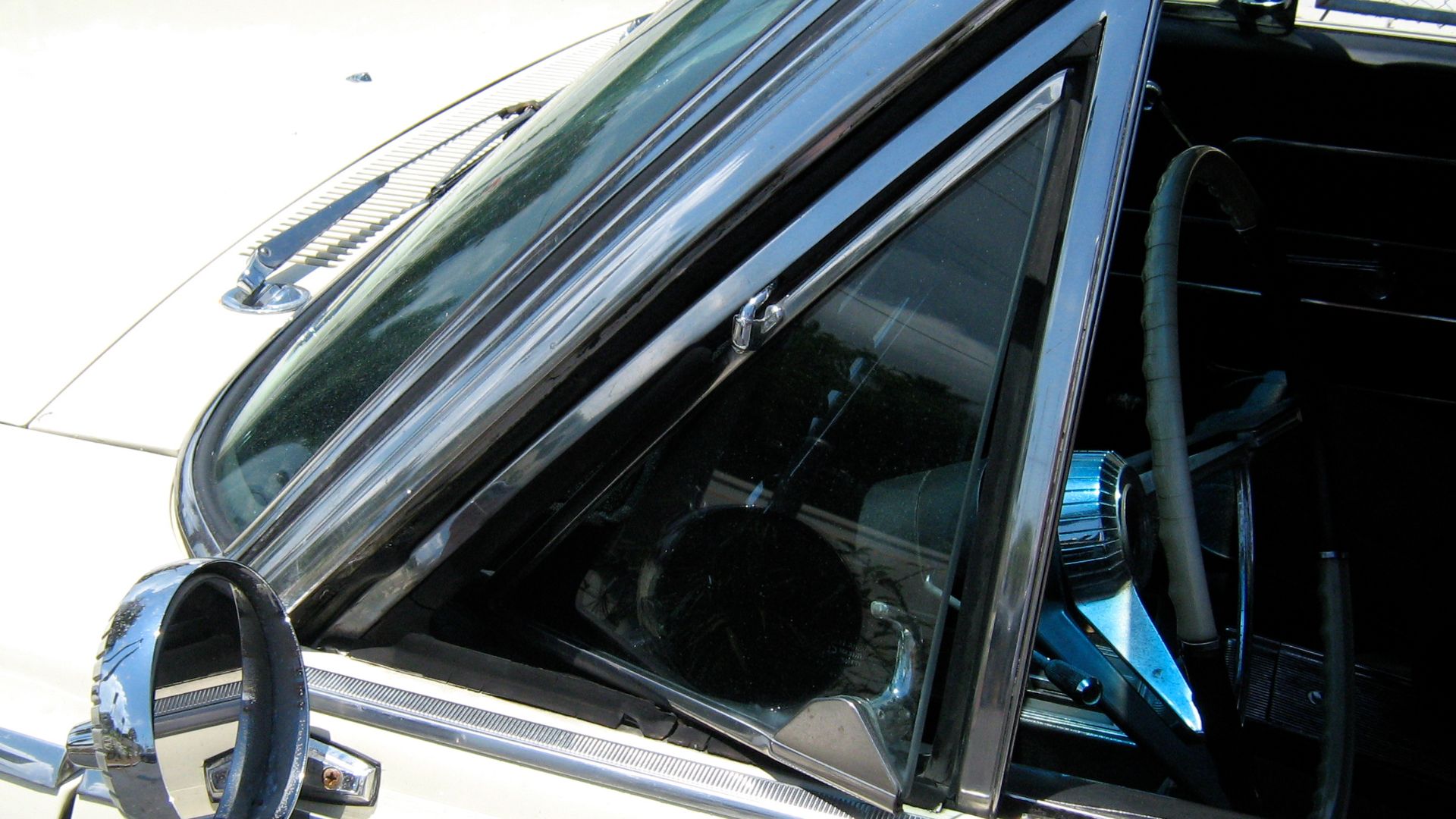
Vent Windows
That little triangular pane ahead of the main side window had a job. Twist it open and you could aim a stream of outside air straight at yourself without rolling down the whole window. You could still find vent windows on some 70s cars, though they were already disappearing from others.
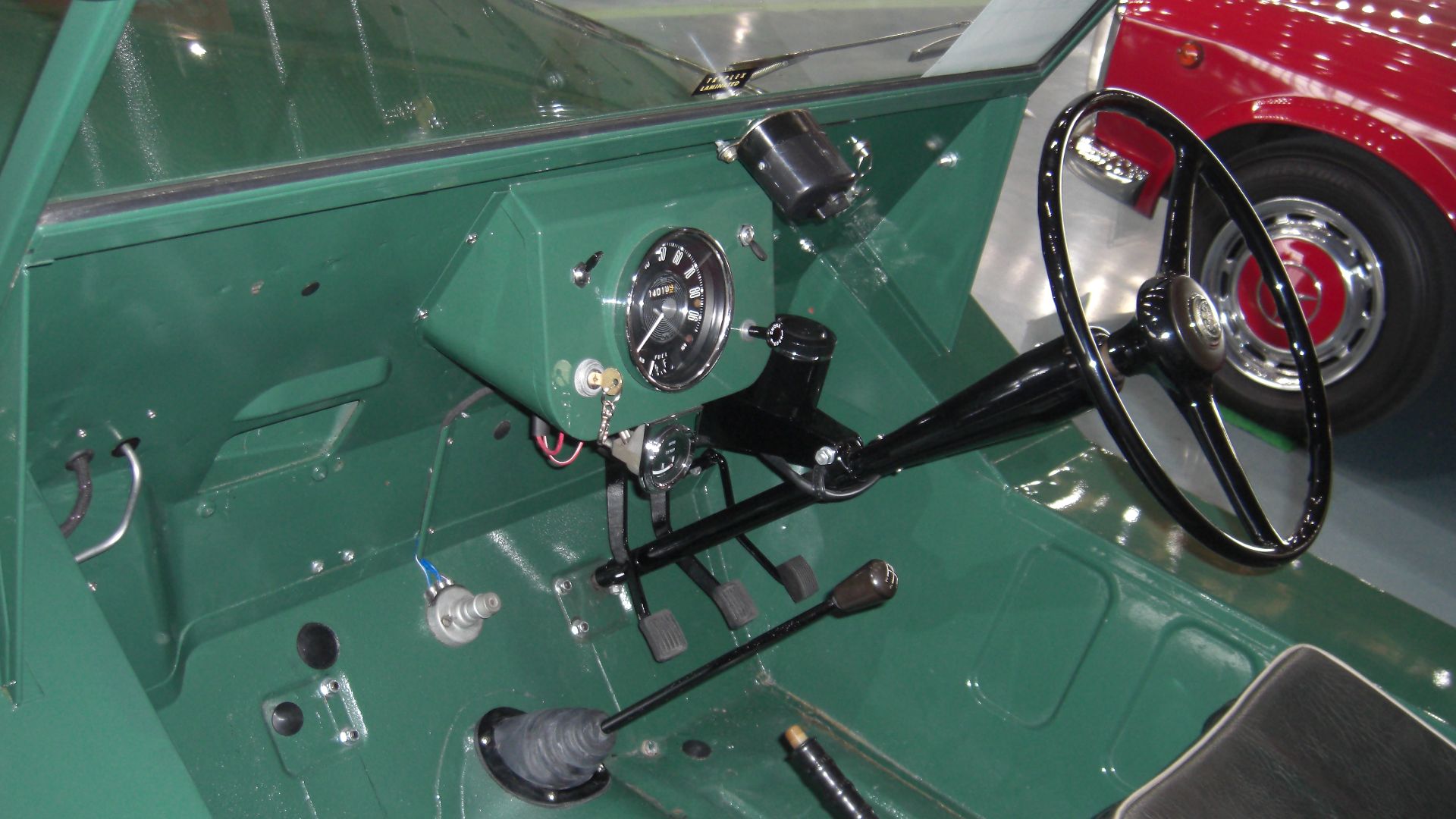
Floor-Mounted High Beam Switches
If you learned to drive in the 70s, your left foot may still remember where this was. A small switch on the floor changed the headlights from low to high beam. Today, you usually do the same thing with a stalk by the steering wheel.
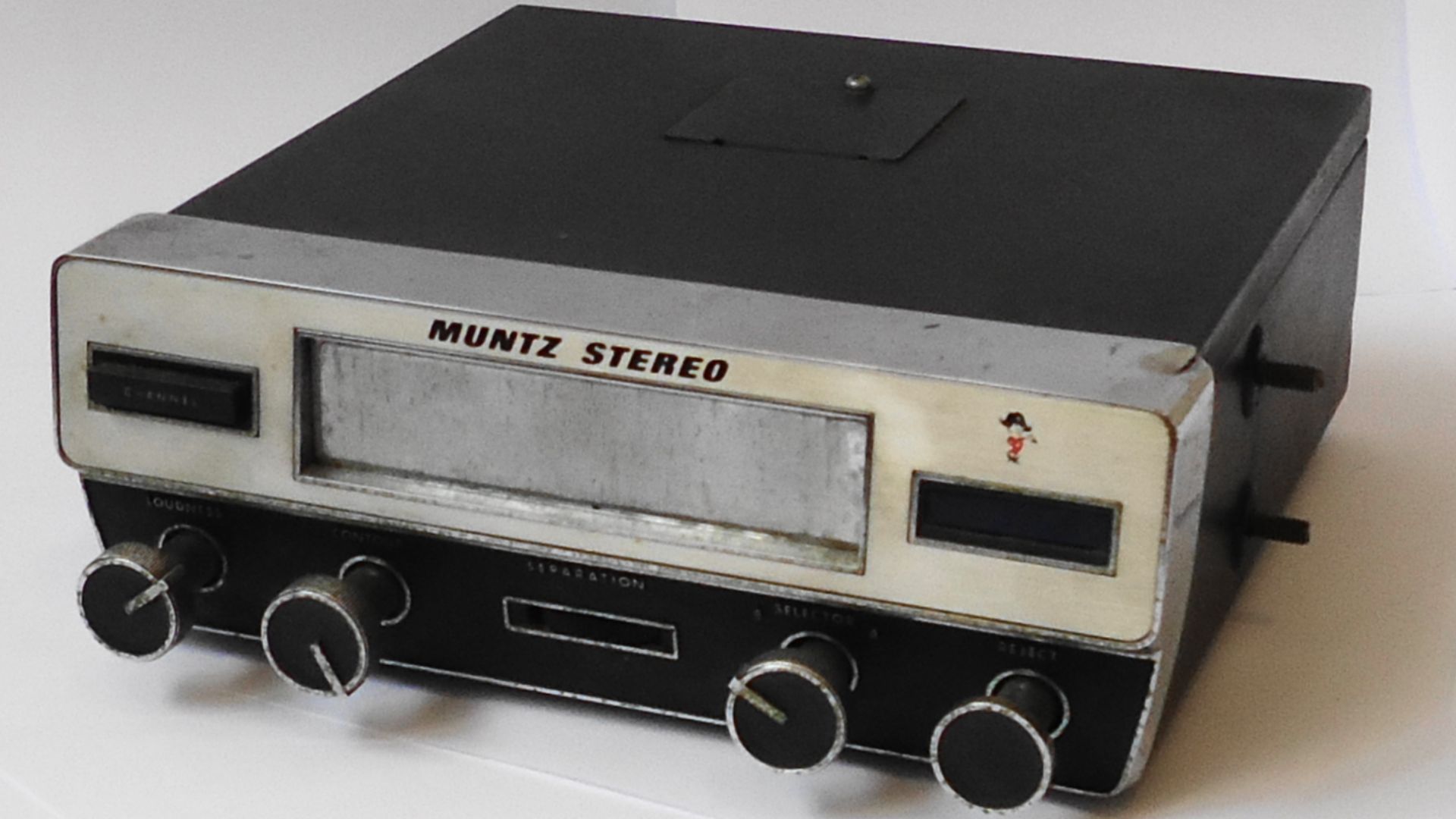
8-Track Players
You couldn’t skip directly to your favorite song, and sometimes a track changed right in the middle of one. Still, a built-in 8-track player meant you got to choose the music. That was a big improvement over hoping the radio played something you liked.
 Mauro Cateb, Wikimedia Commons
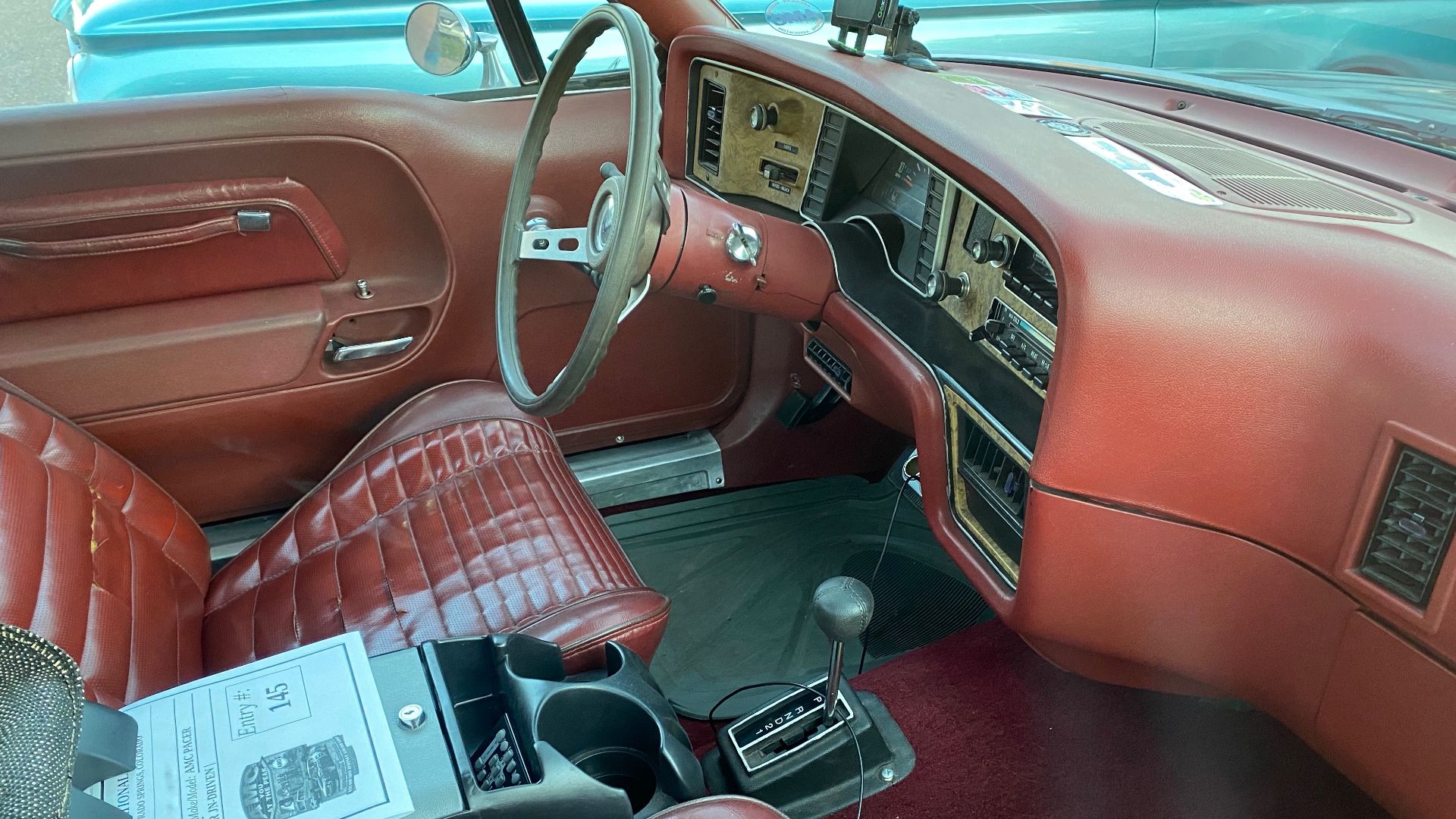
Dashboard Ashtrays
Many cars had a little metal tray that slid out of the dashboard. There might be another in each rear door for passengers. Today, that space is more likely to hold a phone or cup, but in the 70s an ashtray was ordinary cabin equipment.
Push-In Lighters
Push the knob in, wait for it to pop out, and you had a hot lighter. The socket proved more useful than the lighter itself: drivers later plugged in everything from portable coolers to phone chargers. Some cars still have a 12-volt socket, but the glowing push-in piece has largely gone.
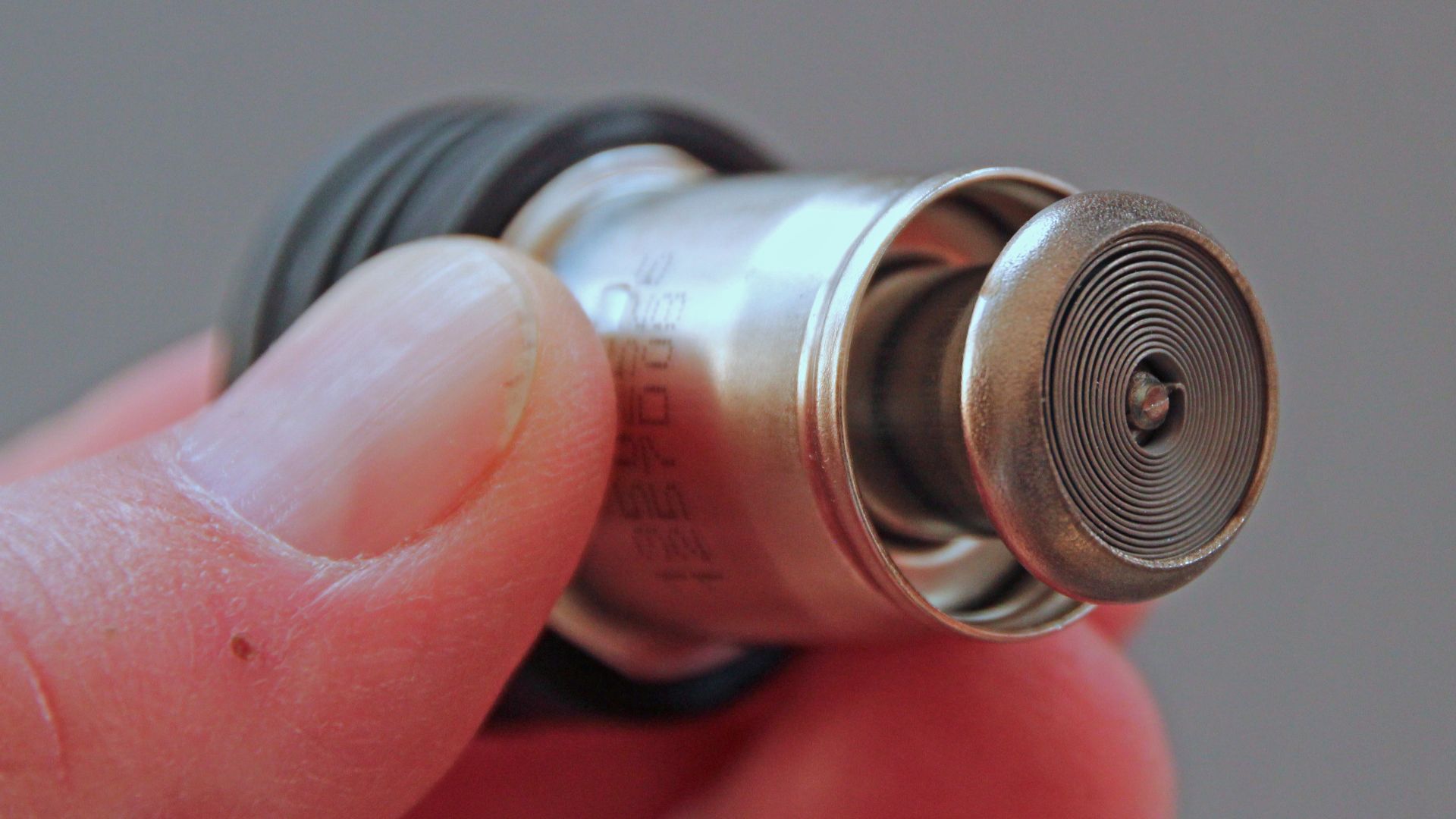 Photograph: Frank C. Müller, Frankfurt am Main, Wikimedia Commons
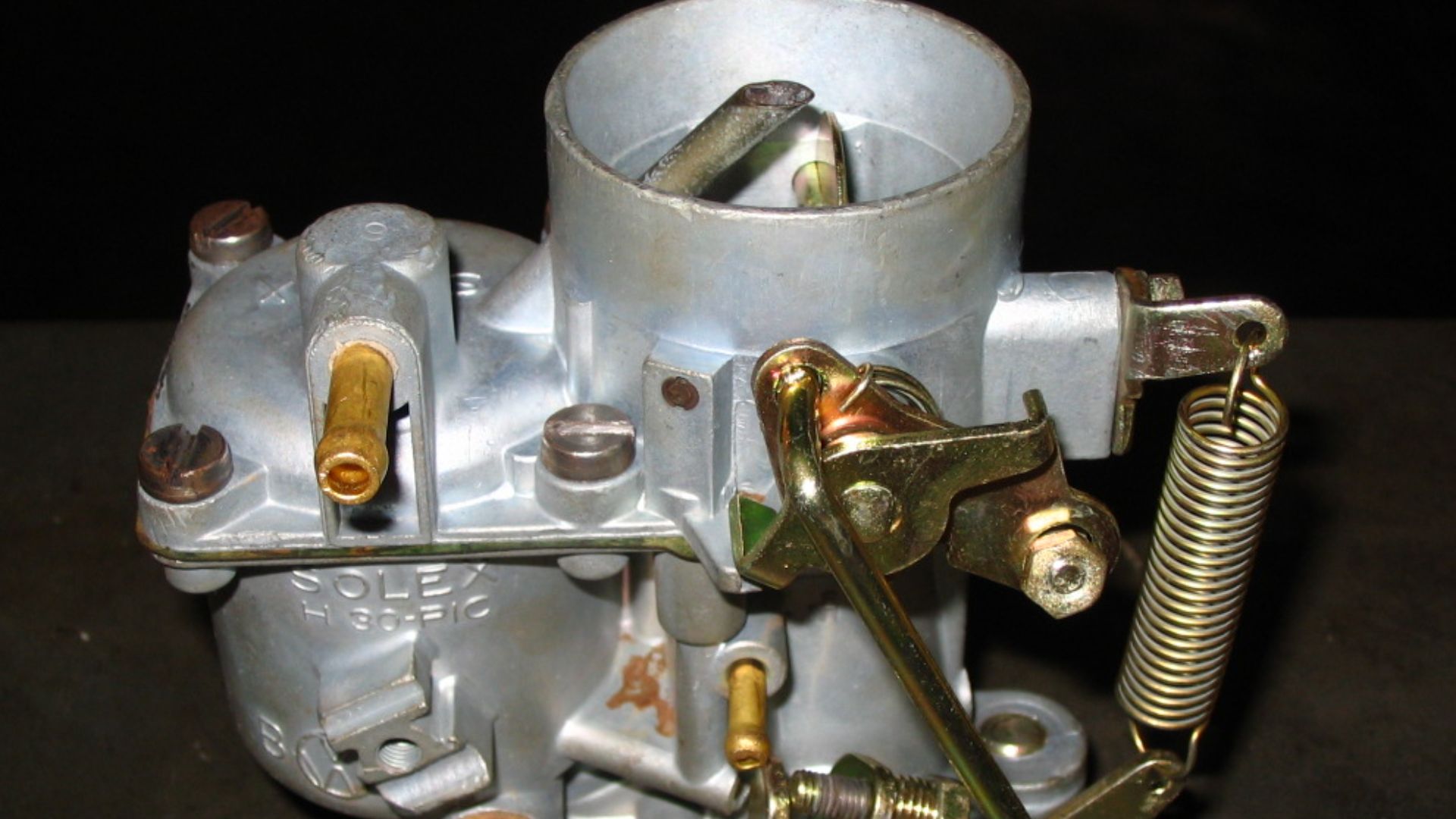
Carburetors
Lift the hood of a typical 70s car and you’d likely find a carburetor mixing fuel with air before it entered the engine. Owners learned about jets, floats, and adjustments, sometimes because the car gave them no choice. Electronic fuel injection gradually took over that job.
Distributor Points
A tune-up on many early 70s cars meant checking small electrical contacts inside the distributor. As those points wore, an engine could become harder to start or run poorly. Electronic ignition began replacing them during the decade, removing one more item from the regular tune-up list.
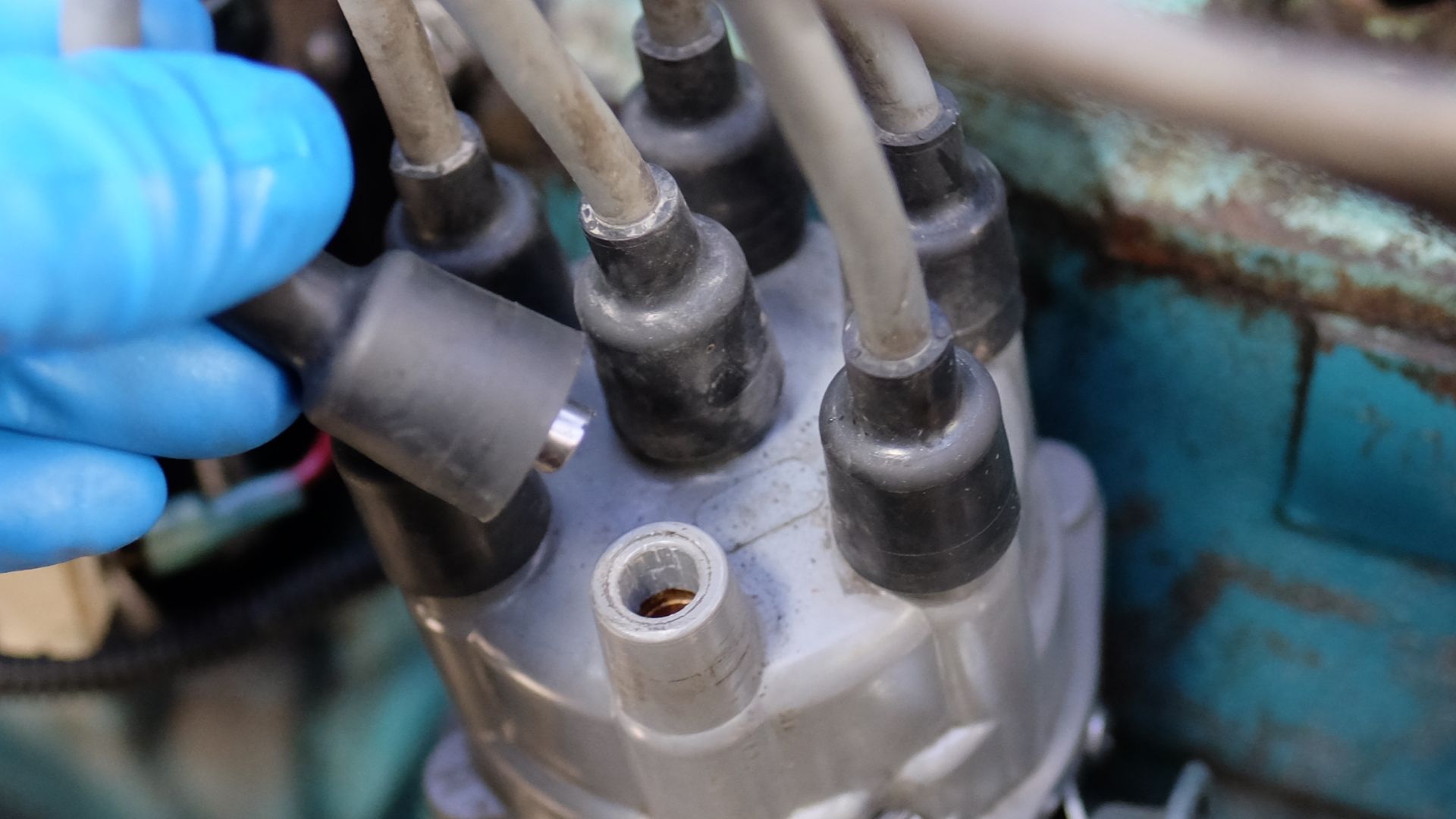 Dennis Bratland, Wikimedia Commons
Mechanical Fuel Pumps
On many older engines, a pump mounted to the engine physically drew fuel from the tank. It could fail, leak, or leave you stranded. Fuel-injected cars generally use electric pumps instead, commonly located in the fuel tank. It’s one more under-hood part that quietly changed location.
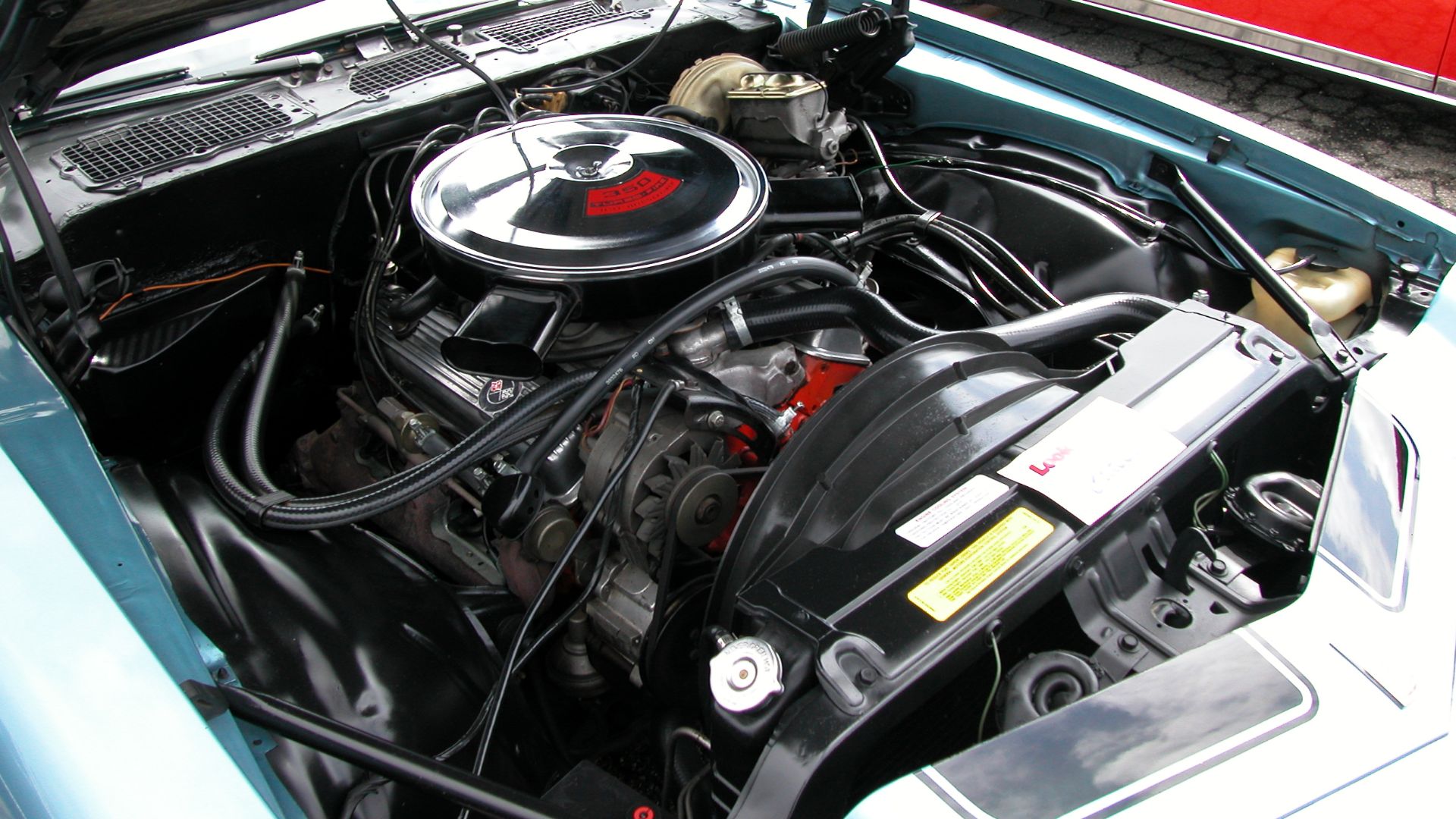 Rich Niewiroski Jr., Wikimedia Commons
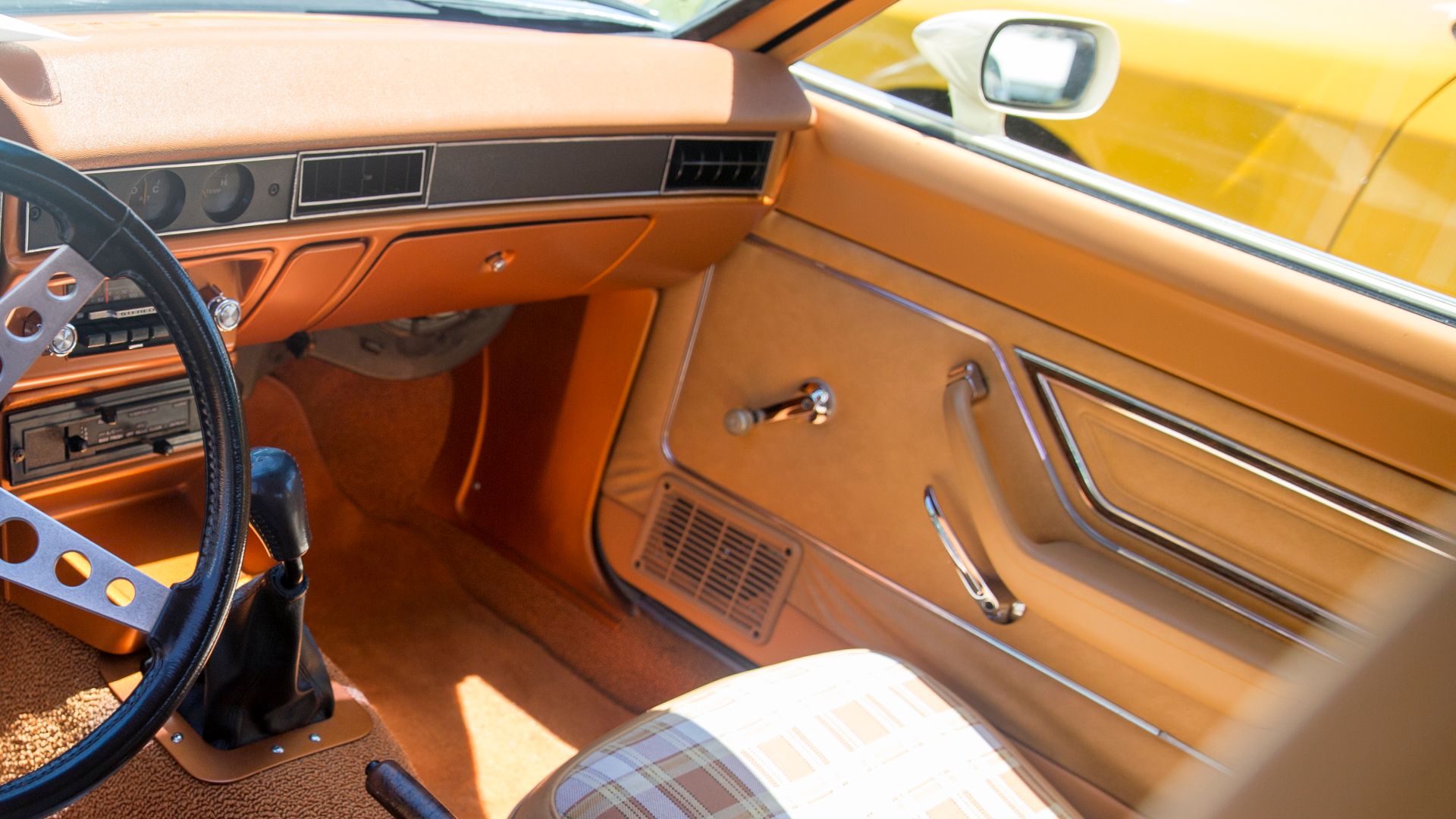
Window Cranks
Want some fresh air? Grab the handle and start turning. Power windows existed in the 70s, but a crank was familiar equipment in less expensive cars. It worked with the engine off, which was handy, although reaching across to lower the passenger window took some effort.
 Mr.choppers, Wikimedia Commons
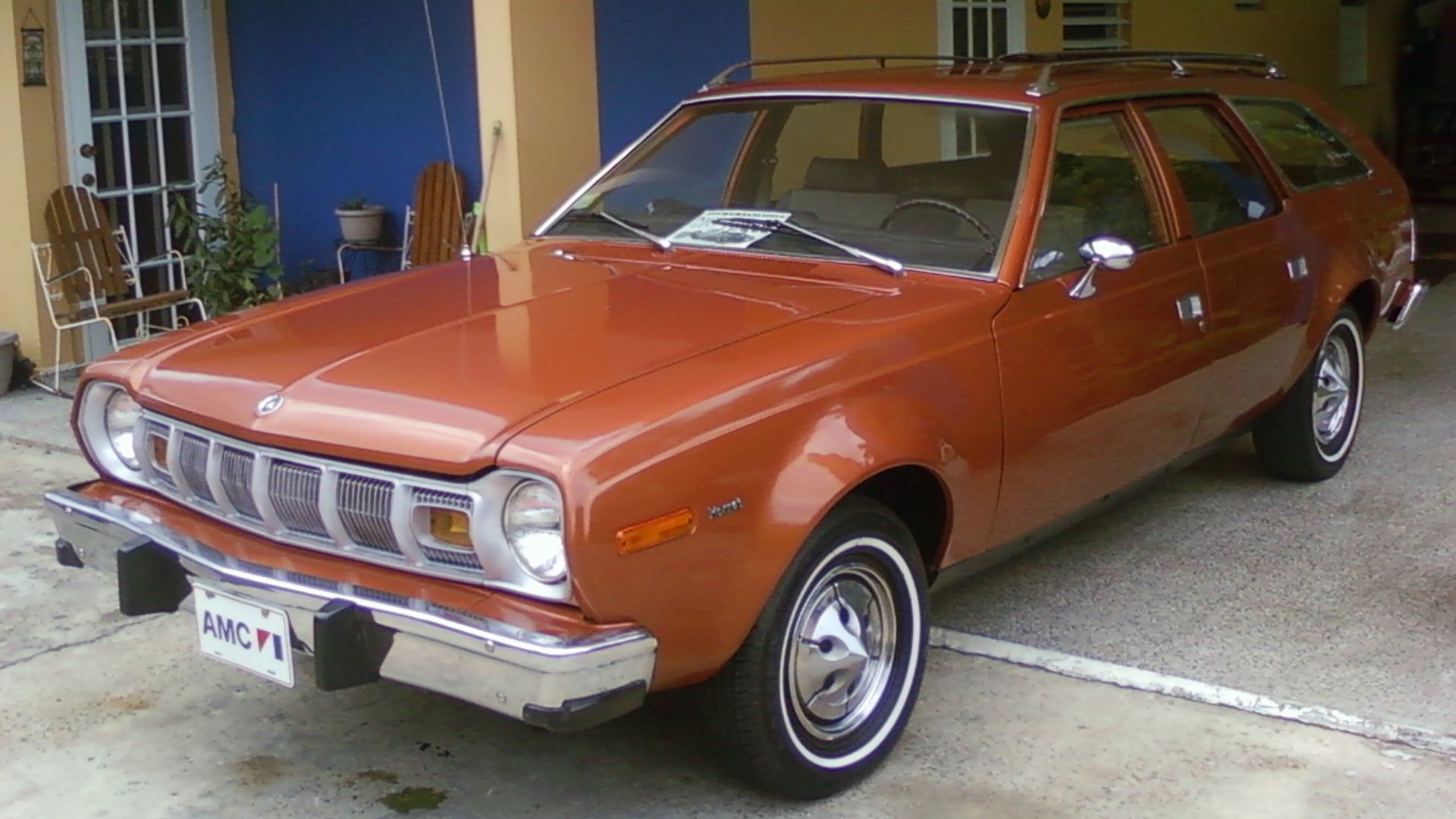
Bumper Guards
Those upright pieces on the bumper looked like they could take a hit, and protecting the bumper was part of the idea. They were also unmistakably 70s styling on many cars. Modern bumpers hide much of their structure behind painted covers, leaving little room for prominent guards.
 Denam Rivera, Wikimedia Commons
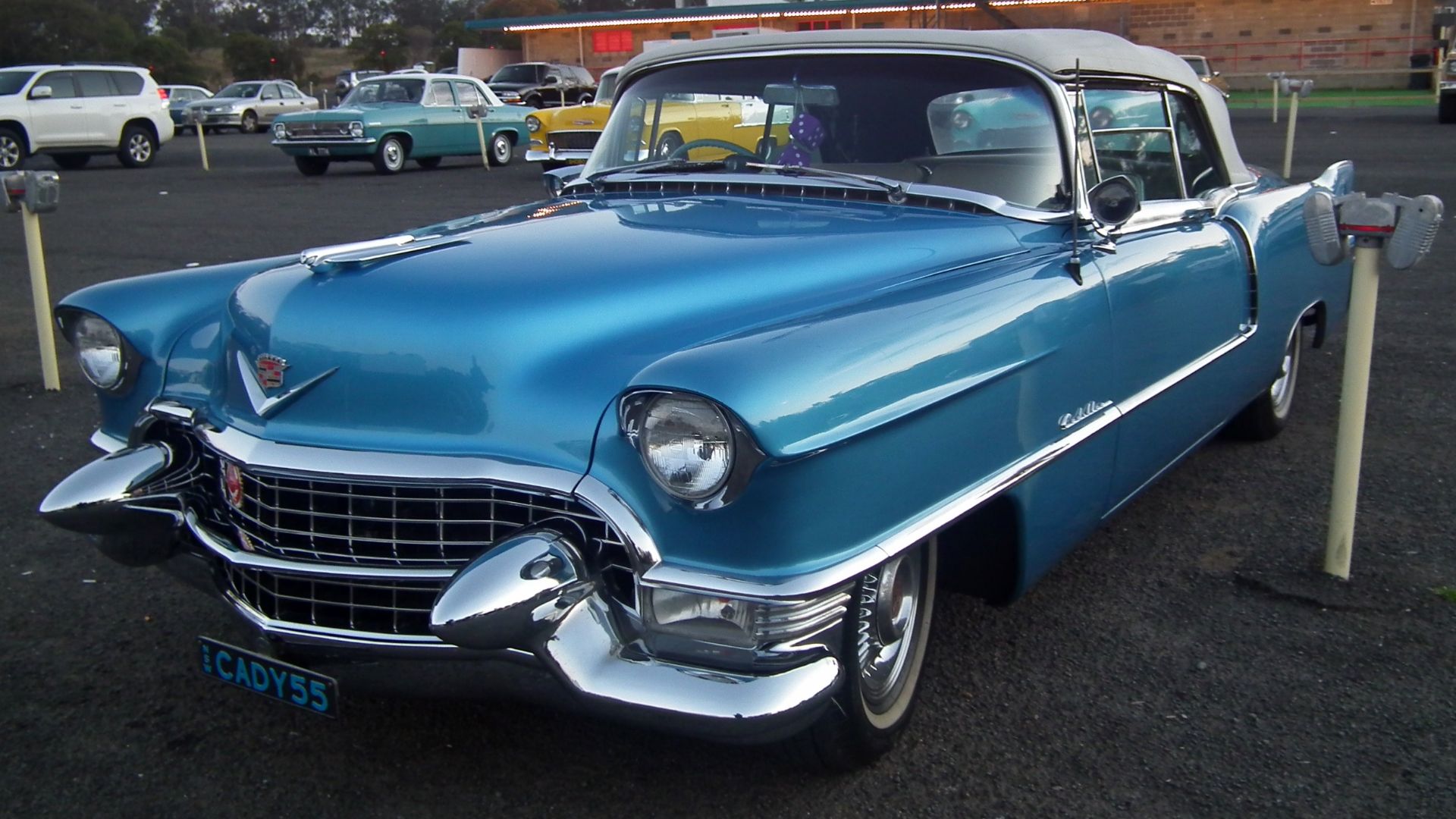
Big Exposed Bumpers
The front and rear bumpers on many 70s cars were impossible to miss. Changing federal impact requirements helped make some of them especially large and heavy. Bumpers still exist, of course; it’s their exposed metal look that has mostly vanished from passenger cars.
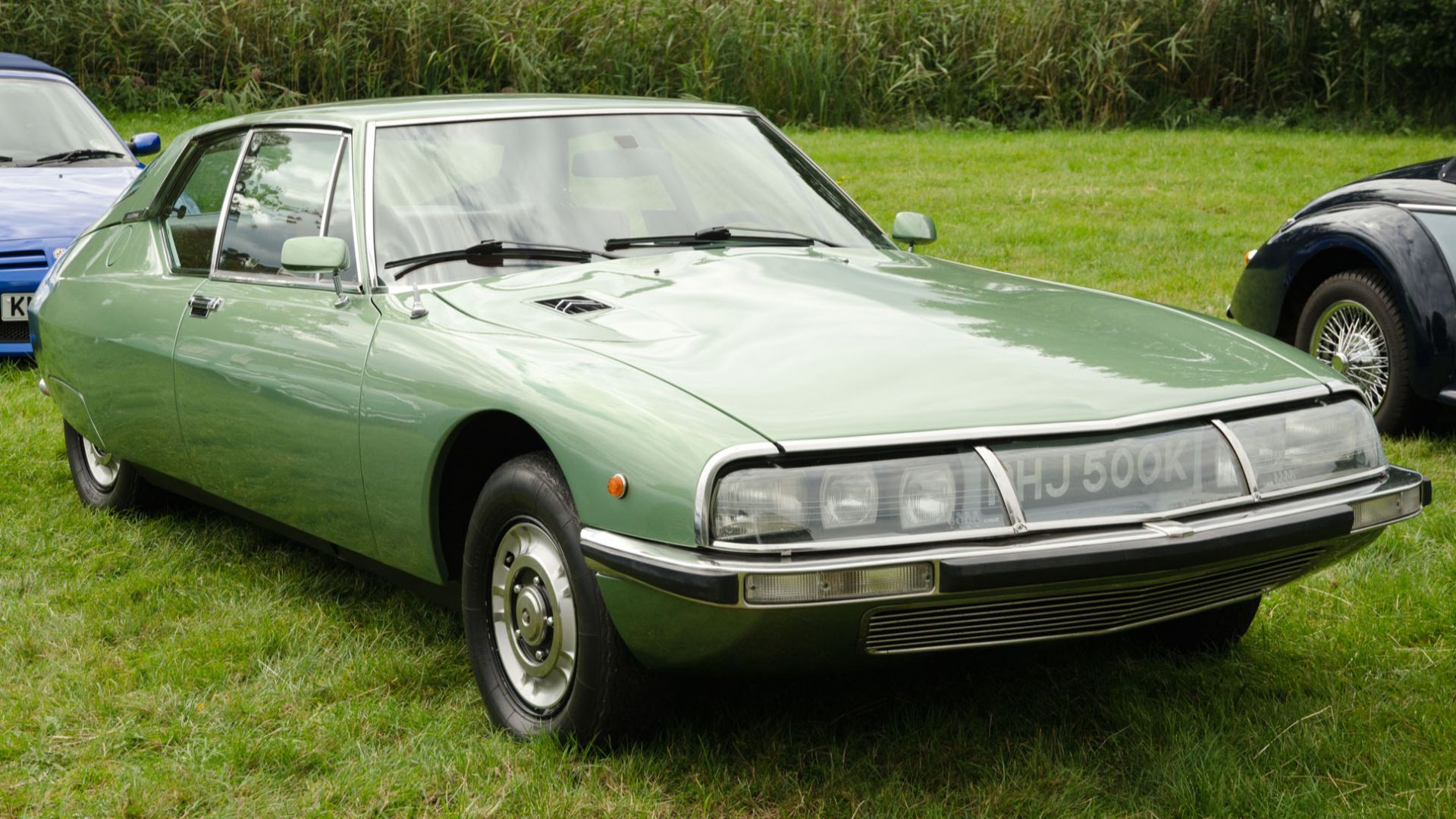
Sealed-Beam Headlights
For years, changing a burned-out headlight often meant replacing the whole sealed glass unit. The bulb, lens, and reflector came together as one piece. Modern headlight assemblies offer designers far more freedom, though replacing or repairing one can be a much bigger job than swapping an old sealed beam.
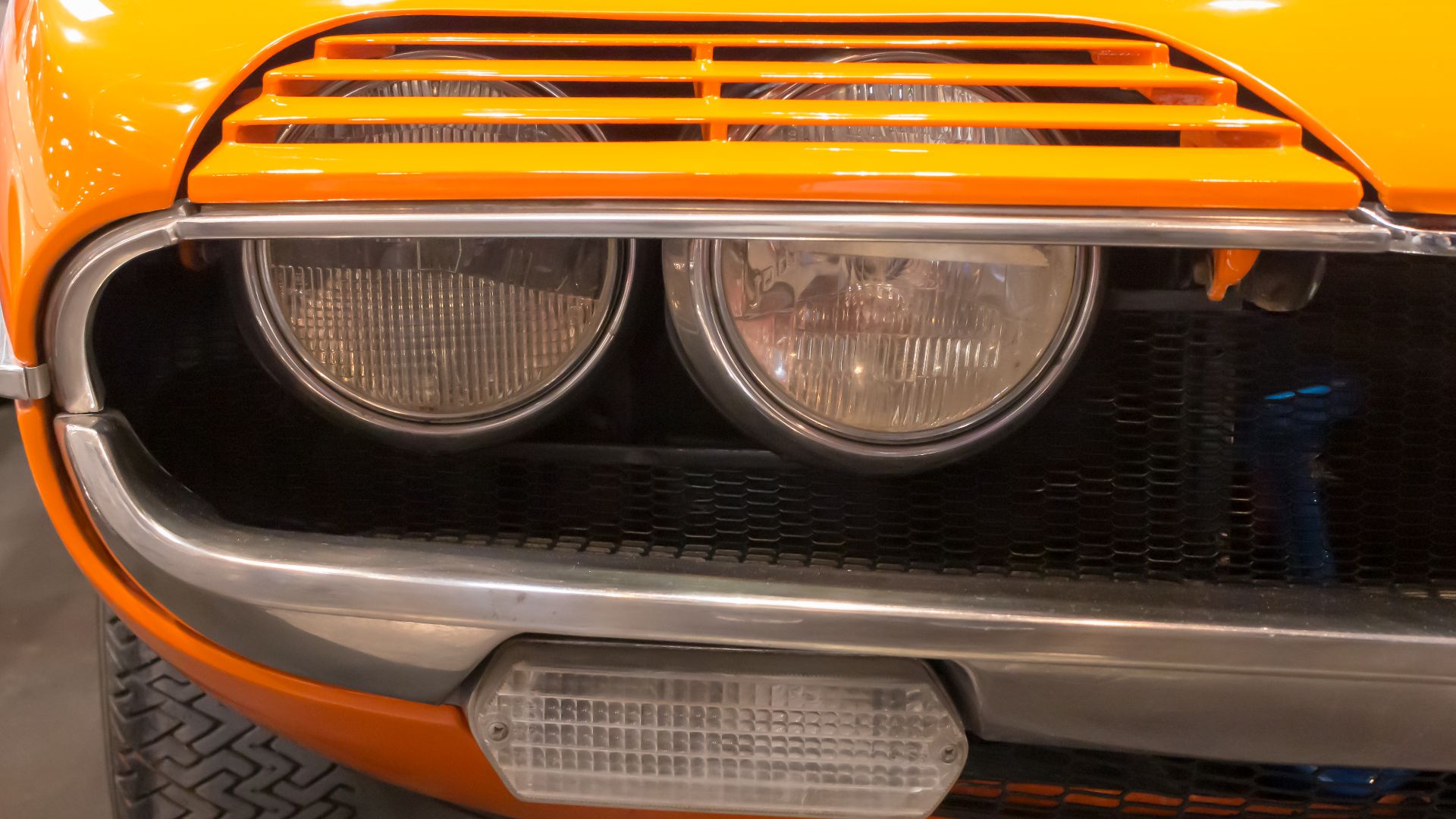
Hidden Headlight Covers
On some cars, the headlights seemed to disappear behind panels when they weren’t needed. Switch on the lights and the covers opened. It was a great party trick until the mechanism stuck. The covers became uncommon as car designs changed, though they were never simply banned.
 Matti Blume, Wikimedia Commons
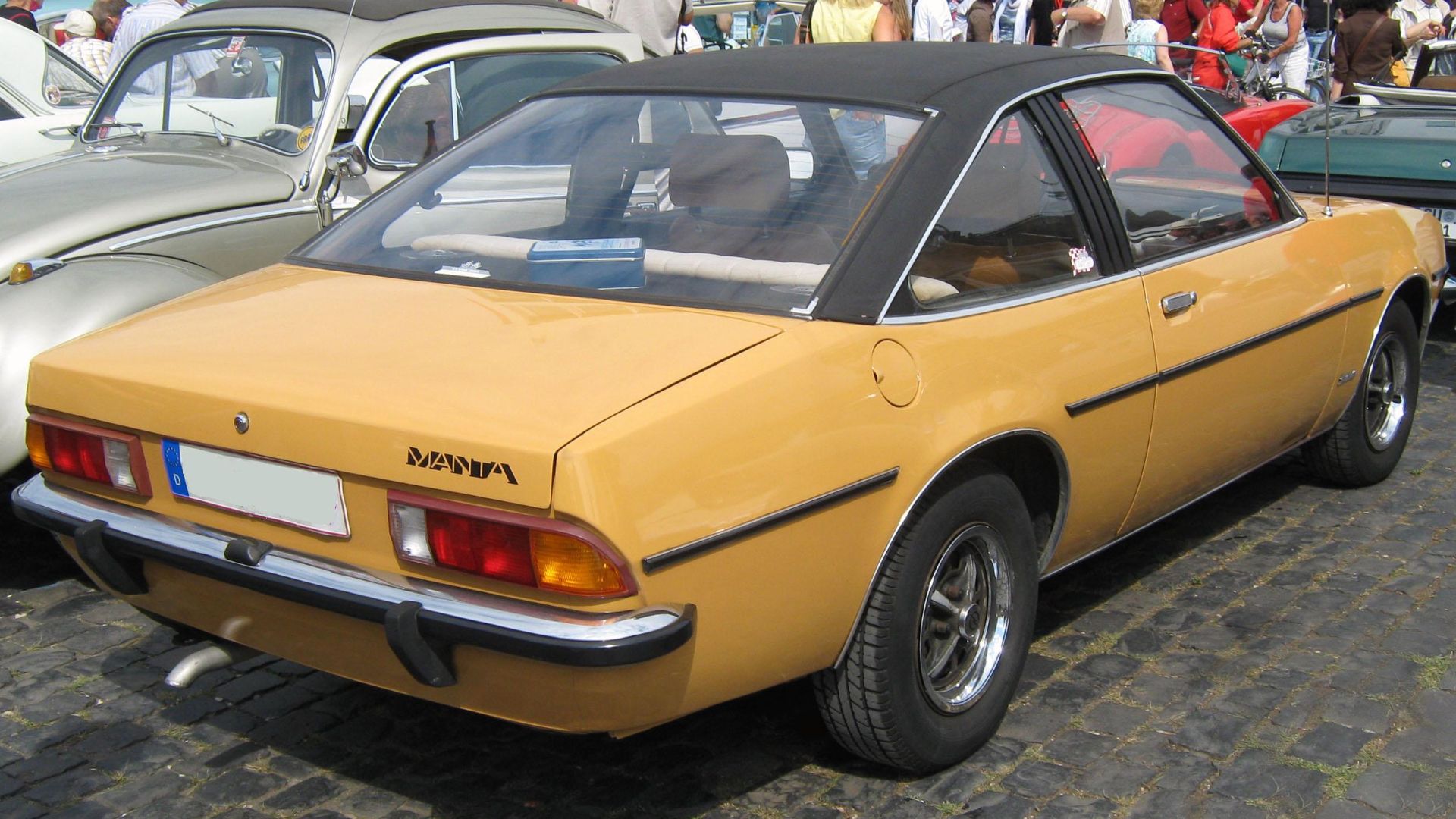
Vinyl Roofs
A vinyl-covered roof made an ordinary coupe look a little more dressed up, at least in the showroom. It could also trap moisture if the material or its seals deteriorated. Modern cars have their own roof treatments, but that padded, textured 70s look is hard to mistake.
 Kroelleboelle, Wikimedia Commons
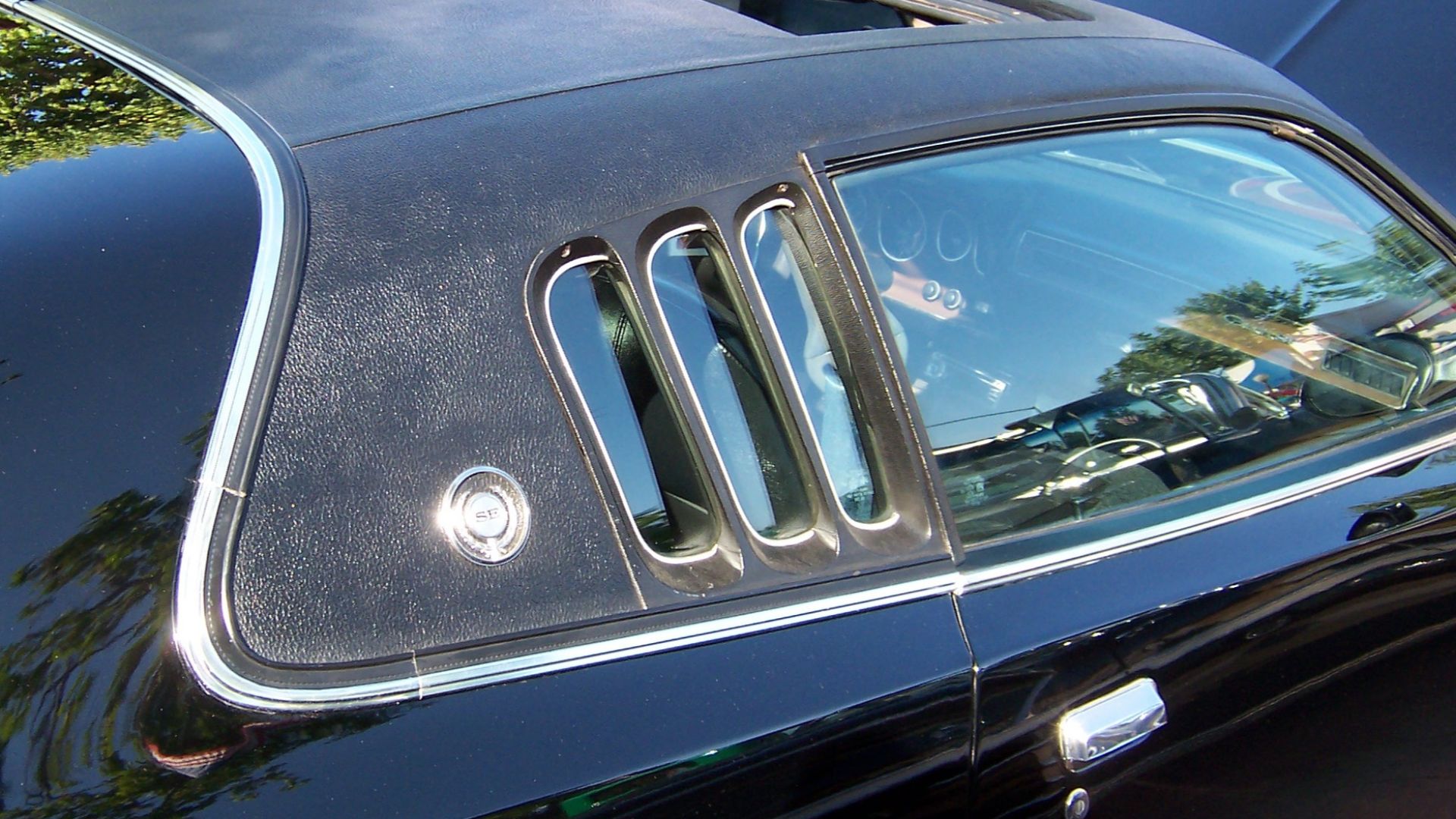
Opera Windows
Some large 70s coupes had tiny side windows behind the doors. They let in a little light, but their real job was to make the car look elegant. Whether they succeeded is up for debate. Either way, those small windows are a quick clue that you’re looking at a car from another era.
 Photographer: User:Morven, cropped by User:Howcheng., Wikimedia Commons
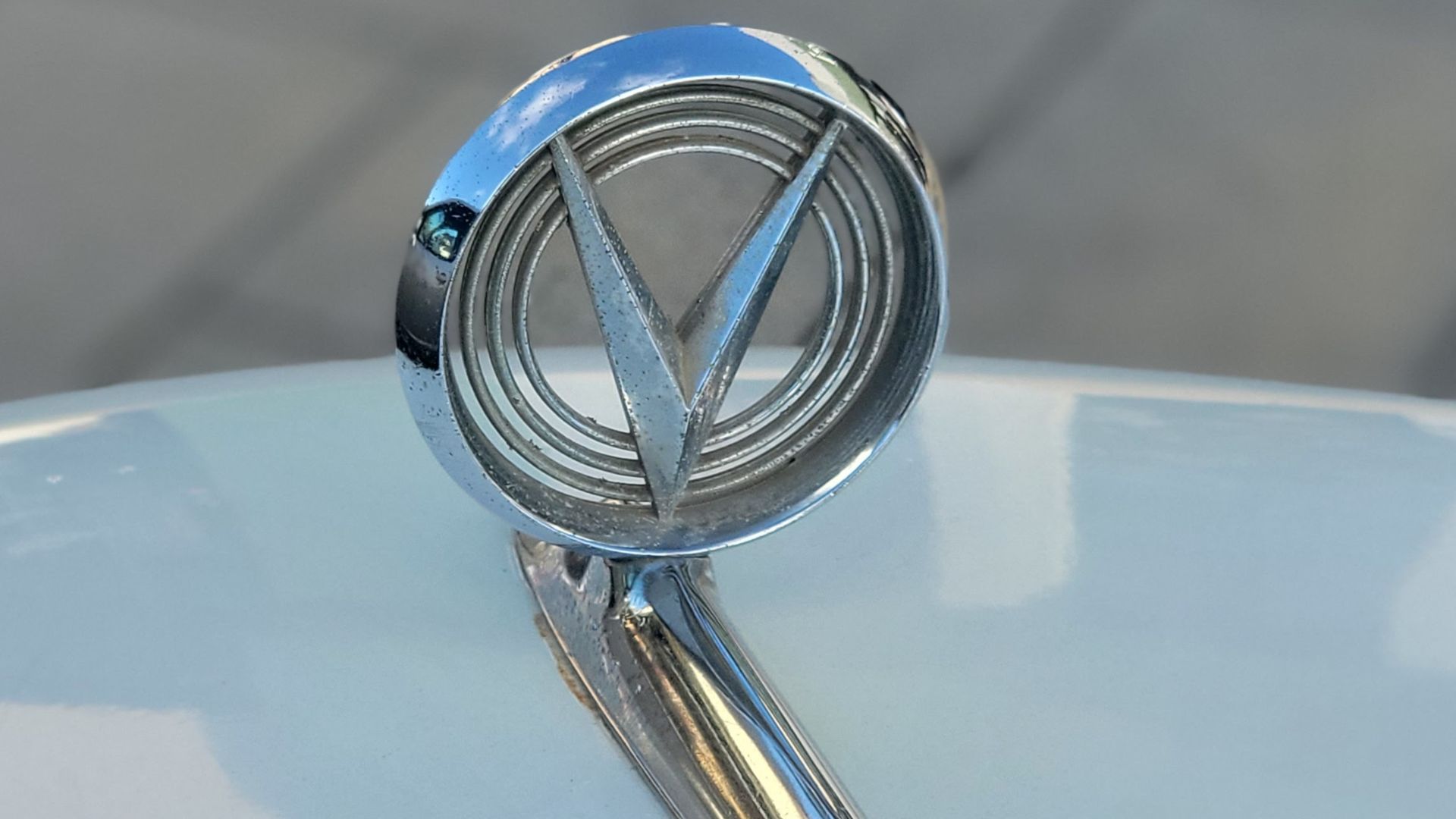
Hood Ornaments
There was a time when the badge stood upright on the hood, where the driver could see it from behind the wheel. Some luxury brands still use them, but they’ve disappeared from most everyday cars. A logo on the grille does the identification job without sticking up into the air.
Fender-Mounted Antennas
Remember lowering the radio antenna before going through a car wash? Some were fixed metal rods; others rose automatically when you turned on the radio. Antennas didn’t disappear, but most are now much smaller or built into the glass, roof, or bodywork.
Rear-Facing Wagon Seats
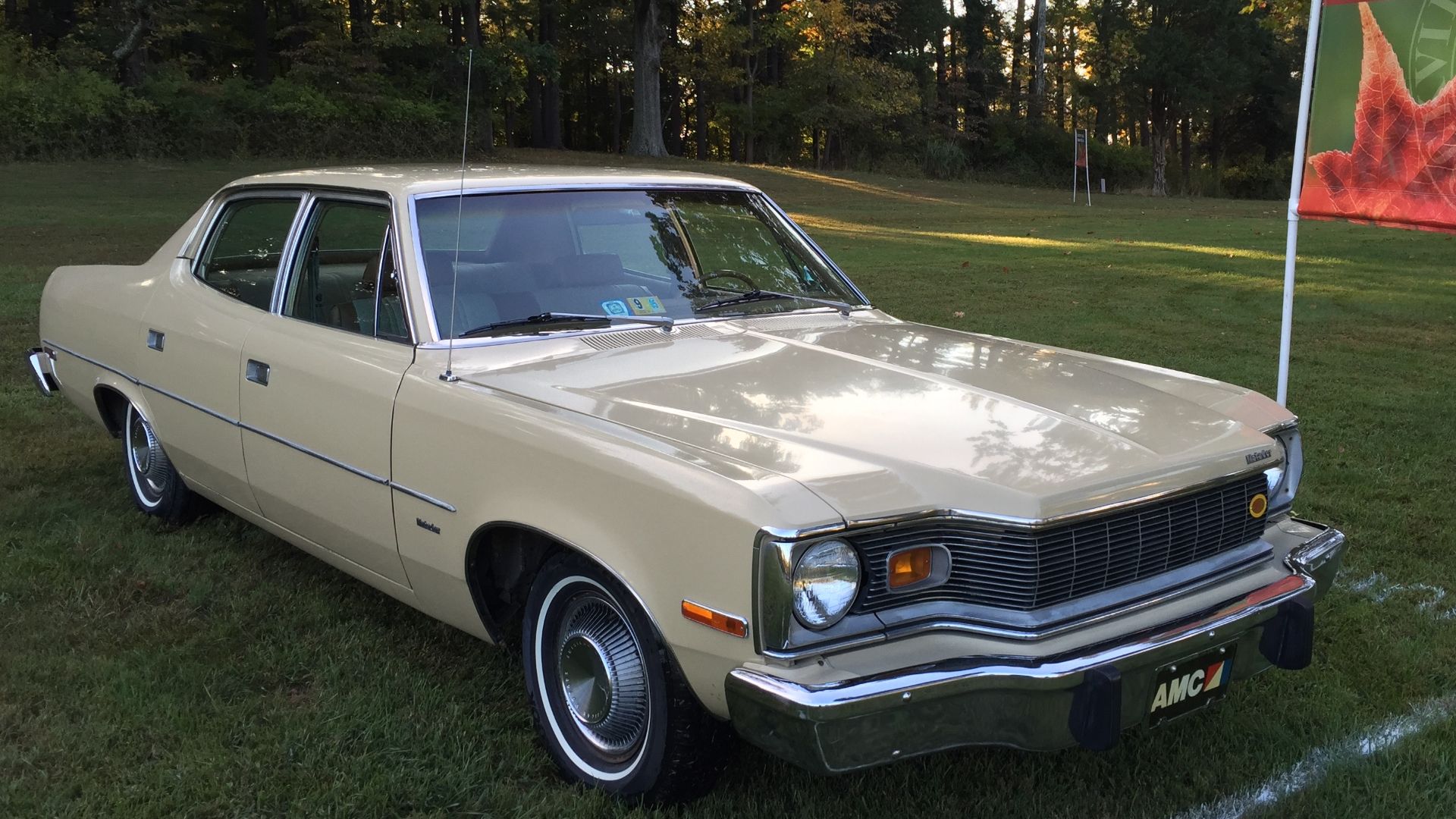
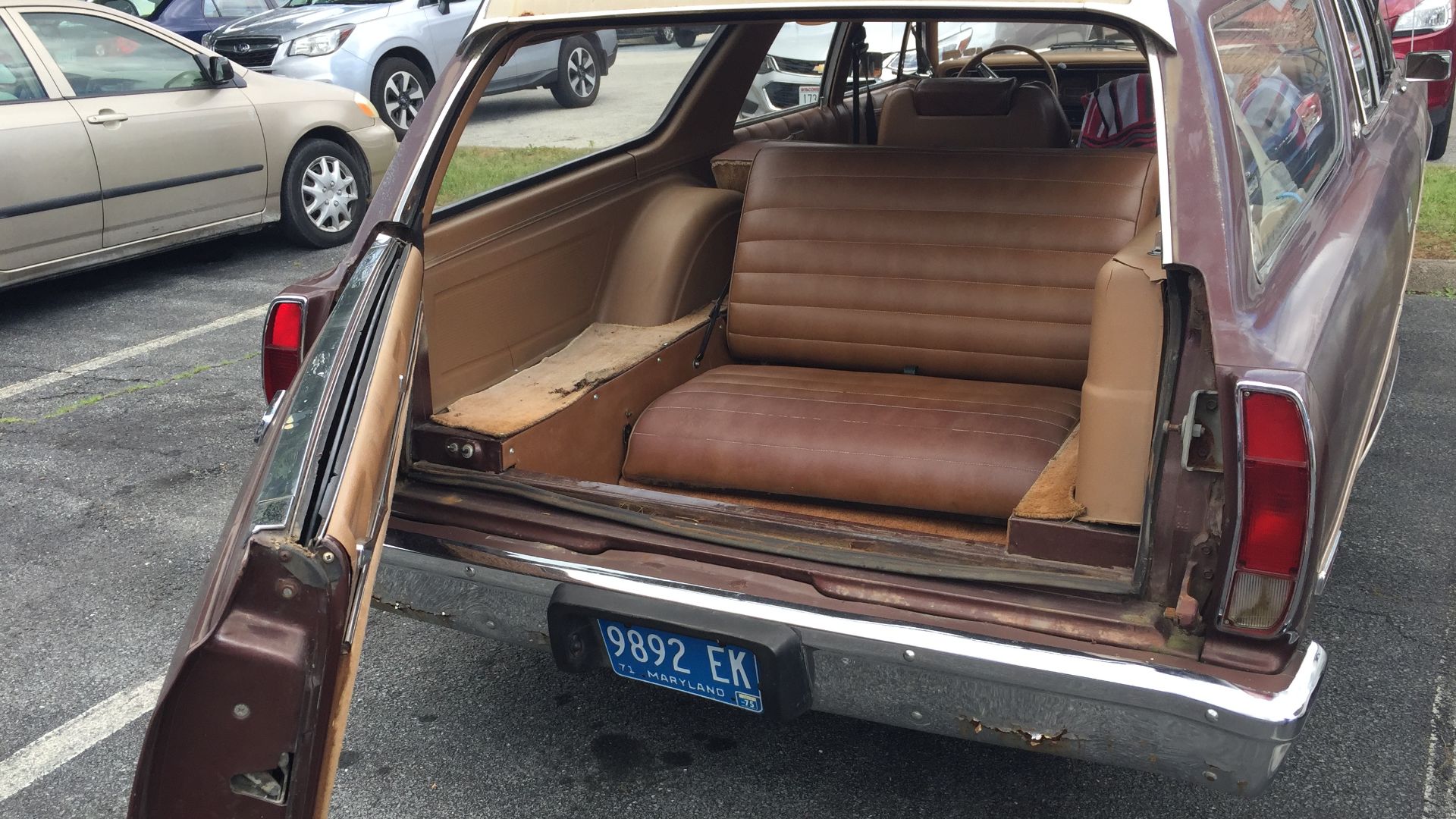
Climb into the back of certain station wagons and you might find a third row facing the car behind you. For a child, it was the best seat in the house. You could watch the road fall away through the rear window while everyone up front looked the other way.
Tailgate Windows That Rolled Down
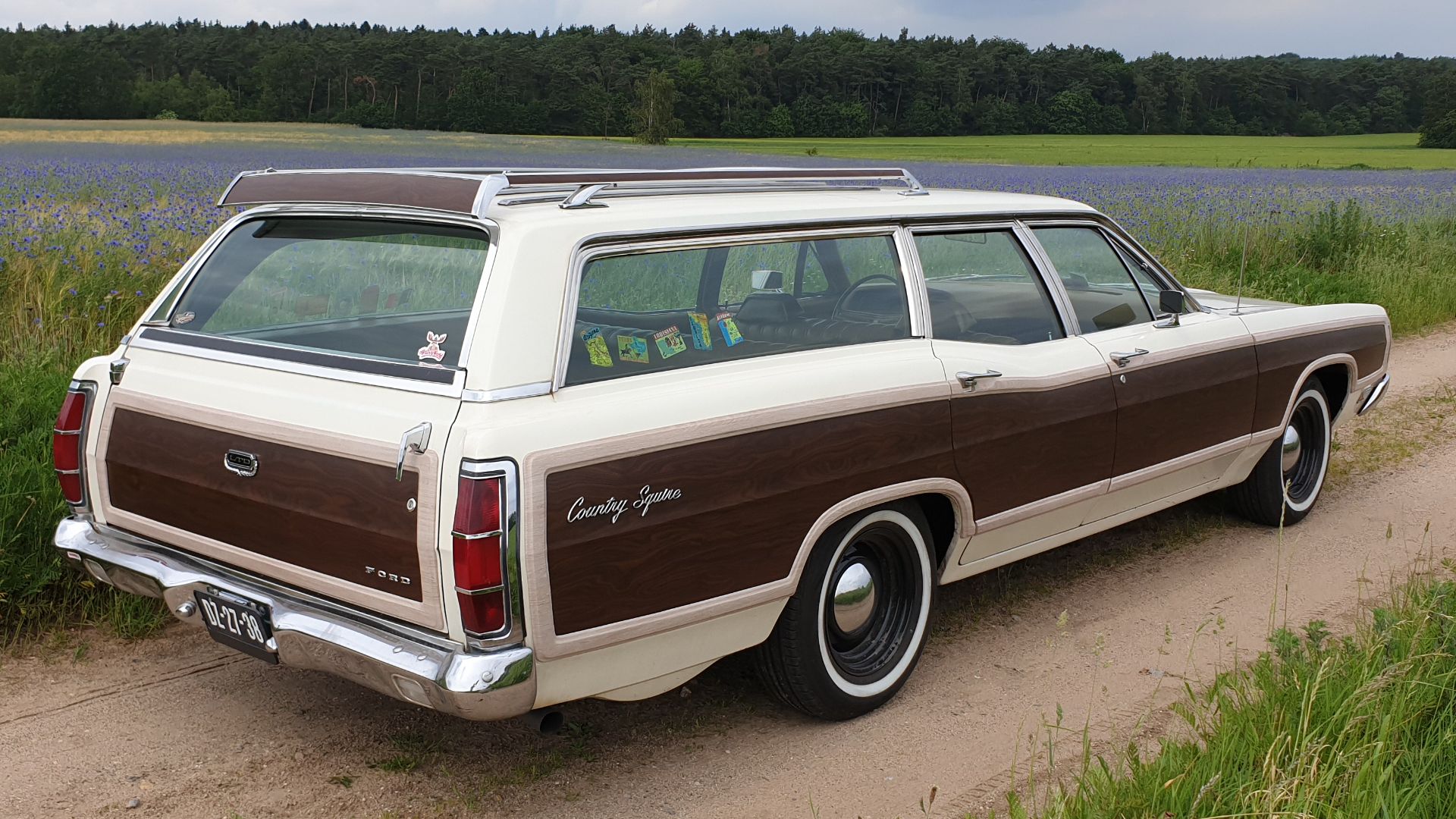
On many big wagons, you lowered the rear glass before opening the tailgate. Some vehicles even let you operate it from the driver’s seat. Modern liftgates usually raise as one piece, so that disappearing pane of glass can seem like a surprisingly elaborate solution now.
Full-Size Spare Tires
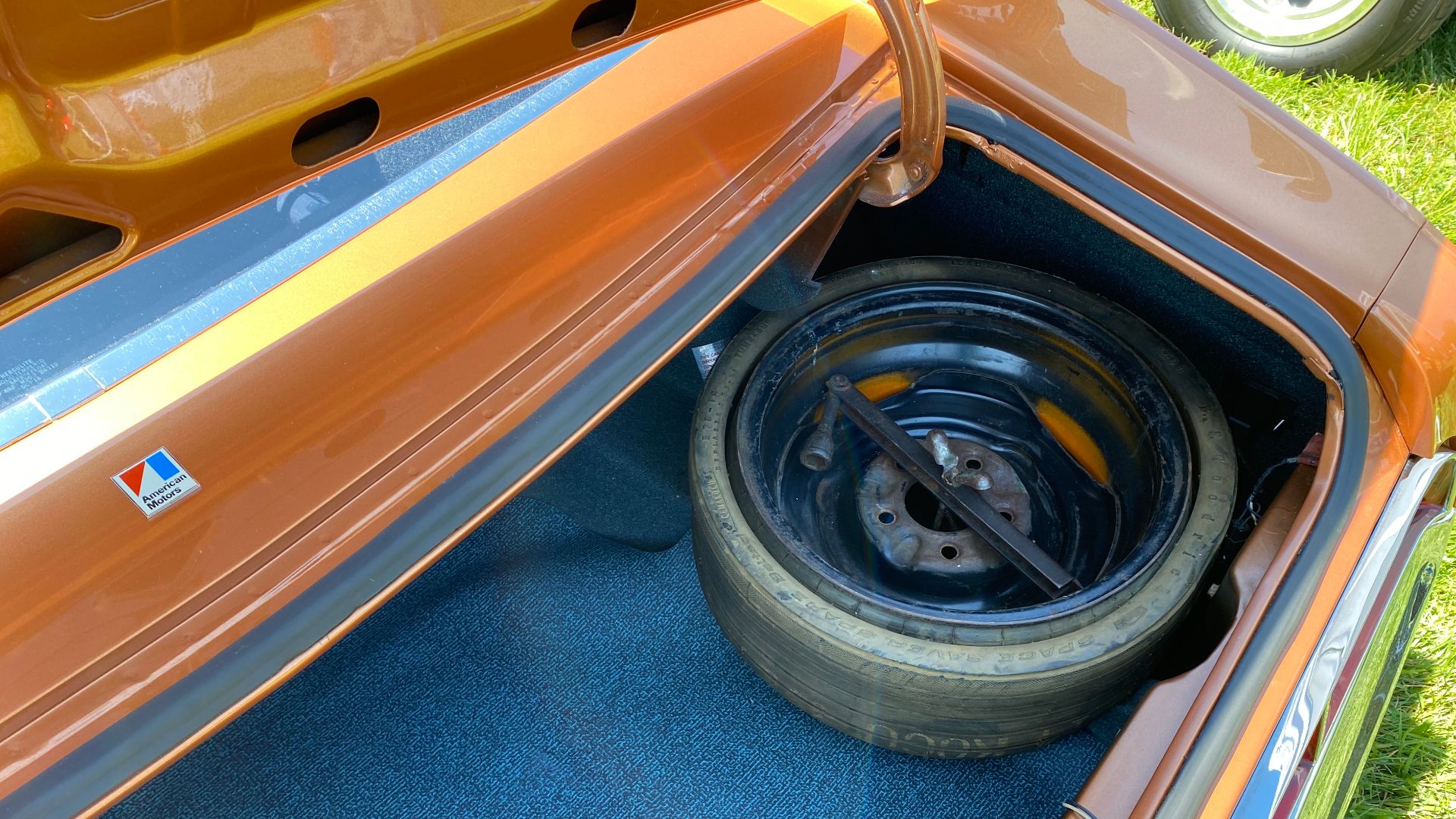
A flat tire didn’t necessarily mean creeping home on a little temporary spare. Many cars carried a fifth tire much like the four already on the road. Full-size spares still exist, especially on some trucks and off-road vehicles, but many passenger cars now provide a smaller spare or repair kit.
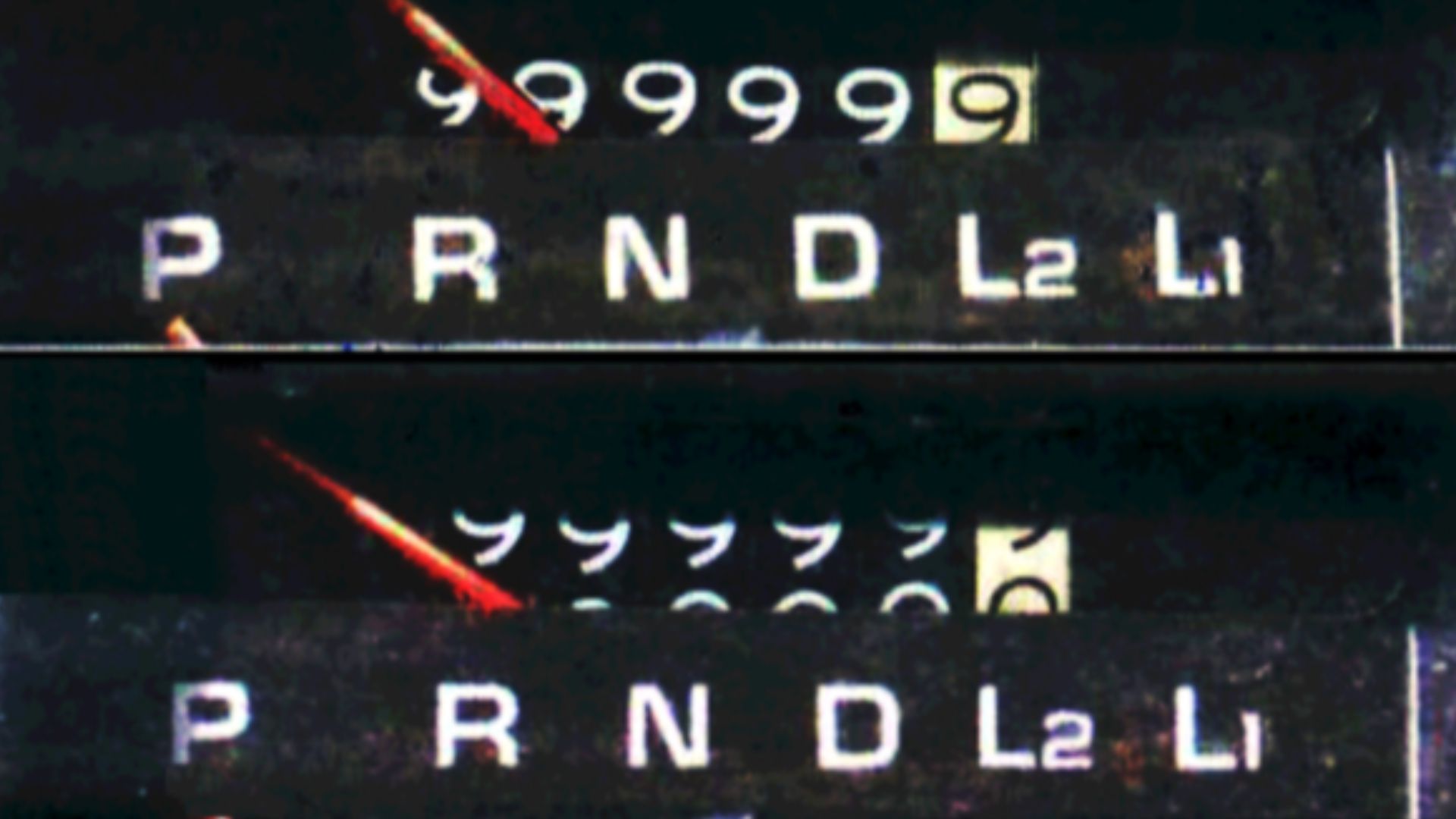
Mechanical Odometers
The mileage display once consisted of tiny numbered wheels physically turning behind the dashboard. Watch closely at the right moment and you could see them roll over together. Digital displays replaced the little wheels, taking away one of the more satisfying things to watch in a parked car.
You Might Also Like:
Cheap Cars From The 1960s And 70s That Somehow Became Collectibles