Remembering Them Is The Easy Part
You might remember an advertisement. Maybe someone down the street had one, or you spotted one and wondered what on earth it was. But getting behind the wheel of even one—now that’s a whole other story. So, did you?
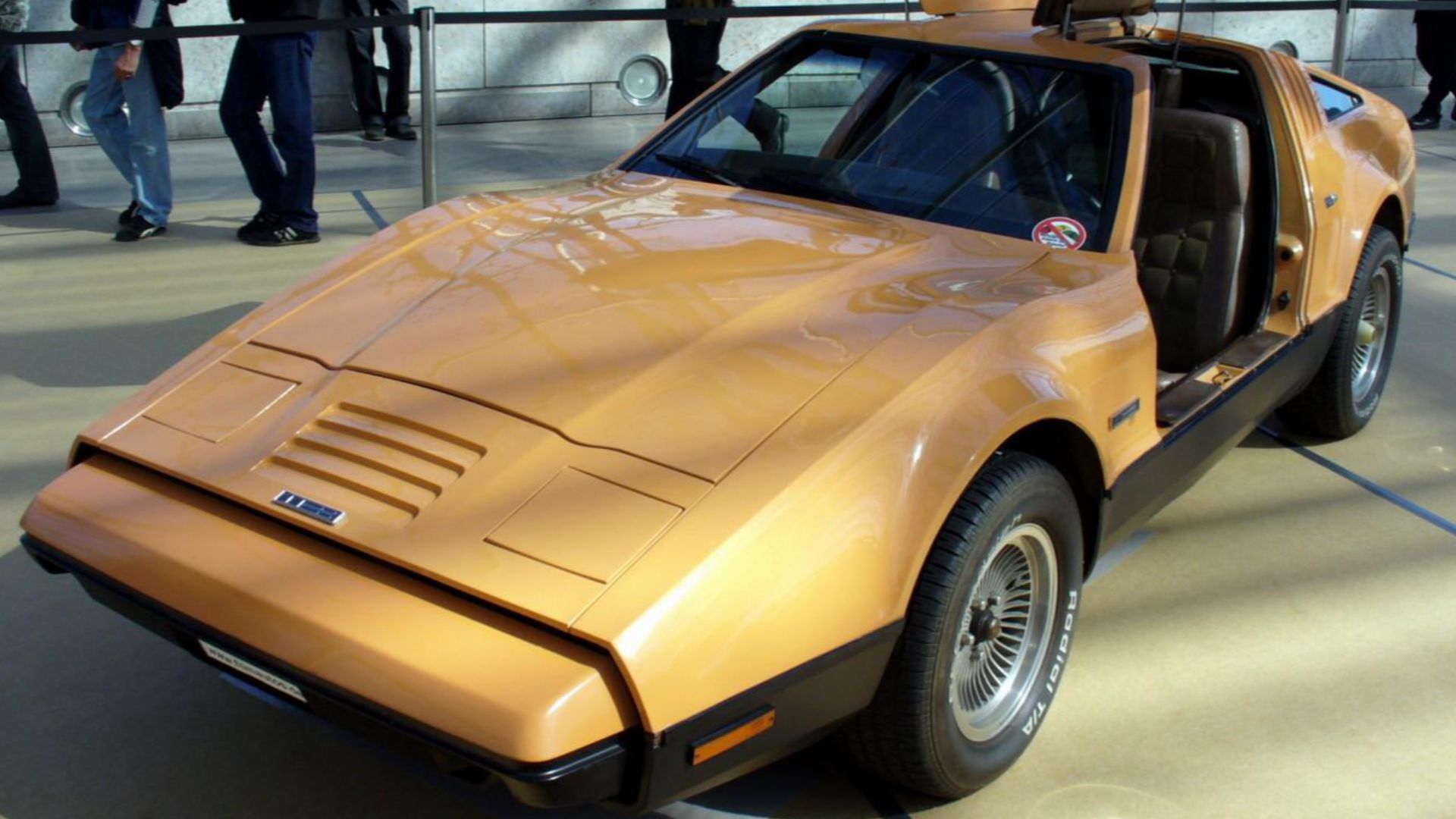
Bricklin SV-1
Those upward-opening doors might make you think of a DeLorean, but the Canadian-built Bricklin arrived in 1974. It promised sports-car looks with extra attention to safety. Production problems and financial trouble cut the adventure short, with fewer than 3,000 built. Quite an entrance for such a quick exit.
 Thomas doerfer, Wikimedia Commons
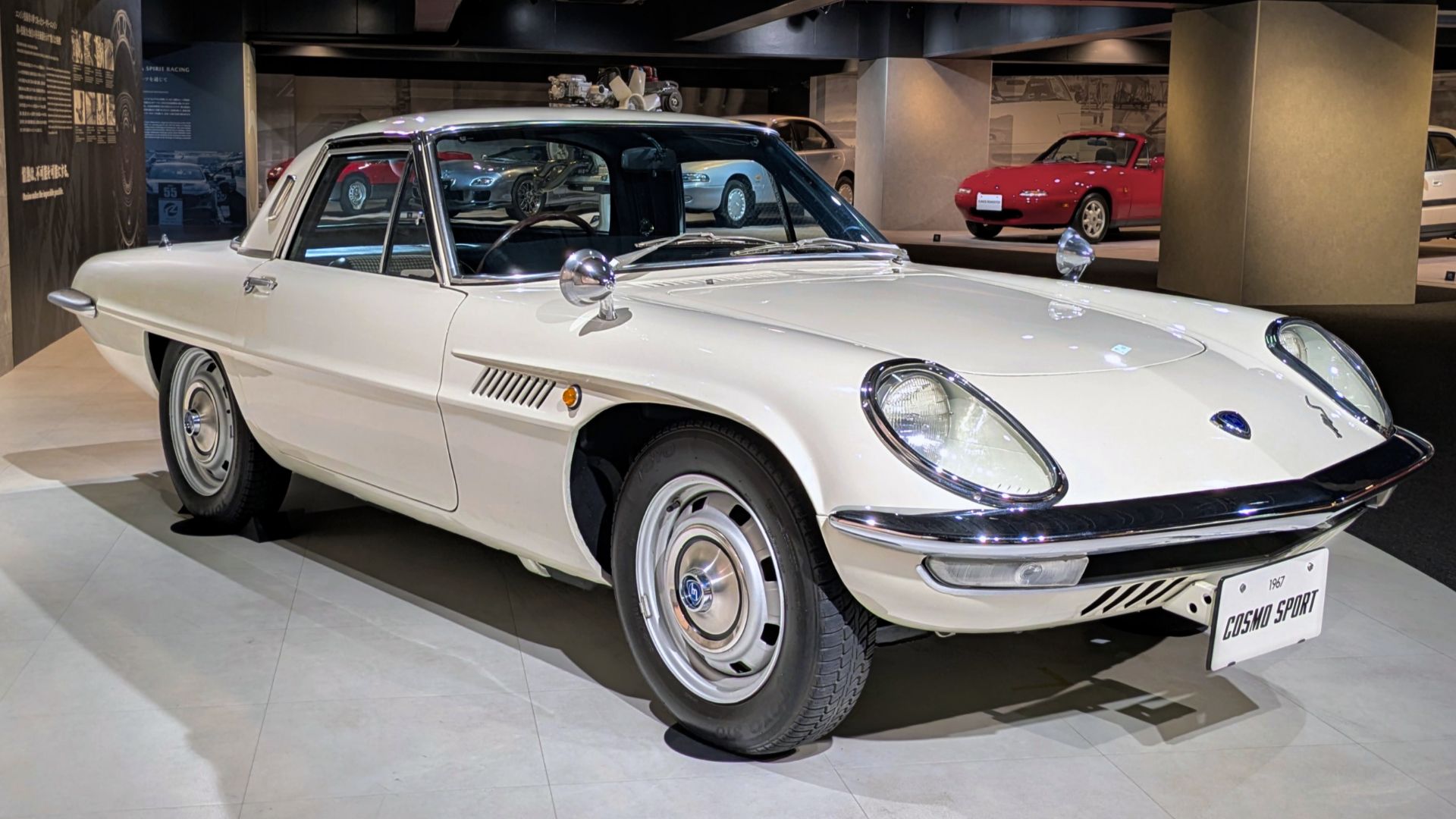
Mazda Cosmo Sport
Before the RX-7, Mazda had this futuristic little coupe. Launched in 1967, the Cosmo Sport introduced the company’s twin-rotor engine to production customers. Mazda says sales ran around 30 cars a month. That certainly wasn’t enough to make one a familiar sight at the local traffic light.
AMC Marlin
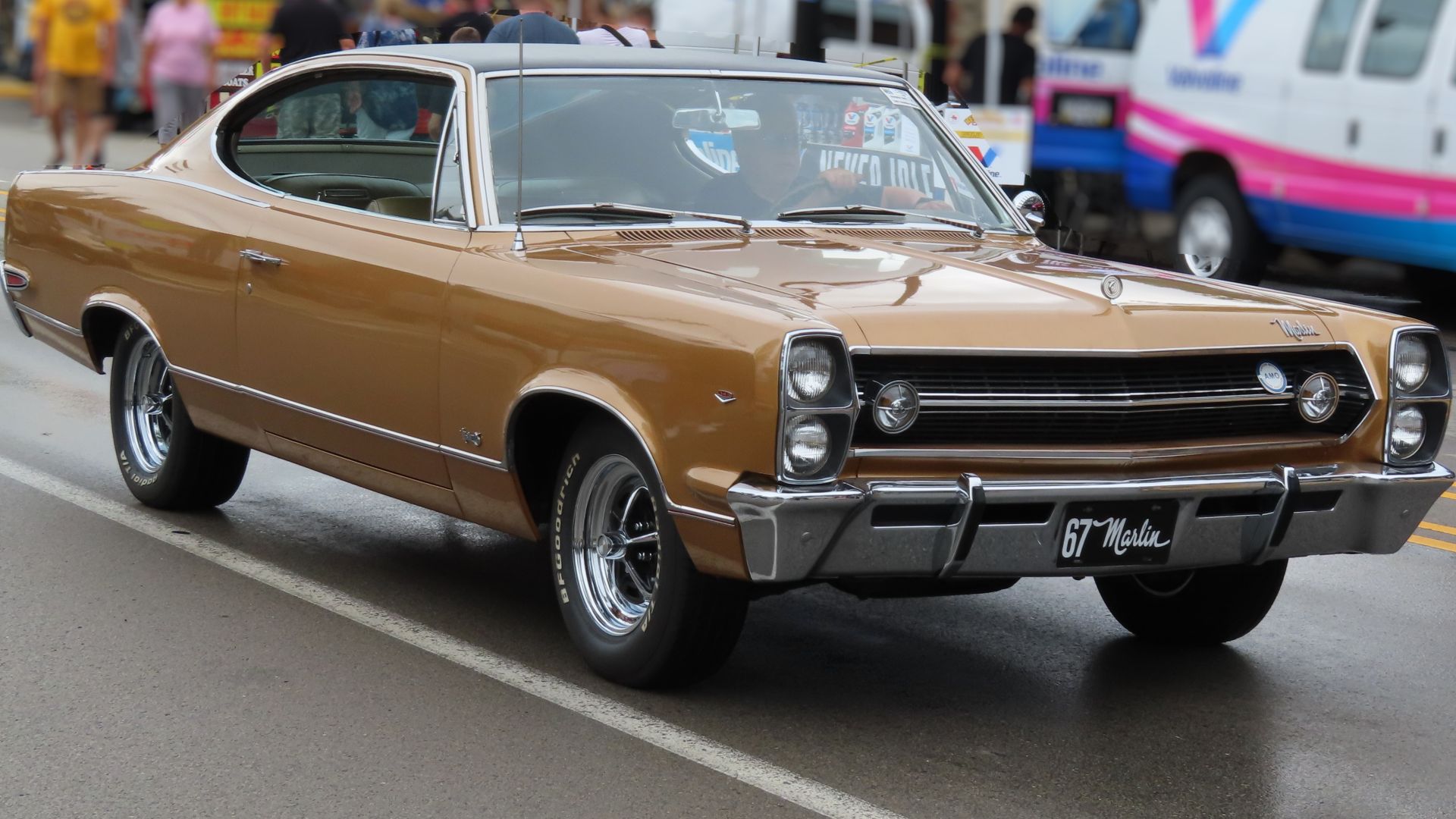
With that enormous fastback roof, the Marlin certainly wasn’t trying to blend in. Sold for just three model years, from 1965 through 1967, it never attracted the audience AMC wanted. People noticed it, but noticing a car and signing the paperwork are two very different things.
 MercurySable99, Wikimedia Commons
Saab Sonett III
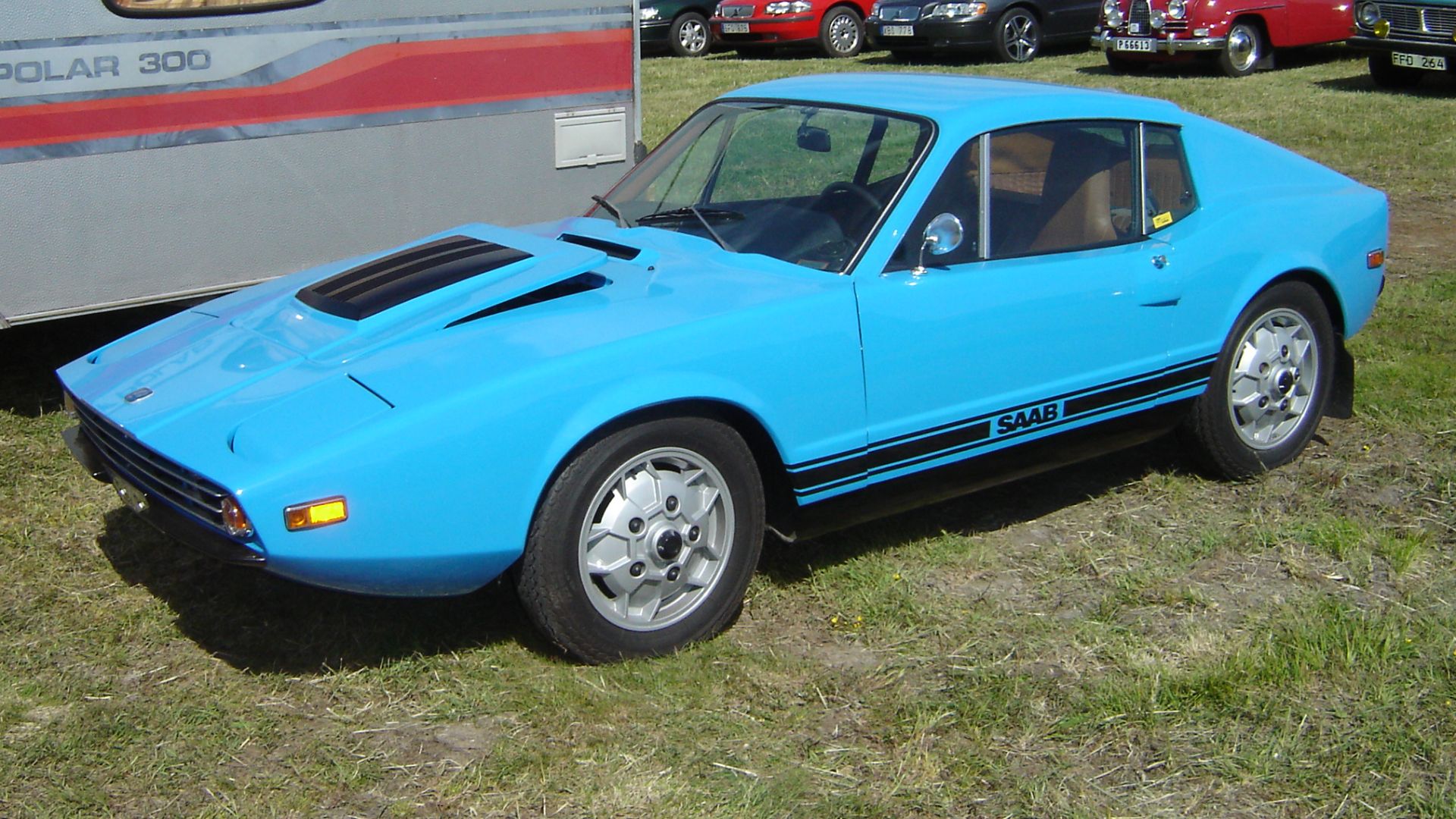
Yes, Saab made a little two-seat sports car. The Sonett III arrived in 1970 with a fiberglass body, pop-up headlights, and a Ford-sourced V4 engine. Only 8,368 were built before production ended in 1974. Even by Saab standards, this was an unusual thing to have in the driveway.
Studebaker Avanti
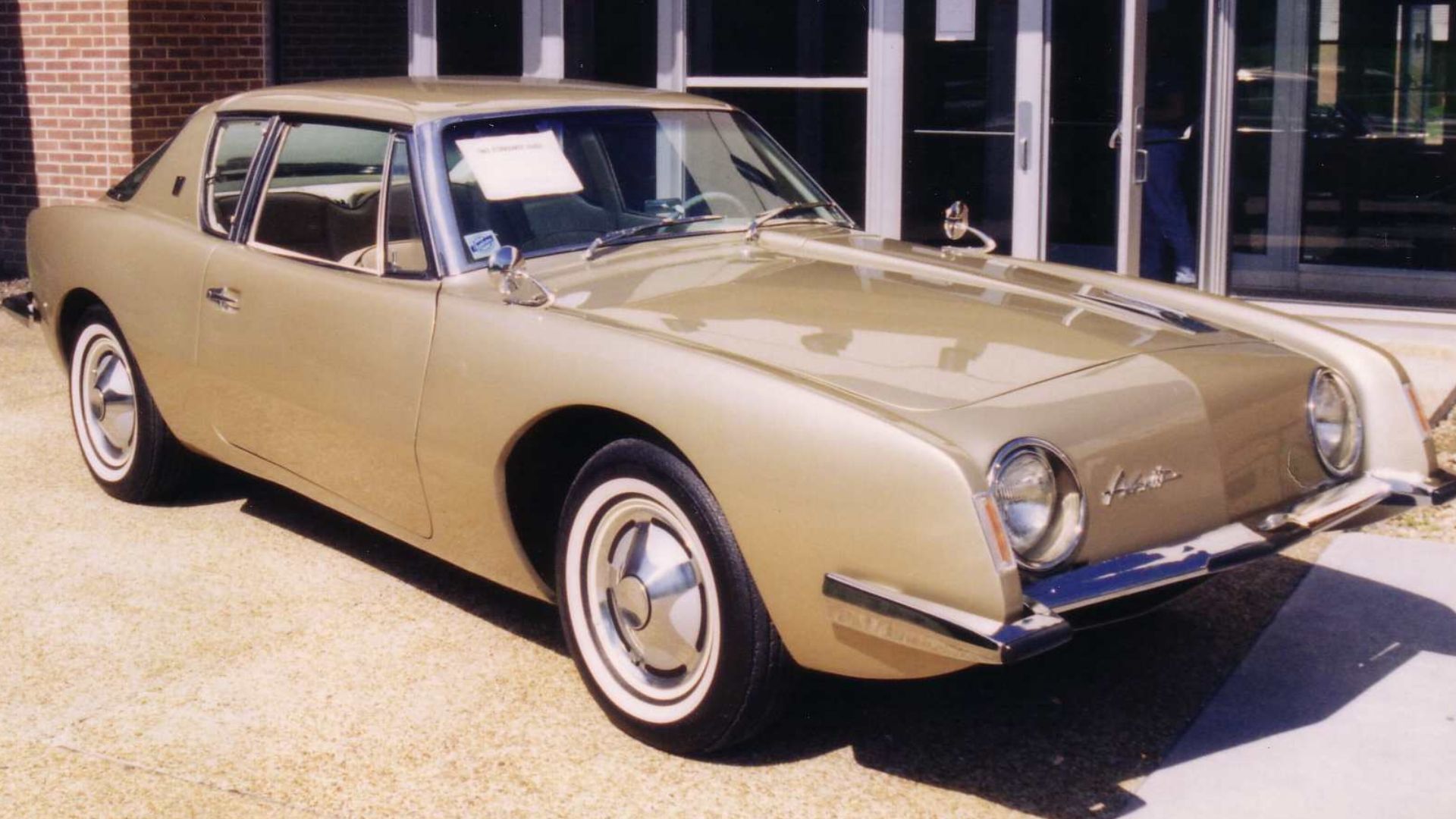
The Avanti looked like the future when Studebaker unveiled it in 1962. Unfortunately, the company didn’t have much future left. Studebaker built just 4,643 before its production run ended. Other owners later kept the design alive, but the original Studebaker version was never an everyday sight.
Jensen GT
Imagine a British sports car with a small wagon-style rear end, and you have the Jensen GT. Introduced in 1975, it offered a Lotus engine and room for more than a weekend bag. Just 511 were built before Jensen’s financial troubles brought production to a halt.
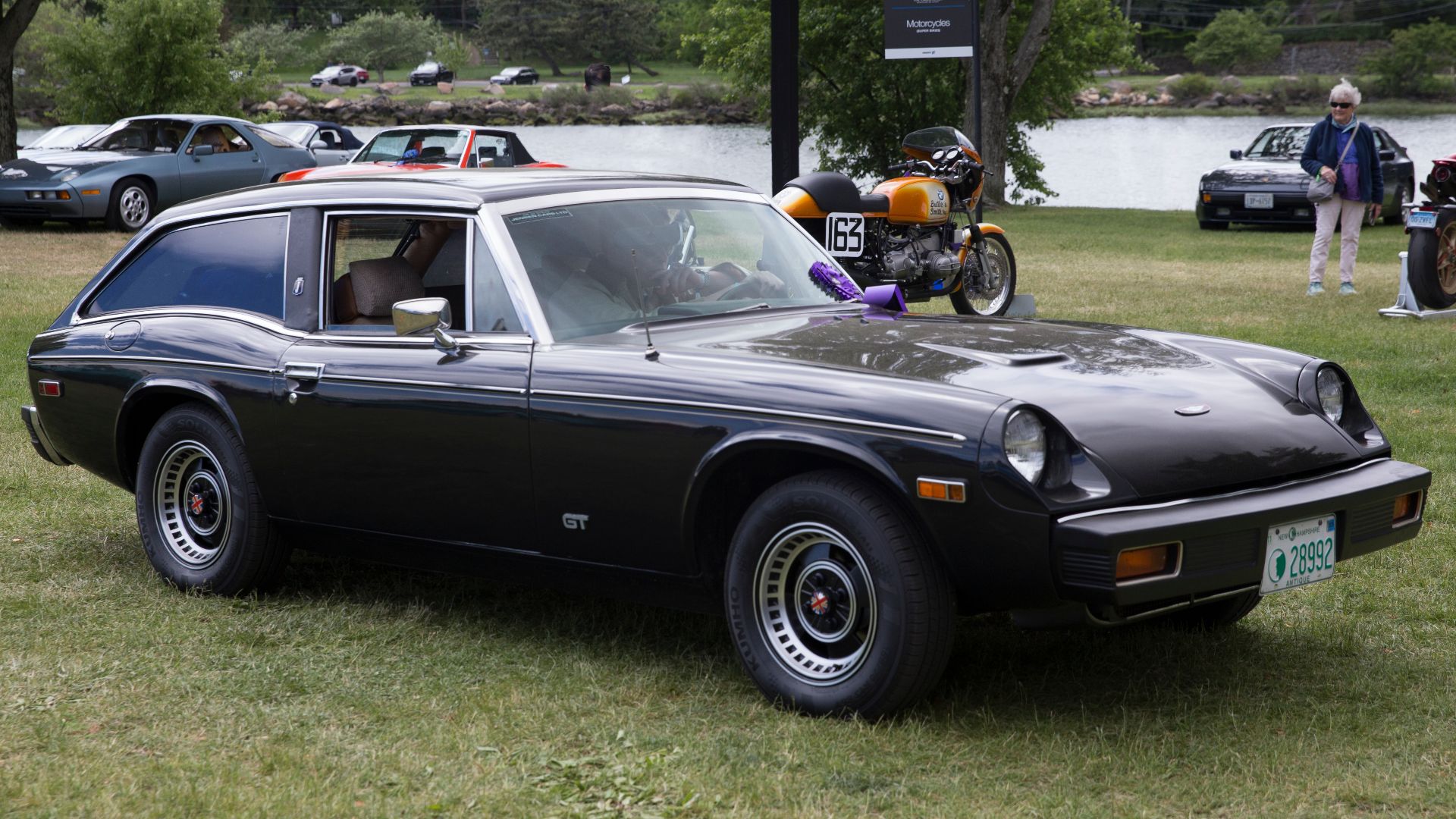 Mr.choppers, Wikimedia Commons
Subaru 360
Subaru’s first American offering wasn’t an all-wheel-drive wagon. It was this tiny, rear-engined bubble, imported beginning in 1968. The 360 found plenty of buyers in Japan, but its American venture was much smaller and less successful. Driving one here put you in a rather exclusive little club.
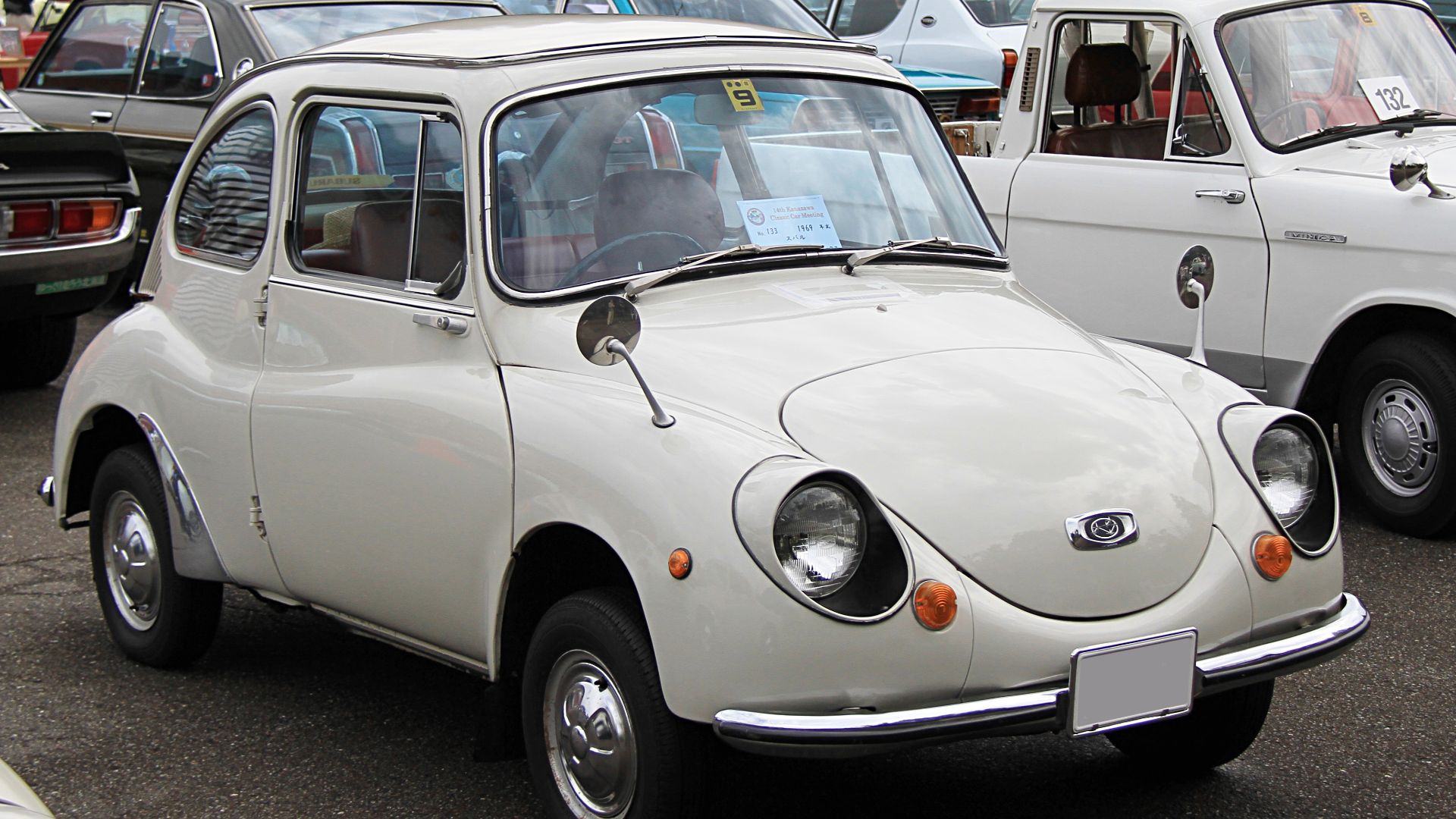
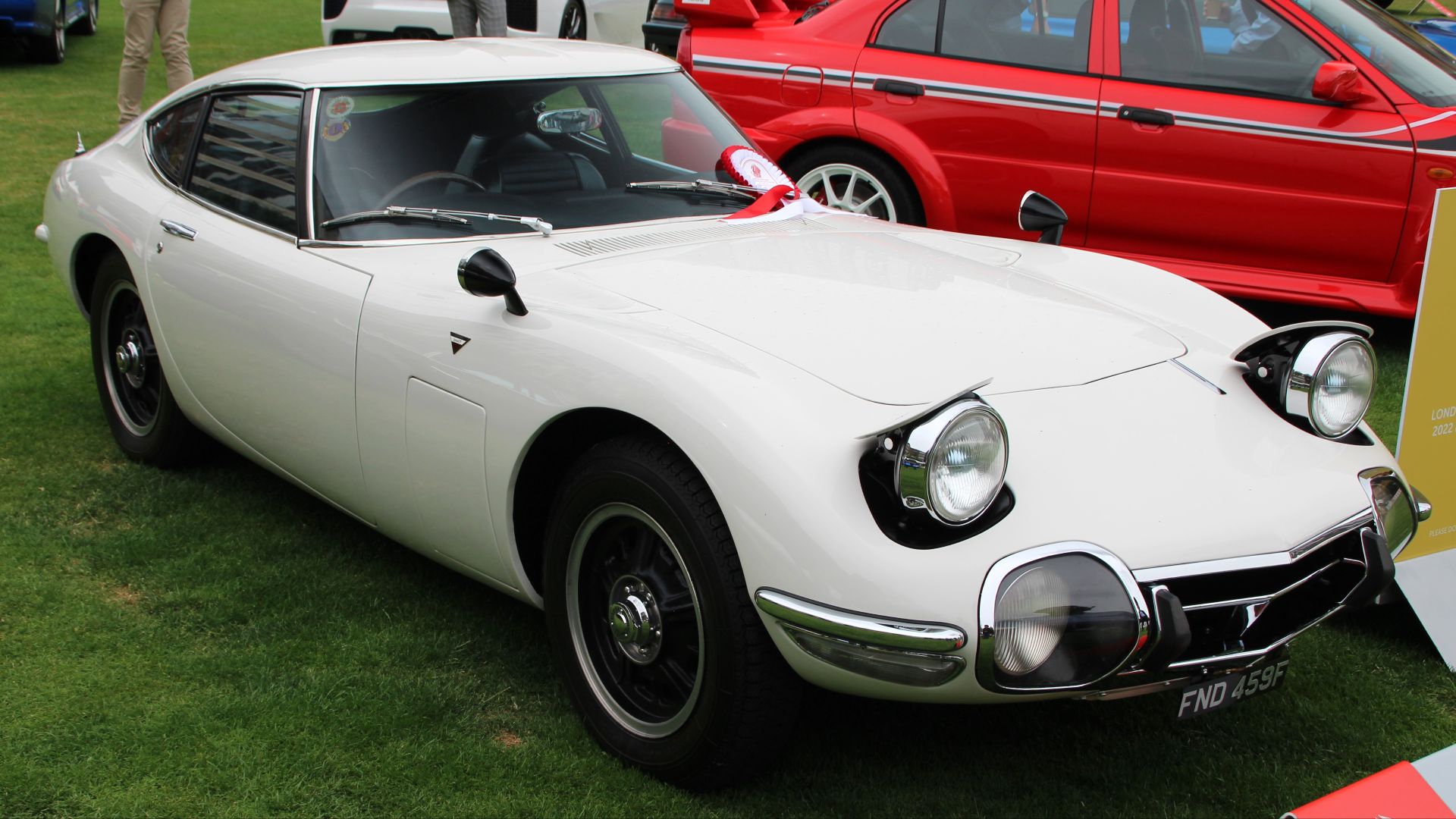
Toyota 2000GT
Back when many Americans were still learning the Toyota name, the company produced a sports car that looked ready to challenge Europe’s finest. Developed with Yamaha and sold from 1967, the 2000GT was expensive and exceptionally scarce. Toyota records just 337 production examples before the run ended in 1970.
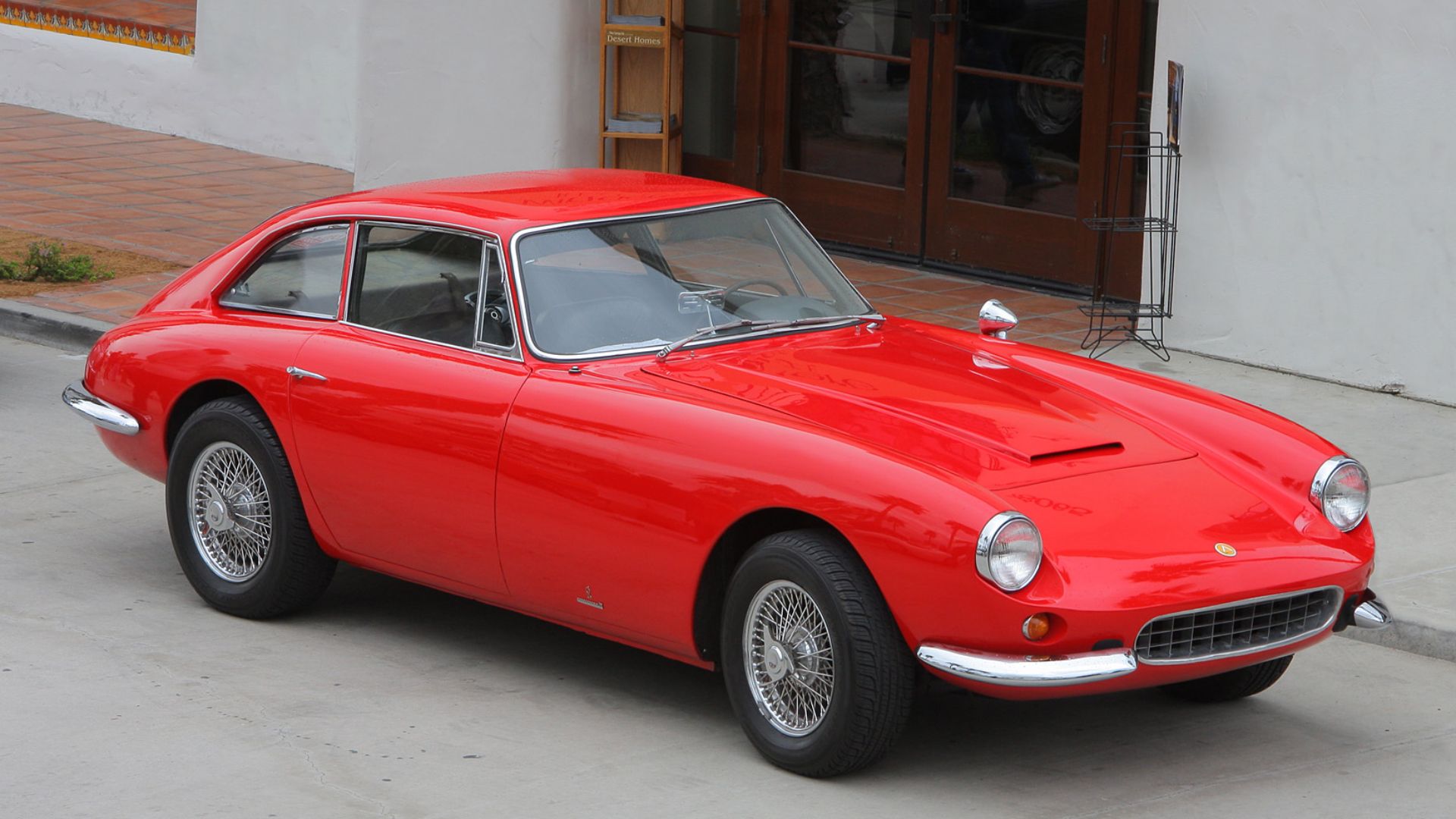
Apollo GT
The Apollo combined Italian bodywork with Buick V8 power, which sounds like a pretty appealing arrangement. This early-60s venture also had something less appealing: money problems. Production remained below 100 cars across its complicated history. If you drove one, you probably spent plenty of time explaining what it was.
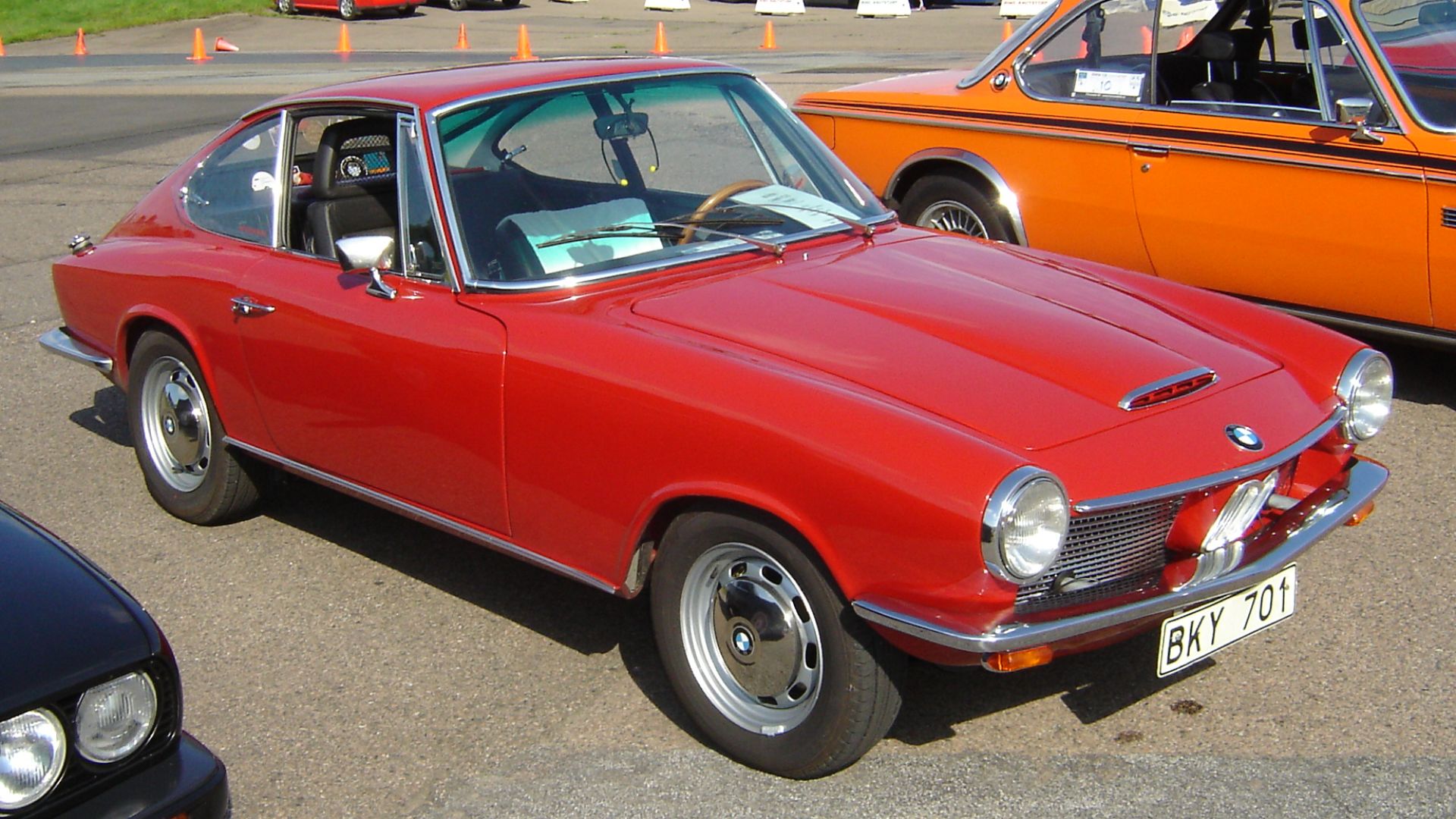
BMW 1600 GT
Even someone who knows old BMWs might pause at this one. After buying Glas, BMW reworked its stylish coupe with BMW mechanical components and that familiar kidney grille. The resulting 1600 GT was produced only in 1967 and 1968. Blink, and you missed an entire BMW model.
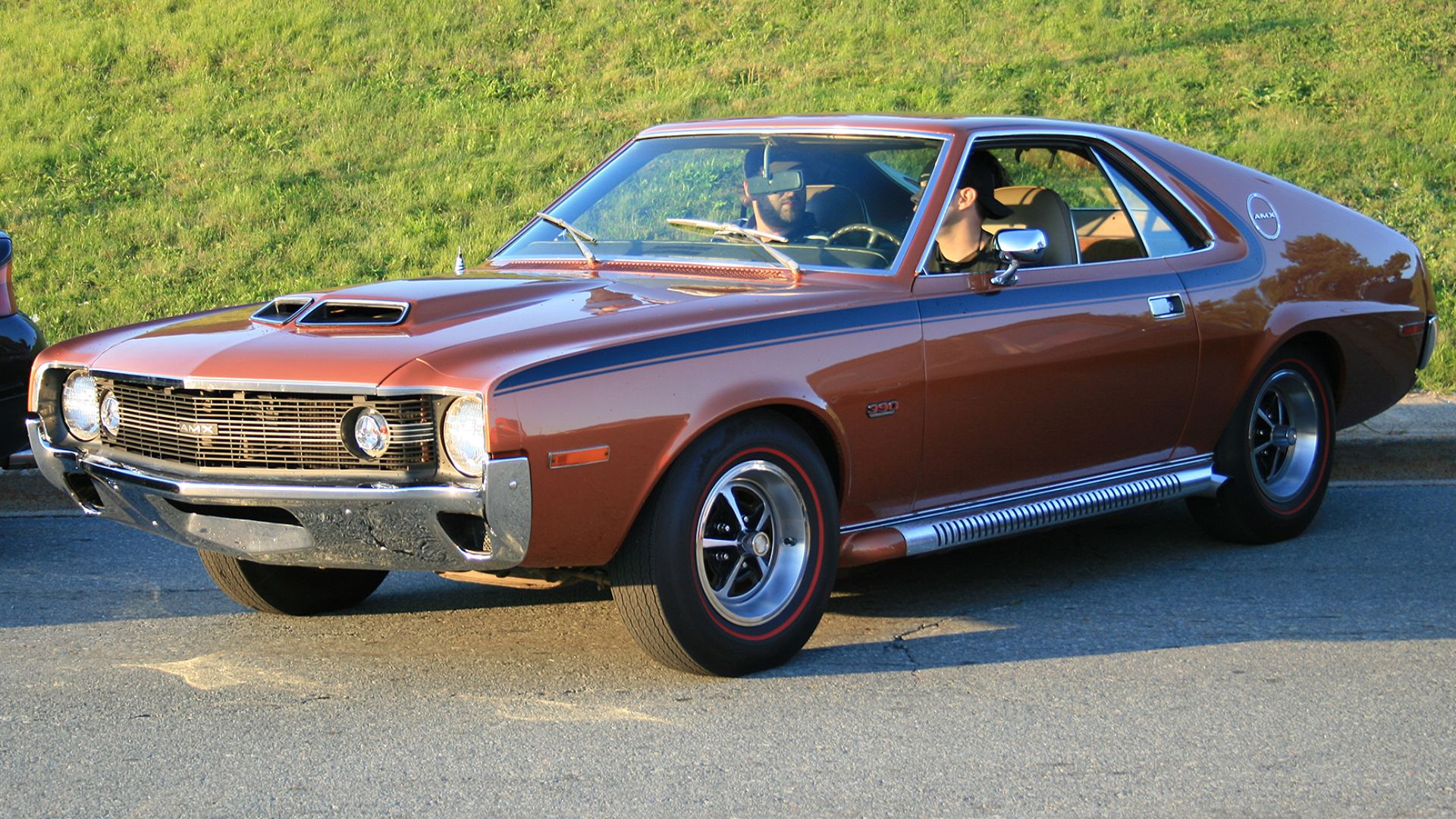
AMC AMX
Not every AMX badge belongs to this particular car. The original 1968–1970 AMX was a short, two-seat V8 coupe, with only 19,134 built. Later, AMC used the name on other models. These original two-seaters gave buyers something genuinely different from the usual Mustang-or-Camaro decision.
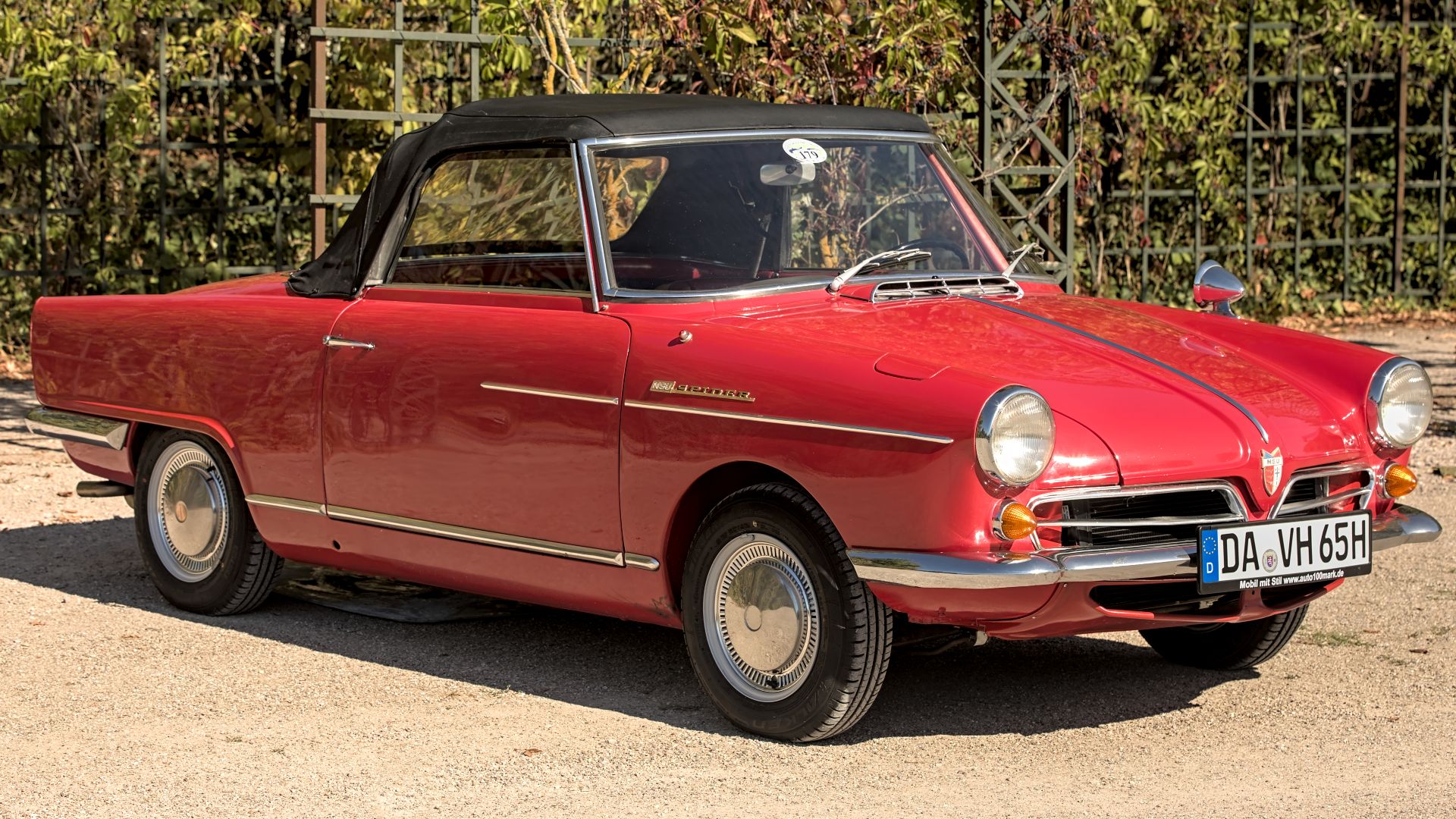
NSU Spider
Before Mazda became famous for rotary engines, Germany’s NSU put one in this little convertible. The Spider reached production in 1964, offering buyers something genuinely groundbreaking under its rear bodywork. Only 2,375 were made. Being ahead of your time apparently doesn’t guarantee a crowded showroom.
 Alexander Migl, Wikimedia Commons
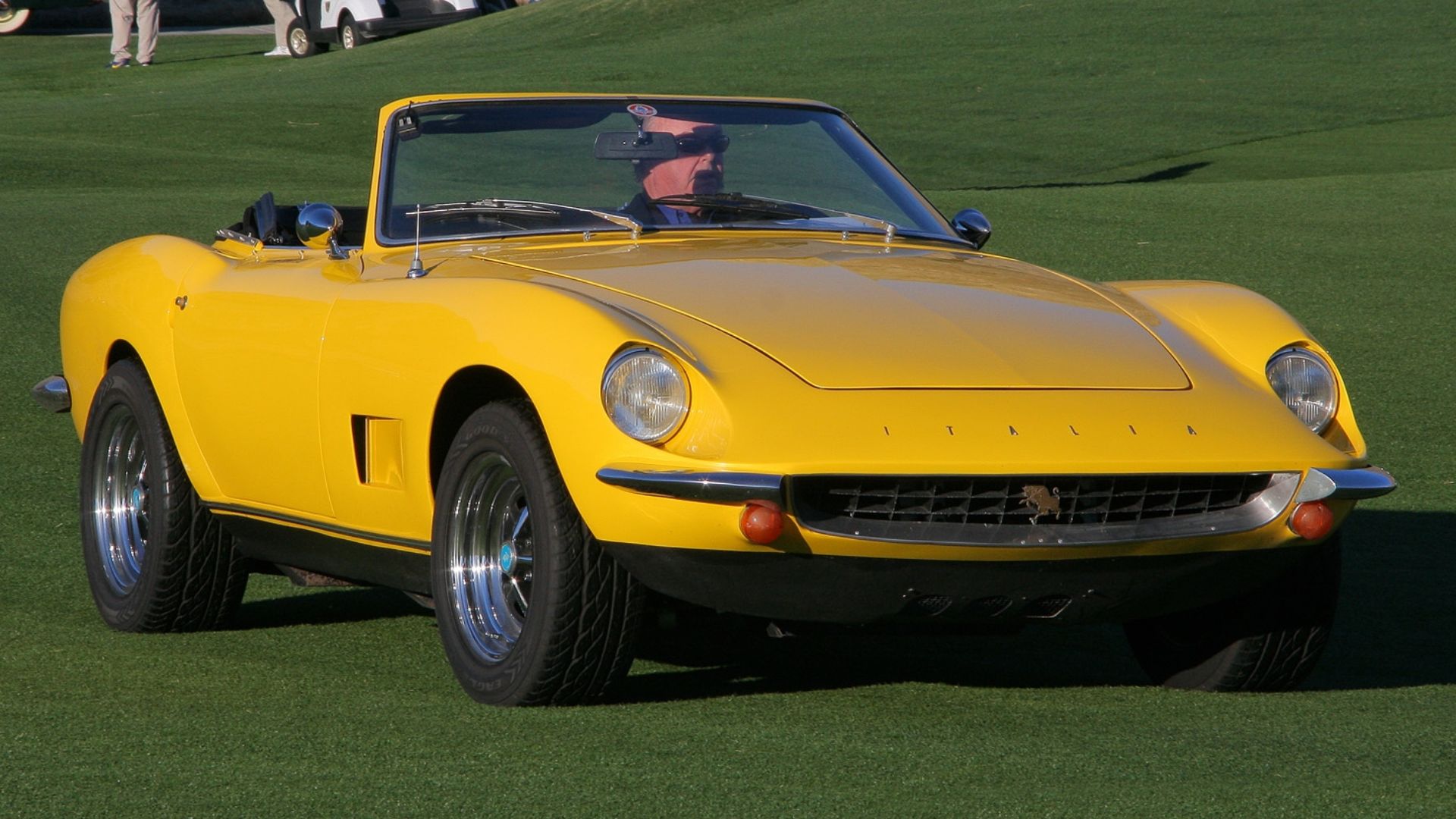
Intermeccanica Italia
The Italia offered beautiful Italian styling with familiar Ford V8 power. It reached American customers in 1968, but this was a small manufacturer building for a very small audience. Intermeccanica says almost 400 were sold in North America and Germany. Definitely not something the whole neighborhood was ordering.
 Rex Gray from Southern California, Wikimedia Commons
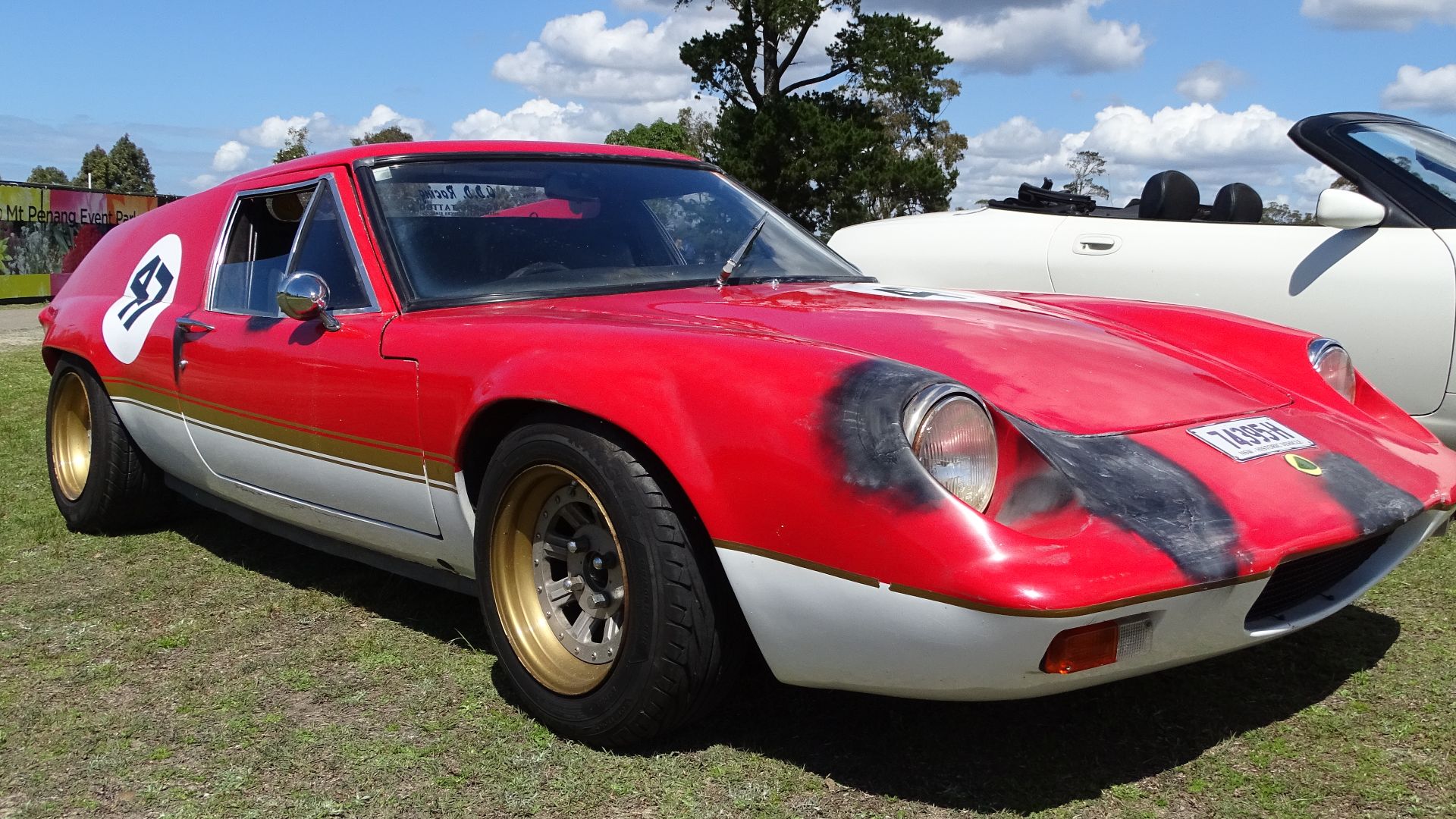
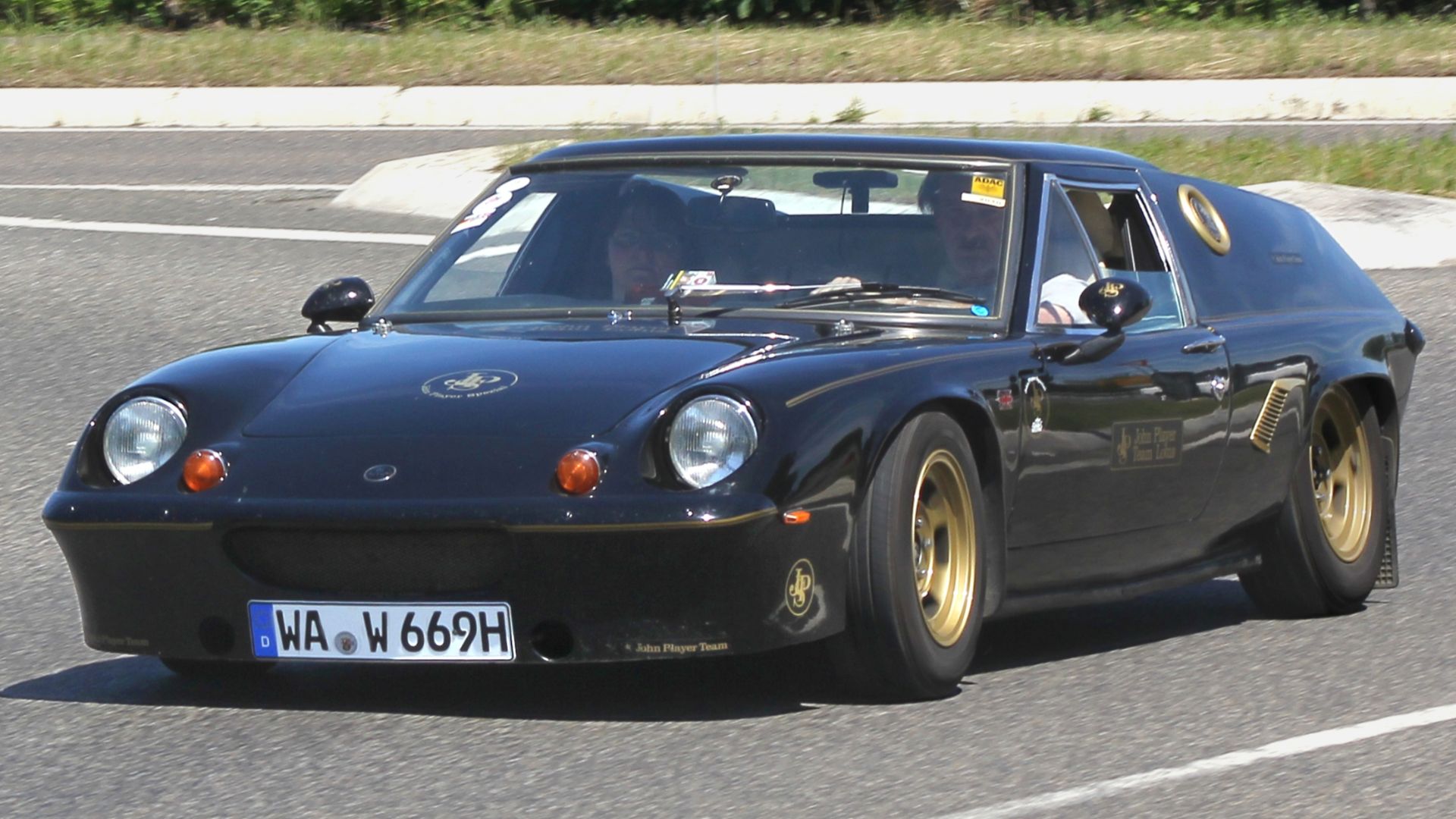
Lotus Europa
With its low nose and unusually tall rear bodywork, the Europa looked nothing like the family sedan. Introduced in 1966, it put the engine behind the occupants and kept weight down. Early versions even had fixed seats with adjustable pedals. Clearly, comfortable familiarity wasn’t the main selling point.
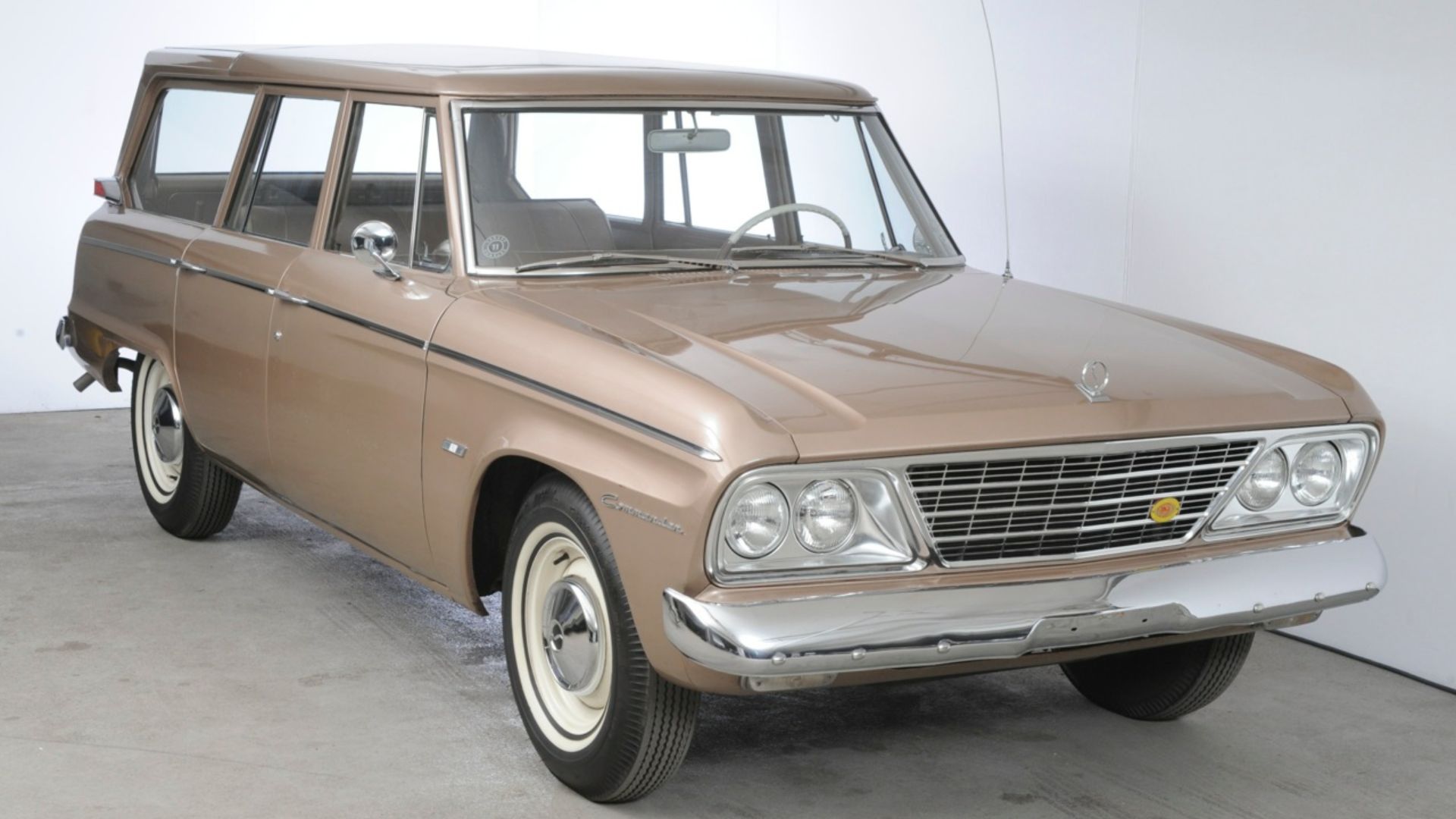
Studebaker Wagonaire
The sliding-roof Wagonaire arrived for 1963, allowing tall objects to stand upright in the back. Fixed-roof versions were also offered, but they didn’t have quite the same party trick. Production ended in 1966 with Studebaker’s departure from carmaking, leaving this unusual wagon with a very short showroom life.
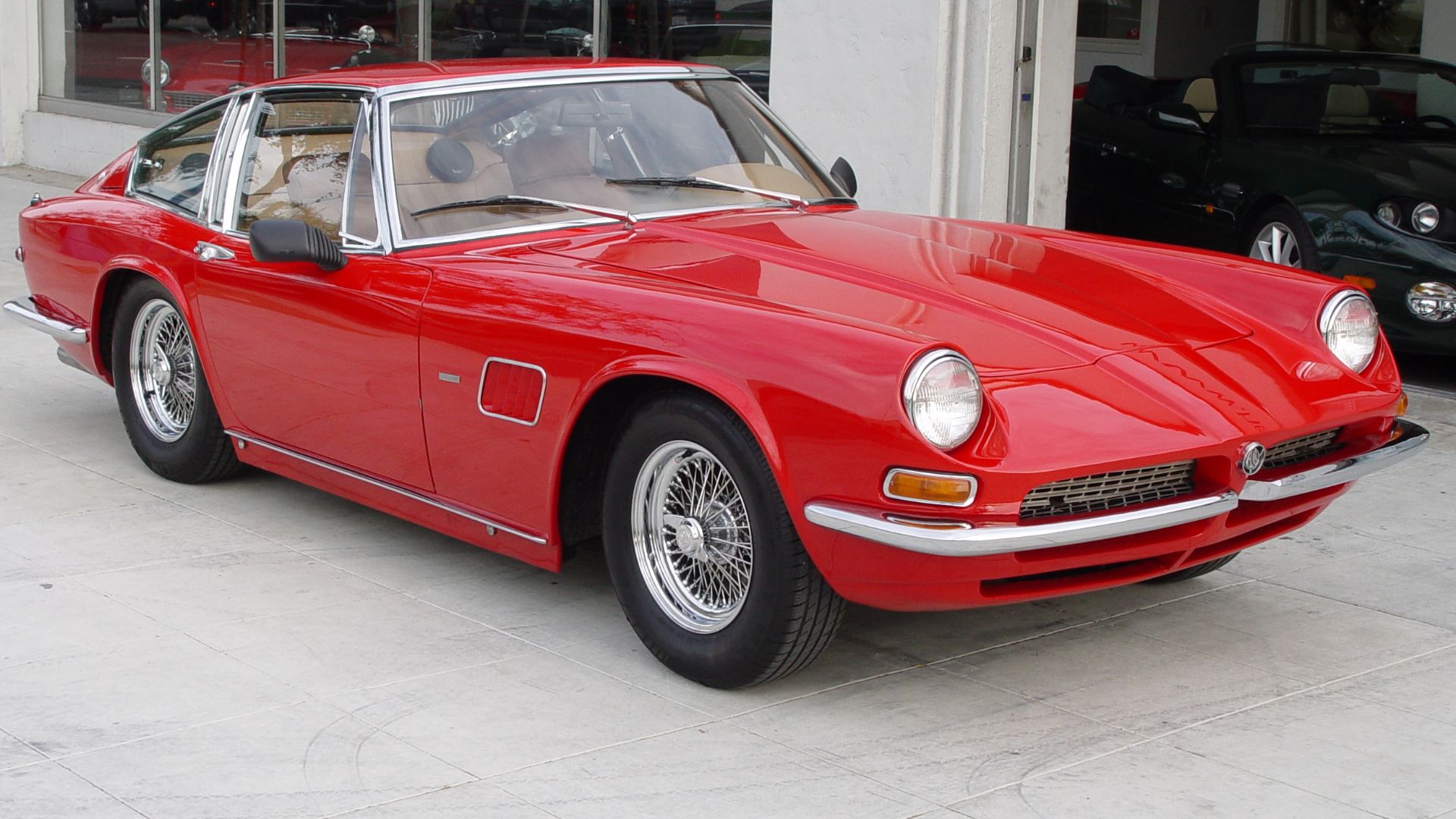
AC 428
You probably know the Cobra. The AC 428 is a much harder test. This luxurious relative combined a lengthened Cobra-derived chassis, Italian bodywork, and American V8 power. Just 81 were built between 1965 and 1973. Even people who regularly drove expensive cars could easily have missed this one.
 EmmanuelD at English Wikipedia, Wikimedia Commons
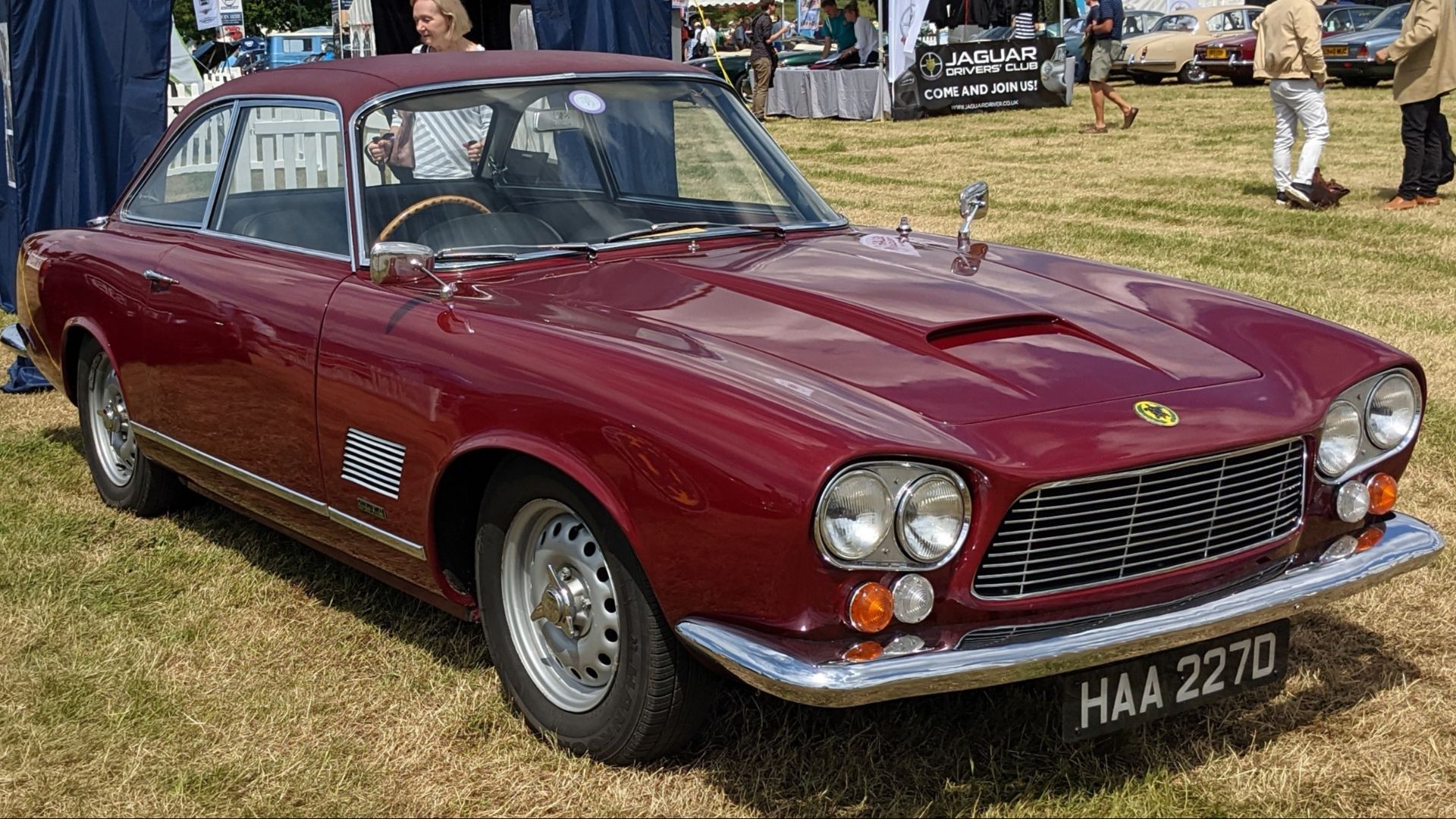
Gordon-Keeble
The name sounds more like an accounting firm than a fast British coupe. But the Gordon-Keeble combined Italian-designed styling with Chevrolet V8 power. Only 99 were factory-built, with a hundredth assembled later from leftover parts. A small owners’ gathering could cover a substantial percentage of production.
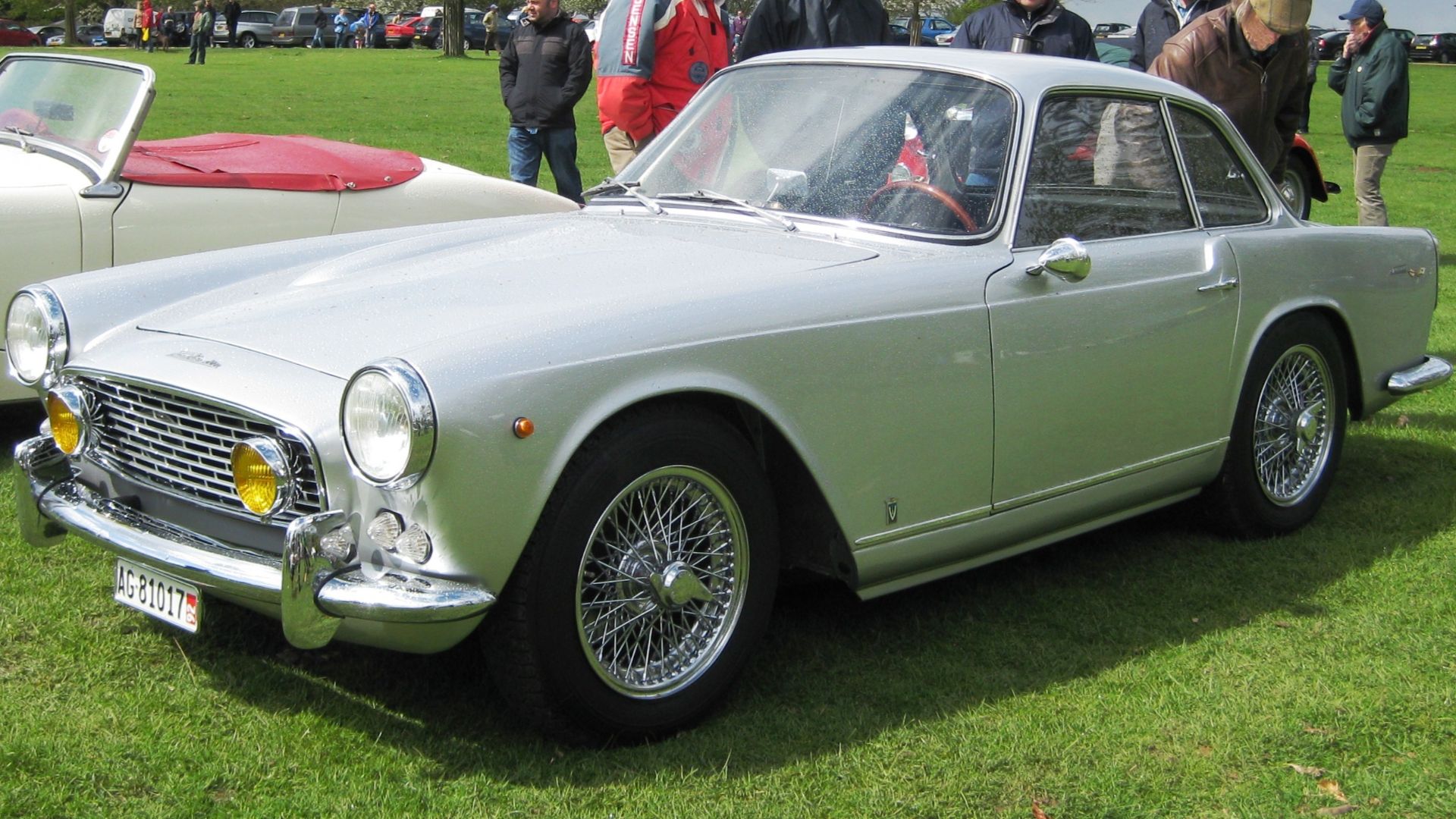
Triumph Italia
A familiar Triumph underneath didn’t make the Italia a familiar sight. This handsome coupe combined TR3 mechanical components with Italian-designed, hand-built bodywork. Production stretched from 1959 into the early 60s, totaling roughly 330 cars. The higher price helped keep it far rarer than the Triumph roadsters people actually recognized.
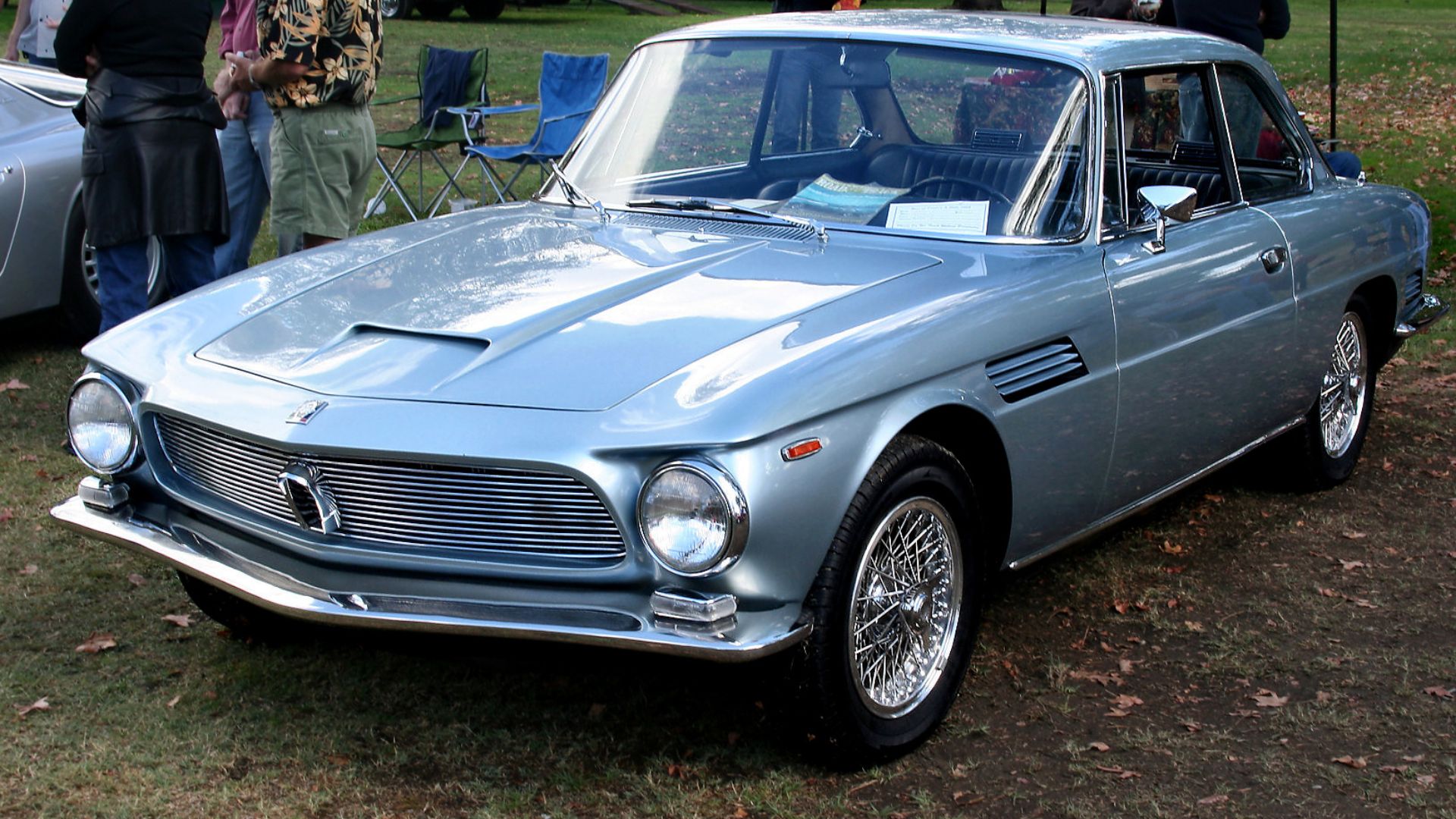
Iso Rivolta GT
Iso went from building tiny bubble cars to making sophisticated V8-powered grand tourers. That was quite a change in direction. Its 60s Rivolta GT paired Bertone bodywork with Chevrolet power, but production stayed in the hundreds. It was an exclusive alternative, not a car you stumbled across on every block.
 Rex Gray from Southern California, Wikimedia Commons
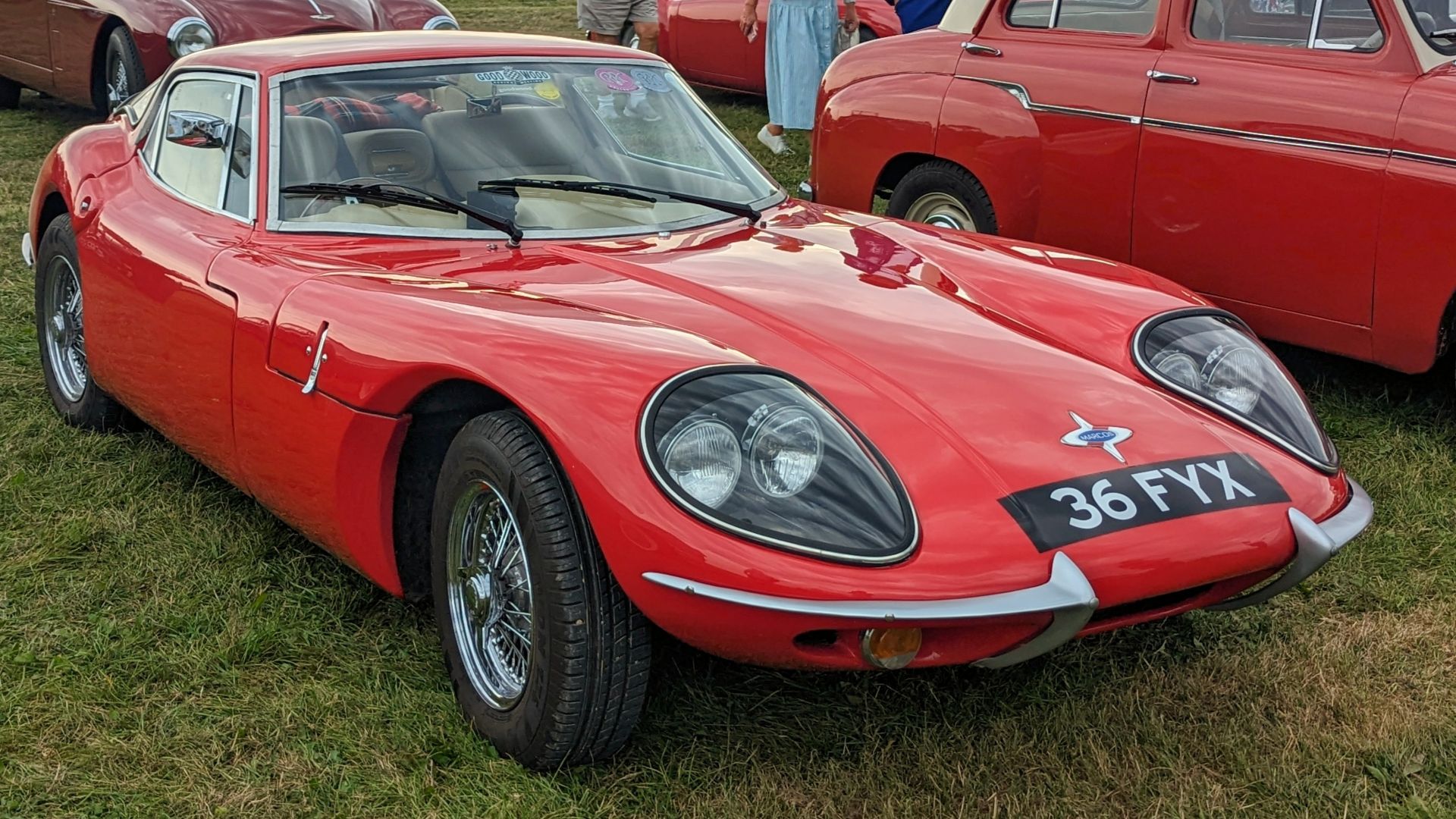
Marcos 1800 GT
The Marcos looked exotic enough from the outside. Underneath, the early 1800 GT had something even more surprising: a plywood chassis. Introduced in 1964 with Volvo power, the original model numbered only about 100 cars. Finding someone who drove one might be harder than finding someone who recognizes the name.
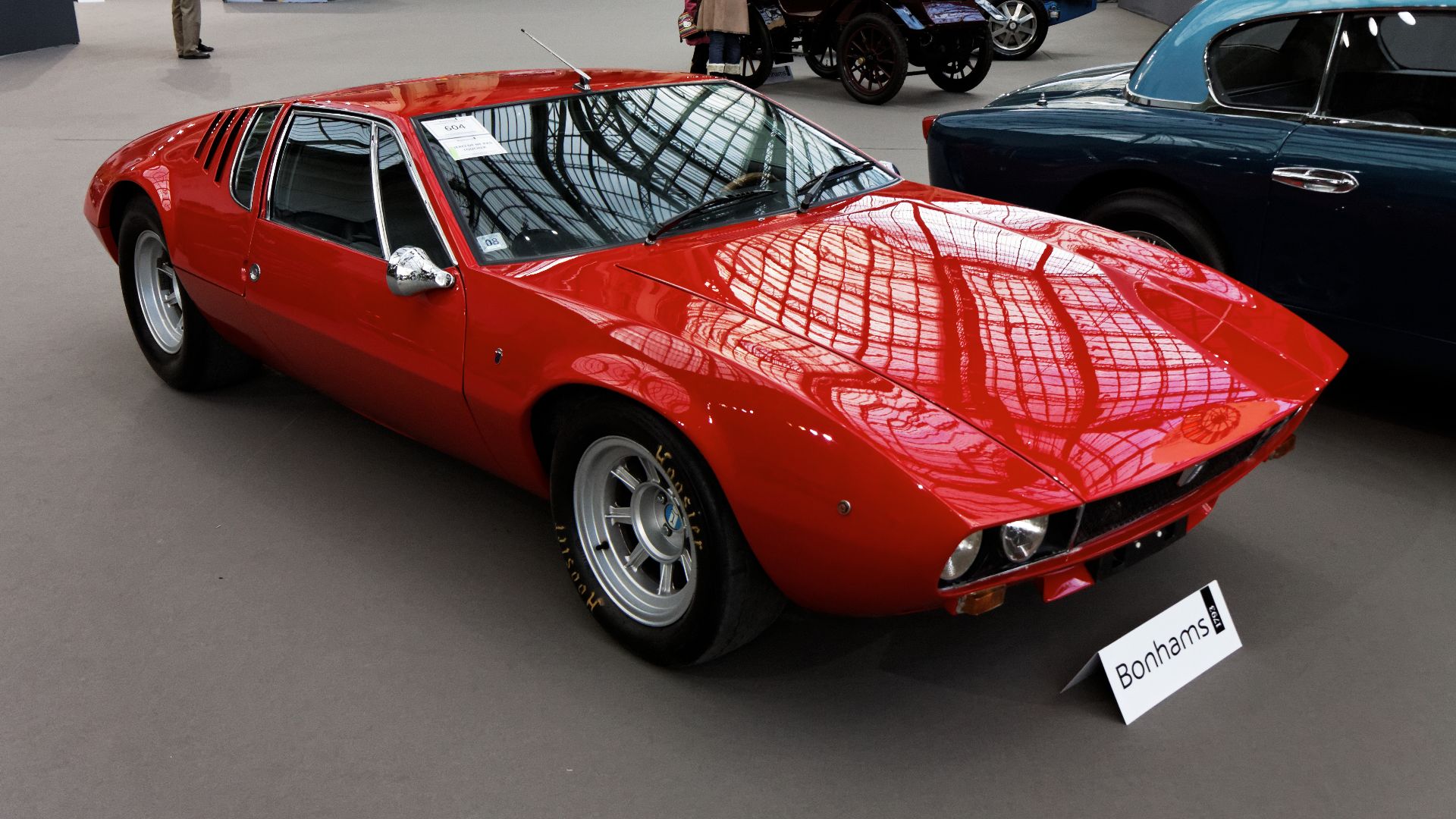
De Tomaso Mangusta
Before the better-known Pantera, De Tomaso produced the Mangusta. Its dramatic rear covers opened upward to reveal the mid-mounted Ford V8, giving owners quite a show whenever they checked the engine. Production amounted to only a few hundred cars. Seeing one was unusual; being handed the keys was another matter.
 Thesupermat, Wikimedia Commons
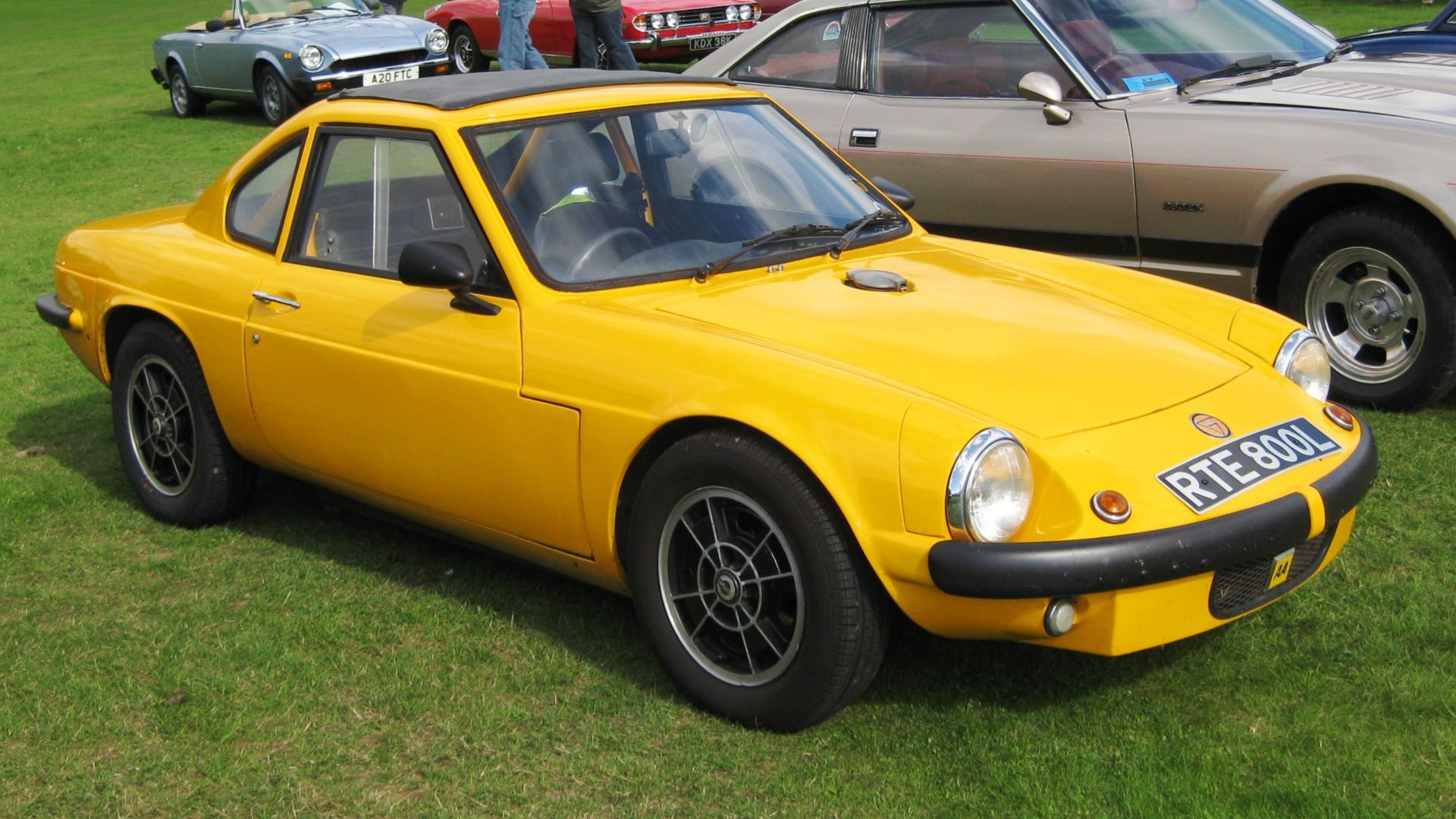
Ginetta G15
Unveiled in 1967, this tiny British coupe reached full production in summer 1968 with its small Imp-derived engine at the rear. Ginetta was still a small operation, though. Even at a production high in 1972–1973, it built just 159 G15s over roughly nine months.
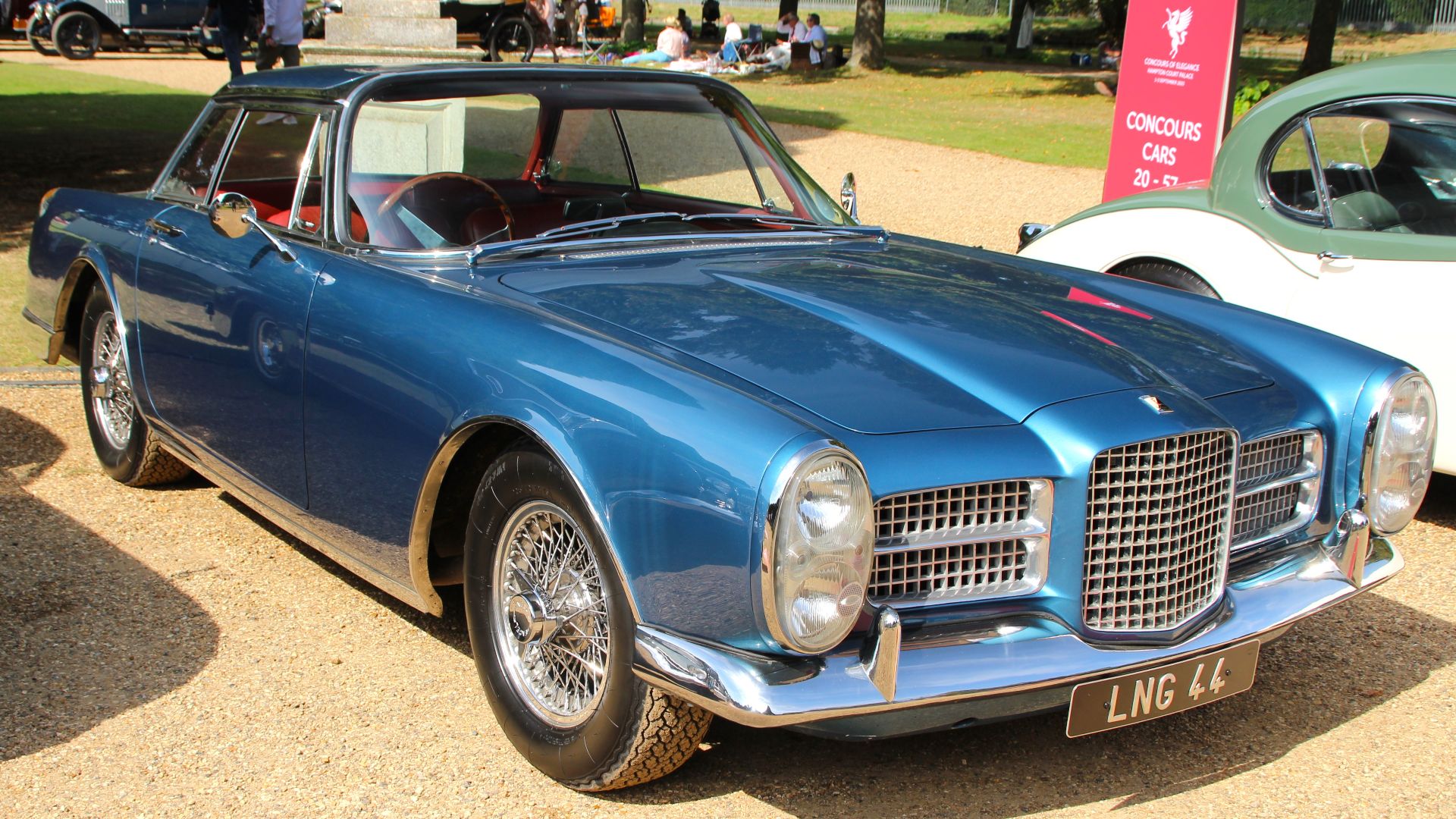
Facel Vega Facel II
French luxury styling and a big Chrysler V8 made the Facel II an interesting proposition in the early 60s. Unfortunately, its manufacturer was struggling, and the model lasted only from 1962 through 1964. This wasn’t a forgotten family car. It was an expensive, low-volume machine most families never considered.
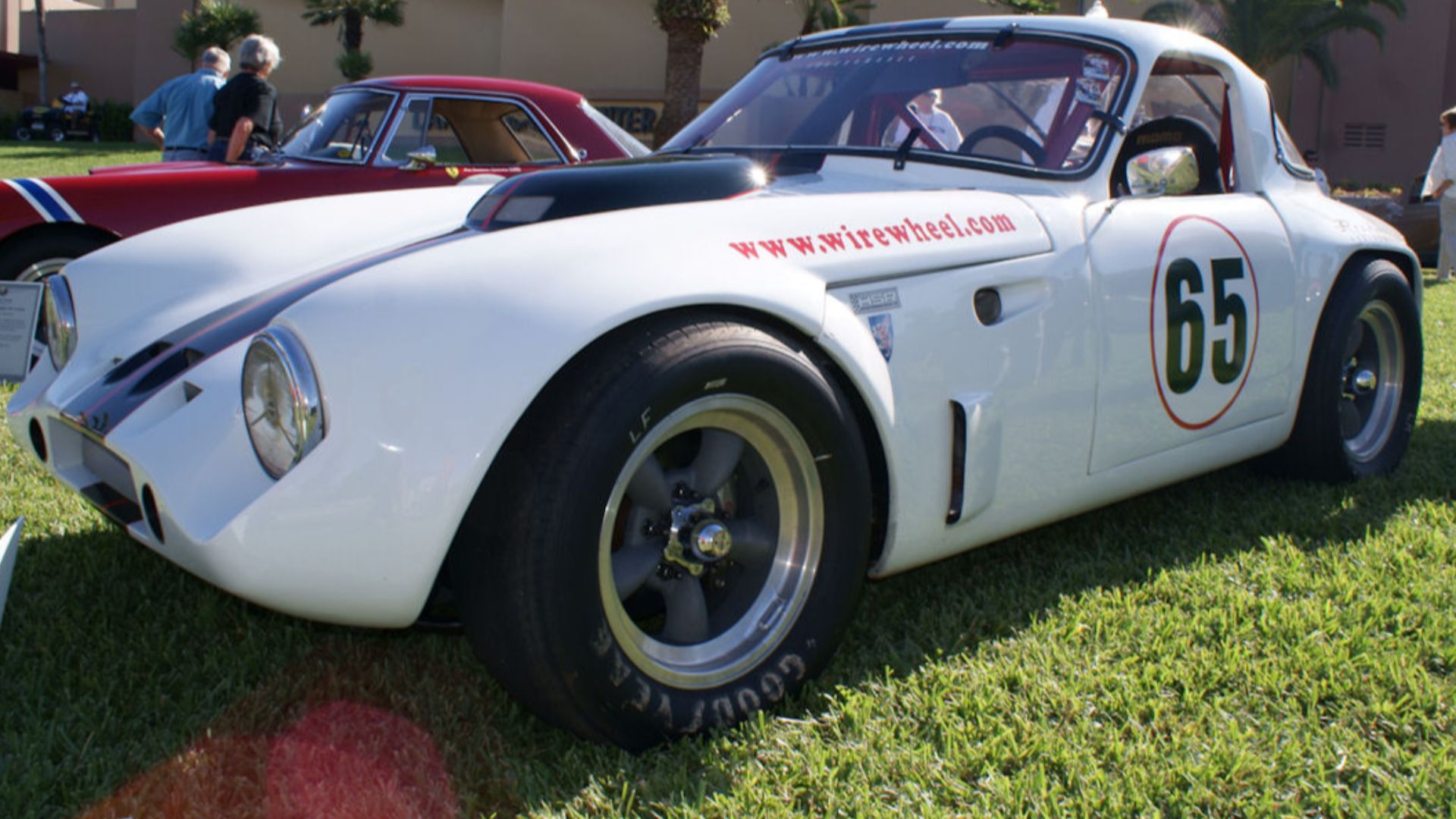
Griffith Series 200
Take a small British TVR, squeeze in a Ford V8, and you have the basic idea behind the Griffith Series 200. Sold in America under the Griffith name, it arrived in the mid-60s. The combination delivered serious excitement, but production was tiny compared with the muscle cars filling American dealerships.
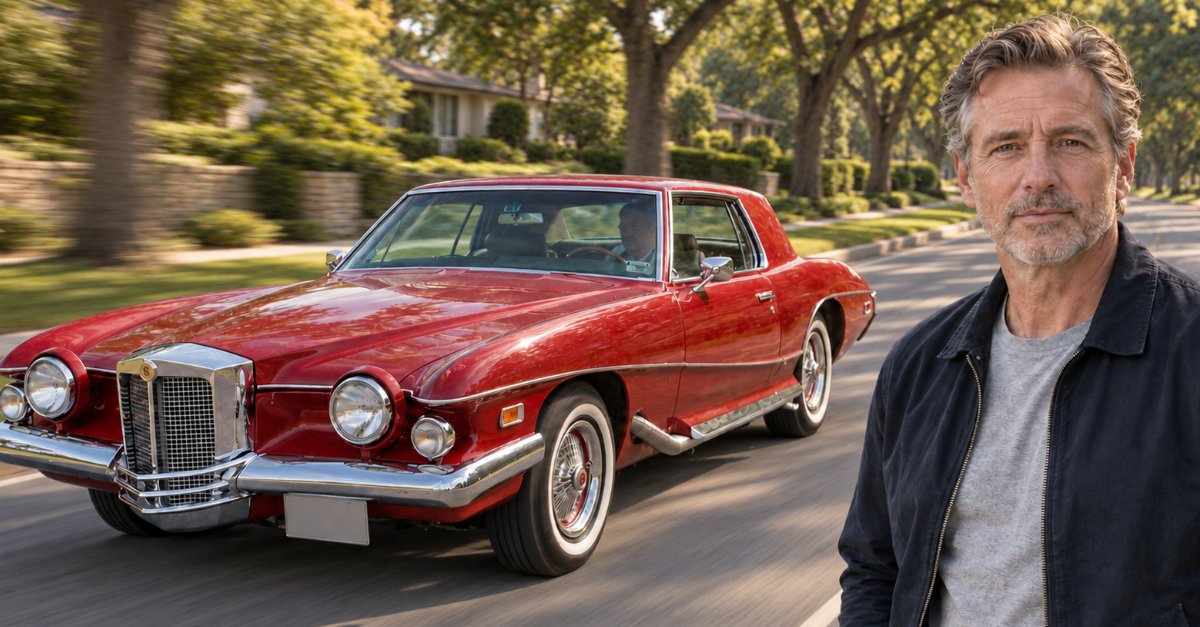
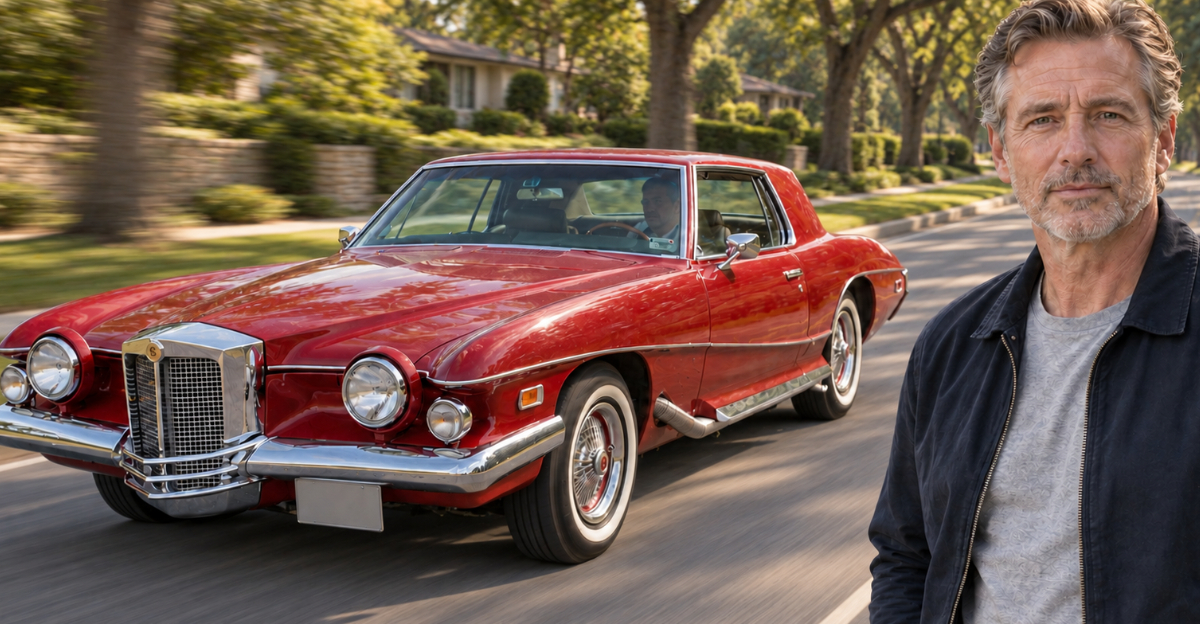
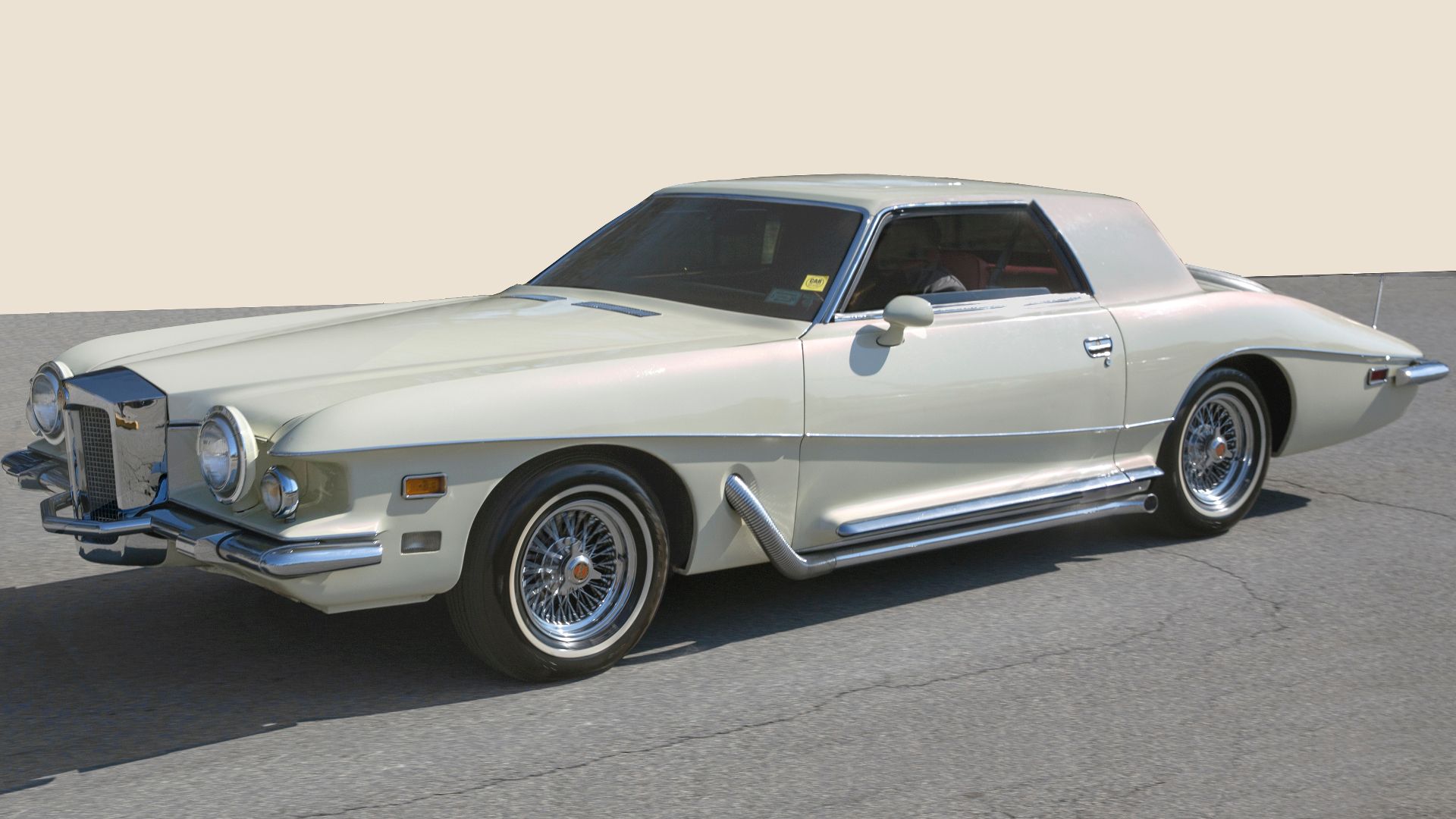
Stutz Blackhawk
If you remember the Blackhawk, there’s a decent chance Elvis had something to do with it. The revived Stutz appeared in the early 70s with extravagant Italian-built bodywork and an equally extravagant price. It attracted celebrities and wealthy buyers, not the people comparing monthly payments on a sensible sedan.
 Mr.choppers, Wikimedia Commons
So, Did You?
So, did you drive even one? Because if you did, we might just be impressed… and a little jealous. Tell us about it.
 Lothar Spurzem, Wikimedia Commons
You Might Also Like:
Cars From The Y2K Era That Looked Futuristic Then And Are Hilariously Dated Today
A Classic Revisited: The 1963 Buick Riviera
Affordable Cars From The 2000s That Quietly Became Impossible To Find In Good Shape